
Netherlands Budget Guide 2026: Complete Cost Breakdown
Planning a trip to the Netherlands in 2026 requires understanding the full spectrum of travel costs, from Amsterdam’s canal-side hotels to regional train fares and museum admissions. This comprehensive budget guide breaks down daily expenses across accommodation, transportation, dining, and attractions, helping you allocate resources effectively whether you’re backpacking through Dutch cities or exploring UNESCO World Heritage sites like Kinderdijk’s windmills and the Wadden Sea.
Key Takeaways
- Daily Budget Range: Budget travelers spend €100-130 per person daily, mid-range travelers €150-220, and luxury travelers €300+ (excluding accommodation)
- Accommodation Peaks: Amsterdam hotels range €80-180 in winter, €180-350 in summer; book 3-4 months ahead for peak season savings
- Public Transport Value: Multi-day GVB passes (€10-43 for 1-7 days) and NS train tickets (€10-20 intercity routes) offer excellent value compared to taxis
- Museum Strategy: Major museums cost €20-25 admission; I amsterdam City Card (€65-90) pays off with 3+ museum visits plus public transport
- Seasonal Savings: January-February visits cut accommodation costs 40-50% versus summer peaks, while shoulder seasons (March-April, September-October) balance weather and budget
- Hidden Costs: Tourist tax (€3-7 per person per night), train ticket price increase of 6.5% in 2026, and restaurant service expectations (10% tip optional)
People Also Ask About Netherlands Budget 2026
How much money do I need per day in the Netherlands in 2026?
Budget travelers need €100-130 per day excluding accommodation, covering public transport (€8-10), budget meals (€25-40), one museum (€20-25), and incidentals. Mid-range travelers should budget €150-220 daily for sit-down restaurant meals (€45-70), multiple attractions, and occasional taxis. Luxury travelers easily spend €300+ with fine dining, private tours, and premium experiences. These costs reflect the 6.5% public transport price increase and general 2026 inflation.
What’s the cheapest month to visit the Netherlands in 2026?
January and February offer the lowest costs in 2026, with Amsterdam mid-range hotel rates dropping to €100-180 per night compared to €180-350 in July-August. Flight prices decrease 30-40% compared to summer, and attractions have immediate availability without advance booking. Trade-offs include shorter daylight hours, potential rain, and some seasonal closures. March and early November provide shoulder season compromises with moderate pricing (15-20% below peak) and better weather than deep winter.
Is Amsterdam more expensive than other Dutch cities in 2026?
Amsterdam costs 25-40% more than Rotterdam, Utrecht, or The Hague across all categories. Amsterdam hostel beds cost €25-50 versus €18-35 elsewhere, mid-range hotels €150-300 versus €100-200, and restaurant meals €15-30 versus €12-22. However, Amsterdam offers the densest concentration of attractions, best public transport connections, and most international flight options. Consider basing in Utrecht or Haarlem (20-30 minutes by train) for 15-25% savings while accessing Amsterdam easily.
How much should I budget for food per day in the Netherlands in 2026?
Budget €25-40 daily for budget eating (supermarket breakfast €5-8, lunch €8-12, dinner €12-20), €45-70 for mid-range dining (café breakfast €10-15, casual lunch €15-25, sit-down dinner €20-30), or €80-120+ for upscale meals. Grocery costs average €250-350 monthly for self-catering. Albert Heijn and Jumbo supermarkets offer quality products at reasonable prices. Street food from Albert Cuyp Market or Indonesian takeaway (€8-15) provides authentic experiences on budget.
Extended multi-day tours – 5+ days
Featured Netherlands Multi-Day Tour Packages

5 days
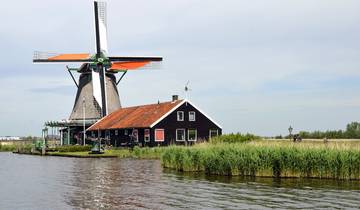
Around Amsterdam in 5 Days
- ✓ Comprehensive Netherlands tour
- ✓ Expert local guides included
- ✓ All accommodation arranged
- ✓ Transportation provided
6 days
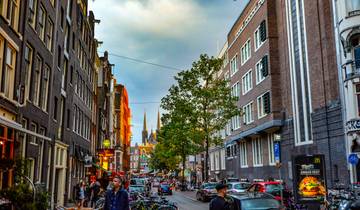
6 Day Amsterdam and Beyond Self-Adventure
- ✓ Comprehensive Netherlands tour
- ✓ Expert local guides included
- ✓ All accommodation arranged
- ✓ Transportation provided
7 days
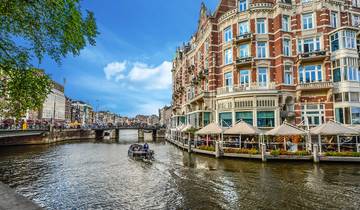
Best of Holland
- ✓ Comprehensive Netherlands tour
- ✓ Expert local guides included
- ✓ All accommodation arranged
- ✓ Transportation provided
5 days
5-Day Amsterdam Including Rotterdam and Giethoorn
- ✓ Comprehensive Netherlands tour
- ✓ Expert local guides included
- ✓ All accommodation arranged
- ✓ Transportation provided
Multi-day tour packages powered by TourRadar. Prices and availability subject to change.
Introduction
The Netherlands combines efficient infrastructure, compact geography, and rich cultural offerings into one of Europe’s most rewarding travel destinations. Understanding 2026 budget realities helps travelers maximize experiences while controlling costs in a country where strategic planning yields significant savings.
This guide draws on verified 2026 pricing for accommodation, transportation, museums, and dining across Amsterdam, Rotterdam, Utrecht, The Hague, and smaller cities. The 6.5% train fare increase announced by NS rail operator and general inflation affecting accommodation and dining require updated budgeting compared to previous years. Successfully navigating Dutch travel costs means understanding seasonal pricing patterns, leveraging public transport efficiency, and choosing between Amsterdam’s convenience and regional cities’ better value.
The Netherlands operates as a largely cashless society, with many establishments accepting only card payments. Budget planning should account for tourist taxes (€3-7 per person per night in most cities), the disappearance of cash-only bargains, and premium pricing in tourist zones. However, the country’s excellent public transport network, free attractions along Amsterdam’s canal ring, and affordable regional museums create opportunities for budget optimization without sacrificing quality experiences.
From backpackers staying in €25-50 hostel beds to luxury travelers in €400+ canal-side hotels, the Netherlands accommodates all budget levels. This guide provides specific 2026 costs across categories, helping you construct realistic daily budgets, identify money-saving opportunities, and make informed choices about where to allocate your travel spending for maximum value and enjoyment.
Understanding Netherlands Travel Costs in 2026
The Netherlands positions as a moderately priced European destination, more expensive than Portugal or Poland but less costly than Switzerland or Scandinavia. Within the country, Amsterdam commands premium pricing while regional cities offer 20-30% savings. Budget travelers manage on €100-130 daily, mid-range travelers spend €150-220, and luxury travelers easily exceed €300 per day excluding accommodation.
The country’s compact size (under 200 kilometers between most major sites) reduces transportation costs significantly compared to larger European nations. However, popular tourist zones in Amsterdam’s canal ring and museum district apply premium pricing for accommodation and dining. Understanding these geographic cost variations helps budget-conscious travelers achieve better value.
Key Cost Categories for 2026
Accommodation: Represents 30-50% of most travel budgets. Amsterdam hostel dormitories cost €25-50 per night, private rooms in budget hotels €80-150, mid-range hotels €150-300, and luxury properties €300-600+. Regional cities offer similar quality at 25-40% lower rates.
Food: Budget €25-40 daily for self-catering and budget meals, €45-70 for mid-range restaurant dining, or €80-120+ for upscale experiences. Supermarket prices remain reasonable, with weekly groceries costing €50-80 for basic provisions.
Transportation: Public transport delivers excellent value. Amsterdam GVB day passes cost €10, multi-day passes €16-43 (1-7 days). Intercity train tickets run €10-20 for most routes after the 6.5% price increase. Taxis cost €2.50 base fare plus €2-3 per kilometer, making them expensive for regular use.
Attractions: Major museums charge €20-25 admission. The I amsterdam City Card (€65 for 24 hours, €85 for 48 hours, €90 for 72 hours) includes public transport plus entry to Rijksmuseum, many other museums, and canal cruises, paying off with 3+ museum visits.
Hidden Costs: Tourist tax varies by city (Amsterdam €7 per person per night, Rotterdam €3-4, Utrecht €5), adding €21-49 to week-long stays. Restaurant tipping remains optional but 10% is appreciated for good service. ATM fees from non-Dutch banks average €3-5 per withdrawal.
Seasonal Budget Considerations 2026
Timing dramatically impacts Netherlands travel costs. Summer peak season (June-August) brings highest prices, spring tulip season (March-April) commands premium rates, and winter (November-February) offers deepest savings with weather trade-offs.
Peak Season: June-August 2026
Amsterdam mid-range hotels reach €180-350 per night, requiring 3-4 months advance booking for best rates. Flights from major European cities cost €150-300 return, North American flights €600-900 return. Museum tickets require advance booking 2-3 weeks ahead for popular sites like Anne Frank House (€16) and Van Gogh Museum (€25).
Restaurant reservations become essential for dinner in popular areas. Shoulder-to-shoulder crowds at Rijksmuseum, canal tour waiting times of 45-90 minutes, and fully booked hotels define peak season reality. Budget travelers find few deals, with even hostel dormitories reaching €40-50 per night.
Shoulder Season: March-April and September-October 2026
Hotel rates drop 20-30% below peak season, with Amsterdam mid-range properties at €120-220 per night. Tulip season (late March-April) partially maintains higher pricing due to Keukenhof Gardens visitors, but September-October delivers better budget value with pleasant weather.
Advance booking remains important but 2-3 weeks suffices versus 3-4 months in summer. Museums maintain regular hours with manageable crowds. Restaurant availability improves, and spontaneous travel becomes viable. Budget travelers benefit from €30-40 hostel beds and occasional hotel deals.
Low Season: November-February 2026
January-February offers maximum savings with Amsterdam hotel rates at €100-180, representing 40-50% discounts versus summer. Flight deals from European cities drop to €80-150 return. Museums provide immediate walk-up entry, restaurants welcome walk-ins, and tourists virtually disappear from major sites.
Trade-offs include 8-9 hours daylight (versus 16-17 in summer), frequent rain, temperatures of 2-8°C, and some seasonal closures. However, indoor attractions remain fully operational, Christmas markets brighten December, and authentic Dutch café culture thrives in cozy brown cafés. Budget travelers achieve €75-100 daily costs through reduced accommodation and lack of premium pricing.
The I amsterdam City Card maintains year-round pricing (€65-90), delivering greater relative value in winter when advance museum booking becomes unnecessary. Canal boat tour operators reduce winter schedules but maintain pricing, while restaurant costs remain stable, enabling total trip savings of 40-50% through accommodation and flight discounts alone.
Accommodation Budget Strategies 2026
Accommodation represents the largest single expense for most Netherlands travelers. Strategic choices between cities, property types, and booking timing create opportunities for significant savings without sacrificing quality or location.
Amsterdam Accommodation Costs 2026
Hostels: Dormitory beds cost €25-50 depending on season and location. Central properties charge premium rates (€35-50), while outer neighborhoods offer budget options (€25-35). Private hostel rooms run €60-120, providing budget hotel quality at lower cost. ClinkNOORD, The Student Hotel, and Generator Amsterdam offer good value with quality facilities.
Budget Hotels: Properties in €80-150 range cluster around Centraal Station and outer neighborhoods. De Pijp, Oud-West, and Amsterdam Noord provide local atmosphere with easy tram access to center. Expect small rooms, steep stairs (typical in canal houses), and basic amenities. Book 3-4 months ahead for summer, 4-6 weeks for winter.
Mid-Range Hotels: €150-300 per night delivers canal views, central locations, and modern amenities. Grachtengordel (Canal Ring) properties offer authentic experiences in historic buildings. Museumplein area provides walking access to Rijksmuseum, Van Gogh Museum, and Vondelpark. Summer rates peak at €250-350, winter at €150-220.
Luxury Hotels: €300-600+ includes high-end chains and boutique properties. Waldorf Astoria, Pulitzer Amsterdam, and W Amsterdam deliver five-star service, spa facilities, and premium locations. Book 4-6 months ahead for summer to secure preferred properties.
Vacation Rentals: Apartments cost €100-400 depending on size and location. Groups of 3-4 people often find better value than hotel rooms, especially with kitchen access for meal preparation. Regulations limit short-term rentals in central Amsterdam, reducing availability. Add tourist tax (€7 per person per night) to advertised rates.
Regional Cities: Better Value Alternatives
Utrecht: Located 30 minutes from Amsterdam by train (€8-12), Utrecht offers 20-25% savings with excellent canal-side charm. Mid-range hotels cost €100-200, hostels €18-35, with full urban amenities and strong restaurant scene. Dom Tower, canals with unique wharf cellars, and Railway Museum provide quality sightseeing.
Rotterdam: Modern architecture hub 40 minutes from Amsterdam (€11-15 train) delivers 25-35% accommodation savings. Hostel beds €20-40, mid-range hotels €90-180, with innovative dining and vibrant nightlife. Markthal, Cube Houses, and Erasmus Bridge offer contemporary Dutch experiences.
The Hague: Political capital 50 minutes from Amsterdam (€11-15 train) combines beach access with cultural institutions. Hotels cost €100-220 mid-range, with Mauritshuis museum, Peace Palace, and Scheveningen beach. Budget option for mixing city and coast.
Haarlem: Historic city 15 minutes from Amsterdam (€5-8 train) provides canal-town atmosphere with fraction of crowds. Mid-range hotels €100-180, offering authentic Dutch experience with easy Amsterdam access. Grote Markt, Frans Hals Museum, and medieval architecture deliver quality sightseeing.
Booking Strategies for Best Rates
Book accommodation 3-4 months ahead for summer peak season (June-August), 6-8 weeks for shoulder season (March-May, September-October), and 3-4 weeks for winter. Compare prices across booking platforms, official hotel websites, and vacation rental sites, as direct booking sometimes offers better rates or perks.
Consider weekday versus weekend pricing in business-oriented cities like Rotterdam and The Hague, which discount weekend rates 10-20%. Amsterdam maintains consistent pricing throughout the week. Budget travelers benefit from Sunday-Thursday stays when possible.
Tourist tax adds €3-7 per person per night across Netherlands cities. A couple staying one week in Amsterdam pays €98 in tourist tax alone (€7 x 2 people x 7 nights), adding significant cost to published rates. Factor this when comparing total accommodation costs.
Transportation Costs and Options 2026
The Netherlands operates one of Europe’s most efficient public transport networks, with trains connecting major cities every 10-30 minutes and urban tram/metro/bus systems providing seamless city navigation. Understanding pricing and options maximizes budget efficiency.
Train Travel in the Netherlands 2026
NS (Nederlandse Spoorwegen) operates national rail service with 6.5% price increases effective January 1, 2026. Intercity routes cost €10-20 for most popular tourist connections. Specific examples: Amsterdam to Rotterdam €11-15 (40 minutes), Amsterdam to Utrecht €8-12 (30 minutes), Amsterdam to The Hague €11-15 (50 minutes), Rotterdam to Maastricht €25-32 (2.5 hours).
Purchase tickets via NS app, website, or station ticket machines. Paper tickets incur €1.60 surcharge; mobile tickets avoid this fee. OV-chipkaart (rechargeable travel card) costs €7.50 for anonymous version, requires minimum €20 credit for train travel, and deducts actual journey cost. Useful for frequent travelers but less practical for short visits.
Day returns no longer offer significant savings in 2026. Instead, consider NS Flex subscriptions for multi-day travel, though these require Dutch bank accounts and are impractical for tourists. Single tickets remain the standard tourist option.
Train travel delivers excellent value compared to car rental (€35-60 per day plus €1.90-2.20 per liter fuel) or taxis. Amsterdam to Rotterdam by train costs €11-15 versus €80-120 taxi fare. The country’s compact size means maximum 2.5-hour journeys between any major cities.
Amsterdam Public Transport 2026
GVB operates Amsterdam trams, buses, and metro with integrated ticketing. Single rides cost €3.40, making multi-day passes essential for tourists. Day pass pricing: 1 day €10, 2 days €16, 3 days €21.50, 4 days €27.50, 5 days €34, 6 days €39, 7 days €43. The 7-day pass averages €6.15 daily, representing excellent value for active sightseers.
Purchase passes via GVB app for immediate use or at ticket machines/service points. Children ages 4-11 pay €5 for day passes. Under 4 travel free. The 1.5-hour ticket (€3.40) discontinued January 1, 2026, eliminating short-trip savings.
Amsterdam Travel Ticket combines GVB transport with airport transfer by train or bus. Costs: 1 day €20, 2 days €27, 3 days €34. Compare to separate airport train (€5.60) plus GVB day pass (€10) to determine value. Beneficial for 2-3 day stays with airport transfer needs.
I amsterdam City Card (€65-90 for 1-5 days) includes unlimited GVB transport plus museum entries, canal cruise, and discounts. Worth calculating based on planned museums: 3 museum visits (€60-75 value) plus public transport (€10-30) already exceeds card cost.
Regional City Transport
Rotterdam, Utrecht, and The Hague operate similar public transport systems with slightly lower pricing than Amsterdam. Day passes cost €7-9, making walking plus occasional transport practical. All cities highly bikeable, though tourist bike rental costs €12-18 per day.
OV-pay contactless payment works across Netherlands public transport, charging debit/credit cards directly at check-in/check-out points. Convenience comes with €1.16 boarding fee plus €0.217 per kilometer in 2026, making day passes more economical for 3+ rides daily.
Bicycle Rental and Usage
Netherlands cycling infrastructure accommodates 18 million bicycles in a country of 17.5 million people. Tourist bike rental through companies like MacBike, Donkey Republic, or hotel partnerships costs €12-18 per day. Electric bikes (popular for longer distances or headwinds) cost €25-35 daily.
NS OV-fiets bike rental at train stations costs €4.80 per 24 hours, providing cheap transport for final-mile connections. Requires OV-chipkaart and registration. Practical for tourists planning multiple train journeys with cycling at destinations.
Cycling saves money versus public transport while providing authentic Dutch experience. However, bike theft remains concern in Amsterdam and Rotterdam. Always use quality locks (often included in rental), park in supervised areas when possible, and consider rental insurance (€3-5 per day).
Food and Dining Budget 2026
Dutch food costs range from €25 daily for budget self-catering to €100+ for upscale restaurant dining. Understanding meal options and pricing patterns helps travelers balance authentic culinary experiences with budget control.
Budget Dining: €25-40 Daily
Supermarket breakfast costs €5-8 (bread, cheese, ham, fruit, coffee), lunch €8-12 (supermarket sandwich, salad, drink), dinner €12-20 (Indonesian takeaway, falafel wrap, pizza slice). Total daily food budget: €25-40 per person.
Albert Heijn and Jumbo supermarkets offer quality products at reasonable prices. Self-catering travelers spend €250-350 monthly, about €60-80 weekly for groceries. Breakfast staples (bread, cheese, coffee) provide excellent value, while prepared foods cost more than making simple meals.
Street food and takeaway deliver authentic experiences at budget prices. Albert Cuyp Market vendors sell stroopwafels (€3-4), Dutch pancakes (€6-9), and international foods (€8-12). Indonesian/Surinamese takeaway (€10-15 for nasi goreng or roti) provides filling meals. Turkish/Middle Eastern kebab shops (€8-12) offer late-night options.
Budget chain restaurants include Wok to Walk (€9-12 for stir-fry bowls), Vapiano (€11-15 for pasta), and Manneken Pis (€5-8 for Belgian fries). FEBO automaat walls dispense hot snacks (kroket, frikandel) for €2-4, representing uniquely Dutch fast food experience.
Mid-Range Dining: €45-70 Daily
Café breakfast costs €10-15 (eggs, bread, coffee), casual lunch €15-25 (soup, sandwich, salad), sit-down dinner €20-30 (main course, drink). Total daily food budget: €45-70 per person.
Brown cafés (bruine kroegen) serve traditional Dutch fare in atmospheric settings. Stamppot (mashed potato dishes) costs €15-18, bitterballen (deep-fried meatballs) €8-12 for portion. Pair with local beer (€4-6) for authentic experience.
Indonesian restaurants deliver excellent value with rijsttafel (rice table) for €25-35 per person, featuring 10-15 small dishes. This Dutch-Indonesian fusion represents colonial heritage and provides filling meals with good variety.
Pancake houses charge €12-18 for sweet or savory pannenkoeken (large thin pancakes), creating satisfying lunch or dinner. Geitenbrug, Upstairs Pannenkoekenhuis, and The Pancake Bakery offer quality versions.
Albert Cuyp Market, Foodhallen, and Markthallen provide mid-range dining with market atmosphere. Expect €12-20 per meal for international cuisines, craft beer, and local specialties.
Upscale Dining: €80-120+ Daily
Restaurant breakfast costs €18-25, upscale lunch €25-40, fine dining dinner €45-80+ for multi-course meals. Total daily budget: €80-120+ per person.
Michelin-starred restaurants include De Librije (Zwolle), Ciel Bleu (Amsterdam), and FG Restaurant (Rotterdam), with tasting menus at €120-200+ per person before wine pairings (€60-100+). Reservations required weeks or months ahead.
Quality Dutch restaurants like Moeders (Amsterdam), Haesje Claes (Amsterdam), and Bistro Bonne Femme (Rotterdam) serve elevated traditional cuisine for €30-45 per main course. These provide authentic experiences without Michelin pricing.
Wine lists add 200-300% markup over retail prices. Budget €35-60 for decent bottle in mid-range restaurants, €60-150+ in upscale establishments. Beer remains better value at €6-9 for quality craft options.
Money-Saving Food Strategies
Eat lunch as main meal, taking advantage of lunch menus (€15-25 for two courses) versus dinner pricing (€25-40+ for same dishes). Many restaurants offer dagschotel (dish of the day) for €12-18.
Shop at street markets for produce, cheese, and prepared foods at 20-30% below supermarket prices. Saturday Albert Cuyp Market in Amsterdam, Markthal in Rotterdam, and Wednesday market in Utrecht offer excellent selections.
Bring water bottle and refill at public fountains or hotel/accommodation. Bottled water costs €2-4 in restaurants, adding €6-12 daily for travelers buying drinks with every meal.
Avoid tourist-zone restaurants near Dam Square, Leidseplein, and Rembrandtplein, which charge 30-50% premiums. Walk 5-10 minutes into residential neighborhoods for authentic prices and better food.
Museum and Attraction Costs 2026
Netherlands cultural attractions range from free canal walks to €25 museum admissions. Understanding pricing and discount strategies maximizes cultural experiences while controlling costs.
Major Museum Admission Prices
Amsterdam’s top museums charge €20-25 in 2026. Van Gogh Museum costs €25 per person (check official site for current rates), Rijksmuseum €22-23, Anne Frank House €16, Stedelijk Museum €20, Amsterdam Museum €17.50, NEMO Science Museum €17.50.
Book museum tickets 2-3 weeks ahead for summer visits to secure time slots, especially Anne Frank House which sells out months in advance during peak season. Van Gogh Museum requires booking 5-6 weeks ahead for summer, 1-2 weeks for winter. Rijksmuseum generally available 1-2 weeks out.
Regional museums cost less: Frans Hals Museum (Haarlem) €15, Mauritshuis (The Hague) €17.50, Centraal Museum (Utrecht) €15, Kröller-Müller Museum (near Arnhem) €21. These provide quality cultural experiences without Amsterdam premiums.
Museum Discount Strategies
I amsterdam City Card includes entry to major museums plus public transport. Pricing: 24 hours €65, 48 hours €85, 72 hours €90, 96 hours €95, 120 hours €105. Calculate value based on planned activities: 3 museums (€60-75) plus 2-3 days transport (€16-21.50) already exceeds 48-hour card cost (€85).
Card benefits beyond museums include canal cruise (€20 value), bike rental discount (25% off), and restaurant discounts (10-25% at participating venues). Order online before arrival or purchase at I amsterdam Store locations.
Museumkaart (Museum Card) costs €70.45 for adults, providing free entry to 400+ museums nationwide. Requires physical card pickup in Netherlands and 31-day activation period before full benefits. Practical for residents or extended stays (1+ months), impractical for short tourist visits.
Children under 18 enter many museums free or at reduced rates. Van Gogh Museum and Rijksmuseum free for under-18s. Anne Frank House offers reduced youth rates (€7 ages 10-17, free under 10). Family visits achieve significant savings through youth exemptions.
Free and Low-Cost Attractions
Amsterdam canal ring (UNESCO World Heritage site since 2010) provides free walking tours. Vondelpark offers 120 acres of gardens, ponds, and architecture with no admission. Begijnhof courtyard showcases 14th-century houses and hidden Catholic church, free entry.
Albert Cuyp Market, Bloemenmarkt (floating flower market), and Noordermarkt deliver authentic Amsterdam experiences free of charge. Dam Square, Centraal Station architecture, and canal-side walks cost nothing while providing quintessential Dutch atmosphere.
Regional free attractions include Kinderdijk windmills (€9.50 for museum and interior access, free exterior viewing), Zaanse Schans windmill village (free entry, individual attractions €3-5), Keukenhof Gardens during tulip season (€21 admission but worth it, April-May only).
Free museum days vary by institution. Many museums offer free or reduced entry on specific dates or times. Check official websites for current free-entry programs, which change frequently.
UNESCO World Heritage Sites
Netherlands counts 13 UNESCO World Heritage Sites, with 12 in the Netherlands proper and 1 in Curaçao. Most sites offer free or low-cost access:
Amsterdam Canal Ring (free walking), Kinderdijk Windmills (€9.50 museum), Wadden Sea (free nature access, paid boat tours €25-45), Defense Line of Amsterdam/Dutch Water Defence Lines (free exterior viewing, fort interiors €5-8), Beemster Polder (free cycling/driving), Schokland (€6.50 museum), Rietveld Schröder House (€15 guided tour), Van Nellefabriek (€12.50 tour), D.F. Wouda Steam Pumping Station (€8 tour), Lower German Limes (free ruins, small museums €3-6), Colonies of Benevolence (free walking, museums €7-10), Royal Eise Eisinga Planetarium (€10).
UNESCO sites deliver cultural education at fraction of commercial attraction costs. Combine free walking with selective paid museum entries for maximum value.
Sample Daily Budgets 2026
These sample budgets reflect realistic 2026 costs for different travel styles, helping you estimate total trip expenses and allocate resources effectively.
Budget Travel: €100-130 Daily (Excluding Accommodation)
Breakfast €5-8 (supermarket items: bread, cheese, coffee), lunch €8-12 (Albert Heijn sandwich, drink), dinner €12-20 (Indonesian takeaway or falafel), transport €10 (GVB day pass or 3 single rides), one museum €20-25. Total day cost: €100-130 per person.
Add accommodation: hostel dormitory €25-50, private hostel room €60-120, budget hotel €80-150. Complete daily budget including accommodation: €125-280 per person.
Money-saving tactics: self-cater breakfast, pack lunch some days, use multi-day transport passes (better per-day rates), alternate museum days with free walking tours, stay in neighborhoods outside center (Oud-West, De Pijp), travel January-February for accommodation deals, book accommodation 6-8 weeks ahead for shoulder season savings.
Mid-Range Travel: €150-220 Daily (Excluding Accommodation)
Breakfast €10-15 (café meal), lunch €15-25 (casual restaurant), dinner €25-35 (sit-down restaurant), transport €10-16 (GVB multi-day pass or mix of transport options), museums/attractions €20-40 (1-2 admissions), incidentals €15-25 (coffee, snacks, souvenirs). Total day cost: €150-220 per person.
Add accommodation: mid-range hotel €150-300 (Amsterdam), €100-200 (regional cities), vacation rental €100-250 (split between group). Complete daily budget including accommodation: €250-520 per person (Amsterdam), €200-420 (regional cities).
Value strategies: I amsterdam City Card (€65-90) for museum-heavy days, lunch specials versus dinner pricing, occasional self-catered breakfast for savings, book canal tour with card inclusion versus separate purchase (€20), regional city accommodation with Amsterdam day trips, shoulder season travel (March-May, September-October) for 20-30% savings.
Luxury Travel: €300+ Daily (Excluding Accommodation)
Breakfast €18-25 (hotel or upscale café), lunch €25-40 (quality restaurant), dinner €45-80+ (fine dining), transport €30-60 (mix of public transport and taxis), museums/attractions €40-60 (multiple entries with guides), experiences €50-100+ (private canal cruise, specialized tours), wine/drinks €30-50. Total day cost: €300-500+ per person.
Add accommodation: luxury hotel €300-600+, boutique property €400-800+ (Amsterdam canal houses). Complete daily budget including accommodation: €600-1,200+ per person.
Premium experiences: Michelin-starred dining (€120-200+ per person), private canal cruises (€150-300 per boat), helicopter tours (€200-300 per person), wine tastings (€50-100), cooking classes (€80-150), private guides (€150-300 per day), spa treatments (€100-250), premium transportation (€80-150 daily car service).
Week-Long Netherlands Trip Budget Examples 2026
These comprehensive budgets illustrate total costs for one-week Netherlands visits across different travel styles, including daily breakdowns and category allocations.
Budget Week: Amsterdam Base with Day Trips
Accommodation (7 nights): Hostel private room €60-120 per night = €420-840 total
Daily Expenses (7 days): Food €25-40 daily = €175-280, transport €10 daily (GVB passes/train tickets) = €70, museums/attractions €20-25 every other day = €80-100. Total daily expenses: €325-450.
One-Time Costs: Airport transfer €5.60 each way = €11.20, tourist tax €7 per night = €49 (Amsterdam), souvenirs/incidentals = €50-100. Total one-time: €110-160.
Week Total: €855-1,450 per person including all expenses. Couples sharing room: €1,290-2,480 total.
Daily Breakdown: Day 1: Airport arrival, canal walk, Albert Cuyp Market. Supermarket breakfast €6, market lunch €10, Indonesian dinner €15, transport €10. Total: €41. Day 2: Rijksmuseum, Vondelpark, Jordaan exploration. Breakfast €6, lunch €10, dinner €18, transport €10, museum €22.50. Total: €66.50. Day 3: Utrecht day trip, Dom Tower, canal walk. Breakfast €6, train €8, lunch €12, dinner back in Amsterdam €15, transport €8. Total: €49. Days 4-7 follow similar patterns averaging €100-130 daily excluding accommodation.
Mid-Range Week: Multi-City Netherlands Tour
Accommodation (7 nights): Mid-range hotels €150-300 per night = €1,050-2,100 total
Daily Expenses (7 days): Food €45-70 daily = €315-490, transport €15 daily (city passes/trains) = €105, museums/attractions €30-40 daily = €210-280. Total daily expenses: €630-875.
One-Time Costs: Airport transfer €20 (taxi comfort option), tourist tax €4-7 per night average = €28-49, I amsterdam City Card 48 hours = €85, souvenirs/wine/special experiences = €150-250. Total one-time: €283-404.
Week Total: €1,963-3,379 per person. Couples sharing room: €2,913-5,479 total.
Itinerary: Amsterdam 3 nights (€150-300 nightly), Rotterdam 2 nights (€100-200 nightly), Utrecht 2 nights (€100-180 nightly). Regional city savings offset Amsterdam premiums while providing diverse Netherlands experiences.
Luxury Week: Premium Amsterdam Experience
Accommodation (7 nights): Five-star canal hotel €400-600 per night = €2,800-4,200 total
Daily Expenses (7 days): Fine dining €80-150 daily = €560-1,050, premium transport/taxis €40-80 daily = €280-560, museums/experiences €60-100 daily = €420-700, wine/cocktails €30-60 daily = €210-420. Total daily expenses: €1,470-2,730.
One-Time Costs: Private airport transfer €80-120, tourist tax €49 (7 nights Amsterdam), private canal cruise €200, spa treatments €200-400, shopping/souvenirs €300-600. Total one-time: €829-1,369.
Week Total: €5,099-8,299 per person. Couples sharing room: €7,919-12,099 total.
Premium Experiences: Michelin-starred dining 2-3 times, private museum tours, luxury canal cruise, spa day, shopping in P.C. Hooftstraat, rooftop cocktails, helicopter tour option.
Money-Saving Strategies 2026
Strategic planning yields substantial Netherlands travel savings without sacrificing experience quality. These proven tactics help budget-conscious travelers maximize value.
Accommodation Savings
Book winter travel (January-February) for 40-50% savings versus summer. A week in Amsterdam costs €700-1,260 (€100-180 nightly) in winter versus €1,260-2,450 (€180-350 nightly) in summer, saving €560-1,190 per week.
Base in Utrecht, Haarlem, or Leiden instead of Amsterdam, saving 20-30% on accommodation while accessing Amsterdam via 15-30 minute train rides (€5-12). Week-long savings: €140-420 on accommodation offset by €70-168 additional train costs, net savings €70-252.
Share accommodation through vacation rentals or family rooms. Four travelers in €200 apartment (€50 per person) versus €100-150 individual budget rooms saves €50-100 per person nightly, adding up to €350-700 per week-long trip.
Book 3-4 months ahead for summer peak season, securing early-bird discounts of 10-20%. Last-minute booking often yields worse rates except deep winter when hotels discount unsold inventory.
Transportation Savings
Purchase multi-day GVB passes in Amsterdam. Seven-day pass costs €43 (€6.15 daily) versus €10 daily single-day passes (€70 weekly), saving €27. Three days saves €8.50 (€21.50 multi-day versus €30 daily passes).
Use I amsterdam City Card combining transport and museums. Three-day card (€90) includes transport (€21.50 GVB value), 3+ museums (€60-75+ value), canal cruise (€20 value), totaling €101.50+ value for €90 cost, saving €11.50+ while adding convenience.
Walk Amsterdam’s compact center. Centraal Station to Rijksmuseum: 25-minute walk versus €3.40 tram ride. Five daily walks save €17, adding up to €119 per week while providing neighborhood exploration.
Rent bicycles for day trips and regional exploration. Daily bike rental (€12-18) allows unlimited riding versus public transport. Utrecht city exploration by bike (€15 rental) versus day pass (€9) costs more but enables countryside access and authentic Dutch experience.
Food Savings
Self-cater breakfast daily. Supermarket breakfast (€5-8) versus café (€10-15) saves €5-7 per person, accumulating to €35-49 weekly. Couples save €70-98 weekly through breakfast preparation.
Eat lunch as main meal, utilizing lunch menus (€15-25 two courses) versus dinner pricing (€25-40+ for same food). Five lunch-focused days save €50-75 weekly while maintaining restaurant dining quality.
Shop at street markets for picnic components. Albert Cuyp Market cheese, bread, and prepared foods cost 20-30% less than supermarkets, 40-50% less than café takeaway. Weekly savings: €20-40 through market shopping.
Avoid tourist-zone dining. Restaurants 5-10 minutes from Dam Square charge 30-50% less for equivalent quality. Dinner savings: €8-15 per meal, adding up to €56-105 weekly for daily dinner dining.
Attraction Savings
Prioritize free UNESCO World Heritage sites. Canal ring walks, Beemster Polder cycling, windmill exterior viewing, and defense line fort remnants provide cultural education at no cost. Allocate saved admission fees (€20-25 per person per site) toward selective paid museum experiences.
Visit museums on first Sunday of month when some offer free or reduced admission. Amsterdam Museum and several regional museums participate. Check current schedules as programs change annually.
Combine I amsterdam City Card strategic use with free days. Use card for expensive museum days (3-4 admissions plus transport), then switch to free walking tours and self-guided exploration, maximizing card value while controlling costs.
Book combined tickets for attractions. Rijksmuseum plus Van Gogh Museum packages save €5-8 per person versus separate purchases. Regional attraction combinations (Kinderdijk plus maritime museum) offer similar bundled discounts.
Regional Budget Variations
Netherlands costs vary significantly by region, with Amsterdam commanding premiums while smaller cities and rural areas offer better value. Understanding these variations helps budget allocation.
Amsterdam: Premium Pricing Hub
Amsterdam costs 25-40% more than regional cities across categories. Mid-range hotel: €150-300 (Amsterdam) versus €100-200 (Utrecht/Rotterdam). Restaurant dinner: €20-35 (Amsterdam) versus €15-25 (regional cities). Hostel bed: €25-50 (Amsterdam) versus €18-35 (elsewhere).
Premium driven by tourist demand, limited accommodation supply in historic center, and high operational costs. Budget travelers save significantly by limiting Amsterdam nights or using regional bases with day trips.
Rotterdam: Modern Alternative with Value
Rotterdam delivers 25-35% savings versus Amsterdam while offering vibrant urban experience. Mid-range hotels €90-180, hostel beds €20-40, restaurant meals €12-25. Modern architecture, innovative dining, and quality nightlife at fraction of Amsterdam cost.
Markthal food court offers diverse dining €10-18, Cube Houses provide architectural interest, Erasmus Bridge and waterfront deliver Instagram appeal. Easy Amsterdam access via 40-minute train (€11-15) allows best-of-both strategy.
Utrecht: Historic Value with Central Location
Utrecht offers 20-25% savings versus Amsterdam with equally charming canals and medieval architecture. Mid-range hotels €100-200, authentic brown cafés, and Dom Tower climbing (€12) rival Amsterdam attractions at lower price.
Central Netherlands location enables day trips to Amsterdam (30 minutes, €8-12), Rotterdam (35 minutes, €9-13), and The Hague (40 minutes, €10-14). Budget travelers maximize value through Utrecht base while accessing major cities.
The Hague: Political Capital with Beach Access
The Hague combines government district formality with Scheveningen beach resort, offering diverse experiences. Accommodation costs €100-220 mid-range, 20-30% below Amsterdam. Mauritshuis museum (€17.50) showcases Vermeer’s Girl with a Pearl Earring.
Beach access adds free attraction option. Summer beach days alternate with cultural sightseeing, balancing budget through zero-cost outdoor experiences.
Smaller Cities and Rural Areas: Maximum Savings
Cities like Haarlem, Leiden, Delft, and Maastricht offer 30-40% accommodation savings versus Amsterdam while maintaining high quality. Mid-range hotels €80-150, hostels €15-30, with authentic Dutch character and fewer tourists.
Rural areas including Kinderdijk windmill region, Giethoorn “Venice of the North,” and Frisian lakes cost even less. Accommodation €60-120 mid-range, with nature access and village atmosphere. Ideal for extended stays or travelers seeking non-urban Netherlands.
Practical Budget Tips 2026
These practical suggestions help travelers control costs while maintaining quality Netherlands experiences.
Payment and Banking
Netherlands operates largely cashless, with many businesses accepting only cards (pin-only). Bring debit/credit cards with no foreign transaction fees to avoid 2-3% charges on purchases. Wise and Revolut travel cards offer competitive exchange rates without bank markups.
Keep small cash amount (€50-100) for markets, public toilets (€0.50-1), and occasional cash-only vendors. ATM withdrawals from Dutch banks avoid fees, while non-Dutch ATMs may charge €3-5 per transaction. Decline dynamic currency conversion (DCC) at payment terminals to get bank exchange rates rather than merchant premiums.
Credit cards widely accepted but debit cards preferred. Some businesses add 2-3% credit card surcharge. PIN required for most transactions above €25. Contactless payment limits €50 before PIN required.
Communication and Data
Tourist SIM cards from Vodafone or T-Mobile cost €15-25 for 5-10GB data packages. eSIM options (Airalo, Holafly) offer similar data at €10-20 for one-week Netherlands plans. Public WiFi abundant in cafés, hotels, and museums but data useful for navigation and real-time transport information.
Free WiFi meets basic needs for budget travelers willing to plan routes before leaving accommodation. Download offline maps (Google Maps, Maps.me) and save restaurant/museum information for offline reference.
Tipping and Service Charges
Service charges included in restaurant bills. Additional tipping optional but appreciated for good service: round up bills or add 5-10% for excellent service. Taxi drivers expect €1-2 rounding up. Hotel porters €1-2 per bag, housekeeping €2-3 per night optional.
Unlike American tipping culture, Dutch service staff receive living wages. No obligation to tip for standard service, avoiding budget pressure common in other destinations.
Tourist Tax Awareness
Plan for tourist tax additions to quoted accommodation rates. Amsterdam charges €7 per person per night, Rotterdam €3-4, Utrecht €5, The Hague €4-5. Week-long couple stay in Amsterdam adds €98 in tourist tax (€7 x 2 people x 7 nights). Factor this significant expense when comparing total accommodation costs between cities.
Advance Booking Benefits
Book popular museums 2-3 weeks ahead for summer travel to secure time slots and avoid sold-out days. Anne Frank House requires 6-8 weeks advance booking during peak season. Van Gogh Museum and Rijksmuseum generally available 2-3 weeks out but early booking ensures preferred times.
Restaurant reservations unnecessary except upscale venues (book 2-4 weeks ahead) or large groups. Walk-in availability good in most neighborhoods outside peak dining hours (19:00-21:00).
Seasonal Timing Strategy
Visit January-February for maximum savings (40-50% accommodation discounts) if comfortable with shorter days and cold weather. March-April or September-October provide shoulder season compromise with 20-30% savings and better weather than winter.
Avoid King’s Day (April 27), tulip season peak (mid-April), and summer school holidays (July-August) for best pricing. November-December (excluding Christmas week) offers good value with holiday markets adding atmosphere.
Frequently Asked Questions
How much does a week in the Netherlands cost in 2026?
Budget travelers spend €855-1,450 per person weekly including accommodation, mid-range travelers €1,963-3,379, and luxury travelers €5,099-8,299+. Budget breakdown: accommodation represents 40-50% of costs, food 20-30%, transport 10-15%, attractions 10-20%, with variations based on Amsterdam versus regional city focus. Couples sharing accommodation reduce per-person costs 15-25%.
Is the Netherlands expensive compared to other European countries in 2026?
Netherlands positions mid-range in European pricing. More expensive than Portugal, Poland, and Greece but less costly than Switzerland, Norway, and Iceland. Comparable to France, Belgium, and Austria. Amsterdam exceeds most European capitals in accommodation costs but public transport efficiency and free attractions balance overall expenses. Regional Dutch cities offer better value than major European capitals.
What’s the best way to save money in the Netherlands in 2026?
Combine multiple strategies: travel January-February for 40-50% accommodation savings, base in Utrecht or Haarlem instead of Amsterdam for 20-30% savings, use multi-day transport passes (€43 for 7 days versus €70 for daily tickets), self-cater breakfast (€5-8 versus €10-15 café), eat lunch as main meal (€15-25 lunch menus versus €25-40 dinner), prioritize free UNESCO sites over paid attractions, and book accommodation 3-4 months ahead for summer. Combined tactics save €300-600 weekly.
Should I buy the I amsterdam City Card in 2026?
Calculate based on planned activities. Card includes unlimited public transport plus museum entries: 24 hours €65, 48 hours €85, 72 hours €90. Break-even requires 3 museums (€60-75 value) plus 2-3 days transport (€16-21.50 value) for 48-hour card. Museum-focused travelers with 4+ attractions daily benefit significantly. Casual visitors with 1-2 museums may find separate tickets more economical. Compare total planned costs before purchasing.
How much should I budget for food daily in the Netherlands in 2026?
Budget €25-40 for self-catering and budget meals (supermarket breakfast €5-8, lunch €8-12, dinner €12-20), €45-70 for mid-range restaurant dining (café breakfast €10-15, lunch €15-25, dinner €20-30), or €80-120+ for upscale experiences. Dutch supermarkets offer quality products at reasonable European prices. Street food and Indonesian takeaway provide authentic mid-price options €10-15 per meal. Tourist-zone restaurants charge 30-50% premiums; walk 5-10 minutes for better value.
Are trains expensive in the Netherlands in 2026?
Train travel offers excellent value considering speed and coverage. Typical intercity routes cost €10-20 after 6.5% price increase: Amsterdam-Rotterdam €11-15 (40 minutes), Amsterdam-Utrecht €8-12 (30 minutes), Amsterdam-The Hague €11-15 (50 minutes). Compare to taxi equivalent (€80-120 for same routes) or car rental (€35-60 daily plus fuel). Country’s compact size means maximum 2.5-hour journeys, keeping costs reasonable. Multi-day travel may justify rental car for rural area access.
What are hidden costs to budget for in the Netherlands in 2026?
Tourist tax adds €3-7 per person per night depending on city (Amsterdam €7, Utrecht €5, Rotterdam €3-4), totaling €21-49 per person for week-long stays. Tipping optional but 5-10% appreciated for good service, adding €30-70 weekly for regular restaurant dining. ATM fees €3-5 per withdrawal from non-Dutch banks. Credit card foreign transaction fees 2-3% if using non-travel cards. Baggage storage €6-12 per day at stations. Public toilet charges €0.50-1 per use. Combined hidden costs: €60-150 weekly per person.
Can I visit the Netherlands on €50 per day in 2026?
Challenging but possible with extreme budget discipline: hostel dormitory €25-35, self-cater all meals €15-20, free activities (canal walks, parks, exterior UNESCO sites), minimal transport €5-10. Requires camping or hitchhiking, eating only supermarket food, avoiding paid attractions, and strict spending control. More realistic €75-100 daily allows occasional restaurant meal, museum entry, and comfortable hostel bed. €50 daily budget excludes most typical tourist experiences and requires significant sacrifices.
How does Amsterdam compare to other European capitals for cost in 2026?
Amsterdam accommodation exceeds Paris, Berlin, and Madrid by 15-25% for equivalent properties. Food costs comparable to Paris and London, 20-30% higher than Berlin or Madrid. Transport cheaper than Paris or London, similar to Berlin. Museum prices standard for major European capitals (€20-25 range). Overall Amsterdam ranks among expensive European capitals but excellent public transport and free attractions partially offset high accommodation costs. Regional Dutch cities offer better value than most European capitals.
What’s the best Netherlands travel budget for first-time visitors in 2026?
First-time visitors benefit from mid-range budget enabling key experiences: €150-220 daily excluding accommodation covers quality meals, public transport flexibility, major museum entries, and occasional splurges. Week-long trip: €1,963-3,379 per person including mid-range accommodation provides comfortable pace without constant budget stress. Allows spontaneous decisions, quality dining, comprehensive museum access, and Amsterdam base with regional day trips. Budget enables experiential learning without penny-pinching that might diminish first Netherlands visit. Adjust downward for budget travelers or upward for luxury preferences.