Netherlands 3-Day Itinerary 2026: First-Time Visitor Guide
Three days provides an ideal introduction to the Netherlands, balancing Amsterdam’s cultural treasures with day trips to iconic Dutch landscapes of windmills, canals, and historic cities. This carefully paced itinerary maximizes first-time visitors’ experiences across UNESCO heritage sites, world-class museums, and authentic cultural encounters while maintaining realistic travel times and budget flexibility for spring through autumn 2026 visits.
Key Takeaways
- Strategic Amsterdam base enables efficient exploration of major attractions plus convenient day trips to Zaanse Schans windmills (20 minutes) or Rotterdam-The Hague circuit (40-60 minutes by train)
- I amsterdam City Card (€115 for 72 hours) provides substantial savings covering 70+ museums, unlimited public transport, and canal cruises versus individual tickets totaling €150-180 for comparable access
- Spring (April-May) and early autumn (September) deliver optimal conditions with 15-20°C temperatures, fewer crowds than summer peaks, and 40-50% lower accommodation rates than July-August
- Total 3-day budget ranges €385-625 per person excluding accommodation, varying by museum intensity, dining choices, and day trip selections with mid-range comfort achievable at €500-550
- Advance booking essential for Anne Frank House (2-3 months), Rijksmuseum and Van Gogh Museum (2-3 weeks), and summer accommodation (3-4 months) to secure availability and optimal pricing
- Flexible itinerary structure allows personalization – cultural enthusiasts maximize Amsterdam museums, active travelers prioritize cycling and villages, architecture fans balance both cities’ UNESCO sites
People Also Ask About Netherlands 3-Day Itinerary 2026
Is 3 days enough to see the Netherlands in 2026?
Three days provides sufficient time for comprehensive Amsterdam exploration plus one substantial day trip, covering major cultural highlights while maintaining comfortable pacing. This timeframe allows visits to 4-6 Amsterdam museums, canal experiences, neighborhood walking, and excursions to Zaanse Schans windmills or Rotterdam-The Hague combination. First-time visitors gain strong Netherlands overview balancing iconic attractions with authentic local experiences across UNESCO canal rings, Golden Age art collections, and traditional Dutch landscapes. Extensions to 4-5 days enable additional destinations like Haarlem, Utrecht, or Kinderdijk windmills, but the 3-day structure delivers satisfying introduction without overwhelming schedules or budgets.
What’s the best base city for a Netherlands 3-day trip in 2026?
Amsterdam serves as optimal base for 3-day Netherlands visits, offering accommodation variety from €80-350 nightly, central location enabling 20-60 minute train access to major destinations, and concentration of premier attractions warranting 1.5-2 full days exploration. The city’s extensive public transport network, I amsterdam City Card benefits covering 70+ museums and unlimited transit, and diverse neighborhood character from UNESCO canal ring to De Pijp’s markets justify dedicated time beyond day-trip logistics. Alternative Rotterdam basing appeals to architecture enthusiasts prioritizing modern design over historic charm, but Amsterdam’s superior museum density, accommodation range, and balanced access to both urban culture and rural day trips makes it the strategic choice for maximizing limited timeframes.
How much does a 3-day Netherlands trip cost in 2026?
Budget travelers spend €285-385 daily per person excluding accommodation through hostel dormitories (€35-60), market meals (€25-35 daily), individual museum tickets (€60-75 total), and public transport day passes (€21.50 for 3 days). Mid-range visitors budget €500-625 with hotel doubles (€120-180 nightly per room), restaurant dining (€50-75 daily), I amsterdam City Card (€115), and organized day tours (€45-85). Daily food costs break down to €8-15 breakfast, €15-25 lunch, €25-45 dinner across cafes and restaurants. Major museum tickets cost €16-22.50 each, while comprehensive I amsterdam City Card at €115 for 72 hours delivers savings when planning 4+ cultural attractions daily plus unlimited transport worth €21.50 separately.
What’s the ideal time to visit the Netherlands in 2026?
Late April through May and September offer optimal Netherlands conditions balancing pleasant weather (15-20°C), reduced crowds versus summer peaks, and 40-50% lower accommodation rates than July-August. Spring tulip season (mid-April to early May) showcases Keukenhof gardens and blooming landscapes, though popular weekends warrant advance booking 2-3 months ahead. September provides comfortable temperatures, autumn colors, and immediate museum access without summer queues. Summer (June-August) brings warmest weather (20-25°C) and longest daylight (16+ hours) but commands €180-350 nightly Amsterdam hotels versus €100-180 in shoulder seasons, with major museums requiring 3-4 week advance reservations. Winter (November-February) offers lowest prices and authentic local atmosphere but faces 2-8°C temperatures, frequent rain, and reduced daylight limiting outdoor exploration comfort.
Extended multi-day tours – 5+ days
Featured Netherlands Multi-Day Tour Packages
5 days
Around Amsterdam in 5 Days
- ✓ Comprehensive Netherlands tour
- ✓ Expert local guides included
- ✓ All accommodation arranged
- ✓ Transportation provided
6 days
6 Day Amsterdam and Beyond Self-Adventure
- ✓ Comprehensive Netherlands tour
- ✓ Expert local guides included
- ✓ All accommodation arranged
- ✓ Transportation provided
7 days
Best of Holland
- ✓ Comprehensive Netherlands tour
- ✓ Expert local guides included
- ✓ All accommodation arranged
- ✓ Transportation provided
5 days
5-Day Amsterdam Including Rotterdam and Giethoorn
- ✓ Comprehensive Netherlands tour
- ✓ Expert local guides included
- ✓ All accommodation arranged
- ✓ Transportation provided
Multi-day tour packages powered by TourRadar. Prices and availability subject to change.
Introduction to Netherlands 3-Day Planning 2026
The Netherlands rewards efficient planning with extraordinary returns – three days strategically structured delivers Golden Age masterpieces, UNESCO heritage landscapes, and authentic Dutch culture from canal-ringed cities to pastoral windmill villages. This compact yet culturally rich nation enables seamless transitions between urban museums housing Rembrandt and Vermeer collections, traditional cheese markets and clog workshops, and innovative contemporary architecture, all connected by Europe’s most punctual rail network operating trains every 10-15 minutes between major destinations.
First-time visitors face the pleasant challenge of selecting from overwhelming cultural richness within limited timeframes. Amsterdam alone contains three world-class art museums, 165 canal-crossed kilometers warranting UNESCO designation, and neighborhood diversity spanning medieval Jordaan to multicultural De Pijp. Beyond the capital, Zaanse Schans preserves 18th-century industrial heritage through working windmills and artisan workshops, Rotterdam showcases bold post-war reconstruction through cube houses and Europe’s largest port, while The Hague combines political gravitas as government seat with seaside resort charm at Scheveningen beach.
This 3-day itinerary balances cultural immersion with practical logistics, structured around Amsterdam base enabling comfortable day trips while avoiding exhausting accommodation changes. The framework prioritizes quality over quantity – deep engagement with Rijksmuseum’s 8,000-piece collection rather than superficial museum marathons, authentic neighborhood walks through Jordaan’s weekly markets versus tourist-trap photo stops, and flexible timing allowing spontaneous canal-side cafe breaks essential to Dutch lifestyle appreciation. Budget considerations inform every recommendation, from I amsterdam City Card value analysis to strategic meal planning combining market lunches with restaurant dinners.
Seasonal timing significantly impacts Netherlands experiences and costs. Spring (April-May) combines tulip spectacle with comfortable 15-20°C temperatures and manageable crowds, though Keukenhof weekends require advance planning. Summer (June-August) offers peak weather and maximum daylight but commands premium accommodation rates (€180-350 nightly) and museum queues. September-October delivers autumn colors, harvest festivals, and shoulder-season value before November’s rain arrives. Winter visitors accept weather trade-offs for authentic local atmosphere and 40-50% accommodation savings, with December’s festive markets partially offsetting January-February’s gray skies.
Transportation efficiency underpins successful Netherlands exploration. NS trains operate at 10-15 minute intervals connecting Amsterdam to Rotterdam (40 minutes), The Hague (53 minutes), and Haarlem (15 minutes), with maximum nationwide fares capped at €33.30 in second class. Amsterdam’s integrated metro, tram, and bus network via GVB operates seamlessly on contactless payment or OV-chipkaart, though 3-day visitors benefit from I amsterdam City Card’s unlimited transport inclusion worth €21.50 separately. Inter-city cycling remains viable for experienced riders, though first-timers maximize limited time through strategic train-tram combinations.
The following sections detail daily itineraries balancing Amsterdam cultural depth with contrasting day-trip experiences, comprehensive 2026 budget breakdowns from hostels to luxury options, booking timelines ensuring attraction access without excessive advance commitment, and practical tips addressing everything from luggage storage to rainy-day alternatives. Whether prioritizing art museums, architectural landmarks, or authentic village atmospheres, this framework provides foundation for personalizing your Netherlands introduction according to interests, budget, and travel style.
Day 1: Amsterdam Cultural Immersion 2026
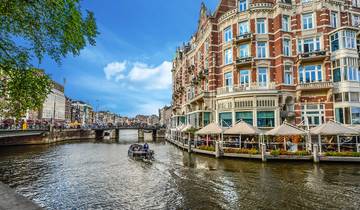
Your Netherlands introduction begins at Amsterdam Centraal, the historic 1889 station serving as geographical and cultural orientation point. From here, the UNESCO-designated canal ring radiates outward through concentric semicircles of Singel, Herengracht, Keizersgracht, and Prinsengracht, each layer representing 17th-century expansion as Golden Age wealth transformed marshy peninsula into Europe’s premier trading hub. Walk west along Damrak toward Dam Square, Amsterdam’s historic heart where Royal Palace’s classical facade overlooks the plaza that evolved from medieval dam across Amstel River into modern civic center.
Morning focus centers on Rijksmuseum, Netherlands’ premier art institution housing 8,000 objects across 80 galleries spanning 800 years of Dutch history and culture. Arrive at 9 AM opening for optimal crowd management – weekday mornings enable intimate encounters with Rembrandt’s Night Watch and Vermeer’s Milkmaid before tour groups arrive mid-morning. The museum requires 2.5-3 hours minimum for highlights tour covering Gallery of Honour’s Golden Age masterpieces, Delftware ceramics collection, Dutch Masters wing featuring Frans Hals and Jan Steen, and contemporary photography exhibitions. Tickets cost €22.50 in 2026, included free with I amsterdam City Card. Book timed-entry tickets 2-3 weeks ahead through rijksmuseum.nl to guarantee preferred morning slots.
Lunch strategy balances convenience, budget, and authenticity through nearby Museumplein picnic from Albert Cuyp Market provisions purchased pre-museum, or quick sit-down at Museumplein Cafe (€12-18 sandwiches, salads). Alternative Walking 10 minutes north into De Pijp neighborhood accesses authentic neighborhood eateries along Ferdinand Bolstraat and Gerard Douplein – Indonesian rijsttafel at Blauw (€18-28), Dutch kroket sandwiches at FEBO wall automats (€3-5), or Turkish grill plates at Safak (€12-16). Budget-conscious visitors save €8-12 daily through strategic market lunches versus full restaurant meals.
Afternoon transitions from fine art to Anne Frank House, the preserved hiding place where Jewish teenager documented Nazi occupation through now-world-famous diary. Located in Jordaan district’s Prinsengracht 263, the museum operates timed-entry system requiring advance online booking 2-3 months ahead – tickets release at 10 AM on first Tuesday of each month for following month’s dates, selling out within hours for peak summer season. Visits last 60-75 minutes through confined spaces where Frank family and four others concealed themselves 1942-1944, culminating in original diary display and historical context exhibitions. Admission costs €16 for adults. The emotionally intense experience warrants afternoon scheduling allowing evening decompression rather than additional cultural programming.
Following Anne Frank House’s contemplative atmosphere, lighter evening programming suits most visitors’ emotional bandwidth. Cross Prinsengracht into Jordaan’s picturesque residential streets lined with independent boutiques, galleries, and brown cafes (traditional Dutch pubs) dating to 17th century. Westerstraat and Tweede Egelantiersdwarsstraat offer concentrated cafe culture – stop at Cafe Nol for jenever (Dutch gin) tasting and local atmosphere among singing patrons, or Het Papeneiland’s 1642 building overlooking Prinsengracht for craft beer selection. Jordaan’s Monday and Saturday markets (Noordermarkt for antiques, Lindengracht for organic foods) provide additional exploration if timing aligns.
Dinner recommendations vary by budget and cuisine preference across Jordaan’s diverse offerings. Traditional Dutch at Moeders (€18-28 mains) serves stamppot, erwtensoep, and other heritage recipes in mother-decorated dining room. Italian at Toscanini (€16-24 pasta, €22-32 secondi) draws locals for authentic preparations. Asian fusion at Restaurant Blauw already mentioned, or seafood at Volt (€24-38 mains) overlooking IJ harbor. Budget travelers find substantial Indonesian takeaway at Toko Joyce (€8-14) or Turkish kebab at Aslan Patisserie (€6-10). Plan €35-55 per person for mid-range restaurant dining including drinks, €20-30 for casual spots, €50-75 for upscale experiences.
Evening canal cruise provides relaxing conclusion to walking-intensive day while showcasing Amsterdam’s UNESCO heritage from water perspective. Standard 60-75 minute cruises (€16-22) depart every 15-30 minutes from Centraal Station and Damrak locations, navigating Herengracht, Prinsengracht, and Amstel River while multilingual audio guides explain architectural styles, bridge engineering, and canal ring development. Upgrade to dinner cruise (€65-95) combines 2-hour navigation with 3-course meal, though independent restaurant dining followed by standard cruise often delivers better food value. Evening departures (7-9 PM) capture golden hour lighting and illuminated bridge arches particularly photogenic for spring-summer visits with extended daylight.
Day 1 total costs: Rijksmuseum €22.50, Anne Frank House €16, canal cruise €18, lunch €15, dinner €40, local transport €8.50 day pass. Total €120 per person excluding accommodation. I amsterdam City Card (€115 for 72 hours) begins saving money from Day 1 when including unlimited transport (€8.50 daily value), Rijksmuseum, canal cruise, and positioning for Day 2-3 museum visits.
Day 2: Day Trip Options from Amsterdam 2026
Day 2 presents strategic choice between multiple exceptional day-trip destinations, each offering distinct Dutch character complementing Amsterdam’s urban intensity. Selection depends on personal interests – cultural traditionalists favor Zaanse Schans windmill village, architecture enthusiasts choose Rotterdam-The Hague combination, spring visitors prioritize Keukenhof gardens (mid-April to early May only), while comprehensive explorers consider organized multi-village tours. All options return to Amsterdam accommodation avoiding packing complications while accessing authentic Netherlands beyond capital concentration.
Option A: Zaanse Schans Windmill Village 2026
Zaanse Schans preserves 18th-19th century industrial heritage through working windmills, traditional wooden architecture, and artisan workshops demonstrating historic Dutch crafts. Located 20 minutes north of Amsterdam via NS train to Zaandijk-Zaanse Schans station (€5.50 one-way, €11 return), the open-air heritage village operates year-round with free area access and optional paid entries to individual attractions. Comprehensive visits require 3-4 hours, manageable as half-day excursion departing Amsterdam 9-10 AM and returning by 2-3 PM, leaving afternoon for Amsterdam neighborhood exploration or museum additions.
The village admission remains free – visitors walk cobblestone paths past green wooden houses, working windmills, and Zaan River views without entry fees. Individual windmills charge €5-10 each for interior tours demonstrating grain grinding, oil pressing, and sawmill operations maintained by traditional methods. Zaanse Schans Card (€17 adults, €9 children 4-17) provides economical access to Zaans Museum, Windmill Museum, two mills of choice, Weaver’s House, and digital audio tour – worthwhile for visitors planning 3+ paid attractions. I amsterdam City Card includes Zaanse Schans Card, immediately delivering value for Day 1 museum visits plus Day 2 windmill access.
Morning itinerary prioritizes working windmills when most active – arrive 10-11 AM to witness millers demonstrating grinding, pressing, and sawing operations impossible to appreciate from exterior views alone. De Kat (paint windmill), Het Jonge Schaap (sawmill), and De Zoeker (oil mill) offer most engaging demonstrations with enthusiastic miller explanations. Allocate 20-30 minutes per windmill interior tour, 10-15 minutes for exterior photography capturing classic Dutch landscape compositions of windmills against sky and water reflections.
Midday cultural demonstrations showcase traditional crafts – clog-making workshop demonstrates wooden shoe carving from single willow blocks using century-old machinery at Wooden Shoe Workshop (free entry, demonstrations every 20-30 minutes). Cheese farm Catharina Hoeve offers free cheese-tasting and production explanations for Gouda, Edam, and specialty varieties, with shop sales supporting free admission model. Bakery Museum displays traditional sweet bread production in historic ovens, though operating hours vary seasonally (confirm via dezaanseschans.nl before relying on access).
Lunch options include Restaurant De Kraai (€12-22 mains, 10% discount with Zaanse Schans Card) serving traditional Dutch pancakes and local specialties overlooking windmill views, Albert Heijn supermarket near station for picnic provisions (€6-10), or return to Amsterdam Centraal (20 minutes) for broader dining options. Most visitors find on-site restaurant dining worthwhile for atmosphere despite €2-4 premiums over Amsterdam cafe equivalents.
Afternoon return to Amsterdam enables additional exploration – Van Gogh Museum (€22, 1.5-2 hours) complements morning windmill landscapes with artistic interpretations of Dutch countryside, open until 6 PM weekdays allowing 3-6 PM visit after 2 PM Zaanse Schans return. Alternative Jordaan neighborhood shopping and cafe stops, Westerpark cycling, or Vondelpark relaxation suits visitors preferring outdoor balance to museum intensity. Evening dining and entertainment follows Day 1 recommendations with freedom to explore alternative neighborhoods – De Pijp’s Albert Cuypstraat for Indonesian/Surinamese options, or Red Light District’s Chinatown for Asian diversity.
Day 2 Option A costs: Train to Zaanse Schans €11 return, Zaanse Schans Card €17 (or included with I amsterdam City Card), lunch €15, Van Gogh Museum €22, dinner €40, Amsterdam transport €8.50 day pass. Total €113.50 per person, or €63.50 with I amsterdam City Card covering transport and all museum entries.
Option B: Rotterdam & The Hague Circuit 2026
Rotterdam-The Hague combination delivers contrasting architectural experiences within single day trip – Rotterdam’s bold post-war modernism meets The Hague’s political gravitas and seaside charm. NS trains connect Amsterdam to Rotterdam Centraal (40 minutes, €17-22 one-way) and The Hague Den Haag Centraal (53 minutes, €13-16 one-way), with Rotterdam-The Hague segment requiring 20-minute local train (€4-6). Strategic sequencing visits Rotterdam 9 AM-1 PM, transfers to The Hague 1:30-5 PM, returns Amsterdam by 6-7 PM for dinner and evening activities. Budget €35-45 total rail fares or unlimited travel with Holland Travel Ticket (€79 full-day, €54 off-peak after 9 AM).
Rotterdam morning focuses on architectural landmarks concentrated within 1.5-kilometer walking circuit from Centraal Station. Markthal (Market Hall) showcases innovative horseshoe design with apartment-integrated food market beneath Horn of Plenty ceiling fresco – free entry enables breakfast browsing among 100+ food stalls (€5-12 breakfast items). Adjacent Cube Houses by Piet Blom tilt traditional housing 45 degrees creating distinctive geometric streetscape, with Show Cube museum (€3) demonstrating living within tilted walls. Erasmus Bridge’s asymmetric cable-stayed profile nicknamed “The Swan” provides photogenic harbor views best captured mid-morning when southeastern light illuminates white cables against sky.
Architecture enthusiasts extend Rotterdam exploration to include Nederlands Architectuurinstituut (€15) examining Dutch design history, or Depot Boijmans Van Beuningen (€18) showcasing world’s first publicly accessible art storage facility in mirrored bowl building. Most visitors find 3-4 hours sufficient for Rotterdam highlights before southern transit to The Hague avoids architectural saturation while maintaining day-trip pacing.
The Hague afternoon balances political heritage with coastal recreation across compact central district. Binnenhof parliamentary complex (exterior viewing free, interior tours €10 require advance booking via prodemos.nl) overlooks Hofvijver pond where 13th-century castle evolved into Dutch government seat. Adjacent Mauritshuis museum (€17.50) houses compact Golden Age collection including Vermeer’s Girl with a Pearl Earring and Rembrandt works in elegant 17th-century mansion requiring 1-1.5 hours comprehensive viewing. Alternatively, Escher in Het Paleis (€12.50) displays impossible architecture and mathematical art in former royal palace appealing to graphic design enthusiasts.
Optional Scheveningen beach extension (15 minutes by tram 1 from Den Haag Centraal, €3.50) provides North Sea coastal contrast to urban architecture – pier, beach promenade, and seafood restaurants suit summer visits but face harsh winds autumn-spring. Most first-time visitors prioritize Mauritshuis over beach given limited timeframes and Amsterdam’s non-coastal positioning making The Hague the practical seaside access point.
Return Amsterdam by 6-7 PM enables dinner in neighborhoods unexplored during Day 1 – De Pijp’s Gerard Douplein for outdoor terraces and international variety, Canal Ring’s Utrechtsestraat for upscale bistros, or Noord’s post-industrial conversions accessed via free ferry from Centraal Station. Evening options mirror Day 1 recommendations – additional canal cruise capturing different routes, brown cafe culture in alternative neighborhoods, or Red Light District walking tour understanding Amsterdam’s pragmatic approach to sex work and drug policy.
Day 2 Option B costs: Amsterdam-Rotterdam-The Hague-Amsterdam trains €42, Markthal breakfast €8, Cube House museum €3, Mauritshuis €17.50, lunch €15, dinner €40. Total €125.50 per person. Holland Travel Ticket (€54 off-peak) reduces costs to €97.50 when starting after 9 AM weekdays, all-day weekends.
Day 3: Amsterdam Deep Dive or Alternative Day Trip 2026
Final day presents choice between intensive Amsterdam cultural completion or alternative day-trip destination depending on Day 2 selection and evolving interests. Visitors who chose Zaanse Schans on Day 2 might favor Rotterdam-The Hague circuit for architectural diversity, while Rotterdam explorers could add Zaanse Schans windmill experience. Alternatively, dedicated Amsterdam day maximizes capital’s depth through secondary museums, neighborhood immersion, and activities impossible to compress alongside major cultural institutions.
Option A: Amsterdam Museums & Neighborhoods 2026
Van Gogh Museum anchors morning programming if not visited Day 2, housing world’s largest collection of artist’s works including Sunflowers, The Bedroom, and Potato Eaters across chronological galleries tracing evolution from Dutch realism to post-impressionist color experimentation. Located adjacent to Rijksmuseum on Museumplein, the museum requires 1.5-2 hours for comprehensive viewing, operates 9 AM-6 PM daily, and costs €22 with mandatory online timed-entry booking 2-3 weeks ahead (vangoghmuseum.nl). I amsterdam City Card includes free entry but still requires advance time-slot reservation during peak seasons.
Alternative cultural programming suits niche interests – Stedelijk Museum (€20, included with I amsterdam City Card) focuses modern and contemporary art including Mondrian, Malevich, and De Kooning; Het Scheepvaartmuseum (€17.50, included with card) explores Dutch maritime history through VOC East Indiaman replica and interactive exhibitions; NEMO Science Museum (€17.50, included with card) engages families with hands-on technology and physics demonstrations. Budget one museum per half-day maintaining energy and engagement rather than attempting multiple institutions risking cultural fatigue.
Afternoon neighborhood exploration reveals Amsterdam layers beyond tourist corridors. De Pijp combines Albert Cuyp Market’s daily operations (Monday-Saturday 9 AM-5 PM) selling produce, cheese, stroopwafels, and clothing with Sarphatipark’s green space and Gerard Douplein’s international dining scene reflecting Moroccan, Turkish, and Surinamese immigration. Amsterdamse Bos forest park (free entry, 25-minute tram from Centraal) provides cycling, canoeing, and nature trails across 1,000 hectares serving as city’s recreational lung – rent bicycles €10-15 for 3-4 hours exploring ponds, forests, and goat farm.
Eastern Canal Ring (Plantage district) balances botanical gardens, Jewish heritage, and zoo options – Hortus Botanicus (€10.50) displays 6,000 plant species including Southeast Asian palm houses and butterfly greenhouse; Jewish Historical Museum (€17, I amsterdam Card) documents Netherlands’ Jewish community through synagogue complex; Artis Royal Zoo (€27.50 adults, €23 children) operates as Europe’s oldest zoo since 1838 with planetarium and aquarium additions. Select one attraction matching interests rather than attempting comprehensive district coverage.
Evening options expand beyond previous days’ canal cruises and dinners – Red Light District walking tour with licensed guide (€15-25, 90 minutes) provides historical context to window prostitution and coffee shop culture; Concertgebouw classical music performance (€20-120 depending on seating and program) showcases world-renowned acoustics; Brown cafe pub crawl sampling jenever and Dutch beers across historic taverns (self-guided free beyond drinks, organized tours €30-45). Farewell dinner warrants special allocation – budget €50-80 per person for memorable restaurant experience at De Kas (farm-to-table in converted greenhouse), Greetje (modern Dutch cuisine), or Blauw (upscale Indonesian).
Day 3 Option A costs: Van Gogh Museum €22 (or included with I amsterdam City Card), neighborhood attractions €10-17.50, lunch €15, bicycle rental €12, dinner €55, evening activity €20, transport €8.50 day pass. Total €142.50-160 per person, or €110.50 with I amsterdam City Card covering museums and transport.
Option B: Haarlem & Beach Extension 2026
Haarlem provides compact alternative to Rotterdam’s urban scale, combining medieval charm, Frans Hals Museum’s Golden Age collection, and Zandvoort beach access within 15-minute train journey from Amsterdam Centraal (€5.50 one-way, €11 return). The historic city center concentrates attractions within 1-kilometer radius of Grote Markt square, enabling comprehensive morning exploration 9 AM-1 PM before optional beach afternoon or Amsterdam return.
Morning itinerary centers on Grote Kerk (Great Church) dominating market square with soaring nave, Muller organ (renowned for Handel and Mozart performances), and medieval wooden ceiling. Entry costs €3.50, with organ concerts scheduled Tuesdays and Thursdays at 8:15 PM (€12.50 tickets). Frans Hals Museum (€17.50, 1.5-2 hours) displays 17th-century portraiture master’s works in former almshouse featuring group portraits of civic guards and regents demonstrating innovative composition and psychological insight. Teylers Museum (€14) operates as Netherlands’ oldest museum since 1784, housing natural history specimens, scientific instruments, and Dutch Masters drawings in neoclassical galleries.
Lunch options cluster around Grote Markt and Smedestraat pedestrian shopping street – Grand Cafe Brinkmann (€12-18 mains) occupies art nouveau interior, Jopenkerk brewpub (€14-22) operates in converted church serving craft beers and Dutch plates, Albert Heijn supermarket (€6-10) enables picnic provisions for beach extension. Budget €15-20 for mid-range restaurant dining.
Zandvoort beach (10 minutes from Haarlem station, €3.50 train, April-October service) provides North Sea swimming, beach clubs, and promenade walking complementing cultural morning. Summer (June-August) suits bathing with 18-20°C water temperatures and beach pavilion operations, while shoulder seasons (April-May, September-October) offer dramatic seascapes and smaller crowds despite cooler conditions. Return Amsterdam via Haarlem or direct Zandvoort-Amsterdam trains (30 minutes, €6.50) by 4-5 PM maintaining evening availability for final night dining and activities.
Day 3 Option B costs: Amsterdam-Haarlem-Amsterdam trains €11 return, Frans Hals Museum €17.50, lunch €18, Zandvoort extension €7 train, beach refreshments €8, dinner €45, transport €8.50 day pass. Total €115.50 per person.
Budget Breakdown Netherlands 3-Day Trip 2026
Comprehensive 3-day Netherlands budgets range €285-625 per person excluding accommodation, varying significantly by travel style, museum intensity, and dining choices. The following breakdowns categorize expenses across budget-conscious, mid-range comfortable, and upscale luxury approaches, with accommodation analyzed separately given high variability by season, neighborhood, and booking timing.
Transportation Costs 2026
Amsterdam public transport operates via GVB day passes at €10 (24 hours), €16 (48 hours), €21.50 (72 hours) covering unlimited metro, tram, and bus travel throughout city zones. Single rides cost €3.40 per hour of travel purchased via contactless payment or OV-chipkaart. Budget 3-day transport at €21.50 for comprehensive city coverage plus day-trip rail fares. I amsterdam City Card (€115 for 72 hours) includes unlimited GVB transport worth €21.50 separately, immediately offsetting €21.50 of card cost before museum admissions.
Day trip rail costs vary by destination – Zaanse Schans €11 return, Haarlem €11 return, Rotterdam €34-44 return, The Hague €26-32 return. Holland Travel Ticket (€79 full-day, €54 off-peak) provides unlimited nationwide rail, metro, tram, and bus travel economical for visitors planning multiple cities or extended regional exploration beyond single destination day trips. Calculate individual journey costs versus unlimited passes based on confirmed itinerary rather than purchasing passes speculatively.
Accommodation Strategies 2026
Amsterdam accommodation peaks July-August at €180-350 nightly for mid-range doubles, drops to €120-180 shoulder seasons (April-June, September-October), and bottoms €100-150 winter (November-March excluding Christmas-New Year spike). Budget hostels maintain relatively stable €35-60 dormitory beds year-round, with private hostel rooms €80-120 representing alternative to hotel doubles for budget-conscious couples valuing private bathrooms over hotel amenities.
Strategic booking timelines optimize availability and pricing – summer accommodation (June-August) warrants 3-4 months advance reservation securing 15-25% early-bird discounts and preferred locations before inventory tightens. Shoulder seasons enable 4-6 week booking horizons, while winter permits greater flexibility with 2-3 week advance purchases. Monitor booking platforms 4-6 weeks before travel for price drops as hotels adjust inventory, particularly mid-week stays avoiding weekend leisure peaks.
Neighborhood selection balances location convenience against nightly premiums – UNESCO Canal Ring properties command 20-30% surcharges over equivalent quality in De Pijp, Oost, or Noord districts maintaining 10-20 minute public transport access to major attractions. Amsterdam Noord across IJ harbor offers newest hostel/hotel options at €70-140 versus Canal Ring’s €120-220 for comparable standard, accessed via free 24-hour ferry from Centraal Station. Evaluate transportation time-cost trade-offs when comparing neighborhoods, as €30-50 nightly savings offset by €8.50 daily transport passes reduces net advantage.
Dining Budget Guidelines 2026
Daily food costs range €25-35 budget, €50-75 mid-range, €80-120 upscale, varying by meal composition and restaurant selections. Breakfast allocations depend on accommodation inclusion – hotels typically bundle €8-15 value buffets, hostels offer €5-8 basic provisions, while independent cafes charge €8-15 for Dutch breakfast of bread, cheese, eggs, and coffee. Budget travelers save €40-60 across 3 days by utilizing Albert Heijn supermarket breakfast items (€3-6) and market pastries (€2-4) versus daily cafe expenditure.
Lunch strategies significantly impact daily totals – Albert Cuyp Market provisions enable €8-12 complete meals through cheese, bread, fruit, and stroopwafel combinations consumed at Vondelpark or Museumplein. Casual cafes and quick-service spots deliver €12-18 sandwiches, salads, and soups, while sit-down restaurants command €15-25 for lunch mains plus drinks. Indonesian rijsttafel lunch specials (€15-22) provide substantial value compared to dinner equivalents (€28-45), particularly at De Pijp’s Blauw or Jordaan’s Tempo Doeloe.
Dinner represents primary discretionary spending variable – budget €20-30 for takeaway and casual dining (Indonesian, Turkish, Italian), €35-55 for mid-range restaurant experiences with drinks, €50-75 for upscale Dutch or international cuisine, and €80-120 for fine dining celebrations. Traditional Dutch stamppot, erwtensoep, and bitterballen cost €15-25 at brown cafes versus €25-40 at formal restaurants, enabling authentic cuisine access across budget levels. Allocate one splurge dinner (€50-80 per person) during 3-day stay while balancing with market lunches and casual meals maintaining overall budget discipline.
Attraction & Activity Costs 2026
Major museum tickets cost €16-22.50 individually – Rijksmuseum €22.50, Van Gogh Museum €22, Anne Frank House €16, Stedelijk Museum €20, Maritime Museum €17.50. Plan 3-6 cultural attractions across 3-day visit totaling €60-120 entrance fees depending on museum intensity and interest focus. Canal cruises add €16-22 for standard 60-75 minute tours, with dinner cruises escalating to €65-95 for 2-hour meal combinations.
I amsterdam City Card analysis reveals value proposition dependent on planned activities. The 72-hour card costs €115 and includes 70+ museum admissions (Rijksmuseum, Van Gogh, Stedelijk, Maritime, Rembrandt House, Zaanse Schans museums), unlimited GVB transport (€21.50 value), and one canal cruise (€18 value). Break-even requires approximately 3-4 major museums (€60-75) plus transport (€21.50) totaling €81.50-96.50, achieved by moderate museum visitors. Intensive cultural programs planning 5-6 museums across 3 days generate €120-150 individual ticket costs versus €115 card representing 5-15% savings plus convenience eliminating ticket queues at participating venues.
Calculate personalized value by listing confirmed museum visits with individual ticket prices, adding transport value, comparing total to €115 card cost. Purchase cards only when savings exceed €20 minimum given convenience premium versus flexible individual ticket purchasing allowing spontaneous itinerary adjustments. Many visitors overestimate cultural stamina, purchasing cards for projected 6 museum visits but actually completing only 3, resulting in negative value versus individual tickets.
Sample 3-Day Budget Breakdowns 2026
Budget Traveler (Hostel, Markets, Individual Tickets):
Day 1: Rijksmuseum €22.50, Anne Frank House €16, canal cruise €18, Albert Cuyp Market lunch €10, brown cafe dinner €25, transport €8.50 day pass. Day 1 total: €100.
Day 2 (Zaanse Schans): Train €11, windmill entries €10, market lunch €12, Amsterdam neighborhood dinner €30, transport €8.50. Day 2 total: €71.50.
Day 3: Van Gogh Museum €22, neighborhood walk free, market lunch €10, farewell dinner €40, transport €8.50. Day 3 total: €80.50.
3-day total: €252 excluding accommodation. Add hostel dormitory €35-60 per night = €357-432 total 3-day trip.
Mid-Range Traveler (Hotel, Restaurants, I amsterdam Card):
Day 1: I amsterdam Card €115 (covers Rijksmuseum, Anne Frank House, canal cruise, transport), cafe lunch €18, restaurant dinner €45. Day 1 total: €178 (card allocated Day 1 for 72-hour coverage).
Day 2 (Rotterdam-The Hague): Holland Travel Ticket €54 off-peak (covers all trains), breakfast €10, lunch €18, museum entry €17.50 (Mauritshuis not covered by I amsterdam Card), restaurant dinner €50. Day 2 total: €149.50.
Day 3: Museums covered by I amsterdam Card, lunch €20, bicycle rental €12, farewell dinner €60, evening activity €20. Day 3 total: €112.
3-day total: €439.50 excluding accommodation. Add mid-range hotel €120-180 per night = €799.50-979.50 total 3-day trip.
Upscale Traveler (Boutique Hotel, Fine Dining, Guided Tours):
Day 1: Private museum tours €150, canal dinner cruise €85, upscale dinner €80, premium transport €20. Day 1 total: €335.
Day 2 (Organized multi-village tour): Full-day guided tour €95, lunch included, fine dining dinner €90. Day 2 total: €185.
Day 3: Museum entries €45, guided cycling tour €75, lunch €30, Michelin-level farewell dinner €120, premium cocktails €30. Day 3 total: €300.
3-day total: €820 excluding accommodation. Add boutique canal house €300-500 per night = €1,720-2,320 total 3-day trip.
Booking Timeline & Reservations 2026
Strategic booking sequences maximize availability while avoiding excessive advance commitment enabling spontaneous adjustments. The following timeline balances early-reservation peace-of-mind against flexibility maintaining adaptive itinerary options responding to weather, energy levels, and evolving interests discovered during travel.
3-4 Months Before Travel
Summer accommodation (June-August) requires 3-4 month advance booking securing preferred properties and locations before inventory tightens driving prices upward. Target 15-25% early-bird discounts typically available 12-16 weeks ahead at major booking platforms. Research neighborhoods thoroughly comparing Canal Ring convenience against De Pijp value or Noord innovation, reading recent reviews for accurate quality assessment beyond marketing photos. Consider refundable booking options during initial reservation, later upgrading to non-refundable rates if trip confirmation solidifies saving additional 10-15%.
Anne Frank House tickets release at 10 AM on first Tuesday of each month for following month’s dates, selling out within hours for peak summer season. Mark calendar for 9:55 AM Central European Time two months before travel, accessing annefrankhouse.nl with account pre-created and payment information saved enabling rapid checkout. Book morning time slots (9-11 AM) avoiding afternoon queue buildups at Prinsengracht entrance, or late afternoon (4-5 PM) after school groups depart. Tickets cost €16 non-refundable, representing worthwhile risk given alternative of missing Netherlands’ most significant Holocaust memorial through booking failure.
2-3 Weeks Before Travel
Rijksmuseum and Van Gogh Museum timed-entry tickets become critical 2-3 weeks before arrival during peak seasons (April-May tulip period, July-August summer, December holidays). Both museums operate walk-up access during off-peak winter months, but advance online booking (rijksmuseum.nl, vangoghmuseum.nl) guarantees preferred time slots avoiding 30-90 minute wait times at ticket counters. Schedule Rijksmuseum for 9-10 AM opening hours optimizing crowd management, Van Gogh Museum for early afternoon (1-2 PM) or late entry (4-5 PM before 6 PM closing) balancing energy with availability.
I amsterdam City Card purchases suit 2-week advance timeframe after confirming itinerary museum emphasis. The 72-hour card activates upon first use at public transport or museum, requiring strategic first deployment – optimal activation at 9 AM Day 1 for Rijksmuseum entry maximizes 72-hour window covering through 9 AM Day 4, though most 3-day itineraries complete cultural programming within initial period. Purchase online via iamsterdam.com for home delivery (international shipping €5-10, allows 2-week lead time) or collect at Schiphol Airport arrival (instant pickup, but tied to flight schedule potentially wasting initial hours before reaching attractions).
1 Week Before Travel
Final accommodation checks identify last-minute availability gaps or price drops warranting reservation adjustments. Monitor booking platforms for sudden inventory additions or cancellations creating brief availability windows at previously sold-out properties. Consider upgrading from hostel private rooms to hotel doubles if price gaps narrow to €10-15 nightly, representing worthwhile comfort enhancement for minimal cost differential.
Organized tour bookings finalize through platforms like GetYourGuide, Viator, or direct operator websites for specialty experiences – Red Light District historical walks, cheese-tasting excursions, or multi-village day trips departing Amsterdam. Compare group tour costs (€45-95 full-day) against independent travel via public transport plus individual attraction tickets, factoring transportation convenience, guide commentary value, and time-efficiency trade-offs. Most first-time visitors find self-guided itineraries sufficiently manageable via excellent English signage, intuitive public transport, and widely available tourist information, reserving guided tours for specialized interests like food culture or architectural deep-dives.
Day of Arrival
Arrive Schiphol Airport allowing 60-90 minutes clearing immigration (non-EU passports), collecting luggage, and navigating to Amsterdam Centraal via train (15 minutes, €5.50 purchased at yellow ticket machines accepting credit cards). I amsterdam City Card pre-purchased online activates via first swipe at metro/tram validators or museum entrances – resist activating during airport-city transit if arriving late afternoon without immediate attraction access, instead beginning Day 1 at 9 AM Rijksmuseum entry maximizing 72-hour window.
Hotel check-in typically operates 2-4 PM with luggage storage available for early arrivals enabling immediate city exploration. Centraal Station lockers (€7-11 daily depending on size) provide alternative storage for late arrivals coordinating accommodation handoff. First-day orientation walks acquaint visitors with neighborhood layout, tram route familiarization, and ATM locations for initial euro cash (€100-150 recommended despite widespread credit card acceptance given market vendors and small cafe cash preferences).
Practical Planning Tips Netherlands 2026
Weather Preparation & Seasonal Considerations
Netherlands weather demands flexible wardrobe planning regardless of season – maritime climate produces rapid shifts from sunshine to rain within hours, with wind chill significantly impacting perceived temperatures even during mild periods. Spring (April-May) averages 12-18°C with mix of sunny and rainy days, requiring layering system combining light jacket, waterproof shell, and umbrella. Summer (June-August) reaches 20-25°C with occasional 28-30°C peaks, though evenings cool requiring long sleeves and rain remains likely weekly.
Autumn (September-October) delivers 15-20°C September warmth declining to 10-15°C October chill, with increasing rain frequency and wind intensity making waterproof footwear essential beyond fashion consideration. Winter (November-February) operates 2-8°C with persistent gray skies, frequent drizzle, and cutting winds amplifying cold sensation – pack thermal layers, waterproof coat with hood, and insulated footwear if visiting November-March. Dutch tolerance for cycling rain or shine inspires respect but shouldn’t pressure visitors into miserable outdoor activities when museums, cafes, and covered markets provide equally authentic cultural immersion.
Cycling Culture & Bike Rental 2026
Amsterdam’s cycling infrastructure enables 880,000 daily bicycle trips across dedicated lanes, traffic lights, and parking facilities intimidating to newcomers but manageable with basic orientation. Rental shops cluster around Centraal Station and major hotels charging €10-15 daily for standard city bikes (upright Dutch style, single-speed or 3-gear), €18-25 for electric-assist models reducing effort on Amsterdam’s flat terrain. MacBike, A-Bike, and Black Bikes operate multiple locations with flexible pickup-dropoff enabling one-way rentals between neighborhoods.
First-time cyclists prioritize low-traffic practice routes – Vondelpark’s 3-kilometer loop provides car-free environment learning bike handling, bell etiquette, and path-sharing with pedestrians before graduating to street cycling. Jordaan’s residential streets offer next-level practice with light traffic and slow speeds, while Canal Ring requires confident navigation managing trams, cars, pedestrians, and fellow cyclists simultaneously. Alternative skip cycling entirely – Amsterdam’s compact dimensions and excellent tram network enable comprehensive exploration on foot and public transport without bicycle necessity despite Dutch cultural emphasis.
E-bike popularity surges among tourists and elderly locals, though standard pedal bikes suit flat Amsterdam terrain and short distances (5-10 kilometers maximum daily for casual riders). Calculate cycling value against public transport costs – €12 daily bike rental versus €8.50 GVB day pass suggests cycling suits extended park rides and neighborhood wandering rather than efficient museum-to-museum transit where trams deliver door-to-door service. Lock bikes vigilantly using provided chains through frame and wheels to immovable objects – Amsterdam’s bicycle theft rates remain Europe’s highest with 80,000+ annual thefts targeting tourists’ inadequately secured rentals.
Language, Currency & Payment Systems
Dutch remains official language though English proficiency approaches 95% in Amsterdam service industries – hotels, restaurants, museums, and shops operate seamlessly in English without translation requirements. Learn basic courtesies (“Dank je” for thanks, “Alstublieft” for please) demonstrating respect but expect English responses in tourist areas. Outside Amsterdam, smaller towns maintain strong English capabilities though elderly residents may prefer Dutch, manageable through gesture and patience.
Euro currency (€) operates via widespread credit card acceptance across hotels, restaurants, museums, and shops – Visa and Mastercard function universally while American Express faces occasional refusal at smaller establishments. Contactless payment via credit card or mobile wallet (Apple Pay, Google Pay) enables quick transactions including public transport via OVpay system scanning cards directly at metro/tram validators. Cash retains importance for market vendors, small cafes, public toilets (€0.50-1.00), and tipping situations – withdraw €100-150 initially at Schiphol Airport or city ATMs accepting international cards with €2-5 transaction fees depending on home bank policies.
Tipping culture operates modestly compared to American standards – round up cafe bills (€23 becomes €25), add 5-10% at restaurants for attentive service, leave €1-2 per bag for hotel porters. Service charges typically include taxes and service in stated menu prices unlike American separate-billing systems, making displayed prices accurate final costs. Credit cards processed in euros avoid dynamic currency conversion’s unfavorable rates imposed when tourists elect home currency processing at terminals – always select euro billing allowing home bank conversion at superior rates.
Safety, Healthcare & Emergency Contacts
Netherlands ranks among Europe’s safest destinations with low violent crime rates and minimal terrorism concerns. Petty theft targeting tourists concentrates around Centraal Station, Dam Square, and Red Light District – secure passports and credit cards in hotel safes, carry photocopies for identification, distribute cash across multiple pockets avoiding single-point loss. Bicycle theft remains primary crime risk addressed through quality locks and avoiding expensive-appearing bikes indicating tourist ownership.
Healthcare operates via European Health Insurance Card (EHIC) for EU residents providing reciprocal coverage at Dutch facilities, while non-EU travelers require private travel insurance covering medical emergencies and evacuation. Pharmacies (apotheek) stock over-counter medications for common ailments identifiable by green cross signage, operating Monday-Friday 8:30 AM-5:30 PM with rotating weekend/evening duty locations posted at closed shops. Emergency number 112 connects to police, fire, and ambulance services with English-speaking operators.
Luggage Storage & Practicalities
Centraal Station lockers (€7-11 daily depending on size, maximum 72 hours) enable luggage storage during hotel check-in waits or departure-day exploration. Alternative luggage services operate near major museums and tourist areas through Stasher and LuggageHero networks charging €5-8 daily per bag at participating shops and cafes. Most hotels accommodate early arrivals with luggage holding enabling immediate city exploration before 2-4 PM check-in.
Public toilets require €0.50-1.00 payment via coin slots at train stations, museums, and department stores – carry euro coins despite card-centric payment culture as toilet facilities remain predominantly cash-only. Museums, cafes, and restaurants provide free facilities for customers, making strategic cafe stops during sightseeing more appealing than searching paid public options. Amsterdam’s relaxed approach to public urination by intoxicated tourists faces €140 fines despite enforcement leniency – use legitimate facilities respecting local quality-of-life standards.
Maximizing Your Netherlands Experience 2026
Success in Netherlands 3-day visits derives from embracing cultural rhythms rather than aggressive sightseeing marathons. Dutch cafe culture encourages lingering over coffee and conversation – budget 30-45 minutes for cafe stops rather than American 10-minute grab-and-go mentality, using these intervals for people-watching, itinerary contemplation, and energy restoration between cultural intensives. Canal-side benches and Vondelpark lawns provide free relaxation spaces supporting sustainable pacing preventing end-of-trip exhaustion.
Seasonal timing transforms experiences dramatically – spring tulip season (mid-April to early May) showcases Netherlands’ floral heritage through Keukenhof’s seven million bulbs and roadside field blooms, though popular weekends warrant 2-3 month advance planning. Summer maximizes daylight (16+ hours June) enabling extended evening activities, offset by peak pricing and crowds requiring advance reservations. Autumn delivers harvest festivals, museum availability, and comfortable exploration temperatures before winter’s gray skies arrive. Winter accepts weather trade-offs for authentic local atmosphere, substantial accommodation savings (40-50% below summer rates), and immediate museum access without summer queuing.
Photography enthusiasts prioritize golden hour timing (7-9 AM, 6-8 PM summer) capturing canal reflections and architectural details in flattering light. Overcast conditions common year-round produce soft diffused lighting beneficial for building facades and people photography despite lacking dramatic skies. Seek elevated perspectives at A’DAM Lookout (€15.50, 360-degree city views), Centraal Public Library rooftop terrace (free), or canal tour boats capturing water-level perspectives impossible from street level.
Local interaction opportunities arise through brown cafe visits, Albert Cuyp Market shopping, and neighborhood walking beyond tourist corridors. Amsterdammers appreciate directness and English proficiency while valuing privacy and personal space – engage shopkeepers and servers conversationally but avoid excessive American familiarity patterns perceived as intrusive. Cycling alongside commuters, shopping at neighborhood markets, and frequenting residential area cafes provides authentic glimpses of daily Dutch life complementing major cultural institutions.
Flexible itinerary design accounts for weather variations, energy fluctuations, and spontaneous discoveries impossible to schedule. Budget one museum-free half-day for relaxed neighborhood wandering, canal-side cafe sitting, or park lounging without achievement pressure. Rainy day alternatives emphasize covered attractions – Rijksmuseum’s expansive galleries, Foodhallen’s indoor food stalls, or shopping Kalverstraat and Haarlemmerdijk’s independent boutiques. Sunshine triggers immediate outdoor pivots – canal cruise upgrades, Vondelpark picnics, or Amsterdamse Bos cycling replace museum programming maximizing pleasant weather windows.
The Netherlands rewards returning visitors with depth impossible to achieve during 3-day introductions. First trips establish foundations – Golden Age art appreciation, canal ring orientation, Dutch architectural familiarity – while subsequent visits enable regional exploration across Friesland’s waterways, Zeeland’s coastal fortifications, or Limburg’s hilly exception to flat Netherlands geography. Three days provides satisfying overview generating future return motivations rather than comprehensive national coverage.
Frequently Asked Questions
Do I need to book Netherlands attractions in advance for 2026?
Anne Frank House requires 2-3 month advance booking as tickets release at 10 AM on first Tuesday monthly for following month, selling out within hours for peak seasons. Rijksmuseum and Van Gogh Museum operate walk-up access in winter but warrant 2-3 week advance online booking April-October avoiding 30-90 minute ticket counter queues. Other attractions including Mauritshuis, Stedelijk Museum, and canal cruises accept same-day tickets except rare high-volume weekends. Accommodation demands 3-4 month advance reservations for summer (June-August) securing preferred properties and locations before premium inventory exhausts.
Is the I amsterdam City Card worth purchasing in 2026?
The 72-hour card at €115 delivers value for visitors planning 4+ major museums plus regular public transport use across three days. Break-even requires approximately €60-75 museum admissions (3-4 major venues) plus €21.50 transport value totaling €81.50-96.50, achieved by moderate cultural intensity. Calculate personalized value by listing confirmed museum visits with individual ticket prices (Rijksmuseum €22.50, Van Gogh €22, Anne Frank €16), adding transport needs, comparing total to €115 card cost. Many visitors overestimate cultural stamina purchasing cards for projected 6 museums but completing only 3, resulting in negative value versus individual flexible ticket purchasing. Purchase cards only when projected savings exceed €20 minimum given convenience premium.
What’s the best way to travel between Dutch cities in 2026?
NS trains connect Amsterdam to Rotterdam (40 minutes, €17-22 one-way), The Hague (53 minutes, €13-16), and Haarlem (15 minutes, €5.50) at 10-15 minute intervals throughout the day with maximum nationwide second-class fares capped at €33.30. Purchase individual journey tickets via NS app or station machines for flexible day trips, or Holland Travel Ticket (€79 full-day, €54 off-peak after 9 AM weekdays, all-day weekends) for unlimited nationwide rail plus metro/tram/bus when planning multiple destinations or extended regional exploration. Most 3-day itineraries find individual tickets more economical than multi-day passes unless visiting 3+ cities requiring €60+ total rail fares.
Can I visit the Netherlands without speaking Dutch in 2026?
English proficiency approaches 95% in Amsterdam service industries – hotels, restaurants, museums, shops operate seamlessly without Dutch language requirements. Smaller towns maintain strong English capabilities though elderly residents may prefer Dutch, manageable through gesture and patience. Learn basic courtesies (“Dank je” for thanks) demonstrating respect but expect English responses in tourist areas. Signs, menus, and public transport announcements typically feature English alongside Dutch, while museum audio guides and materials default to multiple language options. Netherlands ranks among Europe’s most English-accessible destinations for monolingual travelers.
What should I pack for Netherlands weather in 2026?
Layering system combining light jacket, waterproof shell, and compact umbrella suits year-round Netherlands climate characterized by rapid weather shifts and wind chill. Spring-summer requires 15-25°C clothing with rain protection and evening long-sleeves, while autumn-winter demands thermal layers, waterproof coat with hood, and insulated footwear for 2-15°C temperatures. Waterproof footwear essential beyond fashion as cobblestone streets and frequent rain create persistently damp conditions. Pack conservatively avoiding fashion luggage – Amsterdam’s casual atmosphere and practical Dutch mentality prioritizes comfort and weather-appropriateness over style formality.
How much cash should I carry in the Netherlands in 2026?
Withdraw €100-150 initially covering market vendors, small cafes, public toilets (€0.50-1.00), and tipping situations despite widespread credit card acceptance. Contactless payment via credit card or mobile wallet functions universally at hotels, restaurants, museums, and public transport, but cash retains importance for Albert Cuyp Market purchases, brown cafe rounds, and occasional cash-only establishments in residential neighborhoods. Daily cash needs range €15-30 supplementing card transactions, with ATMs widely available charging €2-5 transaction fees depending on home bank policies. Avoid carrying large amounts given pickpocketing risks around Centraal Station and tourist areas.
Are Netherlands museums crowded in 2026?
Summer (June-August) generates peak museum traffic requiring advance timed-entry bookings at Rijksmuseum and Van Gogh Museum 2-3 weeks ahead, with Anne Frank House selling out 2-3 months before visit dates. Weekday mornings (9-11 AM) deliver optimal crowd management enabling intimate artwork encounters before tour groups arrive mid-morning. Spring tulip season (mid-April to early May) and December holidays create secondary peaks. Winter (November-March excluding holidays) offers immediate walk-up access at most venues without advance booking requirements. Strategic early opening arrivals, off-peak season timing, and weekday visits minimize crowds regardless of annual patterns.
Can I cycle safely in Amsterdam as a first-time visitor in 2026?
Amsterdam’s dedicated cycling lanes, traffic lights, and extensive infrastructure support cycling though initial practice in low-traffic areas recommended before tackling busy streets. Vondelpark’s 3-kilometer car-free loop enables bike handling familiarization, while Jordaan residential streets provide next-level practice before Canal Ring’s complex tram-car-bike interactions. Rental bikes cost €10-15 daily for standard city bikes versus €8.50 GVB day pass for public transport – calculate value based on planned routes and comfort level. Alternative skip cycling entirely as Amsterdam’s compact dimensions and excellent tram network enable comprehensive foot-based exploration without bicycle necessity despite cultural emphasis.
What are the best day trips from Amsterdam in 2026?
Zaanse Schans windmill village (20 minutes, €11 return train) preserves 18th-century industrial heritage through working windmills and artisan workshops requiring 3-4 hours comprehensive visit. Rotterdam-The Hague combination (40-53 minutes, €35-45 total rail) contrasts bold modern architecture with political heritage and coastal access across full-day circuit. Haarlem (15 minutes, €11 return) provides compact medieval charm, Frans Hals Museum, and Zandvoort beach extension. Keukenhof gardens (mid-April to early May only, 40 minutes via bus) showcases seven million tulip bulbs though requires seasonal timing. Each destination offers distinct character complementing Amsterdam’s urban cultural intensity with traditional villages, modern cities, or natural landscapes.
Should I buy tickets online or at attractions in 2026?
Online advance booking essential for Anne Frank House (2-3 months), Rijksmuseum and Van Gogh Museum during peak seasons (2-3 weeks), and organized tours (1 week). Other attractions including Mauritshuis, Stedelijk Museum, and canal cruises accept same-day tickets at entrances except rare high-volume weekends. Online booking via official websites (annefrankhouse.nl, rijksmuseum.nl, vangoghmuseum.nl) guarantees preferred time slots, eliminates ticket counter queuing (30-90 minutes at major museums in summer), and occasionally offers small discounts versus walk-up rates. Tickets purchased online typically non-refundable requiring confident itinerary commitment versus flexible same-day purchasing allowing spontaneous adjustments.