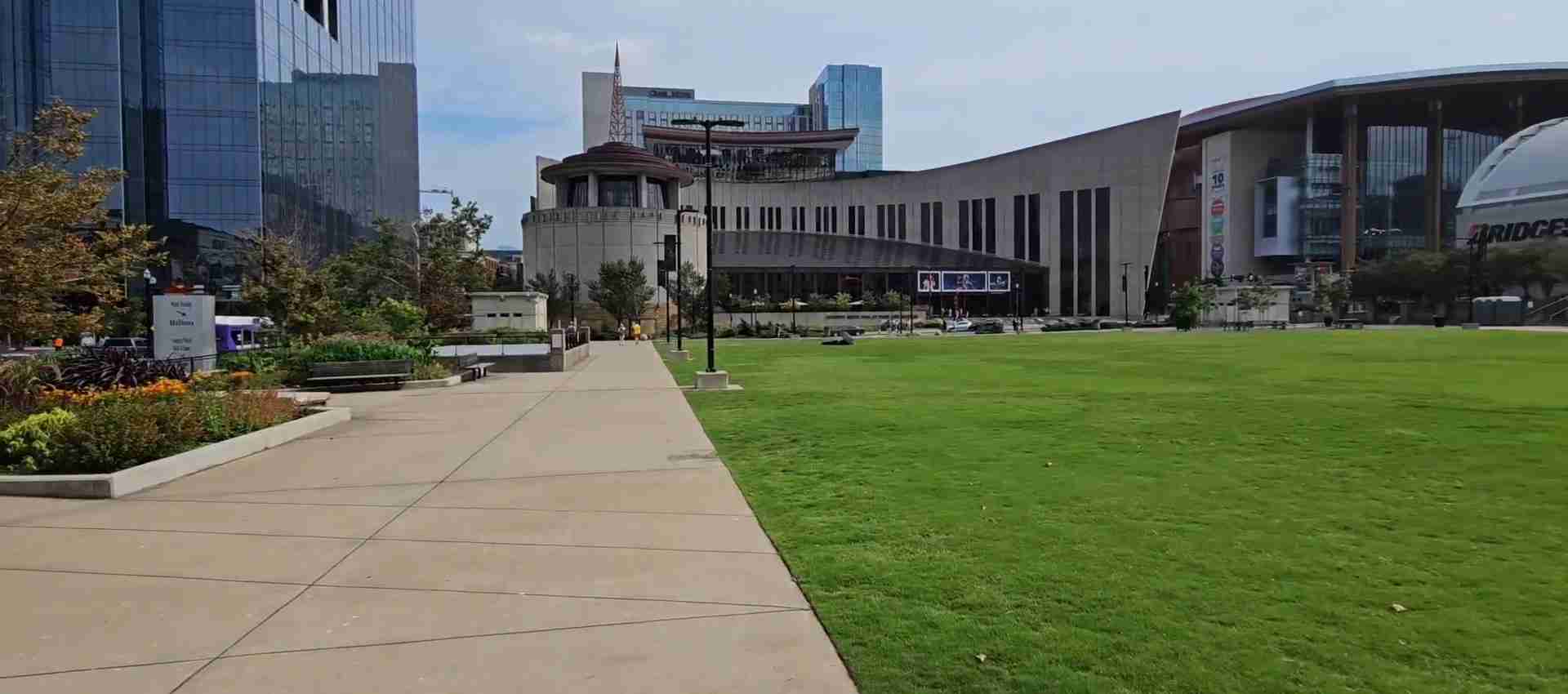
Nashville Best Tours & Walking Routes 2026: Complete Travel Guide
Nashville’s transformation into America’s “It City” has created a dynamic touring landscape where Music Row heritage meets culinary innovation and architectural preservation. The city’s compact downtown, walkable neighborhoods, and legendary music venues make guided tours and self-directed exploration equally rewarding for visitors planning 2026 trips to Tennessee’s capital.
Key Takeaways
- Grand Ole Opry Backstage Tours 2026: Book the $45-50 daytime backstage experience at least two days ahead during peak travel seasons, with tours operating every 15 minutes and providing exclusive access to artist dressing rooms, the famous wooden circle stage, and Studio A where “Hee Haw” was filmed.
- Downtown Walking Routes 2026: The free 2-mile self-guided downtown loop connects the Ryman Auditorium, Country Music Hall of Fame, Riverfront, and Broadway’s honky-tonks in approximately 2 hours, with optional paid audio app narration available for $10-15 enhancing the experience with insider stories.
- Food Tour Economics 2026: Nashville food tours range $65-109 per person for 3-hour experiences including 5-7 tastings, with East Nashville and 12South tours showcasing hot chicken, BBQ, and craft cocktails while downtown tours incorporate landmark sightseeing between culinary stops.
- Hop-On Hop-Off Efficiency 2026: The $40-45 trolley passes provide unlimited rides across 13 stops from 9 AM to 4:30 PM, making them cost-effective for visitors planning to visit Centennial Park’s Parthenon, the Farmer’s Market, the Gulch, and Music Row in a single day.
- Free Walking Tour Value 2026: Tip-based 90-minute downtown walking tours departing from Dolly Parton’s star at Hall of Fame Park offer native Nashvillian guides who provide local perspectives impossible to find in guidebooks, with suggested gratuities of $15-25 per person based on group size and satisfaction.
- Combined Tour Savings 2026: Combo tickets pairing Ryman Auditorium self-guided tours ($27-36) with Grand Ole Opry experiences, or Nashville Sightseeing Pass options covering multiple attractions, reduce per-venue costs by 15-25% compared to purchasing individual admissions.
People Also Ask About Nashville Tours 2026
How much do Nashville tours cost per person in 2026?
Nashville tour prices in 2026 range from free tip-based walking tours to $109 premium food experiences. Double-decker bus tours cost $40-50, trolley hop-on hop-off passes run $40-45, Grand Ole Opry backstage tours are $45-50, Ryman Auditorium self-guided admission is $27-36, guided backstage Ryman tours cost $45-47, food tours range $65-109, celebrity homes bus tours are $40-50, and self-guided audio walking tours via apps cost $10-15 for downloads. Most visitors spend $85-150 for a full day combining one major venue backstage tour with either a food tour or hop-on hop-off transportation exploring multiple neighborhoods.
What’s the best walking route for first-time Nashville visitors in 2026?
The optimal first-timer walking route in 2026 begins at the Visitor Center at Fifth and Broadway, proceeds to the pedestrian bridge for skyline photos, continues to the Ryman Auditorium and Country Music Hall of Fame, explores Printer’s Alley’s historic speakeasy district, visits the State Capitol, then returns via Broadway’s honky-tonks. This 2-mile loop takes 2-3 hours at a comfortable pace without entering venues, expanding to a full day when including Ryman self-guided tours ($27-36), Hall of Fame admission ($30-35), and lunch stops. The route covers maximum landmarks with minimal backtracking, stays predominantly shaded during summer months, and connects to trolley stops for extending exploration to Music Row, the Gulch, or East Nashville neighborhoods.
Do you need to book Nashville tours in advance for 2026 travel?
Advance booking is essential for Grand Ole Opry backstage tours, which sell out 2-3 days ahead during March-November peak seasons and weekends year-round, while food tours from reputable operators like Walk Eat Nashville and Secret Food Tours fill 3-7 days in advance during spring and fall. Ryman Auditorium self-guided tours accept walk-ups during most weekday mornings but timed entry can reach capacity by afternoon during summer and December Opry-at-the-Ryman season. Double-decker buses and trolley tours rarely sell out but advance purchase guarantees preferred morning departure times for optimal light and smaller crowds. Free walking tours operate first-come-first-served but arrive 15 minutes early to secure spots during high season. VIP experiences including Grand Ole Opry post-show backstage tours and Ryman Women of Country tours with complimentary mimosas require 1-2 weeks advance booking.
Are Nashville walking routes safe for solo travelers in 2026?
Downtown Nashville walking routes are safe for solo travelers in 2026 during daylight hours and evening hours until approximately 11 PM when Broadway entertainment districts remain heavily populated and well-lit. The Riverfront pedestrian bridge, Ryman area, and Broadway honky-tonk corridor maintain consistent foot traffic and visible security presence. Solo walkers should exercise standard urban caution in less-trafficked areas after dark, particularly around Printer’s Alley side streets and the area between Broadway and the interstate after midnight. East Nashville and 12South daytime walking is safe with active pedestrian presence, while the Gulch combines residential and commercial zones requiring slightly more awareness after 10 PM. Female solo travelers report comfortable experiences on organized walking tours and heavily touristed routes. The city’s violent crime primarily concentrates in non-tourist neighborhoods miles from downtown, with tourist-area incidents overwhelmingly involving intoxicated visitors rather than random street crime.
Extended multi-day tours – 5+ days
Featured South Usa Multi-Day Tour Packages
10 days
Rhythms of the Road
- ✓ Comprehensive South Usa tour
- ✓ Expert local guides included
- ✓ All accommodation arranged
- ✓ Transportation provided
5 days
Highlights of New Orleans
- ✓ Comprehensive South Usa tour
- ✓ Expert local guides included
- ✓ All accommodation arranged
- ✓ Transportation provided

14 days
Best of the South: Charleston to New Orleans
- ✓ Comprehensive South Usa tour
- ✓ Expert local guides included
- ✓ All accommodation arranged
- ✓ Transportation provided
14 days
The American South
- ✓ Comprehensive South Usa tour
- ✓ Expert local guides included
- ✓ All accommodation arranged
- ✓ Transportation provided
Multi-day tour packages powered by TourRadar. Prices and availability subject to change.
Introduction to Nashville Tours and Walking Routes 2026
Nashville’s touring infrastructure has evolved dramatically since its pre-pandemic iteration, with 2026 offerings reflecting both the city’s explosive growth and its commitment to preserving authentic musical heritage amid rapid commercialization. The expansion of the Music City Center, completion of the Fifth + Broadway development, and proliferation of celebrity-owned honky-tonks have fundamentally altered downtown’s layout while creating new landmarks for tour routes to incorporate. Simultaneously, neighborhood revitalization in East Nashville, Germantown, and the Nations has spawned specialized food and culture tours exploring areas that barely registered on tourist maps a decade ago.
The touring landscape divides into distinct categories serving different visitor priorities. Guided motorized tours—including double-decker buses, trolleys, and van-based experiences—provide efficient overviews for time-constrained visitors or those with mobility limitations, covering 10-15 miles and 20-30 landmarks in 60-90 minutes while narrated guides contextualize Nashville’s transformation from regional music hub to international destination. Walking tours subdivide into free tip-based experiences led by locals, premium food tours combining culinary sampling with neighborhood exploration, and self-guided routes using either free downloadable maps or paid audio app narration. Venue-specific backstage tours at the Grand Ole Opry and Ryman Auditorium offer behind-the-curtain access to spaces where country music history unfolded and continues to be written.
The timing of 2026 visits significantly impacts tour availability and value. Grand Ole Opry tours pause during Friday and Saturday evening show times (typically 7 PM and 9:30 PM), while post-show backstage tours offer unique energy but limit daytime activity options. Ryman self-guided tours occasionally close for afternoon soundchecks when major concerts are scheduled, and the venue’s winter Opry residency (November-January) creates distinct Post-Show Backstage Tour opportunities unavailable other months. Food tours operate year-round but achieve peak quality during spring and fall when outdoor patio dining enhances experiences and summer heat doesn’t compromise 3-hour walking comfort. Walking routes become more pleasant during March-May and September-November moderate weather windows compared to July-August humidity or January-February cold snaps.
Nashville’s compact downtown geography creates natural walking corridors. The primary axis runs along Broadway from the Riverfront to Music Row, with perpendicular routes extending north to the Capitol/Bicentennial Mall and south to the Gulch. The pedestrian-friendly John Seigenthaler Bridge connects downtown to East Nashville’s Five Points neighborhood, while the Shelby Street Pedestrian Bridge provides skyline photography opportunities. Most self-guided walking routes stay within the half-mile radius where Broadway, Second Avenue, and Fifth Avenue create a walkable triangle containing the majority of tourist landmarks. Expanding exploration to Music Row, Centennial Park, or East Nashville requires either 2-3 mile walks, trolley transportation, or rideshare services due to gaps in pedestrian infrastructure beyond downtown’s core.
Tour selection in 2026 depends on balancing comprehensiveness with specialization. First-time visitors benefit from combination approaches: a morning hop-on hop-off trolley orienting them to the city’s layout, followed by afternoon deep-dives into specific interests via food tours, backstage venue access, or themed walking routes. Return visitors can bypass overview tours in favor of neighborhood-specific food crawls, specialty experiences like the Speakeasy Prohibition cocktail tour, or self-guided routes exploring Civil Rights landmarks, street art installations, or architectural heritage. The city’s explosive tourism growth has created tour proliferation where quality varies significantly—operators with multi-year track records, professional guides with deep local knowledge, and partnerships with established venues generally deliver superior experiences to recently launched operations capitalizing on Nashville’s popularity without substantive local expertise.
Grand Ole Opry Tours 2026: Backstage Access and Show Experiences
The Grand Ole Opry House at 2804 Opry Mills Drive, nine miles northeast of downtown, offers multiple touring experiences providing varying levels of access to country music’s most hallowed stage. The Daytime Backstage Tour represents the signature experience, with tickets priced at $45-50 per person (check official website for current rates as pricing may vary seasonally). These guided tours operate every 15 minutes most days from 9 AM to 4 PM, with extended summer hours and reduced winter availability around holiday scheduling. The experience begins in the Circle Room theater where Garth Brooks and Trisha Yearwood host an immersive multimedia presentation using special effects and archival footage to establish the Opry’s 100-year legacy from its 1925 radio debut through its contemporary status as country music’s premier stage.
Following the theater presentation, small groups of 15-20 visitors accompanied by expert Opry historians proceed backstage into areas normally reserved for performers and crew. The tour route encompasses the artist entrance where members and performers arrive on show nights, 18 themed dressing rooms decorated with memorabilia representing different eras and subgenres of country music, the green room where artists gather before performances, and access to Studio A—the television production facility that hosted “Hee Haw” and continues serving as a working studio. The centerpiece moment involves stepping onto the Opry stage into the famous six-foot wooden circle cut from the Ryman Auditorium stage when the Opry relocated in 1974, with tour groups receiving the opportunity for commemorative photos in this sacred space where every Grand Ole Opry member has stood.
Tour guides share insider stories about Opry traditions including the requirement that performers enter through the artist entrance on show nights regardless of fame level, the superstition around the wooden circle (stepping outside its boundaries during performances is considered bad luck), and anecdotes about legendary performers from Patsy Cline’s 1963 final Opry appearance to contemporary stars’ induction ceremonies. The dressing rooms showcase personal artifacts, stage costumes, and signed memorabilia from Opry members past and present, with themes ranging from traditional country and bluegrass to contemporary crossover artists. Photography is permitted throughout the tour except in specifically designated restricted areas, though professional cameras, tripods, and video equipment are prohibited to maintain the experience’s intimate character.
The Opry House schedule directly impacts tour availability. Tours pause during show days when Friday and Saturday evening performances (typically 7 PM and 9:30 PM shows) require afternoon setup and soundcheck. The Post-Show Backstage Tour offers an alternative experience immediately following single-show Opry nights, providing access to the still-buzzing backstage environment with the energy of the just-concluded performance palpable in the spaces. This 40-minute guided tour includes the same key areas as daytime tours but occurs in the electric atmosphere of show night with the possibility of glimpsing departing performers, though such encounters cannot be guaranteed and are never formally arranged.
VIP Daytime Tours limited to 6-8 guests cost significantly more than standard tours but include exclusive access to the Opry Legends Gallery featuring rare artifacts and interactive timeline displays not available on regular tours, plus entry into previously off-limits dressing rooms with archival Opry footage and more extensive storytelling from guides. These intimate experiences book quickly and require advance reservation typically 1-2 weeks ahead during peak seasons. The Gallery Tour operates on select dates when backstage tours are unavailable due to show scheduling, providing a 30-minute experience focusing on exhibits rather than backstage spaces.
Booking strategy for Opry tours in 2026 requires understanding sell-out patterns. Weekend daytime tours during March-November frequently reach capacity 2-3 days in advance, while weekday tours in the same period typically have availability 1-2 days out. January-February winter months and the week following Christmas see reduced tourist volumes creating same-day booking possibilities. Online advance purchase through the official Opry website guarantees specific tour times and allows visitors to plan their 2026 Nashville itineraries around this flagship experience. Walk-up tickets at the Opry House box office are theoretically available but risk disappointment during high-demand periods, and the venue’s location 20-25 minutes from downtown makes speculative trips impractical.
Visitors combining Opry tours with actual show attendance should note that tour admission and show tickets are completely separate purchases with no discount for combining them. Show tickets range $40-150 depending on seating section, date, and performer lineup, with premium Circle seats closest to the stage commanding top prices. The Opry’s unique format features 8-10 different artists performing 2-3 songs each over a 2.5-hour show, creating variety but also meaning attendance doesn’t guarantee seeing any specific performer. The backstage tour provides deeper historical context enhancing show attendance appreciation, with many visitors scheduling tours during daytime hours on the same day as evening show attendance to maximize their Opry experience.
Ryman Auditorium Self-Guided and Backstage Tours 2026
The Ryman Auditorium at 116 Fifth Avenue North in downtown Nashville offers touring options ranging from $27-47 depending on experience level and guide inclusion. The Self-Guided Tour priced at $27-36 per adult (children under 5 free, ages 5-11 discounted at box office) provides daytime access typically from 9 AM to 4 PM on non-show days, with hours occasionally ending earlier when evening performance setup requires the venue. This self-directed experience begins with “The Soul of Nashville,” an 11-minute multimedia theater presentation using projection mapping, special effects, and celebrity host narration to chronicle the Ryman’s 130-year evolution from 1892 tabernacle to Grand Ole Opry home (1943-1974) to its current status as Nashville’s premier concert venue.
Following the theater experience, visitors explore the auditorium’s two levels at their own pace accessing exhibits distributed throughout the venue. The main sanctuary retains its original church pews where audiences sat for both religious revivals and Grand Ole Opry broadcasts, creating the acoustic phenomenon that made the venue legendary—wooden surfaces and curved ceiling geometry creating sound clarity that audio engineers still consider among the world’s finest. Exhibit stations featuring touchscreens, artifact displays, and short video segments tell stories of pivotal moments: the 1943 night the Grand Ole Opry first broadcast from this stage, Elvis Presley’s 1954 only Opry appearance (he was told to return to truck driving), Johnny Cash and June Carter’s 1968 proposal during a live performance, and the venue’s 1990s renovation rescuing it from near demolition.
The newly updated Opry 100 exhibit celebrates the Grand Ole Opry’s centennial with artifacts from Patsy Cline, Johnny Cash, Dolly Parton, and other legends, while the Unexpected Company exhibit spotlights surprising non-country performers who graced the Ryman stage including Harry Houdini’s magic shows in the 1920s, Civil Rights rallies in the 1960s, and contemporary artists from Harry Styles to Lizzo who’ve performed there in recent years. The Passing the Torch exhibit features contemporary country stars Kacey Musgraves, Maren Morris, and Kelsea Ballerini, while the Hatch Show Print Gallery displays vintage concert posters created by Nashville’s legendary letterpress print shop still operating since 1879.
The self-guided tour includes a complimentary professional photograph taken on the Ryman stage, printed and available for pickup in the gift shop at tour conclusion—a significant value-add that third-party tour operators charge $20-30 to provide. Visitors can stand in the same spot where country music history was made, with the wooden floor bearing scuff marks from decades of performances and the backdrop of empty pews creating powerful imagery. The tour allows extended time in areas of personal interest without the constraints of guided group movement, making it ideal for photography enthusiasts, history buffs wanting to read every exhibit placard, or visitors with limited mobility who need to move at their own pace.
The Guided Backstage Tour elevates the experience for an additional $10-12, bringing total cost to $45-47 per person and adding 45 minutes of expert-led backstage access to the 45-minute self-guided portion. Tours operate every 30-60 minutes on non-show days, with timed entry requiring visitors to align self-guided exploration with their reserved backstage tour time. Expert Ryman historians lead groups of 15-25 through artist dressing rooms decorated with memorabilia, backstage corridors lined with photographs documenting legendary performances, and when venue schedule permits, access to stage areas not available on self-guided tours. Guides share insider accounts of memorable performances, explain the Ryman’s architectural acoustics that create its renowned sound, and contextualize how the venue transitioned from religious tabernacle to music hall while maintaining its sacred atmosphere.
The dressing room access proves particularly compelling, with themed spaces honoring different eras of Ryman history and decorated with costumes, instruments, photographs, and personal items from artists ranging from Hank Williams and Minnie Pearl to contemporary Grammy winners. The intimate group size allows question-and-answer interaction with guides, many of whom have worked at the Ryman for years and possess encyclopedic knowledge of not just the building’s history but the Nashville music industry’s evolution. Visitors frequently cite guide enthusiasm and storytelling ability as the guided tour’s primary value, transforming the venue from impressive building into living connection to country music’s soul.
Winter months (November-January) bring unique touring opportunities during Opry at the Ryman season when the Grand Ole Opry returns to its original home for several weeks of performances. The Post-Show Backstage Tour operates on single-show Opry nights for $35-37 (prices vary), beginning approximately 15 minutes after the Opry broadcast concludes and offering 40 minutes of backstage access in the still-energized post-performance environment. This experience requires separate Opry show ticket purchase but provides the magic of experiencing the Ryman both as audience member and behind-the-scenes explorer in a single evening. Availability is extremely limited during this season and advance booking is essential.
The VIP Private Tour accommodates up to 10 guests for a customizable experience with backstage access subject to availability, flexible timing, and personalized pacing. These premium tours command higher per-person rates but allow families, friend groups, or corporate teams to explore without mixing with general public tour groups. The intimate setting enables deeper conversation with guides and photography opportunities without crowds. Children are welcome on VIP tours at regular pricing with no child discount available, though the venue recommends assessing whether young children’s attention spans suit a detailed historical tour before booking.
Booking strategy for Ryman tours differs from the Opry given its downtown location enabling easy walk-up attempts. Morning tours (9-11 AM) typically have good same-day availability even during peak seasons, while afternoon time slots (2-4 PM) can reach capacity during summer months and December. Advance online purchase guarantees admission but isn’t strictly necessary for weekday visits. Evening concert schedules affect tour availability with some days ending tours at 2 PM or 3 PM to allow performance setup, so checking the Ryman’s events calendar before planning tour timing prevents disappointment. The venue occasionally closes entirely for private events or major concerts requiring extensive setup, making the online event calendar consultation essential for visit planning.
Double-Decker Bus Tours and Hop-On Hop-Off Options 2026
Nashville’s double-decker bus tours provide efficient overviews of the city’s sprawling geography, with the open-top second level offering unobstructed views and Instagram-worthy angles of landmarks while guides deliver narrated entertainment blending historical facts, musical trivia, and local insider knowledge. The primary operator, Old Town Trolley Tours, offers the Best of Nashville City Tour using actual double-decker buses (not trolleys despite the company name) for $40-50 per person in 2026. These 60-minute narrated loops depart hourly from multiple downtown pickup points covering more than 100 points of interest including the Ryman Auditorium, Music Row studios, Vanderbilt University, the Tennessee State Capitol, Nissan Stadium, and the Gulch’s modern development contrasting with historic Broadway.
The non-stop nature of these tours suits time-constrained visitors wanting city orientation before deciding where to invest deeper exploration time. Guides employ entertainment-first narration styles with jokes, audience interaction, and occasionally breaking into song when passing music-related landmarks. The experience prioritizes breadth over depth—passengers see the exteriors of significant buildings and learn brief historical context but don’t enter venues or stop for extended periods. The open-top second level provides optimal sightseeing during moderate weather but can be uncomfortable during summer afternoon heat (90+ degree temperatures with no shade) or winter cold, with the enclosed lower level offering climate-controlled alternative sacrificing views.
Old Town Trolley’s separate Hop-On Hop-Off Trolley Tour operates vintage-style trolleys (not double-deckers) with 13 stops around Nashville’s key neighborhoods. Single-day passes cost $40-45 providing unlimited boarding throughout operating hours (approximately 9 AM to 4:30 PM) with trolleys circulating the full route every 20-30 minutes. The 13 stops include: Downtown/Broadway, Walk of Fame Park, Country Music Hall of Fame, Ryman Auditorium, Printer’s Alley, State Capitol, Bicentennial Mall, Germantown/Farmer’s Market, Music Row, Vanderbilt University, Centennial Park/Parthenon, the Gulch, and Nissan Stadium area. Two-day passes offer slight per-day discounts for visitors planning multiple-day downtown exploration.
The hop-on hop-off format transforms transportation into flexible sightseeing allowing visitors to disembark at points of interest, explore at leisure, then board subsequent trolleys to continue the route. This proves particularly valuable for reaching attractions spread across Nashville’s 3-4 mile downtown radius—walking from Broadway to Centennial Park’s full-scale Parthenon replica requires 2+ miles each direction, but the trolley eliminates that transit time and effort. Live onboard narration continues throughout the ride with guides highlighting landmarks visible between official stops and sharing anecdotes about Nashville’s transformation from river port to music capital.
The trolley system’s primary limitation involves wait times between vehicles. The 20-30 minute headway means disembarking requires committing to at least that interval before the next pickup opportunity, making quick photo stops impractical and requiring realistic estimation of how much time each attraction merits. Stops at major landmarks like the Country Music Hall of Fame or Parthenon demand 60-90+ minutes for meaningful visits, while others like the State Capitol exterior or Printer’s Alley photo opportunities might only need 15-20 minutes. Strategic planning maximizes the pass value—grouping nearby attractions during extended stops (Country Music Hall of Fame and Ryman Auditorium are one trolley stop apart), starting early to complete the full loop before afternoon capacity crowds, and building in meal breaks at trolley-adjacent restaurants.
Alternative hop-on hop-off operators include the Nashville Brewery Trolley focusing on Music City’s craft beer scene with 6 stops at breweries and distilleries (Honeytree Meadery, East Nashville Beer Works, Southern Grist Brewing Company, and others) for $40-50 per person. This specialized route appeals to beer enthusiasts willing to trade broad sightseeing for deep dives into Nashville’s craft beverage culture, with the pass including unlimited trolley rides throughout the day but not including beverage tastings—those are purchased separately at each stop. The trolley’s circulation schedule allows hop-off for extended brewery visits, lunch at brewery restaurants, then hop-back-on when ready to continue to the next stop.
Booking strategy for bus and trolley tours in 2026 involves weighing convenience against potential savings. Walk-up purchases at kiosks near Broadway work fine but advance online booking occasionally offers 10-15% discounts and guarantees specific departure times during peak periods. The first morning tours typically have smaller crowds than afternoon departures, provide cooler temperatures for open-top buses, and offer clearer skyline views before afternoon haze develops. Reviews consistently recommend selecting the non-hop versions for pure overview orientation and the hop-on options for combination transportation/sightseeing where the pass substitutes for multiple rideshare trips while adding narration value.
Walking Tours with Professional Guides 2026
Nashville’s guided walking tour scene ranges from free tip-based experiences to premium specialty tours commanding $65-150 per person, with quality and focus varying dramatically across operators. Free Guided Tours Nashville operates daily 90-minute walking tours departing from Dolly Parton’s star at Walk of Fame Park near the intersection of Demonbreun Street and Fifth Avenue. These tip-based tours (industry standard gratuities run $15-25 per person based on group size and satisfaction) are led by self-described “Native Nashvillians” who grew up in Music City and provide local perspectives impossible to replicate in guidebooks or tours led by transplants reading scripts.
The free tour route covers approximately 1 mile at easy walking pace with minimal hills, visiting the pedestrian bridge for skyline photography and Cumberland River views, Broadway’s honky-tonk district with historical context about the street’s evolution from family entertainment to bachelorette party epicenter, Printer’s Alley’s speakeasy heritage, the Ryman Auditorium exterior, and various downtown landmarks. Guides adapt content to group composition and interests but typically emphasize Nashville’s music industry development, Civil Rights movement significance (the city’s lunch counter sit-ins were crucial to the broader movement), and urban development challenges balancing explosive growth with historical preservation. The tours operate rain or shine with guides meeting at the designated star regardless of weather, though extreme conditions occasionally prompt cancelations announced via the organization’s social media.
Group sizes fluctuate wildly from 4-5 participants on quiet winter weekdays to 25-30+ during peak spring and fall weekend periods. Larger groups inevitably dilute the experience as guides struggle to project voices to rear participants and personalized interaction becomes impossible, while smaller groups enable conversational pacing and question-answering throughout the walk rather than restricting it to tour conclusion. Arriving 15 minutes before the posted departure time improves positioning near the guide and signals seriousness prompting guides to direct more attention to engaged participants versus casual joiners.
Nashville Adventures operates a 90-minute Downtown Nashville Walking Tour priced around $40-50 per person covering essential landmarks including Country Music Hall of Fame exterior, Ryman Auditorium, Tennessee State Capitol, and stories about how these places shaped Nashville’s identity beyond music into education (the “Athens of the South” nickname stems from the city’s numerous universities), government, and commerce. This veteran-owned company employs professional guides following structured narratives ensuring consistency across different tour leaders, contrasting with free tours’ variable quality depending entirely on individual guide knowledge and presentation skills.
Thematic walking tours elevate specialization over general orientation. The Speakeasy Prohibition Cocktail Crawl explores Jazz Age joints and hidden gem bars revealing Nashville’s surprising prohibition-era history including rum-running operations, illegal gambling, and corruption scandals. These 2-hour small-group experiences ($50-70 per person) visit 4 carefully selected venues combining era-inspired architecture with current craft cocktail programs, with guides sharing shocking-but-true stories from the city’s sin-soaked past. Drinks are pay-as-you-go rather than included in the tour price, keeping it flexible for non-drinkers or those preferring selective cocktail purchases versus mandatory package pricing.
Nashville’s food tour proliferation has created market saturation where quality varies enormously. Walk Eat Nashville, winner of Nashville Scene’s “Best of Nashville” award in 2022, 2023, and 2024, operates small-group tours (12 guests or fewer) priced at $109 plus taxes and ticketing fees. The 3-hour Downtown Nashville Food Tour visits 5 tasting stops ranging from elevated Southern cuisine to comfort food classics at locally loved restaurants, with routing designed to pass Country Music Hall of Fame, Ryman Auditorium, Johnny Cash Museum, and Music City Walk of Fame between food stops. Guides trained by food writers and industry experts contextualize Nashville’s culinary evolution from traditional Southern cooking to contemporary farm-to-table innovation, explaining how the city’s explosive growth attracted James Beard-nominated chefs and created dining scenes in neighborhoods like the Gulch and Germantown.
Alternative food tour operators include Secret Food Tours focusing on East Nashville and 12South neighborhoods with 2.5-3 hour experiences priced $75-99 featuring 5-7 tastings of pulled pork, hot chicken, Tennessee whiskey-glazed donuts, catfish tacos, and other regional specialties. These tours illuminate neighborhood gentrification dynamics—how working-class areas transformed into hipster destinations—while sampling the locally owned restaurants that define each district’s character. The small group sizes (typically 8-14 participants) maintain intimacy and enable guides to answer questions about where locals actually eat versus tourist-trap establishments along Broadway.
Sidewalk Food Tours offers both Downtown and East Nashville routes priced around $70-85 with 5 tasting stops each, emphasizing cultural diversity in food selections—the East Nashville tour particularly highlights the neighborhood’s immigrant populations and fusion cuisine scene. Local Tastes of Nashville operates Gulch-focused tours and Speakeasy-themed food/cocktail combinations priced similarly, with guides moonlighting as actors and entertainers bringing theatrical flair to historical storytelling. Nashville Food Adventures runs van-based food tours visiting 4-6 locations at $65 plus tax for public tours or $75-95 per person for private groups depending on size, with transportation enabling broader geographic coverage reaching neighborhoods impractical for walking tours.
Booking strategy for guided walking tours requires balancing spontaneity with availability. Free tours operate first-come first-served so advance reservation isn’t possible—just show up at the designated meeting point 10-15 minutes early. Food tours from established operators like Walk Eat Nashville and Secret Food Tours book solid 3-7 days ahead during spring and fall peak seasons, 1-3 days ahead in summer and winter. Last-minute (24-48 hour) availability exists during low-demand periods but risks missing preferred time slots or tours selling out entirely. Private tours command premium pricing but offer flexibility—most operators customize routes, adjust pacing, and accommodate dietary restrictions when booking exclusively for a single group rather than mixing strangers.
Self-Guided Walking Routes 2026: Free and Audio-Enhanced Options
Nashville’s self-guided walking infrastructure provides budget-conscious and independently minded visitors with well-mapped routes requiring no guide fees or group coordination. The Free Tours by Foot organization publishes a comprehensive 2-mile downtown Nashville self-guided tour available as both free downloadable PDF and paid audio app version ($10-15 for GPS-enabled narration). The route begins at the Nashville Visitor Center at Fifth and Broadway where restrooms, water fountains, and air conditioning provide comfort before embarking on the 2-3 hour walk depending on pace and photo stops.
The route proceeds north on Fifth Avenue to the John Seigenthaler Pedestrian Bridge, a 3,150-foot former railroad bridge converted to pedestrian and cyclist use providing panoramic downtown skyline views and Cumberland River overlooks impossible to capture from street level. The bridge midpoint offers the iconic angle featured in countless Nashville photographs with Nissan Stadium visible to the right and downtown towers centered in frame. Returning to Fifth Avenue, the route continues to the Ryman Auditorium where exterior architecture and historical context set the stage for potential interior tours later in the visit. The alley behind the Ryman leads to Printer’s Alley, a narrow brick-paved street where speakeasies, saloons, and printing presses operated during the early 20th century—the area retains vintage neon signage and atmospheric lighting making it photogenic despite daytime tourist crowds.
Continuing to Broadway, the route passes honky-tonks where live music spills onto sidewalks from 10 AM onward, with performers cycle through 3-4 hour shifts maintaining constant musical presence. The free tour notes explain Broadway’s evolution from legitimate theater district in the 1920s-40s (the street housed multiple movie palaces and vaudeville stages) through decline in the 1960s-80s when adult establishments and dive bars dominated, to the current era of multi-story entertainment complexes owned by national hospitality corporations versus local operators. The route turns onto Second Avenue (a parallel street one block east) where brick-paved sidewalks, historic warehouse conversions, and the Schermerhorn Symphony Center create contrasting architectural styles from downtown’s honky-tonk kitsch.
The Bicentennial Capitol Mall State Park extends north from the Tennessee State Capitol offering green space, fountains, and a 200-foot granite map of Tennessee showing every county and major city. The Capitol building itself—constructed 1845-1859 in Greek Revival style with Tennessee limestone—sits on one of Nashville’s highest points providing commanding views across the city’s expansion. The building’s grounds include statues of Tennessee heroes, the tomb of President James K. Polk (the only president not buried in his birthplace or longtime residence), and gardens accessible during daytime hours even when the building interior is closed. The self-guided route descends from the Capitol hill returning to Broadway via Church Street, completing a roughly circular path that touched downtown’s northern and southern extremities.
The audio tour version enhances the free route with professional narration recorded by Free Tours by Foot guides who’ve led hundreds of walking tours and distilled their best stories and historical insights into the app format. GPS triggers activate automatic narration at specific waypoints, though manual controls allow users to replay segments, skip ahead, or pause during meal breaks or extended photo sessions. The audio investment ($10-15 typically) pays off for visitors wanting historical depth without reading lengthy placard text or those who retain information better through listening versus reading.
UCPlaces offers an alternative GPS audio walking tour of Downtown Nashville priced similarly at $10-15 for app download, with narration leading users from Walk of Fame Park through “the Mother Church of Country Music” (Ryman), the honky-tonk highway, street art installations, and historical sites where Nashville was founded. The tour promises visits to “the tastiest candy store around” (likely Goo Goo Cluster shops selling Nashville’s signature confection), sees “an old brothel in the buckle of the bible belt” (Printer’s Alley references), and steps foot “where Nashville itself was born” (Fort Nashborough reconstruction). The UCPlaces tour emphasizes entertainment and quirky facts over pure history, appealing to visitors who find academic narration dry.
Action Tour Guide operates another self-guided audio tour covering similar territory with slightly different emphasis on Johnny Cash heritage, the Fisk Jubilee Singers (who essentially invented fundraising performance tours in the 1870s touring globally to save their university from closure), and how Nashville’s initial music industry growth stemmed from publishing and recording rather than performance venues. The app works offline after download, eliminating data usage concerns for international visitors or those with limited phone plans. The tour map and stop-to-stop directions prevent getting lost even when GPS fails or narration doesn’t auto-trigger.
Neighborhood-specific self-guided routes expand beyond downtown into districts requiring more local knowledge to navigate confidently. East Nashville self-guided tours available through Nashville Sites (a local history organization) chronicle the neighborhood’s evolution from rural suburb through the Great Fire of 1916 that destroyed much of the district, the 2020 tornado that devastated portions of the area, and the gentrification dynamics reshaping its character. The route visits schools, landmarks, and historic churches while explaining demographic shifts and cultural preservation efforts. This particular tour works better as preparatory reading followed by free-form exploration rather than step-by-step adherence, since the neighborhood’s appeal lies in stumbling upon murals, vintage shops, and unexpected cafes rather than marching through prescribed waypoints.
The 12South neighborhood similarly benefits from self-guided approaches using online resources to identify highlights (the “I Believe in Nashville” mural, Five Daughters Bakery, Reese Witherspoon’s Draper James store, the restored commercial strip’s coffee shops and boutiques) then wandering the compact half-mile stretch at leisure. The neighborhood’s walkability and safety during daytime hours make formal guided tours unnecessary for visitors comfortable with independent exploration. The Gulch presents more navigation challenges with its modern development lacking obvious historical markers, making the free downloaded maps essential for identifying art installations, rooftop bars with city views, and the distinction between locally owned restaurants versus chain establishments.
Music Row self-guided walks require understanding that the area’s significance lies in invisible history rather than visible landmarks. The studio buildings where countless country hits were recorded look like nondescript office structures from the outside, with no public access and minimal signage. The free walking route available online identifies historic studio locations (RCA Studio B, Columbia Studio A, the Quonset Hut where early rock and roll sessions occurred) but the experience rewards music history enthusiasts who appreciate standing outside buildings where their favorite artists recorded rather than casual visitors expecting interactive museums. The adjacent Edgehill neighborhood offers vintage residential architecture and the occasional recording studio converted to Airbnb providing authentic Music Row proximity impossible to find in downtown hotels.
Celebrity Homes Tours and Music Row Experiences 2026
Nashville’s celebrity homes tours operate from the premise that country music stars choose Middle Tennessee as primary residence rather than Los Angeles or New York bases, creating legitimate opportunities to view their estates unlike Hollywood tours where celebrities rarely actually live in the houses being shown. The primary operator charges $40-50 per person for 90-minute air-conditioned bus tours through Belle Meade, Forest Hills, Brentwood, and other upscale Nashville suburbs where gated mansions house past and present stars. The tour’s honest disclaimer notes that homes “are subject to change” reflecting the reality that celebrity real estate transactions occur frequently and the tour can only guarantee showing properties that were celebrity-owned at some point versus current residence confirmation.
Typical tours claim to show 30+ celebrity homes including Taylor Swift’s former Nashville properties (she’s mostly relocated to New York and Los Angeles but maintained Tennessee connections), Dierks Bentley, Reese Witherspoon, Martina McBride, and depending on current listings, various other country stars and Nashville Predators hockey players. The bus travels public roads viewing homes from street level, with guides pointing out architectural features, security measures, and occasionally sharing anecdotes about stars’ local restaurant preferences or community involvement. The experience delivers for fans wanting to say they’ve seen where their favorite artists live, though the reality involves seeing gated driveways and distant rooflines more often than clear full-house views given the properties’ privacy-focused landscaping and setbacks from roads.
The tours’ value proposition depends entirely on guest expectations. Visitors anticipating TMZ-style celebrity sightings or intimate property details will be disappointed—the tours observe from public roads without trespassing, peering through gates, or revealing non-public information about celebrity whereabouts. Guides share publicly available information about property purchases (sale prices, square footage, when acquired) available through property records but cannot confirm whether celebrities are currently in residence or using properties as primary versus occasional vacation homes. The air-conditioned bus provides comfortable 90-minute sightseeing through Nashville’s wealthiest neighborhoods showcasing the massive estates dotting tree-lined streets miles from downtown’s tourist density.
Music Row tours present different challenges since the district’s significance resides in unmarked buildings rather than visible landmarks. The actual recording studios where classics were cut—RCA Studio B (where Elvis recorded, now owned by the Country Music Hall of Fame and offering separate tours), Columbia Studio A, Woodland Sound Studios—look like plain commercial structures from the outside with zero public access unless booking actual recording sessions costing thousands of dollars. Walking or driving Music Row provides music history enthusiasts with the satisfaction of being in proximity to where their favorite albums were made, but creates minimal visual interest for casual visitors expecting museums or interactive experiences.
The 16th and 17th Avenue South corridors comprising Music Row proper contain record label offices, publishing houses, artist management firms, and music industry support businesses operating in nondescript buildings. The area’s charm lies in its working-industry atmosphere rather than tourist-friendly infrastructure—these aren’t preserved historical museums but functioning businesses where deals are negotiated and careers launched daily. The neighborhood’s best appreciation comes from understanding context about which studios operated in which buildings, which legendary producers worked from which office suites, and how the concentration of music industry infrastructure within a few blocks created Nashville’s recording dominance.
Guided Music Row walking tours through operators like Walk Eat Nashville add food tour elements—visiting neighborhood eateries popular with industry professionals—while explaining the district’s evolution and current challenges from residential development pressure. These 3-hour experiences priced around $109 combine the Music Row orientation with tastings at 5-6 restaurants, making the tour valuable for food experiences even if the Music Row content disappoints visitors expecting interactive music attractions. The tours pass Musica, a striking bronze sculpture of nine nude dancing figures, and Owen Bradley Park with its grand piano monument to the producer who shaped the Nashville Sound, providing a few photogenic landmarks among the otherwise plain commercial architecture.
Food Tours 2026: Neighborhood-Focused Culinary Experiences
Nashville’s food tour proliferation reflects the city’s culinary transformation from Southern comfort food bastion to James Beard Award-nominated dining destination, with tours now operating in Downtown, East Nashville, 12South, the Gulch, Germantown, and emerging neighborhoods. Pricing clusters around $65-109 per person for 2.5-3 hour walking experiences including 5-7 tastings designed to constitute lunch or early dinner portions when combined. The tours’ value proposition extends beyond food to neighborhood orientation, restaurant discovery for return visits, and historical/cultural context explaining how Nashville’s food scene evolved.
Walk Eat Nashville’s Downtown Nashville Food Tour at $109 plus fees represents the premium tier, with the price reflecting both tasting quality at upscale establishments like Etch (chef Deb Paquette’s acclaimed restaurant), Deacon’s New South (Southern steakhouse in Nashville’s original skyscraper), and Black Rabbit (Prohibition-era cocktail lounge), plus guide expertise from food writers and culinary professionals rather than script-reading tour leaders. The 12-guest maximum maintains intimacy enabling guides to answer questions about Nashville dining scenes, explain dish preparations, and provide personalized recommendations for restaurants matching individual tastes. The tour routing incorporates sightseeing stops at Country Music Hall of Fame, Ryman Auditorium, and Broadway landmarks between food venues, creating efficient combination of culinary and cultural exploration.
The tasting stops rotate among partner restaurants based on availability and seasonal menu changes but typically include Prince’s Hot Chicken Shack (the original Nashville hot chicken establishment), Martin’s BBQ Joint specializing in whole-hog smoking, artisanal bakeries like D’Andrews featuring modern Southern sweets, and farm-to-table restaurants sourcing ingredients from Tennessee producers. Portions at each stop range from substantial appetizers to half-entree servings, with the cumulative total approximating a filling meal plus dessert. Beverages aren’t included in the base price to accommodate non-drinkers and varying alcohol preferences—guests order and pay separately for drinks at each venue.
Secret Food Tours operates East Nashville and 12South experiences priced $75-99 focusing specifically on neighborhood character over broader city touring. The East Nashville route emphasizes the area’s creative comeback from tornado damage and gentrification tensions, visiting locally owned establishments in Five Points and surrounding blocks. Tastings typically include Five Daughters Bakery’s artisanal donuts, Mas Tacos Por Favor’s inventive tacos, craft breweries, and restaurants like The Treehouse or Urban Grub that exemplify East Nashville’s farm-to-table ethos. Guides explain the neighborhood’s evolution from working-class district through near-abandonment in the 1970s-80s to current status as Nashville’s hipster epicenter, with honest discussion of displacement concerns as property values skyrocket.
The 12South Secret Food Tour covers the neighborhood nicknamed “Nashville’s foodie avenue” visiting trendy coffee shops, cookie bakeries, taco stands, and restaurants occupying restored Craftsman bungalows and commercial buildings. The tour passes Reese Witherspoon’s Draper James store (Southern-style clothing boutique), the famous “I Believe in Nashville” mural becoming an Instagram pilgrimage site, and historic buildings explaining the street’s transformation from sleepy residential area to bustling commercial district. The compact half-mile area concentrates numerous notable restaurants making 12South ideal for food tours versus sprawling neighborhoods requiring van transportation between stops.
Taste of Nashville Food & Sightseeing Tour offers a van-based alternative priced around $65-75 eliminating walking concerns for guests with mobility limitations while enabling geographic diversity visiting neighborhoods miles apart. The 3-hour experience typically includes 6-7 stops sampling slow-roasted barbecue, authentic hot chicken, the “Bushwhacker” (Nashville’s signature frosty coffee cocktail), Tennessee whiskey-glazed donuts, and other regional specialties. The tour visits quirky neighborhoods showing street art, tells stories about Nashville’s rapid transformation, and ends on Broadway’s honky-tonk strip contextualizing the tourist infrastructure visitors encounter elsewhere during their stay. The van format allows air-conditioned comfort during summer months when walking tours become uncomfortable by mid-afternoon.
Local Tastes of Nashville specializes in themed experiences including the Speakeasy Tasting Tour combining food stops with Prohibition-era cocktail lounges exploring Nashville’s Jazz Age history, and the Gulch Neighborhood Tour showcasing the district’s transformation from industrial rail yards to the city’s trendiest dining and residential neighborhood. Tours are priced $70-85 with private group options available. The Speakeasy tour reveals Nashville’s surprisingly scandalous Prohibition past including corruption, rum-running, and illegal gambling, visiting bars and restaurants occupying buildings that housed these activities while guides share stories bringing the 1920s era alive. The combination of historical narrative with contemporary craft cocktails creates an experience appealing to food lovers and history enthusiasts equally.
Sidewalk Food Tours operates Downtown and East Nashville routes priced $70-85 emphasizing cultural diversity in restaurant selections, with guides carefully chosen from Nashville’s food writing and hospitality communities. The tours showcase the city’s evolving dining scene where traditional Southern cooking exists alongside international cuisines brought by immigrant communities reshaping Nashville demographics. The East Nashville tour particularly highlights Ethiopian, Kurdish, Mexican, and Thai restaurants alongside Southern comfort food establishments, explaining how the neighborhood’s affordable rents (relative to downtown) attracted immigrant entrepreneurs creating the culinary diversity now defining the area’s character.
Booking food tours in 2026 requires advance planning during peak seasons (March-May and September-November) when tours sell out 3-7 days ahead, while summer and winter offer 1-3 day booking windows. Dietary restrictions need communication at booking—most operators accommodate vegetarian preferences with advance notice, but vegan, kosher, or severe allergy restrictions prove more challenging since tours visit independent restaurants with limited menu flexibility rather than catering specifically for tour groups. The tours’ small group sizes (8-14 typical) create community atmosphere where strangers share tables, compare Nashville experiences, and occasionally exchange contact information for dinner plans later in their trips.
Specialized Tours 2026: Civil Rights, Street Art, and Distillery Experiences
Nashville’s specialized touring infrastructure extends beyond mainstream music and food experiences into Civil Rights history, street art installations, craft spirits production, and thematic crawls appealing to niche interests. These tours typically command premium pricing ($50-100+ per person) reflecting either expert guide knowledge, exclusive access, or longer duration covering extensive ground.
The Nashville Civil Rights Trail self-guided route available through Nashville Sites organization (free access via mobile-friendly website) chronicles the city’s pivotal role in the 1960s movement through sites including the Woolworth building where lunch counter sit-ins occurred, the Arcade where protesters gathered, and various churches serving as organizing centers. The tour narrated by Fisk University professor Linda Wynn includes historical photographs, archival audio, and stories about Nashville student activists including John Lewis, Diane Nash, and James Bevel whose nonviolent direct action strategies influenced the broader Civil Rights movement. The route spans approximately 1.2 hours of walking covering 10 significant sites concentrated in downtown and Fisk University areas.
The Fisk University and Meharry Medical College self-guided walking tour (also via Nashville Sites) provides two hours of content across 21 sites explaining the history of these historically Black institutions founded in the post-Civil War period. The tour traces Fisk’s origins as a school for freed slaves through its evolution into a nationally significant liberal arts university producing numerous influential alumni in education, civil rights activism, and the arts. The Fisk Jubilee Singers who essentially invented the fundraising performance tour in 1871 (touring globally to save the financially struggling university) receive particular emphasis with stories about their European concerts before royalty and American performances that introduced Negro spirituals to white audiences.
Street art tours capitalize on Nashville’s exploding mural scene where building owners commission local and international artists to create Instagram-worthy murals across downtown, the Gulch, and surrounding neighborhoods. The Nashville Walls Project has curated numerous installations making self-guided mural tours feasible using online maps identifying each piece’s location, artist, and backstory. Notable works include the “What Lifts You” wings mural in the Gulch (among Nashville’s most photographed spots), Beau Stanton’s Rivive environmental project, and Niels Shoe Meulman’s Johnny Cash lyrics installation. Free self-guided tours work well for this subject since the art exists in public spaces requiring no admission, though some visitors prefer guided tours where local art experts explain techniques, artist backgrounds, and the neighborhood gentrification debates surrounding street art’s role in changing property values.
Distillery tours reflect Tennessee’s whiskey heritage with Nashville-based craft operations offering behind-the-scenes looks at small-batch production. Corsair Distillery near Marathon Village operates tours several times daily for $10-15 per person including tastings of their experimental spirits (gin, absinthe, barrel-aged variants) and explanation of craft distilling processes. Nelson’s Green Brier Distillery offers similar experiences focusing on historic Belle Meade Bourbon recipes. The Jack Daniel’s Distillery in Lynchburg (90 minutes from Nashville) provides extensive tours of the major operation but requires dedicated half-day or full-day commitments versus Nashville’s urban distilleries accessible via short rideshare trips.
Whiskey-focused multi-distillery tours via van transportation visiting 3-4 operations in a single outing run $75-95 per person for 4-5 hour experiences. These tours handle transportation logistics (eliminating drinking-and-driving concerns), coordinate timed entries at each distillery, and provide guides explaining Tennessee whiskey history, the distinction between bourbon and Tennessee whiskey (the Lincoln County charcoal filtering process unique to Tennessee), and the craft distilling revolution transforming Nashville from Jack Daniel’s company-town dominance to entrepreneurial small-batch diversity. The tours typically include lunch at a distillery restaurant or nearby barbecue joint, with the meal either included in the base price or offered as separate purchase depending on operator.
Ghost tours tap into Nashville’s haunted history with 90-minute evening walking tours departing from downtown visiting allegedly paranormal locations including Printer’s Alley speakeasy sites, the Ryman Auditorium area (the ghost of Ryman founder Captain Tom Ryman supposedly haunts the venue), and buildings where deaths or tragedies occurred during Nashville’s early development. These tours run $25-35 per person appealing primarily to visitors who enjoy supernatural storytelling regardless of belief in actual hauntings. The experiences emphasize entertainment over scholarship, with guides delivering dramatic narratives about unexplained phenomena, mysterious deaths, and Civil War ghosts rather than academic historical presentations.
Murder mystery and true crime tours explore Nashville’s darker historical episodes including prohibition-era violence, political corruption scandals, and notable criminal cases. The True Crime and Murder Bar Crawl combines historical storytelling with bar stops creating an adults-only experience (21+ only) priced around $40-50 visiting crime scenes while sampling drinks at bars occupying buildings connected to historical crimes or located near significant true crime sites. These tours embrace Nashville’s full history including the elements typically glossed over in family-friendly sightseeing, appealing to true crime podcast enthusiasts and visitors wanting history presented without sanitization.
Vintage vehicle tours using Ford Model-T replica golf carts or 1920s-style trolleys offer nostalgic aesthetics for standard sightseeing routes. These specialty vehicle tours command slight premium pricing over regular trolley or bus options ($50-60 versus $40-45) justified primarily by the unique vehicle experience and photo opportunities rather than substantively different routes or narration content. The vintage aesthetics appeal to visitors seeking Instagram-worthy experiences or wanting to surprise significant others with distinctive date activities versus functional transportation-focused touring.
Budget Tier Tour Strategies 2026
Budget-conscious Nashville visitors can construct comprehensive touring experiences in 2026 for $50-85 per person daily by strategically combining free resources, affordable guided options, and self-directed exploration. The foundation begins with free downtown self-guided walking tours using downloaded PDF maps from Free Tours by Foot or Nashville Sites, eliminating guide fees while providing structured routes preventing aimless wandering. These 2-3 hour walks cover major landmarks establishing geographic orientation and historical context before committing funds to venue admissions or specialty tours.
Free Guided Tours Nashville’s tip-based 90-minute downtown walks add professional narration for suggested gratuities of $15-25 per person, bringing daily touring costs to approximately $25 including the self-guided route plus tipped walking tour. This combination provides both independence and expert guidance without the $40-50+ fees charged by commercial operators. The tip-based model creates flexibility where genuinely budget-limited visitors can tip $10 per person (still appreciated by guides who operate primarily on gratuities) while more comfortable guests tip $20-30 reflecting industry standards.
Venue selection for budget tours prioritizes high-impact experiences over comprehensive coverage. The Ryman Auditorium self-guided tour at $27-36 delivers more historical value per dollar than the Grand Ole Opry backstage tour at $45-50, with the Ryman’s central downtown location eliminating transportation costs and its broader historical scope (130 years versus Opry’s single-building focus) appealing to visitors beyond hardcore country fans. The included complimentary stage photograph adds tangible value since other venues charge $20-30 for similar photos. Budget visitors can appreciate the Opry’s exterior and learn its history via the free walking tour without paying for backstage access, then allocate those saved dollars toward the Ryman where the building’s architectural beauty and accessible location maximize value.
Food touring on a budget substitutes organized tours ($65-109) with self-directed tasting crawls using online resources identifying acclaimed restaurants, then ordering appetizer portions rather than full entrees. Prince’s Hot Chicken charges $8-12 for a chicken tender basket providing the signature Nashville hot chicken experience at fraction of food tour costs. Martin’s BBQ sells $10-15 sandwich portions comparable to what food tours provide. Five Daughters Bakery donuts cost $4-6 each versus being bundled into $75+ tour packages. A self-constructed 5-stop tasting tour hitting Prince’s, Martin’s, Five Daughters, Goo Goo Cluster Shop, and a Broadway honky-tonk for drinks totals $50-65 per person versus $75-109 for guided equivalents, with the trade-off being lack of narration and neighborhood context.
Transportation budgeting favors walking over trolley passes for visitors staying downtown within the half-mile radius containing Broadway, the Riverfront, Ryman, and major landmarks. The $40-45 trolley pass only justifies costs when visiting widely dispersed attractions like Centennial Park’s Parthenon (2+ miles from downtown), Music Row, or East Nashville—destinations requiring either long walks or multiple rideshare trips accumulating costs. Budget visitors concentrating on downtown proper save that $40-45 entirely by walking, using the funds instead for venue admissions or meals. When attractions beyond walking distance become priorities, the trolley pass delivers value by including unlimited rides, whereas 3-4 rideshare trips at $8-15 each quickly exceed the pass price.
Weekly budget touring in 2026 for cost-conscious visitors might allocate: Monday free self-guided downtown walk plus Ryman self-guided tour ($27-36), Tuesday tip-based guided walking tour ($15-25 gratuity) plus self-constructed food tasting crawl ($50-65), Wednesday rest/free attraction day at Bicentennial Park and Capitol grounds ($0), Thursday trolley pass ($40-45) visiting Parthenon, Music Row, Germantown, and Gulch, Friday Grand Ole Opry daytime backstage tour ($45-50). This five-day structure totals $177-221 per person for comprehensive Nashville touring versus $300-400+ spent by visitors booking premium food tours, combo venue packages, and daily hop-on hop-off transportation.
Additional budget strategies include visiting during off-peak seasons (January-February and August) when some tour operators offer 10-15% discount codes, booking combo packages pairing multiple experiences at slight savings, and joining larger group tours versus private tours commanding premium pricing. The Nashville Sightseeing Pass bundles multiple attractions including Ryman tours and other museums for package pricing below individual admission totals, though the pass only justifies costs when visiting 4+ included attractions matching visitor interests rather than forcing attractions to maximize pass value.
Premium and VIP Tour Experiences 2026
Nashville’s premium touring tier serves visitors prioritizing exclusive access, intimate group sizes, and personalized service over budget considerations. These experiences range $150-500+ per person with pricing reflecting specialized expertise, after-hours access, or ultra-small group sizes ensuring individualized attention impossible in standard commercial tours.
The Grand Ole Opry VIP Daytime Tour limited to 6-8 guests costs significantly more than the standard $45-50 backstage tour but includes exclusive Opry Legends Gallery access featuring rare artifacts and interactive timeline displays unavailable on regular tours, entry into previously off-limits dressing rooms with archival footage and extended storytelling, and intimate group dynamics where every guest receives personal attention from the guide. The scarcity-driven appeal stems from limited daily departures and strict capacity caps maintaining exclusivity, with advance booking 1-2 weeks ahead required during peak seasons.
The Ryman VIP Private Tour accommodating up to 10 guests provides complete customization—flexible timing, personalized pacing, and the ability to emphasize specific interests whether architectural acoustics, celebrity performance stories, or Grand Ole Opry history. The per-person cost decreases with larger groups but maintains premium pricing for small parties of 2-4 guests. The private format eliminates mixing with general public tour groups, allows extended photography sessions without crowds, and enables deeper question-and-answer interaction with guides possessing encyclopedic venue knowledge.
Private food tours through Walk Eat Nashville and competing operators start around $150-200 per person for groups under 6 participants, with per-person costs declining as group size approaches 12-person limits. The premium over standard $109 tours purchases customization—dietary accommodation, route adjustments emphasizing specific cuisine types, pacing modifications for elderly guests or young children, and exclusive guide attention rather than sharing guides with strangers. Anniversary celebrations, corporate team building, or friend groups wanting private experiences justify the premium, while solo travelers or couples find joining regular group tours more economical unless money presents no concern.
After-hours experiences provide access unavailable during regular operating hours. Certain tour operators offer private Grand Ole Opry tours during non-show weekday evenings when the venue sits empty and atmospheric lighting creates moods impossible during daytime tours. These exclusive experiences often include meet-and-greets with Opry staff, extended stage time for personal performances or photographs, and stories about behind-the-scenes operations that standard tours rushed for time cannot accommodate. Pricing varies based on group size and specific requests but typically starts around $300-400 per person with 4-person minimums.
Celebrity chef dining experiences and chef’s table reservations at Michelin-aspiring restaurants like The Catbird Seat (Nashville’s most exclusive reservation requiring booking months ahead) or Bastion elevate food tourism beyond walking food tours into haute cuisine territory. These meals cost $150-300+ per person for tasting menus with optional wine pairings adding another $75-150, creating experiences where food becomes central rather than incidental to the Nashville visit. The restaurants typically seat 12-22 guests maximum with theatrical open-kitchen formats where chefs interact directly with diners explaining dishes and techniques.
Private van or luxury vehicle tours offering fully customized itineraries, professional driver-guides, and flexibility to deviate from preset routes based on real-time interests command $500-800+ for full-day experiences serving groups of 2-7 passengers. These boutique operators cater to affluent travelers wanting Nashville exposure without the constraints of structured group tours, enabling spontaneous decisions like extending lunch at a discovered gem restaurant, driving to Arrington Vineyards (30 minutes outside Nashville) for wine tasting, or shopping stops at vintage stores in East Nashville. The premium reflects both the private vehicle and guide exclusivity plus the operator’s willingness to customize versus running predetermined routes maximizing profit efficiency.
VIP concert and show packages elevate standard Grand Ole Opry or Ryman concert attendance into multi-faceted experiences. The Opry’s premium packages include backstage access before shows, meet-and-greets with performing artists (never guaranteed but facilitated when artists agree), on-stage seating during the first half of shows, access to private lounges with premium drinks and hors d’oeuvres, themed dressing room access during intermission, and professional photo ops. These packages cost $200-400+ per person depending on show date and artist lineup, transforming passive concert attendance into immersive music industry participation.
Multi-day curated itineraries through luxury travel designers create turnkey Nashville experiences where every detail from private airport transfers through restaurant reservations and show tickets gets handled by concierge services. These packages start around $2,000-3,000 per person for 3-day experiences including luxury hotel accommodations (Four Seasons, Grand Hyatt, or boutique properties), private tours, VIP show access, and haute cuisine dining reservations. The target market includes international visitors unfamiliar with Nashville requiring complete logistical coordination, corporate executives on brief leisure trips maximizing limited free time, and affluent travelers prioritizing convenience over budget.
Seasonal Considerations for Nashville Tours 2026
Nashville touring experiences vary significantly across seasons, with weather, event calendars, and tourist volume fluctuations creating distinct advantages and disadvantages for different 2026 travel periods. Spring (March-May) represents peak touring season when moderate temperatures (60-75°F typical), flowering trees and gardens, and major events like the CMA Fest in June create optimal conditions for walking tours and outdoor exploration. The season’s popularity means tour bookings require 3-7 day advance planning, downtown hotels command premium rates, and popular attractions experience longest wait times and largest crowds.
Summer (June-August) brings challenges for walking-intensive tours as temperatures regularly reach 85-95°F with humidity creating heat index values exceeding 100°F during afternoon hours. Morning tours (9-11 AM) before heat peaks become essential for comfort, while afternoon walking tours risk heat exhaustion for unprepared visitors. The season’s saving grace involves extended daylight hours enabling early evening tours (6-8 PM) when temperatures moderate and the “golden hour” provides flattering photography light. Food tours maintaining appeal since restaurants offer air conditioning between outdoor walking segments, and boat tours on the Cumberland River leverage breezes unavailable at street level. Summer also brings peak family travel creating larger crowds at attractions but more frequent tour departures accommodating demand.
Fall (September-November) rivals spring as premier touring season with comfortable temperatures, reduced humidity, and autumn foliage color adding visual interest to walking routes through tree-lined neighborhoods. The CMA Awards in November bring country music industry presence elevating the city’s energy, while Thanksgiving week offers both shoulder-season value and the Grand Ole Opry birthday celebration week with special programming. Fall tour booking windows tighten to 3-5 days ahead during peak October foliage weeks but ease slightly in early September and late November periods.
Winter (December-February) creates the year’s most complex touring calculations. December brings holiday decorations throughout downtown, festive programming, and the Opry at the Ryman winter residency creating unique Post-Show Backstage Tour opportunities unavailable other months. The cold (30-45°F typical with occasional ice/snow) deters extended walking tours but motorized tours in heated vehicles maintain appeal. January-February represent true off-season when tour operators reduce schedules, some experiences pause entirely, but those operating offer easiest booking (often same-day availability) and occasionally discount pricing. Budget-conscious visitors tolerate cold weather discomfort for the financial savings, while comfort-prioritizing travelers avoid this period entirely.
Event calendars dramatically impact touring logistics. CMA Fest in June transforms downtown into a multi-day outdoor concert festival where regular sightseeing competes with concert-goers flooding streets, hotels sell out months ahead, and many standard tours either pause or reroute around closed streets. The event creates unique opportunities for music lovers combining festival attendance with touring, but casual visitors should avoid the week unless specifically attending CMA Fest. Similarly, the NFL Draft when held in Nashville (occurred in 2019, may return) or major sporting events at Nissan Stadium create accommodation scarcity and crowd density challenging for standard touring.
Weather contingency planning proves essential for Nashville’s unpredictable climate. Spring thunderstorms arrive suddenly with little warning, requiring touring flexibility to shift outdoor walking plans to museum days or motorized tours providing shelter. Summer afternoon thunderstorms follow predictable patterns (2-4 PM typical) suggesting morning tour scheduling minimizes disruption risk. Winter ice storms occasionally paralyze the city creating dangerous walking conditions and tour cancelations, though their infrequency (1-2 times per winter) means most visitors never encounter them. Tour operators generally offer reschedule options or refunds for weather cancelations, though “uncomfortable but safe” conditions like moderate rain or cold typically don’t trigger refund policies.
Family-Friendly Tour Options 2026
Nashville’s family touring infrastructure accommodates children from preschool through teenage years with varying success across tour types. The city’s music heritage and honky-tonk reputation initially suggest adult orientation, but numerous experiences work well for families when expectations align with children’s capabilities and interests.
The Grand Ole Opry backstage tour welcomes children of all ages with the 45-60 minute duration and constantly changing scenery maintaining elementary-age attention spans better than lecture-style museum experiences. Young children fascinated by stages, costumes, and the theatrical aspects of performance find the dressing rooms particularly engaging, while parents appreciate the family-friendly content avoiding adult-oriented humor or themes. The tour requires children to stay with their group and refrain from touching artifacts, creating some discipline demands but nothing beyond normal museum behavior expectations. Children under 5 attend free at the Ryman self-guided tour making it economically friendly for families, though the venue’s pew seating and multiple floors require supervision preventing young children from climbing or running.
Hop-on hop-off trolley tours provide excellent family options since children can burn energy at each stop before returning to seated trolley rides, the transportation element maintains interest better than pure walking, and parents can adjust the itinerary based on real-time energy levels and interest. Centennial Park’s full-scale Parthenon replica with its 42-foot Athena statue creates wow-factor architecture, while the park’s playground, duck pond, and open lawns enable active play between cultural experiences. The tour format eliminates the “but I’m tired and we still have eight more blocks to walk” complaints inevitable on adult-paced walking tours.
Food tours present family challenges since most operate as adult-oriented experiences with alcohol components, sophisticated cuisine beyond children’s taste preferences, and 3-hour durations exceeding young children’s patience. Teenagers with adventurous palates and stamina can participate successfully, but elementary-age children typically struggle with hot chicken’s spice levels, find gourmet cuisine unappealing compared to chicken tenders, and grow bored during guide narration about culinary history. Families better served by self-directed food exploration at family-friendly establishments like Puckett’s (Southern comfort food in approachable formats), Pancake Pantry (breakfast institution with child menu options), or Goo Goo Cluster Shop (candy store atmosphere delighting children).
The Frist Art Museum (not a tour but relevant for family itineraries) offers hands-on art education programs, family guides encouraging interaction with exhibits, and rotating exhibitions often including visually engaging contemporary art. The museum’s family-friendly policies including stroller accommodation and quiet spaces for nursing parents create welcoming environments for young families. Located within walking distance of downtown hotels, the museum provides rainy day alternatives when outdoor touring becomes impractical.
Adventure Science Center and Nashville Zoo represent suburban attractions requiring dedicated transportation but offering full-day family experiences impossible downtown. These venues don’t qualify as “tours” per se but serve family itineraries where touring represents one component of multi-day visits rather than the exclusive focus. Families splitting 3-4 day Nashville visits between downtown touring and family-specific attractions create more sustainable pacing than attempting adult-oriented tours every day.
Practical family touring considerations include stroller accessibility on walking routes (Nashville sidewalks vary dramatically with downtown generally good but some neighborhoods presenting challenges), restroom availability (most major landmarks have facilities but interim walking segments may not), and dining flexibility (tours with fixed schedules clash with unpredictable child hunger/bathroom needs). Private family tours offering customized pacing, child-friendly content, and flexibility to deviate from plans based on meltdown risks cost more but reduce stress versus forcing children through standard adult group tours where tantrums disrupt other guests.
Accessibility Considerations for Nashville Tours 2026
Nashville’s touring infrastructure provides variable accessibility for visitors with mobility limitations, visual/hearing impairments, or other disabilities. The Grand Ole Opry backstage tour offers wheelchair accessibility throughout the route with advance notice requested at booking enabling staff to coordinate accessible pathways and elevator use. The tour’s extensive walking distance (equivalent to several city blocks through backstage corridors and dressing room areas) may challenge visitors with limited endurance even when wheelchair accessible, and the venue recommends discussing specific needs with box office staff before purchasing tickets to ensure the experience matches capabilities.
The Ryman Auditorium’s self-guided tour accommodates wheelchairs and strollers with elevator access to the second-floor exhibit areas, though the building’s historic 1892 construction creates some tight spaces in stairwells and corridor areas where accessible routes require slight detours. Service animals are permitted throughout the venue. The Ryman’s self-paced format benefits visitors needing frequent rests or extended time processing exhibits, eliminating the pressure of keeping pace with guided tour groups. Visitors requiring American Sign Language interpretation can request advance arrangements though these aren’t available for drop-in visits, and the self-guided exhibits rely heavily on reading placards creating challenges for visitors with visual impairments unless traveling with sighted companions.
Walking tours present significant accessibility challenges since the inherent format requires 1-2 miles of continuous walking over 90-120 minutes. Free Guided Tours Nashville and similar operators cannot accommodate wheelchairs given the tours’ reliance on navigating stairs, curbs, and uneven historic sidewalks throughout downtown. Visitors with mobility limitations better served by motorized tour options including double-decker buses (wheelchair accessible via lifts on most operators’ fleets with 24-hour advance notice) and hop-on hop-off trolleys offering seated experiences covering similar territory without walking demands.
Food tours similarly struggle with accessibility given their walking-intensive nature and reliance on restaurants with varying accessibility levels. Some partner restaurants occupy historic buildings predating ADA requirements with stepped entries, narrow doorways, or restrooms inaccessible to wheelchairs. Tour operators typically cannot guarantee accessibility across all 5-7 partner restaurants, and the group pacing format prevents individual participants from taking extended breaks. Visitors with mobility challenges interested in food touring should consider van-based options like Taste of Nashville Food & Sightseeing Tour where the transportation vehicle is wheelchair accessible and the seated travel between restaurants eliminates walking segments.
Audio tour apps designed for self-guided walking routes provide value for visitors with visual impairments when paired with sighted companions handling navigation, since the GPS-triggered narration delivers content without requiring reading placards or maps. However, the apps don’t offer detailed navigation instructions suitable for independent use by blind visitors, and sidewalk obstacles in downtown Nashville’s construction-heavy environment create safety concerns. Visitors with hearing impairments find these audio tours inaccessible unless apps provide closed-captioning or transcript features, which vary by operator.
Sensory-friendly considerations receive minimal attention from Nashville tour operators with most experiences occurring in environments featuring crowds, loud honky-tonk music spillover, bright lights, and stimulation overwhelming for visitors with autism spectrum disorders or sensory processing challenges. Private tours enabling environmental control represent the best options for families needing sensory accommodation, though the premium pricing presents financial barriers. The Ryman’s self-guided format allows strategic timing to avoid peak crowd hours, and the building’s thick walls somewhat muffle external Broadway noise creating calmer internal environments than street-level touring.
Booking accessibility accommodations requires direct communication with tour operators rather than relying on website information. The 24-48 hour advance notice requested by most operators enables coordination of accessible vehicles, elevator keys, and staff awareness without guaranteeing accommodation if physical infrastructure doesn’t support modifications. Nashville’s tourism infrastructure has improved accessibility in recent years through downtown sidewalk renovations, venue elevator additions, and staff training, but the city’s rapid growth in historic building stock where preservation requirements limit modifications means accessibility gaps persist.
Photography Opportunities on Nashville Tours 2026
Nashville tours offer abundant photography opportunities ranging from iconic landmarks to hidden murals, with the city’s photogenic character driving substantial Instagram tourism motivating visits for content creation as much as cultural enrichment. Understanding photography policies, optimal timing for light conditions, and lesser-known angles maximizes visual documentation of Nashville experiences.
The Ryman Auditorium permits photography throughout the self-guided tour including the main sanctuary, exhibit areas, and crucially the on-stage photo opportunity where visitors stand in the spot countless country legends performed. The venue provides complimentary professional photography on stage with prints available in the gift shop, though personal camera and phone photos are also encouraged. The building’s dramatic interior architecture featuring stained glass, curved balconies, and the original church pews creates visually striking compositions, with morning light streaming through southern-facing windows creating particularly beautiful conditions 10 AM-noon. The Ryman’s backstage tour allows photography in dressing rooms and corridors with guides sometimes suggesting optimal angles and sharing which artifacts make compelling photo subjects.
Grand Ole Opry tours restrict photography in specific areas—particularly Studio A when active productions are underway—but generally permit photos in the Circle Room theater, backstage corridors, dressing rooms, and the famous wooden circle stage. The venue prohibits professional camera equipment (defined as cameras with detachable lenses, tripods, monopods, iPads used as cameras, and audio recording devices) limiting photography to smartphones and basic point-and-shoot cameras. The policy balances visitor memory creation with protecting the intimate tour experience from obtrusive equipment. Professional photography on the Opry stage is available for purchase at tour conclusion for approximately $20-30 per digital download.
Walking tours create photography freedom with guides typically building in photo stops at key landmarks and understanding that Instagram documentation drives many visitors’ participation. Free Guided Tours Nashville and similar operators encounter the challenge of managing groups where some participants prioritize photography over listening to narration, with guides politely requesting participants not fall too far behind the group while shooting. The optimal strategy involves shooting quickly during guide pauses, then dedicating the post-tour hour to returning to favorite locations for extended photography sessions without group time pressure.
Street art and mural photography face no restrictions since these public installations exist specifically for visual enjoyment and social media sharing. The “I Believe in Nashville” mural in 12South, the “What Lifts You” wings in the Gulch, and hundreds of other installations across downtown and East Nashville provide ready-made photo backdrops with murals often including convenient staging platforms or clear ground space for photographers. Peak times (Saturday afternoons particularly) create crowds where shooting uninterrupted frames requires patience, while early mornings (7-9 AM) offer empty streetscapes but potentially harsh lighting depending on mural orientation. The Nashville Walls Project maintains an online map identifying mural locations enabling self-guided photo tours.
Broadway’s honky-tonks present mixed photography scenarios. The street itself as backdrop requires no permissions and becomes most photogenic during “blue hour” (20-30 minutes after sunset) when neon signs illuminate against deep blue skies creating the classic Nashville nightlife aesthetic. Interior photography inside bars varies by establishment—some welcome it as free marketing while others prohibit flash photography disturbing performers or prohibit all photography protecting artist rights. Respectfully asking bartenders or staff before shooting inside venues prevents conflict, with most indicating permission for crowd shots and building interiors while requesting no focused performer photography without explicit permission.
The John Seigenthaler Pedestrian Bridge provides Nashville’s signature skyline photo opportunity with the Cumberland River in the foreground and downtown towers centered in frame. The midpoint offers optimal composition balancing Nissan Stadium’s presence on the east with downtown skyscrapers west. Morning light (7-10 AM) coming from the east backlights downtown creating dramatic silhouettes, while late afternoon/evening light (4-7 PM) illuminates building facades and the river’s surface. The bridge experiences heavy jogger and cyclist traffic during morning and evening commute hours potentially disrupting tripod setup, while midday hours offer less traffic but flatter light.
Food tour photography policies vary by operator and partner restaurants. Most tours permit photographing food presentations for personal social media use but request discretion avoiding disruptive behavior in restaurants serving regular diners beyond tour groups. Flash photography particularly draws objections when disturbing ambient dining room atmosphere. The food tour context provides permission to photograph each dish more deliberately than typical rushed restaurant shooting, though the small group setting and guide’s pacing prevent the extended styling and multi-angle shooting food bloggers employ. Visitors serious about food photography should note specific restaurants discovered during tours then return independently for dedicated photo sessions without group time constraints.
Combining Tours with Nashville Attractions 2026
Strategic tour selection in 2026 maximizes value by pairing tours with adjacent attractions minimizing transit time while creating thematic coherence. The downtown concentration of major landmarks enables efficient combination touring where a morning Ryman backstage tour ($45-47) flows naturally into afternoon Country Music Hall of Fame admission ($30-35) located two blocks apart, with the Ryman tour providing historical context enriching Hall of Fame appreciation. The pairing creates a 4-5 hour Music City immersion totaling approximately $75-82 per person versus spending comparable time and money on a single premium food tour.
The Opry’s suburban location 9 miles from downtown makes it less conducive to attraction pairing except for visitors staying at Gaylord Opryland Resort directly across the street. The resort’s massive atrium gardens, restaurants, and shops create a self-contained environment where visitors can book Opry tours, attend evening shows, dine, and shop without leaving the complex. This geographic isolation means Opry tours function as dedicated half-day or evening commitments rather than integrated into broader daily downtown sightseeing.
Trolley tours maximize attraction combination potential by including stops at Centennial Park (the Parthenon), Music Row, the Farmer’s Market, and the Gulch in a single $40-45 pass. Visitors can ride the complete loop orienting to the city’s layout, then strategically disembark for deeper exploration at 2-3 highest-interest stops. A sample day might include: 9 AM trolley loop completion providing overview, 10:30 AM disembark at Music Row for self-guided RCA Studio B tour ($25-30 when available), noon disembark at Germantown for lunch at the Farmer’s Market, 2 PM disembark at Centennial Park for Parthenon interior visit ($10-12 admission), 4 PM return downtown via trolley completing the loop. This itinerary covers four distinct neighborhoods and experiences for approximately $75-90 total per person.
Food tours naturally combine with neighborhood exploration extending beyond the 3-hour guided portion. The East Nashville food tour introduces the Five Points district where participants can return independently for evening live music at local venues like The 5 Spot or The Basement East, vintage shopping at boutiques passed during the tour, or coffee the following morning at cafes identified by guides. The tours function as neighborhood orientation where the $75-99 investment pays dividends through informed independent exploration enabled by guide recommendations and familiarity with the area’s layout.
Free walking tours pair excellently with paid venue admissions by providing external context before interior experiences. The tip-based downtown tour visiting Broadway, the Riverfront, and the Ryman exterior prepares visitors for Ryman interior tours by explaining the building’s significance and pointing out architectural details easy to miss without prior context. Similarly, the tour’s Country Music Hall of Fame exterior visit plants interest in the museum’s interior exhibits. This sequencing costs minimal additional time—the 90-minute free tour plus $15-25 gratuity followed by 90-minute Ryman self-guided tour ($27-36) creates a 4-hour music heritage immersion for approximately $42-61 per person substantially below premium tour pricing.
The Nashville Sightseeing Pass bundles multiple attractions including Ryman tours, specific museums, and other experiences for package pricing claiming 35% savings versus individual admissions. The pass only justifies costs when visiting 4+ included attractions matching genuine interests rather than forcing activities to maximize pass value. Visitors planning comprehensive 3-4 day downtown stays visiting the Ryman, Country Music Hall of Fame, Musicians Hall of Fame, Madame Tussauds, and Patsy Cline Museum may find the pass economical, while selective visitors cherry-picking 1-2 must-see venues pay less buying individual tickets. The pass typically excludes Grand Ole Opry tours and food tours limiting its value for visitors prioritizing those experiences.
Evening show attendance pairs well with daytime touring by creating full-day Music City immersion. A morning Ryman tour followed by afternoon Broadway exploration concluded with evening Opry show attendance (requiring separate transportation to the suburban Opry House) or Ryman concert (when scheduled) creates thematic coherence where historical context from tours enriches live performance appreciation. The Opry’s show schedule (Friday and Saturday evenings typically) sometimes enables Saturday daytime Ryman tour + Saturday evening Opry show pairing for visitors in Nashville over weekends.
Frequently Asked Questions About Nashville Tours 2026
How far in advance should you book Grand Ole Opry backstage tours for 2026?
Book Grand Ole Opry backstage tours 2-3 days ahead during peak seasons (March-November) and weekends year-round when tours frequently sell out, while weekday tours in January-February often have same-day availability. The tours operate every 15 minutes most days from 9 AM to 4 PM with extended summer hours, but capacity limits create sell-outs during high-demand periods. Online advance purchase through the official Opry website guarantees specific time slots essential for visitors building comprehensive Nashville itineraries around this signature experience, while walk-up purchases at the venue’s box office risk disappointment and the 20-25 minute drive from downtown makes speculative trips impractical. VIP and private tours require 1-2 weeks advance booking during peak seasons due to extremely limited daily availability.
Can you do Nashville walking tours in one day or does it require multiple days?
Comprehensive Nashville walking coverage requires 2-3 days minimum, though a single intensive day covers major downtown landmarks via the 2-mile free self-guided route combined with a 90-minute tip-based guided tour totaling 3-4 hours of walking. This foundation enables first-time visitors to see the Ryman exterior, Broadway honky-tonks, the Riverfront pedestrian bridge, Printer’s Alley, and the State Capitol area in a compressed timeframe. However, meaningful Nashville exploration benefits from distributing walking across multiple days: Day 1 downtown core, Day 2 East Nashville or 12South neighborhood-focused routes, Day 3 Music Row and the Gulch. The pacing prevents fatigue, allows meal and rest breaks between touring segments, and creates flexibility to adjust plans based on weather or discovered interests. Food tours alone consume 3 hours making them full morning or afternoon commitments separate from general sightseeing walks.
Are Nashville food tours worth the cost compared to eating independently?
Nashville food tours justify their $65-109 cost for visitors prioritizing restaurant discovery, neighborhood orientation, and historical context over pure food value economics. The tours introduce locally loved establishments visitors might never find independently, provide curated tasting sequences showcasing diverse cuisines and cooking styles, and combine food with cultural narration about neighborhood evolution and Nashville dining scene development. The 5-7 tastings constitute meal-equivalent portions making the tour cost comparable to a sit-down restaurant meal plus tips and drinks. However, visitors unconcerned about guide narration or neighborhood storytelling can replicate the food experience independently for $40-60 per person by ordering appetizers at the same establishments, trading the guided experience for budget savings and flexible pacing. The tours’ primary value lies in discovery and education rather than food volume per dollar.
What’s the difference between Ryman self-guided and backstage tours in 2026?
The Ryman self-guided tour ($27-36) provides independent exploration of the auditorium’s exhibits, theater experience, and main sanctuary at personal pace over 60-90 minutes including a complimentary professional stage photograph, while the backstage tour ($45-47) adds 45 minutes of guided access to artist dressing rooms, backstage corridors, and when available additional stage areas not accessible on self-guided routes. The backstage upgrade costs only $10-12 extra and includes the complete self-guided experience plus expert guide narration sharing insider stories about legendary performances, venue acoustics, and country music history impossible to learn from exhibit placards alone. The guided groups of 15-25 participants follow timed entry requiring coordination between self-guided exploration and reserved backstage tour times. Budget-conscious visitors find the self-guided option sufficient for basic Ryman appreciation, while music enthusiasts and history buffs consistently rate the backstage upgrade worthwhile for the exclusive access and guide expertise.
Do Nashville tours operate year-round or only during tourist season?
Major Nashville tours including Grand Ole Opry backstage tours, Ryman tours, hop-on hop-off trolleys, and most food tours operate year-round with reduced frequency during January-February low season. The Opry runs daily tours except during Friday and Saturday evening show times, while some specialty tours like certain food tour operators pause or consolidate to weekend-only schedules during winter months when demand drops. December maintains full tour schedules through holiday tourism and the Opry at the Ryman winter residency creating unique Post-Show Backstage Tour opportunities available only November-January. Summer brings extended operating hours accommodating longer daylight and higher demand, while winter sees earlier closing times particularly for outdoor-oriented experiences. Tour operators publish seasonal schedules online typically 2-3 months in advance enabling winter visitors to verify specific tours’ availability before finalizing travel plans.
Are Nashville walking tours safe for solo travelers at night?
Downtown Nashville walking routes remain safe for solo travelers until approximately 11 PM when Broadway entertainment districts maintain heavy pedestrian traffic, visible security presence, and well-lit sidewalks, though standard urban caution applies regarding situational awareness and avoiding intoxicated individuals. The Riverfront pedestrian bridge, Ryman area, and Broadway corridor between Second and Fifth Avenues see consistent foot traffic during evening hours making solo walking comfortable for most travelers. Areas beyond this core tourist zone—particularly Printer’s Alley side streets, gaps between Broadway and the interstate, and portions of East Nashville after dark—require increased awareness with solo travelers potentially preferring rideshare transportation over walking after 10 PM. Organized evening tours led by guides provide additional security through group dynamics and expert local knowledge navigating optimal routes. Female solo travelers report generally positive experiences on Nashville tours with harassment incidents concentrated among intoxicated bachelorette party tourists rather than locals or criminal elements.
How much should you tip guides on Nashville free walking tours?
Tip Nashville free walking tour guides $15-25 per person based on tour quality, group size, and personal budget, with the industry standard suggesting 20% of what a comparable commercial tour would cost (approximately $40-50) as the baseline calculation. Guides working tip-based tours rely on gratuities as their primary income rather than receiving guaranteed wages, making the tips essential rather than optional despite the “free” tour designation. Larger groups (20+ participants) where individual attention is minimal may warrant lower tips ($10-15 per person) versus smaller groups (under 10) where guides provide more personalized interaction justifying higher gratuities ($25-30 per person). Genuinely budget-limited travelers can tip $10 per person which guides appreciate while understanding financial constraints, though consistently giving less signals taking advantage of the free tour model. Exceptional guides sharing unique local knowledge, entertaining presentation skills, or going beyond basic narration to answer questions and provide personalized recommendations deserve premium tips reflecting the enhanced experience.
Can you combine multiple Nashville tour types in one day without exhausting yourself?
Combining 2-3 tour types in a single Nashville day proves sustainable when strategically sequenced and paced, though attempting 4+ distinct experiences creates exhaustion reducing enjoyment. A successful combination might pair a morning hop-on hop-off trolley orientation (completing one full loop in 90 minutes), midday Ryman self-guided tour (60-90 minutes), and late afternoon food tour (3 hours) totaling roughly 6-7 hours of structured touring interspersed with transit and rest breaks. This pacing allows meal-equivalent food tour portions to substitute for dinner, the trolley’s seated nature to provide recovery between walking-intensive segments, and the self-guided Ryman exploration to enable personal pacing versus group tour rigidity. Overscheduling by booking a morning Grand Ole Opry tour (requiring 9 miles roundtrip transportation), downtown walking tour, and evening Opry show creates 8+ hours of activities spread across the metropolitan area producing fatigue that diminishes late-day experiences. Build strategic downtime for hotel returns, coffee breaks, or unstructured wandering that refreshes energy levels.
What percentage of Nashville tours are wheelchair accessible in 2026?
Approximately 60-70% of Nashville’s major commercial tours offer wheelchair accessibility with advance notice, though the definition of “accessible” varies from fully ADA-compliant experiences to partial accessibility requiring some assistance. Motorized tours including double-decker buses and hop-on hop-off trolleys generally accommodate wheelchairs via lifts when 24-48 hours advance notice enables vehicle coordination, while walking-intensive tours including food walks, free guided tours, and specialty crawls present significant accessibility challenges due to uneven sidewalks, stairs, and historic building entries predating ADA requirements. Venue-based tours at the Grand Ole Opry and Ryman Auditorium provide wheelchair accessibility throughout tour routes but require advance booking to coordinate elevator use and accessible pathways through backstage areas typically accessed via stairs. Van-based food tours like Taste of Nashville Food & Sightseeing Tour offer better accessibility than walking alternatives by eliminating distance between restaurants, though individual restaurant accessibility varies. Private tours commanding premium pricing provide the most comprehensive accessibility through route customization, flexible pacing, and ability to substitute inaccessible venues with alternatives.
Should first-time Nashville visitors prioritize Opry tours or Ryman tours for limited time?
First-time visitors with limited time should prioritize Ryman tours over Grand Ole Opry tours when forced to choose between the two, based on central downtown location eliminating transportation requirements, broader historical scope spanning 130+ years versus the Opry’s single-venue focus, lower cost ($27-47 versus $45-50), and architectural significance of the building itself creating visual impact beyond pure music history. The Ryman tour situates visitors in downtown’s walkable core enabling easy combination with Country Music Hall of Fame visits, Broadway honky-tonk exploration, and other landmarks achievable on foot. However, hardcore country music fans specifically interested in Grand Ole Opry traditions and active performance venue dynamics may prioritize the Opry’s backstage experience despite logistical inconveniences. The optimal strategy for visitors spending 3+ days in Nashville involves touring both venues sequencing the Ryman first for historical foundation then the Opry for contemporary country music institution understanding. Single-day visitors or those with mobility limitations making the Opry’s suburban location challenging should confidently choose the Ryman without feeling they’ve missed Nashville’s essential music heritage.