Free Things to Do in Nashville 2026: Complete Guide
Nashville delivers exceptional experiences without requiring admission fees, from 17 hours of daily live music on Lower Broadway to 137,000 square feet of Tennessee history at the state museum. Music City’s free attractions span world-class museums, extensive trail networks across multiple state parks, major summer festivals with free stages, and architectural landmarks that showcase the city’s heritage from Civil War fortifications to full-scale Greek temples.
Key Takeaways: Free Nashville Experiences 2026
- Live Music Access: Lower Broadway honky tonks operate 10 AM to 3 AM daily with zero cover charges, offering continuous live country music at venues like Tootsie’s Orchid Lounge and Friends in Low Places for 17 consecutive hours.
- Museum Collections: The Tennessee State Museum presents 137,000 square feet of exhibits spanning 15,000 years of state history Tuesday through Sunday at no cost, alongside free admission to Fort Negley’s Civil War fortifications and interpretive exhibits.
- Trail Networks 2026: Warner Park’s 12 miles of hiking trails connect to the Harpeth River Greenway system, while Shelby Bottoms offers 5 miles of accessible paved trails and Radnor Lake State Park provides multiple loops around pristine natural areas within Nashville city limits.
- Major Free Events 2026: Let Freedom Sing! Music City July 4th features the Nashville Symphony with synchronized fireworks at Bicentennial Capitol Mall State Park, CMA Fest offers free concerts across multiple downtown stages June 4-7, and Musicians Corner presents weekly free performances at Centennial Park September through October.
- Transportation Strategies: The Music City Circuit provides free bus service connecting downtown Broadway, the Farmers Market, and the Tennessee State Museum, eliminating parking costs for visitors exploring the city’s core attractions.
- Year-Round Accessibility: Nashville’s free attractions operate continuously regardless of season, with outdoor spaces like Centennial Park’s 132 acres and the John Seigenthaler Pedestrian Bridge accessible dawn to dusk every day without admission fees or advance reservations.
People Also Ask About Free Nashville Activities 2026
What free things can you do in Nashville in 2026?
Nashville offers extensive free activities in 2026 including live music on Lower Broadway 10 AM to 3 AM daily with no cover charges, the Tennessee State Museum’s 137,000 square feet of exhibits Tuesday through Sunday, 12 miles of hiking trails at Warner Park, and major free events like Let Freedom Sing! July 4th celebration with the Nashville Symphony. Centennial Park’s 132 acres include the Parthenon exterior, Lake Watauga, and sunken gardens at no cost. The John Seigenthaler Pedestrian Bridge provides free walking access between downtown and East Nashville, while the Music City Walk of Fame on Demonbreun Street showcases country music legends without admission fees. Fort Negley, the largest inland stone fort built during the Civil War, offers free access to historical exhibits and walking tours. The Music City Circuit operates as a free bus route connecting major visitor areas throughout downtown.
Is music really free on Broadway in Nashville 2026?
Lower Broadway’s honky tonks operate with zero cover charges in 2026, providing free live country music from 10 AM until 3 AM daily across venues including Tootsie’s Orchid Lounge, Robert’s Western World, Legends Corner, and Friends in Low Places. Musicians perform continuously on multiple stages throughout these establishments, delivering 17 hours of uninterrupted entertainment without admission fees. Some venues may implement drink minimums during peak hours, and tipping musicians remains customary but optional. The free music policy extends throughout the week including weekends, holidays, and major events, though establishments reserve the right to charge covers for special ticketed performances or private events.
What are the best free outdoor activities in Nashville 2026?
Warner Park offers 12 miles of primitive hiking trails plus 9 miles of paved multi-use trails connecting to the Harpeth River Greenway system, all accessible free from sunrise to 11 PM daily. Radnor Lake State Park provides multiple loop trails around pristine natural areas with abundant wildlife viewing opportunities. Shelby Bottoms features 5 miles of accessible paved trails alongside 5 hiking trails with three trailheads. Centennial Park’s 132 acres include Lake Watauga, sunken gardens, and the Parthenon exterior for photography. The John Seigenthaler Pedestrian Bridge spans 3,000 feet across the Cumberland River connecting downtown to East Nashville. Bicentennial Capitol Mall State Park presents a 0.9-mile historical walking trail with educational markers about Tennessee history. Beaman Park extends 14.6 miles of trails across three different routes, while Bells Bend Park offers a 2.3-mile loop trail through former farmland now restored as natural habitat.
Are there free events and festivals in Nashville during 2026?
Let Freedom Sing! Music City July 4th presents a free celebration at Bicentennial Capitol Mall State Park featuring live performances by the Nashville Symphony with synchronized fireworks, drawing thousands for America’s 250th birthday celebration. CMA Fest operates free stages at Riverfront Park, Bridgestone Plaza, Walk of Fame Park, and Ascend Park June 4-7 with hundreds of country artists performing alongside ticketed stadium shows. Musicians Corner at Centennial Park delivers weekly free concerts from September through October featuring local and regional artists. Nashville Earth Day on April 18 offers free admission with interactive exhibits, local vendors, and environmental programming. The Tomato Art Fest in East Nashville’s Five Points area presents free admission to multiple music stages and art displays in August. Nashville Mushroom Festival at Bells Bend Park on May 2 provides free entry to food trucks, vendor markets, educational sessions about foraging and cultivation, plus a 5K run/walk.
Extended multi-day tours – 5+ days
Featured South Usa Multi-Day Tour Packages
10 days
Rhythms of the Road
- ✓ Comprehensive South Usa tour
- ✓ Expert local guides included
- ✓ All accommodation arranged
- ✓ Transportation provided
5 days
Highlights of New Orleans
- ✓ Comprehensive South Usa tour
- ✓ Expert local guides included
- ✓ All accommodation arranged
- ✓ Transportation provided

14 days
Best of the South: Charleston to New Orleans
- ✓ Comprehensive South Usa tour
- ✓ Expert local guides included
- ✓ All accommodation arranged
- ✓ Transportation provided
14 days
The American South
- ✓ Comprehensive South Usa tour
- ✓ Expert local guides included
- ✓ All accommodation arranged
- ✓ Transportation provided
Multi-day tour packages powered by TourRadar. Prices and availability subject to change.
Introduction to Free Nashville Experiences
Nashville operates on a fundamental principle that distinguishes it from comparable American destinations: exceptional cultural experiences remain accessible without admission fees. This accessibility stems from the city’s identity as Music City, where live performance represents both economic engine and civic obligation. Lower Broadway establishments maintain their tradition of no-cover live music from mid-morning through early morning hours, creating 17 consecutive hours of professional entertainment daily. State-funded institutions including the Tennessee State Museum and Fort Negley provide free admission to comprehensive historical collections. The metropolitan park system encompasses hundreds of miles of trails, from Warner Park’s forested interior to Shelby Bottoms’ riverside greenways, operating without entrance fees or permit requirements.
Free attractions in Nashville 2026 span distinct categories serving different visitor priorities. Cultural seekers access world-class museum collections, architectural landmarks including the full-scale Parthenon replica, and continuous live music performances across multiple genres. Outdoor enthusiasts explore trail networks ranging from accessible paved paths to challenging woodland loops through state parks within city limits. Event attendees experience major festivals including July 4th celebrations with symphony orchestras and fireworks, CMA Fest’s free outdoor stages, and neighborhood festivals celebrating everything from tomatoes to mushrooms. The city’s free attractions operate year-round regardless of weather or season, though outdoor activities prove most comfortable September through November and March through May.
Understanding how to maximize free Nashville experiences requires strategic planning around transportation, timing, and neighborhood selection. The Music City Circuit bus route eliminates parking costs while connecting major free attractions throughout downtown. Lower Broadway reaches peak energy evenings and weekends but delivers quality performances throughout weekdays with smaller crowds. Centennial Park hosts scheduled events including Musicians Corner concerts that enhance the standard free access to grounds and monuments. Fort Negley combines historical significance with elevated city views from its hilltop position two miles south of downtown. The John Seigenthaler Pedestrian Bridge functions as both practical transportation between downtown and East Nashville neighborhoods and scenic walking experience above the Cumberland River.
Nashville’s free attraction network reflects deliberate civic investment in public access alongside commercial hospitality traditions. The Tennessee State Museum relocated to a purpose-built facility in 2018 specifically to enhance free public access to expanded collections. Centennial Park evolved from the 1897 Tennessee Centennial Exposition site into a year-round public gathering space with programming from yoga classes to craft fairs occurring without admission charges. Lower Broadway’s no-cover policy persists despite real estate pressures because establishments profit from beverage sales while musicians build careers through audience exposure. This combination of public investment and commercial tradition creates an unusual American destination where visitors can construct entire days or weekends of cultural engagement without purchasing tickets, paying admissions, or making advance reservations.
Live Music Experiences Without Cover Charges 2026
Lower Broadway operates as Nashville’s most distinctive free attraction, delivering continuous live country music from 10 AM until 3 AM daily across approximately 30 honky tonks concentrated along a four-block corridor. Tootsie’s Orchid Lounge, established in 1960, maintains three floors of performance spaces with different acts on each level simultaneously. Robert’s Western World presents traditional honky tonk featuring steel guitar and fiddle alongside its famous Recession Special bologna sandwich. Legends Corner and Layla’s Bluegrass Inn anchor the lower blocks toward the riverfront. Friends in Low Places, the Garth Brooks-themed establishment that opened in 2023, operates four stories with multiple stages. These venues employ professional musicians working scheduled shifts, creating a system where performers rotate between establishments to maintain continuous music across the entire district.
The no-cover policy on Broadway extends throughout the week including Friday and Saturday nights when crowds reach maximum density. Establishments generate revenue through beverage sales with typical pricing around $8-12 for domestic beer and $10-15 for cocktails. Some bars implement two-drink minimums during peak hours or special events, though this practice varies by venue and remains the exception rather than standard policy. Tipping musicians remains customary with tip jars or buckets positioned near each stage, and many patrons contribute $5-20 per visit depending on length of stay and number of songs enjoyed. The free admission policy occasionally suspends for private events or ticketed performances by established artists, but such exceptions represent less than 5% of operating hours across the Broadway corridor.
Music quality on Lower Broadway ranges from developing talent building performance hours to established session musicians and touring artists playing between engagements. Afternoon shifts typically feature newer performers or smaller bands, while evening slots attract more experienced musicians with larger followings. Sunday mornings present gospel performances at several venues beginning around 10 AM. The variety extends beyond traditional country to include rock-influenced country, bluegrass, Americana, and classic rock covers depending on venue and time slot. Establishments like The Stage on Broadway and Honky Tonk Central book bands with established regional reputations, while Rippy’s and Nashville Crossroads feature rotating lineups of aspiring artists. The competitive performance environment means musicians deliver professional-quality shows to stand out among dozens of simultaneous acts across the district.
Beyond Lower Broadway, free live music appears throughout Nashville neighborhoods and venues. The Bluebird Cafe occasionally offers free early shows though their famous songwriter rounds require reservations and cover charges. Station Inn presents traditional bluegrass Sunday afternoons without cover charges. Grimey’s New & Preloved Music in East Nashville hosts free in-store performances by touring artists multiple times weekly. Third Man Records operates free live performances in their blue room recording space on select dates. The Nashville Farmers Market features free live music Saturday mornings year-round. Multiple breweries including Jackalope, Tennessee Brew Works, and Yazoo host free performances in their taprooms and beer gardens throughout the week. Musicians Corner at Centennial Park operates as Nashville’s premier free outdoor concert series May through October, featuring local and regional acts on weekend afternoons with food trucks and craft vendors creating festival atmosphere without admission fees.
Tennessee State Museum: Free Historical Collections 2026
The Tennessee State Museum occupies 137,000 square feet across five floors at its purpose-built facility opened in 2018, presenting permanent and rotating exhibitions covering 15,000 years of Tennessee history from prehistoric settlements through contemporary culture. The museum operates Tuesday through Sunday with free admission to all galleries, educational programs, and special exhibitions. Permanent collections span three distinct eras: First Peoples examining indigenous cultures through archaeological artifacts and reconstructed environments, the Forging a Nation gallery documenting Tennessee’s role in American expansion and the Civil War, and the Modern Age sections exploring 20th century transformations in music, civil rights, and industry.
Military history represents the museum’s most extensive collection category, with artifacts from every American conflict including an extensive Civil War gallery featuring weapons, uniforms, personal effects, and battle flags from Tennessee regiments on both sides. The museum’s presidential collection includes items from Tennessee’s three presidents: Andrew Jackson, James K. Polk, and Andrew Johnson. The natural history section displays geological specimens, fossil collections, and habitat dioramas representing Tennessee’s diverse ecosystems from the Mississippi Delta to the Appalachian Mountains. The decorative arts galleries showcase Tennessee-made furniture, silver, textiles, and ceramics from the 18th century through contemporary craft movements.
Special exhibitions rotate quarterly, addressing focused topics through artifacts from the museum’s collections combined with loans from other institutions. Recent exhibitions have explored topics including Nashville’s role in country music development, Tennessee women’s contributions to suffrage movements, and the state’s automotive manufacturing heritage. The museum’s educational programming includes free lectures, film screenings, and family activity days throughout the year. The research library and archives provide free access to manuscript collections, photographs, and documents for scholars and genealogists by appointment.
Location at 1000 Rosa L. Parks Boulevard positions the museum within walking distance of downtown attractions and the Bicentennial Capitol Mall State Park. The facility includes a museum store, cafe, and outdoor plaza with views toward the State Capitol building. Parking in adjacent public lots costs $3-8 daily, or visitors can access the museum via the Music City Circuit free bus route stopping directly at the entrance. Operating hours run Tuesday through Saturday 10 AM to 5 PM and Sunday 1 PM to 5 PM, with the museum closed Mondays and major holidays. The 2026 special exhibition schedule includes Tennessee’s Civil Rights Movement opening March through October and Traditional Tennessee Foodways from November through February 2027.
Centennial Park and The Parthenon 2026
Centennial Park encompasses 132 acres two miles west of downtown Nashville along West End Avenue, developed from the site of Tennessee’s 1897 Centennial Exposition into the city’s premier urban park. The park centers on Nashville’s most recognizable landmark: the Parthenon, a full-scale replica of the ancient Athenian temple constructed for the exposition and rebuilt in permanent materials during the 1920s. The Parthenon’s exterior remains accessible for photography and observation at no cost year-round, though interior museum access requires $10 admission. The surrounding park grounds operate without entrance fees or reservations, providing walking paths, lake access, gardens, monuments, and open lawns suitable for recreation.
Lake Watauga occupies the park’s northeast quadrant, created as an artificial lake with walking paths circling its perimeter and a historic bandshell on the northeastern shore hosting occasional performances. The sunken gardens southwest of the Parthenon present seasonal flower displays with spring tulips and summer annuals maintained by Metro Parks horticulture staff. The park contains several monuments including the Confederate Private Memorial, the Tennessee Woman Suffrage Monument, and Cockrill Springs. A recreation center on the southern edge offers public restrooms and water fountains. The park became Nashville’s first wireless internet park in 2005, providing free Wi-Fi access throughout the grounds for visitors.
Centennial Park hosts Nashville’s most significant free event programming throughout the year. Musicians Corner operates May through October with free outdoor concerts featuring local and regional artists performing Saturday afternoons. The event includes food trucks, craft beer vendors, and family activities creating festival atmosphere without admission charges. Nashville Earth Day on April 18, 2026 brings environmental nonprofits, sustainable vendors, and educational programming to the park with free entry. The Spring Artisan Craft Fair May 1-3 showcases juried artists selling handmade work, with free admission for browsing though purchases obviously cost money. Shakespeare in the Park presents free theatrical productions summer evenings. The park accommodates numerous other community events, cultural festivals, and recreational activities throughout the year without requiring permits or fees for standard public access.
The Parthenon building itself commands attention as the world’s only full-scale reproduction of the ancient Greek structure, constructed in concrete and measuring 228 feet long by 101 feet wide. The exterior colonnade, pediments, and architectural details replicate the original Athens structure as it appeared in its prime rather than its current ruined state. The east pediment sculptures depict the birth of Athena while the west pediment shows her contest with Poseidon for Athens. While the interior museum and the 42-foot statue of Athena Parthenos require paid admission, the exterior provides extraordinary photography opportunities and architectural study at no cost. The surrounding park grounds allow visitors to walk the full perimeter, examine architectural details, and experience the structure’s scale without paying for interior access.
Warner Park Trail System 2026
Warner Park combines Percy Warner Park and Edwin Warner Park into a continuous 2,600-acre natural area southwest of downtown Nashville, offering 12 miles of primitive hiking trails, 9 miles of paved multi-use trails, 10 miles of horse trails, and connections to the regional Harpeth River Greenway system. The parks operate without entrance fees or parking charges, accessible from sunrise to 11 PM daily year-round. The trail network serves hikers, runners, cyclists on designated paved sections, and equestrians on separate designated trails. The Nature Center in Edwin Warner Park provides free trail maps, natural history exhibits, and information about guided hikes and educational programs.
The hiking trail system includes nine color-coded routes ranging from 150 yards to 4.5 miles in length, rated from easy to moderate difficulty. The Mossy Ridge Trail forms a 4.5-mile red-blazed loop winding through wooded hills and hollows with elevation changes up to 922 feet at Luke Lea Heights. The trail crosses several springs, traverses open meadows, and includes two scenic rest points: a “quiet point” spur trail and a steep rocky ridge carpeted in moss near Scott Hollow. The Warner Woods Trail presents a 2.5-mile white-blazed loop through heavily forested interior sections with large beech, oak, and cedar trees. The Harpeth Woods Trail offers a 2½-mile blue-blazed moderate loop featuring diverse forest types and crossing a historic rock quarry active during the 1930s Works Progress Administration construction period.
The paved trail network connects to the broader Harpeth River Greenway system, allowing cyclists and runners to extend routes beyond the park boundaries. The trails accommodate varying skill levels from casual walkers to trail runners training for distance events. Wildlife viewing opportunities include white-tailed deer, wild turkeys, numerous songbird species, and occasional sightings of red foxes and barred owls. The trail system opens completely in winter when deciduous canopy loss reveals long-distance views across the park’s interior ridges and valleys. Spring wildflower displays peak April through May with trilliums, bloodroot, and numerous native species. Summer provides dense canopy shade keeping trails cooler than open areas.
The Warner Park trail system operates under specific use rules to protect natural resources and ensure visitor safety. Hikers must remain on designated trails to prevent erosion and protect sensitive plant communities. Pets require leashes not exceeding six feet, and owners must remove pet waste. Motorized vehicles including e-bikes remain prohibited on all hiking trails. Horses and bicycles cannot access hiking trails, restricted to their designated separate trail systems. The park closes completely at 11 PM with gates locked at main access points. Collecting plants, fossils, or other natural materials violates park regulations. Camping requires advance permits available only for organized educational groups, not individual visitors. The Nature Center staff conducts periodic guided hikes and nature walks available free to the public with schedules posted on the Metro Parks website.
Additional Free Nashville Parks and Natural Areas 2026
Shelby Bottoms Nature Center and Greenway operates along the Cumberland River in East Nashville, encompassing approximately five hiking trails, five miles of accessible paved trails, and three trailheads with parking. The paved greenway follows the river corridor providing flat, wheelchair-accessible routes suitable for cycling, running, and walking. The natural surface trails explore forested wetlands and upland areas with interpretive signage explaining local ecology and wildlife. The Nature Center building offers free exhibits about river ecosystems, native species, and park history with naturalists available to answer questions and provide trail recommendations. Guided nature walks occur monthly throughout the year without registration fees.
Radnor Lake State Park preserves 1,368 acres including an 85-acre lake created in 1914 as a water source for the Louisville & Nashville Railroad. The park operates dawn to dusk daily without entrance fees, though parking capacity remains limited and fills completely during peak fall foliage and spring wildflower seasons. Six trails totaling approximately 8 miles circle the lake and climb surrounding ridges, with difficulty levels from easy lakeside paths to strenuous ridge climbs gaining 700+ feet elevation. The park prohibits bicycles, motorized vehicles, swimming, boating, and fishing to protect wildlife habitat. The visitor center provides free trail maps and natural history information with wildlife viewing equipment including binoculars available for checkout.
Beaman Park encompasses 1,540 acres in northern Davidson County featuring three hiking trails totaling 14.6 miles across its Creekside, Ridgetop, and Highland trails. The Creekside Trail follows stream valleys through bottomland forests, the Ridgetop Trail climbs to elevated vantage points, and the Highland Trail connects both systems. The Nature Center operates weekends with exhibits about local geology, native plants, and wildlife. All three trails begin from trailheads with parking facilities and trail maps available at kiosks. The park remains open dawn to dusk without entrance or parking fees.
Bells Bend Park occupies 808 acres along a peninsula bend of the Cumberland River northwest of downtown, featuring a 2.3-mile loop trail, several old farm road trails, and two trailheads. The former agricultural property transitioned to parkland in recent decades, with meadows, woodlands, and riverfront areas providing diverse habitats. The Bells Bend Outdoor Center operates the adjacent educational facility with programming focused on environmental education and sustainable agriculture. The park welcomes visitors dawn to dusk at no cost, with Nashville’s least developed major park property offering relative solitude compared to more popular destinations.
Bicentennial Capitol Mall State Park presents a 19-acre urban park directly north of the Tennessee State Capitol, designed as an outdoor history museum documenting 200 years of Tennessee statehood. The 0.9-mile perimeter walking path connects 31 fountains representing Tennessee’s major rivers, a 200-foot granite map of Tennessee, a World War II memorial, and a Court of Three Stars plaza. The park hosts major free events including Let Freedom Sing! July 4th celebration and various cultural festivals throughout the year. The park operates 24 hours daily without entrance fees, though programmed events occur during daylight hours. The Farmers Market occupies the park’s northern boundary, operating year-round with free entry to browse vendors selling produce, prepared foods, and artisan goods.
Free Museums and Cultural Attractions 2026
Fort Negley occupies a hilltop position two miles south of downtown Nashville, representing the largest inland stone fort constructed during the Civil War. Union forces built the fortification in 1862 after capturing Nashville, employing approximately 2,700 laborers including impressed enslaved people and free Black workers. The site operates as a public park with free admission to fort remains, interpretive exhibits, and self-guided walking tours. Interactive displays document construction methods, daily life during occupation, and the fort’s strategic importance controlling Nashville and regional transportation routes. The elevated position provides panoramic views across South Nashville and downtown skyline visible from rampart overlooks.
The fort’s stone walls survive substantially intact despite decades of abandonment and vegetation encroachment before restoration began in the 1930s through Works Progress Administration projects. Modern interpretive panels explain fort layout, artillery positions, and garrison organization. The visitor center presents multimedia exhibits about Nashville’s Civil War experience, emancipation processes in occupied Tennessee, and African American military service in Union forces. Guided tours occur select weekends led by park rangers covering military history and archaeological discoveries from ongoing research. The site remains open Tuesday through Saturday 9 AM to 4 PM with free admission year-round.
Cooter’s Museum and Store celebrates The Dukes of Hazzard television series through displays of show vehicles, props, costumes, and memorabilia. Ben Jones, who portrayed Cooter in the series, operates the museum at 2613 McGavock Pike offering free admission daily. Vehicles on display include General Lee replicas, Cooter’s tow truck, Daisy’s Jeep, and Rosco’s police cruiser. Visitors can photograph themselves with vehicles and props without charge, though the attached retail store sells merchandise requiring purchase. The museum draws fans of the 1979-1985 series and general automotive enthusiasts interested in stunt vehicles and Hollywood car culture.
The Tennessee State Capitol provides free self-guided tours Tuesday through Friday 9 AM to 4 PM, presenting Greek Revival architecture completed in 1859. The building occupies a prominent hilltop overlooking downtown with exterior grounds including the tombs of President James K. Polk and his wife Sarah. Interior highlights include the legislative chambers, rotunda, and historical paintings documenting Tennessee’s role in American expansion. Guided tours require advance reservation but remain free of charge. The Capitol grounds offer photography opportunities and elevated views across the city without requiring building entry.
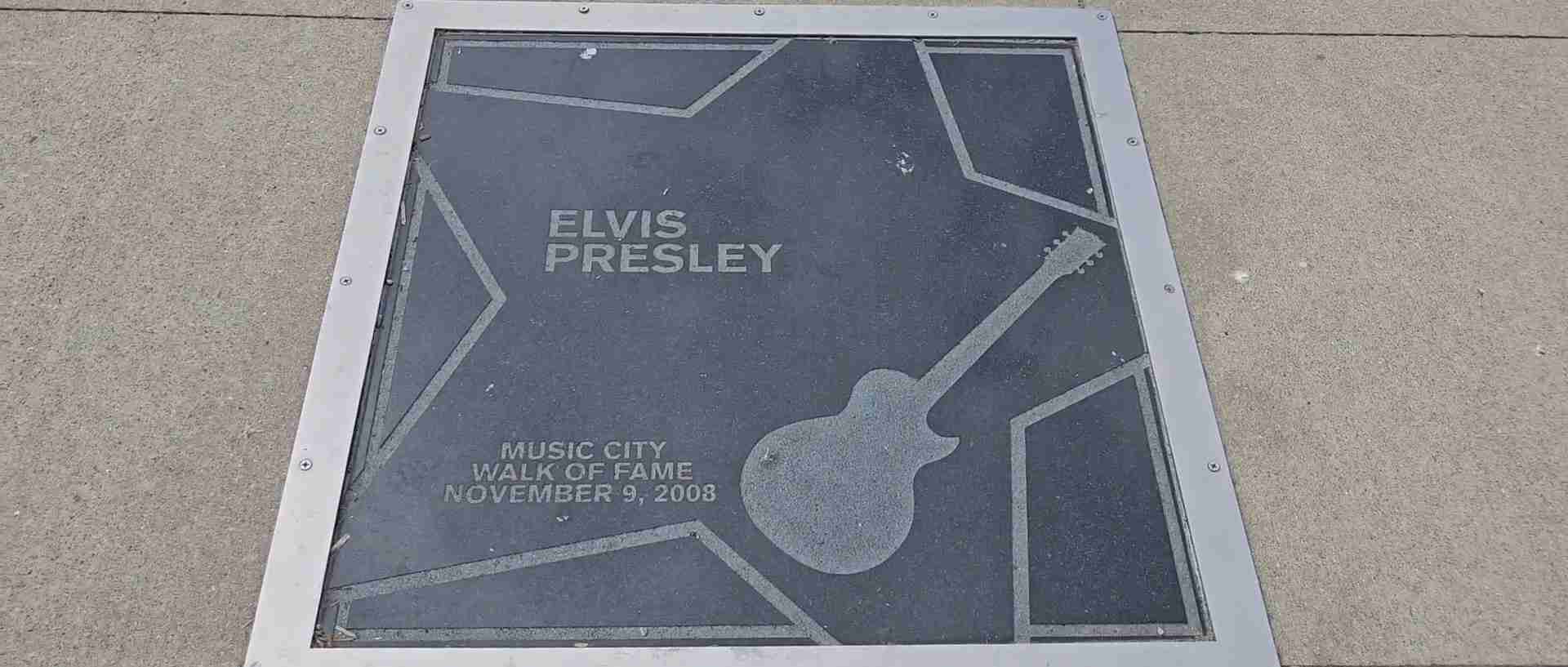
The Music City Walk of Fame on Demonbreun Street between 4th and 5th Avenues presents sidewalk plaques honoring musicians, songwriters, and industry figures who contributed to Nashville’s musical heritage. The outdoor installation operates continuously without admission requirements, allowing visitors to locate favorite artists and photograph plaques. New inductees join annually during public ceremonies, with the collection expanding beyond country music to include rock, soul, and contemporary pop artists with Nashville connections. The walk extends several blocks with nearby restaurants and honky tonks creating an easily walkable corridor for exploring multiple free attractions consecutively.
John Seigenthaler Pedestrian Bridge and Riverfront Access 2026
The John Seigenthaler Pedestrian Bridge spans 3,000 feet across the Cumberland River, connecting downtown Nashville at Broadway to East Nashville’s Nissan Stadium and residential neighborhoods. Originally constructed in 1909 as the Sparkman Street Bridge for vehicular traffic, the structure converted to pedestrian and bicycle use exclusively in 2003. The bridge operates 24 hours daily without tolls or access fees, serving as both practical transportation and recreational destination. The elevated deck provides unobstructed views upriver and downriver, capturing downtown skyline perspectives particularly dramatic during sunset and after dark when buildings illuminate.
Cyclists and runners use the bridge as a car-free connector between East Nashville’s Shelby Bottoms Greenway and downtown destinations. The bridge deck measures wide enough to accommodate simultaneous two-way pedestrian and bicycle traffic without congestion except during major events when crowds pack the span. Benches positioned at intervals allow extended viewing sessions for photography or relaxation. The bridge connects to riverfront parks on both shores, with Cumberland Park on the east bank providing playgrounds, interactive water features, and open lawns, while Riverfront Park on the west bank hosts free concerts and festivals throughout the year.
The bridge serves as a venue itself for special events including wedding photography sessions, running events, and public celebrations. New Year’s Eve draws thousands to witness fireworks launched from the river with bridge access remaining open throughout. The Music City Marathon course crosses the bridge annually with spectators lining the span to encourage runners. Engagement and wedding photographers favor the structure for its architectural elements and skyline backdrops. Street performers occasionally occupy the bridge during high-traffic periods though regulations technically prohibit commercial activity without permits.
Safety considerations include pedestrian-only status eliminating vehicle traffic concerns, though cyclists share the span and occasionally travel at speeds requiring awareness from walkers. The bridge deck surface includes drainage grates that can catch narrow bicycle tires or shoe heels requiring caution in wet conditions. Limited lighting after dark reduces visibility though ambient glow from downtown and stadium usually provides adequate illumination. The structure stands approximately 100 feet above the river at its highest point with railings preventing accidental falls but low enough that anyone determined could climb over, requiring supervision of children. Weather exposure means the bridge offers zero shelter during rain or extreme heat, and strong winds can make crossing uncomfortable during winter storms.
Free Neighborhood Exploration: 12 South, East Nashville, and Germantown 2026
The 12 South neighborhood extends along 12th Avenue South from Belmont University south to Wedgewood Avenue, presenting approximately eight walkable blocks of independent retail, dining, and Nashville’s most concentrated collection of Instagram-worthy murals. The neighborhood operates entirely as public streetscape without entrance fees or restricted zones. Street parking provides free two-hour spaces on side streets with metered spots along 12th Avenue costing $1.50 per hour. The “I Believe in Nashville” mural at 1210 Goodlette Avenue serves as the neighborhood’s unofficial symbol, photographed thousands of times daily by visitors. Additional murals appear throughout the corridor including works by local and national artists refreshed periodically.
Sevier Park anchors the neighborhood’s southern end, offering 24 acres of open space, walking paths, playgrounds, and dog park facilities at no cost. The park hosts community events including outdoor movie screenings, yoga classes, and seasonal festivals throughout the year without admission charges. The park’s central location makes it a natural gathering point for exploring surrounding blocks on foot. 12 South operates as a daytime destination, with most retail and dining establishments opening 10 AM or 11 AM and peak activity occurring afternoons and early evenings. Window shopping the independent boutiques costs nothing though most businesses welcome browsers without pressure to purchase.
East Nashville encompasses neighborhoods east of the Cumberland River accessed via pedestrian bridge, Woodland Street Bridge, or Korean Veterans Boulevard. The area’s commercial corridors along Gallatin Pike, Woodland Street, and Main Street present independent restaurants, vintage shops, record stores, and entertainment venues without admission requirements for street-level exploration. Grimey’s New & Preloved Music operates as the neighborhood’s cultural anchor, featuring exterior murals that rotate with new album releases. Five Points at the intersection of Woodland, 11th Street, and Clearview Avenue creates the neighborhood’s densest retail and dining cluster with free street access and public seating areas.
Shelby Park and Shelby Bottoms Greenway provide East Nashville’s primary free outdoor recreation with 360 acres of parkland, the 5-mile paved greenway, and natural surface trails along the Cumberland River. The park includes playgrounds, disc golf course, baseball fields, and nature center all operating without admission fees. The park hosts Beer Garden fundraising events spring and fall with free entry though beer purchases obviously cost money. The neighborhood supports significant mural and street art culture concentrated around Woodland Street and Dickerson Pike, accessible for self-guided walking tours without maps or guides though several companies offer paid mural tours for those preferring structured experiences.
Germantown occupies the area immediately north of downtown bordered by Jefferson Street, operating as one of Nashville’s oldest neighborhoods with restored 19th century architecture and contemporary restaurants and shops. The neighborhood presents entirely free street access for walking tours of historic buildings, including the Werthan Bag Corporation building redeveloped as mixed-use property. The Farmers Market anchors Germantown’s eastern edge at 900 Rosa L. Parks Boulevard, operating year-round with free entry to browse produce vendors, prepared food stalls, and artisan merchants. Saturday mornings feature live music performances at the market without cover charges. The Bicentennial Capitol Mall State Park borders Germantown’s southwestern edge, providing immediate access to that park’s free historical exhibits and walking paths.
Major Free Events and Festivals 2026
Let Freedom Sing! Music City July 4th represents Nashville’s signature free celebration, occurring at Bicentennial Capitol Mall State Park with attendance typically exceeding 200,000. The 2026 event marks America’s 250th birthday with enhanced programming including daytime family activities, food vendors, and performances building to an evening headliner concert by the Nashville Symphony. The event culminates in fireworks synchronized to the symphony’s live performance, creating what organizers describe as one of the nation’s largest Fourth of July fireworks displays. Admission remains free with gates opening at 4 PM for daytime programming and music beginning around 6 PM. Attendees should arrive via public transportation, rideshare, or early parking due to road closures throughout downtown during the event.
CMA Fest operates June 4-7, 2026, combining ticketed stadium shows at Nissan Stadium with free outdoor concerts across multiple downtown stages. The free programming includes performances at Riverfront Park, Bridgestone Plaza, Walk of Fame Park, and Ascend Park featuring hundreds of artists throughout the four-day festival. The outdoor stages operate continuously from late morning through evening with zero admission requirements, though crowds pack popular performance times requiring early arrival for preferred viewing positions. The festival draws approximately 80,000 visitors creating exceptional people-watching and spontaneous performances beyond the scheduled stages. Lower Broadway honky tonks maintain their standard no-cover policies during CMA Fest though drink prices may increase and wait times extend significantly.
Musicians Corner presents Nashville’s premier free summer concert series at Centennial Park, operating Saturdays May through October with performances 5 PM to 7 PM. The 2026 season marks the series’ 17th year, featuring local and regional artists across Americana, country, rock, and blues genres. The events include artisan vendors, food trucks, craft beer and wine sales, and family activities creating festival atmosphere without admission gates or ticket requirements. Attendees bring blankets or low chairs for lawn seating around the bandshell stage. The series occasionally features national touring acts alongside developing local talent, with complete lineups posted on the Centennial Park Conservancy website throughout the season.
Nashville Earth Day on April 18, 2026 brings environmental programming to Centennial Park with free admission to interactive exhibits, sustainable vendor markets, educational workshops, and family activities celebrating environmental awareness. Dozens of nonprofit organizations present information about conservation initiatives, recycling programs, and climate action strategies. Local food vendors serve plant-based and sustainable options, craft demonstrations show upcycling and waste reduction techniques, and entertainment includes musical performances and speakers throughout the day. The event operates 10 AM to 6 PM with free parking at nearby public lots subject to availability.
The Tomato Art Fest occupies East Nashville’s Five Points intersection in August, delivering free admission to multiple music stages, art vendor markets, and the neighborhood’s celebration of tomato culture. The festival began in 2004 as a quirky community event and has expanded to include tomato-themed art competitions, live music on three stages, food vendors, and street performers. Attendance reaches approximately 50,000 over the weekend event days, making Five Points virtually inaccessible by vehicle and transforming the commercial district into pedestrian-only festival space. Performances run continuously from noon through evening across rock, country, and alternative genres.
Nashville Mushroom Festival at Bells Bend Park on May 2, 2026 offers free admission to educational programming about mushroom foraging, cultivation techniques, and mycology basics. Food trucks serve mushroom-focused dishes, vendor markets sell mushroom-related products and cultivation supplies, and a 5K run/walk raises funds for park programming. Expert foragers lead discussions about identifying edible species, safe harvesting practices, and ecological roles of fungi in local ecosystems. The festival operates 9 AM to 4 PM at Bells Bend Park with ample free parking and family-friendly activities throughout the day.
Free Transportation: Music City Circuit 2026
The Music City Circuit operates as WeGo Public Transit’s free bus route connecting major visitor destinations throughout downtown Nashville, operating Monday through Saturday approximately 6 AM to 11 PM and Sunday 8 AM to 11 PM. The circuit follows a continuous loop with stops at the Tennessee State Museum, Farmers Market, downtown Broadway honky tonks, Riverfront Park, Music City Center, and Gulch neighborhood. Buses arrive at each stop approximately every 15 minutes during peak hours and 20-30 minutes during evening service. The route displays distinctive signage at designated stops marked with “Music City Circuit” identification.
The free route eliminates parking costs for visitors exploring multiple downtown areas consecutively, particularly valuable given downtown parking rates of $3-8 per hour at public lots and meters. Riding the circuit allows tourists to experience Nashville’s public transportation system without navigating the broader WeGo route network or purchasing fare cards. The buses accommodate wheelchairs and mobility devices with low-floor boarding and designated securement areas. Bicycle racks on bus fronts allow cyclists to combine riding with transit for extended range without parking concerns.
Strategic use of the Music City Circuit enables efficient access to free attractions in sequence: begin at the Tennessee State Museum, ride to the Farmers Market for browsing and lunch options, continue to Lower Broadway for afternoon music, and conclude at Riverfront Park or return to museum area for evening activities. The route operates year-round including weekends and most holidays when many visitors explore Nashville. Real-time arrival information appears on the WeGo Transit app though the short headways mean minimal wait times at most stops during operating hours.
The circuit integrates with WeGo’s broader transit network for travelers needing access beyond the downtown core. Connections to routes serving Warner Park, Radnor Lake, and other outlying free attractions require transfers to numbered routes with standard $2 fares. The free circuit status applies only to the dedicated Music City Circuit loop, not other WeGo services. Service interruptions occur occasionally during major downtown events when street closures prevent normal routing, with temporary stops and detours announced via the WeGo app and posted signage at affected stops.
Seasonal Considerations for Free Nashville Activities 2026
Nashville’s free outdoor attractions operate year-round though seasonal weather patterns significantly affect visitor comfort and experience quality. Spring months from March through May deliver ideal conditions for hiking, park visits, and outdoor events with temperatures ranging 60-80°F and moderate humidity. Wildflower displays peak in April across Warner Park trails, Radnor Lake preserves, and Centennial Park gardens. Spring also concentrates major free events including Nashville Earth Day in April, Musicians Corner launching in May, and various neighborhood festivals capitalizing on comfortable weather. Spring weather variability means occasional thunderstorms disrupt outdoor plans, and tornado season extends March through May requiring awareness of severe weather protocols.
Summer from June through August brings heat and humidity that challenge outdoor activities during midday hours, with temperatures frequently exceeding 90°F and humidity creating heat index values above 100°F. Morning hikes before 10 AM or evening activities after 6 PM provide more comfortable outdoor experiences during summer peaks. Free outdoor concerts including Musicians Corner at Centennial Park operate during summer despite heat, with afternoon shade and evening cooling making events manageable. Major summer free events include Let Freedom Sing! July 4th and CMA Fest in early June, both requiring heat preparation including sunscreen, hydration, and appropriate clothing. Indoor free attractions including the Tennessee State Museum provide air-conditioned alternatives during peak summer heat.
Fall represents Nashville’s optimal season for outdoor activities, with September through November delivering comfortable temperatures, low humidity, and spectacular fall foliage displays. Warner Park trails experience peak fall color mid-October through early November, drawing photographers and hikers to witness hardwood forest transformations. Musicians Corner concerts continue through October before the season concludes. Radnor Lake reaches maximum beauty during fall with reduced humidity improving distant views and comfortable temperatures enabling longer hikes. Fall also brings Tennessee State Fair in September and various harvest festivals, though the fair charges admission unlike most Nashville fall events.
Winter months from December through February present Nashville’s least crowded free attractions with temperatures typically ranging 30-50°F. The Tennessee State Museum benefits from winter visits, offering indoor exploration without summer crowds. Outdoor winter activities remain viable for hardy visitors, with trails accessible except during occasional ice or snow events that close paths for safety. Lower Broadway honky tonks maintain full no-cover operations throughout winter, providing warm indoor entertainment during cold months. Holiday programming at Centennial Park and downtown includes free events, though the city’s major holiday attraction Cheekwood Holiday Lights requires paid admission. January and February represent Nashville’s slowest tourism months, creating opportunities for locals and budget-conscious visitors to access free attractions without summer festival crowds or spring/fall tourism peaks.
Photography Opportunities at Free Nashville Locations 2026
Nashville’s free attractions provide exceptional photography locations spanning architectural landmarks, natural landscapes, urban murals, and cultural scenes. The Parthenon at Centennial Park serves as the city’s most iconic photograph subject, offering multiple perspective options including frontal elevation shots capturing the full colonnade, detail captures of pediment sculptures, and creative compositions incorporating Lake Watauga reflections. Golden hour lighting approximately one hour before sunset illuminates the Parthenon’s western facade dramatically, while blue hour after sunset creates atmospheric images with the structure’s exterior lighting system activated. The surrounding park grounds allow photographers to establish foreground elements including seasonal flowers, lakeside reeds, or park visitors for scale and context.
The John Seigenthaler Pedestrian Bridge generates compelling skyline compositions, particularly shooting from the bridge deck toward downtown’s western shore. Sunset positions the sun behind downtown buildings creating silhouette opportunities, while twilight captures illuminate buildings without harsh shadows. The bridge’s structural elements including suspension cables and deck railings provide leading lines directing viewer attention toward the skyline. Shooting from Cumberland Park on the eastern shore toward the bridge itself creates another perspective emphasizing the span’s architectural character against city backdrop. The bridge location enables bracketed exposures combining properly exposed foreground bridge elements with correctly rendered skyline lights during blue hour.
Mural photography concentrates in 12 South and East Nashville neighborhoods, with the “I Believe in Nashville” mural at 1210 Goodlette Avenue photographed thousands of times daily. Successful mural photography requires arriving early morning before crowds accumulate, typically before 9 AM on weekdays. Overcast conditions provide even lighting reducing harsh shadows and blown highlights that plague midday sunny mural shots. Including people interacting with murals adds scale and interest compared to static mural-only compositions, though this requires coordination with willing subjects or patience waiting for interesting interactions. Grimey’s Record Store exterior murals in East Nashville refresh periodically, providing ever-changing subjects that reward repeat photography sessions.
Lower Broadway’s neon-lit honky tonk corridor creates night photography opportunities capturing Nashville’s musical heritage through environmental portraiture and architectural documentation. The concentrated neon signage along Broadway between 2nd and 5th Avenues illuminates the street sufficiently for handheld photography using modern cameras’ high ISO capabilities. Tootsie’s Orchid Lounge purple façade provides distinctive color, while the Legends Corner marquee and various vintage neon signs create nostalgic Americana compositions. Interior photography within honky tonks requires respecting performers and patrons, with unobtrusive available-light shooting preferable to flash photography that disrupts performances. Weekend nights generate the densest crowd activity though weekday afternoons offer easier composition control with fewer people blocking sight lines.
Natural area photography at Warner Park, Radnor Lake, and Shelby Bottoms capitalizes on seasonal transformations including spring wildflowers, summer lush canopy, fall foliage, and winter structural clarity. Radnor Lake State Park prohibits commercial photography requiring permits but allows personal photography throughout the preserve. Early morning visits increase wildlife encounter probabilities, with white-tailed deer, great blue herons, and various waterfowl more active during dawn hours. Macro photography opportunities exist year-round, from spring wildflower close-ups to summer insects on native plants to fall seed head textures. The elevated overlooks in Warner Park provide landscape compositions impossible in flatter Nashville locations, particularly during fall when canopy colors extend to distant horizons.
Strategies for Maximizing Free Nashville Experiences 2026
Successful free Nashville visits require advance planning around event schedules, weather patterns, and attraction operating hours to maximize experiences without admission costs. Weekday visits from September through November and March through May offer optimal combinations of mild weather and reduced crowds at popular free attractions. The Tennessee State Museum operates Tuesday through Sunday, necessitating planning to avoid Monday closures. Major free events including Let Freedom Sing! July 4th, CMA Fest free stages, and Musicians Corner concerts occur on predetermined dates requiring schedule alignment. Consulting the Visit Nashville event calendar and individual venue websites before traveling ensures awareness of special programming enhancing standard free access.
Transportation planning significantly impacts free attraction accessibility and costs. Parking downtown costs $3-8 per hour at meters and public lots, potentially exceeding admission savings from free attractions. The Music City Circuit free bus route eliminates parking expenses while connecting multiple downtown free destinations. Rideshare services provide door-to-door convenience though surge pricing during major events can triple standard rates from typical $10-15 trips to $30-50. Strategic parking in free or low-cost areas followed by walking or transit use optimizes transportation budgets. The John Seigenthaler Pedestrian Bridge enables free walking access between downtown and East Nashville, connecting Lower Broadway music to Shelby Bottoms trails and Five Points dining without requiring vehicle repositioning.
Food and beverage costs represent the primary expense category when visiting free attractions, particularly Lower Broadway honky tonks where no-cover policies depend on beverage revenue. Budget-conscious visitors can minimize bar spending by limiting Broadway time to one or two drinks per venue while sampling multiple establishments rather than extended sessions generating large tabs. The Nashville Farmers Market provides prepared food options at lower prices than downtown restaurants, with breakfast and lunch vendors operating without markup typical of tourist-oriented establishments. Picnic options work well for park visits, with grocery stores near Centennial Park and Warner Park allowing provisioning before arrival. Hydration proves essential during summer free outdoor events, with reusable water bottles refillable at park facilities and public fountains reducing bottled water purchases.
Combining free attractions into logical geographic clusters prevents excessive travel time and costs between disconnected locations. A downtown cluster includes the Tennessee State Museum, Bicentennial Capitol Mall State Park, Lower Broadway music, Farmers Market, and riverfront areas all accessible via Music City Circuit or walking. A southwest cluster combines Centennial Park, the Parthenon exterior, and 12 South neighborhood exploration within two miles of each other. An East Nashville cluster links Shelby Bottoms trails, Five Points commercial district, Grimey’s murals, and the pedestrian bridge crossing to downtown. Warner Park and Radnor Lake require separate trips from downtown due to distances, though both can combine into a southwest Nashville outdoor day given their proximity to each other.
Weather contingency planning preserves free experiences when conditions deteriorate. The Tennessee State Museum serves as the primary free indoor alternative during rain or extreme heat, with Fort Negley’s covered exhibit areas providing secondary shelter. Lower Broadway honky tonks operate continuously regardless of weather, delivering indoor music when outdoor activities become uncomfortable. Library branches throughout Nashville offer free air-conditioned space and public restrooms though they function as quiet study environments rather than tourist attractions. Summer thunderstorms typically pass within 30-60 minutes, making indoor breaks at museums or honky tonks viable strategies for waiting out precipitation before resuming outdoor activities at parks or the pedestrian bridge.
Free Activities for Families with Children 2026
Nashville’s free attractions include substantial family-oriented options accommodating children across age ranges from toddlers through teenagers. Centennial Park provides 132 acres of open space for active play, with playground equipment near the Parthenon and ample lawns for running, frisbee, or informal games. Lake Watauga supports duck feeding though the park requests visitors use appropriate foods rather than bread harmful to waterfowl. The park’s free WiFi enables parents to remain connected while children explore playgrounds. Musicians Corner concerts at Centennial Park May through October include designated family activity areas with crafts, games, and interactive programming specifically designed for children alongside the live music.
Cumberland Park on the Cumberland River’s east bank operates as Nashville’s premier free playground destination, featuring interactive water features, climbing structures designed to represent Nashville’s bridges, and sensory play elements. The park’s zero-depth water play areas operate seasonally approximately May through September, providing free cooling opportunities during summer heat. The park incorporates educational elements including musical instruments and nature-themed play structures. Parking in adjacent lots costs $2-5 daily though the park itself charges no admission. The park connects directly to the John Seigenthaler Pedestrian Bridge, allowing families to walk across the river to downtown for ice cream or return visits to Lower Broadway’s street performers.
The Tennessee State Museum tailors portions of its exhibits for children, with interactive displays in the natural history section and hands-on activities in the education gallery. The museum offers free family activity guides at the entrance desk, suggesting age-appropriate exploration routes and discussion prompts. Weekend family programs occasionally include free craft activities, storytelling sessions, and educational presentations though these require checking the museum’s event calendar for specific dates. The museum’s scale means families can spend 60-90 minutes exploring highlights without exhausting young children’s attention spans, or extend visits to 2-3 hours for older children interested in detailed historical content.
Warner Park trails accommodate family hiking with varying difficulty levels, allowing route selection matching children’s abilities and stamina. The Warner Woods Trail’s 2.5-mile loop provides moderate terrain accessible for elementary-age children accustomed to hiking, while shorter connector trails allow abbreviated routes returning to parking areas if children tire. The Nature Center offers free educational programs including guided family hikes focusing on seasonal nature topics like spring wildflowers, summer insects, or fall leaf identification. The park’s facilities include public restrooms, water fountains, and picnic areas supporting extended family visits combining hiking with lunch and playground time at adjacent facilities.
Lower Broadway honky tonks operate as adult-oriented venues though families with children frequent the corridor during daytime and early evening hours. The music remains family-appropriate country, rock, and blues without explicit content during daytime periods typically before 9 PM. Many establishments serve food alongside beverages, allowing families to dine while experiencing live music. The pedestrian-heavy environment on Broadway requires close supervision of children given vehicle traffic on cross streets, crowds during peak times, and general urban navigation challenges. Sidewalk street performers including musicians, artists, and occasional street performers add entertainment though quality and appropriateness vary without regulation.
Accessibility Features at Free Nashville Attractions 2026
The Tennessee State Museum maintains comprehensive accessibility throughout its 137,000-square-foot facility including wheelchair-accessible entrances, elevators serving all five floors, and wide galleries accommodating mobility devices. The museum provides wheelchairs for visitor use at no charge on a first-come basis, with advance reservations ensuring availability. Exhibit text appears at heights accessible from wheelchairs, and interactive displays incorporate reach considerations for seated visitors. The museum offers assistive listening devices for hearing-impaired visitors and audio description services for visually impaired guests, both available free through the visitor services desk. Service animals accompany visitors throughout the museum following standard ADA protocols.
Centennial Park’s 132 acres include both accessible and challenging terrain depending on specific locations. Paved pathways circle Lake Watauga providing wheelchair-accessible routes with minimal grades, while the Parthenon’s exterior colonnade requires navigating stairs limiting ground-level access for mobility-impaired visitors. The park’s parking areas include designated accessible spaces near major features, though distances from parking to specific destinations can exceed quarter-mile requiring planning for visitors with limited mobility. Park restrooms incorporate accessible stalls and facilities meeting ADA standards. The park’s open lawn areas allow wheelchair navigation during dry conditions though wet weather can create muddy conditions impeding wheeled access.
The John Seigenthaler Pedestrian Bridge provides fully accessible crossing via its 3,000-foot paved deck with zero steps or elevation changes beyond the gradual bridge slope from approach ramps. The bridge width accommodates wheelchairs, mobility scooters, and other assistive devices while allowing pedestrian and bicycle traffic to pass safely. Benches along the bridge include spaces for wheelchair parking enabling extended viewing sessions. The bridge connects to accessible routes on both shores, with Cumberland Park’s paved pathways and downtown sidewalks providing continued navigation without obstacles. The bridge’s 1.5% maximum grade qualifies as wheelchair-accessible under ADA standards, though the 3,000-foot length requires stamina for manually propelled wheelchairs.
Warner Park trails present mixed accessibility depending on specific routes selected. The paved multi-use trails offer wheelchair-accessible hiking opportunities extending approximately nine miles through the park system with connections to the Harpeth River Greenway. These paved routes maintain ADA-compliant grades and widths suitable for various mobility devices. The unpaved hiking trails navigate natural terrain with roots, rocks, elevation changes, and narrow widths incompatible with wheelchairs or most mobility devices. The Nature Center building includes accessible parking, restrooms, and exhibit areas, with staff available to recommend specific accessible routes matching visitor abilities. The park’s size means accessible routes can extend several miles from parking areas, requiring planning for visitors with limited range.
Lower Broadway establishments operate in historic buildings predating ADA requirements, resulting in variable accessibility between venues. Some honky tonks include street-level access through front doors with interior spaces accommodating wheelchairs, while others require navigating stairs to reach performance areas or restrooms. Multiple-story venues typically lack elevators, restricting mobility-impaired visitors to ground floors only. The crowded sidewalk conditions on Broadway during peak times can challenge navigation for wheelchairs and mobility devices, particularly weekend evenings when pedestrian density reaches maximum levels. Several newer establishments including Friends in Low Places incorporated accessibility features during recent construction, offering elevator access to multiple floors and accessible restroom facilities.
Extending Free Nashville Visits Beyond the City 2026
The Natchez Trace Parkway begins approximately 18 miles southwest of downtown Nashville, offering 444 miles of scenic roadway extending to Natchez, Mississippi. The parkway operates without tolls or entrance fees, maintained by the National Park Service as a commemorative route following the historic Natchez Trace trade path. The Nashville area section includes multiple free access points with parking areas, short interpretive trails, and historical markers documenting Native American heritage, early American settlement, and Civil War events. The parkway prohibits commercial traffic, creating peaceful driving conditions ideal for cycling given wide paved shoulders and minimal vehicle speeds. Numerous pullouts and picnic areas allow extended exploration without costs beyond fuel for reaching the parkway.
Radnor Lake State Park operates as the closest state park to downtown Nashville but represents just one of several accessible state parks offering free admission. Long Hunter State Park on Percy Priest Lake approximately 15 miles east of downtown provides 2,600 acres with hiking trails, lake access, and natural areas without entrance fees. The Day Loop Trail ranks among Middle Tennessee’s most popular day hikes, offering 3.7 miles around Bryant Cove with lake views and forested sections. Cedars of Lebanon State Park 35 miles east preserves limestone cedar glades with unique plant communities and 8 miles of hiking trails. Both parks charge only for camping facilities, with day-use hiking, picnicking, and nature study available at no cost.
The Stones River National Battlefield preserves the site of the December 1862-January 1863 battle southeast of Nashville, operating as a National Park Service unit with free admission. The battlefield includes 5 miles of driving tour roads, walking trails connecting significant battle locations, and a visitor center with exhibits about the engagement and its role in the Civil War’s Western Theater. The Stones River Greenway extends 11 miles along the Stones River through the battlefield area and surrounding communities, providing additional free trail access for walking and cycling. The battlefield operates daily dawn to dusk with the visitor center open 8 AM to 5 PM providing free ranger programs and orientation films.
Fort Donelson National Battlefield in Dover approximately 65 miles northwest of Nashville commemorates the February 1862 Union victory securing Nashville and opening the Cumberland River to federal forces. The battlefield offers free admission to driving tour roads, hiking trails, river overlooks, and preserved fortifications. The visitor center presents exhibits and a film about the campaign without charges. The Dover Hotel where Confederate surrender negotiations occurred opens for free tours. The battlefield’s position on the Cumberland River provides scenic overlooks and picnic areas alongside the historical interpretation. The site operates daily with winter hours limiting visitor center access but maintaining grounds access.
Arrington Vineyards 25 miles south of Nashville offers free admission to its grounds, though wine tastings and bottle purchases obviously cost money. The winery property includes walking paths through vineyards, hilltop views across rolling countryside, and picnic areas where visitors can consume purchased wine or brought food. Weekend live music performances occur seasonally April through October without cover charges, creating festival atmosphere particularly popular summer Saturday afternoons. The free admission policy means visitors can explore the grounds, enjoy views, and experience the outdoor venue without wine purchases, though the business model assumes most visitors will buy tastings or bottles.
Frequently Asked Questions About Free Nashville Activities 2026
Is it really free to listen to live music on Lower Broadway in Nashville?
Lower Broadway honky tonks operate without cover charges year-round, providing free live music from 10 AM to 3 AM daily at approximately 30 establishments along the four-block corridor between 1st and 5th Avenues. Venues including Tootsie’s Orchid Lounge, Robert’s Western World, Legends Corner, The Stage on Broadway, and Friends in Low Places maintain this no-cover policy as standard practice, with only rare exceptions for special ticketed events. The establishments generate revenue through beverage sales, with typical beer prices around $8-12 and cocktails $10-15. Some venues may implement drink minimums during peak weekend nights, though this varies by establishment and represents the exception rather than standard policy. The no-cover tradition continues because it drives foot traffic and creates the authentic honky tonk atmosphere that defines Nashville’s musical reputation.
What is the best free outdoor activity in Nashville for first-time visitors?
The John Seigenthaler Pedestrian Bridge provides the single best free outdoor introduction to Nashville, combining practical transportation between downtown and East Nashville with spectacular skyline photography opportunities and connection to multiple other free attractions. The 3,000-foot bridge walk takes 15-20 minutes at casual pace, delivers unobstructed views of the Cumberland River and downtown skyline, and operates 24 hours without admission requirements. The bridge connects to Lower Broadway honky tonks on the western shore and Cumberland Park plus Shelby Bottoms Greenway on the eastern shore, enabling extended free exploration beyond the bridge itself. Sunset timing creates ideal lighting for photography with downtown buildings illuminated against colorful skies. The bridge accessibility, central location, and iconic views make it the optimal starting point for first-time visitors exploring Nashville’s free attractions before venturing to neighborhoods, trails, or cultural sites.
Does the Tennessee State Museum require tickets or reservations for 2026?
The Tennessee State Museum operates with completely free admission requiring zero tickets, reservations, or advance booking for general visits Tuesday through Sunday. Visitors arrive during operating hours (Tuesday-Saturday 10 AM to 5 PM, Sunday 1 PM to 5 PM) and enter directly to explore the 137,000 square feet of permanent and special exhibitions without registration. The museum occasionally hosts special events or lectures requiring registration for capacity management, though general gallery access continues without restrictions during these programs. School groups and tour operators benefit from contacting the museum in advance to alert staff about large group visits, but individual visitors and families enter freely without notification. The museum’s free admission policy extends to all exhibitions including traveling special exhibitions that many museums charge separate fees to view.
Can you hike in Nashville parks for free or do they charge entrance fees?
Nashville’s metropolitan park system operates without entrance fees, parking charges, or permit requirements for day use at Warner Park, Shelby Bottoms, Beaman Park, and Bells Bend Park. These parks provide hundreds of miles of hiking trails accessible from dawn to dusk or designated closing times without any costs. Radnor Lake State Park similarly charges no entrance fees for hiking its trails dawn to dusk daily, though parking capacity limits sometimes fill completely during peak times requiring arrival before 9 AM on weekends during spring and fall. The only costs associated with free park access come from parking meters in some urban park areas like Centennial Park where street parking includes metered zones, though free parking exists on side streets within walking distance. Camping at parks requires permits and fees, but all day-use hiking, walking, and nature observation occurs without charges.
What free events happen in Nashville during summer 2026?
Summer 2026 free events in Nashville include Let Freedom Sing! Music City July 4th at Bicentennial Capitol Mall State Park with Nashville Symphony performances and fireworks, CMA Fest free stages at Riverfront Park and multiple downtown locations June 4-7, and Musicians Corner weekly Saturday concerts at Centennial Park continuing through the summer season. The Tomato Art Fest in East Nashville’s Five Points occurs in August with free admission to multiple music stages and art displays. Nashville Farmers Market operates year-round with free Saturday morning live music throughout summer. Various neighborhood events including East Nashville Beer Garden fundraisers at Shelby Park, gallery crawls in 12 South and Germantown, and outdoor movie screenings at Sevier Park provide additional free entertainment. The Music City Circuit free bus route operates throughout summer connecting these events and eliminating parking costs for visitors exploring multiple locations consecutively.
Are bathrooms and parking free at Nashville’s free attractions?
Public restrooms at free attractions operate without charges at the Tennessee State Museum, Fort Negley, Warner Park Nature Center, Shelby Bottoms Nature Center, Centennial Park recreation center, and other Metro Parks facilities. Lower Broadway establishments typically restrict restrooms to customers, though buying a $3-5 soft drink provides access without requiring alcohol purchases. Parking costs vary significantly: Warner Park, Shelby Bottoms, Beaman Park, and Bells Bend Park provide free parking in designated lots, while downtown locations including the Tennessee State Museum area, Centennial Park vicinity, and Lower Broadway charge $3-8 per hour at meters and public lots. Free street parking exists on residential side streets near most attractions though availability varies and may require walking 5-10 minutes from free spaces to destinations. The Music City Circuit free bus route eliminates parking requirements for visitors using transit between downtown free attractions.
Can you visit the Nashville Parthenon for free in 2026?
The Parthenon’s exterior at Centennial Park remains accessible for free photography, observation, and grounds exploration year-round without admission requirements. Visitors can walk the building’s perimeter, examine architectural details, photograph the structure from multiple angles, and enjoy the surrounding park grounds at no cost. The interior museum and art galleries require paid admission at $10 for adults, with the highlight being the 42-foot statue of Athena Parthenos inside the main chamber. Visitors prioritizing only exterior photography and architecture study can experience the Parthenon completely free by remaining outside the building. The surrounding park provides optimal photography positions including lake reflections, garden foregrounds, and elevated approaches via walking paths creating varied compositional opportunities without requiring interior access.
What are the best free things to do in Nashville with kids in 2026?
Cumberland Park provides Nashville’s premier free family destination with interactive water features operating May through September, climbing structures designed as bridge replicas, and sensory play elements without admission charges. Centennial Park offers 132 acres for active play, playground equipment, and Musicians Corner free concerts with designated children’s activity areas. The Tennessee State Museum welcomes families with interactive exhibits, free activity guides at the entrance desk, and weekend educational programming requiring no admission. Shelby Bottoms Greenway’s 5 miles of paved trails accommodate strollers and young cyclists with flat terrain and nature center exhibits. Lower Broadway provides free live music during daytime hours before 7 PM when family presence remains common and age-appropriate. The John Seigenthaler Pedestrian Bridge delivers adventure walking 100 feet above the Cumberland River with playground access at Cumberland Park on the eastern shore.
How much should I budget for a day in Nashville visiting only free attractions?
A full day exploring Nashville’s free attractions requires budgeting only for food, beverages, and transportation with zero admission costs. Breakfast at Nashville Farmers Market costs approximately $8-15, lunch from food trucks or casual restaurants $12-18, and dinner $20-35 per person for mid-range dining. Lower Broadway honky tonk visits generate beverage costs around $8-12 per beer with most visitors consuming 2-4 drinks over several hours across multiple venues totaling $25-50. Parking downtown costs $10-25 for all-day access, or the Music City Circuit provides free transportation eliminating this expense. Total daily costs range approximately $75-140 per person covering meals, beverages, and parking while accessing free museums, parks, trails, live music, and attractions. Packing lunch for park visits and limiting alcohol consumption reduces costs toward the $50-75 range, while splurging on restaurants and extended honky tonk time increases budgets to $150+ despite zero admission fees.
What free attractions are open year-round in Nashville?
Lower Broadway honky tonks operate 365 days annually including holidays with continuous no-cover live music 10 AM to 3 AM daily. The Tennessee State Museum opens Tuesday through Sunday year-round except Thanksgiving, Christmas, and New Year’s Day. Warner Park trails, Shelby Bottoms Greenway, and other Metro Parks remain accessible dawn to dusk or designated closing times every day regardless of season or weather. Centennial Park’s 132 acres stay open continuously though the Parthenon interior museum closes during winter renovation periods. The John Seigenthaler Pedestrian Bridge operates 24 hours daily throughout the year. Fort Negley opens Tuesday through Saturday year-round with reduced winter hours. The Nashville Farmers Market operates year-round with reduced vendor selection during winter months. Seasonal events like Musicians Corner concerts, Let Freedom Sing! July 4th, and CMA Fest occur only during scheduled months, but Nashville’s core free attractions maintain consistent access regardless of season.