
Naples with Kids 2026: Complete Family Guide
Key Takeaways
- Naples offers exceptional family experiences combining archaeology, interactive science museums, volcanic exploration, and authentic pizza-making workshops perfect for children of all ages
- Family admission costs for major attractions range €45-90 for a family of four in 2026, with significant savings available through advance booking and combined tickets
- The city’s compact historic center allows easy exploration on foot with children, while excellent public transportation reaches Pompeii, Mount Vesuvius, and coastal destinations within 30-60 minutes
- Naples provides outstanding child-friendly dining with authentic Neapolitan pizza starting €6-10 per margherita, gelato shops on every corner, and restaurants genuinely welcoming to families with young children
- Strategic timing between September-October and April-May delivers comfortable temperatures, manageable crowds, and lower accommodation costs while avoiding the intense summer heat and winter rain
- Safety concerns about Naples are largely exaggerated for tourists—standard urban precautions regarding belongings and traffic awareness ensure worry-free family exploration of this vibrant Italian city
Discovering Family-Friendly Naples in 2026
Naples transforms into an extraordinary family destination when you understand how to navigate its chaotic energy, authentic culture, and remarkable historical treasures. The city delivers experiences that captivate children while providing educational value parents appreciate—from exploring actual volcanic craters and ancient Roman cities frozen in time to creating authentic pizza and discovering underground tunnels beneath the modern streets. Unlike sanitized theme parks, Naples offers real cultural immersion where your children taste genuine Italian life, practice basic Italian phrases with friendly locals, and develop appreciation for history through tangible archaeological wonders.
The 2026 season brings enhanced family infrastructure including improved stroller accessibility at major archaeological sites, expanded English-language family tours, and new interactive exhibits at the National Archaeological Museum specifically designed for young visitors. Naples combines affordability with authenticity—your family experiences world-class museums, UNESCO World Heritage sites, and legendary cuisine at costs significantly below other major Italian destinations like Rome, Florence, or Venice. The city rewards families willing to embrace its energetic street life, with discoveries around every corner from street performers in Piazza del Plebiscito to artisan workshops in the Spanish Quarter where craftsmen welcome curious children watching them work.
People Also Ask About Naples with Kids 2026
Is Naples safe for families with children in 2026?
Naples is safe for families practicing standard urban awareness regarding belongings and traffic. The city’s reputation for danger is largely outdated and exaggerated—violent crime against tourists is extremely rare, and families encounter friendly locals who genuinely appreciate seeing children enjoying their city. The primary safety considerations involve watching belongings in crowded areas like the train station and busy piazzas, teaching children about aggressive motor scooter traffic before crossing streets, and staying aware in very crowded tourist zones where pickpockets occasionally operate.
The historic center’s narrow pedestrian streets actually provide safer exploration than wide vehicle-dominated boulevards, allowing children to walk freely without constant traffic concerns. Naples families fill the streets during evening passeggiata (traditional stroll), creating a welcoming atmosphere for visiting families. Police maintain visible presence at major tourist sites, and hotels/restaurants in tourist areas provide the same security standards as elsewhere in Italy. Your children face greater risks from overindulging in gelato than from any security concerns in Naples’s family-friendly neighborhoods.
What are the best family activities in Naples in 2026?
The National Archaeological Museum provides extraordinary experiences for children through its extensive Pompeii collection featuring everyday Roman life objects, the interactive Secret Cabinet displaying ancient erotica (parents decide age-appropriateness), and hands-on archaeology workshops for young visitors. The museum’s 2026 family programs include treasure hunt activities with maps guiding children to discover specific artifacts, making the vast collection engaging for ages 6-16. Entry costs €18 for adults, free for children under 18, making a family visit remarkably affordable compared to similar world-class museums.
Città della Scienza (Science City) captivates children with over 10,000 square meters of interactive exhibits exploring physics, biology, space exploration, and technology through hands-on experiments rather than passive observation. The planetarium presents astronomy shows adapted for different age groups, while the outdoor science park allows children to run between giant exhibits demonstrating scientific principles through play. Pizza-making workshops at traditional pizzerias teach children the art of stretching dough, applying toppings, and watching their creation emerge from wood-fired ovens—they eat their own pizza for lunch while learning about Neapolitan culinary tradition. Day trips to Pompeii transform history lessons into tangible exploration as children walk actual Roman streets, peek into ancient homes, and imagine daily life 2,000 years ago.
How much does a family trip to Naples cost in 2026?
A family of four visiting Naples spends €350-550 per day in 2026 for mid-range comfort including accommodation, meals, activities, and local transportation. Check booking platforms for current accommodation rates as pricing varies by season and availability. This budget provides comfortable three-star hotel accommodations in safe central neighborhoods, three restaurant meals daily including proper Neapolitan pizza, admission to major attractions, public transportation, and daily gelato allowances for happy children.
Budget-conscious families reduce costs to €250-350 daily by choosing apartment rentals with kitchens (allowing breakfast and some meals at home), utilizing free attractions including churches and public squares, walking instead of taking taxis, and timing visits during shoulder season (April-May or September-October) when accommodation costs drop 30-40%. Luxury families spending €700-1,000 daily access four-star hotels with family suites, private tours with English-speaking guides, reserved restaurant seating, and taxi transportation between sites. The city’s authenticity means children experience genuine Italian culture regardless of budget level—the same legendary pizza, dramatic street life, and archaeological wonders are accessible to all families.
What’s the best time to visit Naples with kids in 2026?
Late April through early June and September through October provide optimal conditions for families with children visiting Naples in 2026. These shoulder season periods deliver comfortable temperatures (18-25°C / 64-77°F) perfect for extensive walking and outdoor exploration, significantly reduced crowds at major attractions allowing easier navigation with strollers and less waiting in lines, and accommodation costs 25-40% below peak summer rates. Children enjoy active sightseeing without the oppressive July-August heat that forces midday breaks and limits outdoor activities.
Spring brings blooming flowers to Villa Comunale gardens, comfortable beach weather at nearby coastal destinations, and Easter celebrations showcasing Neapolitan religious traditions through street processions and special pastries. Fall delivers harvest festivals, grape-picking opportunities in Vesuvius vineyards, and warm sea temperatures (still 22-24°C / 72-75°F) extending beach season through September. Avoid July-August when temperatures reach 32-35°C (90-95°F) with high humidity making archaeological site visits exhausting for children, and crowds triple at Pompeii requiring 45-60 minute entry waits. Winter (November-March) brings rain and occasional cold requiring flexibility in planning, though Christmas markets and presepe (nativity scene) displays create magical experiences for families willing to pack rain gear.
Extended multi-day tours – 5+ days
Featured Naples Multi-Day Tour Packages

6 days
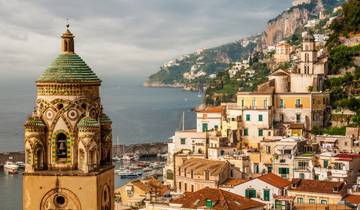
6 Days from Naples: Pompeii, Mount Vesuvius, Amalfi Coast, Sorrento, Positano & Capri Island
- ✓ Comprehensive Naples tour
- ✓ Expert local guides included
- ✓ All accommodation arranged
- ✓ Transportation provided
7 days
Sorrento Escape, Private Tour
- ✓ Comprehensive Naples tour
- ✓ Expert local guides included
- ✓ All accommodation arranged
- ✓ Transportation provided

7 days
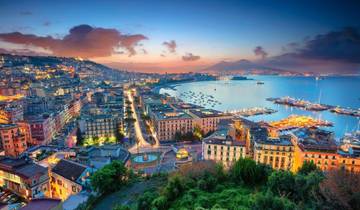
Grand Tour Amalfi Coast, Positano, Capri, Naples, Pompeii & Sorrento – 7 Days
- ✓ Comprehensive Naples tour
- ✓ Expert local guides included
- ✓ All accommodation arranged
- ✓ Transportation provided
4 days
Discovering Naples
- ✓ Comprehensive Naples tour
- ✓ Expert local guides included
- ✓ All accommodation arranged
- ✓ Transportation provided
Multi-day tour packages powered by TourRadar. Prices and availability subject to change.
Essential Planning Information for 2026 Family Visits
Understanding Family Costs in Naples 2026
Naples delivers exceptional value for families compared to Northern Italian destinations, with authentic experiences costing significantly less than tourist-focused alternatives elsewhere. A genuine Neapolitan pizza margherita costs €6-10 at traditional pizzerias rather than €15-20 in Rome or Florence, while children’s portions receive generous treatment from family-oriented restaurants. Gelato ranges €2.50-4 for two scoops, espresso costs €1-1.50 at counter service (€3-4 table service), and fresh fruit from street markets provides healthy snacks at minimal cost.
Major attraction admission creates the primary expense category beyond accommodation. National Archaeological Museum charges €18 adults (free under 18), Pompeii costs €18 adults with €2 child rate for ages 18-25 and free for younger children, while Vesuvius National Park entrance runs €10 per person regardless of age. Check official sites for current rates as pricing may vary. Combined tickets deliver savings—the Campania ArteCard offers unlimited public transportation plus free/discounted entry to regional attractions, available in 3-day (€32) or 7-day (€34) versions representing significant value for families planning multiple site visits.
Accommodation represents the largest single expense, with family rooms (accommodating 4 people) ranging €120-180 nightly in comfortable three-star hotels within walking distance of major sites during shoulder season, rising to €180-280 in summer peak. Apartment rentals through vacation rental platforms cost €100-150 nightly for two-bedroom units with kitchens, allowing breakfast preparation and reducing daily food costs by €30-50. Budget hotels in the Vomero hillside neighborhood or near the train station offer family rooms at €80-120 nightly, requiring 15-20 minute metro rides to central attractions but providing significant savings for longer stays.
Family-Friendly Transportation in 2026
Naples’s compact historic center allows extensive exploration on foot with children, with most major sites within 15-20 minute walks from central Piazza del Plebiscito. Pedestrian zones in the Spanish Quarter and Spaccanapoli street eliminate vehicle concerns while providing fascinating street life observation opportunities. However, Naples’s chaotic motor scooter traffic requires teaching children specific crossing procedures—always use crosswalks, wait for walking signals even if locals don’t, and watch for scooters ignoring traffic rules.
The metro system provides clean, efficient, air-conditioned transportation ideal for families, with Line 1 connecting central stations (Toledo, Università, Municipio) to Vomero hillside neighborhoods and the train station. Single metro rides cost €1.10 while day passes at €3.50 provide unlimited travel making them worthwhile for families planning multiple trips. Metro cars offer space for strollers (avoid 7:30-9:00 AM and 5:00-7:00 PM rush hours), and stations feature elevators though not all function reliably—check before descending with stroller.
Circumvesuviana trains reach Pompeii (€3.60, 35 minutes) and Sorrento (€4.90, 65 minutes) from Garibaldi station, running every 20-30 minutes throughout the day. These local trains get extremely crowded during summer peak hours (10:00 AM-12:00 PM departures to Pompeii), making early morning or late afternoon departures more comfortable with children. Reserve seats on Campania Express trains (€10-15) for guaranteed seating and faster service. Buses to Vesuvius National Park depart from Ercolano Circumvesuviana station (€10 round-trip including park entry), running every 40 minutes during peak season with the 90-minute volcano visit easily managed by children aged 7+.
Best Family Activities and Attractions in 2026
Interactive Museums and Educational Experiences
The National Archaeological Museum transforms ancient history into engaging exploration through its family-focused programs launched in 2026. The museum’s treasure hunt activities provide children with illustrated maps marking specific artifacts to discover throughout the galleries—finding the famous Alexander Mosaic, identifying gods in the sculpture collection, and locating everyday Roman objects like cooking pots and toys. The Secret Cabinet presents ancient Roman erotica in a separate gallery where parents decide age-appropriateness, while most galleries display family-friendly artifacts showcasing Roman daily life, entertainment, and culture.
Children gravitate toward the extensive Pompeii collection featuring perfectly preserved frescoes showing Roman houses in their original glory, elaborate mosaics depicting sea creatures and mythological scenes, and everyday objects including bread carbonized in Vesuvius’s eruption, medical instruments, and children’s toys from 2,000 years ago. The museum’s ancient gladiator armor, weapons, and equipment captivate young visitors imagining arena combat. Plan 2-3 hours for families with children under 10, extending to 3-4 hours for teenagers with deeper historical interest. The museum cafe provides lunch breaks with child-friendly options, and the basement level features less crowded galleries perfect for letting energetic children move freely.
Città della Scienza delivers pure entertainment while teaching scientific principles through over 10,000 square meters of interactive exhibits. Children operate pulleys and levers demonstrating physics concepts, explore the human body through walk-through organ models, conduct chemistry experiments under supervision, and pilot virtual spacecraft in the space exploration section. The planetarium presents shows adapted for different ages—the 30-minute “Exploring Our Solar System” program works perfectly for ages 5-10, while teenagers appreciate the full 60-minute astronomy presentations. The outdoor science park allows children to release energy between physics demonstrations, with giant pendulums, optical illusion gardens, and weather experiment stations providing active learning experiences.
Archaeological Adventures for Young Explorers
Pompeii transforms from abstract history lesson into tangible reality as children walk actual Roman streets, explore houses with intact frescoes, and imagine daily life in this frozen-in-time city. The site’s incredible preservation allows children to see bread ovens in ancient bakeries, stepping stones for crossing streets (still showing cart wheel ruts), and even ancient graffiti on walls. Entry costs €18 for adults with children under 18 free, making this world-class UNESCO site remarkably affordable for families. Check parcoarcheologicopompei.it for current official rates as pricing may vary.
The vast site covers 170 acres requiring strategic planning with children—focus on highlights including the Forum (ancient city center), the House of the Faun (largest residence with famous mosaics), the amphitheater (one of Rome’s oldest), and the plaster casts of eruption victims in the Garden of the Fugitives. These emotional displays spark profound discussions about history’s human dimension appropriate for children aged 8+. Younger children (ages 5-8) enjoy shorter 90-minute visits focusing on the Forum and one major house, while teenagers manage the full 3-4 hour exploration covering extensive ground.
Practical considerations make Pompeii manageable with children—the site provides stroller accessibility on main streets (cobblestones create bumpy riding), multiple bathroom facilities, water fountains for refilling bottles, shaded areas for breaks, and a cafeteria serving lunch. Arrive at 9:00 AM opening to avoid crowds and heat, or visit after 2:00 PM when tour groups depart. Combine Pompeii with Herculaneum (smaller site, 90-minute visit, more intact buildings) for history-enthusiast families, or pair with Vesuvius volcano climb for adventurous children aged 7+. The Circumvesuviana train from Naples costs €3.60 and departs every 20-30 minutes, creating easy day trip logistics.
Hands-On Cultural Experiences in 2026
Pizza-making workshops transform lunch into interactive cultural education as children learn authentic Neapolitan pizza craft from expert pizzaioli (pizza makers). Multiple traditional pizzerias offer family workshops where children receive their own dough ball, instruction in proper stretching technique (no rolling pins allowed in authentic Neapolitan pizza), guidance on sauce and topping application, and the thrill of watching their creation bake in 800°F wood-fired ovens in 90 seconds. Classes typically run 2-3 hours including pizza creation, baking, and eating the results, costing €45-65 per person depending on the pizzeria and group size.
These workshops teach children about Neapolitan cultural pride—why specific flour types matter, how San Marzano tomatoes create the ideal sauce, what makes buffalo mozzarella special, and why pizza-making achieved UNESCO Intangible Cultural Heritage status. Many pizzerias provide English-speaking instruction making the experience accessible for non-Italian families. Popular options include Pizzeria Starita (featured in “Eat Pray Love”), Pizzeria Brandi (claiming margherita pizza invention), and smaller family-run establishments in the Spanish Quarter offering more intimate class sizes.
Underground Naples tours reveal the hidden city beneath modern streets through Greek and Roman excavations, WWII air raid shelters, and ancient cistern systems still visible below. These guided tours (advance booking essential) lead families through tunnels carved from volcanic tuff stone, explaining how Naples literally built itself on top of previous civilizations. The tours suit children aged 8+ comfortable with dark spaces and stairs, creating adventure-film atmosphere that captivates young explorers. Tours last 75-90 minutes and cost €10-15 per person including guide service, departing multiple times daily from Piazza San Gaetano in the historic center.
Child-Friendly Dining and Authentic Cuisine in 2026
Pizza Perfection for Family Meals
Naples invented pizza and perfected it, making every family meal an authentic culinary experience rather than tourist compromise. Traditional pizzerias welcome children warmly, offering high chairs, patient service for families taking time to settle young children, and universal kid appeal in their margherita (tomato sauce, mozzarella, basil) and marinara (tomato sauce, garlic, oregano, no cheese) classics. A genuine Neapolitan pizza margherita costs €6-10 at authentic establishments, easily feeding one adult or two young children with the massive 12-inch pies.
The city’s pizza culture operates informally—no reservations needed at most places, rapid turnover creating short waits even during busy periods, and acceptance of families arriving at varied hours (unlike rigid dinner schedules elsewhere in Italy). Children appreciate watching pizzaioli stretch dough, toss pies in the air, and pull blistered crusts from roaring wood ovens. The thin, soft Neapolitan crust (different from crispy Roman style) requires proper folding technique—teach children to fold slices “a libretto” (like a book) making the soft pizza manageable without utensils.
Top family-friendly pizzerias include Sorbillo (expect 30-45 minute waits during peak hours, worth it for the experience), L’Antica Pizzeria da Michele (featured in “Eat Pray Love,” only two pizza types, perfection in simplicity), and Di Matteo (smaller, less tourist-focused, excellent quality). For calmer experiences avoiding peak times, arrive before 7:00 PM or after 10:00 PM when locals dine. Budget €8-15 per person including pizza, drinks, and shared appetizers like fried pizza dough (pizza fritta) or croquettes. Many pizzerias also offer “pizza wallet” (portafoglio) – folded fried pizza pockets perfect for children eating on the go.
Gelato, Street Food, and Sweet Treats
Gelato shops appear every 50-100 meters in central Naples, providing essential cooling refreshment and happy-child insurance during warm-weather sightseeing. Genuine artisanal gelato costs €2.50-4 for two scoops, with children’s cones at €2-2.50 for single portions. Quality indicators include natural colors (bright blue or neon green signal artificial ingredients), covered metal containers (real gelato stays stored below counter, not in display peaks), and fewer than 25-30 flavors (artisans focus on perfection rather than variety).
Children love traditional flavors including nocciola (hazelnut), stracciatella (chocolate chip), pistacchio (pistachio), and limone (lemon sorbet). Many gelaterias offer free tiny spoons for sampling, allowing children to taste before committing. Gelateria Mennella near the port serves particularly generous portions, while Chalet Ciro on the Mergellina waterfront combines excellent gelato with bayside tables perfect for sunset viewing. Allow €5-10 daily per child for gelato “emergencies” that prevent meltdowns during long sightseeing days.
Street food provides quick, affordable, child-friendly eating throughout the day. Fried pizza (pizza fritta) costs €3-5 for massive stuffed pockets filled with ricotta, mozzarella, and tomato sauce—one portion easily shared between two children. Arancini (fried rice balls) at €2-3 each offer familiar comfort food in portable form. Sfogliatelle (shell-shaped pastries with sweet ricotta filling) provide breakfast treats at €2-3, while zeppole (fried dough balls) dusted with sugar cost €3-5 for generous portions. These street foods allow flexibility in meal timing and eliminate restaurant waits when children need immediate feeding.
Family Accommodation Strategies for 2026
Best Neighborhoods for Families with Children
The Chiaia district provides ideal family accommodation combining safety, walkability, nearby parks, excellent restaurants, and easy access to major attractions. This upscale residential neighborhood features wide sidewalks for stroller navigation, the beautiful Villa Comunale gardens for children’s playground breaks, and waterfront promenades perfect for evening strolls. Three-star hotels in Chiaia range €140-200 nightly for family rooms during shoulder season (April-May, September-October), rising to €200-280 in summer peak. The neighborhood sits 15-20 minutes walking from central Piazza del Plebiscito, or 10 minutes via metro Line 2.
Vomero hillside neighborhood offers significant value with family hotels at €100-150 nightly while maintaining safety, cleanliness, and family-friendly atmosphere. The elevated location provides cooler temperatures during summer (3-5°C lower than sea level), panoramic city views, excellent parks including Villa Floridiana with peacocks and gardens, and substantial distance from port-area grittiness. The metro Line 1 connects Vomero to central Naples in 12 minutes, and multiple funicular railways provide alternative scenic transportation. The neighborhood’s residential character means fewer tourists and more authentic local life observation.
Apartment rentals provide optimal value and convenience for families staying 3+ nights. Two-bedroom apartments with full kitchens rent for €100-150 nightly during shoulder season, allowing breakfast preparation (saving €20-30 daily), flexibility in meal timing without restaurant constraints, and separate sleeping spaces for parents and children. Priority neighborhoods for apartment rentals include Chiaia, Vomero, and the area between Piazza Dante and the Archaeological Museum. Ensure apartments feature elevators (many historic buildings lack them) and air conditioning (essential June-September, marked as “aria condizionata” in listings).
What to Look for in Family Hotels 2026
Family-appropriate Naples accommodation requires specific features beyond standard hotel amenities. Air conditioning proves essential for comfortable sleep June through September when nighttime temperatures stay above 24°C (75°F). Elevators matter significantly—many charming historic buildings occupy 3rd-6th floors without elevator access, creating exhausting stair climbs with strollers and luggage. Request ground floor or low-floor rooms if elevators are unavailable, or choose modern hotels guaranteeing this feature.
Triple and quadruple room configurations cost less than booking two doubles—specifically request “camera familiare” or “camera quadrupla” when booking. These family rooms typically feature one double bed plus bunk beds or a sofa bed rather than standard twin configurations. Breakfast inclusion saves €8-12 per person daily while eliminating morning logistics with hungry children. Italian hotel breakfasts provide sweet options (pastries, cookies, packaged bread with jam) rather than American-style eggs and bacon, though yogurt, fruit, and cereal appear at most properties.
Free WiFi allows children’s device entertainment during downtime and parents’ booking research, while in-room safes protect passports and valuables during daily excursions. Check cancellation policies carefully—flexible cancellation rates cost €10-20 more nightly but provide essential insurance if children fall ill or plans change. Book directly with hotels after comparing rates on booking platforms, as many properties match online prices while providing room upgrade opportunities and flexible check-in times not guaranteed through third-party bookings.
Sample Naples Family Itineraries for 2026
Three-Day Naples Family Adventure
Day 1: Historic Center Introduction
Begin at 9:00 AM in spectacular Piazza del Plebiscito, Europe’s largest city square, where children run freely in the vast open space while parents admire neoclassical architecture and the Royal Palace. Visit the Royal Palace (€6 adults, free under 18) for 60-minute tours through opulent rooms and throne halls showcasing Neapolitan royal history. Walk 5 minutes to Galleria Umberto I, the stunning 19th-century shopping arcade with soaring glass roof, where children marvel at architecture while parents browse artisan shops.
Lunch at L’Antica Pizzeria da Michele (€6-10 per pizza) introduces children to authentic Neapolitan pizza in the city’s most famous traditional establishment. Walk through the Spanish Quarter’s narrow streets observing daily life—laundry hanging between buildings, street vendors, artisan workshops—creating immersive cultural experience. Reach Spaccanapoli (the arrow-straight ancient Roman street) by 2:00 PM for gelato breaks and souvenir shopping at nativity scene artisan shops.
Afternoon visit to Naples Cathedral (free entry) reveals the chapel containing San Gennaro’s blood reliquaries and explains the fascinating liquefaction miracle celebrated three times yearly. End the day at 5:00 PM in Villa Comunale gardens along the waterfront, where children play in playgrounds while parents relax on benches overlooking the bay. Early dinner at Trianon (€7-12 per pizza) provides less crowded experience than evening rush. Pizza €10, lunch €25, gelato €8, cathedral visit free, Royal Palace €12 (one adult, children free). Total day cost: €55-70 per family (excluding accommodation).
Day 2: Pompeii and Vesuvius Expedition
Depart Naples Garibaldi station at 8:30 AM on Circumvesuviana train to Pompeii (€3.60 per person, 35 minutes). Arrive at archaeological site by 9:15 AM, before tour bus crowds, with tickets purchased online in advance (€18 adults, free under 18). Explore Pompeii for 3 hours focusing on Forum, House of the Faun, amphitheater, and Garden of the Fugitives plaster casts, with breaks for water and snacks brought from Naples. Children under 8 maintain interest for 90-120 minutes, while teenagers explore 3-4 hours comfortably.
Lunch at Pompeii site cafeteria (€10-15 per person for sandwiches and drinks) or pack picnic from Naples markets. Afternoon options include returning to Naples for beach time at Mergellina waterfront, or adventurous families continuing to Mount Vesuvius. The bus from Ercolano station (€10 including park entry) reaches the crater parking area, followed by 20-minute uphill walk (manageable for children 7+ with reasonable fitness). The volcanic crater delivers spectacular views and unique geological education making the challenging access worthwhile for older children.
Return to Naples by 5:00 PM via Circumvesuviana train. Early dinner in Chiaia neighborhood provides quieter atmosphere than chaotic historic center after full day of activities. Train €7.20 per person round-trip, Pompeii entry €36 (two adults), Vesuvius €40 (family of four), lunch €50, dinner €60. Total day cost: €193-213 per family (excluding accommodation).
Day 3: Museums and Underground Exploration
Start at 9:30 AM at the National Archaeological Museum (€18 adults, free under 18) using family treasure hunt activity sheets available at entrance. Focus on Pompeii collections with everyday Roman objects, mosaics, and frescoes creating connections to previous day’s site visit. Plan 2-3 hours for families with younger children, breaking midpoint for cafe snacks. The museum’s dramatic artifacts including gladiator equipment and ancient jewelry captivate children while providing world-class historical education.
Lunch in Piazza Bellini area at family-friendly trattorias (€12-18 per person for pasta and secondi). Afternoon Underground Naples tour (€10-15 per person) departs from Piazza San Gaetano, guiding families through Greek and Roman excavations beneath modern streets. The 75-minute tours suit children 8+ comfortable with underground spaces and stairs, creating adventure atmosphere while teaching Naples’s multilayered history. The tours require advance booking through napolitotterranea.org or similar providers.
Final afternoon shopping in Via Toledo pedestrian street, where chain stores mix with local boutiques providing last-minute souvenir opportunities. Farewell dinner at traditional trattoria Nennella (€10-15 per person) delivers authentic Neapolitan experience with singing waiters, family-style service, and generous portions. Museum entry €36 (two adults), underground tour €50 (family of four), lunch €60, dinner €65, snacks €15. Total day cost: €226-246 per family (excluding accommodation).
Five-Day Extended Family Experience
Families with five days add Capri day trip (ferry €40-50 per person round-trip, 50 minutes each way) visiting the Blue Grotto sea cave (€18 entry including boat transfers), exploring Anacapri hillside town via chairlift (€10 round-trip), and enjoying beach time at Marina Piccola. Another excellent addition includes Herculaneum archaeological site (€13 adults, free under 18), smaller than Pompeii but featuring better-preserved buildings with intact upper floors, original wooden structures, and detailed mosaics. The compact site suits families with younger children providing impressive Roman city experience in 90-minute visits.
Science-focused families dedicate half-day to Città della Scienza (€10 adults, €7 children 6-17, free under 6) exploring interactive exhibits and planetarium shows. The facility sits 20 minutes west via metro and bus, requiring transportation planning but delivering excellent value for children interested in hands-on learning. Food-enthusiast families take morning market tours through Pignasecca market, where vendors welcome children sampling local cheeses, cured meats, and seasonal produce while explaining Neapolitan ingredients and cooking traditions.
Practical Safety and Comfort Tips for 2026
Navigating Naples Streets with Children
Naples’s chaotic traffic patterns require specific strategies for family safety beyond standard urban awareness. Teach children that motor scooters don’t always follow traffic rules—riders routinely use sidewalks, ignore red lights, and weave between pedestrians. Always look both directions multiple times before crossing even one-way streets, as scooter riders frequently travel against traffic flow. Use marked crosswalks exclusively and wait for walk signals despite seeing locals crossing anywhere—your children’s safety takes priority over time savings.
The historic center’s narrow pedestrian lanes actually provide safer exploration than wide boulevards dominated by aggressive traffic. Streets like Spaccanapoli, Via dei Tribunali, and the Spanish Quarter alleys eliminate vehicle concerns while delivering fascinating cultural immersion. However, these narrow passages mean paying attention to fast-moving pedestrians, delivery scooters occasionally entering restricted zones, and ground-level architectural features like fountains and steps that create tripping hazards for children watching building facades instead of walking paths.
Stroller navigation works best on major thoroughfares—Via Toledo, Corso Umberto, waterfront promenades—with actual sidewalks and curb cuts. The historic center’s narrow lanes, cobblestone surfaces, and frequent steps make strollers challenging. Many families bring baby carriers instead of strollers for historic center exploration, or plan stroller routes along major streets avoiding the most challenging medieval passages. The metro system accommodates strollers easily on Line 1 (modern stations with elevators), while older Line 2 stations present access challenges.
Protecting Belongings in Tourist Areas
Pickpocketing occurs in Naples’s crowded tourist zones, though violent crime against tourists remains extremely rare. The highest-risk locations include Garibaldi central station (particularly arriving international trains where thieves target obviously foreign tourists with lots of luggage), Circumvesuviana trains to Pompeii during crowded peak hours, and very dense tourist areas around Spaccanapoli during summer peak season. Basic precautions eliminate virtually all risk—use front pockets for phones and wallets, keep bags closed and in front of your body, and maintain awareness in crowded situations where thieves operate.
Teach children appropriate responses if approached by aggressive vendors or street performers demanding money. The simple phrase “no grazie” (no thank you) delivered while walking away handles 95% of situations without confrontation. Begging occurs near major tourist sites but involves primarily adult women and occasional musicians, not the organized child begging rings found in some European cities. If genuinely wanting to help, donate to established charities rather than street solicitors.
Hotel safes protect passports, extra credit cards, and significant cash during daily excursions—carry only amounts needed for the day plus emergency backup. Photocopy passports keeping copies separate from originals. Register credit cards with your bank before traveling, enabling immediate card cancellation if theft occurs. The vast majority of Naples visitors experience zero theft or safety issues—reasonable awareness and basic urban precautions provide complete protection while allowing relaxed cultural exploration.
Health and Comfort Considerations
Naples’s hot, humid summers require hydration strategies and sun protection for children unaccustomed to Mediterranean climate. Plan outdoor activities before 11:00 AM and after 4:00 PM during June-August when temperatures peak at 32-35°C (90-95°F). Midday breaks at air-conditioned museums, hotels, or beachside locations prevent exhaustion and sunburn. Children need water bottles (refill at public fountains throughout the city), hats, and regular sunscreen application—pharmacies sell excellent European-standard sunscreens at lower prices than tourist shops.
Italian pharmacies (marked by green crosses) provide professional medical consultation for minor issues—staff speak basic English in tourist areas and recommend appropriate over-counter treatments for common problems including stomach upset, minor injuries, or cold symptoms. Keep basic first-aid supplies including bandages, pain relievers, and any prescription medications. European Health Insurance Card (EHIC) holders access public healthcare at reduced rates, while travel insurance provides private clinic coverage for non-EU visitors. Emergency numbers: 112 (general emergency), 118 (ambulance).
Food safety in Naples meets Italian national standards—restaurants serving families maintain high hygiene expectations. Stomach issues typically result from overindulgence in rich foods or dehydration rather than contamination. Tap water is safe to drink throughout Naples, though most Italians prefer bottled water for taste. The local mineral water (acqua minerale) comes “naturale” (still) or “frizzante” (sparkling)—specify preference when ordering as restaurants charge €2-3 per bottle rather than providing free water like American establishments.
Seasonal Planning for Family Visits in 2026
Spring Family Travel (April-May)
Spring delivers optimal Naples family conditions combining comfortable 18-25°C (64-77°F) temperatures perfect for extensive outdoor exploration, manageable crowds allowing easier site navigation with children, and accommodation costs 30-40% below summer rates. Easter celebrations (April 20, 2026) showcase Naples’s dramatic religious traditions through street processions, special pastries including pastiera (ricotta-wheat pie), and festive atmosphere throughout the city. The chocolate eggs and Easter hunts American children expect don’t exist in Italian tradition, but the elaborate nativity scenes (presepe) displayed in churches provide alternative visual spectacle.
May brings numerous neighborhood festivals (sagre) celebrating local products and traditions, many featuring children’s activities, street food, and entertainment. Pompeii and archaeological sites become comfortable to explore as spring temperatures eliminate the oppressive heat making summer visits exhausting. Beach destinations reach pleasant swimming temperatures (19-21°C / 66-70°F) by late May, though most families find the water refreshing rather than warm. Spring vegetation blooms throughout Villa Comunale and Capodimonte Park gardens, creating beautiful settings for family picnics and playground time.
Pack layers for spring visits—mornings start cool (12-15°C / 54-59°F) requiring light jackets, while afternoons warm significantly allowing t-shirts and shorts. Light rain gear handles occasional April showers without extensive weatherproofing. Spring crowds stay moderate at major attractions meaning 15-20 minute waits at Pompeii rather than summer’s 45-60 minutes, and restaurants accommodate families without extensive waits. Book accommodations 2-3 months ahead for Easter week (highest spring rates), or 3-4 weeks ahead for other spring periods finding excellent availability.
Summer Considerations (June-August)
Summer delivers guaranteed sunshine and beach-perfect conditions but requires managing intense heat and peak crowds when traveling with children. July-August temperatures regularly reach 32-35°C (90-95°F) with high humidity, making archaeological site exploration exhausting for young children during midday hours. Successful summer family visits require early morning starts (8:00-9:00 AM) for major outdoor activities, midday breaks in air-conditioned locations, and late afternoon/evening return to sightseeing when temperatures drop.
Crowds triple at major attractions during summer peak—Pompeii entry waits extend to 45-60 minutes during mid-morning arrival, while underground Naples tours and popular pizza restaurants require advance booking rather than walk-up availability. The positive aspects include long daylight hours (sunset after 8:30 PM) allowing extended evening exploration when temperatures become comfortable, guaranteed beach weather, and vibrant street life as Neapolitans occupy outdoor spaces until midnight. Children enjoy the animated atmosphere though parents manage more logistical complexity.
Accommodation costs peak June-August with family rooms at €200-280 nightly in central neighborhoods, driving many families to apartment rentals or shoulder-season visits. Air conditioning becomes essential rather than optional—verify this feature when booking as not all historic properties offer it. Many traditional restaurants close for 2-3 week August holidays (typically mid-August around Ferragosto national holiday) as Neapolitan families vacation elsewhere, though tourist-focused establishments remain open. Book accommodations 4-6 months ahead for summer visits, and reserve popular restaurant tables and tour activities several weeks in advance.
Fall Opportunities (September-October)
September through October provide many families’ preferred Naples visiting window, combining summer’s reliable weather with spring’s comfortable temperatures and manageable crowds. Early September maintains summer warmth (28-30°C / 82-86°F) while late October delivers spring-like conditions (20-23°C / 68-73°F), allowing flexibility in planning. Sea temperatures stay warm through September (24-26°C / 75-79°F) extending beach season significantly beyond Northern European destinations, creating excellent value for families combining cultural exploration with coastal relaxation.
Harvest season brings special experiences including grape-picking opportunities at Vesuvius vineyards (contact local farms for family-friendly harvest activities), chestnut festivals in mountain villages, and seasonal ingredients appearing on restaurant menus. School schedules reduce tourist crowds after early September when Northern European families return home, while accommodation costs drop 25-35% compared to summer. The comfortable weather allows all-day outdoor activities without midday heat breaks, making itinerary planning more flexible and extensive site visits more pleasant with children.
October delivers beautiful weather with occasional rain increasing toward month’s end—pack light rain gear while expecting predominantly sunny conditions. Fall colors transform parks and gardens, and the grape harvest creates festive atmosphere throughout Campania region. Book fall accommodations 2-3 months ahead for peak September, or 4-6 weeks ahead for late October finding excellent availability and strong value. Fall represents optimal balance of weather, crowds, costs, and authentic atmosphere for families willing to visit outside traditional summer vacation periods.
Money-Saving Strategies for 2026 Family Travel
Reducing Accommodation Costs
Apartment rentals provide the greatest family savings opportunity in Naples—two-bedroom units with full kitchens rent for €100-150 nightly during shoulder season compared to €160-220 for comparable hotel family rooms. The kitchen allows breakfast preparation (saving €8-12 per person daily), packed lunches for day trips (saving €10-15 per person), and occasional dinner at home (saving €15-25 per person). Over a 5-day visit, apartment kitchens reduce food costs by €300-400 for a family of four while providing flexibility in meal timing valuable with young children.
Consider neighborhoods outside the tourist center delivering 30-40% lower accommodation costs while maintaining good metro access. Vomero hillside hotels and apartments offer family rooms at €100-150 nightly with safe, pleasant surroundings and 12-minute metro rides to central attractions. The slight inconvenience of transportation delivers substantial savings—a family saving €50-70 nightly on accommodation can redirect those funds toward experiences including Pompeii visits, pizza-making workshops, or Capri day trips.
Book directly with smaller family-run hotels and B&Bs after comparing rates on booking platforms—many properties match online prices while providing room upgrades, flexible check-in times, and local recommendations not available through third-party bookings. Request “camera familiare” or “camera quadrupla” specifically rather than booking two separate rooms, as family room configurations cost 20-30% less than equivalent double room combinations. Consider 6-7 night stays rather than shorter visits, as many properties offer free nights or substantial discounts for weekly stays.
Attraction and Activity Savings
The Campania ArteCard delivers exceptional value for families planning multiple site visits and utilizing public transportation. The 3-day version (€32) provides free entry to first two sites (typically Pompeii plus Archaeological Museum, value €36), 50% discount on subsequent sites, and unlimited public transportation including Circumvesuviana trains to Pompeii. The 7-day version (€34) extends these benefits across a full week, ideal for families with extended Naples stays. Calculate whether the card saves money based on your specific itinerary—families visiting 3+ major sites plus using public transportation daily realize significant value.
Many Naples museums and archaeological sites offer free entry for visitors under 18—this includes the National Archaeological Museum, Pompeii, Herculaneum, and Royal Palace. Always request youth tickets and carry identification proving children’s ages, as this single benefit can save families €40-60 daily in admission costs. The first Sunday of each month provides free entry to all state museums for all visitors, though crowds increase significantly—arrive at opening time to beat the rush or visit less popular sites taking advantage of this opportunity.
Free experiences provide authentic Naples immersion without costs—walking the historic center exploring Spanish Quarter alleys costs nothing while delivering remarkable cultural exposure. Churches including Gesù Nuovo, San Gregorio Armeno, and Santa Chiara offer free entry to stunning baroque architecture and artworks. The waterfront promenade from Mergellina to Castel dell’Ovo provides beautiful walks with play areas, street performers, and bay views. The evening passeggiata (traditional stroll) along Via Toledo and Chiaia demonstrates authentic Italian social life as families occupy streets and squares in festive atmosphere.
Food and Dining Cost Control
Morning market visits to Pignasecca market or smaller neighborhood markets allow picnic lunch preparation at fraction of restaurant costs. Fresh mozzarella costs €3-4, excellent bread €1.50-2, cured meats €5-7 for generous portions, seasonal fruit €2-4, creating complete picnic lunches for €15-20 feeding a family of four. Combine market shopping with cultural exposure as vendors welcome children sampling products and explaining regional specialties—these market interactions create memorable experiences beyond simple cost savings.
Authentic Neapolitan pizzerias charge €6-10 per pizza regardless of tourist designation, meaning small family-run establishments in the Spanish Quarter cost the same as famous tourist destinations but without the waits and crowds. One pizza feeds an adult or two young children—a family of four needs 2-3 pizzas costing €18-30 for complete meals including drinks and table service. This makes pizza the most economical restaurant option while providing authentic cultural experience and universal child appeal.
Water costs create unnecessary expense—tap water throughout Naples is safe to drink, and public fountains appear throughout the city allowing free bottle refills. Bring reusable water bottles rather than buying bottled water at €1-2 per bottle multiple times daily. Order “acqua del rubinetto” (tap water) at restaurants rather than bottled water, though servers may resist this American preference—Italian restaurants make substantial profits on bottled water and consider tap water requests slightly strange. Stand at coffee bars rather than table service to save 50-70% on espresso and drinks—counter service costs €1-1.50 for espresso, while table service charges €3-4 for identical products.
Making the Most of Your 2026 Naples Family Adventure
Creating Lasting Memories Beyond Tourist Checklist
The most meaningful family travel experiences often emerge from spontaneous cultural encounters rather than planned attraction visits. Allow time for children to watch artisans crafting nativity figures in San Gregorio Armeno workshops, observe pizza makers stretching dough in restaurant windows, or interact with vendors at neighborhood markets. These unstructured moments create authentic connections to Italian culture impossible to replicate in museums or on guided tours, while allowing children to see real working life rather than tourist performances.
Embrace Naples’s chaotic energy rather than fighting it—the loud street life, animated conversations, constant motion, and layers of activity initially overwhelm many visitors but represent authentic Neapolitan character. Teaching children to appreciate different cultural approaches to public space, personal distance, conversation volume, and time management provides valuable lessons beyond specific historical facts. The city rewards families willing to slow down, observe daily rhythms, and participate in social traditions like the evening passeggiata rather than rushing between tourist sites checking items off lists.
Documentation strategies help children process experiences—consider daily journaling where each child records favorite moments, surprisingly challenging aspects, new foods tasted, or funny language misunderstandings. These journals become treasured souvenirs capturing personal perspectives beyond photographs. Involve children in planning decisions appropriate to their ages—teenagers might research specific restaurants or archaeological features, while younger children choose between activity options or select daily gelato flavors. This participation increases engagement and investment in the family experience.
Building Cultural Awareness Through Travel
Naples provides exceptional opportunities for teaching children about cultural differences, economic diversity, and historical perspective. The contrast between opulent Royal Palace rooms and working-class Spanish Quarter housing demonstrates economic inequality in tangible ways appropriate for age-relevant discussions. The city’s layers—Greek foundations, Roman cities, medieval churches, baroque palaces, modern urban sprawl—physically illustrate how civilizations build upon previous cultures, making abstract historical concepts concrete and observable.
Language learning occurs naturally when children attempt basic Italian phrases with restaurant servers, gelato shop owners, and museum ticket sellers. Most Neapolitans appreciate language efforts regardless of accuracy, creating positive reinforcement for continued attempts. Teach children essential phrases including “grazie” (thank you), “per favore” (please), “mi scusi” (excuse me), and “non capisco” (I don’t understand). These small communication efforts demonstrate respect for local culture while providing children with confidence using foreign languages in practical contexts.
Food education extends beyond simple meals when families explore market vendors explaining seasonal produce, visit mozzarella factories demonstrating cheese-making processes, or attend pizza workshops teaching proper techniques. These culinary experiences create appreciation for craftsmanship, regional ingredients, and traditional preparation methods that make Italian cuisine distinctive. Children return home with expanded palates, curiosity about cooking techniques, and understanding that authentic food requires skill, tradition, and quality ingredients rather than just following recipes.
Frequently Asked Questions About Naples Family Travel 2026
Can toddlers enjoy Naples, or is it better for older children?
Toddlers aged 2-4 enjoy Naples through appropriate activity selection focusing on outdoor spaces, hands-on experiences, and sensory engagement rather than museum-heavy itineraries. Villa Comunale gardens provide excellent playgrounds, the waterfront promenade allows stroller walking with bay views and street performers, and pizza-making workshops captivate young children watching dough transformation. Archaeological sites challenge toddler attention spans—consider shorter 45-60 minute Pompeii visits focusing on a few highlights rather than comprehensive exploration. The city’s street life—delivery scooters, produce vendors, musicians, outdoor markets—provides constant entertainment for observant toddlers. Success requires flexibility, frequent breaks, strategic nap timing, and accepting that toddler pace means covering less ground while experiencing moments more deeply.
How do we handle picky eaters in Naples?
Naples offers numerous options for selective eaters through simple, high-quality ingredients and universal child-appeal foods. Pizza margherita (cheese pizza) works for most picky eaters—the thin crust and quality mozzarella differ significantly from American pizza but provide familiar comfort. Pasta al pomodoro (pasta with simple tomato sauce) appears on every restaurant menu at €6-8, while plain pasta with butter costs even less. Excellent bread available at every meal allows sandwich creation with familiar fillings from market shopping. French fries (patatine fritte) provide backup options, and gelato motivates meal completion. Avoid forcing children to try unfamiliar foods—exposure to authentic Italian cuisine creates opportunities without pressure, and many initially resistant children develop curiosity watching parents enjoy local specialties. Bring favorite snacks from home for emergency situations, and shop at supermarkets for familiar breakfast items like cereal if hotel breakfasts prove too foreign.
Is English widely spoken in Naples tourist areas in 2026?
English proficiency varies significantly in Naples with tourist-facing businesses (hotels, major restaurants near attractions, tour operators, museums) typically having English-speaking staff, while neighborhood establishments operate primarily in Italian. This creates occasional communication challenges but rarely prevents basic transactions—pointing at menu items, using phone translation apps, and basic courtesy in Italian (“grazie,” “per favore”) handles most situations successfully. The language barrier proves less frustrating than anticipated because Neapolitans use extensive gesturing, demonstrate genuine friendliness toward tourists attempting Italian, and show patience with communication difficulties. Many families find the language challenge adds authentic cultural flavor to the experience, teaching children that not everyone speaks English while demonstrating problem-solving in practical contexts. Hotel staff can provide restaurant recommendations, directions, and translation assistance for complex situations if communication problems arise.
What should we do if Naples feels too overwhelming with young children?
Naples’s intense urban energy sometimes overwhelms families accustomed to quieter destinations—the solution involves strategic retreat to calmer spaces while maintaining base location. Vomero hillside neighborhood provides respite from chaotic historic center while remaining 12 minutes by metro from major attractions. The waterfront promenade between Mergellina and Castel dell’Ovo offers open spaces, sea breezes, and manageable crowds perfect for decompression. Villa Comunale gardens combine playground equipment with shaded benches and structured environment contrasting with the Spanish Quarter’s narrow lanes and constant motion. Day trips to Sorrento, Positano, or Capri provide complete change of pace—these organized resort towns feature more tourist infrastructure, clearer signage, and gentler atmosphere while maintaining proximity to Naples base. Many families find that after initial adjustment period (typically 24-48 hours), Naples’s energy becomes exhilarating rather than exhausting once you understand how to navigate it.
How much should we budget for a week-long Naples family vacation in 2026?
A family of four budgets €2,450-3,850 for a week in Naples including accommodation, meals, attractions, and local transportation but excluding international flights. This mid-range budget provides comfortable three-star accommodation or apartments (€120-180 nightly), restaurant meals including pizza dinners and trattoria lunches (€80-120 daily), major attraction admissions (€150-200 total for the week), public transportation including day trips (€100-150), and gelato/snacks budget (€30-40 daily). Budget-conscious families reduce costs to €1,750-2,450 weekly through apartment rentals with kitchen use, free attractions focus, shoulder season travel (April-May or September-October), and packed lunches from market shopping. Luxury families spending €5,250-7,000 weekly access four-star hotels with family suites, private tours, reserved restaurant seating, and taxi transportation between sites. Calculate your specific budget based on accommodation preferences (the largest variable cost), planned activities, and dining style—Naples provides excellent value compared to Rome, Florence, or Venice regardless of budget level.
Should we rent a car for family travel around Naples in 2026?
Avoid renting cars for Naples family travel—the city’s chaotic traffic, aggressive driving culture, extremely limited parking, and restricted traffic zones (ZTL) create unnecessary stress and expense. Public transportation reaches all major family destinations more easily than private vehicles. The Circumvesuviana train system connects Naples to Pompeii (35 minutes), Herculaneum (20 minutes), and Sorrento (65 minutes) with departures every 20-30 minutes. Metro lines serve the city efficiently, buses reach Vesuvius from Ercolano station, and ferries access Capri and coastal destinations. The comprehensive public network costs €3.50 daily for unlimited travel compared to car rental at €50-80 daily plus €25-40 parking, tolls, and fuel. If planning extensive Amalfi Coast exploration, consider renting cars in Sorrento rather than Naples—this eliminates Naples city driving while providing vehicles where they prove useful. Private drivers cost €200-300 daily for custom family itineraries including Amalfi Coast and archaeological sites, representing good value for families prioritizing convenience over cost savings.
What are the best rainy day activities for families in Naples?
Naples provides excellent indoor options for weather contingencies including the National Archaeological Museum (2-4 hours, extraordinary Pompeii collections), Città della Scienza interactive science museum (3-4 hours, hands-on exhibits and planetarium), Royal Palace (90 minutes, opulent rooms and throne halls), and the underground Naples tours (75 minutes, Greek and Roman excavations beneath streets). Many churches including Gesù Nuovo and Santa Chiara offer stunning baroque interiors with free admission providing cultural experiences during brief rain showers. Shopping in Galleria Umberto I combines architectural beauty with indoor activity, while Via Toledo’s covered areas and shopping centers provide weather-protected browsing. Pizza-making workshops operate indoors regardless of weather, creating memorable experiences while keeping children engaged. The metro system’s art stations—particularly Toledo station with contemporary installations—provide free indoor attractions worth visiting specifically rather than just for transportation. Many families actually appreciate rainy days forcing slower pace and deeper exploration of single attractions rather than rushing between outdoor sites.
How do we prepare children for the emotional impact of Pompeii’s victim casts?
The plaster casts of Pompeii eruption victims in the Garden of the Fugitives create powerful emotional responses requiring age-appropriate preparation. Discuss Vesuvius eruption history before visiting, explaining how the volcanic event preserved the ancient city while acknowledging the human tragedy. Frame the casts as important historical evidence teaching us about ancient life rather than focusing exclusively on death. Many children aged 8+ handle the casts thoughtfully when prepared, asking questions about the people’s lives and last moments that lead to meaningful discussions about history’s human dimension. Younger children (under 8) may not need to view the victim casts specifically—the House of the Faun, Forum, and amphitheater provide equally impressive Pompeii experiences without emotional intensity. Visit the Garden of the Fugitives toward the end of your Pompeii exploration allowing easy departure if children become upset. The casts often inspire children’s historical curiosity rather than causing distress when contextualized as evidence connecting us to real people from 2,000 years ago. Follow your child’s reactions and interests, using the experience as age-appropriate teaching moment about mortality, history, and the importance of remembering past peoples.
Can we visit Naples as a day trip from Rome, or does it require overnight stays?
Naples requires minimum 2-3 night stays for meaningful family experiences rather than exhausting day trips from Rome. The train journey takes 70 minutes each way (Frecciarossa high-speed service costs €45-65 per person depending on booking timing), leaving just 4-5 hours for actual Naples exploration after accounting for station transportation and meal breaks—insufficient time for the city’s treasures. Pompeii alone deserves 3-4 hours, the Archaeological Museum requires 2-3 hours, and experiencing authentic pizza, street life, and cultural atmosphere needs relaxed pacing impossible on day trips. Day-tripping prevents evening experiences including the magical passeggiata tradition and dinner at neighborhood trattorias when locals occupy outdoor spaces. Children especially need downtime between activities rather than constant transportation and packed schedules. Plan minimum 3-day/2-night Naples stays, ideally extending to 4-5 days allowing Pompeii, Vesuvius, and either Capri or Amalfi Coast day trips while maintaining sustainable family pace. The city rewards slow exploration discovering hidden corners, building relationships with friendly pizzeria owners, and returning to favorite gelato shops—experiences impossible during rushed day visits.
What vaccinations or health preparations do families need for Naples in 2026?
Naples requires no special vaccinations beyond standard childhood immunizations for EU and North American visitors. Ensure routine vaccines including MMR (measles, mumps, rubella), DTaP (diphtheria, tetanus, pertussis), polio, and varicella remain current. The European Health Insurance Card (EHIC) provides EU citizens access to Italian public healthcare at reduced rates, while non-EU visitors should verify travel insurance covers medical treatment abroad. Bring adequate supplies of any prescription medications in original containers, as Italian pharmacies require prescriptions for many medications available over-counter elsewhere. Pack basic first-aid supplies including bandages, children’s pain relievers (ibuprofen and acetaminophen), antihistamines for allergic reactions, and any motion sickness medications if children prove sensitive to boat trips. Italian pharmacies (marked by green crosses) provide excellent professional consultation for minor ailments with pharmacists recommending appropriate treatments. The Mediterranean sun requires serious sun protection—bring high-SPF sunscreen (50+) and reapply frequently, though European brands available in Naples pharmacies often provide better protection than American alternatives. No malaria risk exists in Italy, and mosquito-borne diseases remain extremely rare requiring only standard insect repellent for evening outdoor activities.