Caserta Royal Palace Day Trip from Naples 2026: Complete Guide
Key Takeaways
- Direct regional trains from Naples to Caserta run every 20-30 minutes, taking 35-45 minutes and costing €3.90-4.50 one-way in 2026
- Palace entry costs €14 for the Royal Apartments, €9 for gardens only, or €18 combined ticket in 2026 (check reggiadicaserta.cultura.gov.it for current official rates)
- Allocate 4-6 hours minimum for comprehensive palace and gardens exploration including 2 hours for apartments, 2-3 hours for gardens
- English Garden requires separate 30-minute walk or shuttle service (€3 round-trip) from main palace complex
- Wednesday through Sunday visits avoid Monday-Tuesday closures, with Wednesday-Thursday offering fewer crowds than weekends
- Book timed entry tickets online 1-2 weeks ahead during peak season to guarantee morning entrance slots and avoid ticket line waits
Planning Your Caserta Royal Palace Visit from Naples in 2026
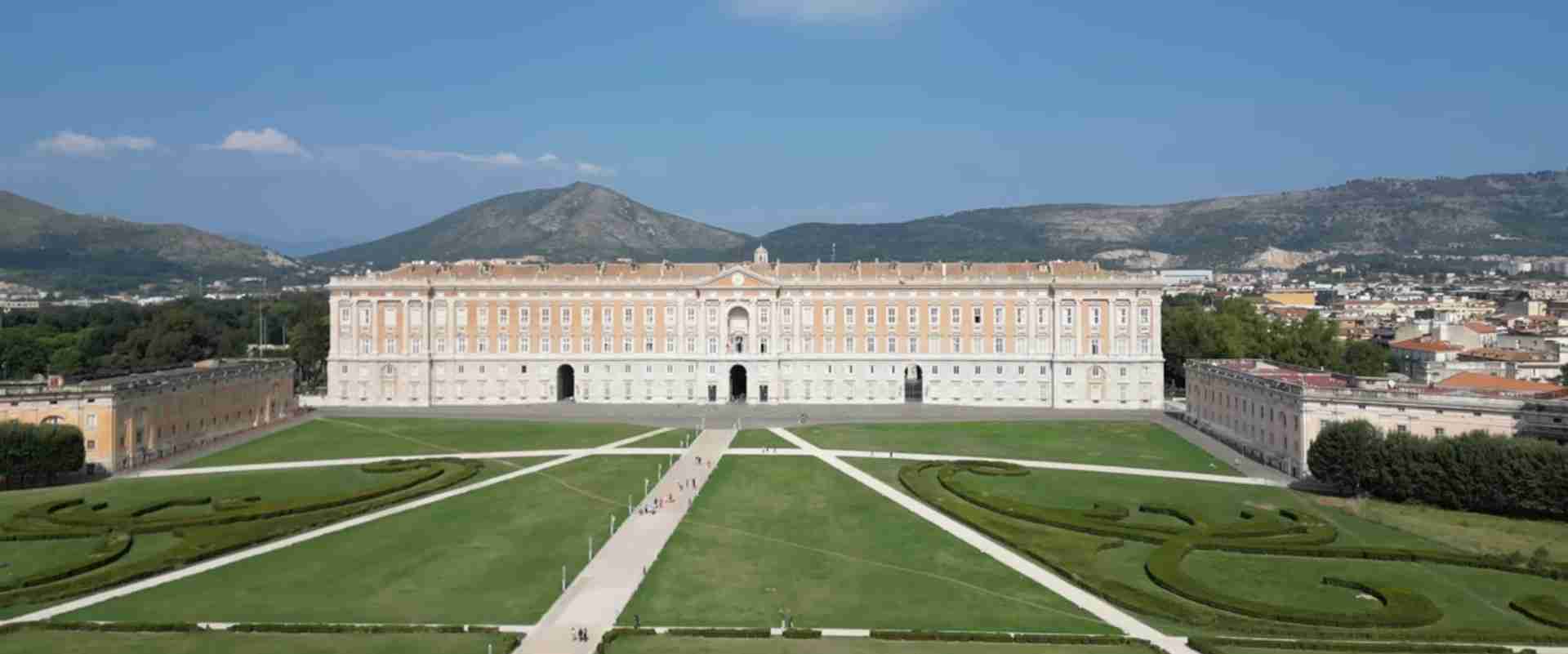
The Royal Palace of Caserta (Reggia di Caserta) stands as Italy’s largest royal residence and Europe’s last great Baroque palace complex, constructed 1752-1780 by architect Luigi Vanvitelli for Bourbon King Charles VII of Naples. Located 30 kilometers north of Naples in Campania’s Terra di Lavoro region, this UNESCO World Heritage site encompasses 47,000 square meters of Royal Apartments across 1,200 rooms, 120 hectares of formal gardens with magnificent water features, and the 24-hectare English Garden representing the period’s transition from Baroque to Romantic landscape design. The palace’s monumental scale, architectural sophistication, and historical significance rival Versailles, earning its designation as “Italy’s Versailles” though Vanvitelli’s design incorporated innovations beyond his French precedent.
The 2026 season brings enhanced visitor infrastructure with restored apartment sections, improved digital guides available in 8 languages via smartphone apps, extended summer opening hours, and streamlined ticketing through online advance booking systems. The palace complex represents one of Naples region’s most accessible UNESCO World Heritage sites, reachable via frequent regional trains creating seamless day trip opportunities from the city. Unlike coastal destinations requiring complex logistics or archaeological sites demanding specialized knowledge, Caserta offers straightforward access combined with self-explanatory magnificence—the Royal Apartments’ visual splendor and gardens’ orchestrated beauty communicate powerfully without extensive historical context, though understanding the palace’s creation story and Bourbon ambitions enriches the experience significantly.
Planning your 2026 Caserta visit requires understanding the site’s physical scale and time requirements. The Royal Apartments alone span 2 kilometers of sequential rooms—throne hall, state apartments, royal family private quarters, court theater, and galleries showcasing Neapolitan and European artworks. The formal gardens stretch 3 kilometers from the palace to the Great Cascade, requiring 90-120 minutes minimum to traverse the entire axis experiencing the sequential water features, fountains, and sculptural groupings that culminate in the dramatic 78-meter cascade. The separate English Garden demands additional 60-90 minutes for comprehensive exploration of its naturalistic paths, exotic plantings, and faux-ruins romantic architecture. This guide provides complete planning information for maximizing your 2026 Caserta experience through optimal timing, efficient transportation, strategic itinerary planning, and cost management.
People Also Ask About Caserta Royal Palace 2026
How much does it cost to visit Caserta Royal Palace in 2026?
Royal Palace of Caserta admission costs €14 for the Royal Apartments including the palace interior and park access, €9 for gardens only without apartment entry, or €18 for a combined ticket covering apartments, gardens, and English Garden in 2026. Check reggiadicaserta.cultura.gov.it for current official rates as pricing may vary for special exhibitions or seasonal promotions. Children under 18 from EU countries enter free with identification, non-EU visitors under 18 pay standard admission. Audio guides cost €5 for comprehensive apartments and gardens commentary available in Italian, English, French, German, and Spanish, or download the official Reggia di Caserta app for €3 providing similar content via smartphone.
Additional costs for 2026 Caserta visits include round-trip train transportation from Naples (€7.80-9 total), shuttle service to the English Garden if preferring not to walk (€3 round-trip), and dining at palace cafeteria or nearby Caserta restaurants (€12-25 for lunch). Organized day tours from Naples combining Caserta with other attractions like San Leucio silk factory or Sant’Angelo in Formis medieval church cost €65-95 per person including transportation, guide, and palace entry. Budget €35-50 per person for independent day trip including transportation, admission, audio guide, and modest lunch, or €50-75 including restaurant dining and English Garden shuttle. Free admission days occur on first Sunday of each month October through March, though expect larger crowds and longer entry waits during these promotions.
How do you get from Naples to Caserta Royal Palace in 2026?
Regional Trenitalia trains depart Naples Centrale station for Caserta every 20-30 minutes throughout the day, taking 35-45 minutes and costing €3.90-4.50 one-way depending on train type (Regionale versus Regionale Veloce services). Purchase tickets at automated machines in Naples Centrale station, through the Trenitalia mobile app, or at ticket windows—validate tickets using platform machines before boarding to avoid fines. Trains arrive at Caserta station located 800 meters from the palace entrance, requiring 10-minute walk along Corso Trieste and Via Douhet to reach the palace forecourt. Clear signage directs visitors from the station, or taxis wait at the station charging €8-12 for the short transfer to palace gates.
The walking route from Caserta station passes through the city’s historic center, providing glimpses of Caserta’s urban character and opportunities to purchase picnic supplies or stop at cafes. Exit the station’s main entrance, turn left onto Corso Trieste, continue straight through Piazza Vanvitelli, then follow Via Douhet directly to the palace forecourt where the monumental facade becomes visible blocks away. The flat, paved route presents no accessibility challenges, though summer heat makes the walk taxing during midday hours—carry water bottles and use sun protection. Organized tours from Naples use air-conditioned coaches, eliminating train booking concerns and station navigation, though departures follow fixed schedules reducing flexibility compared to independent train travel allowing spontaneous timing.
How long does it take to visit Caserta Royal Palace in 2026?
Allocate minimum 4-5 hours for comprehensive Caserta Royal Palace visits in 2026, including 1.5-2 hours for Royal Apartments exploration covering the ceremonial state rooms and royal family private quarters, 2-2.5 hours for formal gardens walking the full 3-kilometer axis to the Great Cascade, and 30-45 minutes for the English Garden if including this separate section. Serious palace enthusiasts spending time reading all exhibit panels, photographing architectural details, and absorbing the decorative arts collections require 6-7 hours for thorough visits including extended garden time and the English Garden section. Brief visits focusing only on highlights—throne room, state apartments, main cascade view—work within 2.5-3 hours, though this rushed approach misses much of the palace’s significance and garden beauty.
The Royal Apartments follow a sequential route through 1,200 rooms (40 open to public), beginning with the grand staircase, progressing through state rooms used for court ceremonies, then entering royal family private apartments and the court theater. Audio guides enhance understanding significantly—the palace’s scale and complexity benefit from expert commentary explaining room functions, artistic programs, and historical contexts. Gardens exploration involves choosing between walking the entire 3-kilometer axis (requiring 90-120 minutes round-trip) or viewing gardens from the palace terrace then accessing specific sections. The English Garden sits 1 kilometer from the palace requiring 25-30 minute walk or shuttle service, with garden paths requiring another 45-60 minutes for comprehensive exploration of the romantic landscape design and architectural follies.
When is the best time to visit Caserta Royal Palace in 2026?
Wednesday through Friday mornings offer optimal Caserta visiting conditions in 2026, combining weekday crowds (significantly lighter than Saturday-Sunday masses), full opening hours, and morning light ideal for palace interior and garden photography. Arrive at opening time (8:30 AM) to experience the Royal Apartments before tour groups arrive around 10:30-11:00 AM—the early hour allows photographing major rooms without crowds, appreciating architectural details in relative quiet, and maintaining flexible pacing. Spring months (April-May) and fall (September-October) provide best weather for extensive gardens walking with comfortable temperatures (18-24°C), blooming garden plantings, and moderate tourist volumes compared to peak summer.
Avoid Monday-Tuesday when the palace closes (except for occasional special events or summer extension schedules—verify current hours on official website). Weekend visits face larger crowds with Italian families and tour groups creating congestion in popular rooms and longer ticket lines despite online booking. Summer visits (June-August) allow experiencing the Great Cascade with water features operating at full capacity—though winter months also see water flowing, summer maximizes the fountains’ dramatic impact. The palace’s indoor nature makes it excellent poor-weather alternative when rain prevents outdoor activities elsewhere in the Naples region, providing comprehensive cultural experiences regardless of weather conditions unlike archaeological sites or coastal destinations requiring sunshine for full appreciation.
Extended multi-day tours – 5+ days
Featured Naples Multi-Day Tour Packages
3 days
Naples 3-Day Discovery Tour
- ✓ Comprehensive Naples experience
- ✓ Expert local guides included
- ✓ All accommodation included
- ✓ Transportation provided
5 days
Naples 5-Day Highlights Experience
- ✓ Comprehensive Naples experience
- ✓ Expert local guides included
- ✓ All accommodation included
- ✓ Transportation provided
7 days
Naples 7-Day Cultural Journey
- ✓ Comprehensive Naples experience
- ✓ Expert local guides included
- ✓ All accommodation included
- ✓ Transportation provided
10 days
Naples 10-Day Complete Adventure
- ✓ Comprehensive Naples experience
- ✓ Expert local guides included
- ✓ All accommodation included
- ✓ Transportation provided
Multi-day tour packages powered by TourRadar. Prices and availability subject to change.
Essential Planning Information for 2026 Caserta Visits
Understanding 2026 Palace Costs and Tickets
The Royal Palace ticket structure offers three options in 2026: apartments-only admission at €14 providing access to all palace interiors including the grand staircase, state rooms, royal apartments, palatine chapel, and court theater; gardens-only tickets at €9 allowing exploration of formal gardens and cascade without entering palace buildings; or combined tickets at €18 including both apartments and complete gardens including English Garden access. Check reggiadicaserta.cultura.gov.it for current official rates as special exhibitions may carry surcharges or combination tickets with nearby attractions may offer value for multi-site visitors. Purchase tickets online through the official website selecting specific entry times to guarantee morning slots and bypass ticket office queues—online booking requires €2 service fee but saves 20-40 minutes during peak periods.
Free admission categories include EU citizens under 18 with valid identification, teachers from EU schools with documentation, disabled visitors and one companion, and certain professional categories (architects, archaeologists, art historians with credential verification). First Sundays October through March offer free entry to all visitors, creating larger crowds and longer waits partially offsetting the financial benefit. Audio guides cost €5 rented at the ticket office near the entrance, providing 2-2.5 hours of comprehensive commentary covering major rooms, artistic programs, and historical contexts—highly recommended for first-time visitors unfamiliar with Bourbon history or Baroque architecture. The official palace app costs €3 downloaded via smartphone, offering similar audio content plus interactive maps, though rental devices provide better sound quality and avoid draining phone batteries during long visits.
Photography remains permitted throughout the palace and gardens using smartphones and cameras without flash or tripods—commercial photography requires advance authorization and special fees. Luggage storage near the entrance accommodates backpacks and larger bags not permitted inside apartments, operating on self-service basis with coin-operated lockers. The palace cafeteria located near the forecourt offers coffee, snacks, and light meals at standard tourist site prices (coffee €2-3, sandwiches €5-8, full meals €12-18), providing convenient mid-visit refreshment without leaving the complex. Alternatively, bring picnic supplies to enjoy in designated garden areas, combining cost savings with pleasant outdoor dining amid the baroque landscape architecture.
2026 Transportation Logistics
Trenitalia operates regional train services from Naples Centrale to Caserta with departures every 20-30 minutes from early morning (approximately 5:30 AM first departure) through late evening (last trains around 11:00 PM). Purchase tickets through multiple channels: automated machines located throughout Naples Centrale station accepting cash and credit cards, the Trenitalia mobile app providing digital tickets eliminating station machine queues, or staffed ticket windows for travelers needing assistance or preferring personal service. Ticket costs €3.90-4.50 one-way depending on train type—Regionale Veloce (faster service with fewer stops) costs slightly more than standard Regionale trains, though journey time difference amounts to just 5-10 minutes.
Validate tickets using the green and yellow machines located on station platforms immediately before boarding—validation stamps tickets with date and time, with unvalidated tickets subject to €50+ fines plus ticket price even for honest mistakes. Digital tickets purchased via mobile app do not require validation as the system automatically activates them. Trains display destination information on digital boards—look for “Caserta” in the destination column, verify the departure time matches your ticket, and check which platform (binario) the train uses. Seat reservations are not available or required on regional trains; board any carriage and find available seats on first-come basis. The 35-45 minute journey passes through Campania countryside providing glimpses of rural landscapes and small towns between Naples and Caserta.
Return trains from Caserta to Naples maintain the same 20-30 minute frequency throughout the day, though afternoon departures (3:00-6:00 PM) see heavier crowding as commuters join tourist passengers. Check departure boards at Caserta station for current schedules and platform assignments—trains may depart from different platforms than arrivals, so verify information. Purchase return tickets either in Naples before departure (recommended during peak season to avoid Caserta station queues) or at Caserta station machines before your return journey. The flexibility of frequent train service allows spontaneous timing—extend palace visits if engaged with the site, or depart earlier if fatigue sets in, simply catching the next available train without fixed reservations constraining your schedule.
Best Time to Visit Caserta Royal Palace in 2026
Seasonal Analysis for 2026 Visits
Spring (April-May) delivers optimal Caserta visiting conditions in 2026, with pleasant temperatures averaging 16-22°C ideal for extensive gardens exploration, palace flower beds reaching peak bloom, and moderate tourist volumes creating comfortable crowd levels in apartments and gardens. The gardens’ 120 hectares feature diverse plantings including Mediterranean species, formal flower beds near the palace, and woodland areas surrounding the English Garden—spring brings fresh green foliage, flowering trees, and colorful seasonal displays maintained by the palace horticultural staff. Daylight extends to 8:00-8:30 PM by late May, allowing afternoon visits with ample time for comprehensive exploration. Book online tickets 1-2 weeks ahead during April-May for preferred morning entry times without last-minute availability concerns.
Summer (June-August) enables experiencing the palace water features at maximum capacity, with fountains and cascades operating throughout daily visiting hours creating the dramatic hydraulic displays Vanvitelli designed as the gardens’ centerpiece. The Great Cascade—fed by the Carolino Aqueduct channeling water from Monte Taburno 38 kilometers distant—showcases Baroque engineering achievement through the massive water volume tumbling 78 meters down the hillside. Temperatures reach 28-34°C during July-August, making morning visits (8:30-11:00 AM) most comfortable for apartments exploration before afternoon heat peaks. The palace interiors remain pleasantly cool due to thick walls and high ceilings, providing relief from exterior temperatures. Gardens exploration becomes taxing during peak afternoon heat—consider viewing gardens from palace terraces rather than walking the full 3-kilometer axis, or focus on shaded English Garden sections during hottest hours.
Fall (September-October) combines excellent weather conditions (20-26°C in September declining to 16-20°C in October) with dramatically reduced crowds after summer vacation season ends. The palace maintains full services and opening hours through October, fountains continue operating, and seasonal garden colors shift to autumn tones creating different photographic opportunities. September ranks among the year’s best months for Caserta visits, balancing comfortable temperatures, manageable crowds, and complete tourism infrastructure without summer’s intensity or heat challenges. Late October through November sees increasing rainfall and shorter days, though mild conditions still allow pleasant visits for travelers prioritizing cultural sites over weather-dependent outdoor activities. The palace closes for annual maintenance during select January-February weeks—verify specific dates on official website if planning winter visits.
Daily Timing Strategies for 2026
Opening time arrivals (8:30 AM palace opening) provide best visiting conditions throughout the year, allowing apartment exploration before tour groups arrive around 10:30-11:00 AM. Early entry enables photographing major rooms like the throne hall and grand staircase without crowds, appreciating decorative details and architectural sophistication in relative quiet, and maintaining flexible pacing without navigating around large tour groups blocking doorways or gathering for guide commentary. Online ticket holders with timed entry reservations proceed directly to entrance control, bypassing ticket office lines that grow longer as morning progresses—during peak season, non-reserved ticket purchasers wait 30-60 minutes between 10:00 AM-1:00 PM.
Structure your visit beginning with Royal Apartments upon arrival when energy levels peak and before crowds arrive, spending 1.5-2 hours on comprehensive palace interior exploration. Exit to formal gardens around 10:30-11:00 AM for gardens walk while morning light remains favorable and temperatures stay comfortable. Walk the full 3-kilometer axis to the Great Cascade (45-60 minutes each direction) or use shuttle service (€3) if preferring to conserve energy. Lunch breaks work best 12:30-1:30 PM either at palace cafeteria, picnicking in designated garden areas, or walking to nearby Caserta town center for restaurant options. English Garden visits suit afternoon schedules—the separate location and woodland character provide shaded relief from afternoon sun, though morning light creates better photography conditions for the garden’s architectural follies and scenic lake views.
Avoid Saturday-Sunday if flexibility exists, as weekends bring largest crowds with Italian family visitors, school groups, and tour buses creating congestion throughout apartments and popular garden sections. Monday-Tuesday closure requires planning around—Wednesday-Thursday-Friday offer best combination of full services, moderate crowds, and flexible timing. Late afternoon visits (arriving 2:00-3:00 PM) work for travelers with limited time or those combining Caserta with other same-day activities, though this requires accepting partial palace experiences focusing on apartments only or gardens without comprehensive exploration. Winter months (November-February) see shortest visiting hours with 4:30-5:00 PM closures—verify current schedules on official website and plan accordingly to complete desired sections before closure.
Royal Apartments Exploration in 2026
Grand Staircase and State Apartments
The visitor route begins with Vanvitelli’s monumental grand staircase (Scalone d’Onore), a theatrical double-flight design ascending to the piano nobile through marble lions, stucco decorations, and the commanding vestibule announcing the palace’s imperial scale and Bourbon ambitions. The staircase represents one of European architecture’s most photographed Baroque spaces, with proportions and decorative program establishing the ceremonial tone for the entire palace sequence. Ceiling frescoes depict mythological scenes glorifying Bourbon rule, while marble bas-reliefs celebrate royal virtues and dynastic legitimacy. Spend 15-20 minutes examining the staircase’s architectural details, decorative program, and spatial relationships before proceeding to the state apartments above.
The state apartments (Appartamenti Reali) occupy the palace’s central section, comprising sequential rooms used for court ceremonies, diplomatic receptions, and public royal displays. The throne room (Sala del Trono) dominates the sequence with its 40-meter length, coffered ceiling, massive throne platform, and galleries for court observers during official ceremonies. Original furnishings disappeared during wars and occupations, though reconstructed throne furniture and decorations communicate the room’s historical function. Adjacent state rooms feature varying decorative schemes—some preserving original 18th-century stucco work and ceiling frescoes, others showing 19th-century renovations after damages or stylistic preferences changed. Audio guide commentary identifies room functions, explains decorative programs, and describes court ceremonies that animated these now-empty spaces.
The Palatine Chapel (Cappella Palatina) represents the palace’s spiritual center, designed by Vanvitelli with proportions evoking Versailles’ royal chapel. The vertical space, rich marbles, elaborate stucco decorations, and ceiling frescoes create contemplative atmosphere contrasting with the state apartments’ secular grandeur. The chapel served the Bourbon royal family’s private worship and official religious ceremonies marking dynastic events—weddings, baptisms, coronations. Court Theater (Teatro di Corte) concludes the major apartments section, a jewel-box space seating 400 modeled on Naples’ San Carlo opera house. The theater maintains original decorative scheme with royal box, tiered seating, and architectural details showcasing Neapolitan theatrical traditions. Special performances occasionally occur—check palace website for concert or theatrical programming during your 2026 visit dates.
Private Royal Apartments
Beyond the state apartments, the visitor route continues into royal family private quarters where Bourbon kings, queens, and court members lived away from ceremonial public spaces. These rooms showcase more intimate scale, personal decorative choices, and domestic functions contrasting with the formal state apartments’ grand ceremonial character. The queen’s apartments feature delicate Rococo decorations, feminine color palettes, and furnishings scaled for personal use rather than state display. Bedchambers, dressing rooms, and private sitting rooms reveal daily life rhythms and royal family relationships beyond their public ceremonial roles. Some rooms preserve original furnishings—furniture, textiles, decorative objects—providing rare glimpses of 18th-century royal domestic environments.
The royal family sections connect to service areas and courtiers’ quarters, illustrating the palace’s functioning as complete royal household with hundreds of residents managing court operations, royal ceremonies, and administrative functions. The palace’s original 1,200 rooms housed not just the royal family but entire court infrastructure—ministers, secretaries, guards, servants, and noble families attending court. Only 40 rooms remain open to visitors, representing public-facing or historically significant spaces, though this selection communicates the palace’s scale and complexity. The visiting route concludes with galleries displaying artworks from palace collections—Neapolitan School paintings, European artworks acquired by Bourbon rulers, and decorative arts illustrating court taste and patronage.
Art Collections and Special Exhibitions
The palace houses significant art collections distributed throughout the apartments and dedicated gallery spaces. Neapolitan School paintings dominate holdings, featuring works by Francesco Solimena, Luca Giordano, and other 17th-18th century artists commissioned by Bourbon patrons. The collection illustrates Neapolitan Baroque and Rococo painting characteristics—dynamic compositions, dramatic lighting, emotional intensity, and virtuoso technical execution. Portrait galleries display Bourbon dynasty members and court personalities, providing faces for historical figures and revealing period costume, status symbols, and portraiture conventions. Religious artworks reflect the dynasty’s Catholic identity and the chapel’s devotional requirements, while mythological paintings demonstrate classical learning and royal propaganda linking Bourbon rule to ancient imperial precedents.
Special exhibitions occupy temporary gallery spaces, rotating throughout the year to highlight particular collection aspects, commemorate historical anniversaries, or showcase loaned artworks from other institutions. The 2026 exhibition schedule remains announced closer to dates—check the palace website for current and upcoming exhibitions that might enhance your visit. Past exhibitions have focused on Bourbon court life, Vanvitelli’s architectural legacy, the palace’s World War II history (serving as Allied headquarters 1943-1945), and relationships with other European royal courts. Some special exhibitions carry supplemental admission fees (€3-5 above standard ticket), while others integrate into base admission. Exhibition quality varies significantly—some offer scholarly depth and rare objects meriting the extra time and cost, while others provide minor additions to permanent collection viewing.
Palace Gardens and Water Features in 2026
Formal Gardens and Water Axis
The palace gardens stretch 3 kilometers along a straight axis ascending the hillside from the palace rear facade to the Great Cascade at the terminus. This monumental water garden represents Vanvitelli’s masterpiece of Baroque landscape architecture, integrating massive water features, mythological sculptures, formal plantings, and engineered hydraulics into unified theatrical composition visible from the palace. The axis creates powerful visual perspective—standing at the palace terrace, the eye travels along the water channels and fountains to the distant cascade, emphasizing the landscape’s controlled geometry and royal power extending into surrounding nature. Walking this axis takes 45-60 minutes each direction, traversing sequential spaces each revealing new vistas and water features.
The Fountain of Margherita marks the first major water feature, a circular basin with central sculpture group, followed by Fountain of the Dolphins showcasing playful marine creatures spouting water jets. Continue along the central water channel bordered by lawns and tree allées providing shade during summer months. The Aeolus Fountain (Fontana di Eolo) represents the sequence’s climactic moment before the Great Cascade, featuring massive sculptural group depicting the wind god releasing tempests with water jets shooting from rock formations creating dynamic movement and sound. Each fountain operates continuously during visiting hours, with water volume maximizing during summer months when aqueduct flows peak. Photography enthusiasts should walk the axis twice—once approaching the cascade for frontal views, then returning on the side paths offering different perspectives and lighting angles.
The Great Cascade (Grande Cascata) terminates the axis with dramatic vertical water display tumbling 78 meters down the hillside in staged falls, pools, and channels carved into the natural slope. Mythological sculptures depicting Diana and Actaeon create narrative context for the cascade’s design, while the pure water volume and height create impressive sensory experience—the sound carries hundreds of meters, mist creates rainbows in afternoon light, and the engineering achievement becomes viscerally apparent. Climb the stairs alongside the cascade to reach the upper pool and gain elevated views back along the axis toward the palace now 3 kilometers distant—this perspective reveals the composition’s complete geometry and scale. The climb requires moderate fitness with 200+ steps, though rest platforms occur at intervals. Return via the parallel side paths or shuttle service if available (schedule varies seasonally).
English Garden Experience
The English Garden occupies 24 hectares adjacent to the formal gardens, accessible via 25-30 minute walk from the palace or shuttle service operating on irregular schedules (typically hourly during peak season, less frequent off-season—verify at ticket office). This landscape section represents the late 18th-century transition from formal Baroque gardens to naturalistic Romantic landscape design, created under Queen Maria Carolina’s patronage influenced by English picturesque garden theories. Unlike the formal axis’s geometric control, the English Garden features winding paths, naturalistic plantings, artificial lakes, and architectural follies creating idealized pastoral scenery. The design prioritizes discovery and surprise—paths curve concealing destinations, vegetation frames carefully composed views, and structures appear unexpectedly creating aesthetic pleasure through variety and scenic contrast.
The garden’s architectural elements include classical ruins (constructed as faux ancient remains), an elegant bath house (Bagno di Venere), cryptoporticus connecting various garden sections, and numerous statuary groups depicting mythological scenes. These structures serve aesthetic rather than practical functions, creating picturesque scenes for contemplative strolling and philosophical reflection on nature, antiquity, and human creation. The exotic botanical plantings introduced species from around the world—Mediterranean natives mix with Asian, African, and American imports creating diverse horticultural display unusual for late 18th-century Italian gardens. Spring and fall offer best appreciation of the garden’s botanical interest, though mature trees provide pleasant shade during summer months.
Budget 60-90 minutes for English Garden exploration following the main paths to significant structures and viewpoints. The garden’s separate location and different character provide excellent counterpoint to the formal gardens’ geometry and palace apartments’ architectural grandeur, rounding out the complete Caserta experience. Benches scattered throughout allow rest breaks, making this section particularly appealing during afternoon hours when morning apartment and formal gardens exploration depletes energy. The garden’s relative neglect compared to the heavily visited palace and main gardens means fewer crowds, quieter atmosphere, and opportunities for contemplative appreciation often missing in more touristed sections. Photography enthusiasts find excellent subjects in the garden’s varied landscapes, architectural follies, and lighting conditions created by mature tree canopy filtering sunlight.
Sample 2026 Caserta Day Trip Itineraries
Comprehensive Palace and Gardens Experience
Depart Naples Centrale station on a 7:00-7:30 AM regional train reaching Caserta by 7:45-8:15 AM. Walk 10 minutes from the station to the palace, arriving at or shortly after 8:30 AM opening time. Use pre-purchased online tickets to bypass ticket office lines and proceed directly to palace entrance. Begin with Royal Apartments exploration spending 8:30-10:30 AM on comprehensive interior visit including grand staircase, state rooms, private apartments, chapel, and theater with audio guide commentary providing historical context and architectural analysis. Take time photographing major spaces before tour groups arrive, examine decorative details at leisure, and absorb the palace’s scale and artistic sophistication.
Exit to formal gardens at 10:30 AM for the water axis walk. Spend 10:45 AM-12:45 PM walking from the palace terrace to the Great Cascade along the 3-kilometer axis, stopping at each major fountain, photographing the sequential water features, and climbing to the cascade’s upper pool for panoramic views back toward the palace. The mid-morning timing provides good light for photography, comfortable temperatures for walking, and opportunities to experience the gardens before afternoon tour group arrivals. Return from the cascade via side paths offering different perspectives, or use shuttle service (€3) if available and feet need rest after the long walk and stair climbing.
Break for lunch 12:45-1:45 PM either at the palace cafeteria (€12-18 for full meal), picnicking in designated garden areas with provisions brought from Naples (€8-12), or walking to Caserta town center for trattoria dining (€15-25 per person). After lunch, shuttle or walk to the English Garden spending 2:00-3:30 PM exploring the naturalistic landscape, architectural follies, and exotic plantings. The afternoon timing places you in the shaded woodland garden during peak heat hours if visiting during summer months. Return to Naples via trains departing Caserta 4:00-5:00 PM, reaching Naples by 4:40-5:50 PM. Total day cost: Train tickets €7.80-9, palace admission €18, audio guide €5, lunch €15-25. Total day cost: €45.80-57 per person (excluding accommodation).
Royal Apartments Focus with Brief Gardens
For travelers with limited time or primarily interested in palace architecture and interiors, this abbreviated itinerary maximizes apartment exploration while providing gardens overview. Depart Naples 8:30-9:00 AM reaching Caserta by 9:15-9:45 AM, arriving at the palace by 10:00 AM. Purchase apartments-only ticket (€14) online in advance for 10:00-10:30 AM entry slot. Spend 10:00 AM-12:30 PM on thorough apartments exploration using audio guide, taking time to appreciate decorative arts, read exhibit information, and photograph major rooms. The focused palace visit without gardens time pressure allows deeper engagement with architectural details, artistic programs, and historical significance often rushed in comprehensive full-day visits.
Exit to formal gardens at 12:30 PM for selective gardens experience. Walk the water axis as far as the Aeolus Fountain (approximately 1.5 kilometers from palace, 30-40 minutes round-trip), experiencing the water features’ sequence and gaining perspective on the gardens’ scale without committing to the full 3-kilometer Great Cascade walk. Return to palace forecourt for lunch at cafeteria or nearby restaurants 1:15-2:00 PM. Train back to Naples departing 2:30-3:00 PM, reaching the city by 3:10-3:45 PM allowing afternoon time for other Naples activities or rest before evening plans. This half-day approach works well for travelers with varied interests wanting significant Caserta exposure without full-day commitment, or those combining Caserta with other same-day destinations like San Leucio or medieval Sant’Angelo in Formis. Total day cost: Train tickets €7.80-9, apartments-only admission €14, audio guide €5, lunch €12-20. Total day cost: €38.80-48 per person (excluding accommodation).
Photography-Focused Extended Visit
Photography enthusiasts benefit from structured timing maximizing light quality and minimizing crowds in key locations. Depart Naples earliest available train (approximately 5:30-6:00 AM) reaching Caserta by 6:15-6:45 AM. Walk to palace arriving well before opening time to photograph the monumental facade and forecourt in early morning light without crowds. The palazzo’s west-facing orientation receives beautiful morning light illuminating the facade’s limestone, with long shadows adding depth to architectural details. Opening time entry at 8:30 AM provides empty apartment photography opportunities—the grand staircase without tourists, state rooms in morning light through tall windows, and chapel during peaceful early hours.
Complete apartments photography by 11:00 AM, then proceed to gardens for optimal cascade photography during midday light. The Great Cascade faces west, receiving full sun during midday hours highlighting water movement and creating rainbow effects in the mist. Arrive at cascade by 12:30 PM for 30-45 minutes of photography from multiple angles and elevations. Return via side paths photographing fountain details and perspective views along the axis. Break for quick lunch 2:00-2:30 PM, then visit English Garden during late afternoon “golden hour” 3:00-5:00 PM when warm light illuminates the woodland setting, architectural follies, and lake scenes. The garden’s mature trees create interesting dappled light effects and natural framing for compositions.
Exit gardens around 5:30 PM for additional facade photography in late afternoon light as sun moves toward the western horizon. Train back to Naples 6:00-6:30 PM departing Caserta. This extended photography-focused visit requires stamina and dedicated interest, but produces comprehensive visual documentation of the palace’s architectural and landscape elements under varying light conditions. Total day cost: Train tickets €7.80-9, palace admission €18, audio guide €5, quick lunch €10-15. Total day cost: €40.80-47 per person (excluding accommodation). Consider bringing tripod for low-light chapel photography and cascade long-exposures, though crowds may limit tripod setup opportunities in popular locations.
Money-Saving Strategies for 2026 Caserta Visits
Transportation and Admission Optimization
Use regional trains rather than organized tours to save €50-70 per person—round-trip train costs of €7.80-9 compare extremely favorably to €65-95 tour prices, with independent travel providing complete flexibility for timing and pacing. Purchase multi-day rail passes if planning multiple Campania region day trips during your Naples visit—the Campania Artecard includes unlimited regional train travel plus museum admissions, potentially offering significant savings for active cultural travelers. Student travelers under 26 should investigate youth rail discount programs offering percentage reductions on ticket prices—bring student identification and purchase tickets at staffed windows to ensure discount application.
Time visits on first Sundays October through March for free palace admission saving €14-18 per person, though expect larger crowds and longer entry waits during these promotional periods. Free admission days work best for budget-conscious travelers with schedule flexibility willing to accept crowded conditions as tradeoff for cost savings. EU citizens under 18 enter free year-round—families with teenagers save significantly through youth admission policies. Consider gardens-only tickets (€9) if palace interiors hold less interest or you’ve visited similar Baroque royal residences—the gardens’ monumental water features and landscape architecture provide substantial standalone experiences justifying the reduced admission cost.
Download the official palace app (€3) rather than renting audio guides (€5) to save €2 per person while receiving similar commentary content. The app provides additional features like interactive maps, supplemental images, and ability to revisit content after your visit, though rental devices offer better sound quality and don’t drain smartphone batteries during multi-hour palace visits. Assess your priorities—the €2 savings versus audio quality and battery concerns—choosing the option best matching your situation. If visiting with companions, share one rental audio guide or app subscription taking turns with commentary, though this approach reduces individual pacing flexibility.
Dining and Activity Budget Management
Bring picnic supplies from Naples supermarkets or delicatessens to avoid palace cafeteria costs (€12-18 for full meals) and nearby restaurant prices (€15-25 per person). Quality picnic provisions—fresh bread, cheeses, cured meats, fruit, water, and snacks—cost €8-15 total, providing excellent lunch for 2-3 people at significant savings. The palace gardens include designated picnic areas with benches and shade, creating pleasant outdoor dining experiences superior to cafeteria indoor seating. Alternatively, walk to Caserta town center (10 minutes from palace) for local trattorias serving residents—these establishments charge 25-30% less than palace-adjacent tourist restaurants for equivalent quality and more authentic atmosphere.
Skip the English Garden shuttle service (€3 round-trip) by walking the 25-30 minute path connecting formal gardens to the English Garden section. The walk itself offers pleasant woodland scenery and opportunities to appreciate the palace grounds’ overall landscape scale. Save shuttle fees when visiting with companions by splitting one shuttle trip—one person rides to the English Garden while others walk, then reverse for the return creating different experiences while reducing combined costs. Walking provides exercise, fresh air, and additional palace appreciation, appealing to active travelers who view the walk as enhancement rather than burden.
Prioritize free palace sections and activities while selectively investing in key paid experiences. The palace forecourt, grand staircase views from below, and gardens views from the terrace provide substantial free experiences—some visitors gain significant Caserta appreciation without purchasing tickets, particularly budget travelers or those primarily interested in architectural exteriors and landscape perspectives. If choosing between combined tickets and focused admission, consider which elements matter most to your interests—interior decoration enthusiasts prioritize apartments-only tickets, landscape lovers focus on gardens-only admission, and comprehensive visitors justify combined ticket costs through complete palace experiences. Every visitor needs different things—align admission choices with genuine interests rather than completist mentality driving purchases of experiences that don’t match personal priorities.
Practical Tips for 2026 Palace Visits
What to Bring and Wear
Comfortable walking shoes prove essential for Caserta visits involving extensive palace interior exploration (2 kilometers of sequential rooms) and gardens walking (3-kilometer water axis plus English Garden paths). The palace features marble floors creating hard walking surfaces, while gardens include gravel paths and uneven terrain in wooded sections. Avoid fashion sandals, flip-flops, or uncomfortable dress shoes inadequate for several hours of continuous walking and stair climbing. Athletic shoes, supportive walking sandals with back straps, or hiking shoes provide appropriate footwear balancing comfort with propriety for cultural site visits. Bring spare comfortable shoes if wearing dress shoes to evening activities, preventing foot fatigue from full-day palace exploration.
Dress codes for palace visits remain relaxed compared to active churches or religious sites—covered shoulders and knees are not required, though respectful attire avoiding beach wear or extremely casual clothing demonstrates cultural awareness. Summer visits require sun protection for extensive gardens time—bring wide-brimmed hats, sunglasses, high-SPF sunscreen, and lightweight long-sleeve cover-ups for peak midday hours. The formal gardens offer limited shade except near tree allées, while the water axis walk exposes visitors to full sun throughout. Winter visits need layers as palace apartments can be cold (limited heating in vast spaces with high ceilings), while outside temperatures remain mild requiring less layering than northern European winter cultural sites.
Bring water bottles for gardens exploration, particularly during warm months—water fountains exist at strategic locations including near the palace entrance and cascade base, though having personal bottles ensures hydration during long walks between facilities. The palace cafeteria and vending machines sell bottled water (€1.50-2.50), though purchasing water in Caserta town before entering the palace complex saves money. Smartphones or cameras capture palace and gardens photography, with most visitors finding smartphone cameras sufficient for documentary images and social media sharing. Serious photographers should bring interchangeable lens cameras, wide-angle lenses for grand staircase and state rooms, and telephoto zooms for fountain details and cascade features from distance. Battery charging opportunities are limited—bring charged spare batteries or power banks for extended photography sessions.
Accessibility and Family Considerations
The Royal Palace provides reasonable accessibility for visitors with mobility limitations, with elevators accessing the piano nobile where Royal Apartments reside and ramps navigating most interior transitions. The grand staircase—a major architectural highlight—presents accessibility challenges that elevators bypass, though this means mobility-limited visitors miss this spectacular spatial experience. Wheelchairs and walkers navigate most apartment rooms successfully, though narrow doorways in some sections and historic fabric preservation limits create occasional difficulties. Request accessibility maps at ticket office showing elevator locations, accessible routes, and rest areas with seating. Staff members assist with accessibility questions and needs—don’t hesitate to ask for directions to accessible facilities, rest areas, or alternative routes.
Gardens accessibility varies significantly by section. The formal water axis features paved paths suitable for wheelchairs and strollers for the first kilometer, though the Great Cascade requires climbing 200+ steps inaccessible to mobility-limited visitors. The lower fountains (Margherita, Dolphins, Aeolus) remain accessible providing substantial gardens experience without cascade ascent. English Garden paths include gravel and natural surfaces challenging for wheelchairs, with some architectural follies requiring steps for access. Families with young children in strollers should assess which palace sections match their accessibility needs and children’s stamina—comprehensive visits including apartments and full gardens axis exceed most young children’s attention spans and physical endurance.
Plan family visits incorporating breaks, interactive elements maintaining children’s interest, and reasonable expectations about age-appropriate engagement levels. The palace scale and visual drama impress children, though extended rooms sequences and historical commentary bore younger visitors lacking adult attention spans. Focus family visits on highlight rooms (grand staircase, throne room, chapel, theater), gardens water features capturing children’s imagination, and the Great Cascade providing dramatic climax worth the effort for older children. Bring snacks, entertainment for quiet moments (books, tablets with downloaded content), and flexible attitudes accepting when children reach limits requiring visit conclusions before adults feel complete. The palace operates as cultural institution rather than family entertainment venue—manage expectations accordingly while appreciating that children exposed to world heritage sites develop cultural awareness and historical consciousness enriching their education.
Combining Caserta with Other Attractions in 2026
San Leucio Royal Site
The Royal Silk Factory at San Leucio sits 3 kilometers from Caserta Palace, accessible via local buses (line 6, approximately 15 minutes, €1.30) or taxis (€8-12). This 18th-century industrial complex established by Bourbon King Ferdinand IV represents enlightened monarchy ideals applied to silk production, creating model workers’ community with innovative social programs, education systems, and quality housing. The site includes the silk factory with preserved machinery, Royal Apartments in the Belvedere Palace, and museum explaining San Leucio’s social experiment and technical silk production processes. Entry costs €4, with guided tours available in Italian and English providing context for the site’s historical and industrial significance.
Combine San Leucio with Caserta Palace for comprehensive Bourbon heritage day trips requiring full days (8-9 hours including transportation). After morning Caserta Palace visits (8:30 AM-12:30 PM focusing on apartments and selected gardens), take local bus or taxi to San Leucio spending 1:30-3:30 PM exploring the silk complex and Belvedere apartments. This combination illustrates different aspects of Bourbon rule—the palace’s ceremonial grandeur versus San Leucio’s enlightened industrial patronage and social reform ambitions. The smaller scale and specialized focus provide contrasting experiences to the palace’s overwhelming architectural magnificence. Train back to Naples 4:30-5:00 PM. Total additional cost beyond Caserta: bus or taxi to San Leucio €2.60-24 round-trip, San Leucio admission €4.
Sant’Angelo in Formis
This medieval Benedictine monastery sits 10 kilometers northwest of Caserta, featuring exceptional 11th-century Byzantine fresco cycles covering the church interior walls and apse. The frescoes represent southern Italy’s finest Byzantine artistic examples, depicting biblical scenes, saints, and the Last Judgment with vivid colors, expressive figures, and theological sophistication. The church occupies an elevated hillside position above Capua plain with views extending to Mount Vesuvius on clear days. Public transportation to Sant’Angelo proves challenging—local buses run infrequently, making taxis (€25-35 round-trip from Caserta) or organized tours more practical access methods. Entry is free though donations support ongoing preservation efforts.
Medieval art enthusiasts and Byzantine culture specialists find Sant’Angelo essential despite access challenges, while general visitors should assess whether specialized interest justifies the logistical effort. Combine Sant’Angelo with Caserta for focused art history day trips—morning Byzantine frescoes (arrange taxi departure from Naples or Caserta by 9:00 AM, spending 9:30-11:00 AM at the church), then Caserta Palace afternoon visits (11:30 AM-4:00 PM focusing on apartments, skipping comprehensive gardens) before returning to Naples. This combination appeals to cultural travelers prioritizing art historical significance over comprehensive site coverage. Total day cost: Caserta trains €7.80-9, Caserta palace admission €14, taxi to Sant’Angelo €25-35, lunch €15-20. Total cost: €61.80-78 per person (excluding accommodation).
FAQ: Caserta Royal Palace 2026
Is Caserta worth visiting from Naples?
Caserta Royal Palace absolutely merits day trip visits from Naples for travelers interested in Baroque architecture, royal history, garden design, or UNESCO World Heritage sites. The palace’s architectural sophistication, monumental scale, and historical significance rival Versailles, while gardens represent Baroque landscape architecture masterpieces showcasing hydraulic engineering and theatrical design principles. The site provides comprehensive cultural experiences through sequential royal apartments, spectacular water features, and contrasting English Garden section illustrating 18th-century aesthetic transitions. The easy 35-45 minute train access, reasonable admission costs (€14-18), and concentrated site layout allowing comprehensive visits in 4-6 hours make Caserta accessible and rewarding for diverse travelers. Architecture enthusiasts, history buffs, and garden lovers find substantial appeal, while general tourists appreciate the visual splendor and world heritage significance even without specialized knowledge.
How crowded is Caserta Royal Palace?
Caserta experiences moderate crowd levels compared to Naples’ overwhelmed sites like Pompeii or Capri during peak season, with Wednesday-Friday mornings offering most comfortable visiting conditions. Saturday-Sunday brings largest crowds with Italian families and tour groups creating congestion in popular apartments rooms, though overall palace scale means crowding remains manageable even during peak periods. The Royal Apartments’ sequential layout creates bottlenecks when large tour groups occupy narrow doorways or gather for guide commentary, though patient visitors simply wait briefly before continuing. Gardens experience lighter crowds with vast spaces distributing visitors—even during busy periods, the 3-kilometer water axis provides peaceful walking interrupted only at major fountain locations. English Garden sees minimal visitors due to separate location and required additional walking effort.
Can you take photos inside Caserta Royal Palace?
Photography remains permitted throughout Caserta Royal Palace apartments and gardens using smartphones and cameras without flash or tripods. The palace encourages visitors to document their experiences through personal photography for non-commercial purposes, though professional photography, filming, or commercial use requires advance authorization and special permits. Flash photography risks damaging sensitive artwork, textiles, and decorative elements—natural light through tall windows provides sufficient illumination in most rooms for quality images using modern cameras or smartphones. Tripods are prohibited due to space constraints and visitor flow management, though small tabletop tripods or monopods used discreetly face less enforcement. Respect other visitors when photographing—avoid blocking doorways, recognize when rooms are too crowded for photography sessions, and maintain awareness of surroundings rather than focusing exclusively on photography to the exclusion of actual visual appreciation.
What should you not miss at Caserta Royal Palace?
Essential Caserta Palace highlights include the grand staircase representing European Baroque architecture’s theatrical spatial mastery, the Throne Room showcasing royal ceremonial functions and scale, the Palatine Chapel with vertical proportions and rich marbles, and Court Theater preserving 18th-century theatrical design. In gardens, the complete water axis from palace to Great Cascade delivers the intended Baroque landscape experience—walking this sequence reveals the design’s ambitions and hydraulic engineering achievement. The Great Cascade itself represents the gardens’ climactic moment, requiring effort to reach but rewarding visitors with spectacular water displays and panoramic views. The English Garden provides essential contrast to formal gardens, illustrating aesthetic transition toward naturalistic landscape design and offering peaceful woodland atmosphere. Budget minimum 4-5 hours to experience these core elements properly.
Is there a dress code for Caserta Royal Palace?
Caserta Royal Palace maintains no formal dress code beyond general expectations of respectful attire for cultural heritage sites. Unlike active churches requiring covered shoulders and knees, the palace permits casual comfortable clothing including shorts, tank tops, and sleeveless dresses appropriate for summer weather. Beach wear, extremely revealing clothing, and offensive graphics remain discouraged though not actively enforced. Most visitors dress in standard tourist casual wear—comfortable walking shoes, weather-appropriate clothing, sun protection for gardens exploration. Italians tend toward slightly more polished casual styling than international tourists, though this represents cultural patterns rather than site requirements. Focus on comfort and practicality given the extensive walking required for comprehensive palace and gardens visits rather than formal dress considerations.
How do you get to the English Garden at Caserta?
The English Garden sits approximately 1 kilometer from the main palace, accessible via 25-30 minute walk along the designated path through wooded sections of the palace grounds or shuttle service operating on irregular schedules (typically hourly during peak season, less frequent off-season—verify current service at ticket office). The walk follows marked paths departing from the formal gardens area, continuing through mature woodland providing shade and natural scenery during the transit. Signs direct visitors, though occasionally faded or ambiguous—if uncertain, ask palace staff for English Garden direction confirmation. The shuttle service (€3 round-trip) uses small vehicles accommodating 10-15 passengers, convenient for visitors tired from extensive palace and gardens exploration or those with mobility limitations making the 1-kilometer walk challenging. English Garden access requires combined palace ticket (€18) including both main palace and English Garden—gardens-only tickets (€9) exclude English Garden access.
What are Caserta Palace opening hours in 2026?
Caserta Royal Palace opens Wednesday through Monday, 8:30 AM to 7:30 PM (last entry 6:30 PM) during peak season (April through October), with reduced hours November through March closing at 5:00 PM (last entry 4:00 PM). The palace closes Tuesday for weekly maintenance and occasionally for special events, annual holidays, or conservation work—verify specific closure dates on reggiadicaserta.cultura.gov.it before planning visits. Gardens typically remain open during palace hours, though English Garden may close earlier during winter months or low-visitor periods. Special summer evening openings occasionally extend hours to 10:00-11:00 PM with illuminated gardens and evening concerts—check the cultural events calendar for summer 2026 programming that might include these special access opportunities. Arrive at opening time when possible to maximize visiting time and experience the palace before tour group arrivals around 10:30-11:00 AM.
Can you eat inside Caserta Royal Palace?
The palace cafeteria near the entrance forecourt provides on-site dining options serving coffee, snacks, sandwiches, and full meals at standard tourist site prices (€2-4 for coffee and pastries, €5-8 for sandwiches, €12-18 for full meals including pasta, main course, and beverages). The cafeteria operates during palace hours, providing convenient mid-visit refreshment without leaving the complex. Quality reflects typical institutional food service rather than distinguished cuisine, though adequate for basic refueling during long palace visits. Alternatively, designated picnic areas in the gardens allow visitors bringing personal food to eat in scenic outdoor settings—this option provides better value and often superior food quality if sourcing supplies from quality Naples delicatessens or Caserta local markets before entering the palace grounds. No food or beverages are permitted inside Royal Apartments to protect historic furnishings and decorations from spills and damage.
Is Caserta Palace bigger than Versailles?
Caserta Royal Palace exceeds Versailles in total built area—Caserta encompasses 47,000 square meters across 1,200 rooms compared to Versailles’ 63,000 square meters and 2,300 rooms, though measurement methodologies and counting definitions create varying claims. Vanvitelli designed Caserta with explicit reference to Versailles, Bourbon King Charles VII directing his architect to create a royal palace surpassing his French Bourbon cousins’ achievement. The resulting building’s monumental footprint, symmetrical layout, and comprehensive royal household accommodation realize these ambitions, creating Italy’s largest royal residence. Gardens scale differs significantly—Versailles gardens exceed 800 hectares compared to Caserta’s 120 formal hectares, though Caserta’s 3-kilometer water axis and Great Cascade represent concentrated Baroque landscape architecture potentially rivaling Versailles’ more extensive but dispersed gardens. Both palaces rank among Europe’s supreme Baroque royal residences, with comparisons becoming subjective based on criteria—architectural innovation, decorative sophistication, gardens design, historical significance, or sheer physical scale.