
Naples Travel Tips 2026: Essential Planning Guide & Practical Advice
This comprehensive guide provides actionable advice developed through extensive local knowledge and visitor feedback. Understanding Naples’ transportation networks prevents wasted time and frustration. Knowing where to eat like locals delivers authentic experiences at fraction of tourist restaurant costs. Recognizing cultural norms transforms potentially awkward situations into meaningful interactions. These practical insights enable confident, rewarding exploration of one of Europe’s most fascinating cities.
Key Takeaways
- Naples requires strategic transportation planning with metro, funicular, and bus networks serving different city zones efficiently
- Accommodation booking 2-3 months ahead secures €80-120 daily savings during peak summer season
- Street food culture provides authentic dining experiences at €15-25 per day compared to €60-80 at tourist restaurants
- Safety awareness focuses on pickpocket prevention in tourist areas while neighborhoods remain genuinely welcoming
- Cultural understanding of Neapolitan pace and customs transforms visits from stressful to deeply rewarding
- Money-saving strategies combining free attractions, market dining, and public transport reduce daily costs by 40-60%
Introduction: Navigating Naples Successfully in 2026
Naples rewards travelers who understand its rhythms, embrace its contradictions, and prepare for its unique character. This ancient metropolis operates differently from other Italian cities, with distinct customs, transportation patterns, and social dynamics that can surprise unprepared visitors. The city’s UNESCO World Heritage historic center contains 2,800 years of continuous urban development, creating navigation challenges alongside extraordinary cultural discoveries.
Success in Naples requires practical knowledge spanning transportation logistics, safety awareness, cultural etiquette, and budget optimization strategies. The city’s reputation often precedes it, with outdated perceptions overshadowing current realities. Modern Naples combines ancient traditions with contemporary urban infrastructure, requiring visitors to balance historical exploration with practical city navigation.
Naples in 2026 offers improved tourism infrastructure while maintaining its authentic character. Recent investments in metro expansion, pedestrian zones, and visitor services have enhanced accessibility without diluting the city’s genuine atmosphere. The challenge lies not in finding tourist attractions but in understanding how to move through the city efficiently, interact respectfully with local culture, and maximize your experience within realistic budgets and timeframes.
People Also Ask About Naples Travel 2026
Is Naples safe for tourists in 2026?
Naples is safe for tourists practicing standard urban awareness, with crime statistics similar to other major Mediterranean cities. The primary concern involves pickpocketing in crowded tourist areas, particularly around Napoli Centrale station, the port area, and packed historic center streets. Violent crime against tourists remains extremely rare, with locals generally welcoming and helpful toward visitors.
Safety strategies focus on common-sense precautions rather than avoiding specific neighborhoods. Keep valuables secured in front pockets or concealed bags, remain aware of surroundings in crowded spaces, and avoid displaying expensive jewelry or electronics unnecessarily. The Spanish Quarters, despite their gritty appearance, pose no significant danger during daylight hours and contain some of the city’s most authentic culture.
Evening safety follows similar patterns to other Italian cities. Well-lit areas with pedestrian traffic remain comfortable throughout the night, while isolated streets merit standard caution. The Chiaia and Vomero neighborhoods offer particularly safe environments for evening dining and entertainment. Women traveling solo report feeling secure using common urban awareness, particularly when following standard precautions about accepting drinks from strangers and staying in populated areas.
Scams target tourists more frequently than physical threats, with common tactics including overcharging for taxis, fake police officers checking wallets, and aggressive restaurant touts near the port. Insist on metered taxis or agree on prices beforehand, never show identification or money to unsolicited “police,” and choose restaurants away from obvious tourist traps. These precautions, combined with confident demeanor, ensure safe, enjoyable Naples exploration.
What should I avoid doing in Naples in 2026?
Avoid comparing Naples unfavorably to other Italian cities, as Neapolitans take fierce pride in their distinct culture and history. The city operates according to its own logic, with different pace, customs, and social dynamics than Florence or Venice. Expecting identical experiences creates disappointment, while embracing Naples’ unique character delivers extraordinary rewards.
Transportation mistakes include renting cars for city exploration, as Naples’ chaotic traffic, limited parking, and excellent public transport make vehicles more burden than benefit. Walking and metro cover the historic center efficiently, while taxis or ride-sharing handle occasional needs for areas beyond public transport reach. Driving in Naples requires local knowledge and nerves most visitors lack.
Dining errors involve eating in obvious tourist restaurants near major attractions, where quality drops and prices rise significantly. Walk five minutes into residential neighborhoods for authentic trattorias serving locals at half the cost with superior food. Avoid restaurants with picture menus, multilingual touts outside, or locations directly on major tourist squares unless specifically researched and recommended.
Cultural missteps include rushing through experiences, ignoring local customs around greeting and interaction, and treating Naples as merely a Pompeii departure point. The city itself deserves multiple days of exploration, with rushed visits missing the essence of Neapolitan life. Taking time for coffee rituals, evening passeggiata walks, and unhurried meals allows proper cultural immersion rather than superficial tourism.
How much money do I need per day in Naples in 2026?
Budget travelers manage comfortably on €60-80 daily excluding accommodation, covering hostel breakfast, street food lunch, trattoria dinner, public transport, and one paid attraction. This budget requires market shopping for snacks, walking significant distances, choosing free activities strategically, and eating where locals dine rather than tourist restaurants.
Mid-range visitors spend €120-160 daily for comfortable experiences including sit-down restaurant meals, occasional taxis, multiple attractions, and modest splurges on specialty foods or evening drinks. This budget provides flexibility for spontaneous gelato stops, museum visits, and comfortable dining without constant budget monitoring, while still avoiding luxury expenses.
Luxury travelers allocate €250-350 daily for premium dining experiences, private guides, upscale accommodations, convenient transportation, and exclusive activities. This budget enables Michelin-starred dining, private Pompeii tours, rooftop cocktails, designer shopping, and immediate gratification of desires without price consideration. However, Naples rewards budget consciousness across all spending levels, with many best experiences costing nothing.
Accommodation represents the largest variable cost, ranging €25-45 hostel beds, €80-140 mid-range hotels, and €200-400 luxury properties per night. Smart booking 2-3 months ahead secures significant savings during peak summer season. Food costs vary dramatically by dining choices, with €3-8 street food versus €15-25 trattoria meals versus €40-80 upscale restaurants offering vastly different value propositions for similar satisfaction levels.
What is the best way to get around Naples in 2026?
Metro Lines 1 and 6 provide efficient access to major neighborhoods and attractions, with Line 1 connecting Garibaldi station, historic center, Vomero, and Chiaia districts. Trains run every 10 minutes during peak hours, with tickets costing €1.20 per ride or €4.50 for daily unlimited travel. The metro’s art station project makes traveling itself an aesthetic experience, with contemporary art installations at multiple stations.
Funicular railways connect hillside neighborhoods to the center, with four lines serving Vomero, Posillipo, and Mergellina areas. These historic cable cars operate on the same ticket system as metro and buses, providing scenic transportation through Naples’ vertical topography. The Centrale funicular from Via Toledo to Vomero runs every 15 minutes and takes just 4 minutes, far faster than walking the steep hillside.
Walking covers the historic center efficiently, with most major attractions within 15-20 minute walking distance of each other. However, Naples’ hills and summer heat make all-day walking exhausting, requiring strategic combination of walking and public transport. Comfortable shoes with good support prove essential, as ancient cobblestones and uneven pavement challenge casual footwear.
Taxis offer convenience for specific situations like late-night returns, luggage transport, or reaching areas beyond public transport. Official white taxis use meters, with typical rides across the center costing €12-18. Agree on prices beforehand for longer trips to Pompeii or the airport, or use ride-sharing apps for transparent pricing. Avoid unlicensed cars offering rides, particularly at the train station or port.
Extended multi-day tours – 5+ days
Featured Naples Multi-Day Tour Packages
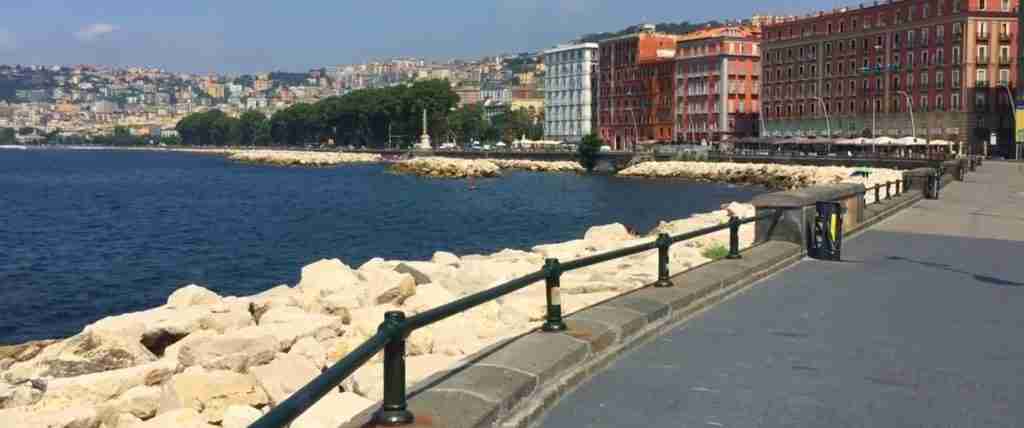
3 days
Naples 3-Day Discovery Tour
- ✓ Comprehensive Naples experience
- ✓ Expert local guides included
- ✓ All accommodation included
- ✓ Transportation provided
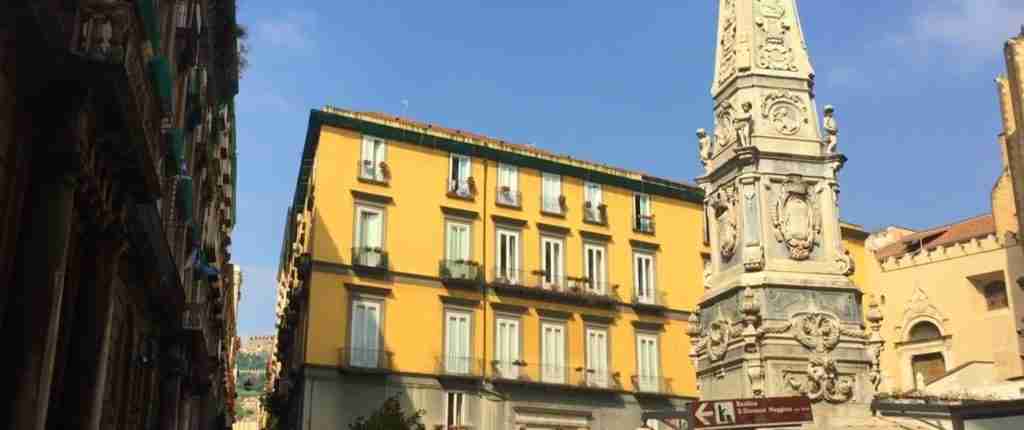
5 days
Naples 5-Day Highlights Experience
- ✓ Comprehensive Naples experience
- ✓ Expert local guides included
- ✓ All accommodation included
- ✓ Transportation provided

7 days
Naples 7-Day Cultural Journey
- ✓ Comprehensive Naples experience
- ✓ Expert local guides included
- ✓ All accommodation included
- ✓ Transportation provided

10 days
Naples 10-Day Complete Adventure
- ✓ Comprehensive Naples experience
- ✓ Expert local guides included
- ✓ All accommodation included
- ✓ Transportation provided
Multi-day tour packages powered by TourRadar. Prices and availability subject to change.
Essential Planning Information for 2026
Best Time to Visit Naples in 2026
April, May, September, and October provide optimal Naples weather with temperatures ranging 18-25°C, manageable crowds, and lower accommodation costs than peak summer. Spring brings blooming flowers to gardens and parks, while autumn offers harvest season dining with mushrooms, chestnuts, and new wine. These shoulder seasons balance pleasant weather with cultural authenticity, as locals reclaim the city from summer tourist masses.
Summer (June-August) delivers guaranteed sunshine and beach weather but brings temperatures exceeding 30°C, significant humidity, and peak tourism crowds. Many Neapolitans leave the city in August for vacation, with some restaurants and shops closing temporarily. However, summer offers extended daylight hours for sightseeing, vibrant street life, and easy access to nearby islands and coastal areas. Booking accommodation and major attractions 2-3 months ahead becomes essential during these months.
Winter (November-March) sees fewer tourists and lowest accommodation rates, but brings unpredictable weather ranging from sunny 15°C days to rainy 8°C weeks. Many attractions maintain full schedules year-round, with museums offering peaceful exploration without summer crowds. Winter focuses attention on indoor attractions, covered markets, and the city’s extraordinary museum collections, making it ideal for culture-focused visitors unbothered by occasional rain.
December combines Christmas market atmosphere with mild Mediterranean climate, though rain occurs more frequently than summer months. The city decorates elaborately for holidays, with Via San Gregorio Armeno’s nativity scene artisan street reaching peak activity. New Year celebrations center on major squares with fireworks and parties, though this period sees significant price increases and advance booking requirements for accommodation and restaurants.
Booking and Advance Planning for 2026
Accommodation booking 2-3 months ahead secures best rates and locations, particularly for peak summer season (June-September) and major holiday periods. Popular neighborhoods like Chiaia and Spanish Quarters fill early, while last-minute booking forces choices between expensive hotels or inconveniently located options. Spring and fall shoulder seasons allow more flexibility, with 4-6 week advance booking generally sufficient.
Archaeological site tickets for Pompeii, Herculaneum, and Royal Palace can be purchased online 1-2 weeks ahead to guarantee specific time slots, though walk-up availability exists most days except peak summer weekends. Advance booking costs €2-3 extra per ticket but ensures access during preferred times. The Campania Artecard pass provides better value for visitors planning multiple site visits, available online or at major tourist offices upon arrival.
Restaurant reservations become necessary only for special occasion dining at Michelin-starred establishments or particularly popular trattorias mentioned in guidebooks. Most neighborhood restaurants accept walk-ins throughout the day, with Neapolitan dining culture favoring spontaneity over advance planning. However, booking signature restaurants like La Notizia, Sorbillo, or L’Antica Pizzeria da Michele prevents disappointment and long waits, particularly for Friday-Sunday evening dining.
Transportation requires no advance booking for public metro, bus, and funicular services, with tickets purchased at tobacco shops, metro stations, or convenience stores throughout the city. Train tickets to Pompeii, Sorrento, or Amalfi Coast can be purchased same-day at stations, though advance online booking through Trenitalia or Circumvesuviana saves queuing time. Organized tours to Pompeii, Vesuvius, or Amalfi benefit from 1-2 week advance booking for guaranteed space and better rates.
What to Pack for Naples in 2026
Comfortable walking shoes with good ankle support and cushioning prove essential for Naples’ cobblestone streets, steep hills, and extensive daily walking. Break in shoes thoroughly before travel, as new footwear causes blisters within hours on uneven ancient pavement. Pack a second comfortable pair for alternating daily use, allowing shoes to dry and feet to recover from different pressure points.
Clothing layers accommodate Naples’ variable microclimates, with seafront breezes cooling summer heat while inland areas and metro stations feel significantly warmer. Light, breathable fabrics work best for summer, with one light jacket for air-conditioned museums and evening cooling. Winter requires waterproof jacket, umbrella, and warm layers for 8-15°C temperatures, though heavy winter coats remain unnecessary for Naples’ mild climate.
Day bag security matters more than size, with anti-theft features like slash-resistant material, locking zippers, and front-wearing design preventing pickpocket access in crowded areas. A cross-body bag worn toward the front allows constant awareness while keeping hands free for photography and gelato. Avoid flashy designer bags that advertise tourist status and attract unwanted attention.
Practical items include refillable water bottle for Naples’ excellent public fountains, small sunscreen bottles for summer UV protection, power adapters for European outlets, and basic Italian phrasebook or translation app for meaningful local interaction. Leave expensive jewelry at home, as even costume pieces attract unnecessary attention. Photocopies of passport and travel insurance documents provide backup security in case of lost originals.
Transportation Strategies for 2026
Mastering Naples’ Public Transport System
UnicoNapoli tickets cover all metro, bus, funicular, and regional trains within city zones, with single tickets costing €1.20 valid 90 minutes from validation. Daily tickets at €4.50 provide unlimited travel for 24 hours from first validation, proving cost-effective for three or more journeys. Weekend passes at €6.50 cover Friday evening through Monday morning, ideal for typical tourist visit patterns. Purchase tickets at tobacco shops displaying “T” signs, metro station machines, or authorized vendors before boarding, as buying onboard proves impossible on most services.
Metro Line 1 serves essential tourist destinations including Garibaldi (main station), Università (historic center access), Toledo (Spanish Quarters), Municipio (port and ferry terminals), and Vanvitelli (Vomero). Trains run every 8-10 minutes from 5:30 AM to 11:00 PM, with reduced frequency after 8:00 PM and on Sundays. Each station features contemporary art installations, transforming functional transport into cultural experience, with Toledo station recognized among Europe’s most beautiful metro stops.
Funicular systems connect hillside neighborhoods efficiently, with Centrale funicular linking Via Toledo shopping street to Vomero’s Castel Sant’Elmo and San Martino monastery in 4 minutes. Montesanto funicular provides alternative Vomero access from the Montesanto metro station, while Chiaia and Mergellina funiculars serve respective neighborhoods. All four funiculars run every 10-15 minutes using standard city transport tickets, eliminating the exhausting climbs Naples’ topography would otherwise require.
Bus system complexity exceeds metro simplicity, with dozens of routes serving neighborhoods beyond rail access. Key routes include R2 connecting historic center attractions in circular route, 151 serving airport to city center, and C57 linking Vomero to Posillipo coastal areas. Real-time arrival information appears at major stops, though service reliability varies by time and route. Validate tickets in yellow machines upon boarding, as inspectors fine ticketless passengers €100 on the spot.
Taxi and Ride-Sharing Navigation
Official white taxis display fare tables inside, use meters for city journeys, and charge €2.50 base rate plus €1.20-1.60 per kilometer depending on time. Supplements apply for luggage (€0.50 per bag), Sunday/holiday service (€2.50), and night hours 10 PM-7 AM (€2.50). Typical rides across the center cost €12-18, while airport transfers reach €23-28 depending on exact destination and time. Always verify meter activation before departing to avoid flat-rate overcharging attempts.
Taxi stands appear at major locations including Piazza Garibaldi, Piazza Dante, Piazza del Plebiscito, and Napoli Centrale station. Hailing moving taxis proves difficult in Naples, making stand departures or phone bookings more reliable. Call Radio Taxi Napoli at 081-5564444 or use Free Now app for guaranteed service, particularly during rain or evening hours when street availability drops significantly.
Ride-sharing services including Uber, Free Now, and local competitors operate throughout Naples with transparent pricing and cashless convenience. Fares typically match or slightly exceed taxi costs for comparable journeys, with premium for advance booking certainty and driver accountability. However, availability fluctuates during peak commute hours and weekend nights when demand exceeds driver supply. Order 10-15 minutes before needed departure for reliable service rather than expecting immediate availability.
Unlicensed “taxi” operators target tourists at train stations, airport, and port areas, offering rides at inflated prices without regulation or insurance. Avoid anyone approaching with offers of transportation, instead walking to official taxi stands or using phone booking services. These illegal operators charge €30-50 for €15-20 legitimate rides while providing no recourse for disputes or problems. Official taxis display licenses clearly and use regulated meters.
Walking Routes and Pedestrian Zones
The historic center forms a largely pedestrianized zone with major walking corridors along Via Toledo, Spaccanapoli (the ancient decumanus maximus), and Via dei Tribunali. These car-free streets allow relaxed exploration of shops, churches, and daily Neapolitan life without traffic concerns. However, many smaller streets remain open to scooters and delivery vehicles, requiring attention even in seemingly pedestrian areas. Morning hours (before 11 AM) offer quietest walking conditions before streets fill with shoppers and tourists.
Waterfront promenades stretch from Castel dell’Ovo through Villa Comunale gardens to Mergellina harbor, providing 4 kilometers of seaside walking with Vesuvius views. This level route offers respite from the center’s hills, with numerous benches, gelato vendors, and photo opportunities. The lungomare becomes particularly popular for evening passeggiata strolls, when locals exercise, socialize, and enjoy sunset views over the bay.
Hillside neighborhoods require fitness and comfortable shoes, with steep climbs connecting lower city to Vomero and Posillipo areas. Via Pedamentina provides historic pedestrian route from Spanish Quarters to Castel Sant’Elmo, ascending via ancient steps with dramatic city views. This 414-step climb takes 20-25 minutes and should be attempted only by fit visitors during cooler morning hours. Most travelers prefer funicular transportation for these vertical journeys, saving energy for horizontal exploration.
Navigation apps prove essential for first-time visitors, as Naples’ irregular medieval street grid confuses intuition and traditional maps. Google Maps accuracy varies in the densest historic areas where GPS signals weaken between tall buildings, while offline maps downloaded before travel provide backup when data connections fail. However, getting temporarily lost often leads to discoveries, with wandering revealing hidden churches, local markets, and authentic neighborhood life beyond guidebook routes.
Money-Saving Strategies for 2026
Budget Dining Without Compromise
Street food culture provides authentic Neapolitan cuisine at €10-15 daily, with pizza a portafoglio (folded pizza) costing €4-6, cuoppo (fried seafood cone) €6-8, and arancini (fried rice balls) €2-3 each. Via dei Tribunali and Piazza Dante areas concentrate excellent street vendors serving locals and tourists equally. These quick meals deliver genuine culinary tradition without sit-down restaurant costs or time commitment, allowing more sightseeing during valuable vacation days.
Market shopping at Mercato di Pignasecca or Mercato di Porta Nolana provides fresh produce, cheese, bread, and prepared foods at local prices far below restaurant rates. Assemble picnic components for €8-12 including buffalo mozzarella, fresh bread, tomatoes, and local fruit, then enjoy in public gardens or waterfront areas. Market vendors welcome tourists and offer tastes before purchase, creating engaging cultural experiences alongside practical savings.
Aperitivo culture offers substantial value in early evening (6-8 PM) when bars serve free buffets with drink purchase. €8-10 cocktails or wine include access to spreads featuring cheeses, cured meats, bruschetta, pasta salads, and vegetables. Strategic aperitivo timing replaces full dinner cost while providing social atmosphere and local interaction. Chiaia neighborhood bars particularly embrace this tradition with elaborate buffets justifying drink prices.
Lunch menus (pranzo) offer identical dishes at 30-40% lower prices than dinner menus at the same restaurants. Many trattorias serve €12-18 three-course lunches (primo, secondo, dessert) while identical evening dining costs €25-35. Working Neapolitans fill these restaurants during 1-3 PM lunch breaks, providing authentic atmosphere alongside budget savings. Shifting main meal to midday maximizes both cultural immersion and financial efficiency.
Free and Low-Cost Attractions
Churches throughout Naples offer free admission to extraordinary art and architecture, with Gesù Nuovo’s baroque interior, San Lorenzo Maggiore’s archaeological excavations, and Duomo’s ancient baptistry accessible without charge. These religious sites contain masterpieces by Caravaggio, Luca Giordano, and other masters that would require museum admission elsewhere. Respectful dress (covered shoulders and knees) and quiet demeanor ensure welcome access to these active worship spaces.
Spaccanapoli street itself functions as free open-air museum, with continuous historic buildings, artisan workshops, and daily Neapolitan life providing endless observation and photography opportunities. Walking this ancient decumanus maximus reveals 2,500 years of architectural layers, from Greek foundations through medieval churches to baroque palaces. No admission fee grants access to this living historical landscape, just comfortable shoes and curious observation.
Public gardens including Villa Comunale along the waterfront and Villa Floridiana in Vomero provide green spaces for rest, picnics, and panoramic views without admission charges. These historic parks offer shade during summer heat, play areas for children, and peaceful alternatives to crowded tourist sites. Sunset viewings from Parco Virgiliano in Posillipo present spectacular free entertainment as light transforms the bay and islands.
Archaeological site free admission occurs on first Sundays of each month October through March, including normally paid sites like Museo Archeologico Nazionale and Royal Palace. These free days attract significant crowds but enable budget access to world-class collections. Arriving at opening time minimizes crowding and allows several hours of exploration before afternoon masses arrive. Summer months maintain paid admission daily, requiring strategic winter timing for maximum savings.
Accommodation Optimization
Booking 2-3 months ahead secures 40-60% savings during peak season compared to last-minute rates, with summer accommodation prices doubling within final weeks before arrival. Mid-range hotels in Chiaia or Spanish Quarters charging €120-140 nightly with advance booking reach €200-240 for walk-in July-August reservations. Off-season rates (November-March excluding Christmas) drop to €60-90 nightly at properties commanding €140-180 summer prices, rewarding flexible travelers with substantial savings.
Neighborhood selection impacts both cost and experience, with tourist-focused areas near Napoli Centrale commanding premiums while residential neighborhoods like Vomero or Chiaia offer better value. Staying slightly removed from historic center requires 10-15 minute metro rides but saves €30-50 nightly while providing authentic local environment. However, very cheap accommodation far from center or in isolated areas sacrifices convenience and safety for modest savings.
Apartment rentals through platforms like Airbnb or Booking.com provide kitchen facilities enabling market shopping and meal preparation, cutting food costs by 50-70% compared to restaurant dining. A week in self-catering apartment allows leisurely breakfast preparation, packed lunches for day trips, and occasional home-cooked dinners while still enjoying restaurant experiences. Apartments also offer washing facilities, avoiding expensive hotel laundry services during extended stays.
Hostels serve not only budget backpackers but also value-conscious travelers of all ages, with private rooms costing €60-90 versus €120-160 for comparable hotel accommodations. Modern hostels provide private bathrooms, air conditioning, and hotel-comparable amenities alongside social common spaces and organized activities. Hostel locations in Spanish Quarters or near Piazza Dante put guests in authentic neighborhoods rather than generic hotel districts.
Transportation Cost Management
Weekly transport passes at €16 cover unlimited metro, bus, and funicular travel for seven consecutive days, proving economical for visitors making 4+ journeys daily. Even 3-4 day stays benefit from daily passes at €4.50 when planning multiple site visits across different neighborhoods. These passes eliminate constant ticket purchasing while encouraging spontaneous exploration without per-trip cost calculation.
Walking combines free transportation with intimate city discovery, though Naples’ hills and summer heat require realistic distance assessment. The historic center’s compact core allows walking between major attractions, while metro or funicular efficiently handles longer distances or tiring climbs. Strategic combination of walking and public transport balances exercise, exploration, and energy conservation throughout visit.
Organized day tours to Pompeii, Vesuvius, or Amalfi Coast often include transportation, admission, and guide for comparable or less cost than independent travel when factoring all components. Group tours from €50-75 cover round-trip transport, site admission, and expert commentary, while independent travel costs €30-40 for transport and admission alone without guidance. However, independent travel offers flexibility for lingering at interesting sites and adjusting pace to personal preference.
Airport transportation alternatives range from €1.50 public bus (Alibus to Piazza Garibaldi in 20-30 minutes) to €23-28 official taxis to accommodation. Shuttle services and ride-sharing fall between these extremes at €10-15 per person. Public bus proves most economical for solo travelers with light luggage and time flexibility, while taxis make sense for groups of three or more when per-person costs comparable to buses but with door-to-door convenience.
Cultural Etiquette and Local Customs for 2026
Social Interaction and Communication
Greetings matter in Naples beyond other Italian cities, with “buongiorno” (good morning/day) or “buonasera” (good evening) expected when entering shops, restaurants, or engaging anyone in conversation. This simple courtesy establishes respect and goodwill, with its absence marking visitors as rude foreigners. Farewell requires “arrivederci” (goodbye) or “grazie, buonasera” (thank you, good evening), closing interactions properly before departure.
Volume and animation characterize Neapolitan conversation, with passionate gestures and raised voices indicating engagement rather than anger. What seems like arguing to northern European or American visitors represents normal enthusiastic discussion to Neapolitans. However, tourists should maintain moderate volume and gestures, allowing locals their expressiveness without attempting to imitate styles that would appear either mocking or awkwardly performed by outsiders.
English proficiency varies dramatically by age and context, with younger Neapolitans and tourist-industry workers speaking functional English while older residents and neighborhood shopkeepers often speak Italian only. Learning basic Italian phrases demonstrates respect and facilitates smoother interactions, even when communication ultimately requires translation apps or gestures. Attempts at Italian, however imperfect, receive warm encouragement rather than mockery.
Personal space sits closer in Naples than northern European or American norms, with conversations occurring at comfortable touching distance and casual physical contact common in social situations. Markets, buses, and crowded streets bring bodies into closer proximity than visitors from more spacious cultures might prefer. This physical closeness reflects warmth and engagement rather than threatening invasion, though tourists can maintain comfortable personal boundaries without causing offense.
Dining Customs and Restaurant Culture
Meal timing follows Mediterranean patterns, with lunch (pranzo) occurring 1-3 PM and dinner (cena) starting 8-10 PM. Restaurants serving tourists accommodate earlier dining but fill with locals only after 8:30 PM, when authentic atmosphere emerges. Rushing meals violates Neapolitan cultural values, with proper dining requiring 1-2 hours for multiple courses, conversation, and digestive time before departure.
Ordering patterns typically include antipasto (appetizer), primo (pasta or risotto), secondo (meat or fish), and dolce (dessert), though tourists commonly order just primo and secondo or even primo alone for lighter meals. Sharing dishes appears less common than northern Italy, with each diner ordering individual courses. However, restaurants accommodate reasonable requests for sharing, particularly tourist groups wanting to sample various dishes.
Coffee culture follows strict timing rules, with cappuccino or latte macchiato appropriate only for breakfast before 11 AM. Afternoon and post-meal coffee means espresso, standing at the bar rather than sitting at tables that incur service charges. Coffee costs €1-1.20 at the bar, €3-4 at sidewalk tables, creating significant price differences for identical drinks. Standing for quick espresso integrates visitors into authentic daily Neapolitan rhythms.
Tipping practices remain modest compared to American standards, with Italians leaving €1-2 for excellent bar service or rounding bills up at restaurants. Service charges (coperto) of €1-3 per person appear on most restaurant bills, covering bread and table service. Additional tips of 5-10% acknowledge exceptional service but remain optional rather than expected. Overtipping marks tourists and creates awkward situations, while modest appreciation shows appropriate gratitude.
Religious and Sacred Site Respect
Dress codes at churches require covered shoulders and knees for both men and women, with enforcement varying by site and season. Major churches like the Duomo strictly enforce these standards, refusing entry to visitors in shorts, tank tops, or short skirts. Carrying a light scarf or shawl enables covering shoulders when needed, allowing access without restricting general city exploration in comfortable warm-weather clothing.
Photography policies differ by church, with some allowing photos without flash while others prohibit all photography during services or in specific chapels. Signs indicate restrictions at entrances, though asking permission before photographing demonstrates respect even when technically allowed. Flash photography damages ancient frescoes and disturbs worshippers, making it universally inappropriate regardless of technical permissions.
Quiet behavior and modest demeanor show respect for active worship spaces welcoming tourists despite religious functions. Lower conversation volumes, disable phone ringers, and pause for prayer when services occur in chapels you’re viewing. Churches remain primarily sacred spaces rather than museums, with tourist access granted through religious community generosity deserving reciprocal respect from visitors.
Religious festivals and processions occur throughout the year, with San Gennaro celebrations (first Sunday in May, September 19, December 16) bringing significant crowds and altered schedules. These events offer extraordinary cultural experiences but require planning around closed sites and crowded streets. Observing processions respectfully from sidewalks without blocking participants or religious officials allows meaningful participation while maintaining appropriate boundaries.
Safety and Street Awareness
Pickpocket prevention focuses on awareness in predictable situations rather than constant paranoia. Crowded buses, metro stations during rush hours, and packed tourist areas around Napoli Centrale create opportunities for skilled thieves working in teams. Keep bags closed and worn toward front, phones in secure pockets rather than hands, and wallets in front pockets rather than back. These simple precautions eliminate most theft opportunities.
Scooter culture dominates Naples streets, with motorcycles and Vespa navigating between traffic, mounting sidewalks, and appearing from unexpected directions. Pedestrians must remain alert even on marked crosswalks, as scooters squeeze through any available space. Never step into streets without verifying traffic from both directions, including sidewalk edges where scooters sometimes ride to bypass traffic.
Street vendors selling counterfeit designer goods appear throughout tourist areas, with police occasionally enforcing anti-counterfeiting laws. Purchasing fake products risks fines up to €10,000 for buyers, not just sellers, with enforcement particularly strict in recent years. Beyond legal risks, supporting counterfeiting funds organized crime and exploits workers, making authentic local products or avoiding unnecessary purchases more ethical choices.
Walking after dark follows standard urban awareness, with well-lit busy areas comfortable throughout evening while isolated streets merit caution. The Spanish Quarters, despite rough appearance, remain active into night with locals socializing on streets. However, empty side streets away from residential activity deserve same attention visitors would give unfamiliar urban areas anywhere. Walking with purpose, aware of surroundings, provides safety through confident demeanor rather than fearful avoidance.
Seasonal Planning Strategies for 2026
Summer Visit Optimization (June-August 2026)
Heat management becomes essential during Neapolitan summer, with temperatures exceeding 30°C and humidity creating uncomfortable conditions for midday outdoor activities. Plan major outdoor sightseeing for morning hours before 11 AM and after 4 PM when temperatures moderate. Use midday hours for indoor museums, churches, extended restaurant lunches, or return to accommodation for rest during hottest periods.
Hydration requires constant attention in summer heat, with water bottle refills from public fountains throughout the city providing free hydration. These nasone fountains deliver potable water from Naples’ excellent aqueduct system, eliminating plastic bottle purchases while ensuring adequate fluid intake. Dehydration causes headaches, fatigue, and irritability that ruin vacation experiences preventable through simple awareness and regular water consumption.
Accommodation air conditioning becomes non-negotiable comfort requirement rather than luxury during summer months, with Naples’ humidity preventing effective cooling through windows or fans alone. Verify AC presence before booking, as some historic buildings lack it or provide inadequate cooling. Budget the €10-20 nightly premium for cooled accommodation, as sleep quality impacts entire next day’s energy and mood.
Beach access opens summer experience options, with nearby areas like Posillipo’s Marechiaro, Gaiola underwater park, or longer trips to Capri and Ischia providing Mediterranean swimming and sun. These excursions require additional time and budget but offer respite from city heat and cultural sightseeing. Balance urban exploration with beach relaxation for sustainable summer visit pacing rather than attempting constant monument visits in uncomfortable heat.
Shoulder Season Advantages (April-May, September-October 2026)
Weather perfection characterizes spring and fall shoulder seasons, with temperatures 18-25°C ideal for comfortable all-day walking and outdoor activities. Rain occurs occasionally but rarely lasts entire days, with afternoon clearing common after morning showers. These mild conditions enable extended exploration without summer heat exhaustion or winter weather limitations, making shoulder seasons objectively optimal for visitor experience.
Crowd reduction during shoulder seasons improves experiences at major attractions while maintaining full tourism service availability. Sites like Pompeii and Royal Palace feel less congested without summer masses yet remain fully operational unlike winter periods when some services reduce. Restaurant and accommodation availability increases significantly, with reservation flexibility replacing summer’s advance booking requirements.
Accommodation pricing drops 30-50% compared to summer rates during shoulder seasons, with mid-range hotels charging €80-100 nightly versus €140-180 in July-August. This dramatic price reduction applies across all accommodation categories, allowing budget upgrades from hostels to hotels or hotels to luxury properties for similar costs. Smart travelers time visits to shoulder seasons when possible, maximizing both experience quality and budget efficiency.
Cultural calendar richness peaks during shoulder seasons, with major festivals, concerts, and events scheduled for spring and fall rather than summer when locals vacation. September’s Piedigrotta festival, October’s wine harvest celebrations, and May’s Maggio dei Monumenti cultural festival provide authentic local experiences unavailable during peak tourist summer. These events integrate visitors into genuine Neapolitan culture rather than manufactured tourist entertainment.
Winter Visit Considerations (November-March 2026)
Budget maximization reaches peak during winter months, with accommodation costs dropping to annual lows and tourist crowds minimal except Christmas-New Year period. Museums, churches, and historic sites welcome visitors without summer lines or congestion, enabling leisurely exploration and photography without crowds. These savings and improved experiences offset weather uncertainty for visitors prioritizing culture over guaranteed sunshine.
Weather unpredictability requires flexible planning, with sunny 15°C days alternating with rainy 8°C weeks. Pack layers, waterproof jacket, and umbrella while maintaining optimistic outlook about Mediterranean winter mildness compared to northern Europe or North America. Indoor attraction focus suits winter naturally, with Naples’ extraordinary museum collections, covered markets, and elaborate churches providing full-day occupation regardless of weather conditions.
Christmas atmosphere transforms Naples during December, with elaborate nativity scene displays, festive markets, and holiday decorations throughout the city. Via San Gregorio Armeno’s year-round nativity artisan street reaches peak activity with traditional presepi scenes and modern creative interpretations. This unique cultural celebration combines religious tradition with artistic innovation, offering experiences unavailable other seasons. However, accommodation and restaurant bookings require advance planning during this popular period.
First Sunday free admission monthly from October through March provides budget access to major museums and archaeological sites normally requiring paid entry. Strategic visit timing around these dates enables seeing Museo Archeologico Nazionale, Royal Palace, and other premium attractions without admission costs. However, these free days attract significant local crowds, particularly families and students, creating trade-offs between cost savings and comfortable uncrowded exploration.
Health and Wellness Considerations for 2026
Medical Services and Pharmacy Access
Pharmacies (farmacie) marked by green crosses appear throughout Naples, providing over-the-counter medications and basic health consultation. Pharmacists speak at least functional English in tourist areas and can recommend treatments for common travel ailments like digestive issues, headaches, or minor injuries. Italian pharmacies sell medications requiring prescriptions elsewhere, including stronger antihistamines, anti-inflammatories, and topical antibiotics without prescription requirements.
Emergency medical care through European Health Insurance Card (EHIC) for EU citizens or travel insurance for others provides access to public hospital emergency rooms at Ospedale Cardarelli or Loreto Mare. However, private clinics like Villa dei Fiori or Clinica Mediterranea offer faster service and English-speaking doctors for non-emergency situations. Travel insurance typically covers private care, making it preferable for tourists uncomfortable navigating public healthcare language barriers.
Prescription medications should be carried in sufficient quantity for entire trip plus several days extra, as finding identical brands in Italy proves difficult and time-consuming. Bring medications in original labeled containers with prescription documentation, particularly for controlled substances requiring customs declaration. Italian pharmacies can sometimes provide equivalents for common medications but require time and explanation that diminishes vacation enjoyment.
Tap water safety exceeds most Mediterranean destinations, with Naples’ aqueduct system delivering clean potable water to all sinks and public fountains. Drink freely without bottled water purchases, refilling bottles from accommodation taps or public nasone fountains throughout the city. Occasional brief boil-water advisories occur but remain rare, with city notifications posted clearly when necessary.
Food Safety and Dietary Considerations
Restaurant food safety standards meet European Union requirements, with Naples’ seafood freshness particularly notable due to proximity to Mediterranean fishing grounds. However, summer heat requires attention to how restaurants store and display foods, avoiding establishments with unrefrigerated meat or fish left exposed in windows. Busy restaurants turning over inventory quickly provide best assurance of fresh ingredients, while empty places during meal hours merit suspicion.
Dietary restrictions communication requires Italian language basics or translation app assistance, as many traditional restaurants lack English menus or staff. Vegetarian options appear naturally in Italian cuisine through pasta, vegetable antipasti, and pizza choices. Vegan eating proves more challenging in Naples’ dairy-rich cuisine, requiring specific discussions about butter, cheese, and egg exclusions. Gluten-free options exist increasingly, particularly at restaurants catering to modern dietary awareness.
Market shopping allows ingredient control for those with allergies or specific dietary needs, with stall vendors answering questions about products and suggesting alternatives. Buffalo mozzarella, fresh vegetables, bread, and fruit create safe meal components for most dietary restrictions. However, cross-contamination risks exist in markets, requiring those with severe allergies to exercise appropriate caution about shared surfaces and utensils.
Street food safety follows observation principles, with busy vendors cooking fresh to order showing better practices than pre-cooked foods sitting under heat lamps. Pizza fritta, cuoppo, and other fried foods prepared immediately present minimal risks, while prepared sandwiches or salads merit assessment of storage conditions. Trust instincts about cleanliness and freshness, avoiding vendors that raise doubts regardless of appealing food appearance.
Fitness and Physical Wellness
Walking intensity in Naples exceeds typical vacation activity, with daily distances of 15-20 kilometers common when exploring historic center and hillside neighborhoods. This sustained activity combined with heat and uneven surfaces causes fatigue without proper pacing and rest breaks. Schedule leisurely coffee stops every 2-3 hours, return to accommodation for midday rest, and alternate intense sightseeing days with lighter exploration or beach relaxation.
Gym access exists through day passes at facilities near major hotels, typically costing €15-20 for single visits. However, most travelers find adequate exercise through extensive city walking, reducing need for dedicated gym sessions. Villa Comunale waterfront park provides pleasant jogging routes during cool morning hours, while Parco di Capodimonte offers hillside trails for more vigorous workouts combined with cultural site visits.
Heat exhaustion prevention requires recognizing early symptoms of excessive sweating, dizziness, nausea, and fatigue. Move immediately to shade or air-conditioned spaces, drink water slowly, and rest until symptoms subside. Prevention through adequate hydration, regular breaks, and avoiding midday exertion during summer months eliminates most heat-related problems. Sunscreen application prevents uncomfortable burns that ruin subsequent days.
Sleep quality impacts vacation success more than any other single factor, with 7-8 hours nightly enabling sustained energy and positive mood. Invest in quality accommodation with comfortable beds and adequate cooling or heating, as poor sleep compounds across multi-day visits. Earplugs prove valuable in lively neighborhoods where street socializing continues late into evening, allowing rest despite ambient noise that characterizes authentic Neapolitan life.
Technology and Connectivity for 2026
Mobile Data and WiFi Access
SIM card options include Tourist SIM cards from TIM, Vodafone, or Wind at airport kiosks or city mobile shops, providing 20-50GB data plans for €15-25 lasting 2-4 weeks. These prepaid SIMs require passport for registration but activate immediately, providing reliable connectivity for navigation, restaurant research, and maintaining contact. EU citizens benefit from “roam like at home” regulations allowing existing SIM usage without additional charges, though verify data limits with home providers before travel.
WiFi availability extends throughout tourist areas, with restaurants, cafes, and hotels providing free access to customers. Connection quality varies significantly, with some establishments offering robust broadband while others provide barely functional shared connections. Password requests at restaurants represent standard practice rather than inconvenience, with staff expecting and accommodating these frequent asks from international visitors.
Navigation apps prove essential for Naples exploration, with Google Maps providing detailed walking directions, public transport integration, and real-time traffic updates. Download offline maps before travel for backup when data connections fail in crowded areas or underground metro stations. However, Naples’ irregular medieval street grid sometimes confuses GPS accuracy, requiring common sense verification that suggested routes make practical sense.
Translation apps bridge language gaps quickly and easily, with Google Translate offering real-time camera translation of menus, signs, and documents. However, learn basic Italian phrases rather than relying entirely on technology, as elderly locals and traditional shops may lack patience for phone-mediated conversations. Apps supplement rather than replace cultural respect shown through language learning attempts.
Photography and Documentation
Photo opportunities appear constantly throughout Naples, from dramatic Vesuvius views to intimate street life moments. However, photograph people respectfully by either asking permission or keeping identities obscured in wider street scenes. Close-up photos of individuals without consent violate privacy and dignity, particularly for vulnerable populations like elderly residents or children. Gesture asking permission before photographing, respecting refusals graciously without argument.
Golden hour photography occurs 6-8 AM and 6-8 PM during summer months, when low-angle sunlight illuminates ancient stones beautifully and softer light suits digital photography. Early morning light combines with empty streets before tourist crowds arrive, creating ideal conditions for architectural photography. Evening light brings longer shadows and warmer tones that enhance emotional impact of images documenting your visit.
Drone restrictions prohibit flights throughout Naples’ historic center and near major monuments without specific permits impossible for tourists to obtain. Italian aviation law classifies urban areas as no-fly zones, with violations risking equipment confiscation and fines. Skip drones entirely for Naples visits, as enforcement has intensified and penalties outweigh any aerial photography benefits.
Cloud backup enables real-time photo protection against phone loss or theft, with automatic uploads to Google Photos, iCloud, or Dropbox requiring only WiFi connection. Establish backup systems before travel rather than risking entire trip’s documentation. These services provide not only security but also free device storage by allowing deletion of uploaded originals, maintaining photo-taking capacity throughout multi-day visits.
Safety and Security Measures
Travel insurance covering medical emergencies, trip cancellation, and theft proves worthwhile for Naples visits, with typical comprehensive policies costing €30-60 for week-long trips. These policies provide not only financial protection but also 24-hour assistance hotlines for emergencies, medical referrals, and theft reporting guidance. Read policy details carefully, as coverage exclusions for certain activities or pre-existing conditions significantly affect practical value.
Digital document backup through cloud storage or email provides access to passport copies, credit card details, insurance information, and important confirmations if originals go missing. Photograph passport identity page, visa if applicable, and insurance documents before departure, emailing copies to yourself for access from any internet connection. These digital backups eliminate consulate visits to replace lost documents or inability to prove insurance coverage when needed.
Emergency contact information should include local police (113), ambulance (118), fire service (115), and tourist police (081-7941435). Save these numbers in phone before departure, as accessing them during emergencies while stressed and potentially language-challenged proves difficult without preparation. Also save accommodation address and phone number for taxi directions or emergency contacts needing your location.
Credit card fraud prevention requires checking statements regularly during travel, notifying banks of international travel to avoid security blocks, and carrying backup cards stored separately from primary payment methods. Use credit cards for large purchases where fraud protection applies, while keeping cash for small transactions at street vendors or market stalls. Alert banks immediately about any suspicious charges, as prompt reporting limits liability and enables quick card replacement.
Sustainable and Responsible Travel for 2026
Environmental Considerations
Public transportation reduces environmental impact dramatically compared to car rentals or taxis, with Naples’ metro, buses, and funiculars powered by electricity and natural gas. Walking remains even more sustainable, producing zero emissions while improving health and enabling deeper cultural connection. Combine these transport modes for urban exploration, reserving taxis only for luggage transport or late-night returns when public transit ceases operation.
Plastic reduction starts with refillable water bottles used at Naples’ abundant public fountains, eliminating single-use bottle purchases. Reusable shopping bags for market purchases and coffee cups for takeaway beverages further reduce waste. Many cafes welcome personal cups, offering slight discounts for customers bringing their own containers. These simple changes align with increasing Italian environmental awareness while reducing personal contribution to Mediterranean plastic pollution.
Sustainable dining choices favor seasonal local ingredients over imported exotic foods, supporting regional agriculture while reducing transportation emissions. Campania produces extraordinary vegetables, seafood, wine, cheese, and olive oil deserving culinary focus. Ask restaurants about ingredient sources, favoring establishments highlighting local and seasonal products. This approach provides both environmental benefits and superior culinary experiences through fresh regional ingredients.
Accommodation choices considering environmental impact favor smaller locally-owned hotels over international chains, keeping tourist spending within local economy. Properties advertising environmental initiatives like solar power, water conservation, or waste reduction deserve preference where factors like location and price remain comparable. However, avoid guilt about imperfect choices, as some environmental impact accompanies all travel. Focus on meaningful reductions rather than impossible perfection.
Cultural Respect and Economic Impact
Shopping locally rather than at international chain stores keeps tourist spending within Neapolitan economy, supporting artisans and independent businesses. Via San Gregorio Armeno’s nativity artisans, leather workshops around San Domenico Maggiore, and neighborhood markets provide authentic products while employing local craftspeople. These purchases cost no more than chain alternatives while delivering superior quality and meaningful cultural connection.
Restaurant choices favor family trattorias over tourist restaurants, directing spending to establishments serving local communities rather than exploiting tourist traffic. Walk five minutes beyond obvious tourist zones to find authentic dining where Neapolitans eat daily. These neighborhood restaurants provide better food, better value, and economic support for families rather than corporate chains or investor-owned tourist traps.
Photography ethics require respecting privacy and dignity of residents in their daily lives and homes. Naples’ poverty remains visible alongside wealth, tempting poverty tourism photography that objectifies vulnerable residents. Photograph urban landscapes, architecture, and street scenes where anonymity preserves dignity, but avoid close-ups of poverty or struggle that reduce people to exotic subjects. Travel with empathy rather than purely extractive touristic gaze.
Volunteering opportunities exist for visitors wanting to contribute positively during visits, with organizations like Mare Vivo focusing on environmental cleanup or community groups supporting education initiatives. However, avoid “voluntourism” that disrupts established programs or treats poverty as entertainment. Genuine contribution requires sustained engagement beyond brief tourist visits, though financial donations to researched organizations enable meaningful support without problematic short-term volunteering dynamics.
FAQ: Naples Travel Tips 2026
Do I need to speak Italian to visit Naples?
English knowledge among younger Neapolitans and tourism workers enables basic tourist needs, while older residents and neighborhood businesses operate primarily in Italian. Learn essential phrases like greetings, numbers, ordering food, and “Where is…” questions for dramatically improved interactions and local appreciation. Translation apps provide backup for complex conversations, though attempting Italian first shows respect deserving reciprocal patience from locals. Naples rewards language effort more than tourist-saturated Italian cities where English dominance reduces motivation for cultural engagement.
Is tap water safe to drink in Naples?
Naples tap water exceeds EU safety standards, drawing from ancient aqueduct systems delivering clean mountain water to city. Drink freely from accommodation taps and public nasone fountains throughout the city, eliminating bottled water purchases and plastic waste. Occasional brief boil-water notices occur but remain rare and prominently announced. Many Neapolitans prefer bottled water for taste rather than safety concerns, as regional preferences lean toward mineral water despite excellent tap quality. Visitors can confidently refill bottles from any tap without health concerns.
Can I use credit cards everywhere in Naples?
Credit card acceptance appears standard at hotels, restaurants, and established shops, though some small trattorias, market vendors, and neighborhood businesses operate cash-only. Carry €100-150 cash for daily expenses at smaller establishments, transportation tickets, and quick street food purchases. ATMs appear frequently throughout the city, providing euro withdrawal at competitive exchange rates better than currency exchange offices. Notify banks of Italian travel before departure to avoid security blocks on cards when used internationally.
How much cash should I carry daily?
Budget €40-60 cash daily covering transportation tickets, street food, market purchases, coffee, and small souvenir shopping at vendors not accepting cards. More substantial restaurant meals, tours, and hotel charges can use credit cards, reducing cash carrying needs and theft risk. Distribute cash between wallet, bag, and accommodation safe rather than carrying entire trip budget simultaneously. ATM withdrawals every 2-3 days maintain adequate cash flow without excess vulnerability to pickpockets.
What should I do if my phone or wallet gets stolen?
Contact local police immediately to file theft report required for insurance claims, then notify credit card companies to freeze cards and prevent fraud. The tourist police (Polizia del Turismo) at Via Medina provides English-speaking assistance specifically for visitor theft situations. Cloud backups enable accessing passport copies, insurance details, and important contact information from any internet connection if phone theft occurs. Embassy or consulate assistance applies to passport replacement rather than theft investigation, requiring police report documentation for new travel document issuance.
Are there areas I should avoid in Naples?
All central Naples neighborhoods remain reasonably safe with standard urban awareness, including Spanish Quarters, Sanità, and Forcella areas appearing rough but containing authentic culture and no significant danger to alert tourists. However, Napoli Centrale station area, Piazza Garibaldi, and port require pickpocket vigilance due to crowd density and tourist targeting. Isolated streets far from residential activity deserve same caution anywhere, while busy pedestrian areas remain comfortable throughout evening. Avoid walking alone through empty areas after midnight, particularly when intoxicated or otherwise vulnerable.
What’s the best way to avoid tourist traps?
Walk five minutes away from major tourist attractions before choosing restaurants, as proximity to monuments correlates directly with inflated prices and declining quality. Avoid establishments with picture menus, multilingual aggressive touts, or English-only menus, as these signals indicate tourist targeting. Research specific restaurant recommendations before visits rather than walking randomly until hunger strikes, as authentic quality requires local knowledge or guidebook research. Trust absence of other tourists as positive signal, while rooms full of obvious visitors suggest tourist trap status.
Can I drink coffee while walking in Naples?
Italian coffee culture expects standing at bars for quick espresso consumption rather than takeaway cups, with this pause reflecting values around slowing down and present moment awareness. Walking while drinking coffee appears distinctly American and marks cultural outsider status, though not illegal or causing offense. Follow local customs by standing briefly at bars for coffee, experiencing social atmosphere and people-watching that makes Italian coffee culture meaningful beyond caffeine delivery. Save walking consumption for bottled water rather than applying it to coffee rituals deserving proper attention.
How do I validate public transport tickets?
Insert tickets into yellow validation machines when entering metro stations or boarding buses, with machines stamping time and date to begin validity period. Failure to validate risks €100 fines when inspectors check tickets, even with purchased but unvalidated tickets. Metro stations require validation before accessing platforms, while buses have validators near entrance doors. Validation applies only to single and daily tickets, not weekly or monthly passes showing validity through printed dates.
What if I get lost in Naples?
Getting temporarily lost often leads to discoveries, revealing hidden churches, local markets, and authentic neighborhood life beyond guidebook routes. Stop at any bar or shop to ask directions, with Neapolitans generally helpful toward visitors despite language barriers. Google Maps provides reliable navigation when data connection exists, though GPS accuracy weakens in densest historic areas between tall buildings. Embrace wandering as part of adventure rather than stressful problem, as compact historic center prevents serious disorientation and major landmarks remain visible from most locations.