
Naples 3-Day Itinerary 2026: First-Time Visitor Guide
Key Takeaways
- Three days allow strategic exploration covering Naples historic center, Pompeii archaeological site, and coastal areas without exhausting pace
- Daily costs range €85-140 per person (excluding accommodation) varying by dining choices and attraction selections
- Transportation strategy combines walking historic center, metro for neighborhood access, and Circumvesuviana train for Pompeii visit
- Optimal sequencing alternates intense cultural days with leisurely exploration, preventing museum fatigue and maintaining energy
- Weather timing affects daily planning, with summer heat requiring early starts and midday indoor breaks
- Advance booking needs remain minimal except peak summer weekends when Pompeii and popular restaurants require reservations
Introduction: Maximizing Three Days in Naples 2026
Three days provides optimal introduction to Naples’ essential experiences without overwhelming first-time visitors or requiring exhausting pace. This timeframe allows comprehensive historic center exploration, Pompeii archaeological discovery, waterfront relaxation, and authentic Neapolitan dining culture. The city rewards strategic planning that balances major attractions with neighborhood wandering, ancient history with contemporary life, and structured sightseeing with spontaneous discovery.
Naples differs fundamentally from northern Italian cities, requiring adjusted expectations and approach. Venice’s compact tourist circuit and Florence’s walkable Renaissance core contrast sharply with Naples’ sprawling urban complexity and multi-layered historical depth. Success requires embracing chaos, trusting local rhythms, and accepting that perfect planning yields to Neapolitan spontaneity. The city’s authentic character means occasional confusion and unexpected discoveries rather than predictable tourist experiences.
This itinerary prioritizes first-time visitor must-sees while incorporating local flavor through market visits, neighborhood dining, and cultural immersion. Day one explores the UNESCO World Heritage historic center’s core attractions and street life. Day two ventures to Pompeii for unparalleled Roman archaeology before evening coastal exploration. Day three combines hilltop views from Vomero, museum treasures, and waterfront leisure. This sequence alternates intense cultural content with easier pacing, preventing exhaustion while maximizing experience quality.
Budget considerations acknowledge realistic spending across accommodation, dining, and attraction categories. Mid-range travelers investing €120-160 daily excluding accommodation enjoy comfortable experiences without luxury extravagance. Budget travelers managing €85-110 daily sacrifice nothing essential through strategic choices about dining venues and free attraction emphasis. These three days establish foundation for longer stays or future return visits to this inexhaustible city.
People Also Ask About Naples 3-Day Visits in 2026
Is 3 days enough for Naples in 2026?
Three days allows comprehensive first-time experience covering major historic attractions, essential museums, Pompeii visit, and authentic dining culture without overwhelming pace. This timeframe provides sufficient introduction to Naples’ character while acknowledging impossible completeness given the city’s 2,800-year layered history. Visitors see highlights, develop neighborhood familiarity, and determine whether longer future stays appeal based on personal interests and travel style.
The itinerary covers UNESCO World Heritage historic center thoroughly, dedicating full day to its churches, palaces, and street life. Pompeii receives proper half-day allocation enabling meaningful archaeological exploration rather than rushed photo stops. Additional time explores Vomero hilltop district, Museo Archeologico Nazionale’s extraordinary collections, and waterfront areas completing essential Naples exposure. However, Capri, Amalfi Coast, Herculaneum, and Vesuvius summit remain beyond three-day scope, requiring choices about priorities.
Longer stays of 5-7 days enable relaxed pacing, additional day trips, and deeper neighborhood immersion particularly in areas like Chiaia, Posillipo, or Sanità offering rewards beyond obvious tourist circuits. However, many visitors find three days sufficient introduction, particularly when Naples forms part of broader Italian itineraries including Rome, Florence, or southern destinations. The timeframe prevents Naples fatigue while capturing the city’s essence effectively.
Shorter visits of 1-2 days force difficult choices between historic center and Pompeii, sacrificing comprehensive experience for surface-level exposure. While physically possible to see major highlights briefly, this rushed approach misses authentic Neapolitan rhythm and cultural depth distinguishing the city from more tourist-adapted Italian destinations. Three days represents practical minimum for meaningful engagement rather than mere checkbox tourism.
How much does a 3-day Naples trip cost in 2026?
Mid-range travelers spend €450-650 total per person for three days including accommodation, meals, attractions, and transportation. This budget assumes €120-180 nightly mid-range hotel accommodation in Chiaia or Spanish Quarters, comfortable sit-down restaurant dining, paid attractions including Pompeii, and occasional taxis supplementing public transport. This spending level provides genuine comfort without luxury extravagance, enabling spontaneous gelato stops and stress-free financial decision-making.
Budget travelers manage €300-420 total through strategic choices: hostel accommodation €30-50 nightly, street food and trattoria emphasis over tourist restaurants, extensive walking combined with public transport, and focus on free attractions. This lower budget requires conscious spending awareness and occasional discomfort but sacrifices no essential experiences. Market picnics, daily transport passes, and neighborhood dining deliver authentic Naples exposure at significantly reduced cost.
Luxury travelers allocating €1,200-1,800 for three days enjoy premium hotel accommodation €250-400 nightly, Michelin-starred or upscale dining experiences, private tours and guides, and convenient taxi transportation. This elevated spending delivers comfort, exclusive access, and time efficiency but provides diminishing returns for cultural authenticity, as Naples rewards street-level engagement over isolated luxury experiences.
The largest variable expense remains accommodation, with advance booking 2-3 months ahead saving €40-80 nightly during peak summer season. Daily spending breaks down approximately: food €35-70, attractions €25-45, local transportation €5-12, incidentals €10-20. Pompeii day adds €30-40 for round-trip Circumvesuviana train and archaeological site admission. These figures assume moderate consumption rather than constant splurging or severe deprivation.
What is the best order to see Naples in 2026?
Begin with historic center exploration on day one, establishing Naples orientation and cultural context before venturing further. The UNESCO World Heritage core provides compact walkable introduction to the city’s character, architecture, and daily rhythms. Starting here builds confidence navigating Naples’ complexity while covering major attractions like Duomo, Spaccanapoli, and Spanish Quarters in logical geographic sequence. This foundation makes subsequent days’ explorations more meaningful through established context.
Schedule Pompeii for day two when energy remains high and weather forecasting enables optimal timing. The archaeological site requires 3-4 hours of sustained walking over uneven ancient streets in full sun exposure during summer months. Early week visits (Tuesday-Thursday) encounter smaller crowds than weekend masses, while morning arrival before 10 AM provides cooler temperatures and better photography light. Afternoon return to Naples allows evening coastal exploration or quiet neighborhood dining after intensive cultural absorption.
Reserve day three for Vomero hilltop district, Museo Archeologico Nazionale, and waterfront leisure providing varied pacing after two intense cultural days. This final day’s structure accommodates energy levels and weather conditions flexibly, with morning museum visit providing air-conditioned respite if needed. The sequence prevents museum fatigue through strategic distribution of archaeological content across multiple days rather than concentrated overdose.
Alternative ordering places museums first for visitors arriving during adverse weather or preferring to “save the best for last” with historic center finale. However, the recommended sequence provides superior psychological arc from overwhelming first impressions through archaeological depth to relaxed consolidation. Weather uncertainty suggests maintaining flexibility, shifting indoor and outdoor activities as conditions dictate rather than rigid schedule adherence.
Do I need advance bookings for Naples in 2026?
Accommodation booking 2-3 months ahead proves essential during peak summer season (June-September) when popular neighborhoods fill completely and prices double for last-minute reservations. Mid-range hotels in desirable locations like Chiaia, Spanish Quarters, or near Piazza del Plebiscito require advance planning, while less convenient areas or very expensive properties maintain availability longer. Spring and fall shoulder seasons allow 4-6 week advance booking, with winter providing walk-in flexibility except Christmas-New Year period.
Pompeii tickets can be purchased same-day but online advance booking at pompeiisites.org for €2 extra per ticket guarantees entry during preferred morning hours, particularly important for weekend visits when walk-up lines extend significantly. Purchasing online 1-2 weeks ahead eliminates queuing uncertainty while maintaining schedule flexibility. The Campania Artecard regional pass provides alternative pre-purchase option covering multiple attractions at discount rates for intensive sightseers.
Restaurant reservations remain necessary only for Michelin-starred establishments or particularly popular pizzerias mentioned prominently in guidebooks like L’Antica Pizzeria da Michele, Da Attilio, or Sorbillo. Most neighborhood trattorias welcome walk-ins throughout the day, with Neapolitan dining culture favoring spontaneity over rigid scheduling. However, booking signature restaurants for Friday-Sunday dinner prevents disappointment, while weekday lunches generally accommodate spontaneous arrival.
Transportation requires no advance arrangements, with metro tickets purchased at stations, Circumvesuviana train tickets bought at Garibaldi station day of travel, and taxis hailed as needed. Organized day tours to Pompeii, Vesuvius, or Amalfi Coast benefit from 1-2 week advance booking for guaranteed availability and sometimes modest price reductions, though same-day booking remains possible except peak season weekends.
Extended multi-day tours – 5+ days
Featured Naples Multi-Day Tour Packages

3 days
Naples 3-Day Discovery Tour
- ✓ Comprehensive Naples experience
- ✓ Expert local guides included
- ✓ All accommodation included
- ✓ Transportation provided
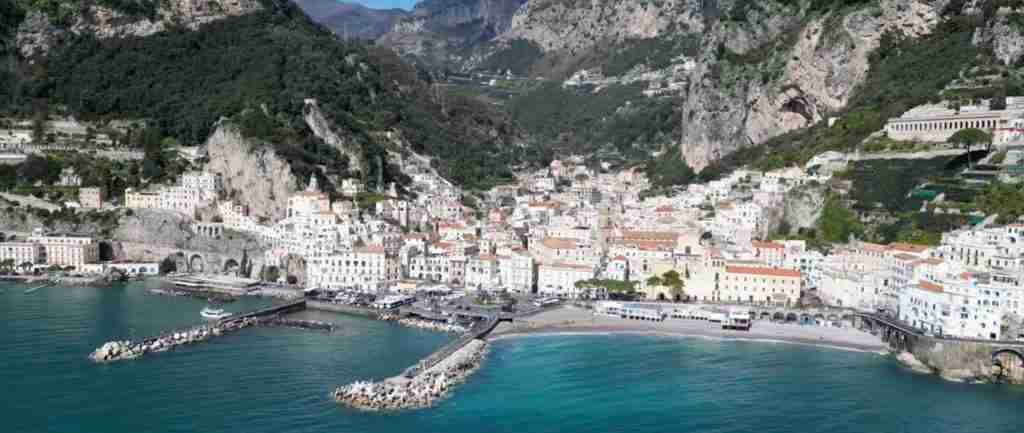
5 days
Naples 5-Day Highlights Experience
- ✓ Comprehensive Naples experience
- ✓ Expert local guides included
- ✓ All accommodation included
- ✓ Transportation provided
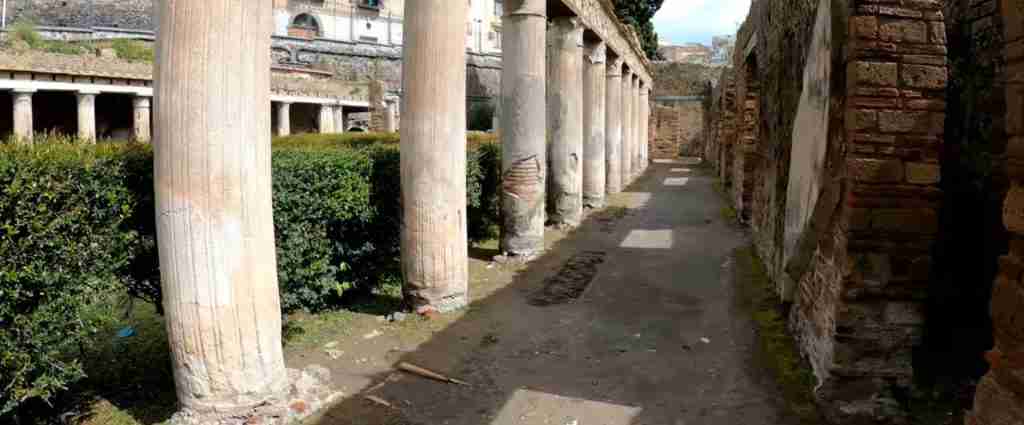
7 days
Naples 7-Day Cultural Journey
- ✓ Comprehensive Naples experience
- ✓ Expert local guides included
- ✓ All accommodation included
- ✓ Transportation provided
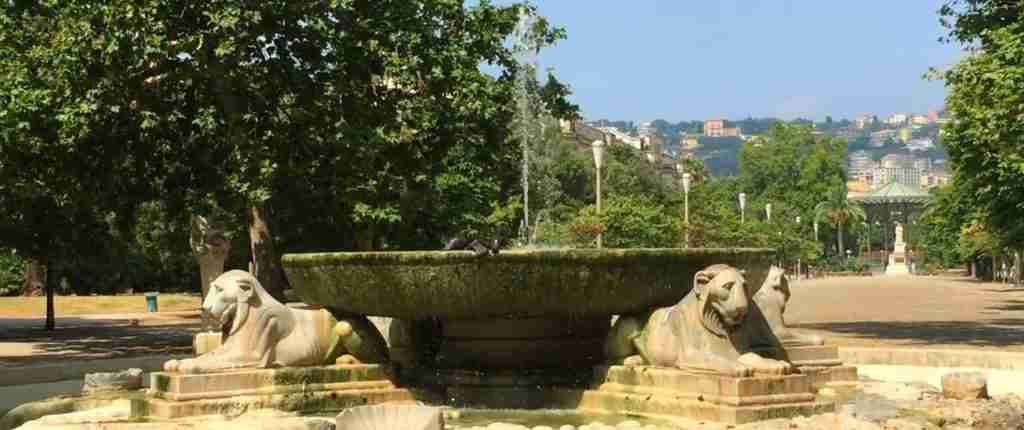
10 days
Naples 10-Day Complete Adventure
- ✓ Comprehensive Naples experience
- ✓ Expert local guides included
- ✓ All accommodation included
- ✓ Transportation provided
Multi-day tour packages powered by TourRadar. Prices and availability subject to change.
Pre-Trip Planning for Naples 2026
Choosing Your Naples Accommodation Base
Chiaia neighborhood offers elegant residential atmosphere with upscale shopping, numerous restaurants, and easy metro access via Piazza Amedeo station. This area provides safety, walkability, and quiet evenings while remaining 15-20 minute walk or quick metro ride from historic center. Mid-range hotels cost €120-180 nightly with advance booking, providing comfortable bases for first-time visitors prioritizing security and convenience over gritty authenticity. The neighborhood feels distinctly less chaotic than city center, appealing to travelers uncomfortable with Naples’ intense urban energy.
Spanish Quarters location places visitors directly in authentic working-class neighborhood immediately adjacent to historic center attractions. This densely populated area offers genuine Neapolitan street life, excellent budget dining, and incomparable cultural immersion. However, narrow streets, laundry strung between buildings, and lively (sometimes loud) evening socializing create sensory intensity unsuitable for all visitors. Accommodation costs €80-140 nightly for quality options, with this neighborhood delivering maximum authenticity per euro spent.
Near Napoli Centrale station locations provide transportation convenience for Pompeii trips and airport access but suffer from area roughness, tourist targeting by pickpockets, and limited dining quality. Budget options €60-100 nightly cluster here, making economic sense for short stays prioritizing logistics over atmosphere. However, spending slightly more for Chiaia or Spanish Quarters locations dramatically improves overall experience quality, justifying marginal cost increases through superior safety and dining access.
Vomero hilltop district offers panoramic views, residential calm, and excellent local restaurants away from tourist masses. Funicular connections to city center take just 4 minutes, making this elevated neighborhood practical for daily exploration while providing peaceful evening retreats. Mid-range accommodation €100-160 nightly delivers superior value compared to equivalent center properties, though position reduces spontaneous evening returns to vibrant historic center nightlife. This location suits visitors prioritizing views and tranquility over maximal historic immersion.
Essential Packing for Three-Day Naples Visit
Comfortable walking shoes with broken-in cushioning and ankle support prove absolutely essential for Naples’ cobblestone streets, steep hills, and 15-20 daily kilometers typical of comprehensive sightseeing. Pack proven footwear rather than new shoes causing guaranteed blisters within hours on uneven ancient pavement. A second comfortable pair for alternating daily allows shoes to dry and feet to recover from different pressure patterns, significantly improving multi-day comfort.
Clothing layers accommodate Naples’ variable microclimates, with seafront breezes cooling summer heat while inland streets and metro stations feel 5-8°C warmer. Summer visits require light, breathable fabrics, sun hat, and sunglasses alongside one light jacket for air-conditioned museums and evening cooling. Spring and fall shoulder seasons need versatile layers handling 15-25°C temperature range. Winter packing includes waterproof jacket, umbrella, and warm layers for 8-15°C conditions, though heavy winter coats remain unnecessary for Naples’ mild Mediterranean climate.
Day bag with anti-theft features including slash-resistant material, locking zippers, and cross-body design prevents pickpocket access in crowded historic center streets and public transport. Small backpacks or messenger bags worn toward front allow constant awareness while keeping hands free for photography, gelato, and spontaneous purchases. Avoid flashy designer bags advertising tourist status and wealth, instead choosing functional travel bags blending into local environment.
Practical items include refillable water bottle for excellent public fountains throughout Naples, sunscreen for summer UV protection, power adapter for European outlets, and portable phone charger maintaining navigation capability throughout long sightseeing days. Small first-aid kit with blister treatments, pain relievers, and digestive aids addresses common travel discomforts. Photocopies of passport and travel insurance documentation provide backup security stored separately from originals.
Money and Budget Preparation
Daily budget allocation varies significantly by spending category: budget travelers manage €85-110, mid-range visitors €120-160, and luxury travelers €200+ all excluding accommodation. These ranges reflect realistic spending rather than theoretical minimums or extravagant maximums. Budget tracking apps or simple notebook recording maintain awareness of actual spending versus planned allocations, enabling mid-trip adjustments before budget exhaustion.
Cash carrying strategy balances convenience against theft risk, with €50-80 daily covering transportation tickets, street food, market purchases, coffee, and small shopping. Keep half in wallet for ready access and half separately as backup if wallet lost or stolen. ATM withdrawals every 2-3 days maintain adequate cash without carrying entire trip budget simultaneously. Credit cards handle larger restaurant bills, hotel charges, and major purchases, providing fraud protection and spending records.
Currency exchange through ATM withdrawals delivers far better rates than airport or street exchange offices, with bank ATMs providing reliable service and competitive conversion. Notify banks of Italian travel before departure preventing security blocks when cards used internationally. Carry backup credit card stored separately from primary card, enabling access to funds if main card lost, stolen, or unexpectedly blocked by fraud detection systems.
Tipping practices remain modest in Italy, with €1-2 for excellent bar service and 5-10% optional restaurant gratuity for exceptional experiences. Most restaurant bills include coperto charge €1-3 per person covering bread and table service. Excessive American-style tipping marks inexperienced tourists and creates awkward situations, while appropriate modest appreciation shows gratitude without overpaying. Round taxi fares up to nearest euro rather than calculating percentages.
Day 1: Historic Center Immersion – 2026
Morning: Spaccanapoli and Ancient Naples (8:00 AM – 12:30 PM)
Begin at 8:00 AM departure from accommodation toward Spaccanapoli, the ancient decumanus maximus running arrow-straight through historic center from Spanish Quarters to San Biagio dei Librai. This legendary street name (literally “Naples splitter”) describes the visual effect of the long straight thoroughfare dividing the old city. Morning hours before 9:00 AM offer cooler temperatures, better light for photography, and streets empty of tourist crowds and local shoppers. Walking this axis provides geographical orientation and architectural overview spanning Greek, Roman, medieval, baroque, and modern periods in continuous urban fabric.
Stop at historic Gambrinus café near Piazza del Plebiscito around 8:30 AM for breakfast following Neapolitan customs: espresso and cornetto consumed standing at bar rather than seated at premium-priced tables. This venerable 1890 establishment offers authentic belle époque atmosphere alongside proper Neapolitan coffee ritual. Breakfast costs €3-5 at bar versus €8-12 for identical items at tables, teaching crucial Italian café economics while providing quality morning fuel. Observe local morning routine as working Neapolitans stop for quick caffeine before beginning days.
Proceed along Spaccanapoli examining architectural details, artisan workshops, and small churches containing artistic treasures accessible without admission charges. Via San Biagio dei Librai section concentrates book dealers, religious article shops, and traditional craftspeople maintaining centuries-old trades. Peek into open church doors discovering baroque interiors and unexpected masterpieces, with Chiesa del Gesù Nuovo and Santa Chiara monastery offering particularly rewarding free visits. This wandering establishes Naples’ layered complexity and authentic working neighborhood character distinct from preserved museum-city experiences elsewhere.
Visit Duomo di Napoli (Naples Cathedral) around 10:00 AM for its extraordinary mix of Gothic, baroque, and Renaissance elements alongside archaeological excavations beneath current floor level. Admission remains free though archaeological museum section requires €7 entry (check official cathedral website for current rates). The cathedral houses San Gennaro chapel containing patron saint relics central to Neapolitan religious identity, with blood liquefaction miracle celebrated three times annually. Attached baptistry preserves fifth-century mosaics and baptismal font, representing early Christian artistic continuity. Respectful clothing covering shoulders and knees ensures access.
Midday: San Gregorio Armeno and Lunch (12:30 PM – 2:30 PM)
Navigate to Via San Gregorio Armeno, the legendary nativity scene artisan street where craftspeople maintain tradition of presepi (Christmas crib) creation year-round. This narrow street concentrates dozens of workshops displaying elaborate traditional and contemporary nativity scenes alongside secular figures of politicians, celebrities, and local characters. Peak season occurs November-January for Christmas preparations, but shops remain open year-round serving collectors and tourists. Browse workshops observing artisans at work, examining extraordinary detail in miniature figures and architectural scenes. Purchases range from simple figures €10-20 to elaborate complete scenes costing hundreds or thousands of euros.
Lunch around 1:00 PM at neighborhood trattoria in Tribunali or Decumani area provides authentic Neapolitan cuisine at local prices €15-25 for substantial complete meal including primo (pasta), secondo (main), and beverage. Look for restaurants filled with working Neapolitans rather than obvious tourist groups, avoiding establishments with multilingual touts or picture menus. Typical choices include pasta alla genovese (meat ragù), pasta e patate (pasta and potato soup), or traditional parmigiana di melanzane (eggplant parmesan) showcasing Campanian vegetable excellence. House wine by quarter-liter costs €3-5, with sparkling water €1.50-2.50.
Alternative lunch strategies include pizza at famous historic pizzerias like Di Matteo (Via dei Tribunali 94) where pizza costs €6-10 for extraordinary margherita or marinara. Arrive before 1:00 PM or after 2:30 PM avoiding peak lunch rush when queues extend down the street. Another option involves market shopping at nearby Pignasecca market for picnic components €8-15 including fresh mozzarella, bread, tomatoes, and fruit, then eating in public garden or quiet church cloister. This approach saves money while experiencing authentic market culture and local food sourcing.
Post-lunch digestion allows slow return through historic center via different streets, discovering additional churches, palaces, and neighborhood scenes. Via dei Tribunali parallel to Spaccanapoli offers alternative perspective with its own concentration of historic buildings, artisan workshops, and local life. Summer heat makes this quiet walking rather than intense sightseeing time, with shop browsing and shaded pauses appropriate to afternoon warmth and full stomach. Many Neapolitan businesses close 1:30-4:00 PM for riposo (rest), quieting streets temporarily.
Afternoon: Spanish Quarters and Toledo (2:30 PM – 6:00 PM)
Explore Quartieri Spagnoli (Spanish Quarters) around 3:00 PM when shops reopen and neighborhood springs back to life. This densely populated working-class district immediately west of Via Toledo displays authentic Neapolitan urban culture in narrow streets strung with laundry between buildings. While rough appearance intimidates some visitors, the area poses no significant danger during daylight hours, instead offering genuine neighborhood atmosphere and excellent budget dining. Wander through narrow vicoli (alleys) observing daily life, small shops, and street shrines to patron saints characteristic of popular religiosity.
Via Toledo shopping street represents Naples’ main commercial spine connecting Spanish Quarters to Piazza del Plebiscito. This pedestrianized boulevard concentrates chain stores, local boutiques, and historic buildings in continuous retail corridor. Browse casually or focus shopping on Italian fashion brands offering better value than northern Europe or America. Toledo metro station beneath the street has been called Europe’s most beautiful metro stop, with contemporary art installations by Robert Wilson and Kentridge creating extraordinary underground gallery worth descending to photograph even without train travel.
Visit Galleria Umberto I around 4:30 PM, the magnificent 1890s iron and glass shopping arcade opposite Teatro San Carlo opera house. This architectural masterpiece inspired by Milan’s Galleria Vittorio Emanuele II creates soaring light-filled interior space for upscale shops, historic cafés, and evening social gathering. While shops remain expensive, simply walking through costs nothing and provides respite from summer heat while admiring neo-Renaissance decoration. Take time appreciating architectural details and people-watching from café tables if budget allows €4-6 coffee or aperitivo.
Proceed to Piazza del Plebiscito around 5:30 PM for Naples’ grandest public space dominated by San Francesco di Paola church modeled after Rome’s Pantheon. This enormous oval piazza faces Palazzo Reale (Royal Palace) and hosts concerts, events, and public gatherings. Late afternoon light enhances architectural photography as sun angles create dramatic shadows and golden illumination. The square remains free to access, with church interior visits also free during open hours. Position provides views across to Castel Nuovo medieval fortress and glimpses of bay and Vesuvius beyond buildings.
Evening: Waterfront and Dinner (6:00 PM – 10:00 PM)
Walk to waterfront lungomare along Via Partenope around 6:30 PM joining Neapolitans for traditional evening passeggiata (stroll). This promenade extends from Castel dell’Ovo through Villa Comunale gardens toward Mergellina harbor, providing 4 kilometers of level seaside walking with continuous Vesuvius views. Sunset timing varies by season (summer 8:00-8:30 PM, winter 4:30-5:00 PM), with evening golden hour delivering exceptional photography regardless of exact sunset moment. Numerous benches allow pausing for rest and observation, with gelato vendors providing appropriate refreshment.
Visit Castel dell’Ovo (Castle of the Egg) around 7:00 PM for free admission to this Norman fortress on small island peninsula. The castle interior hosts exhibitions and events with variable admission, but external terraces and fortifications remain freely accessible providing elevated bay views and atmospheric ancient stone environments. Legend connects the castle’s name to Virgil supposedly hiding magical egg in foundations, with castle’s fate tied to egg’s integrity. Historical reality involves continuous fortification from Roman villa through Norman, Angevin, and Spanish occupations creating architectural palimpsest.
Dinner around 8:30 PM in Chiaia or Santa Lucia waterfront area provides quality seafood or traditional Neapolitan cuisine with bay views. Budget €25-40 per person for trattoria dining including starter, main course, and beverage. Seafood options include impepata di cozze (peppered mussels), mixed grilled fish, or pasta alle vongole (clam pasta) showcasing Campania’s exceptional Mediterranean catch. Alternatively, pizza at local pizzeria costs €10-15 per person for pizza and beverage, with Chiaia neighborhood offering numerous excellent casual options frequented by locals.
Alternative evening activities include simply relaxing in Villa Comunale gardens as temperature cools and locals gather for socializing. This public park offers green space, fountains, and aquarium (if separately visiting), but primarily serves as community gathering place for evening leisure. Return to accommodation around 10:00 PM via waterfront walk or metro, concluding first intensive Naples day with achieved comprehensive historic center exposure and established city orientation for subsequent days.
Day 1 Cost Summary for 2026
Accommodation €120-180 per night (mid-range double occupancy). Breakfast €3-5, Duomo archaeological area €7, lunch €15-25, gelato €3-5, dinner €25-40, coffee/snacks €5-8, local transportation €4.50 daily pass. Total day cost: €62.50-90 per person (excluding accommodation).
Day 2: Pompeii and Coastal Exploration – 2026
Early Morning: Pompeii Departure (7:30 AM – 8:30 AM)
Depart accommodation around 7:30 AM heading to Napoli Garibaldi station for Circumvesuviana train to Pompeii Scavi-Villa dei Misteri stop. Purchase round-trip tickets €5.80 from ticket office or machines before boarding, with morning trains departing every 30 minutes starting 6:00 AM. The 37-kilometer journey takes approximately 40 minutes through suburban Naples before emerging into agricultural countryside approaching ancient site. Board early for window seats providing better views and breeze circulation, as these regional trains lack air conditioning making summer travel potentially uncomfortable.
Grab quick breakfast before departure or bring portable items like fruit and croissants, as train lacks food service and Pompeii site area restaurants charge premium tourist prices. Coffee and cornetto at station bar costs €3-5 providing quick energy for intensive walking ahead. Alternatively, wait for site entry area cafés around 9:00 AM, though this delays archaeological exploration into warming hours. Summer heat makes early arrival crucial, with optimal photography light and coolest temperatures occurring before 11:00 AM.
Arrive Pompeii Scavi station around 8:30-9:00 AM depending on exact train catching, with site entrance 100 meters from station exit. Online ticket purchasers proceed directly through fast-track entrance, while walk-up visitors queue at ticket windows potentially losing 15-30 minutes during peak season. Pompeii admission costs €18 for standard entry in 2026, with combined Pompeii-Herculaneum tickets €22 valid three consecutive days (check pompeiisites.org for current official rates). Audio guides rent for €8 providing archaeological context valuable for maximizing site understanding.
Consider advance booking guided group tour departing Naples around 8:00 AM for round-trip transportation, priority entrance, and expert commentary €50-75 per person. While independent travel costs less (€12 transport + €18 admission = €30 total), organized tours provide deeper historical understanding and eliminate logistics stress. However, tours impose fixed schedules limiting lingering at personally interesting areas, while independent visits allow complete flexibility pacing and focus areas based on individual interests.
Morning-Midday: Pompeii Archaeological Exploration (9:00 AM – 1:00 PM)
Enter Pompeii around 9:00 AM starting comprehensive 3-4 hour archaeological exploration of this extraordinarily preserved Roman city buried by Vesuvius eruption 79 AD. The 66-hectare site contains ancient streets, homes, shops, public buildings, and temples frozen at moment of catastrophic destruction. Follow suggested route from Porta Marina entrance through Forum, bathhouses, Theater district, and residential areas, though audio guides or maps enable customized routing based on specific interests. Comfortable shoes prove essential for uneven ancient stone pavement, while sun protection including hat and sunscreen prevents uncomfortable burns.
Priority viewing areas include Forum civic center with surrounding temples, basilica, and markets; House of the Faun with its extraordinary mosaics (originals in Naples Archaeological Museum); Lupanar brothel with explicit frescoes showing ancient commerce; Stabian Baths with intact heating systems; and Theater district including Large Theater and Gladiators’ Barracks. Villa dei Misteri near alternative entrance contains remarkably preserved frescoes depicting Dionysian mystery cult rituals, representing Pompeii’s artistic peak. Each area reveals different aspects of Roman daily life from grand public spaces to intimate domestic environments.
Interpretive signage in English appears at major structures, though varying quality and comprehensiveness make audio guides or guidebooks valuable supplements. Downloaded apps or printed maps help navigation through the extensive site, as getting temporarily lost remains easy in the grid of ancient streets. However, this wandering often leads to discoveries away from main tourist routes, revealing lesser-visited areas offering quieter contemplation and photography opportunities without masses crowding photo frames.
Take breaks under shade trees or covered areas as heat intensifies through morning, with water fountain near Forum providing refill opportunities. Bring snacks as site café offers limited overpriced options serving captive tourist market. Most visitors spend 3-4 hours covering highlights thoroughly, though archaeology enthusiasts easily occupy 6-7 hours exploring comprehensively. Budget at least 4 hours for meaningful visit rather than rushed photo-checking exercise, as Pompeii rewards patient observation revealing details invisible during hurried transit through spaces.
Midday: Return Journey and Late Lunch (1:00 PM – 3:00 PM)
Depart Pompeii around 1:00-1:30 PM returning to Napoli Garibaldi via Circumvesuviana train. Afternoon return trains run every 30 minutes with journey taking 40 minutes back to city center. The ride provides welcome rest after intensive walking on ancient stone surfaces under Mediterranean sun. Summer temperatures peak 2:00-4:00 PM making this timing strategically sound for transit rather than continued outdoor exposure. Use travel time for photo review, note-taking, or simply resting tired feet before afternoon activities.
Lunch upon Naples return around 2:30 PM at neighborhood trattoria away from Garibaldi station tourist restaurants. Walk toward Spanish Quarters, historic center, or Chiaia finding authentic local dining rather than settling for convenient station-area establishments targeting captive transit customers. Late lunch timing (2:30-3:30 PM) means catching tail end of service at traditional restaurants closing for afternoon break, requiring some flexibility about menu availability. However, many places continue serving into afternoon particularly in tourist-frequented areas.
Meal choice reflects substantial morning walking and afternoon energy restoration, with complete lunch €15-28 including pasta primo, meat or fish secondo, and beverage. Neapolitan specialties like eggplant parmigiana, seafood pasta, or traditional meat ragù provide satisfying refueling after archaeological exertions. Alternatively, substantial pizza and salad costs €12-18 offering lighter but adequate nutrition. House wine by carafe €4-8 assists relaxation and digestion, though afternoon alcohol in summer heat requires moderation preventing drowsiness during remaining day.
Post-lunch rest at accommodation around 3:30-5:00 PM accommodates natural energy dip after intensive morning and substantial meal. Summer heat makes this indoor respite particularly valuable, with air-conditioned room recovery preparing for pleasant evening exploration. Alternatively, return to historic center churches or Museo Archeologico Nazionale for afternoon viewing of morning’s Pompeii discoveries in original artistic contexts, as most significant mosaics and paintings now reside in Naples museum collections rather than site locations.
Evening: Coastal Walk and Sunset (5:00 PM – 10:00 PM)
Resume activities around 5:00-5:30 PM heading to Castel dell’Ovo area for coastal exploration and sunset viewing. Walk or metro to Piazza Amedeo (Chiaia), then proceed downhill to Via Partenope waterfront. Late afternoon light creates golden illumination across bay with Vesuvius backdrop, providing exceptional photography conditions. Temperature moderates as sun descends, making walking comfortable after midday heat. Numerous benches line promenade enabling rest stops while appreciating views and observing Neapolitan evening social rituals.
Visit Borgo Marinari, the picturesque fishing village cluster immediately around Castel dell’Ovo, around 6:00 PM. This small harbor contains restaurants, boat associations, and Mediterranean atmosphere distinctly different from dense city center. While restaurants target tourists with corresponding prices, simply wandering the waterfront costs nothing and provides charming photo opportunities. Small beaches near castle enable toe-dipping in Tyrrhenian Sea if weather permits, though swimming facilities require accessing proper beach areas like Bagno Elena or Mappatella.
Sunset timing varies dramatically by season (summer 8:00-8:30 PM, winter 4:30-5:00 PM), with optimal viewing positions along lungomare promenade or castle terraces. This daily natural spectacle attracts locals and tourists equally, creating festive social atmosphere as light transforms over bay and islands. After sunset, stroll through Villa Comunale gardens along waterfront, enjoying cooling evening temperatures and observing local social life in public green space. The park’s fountains, historic aquarium building, and tree-shaded paths provide pleasant alternative to constant urban density.
Dinner around 8:30 PM in Chiaia district offers upscale dining environment while maintaining reasonable prices €25-45 per person for quality seafood or traditional cuisine. This neighborhood concentrates excellent restaurants serving locals rather than purely tourists, with authentic preparations and professional service. Alternatively, return to historic center for different dining atmosphere, with evening street life particularly vibrant along Tribunali and Spanish Quarters. Pizza at famous pizzeria €10-15 provides economical alternative to sit-down restaurant dining while maintaining quality culinary experience.
Day 2 Cost Summary for 2026
Train to Pompeii round-trip €5.80, Pompeii admission €18, audio guide €8, snacks/water €5-8, lunch €15-28, gelato €3-5, dinner €25-45, coffee €2-4, local metro if used €2.40. Total day cost: €84.20-124.20 per person (excluding accommodation).
Day 3: Vomero Heights and Museum Treasures – 2026
Morning: Vomero Exploration (8:30 AM – 12:30 PM)
Begin day around 8:30 AM riding funicular from Piazza Montesanto or Via Toledo to Vomero hilltop neighborhood. The Centrale funicular from Via Toledo reaches Piazza Fuga in just 4 minutes, providing efficient vertical transportation eliminating exhausting stair climbing. Standard UnicoNapoli transport tickets €1.20 or daily pass €4.50 cover funicular, with trains departing every 10-15 minutes throughout day. Early morning ascent captures cool temperatures and optimal photography light before heat and haze accumulate.
Walk to Castel Sant’Elmo fortress around 9:00 AM for this imposing 14th-century structure crowning Naples’ highest hill. Admission costs €6 (check current rates) for fortress access including rampart walks providing 360-degree panoramic views across Naples, bay, Vesuvius, and surrounding region (check beniculturali.it for official pricing). The six-pointed star fortress design represents sophisticated Renaissance military architecture, with massive stone walls and strategic positioning demonstrating Spanish defensive engineering. Interior spaces host contemporary art exhibitions and historical displays about castle’s military and prison history.
Enjoy comprehensive views from Sant’Elmo ramparts, with morning light and visibility providing optimal conditions for panoramic photography. Identify yesterday’s visited areas from elevated perspective, tracing routes through historic center and locating coastal features explored evening prior. Vesuvius dominates eastern views, with its distinctive truncated cone shape resulting from 79 AD eruption. Binoculars enhance viewing distance landmarks like Capri, Ischia, and Sorrento peninsula, though not essential for impressive vistas. Allocate 1-1.5 hours for complete castle tour including extensive rampart circumnavigation and photo sessions.
Proceed to adjacent Certosa di San Martino monastery complex around 11:00 AM for extraordinary baroque church and museum collections. Combined admission with Sant’Elmo costs €10 (verify current rate), though separate tickets available if visiting only one site. The Certosa represents baroque artistic peak in Naples, with Cosimo Fanzago’s architectural genius creating harmonious complex of church, cloisters, and functional spaces. Museum collections include Neapolitan painting, sculpture, decorative arts, and the world’s finest collection of presep i (nativity scenes) showing extraordinary craftsmanship and imagination.
Midday: Chiaia and Shopping (12:30 PM – 3:00 PM)
Descend via funicular around 12:30 PM to Chiaia neighborhood for upscale shopping district exploration and lunch. Via Chiaia and parallel Via dei Mille concentrate high-end Italian fashion, jewelry, and design shops alongside international brands. Window shopping costs nothing and provides exposure to Italian style sensibilities, while actual purchases depend on personal budgets and interests. Prices generally undercut northern European or American equivalents for Italian brands, making designer purchases relatively cost-effective for fashion-focused visitors.
Lunch around 1:30 PM in Chiaia provides elegant atmosphere and quality cuisine €18-35 per person for complete meal. This neighborhood offers more refined dining than historic center’s rustic trattorias, with contemporary interpretations of Neapolitan classics alongside seafood specialties. Piazza dei Martiri area concentrates excellent options frequented by affluent locals during business lunches. Alternatively, find pizza or casual dining €12-20 for budget-conscious meal maintaining energy for afternoon museum visit. Avoid obvious tourist restaurants near funicular stations, instead walking several blocks into residential streets for authentic neighborhood establishments.
Post-lunch rest or continued shopping occupies 2:30-3:30 PM as heat peaks and digestion requires. Chiaia cafés provide comfortable environments for coffee €1.50-3 and people-watching, observing well-dressed Neapolitans in their natural habitat. This quiet period allows energy restoration before afternoon’s cultural intensity at Archaeological Museum. Summer heat makes air-conditioned indoor time particularly valuable, while shoulder seasons permit continued outdoor activities if energy remains high.
Afternoon: Museo Archeologico Nazionale (3:30 PM – 6:30 PM)
Visit Museo Archeologico Nazionale (National Archaeological Museum) around 3:30-4:00 PM for world’s finest Roman artifact collection including materials from Pompeii, Herculaneum, and regional excavations. Museum admission costs €22 in 2026 (check museoarcheologiconazionale.it for current official rates and reduced price options). The massive 16th-century palazzo requires minimum 2-3 hours for even superficial coverage of highlights, with comprehensive viewing occupying 4-6 hours across multiple themed sections. Afternoon timing avoids morning crowds while providing air-conditioned escape from day’s accumulated heat.
Ground floor displays extraordinary marble sculpture collection including Farnese Hercules and Farnese Bull, colossal works demonstrating Roman sculptural ambition. These pieces impress through sheer scale and artistic virtuosity, though Pompeian wall paintings and mosaics on upper floors often capture greater visitor interest. Take time examining details revealing ancient artistic techniques and cultural values expressed through idealized human forms and mythological narratives.
Mezzanine level contains the famous Secret Cabinet (Gabinetto Segreto) with erotic art and objects from Pompeii and Herculaneum showing ancient Roman sexual attitudes. This collection faced centuries of closure due to moral concerns before recent decades’ more open display policies. The materials provide candid evidence of Roman life free from later religious prudishness, though remain adults-only collection requiring separate admission control. Include this if interested in comprehensive cultural understanding, skip if uncomfortable with explicit ancient imagery.
First floor features extraordinary Pompeii and Herculaneum mosaics and frescoes, including Alexander Mosaic from House of the Faun and numerous villa paintings showing daily life, mythology, and landscape scenes. These works represent ancient painting at its finest, with colors and details surviving two millennia. Viewing these originals after yesterday’s Pompeii site visit provides crucial context, as most significant artworks now reside in museum protection while sites display replicas or empty spaces. Allocate substantial time appreciating details invisible during cursory viewing.
Evening: Final Naples Impressions (6:30 PM – 10:00 PM)
Depart museum around 6:30 PM heading toward historic center for final evening exploration and farewell dinner. Return to favorite discovered streets or investigate previously missed areas, with relaxed wandering replacing earlier days’ intensive sightseeing. Purchase any remaining souvenirs or specialty foods for bringing home, with Via San Gregorio Armeno nativity scene purchases, limoncello liqueur, or local food products representing typical mementos. Support artisan workshops and traditional craftspeople rather than generic souvenir shops selling imported goods.
Aperitivo around 7:00-7:30 PM in Chiaia or historic center bar provides civilized transition from afternoon activities to evening dining. Order Aperol spritz, Campari, or local wine €8-12 gaining access to buffet spreads featuring cheeses, cured meats, vegetables, and light preparations. Strategic aperitivo can substitute for full dinner, particularly after several days of substantial eating, though Neapolitan dining culture emphasizes proper meal experiences. Bar atmospheres encourage socializing and final observations of local life before departure.
Farewell dinner around 8:30 PM at special restaurant celebrating three-day Naples immersion costs €30-50 per person for memorable meal at quality establishment. Choose refined seafood dining in Santa Lucia waterfront, classic Neapolitan cuisine in historic center trattoria, or legendary pizza at famous pizzeria depending on personal preferences and previous days’ dining choices. This final meal deserves attention and appreciation as culmination of Naples culinary journey, representing diverse traditions from street food to sophisticated preparation encountered across visit.
Evening passeggiata along waterfront or through historic center streets provides final atmospheric immersion around 9:30-10:00 PM. Observe evening social life, appreciate architectural illumination, and mentally consolidate three days of experiences and discoveries. Return to accommodation with satisfied appreciation of Naples’ extraordinary cultural depth, authentic character, and complex beauty requiring openness and engagement rather than passive tourism. This conclusion establishes foundation for potential return visits or evolution into deeper southern Italian exploration beyond initial introduction.
Day 3 Cost Summary for 2026
Funicular €1.20 or daily pass €4.50, Castel Sant’Elmo €6, Certosa San Martino additional €4 (or combined €10), lunch €18-35, Archaeological Museum €22, coffee/snacks €5-8, aperitivo €8-12, dinner €30-50, gelato €3-5. Total day cost: €97.20-146.70 per person (excluding accommodation).
Alternative Itinerary Modifications for 2026
Budget Optimization Strategies
Reduce daily costs by €30-50 through strategic substitutions maintaining experience quality: replace sit-down restaurant lunches with market picnics or pizza, emphasize free churches over paid museums, walk instead of metro where practical, choose street food over trattorias for some meals. Day one substitutes Toledo metro station art viewing for paid Galleria access, includes more free churches, and chooses pizza dinner €10-15 versus trattoria €25-40. These changes reduce first day costs from €62.50-90 to €45-60 per person.
Pompeii day optimization includes bringing packed lunch from Naples reducing food costs, skipping audio guide while using free printed maps, and choosing budget dinner upon return. Walking to/from Garibaldi station saves metro tickets while extending exploration. These substitutions reduce day two from €84.20-124.20 to €65-85 per person maintaining archaeological experience integrity while cutting ancillary expenses.
Third day budget version visits only Sant’Elmo skipping Certosa (saves €4), has picnic lunch in Chiaia gardens (saves €10-20), enters Archaeological Museum on first Sunday if November-March for free admission (saves €22), and chooses pizza farewell dinner (saves €10-25). Total day three reduction from €97.20-146.70 to €60-80 per person enables complete Naples experience for approximately €170-225 total three-day per-person costs excluding accommodation.
Accommodation budget optimization through hostel dormitory beds €25-40 nightly versus mid-range hotel €120-180 nightly saves €285-420 across three nights for couples. This combined with daily spending reductions enables complete three-day Naples visit for €455-645 per person total including accommodation, meals, attractions, and transportation. These budget figures prove realistic through actual traveler experiences rather than theoretical minimums requiring excessive sacrifice or discomfort.
Extended Stay Options
Four-day expansion adds Capri island daytrip requiring full day for ferry travel, island exploration, and return. Ferry costs €40-50 round-trip from Naples, with island attractions and meals adding €60-100 making this expensive addition. Alternatively, Herculaneum archaeological site provides compact Roman town complement to Pompeii requiring half-day via Circumvesuviana train. Herculaneum admission €13 with better-preserved buildings than Pompeii including intact second stories and wooden elements, though smaller overall site.
Five-day itinerary incorporates Amalfi Coast exploration via SITA bus or private tour, visiting Positano, Amalfi, and Ravello. However, proper Amalfi Coast experience requires overnight stays in coastal towns rather than rushed day trips from Naples. Consider this additional time for Vesuvius summit hike (weather permitting), deeper historic center neighborhood exploration in Sanità or Rione Alto districts, or simply relaxed pacing allowing longer museum visits and afternoon rest periods.
Week-long stays enable day trips to Paestum Greek temples (90 minutes south by train), Caserta Royal Palace (30 minutes north), or multiple island visits including both Capri and Ischia. This extended timeframe also allows attending local festivals if visit coincides, taking cooking classes, or developing specific interests like contemporary art scene or baroque architecture. However, many visitors find three intensive days sufficient Naples introduction, reserving longer durations for dedicated future visits after initial exposure establishes genuine interest.
Seasonal variations suggest winter visits focusing more on museums and indoor attractions during unpredictable weather, summer emphasizing early morning sightseeing and beach additions, spring optimizing outdoor exploration during perfect weather, and fall incorporating harvest season culinary experiences and festivals. Adapt core three-day itinerary to seasonal realities rather than forcing summer schedule during winter conditions or vice versa.
Special Interest Modifications
Art-focused visitors allocate additional time at Museo Archeologico Nazionale and Capodimonte Museum (housing extraordinary Caravaggio, Titian, and Neapolitan baroque collections), while reducing archaeological site time. Photography enthusiasts emphasize golden hour timing for Spaccanapoli, waterfront, and Vomero panoramas, potentially sacrificing some interior attractions for optimal light conditions at exterior locations. These interest-driven adjustments personalize experience toward individual passions.
Food-oriented travelers can add pizza-making class, market food tours, or extended lunches at celebrated restaurants, reducing rapid-fire monument touring for deeper culinary immersion. Naples’ extraordinary food traditions from street sfogliatella pastries through classic ragù to contemporary fine dining deserve focus for gastronomy enthusiasts. Cooking class costs €60-90 per person providing hands-on pizza or pasta preparation with authentic techniques and ingredient education.
Architecture and urban planning interests justify extended walking tours tracing historical development layers, baroque church circuit emphasizing Neapolitan decorative arts, or contemporary architecture including Bagnoli redevelopment and new metro stations. Religious heritage exploration can focus on cathedral treasury, San Gennaro catacombs, and numerous baroque churches containing Caravaggio and his followers’ masterpieces. These thematic approaches provide alternative structures to general-interest itinerary presented above.
Family adaptations emphasize interactive elements like villa gardens, castle fortifications for imaginative play, beach time, and gelato stops maintaining child enthusiasm. Archaeological sites fascinate some children while boring others, requiring parental judgment about Pompeii inclusion versus alternative activities. Many Naples attractions lack specific child-oriented programming, but the city’s vibrant street life, markets, and public spaces provide abundant stimulation for young travelers accustomed to active urban environments.
Practical Logistics for 2026
Transportation Between Days
Daily transportation passes at €4.50 cover unlimited metro, bus, and funicular travel proving economical for 3+ journeys daily. These passes begin at first validation continuing 24 hours, requiring strategic timing for maximum coverage. Purchase from tobacco shops, metro stations, or convenience stores throughout city, avoiding onboard purchase impossible on most Naples transport. Keep tickets accessible for potential inspector checks, as €100 fines apply to ticketless riders regardless of innocent explanations.
Walking distances between itinerary points remain manageable for reasonable fitness, with historic center exploration entirely walkable. However, funicular rides to Vomero and metro connections to waterfront areas save energy and time justifying transport pass purchases. Taxis supplement public transport for specific situations like luggage movement, late-night returns, or reaching locations beyond transit networks. Agree on prices beforehand for longer rides or verify meter activation to avoid overcharging disputes.
Pompeii day requires Circumvesuviana train from Garibaldi station with round-trip tickets €5.80 purchased separately from city transport passes. These regional trains depart every 30 minutes taking 40 minutes to Pompeii Scavi-Villa dei Misteri station. Organized tours provide alternative transportation at higher cost but with included guiding and logistics management. Consider personal preferences about independence versus convenience when choosing between self-guided and organized approaches.
Ferry connections to coastal areas and islands depart from Molo Beverello port near Piazza Municipio, reachable by metro Line 1 to Municipio station. However, three-day itinerary excludes island visits requiring full additional days. Future extended visits might incorporate Capri or Ischia requiring ferry booking and full-day commitment. These additions transform Naples into regional exploration base rather than focused city experience presented in core three-day itinerary.
Weather Contingency Planning
Rain days shift outdoor Pompeii visit to alternative day or substitute indoor Naples activities including extended museum time, covered markets, and church exploration. The Archaeological Museum, Capodimonte Palace, and numerous baroque churches provide full days of quality indoor cultural content. Shopping arcades like Galleria Umberto I offer weather-protected walking, while cafés and restaurants enable comfortable waiting for weather improvement. Naples’ covered areas prevent rain from completely derailing itineraries unlike open-air archaeological sites requiring contingency plans.
Excessive summer heat (35°C+) requires adjusted timing emphasizing early morning outdoor activities 7:00-11:00 AM and resuming evening exploration after 5:00 PM. Midday hours 12:00-5:00 PM focus on air-conditioned museums, lengthy restaurant lunches, or accommodation rest. Pompeii visits shift to earliest possible morning departure catching 6:30-7:00 AM trains for site arrival before heat intensifies. Adequate hydration, sun protection, and realistic pacing prevent heat exhaustion ruining vacation days.
Winter weather unpredictability suggests maintaining flexible daily ordering, moving Vomero viewpoint visits to clearest days for optimal visibility while reserving museums for overcast or rainy periods. Mediterranean winter mildness (8-15°C) enables comfortable outdoor exploration most days, though occasional rain requires waterproof jacket and umbrella. First Sunday free admission months (October-March) provide budget benefits when weather cooperates for outdoor archaeological site visits.
Wind conditions affect outdoor comfort particularly along exposed waterfront promenade and Vomero hilltop positions. Check daily forecasts adjusting activities accordingly rather than forcing predetermined schedules regardless of conditions. Italian weather forecast apps or websites provide reliable local predictions enabling informed daily planning decisions. However, avoid excessive weather obsession, as Naples rewards some spontaneity and weather-driven discoveries alongside careful planning.
Dietary Accommodations
Vegetarian dining proves straightforward in Naples through naturally plant-based pasta dishes, vegetable antipasti, eggplant parmigiana, and margherita pizza. Italian cuisine includes substantial vegetarian traditions beyond compromise menu additions. Communicate dietary needs using “sono vegetariano/a” establishing requirements clearly. Most restaurants accommodate readily, though very traditional establishments might show confusion about rejecting all meat and fish.
Vegan eating requires more attention, as Neapolitan cuisine emphasizes cheese, eggs, and animal products heavily. Communicate restrictions using “non mangio prodotti animali” (I don’t eat animal products) alongside specific examples of avoided items. Pizza marinara (tomato, garlic, oregano, no cheese) provides safe vegan option, while pasta al pomodoro or aglio e olio offer additional choices. However, cross-contamination risks exist in shared kitchens, requiring severity assessment by individual requirements.
Gluten-free awareness has increased significantly in Italian restaurants, with many offering pasta senza glutine (gluten-free pasta) options. Communicate celiac disease using “sono celiaco/a” for medical necessity emphasis versus preference indication. Pizza restaurants increasingly offer gluten-free crusts, though dedicated facilities remain necessary for severe intolerance. Research specific certified gluten-free restaurants before travel if cross-contamination concerns are significant. Pharmacies sell gluten-free products for self-catering needs.
Allergies require clear communication using translation apps or written Italian explanations of specific restrictions. Restaurant staff generally accommodate reasonable requests and take allergies seriously once understood. However, language barriers and ingredient complexity in sauces and preparations create risks requiring careful assessment by allergy severity. Bringing allergy cards in Italian specifying forbidden ingredients prevents miscommunication during ordering. Consider self-catering for some meals if allergies severely limit restaurant options.
FAQ: Naples 3-Day Itinerary 2026
Can I visit both Pompeii and Herculaneum in one day?
Physically possible but exhausting and superficial, as each site deserves 3-4 hours minimum for meaningful exploration. Combined same-day visits force rushed experiences sacrificing archaeological understanding for checkbox completion. Instead, dedicate full day to Pompeii as primary ancient city, saving Herculaneum for extended four-day itineraries or future visits. The sites share similar content with Herculaneum offering better preservation but smaller scale, making Pompeii priority choice for limited timeframes.
Should I rent a car for Naples and Pompeii?
Unnecessary and counterproductive for Naples-Pompeii itinerary, as chaotic city traffic, limited parking, and excellent public transport eliminate rental benefits while adding expense and stress. Walk historic center, use metro for neighborhood access, and ride Circumvesuviana train to Pompeii covering all itinerary needs efficiently. Car rentals make sense for extended Amalfi Coast or rural Campania exploration but create burdens for city-focused three-day visits. Save money and sanity skipping vehicle rental for this specific itinerary.
Is it safe to walk Naples at night?
Yes with standard urban awareness, sticking to well-lit busy areas and avoiding isolated streets particularly when alone or intoxicated. Waterfront promenade, Chiaia district, and main historic center streets remain comfortable throughout evening with active pedestrian traffic and restaurant activity. Spanish Quarters feel intense but not dangerous, while Napoli Centrale station area merits more caution after dark. Women traveling solo report feeling secure following common-sense precautions identical to any major city.
What if I only have two days in Naples?
Difficult choices required between historic center depth and Pompeii visit, as proper treatment of both exceeds two-day capacity. Prioritize based on interests: archaeology enthusiasts visit Pompeii sacrificing some Naples exploration, while urban culture focus dedicates both days to city neighborhoods and museums. Alternatively, condense each day’s content accepting less thorough coverage of both elements. Two days feels rushed compared to three-day pacing enabling comprehensive first-visit experience without exhaustion.
Can I do this itinerary with young children?
Yes with modifications acknowledging shorter attention spans and different interests. Reduce intensive walking distance, add playground stops and gelato breaks, skip some museums focusing on outdoor attractions and interactive elements. Pompeii fascinates some children while boring others, requiring parental judgment about half-day archaeological site commitment. Naples’ vibrant street life, markets, and public spaces provide stimulation for young travelers, though lacks specific child-oriented programming compared to northern European cities.
How do I get from Naples airport to my hotel?
Alibus shuttle costs €5 per person connecting airport to Napoli Centrale station and Piazza Municipio in 20-30 minutes depending on traffic, running every 15-20 minutes 6:00 AM-midnight. Official white taxis cost €23-28 for city center destinations with fixed rates eliminating meter concerns. Uber and ride-sharing services operate with comparable pricing to taxis. For groups of three or more, taxis become cost-competitive with buses while providing door-to-door convenience. Solo budget travelers find buses most economical for light-luggage arrivals.
What should I wear visiting churches?
Cover shoulders and knees for church entry, with enforcement varying by specific church and season. Carry light scarf or shawl enabling shoulder covering when needed without restricting comfortable warm-weather city exploration. Men’s shorts prove more problematic than women’s knee-length skirts, though both genders require modest coverage for major religious sites. Relaxed neighborhood churches show less strictness than cathedral or pilgrimage destinations. However, respectful clothing demonstrates cultural awareness and prevents entry denial at major attractions.
Is Naples more expensive than Rome or Florence?
Generally less expensive for accommodation and dining while maintaining comparable or superior quality, as Naples receives fewer international tourists than more famous Italian cities. Mid-range hotels cost €100-150 nightly versus €150-220 in Rome or Florence, while authentic trattorias charge €15-25 versus €20-35 elsewhere. However, major museums charge similar admission rates €15-22 across Italian cities. Overall, Naples delivers exceptional value for authentic Italian cultural experiences compared to more tourist-saturated destinations.
Can I use credit cards everywhere?
Major hotels, established restaurants, and formal shops accept cards, while small trattorias, market vendors, street food, and some attractions operate cash-only. Carry €50-80 daily cash covering transportation tickets, quick meals, and small purchases. ATMs appear frequently throughout city providing euro withdrawals at competitive rates. Notify banks of Italian travel before departure preventing security blocks when cards used internationally. Distributed cash between wallet, bag, and accommodation safe rather than carrying entire trip budget simultaneously.
What is the best neighborhood to stay in for three days?
Chiaia offers safety, elegance, and dining quality with quick metro access to historic center, suitable for first-time visitors prioritizing comfort over maximum authenticity. Spanish Quarters provides intense immersion in working-class Neapolitan life at lower costs but requires comfort with urban grittiness and evening noise. Near Vomero combines panoramic views and residential calm with funicular connections, appealing to visitors prioritizing tranquility over central location. Avoid immediate Napoli Centrale station area despite transportation convenience due to roughness and limited dining quality surrounding train station.