Naples Day Trips 2026: Best Excursions & Planning
Key Takeaways
- Pompeii remains the most accessible UNESCO day trip from Naples at €18 entry with trains departing every 30 minutes
- Amalfi Coast excursions require early morning departure (7:00-8:00 AM) to maximize coastal exploration time and avoid afternoon crowds
- Capri day trips cost €95-140 per person including ferry, funicular, and activities – book ferries 2-3 weeks ahead for summer 2026
- Circumvesuviana trains provide budget access to archaeological sites at €3.60-5.80 per journey versus €45-65 for private tours
- Herculaneum offers equally impressive Roman preservation as Pompeii with 75% fewer visitors and shorter 20-minute train journey
- Multi-site tickets combining Pompeii, Herculaneum, and other archaeological parks cost €20-30 with 3-day validity period
Planning Your Naples Day Trip Adventures in 2026
Naples serves as the gateway to some of Europe’s most extraordinary UNESCO World Heritage sites, ancient Roman cities frozen in volcanic ash, dramatic Mediterranean coastlines, and island paradises. The city’s central position in the Campania region provides unmatched access to destinations that would otherwise require separate multi-day trips. Within 90 minutes by public transportation, travelers can explore Pompeii’s haunting streets, cruise the Amalfi Coast’s cliff-hugging roads, or ferry to Capri’s legendary blue waters.
The 2026 season brings enhanced transportation schedules, expanded archaeological site hours during summer months, and improved digital booking systems for major attractions. Understanding the logistics, timing, and cost structures for each destination transforms overwhelming choices into strategic planning. This guide provides comprehensive information for maximizing your Naples-based day trip experiences, from budget-conscious archaeological explorations to luxury coastal excursions.
Most travelers underestimate the sheer variety accessible from Naples. Beyond the famous Pompeii and Amalfi Coast, lesser-known gems like Herculaneum’s better-preserved ruins, Paestum’s Greek temples, Caserta’s royal palace, and the volcanic landscapes of Solfatara crater all offer exceptional day trip experiences. Smart planning allows combining multiple sites in single days or creating themed archaeological, coastal, or cultural exploration days. The transportation infrastructure connecting these destinations has improved significantly, with reliable train schedules, expanded ferry services, and well-maintained bus routes.
People Also Ask About Naples Day Trips 2026
What is the best day trip from Naples in 2026?
Pompeii stands as the best overall day trip from Naples, combining archaeological significance, accessibility, and comprehensive visitor infrastructure. Trains depart Naples Centrale every 30 minutes throughout the day with 35-40 minute journey times to Pompeii Scavi station. Entry costs €18 for adults in 2026, with audio guides available for €8 (check parcocolosseo.it for current official rates). The site requires 3-4 hours for thorough exploration, allowing time for lunch in modern Pompeii town and return travel within a single day. The combination of frequent transportation, reasonable costs, and world-class archaeological experience makes Pompeii accessible for all budget levels and travel styles.
How much does a day trip from Naples cost in 2026?
Day trip costs from Naples range €30-160 per person depending on destination and transportation choices. Budget archaeological trips to Pompeii or Herculaneum cost €30-45 including train transport (€3.60-5.80 round trip), site entry (€18), and basic meals. Mid-range Amalfi Coast excursions run €65-95 with SITA bus transportation (€10 round trip), restaurant meals, and activity entries. Premium day trips to Capri reach €120-160 including ferry crossings (€40-48 round trip), Blue Grotto tours (€18), funicular rides (€4), and quality dining experiences. Private guided tours to any destination add €150-280 per group for personalized experiences and flexible scheduling.
Can you visit Pompeii and Amalfi Coast in one day from Naples in 2026?
Visiting both Pompeii and Amalfi Coast in one day creates an extremely rushed 14-16 hour experience with minimal time at either destination. The logistics require 4:00 AM departure from Naples, arriving Pompeii by 5:30 AM for 2-hour speed visit before archaeological sites open to general visitors, then 90-minute drive to Positano by 9:00 AM for 3-4 hours on coast before 4:00 PM return drive to Naples. This schedule eliminates lunch breaks, prevents thorough Pompeii exploration, and limits coastal towns to single location. Better strategy dedicates full days to each destination – Pompeii merits 4-5 hours for comprehensive site exploration plus Herculaneum visit, while Amalfi Coast benefits from 8-10 hours to experience multiple towns, scenic drives, and proper meal experiences.
Do you need to book Naples day trips in advance for 2026?
Advance booking requirements vary significantly by destination and season. Capri ferries require 2-3 week advance booking for July-August 2026 weekends to guarantee departure times and avoid soldout crossings. Pompeii and Herculaneum accept walk-in visitors year-round but online ticket purchases save 30-45 minutes in entry queues during peak morning hours. Amalfi Coast SITA buses accommodate walk-up passengers except July-August weekends when 6:00-9:00 AM departures fill completely. Private guided tours to any destination need 1-2 week advance booking to secure English-speaking guides and preferred dates. Spring (April-May) and fall (September-October) seasons offer more flexibility with 3-5 day advance booking sufficient for most experiences.
Extended multi-day tours – 5+ days
Featured Naples Multi-Day Tour Packages
3 days
Naples 3-Day Discovery Tour
- ✓ Comprehensive Naples experience
- ✓ Expert local guides included
- ✓ All accommodation included
- ✓ Transportation provided

5 days
Naples 5-Day Highlights Experience
- ✓ Comprehensive Naples experience
- ✓ Expert local guides included
- ✓ All accommodation included
- ✓ Transportation provided
7 days
Naples 7-Day Cultural Journey
- ✓ Comprehensive Naples experience
- ✓ Expert local guides included
- ✓ All accommodation included
- ✓ Transportation provided

10 days
Naples 10-Day Complete Adventure
- ✓ Comprehensive Naples experience
- ✓ Expert local guides included
- ✓ All accommodation included
- ✓ Transportation provided
Multi-day tour packages powered by TourRadar. Prices and availability subject to change.
Essential Planning Information 2026
Understanding Regional Transportation Networks
Naples benefits from three distinct transportation systems serving different day trip destinations. The Circumvesuviana railway network connects Naples to archaeological sites including Pompeii, Herculaneum, and Sorrento with departures every 20-30 minutes from Naples Porta Nolana and Garibaldi stations. These regional trains cost €3.60-5.80 per journey with 35-60 minute travel times depending on destination. The trains provide basic commuter service without air conditioning or tourist amenities but offer unbeatable value for archaeological site access.
SITA buses serve the Amalfi Coast from Naples with departures from Varco Immacolatella terminal near Molo Beverello ferry port. The coastal buses follow scenic SS163 highway with stops in Positano, Amalfi, and Ravello. Round-trip tickets cost €10 with 90-120 minute journey times depending on destination and traffic conditions. Buses depart hourly 6:00 AM-7:00 PM with reduced Sunday schedules. Reserve seats through sitasudtrasporti.it for guaranteed space during peak summer months.
Ferry services operate from Molo Beverello port to Capri, Ischia, and Procida islands. Multiple companies including Caremar, NLG, and SNAV provide hourly departures 6:30 AM-7:30 PM during 2026 summer season. Fast ferries reach Capri in 50 minutes for €20-24 per person each way, while slower traghetti take 80 minutes for €16-19. Purchase tickets at port terminals or online through company websites – advance booking recommended for weekend travel and July-August peak season.
Current Costs and 2026 Pricing
Archaeological site entries throughout Campania region follow unified pricing under Parco Archeologico management. Pompeii costs €18 for adults, Herculaneum €13, and combined multi-site tickets €20-30 in 2026 (check parcocolosseo.it for current official rates as pricing may vary). These tickets include audio guide access through free smartphone apps and cover full-day site access with re-entry privileges. EU citizens under 18 enter free with valid identification. The multi-site “Campania Artecard” offers unlimited public transport and discounted entries for €32-43 depending on options selected.
Amalfi Coast town exploration remains largely free with no entry fees for beaches, historic centers, or coastal walks. Paid experiences include Villa Cimbrone gardens in Ravello (€10), Villa Rufolo (€7), and Emerald Grotto boat tours (€7). Restaurant costs range €15-25 for casual lunch, €35-55 for dinner with wine. Beach club chair rentals run €15-30 per day depending on town and beachfront location. Budget travelers bring picnic supplies and use free public beach areas between paid establishments.
Capri island costs accumulate quickly with funicular rides (€4 round trip), Blue Grotto entry (€18 including rowboat transfer), and chairlift to Monte Solaro (€14 round trip). Basic lunch costs €20-30 in Capri town, €35-50 for waterfront dining in Marina Grande. The island’s famous boutique shopping commands premium prices with designer stores lining Capri town’s Via Camerelle. Budget-conscious visitors focus on scenic walks, free viewpoints, and packed lunch options to manage costs while experiencing the island’s natural beauty.
Top Day Trip Destinations from Naples 2026
Pompeii Archaeological Park – UNESCO Heritage Site
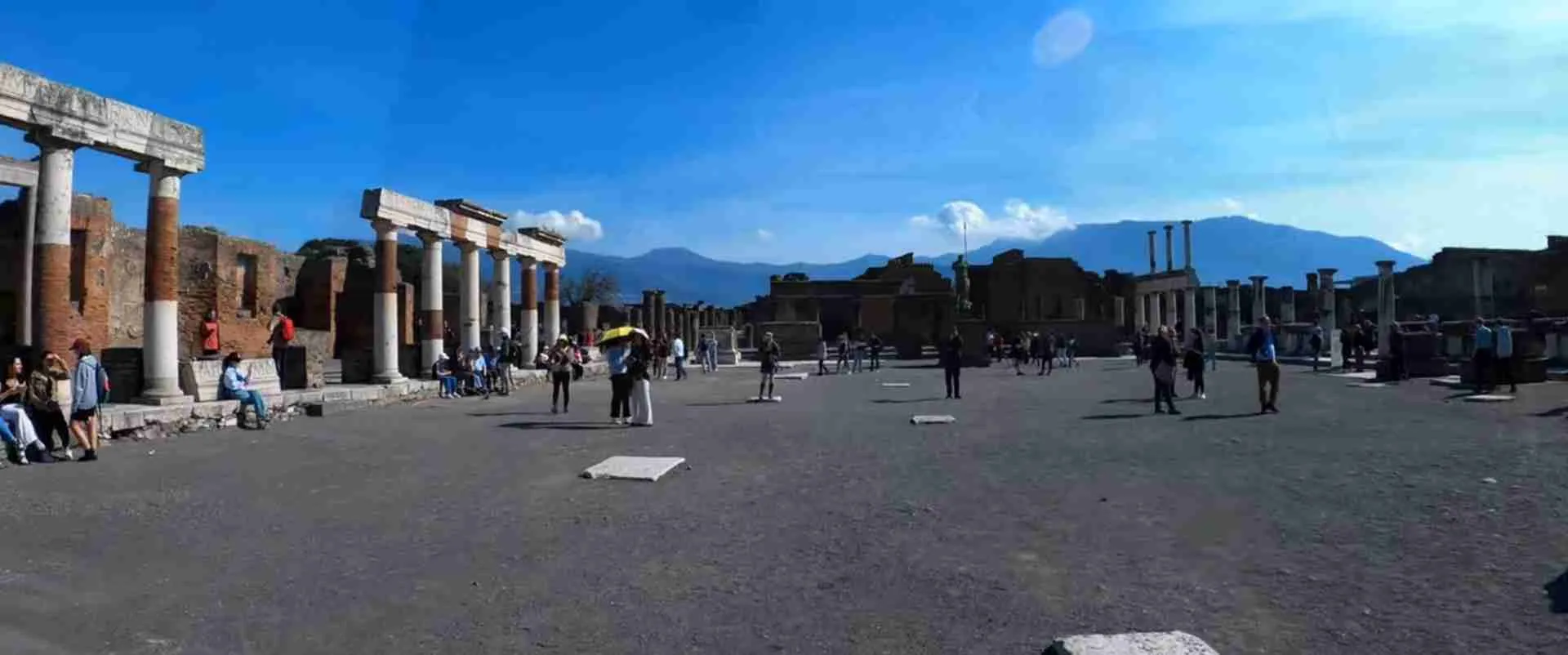
Pompeii stands as the world’s most complete preserved ancient Roman city, frozen by Mount Vesuvius eruption in 79 CE. The 170-acre archaeological park contains remarkably intact houses, temples, theaters, bathhouses, and streets providing unprecedented insight into Roman daily life. Recent excavations continue revealing new frescoes, mosaics, and structures, with the Regio V area opened in 2022 showcasing exceptional preservation including House of the Silver Wedding and House of Leda.
The site requires minimum 3-4 hours for comprehensive exploration, though archaeological enthusiasts easily spend full days examining details. Enter through Porta Marina entrance near Pompeii Scavi train station for optimal routing through Forum, temples, Villa of Mysteries, and residential quarters. Summer visits demand 8:00 AM arrival to complete major areas before midday heat peaks. The park provides minimal shade with temperatures reaching 35°C+ during July-August afternoons. Bring sun protection, water bottles (refill stations throughout site), and comfortable walking shoes for uneven ancient pavement.
Circumvesuviana trains depart Naples Centrale and Garibaldi stations every 30 minutes with 35-40 minute journey to Pompeii Scavi-Villa Misteri station. The €3.60 round trip represents extraordinary value compared to organized tour costs of €45-65 from Naples. Purchase tickets at station tobacco shops or automated machines – validate in yellow machines before boarding. The Pompeii Scavi station sits 100 meters from main park entrance with clear signage and tourist information office.
Amalfi Coast – Positano, Amalfi, Ravello
The Amalfi Coast stretches 50 kilometers along the Sorrentine Peninsula, offering dramatic clifftop towns, Mediterranean beaches, and hairpin coastal roads carved into limestone cliffs. UNESCO World Heritage designation recognizes the coast’s cultural landscape combining natural beauty with architectural heritage spanning Roman villas to medieval cathedrals. The three primary destinations – Positano, Amalfi, and Ravello – each provide distinct experiences within single day trip itineraries.
Positano cascades down steep hillsides to small beach cove, famous for pastel-colored houses, boutique shopping, and photogenic coastal views. The town center consists of narrow pedestrian lanes with 300+ steps connecting upper parking areas to beachfront. Visit Chiesa di Santa Maria Assunta with distinctive majolica dome, browse ceramic shops and linen boutiques, then relax at Spiaggia Grande beach. Positano serves excellent seafood at waterfront restaurants with lunch costs €25-40 per person for fresh catch dishes and local wine.
Amalfi town centers on magnificent 9th-century cathedral with Arab-Norman architecture and stunning facade mosaics. Explore the Chiostro del Paradiso cloister (€3 entry), walk along marina promenade, or venture into Valle delle Ferriere nature reserve for waterfall hikes departing from town center. Amalfi offers broader range of budget dining options compared to Positano, with excellent lunch spots €15-25 per person. The town’s larger scale provides more services including ATMs, pharmacies, and public facilities.
Ravello perches 365 meters above sea level, offering panoramic coast views from cliff-edge gardens. Villa Cimbrone and Villa Rufolo feature spectacular terraced gardens with classical statuary, exotic plants, and viewing platforms overlooking entire coastline. The town hosts summer music festivals in villa gardens with concerts June-September. Reach Ravello via 20-minute SITA bus ride from Amalfi town, adding this hilltop destination extends coast day trips to 9-10 hours total including transportation from Naples.
SITA bus service from Naples Varco Immacolatella terminal provides most economical coast access at €10 round trip versus €90-120 for private car services. Buses depart hourly 6:00 AM-7:00 PM with 90-120 minute journeys depending on destination. The scenic coastal drive delivers incredible views but involves narrow roads with numerous hairpin turns – not recommended for those prone to motion sickness. Alternative boat service from Molo Beverello to Positano runs April-October for €40-50 round trip, offering sea-level coastal perspectives and avoiding road traffic.
Capri Island – Blue Grotto and Coastal Paradise
Capri combines natural beauty, historical sites, and upscale resort atmosphere into compact Mediterranean island accessible by 50-minute ferry from Naples. The island splits into two distinct zones – Capri town with luxury shopping and hilltop views, and Anacapri’s quieter residential character with access to Monte Solaro peak. Both areas offer excellent hiking trails, Roman villa ruins, and coastal viewpoints worth full-day exploration.
The Blue Grotto sea cave ranks as Capri’s most famous attraction, though weather-dependent access means approximately 40% of days see closures due to sea conditions. When open, rowboat transfers from larger boats carry 4 passengers into small cave entrance revealing electric blue water illumination from underwater sunlight refraction. The complete experience costs €18 including boat transfer and brief 5-minute cave visit. Lines form early at Marina Grande with peak season waits reaching 45-60 minutes. Alternative caves accessible by coastal paths provide similar blue water effects without crowds or fees.
Chairlift to Monte Solaro summit provides sweeping 360-degree views across Bay of Naples, Amalfi Coast, and Capri’s dramatic cliffs. The 12-minute ride costs €14 round trip (€10 one-way for hikers) departing from Anacapri’s Piazza Vittoria every 15 minutes. Summit features cafe, viewing platforms, and 45-minute hiking loop to Villa Jovis ruins – Emperor Tiberius’s massive palace complex perched on island’s eastern cliffs. The palace ruins entrance costs €4 with remarkable preservation of residential quarters, cisterns, and panoramic terraces.
Ferry schedules from Naples Molo Beverello port run every 30-60 minutes 6:30 AM-7:30 PM during summer 2026 season with reduced frequency October-March. Multiple companies operate identical routes – Caremar’s slower ferries cost €16-19 each way with 80-minute crossings, while faster NLG and SNAV hydrofoils run €20-24 for 50-minute journeys. Book round-trip tickets for slight savings and guaranteed return space, though open return allows flexibility for extended stays. Marina Grande arrival includes funicular option to Capri town (€2 each way) or 20-minute scenic walk up pedestrian lanes.
Herculaneum – Better Preserved Alternative to Pompeii
Herculaneum archaeological park offers superior preservation quality compared to larger Pompeii, with intact wooden structures, complete upper floors, and vibrant frescoes protected by different volcanic material burial. The smaller 12-acre site delivers concentrated archaeological excellence requiring 2-3 hours for thorough exploration versus Pompeii’s sprawling layout. Recent excavations uncovered exceptional discoveries including intact wooden furniture, rolled papyrus scrolls, and perfectly preserved food items providing unprecedented glimpses into Roman household life.
The site’s compact nature makes guided tours highly effective, with expert archaeologists providing context for architectural details and daily life reconstructions. The House of Neptune and Amphitrite showcases stunning mosaic nymphaeum, while suburban baths demonstrate advanced Roman heating systems and social bathing culture. Waterfront boat storage areas contain wooden boats and maritime equipment revealing Herculaneum’s commercial fishing heritage. The significantly smaller crowds compared to Pompeii allow peaceful contemplation and excellent photography without tourist interference.
Circumvesuviana trains from Naples reach Herculaneum Scavi station in 20 minutes for €2.50, making this the closest major archaeological site to Naples. Exit station and walk downhill 10 minutes to park entrance following clear signage through modern Ercolano town. Combined Pompeii-Herculaneum tickets cost €20 with three-day validity, allowing split visits across multiple days for those staying in Naples. The smaller site scale and superior preservation make Herculaneum excellent choice for limited-time visitors or those seeking less crowded archaeological experiences.
Sorrento and Peninsula Towns
Sorrento town serves as charming day trip destination combining clifftop coastal views, historic center exploration, and limoncello production heritage. The town’s central Piazza Tasso anchors pedestrian shopping streets filled with ceramic shops, leather goods boutiques, and inlaid wood workshops demonstrating traditional Sorrentine craft traditions. Walk Marina Grande fishing village below main town for authentic seafood restaurants and small beach access, or stroll clifftop promenade overlooking Bay of Naples toward Vesuvius.
Circumvesuviana trains reach Sorrento in 65 minutes from Naples for €5.80, continuing beyond Pompeii through coastal towns and lemon groves. The journey itself provides scenic entertainment with gulf views and glimpses of traditional agricultural terraces. Sorrento makes excellent base for exploring surrounding destinations – boats depart Marina Piccola port for Capri (25 minutes), SITA buses connect to Amalfi Coast towns, and Circumvesuviana trains access archaeological sites. Consider Sorrento as day trip destination or overnight base for multi-day regional exploration.
Paestum Greek Temples – Lesser-Known UNESCO Site
Paestum archaeological park contains three remarkably complete Greek temples from 6th-5th centuries BCE, representing some of the best-preserved ancient Greek architecture outside Greece itself. The massive Doric temples dedicated to Hera, Neptune, and Athena stand amid wildflower meadows with barely another tourist in sight. The site combines temple complex with extensive Greek-Roman city ruins, walls, amphitheater, and excellent on-site museum containing painted tomb frescoes unique to ancient world.
The journey from Naples takes 90 minutes via regional train to Paestum station for €8-10 each way, then 10-minute walk to archaeological park entrance. Site entry costs €13 including museum access, with combined tickets available with nearby Velia ruins for €18. The park’s location 100 kilometers south of Naples means relatively few international tourists visit compared to Pompeii, offering peaceful exploration of equal archaeological significance. Bring picnic lunch as restaurant options near site remain limited – nearby Paestum town offers basic cafes and pizzerias 1 kilometer from park.
Mount Vesuvius Crater Hike
Climbing Vesuvius volcano provides unique geological experience and spectacular Bay of Naples views from 1,281-meter summit crater rim. The national park maintains marked hiking trail from car park at 1,000-meter elevation, requiring 30-40 minutes uphill walk on volcanic gravel path to crater rim. Park entry costs €10 with access hours varying seasonally – summer 9:00 AM-6:00 PM, winter 9:00 AM-3:00 PM. Official park guides provide 30-minute crater rim tours explaining volcanic activity, 79 CE eruption sequence, and current monitoring systems.
Reaching Vesuvius requires combination of Circumvesuviana train to Ercolano Scavi station plus €20 round-trip shuttle bus (Vesuvio Express) or €50-60 private car to upper parking area. The shuttle buses depart hourly 9:00 AM-4:00 PM from Ercolano station with mandatory advance online booking during peak season. Budget travelers can hike from Ercolano train station to summit via marked trails, requiring 3-4 hours uphill with significant elevation gain – this option suits experienced hikers only. The volcano visit combines well with Herculaneum in single day given their proximity.
Royal Palace of Caserta – Versailles of Italy
The Palace of Caserta represents 18th-century royal architecture at massive scale, featuring 1,200 rooms, vast gardens with fountains and cascades, and opulent Baroque interiors. UNESCO World Heritage designation recognizes the palace complex as supreme example of Bourbon dynasty power and Italian Enlightenment design. The site requires 4-5 hours for thorough exploration including state apartments, royal theater, gardens, and English garden with temples and grottos.
Regional trains from Naples Centrale reach Caserta in 35-40 minutes for €4, with palace visible from station exit 10-minute walk away. Palace entry costs €14 for main building, €9 for gardens, or €18 combined ticket. The immense scale of palace and gardens means strategic planning helps maximize visits – start with royal apartments when energy levels peak, then explore gardens afterward. Free audio guide apps provide room-by-room explanations of historical significance and artistic treasures. The site stays relatively uncrowded compared to more famous Naples-area destinations, offering peaceful exploration of exceptional royal heritage.
Budget Planning for 2026 Day Trips
Cost Breakdown by Destination Type
Archaeological day trips represent the most budget-friendly options from Naples, with complete Pompeii experiences costing €30-45 per person. This includes Circumvesuviana round-trip train (€3.60), site entry (€18), audio guide (€8), and modest lunch in modern Pompeii (€12-15). Herculaneum costs less at €25-35 given closer proximity (€2.50 round trip train), lower entry (€13), and shorter visit requiring only morning commitment. Combined Pompeii-Herculaneum days reach €45-60 with multi-site ticket (€20), train transport to both locations (€6), and simple lunch.
Coastal destinations command higher budgets due to transportation costs and dining prices. Amalfi Coast day trips run €65-95 including SITA bus (€10 round trip), restaurant meals (€15 lunch, €35-45 dinner), coffee and snacks (€10), and incidental costs like public restrooms or Villa Cimbrone gardens (€10). Budget-conscious travelers reduce costs through packed lunches from Naples supermarkets (€10-15 for quality picnic), free beach access instead of chair rentals, and limiting paid attractions to one or two highlights. Luxury Amalfi experiences reach €150-200 with waterfront restaurant dining, beach club access, and boat tour additions.
Capri island visits represent premium day trips at €120-160 per person due to accumulated transportation and activity costs. Minimum expenses include ferry crossing (€40-48 round trip), funicular or bus on island (€4-6), basic lunch (€20-30), and either Blue Grotto visit (€18) or chairlift to Monte Solaro (€14). These core costs establish baseline around €95 before adding quality dining, shopping, or additional activities. Private boat tours around island cost €250-400 for small groups, significantly increasing luxury-oriented day trip budgets but providing exclusive coastal access and swimming opportunities at remote beaches.
Money-Saving Strategies for Multiple Day Trips
The Campania Artecard provides excellent value for travelers planning 3+ day trips from Naples. The 3-day “Tutta la Regione” pass costs €32 and includes unlimited regional train travel plus free entry to first two sites visited and 50% discounts on subsequent entries. This card effectively pays for itself with single Pompeii visit (€18) plus Herculaneum (€13), while providing free transportation to both sites. The 7-day version at €42 extends savings for longer Naples stays with extensive regional exploration planned.
Packing lunch from Naples supermarkets reduces meal costs significantly compared to tourist-area restaurants. A quality picnic including focaccia, mozzarella di bufala, prosciutto, tomatoes, fruit, and wine costs €15-20 from Sapori e Dintorni or Conad City markets near Centrale station. This same meal costs €35-45 at Pompeii restaurants or €50-65 at Positano beach clubs. Bringing refillable water bottles saves €2-3 per person per site, with free refill stations available at all archaeological parks and major towns. Small flexible cooler bags maintain food quality during morning transport.
Booking accommodation in Naples rather than Sorrento or coast towns creates substantial savings while maintaining convenient day trip access. Naples hotels cost €80-120 per night for mid-range quality versus €150-250 for equivalent Sorrento properties or €200-400 on Amalfi Coast. The transportation hub centrality of Naples means equally quick access to all regional destinations. Using Naples as base eliminates need for luggage transfers and allows flexibility to adjust day trip plans based on weather, energy levels, or discovered interests without commitment to specific coastal location bookings.
Transportation Options for 2026 Excursions
Circumvesuviana Railway Network
The Circumvesuviana operates as regional commuter railway connecting Naples to Vesuvian area towns, archaeological sites, and Sorrento. Two primary lines serve day-trippers – Napoli-Poggiomarino stops at Pompeii Scavi and Herculaneum stations, while Napoli-Sorrento continues through coastal towns. Trains depart every 20-30 minutes from 5:00 AM-11:00 PM with final departures varying by destination. The railway uses dedicated tracks separate from national rail network, departing from underground platforms at Garibaldi station (connected to Centrale via escalators) and Porta Nolana station in Naples.
Ticket costs operate on distance-based system: Herculaneum €2.50, Pompeii €3.60, Sorrento €5.80 one-way. Purchase tickets at tobacco shops displaying “T” signs, automated machines in stations (accept coins and credit cards), or mobile app “Unico Campania.” Tickets require validation in yellow machines on platforms before boarding – inspectors conduct frequent checks with €50 fines for invalid tickets. The trains provide basic commuter service without air conditioning, limited luggage space, and potential crowding during morning/evening peak hours. Expect standing room only on popular routes during high season mornings.
Station arrivals require attention to avoid missing stops – automated announcements use Italian only, and station signage may be limited. Pompeii Scavi-Villa Misteri station serves archaeological park (not “Pompei” station in modern town center located several kilometers away). Herculaneum uses “Ercolano Scavi” station. Download offline maps showing station locations relative to destinations before departure to prevent navigation confusion. The trains generally prove safe and reliable despite dated appearance, serving millions of tourists annually for archaeological site access.
SITA Bus Service to Amalfi Coast
SITA Sud operates public buses along SS163 Amalfi Coast highway, providing most economical access to Positano, Amalfi, and Ravello. Naples service departs from Varco Immacolatella terminal near Molo Beverello port with hourly 6:00 AM-7:00 PM frequency during peak season. Tickets cost €10 round trip for any coastal destination with 90-120 minute journey depending on traffic and stops. Purchase tickets at terminal ticket office (cash preferred) or online through sitasudtrasporti.it for guaranteed seats during July-August weekends.
The coastal bus ride delivers spectacular scenery through dramatic cliff-hugging roads with hairpin turns and incredible sea views. Large buses navigate narrow two-lane highway with skill, though nervous passengers should consider motion sickness medication. Window seats on right side (traveling from Naples) provide best coastal views. Request stops by pressing button as buses don’t automatically halt at every designated stop. Popular destinations like Positano and Amalfi see multiple boarding attempts at each stop – position yourself near bus door for exit success.
Return trip planning requires flexibility as published schedules frequently slip due to traffic conditions. Summer afternoon buses run 30-60 minutes behind schedule regularly, creating potential for missed connections if tight return timing planned. Allow 2-hour buffer for return to Naples when connecting to flights or trains. Alternatively, SITA buses from coastal towns to Salerno train station (30-45 minutes) provide backup return route via regional trains to Naples (45 minutes, €4-6) when direct Naples buses prove overcrowded or delayed. This alternative routing adds travel time but ensures guaranteed train capacity.
Ferry Services to Islands
Multiple ferry companies operate from Naples Molo Beverello port to Capri, Ischia, and Procida islands. Caremar runs traditional slower ferries (80-90 minutes to Capri, €16-19 each way), while NLG and SNAV operate faster hydrofoils (50-60 minutes, €20-24). All services depart from same terminal with ticket offices in port building. Summer season sees departures every 30-60 minutes 6:30 AM-7:30 PM, winter service reduces to 4-6 daily departures depending on company and destination.
Advance online booking recommended for weekend travel and July-August peak season to guarantee departure times and avoid soldout crossings. Walk-up ticket purchases work for weekday travel except major Italian holidays when island day trips prove extremely popular with domestic tourists. Round-trip tickets provide slight 10% discount versus separate one-way purchases. Open return tickets allow flexibility for extended island stays without commitment to specific return times – valuable when weather delays or spontaneous schedule changes occur.
Port arrival requires 30-minute buffer before departure for security screening and ticket validation. The terminal includes luggage storage (€6 per item daily), cafes, and tourist information offices. Heavy luggage not recommended for island day trips given limited storage at island destinations and frequent walking required between sites. Islands provide luggage storage at arrival ports for €5-8 daily. Ferry crossings can experience rough seas during windy conditions causing delays or cancellations – check weather forecasts and company websites for real-time status updates before departure from hotel.
Private Transportation Options
Private car services and drivers provide maximum flexibility and comfort for day trips at premium cost. Licensed drivers charge €200-350 for full-day Amalfi Coast tours with flexible itinerary and 8-10 hour availability. Pompeii private tours cost €150-250 for 4-6 hours including transport, site entry, and guided tour. Capri boat tours from Naples run €400-600 for full day with island circumnavigation and swimming stops at remote beaches. These services eliminate public transport hassles, allow custom timing, and provide air-conditioned vehicles with English-speaking drivers.
Book private services through hotel concierge, established tour operators, or vetted driver cooperatives for reliable quality and proper licensing. Avoid street touts and unlicensed drivers at train stations and ports. Legitimate services provide written quotes, professional vehicles, and proper insurance coverage. Request drivers with English fluency and regional knowledge for enhanced experience beyond simple transportation. Many drivers offer insightful commentary, restaurant recommendations, and flexible schedule adjustments based on group interests.
Organized small group tours (8-15 people) provide middle ground between private services and public transport. These tours cost €65-95 per person for Amalfi Coast or Pompeii day trips, including transportation, guided services, and sometimes meals. Companies like Mondo Guide, Context Travel, and local operators offer quality experiences with air-conditioned minibuses, professional guides, and managed logistics. The group format allows social interaction with fellow travelers while eliminating navigation stress. Book 1-2 weeks ahead through company websites for guaranteed availability during peak season.
Sample 2026 Day Trip Itineraries
Classic Pompeii Full-Day Experience
Depart Naples Garibaldi station 8:00 AM on Circumvesuviana to Pompeii Scavi (€3.60), arriving 8:40 AM before peak crowds. Enter archaeological park at 9:00 AM opening (€18 entry), dedicating morning to major sites: Forum, temples, Villa of Mysteries, Theater Quarter. Follow recommended route from Porta Marina entrance through House of Faun, Stabian Baths, and Amphitheater. Complete thorough 3.5-hour exploration by 12:30 PM.
Exit park for lunch in modern Pompeii town, selecting from restaurants on Via Roma near station. President Restaurant or Gatto Rosso offer quality Campanian cuisine €18-25 per person. Rest 1-1.5 hours during midday heat before optional afternoon activities: visit Pompeii’s modern Marian Sanctuary basilica, explore archaeological museum in modern town displaying artifacts not shown in park, or browse souvenir shops for ceramics and books. Alternative afternoon option combines nearby Vesuvius climb via shuttle from Pompeii town (€30 round trip, book ahead) for volcano-archaeology combination day.
Return Naples via 4:30-5:00 PM train, arriving 5:30-6:00 PM for evening in Naples historic center. Circumvesuviana train €3.60, entry €18, lunch €18-25, snacks and water €8-12. Total day cost: €51-63 per person.
Amalfi Coast Multi-Town Discovery
Catch 7:00 AM SITA bus from Naples Varco Immacolatella terminal (€10 round trip), arriving Positano 8:30 AM. Explore town’s steep lanes, photograph colorful houses and coastal views, visit Santa Maria Assunta church. Enjoy breakfast coffee at Franco’s Bar with terrace views overlooking beach (€5-8). Spend 2 hours discovering boutiques, ceramic shops, and clifftop viewpoints before 10:30 AM bus continuation to Amalfi town (included in ticket).
Arrive Amalfi 11:00 AM, tour magnificent cathedral and Chiostro del Paradiso (€3 entry). Walk harbor promenade, browse ceramics shops, then select lunch restaurant along waterfront. L’Abside or Taverna Buonvicino offer excellent seafood pasta €18-25 per person. After lunch, catch 2:30 PM SITA bus from Amalfi to Ravello (€2.50), reaching hilltop town 2:50 PM. Tour Villa Cimbrone gardens (€10 entry) for spectacular coastal views from Terrace of Infinity. Explore Villa Rufolo gardens and town center if time permits, or simply relax in garden settings.
Return to Amalfi via 4:30 PM bus (€2.50), then 5:30 PM SITA service back to Naples, arriving 7:00-7:30 PM depending on traffic. Alternatively, extend coast time by taking later 7:00 PM Naples bus for sunset dinner in Amalfi before 9:00 PM return. SITA bus €10, breakfast €5-8, cathedral entry €3, lunch €18-25, Ravello buses €5, Villa Cimbrone €10, snacks €8-12. Total day cost: €59-73 per person.
Capri Island Comprehensive Tour
Book 8:00 AM fast ferry from Molo Beverello (€20-24 each way, purchase in advance), arriving Marina Grande 8:50 AM. Take funicular to Capri town (€2 each way) or scenic 20-minute walk via pedestrian lanes. Begin with Monte Solaro chairlift from Anacapri (€14 round trip) for morning views before atmospheric haze develops. Spend 1 hour at summit exploring ruins and viewpoints.
Descend to Anacapri for lunch at Sciue Sciue or Il Riccio beach club depending on budget (€25-50 per person). After lunch, visit Villa San Michele (€10 entry) for Swedish doctor’s remarkable villa and gardens. Bus from Anacapri to Capri town (€2.50) for afternoon exploration of Piazzetta, Via Camerelle luxury shopping, and Augustus Gardens viewpoints (€2 entry). Alternatively, hike coastal trail to Natural Arch and Pizzolungo for scenic Mediterranean landscapes without crowds.
Return Marina Grande via funicular (€2) for 5:00-5:30 PM ferry departure, arriving Naples 6:30 PM. If weather permits morning boat transfers, add Blue Grotto visit (€18) by catching early boat from Marina Grande, though this requires 7:00 AM ferry from Naples to allow adequate time. Ferry €40-48 round trip, funicular €4, chairlift €14, Villa San Michele €10, Augustus Gardens €2, lunch €25-50, buses €5, snacks €10-15, optional Blue Grotto €18. Total day cost: €110-166 per person (excluding Blue Grotto).
Archaeological Double Feature – Herculaneum and Pompeii
Start early with 7:30 AM Circumvesuviana from Naples to Ercolano Scavi station (€2.50), arriving 7:50 AM. Walk downhill to Herculaneum park entrance, entering at 8:30 AM opening (€13 entry). The smaller, better-preserved site requires 2-2.5 hours for thorough exploration. Focus on House of Neptune and Amphitrite, suburban baths, boat storage area, and remarkably intact wooden structures. Complete visit by 11:00 AM.
Return to Ercolano station via uphill walk (15 minutes) for 11:30 AM Circumvesuviana continuation to Pompeii Scavi (€3.60 from Ercolano), arriving 11:50 AM. Grab quick lunch from snack bars outside Pompeii entrance – panini and drinks €8-12 per person. Enter park 12:30 PM for afternoon exploration of major areas using purchased or downloaded audio guide app (€8 if purchased). The combination ticket for both sites costs €20 when purchased as package, providing €6 savings over separate entries.
Spend 3-3.5 hours at Pompeii, prioritizing shaded areas during hottest afternoon hours. Major indoor spaces include Villa of Mysteries (afternoon light excellent for frescoes), House of Faun, and covered areas of Forum buildings. Exit 4:00-4:30 PM for return Circumvesuviana to Naples (€3.60), arriving 5:30-6:00 PM. Train to Herculaneum €2.50, entry €13, train to Pompeii €3.60, lunch €8-12, train to Naples €3.60, audio guide €8, water and snacks €10. Total day cost: €48-59 per person (or €43-54 with combination ticket).
Sorrento and Peninsula Exploration
Circumvesuviana to Sorrento departs Naples 8:30 AM (€5.80), scenic 65-minute journey through coastal towns and lemon groves arriving 9:35 AM. Walk from station through town center to Piazza Tasso, stopping for proper Italian breakfast cappuccino and cornetto at Bar Fauno (€5-6). Explore pedestrian shopping streets viewing inlaid wood workshops, leather goods, ceramic shops representing Sorrentine craft traditions.
Visit Chiostro di San Francesco cloister and gardens (free entry) for peaceful 14th-century architecture and regular art exhibitions. Walk clifftop Via Correale for spectacular Gulf of Naples views toward Vesuvius. Descend to Marina Grande fishing village via steep stairs or elevator (€1.20) for authentic seafood lunch at waterfront trattorias. Trattoria da Emilia or Ristorante Bagni Delfino offer fresh catch €20-30 per person. Small public beach allows post-lunch relaxation and swimming April-October.
Afternoon options include SITA bus to Sant’Agata sui Due Golfi hilltop village (€3 round trip, 20 minutes) for monastery, viewpoints, and walks. Alternatively stay in Sorrento for leisurely cafe stops, limoncello tasting at Limonoro shop, or exploration of Villa Comunale gardens with panoramic sea views. Return to Naples via 5:00-6:00 PM Circumvesuviana, arriving 7:00-8:00 PM for evening in Naples. Train €5.80 each way, breakfast €5-6, Marina Grande funicular €1.20, lunch €20-30, optional bus €3, snacks €10-15. Total day cost: €51-71 per person.
Booking Strategies for 2026 Season
Advance Planning Timeline
Begin day trip planning 2-3 months before Naples arrival for optimal choices and availability. Research destination options, transportation schedules, and accommodation locations ensuring convenient early morning departures. July-August peak season requires earlier 3-4 month advance planning for popular destinations, particularly Capri ferry bookings and Amalfi Coast accommodation if planning coast overnight stays. Shoulder season travel (April-May, September-October) allows more flexible 3-4 week advance booking while maintaining good weather and manageable crowds.
Book Capri ferries online through company websites 2-3 weeks ahead for guaranteed departure times during summer weekends. Weekday service generally accommodates walk-up purchases except major Italian holidays (Ferragosto in mid-August, Easter week). Pompeii and Herculaneum tickets work as walk-in purchases year-round but online advance booking through parcocolosseo.it saves 30-45 minutes in entrance queues. The digital tickets send directly to smartphones for quick scanning at entry turnstiles.
Private tours and guided services require 1-2 week advance booking to secure English-speaking guides and preferred dates. Popular operators fill completely for July-August weekends 4-6 weeks ahead. Spring and fall seasons offer more flexibility with quality guides available on 5-10 day notice. Restaurant reservations prove unnecessary for lunch but recommended for waterfront dinner locations in Positano and Capri – book 2-3 days ahead for summer evening dining with views.
Seasonal Optimization Strategies
Early season visits (March-May) provide excellent weather, spring wildflowers at archaeological sites, and significantly reduced crowds compared to summer peak. Temperatures range 15-25°C, ideal for extensive walking and outdoor exploration. Easter week (varies annually) sees major Italian holiday crowds requiring advance booking but delivers spectacular religious processions and celebrations. Late spring (May) offers optimal balance of perfect weather, blooming coastal flowers, and moderate tourist numbers before summer vacation season begins.
Summer months (June-August) bring guaranteed sunshine and full service schedules with maximum ferry departures and extended site hours. Expect hot temperatures 28-35°C requiring early morning starts for archaeological sites and coast trips. Tourist numbers peak July-August with pronounced crowding at Pompeii, Positano, and Capri. Budget costs increase 20-30% for accommodation and some tours. The long daylight hours allow extended excursion times with 8:00 PM sunsets providing beautiful evening light for coastal photography.
Fall season (September-October) delivers superb conditions combining summer weather with reduced crowds as families return to school schedules. Sea temperatures remain warm for swimming through October. Restaurant availability improves significantly compared to overcrowded summer months. September maintains full summer transportation schedules before winter reductions begin November. Late October sees increased rainfall probability but offers lowest prices and emptiest archaeological sites for those prioritizing peaceful exploration over guaranteed weather.
Multi-Day Trip Planning
Travelers spending 5+ days in Naples area benefit from strategic planning distributing day trips across stay to prevent exhaustion. Alternate intensive archaeological days with lighter coastal relaxation days. Schedule major walking days (Pompeii, Amalfi Coast) with rest days allowing recovery. Consider overnight stays at Sorrento or Amalfi Coast to eliminate long return journeys and allow sunset/evening experiences unavailable on pure day trips.
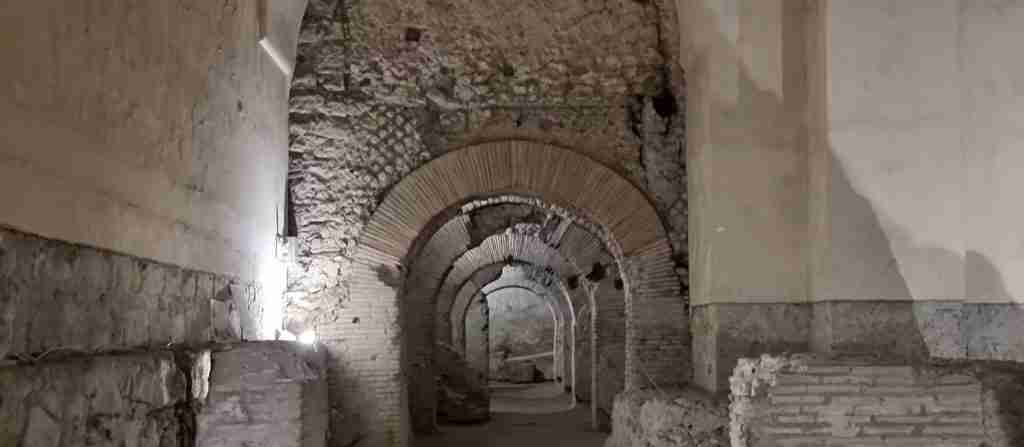
Weather contingency planning prevents wasted days when Mediterranean rain storms occur. Monitor forecasts 3-5 days ahead, maintaining flexibility to swap scheduled day trips based on conditions. Coastal destinations and island visits suffer significantly in rain and wind, while covered archaeological museums and Naples city attractions provide excellent backup options. Indoor alternatives include National Archaeological Museum of Naples (exceptional Pompeii collections), Caserta Royal Palace, or Underground Naples tours maintaining engaging itineraries despite weather.
Physical energy management becomes crucial when planning multiple consecutive day trips. Each full excursion involves 12-16 hours of travel, walking, and exploration requiring stamina. Build mid-trip rest days for laundry, local Naples exploration, or simply recovering at hotel. The temptation to maximize every day frequently leads to exhaustion reducing enjoyment of later trips. Quality experiences from 4-5 well-planned day trips exceed value of cramming 7-8 rushed excursions into single week.
Money-Saving Tips for 2026 Day Trips
Transportation Cost Reduction
The Campania Artecard represents single best investment for multiple day trips from Naples. The 3-day “Tutta la Regione” version costs €32 and includes unlimited Circumvesuviana train travel plus free entry to first two sites and 50% discount on subsequent attractions. Card pays for itself immediately with Pompeii (€18) and Herculaneum (€13) visits while providing free trains to both sites (normally €6 total). The 7-day card at €42 extends value for longer stays with 4+ planned day trips. Purchase cards at Naples Centrale station tourist office or major archaeological site ticket offices.
Walking between nearby sites eliminates unnecessary transport costs. Herculaneum station sits 900 meters from Pompeii Scavi station – fit travelers can walk this coastal path in 15-20 minutes rather than taking trains. Sorrento’s compact center allows exploration entirely on foot after initial train arrival. Coastal towns like Positano and Amalfi feature everything within walking distance despite steep hills. Only Ravello’s hilltop location requires bus transport from Amalfi (€2.50 each way). Strategic walking saves €5-10 daily in local bus and funicular charges.
Free walking tours operate in Pompeii, Naples, and some coastal towns on tip-based models. These 2-3 hour tours provide excellent orientation and historical context for €5-15 tips versus €45-65 for paid guided tours. Download free audio guide apps for Pompeii and Herculaneum providing identical narration to paid audio devices. Google Maps offline downloads ensure free navigation without data roaming charges. Public WiFi at archaeological sites, ferry terminals, and town squares allows real-time updates and reservation confirmations without international phone plans.
Dining and Food Strategies
Pack picnic lunches from Naples supermarkets for significant meal cost savings. Quality Italian provisions cost €15-20 per person for excellent lunch versus €35-50 at tourist-area restaurants. Sapori e Dintorni near Centrale station stocks quality mozzarella di bufala, prosciutto, focaccia, and local wines. Prepare morning of departure, using hotel ice for cooler bags. Archaeological sites and coastal towns provide pleasant picnic settings with sea views rivaling expensive restaurant terraces.
Eat main meal at lunch (pranzo) rather than dinner when visiting coast destinations. Restaurants serve identical dishes at 30-40% lower prices during lunch hours versus evening service. The €18-25 lunch menu becomes €35-50 dinner pricing for same food at same location. Coastal towns like Amalfi and Positano enforce these price differentials strictly. Maximize dining value by enjoying substantial lunch, then simple pizza or street food for evening meal after return to Naples.
Drink water from public fountains rather than purchasing bottles repeatedly. Archaeological sites, train stations, and town squares throughout Campania feature potable water fountains (nasoni). Bring refillable bottle from hotel, saving €2-3 per person per day. Accept Italian espresso culture – stand at bar counters paying €1-1.50 for coffee instead of €4-6 table service charges. Morning cappuccino and cornetto at local bars costs €3-4 total versus €8-12 at tourist-focused establishments.
Activity and Entry Cost Optimization
Visit free attractions first, then evaluate paid options based on remaining time and interest. Coastal towns offer exceptional free experiences – beaches, church visits, clifftop walks, and historic centers require no entrance fees. Positano and Amalfi deliver complete day trip experiences without spending beyond transportation and food. Allocate entry fee budget to highest-priority sites only – Villa Cimbrone gardens in Ravello provide worthy €10 experience, but numerous free viewpoints offer comparable coastal views.
Skip organized tours for easily navigable destinations like Pompeii and Capri. Archaeological sites provide excellent signage, free apps with detailed information, and logical routing requiring no guide. Capri island features simple bus and funicular network with clear tourist infrastructure. Save €45-65 per person tour costs while maintaining complete flexibility for personal pacing and interests. Reserve guided tours for complex sites like Naples Underground or specialized experiences benefiting from expert interpretation.
Combine multiple sites using multi-entry tickets for maximum value. Pompeii-Herculaneum combo ticket costs €20 versus €31 separate entries, saving €11. Naples archaeological museum plus site combinations provide further discounts. Campania Artecard’s 50% discount on subsequent sites after first two free entries accumulates significant savings for ambitious itineraries. Calculate break-even point for card purchases against planned site entries – cards justify cost with 3+ paid attractions visited.
FAQ: Naples Day Trips 2026
Can you do day trips from Naples without a car?
Absolutely – Naples day trips work excellently using public transportation without car rental. The Circumvesuviana railway connects all major archaeological sites including Pompeii, Herculaneum, and Sorrento with departures every 20-30 minutes throughout the day. SITA buses serve the Amalfi Coast from Naples with hourly service to Positano, Amalfi, and connecting routes to Ravello. Ferries to Capri, Ischia, and Procida depart Molo Beverello port every 30-60 minutes during peak season. Regional trains reach Caserta and Paestum for palace and Greek temple visits. This extensive public transport network costs €3-10 per journey compared to €35-50 daily car rental plus fuel, tolls, and parking. The narrow coastal roads and limited parking at destinations actually make public transport more convenient than driving for most day trips.
How many days do you need in Naples for day trips?
Plan minimum 4-5 days in Naples to experience core day trip destinations without exhaustion. This allows dedicated full days for Pompeii, Amalfi Coast, and Capri – the three essential Campania experiences – plus one Naples city exploration day and one flexible rest day. Travelers with 7-10 days can add Herculaneum, Sorrento, Caserta, and Paestum for comprehensive regional coverage. Each major day trip requires 8-12 hours including transportation and site exploration time. Attempting to compress too many excursions into short stays creates exhausting schedules reducing enjoyment. Quality experiences from 3-4 well-planned trips exceed value of rushed attempts at 6-7 destinations. Consider multi-day trips staying overnight in Sorrento or on Amalfi Coast to maximize coastal time while reducing daily travel fatigue.
What is the easiest day trip from Naples?
Herculaneum represents the easiest Naples day trip combining minimal travel time (20 minutes by train), smaller site size requiring just 2-3 hours, and exceptional archaeological preservation. The Circumvesuviana train from Naples Garibaldi station costs €2.50 one-way with departures every 20-30 minutes throughout the day. Exit Ercolano Scavi station and walk 10 minutes downhill following clear signs to the entrance. The compact 12-acre site delivers concentrated archaeological excellence without Pompeii’s overwhelming scale or extensive walking requirements. Superior preservation quality means more to see in smaller space, making Herculaneum ideal for limited-time visitors, families with children, or those preferring less strenuous excursions. The site features excellent covered areas for shade, modern facilities, and usually minimal crowds compared to Pompeii’s masses.
Is one day enough for Amalfi Coast from Naples?
One day provides sufficient time to visit 2-3 Amalfi Coast towns and experience the dramatic coastal scenery, though the pace remains moderately rushed. The standard strategy visits Positano in morning (8:30 AM-11:00 AM), Amalfi for lunch and afternoon (11:00 AM-3:00 PM), and Ravello in late afternoon (3:00 PM-5:30 PM) before returning to Naples. This schedule allows 2-2.5 hours per town – adequate for walking historic centers, touring major sites, and dining, but insufficient for beach relaxation or extensive hiking. The bus transportation between towns adds 20-45 minutes per segment reducing actual exploration time. Travelers prioritizing relaxed coastal experiences benefit from overnight stays in Positano or Amalfi, eliminating long Naples return journeys and allowing sunset dinners with wine impossible on day trips.
Which is better Pompeii or Herculaneum?
Both sites offer unique advantages making the comparison depend on visitor priorities. Pompeii provides massive scale with 170 acres of ruins including complete city layout, multiple house types, theaters, amphitheater, and extensive commercial areas. The sheer size allows understanding of complete Roman urban planning and daily life across different social classes. The site requires 4-5 hours for thorough exploration with some areas inevitably skipped due to scale. Herculaneum delivers superior preservation quality with intact wooden structures, complete upper floors, vivid frescoes, and detailed artifacts usually destroyed in archaeological sites. The smaller 12-acre size allows complete coverage in 2-3 hours with every major building accessible. Herculaneum suits visitors preferring concentrated excellence over comprehensive scale, families with limited attention spans, or those seeking less crowded peaceful exploration. Ideal strategy visits both sites on separate days or combined single day using multi-site ticket.
Do you need a tour guide for Pompeii?
Tour guides enhance Pompeii experiences but aren’t essential for rewarding visits. The site provides excellent signage in English and Italian, clear routing suggestions, and free smartphone audio guide apps delivering detailed room-by-room explanations. Independent visitors using downloaded apps and guidebooks achieve thorough understanding of major buildings and historical context without guide expenses. However, professional archaeologist guides provide deeper insights into construction techniques, fresco symbolism, social customs, and recent discoveries not available in standard audio narration. Guides also navigate the overwhelming site efficiently, ensuring priority buildings receive adequate attention. The decision depends on personal learning preferences and budget – €45-65 guided tours add significant value for history enthusiasts, while budget travelers find adequate information through free resources.
What is the best time to visit Pompeii to avoid crowds?
Arrive at 9:00 AM opening time (8:30 AM opening during summer extended hours) to experience Pompeii with minimum crowds before tour groups arrive around 10:30-11:00 AM. The first 90 minutes allow peaceful exploration of major areas including Forum, temples, and House of Faun before masses descend. Alternatively, visit after 3:00 PM when cruise ship tours depart and day-trippers begin leaving. Evening visits during summer extended hours (open until 7:30 PM July-August) provide magical late-afternoon light and dramatically reduced crowds. Avoid midday visits (11:00 AM-2:00 PM) when tourist numbers peak and heat becomes oppressive. Off-season months (November-March) maintain light crowds throughout days but shorter hours limit visit duration. October represents optimal balance of reduced crowds, moderate weather, and full summer hours still in effect early in month.
Can you swim in Capri on a day trip?
Yes, day trips to Capri allow swimming at several accessible locations despite limited time constraints. Marina Grande’s small beach provides immediate swimming opportunity after ferry arrival, though facilities remain basic with mostly pebble beach surface. Better options include Marina Piccola beaches (Lido del Faro, La Fontellina) reached via 15-minute bus ride from Capri town or 30-minute walk down then steep return climb. These beach clubs charge €15-30 for lounger and umbrella rental with quality facilities and restaurants. Free public beach sections exist between clubs allowing budget swimming access. Bagni di Tiberio beach near Blue Grotto offers another option combining swim opportunity with Roman ruins visit. Bring swimsuit, towel, and sunscreen in day bag for spontaneous swimming – the clear blue Mediterranean waters prove irresistible on hot summer days. Book early ferry (7:00-8:00 AM) and late return (5:00-6:00 PM) to maximize island time allowing both sightseeing and swimming.
How much cash should I bring for Naples day trips?
Carry €80-120 per person in cash for typical day trips covering meals, incidentals, and backup options. Most major expenses accept cards – archaeological site entries, ferry tickets, and many restaurants process card payments without issue. However, small family restaurants, beach clubs, public restrooms (€0.50-1), and market vendors require cash. SITA buses sometimes experience card reader malfunctions requiring cash fare payment. Remote coastal areas and smaller towns have limited ATM availability making advance cash preparation essential. Break large bills before departures as small vendors struggle providing change for €50-100 notes. Carry mix of €5, €10, and €20 bills for maximum flexibility. Keep cash split between wallet and secure bag pocket preventing total loss if theft occurs. Naples ATMs widely available near Centrale station for morning withdrawals before departures.
Is it worth going to Paestum from Naples?
Paestum merits the 90-minute journey for travelers particularly interested in ancient Greek architecture or seeking less-crowded alternatives to Pompeii. The three remarkably complete Greek temples represent some of the best-preserved ancient Greek architecture outside Greece itself, rivaling Athens’ buildings in scale and preservation quality. The site offers peaceful exploration with minimal tourists compared to Pompeii’s masses, allowing unhurried photography and contemplation. The excellent on-site museum contains unique painted Greek tomb frescoes and comprehensive artifact collections. However, the remote location and 3-hour round trip journey demands full day commitment with limited other activities nearby. Visitors seeking diverse destinations within single day trips find better value in more accessible options. Paestum suits history enthusiasts, archaeology students, or multi-week stays exhausting closer destinations seeking additional Greek heritage beyond Pompeii’s Roman focus.