Naples Top 10 Free Things to Do 2026: Ultimate Budget Guide
This comprehensive guide reveals how to experience Naples’ authentic character without spending on admission fees. From sunrise walks along the waterfront to sunset views from hilltop terraces, from hidden baroque churches to bustling street markets, Naples delivers memorable experiences that cost nothing beyond your time and curiosity. The strategies outlined here help you maximize free activities while maintaining comfort and safety throughout your 2026 visit.
Key Takeaways
- Free Historic Access: Naples offers free entry to numerous churches, piazzas, and historic neighborhoods throughout 2026
- Stunning Viewpoints: Multiple panoramic terraces and waterfront promenades cost nothing to explore
- Authentic Neighborhoods: Spaccanapoli, Quartieri Spagnoli, and waterfront districts provide free cultural immersion
- Budget-Friendly Planning: Experience Naples’ authentic character on €15-25 daily budget (food only)
- Year-Round Opportunities: Free activities available every season with special events throughout 2026
Introduction: Free Naples Experiences in 2026
Naples rewards budget-conscious travelers with extraordinary free experiences throughout 2026. While neighboring destinations charge €15-30 for basic attractions, Naples opens its historic heart, stunning viewpoints, and authentic neighborhoods to visitors at no cost. The city’s greatest treasures—vibrant street life, architectural masterpieces visible from public spaces, panoramic terraces, and culturally rich districts—remain completely free to explore.
Budget travelers consistently spend €15-25 daily on food while enjoying world-class cultural experiences at zero admission cost. The secret lies in knowing where to go, when to visit, and how to navigate Naples’ free offerings strategically. This guide provides that essential knowledge for your 2026 Naples adventure.
People Also Ask About Free Naples Activities 2026
What free activities can you do in Naples in 2026?
Naples offers extensive free activities in 2026 including exploring Spaccanapoli’s historic streets, visiting free-entry churches like Gesù Nuovo and San Domenico Maggiore, walking the Lungomare waterfront promenade, discovering Quartieri Spagnoli neighborhoods, viewing art at numerous baroque churches, enjoying panoramic views from multiple hilltop terraces, exploring authentic street markets, and experiencing the vibrant Piazza del Plebiscito. The city’s greatest attractions—architectural heritage, neighborhood culture, and stunning vistas—cost nothing to experience.
Is Naples an expensive city to visit in 2026?
Naples ranks among Italy’s most budget-friendly major cities in 2026. Accommodation costs €45-80 for budget options, €80-150 for mid-range hotels, compared to Rome’s €70-120 and €150-250 respectively. Street food costs €3-8 per meal, restaurant dining €12-25, while many major attractions remain free to explore. A comfortable daily budget of €50-80 covers accommodation, meals, and local transport, with many travelers experiencing authentic Naples on even less by maximizing free activities and local dining options.
Can you visit Naples churches for free in 2026?
Most Naples churches welcome visitors free of charge throughout 2026, including architectural masterpieces like Gesù Nuovo, San Domenico Maggiore, Santa Chiara’s exterior and cloister courtyard (cloister museum €6), San Lorenzo Maggiore church (archaeological site €10), and dozens of baroque neighborhood churches. These religious sites contain extraordinary artwork, frescoes, and architectural details accessible at no cost during regular worship hours. Visitors should dress modestly (covered shoulders and knees) and respect services in progress. Photography is allowed in most churches without flash.
What is the best free viewpoint in Naples in 2026?
Certosa di San Martino’s exterior terrace provides Naples’ most spectacular free panoramic views in 2026, overlooking the entire bay, Vesuvius, and historic center without requiring museum admission (museum entry €6 if desired). Additional outstanding free viewpoints include Castel Sant’Elmo’s exterior ramparts accessible via public pathways, Parco Virgiliano’s multiple terraces (free entry daily 7 AM-sunset), Villa Comunale waterfront gardens, and various Vomero neighborhood streets offering sweeping bay vistas. Early morning and late afternoon provide optimal lighting for photography and fewer crowds.
Extended multi-day tours – 5+ days
Featured Naples Multi-Day Tour Packages
3 days
Naples 3-Day Discovery Tour
- ✓ Comprehensive Naples experience
- ✓ Expert local guides included
- ✓ All accommodation included
- ✓ Transportation provided

5 days
Naples 5-Day Highlights Experience
- ✓ Comprehensive Naples experience
- ✓ Expert local guides included
- ✓ All accommodation included
- ✓ Transportation provided

7 days
Naples 7-Day Cultural Journey
- ✓ Comprehensive Naples experience
- ✓ Expert local guides included
- ✓ All accommodation included
- ✓ Transportation provided

10 days
Naples 10-Day Complete Adventure
- ✓ Comprehensive Naples experience
- ✓ Expert local guides included
- ✓ All accommodation included
- ✓ Transportation provided
Multi-day tour packages powered by TourRadar. Prices and availability subject to change.
Essential Planning Information 2026
Understanding Naples’ Free Attractions Landscape
Naples’ free attractions system operates differently from other Italian cities in 2026. While Rome and Florence charge admission to most major sites, Naples maintains free access to its greatest asset—authentic neighborhood life and public spaces. The city’s historic center, a UNESCO World Heritage Site since 1995, functions as a living museum where daily life unfolds amid architectural masterpieces.
Churches welcome visitors during extended hours (typically 7:30 AM-12:30 PM and 4:30 PM-7:30 PM), public gardens open dawn to dusk, waterfront promenades operate 24 hours, and historic streets never close. This accessibility allows flexible scheduling around weather, crowds, and personal energy levels. The best strategy involves planning free outdoor activities for optimal weather days while saving churches and covered markets for rainy periods.
Best Times for Free Activities in 2026
Spring (April-May) and fall (September-October) provide ideal conditions for free outdoor exploration in 2026. Temperatures range 18-24°C with minimal rain, perfect for extended walking tours and viewpoint visits. Summer (June-August) brings heat 28-35°C requiring early morning (6-10 AM) or evening (6-10 PM) timing for comfortable outdoor activities. Winter (November-March) sees temperatures 10-15°C with occasional rain, excellent for church visits and covered market exploration.
Weekday mornings (Tuesday-Friday 8-11 AM) offer the calmest experience at popular free sites. Weekend crowds intensify after 11 AM, particularly in Spaccanapoli and waterfront areas. Monday mornings provide excellent timing as many paid attractions close, directing visitors toward free activities. Evening hours (6-8 PM) showcase neighborhood life at its most vibrant, with locals gathering in piazzas and along waterfronts.
Free Transportation Strategies for 2026
While Naples public transport costs €1.10 per ride, strategic route planning minimizes transport expenses for free activity exploration in 2026. The historic center’s compact layout (2km x 1.5km) allows walking between most free attractions. Download offline maps before arrival to navigate without data charges. The main L1 metro line (red) connects central station to historic center in 12 minutes, useful for accommodation access but unnecessary once in centro storico.
Funicular railways cost €1.10 per ride but provide access to Vomero’s free viewpoints and neighborhoods. The more economical strategy involves climbing the Petraio or Pedamentina stairs free of charge, gaining the same elevation while experiencing authentic neighborhood passages. The climb takes 20-30 minutes at moderate pace, burning calories while saving euros. Descending these historic stairways proves easier than ascending and offers spectacular photo opportunities.
Top 10 Free Things to Do in Naples 2026
1. Explore Spaccanapoli’s Historic Heart
Spaccanapoli, the ancient Greek street splitting Naples’ historic center, delivers the city’s most authentic free experience in 2026. This 2.5km straight thoroughfare (actually comprising three connected streets: Via Benedetto Croce, Via San Biagio dei Librai, and Via Vicaria Vecchia) follows the original Greek city grid from 470 BCE. Walking Spaccanapoli reveals 2,500 years of continuous habitation through architectural layers, artisan workshops, neighborhood shrines, and vibrant street life.
Begin at Piazza del Gesù Nuovo in the morning (8-10 AM for optimal light and manageable crowds). The street opens into surprising piazzas every 200-300 meters, each revealing baroque churches, medieval towers, and Renaissance palaces. Artisan workshops—leather crafters, violin makers, nativity scene carvers, coral jewelers—operate from ground-floor spaces, continuing centuries-old traditions. Stop at neighborhood caffè for espresso (€1-1.50) while observing local social dynamics.
Key free highlights along Spaccanapoli include Gesù Nuovo church’s extraordinary baroque interior, Piazza San Domenico Maggiore’s elegant proportions, the external architecture of Palazzo Venezia and Palazzo Carafa, street shrines with fresh flowers changed daily, and the continuous theater of Neapolitan street life. Allow 2-3 hours for thorough exploration with multiple church stops and piazza lingering. Photography opportunities abound at every turn, particularly capturing the contrast between ancient architecture and contemporary daily life.
2. Waterfront Promenade Walk (Lungomare)
Naples’ Lungomare stretches 3km along the Bay of Naples from Castel dell’Ovo to Mergellina, offering continuous bay, Vesuvius, and island views throughout 2026. This pedestrian-priority waterfront (cars restricted to single lane) provides free access to Naples’ most celebrated vistas. The promenade passes elegant Belle Époque buildings, historic villas, public gardens, fishing ports, and castle fortifications without charging admission for any viewpoint.
Walk the complete Lungomare in morning hours (7-10 AM) when light illuminates Vesuvius and Capri. Start at Castel dell’Ovo, the city’s oldest fortification (external exploration free, interior €3 if open), and walk east past Villa Comunale gardens (free entry), elegant waterfront buildings, and eventually reaching Mergellina port. The walk takes 45-60 minutes at leisurely pace, or 2-3 hours with stops for photos, garden exploration, and harbor watching.
Villa Comunale gardens (free entry daily 7 AM-sunset) midway along the promenade provide shaded rest areas, 19th-century fountains, and Europe’s oldest aquarium building (exterior viewing free, aquarium €5 if visiting). Locals gather along the waterfront for evening passeggiata (6-9 PM), creating festive atmosphere as families, couples, and friend groups promenade along the bay. Sunset timing (check exact times for your 2026 visit dates) transforms the waterfront into golden-hour paradise for photography.
3. Quartieri Spagnoli Neighborhood Immersion
Quartieri Spagnoli (Spanish Quarters) occupies the dense grid west of Via Toledo, revealing authentic working-class Naples unchanged by tourism in 2026. This 16th-century military neighborhood preserves narrow canyon-like streets (3-4 meters wide), washing lines strung between buildings, ground-floor workshops, neighborhood shrines, street vendors, and continuous social life visible from public spaces. Walking these streets costs nothing while delivering Naples’ most photogenic and culturally authentic experience.
Enter from Via Toledo at any cross-street between Piazza Carità and Piazza Dante for immediate immersion in neighborhood life. The grid layout prevents getting lost—streets run perpendicular, making navigation simple. Morning hours (9 AM-12 PM) showcase daily market activity, laundry hanging, and street cleaning. Afternoon riposo (1-4 PM) quiets streets slightly. Evening hours (5-8 PM) bring peak social energy as residents gather in doorways and small piazzas.
Photography opportunities fill every corner—washing lines creating textile canopies overhead, religious shrines with fresh flowers and candles, elderly residents sitting in doorways, children playing calcio (soccer) in tiny piazzas, and the dramatic light patterns created by narrow street canyons. Respect residents’ privacy by avoiding intrusive photography of people without permission. Many locals appreciate friendly greetings (buongiorno, buona sera) and genuine curiosity about their neighborhood.
4. San Martino and Vomero Viewpoints
Vomero hill rises 200 meters above Naples’ historic center, providing multiple free panoramic viewpoints in 2026. While Certosa di San Martino museum charges €6 admission, its exterior terrace remains freely accessible, offering 180-degree views spanning Naples’ historic center, Vesuvius, the bay, and distant islands. Adjacent streets in Vomero neighborhood provide additional free vistas from various angles without requiring any admission fees.
Reach Vomero via Pedamentina stairs (free, 414 steps, 20-30 minute climb) or Centrale funicular (€1.10, 8 minutes). The Pedamentina historical stairway begins near Corso Vittorio Emanuele and climbs through neighborhood passages with emerging views every 100 steps. This 16th-century military stairway offers superior photography compared to funicular transport. Descending Pedamentina proves easier than ascending and delivers the same views while protecting knees.
At Vomero’s summit, explore freely accessible viewpoint streets including Via Tito Angelini, Via Scarlatti near Piazza Vanvitelli, and the ramparts area near Castel Sant’Elmo (castle entry €5, exterior ramparts accessible via public pathways free). These viewpoints provide morning light (8-11 AM) ideal for photography, fewer crowds than paid attractions, and excellent picnic spots (purchase supplies at Vomero’s neighborhood alimentari and panifici beforehand). Sunset timing brings dramatic lighting (check seasonal sunset times for your 2026 visit).
5. Historic Churches Circuit
Naples preserves over 400 churches including dozens of baroque masterpieces with free admission throughout 2026. These sacred spaces contain extraordinary artwork by Caravaggio followers, baroque frescoes, Renaissance sculptures, and architectural details rivaling museums charging €15-20 elsewhere. Visiting churches combines spiritual atmosphere, artistic appreciation, architectural study, and climate-controlled comfort (valuable during summer heat).
Essential free-entry churches include Gesù Nuovo (extraordinary baroque interior with venerated shrine), San Domenico Maggiore (massive Gothic church with royal tombs), San Lorenzo Maggiore (13th-century Gothic architecture, church free, archaeological zone €10), Santa Chiara exterior and courtyard (cloister museum €6), San Gregorio Armeno (baroque masterpiece on Christmas street), Duomo di Napoli (cathedral with ancient baptistery), and dozens of neighborhood baroque churches throughout centro storico.
Each church visit takes 15-30 minutes, allowing 5-8 church visits in a focused 3-4 hour circuit. Dress code requires covered shoulders and knees (carry light scarf for shoulder coverage). Most churches welcome photography without flash. Avoid visiting during mass services (typically 7-8 AM, 11 AM-12 PM, 6-7 PM weekdays; multiple Sunday masses) unless participating respectfully. Free toilet facilities rarely available—use caffè (purchase €1-2 drink for restroom access) between church visits.
6. Piazza del Plebiscito Experience
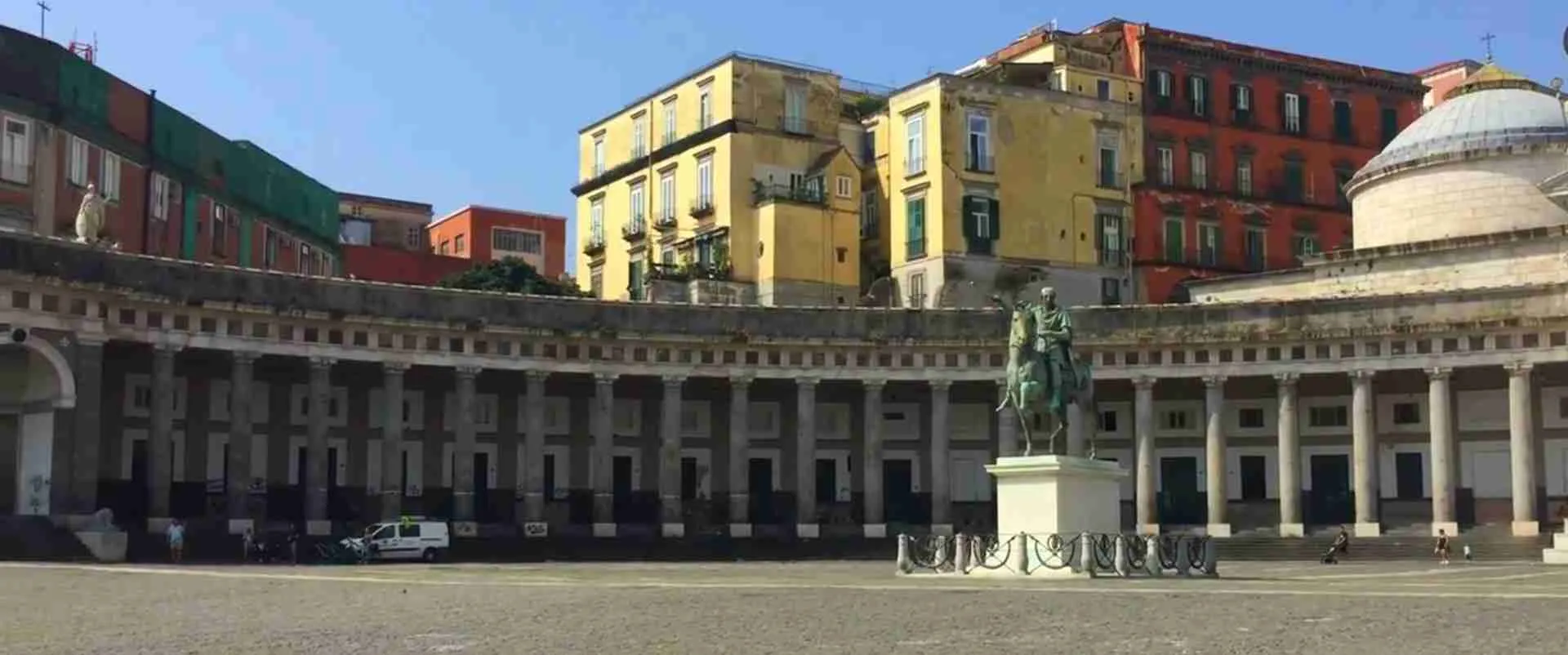
Piazza del Plebiscito, Naples’ grandest square, provides free access to neoclassical architecture, royal palace views, and expansive open space for relaxation in 2026. This 25,000 square meter piazza (one of Italy’s largest) faces the bay with San Francesco di Paola church’s columned facade echoing Rome’s Pantheon. The square hosts free cultural events throughout 2026 including concerts, art installations, and public gatherings.
Visit during morning hours (8-11 AM) for optimal photography with church facade in light. The completely pedestrianized space allows wandering freely across polished stone pavement, sitting on church steps (respectfully), and viewing Royal Palace facade (palace interior €10, exterior viewing free). Adjacent Via Chiaia and Galleria Umberto shopping arcades provide shade and architectural interest without purchase requirements.
The piazza transforms throughout the day—morning sees joggers and dog walkers, midday brings tourists and organized groups, late afternoon (5-7 PM) features local families and evening passeggiata. Special events frequently use the square for concerts, film screenings, and cultural celebrations (check Naples tourism websites for 2026 event schedules). These free public events deliver world-class entertainment in spectacular setting.
7. Vergini and Sanità District Exploration
Vergini and Sanità neighborhoods north of centro storico reveal authentic Naples untouched by mass tourism in 2026. These working-class districts preserve traditional crafts, neighborhood social structures, and architectural heritage without commercial tourist infrastructure. Walking these streets costs nothing while providing anthropological insight into genuine Neapolitan daily life.
Notable free highlights include Via San Giovanni a Carbonara’s baroque churches, Rione Sanità’s street art murals, the external architecture of Palazzo dello Spagnuolo (famous double staircase visible from courtyard, free), Santa Maria della Sanità church (free entry, catacombs €10), and continuous neighborhood street life. Morning hours (9 AM-12 PM) showcase traditional market activity and artisan workshops.
These neighborhoods require respectful visitor behavior—residents live normal lives not staged for tourism. Avoid intrusive photography, dress appropriately (no obvious expensive cameras/jewelry), learn basic Italian greetings, and support neighborhood businesses (buy coffee, bread, or snacks from local shops). Many residents appreciate genuine interest in their community but resent tourist behavior treating the neighborhood as theme park.
8. Parco Virgiliano Panoramic Gardens
Parco Virgiliano occupies Posillipo headland west of central Naples, providing 360-degree bay views, island vistas, and coastal panoramas from free-entry gardens in 2026. This 9-hectare public park (open daily 7 AM-sunset, free admission) offers multiple terraces at different elevations, each revealing distinct perspectives across Pozzuoli bay, Naples center, Vesuvius, Capri, Ischia, and Procida islands.
Reaching Parco Virgiliano requires bus C31 from Via Caracciolo (€1.10, 30 minutes) or taxi €15-20 from centro storico. The transport cost remains worthwhile for sunset visits (check seasonal sunset times for your 2026 dates), when western light illuminates the entire bay. Bring picnic supplies purchased from Naples markets or panifici—the park provides benches, grassy areas, and shade trees for comfortable dining with million-dollar views.
The park sees few tourists compared to Vomero viewpoints, creating peaceful atmosphere for relaxation, photography, and contemplation. Various terraces offer distinct views—northern sections overlook Pozzuoli and Campi Flegrei, eastern views capture Naples and Vesuvius, southern perspectives showcase Capri and open Mediterranean. Allow 1-2 hours for complete park exploration and sunset appreciation.
9. Porta Nolana Market Cultural Experience
Porta Nolana market area near central station delivers Naples’ most authentic market experience in 2026, combining fish market, produce vendors, household goods, and street food stalls in chaotic, colorful, loud neighborhood setting. Walking through Porta Nolana market costs nothing while providing sensory immersion in Neapolitan food culture, social dynamics, and working-class commerce.
The fish market (pescaria) operates morning hours (6 AM-1 PM) with peak activity 8-11 AM. Vendors display Mediterranean seafood on marble slabs, calling prices, filleting fish, and negotiating with neighborhood buyers. The surrounding produce market offers seasonal fruits, vegetables, legumes, olives, cheeses, and cured meats at prices 30-50% below supermarkets. Street food vendors sell cuoppo fritto (fried seafood cones, €5-8), pizza fritta (€3-5), and panini (€3-4).
Photography opportunities abound—colorful produce displays, octopus hanging from hooks, vendor interactions, price signs in Neapolitan dialect, and continuous street theater. Respect working vendors by avoiding intrusive photography during sales transactions. The market operates Monday-Saturday (closed Sunday), with Saturday mornings seeing the greatest variety and energy. Nearby Circumvesuviana station provides convenient transport connections throughout Naples metropolitan area.
10. Underground Naples Street-Level Experience
While Naples’ underground attractions (Napoli Sotterranea, Galleria Borbonica) charge admission €10-15, the street-level evidence of underground structures remains freely visible throughout centro storico in 2026. Ancient Greek cisterns, medieval tunnel entrances, building foundations incorporating Roman walls, and modern access points reveal continuous underground presence without requiring paid tour participation.
Notable free street-level underground features include Via San Gregorio Armeno’s visible ancient Greek street level (2 meters below current pavement), basement-level shops in centro storico showing Greek and Roman construction, Piazza San Gaetano area with visible ancient theater remains, exposed Roman walls in various building courtyards (accessible if doors open), and street-level ventilation shafts for underground passages marked by iron grates.
Combine free street-level observation with architectural knowledge—most centro storico buildings sit atop Greek and Roman structures, creating multi-layered urban archaeology visible from public spaces. Attentive observation reveals different construction materials and techniques indicating various historical periods. Photography captures these archaeological layers adding depth to street scenes. Underground tour participation (€10 if budget allows) enhances understanding but isn’t essential for appreciating Naples’ multi-level urban history.
Free Walking Routes 2026
Historic Center Complete Circuit (3-4 Hours)
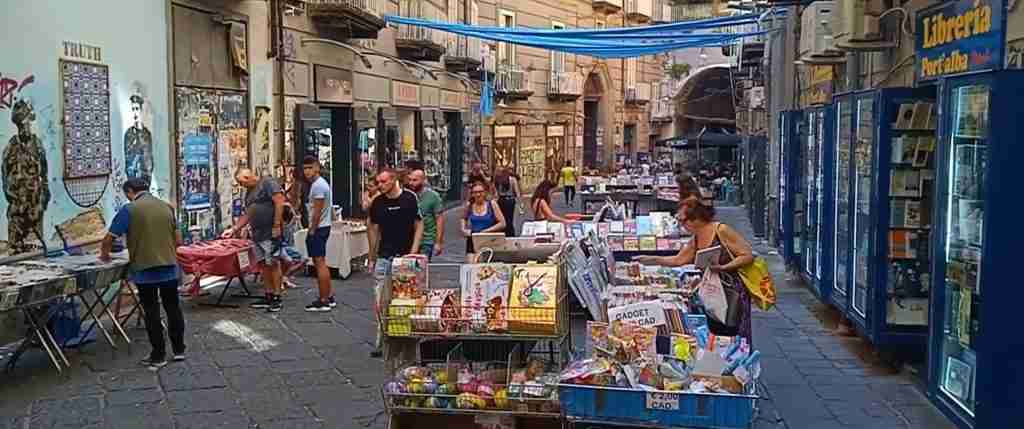
This comprehensive walking route connects Naples’ major free attractions in logical sequence, covering 5-6km with elevation gain minimal (50 meters total). Begin at Piazza Dante (metro exit) at 9 AM for optimal timing through morning’s cooler hours. Walk through Port’Alba (ancient city gate) to Via dei Tribunali, the parallel street to Spaccanapoli with similar character but slightly less tourist concentration.
Follow Via dei Tribunali east, stopping at San Lorenzo Maggiore church (free), Duomo di Napoli (free, allow 30 minutes for cathedral and baptistery), and San Gregorio Armeno street (Christmas artisan workshops). Turn south down Via San Biagio dei Librai (Spaccanapoli proper), visiting San Domenico Maggiore church (free) and continuing through Piazza del Gesù to Gesù Nuovo church (free, extraordinary baroque interior worth 20-30 minutes).
From Gesù Nuovo, walk south on Via Toledo (Naples’ main shopping street, free window shopping and people watching) to Piazza del Plebiscito. Explore the square, San Francesco di Paola church facade, and adjacent Galleria Umberto I (stunning glass-roofed shopping gallery, free entry). Continue to waterfront Castel dell’Ovo area, then walk the Lungomare promenade east through Villa Comunale gardens. Total walking time 3-4 hours including church visits and plaza lingering, zero admission costs beyond optional €3-5 caffè stops.
Vomero Heights & Panoramic Views (2-3 Hours)
This uphill walking route tackles Naples’ elevation for spectacular free viewpoints, requiring moderate fitness level (414 stairs climb) but delivering unmatched panoramas. Begin at Corso Vittorio Emanuele near Piazza Montesanto at 9 AM (or earlier for summer visits). Locate Pedamentina stairs entrance (look for “Salita Pedamentina” sign) and begin gradual climb through neighborhood passages.
The Pedamentina ascent takes 20-30 minutes at moderate pace with rest stops at viewpoint landings every 100 steps. Emerging views motivate continued climbing—each level reveals expanded bay perspectives. At summit, reach Vomero’s Piazza San Martino area. Explore Certosa di San Martino’s exterior terrace (free), walk streets around Castel Sant’Elmo for additional viewpoints (castle exterior ramparts accessible), and visit Piazza Vanvitelli’s cafe-lined square (window shop or €1.50 espresso stop).
Descend via different route—either same Pedamentina stairs (easier downhill, 15-20 minutes), Montesanto funicular (€1.10, 8 minutes), or extended walk through Vomero neighborhoods to Chiaia district (40-50 minutes downhill through elegant streets). This route costs zero beyond optional transport or refreshment, delivering premium viewpoint experience and significant calorie burn substituting for gym day.
Waterfront & Castle Circuit (2-3 Hours)
This coastal walking route emphasizes sea views, historic fortifications, and maritime atmosphere without hills or stairs. Begin at Castel dell’Ovo at 8 AM for optimal morning light on bay and castle fortifications. Explore castle exterior and immediate harbor area (borgo marinaro with fishing boats and seafood restaurants—free viewing, dining costs €15-30 if stopping for meal).
Walk east along Lungomare passing elegant Belle Époque buildings, Villa Comunale gardens (free entry, consider 15-minute garden walk through palm groves and fountains), and continuing to Mergellina port area. The 3km promenade walk takes 45-60 minutes continuous, or 90-120 minutes with garden stops and harbor lingering. Mergellina area offers views toward Posillipo headland and provides local neighborhood atmosphere distinct from tourist-heavy centro storico.
From Mergellina, return via metro (€1.10) or continue walking through Chiaia district (Naples’ elegant shopping and residential neighborhood, 25-30 minutes back toward centro storico through Via dei Mille and Via Filangieri). This route combines natural beauty, architectural heritage, and local atmosphere entirely free beyond optional transport or refreshment. Ideal for morning or late afternoon timing when waterfront light provides optimal photography conditions.
Budget-Friendly Neighborhoods 2026
Pignasecca Market District
Pignasecca, the dense neighborhood west of Via Toledo, centers on Naples’ oldest continuous market street providing authentic local shopping and free cultural immersion in 2026. This working-class district operates independently from tourist economy, maintaining traditional commerce, artisan workshops, and neighborhood social structures. Walking through Pignasecca costs nothing while revealing genuine Neapolitan daily life.
The Pignasecca market street (Via Pignasecca) stretches 400 meters lined with produce vendors, butchers, fishmongers, clothing stalls, household goods, and street food vendors. Prices run 40-60% below supermarkets—tomatoes €1.50-2/kg, mozzarella €8-10/kg, seasonal fruit €2-3/kg, street food €3-5. Budget travelers stock kitchen accommodations here, saving €20-30 daily compared to restaurants while experiencing authentic food shopping.
Surrounding streets contain small traditional shops—panifici (bakeries) with bread €1-2, pasticcerie (pastry shops) with sfogliatelle €1.50-2, rosticcerie with prepared foods €5-8/kg, alimentari (groceries) with local products. Free entertainment comes from vendor interactions, neighborhood social dynamics, and continuous street theater. Visit mornings (8 AM-1 PM) for full market activity; afternoons see reduced selection as vendors close after selling morning inventory.
Porta Capuana Historic Quarter
Porta Capuana area east of Piazza Garibaldi preserves medieval and Renaissance Naples in working neighborhood setting in 2026. The massive Renaissance city gate (Porta Capuana, built 1484) provides free architectural marvel, while surrounding streets maintain traditional commerce and neighborhood culture without tourist infrastructure. This area delivers authentic Naples experience at zero cost with minimal foreign visitor presence.
Key free attractions include Porta Capuana gate exterior viewing, Castel Capuano exterior (former royal palace and courthouse, magnificent Renaissance architecture), Santa Caterina a Formiello church (free entry, beautiful Renaissance interior), and surrounding neighborhood streets preserving medieval urban layout. Morning walks (8-11 AM) showcase neighborhood awakening, market setup, and social routines before heat intensifies.
This area requires reasonable caution—maintain awareness of surroundings, avoid displaying expensive cameras or jewelry obviously, keep valuables secure. The neighborhood functions as residential and commercial district, not tourist entertainment zone. Respectful visitors find welcoming atmosphere and genuine cultural exchange opportunities. Support local businesses by purchasing coffee (€1), bread (€1-2), or snacks while exploring, both for refreshment and positive community relations.
Chiaia Elegant District
Chiaia, Naples’ upscale neighborhood between Villa Comunale and Vomero, offers free window shopping, elegant architecture viewing, and local atmosphere distinct from working-class districts in 2026. While shopping and dining cost more than elsewhere (restaurants €20-35, boutiques carrying expensive items), walking Chiaia’s beautiful streets, observing fashionable locals, and appreciating Liberty-style architecture costs nothing.
Via dei Mille and Via Filangieri provide Naples’ most elegant shopping streets with Italian and international designer boutiques. Window shopping delivers fashion education and people-watching opportunities free of charge. Piazza dei Martiri, Chiaia’s central square, features memorial column and Belle Époque buildings forming elegant urban space perfect for sitting and observing (benches available). Adjacent streets contain art galleries (free entry to view exhibitions in many cases) and antique shops with window displays functioning as mini-museums.
Chiaia provides psychological variety from intense centro storico neighborhoods, offering calmer pace, cleaner streets, and different social atmosphere. Visit late afternoon (5-7 PM) when locals conduct passeggiata through elegant streets, creating festive atmosphere without requiring spending. The neighborhood connects easily to waterfront Villa Comunale gardens and Lungomare promenade, allowing combined elegant and natural environments in single visit.
Seasonal Free Events 2026
Spring Cultural Programming (April-May 2026)
Naples’ spring cultural calendar includes numerous free events throughout April-May 2026. Maggio dei Monumenti (Monument May) opens typically closed historic buildings, palaces, and archaeological sites for free public access during weekends (check exact 2026 dates on official Naples tourism website closer to spring). This annual initiative provides rare access to architectural heritage normally requiring admission or closed to public.
Spring also brings outdoor concerts in piazzas—Piazza del Plebiscito, Piazza Bellini, and neighborhood squares host free classical music, jazz, and contemporary performances (typically Friday-Saturday evenings 7-10 PM, check specific 2026 schedules). Churches present free sacred music concerts during Easter season and through spring months (schedules posted at church entrances, typically 6-8 PM weekday evenings).
Art galleries throughout centro storico and Chiaia open new exhibitions with free vernissage (opening receptions) typically Thursday or Friday evenings 6-9 PM. These events provide free wine, light refreshments, and opportunity to view contemporary art while meeting local art community. Gallery schedules post on social media and at gallery entrances—compile list while walking through gallery districts.
Summer Waterfront Events (June-August 2026)
Naples’ summer programming focuses on waterfront venues in 2026. Estate a Napoli (Naples Summer) includes free concerts along Lungomare and in waterfront parks (typically July-August, Friday-Sunday evenings 8-11 PM after heat subsides). Music genres range from Neapolitan traditional to contemporary pop, jazz, and classical orchestral performances. Arrive early (7-7:30 PM) for good viewing positions as events attract local audiences.
Outdoor cinema screenings appear in various piazzas and parks throughout summer months (check specific 2026 venues and schedules on Naples cultural websites). These free film showings typically begin 9-9:30 PM after dark, screening Italian and international films. Bring light blanket or cushion for comfortable seating on piazza paving stones. Nearby bars sell refreshments (€3-5 drinks, €2-4 snacks) though bringing picnic supplies from markets remains acceptable.
Beaches at Posillipo and Marechiaro open for free public access (commercial beach clubs charge €10-20, but free areas exist between concessions). While not pristine (Naples’ best beaches require day trips), these beaches provide cool swimming relief during intense summer heat, local atmosphere, and rocky coastal scenery. Bring towel, sunscreen, and water—facilities minimal at free beach sections.
Fall & Winter Events (September-March 2026)
September cultural calendar includes Piedigrotta traditional Neapolitan song festival with free concerts in Piazza del Plebiscito (specific 2026 dates check official Naples websites closer to September). This celebration of classic Neapolitan music attracts massive local audiences with spectacular free performances continuing late into night.
Winter brings Naples’ famous Christmas traditions throughout December 2026. Via San Gregorio Armeno becomes presepe (nativity scene) artisan showcase with elaborate displays visible free from street (purchasing artisan pieces optional, prices €20-500+ for complex pieces). Churches install large presepi open for public viewing. Piazza del Plebiscito hosts Christmas market and ice skating rink (skating €5-8, market browsing free) with spectacular lighting displays.
Capodanno (New Year’s Eve) celebration centers on Piazza del Plebiscito with free concert and fireworks at midnight (arrive by 10 PM for reasonable viewing position). This massive public celebration continues until 2-3 AM with street parties throughout centro storico. Alternative quieter NYE viewpoints include waterfront Lungomare and Vomero hills for elevated fireworks perspectives without intense crowds.
Money-Saving Tips for 2026 Visits
Food Budget Strategies
Food represents the only significant expense when focusing on free activities in Naples in 2026. Strategic shopping and dining minimize costs while maintaining excellent cuisine. Morning market shopping (Pignasecca, Porta Nolana) provides ingredients 40-60% cheaper than supermarkets. Purchase fresh mozzarella €8-10/kg, tomatoes €1.50-2/kg, bread €1-2, local wine €3-5/bottle, seasonal fruit €2-3/kg—creating meals in accommodation kitchen for €5-8 per person.
Street food delivers authentic dining at minimum cost—pizza fritta €3-5, cuoppo fritto €5-8, panini €3-4, arancini €2-3, sfogliatelle €1.50-2. Combine street food with market fruit and bread for complete meals under €10 per person. Pizzerie offer margherita pizza €5-7, marinara €4-6, complete meal with drink €8-12. Friggitorie (fry shops) serve fried fish, vegetables, and specialties €6-10 for substantial portions.
Water bottles €0.50-1 at alimentari provide enormous savings versus €2-3 tourist shop prices. Carry reusable bottle, refilling at public fountains (acqua potabile signs indicate drinkable water). Morning cappuccino and cornetto at neighborhood bars costs €2-3 versus €5-7 in tourist-area cafes—walk 2-3 blocks from main piazzas for local prices. These small savings accumulate to €10-20 daily, allowing more extended Naples stays on fixed budgets.
Accommodation Budget Optimization
Accommodation location dramatically impacts overall budget in Naples 2026. Central historic locations (Spaccanapoli, Toledo area) command premium prices €80-150 for mid-range options but eliminate all transport costs—everything within walking distance. Peripheral locations (Vomero, Chiaia, Mergellina) cost slightly less €60-120 but require transport €2.20-4.40 daily (metro/funicular round trips).
Budget accommodation €45-80 includes hostels with private rooms (€45-60 doubles), budget hotels (€50-70), and Airbnb studios (€55-80). These options provide adequate comfort, WiFi, sometimes breakfast, and cooking facilities (critical for food budget control). Book directly with properties when possible (skip booking platform fees 10-15%), or use platforms strategically during off-season when they offer discounts matching direct rates.
Longer stays qualify for discounts—weekly rates save 10-20% versus nightly rates, monthly stays 30-40% in many cases (particularly Airbnb properties). For extended Naples exploration, consider weekly or monthly accommodation commitments. Off-season months (November-March except Christmas/New Year) offer 30-50% lower accommodation costs than summer peak without significantly reducing free activity opportunities (churches, museums, streets operate year-round).
Free Entertainment Maximization
Naples provides sufficient free entertainment for 4-7 day visits without paid attractions in 2026. Strategic daily planning ensures variety: Day 1 historic center churches and streets, Day 2 waterfront promenade and castles exterior, Day 3 Vomero viewpoints and elegant neighborhoods, Day 4 market districts and working neighborhoods, Day 5 extended walks and photography sessions, Day 6 public gardens and coastal areas, Day 7 revisit favorites and discover new free areas.
Photography hobby provides endless free engagement—architectural details, street life, markets, viewpoints, neighborhood scenes create comprehensive visual Naples documentation. Carry camera (or quality phone camera) throughout explorations, dedicating specific hours to photography walks when light optimal (morning 7-10 AM, late afternoon 5-7 PM). Free photo editing apps transform images into sharable memories requiring zero cost beyond time investment.
Language practice offers free intellectual engagement—download Italian learning apps (many free versions available), practice with friendly locals at markets and cafes, read Italian signs and menus for vocabulary building, listen to conversations for pronunciation learning. Budget travelers frequently cite language learning as most valuable free activity beyond sightseeing, providing lasting skills beyond trip duration.
Planning Your Free Naples Experience 2026
Multi-Day Free Activity Itineraries
Three-day free activities itinerary provides comprehensive Naples introduction in 2026. Day 1 focuses on historic center—morning Spaccanapoli walk with church stops (Gesù Nuovo, San Domenico Maggiore), Piazza del Plebiscito exploration, Galleria Umberto architecture, lunch from street food vendors €5-8, afternoon waterfront Castel dell’Ovo and Villa Comunale gardens, evening return to centro storico for neighborhood atmosphere. Day cost €15-20 per person (food only, no admission fees).
Day 2 emphasizes elevation and views—morning climb Pedamentina stairs to Vomero (free, 30 minutes), explore Certosa San Martino exterior terrace and neighborhood streets for panoramic perspectives, lunch from Vomero market or panificio €8-12, afternoon Quartieri Spagnoli neighborhood walk (descent route), visit neighborhood churches and piazzas, evening piazza sitting and people watching. Day cost €15-20 per person (food only).
Day 3 explores markets and outer neighborhoods—morning Porta Nolana fish and produce market (6-11 AM peak), Via Tribunali walk with Duomo visit, San Gregorio Armeno artisan street, lunch from market vendors or friggitoria €8-12, afternoon Vergini/Sanità district exploration with street art viewing, evening waterfront Mergellina walk and sunset viewing. Day cost €15-20 per person (food only). Three-day total €45-60 per person for food, zero admission costs, complete Naples cultural immersion.
Weather-Based Activity Planning
Naples weather varies significantly requiring activity adjustment strategies in 2026. Sunny weather (prevalent April-May, September-October) prioritizes outdoor activities—viewpoint visits, waterfront promenades, neighborhood walks, public gardens, outdoor markets, piazza sitting. These months provide 70-80% sunny days with comfortable temperatures 18-25°C ideal for extended walking.
Rain days (15-20% likelihood spring/fall, 25-35% winter November-March) shift focus toward covered activities—church circuit visits (San Lorenzo Maggiore, Duomo, Gesù Nuovo, Santa Chiara, San Domenico Maggiore provide hours of indoor exploration), covered market areas, Galleria Umberto shopping arcade, museum visits if budget allows (Museo Archeologico Nazionale €18, worthwhile rain-day splurge), neighborhood caffè sitting with book or journal.
Extreme heat days (common July-August 30-35°C) require morning/evening outdoor timing—start walks 7-8 AM covering maximum ground before 11 AM heat peak, return to accommodation for midday rest 12-4 PM, resume activities 5 PM through evening. Churches provide cool refuge during peak heat (baroque interiors stay naturally cool). Strategic timing allows comfortable free activity enjoyment even during summer extremes.
Safety Considerations for Budget Travelers
Naples requires standard urban caution, not exceptional fear in 2026. Keep valuables secure (bags zipped and positioned front, wallets in front pockets, phones secured), maintain awareness in crowded areas (markets, metro, busy streets), avoid displaying expensive cameras or jewelry obviously, and trust instincts when situations feel uncomfortable. The vast majority of Naples visits proceed without incident for attentive budget travelers.
Specific areas requiring additional evening caution include Piazza Garibaldi after 10 PM, isolated streets in peripheral areas, and extremely narrow alleyways in Quartieri Spagnoli or Sanità after dark. These neighborhoods function safely during daylight hours (8 AM-7 PM) with reasonable awareness. Main tourist areas (Spaccanapoli, Via Toledo, waterfront) maintain safety throughout evening hours due to continuous pedestrian presence.
Scams targeting tourists occur occasionally—unofficial “guides” offering services near attractions, bracelet sellers using aggressive tactics, petition signature collectors (distraction theft method), and overpriced restaurants near major landmarks. Avoid engaging with aggressive street vendors, never sign petitions from strangers, research restaurant menus before entering (check prices), and politely decline unsolicited guide offers. Standard urban awareness prevents 99% of potential problems.
Frequently Asked Questions: Free Naples Activities 2026
Is it safe to explore Naples alone on a budget in 2026?
Naples remains safe for solo budget travelers exercising standard urban awareness in 2026. Millions of visitors explore the city annually without incidents. Maintain awareness in crowded areas, secure valuables, avoid isolated areas after dark, and trust instincts when situations feel uncomfortable. Main tourist areas and daytime neighborhoods function with complete safety for attentive travelers. Female solo travelers report generally positive experiences, with same standard precautions as any major city worldwide.
Can you really see Naples in a few days focusing only on free activities?
Naples’ greatest attractions—historic neighborhoods, architectural heritage, viewpoints, street life, and cultural atmosphere—cost nothing to experience in 2026. A focused 3-4 day visit covering Spaccanapoli, major churches, waterfront, Vomero viewpoints, markets, and working neighborhoods delivers comprehensive Naples understanding without paid attraction admission. This approach actually provides more authentic experience than museum-focused tourism, connecting with genuine city character rather than isolated exhibit viewing.
How much money do you need daily for food in Naples on a budget in 2026?
Budget travelers consistently manage €15-25 daily food costs in Naples during 2026—morning cappuccino and cornetto €2-3, lunch from street food or market purchases €5-8, dinner from pizzeria or prepared foods €8-12, plus snacks and beverages €2-3. This requires market shopping for some meals, street food utilization, and avoiding touristy restaurant areas. Mid-range food budget €30-45 daily allows full restaurant meals while still controlling costs compared to Rome or Florence.
What is the best neighborhood to stay for free activity access in Naples 2026?
Spaccanapoli area (Via San Biagio dei Librai, Via Benedetto Croce vicinity) provides optimal location for free activity access in 2026—walking distance to churches, piazzas, markets, waterfront, and Vomero without transport costs. Via Toledo corridor offers similar access with slightly more accommodation options. These central locations cost €60-120 mid-range but eliminate all transport expenses (€4-8 daily savings) and maximize efficiency (save 1-2 hours daily versus peripheral locations). Budget very tight consider Vomero area (€50-90 accommodation, one funicular ride €1.10 to reach centro storico).
Are Naples churches really free to visit or do they charge donation fees in 2026?
Most Naples churches maintain genuine free admission without mandatory donations throughout 2026. A few churches request voluntary offerings (collection boxes near entrance) but never require payment for entry. Specific exceptions include Santa Chiara’s majolica cloister (museum section €6, church free) and San Lorenzo Maggiore’s archaeological zone (€10, church free). Over 90% of Naples’ 400+ churches welcome visitors at zero cost, including major baroque masterpieces like Gesù Nuovo, San Domenico Maggiore, and the Duomo.
Can you walk everywhere in Naples or do you need public transport in 2026?
Historic center Naples (where most free attractions concentrate) measures approximately 2km x 1.5km—completely walkable in 25-35 minutes end-to-end in 2026. Staying centrally eliminates most transport needs. Exceptions requiring transport include Vomero (funicular €1.10 or Pedamentina stairs free), Parco Virgiliano (bus C31 €1.10), and potential day trips. Budget one transport round-trip daily (€2.20) for flexibility, though many days require zero transport costs with strategic central accommodation and walking comfort.
What should I do in Naples on a rainy day without spending money in 2026?
Rainy day free activities in Naples 2026 include extensive church circuit visiting (San Lorenzo Maggiore, Duomo, Gesù Nuovo, Santa Chiara, San Domenico Maggiore provide 3-4 hours of dry exploration), covered market browsing (Pignasecca maintains some covered sections), Galleria Umberto I shopping arcade architecture viewing, neighborhood caffè sitting with book (€1.50-2 espresso purchase for dry indoor space), covered building courtyards throughout centro storico, and public library visiting if seeking extended dry indoor environment. Rain rarely lasts all day—wait for breaks between showers for brief outdoor explorations.
Is Naples more expensive than Rome for budget travelers in 2026?
Naples costs significantly less than Rome for budget travelers in 2026. Accommodation runs 30-40% cheaper (Naples €50-80 budget vs Rome €70-120), food costs 25-35% less (Naples pizza €5-7 vs Rome €8-12), and Naples offers extensive free attractions while Rome charges €15-20 for major sites. Overall daily budget in Naples €50-80 versus Rome €80-120 for comparable experience quality. Naples rewards budget travelers more generously than any other major Italian city.
Can vegetarians find good cheap food in Naples focusing on free activities in 2026?
Naples provides excellent vegetarian budget options throughout 2026—marinara pizza (tomato, garlic, oregano, no cheese) €4-6, pasta al pomodoro €5-8, vegetable friggitoria items €4-6, fresh mozzarella and tomato from markets €3-5, fruit and bread picnics €5-8, arancini rice balls some varieties vegetarian €2-3, and pizza margherita €5-7. Markets sell produce 40-60% cheaper than supermarkets enabling healthy vegetarian eating on tight budgets. Naples’ Mediterranean vegetable focus and fresh ingredient emphasis actually advantages vegetarians compared to meat-heavy northern Italian regions.
How early should I start walking tours to avoid crowds at free Naples sites in 2026?
Starting walks 8-9 AM in Naples 2026 avoids 80% of tourist crowds at free sites while capturing optimal photography light. Most group tours begin 10 AM-12 PM, creating peak congestion in Spaccanapoli and Piazza del Plebiscito during those hours. Early morning (7-9 AM) reveals neighborhood awakening, market setup, local routines, and empty piazzas perfect for photography. Churches open 7:30-8 AM with morning mass attendees only—respectful early visitors find peaceful atmosphere before tourist flow begins. Evening hours (6-8 PM) provide alternative quiet timing after group tours finish, capturing golden light and local social activity.