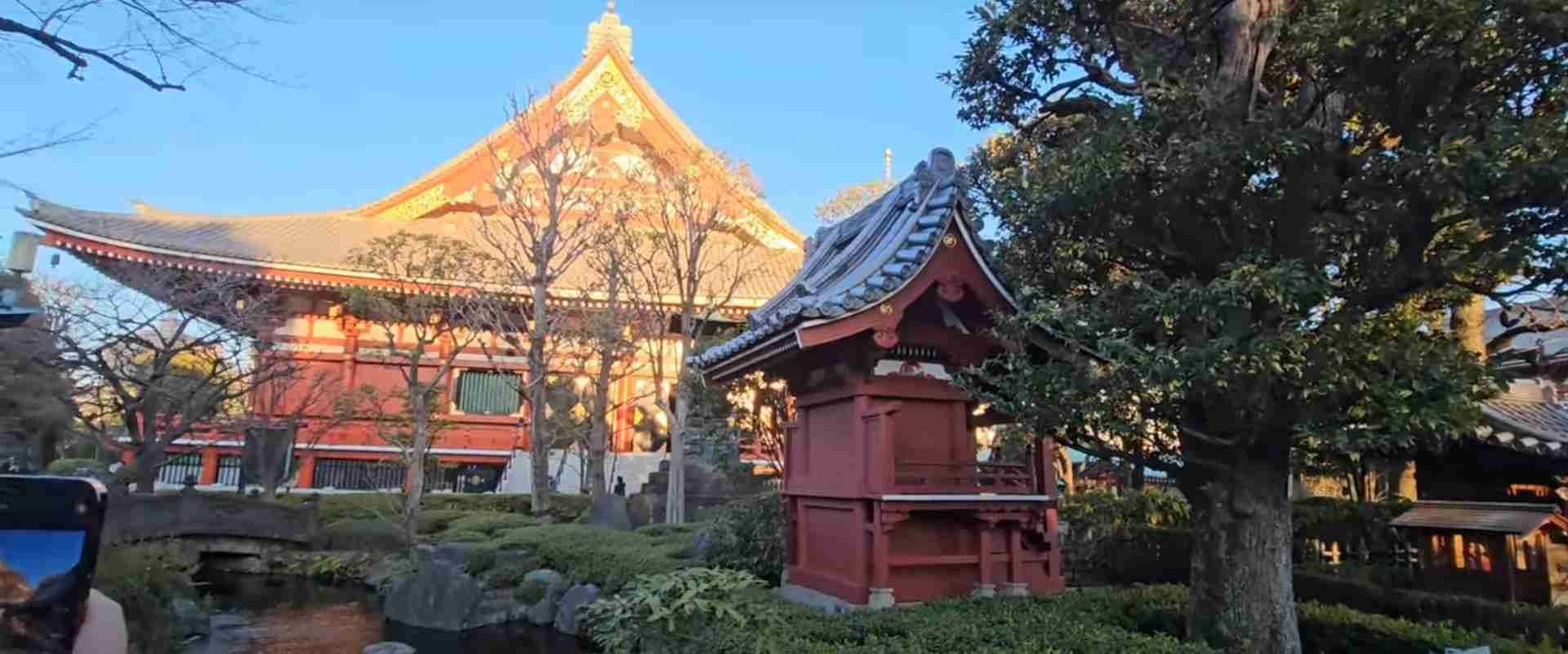
Nakamise Shopping Street Guide: What to Buy Near Sensoji Temple
Nakamise Shopping Street represents Japan’s oldest commercial tradition, connecting Sensō-ji Temple’s Thunder Gate to its inner sanctuary through 250 meters of traditional shops that have served pilgrims and visitors for over 300 years. This historic pedestrian avenue offers authentic Japanese crafts, traditional snacks, and cultural souvenirs unavailable anywhere else in Tokyo.
🔑 Key Takeaways
- Historic shopping street: Nakamise-dori spans 250 meters with 90+ traditional shops, making it one of Japan’s oldest commercial streets
- Traditional crafts focus: Authentic Japanese souvenirs including kimono, folding fans, wooden crafts, and traditional snacks available nowhere else
- Price range: Items from ¥200 traditional snacks to ¥50,000+ high-quality kimono, with most souvenirs ¥500-3,000
- Best shopping times: Early morning (8:00-10:00 AM) or evening (6:00-8:00 PM) for less crowded browsing
- Payment methods: Cash preferred at traditional vendors, though major shops increasingly accept cards and mobile payments
- Authentic vs tourist: Look for “Made in Japan” labels and shop recommendations from local guides for genuine traditional crafts
Far more than a tourist shopping street, Nakamise-dori preserves traditional Japanese commerce while adapting to modern visitors’ needs. Understanding what to buy, where to find authentic items, and how to navigate this cultural treasure enhances any Sensō-ji Temple visit exponentially.
Nakamise Shopping Street: Historical Context and Layout
Historical Significance
Nakamise-dori dates back to the early Edo period (1603-1868), when temple authorities granted merchants permission to establish stalls serving the thousands of daily pilgrims visiting Sensō-ji Temple. The name “Nakamise” literally means “shops in the middle,” referring to their position between the outer and inner temple gates.
This commercial tradition survived the Meiji Restoration, World War II bombing, and modern urbanization, making it one of Tokyo’s most authentic links to traditional Japanese commercial culture. Many current shops represent family businesses passed down through multiple generations.
Street Layout and Navigation
The pedestrian-only street stretches from Kaminarimon (Thunder Gate) to Hōzōmon Gate, featuring approximately 90 shops divided between east and west sides. Traditional red roof architecture creates a tunnel-like atmosphere that transports visitors back to historical Japan.
Navigation tips:
- Enter through Kaminarimon for the full traditional approach experience
- Explore both sides systematically to avoid missing unique shops
- Note that shop numbers increase from Kaminarimon toward the temple
- Use the temple’s five-story pagoda as a landmark for orientation
- Allow 1-2 hours for thorough exploration and shopping
Traditional Japanese Clothing and Accessories
Kimono and Yukata
Nakamise offers the largest concentration of traditional Japanese clothing shops in Tokyo, ranging from affordable cotton yukata to exquisite silk kimono suitable for special occasions.
Kimono Categories and Pricing:
- Cotton yukata: ¥3,000-8,000 (casual summer wear)
- Polyester kimono: ¥8,000-20,000 (beginner-friendly)
- Silk kimono: ¥25,000-100,000+ (formal occasions)
- Vintage and antique pieces: ¥15,000-50,000 (unique finds)
- Children’s kimono: ¥2,000-10,000 (festival wear)
Essential Accessories:
- Obi (sash): ¥2,000-15,000 depending on material and craftsmanship
- Geta (wooden sandals): ¥1,500-5,000 for authentic traditional styles
- Tabi (split-toe socks): ¥500-1,500 essential for proper kimono wearing
- Hair accessories: ¥800-3,000 for traditional kanzashi ornaments
- Handbags and purses: ¥1,000-8,000 in traditional designs
Quality Assessment Tips
Distinguishing authentic quality from tourist-grade items requires understanding traditional Japanese textile craftsmanship.
Quality indicators:
- Fabric weight and texture: Authentic silk feels substantial and smooth
- Pattern alignment: High-quality kimono have perfectly matched seam patterns
- Construction details: Hand-stitching and traditional techniques indicate authenticity
- Made in Japan labels: Essential for authentic traditional clothing
- Shop reputation: Established family businesses often offer better quality
Extended multi-day tours – 5+ days
Featured Tokyo Multi-Day Tour Packages
9 days
9 Day Independent Japan
- ✓ Booking needs min. 2 travelers
7 days
7 Day Essential Japan(Private Guide and Driver)- Umetravel
- ✓ Booking needs min. 2 travelers
11 days
Japan Plus 11-Day Culture Tour: Golden Route & Beyond
- ✓ Comprehensive Tokyo tour
- ✓ Expert local guides included
- ✓ All accommodation arranged
- ✓ Transportation provided
10 days
Japan Express – Feel Free Travel
- ✓ Comprehensive Tokyo tour
- ✓ Expert local guides included
- ✓ All accommodation arranged
- ✓ Transportation provided
Multi-day tour packages powered by TourRadar. Prices and availability subject to change.
Traditional Crafts and Folk Art
Folding Fans (Sensu)
Japanese folding fans represent both practical tools and artistic masterpieces, available in various materials and designs suited for different purposes and budgets.
Fan Types and Uses:
- Paper fans: ¥500-2,000 for decorative and light use
- Silk fans: ¥2,000-8,000 for formal occasions and gifts
- Bamboo fans: ¥1,000-4,000 combining durability with tradition
- Lacquered fans: ¥3,000-10,000 for premium artistic pieces
- Dance fans: ¥5,000-15,000 for traditional performance use
Wooden Crafts and Furniture
Traditional Japanese woodworking creates functional art pieces that embody centuries of craftsmanship techniques.
Popular Wooden Items:
- Kokeshi dolls: ¥800-5,000 representing different regional styles
- Wooden combs: ¥1,200-4,000 in boxwood and other traditional materials
- Lacquerware boxes: ¥2,000-20,000 for jewelry and storage
- Chopstick sets: ¥500-3,000 in various woods and designs
- Decorative screens: ¥5,000-25,000 for room dividers and art pieces
Traditional Toys and Games
Japanese traditional toys offer cultural insight while providing entertainment for children and collectors.
Traditional Toy Categories:
- Daruma dolls: ¥300-2,000 for goal-setting and good luck
- Kendama: ¥800-3,000 for traditional Japanese skill toys
- Spinning tops: ¥500-2,500 in various traditional designs
- Paper balloons: ¥200-800 representing festival traditions
- Traditional masks: ¥1,000-8,000 for theater and decoration
Traditional Japanese Snacks and Sweets
Iconic Nakamise Street Foods
Traditional snacks provide authentic taste experiences that connect visitors to centuries of Japanese culinary tradition while offering perfect energy for temple exploration.
Must-Try Traditional Snacks:
Ningyo-yaki (¥150-300 each)
These doll-shaped pastries filled with sweet red bean paste represent Asakusa’s most famous snack. Made fresh throughout the day in traditional molds, they’re best enjoyed warm from the griddle.
Senbei (¥200-800 per package)
Traditional rice crackers available in numerous flavors from simple salt to complex sweet-soy glazes. Many shops offer fresh preparation demonstrations showing traditional techniques.
Taiyaki (¥200-400 each)
Fish-shaped pastries with various fillings including red bean paste, custard, chocolate, and seasonal specialties. The crispy exterior and warm filling make perfect walking snacks.
Melonpan (¥150-250 each)
Sweet bread with cantaloupe-pattern crust available plain or with ice cream filling. Asakusa’s melonpan shops maintain decades-old recipes and techniques.
Age-manju (¥100-200 each)
Deep-fried sweet buns with various fillings, representing traditional festival food adapted for year-round enjoyment.
Traditional Sweets and Confections
Japanese traditional sweets (wagashi) represent artistic culinary traditions often associated with tea ceremony culture.
Premium Confections:
- Dorayaki: ¥150-300 for pancake sandwiches with sweet fillings
- Mochi varieties: ¥100-500 for rice cake specialties
- Seasonal wagashi: ¥200-800 for artistic traditional sweets
- Yokan: ¥500-2,000 for dense sweet bean jelly blocks
- Traditional candy: ¥300-1,500 for handcrafted confections
Tea and Beverage Specialties
Traditional Japanese teas and beverages complement snack purchases while providing authentic cultural experiences.
Traditional Beverages:
- Matcha sets: ¥1,000-5,000 for powder and tools
- Sencha green tea: ¥800-3,000 for premium leaves
- Amazake: ¥200-400 for sweet fermented rice drinks
- Traditional sodas: ¥150-300 for unique Japanese flavors
- Sake sampling sets: ¥1,500-8,000 for premium varieties
Religious and Spiritual Items
Buddhist Religious Artifacts
Sensō-ji’s proximity creates opportunities to purchase authentic Buddhist religious items blessed by temple priests and suitable for personal spiritual practice or meaningful gifts.
Religious Items Available:
- Prayer beads (juzu): ¥500-5,000 in various materials and styles
- Incense sets: ¥300-2,000 for home Buddhist altars
- Small Buddha statues: ¥1,000-15,000 for personal meditation
- Calligraphy scrolls: ¥2,000-20,000 with Buddhist teachings
- Temple stamps (goshuin): ¥300-500 for pilgrimage collections
Lucky Charms and Amulets
Japanese amulets (omamori) and lucky charms serve specific purposes while representing beautiful traditional craftsmanship.
Popular Charm Categories:
- Traffic safety amulets: ¥500-1,500 for vehicle protection
- Academic success charms: ¥500-1,200 for students and exams
- Health and longevity amulets: ¥600-2,000 for wellness
- Love and relationship charms: ¥500-1,500 for romantic success
- Business prosperity amulets: ¥800-3,000 for financial success
Modern Adaptations and Contemporary Items
Traditional-Modern Fusion Products
Contemporary Japanese designers create products that blend traditional aesthetics with modern functionality, appealing to both cultural preservation and practical use.
Fusion Product Categories:
- Traditional pattern phone cases: ¥1,500-4,000 for modern protection
- Kimono-pattern accessories: ¥800-3,500 for daily wear
- Traditional motif stationery: ¥500-2,500 for gifts and personal use
- Modern furoshiki wrapping cloths: ¥1,000-3,000 for eco-friendly packaging
- Traditional-design home goods: ¥1,200-8,000 for contemporary living
Souvenir Categories for International Visitors
Items specifically designed for international tourists balance authentic Japanese culture with practical considerations for travel and gifting.
Travel-Friendly Souvenirs:
- Compact traditional games: ¥500-2,000 for portable entertainment
- Lightweight textiles: ¥800-3,000 for easy packing
- Food samples and replicas: ¥300-1,500 for unique Japanese culture
- Traditional bookmarks: ¥200-800 featuring Japanese art
- Miniature traditional tools: ¥400-2,000 for cultural education
Shopping Strategy and Timing
Optimal Shopping Times
Timing your Nakamise shopping significantly impacts your experience, from crowd levels to vendor interactions and product availability.
Best Shopping Windows:
- Early morning (8:00-10:00 AM): Shops opening, fresh products, minimal crowds
- Late afternoon (4:00-6:00 PM): Good lighting for shopping, moderate crowds
- Early evening (6:00-8:00 PM): Shops preparing to close, possible discounts
Times to Avoid:
- Midday (11:00 AM-3:00 PM): Peak crowds make browsing difficult
- Weekends: Overwhelming tourist and domestic visitor numbers
- Festival periods: Shops may close early or have limited selection
Bargaining and Price Negotiation
Understanding Japanese commercial culture helps navigate pricing while maintaining respectful vendor relationships.
Negotiation guidelines:
- Fixed prices common: Most traditional shops have set pricing
- Bulk purchases: May qualify for small discounts when buying multiple items
- End-of-day shopping: Some vendors offer minor price reductions
- Cash payments: May result in small discounts at some establishments
- Respectful approach: Always maintain polite demeanor in price discussions
Payment Methods and Currency
Accepted Payment Types
Traditional shops prefer cash transactions, though modern payment methods increasingly gain acceptance among established vendors.
Payment Method Breakdown:
- Cash (most preferred): Accepted universally with possible small discounts
- Credit cards: Major cards accepted at 60-70% of shops
- Mobile payments: PayPay, LINE Pay growing in acceptance
- IC cards: Suica, Pasmo accepted at some modern vendors
- Foreign credit cards: Visa/Mastercard more widely accepted than others
Currency Exchange and ATM Access
Ensuring adequate cash supply enhances shopping opportunities and vendor relationships.
Cash access options:
- 7-Eleven ATMs: Multiple locations near Nakamise accept foreign cards
- Post Office ATMs: Reliable international card acceptance
- Currency exchange: Available at major hotels and travel centers
- Temple area exchanges: Limited but convenient for small amounts
- Credit card cash advances: Available but may incur high fees
Quality Assessment and Authenticity Verification
Identifying Authentic Traditional Crafts
Distinguishing genuine traditional crafts from mass-produced tourist items requires understanding Japanese craftsmanship standards and cultural authenticity markers.
Authenticity indicators:
- “Made in Japan” labels: Essential for authentic traditional products
- Artisan signatures: Hand-crafted items often bear maker’s marks
- Material quality: Authentic items use traditional materials and techniques
- Price consistency: Extremely low prices often indicate mass production
- Shop reputation: Established family businesses maintain quality standards
- Cultural accuracy: Authentic designs respect traditional patterns and symbolism
Avoiding Tourist Traps
Smart shopping strategies help identify genuine value while avoiding overpriced or low-quality tourist-focused merchandise.
Warning signs to avoid:
- Aggressive sales tactics: Traditional Japanese commerce emphasizes politeness
- “Special tourist prices”: Authentic shops have consistent pricing
- Mass-produced displays: Handcrafted items show individual variations
- No “Made in Japan” labels: Many tourist items are imported
- Pushy upselling: Traditional shops respect customer decision-making
Seasonal Shopping Considerations
Seasonal Product Availability
Japanese culture emphasizes seasonal awareness, creating opportunities for unique purchases available only during specific times of year.
Spring Specialties (March-May):
- Cherry blossom-themed items and decorations
- Spring festival accessories and traditional clothing
- Seasonal wagashi sweets featuring spring motifs
- Light-colored clothing suitable for warmer weather
Summer Offerings (June-August):
- Lightweight yukata and summer kimono
- Folding fans and cooling accessories
- Festival gear for summer celebrations
- Traditional summer snacks and cold beverages
Autumn Collections (September-November):
- Maple leaf and autumn foliage themed items
- Harvest festival decorations and accessories
- Warmer clothing in traditional styles
- Seasonal food specialties and preserves
Winter Selections (December-February):
- New Year decorations and good luck charms
- Winter festival accessories and warm clothing
- Traditional gifts for year-end giving
- Warm beverages and seasonal comfort foods
Gift-Giving and Cultural Considerations
Appropriate Gifts for Different Recipients
Japanese gift-giving culture emphasizes thoughtfulness and cultural appropriateness over monetary value, making proper selection crucial for meaningful presents.
Gifts for Family Members:
- Traditional clothing: Yukata or accessories for cultural appreciation
- Quality crafts: Handmade items showcasing Japanese artisanship
- Tea sets: Complete sets for cultural tea ceremony experience
- Traditional games: Entertainment that teaches cultural values
Professional and Business Gifts:
- Quality stationery: Traditional paper and writing instruments
- Decorative items: Tasteful pieces for office or home display
- Traditional food items: Packaged sweets or tea selections
- Small craft pieces: Authentic items representing Japanese culture
Gift Presentation and Wrapping
Japanese culture places enormous emphasis on presentation, making proper wrapping and gift presentation essential elements of the giving process.
Presentation considerations:
- Traditional wrapping: Many shops offer furoshiki cloth wrapping
- Seasonal appropriateness: Choose wrapping colors reflecting current season
- Quality over quantity: Single high-quality items preferred over multiple cheap ones
- Cultural sensitivity: Avoid items with inappropriate cultural symbols
- Presentation cards: Include information about item’s cultural significance
Shipping and International Considerations
International Shipping Services
Many Nakamise shops offer international shipping services for larger purchases or items unsuitable for airline travel, though costs and regulations vary significantly.
Shipping options:
- Japan Post International: Reliable service with tracking and insurance
- Private shipping companies: FedEx, DHL available for premium service
- Shop-arranged shipping: Some vendors offer direct international shipping
- Consolidation services: Combine multiple purchases for efficiency
- Tax and duty considerations: Recipients responsible for import charges
Travel-Friendly Purchase Planning
Smart purchase planning considers airline restrictions, luggage space, and customs regulations for international travel.
Travel considerations:
- Size and weight limits: Check airline baggage restrictions
- Fragile item protection: Plan adequate packing materials
- Customs declaration values: Keep receipts for accurate reporting
- Prohibited items: Some traditional items may face import restrictions
- Insurance considerations: Consider coverage for valuable purchases
Nakamise Shopping Street offers an unparalleled window into traditional Japanese commercial culture while providing access to authentic crafts, foods, and cultural items impossible to find elsewhere. Understanding what to buy, when to shop, and how to assess quality transforms this historic street from a simple tourist stop into a meaningful cultural education experience.
Whether seeking authentic traditional crafts, delicious cultural foods, or meaningful spiritual items, Nakamise-dori provides access to Japan’s living commercial heritage. The street’s 300-year history continues to evolve while maintaining its essential character as a bridge between Japan’s ancient spiritual traditions and its vibrant contemporary culture.
Take time to explore both sides of this remarkable street, engage respectfully with vendors who represent generations of traditional knowledge, and choose purchases that will serve as lasting reminders of your encounter with one of Japan’s most authentic cultural treasures.
📋 Frequently Asked Questions
Q: What are the typical opening hours for Nakamise Shopping Street?
A: Most shops open around 9:00 AM and close by 7:00 PM, though hours vary by vendor. Early morning and evening hours offer the best shopping experience with fewer crowds.
Q: How much should I budget for authentic souvenirs on Nakamise Street?
A: Budget ¥3,000-10,000 for meaningful authentic items. Traditional snacks cost ¥200-800, quality crafts ¥1,000-5,000, and premium items like silk kimono ¥25,000+.
Q: Are prices negotiable at Nakamise shops?
A: Most shops have fixed prices, but polite inquiries about discounts for multiple purchases may be successful. Cash payments sometimes qualify for small discounts.
Q: How can I identify authentic Japanese products vs tourist knockoffs?
A: Look for “Made in Japan” labels, traditional materials and construction, reasonable pricing reflecting quality, and shop reputation. Avoid overly cheap items or aggressive sales tactics.
Q: What traditional foods must I try on Nakamise Street?
A: Ningyo-yaki (doll-shaped pastries), fresh senbei (rice crackers), taiyaki (fish-shaped pastries), and melonpan are Nakamise specialties representing authentic Japanese street food culture.
Q: Do Nakamise shops accept credit cards?
A: About 60-70% accept major credit cards, but cash is preferred and may qualify for small discounts. Many ATMs are available nearby for currency access.
Q: What’s the best strategy for avoiding crowds while shopping?
A: Visit early morning (8:00-10:00 AM) or early evening (6:00-8:00 PM), avoid weekends and festival periods, and explore both sides of the street systematically.
Q: Can I ship purchases internationally from Nakamise shops?
A: Many larger shops offer international shipping through Japan Post or private carriers. Costs vary significantly, and recipients are responsible for import duties and taxes.
Q: What makes a good souvenir gift from Nakamise Street?
A: Choose items representing authentic Japanese culture like traditional crafts, quality textiles, or specialty foods. Consider the recipient’s interests and cultural appropriateness.
Q: Are there seasonal items only available at certain times of year?
A: Yes! Cherry blossom items (spring), festival gear (summer), autumn decorations, and New Year specialties are season-specific. Plan purchases according to your visit timing.