Sensoji Temple Festivals: Sanja Matsuri & Annual Cultural Events Guide
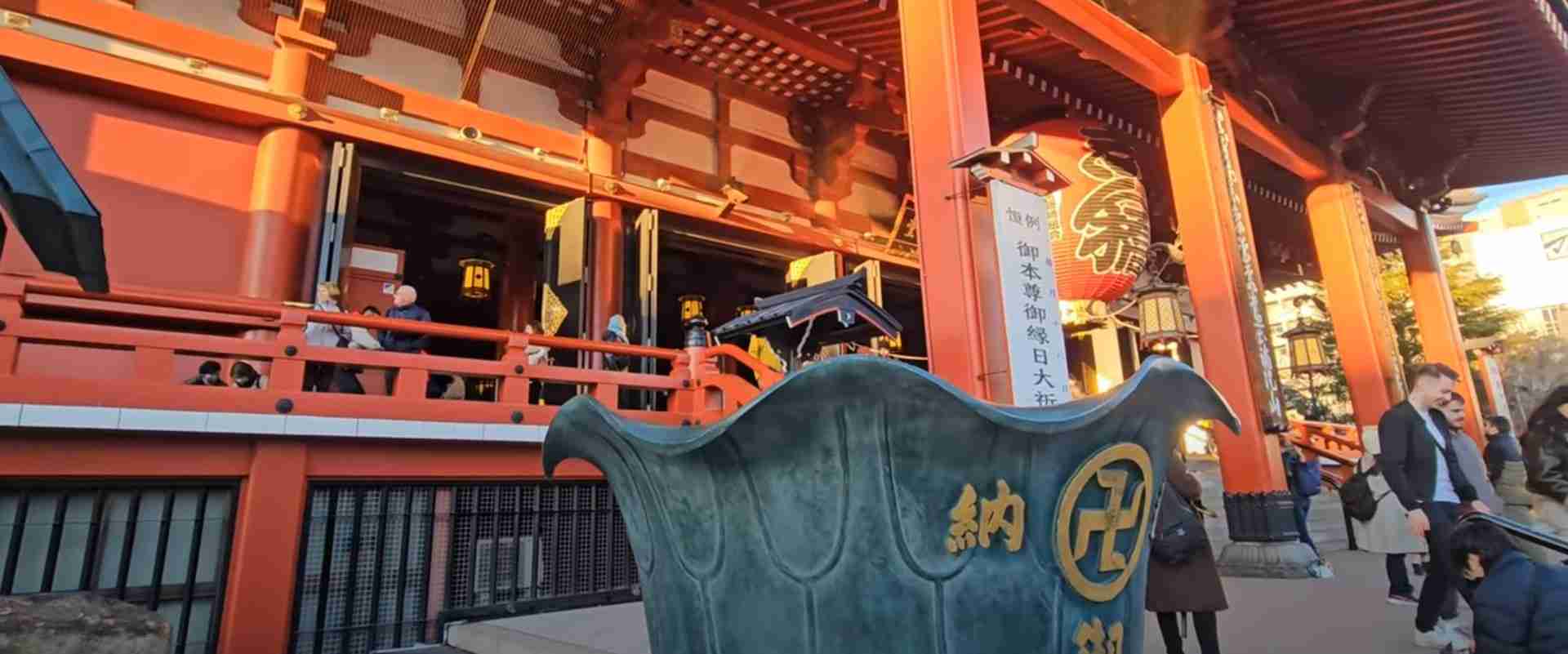
Sensō-ji Temple serves as Tokyo’s cultural heartbeat, hosting over 40 annual festivals and events that transform this ancient Buddhist sanctuary into a vibrant celebration of Japanese tradition. From the thunderous energy of Sanja Matsuri to the delicate beauty of cherry blossom ceremonies, these festivals offer visitors authentic cultural experiences impossible to replicate anywhere else in the world.
🔑 Key Takeaways
- Sanja Matsuri (May): Tokyo’s greatest festival draws 2+ million visitors for three days of traditional celebrations honoring Sensō-ji’s founders
- 40+ annual events: From dragon dances to lantern markets, the temple hosts diverse cultural celebrations throughout the year
- Festival calendar peaks: May (Sanja), July (Hōzuki Market), and January (New Year) offer the most spectacular celebrations
- Cultural significance: Events preserve 1,400 years of Buddhist traditions while connecting modern Japan to ancient spiritual practices
- Planning strategy: Book accommodations 2-3 months ahead for major festivals; arrive early for best viewing positions
- Authentic experiences: Festivals provide rare opportunities to witness living Japanese cultural heritage and community participation
For nearly 1,400 years, these sacred celebrations have continued unbroken, connecting modern Japan to its spiritual roots while providing unforgettable experiences for millions of participants and spectators. Understanding when and how to experience these festivals enhances any visit to Tokyo’s oldest temple exponentially.
Sanja Matsuri: Tokyo’s Greatest Festival
Festival Overview and Significance
Sanja Matsuri ranks among Japan’s three greatest festivals, honoring the three founders of Sensō-ji Temple with three days of spectacular traditional celebrations. Held annually during the third weekend of May, this festival attracts over 2 million spectators and thousands of participants.
The festival celebrates Hinokuma Hamanari, Hinokuma Takenari (the fishermen brothers who discovered the Kannon statue), and Hajino Nakatomo (the village chief who enshrined it), whose spirits are housed in Asakusa Shrine adjacent to Sensō-ji Temple.
2025 Festival Dates: May 16-18
Day 1 (Friday, May 16): Opening ceremonies and traditional performances
Day 2 (Saturday, May 17): Neighborhood mikoshi (portable shrine) processions
Day 3 (Sunday, May 18): Grand finale with main shrine processions
Festival Highlights and Schedule
Friday Opening Day:
- 1:00 PM: Grand parade departure from Asakusa Shrine
- 2:20 PM & 3:00 PM: Traditional Binzasara dance performances
- Evening: Traditional music and cultural performances
- Food stalls and vendor setup throughout Asakusa district
- Ceremonial blessing of festival participants
Saturday Neighborhood Day:
- 12:30 PM: 100+ neighborhood mikoshi processions begin
- Afternoon: Multiple routes through Asakusa streets
- Participant chanting and traditional music fill the air
- Community involvement peaks with local participation
- Evening: Celebration continues with traditional performances
Sunday Grand Finale:
- 6:00 AM: Three main mikoshi processions begin
- Daylong journey through temple grounds and gates
- Thousands of participants in traditional dress
- 8:00 PM: Ceremonial return to Asakusa Shrine
- Climactic finale with community participation
Cultural Elements and Traditions
Mikoshi (Portable Shrines)
These ornate, heavy wooden structures represent the temporary dwelling places of the three honored spirits. Teams of participants carry the mikoshi through the streets in energetic processions accompanied by rhythmic chanting.
Traditional Costumes
Participants wear happi coats, traditional headbands (hachimaki), and fundoshi (traditional undergarments). The festival provides rare opportunities to see authentic Japanese traditional dress in active use.
Community Participation
Unlike tourist-focused events, Sanja Matsuri represents genuine community celebration where local residents actively participate in carrying mikoshi and organizing festivities.
Extended multi-day tours – 5+ days
Featured Tokyo Multi-Day Tour Packages
9 days
9 Day Independent Japan
- ✓ Booking needs min. 2 travelers
9 days
Japan Express (6 destinations)
- ✓ Comprehensive Tokyo tour
- ✓ Expert local guides included
- ✓ All accommodation arranged
- ✓ Transportation provided
7 days
7 Day Essential Japan(Private Guide and Driver)- Umetravel
- ✓ Booking needs min. 2 travelers
10 days
Japan Express – Feel Free Travel
- ✓ Comprehensive Tokyo tour
- ✓ Expert local guides included
- ✓ All accommodation arranged
- ✓ Transportation provided
Multi-day tour packages powered by TourRadar. Prices and availability subject to change.
Viewing Strategies and Best Locations
Optimal Viewing Spots:
- Kaminarimon Gate area: Classic shots of mikoshi passing under the famous red lantern
- Nakamise shopping street: Close-up views of processions and participant interactions
- Sensō-ji Temple main hall: Ceremonial moments and traditional blessing activities
- Asakusa Shrine courtyard: Starting and ending ceremonies for main processions
- Side streets of Asakusa: Intimate neighborhood procession viewing
Crowd Management Tips:
- Arrive at prime locations 1-2 hours before major processions
- Use early morning and late evening for less crowded viewing
- Explore side streets for unique perspectives and closer access
- Plan multiple viewing locations rather than staying in one spot
- Consider elevated viewpoints like the Asakusa Culture Information Center
Annual Festival Calendar: Complete Event Guide
Winter Celebrations (December-February)
Shinnen Daikito-e (New Year Ceremonies, January 1-7)
Japan’s most significant religious observance brings millions of visitors for Hatsumode, the first temple visit of the year. The temple becomes the epicenter of spiritual renewal and community gathering.
New Year highlights:
- December 31: Joya no Kane bell ringing ceremony (108 times)
- January 1: Simultaneous midnight prayers at main hall
- Week-long celebrations with traditional performances
- Fortune-telling (omikuji) for the new year
- Special food vendors and traditional markets
Setsubun Festival (February 3-4)
Traditional bean-throwing ceremony marks the beginning of spring according to the lunar calendar. Participants shout “Oni wa soto! Fuku wa uchi!” (Demons out! Luck in!) while throwing roasted soybeans.
Hagoita Market (December 17-19)
Traditional decorative paddle fair where ornate wooden paddles used in the game hanetsuki are sold. These colorful folk art pieces make unique souvenirs and represent wishes for good fortune.
Spring Festivals (March-May)
Hozonjigen-e and Kinryu no Mai (March 18)
Spectacular golden dragon dance ceremony honors different manifestations of Kannon. An 18-meter golden dragon dances through the temple grounds in one of Tokyo’s most visually stunning traditional performances.
Dragon dance features:
- 2:00 PM start time with traditional music accompaniment
- Multiple performers manipulate the massive golden dragon
- Ancient choreography representing divine manifestation
- Spectacular photography opportunities
- Cultural significance explanation by temple officials
Hana Matsuri (April 8)
Buddha’s birthday celebration features flower altar decorations and sweet hydrangea tea ceremonies. Children often participate by pouring amacha (sweet tea) over Buddha statues.
Shirasagi no Mai (Second Sunday of April)
White Heron Dance features participants in elaborate heron costumes and Heian-era court dress performing traditional choreography representing purity and grace.
Summer Festival Season (June-August)
Hōzuki Market (July 9-10)
One of Tokyo’s most charming traditional markets features approximately 120 vendor stalls selling Chinese lantern plants (hōzuki). Buddhist tradition holds that purchasing hōzuki on these dates brings 46,000 days’ worth of spiritual merit.
Market highlights:
- Traditional orange and red lantern plant displays
- Folk art and traditional craft vendors
- Cultural performances throughout both days
- Traditional food vendors and summer treats
- Evening illumination creating magical atmosphere
Asakusa Summer Festival (Late July)
Extended celebration featuring traditional music, dance performances, and cultural demonstrations spread throughout the Asakusa district.
Asakusa Samba Carnival (August)
Unique fusion of Japanese and Brazilian cultures featuring colorful samba parades through the traditional Asakusa streets, creating fascinating cultural juxtaposition.
Autumn Cultural Events (September-November)
Kinryu no Mai (October 18)
The golden dragon dance returns for its second annual performance, offering those who missed the spring ceremony another opportunity to witness this spectacular tradition.
Shirasagi no Mai (November 3)
Second annual White Heron Dance coincides with Japan’s Culture Day holiday, often drawing larger crowds than the spring performance.
Chrysanthemum Festival (November)
Traditional flower displays celebrate autumn’s beauty with elaborate chrysanthemum arrangements throughout the temple grounds, representing longevity and renewal.
Lesser-Known Special Events and Ceremonies
Monthly and Weekly Observances
Monthly Kannon Ceremonies
The 18th of each month holds special significance as Kannon’s day, featuring enhanced prayer services and traditional music performances.
Weekly Prayer Sessions
Regular Buddhist ceremonies occur daily, with enhanced services on weekends often including traditional music and community participation opportunities.
Seasonal Spiritual Observances
Obon Festival (Mid-August)
Traditional Buddhist observance honoring ancestors creates a peaceful, contemplative atmosphere contrasting with summer’s energetic festivals.
Autumn Equinox Ceremonies (September)
Buddhist meditation sessions and reflection ceremonies mark the seasonal transition with quiet spiritual observance.
Winter Solstice Observances (December 21)
Traditional ceremonies marking the year’s longest night include candle lighting and meditation sessions.
Festival Photography and Documentation
Photography Guidelines and Best Practices
Respectful photography during festivals requires understanding cultural sensitivity and religious protocols. While most outdoor festival activities welcome photography, certain ceremonial moments demand respectful restraint.
Photography considerations:
- Outdoor processions and public celebrations: Generally permitted
- Sacred ceremonies and prayer sessions: Ask permission or observe restrictions
- Participant portraits: Always request permission respectfully
- Flash photography: Often prohibited during evening ceremonies
- Commercial photography: Requires special permits and temple approval
Optimal Photography Timing
Festival lighting conditions vary dramatically throughout events, requiring different approaches for optimal documentation.
Lighting strategies:
- Early morning ceremonies: Soft natural light ideal for traditional costume details
- Midday processions: Bright conditions perfect for action shots and crowd scenes
- Evening illumination: Dramatic temple lighting creates atmospheric backgrounds
- Night ceremonies: Low-light techniques capture intimate spiritual moments
Accommodation and Planning Strategies
Booking Timeline for Major Festivals
Festival periods create enormous accommodation demand requiring strategic advance planning. Prices increase significantly, and availability diminishes rapidly during major celebrations.
Booking recommendations:
- Sanja Matsuri: Book 3-4 months in advance
- New Year period: Reserve 6+ months ahead
- Cherry blossom season: Extremely limited availability, book earliest possible
- Summer festivals: 2-3 months advance booking recommended
- Autumn events: 1-2 months sufficient for most accommodations
Transportation Planning
Festival crowds strain Tokyo’s transportation system, requiring alternative strategies and flexible timing for optimal movement through the city.
Transportation strategies:
- Use early morning trains to avoid peak festival crowds
- Plan walking routes between nearby stations during major events
- Consider river cruise alternatives during street closure periods
- Allow extra time for all transportation during festival days
- Download offline maps and translation apps for navigation assistance
Cultural Participation and Etiquette
Appropriate Festival Behavior
Understanding proper festival etiquette enhances your experience while showing respect for sacred traditions and local customs. Festivals blend religious observance with community celebration, requiring balanced behavior.
Etiquette guidelines:
- Dress modestly and appropriately for religious settings
- Remove hats and sunglasses when entering sacred buildings
- Follow photography guidelines and respect privacy
- Observe quietly during prayer and ceremonial moments
- Purchase food and souvenirs to support local vendors
- Learn basic Japanese greetings and appreciation phrases
Participation Opportunities
Some festivals welcome respectful international visitor participation, offering unique cultural exchange opportunities.
Participation possibilities:
- Bean-throwing during Setsubun ceremonies
- Omikuji fortune-telling participation
- Traditional food tasting and cultural workshops
- Community volunteer opportunities during major festivals
- Cultural performances and traditional craft demonstrations
Food and Vendor Experiences
Festival Food Culture
Traditional festival foods provide authentic cultural experiences while supporting local vendors and community organizations that make these celebrations possible.
Traditional festival foods:
- Takoyaki: Octopus balls popular during summer festivals
- Yakisoba: Fried noodles served at vendor stalls
- Taiyaki: Fish-shaped pastries with sweet fillings
- Kakigori: Shaved ice treats perfect for summer events
- Imagawayaki: Round pancakes with various fillings
- Traditional sweets: Seasonal specialties unique to specific festivals
Shopping and Souvenirs
Festival periods offer unique shopping opportunities for traditional crafts, religious artifacts, and seasonal specialties unavailable during regular temple visits.
Special festival shopping:
- Traditional crafts and folk art during major festivals
- Religious artifacts and blessed items from temple vendors
- Seasonal decorations and ceremonial objects
- Limited-edition festival merchandise and commemoratives
- Traditional clothing and accessories for cultural participation
Safety and Crowd Management
Large Event Safety Considerations
Major festivals attract massive crowds requiring personal safety awareness and preparation. While generally very safe, the sheer volume of people creates unique challenges.
Safety preparation:
- Establish meeting points for separated group members
- Carry emergency contact information and accommodation details
- Stay hydrated and take breaks during long festival days
- Protect personal belongings in crowded areas
- Follow emergency evacuation routes posted throughout the area
- Monitor weather conditions and dress appropriately
Health Considerations
Extended festival participation requires physical preparation and health awareness, particularly during Tokyo’s varied seasonal conditions.
Health tips:
- Wear comfortable walking shoes for extended standing and movement
- Protect against sun exposure during summer outdoor events
- Layer clothing for variable spring and autumn temperatures
- Bring necessary medications and maintain regular meal schedules
- Stay aware of air quality during crowded outdoor events
Experiencing Sensō-ji Temple’s festivals provides authentic cultural immersion impossible to replicate through simple sightseeing. These celebrations represent living traditions connecting modern Japan to 1,400 years of continuous spiritual practice and community gathering.
Whether witnessing the thunderous energy of Sanja Matsuri’s mikoshi processions or participating in quiet New Year prayer ceremonies, these festivals offer profound insights into Japanese culture that transform understanding of this ancient Buddhist sanctuary and its continuing role in contemporary Japanese life.
Plan your visit to coincide with these extraordinary celebrations, and you’ll discover that Sensō-ji Temple is far more than a historic monument—it’s a living, breathing center of Japanese spiritual and cultural life that continues to evolve while honoring its ancient roots.
📋 Frequently Asked Questions
Q: When is the best time to experience Sensō-ji Temple festivals?
A: Sanja Matsuri in May offers the most spectacular experience, while New Year (January 1-7) provides the most authentic spiritual observance. Summer festivals like Hōzuki Market offer unique cultural experiences with manageable crowds.
Q: How crowded do festivals get and how can I manage the crowds?
A: Major festivals like Sanja Matsuri attract 2+ million visitors. Arrive early (before 8 AM), explore side locations, and plan multiple viewing spots rather than staying in one area all day.
Q: Are Sensō-ji Temple festivals suitable for families with children?
A: Yes! Many festivals include family-friendly activities. Avoid peak crowd times, bring snacks and water, and plan shorter durations. Some festivals like Setsubun specifically welcome children’s participation.
Q: Can international visitors participate in festival activities?
A: Limited participation is welcomed respectfully. You can join bean-throwing during Setsubun, purchase omikuji fortune papers, and enjoy festival foods. Direct participation in religious ceremonies requires invitation.
Q: What should I wear to Sensō-ji Temple festivals?
A: Dress modestly and comfortably. Avoid revealing clothing, wear comfortable walking shoes, and dress for weather conditions. Traditional Japanese clothing is welcomed but not required.
Q: How far in advance should I book accommodation for major festivals?
A: Book 3-4 months ahead for Sanja Matsuri, 6+ months for New Year period, and 2-3 months for summer festivals. Prices increase significantly during festival periods.
Q: Are there any festivals that are less crowded but still authentic?
A: Dragon Dance ceremonies (March 18, October 18) and White Heron Dance (April/November) offer spectacular traditional performances with more manageable crowds than major festivals.
Q: What photography restrictions exist during festivals?
A: Outdoor festival activities generally allow photography, but ask permission for portraits and avoid flash during evening ceremonies. Some sacred moments may restrict photography entirely.
Q: How do weather conditions affect festival celebrations?
A: Festivals proceed rain or shine with rare exceptions for severe weather. Summer festivals can be extremely hot and humid, while winter events may be cold but offer unique atmospheric conditions.
Q: Are there English-speaking guides available during festivals?
A: Many tour operators offer festival-specific guided experiences with English-speaking guides who explain cultural significance and help navigate crowds. Book these well in advance during major festivals.