
Mykonos Travel Guide 2026: Ultimate Island Planning Resource
Mykonos stands as the Cyclades’ most glamorous island destination, where whitewashed cube houses cascade down hillsides toward turquoise waters, legendary beach clubs pulse with international energy, and narrow marble streets lead to authentic tavernas serving fresh seafood. This cosmopolitan Greek island attracts travelers seeking both sophisticated luxury experiences and authentic Aegean charm, from sunset cocktails in Little Venice to sacred archaeological sites just offshore. Planning a Mykonos trip for 2026 requires understanding significant cost variations between budget-conscious choices and premium experiences, navigating seasonal price fluctuations, and balancing world-famous party beaches with quieter traditional villages.
Key Takeaways for Planning Your Mykonos Trip in 2026
- Budget Range Spans Dramatically: Daily costs range from €77 for backpackers staying in hostels and eating street food to €780+ for luxury travelers in 5-star beach resorts, making Mykonos one of Greece’s most expensive islands but still offering options across all budget levels.
- Ferry Connections from Athens: High-speed ferries from Piraeus cost €88-146 and reach Mykonos in 2.5-3.5 hours, while slower conventional ferries cost €50-80 and take 4-6 hours, with 10+ daily departures during summer 2026.
- Shoulder Season Provides Best Value: Visit in May or late September 2026 for 40-60% lower accommodation costs, manageable crowds, and excellent weather, as the island essentially closes November through March with most businesses shuttered.
- Delos UNESCO Site Accessibility: The sacred archaeological island of Delos sits just 30 minutes offshore with boat tickets at €25 and site entrance €20, representing Mykonos’ most significant cultural attraction and essential for history enthusiasts.
- Beach Club Culture Defines Costs: Famous beach clubs charge €40-60 for sunbeds with minimum drink/food spends often exceeding accommodation costs, while northern unorganized beaches like Agios Sostis and Panormos remain completely free.
- Location Strategy Impacts Budget: Staying in Mykonos Town (Chora) provides walkable access to nightlife and dining but commands premium prices, while Ornos and Platis Gialos offer beach proximity with better value and excellent bus connections.
People Also Ask About Mykonos Travel in 2026
How Much Does a Week in Mykonos Cost in 2026?
A week in Mykonos costs €539-1,281 per person for budget travelers, €1,750-2,450 for mid-range visitors, and €4,900-6,370 for luxury experiences in 2026. Budget travelers staying in hostel dormitories (€40-60 nightly), eating primarily at gyro shops and souvlaki stands (€7-15 per meal), using public buses (€2.50 per ride), and visiting free beaches can manage on €77-183 daily. Mid-range travelers choosing 3-star hotels (€120-200 nightly), dining at traditional tavernas (€40-70 for two people), occasionally renting scooters (€25-35 daily), and visiting paid attractions spend €250-350 daily. Luxury travelers in 5-star resorts (€400-650+ nightly), frequenting upscale restaurants (€100-200 for two), using private transfers and taxis, and enjoying beach club experiences (€100-300 daily) budget €700-910 daily. These ranges exclude international flights but include accommodation, meals, local transportation, and activities for seven days.
Is Mykonos More Expensive Than Santorini in 2026?
Mykonos and Santorini cost approximately the same for accommodation and dining in 2026, with both ranking as Greece’s two most expensive islands, but Mykonos exceeds Santorini specifically for beach club experiences and nightlife expenses. Mid-range hotel rooms average €150-220 nightly on both islands, while restaurant meals for two at similar quality establishments run €50-80. Mykonos distinguishes itself through premium beach club culture where sunbed rentals at Paradise, Super Paradise, and Psarou beaches cost €40-60 with additional minimum food/drink spends of €50-150 per person, whereas Santorini’s volcanic beaches offer mostly free access with optional sunbed rentals at €10-20. Nightlife cocktails cost €12-18 on both islands, but Mykonos’ legendary clubs like Cavo Paradiso charge €30-50 cover fees during peak season. Transportation costs favor Mykonos with comprehensive public bus network (€2.50 per ride) versus Santorini’s more limited service requiring frequent taxi or rental car use.
What Is the Best Month to Visit Mykonos in 2026?
May and late September represent the best months to visit Mykonos in 2026, offering ideal weather (22-26°C), significantly lower prices (40-60% less than peak summer), manageable crowds, and full operational status of restaurants and attractions. May brings spring wildflowers, warm sunny days perfect for beach activities, and daytime temperatures of 22-25°C with water reaching 19-21°C, while accommodation costs €80-150 for mid-range hotels versus €200-350 in July-August. Late September (Sept 15-30) provides peak water temperatures of 23-25°C, lingering summer warmth with daytime highs of 24-27°C, and excellent beach conditions as crowds dissipate. June and early October also offer good value with reasonable weather. July and August bring guaranteed sunshine, peak nightlife energy, and maximum ferry connections but suffer from extreme crowds, highest prices (often double shoulder season rates), strong Meltemi winds affecting ferry schedules, and temperatures exceeding 30°C. November through March sees 70-80% of businesses closed including most beach clubs, restaurants, and tour operators.
How Many Days Do You Need in Mykonos in 2026?
Three to four days provides ideal duration for experiencing Mykonos’ key attractions, beaches, nightlife, and sacred Delos archaeological site in 2026, allowing comfortable exploration without rushing while fitting typical European vacation schedules. A three-day itinerary covers Mykonos Town exploration with Little Venice, windmills, and boutique shopping (1 day), Delos UNESCO site half-day tour plus afternoon beach time (1 day), and southern beach circuit including Paradise, Super Paradise, or Psarou with evening in town (1 day). Four days adds northern beaches exploration (Panormos, Agios Sostis), Ano Mera village visit with Panagia Tourliani monastery, or relaxed beach club experience. Two days feels rushed for first-time visitors wanting both cultural sites and beach experiences. Five to seven days suits travelers combining deep relaxation, comprehensive beach exploration, multiple day trips, and extended nightlife experiences. Week-long stays work well for island-hopping itineraries pairing Mykonos with Santorini (4 hours by ferry), Naxos (2 hours), or Paros (1 hour), allowing 3-4 days per island.
Extended multi-day tours – 5+ days
Featured Mykonos Multi-Day Tour Packages
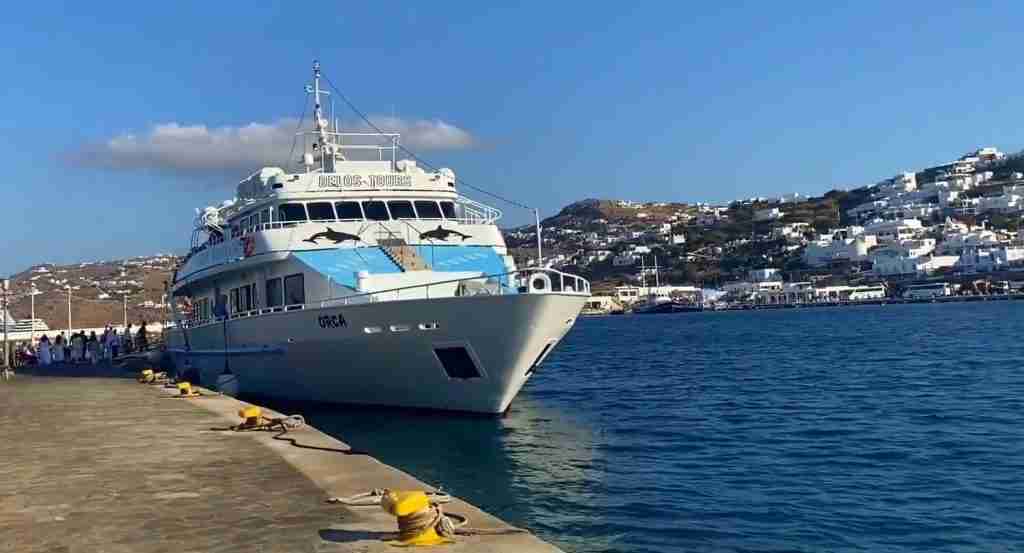
3 days
Mykonos 3-Day Discovery Tour
- ✓ Comprehensive Mykonos experience
- ✓ Expert local guides included
- ✓ All accommodation included
- ✓ Transportation provided

5 days
Mykonos 5-Day Highlights Experience
- ✓ Comprehensive Mykonos experience
- ✓ Expert local guides included
- ✓ All accommodation included
- ✓ Transportation provided
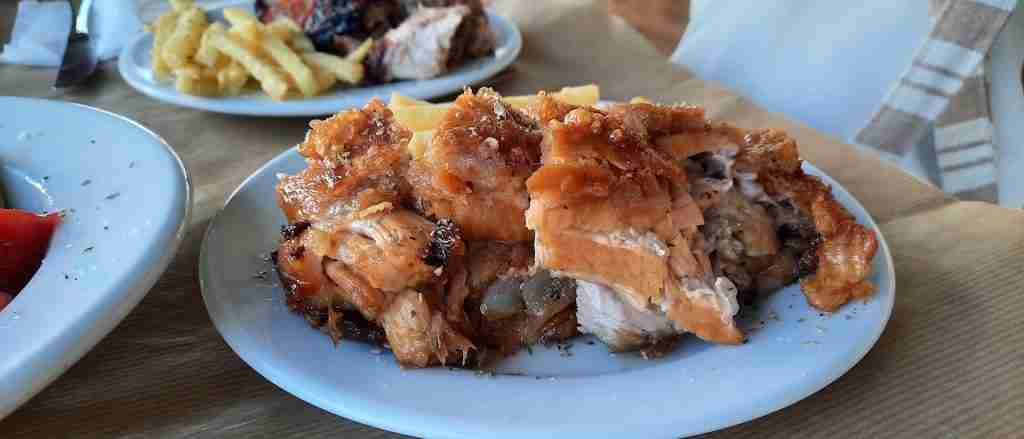
7 days
Mykonos 7-Day Cultural Journey
- ✓ Comprehensive Mykonos experience
- ✓ Expert local guides included
- ✓ All accommodation included
- ✓ Transportation provided
10 days
Mykonos 10-Day Complete Adventure
- ✓ Comprehensive Mykonos experience
- ✓ Expert local guides included
- ✓ All accommodation included
- ✓ Transportation provided
Multi-day tour packages powered by TourRadar. Prices and availability subject to change.
Introduction to Mykonos Travel Planning for 2026
Mykonos represents the Cyclades archipelago’s most internationally recognized destination, achieving legendary status through decades of attracting jet-setters, celebrities, artists, and travelers seeking the ultimate Mediterranean island experience. This 85-square-kilometer island in the Aegean Sea, located 150 kilometers southeast of Athens, combines natural beauty with sophisticated infrastructure, offering pristine beaches with crystalline waters, traditional Cycladic architecture, world-class dining and nightlife, and proximity to one of Greece’s most important archaeological sites.
The island’s dual character defines the Mykonos experience in 2026. Mykonos Town (Chora) presents a maze of narrow marble streets where luxury boutiques neighbor family-run tavernas, Little Venice’s colorful balconies overhang the sea, and iconic windmills crown the hillside. The famous beach club scene concentrates on the southern coast where Paradise, Super Paradise, and Psarou beaches transform into open-air parties with international DJs, while the northern coast maintains quieter traditional character with undeveloped beaches and authentic villages.
Sacred Delos island lies just 30 minutes offshore, representing one of the Mediterranean’s most significant archaeological sites as Apollo’s mythological birthplace. This UNESCO World Heritage Site contains remarkably preserved ruins of an entire ancient city including temples, theaters, houses with intricate mosaics, and the iconic Terrace of Lions. Visiting Delos adds profound cultural dimension to any Mykonos trip, connecting the modern party island to its ancient role as the spiritual center of the Cycladic world.
Planning Mykonos travel for 2026 requires understanding dramatic cost variations between budget and luxury experiences. Unlike more uniformly priced Greek islands, Mykonos accommodates both backpackers sharing hostel dormitories and ultra-wealthy visitors renting private villas with infinity pools. This economic diversity creates opportunities for travelers at every budget level while demanding careful planning to avoid unexpected expenses in restaurants, beach clubs, and services that market themselves toward affluent clientele.
The island’s compact size (10 kilometers wide, 15 kilometers long) makes comprehensive exploration feasible within 3-4 days, with excellent public bus network connecting major beaches and towns. Summer 2026 ferry schedules will provide 10+ daily connections from Athens with both high-speed and conventional vessels, plus island-hopping routes to Santorini, Paros, Naxos, and other Cycladic islands. Mykonos Airport receives direct international flights during summer season and year-round domestic connections from Athens.
This comprehensive planning guide for 2026 covers verified current costs for ferries, accommodation, dining, and activities, provides detailed transportation options and strategies, explains Mykonos’ distinct neighborhoods and beach areas for accommodation selection, outlines sample itineraries for different trip lengths, and shares practical tips for managing expenses on Greece’s most expensive island while maximizing experiences across culture, beaches, cuisine, and nightlife.
Understanding Mykonos Geography and Main Areas in 2026
Mykonos divides into distinct geographic zones that determine accommodation strategy, daily logistics, and overall experience. The island’s southwestern region concentrates most tourist infrastructure including Mykonos Town, the airport, and southern beaches. The northern and eastern coasts maintain quieter traditional character with undeveloped beaches and small settlements. Central inland areas contain agricultural land and Ano Mera village, while the New Port (Tourlos) handles ferry traffic 2 kilometers north of town.
Mykonos Town (Chora): The Island’s Cultural and Commercial Heart
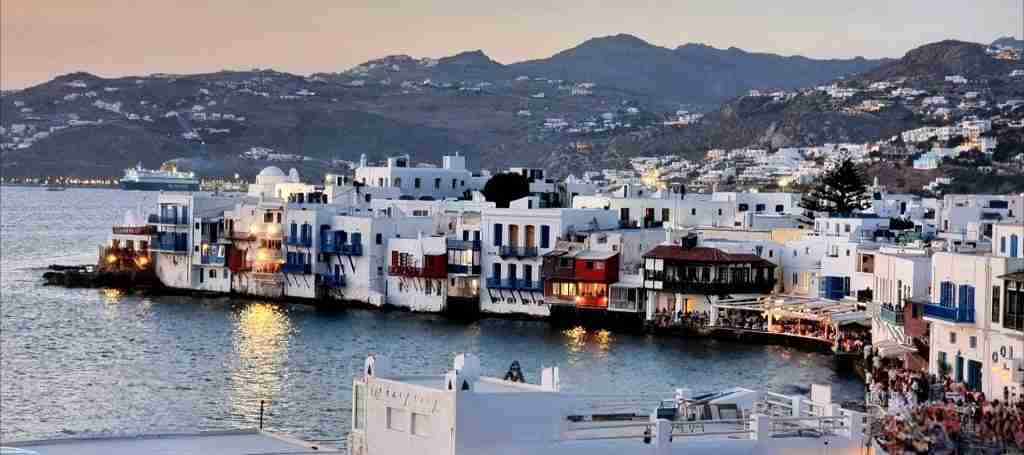
Mykonos Town serves as the island’s main settlement, commercial center, and cultural focus, containing the highest concentration of restaurants, bars, boutiques, hotels, and nightlife venues. The labyrinthine old town features narrow marble-paved streets deliberately designed to confuse invading pirates, creating an enchanting maze where getting lost becomes part of the experience. Little Venice quarter showcases colorful 18th-century houses built directly over the water with wooden balconies, offering sunset cocktail venues and romantic dining. The iconic windmills (Kato Mili) crown the hillside above town, providing classic photo opportunities and panoramic views.
Staying in Mykonos Town provides walkable access to dining, shopping, nightlife, and cultural sites including the Archaeological Museum and Paraportiani Church complex. The compact old town remains pedestrian-only, requiring wheeled luggage navigation over irregular marble streets. Accommodation in central Chora commands premium prices (€200-400 nightly for mid-range hotels in summer) but eliminates transportation costs for evening activities. The Old Port in town serves as departure point for Delos boat tours and water taxis to beaches.
Southern Beaches: Where Beach Clubs Meet Party Culture
The southern coast from Ornos to Elia contains Mykonos’ most developed and famous beaches, each offering distinct character and crowd demographics. Ornos Beach sits closest to Mykonos Town (3 kilometers), providing family-friendly atmosphere with calm waters, full facilities, and excellent taverna options. Psarou Beach attracts affluent crowds with luxury beach clubs, yacht arrivals, and celebrity sightings, featuring the most exclusive (and expensive) beach club scene on the island.
Paradise and Super Paradise beaches define Mykonos’ party reputation, transforming from relaxed daytime beach scenes into pulsing clubs with international DJs during afternoon and evening. These beaches attract predominantly young international crowds (ages 20-35) seeking high-energy party atmosphere with loud music, beach bars, and social scene. Platis Gialos offers middle-ground option with developed facilities, water sports, and restaurants but more relaxed vibe than Paradise beaches. Elia, the island’s longest beach, provides mix of organized areas with sunbeds and quieter sections, popular with LGBTQ+ travelers and those seeking more space.
Northern Beaches: Authentic Atmosphere and Free Access
Mykonos’ northern coast maintains traditional character with undeveloped beaches offering free access, minimal facilities, and authentic local atmosphere. Agios Sostis beach features no sunbed rentals, no beach clubs, and no facilities beyond one simple taverna, attracting visitors seeking pure beach experience without commercial development. Panormos and Agios Ioannis provide beautiful settings with optional sunbed rental (€10-15) but none of the party atmosphere or high prices characterizing southern beaches.
Fokos Beach in the far northeast requires unpaved road access, resulting in minimal crowds and completely natural environment. These northern beaches particularly suit visitors with rental vehicles, as public bus service remains limited compared to southern routes. Weather conditions prove more variable on the north coast, with stronger winds during summer Meltemi periods making swimming challenging on certain days.
Ano Mera: Traditional Village Life
Ano Mera village sits in Mykonos’ interior, 7 kilometers from Mykonos Town, representing the island’s only other significant settlement. This traditional village centers on a tree-shaded square with the 16th-century Panagia Tourliani monastery featuring ornate marble bell tower and fascinating religious art collection. The village offers authentic atmosphere with local tavernas serving traditional Greek cuisine at lower prices than tourist areas (€30-40 for two versus €60-80 in Chora), small shops, and glimpse into everyday Mykonian life beyond the tourist economy.
Ano Mera provides base for exploring eastern beaches including Kalo Livadi, Kalafatis, and Lia while offering significantly lower accommodation costs than Mykonos Town. The village appeals to visitors prioritizing authenticity and budget savings over immediate access to nightlife and tourist infrastructure.
Getting to Mykonos in 2026: Ferry and Flight Options
Mykonos enjoys excellent connectivity with mainland Greece and other Cycladic islands through frequent ferry service and seasonal flight options. Summer 2026 schedules will provide maximum connections during peak season (June through September) with reduced but still regular service during shoulder seasons (April-May, October). Winter connections (November-March) become limited with significantly fewer departures.
Ferry Connections from Athens to Mykonos in 2026
Ferries from Athens’ Piraeus port to Mykonos operate year-round with 10+ daily departures during summer 2026, offering both high-speed and conventional vessel options. High-speed catamarans operated by Seajets and Golden Star Ferries complete the journey in 2 hours 40 minutes to 3 hours 30 minutes, with economy class tickets costing €88-110 and business/VIP class €140-180. These modern vessels feature air-conditioned lounges, snack bars, outdoor deck space, and numbered seating in premium classes. The WorldChampion Jet represents the fastest option at 2 hours 40 minutes.
Conventional ferries operated by Blue Star Ferries take 4 hours 40 minutes to 5 hours 50 minutes with economy tickets costing €50-60 and business class €70-80. These larger vessels provide more stable ride in rough seas, extensive outdoor deck space ideal for enjoying sea breezes, restaurants and cafeterias, and significantly lower seasickness risk than smaller high-speed catamarans. Blue Star vessels operate reliably even during strong Meltemi wind periods when high-speed ferries frequently cancel.
Morning departures from Piraeus typically occur between 7:00-8:00 AM, arriving Mykonos mid-morning to early afternoon depending on vessel type. Additional afternoon departures provide flexibility. Return ferries from Mykonos to Athens run throughout the day with afternoon options allowing same-day Athens arrival. All passenger ferries dock at Mykonos’ New Port in Tourlos, located 2 kilometers north of Mykonos Town, requiring bus, Sea Bus (€2), or taxi (€10-15) to reach accommodations.
Rafina port, located 33 kilometers northeast of Athens city center but closer to the airport, also offers Mykonos connections with ticket prices starting around €38, representing the most budget-friendly ferry option. Journey time approximates 2 hours 15 minutes on high-speed vessels. Rafina provides excellent choice for travelers arriving at Athens Airport and heading directly to islands without Athens city visit.
Booking Ferry Tickets for Mykonos 2026
Ferry tickets should be booked 1-2 months in advance for peak summer travel (July-August 2026), especially for high-speed ferries and weekend departures. Mykonos’ extreme popularity means last-minute bookings risk sold-out sailings or significantly higher prices. Online booking through Ferryhopper, Direct Ferries, or ferry company websites proves convenient and reliable. Tickets can also be purchased at Piraeus port, though summer crowds and language barriers make advance booking preferable.
Standard economy seats provide non-numbered general admission to air-conditioned lounges, requiring early boarding to secure preferred spots. Airplane-type seats offer numbered assignments with more comfort. Business/VIP class includes separate quieter lounges, numbered seats with more space, and reduced crowding. For overnight ferries (rare on this route), cabin options range from basic four-berth cabins (€49-80 per person) to luxury suites (€200+ per person).
Children under 5 travel free on most ferry companies, with ages 5-10 receiving 50% discount. Discounts rarely apply to advance bookings, as ferry prices remain relatively fixed unlike airline dynamic pricing. Vehicle transport costs €74+ for cars and €33+ for motorcycles, though most visitors find renting vehicles upon Mykonos arrival more convenient than transporting from Athens.
Flight Options to Mykonos in 2026
Mykonos Airport (JMK) receives direct international flights during summer season (May through October) from major European cities including London, Paris, Rome, Frankfurt, and Amsterdam, plus year-round multiple daily connections from Athens. Flight time from Athens approximates 40 minutes with tickets costing €50-120 for economy class depending on booking timing and carrier. Olympic Air, Aegean Airlines, and Sky Express operate domestic routes.
International round-trip flights from US East Coast cities (New York JFK) to Mykonos typically cost €800-1,200 in economy class for summer 2026 travel when booked 2-3 months in advance. European connections prove significantly cheaper with budget carriers like Ryanair and EasyJet offering summer direct routes from €80-180 round-trip from cities like London and Barcelona.
The airport sits 4 kilometers southeast of Mykonos Town, requiring taxi (€15-20 to town, €25-35 to southern beaches) or bus connection (€2.50, limited schedule) to reach accommodations. Many hotels offer airport shuttle service for €10-15 per person. Flight schedules concentrate in morning and early afternoon for arrivals, late afternoon and evening for departures, allowing same-day connections with international flights through Athens.
Inter-Island Ferry Connections in 2026
Mykonos serves as excellent island-hopping hub with frequent connections to other Cycladic islands during summer 2026. Santorini ferries operate 1-2 times daily with journey time of 2-3 hours on high-speed vessels, ticket prices €45-75. Paros sits 1 hour away with several daily connections (€20-40), while Naxos requires 1.5-2 hours (€25-50). Tinos, the closest neighboring island, connects via 15-30 minute crossings (€10-15) multiple times daily.
Popular island-hopping combinations pair Mykonos with Santorini for the classic Greek island duo, add Paros or Naxos for less touristy experiences with excellent beaches, or include Tinos for authentic local atmosphere and religious significance. Four to five days each on two islands or three days each on three islands creates balanced island-hopping itinerary for one to two week Greek vacation.
Where to Stay in Mykonos 2026: Accommodation Costs and Areas
Mykonos accommodation spans from €40 hostel dormitories to €1,000+ luxury resort suites, with location, season, and amenity level driving dramatic price variations. Summer 2026 peak season (July-August) sees prices 100-150% higher than shoulder seasons (May, September-October), while mid-range hotel costs approximately €150-220 nightly in peak season versus €80-120 in shoulder periods. Early booking (4-8 months in advance for summer travel) secures best availability and rates, as Mykonos’ limited accommodation supply sells out quickly for peak dates.
Budget Accommodation Options in Mykonos 2026
Budget travelers staying in hostel dormitories pay €40-60 per bed nightly during summer 2026, with private hostel rooms costing €60-90. Paraga Hostel near Paraga Beach offers modern facilities, social atmosphere, and proximity to beach clubs. Mykonos Town hostels like Mykonos Beach Hostel provide central location with rooftop bar and sea views. Budget hotels and guesthouses cost €70-120 nightly for basic double rooms, with properties like Hotel Milena (from €58 nightly) and Matogianni Hotel (from €41 nightly) offering simple accommodations in excellent Mykonos Town locations.
Ano Mera village provides most affordable hotel options with traditional guesthouses from €50-80 nightly, though distance from beaches and nightlife requires rental vehicle or reliance on limited bus service. Ornos area offers budget-friendly choices including Deliades Hotel (€70-110) with beach proximity and good value. Budget accommodations typically include basic breakfast, air conditioning, and WiFi but lack pools, spas, and premium amenities found in higher categories.
Mid-Range Accommodation Costs Mykonos 2026
Mid-range hotels in Mykonos cost €120-200 nightly during summer 2026 for 3-star properties and €180-280 for 4-star hotels, representing the sweet spot between budget constraints and comfortable amenities. Properties in this category include pools, breakfast buffets, stylish Cycladic design, helpful concierge service, and convenient locations. Semeli Hotel in Mykonos Town (€150-220) offers boutique design, central location just outside pedestrian zone, swimming pool, and excellent Greek restaurant, representing ideal mid-range choice for balancing town access with resort amenities.
Platis Gialos and Ornos beaches feature numerous mid-range options including Acrogiali Hotel (€130-180) directly on Platis Gialos beach and Tropicana Hotel (€140-200) near Ornos with pool and spa facilities. These beachfront mid-range properties provide excellent value compared to Mykonos Town equivalents, offering beach proximity, pools, and relaxed atmosphere. The Harmony Boutique Hotel (€120-170) on the western coast delivers sea views and tranquil setting away from crowds while maintaining reasonable prices.
Apartment rentals through Airbnb range €90-180 nightly for one-bedroom units in Mykonos Town or beach areas, providing kitchen facilities valuable for controlling food costs. Two-bedroom apartments sleeping four guests cost €150-280 nightly, creating good value for families or groups when compared to multiple hotel rooms. Properties within 300 meters of Mykonos Town center allow 15-20 minute walks to restaurants and nightlife while avoiding highest-priced central locations.
Luxury and High-End Accommodation in Mykonos 2026
Luxury accommodation in Mykonos costs €300-650 nightly for 5-star hotels and €800-2,000+ for ultra-luxury resorts and private villas during summer 2026. Elite properties include Mykonos Blu Grecotel Boutique Resort (€400-700) overlooking Psarou beach with private pools and Aegean views, Cavo Tagoo (€500-900) featuring cave pool and clifftop location, and Bill & Coo Suites (€600-1,200) offering intimate luxury in Megali Ammos area. These properties provide infinity pools, spa facilities, private beach access, gourmet restaurants, concierge service, and stunning design.
Saint John Hotel Villas & Spa (€450-850) delivers adults-only luxury with sea-view villas, while Myconian Ambassador Hotel (€550-1,100) at Platis Gialos offers Relais & Châteaux standards. Ultra-luxury private villas with infinity pools, chef service, and dramatic views rent for €1,500-5,000+ nightly, providing ultimate privacy and exclusivity for high-end travelers. These villas often include daily maid service, private chefs upon request, concierge arrangements, and vehicle rental.
Luxury properties concentrate in areas offering stunning views including hillsides above Mykonos Town, clifftops overlooking Ornos and Platis Gialos, and secluded locations like Elia and Kalafatis. Booking luxury accommodation 6-12 months in advance proves essential for summer dates, as elite properties often sell out completely for July-August peak season.
Accommodation Location Strategy for Mykonos 2026
Choosing accommodation location in Mykonos balances proximity to activities, transportation access, budget constraints, and desired atmosphere. Mykonos Town suits nightlife enthusiasts, culture-focused travelers, and those without rental vehicles, as walkability eliminates transportation costs for restaurants, bars, shopping, and Delos departures. Premium pricing (€150-350 for mid-range) trades off against convenience and atmosphere in the island’s most charming setting.
Ornos and Platis Gialos areas provide excellent compromise with beach proximity, family-friendly atmosphere, lower costs than Mykonos Town (€100-220 mid-range), comprehensive facilities including water sports and multiple restaurants, and excellent bus connections to town and other beaches. These areas suit families, beach-focused travelers, and those seeking relaxation with easy town access. Paradise and Super Paradise beach areas appeal specifically to party-focused visitors, particularly ages 20-35, with accommodations enabling easy participation in beach club scene though sacrificing traditional Greek atmosphere.
Northern beach areas (Agios Sostis, Panormos) and Ano Mera village offer best value (€60-140 mid-range) with authentic local character and quieter settings but require rental vehicle for practical daily mobility. These locations suit budget-conscious travelers, those seeking peaceful atmosphere away from tourist crowds, and visitors prioritizing natural beauty over nightlife access. Elia and eastern beaches balance developed amenities with less crowded conditions, appealing to LGBTQ+ travelers and those seeking middle-ground between party beaches and isolated northern coast.
Getting Around Mykonos in 2026: Transportation Options and Costs
Mykonos’ compact size makes comprehensive island exploration feasible through public buses, rental vehicles, taxis, or combinations thereof. Transportation strategy significantly impacts daily costs, with public bus use minimizing expenses while rental vehicles provide maximum flexibility at moderate cost. The island’s narrow roads, summer traffic congestion in town, and limited parking in Mykonos Town favor buses or scooters over cars for many visitors.
Public Bus Network Mykonos 2026
Mykonos operates comprehensive public bus network (KTEL) connecting Mykonos Town with major beaches and settlements, providing economical transportation at €2.50 per ride regardless of distance. Buses run frequently (every 20-30 minutes during summer daytime, hourly in shoulder season) on routes serving Ornos, Platis Gialos, Paradise, Super Paradise, Elia, and Ano Mera. Northern beaches receive limited or no bus service, requiring alternative transportation for Agios Sostis, Panormos, and Fokos access.
The main bus stations sit at Fabrika Square (departure point for beach routes) and the Old Port (serving New Port ferry terminal). Buses operate approximately 7:00 AM to 11:30 PM during summer, with reduced evening service limiting late-night transportation options. No advance booking exists; passengers queue and pay drivers directly in cash (exact change appreciated). Summer buses frequently become crowded, particularly afternoon returns from beaches and evening town-bound routes.
Using buses exclusively for beach visits and town access costs €5-10 daily depending on number of trips, representing significant savings versus taxis (€25-50 daily for equivalent travel) or rental vehicles (€25-85 daily plus fuel). Bus strategy works best combined with Mykonos Town or Ornos/Platis Gialos accommodation within walking distance of beach and restaurants.
Taxi Service and Costs Mykonos 2026
Mykonos taxis charge regulated rates starting at €3.50 plus €1.20 per kilometer, with minimum fare €7 and typical rides costing €10-30 depending on distance. Airport to Mykonos Town runs €15-20, New Port to town €10-15, and Mykonos Town to southern beaches €15-25. Night surcharge (midnight to 6:00 AM) adds €5 to standard fares. Holiday surcharges and airport/port fees (€2.85 per trip) apply to relevant journeys.
The island maintains only approximately 30 official taxis, creating severe shortage during peak summer season. Securing taxis requires advance phone booking, considerable waiting times, or luck encountering available vehicles at taxi stands. The Uber app functions in Mykonos but connects to local taxi fleet rather than independent drivers, using same metered rates as traditional taxis while providing more reliable booking mechanism.
Taxi strategy works best for specific journeys where timing matters (airport/ferry transfers, reaching remote beaches without bus service, late-night returns from town) rather than primary transportation mode. Budget €30-70 daily for moderate taxi use covering 2-3 rides, with higher costs for remote beach visits or frequent usage.
Rental Vehicles: Cars, Scooters, and ATVs 2026
Car rental in Mykonos costs €25-45 daily for small economy vehicles during peak summer 2026, with 4×4 SUVs rising to €55-85 daily. Weekly rentals reduce daily rates by 15-20%. Fuel adds approximately €2.50 per liter, with typical daily driving consuming 5-10 liters (€12-25). International driving licenses or EU licenses permit rental, with minimum age 21-25 depending on vehicle category and rental company. Insurance typically costs €10-20 daily above base rental rates.
Scooters and ATVs provide popular alternative transportation, with 50cc scooters from €20-30 daily and 125cc motorcycles €30-40 daily. ATVs (quad bikes) cost €35-55 daily and handle Mykonos’ occasionally rough roads well while offering open-air island experience. Scooter and ATV rental requires motorcycle license for vehicles above 50cc displacement. Helmets are mandatory and provided by rental companies.
Rental vehicle advantages include exploring remote northern beaches inaccessible by bus, flexibility for multiple beach visits daily, easier grocery shopping for apartment stays, and independence from bus schedules for evening activities. Disadvantages include difficulty parking in Mykonos Town’s narrow streets (designated parking lots charge €2-4 hourly), summer traffic congestion, and navigation challenges on poorly marked rural roads. Rental vehicles prove most valuable for visitors staying outside Mykonos Town, groups sharing costs, and those prioritizing beach exploration over nightlife.
Sea Bus and Water Taxi Options 2026
Sea Bus service connects Mykonos Old Port with New Port (ferry terminal) for €2, running every 30 minutes with 8-minute journey time. This service provides scenic, economical, and luggage-friendly alternative to land taxis (€10-15) for ferry arrivals and departures. Water taxis operate between Old Port and various beaches including Paradise, Super Paradise, Platis Gialos, Ornos, and Paraga, with one-way fares €8-15 and round-trip tickets offering slight discounts.
Water taxi advantages include scenic coastal approach to beaches, avoiding road traffic, and direct beach-to-beach connections without returning through Mykonos Town. Services operate primarily during summer season (May-October) with frequent departures during peak afternoon hours. Weather conditions occasionally suspend water taxi operations during strong winds.
Food and Dining Costs in Mykonos 2026
Mykonos dining costs vary dramatically based on location and restaurant category, with budget meals from €7-15, mid-range restaurant dinners €40-80 for two people, and upscale dining €100-200+ for two. Strategic dining choices combining economical lunches, supermarket supplies, and selective splurge dinners allow visitors to control food costs on Greece’s most expensive island while still enjoying excellent cuisine.
Budget Dining Options and Street Food Mykonos 2026
Budget dining centers on gyros shops and souvlaki stands offering traditional Greek fast food at authentic prices. Gyros (pita wrap with meat, tomatoes, onions, and tzatziki) costs €4-6, providing filling meal. Souvlaki (grilled meat skewer in pita) runs €5-8, while portions of grilled meat with bread and fries cost €9-13. Jimmy’s Gyros and Sakis Grill House in Mykonos Town deliver quality traditional food at these prices, frequented by locals and budget-conscious travelers.
Traditional bakeries (like Apanemi in Mykonos Town) sell spanakopita (spinach pie) for €3-4, tyropita (cheese pie) €3-4, and loukoumades (honey doughnuts) €5-7, creating inexpensive breakfast or lunch options. Local bakery in Ano Mera offers similar products at slightly lower prices. Coffee shops charge €2.50-4 for espresso, €3.50-5 for cappuccino, with touristy Little Venice venues doubling prices to €7-10 for same beverages.
Supermarkets including Flora and Carrefour provide economical supplies for apartment stays or picnic meals. Bread costs €1-2, cheese €8-12 per kilogram, fresh fruit €2-4 per kilogram, bottled water €0.50-1 per liter, local wine €5-10 per bottle, and beer €1-1.50 per can. Beach clubs charge €15-18 for single beers and €8-12 for bottled water, making supermarket purchases essential for controlling beverage costs.
Mid-Range Restaurant Costs Mykonos 2026
Traditional tavernas in Mykonos Town charge €12-20 for main courses including moussaka, grilled fish, or lamb dishes, with meals for two people including appetizers, mains, and house wine totaling €40-70. To Maereio in the backstreets behind the harbor, Nikos Taverna near Paraportiani Church, and M-Eating in Chora deliver authentic Greek cuisine at reasonable prices with friendly service. Main courses include generous portions, making appetizer-sharing strategy economical for couples.
Beachfront tavernas at Ornos, Platis Gialos, and other beaches charge moderate premiums for waterfront locations, with similar meals costing €50-80 for two versus €40-60 in town. Fresh fish typically costs €45-60 per kilogram (sufficient for two people), grilled octopus €14-18, Greek salads €7-10, and mezze platters €12-18. House wine runs €12-18 per liter, local beer €4-6 per glass.
Ano Mera village restaurants offer best value with traditional meals for two costing €30-45, roughly 25-40% less than equivalent Mykonos Town establishments. Restaurants near the central square serve excellent local specialties including kopanisti (spicy local cheese), louza (cured pork), and traditional stews. These establishments see mostly local clientele, ensuring authentic preparation and fair pricing.
Upscale and Fine Dining Costs Mykonos 2026
Upscale restaurants in Mykonos charge €25-45 for main courses, with complete dinners for two including wine reaching €100-150. Krama restaurant at Semeli Hotel, Interni in Mykonos Town, and Remezzo overlooking the harbor represent elevated Greek cuisine with creative preparations and sophisticated wine lists. These establishments deliver excellent food quality, attentive service, and memorable dining experiences justifying premium prices for special occasions.
Beach club restaurants at Nammos (Psarou Beach), Scorpios, and Jackie O’ charge €30-60 for main courses with complete meals easily exceeding €100-200 per person when including appetizers, drinks, and wine. These venues provide as much social scene as dining experience, attracting wealthy international clientele seeking to see and be seen. The legendary Nammos can generate bills of €200-400 per person for lunch including sunbed rental, drinks, and food.
Sunset cocktails in Little Venice cost €12-18 per drink at waterfront bars including Scarpa, Galleraki, and Kastro. These premium-priced drinks include stunning views, romantic atmosphere, and prime people-watching, representing Mykonos experiences worth budgeting for rather than daily expenses. Similar cocktails at less touristy bars cost €8-12.
Daily Food Budget Strategies Mykonos 2026
Budget travelers eating primarily gyros, souvlaki, bakery items, and supermarket picnics spend €15-25 daily per person, with occasional traditional taverna dinners €25-35. This strategy requires discipline avoiding touristy restaurants and accepting simple meals, but delivers authentic Greek food at local prices. Breakfast from bakery (€4-6), gyros lunch (€5-7), supermarket snacks (€3-5), and budget taverna dinner (€12-18) totals €24-36 daily.
Mid-range dining mixing breakfast at accommodation, simple lunch, and traditional taverna dinner costs €35-55 daily per person. Hotel breakfast buffets save €8-12 versus café breakfasts, gyros or sandwich lunch adds €7-12, and taverna dinner with wine runs €20-35. Occasional coffee shop stops and beach bar drinks increase daily average to €40-60 for comfortable mid-range dining.
Upscale dining including hotel breakfasts, beachfront lunches, and fine dining experiences costs €70-120+ daily per person. Resort breakfasts run €15-25, beach club lunches €30-60, sunset cocktails €15-25, and upscale dinners €40-80, creating luxury dining budget appropriate for high-end Mykonos experience. These costs assume moderate alcohol consumption; significant drinking at bars and clubs easily doubles dining expenses.
Beach Clubs and Nightlife Costs in Mykonos 2026
Mykonos beach clubs and nightlife represent significant expense categories requiring dedicated budgeting for full participation in the island’s famous party scene. Beach club sunbed rentals, minimum spends, and beverage costs often exceed daily accommodation expenses, while club entry fees and cocktail prices create substantial nightlife budgets for active participants in Mykonos’ legendary party culture.
Beach Club Costs and Strategies Mykonos 2026
Organized beaches charge €40-60 for two sunbeds and umbrella at famous locations including Paradise, Super Paradise, and Psarou during summer 2026. Premium beach clubs like Nammos, Scorpios, Jackie O’, and SantAnna impose minimum food and beverage spends of €50-150 per person beyond sunbed charges, creating total beach day costs of €150-400 for couples. Front-row sunbeds at Super Paradise command €60-80 per set with priority positioning near DJs and main party areas.
These beach clubs transform from relaxed morning beach settings to full parties by early afternoon, with international DJs, bottle service, and high-energy crowds. The experience combines beach relaxation with club atmosphere, attracting visitors seeking social scene alongside swimming and sunbathing. Bottle service for spirits ranges €200-500 depending on brand and beach club prestige. Cocktails cost €12-18, beers €8-12, and simple foods like salads and appetizers €15-25 each.
Budget-conscious beach strategies include arriving early morning before sunbed rental requirements begin (pre-10:00 AM), bringing towels and occupying free beach areas outside organized zones, patronizing beach bars minimally to use facilities, and departing before peak afternoon crowds and DJ sets when enforcement of spending minimums intensifies. Mid-tier organized beaches at Ornos, Platis Gialos, and Kalafatis charge €10-20 for sunbed pairs with €20-40 beverage spends creating more economical beach club experience.
Free Beach Alternatives in Mykonos 2026
Northern beaches including Agios Sostis, Panormos, Fokos, and Mersini offer completely free access with no sunbed rentals, facilities, or commercial development. Visitors bring towels, umbrellas, water, and snacks for pure beach experience without costs beyond transportation. Agios Sostis features one simple taverna (Kiki’s) serving excellent grilled food at moderate prices (€30-50 for two) but no other facilities, maintaining authentic local beach atmosphere.
Even at southern organized beaches, sections exist outside commercial zones where visitors place towels freely without charges. Elia Beach eastern section, Paradise Beach northern end, and areas between organized sections at Platis Gialos allow free beach access while maintaining proximity to facilities and food options. This hybrid approach provides organized beach convenience with budget savings, though peak summer sees increasing crowding in free zones as visitors seek alternatives to expensive sunbed rentals.
Nightlife and Club Costs Mykonos 2026
Mykonos Town bars charge €8-12 for beers, €10-16 for cocktails, and €15-25 for premium cocktails at popular venues in Little Venice, along the harbor, and in the old town maze. Iconic bars like Skandinavian Bar, Queen of Mykonos, and Astra attract crowds with music, atmosphere, and international clientele. Bar hopping creating typical evening costs €40-80 per person for 4-6 drinks spread across multiple venues, increasing significantly with cocktail preference over beers.
Famous nightclubs including Cavo Paradiso and Paradise Club charge €20-50 cover fees during peak summer season, with higher charges for special events featuring celebrity DJs. Standard drinks inside clubs cost €12-18, while bottle service for spirits ranges €250-800 depending on brand prestige. VIP table reservations require €500-2,000 minimum spends for prime positions, attracting wealthy patrons seeking exclusive club experience with guaranteed seating and service.
Full nightlife participation (pre-drinks at bars, club entry, drinks inside) easily costs €80-150 per person for single evening, with luxury club experiences reaching €200-400. Budget nightlife strategies include bar-focused evenings avoiding club covers, early arrival at clubs before cover charges begin (typically before midnight), buying supermarket alcohol for accommodation pre-drinking, and alternating active nights with quiet evenings to manage overall expenses.
Day Trips from Mykonos 2026: Delos and Beyond
Day trip options from Mykonos center on the sacred island of Delos, one of the Mediterranean’s most important archaeological sites, but also include lesser-known destinations and boat excursions. Delos represents essential cultural experience for any Mykonos visit, combining Greek mythology, ancient history, and remarkably preserved ruins accessible via short boat journey.
Delos Archaeological Site Day Trip 2026
Delos sits just 30 minutes offshore from Mykonos, accessible via regular boat departures from Mykonos Old Port throughout summer 2026. Independent ferry tickets cost €25 round-trip with departures at 9:00 AM, 10:00 AM, and 11:30 AM, returning at 12:00 PM, 1:30 PM, 3:00 PM, and 5:00 PM. Archaeological site entrance fee costs €20 per person (paid upon arrival on Delos, cash only), creating total independent visit cost of €45. This option allows self-guided exploration with 3-4 hours on the island depending on chosen ferry combination.
Guided tours including boat transport, entrance fees, and professional guide cost €55-75 per person, providing essential context for understanding the extensive ruins. English-language tours operate daily during season, with French, Italian, and Spanish tours on specific weekdays. The 2-hour guided portion covers major highlights including the Terrace of Lions (iconic marble lion statues dedicated to Apollo), Theatre quarter with impressive houses containing intricate floor mosaics, Temple of Apollo complex, and Sacred Harbor. Wireless audio systems ensure clear guide explanation despite outdoor setting.
The archaeological site contains ruins of an entire ancient city spanning 3000 BC through Roman periods, representing one of Greece’s most significant historical locations. Delos served as spiritual center of the Cycladic world as the mythological birthplace of Apollo and Artemis, attracting pilgrims from across the ancient Greek world. The site covers large area requiring 2-4 hours for comprehensive exploration, with museum displaying original sculptures, mosaics, and artifacts near the harbor.
Delos visits require specific preparation including sun protection (virtually no shade exists on the island), comfortable walking shoes for uneven ancient surfaces, bottled water (€3-4 at small port kiosk versus €0.50 at Mykonos supermarkets), and hat for sun exposure. The island offers no restaurants, cafés, or facilities beyond basic toilets and small souvenir shop. Morning departures provide best experience, as early visitors avoid afternoon heat and crowds while benefiting from optimal photography light on white marble ruins.
Boat Excursions to Nearby Islands and Beaches 2026
Rhenia Island, Delos’ larger uninhabited neighbor, attracts boat excursions combining archaeological visit with swimming and beach time. Half-day tours visit Delos for 1-2 hours of guided exploration, then continue to Rhenia’s pristine beaches for swimming, snorkeling, and onboard BBQ lunch. These combination tours cost €75-110 per person including lunch and drinks, creating appealing option for visitors wanting both culture and beach relaxation in single excursion.
Private boat charters to Delos and Rhenia cost €600-1,200 for full-day trips accommodating 6-10 passengers, working well for groups and families seeking flexible schedules and personalized experience. South coast beach hopping by boat visits multiple beaches including Paradise, Super Paradise, Elia, and Kalafatis with swimming stops and beach bar visits, costing €60-90 per person for half-day tours.
Tinos island sits 15-30 minutes from Mykonos by ferry with several daily connections costing €10-15 round-trip. This dramatically different island houses Panagia Evangelistria, one of Greece’s most important religious sites attracting pilgrims year-round. Day trips to Tinos allow exploration of traditional villages, impressive churches, local art scene (famous for marble sculptors), and quieter Cycladic atmosphere contrasting sharply with Mykonos’ party reputation. Ferry schedule permits 4-6 hours on Tinos with return same day.
Sample Mykonos Itineraries for 2026
Effective Mykonos itineraries balance beaches, cultural sites, dining experiences, and nightlife while accounting for travel days and energy management. Three to four days provides ideal duration for comprehensive island experience, while two-day visits feel rushed and week-long stays allow relaxed pace with extensive beach exploration.
Three-Day Mykonos Itinerary 2026
Day 1: Arrival and Mykonos Town Exploration – Morning ferry from Athens arrives Mykonos 11:00-13:00 depending on vessel choice. Check into accommodation and explore Mykonos Town including Little Venice waterfront houses, Paraportiani Church five-chapel complex, Archaeological Museum (€6 entrance), and shopping streets. Late afternoon swimming at Megali Ammos beach (5-minute walk from town). Sunset cocktails in Little Venice (€12-18 per drink) followed by dinner at traditional taverna (€35-50 for two). Evening bar hopping in old town or quiet night depending on energy. Day costs: Museum €6, lunch €10-15, cocktails €25-35, dinner €35-50, total €76-106 per person excluding accommodation.
Day 2: Delos Archaeological Site and Beach Afternoon – Morning guided Delos tour departing 10:00 AM (€55-75 including boat, entrance, guide), exploring ancient ruins for 2-3 hours. Return to Mykonos early afternoon. Bus to Paradise or Platis Gialos beach (€2.50) for swimming and afternoon relaxation. Optional beach club participation (€40-60 sunbeds plus food/drink) or free beach area with towel. Dinner at beachfront taverna (€40-60 for two). Return to accommodation by bus (€2.50) or stay for beach bar evening. Day costs: Delos tour €60, lunch €12-18, beach expenses €20-80, dinner €40-60, transport €5, total €137-223 per person.
Day 3: Beach Exploration and Departure – Morning visit to northern beaches (Agios Sostis or Panormos) by rental scooter (€25-30) or taxi (€30-40) for quieter authentic beach experience. Lunch at simple beach taverna (€25-35 for two). Afternoon in Ano Mera village visiting Panagia Tourliani monastery and authentic local atmosphere. Late afternoon return to Mykonos Town for final dinner and shopping before evening ferry departure to Athens or next island. Day costs: Transportation €30-50, lunch €25-35, dinner €30-40, total €85-125 per person.
Three-day total excluding accommodation: €298-454 per person covering entrance fees, most meals, local transport, and Delos tour, with significant variance based on beach club participation and dining choices.
Five-Day Mykonos Itinerary 2026
Five-day stays allow relaxed pace with comprehensive beach exploration, multiple restaurant experiences, and balanced activity/relaxation rhythm. Day 1 follows arrival and Mykonos Town exploration pattern. Day 2 combines morning Delos tour with afternoon swimming at Ornos or Platis Gialos. Day 3 focuses on southern beach circuit visiting Paradise, Super Paradise, and Elia with optional beach club experience. Day 4 explores northern beaches by rental vehicle, visits Ano Mera village, and includes sunset at Armenistis lighthouse. Day 5 provides flexible time for favorite beach returns, final shopping, and relaxed departure preparation.
This schedule permits spontaneous adjustments based on weather, crowd conditions, and energy levels while ensuring all major experiences within comfortable timeframe. Five days also accommodates nightlife recovery time, as late-night partying impacts following day’s schedule more than shorter trips often anticipate.
Best Time to Visit Mykonos in 2026: Seasonal Planning Guide
Mykonos experiences dramatic seasonal variations in weather, crowds, prices, and operational status, making timing selection crucial for optimal experience. The island’s tourism season runs April through October with peak crowds and prices July-August, while winter months (November-March) see 70-80% of businesses closed including most restaurants, beach clubs, and tour operators.
Spring Season: April and May 2026
April brings Mykonos out of winter closure with increasing business openings, moderate temperatures (16-21°C daytime), occasional rain showers, and sea temperatures still cool for swimming (16-18°C). Easter celebrations (Greek Orthodox Easter falls April 20, 2026) bring religious processions, traditional foods, and cultural experiences. April accommodation costs €70-130 mid-range with limited selection as many hotels remain closed until May 1.
May represents excellent value month combining warm weather (20-25°C), minimal crowds, spring wildflowers across the landscape, and significantly lower costs than summer (accommodation 40-50% cheaper, restaurants less crowded). Sea temperature reaches 19-21°C by late May, comfortable for swimming particularly during afternoon. Most businesses operate May 1 onward, though some beach clubs and nightclubs maintain limited schedules until June. Ferry connections increase throughout May with multiple daily Athens departures by month-end.
Peak Summer: June through August 2026
June transitions to full summer season with temperatures 24-28°C, guaranteed sunshine, sea temperatures reaching 22-24°C, and increasing crowds. Early June (pre-June 15) offers sweet spot between full operational status and manageable crowds, with prices below July-August peaks. Mid-June through August represents peak season with maximum prices (accommodation often doubling May rates), sold-out hotels requiring 4-6 month advance booking, crowded beaches and restaurants, and highest energy nightlife and beach club scenes.
July and August bring extreme crowds, particularly around August 15 (Greek holiday weekend creating domestic tourism surge), temperatures frequently exceeding 30°C, and strong Meltemi winds affecting ferry schedules and northern beach swimming conditions. Beach clubs operate at full capacity with celebrity DJ performances, international party crowds, and maximum prices. These months suit visitors prioritizing guaranteed perfect weather, maximum nightlife intensity, and willingness to navigate crowds and premium costs. Families and quieter travelers fare better in shoulder seasons.
Early Autumn: September and Early October 2026
September delivers Mykonos’ finest weather with warm temperatures (23-27°C), peak sea temperatures (24-26°C providing year’s best swimming), reduced crowds after September 10, and lower costs than peak summer. Early September (Sept 1-15) maintains high season crowds and near-peak prices, while late September (Sept 15-30) offers best value with 30-40% lower accommodation costs, available restaurant seating without reservations, and excellent weather. Ferry schedules remain comprehensive through September with multiple daily Athens connections.
Early October (Oct 1-15) extends shoulder season with pleasant temperatures (20-24°C), comfortable sea temperatures (22-24°C), minimal crowds, and very affordable accommodation (€80-150 mid-range). Some beach clubs and restaurants begin closing for season, though sufficient options remain for complete experience. Strong winds become more common mid-October, affecting ferry schedules. By October 20, many businesses close for season as winter approaches.
Winter Season: November through March 2026
Mykonos essentially hibernates November through March with 70-80% of hotels, restaurants, beach clubs, and tour operators closed for winter. The island sees few tourists, limited ferry service (1-2 daily from Athens weather permitting), cool temperatures (10-16°C), frequent rain, and strong winds. Winter visits suit residents, those specifically seeking solitude and authentic local life, and travelers on extended Greek journeys finding Mykonos convenient connection point. Beach swimming proves uncomfortable with sea temperatures dropping to 15-17°C and frequent wind.
A handful of year-round hotels, restaurants serving local residents, and basic services operate, but winter Mykonos represents dramatically different experience from summer party island image. Visitors seeking traditional Greek island vacation should plan April through October travel.
Money-Saving Strategies for Mykonos 2026
Mykonos’ reputation as expensive destination stems from high-end beach clubs, luxury hotels, and premium dining, but strategic choices enable comfortable visits across all budget levels. Successful cost management combines timing selection, smart accommodation location, transportation strategy, and dining decisions balancing economical meals with selective splurges on signature Mykonos experiences.
Timing and Booking Strategies 2026
Visiting May or late September (Sept 15-30) immediately cuts accommodation costs 40-60% versus July-August while maintaining excellent weather and full operational status. This single decision saves €50-150 nightly on mid-range hotels, €400-700 weekly for couples. Early booking (4-8 months in advance for summer, 2-3 months for shoulder season) secures best hotel availability and rates before properties sell out and remaining rooms increase prices.
Ferry tickets show minimal price variation based on booking timing, but advance purchase prevents sold-out sailings during peak season. Choosing conventional ferries (€50-60) over high-speed vessels (€88-110) saves €38-50 per person each direction while providing more comfortable ride in rough seas, trading only 2-3 additional hours. Budget airlines for international connections cost significantly less than national carriers, with flights from European cities sometimes cheaper than Athens ferries during peak season.
Accommodation Location and Type 2026
Choosing Ornos, Platis Gialos, or Ano Mera accommodation over Mykonos Town saves €30-100 nightly mid-range hotels while maintaining beach proximity and bus access to town. Apartments and guesthouses cost less than hotels with equivalent locations and standards, while providing kitchen facilities reducing dining expenses. Hostels offering €40-60 dormitory beds or €60-90 private rooms dramatically cut accommodation costs for budget travelers willing to sacrifice privacy and amenities.
Airbnb apartments for groups and families create better value than multiple hotel rooms, with 2-bedroom units (€150-280) sleeping four guests costing less than two hotel rooms (€240-400+). Kitchen facilities enable breakfast preparation and picnic lunches, saving €15-30 daily per person versus restaurant meals. Locations within 300-500 meters of Mykonos Town center cost 20-30% less than central properties while maintaining 10-15 minute walkability to restaurants and nightlife.
Dining and Food Cost Management 2026
Mixing economical gyros and souvlaki lunches (€5-8) with traditional taverna dinners (€35-50 for two) versus upscale restaurant meals (€100-150 for two) saves €50-100 daily for couples. Supermarket breakfasts featuring Greek yogurt, honey, fruit, and bread cost €3-5 per person versus €10-18 café breakfasts, saving €7-13 daily. Purchasing water, soft drinks, and beer from supermarkets (€0.50-1.50) rather than beach clubs and bars (€8-15) cuts beverage costs dramatically.
Seeking backstreet tavernas in Mykonos Town and Ano Mera rather than waterfront restaurants reduces meal costs 25-40% while often delivering better food quality and authentic atmosphere. House wine (€12-18 per liter) costs less than bottled options (€25-40) with equivalent quality in traditional establishments. Happy hour promotions at bars (typically 18:00-20:00) offer discounted cocktails (€7-10 versus €12-18), creating savings for pre-dinner drinks.
Beach and Activity Cost Reduction 2026
Northern beaches (Agios Sostis, Panormos, Fokos) provide free access versus €40-60 sunbed rentals at organized southern beaches, saving substantial costs for multi-day beach visits. Arriving organized beaches before 10:00 AM often allows free towel placement before rental enforcement begins. Focusing bar and nightlife in Mykonos Town versus beach clubs cuts evening costs 40-60%, as town bars charge €8-12 for drinks versus €15-25 at beach clubs.
Using public buses exclusively (€2.50 per ride) versus taxis (€15-30 per ride) or rental vehicles (€25-45 daily plus fuel) saves €20-50 daily. Independent Delos visits (€45) versus guided tours (€55-75) reduce costs while maintaining access to remarkable site, though guided option provides valuable context. Free activities including Mykonos Town wandering, windmill and Little Venice photography, church visits, and sunset watching from various vantage points create memorable experiences without costs.
Sample Budget Breakdowns for Mykonos 2026
Daily budgets in Mykonos range dramatically based on accommodation choices, dining preferences, beach club participation, and nightlife intensity. These sample breakdowns demonstrate realistic costs across budget levels, with significant overlap possible through selective splurging and saving within each category.
Budget Traveler Daily Costs Mykonos 2026
Accommodation in hostel dormitory €50, breakfast from bakery €5, gyros lunch €7, supermarket snacks and water €4, budget taverna dinner €18, bus transportation (3 rides) €7.50, one beer at basic bar €5. Total daily cost: €96.50 per person (excluding accommodation: €46.50). This budget requires discipline avoiding touristy restaurants, beach clubs, and most nightlife while focusing on authentic experiences, free beaches, public transportation, and simple meals. Weekly total excluding flights: €675 per person including accommodation, €325 excluding accommodation.
Mid-Range Traveler Daily Costs Mykonos 2026
Accommodation in 3-star hotel €150-180, hotel breakfast included, simple lunch €15, afternoon coffee €4, traditional taverna dinner with wine €35, organized beach sunbed rental €25, bus and one taxi €15, two evening drinks €20. Total daily cost: €264-294 per person (excluding accommodation: €114-144). This comfortable budget allows traditional taverna dining, occasional organized beach visits, moderate nightlife participation, and mix of public transport with convenient taxis. Selective upgrades to upscale restaurant (replacing one taverna meal) or beach club day add €40-80. Weekly total: €1,848-2,058 including accommodation, €798-1,008 excluding accommodation.
Luxury Traveler Daily Costs Mykonos 2026
Accommodation in 5-star hotel or resort €500, resort breakfast €20, beach club with sunbed rental and lunch €120, afternoon cocktails €25, upscale restaurant dinner with wine €90, taxi and private transfers €40, evening cocktails and bar €40, late-night club entry and drinks €50. Total daily cost: €885 per person (excluding accommodation: €385). This luxury budget includes premium dining, regular beach club participation, comprehensive taxi use, and active nightlife involvement. Ultra-luxury experiences with celebrity DJ nights, VIP tables, and Nammos-level beach clubs can double nightlife and beach club costs. Weekly total: €6,195 including accommodation, €2,695 excluding accommodation.
Practical Tips and Essential Information Mykonos 2026
Successful Mykonos visits combine pre-trip planning with on-ground flexibility, understanding island-specific practices, and avoiding common tourist mistakes that inflate costs or diminish experiences. These practical insights help navigate Mykonos’ unique environment as Greece’s most cosmopolitan and expensive island.
Currency, ATMs, and Payment Methods 2026
Greece uses the Euro (EUR) with bills in denominations of €5, €10, €20, €50, €100, €200, €500 and coins of €1, €2 plus cents in 1c, 2c, 5c, 10c, 20c, 50c. ATMs operate throughout Mykonos Town, at the airport and New Port, and in major beach areas, charging €2-4 per withdrawal for foreign cards. Taking larger single withdrawals (€200-300) versus multiple small amounts minimizes total fees. Credit cards gain acceptance at hotels, upscale restaurants, and established businesses, but many tavernas, beach clubs, and small shops operate cash-only.
Archaeological sites including Delos accept only cash for entrance fees (€20). Beach sunbed rentals, public buses, and many beach bars require cash payment. Tipping practices in Greece remain modest compared to American standards, with 5-10% typical for good restaurant service and rounding up taxi fares customary. Beach clubs and upscale establishments may include service charges on bills.
Common Tourist Traps and How to Avoid Them 2026
Restaurants in Platis Gialos and some waterfront establishments omit menu prices for seafood, leading to unexpected bills reaching hundreds of euros for fish-by-weight charges. Always request price confirmation before ordering seafood. Unofficial taxis at airport and port offer flat rates far exceeding regulated €15-30 standard fares; insist on meter use or confirm price before vehicle departs. Some tavernas automatically place large water bottles and bread on tables, then charge €10+ cover fees without consent; decline unwanted items immediately upon arrival.
Beach club sunbed pricing often quotes low rates but fails to mention front-row seat premiums, minimum food/drink spends, or additional charges during DJ performances. Clarify total costs including all requirements before accepting beach club services. Street vendors selling boat tours may promise all-inclusive packages lacking advertised food and drinks once vessels depart. Book tours through established companies with clear published itineraries and pricing.
Weather Conditions and What to Pack 2026
Summer Meltemi winds blow strongly across Mykonos from July through September, creating challenging conditions at northern beaches while southern beaches remain more protected. These winds lower perceived temperatures by 5-8°C, provide natural cooling during hot days, but occasionally disrupt ferry schedules and water sports. Wind peaks during afternoon hours (14:00-18:00), moderating in early morning and evening. Checking wind forecasts helps plan beach selection, with northern beaches preferable during calm days and southern locations better during strong Meltemi periods.
Packing essentials include reef-safe sunscreen (mandatory on many beaches), sun hat and sunglasses for intense Greek sun, lightweight long-sleeve shirts for sun protection, comfortable walking shoes for marble streets and archaeological sites, and light jacket for evening breeze and air-conditioned restaurants. Beach clubs often have dress codes prohibiting flip-flops and requiring shirts/shoes for dining areas. Smart casual attire suits upscale restaurants and clubs, though Mykonos maintains more relaxed standards than formal destinations.
Health, Safety, and Emergency Information 2026
Mykonos maintains excellent safety standards with minimal violent crime, though petty theft targeting tourists occurs at crowded beaches and nightlife areas. Safeguard valuables at beaches, avoid displaying expensive jewelry or electronics, and use hotel safes for passports and excess cash. Emergency services dial 112 for all emergencies (police, fire, medical), with English-speaking operators. Mykonos Health Center (Public Hospital) in Mykonos Town provides 24-hour emergency care, while private clinics handle non-urgent medical needs.
Pharmacies (pharmaceia marked by green crosses) stock prescription and over-the-counter medications, operating normal business hours plus rotating 24-hour emergency pharmacy. European Health Insurance Card (EHIC) provides EU citizens access to Greek public healthcare at reduced or zero cost. Travel insurance strongly recommended for non-EU visitors, covering medical emergencies, evacuation, and trip interruption. Sun exposure presents greatest health risk, with daily high-SPF sunscreen application essential for preventing burns and heatstroke during summer temperatures exceeding 30°C.
Mykonos with Kids: Family Travel Guide 2026
Mykonos accommodates family travel despite party island reputation, offering family-friendly beaches, suitable accommodation options, and activities appropriate for children. Understanding which areas suit families versus adult-oriented zones enables comfortable multi-generational trips combining beach fun, cultural experiences, and Mediterranean hospitality.
Family-Friendly Beaches and Areas Mykonos 2026
Ornos Beach provides ideal family base with calm shallow waters perfect for young children, water sports including pedalos and kayaks, numerous tavernas offering child-friendly menus, and easy bus access (€2.50) to Mykonos Town. Platis Gialos offers similar family amenities with longer beach and more space. Both beaches feature organized sections with sunbed rentals (€20-30 for family setup) and lifeguard presence during summer season.
Agios Stefanos Beach near the airport delivers quiet family atmosphere with gentle waves, multiple family-run tavernas, and good swimming conditions for various ages. Kalo Livadi beach on the southeast coast combines beautiful setting with water sports, adequate facilities, and distance from party crowds. Avoid Paradise and Super Paradise beaches with children due to loud music, adult party atmosphere, and crowds unsuitable for families.
Family Accommodation and Activity Options 2026
Family-friendly hotels including Aeolos Resort (€180-280 for family room), Lithos by Spyros & Flora (€200-320), and Acrogiali Hotel at Platis Gialos (€150-250) offer pools, family rooms, and beach proximity creating comfortable bases for children. Apartments through Airbnb provide kitchen facilities valuable for preparing familiar foods, controlling meal times, and managing dietary needs while costing less than hotel suites (€150-280 for 2-bedroom units).
Family activities include Delos visits (fascinating for older children interested in history and mythology, though extensive walking and heat challenges young children), Mykonos Town exploration with maze-like streets appealing to children’s sense of adventure, windmill visits with photo opportunities, and simple beach days rotating between swimming, sandcastle building, and taverna lunches. Agricultural Museum in Ano Mera demonstrates traditional farming life, while the Aegean Maritime Museum in Mykonos Town displays model ships and maritime history.
Family dining succeeds at traditional tavernas offering simple grilled meats, pasta, and Greek standards children often enjoy including souvlaki, fried calamari, and Greek salads. Most tavernas welcome families with high chairs available upon request and tolerance for children’s presence. Avoid upscale restaurants and late-night dining venues where children feel out of place and other diners expect adult atmosphere.
LGBTQ+ Travel in Mykonos 2026
Mykonos stands as one of Europe’s most welcoming destinations for LGBTQ+ travelers, with established gay scene dating to the 1970s, numerous LGBTQ-friendly hotels and beaches, and cosmopolitan atmosphere of acceptance and celebration. The island attracts significant LGBTQ+ tourism particularly during summer months, creating vibrant community alongside mainstream tourism.
LGBTQ+ Beaches and Nightlife Mykonos 2026
Elia Beach designates specific sections as LGBTQ+-friendly, particularly the southern end featuring Jackie O’ Beach Club, creating social beach scene with music, beach bar, and predominantly gay crowd. Super Paradise Beach attracts mixed crowds including significant LGBTQ+ presence, especially at Jackie O’ establishments. These beaches combine swimming, sunbathing, and social atmosphere with beach clubs transforming into parties during afternoon hours.
LGBTQ+ nightlife concentrates in Mykonos Town with established venues including Jackie O’ Bar (cocktails and dancing in old town location), Porta Bar (popular outdoor gathering spot), and Babylon (late-night club). Many mainstream bars and clubs welcome LGBTQ+ clientele in Mykonos’ generally inclusive nightlife scene. Special events during summer season include circuit parties, DJ events, and themed nights attracting international gay crowds.
LGBTQ+ Accommodation and Events 2026
LGBTQ-friendly hotels and guesthouses including Elysium Hotel (exclusively gay resort with pool and sea views), Mykonos Ammos Hotel (adults-only with beach access and LGBTQ-welcoming atmosphere), and various guesthouses in Mykonos Town cater specifically to gay travelers while maintaining inclusive environments. Many mainstream Mykonos hotels embrace LGBTQ+ guests as valued clientele without specific designation, reflecting the island’s overall acceptance.
XLSIOR festival in August represents Greece’s largest gay cultural event, bringing several thousand international visitors for week-long celebration featuring pool parties, beach events, boat parties, and club nights. This event creates peak LGBTQ+ tourism period with accommodation booking 6-12 months in advance essential. Outside festival periods, Mykonos maintains year-round LGBTQ+ presence though winter season sees dramatically reduced activity as with all tourism.
Sustainable and Responsible Travel in Mykonos 2026
Mykonos faces environmental pressures from mass tourism including water scarcity, waste management challenges, and strain on limited infrastructure. Responsible travel practices help minimize negative impacts while supporting local economy and environmental conservation efforts.
Environmental Practices and Water Conservation 2026
Mykonos imports drinking water via tanker ships during peak summer when local water sources prove insufficient for permanent population plus 100,000+ daily summer visitors. This resource limitation makes water conservation essential. Limiting shower duration, reusing towels in hotels, and reporting leaks helps manage precious resources. Bringing reusable water bottles and refilling from accommodation taps (Mykonos tap water meets EU drinking standards) reduces plastic waste versus purchasing bottled water.
Supporting local businesses including family tavernas, traditional shops, and locally-owned hotels directs tourism revenue to island residents rather than international corporations. Shopping at local markets, choosing Greek wines and spirits over imports, and dining at establishments serving locally-sourced seafood and produce supports sustainable local economy. Ano Mera village restaurants and shops provide particularly direct benefit to local community versus international chain establishments in tourist zones.
Respecting Cultural Sites and Local Communities 2026
Delos archaeological site prohibits touching ancient structures, removing any objects (even small stones), and climbing on ruins, with violations resulting in significant fines. Staying on marked paths, disposing trash in provided bins, and respecting closed areas preserves irreplaceable cultural heritage for future generations. Flash photography damages ancient frescoes and mosaics, requiring natural light photography only in sensitive areas.
Respecting local communities includes modest dress when visiting churches and monasteries (covering shoulders and knees, removing hats), asking permission before photographing local residents, keeping noise reasonable in residential areas particularly during afternoon siesta hours (14:00-17:00), and disposing trash properly. While Mykonos embraces tourism and party culture, remembering that neighborhoods contain year-round residents deserving of consideration maintains positive relationships between visitors and local community.
Frequently Asked Questions About Mykonos Travel in 2026
Do I Need a Car in Mykonos?
Cars prove unnecessary for visitors staying in Mykonos Town or beach areas served by public buses, as comprehensive bus network (€2.50 per ride) connects major beaches and settlements with frequent summer service. Rental vehicles (cars €25-45 daily, scooters €20-30 daily) benefit travelers wanting to explore remote northern beaches inaccessible by bus, visit multiple locations daily on flexible schedule, or stay in areas like Ano Mera with limited bus service. Mykonos’ narrow roads, summer traffic congestion, and limited Mykonos Town parking make buses or scooters preferable to cars for many visitors. Groups and families sharing rental costs find vehicles economical versus taxi expenses (€25-50 for typical day trips).
Is Mykonos Safe for Solo Travelers in 2026?
Mykonos ranks as very safe destination for solo travelers of all genders, with minimal violent crime and strong tourism infrastructure supporting independent visitors. Solo travelers successfully navigate the island using public buses, join group tours for Delos and boat excursions meeting fellow travelers, and participate in nightlife at bars and beach clubs with welcoming social atmospheres. Standard precautions include safeguarding valuables at crowded beaches and nightlife venues, avoiding excessive alcohol consumption that impairs judgment, using official taxis (not unlicensed drivers), and informing accommodation of approximate return times when planning late evenings. Solo female travelers report comfortable experiences in Mykonos Town and beach areas, with the island’s international cosmopolitan character creating environments safer than many destinations.
Can I Island Hop from Mykonos in 2026?
Mykonos serves as excellent island-hopping hub with regular ferry connections to Santorini (2-3 hours, €45-75), Paros (1 hour, €20-40), Naxos (1.5-2 hours, €25-50), and Tinos (15-30 minutes, €10-15) operating daily during summer 2026. Popular combinations include 3-4 days each on Mykonos and Santorini for classic Greek island pairing, adding Paros or Naxos for less touristy experiences with excellent beaches and traditional villages, or including Tinos for authentic local culture and religious sites. One to two week itineraries comfortably accommodate three islands at 3-4 days each or two islands at 5-7 days each. Ferry schedules reduce significantly during shoulder seasons (April-May, October) and winter months, making summer (June-September) most convenient for flexible island-hopping. Booking ferry tickets in advance during peak summer prevents sold-out sailings, particularly for popular Mykonos-Santorini route.
What Should I Pack for Mykonos in Summer 2026?
Summer Mykonos packing essentials include reef-safe high-SPF sunscreen (SPF 30-50) as Mediterranean sun intensity causes burns quickly, lightweight breathable clothing in natural fabrics for hot weather (temperatures regularly exceeding 30°C July-August), sun hat and quality sunglasses for protection, comfortable walking shoes for marble streets and archaeological sites, and beach sandals or water shoes for beach use. Light jacket or cardigan addresses evening breezes and air-conditioned restaurants. Smart casual clothing suits upscale restaurants and clubs, though Mykonos maintains relaxed dress codes compared to formal destinations. Reusable water bottle reduces plastic waste, power adapter for Greek electrical outlets (Type C/F European standard), and basic first aid supplies including pain relievers and blister treatment prove valuable. Consider packing reef-safe sunscreen from home, as available products in Greece cost significantly more than advance purchase.
How Much Cash Should I Bring to Mykonos?
Cash requirements in Mykonos vary by spending patterns, but €200-400 per person covers typical week including archaeological site entrance fees (Delos €20), public bus transportation (€2.50 per ride), beach sunbed rentals (€10-30 per day), and many tavernas and beach bars operating cash-only. ATMs throughout Mykonos Town, airport, and New Port enable additional cash withdrawals (€2-4 fee per transaction for foreign cards) as needed, making large initial cash carrying unnecessary and risky. Credit cards gain acceptance at hotels, upscale restaurants, rental car agencies, and established businesses, but cash remains essential for street food, traditional tavernas, bus fares, small shops, and many beach club operations. Larger single ATM withdrawals (€200-300) versus frequent small amounts minimize total fees. Keeping €50-100 cash readily accessible for daily purchases with remainder in hotel safe balances security with convenience.
Is Mykonos Worth Visiting If I Don’t Like Partying?
Mykonos absolutely rewards non-party travelers with sacred Delos archaeological site (among Greece’s most important historical locations), stunning Cycladic architecture in Mykonos Town’s maze-like streets, beautiful northern beaches offering peaceful atmosphere without commercial development, authentic villages like Ano Mera providing traditional Greek island life, and excellent dining at family tavernas serving fresh seafood and local specialties. The island’s party reputation centers on specific beaches (Paradise, Super Paradise) and nightlife venues easily avoided by travelers preferring quieter experiences. Visiting during May or September further reduces party atmosphere while maintaining all cultural, architectural, and natural attractions. Mykonos combines unique historical significance through Delos proximity, remarkably preserved traditional architecture, beautiful beaches across varied settings, and sophisticated dining scene making it valuable destination beyond nightlife reputation. Budget travelers and families successfully visit Mykonos focusing on cultural sites, free northern beaches, traditional tavernas, and daytime activities while avoiding expensive beach clubs and late-night venues.
What Are the Must-See Sights in Mykonos?
Essential Mykonos sights include Delos archaeological site with ancient city ruins, temples, mosaics, and Terrace of Lions (UNESCO World Heritage Site 30 minutes offshore), Little Venice waterfront quarter with colorful balconies overhanging sea and iconic sunset views, Kato Mili windmills crowning hillside above Mykonos Town providing classic photo opportunity and panoramic vistas, and Paraportiani Church complex combining five churches in unique architectural fusion of Byzantine and Cycladic styles. Archaeological Museum in Mykonos Town displays artifacts from Delos including pottery and sculpture, while Panagia Tourliani Monastery in Ano Mera features ornate 16th-century architecture and religious art collection. These cultural highlights complement beach experiences, dining, and atmospheric town wandering creating comprehensive Mykonos visit balancing history, architecture, natural beauty, and contemporary island culture.
Can I Drink Tap Water in Mykonos?
Mykonos tap water meets EU safety standards and proves safe for drinking, brushing teeth, and food preparation, though many visitors prefer bottled water due to slight mineral taste from desalination and transport processes. Using tap water for drinking via reusable bottles reduces plastic waste (significant environmental concern in Greek islands) while saving €2-4 daily versus purchasing bottled water at shops and €8-12 at beach clubs. Hotels and restaurants use tap water for cooking and ice production without health concerns. Visitors with sensitive stomachs may prefer bottled water first few days while adapting to different mineral content, though actual health risks remain minimal. Bottled water costs €0.50-1 at supermarkets, €2-3 at convenience stores, €3-4 at beach kiosks, and €8-15 at beach clubs and bars, making refilling reusable bottles at accommodation particularly economical.
What Language Is Spoken in Mykonos?
Greek serves as official language in Mykonos, but English enjoys widespread use throughout tourism industry including hotels, restaurants, tour operators, and shops. Most tourism employees speak functional to excellent English, with younger Greeks generally demonstrating strong English skills through education system. Menus at tourist-oriented restaurants typically include English translations, while tavernas in Ano Mera and less-touristy areas may offer Greek-only menus though staff usually manages basic English communication. Learning few basic Greek phrases (“Kalimera” – good morning, “Efharisto” – thank you, “Parakalo” – please/you’re welcome, “Yamas” – cheers) demonstrates cultural respect and receives warm reception from locals. Italian, French, and German spoken by some tourism workers given significant visitor numbers from these countries, particularly at upscale hotels and restaurants.
How Do I Get from Mykonos Airport to My Hotel?
Mykonos Airport (JMK) sits 4 kilometers southeast of Mykonos Town, accessible via official taxis (€15-20 to Mykonos Town, €20-35 to southern beaches like Platis Gialos and Ornos, €25-40 to more distant locations), hotel shuttle services (many hotels offer airport pickup €10-15 per person when arranged in advance), rental cars picked up at airport rental desks (€25-45 daily), and limited public bus service (€2.50, infrequent schedule not reliably timed with flight arrivals). Taxi queue at arrivals area handles flight arrivals, though summer peak times may require waiting 15-30 minutes. Pre-booking private transfers through hotels or services like Welcome Pickups (€40-60 for groups) ensures prompt pickup with driver meeting at arrivals holding name sign, valuable for late flights when taxi availability decreases. Walk-out distance from airport to Mykonos Town (~4 kilometers) theoretically possible but not recommended given heat, luggage weight, and lack of sidewalks on roads.