Cusco sits high in the Peruvian Andes, at 3,400 meters (11,154 feet). It’s a stunning place that shows off Incan history and colonial beauty. As the old Inca capital, it’s a UNESCO World Heritage Site. Here, you can travel back in time and see amazing buildings.
The city’s streets are narrow and paved with cobblestones. They mix Inca stones with Spanish buildings, making a special place for visitors. You’ll find beautiful churches and top museums here. It’s a journey into Peru’s cultural soul that you won’t forget.
Key Takeaways
- Located at 3,400 meters, Cusco is one of the world’s highest cities
- UNESCO World Heritage Site since 1983
- Ideal visit duration is 3 days for comprehensive exploration
- Blend of Inca and Spanish colonial architectural styles
- Offers diverse cultural and historical attractions
- Contact us for a comfortable and personalized itinerary (Free Service)
Understanding Cusco’s Historical Significance
Cusco is in the heart of the Peruvian Andes. It’s a living piece of rich Inca history. This city is where indigenous culture meets colonial heritage. It gives visitors a deep look into Peru’s past.
The Ancient Capital of an Empire
Cusco was the Inca Empire’s capital. Before the Spanish came, it was a powerful civilization. The city’s history goes back to 900 AD, with artifacts from the Killke Culture.
The Incas planned Cusco with great skill. Their stone buildings have lasted for centuries, showing their advanced urban planning.
- Recognized as the archaeological capital of the Americas
- Home to pre-Columbian architectural marvels
- Center of the largest indigenous empire in the region
Spanish Colonial Transformation
The Spanish conquest changed Cusco a lot. They built churches and palaces on top of Inca buildings. This mix of cultures created a unique cultural heritage.
| Historical Period | Key Characteristics |
|---|---|
| Pre-Columbian Era | Inca Empire’s administrative center |
| Colonial Period | Spanish architectural and cultural integration |
UNESCO World Heritage Recognition
In 1983, Cusco became a UNESCO World Heritage Site. It’s recognized for its cultural value. The city shows how Spanish and Inca cultures blended, telling a story of Spanish colonization and survival.
Best Time to Visit Cusco
Planning a trip to Cusco means knowing its climate and seasons. The city has two main seasons: the dry and rainy seasons. Each season affects your travel experience differently.
The dry season runs from May to October. During this time, the city gets plenty of sunshine. Sunshine bathes the city for approximately 3,000 hours annually. This makes it great for outdoor activities and exploring the culture.
- Peak tourism months: June, July, August
- Average daytime temperatures: 16°C to 18°C (61°F to 64°F)
- Nighttime temperatures can drop to 0-4°C (30s°F)
June is the busiest time due to the Inti Raymi festival. Expect big crowds but enjoy the weather.
“May offers the perfect balance of minimal rain and lower tourist numbers, making it an ideal month for travelers seeking a more relaxed experience.”
The rainy season is from November to April. It brings more rain but also has its perks:
- Lower accommodation prices
- Fewer tourists
- Lush, green landscapes
Travelers should be ready for rain during this season. January is the wettest month, which might affect your plans.
Pro tip: Always pack layers for Cusco’s changing weather. The city’s high altitude means temperatures can drop fast, and nights are cool.


What are the must-visit attractions in Cusco
Cusco sits high in the Andes at 11,155 ft. It’s a place where history comes alive. The city mixes Inca ruins with colonial buildings, creating a stunning view that draws visitors from everywhere.
We’ll look at Cusco’s top sights. Each one tells a special story of this amazing city’s past.
Plaza de Armas: The Cultural Heart of Cusco
The Plaza de Armas is Cusco’s lively heart. It was once called Huacaypata in Inca times. Today, it’s a place where history meets culture.
Here, you can see:
- Stunning colonial buildings
- The magnificent Cathedral of Cusco
- Intricate stone arcades
- Numerous cafes and restaurants
Qorikancha: Temple of Golden Splendor
Qorikancha was once the most beautiful temple in South America. The Temple of the Sun was covered in gold. It shows the Inca’s amazing skill.
San Blas Neighborhood: Artisan’s Haven
San Blas is the artisan quarter. It has narrow streets with workshops, galleries, and colonial buildings. Artists and craftsmen keep old traditions alive.
Sacsayhuaman: Monumental Inca Ruins
Sacsayhuaman is known for its huge stone walls. They show the Inca’s incredible engineering. The stones fit together perfectly, without any glue.
“Cusco is not just a destination, it’s a journey through time” – Local Tourism Guide
Every attraction in Cusco offers a glimpse into its rich history. It’s a city where old traditions and new influences meet beautifully.
Sacred Valley Excursions
The Sacred Valley of the Incas is a stunning place that shows Peru’s rich history and culture. It lies between Pisac and Ollantaytambo. Here, travelers can see the ancient Inca civilization and the vibrant Andean culture.
There are many amazing places in the Sacred Valley. Each one offers a special experience:
- Ollantaytambo: A stunning archaeological site with impressive Inca stone architecture
- Pisac market: A colorful marketplace showcasing traditional Peruvian crafts and textiles
- Machu Picchu: The world-renowned UNESCO World Heritage Site perched high in the mountains
- Maras Salt Mines: Ancient salt extraction terraces still in use today
The Sacred Valley’s landscape is incredible, with elevations from 9,000 to 16,000 feet. The best time to visit is from April to October. During this time, the weather is dry and temperatures are between 68-72°F.
| Location | Elevation | Notable Feature |
|---|---|---|
| Pisac Ruins | 11,000 feet | Intricate Inca agricultural terraces |
| Ollantaytambo | 9,160 feet | Critical train transit point to Machu Picchu |
| Moray | 11,500 feet | Ancient Inca agricultural experimental site |
Exploring the Sacred Valley is best done with organized tours or local guides. The Pisac market, which happens every Sunday and Thursday, is a must-see for an authentic cultural experience.
Pro tip: Book Machu Picchu permits well in advance, as they are limited and can sell out up to 4 months ahead.
Cultural Experiences and Local Life
Cusco is full of cultural richness. Its local markets, traditional art, and festivals connect visitors to Andean heritage. This city’s cultural landscape is truly profound.
San Pedro Market: A Cultural Epicenter
The San Pedro Market shows Cusco’s cultural life. It’s a place where visitors can see daily Peruvian life. There are hundreds of stalls with fresh produce, handmade goods, and traditional ingredients.
- Fresh produce from local farmers
- Traditional Peruvian handicrafts
- Authentic cuisine and regional specialties
Traditional Festivals and Ceremonies
Peruvian festivals show Cusco’s cultural heart. The Inti Raymi (Festival of the Sun) and Señor de los Temblores (Lord of Earthquakes) celebrate the mix of Spanish and indigenous cultures.
| Festival | Date | Cultural Significance |
|---|---|---|
| Inti Raymi | June 24 | Winter Solstice Celebration |
| Señor de los Temblores | Holy Week | Religious Procession |
Cusco School of Art
The Cusco School of Art brings traditional art to life. It mixes European techniques with indigenous styles. This creates art that tells deep cultural stories.
Art is the language of cultural memory in Cusco.
Visitors can learn about this art through museums and workshops. It offers a deeper look into Cusco’s cultural richness.
Practical Travel Tips

Visiting Cusco needs careful planning, mainly because of altitude sickness. The city sits at 3,400 meters (11,155 feet) above sea level. This can be a challenge for anyone, no matter how fit or experienced.
To handle altitude sickness well, follow these key steps:
- Drink lots of water to stay hydrated
- Try coca tea, a local favorite
- Rest and avoid hard activities for the first 24-48 hours
- Take medicine if your doctor says it’s okay
Cusco offers many ways to get around. Walking is the top choice for seeing the historic center. Wear comfortable walking shoes for the hills and cobblestone streets.
Staying safe is key for a great trip. Here are some tips for using Cusco’s transportation:
- Choose registered taxis or ride-sharing apps
- Keep your valuables safe and hidden
- Be mindful of your surroundings, more so at night
- Carry only what you need and use ATMs in safe places
Travelers like the city’s tourist police, who wear green jackets. They’re always ready to help. For emergencies, remember these important numbers: 105 for police and 116 for fire.
Pro tip: Many hotels give out free coca tea to help guests adjust to the high altitude.
Accommodation Options
Finding the perfect place to stay in Cusco can make your trip unforgettable. Our guide will show you the best of Cusco hotels. You’ll find everything from luxurious historic stays to affordable options.
Luxury Hotels in Historic Buildings
Cusco has amazing historic hotels that take you back in time. These are old colonial mansions and convents turned into luxury hotels. They offer a deep dive into local culture.
- Belmond Palacio Nazarenas: A converted convent with stunning architectural details
- Inkaterra La Casona: A 16th-century mansion offering exclusive suites
- Palacio del Inka: A luxurious property featuring original colonial artwork
Boutique Hotels in San Blas
San Blas is full of cozy boutique hotels. It’s just a 15-minute walk from Plaza de Armas. These places offer personal service and a local vibe.
| Hotel Name | Price Range | Unique Feature |
|---|---|---|
| Samana Inn & Spa | $70-$90 | Includes wellness spa |
| Casa del Sol | $60-$80 | Artisan-designed rooms |
Budget-Friendly Hostels
Staying in Cusco on a budget is easy. Many hostels offer great deals without sacrificing comfort or location.
- Intro Hostel: Dorm beds from $8-$12
- Kokopelli Hostel: Social atmosphere with group activities
- Pariwana Hostel: Central location near main attractions
Pro Tip: Choose accommodations within 10 minutes of Plaza de Armas for maximum convenience and accessibility.
Remember, location is key in Cusco. The right hotel can make your trip better. It gives you easy access to the city’s amazing historical sites.
Cusco’s Culinary Scene
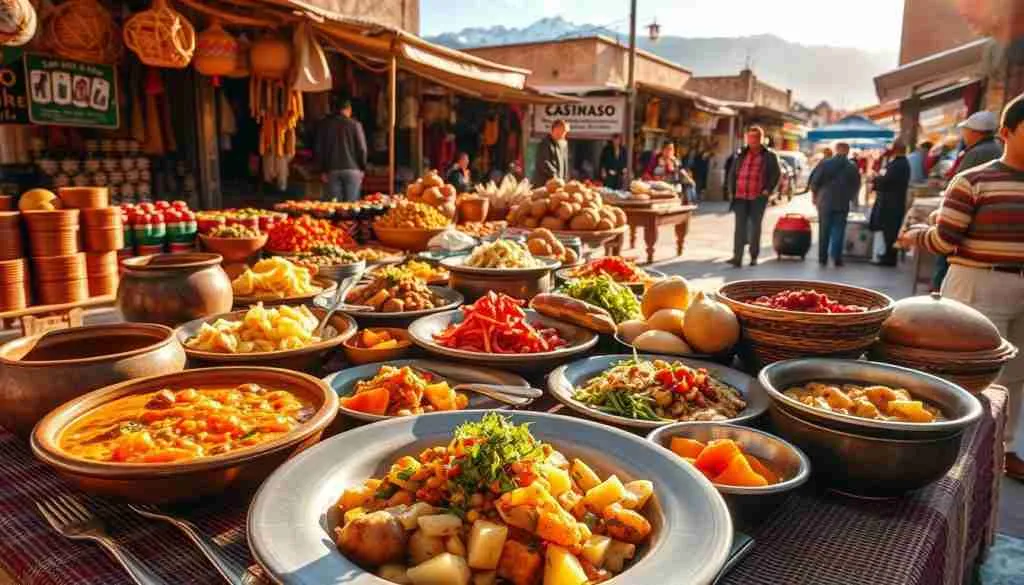
Cusco’s food scene is a thrilling adventure through Peruvian flavors. The city mixes ancient Andean tastes with new cooking methods. This mix offers a special dining experience for those who love food.
In Cusco, you can find many local restaurants that celebrate the area’s food heritage. You’ll discover a wide variety of dishes that show the cultural richness of the region. Some dishes you should try include:
- Cuy (guinea pig) – a traditional Andean delicacy
- Lomo saltado – a popular stir-fried beef dish
- Quinoa-based preparations
- Chifa – Peruvian-Chinese fusion cuisine
The city has many places to eat, from fancy restaurants to cozy quintas (family-run eateries). Places like Morena Peruvian Fusion and Limo offer creative twists on classic dishes.
| Restaurant | Specialty | Price Range |
|---|---|---|
| Morena Peruvian Fusion | Novo-Andean Cuisine | $15-30 USD |
| Limo | Seafood Fusion | $20-40 USD |
| Cicciolina | Tapas and Local Ingredients | $10-25 USD |
Food enthusiasts can explore Cusco’s food world more by joining local tours and cooking classes. The San Pedro Market is a key spot for authentic Peruvian flavors. Here, you can try Chicha Morada, a purple corn drink, and learn about the city’s vast potato variety.
With over 4,000 potato varieties from the Andean Mountains, Cusco is a true paradise for food enthusiasts!
Conclusion
A trip to Cusco is more than a vacation. It’s a journey through Peru’s ancient and modern worlds. You’ll see the Plaza de Armas and Sacsayhuaman, each with its own story of history and change.
Cusco’s adventure is for those who want to see more than the usual spots. At 3,400 meters, it’s a challenge but offers breathtaking views and cultural experiences. Here, Inca and Spanish traditions blend, making for a unique travel experience.
For those interested in Andean culture, Cusco is the place to be. It welcomes over 2 million visitors each year. Walking its streets or joining local festivals, you’ll make memories that last a lifetime.
Your time in Cusco will change you. By diving into local life and traditions, you’ll learn more than you expected. So, pack your sense of adventure and respect for cultures. Cusco is waiting to share its wonders with you.
