
Munnar Hill Station Guide: Tea Plantations & Trekking
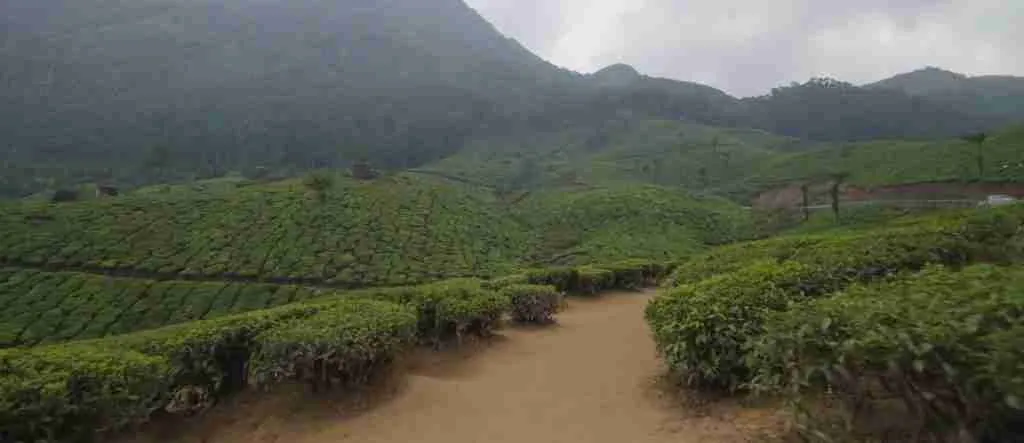
Munnar rises from the Western Ghats at elevations between 1,450 and 2,695 meters, creating one of South India’s most spectacular hill station destinations. Rolling tea plantations cascade across mountain slopes, creating endless carpets of emerald green punctuated by misty peaks, waterfalls, and endemic wildlife. This comprehensive guide explores the tea estate experiences, trekking routes, and natural wonders that make Munnar an essential stop for travelers seeking Kerala’s highland beauty.
Key Takeaways About Munnar
- World’s Highest Tea Estates: Munnar hosts over 80 tea plantations including Kolukkumalai at 7,900 feet elevation, the world’s highest tea plantation still using traditional processing methods
- UNESCO Biosphere Reserve: Part of the Nilgiri Biosphere Reserve and surrounded by three wildlife sanctuaries (Eravikulam, Chinnar, Kurinjimala) protecting endangered Nilgiri tahr and unique shola-grassland ecosystems
- Trekking Paradise: Multiple trails ranging from easy tea plantation walks to challenging peak ascents including Anamudi (South India’s highest peak at 2,695m), Meesapulimala, and Chokramudi
- Neelakurinji Blooms: The rare Strobilanthes kunthiana (Neelakurinji) flowers bloom once every 12 years, carpeting mountainsides in purple-blue hues, with next occurrence expected around 2030
- Colonial Tea Heritage: British plantation history dating to 1878 preserved in heritage bungalows, century-old tea factories, and museums showcasing traditional processing equipment
- Year-Round Destination: Pleasant climate ranges 10-25°C throughout the year, with post-monsoon (September-November) offering clearest views and lush landscapes, while summer (April-May) provides warm sunny days ideal for trekking
People Also Ask About Munnar
What Makes Munnar’s Tea Plantations Special?
Munnar’s tea plantations distinguish themselves through exceptional altitude, traditional processing methods, and scenic beauty unmatched elsewhere in India. The region encompasses over 80 tea estates covering approximately 24,000 hectares across the Kannan Devan Hills, producing some of India’s finest high-elevation teas. Kolukkumalai Tea Estate holds the distinction as the world’s highest organic tea plantation at 7,900 feet, where extreme altitude and cool temperatures create unique flavor profiles impossible to replicate at lower elevations. The hundred-year-old factory still operates with 1930s British machinery, processing tea using orthodox methods that preserve delicate flavors lost in modern CTC (crush-tear-curl) production. Tea cultivation transformed Munnar from wilderness to manicured landscape, with undulating plantations creating mesmerizing patterns across hillsides. The visual impact of endless green tea bushes contrasting against blue skies and mist-shrouded peaks creates photographers’ paradise. Beyond aesthetics, the plantations support complex ecosystems where tea gardens interface with shola forests and grasslands, creating biodiversity hotspots. Many estates welcome visitors for guided tours explaining cultivation from leaf to cup, offering authentic experiences of picking tea alongside workers, witnessing factory processing, and tasting fresh brews. The heritage aspect adds depth—century-old estate bungalows, traditional processing equipment displayed in museums, and continued use of proven methods connect visitors to Kerala’s colonial tea history.
Which Are the Best Tea Estates to Visit in Munnar?
Lockhart Tea Estate provides the most accessible and comprehensive tea experience, featuring guided plantation walks, heritage factory tours, and tea tastings. The estate operates Monday-Saturday with three-hour tours explaining traditional cultivation methods, demonstrating the withering, rolling, fermenting, and drying processes that transform green leaves into black tea. Visitors walk among tea bushes learning to identify quality leaves, interact with experienced tea pluckers, and understand grading systems. The Lockhart Tea Museum showcases vintage processing equipment including original tea rollers from 1905, photographs documenting plantation history, and artifacts from British colonial era. Tasting sessions compare various tea grades produced on-site. Kanan Devan Hills Plantations, managed by employee-owned company KDHP, operates the famous Tata Tea Museum in Munnar town. This museum traces regional tea history through exhibits of antique machinery including the Pelton Wheel from 1920s hydroelectric generation and rail engine wheels from Kundala Valley Light Railway. The documentary film screened twice daily provides comprehensive overview of tea cultivation history and processing techniques. The estate’s factory tours operate weekdays showing modern large-scale production alongside traditional methods. Kolukkumalai Tea Estate requires adventurous spirit—reaching this highest tea plantation involves rugged 4WD jeep ride up extremely steep, unpaved mountain tracks. The journey itself thrills with hairpin bends, sheer drop-offs, and spectacular valley views. The century-old factory tour reveals orthodox tea processing using original British machinery. Sunrise visits combine tea estate exploration with extraordinary dawn views across Tamil Nadu plains. Sevenmallay Tea Estate offers intimate experiences at this smaller, less commercialized plantation. Walking trails wind through tea gardens with minimal tourist crowds, allowing peaceful immersion in plantation atmosphere. The estate produces specialty teas including white and green varieties alongside standard black teas.
What Are the Best Trekking Routes in Munnar?
Anamudi Peak stands as the ultimate Munnar trekking challenge, reaching 2,695 meters as South India’s highest mountain. The trek requires permits from Forest Department and typically spans two days with overnight camping at base camp. The route ascends through shola forests, crossing grasslands where endangered Nilgiri tahr graze, before reaching rocky summit offering 360-degree views across Western Ghats. Physical fitness and acclimatization to altitude prove essential. Meesapulimala provides similarly challenging terrain at 2,640 meters with stunning sunrise views. The 12-14 kilometer round trip begins around 2:00 AM for dawn summit arrival. The trail crosses tea estates, enters shola forests, climbs grassland slopes, and navigates rocky sections requiring careful footing. Clear weather reveals views to Karnataka and Tamil Nadu borders. Chokramudi Peak offers moderate difficulty at 2,100 meters with 6-8 hour round trips from Munnar town. The trek passes through cardamom plantations and shola forests before ascending grassy slopes to summit. Rock scrambling near top requires basic climbing skills. Views encompass tea valleys, Western Ghats peaks, and surrounding wildlife sanctuaries. Lakshmi Hills provides easier trekking suitable for beginners, with 3-4 hour trails through tea plantations and light forests. The gentle slopes showcase tea cultivation up close while offering Munnar valley panoramas. Tea Plantation Walking Trails organized by estates like Lockhart offer leisurely 2-3 hour experiences requiring minimal fitness. These walks focus on tea cultivation rather than mountain vistas, combining education with light exercise. Eravikulam National Park’s Rajamalai Trek, though short (3 kilometers), provides guaranteed Nilgiri tahr sightings along paved paths through protected grasslands. This easy walk suits all fitness levels while delivering exceptional wildlife encounters and mountain scenery. Most challenging treks require guides both for navigation and forest permit arrangements. Local trekking agencies provide experienced guides, camping equipment, and necessary documentation.
When Do the Neelakurinji Flowers Bloom in Munnar?
Neelakurinji (Strobilanthes kunthiana), Kerala’s famous endemic flower, blooms once every 12 years in one of nature’s most spectacular botanical events. The purple-blue flowers carpet mountainsides and valleys across Munnar’s shola-grassland ecosystems, creating surreal landscapes. The last mass blooming occurred in 2018, meaning the next flowering is expected around 2030. The name Neelakurinji derives from Malayalam words “neela” (blue) and “kurinji” (flower). Historical records document bloomings in 1838, 1850, 1862, and subsequent 12-year intervals, with the 2018 event attracting hundreds of thousands of visitors over the September-October flowering period. The scientific mechanism involves semelparous reproduction where plants die after single flowering and seed production. Seedlings germinate, grow for 12 years accumulating resources, then flower simultaneously before dying. The synchronized mass flowering maximizes pollination success and seed production. Peak flowering typically spans September-October, though exact timing varies by elevation and microclimate. Higher elevations bloom slightly later than lower areas. Individual flowers last several weeks before seed set and plant death. The best viewing locations include Eravikulam National Park’s Rajamalai area, Top Station near Tamil Nadu border, hills around Pallivasal and Devikulam, and various trekking routes through shola ecosystems. During non-blooming years, Neelakurinji plants appear as low-growing shrubs with small oval leaves, easily overlooked among other vegetation. Conservation efforts protect these unique ecosystems as habitat loss threatens some populations. The 12-year cycle makes experiencing a bloom extremely special—most visitors to Munnar see only green hillsides where these extraordinary flowers will eventually transform landscapes.
Extended multi-day tours – 5+ days
Featured Kerala Multi-Day Tour Packages
3 days
Kerala 3-Day Discovery Tour
- ✓ Comprehensive Kerala experience
- ✓ Expert local guides included
- ✓ All accommodation included
- ✓ Transportation provided
5 days
Kerala 5-Day Highlights Experience
- ✓ Comprehensive Kerala experience
- ✓ Expert local guides included
- ✓ All accommodation included
- ✓ Transportation provided

7 days
Kerala 7-Day Cultural Journey
- ✓ Comprehensive Kerala experience
- ✓ Expert local guides included
- ✓ All accommodation included
- ✓ Transportation provided

10 days
Kerala 10-Day Complete Adventure
- ✓ Comprehensive Kerala experience
- ✓ Expert local guides included
- ✓ All accommodation included
- ✓ Transportation provided
Multi-day tour packages powered by TourRadar. Prices and availability subject to change.
Introduction: Discovering Munnar’s Highland Beauty
Munnar emerged from wilderness in 1878 when Scottish planter John Daniel Munro identified the region’s potential for tea cultivation. The cool climate, abundant rainfall, and sloping terrain proved ideal for growing high-quality tea at elevations where few other crops thrived. British planters established vast estates, constructing processing factories, worker housing, and plantation bungalows that defined Munnar’s character. The town name derives from Tamil/Malayalam “moonu aar” meaning “three rivers,” referring to the confluence of Mudrapuzha, Nallathanni, and Kundala rivers.
Today’s Munnar balances commercial tea production with growing tourism, protected wildlife conservation, and preserved colonial heritage. Over 80 tea estates continue operation under companies including Kanan Devan Hills Plantations (employee-owned since 2005), Tata Global Beverages, and smaller independent producers. The landscape appears almost entirely human-made—manicured tea bushes covering hillsides in geometric patterns interrupted only by shade trees, processing factories, and worker colonies. Yet pockets of original shola forest (montane tropical rainforest) survive in valleys and protected areas, supporting endemic species found nowhere else on Earth.
The climate distinguishes Munnar from Kerala’s lowlands. Temperatures range 10-25°C year-round, providing perpetual spring-like conditions. Morning mists envelop valleys, lifting by midday to reveal azure skies and dramatic mountain profiles. Afternoons bring occasional clouds and brief showers, followed by spectacular sunsets illuminating tea gardens in golden light. Winter months (December-February) see temperatures dropping to 5-10°C, occasionally reaching near-freezing at highest elevations. This coolness, combined with moderate humidity and clean mountain air, creates refreshing contrast to tropical heat dominating most of India.
Biodiversity thrives despite agricultural dominance. Eravikulam National Park protects the largest surviving population of endangered Nilgiri tahr (mountain goat) along with endemic birds, butterflies, and plants. Chinnar Wildlife Sanctuary on the rain shadow side harbors different ecosystems where dry deciduous forests replace wet shola environments. The Anamalai Tiger Reserve extends into Munnar’s periphery. Together, these protected areas form part of the UNESCO Nilgiri Biosphere Reserve, recognizing global importance of Western Ghats biodiversity.
Trekking opportunities range from gentle plantation walks to serious mountain ascents. Anamudi, South India’s highest peak at 2,695 meters, attracts experienced trekkers willing to navigate permits and challenging terrain. Numerous shorter trails explore tea estates, shola forests, waterfalls, and viewpoints requiring minimal preparation. The landscape’s verticality creates constant elevation changes—valleys give way to ridges, ridges to peaks, with tea plantations adapting to every contour.
Understanding Munnar’s Tea Heritage
History of Tea Cultivation
Commercial tea production began in Munnar in 1878 following experimental plantings by British planters working for North Travancore Land Planting & Agricultural Society. The success of these initial crops led to rapid expansion across available hillsides. By 1900, thousands of hectares came under tea cultivation, transforming the landscape from natural forest and grassland to managed plantations. The British brought Tamil laborers from southern districts to work estates, creating the demographic patterns visible today where Tamil-speaking communities dominate Munnar despite its Kerala location.
Early planters established the infrastructure still visible throughout Munnar. Processing factories incorporated British engineering adapted to remote mountain locations. Estate bungalows combined European architecture with tropical adaptations—thick walls, high ceilings, wraparound verandahs, and sloping roofs managed heavy monsoon rains while providing colonial comfort. The Kundala Valley Light Railway, constructed to transport tea from remote estates to plains, operated until the 1950s. Sections of track and vintage rolling stock survive as museum pieces and plantation decorations.
Tea production methods evolved from fully manual processing to partial mechanization while maintaining core principles. Orthodox tea processing, preserving leaf integrity and complex flavors, continues at estates like Kolukkumalai alongside modern CTC methods producing granular teas for mass-market tea bags. The grading system developed during colonial era—Orange Pekoe, Pekoe, Broken Orange Pekoe—still classifies teas by leaf size and quality. Auction systems established in Coimbatore and Coonoor continue marketing Munnar teas to domestic and international buyers.
Tea Processing Explained
Understanding tea processing enhances estate visits and tastings. All tea—white, green, oolong, black—comes from the same plant species (Camellia sinensis). Processing methods determine final tea type. Munnar primarily produces black tea (called “red tea” in China) through oxidation of fresh leaves. The process begins with plucking—skilled workers harvest young shoots comprising two leaves and bud, the “flush” containing highest concentrations of flavor compounds and caffeine. Plucking occurs year-round in Munnar’s climate, with fresh growth appearing every 7-14 days depending on season and elevation.
Fresh leaves travel to factories within hours of harvest to prevent unwanted fermentation. The withering process spreads leaves on massive trays, exposing them to controlled airflow for 12-24 hours. This reduces moisture content from 75-80% to approximately 60-70%, making leaves pliable for rolling without tearing. Traditional factories use ambient air; modern facilities employ fans and temperature controls for consistency. Rolling crushes leaves, breaking cell walls to release enzymes and essential oils. Orthodox rolling uses cylindrical machines gently pressing and twisting leaves to maintain integrity. CTC (crush-tear-curl) processing forces leaves through metal teeth producing small granules. Munnar’s orthodox teas bring premium prices while CTC output serves commercial tea bag markets.
Oxidation develops flavor, color, and character. Rolled leaves spread in cool, humid rooms undergo enzymatic oxidation as polyphenols interact with oxygen, transforming green leaves progressively darker. Color changes from green through brown to deep copper indicate oxidation levels. Orthodox processing allows 3-4 hours partial oxidation producing lighter, more complex flavors. CTC processing completes faster due to greater surface area exposure. Tea tasters monitor oxidation by examining color and aroma, halting the process at precise moments to achieve desired characteristics.
Drying (firing) stops oxidation by heating leaves to 90-95°C, reducing moisture to 3-4%. Large rotating drums blow hot air through tea, fixing color and flavor while preventing spoilage. Properly dried tea develops the characteristic aroma and can store for years without deterioration. Final steps include sorting leaves by size using vibrating screens, grading into quality categories, and packing for auction or retail. Munnar’s high-elevation teas command premium prices due to slower growth producing more concentrated flavors and delicate aromas impossible at warmer, lower elevations.
Major Tea Estates and Tours
Kanan Devan Hills Plantations operates the largest estates covering approximately 24,000 hectares across Munnar region. The company’s Tata Tea Museum in Munnar town provides comprehensive introduction to local tea history and processing. Exhibits display vintage equipment including tea rollers from 1905, photographs documenting plantation development, and artifacts from British era including furniture, communication devices, and transport memorabilia. A 30-minute documentary film screened at 10:00 AM and 2:00 PM explains cultivation, processing, and cultural significance. Entry tickets cost nominal fees with guided tours included. Factory tours operate on weekdays showing modern processing facilities. The adjacent retail shop sells estate-fresh teas across multiple grades and varieties.
Lockhart Tea Estate combines scenic beauty with accessible tours explaining traditional methods. Three-hour experiences include plantation walks through tea bushes, factory visits showing withering, rolling, oxidizing, and drying processes, and tasting sessions comparing various grades. Guides explain cultivation techniques, demonstrate proper leaf plucking, and discuss estate management. The heritage museum showcases equipment dating to early 20th century. Tours operate Tuesday-Sunday with morning and afternoon sessions. The estate’s location provides spectacular views across Munnar valley.
Kolukkumalai requires adventurous approach—4WD jeep rides up extremely steep, narrow mountain tracks with sheer drop-offs and hairpin bends. The journey itself thrills while revealing stunning landscape changes from tea gardens through grasslands to rocky summits. The factory tour shows orthodox processing using century-old British machinery still producing organic teas. Sunrise tours combine tea experience with extraordinary dawn views. Jeep safaris typically cost per vehicle with factory entry separate. Early morning departures (4:00-5:00 AM) allow summit arrival for sunrise. The rough road makes this unsuitable for those uncomfortable with heights or bumpy rides.
Several estates offer homestay experiences in converted plantation bungalows. These immersive programs include guided plantation walks, tea processing demonstrations, meals featuring estate-grown produce, and interactions with plantation workers explaining daily life. Multi-day stays provide deeper understanding of tea culture beyond surface tourism. Contact estates directly or book through specialized tour operators focusing on plantation heritage.
Essential Trekking Information
Anamudi Peak Trek
Anamudi stands at 2,695 meters as South India’s highest mountain, creating the ultimate Munnar trekking objective. The peak lies within Eravikulam National Park requiring special permits arranged through Forest Department or authorized tour operators. Most treks follow two-day itineraries with overnight base camp stays, though experienced trekkers sometimes complete the ascent in single long days. The route begins from park entrance at Rajamalai, initially following paved paths through Nilgiri tahr habitat before entering wilderness sections.
The trail ascends through distinct vegetation zones. Grasslands dominate lower elevations where Nilgiri tahr graze—these endangered mountain goats show little fear of humans in protected park environment, often approaching within meters. Shola forest patches provide shade and biodiversity hotspots harboring endemic birds including Nilgiri pipit, Nilgiri wood pigeon, and various laughingthrushes. Higher elevations transition to alpine grasslands interspersed with rocky outcrops. The final approach involves scrambling over large boulders requiring careful route-finding and basic climbing skills.
Summit views span the entire Western Ghats range from Karnataka border in north to Tamil Nadu’s Palani Hills southward. On exceptionally clear days, visibility extends to Kerala’s coastal plains westward and Tamil Nadu lowlands eastward. The sense of standing on South India’s roof creates powerful experiences for summit-hungry trekkers. Weather changes rapidly—brilliant sunshine can yield to dense fog within minutes. Winds increase dramatically at exposed summit, requiring windproof layers even during generally warm seasons.
Permits restrict numbers to preserve fragile ecosystems, so advance arrangements prove essential. The park sometimes closes during monsoon (June-August) when trails become treacherous and leeches proliferate. Fitness requirements are significant—the elevation gain, technical terrain, and altitude effects challenge unprepared trekkers. Acclimatization helps—spending days in Munnar before attempting Anamudi reduces altitude sickness risk. Guides prove invaluable for navigation, permit arrangements, and safety in case of weather emergencies or injuries. Tour operators provide tents, sleeping bags, meals, and support staff for multi-day expeditions.
Meesapulimala Trek
Meesapulimala reaches 2,640 meters as the second-highest peak in South India and the highest accessible without special permits. The trek appeals to experienced hikers seeking challenging routes without Anamudi’s bureaucratic complexities. Most expeditions begin around 2:00-3:00 AM for dawn summit arrival, with total hiking time spanning 6-8 hours round trip covering approximately 12-14 kilometers.
The route initially traverses tea estates under starlight, headlamps illuminating paths between tea bushes. As elevation increases, plantations give way to grasslands and shola forest patches. The middle section presents rolling terrain allowing steady progress. Higher elevations introduce steeper slopes requiring more effort. Rocky sections near summit demand careful footing, particularly when wet from overnight dew or early morning mists. The final ascent involves some scrambling over boulders.
Sunrise from Meesapulimala ranks among Western Ghats’ most spectacular natural displays. The first light illuminates cloud layers filling valleys, creating “sea of clouds” effects with mountain peaks emerging as islands. As the sun rises, light progressively reveals landscape features—distant tea estates, forest patches, grassland expanses, and neighboring peaks. The changing colors—deep purples and blues yielding to oranges and golds—create photographers’ paradise. Wildlife sightings sometimes include Nilgiri tahr, wild elephants in valleys below, and numerous endemic birds.
The descent follows the same route, with daylight revealing scenery hidden during predawn ascent. Tea plantation sections offer opportunities to interact with workers beginning morning plucking. The combination of physical challenge, predawn adventure, spectacular summit views, and varied landscapes makes Meesapulimala extremely popular. Local guides know optimal routes, manage timing for best views, and provide information about flora, fauna, and geography encountered. Most trekkers hire guides through hotels or trekking agencies, with costs typically including transport to trailhead, guide services, and sometimes breakfast after summit descent.
Shorter Day Hikes
Chokramudi Peak at 2,100 meters offers moderate trekking suitable for reasonably fit hikers. The 6-8 hour round trip from Munnar town or nearby villages passes through cardamom plantations where workers harvest aromatic seed pods, then enters shola forests hosting diverse birdlife. Grassland slopes lead to rocky summit requiring minor scrambling. Views encompass Munnar’s tea valleys, surrounding peaks including Anamudi in distance, and patchwork of plantations, forests, and grasslands. The less technical terrain compared to Anamudi or Meesapulimala makes this accessible to trekkers with moderate mountain experience but limited climbing skills.
Lakshmi Hills provides gentler options with 3-4 hour trails through tea plantations and mixed forests. The rolling terrain involves minimal elevation gain while showcasing tea cultivation methods, plantation infrastructure, and Munnar valley panoramas. These walks suit travelers seeking light exercise combined with scenic beauty without demanding physical challenges. Sunset treks time arrival at viewpoints for golden hour photography of tea gardens illuminated by low-angle light.
Tea Estate Walking Trails organized by companies like Lockhart and KDHP focus on agricultural experiences rather than mountain scenery. Two to three-hour walks explain tea cultivation, allow participation in leaf plucking alongside workers, demonstrate quality assessment, and conclude with factory tours and tastings. These educational walks require minimal fitness while providing authentic plantation insights.
Numerous waterfalls around Munnar create short hiking destinations. Attukal Waterfalls, Lakkam Waterfalls, and Nyayamakad Waterfalls all involve easy 20-60 minute walks from road access points. These cascades peak during and immediately after monsoons when water volume maximizes. The surrounding forest areas support butterfly diversity, small mammals, and birdlife. While not challenging hikes, they provide pleasant breaks from tea plantation focus and opportunities for photography in forested settings.
Wildlife and Nature
Eravikulam National Park
Eravikulam National Park protects 97 square kilometers of shola-grassland mosaic ecosystems at elevations from 1,400 to 2,695 meters. The park’s primary conservation focus targets the endangered Nilgiri tahr (Nilgiritragus hylocrius), a mountain ungulate endemic to southern Western Ghats. Population estimates suggest 700-800 individuals inhabit Eravikulam, representing the largest surviving concentration and approximately one-third of total wild population.
The Rajamalai area, open to tourists, provides virtually guaranteed tahr sightings. These sure-footed animals graze on grassland slopes, showing minimal fear of humans due to decades of protection and positive human interaction. Males display distinctive curved horns and stocky builds, while females appear smaller with shorter horns. Calving season (January-February) brings adorable young tahrs learning to navigate steep terrain under mothers’ watchful care. The animals’ approachability creates extraordinary photography opportunities—images of tahrs with tea valley backdrops or mountain peaks define Munnar tourism.
Beyond tahrs, the park harbors 26 mammal species including Indian muntjac, sambar deer, wild boar, stripe-necked mongoose, and occasionally elephants wandering from adjacent forests. The 132 bird species encompass 16 endemics found only in Western Ghats. Specialties include Nilgiri wood pigeon, Nilgiri flycatcher, Nilgiri pipit, and various laughingthrushes. Butterfly diversity exceeds 100 species with shola-grassland interfaces providing habitat for endemic varieties.
The park’s flora showcases high-altitude adaptations. Grasslands feature endemic species alongside introduced varieties, with Neelakurinji (Strobilanthes kunthiana) dominating attention during its once-per-12-years blooming. Shola forests occupying valleys harbor distinct tree communities adapted to cool, moist conditions. These evergreen patches act as biodiversity reservoirs, supporting species unable to survive in surrounding grasslands. The juxtaposition of forest and grassland creates ecosystem complexity supporting specialized species.
Park access requires entry tickets with costs varying for Indian nationals and foreign tourists. The park operates daily except during calving season (February-March) when tourist areas close to minimize disturbance. The paved 3-kilometer loop trail accommodates easy walking with spectacular scenery. Electric buses ferry visitors from entrance gate to starting point. Guided nature walks provide deeper insights into ecology, conservation challenges, and species identification. Photography proves excellent given animals’ tolerance of human presence and dramatic landscape backdrops.
Chinnar Wildlife Sanctuary
Chinnar Wildlife Sanctuary occupies the rain shadow region east of Munnar, where the Western Ghats block monsoon moisture creating dramatically drier conditions. This aridity supports thorny scrub and dry deciduous forests contrasting sharply with Munnar’s wet evergreen and shola environments. The 90-square-kilometer sanctuary protects species adapted to drier habitats, creating biodiversity complementing nearby protected areas.
Wildlife includes giant grizzled squirrel (Ratufa macroura), white-bellied treepie, Hanuman langurs, and occasionally spotted deer and elephants. The grizzled squirrel, one of world’s largest squirrel species reaching 900mm total length, represents a major attraction given its rarity and spectacular appearance—enormous bushy tail, distinctive coat patterns, and acrobatic abilities. Chinnar supports one of few remaining populations. Bird diversity encompasses species typical of dry forests rather than wet montane environments, creating different species composition than Eravikulam.
The Thoovanam Waterfalls within sanctuary boundaries cascade 1,500 feet in spectacular displays, particularly during monsoon and post-monsoon periods. Trekking routes of varying difficulty explore different forest zones, river valleys, and viewpoints. Overnight trekking packages with camping allow deeper wilderness immersion and improved wildlife spotting opportunities during dawn and dusk activity periods.
Sandalwood trees grow naturally in Chinnar’s forests, protected under strict regulations given commercial value. Educational programs explain sandalwood ecology, traditional uses, and conservation challenges facing this valuable species. The sanctuary’s different character from Munnar’s tea-dominated landscape provides ecological diversity and opportunities to experience Western Ghats’ environmental gradients within relatively small geographic area.
Birdwatching Opportunities
Munnar and surrounding protected areas host over 250 bird species including numerous Western Ghats endemics. The region’s elevation range, habitat diversity from grasslands and shola forests to tea plantations and riverine zones, and protected status create prime birdwatching destinations. Endemic specialties attract serious birders specifically targeting species found nowhere else globally.
Key endemics include Nilgiri wood pigeon, Nilgiri flycatcher, Nilgiri pipit, Nilgiri thrush, white-bellied blue flycatcher, crimson-backed sunbird, and various laughingthrushes. These species occupy specific habitat niches—some preferring dense shola forests, others grassland-forest interfaces, and several adapted to tea plantation edges. Locating all endemics requires multiple habitat visits and often expert guide assistance for identification and song recognition.
Early morning (5:30-9:00 AM) and late afternoon (4:00-6:30 PM) provide peak activity periods when birds actively forage, sing, and display. Weather influences sightings significantly—clear days after rain often produce exceptional activity as birds emerge from shelter. Mist and heavy rain reduce visibility and bird movement. Seasonal variations affect species presence—some resident year-round, others altitudinal migrants moving between elevations following food availability, and a few long-distance migrants visiting during winter months.
Tea plantations, despite being artificial landscapes, support diverse bird communities. Shade trees, hedgerows, and forest remnants provide nesting sites and food sources. White-cheeked barbet, Indian blackbird, Nilgiri flycatcher, and various sunbirds commonly forage among tea bushes and adjacent vegetation. Stream valleys cutting through estates create riparian habitats attracting different species assemblages. Plantation edges bordering forests serve as ecotones supporting both open-country and forest species.
Serious birders hire specialized guides knowing songs, behaviors, and optimal locations for target species. Multi-day birding itineraries combine Munnar’s elevations with lowland areas like Athirapally, Thattekad Bird Sanctuary, and coastal sites, maximizing species diversity across Kerala’s environmental gradients. Photography opportunities vary by species—some endemics skulk in dense cover requiring patience and luck, while others like Nilgiri wood pigeon perch conspicuously allowing excellent images.
Practical Munnar Information
Getting to Munnar
Munnar’s remote mountain location requires careful transport planning. The nearest major airport, Cochin International Airport, sits 110 kilometers west involving 3.5-4.5 hour drives through winding mountain roads. Prepaid taxi counters at the airport quote fixed rates, typically higher than negotiated prices with drivers outside official counters. The scenic drive ascends from coastal plains through rubber plantations, spice gardens, and eventually tea estates, with elevation changes creating dramatic landscape transitions. Shared taxis and tourist vans provide budget alternatives at lower costs per person but operate on fixed schedules with multiple passenger pickups extending journey times.
Madurai Airport in Tamil Nadu lies 140 kilometers east, offering alternative access particularly for travelers approaching from south India. The drive crosses different terrain—dry eastern slopes with views into Tamil Nadu plains before ascending into Munnar’s tea country. Regular buses connect Munnar to Kochi (Ernakulam), Madurai, Coimbatore, and other Kerala cities. These government and private operators offer varying comfort levels from basic seating to semi-sleeper coaches. Journey times from Kochi range 4-5 hours depending on traffic and road conditions. Mountain roads involve numerous hairpin bends and elevation changes potentially causing motion sickness in susceptible travelers.
Self-driving remains popular among domestic tourists accustomed to Indian road conditions. International visitors should consider hiring cars with drivers given challenging navigation, local traffic patterns, and the advantage of drivers knowing optimal photo stops and restaurant recommendations. Motorcycles appeal to adventurous travelers seeking flexibility and immersive experiences, though mountain riding demands skill handling steep grades, sharp curves, and occasionally poor road surfaces.
Accommodation Options
Munnar’s accommodation spans budget guesthouses to luxury plantation resorts. Budget options include homestays and small hotels providing basic amenities at economical rates. These family-run properties often occupy convenient Munnar town locations within walking distance of markets, restaurants, and tour operators. Rooms feature simple furnishings, fans or basic air-conditioning, and shared or private bathrooms. Hospitality typically exceeds facility standards, with owners providing local knowledge and arranging tours.
Mid-range hotels combine comfort with reasonable pricing. Properties feature well-appointed rooms with modern bathrooms, hot water, WiFi, and often restaurants serving Kerala and North Indian cuisines. Many occupy hillside locations providing tea valley views from rooms and common areas. Facilities sometimes include gardens, rooftop terraces, and travel desks organizing tours and transport. These hotels suit travelers seeking comfort without luxury price tags.
Plantation bungalows converted to heritage accommodations deliver authentic colonial experiences. These former estate manager residences maintain period architecture, furnishings, and atmosphere while incorporating modern amenities. Features include teak floors, high ceilings, fireplaces for cool evenings, wraparound verandahs with plantation views, and often private gardens. Some operate as boutique hotels while others function as homestays with limited rooms ensuring intimate experiences. Staying in plantation heritage adds immersive dimension to tea country visits.
Luxury resorts occupy prime locations with comprehensive facilities. Spice Village, Windermere Estate, and similar properties combine traditional Kerala architecture with five-star services. Expect spa facilities, gourmet restaurants, guided plantation walks, cultural performances, infinity pools overlooking tea valleys, and concierge services arranging customized experiences. These resorts target honeymoon travelers, luxury tourists, and visitors seeking pampered mountain retreats. High rates reflect exceptional locations, personalized services, and premium experiences.
Location choices depend on priorities. Munnar town provides convenience for budget travelers using public transport and seeking easy access to markets and basic restaurants. Properties 5-10 kilometers from town centers offer quieter settings in tea estates or forests with better views but requiring own transport or tour arrangements. Remote plantation stays deliver isolation and authentic estate experiences at the cost of convenience. Booking ahead proves essential during peak periods (April-May, October-November, December-January) when properties fill quickly.
Best Times to Visit
Munnar’s pleasant climate supports year-round visits, though seasonal variations affect experiences. Post-monsoon months (September-November) combine lush landscapes following rains with clearing skies providing excellent mountain views. Tea estates appear vibrant green, waterfalls run strong, and temperatures remain comfortable (15-25°C). This period suits trekking, wildlife viewing in Eravikulam (reopening post-calving season), and photography given clear atmospheric conditions.
Winter (December-February) brings coolest temperatures, occasionally approaching freezing at highest elevations during early morning. Daytime warmth (18-25°C) remains pleasant though evenings require warm layers. Clear skies predominate, making this excellent for trekking and general sightseeing. However, Eravikulam National Park closes during calving season (late January-March) restricting Nilgiri tahr viewing. This remains peak tourist season with higher accommodation rates and larger crowds at popular attractions.
Summer months (March-May) offer warm, sunny weather ideal for trekking and outdoor activities. Temperatures reach 25-30°C during midday but remain comfortable compared to lowland heat. This period attracts domestic tourists escaping plains’ summer temperatures. Tea harvesting accelerates during warm periods, providing active plantation scenes. Waterfalls diminish as dry season progresses, though major falls maintain flow.
Monsoon season (June-August) transforms Munnar with heavy rainfall creating lush, dramatic landscapes. Mists envelop valleys, waterfalls cascade at maximum volume, and vegetation flourishes. However, trekking becomes challenging due to slippery trails, leeches, and limited visibility. Some attractions close or operate reduced hours. Accommodation rates drop significantly and tourist numbers decline dramatically, appealing to travelers seeking solitude and dramatic weather. Rain gear and covered shoes prove essential.
Frequently Asked Questions About Munnar
Why Is Munnar Called a Hill Station?
British colonizers created hill stations as summer retreats from oppressive lowland heat, establishing administrative centers and residential communities at cool elevations. Munnar developed as plantation managers’ headquarters rather than government administrative center like Shimla or Ooty, but shares key hill station characteristics—temperate climate, European-style architecture, organized town planning, and function as refuge from tropical heat. The term persists in Indian English referring to mountain towns regardless of current administrative functions. Munnar’s elevation (1,450-1,600 meters in town, surrounding peaks reaching 2,695 meters) creates year-round temperatures of 10-25°C, dramatically cooler than Kerala’s coastal and lowland regions experiencing 28-35°C. This pleasant climate attracted British planters who constructed estates, bungalows, churches, and clubs creating distinctly European enclave in Kerala’s mountains. Post-independence, hill stations transitioned from colonial retreats to domestic and international tourist destinations while retaining heritage character and cool climate appeal.
Is Munnar Safe for Solo Travelers?
Munnar maintains excellent safety standards for solo travelers including women. The tourist-focused economy encourages local communities to prioritize visitor security and positive experiences. Violent crime rates remain extremely low, and harassment incidents occur rarely compared to many Indian tourist destinations. Standard precautions suffice—secure valuables in hotel safes, remain aware in crowded areas, avoid isolated locations after dark, and use registered tour operators and transport. Solo female travelers report comfortable experiences, though modest dress (covered shoulders and knees) shows cultural respect and reduces unwanted attention. Many solo travelers connect with others at accommodations or join group tours for trekking and sightseeing, combining independent flexibility with social interaction. Homestays and smaller hotels facilitate meeting fellow travelers and receiving local advice. Trekking alone on remote trails carries risks related to navigation, weather changes, and injury potential—hiring guides for challenging routes provides both safety and enhanced experiences through local knowledge. Overall, Munnar’s established tourism infrastructure, low crime rates, and welcoming communities create safe environments for independent exploration.
What Should I Pack for Munnar?
Munnar’s mountain climate requires layered clothing adapting to temperature variations. Pack lightweight, breathable cottons or synthetics for daytime (18-25°C), plus warm layers for mornings, evenings, and higher elevations where temperatures drop significantly. Essential items include comfortable walking shoes with good grip for tea plantation walks and light hikes, warmer trekking boots for serious mountain trails, light rain jacket or umbrella (rain possible year-round, essential during monsoon), fleece or sweater for cool evenings especially December-February, long pants and long-sleeve shirts for sun protection and modesty at religious sites, and hat and sunglasses for sunny conditions. Trekking equipment varies by ambition—day hikers need daypacks, water bottles, snacks, and basic first aid, while multi-day trekkers require camping gear or rent equipment through tour operators. Photography enthusiasts should bring cameras with zoom lenses for wildlife (Nilgiri tahr, birds), wide-angle lenses for landscapes, tripod for low-light photography, and extra batteries as cold reduces battery life. General items include sunscreen (high SPF given altitude and reflection from tea bushes), insect repellent (mosquitoes and leeches during wet periods), basic medications, reusable water bottles, small flashlight or headlamp for early morning treks, and binoculars for wildlife and bird watching. Most toiletries and supplies are available in Munnar town shops though specialized items may cost more than cities. Laundry services operate affordably enabling packing light for extended stays.
Can I See Tea Being Harvested in Munnar?
Tea harvesting occurs year-round in Munnar’s climate, with fresh growth appearing every 7-14 days depending on season, elevation, and tea variety. Observing actual harvesting depends primarily on timing rather than season. Most estates employ workers who pluck morning hours (typically 7:00 AM-1:00 PM) when weather remains coolest and tea quality peaks. Afternoon plucking sometimes occurs but morning sessions provide best viewing opportunities. Walking through tea estates during these hours almost guarantees encountering pluckers at work. The skilled workers, predominantly women, move rapidly through tea rows selecting precise flush (two leaves and bud) meeting quality standards. Their practiced movements demonstrate efficiency—experienced pluckers harvest 30-40 kilograms daily. Organized tea estate tours typically include watching plucking demonstrations, explaining selection criteria, and sometimes allowing visitors to attempt picking (much harder than it appears). Some tours enable direct interaction with workers who explain techniques, daily targets, and lives on estates. Photography proves excellent during harvest—vibrant green tea bushes, workers in colorful saris, baskets filled with fresh leaves, and mountain backdrops create compelling images. Respect workers’ labor by asking permission before close-up photography and avoiding disrupting their work. Factory tours showing processing of harvested leaves into finished tea complement harvest observations, providing complete leaf-to-cup understanding. The combination of seeing workers plucking in fields, witnessing factory processing, and tasting resulting teas delivers comprehensive tea experiences unique to plantation regions.
Are There Restaurants in Munnar Serving Non-Vegetarian Food?
Munnar offers diverse dining options including both vegetarian and non-vegetarian restaurants. Kerala’s meat and seafood culinary traditions appear in numerous establishments serving chicken, mutton, beef, pork, and fish preparations. Popular dishes include chicken/mutton curry with appam or parotta, beef fry (Kerala specialty), fish molee, and grilled preparations. However, many restaurants near temples or in conservative areas serve exclusively vegetarian menus respecting religious sentiments. Hotels generally offer both options in their restaurants, with larger properties maintaining separate vegetarian and non-vegetarian kitchens. Street food includes meat-filled samosas, chicken rolls, and grilled items at select vendors. Western and North Indian options appear alongside Kerala cuisine—Chinese-Indian fusion, pizzas, and Continental dishes cater to varied tastes. Bakeries provide breakfast options including eggs, sandwiches, and pastries. Finding specific non-vegetarian meals requires identifying appropriate restaurants—hotel staff, online reviews, and local recommendations help locate establishments matching dietary preferences. Remote plantation stays and homestays often prepare meals based on guest preferences, accommodating both vegetarian and non-vegetarian requests when informed in advance. Overall food quality remains good with fresh ingredients and flavorful preparations, though those seeking extensive seafood should recognize that Munnar’s mountain location limits fresh ocean fish availability compared to coastal Kerala.
How Difficult Is the Anamudi Trek?
The Anamudi trek rates as strenuous requiring good physical fitness, altitude tolerance, and trekking experience. The route covers approximately 15-18 kilometers round trip with 1,000+ meter elevation gain from Rajamalai entrance to 2,695-meter summit. Terrain varies from maintained paths through grasslands to unmarked routes requiring navigation skills, stream crossings, boulder fields demanding scrambling ability, and steep slopes testing cardiovascular fitness and leg strength. The combination of distance, elevation gain, technical sections, and altitude effects creates genuine challenges unsuited to novice trekkers. Physical preparation should include regular cardiovascular exercise, strength training for legs and core, and ideally previous trekking experience at similar or higher elevations. Acclimatization helps—spending 2-3 days in Munnar before attempting Anamudi reduces altitude sickness risk. The 2,695-meter summit elevation affects some individuals through reduced oxygen availability, though effects prove less severe than Himalayan altitudes. Weather adds complexity—conditions change rapidly from sunny to fog-enshrouded to rainy, requiring appropriate gear and flexibility. The monsoon season (June-August) brings additional hazards through slippery trails, leeches, reduced visibility, and swollen streams. Most successful summits occur during drier months with clear weather forecasts. Hiring experienced guides proves nearly essential—they navigate routes, arrange required permits (trek lies within Eravikulam National Park with restricted access), provide safety support, and share knowledge of flora, fauna, and geography. Tour operators offering Anamudi expeditions typically include guides, camping equipment, food, and permit arrangements in package costs. Despite challenges, reaching South India’s highest point rewards determined trekkers with extraordinary views, wilderness experiences, and accomplishment satisfaction.
What Wildlife Might I See in Munnar?
Eravikulam National Park virtually guarantees Nilgiri tahr sightings, with these endangered mountain goats grazing openly on grassland slopes showing little fear of humans. Population concentrations in tourist areas provide excellent photography and observation opportunities. Beyond tahrs, the region’s wildlife includes Asian elephants occasionally wandering through forests and tea estates (maintain safe distances and follow guide instructions), Indian gaur (wild bison) in Chinnar Wildlife Sanctuary and forested areas, sambar deer, Indian muntjac (barking deer), and wild boar. Primates include Nilgiri langurs (black-furred leaf monkeys endemic to Western Ghats) and occasional bonnet macaques. Smaller mammals like stripe-necked mongoose, common palm civet, and Indian crested porcupine exist but remain largely nocturnal and elusive. The giant grizzled squirrel in Chinnar represents a major attraction given its rarity and spectacular appearance. Bird diversity exceeds 250 species including 16 Western Ghats endemics like Nilgiri wood pigeon, Nilgiri flycatcher, and Nilgiri pipit. Butterfly populations include over 100 species with endemic varieties in shola forests. Reptiles encompass various snake species, lizards, and occasionally mugger crocodiles in lower-elevation water bodies. Wildlife sightings depend significantly on habitat, timing, and luck—early morning and late afternoon represent peak activity periods, while midday often sees reduced animal movement. Guided wildlife tours increase sighting probabilities through expert knowledge of animal behaviors, habitat preferences, and optimal viewing locations. Trekking through diverse habitats from tea plantations to forests to grasslands maximizes encounter opportunities. Responsible wildlife viewing maintains safe distances, avoids feeding animals, remains quiet to prevent disturbance, and follows park regulations protecting both visitors and wildlife.
Is Munnar Suitable for Families with Children?
Munnar accommodates family travel excellently with diverse activities suiting various ages. Young children enjoy tea plantation walks observing workers picking leaves, spotting Nilgiri tahrs in Eravikulam National Park (animal sightings captivate kids), visiting Mattupetty Dam for boating, and exploring Rose Gardens with colorful flowers. The Echo Point phenomenon where voices echo across valley entertains youngsters. Older children appreciate adventure activities including trekking on easier trails like Lakshmi Hills, visiting waterfalls, and learning about tea processing. Educational aspects—understanding tea cultivation, observing wildlife in protected habitats, experiencing different ecosystems from wet forests to dry scrublands—provide valuable learning opportunities. The cool climate makes outdoor activities comfortable for children accustomed to warmer temperatures. Most hotels welcome families with options for interconnecting rooms, extra beds, and children’s menus. Homestays often prove particularly family-friendly with hosts accommodating children’s needs and providing insights into local life. However, certain considerations apply—very young children may struggle with longer drives on winding mountain roads, trekking trails with steep sections and uneven terrain pose challenges for small kids (consider shorter, easier walks), and altitude effects occasionally affect sensitive children (watch for signs of discomfort or illness). Adventure activities like Anamudi trekking suit teenagers and teens with good fitness rather than young children. Overall, Munnar’s combination of scenic beauty, wildlife experiences, educational opportunities, comfortable climate, and family-friendly infrastructure makes it excellent destination for multi-generational travel when activities match children’s ages and abilities.
What Are Munnar’s Hidden Gems Beyond Tea Plantations?
While tea estates dominate Munnar’s identity, numerous lesser-known attractions reward exploration. Top Station marks the highest point on Munnar-Kodaikanal road at the Kerala-Tamil Nadu border, offering panoramic views across both states. The Neelakurinji flowers bloom here during their 12-year cycle. Marayoor Sandalwood Forest protects natural sandalwood stands, one of few remaining in India, with ancient dolmens (megalithic burial chambers) adding archaeological interest. Chinnar Wildlife Sanctuary provides completely different ecosystems on rain shadow slopes—dry deciduous forests rather than wet evergreens, supporting unique wildlife like giant grizzled squirrels. The Power House Waterfalls hidden in forests require short hikes revealing beautiful cascades in natural settings away from tourist crowds. Pothamedu Viewpoint delivers spectacular sunrise views over multiple tea estates and mountain ranges, less crowded than better-known vantage points. Lakkom Waterfall involves adventurous approaches through forests and streams, rewarding those willing to trek with pristine falls and natural pools. Anayirankal Dam and reservoir offers boat rides and scenic picnic spots in quieter locations. The Gap Road stretches between Munnar and Kodaikanal, presenting hairpin bends and stunning valley views rivaling famous mountain drives. Spice plantations around Munnar grow cardamom, pepper, vanilla, and coffee, offering tours explaining cultivation distinct from tea. Local markets in Munnar town provide authentic experiences browsing spices, homemade chocolates, handmade soaps, tea varieties, and handicrafts purchased by locals rather than tourist-focused shops. Villages around Munnar preserve traditional Kerala culture including temple festivals, architecture, and agricultural practices. Exploring beyond main attractions reveals Munnar’s depth and delivers experiences differentiating memorable visits from surface-level tourism.