
Kerala Travel Guide 2026: Backwaters, Beaches & Hill Stations
Kerala stands as India’s tropical paradise where palm-fringed backwaters meet golden beaches and misty hill stations create landscapes unlike anywhere else. This comprehensive guide provides everything travelers need to plan an unforgettable Kerala journey in 2026, from UNESCO-recognized natural wonders to practical logistics and budget planning.
Key Takeaways
- Western Ghats UNESCO Natural World Heritage Site spans Kerala with exceptional biodiversity and stunning mountain landscapes across multiple protected areas
- Backwater houseboats range Rs. 6,750-103,000+ per night depending on luxury level, with Alleppey and Kumarakom offering the best experiences
- Hill stations like Munnar provide tea plantation tours, wildlife viewing, and cooler climates at 1,600+ meters elevation perfect for escaping tropical heat
- Beach destinations from Kovalam to Varkala offer Arabian Sea coastline with cliffside resorts, Ayurvedic wellness, and water sports year-round
- Accommodation costs Rs. 1,400-5,500+ per night (budget to luxury), transportation via trains, buses, and taxis connects all major destinations efficiently
- October-March provides ideal weather for 2026 visits with minimal rainfall and comfortable temperatures across all regions
People Also Ask About Kerala Travel 2026
What is the best time to visit Kerala in 2026?
October through March offers the best weather for Kerala travel in 2026, with minimal rainfall, comfortable temperatures of 23-32°C, and ideal conditions for backwater cruises, beach activities, and hill station exploration. December-January represents peak season with higher prices but perfect weather, while October-November and February-March provide excellent conditions with slightly lower rates. Monsoon season from June-September brings heavy rainfall that disrupts outdoor activities but creates lush landscapes and offers significant discounts for budget travelers willing to experience Kerala’s dramatic rainy season beauty.
How much does a Kerala houseboat cost in 2026?
Kerala houseboat prices in 2026 range from Rs. 6,750 for basic 2-night packages covering 300 kilometers to Rs. 103,000+ per night for ultra-luxury accommodations with premium amenities. Standard deluxe houseboats cost Rs. 15,000-30,000 per night for couples, mid-range options with modern facilities run Rs. 30,000-55,000, while luxury vessels featuring multiple bedrooms, conference halls, and gourmet dining reach Rs. 55,000-103,000+ nightly. Day cruises offer more affordable alternatives at Rs. 1,500-5,000 per person, providing backwater experiences without overnight stays while prices peak during December-January and drop 15-20% during shoulder seasons.
Which are the must-visit hill stations in Kerala for 2026?
Munnar leads Kerala’s hill station destinations at 1,600 meters elevation with sprawling tea plantations, Eravikulam National Park protecting endangered Nilgiri Tahr, and Anamudi Peak reaching 2,695 meters as South India’s highest point. Wayanad offers wildlife sanctuaries, ancient Edakkal Caves with prehistoric rock art, and coffee plantation experiences at 700-2,100 meters elevation. Thekkady surrounds Periyar Wildlife Sanctuary providing tiger reserve access, spice plantation tours, and elephant viewing opportunities. Ponmudi near Thiruvananthapuram delivers scenic mountain drives through 22 hairpin bends, while Vagamon features meadows, pine forests, and adventure activities at moderate elevations perfect for families seeking cooler climates without extreme altitude.
How many days are needed to explore Kerala properly in 2026?
A comprehensive Kerala experience requires 10-14 days to explore major destinations without rushing, allowing 2-3 days each in Kochi for heritage sites, Munnar for hill stations and tea plantations, Thekkady for wildlife experiences, 2 days for backwater houseboat cruises in Alleppey or Kumarakom, and 3-4 days for beach relaxation in Kovalam or Varkala. Shorter 7-day itineraries can cover highlights by focusing on 2-3 regions such as backwaters, one hill station, and one beach destination, while extended 14+ day trips enable deeper exploration including multiple hill stations, several backwater areas, cultural experiences in smaller towns, and comprehensive Ayurvedic wellness programs requiring minimum week-long commitments.
Extended multi-day tours – 5+ days
Featured Kerala Multi-Day Tour Packages
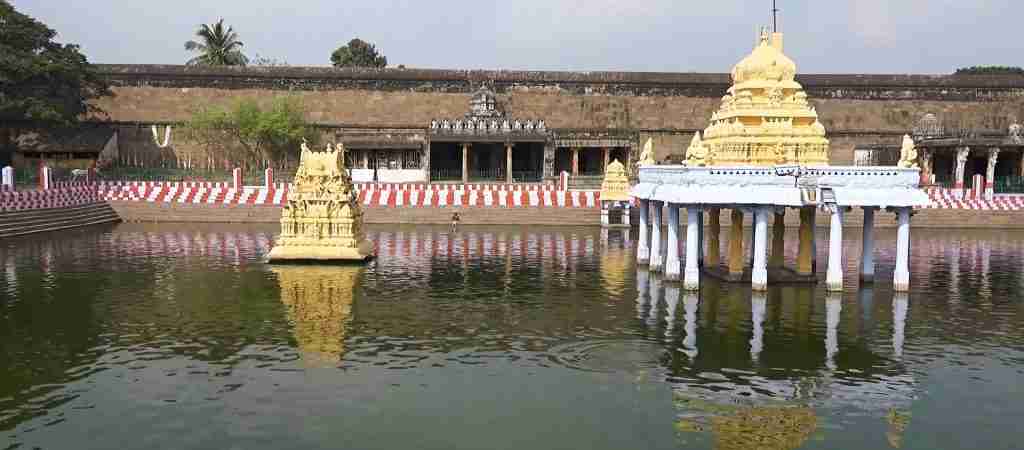
3 days
Kerala 3-Day Discovery Tour
- ✓ Comprehensive Kerala experience
- ✓ Expert local guides included
- ✓ All accommodation included
- ✓ Transportation provided
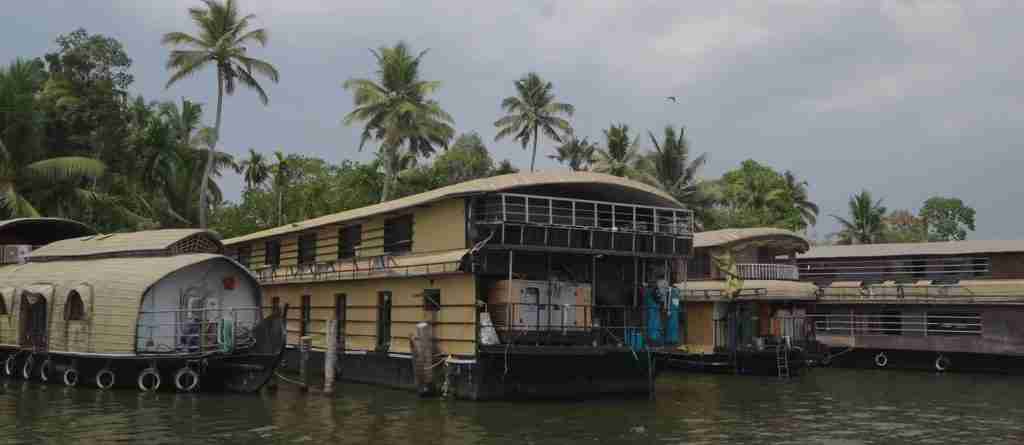
5 days
Kerala 5-Day Highlights Experience
- ✓ Comprehensive Kerala experience
- ✓ Expert local guides included
- ✓ All accommodation included
- ✓ Transportation provided
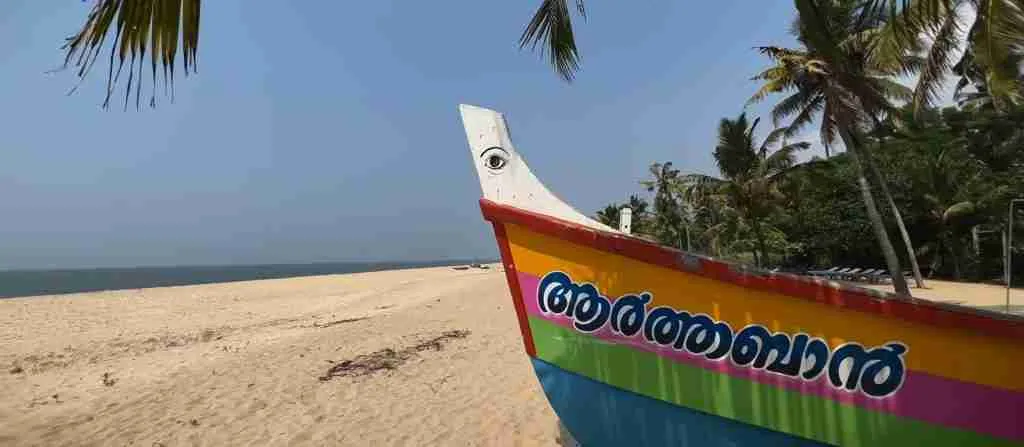
7 days
Kerala 7-Day Cultural Journey
- ✓ Comprehensive Kerala experience
- ✓ Expert local guides included
- ✓ All accommodation included
- ✓ Transportation provided
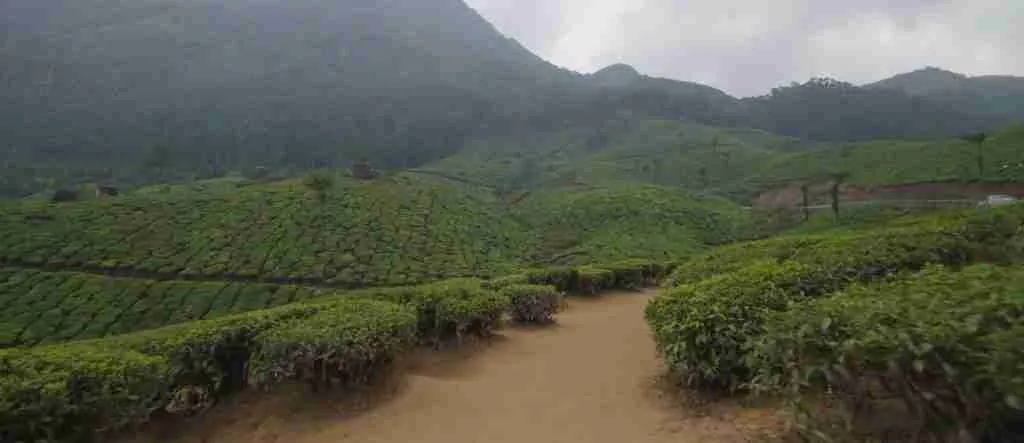
10 days
Kerala 10-Day Complete Adventure
- ✓ Comprehensive Kerala experience
- ✓ Expert local guides included
- ✓ All accommodation included
- ✓ Transportation provided
Multi-day tour packages powered by TourRadar. Prices and availability subject to change.
Introduction: Discovering God’s Own Country in 2026
Kerala earns its “God’s Own Country” designation through landscapes that range from tranquil backwaters where houseboats glide through palm-lined canals to beaches where the Arabian Sea meets golden sands and hill stations where tea plantations carpet mountain slopes. This southwestern Indian state combines natural beauty with rich cultural heritage, UNESCO-recognized biodiversity, and wellness traditions dating back millennia.
The Western Ghats mountain range forms Kerala’s natural backbone as a UNESCO World Heritage Site inscribed in 2012 for exceptional biodiversity across six states. Within Kerala, protected areas including Periyar Wildlife Sanctuary, Silent Valley National Park, and Eravikulam National Park preserve one of the world’s eight biodiversity hotspots. The range influences monsoon patterns, creates varied microclimates from tropical coastal regions to cool mountain environments, and supports endemic species found nowhere else on Earth.
Kerala’s backwater system consists of 900 kilometers of interconnected canals, rivers, and lagoons stretching along the coast from Kollam to Kochi. Vembanad Lake forms India’s longest lake at 96.5 kilometers, serving as the centerpiece of Alleppey and Kumarakom backwater tourism. Traditional kettuvallam houseboats once transported rice and spices now carry visitors through villages where life continues unchanged along waterways, offering glimpses of coconut harvesting, fishing communities, and paddy cultivation methods used for centuries.
The state’s coastline extends 580 kilometers along the Arabian Sea, creating beaches with distinct characters from Kovalam’s crescent bays surrounded by palm groves to Varkala’s dramatic cliffs dropping into ocean waters. Beach destinations combine natural beauty with Ayurvedic wellness centers, water sports facilities, and seafood cuisine showcasing Kerala’s fishing traditions. Unlike tourism-heavy beach regions elsewhere in India, many Kerala beaches maintain relaxed atmospheres with family-friendly environments and authentic local culture.
Hill stations provide dramatic contrast to coastal regions with elevations reaching 2,695 meters at Anamudi Peak. Munnar’s tea plantations transform mountains into manicured landscapes where workers harvest leaves by hand as they have since British colonial times. Cooler temperatures averaging 15-25°C make hill stations perfect escapes from coastal heat, while wildlife sanctuaries protect species from elephants to endangered mountain goats across varied ecosystems from tropical forests to grassland sholas.
Western Ghats UNESCO World Heritage: Kerala’s Mountain Backbone 2026
The Western Ghats achieved UNESCO World Heritage status in 2012 as a natural site of outstanding universal value, recognized for biodiversity that ranks among Earth’s eight most important hotspots and for geological features dating back over 150 million years. Within Kerala, the mountain range extends through multiple protected areas creating continuous wildlife corridors and preserving ecosystems from tropical evergreen forests at lower elevations to montane grasslands above 2,000 meters.
Periyar Wildlife Sanctuary covers 777 square kilometers in Idukki and Pathanamthitta districts, protecting tiger populations, Asian elephants, and over 260 bird species around Periyar Lake. The sanctuary operates year-round with boat safaris offering wildlife viewing opportunities, though tiger sightings remain rare despite Project Tiger protection status since 1978. Guided jungle treks provide closer forest encounters with experienced tribal guides leading visitors through areas closed to independent exploration, while bamboo rafting combines adventure with wildlife observation along quieter waterways where animal sightings occur more frequently than crowded boat routes.
Silent Valley National Park preserves 90 square kilometers of undisturbed tropical evergreen rainforest representing one of India’s last remaining virgin forests. The park received protection after major conservation campaigns in the 1970s prevented hydroelectric development that would have flooded the valley. Lion-tailed macaques, an endangered primate species endemic to Western Ghats, thrive here alongside Great Indian Hornbills, Nilgiri langurs, and over 1,000 flowering plant species. Access remains restricted with limited visitor permits protecting fragile ecosystems while allowing controlled scientific research and minimal tourism impact.
Eravikulam National Park surrounds Anamudi Peak at 2,695 meters, South India’s highest point, protecting endangered Nilgiri Tahr populations that recovered from near extinction to over 2,000 individuals through dedicated conservation. The park closes annually from January 10 through March 15 during calving season when tahr females give birth and young need protection from disturbance. Rolling grasslands interspersed with shola forests create unique high-altitude ecosystems found only in Western Ghats, where endemic plant species adapted to cool temperatures and frequent mist cannot survive elsewhere.
Parambikulam Tiger Reserve spans 643 square kilometers with some of Asia’s oldest teak trees reaching heights over 50 meters and girths exceeding 6 meters. The reserve pioneered community-based ecotourism employing tribal communities as guides, forest guards, and hospitality staff while protecting wildlife through indigenous knowledge systems. Visitors stay in eco-lodges powered by solar energy, participate in guided nature walks led by tribal experts, and learn traditional forest management practices that sustained biodiversity for generations before modern conservation efforts began.
Climate variations across Western Ghats create distinct visiting seasons with October-February providing clear skies and comfortable temperatures for trekking and wildlife viewing, while monsoons from June-September bring torrential rainfall exceeding 5,000 millimeters annually in some areas. The mountains intercept moisture-laden winds from the Arabian Sea, creating rain shadow effects where eastern slopes receive significantly less precipitation than western faces. These patterns produce biodiversity gradients where species composition changes dramatically within short distances based on rainfall, temperature, and altitude variations.
Backwater Paradise: Alleppey & Kumarakom Planning 2026
Alleppey, officially Alappuzha, serves as Kerala’s houseboat capital with over 1,000 traditional kettuvallam vessels cruising through Vembanad Lake and surrounding canals. The town developed around coir industry traditions processing coconut husks into rope and matting, infrastructure that later supported tourism development as traditional cargo boats converted to passenger accommodations. Houseboats dock at Finishing Point or Punnamada Jetty, where operations handle check-ins, safety briefings, and boarding procedures before vessels depart into narrow canals threading through villages inaccessible by road.
Houseboat categories in 2026 range from basic deluxe vessels at Rs. 15,000-20,000 per night with air-conditioned bedrooms, attached bathrooms, and simple furnishings to premium luxury accommodations at Rs. 55,000-103,000+ featuring multiple bedrooms, conference facilities, Jacuzzis, and gourmet dining prepared by onboard chefs. Standard packages include all meals showcasing Kerala cuisine with fresh seafood, local vegetables, and traditional preparations, while crew consists of captain navigating waterways, chef preparing meals, and helper assisting with service and maintenance throughout journeys.
Overnight cruises typically depart afternoon around 12:00-1:00 PM, cruise through backwaters stopping at scenic locations for lunch and sunset viewing, anchor overnight in designated areas with generator power for air conditioning and lighting, then return following morning around 9:00-10:00 AM after breakfast. Multi-night packages extend routes into less-traveled canals where tourist traffic decreases and authentic village life appears more prominently, though costs increase proportionally with additional nights aboard and expanded itineraries covering greater distances.
Kumarakom offers more upscale backwater experiences centered around luxury resorts like Taj Kumarakom and Coconut Lagoon rather than budget houseboat options. The destination attracts visitors seeking refined accommodations with resort amenities combined with backwater access, where properties feature private canals, infinity pools overlooking Vembanad Lake, and Ayurvedic spas delivering traditional wellness treatments. Bird watching thrives at Kumarakom Bird Sanctuary during winter migration season when species from Siberia, Europe, and northern India arrive including egrets, herons, darters, and the rare Siberian crane occasionally sighted.
Day cruises provide affordable backwater experiences at Rs. 1,500-5,000 per person for 2-4 hour trips without overnight accommodations. These shorter excursions suit travelers with limited budgets or time, families with young children who may struggle with extended boat stays, and those wanting backwater exposure before committing to overnight experiences. Shikara rides in smaller motorized canoes cost Rs. 500-1,000 per hour, offering intimate explorations of narrow canals where large houseboats cannot navigate while maintaining flexibility to adjust routes based on wildlife sightings or passenger interests.
Booking strategies for 2026 include reserving 3-6 months ahead for December-January peak season when demand exceeds supply and prices increase 30-50% above regular rates, while shoulder months of October-November and February-March offer availability with 2-3 months advance booking at standard pricing. Last-minute bookings sometimes secure discounts 1-2 weeks before travel during low season April-September, though houseboat quality and availability decrease as operators reduce fleet during monsoon when backwaters become challenging to navigate safely.
Safety considerations include verifying operators possess required licenses from Kerala Tourism, checking vessel maintenance standards including life jackets for all passengers and fire safety equipment, confirming crew experience navigating backwaters especially during weather changes, and understanding anchoring locations overnight ensure privacy and security. Reputable operators provide transparent pricing without hidden fees, maintain vessels in good condition with working air conditioning and plumbing, and employ trained crew following safety protocols established by Kerala tourism authorities.
Beach Destinations: Kovalam to Varkala Coast 2026
Kovalam Beach evolved from fishing village to resort destination maintaining crescent-shaped bays separated by rocky outcrops just 16 kilometers from Thiruvananthapuram. Three main beaches include Lighthouse Beach anchored by red-and-white striped lighthouse offering panoramic views from 35-meter height, Hawah Beach popular with families for calm waters and shallow depths, and Samudra Beach retaining more authentic local character with fishing activities continuing alongside tourism. Accommodation ranges from budget guesthouses at Rs. 1,500-3,000 per night to luxury resorts like Leela Kovalam perched on cliffs commanding Rs. 12,000-25,000+ nightly rates with infinity pools, multiple restaurants, and comprehensive Ayurvedic spas.
Ayurvedic treatments form significant draws in Kovalam with numerous centers offering authentic Kerala traditions from simple massages at Rs. 1,500-3,000 per session to comprehensive Panchakarma detoxification programs requiring 14-21 days and costing Rs. 75,000-150,000+ depending on accommodation luxury and treatment intensity. Somatheeram Ayurvedic Health Resort pioneered Ayurvedic tourism in Kerala, maintaining traditional treatment approaches under experienced vaidyas while accommodating international guests with English-speaking staff and culturally appropriate modifications to strict Ayurvedic routines.
Water sports at Kovalam include surfing during southwest monsoon June-August when waves reach suitable heights for beginners and intermediate surfers, parasailing offering aerial coastal views at Rs. 2,500-3,500 per session, and kayaking through calmer waters September-March when conditions suit paddling rather than surfing. Local operators provide equipment rentals and instruction, though serious surfers seeking consistent waves typically prefer specialized surf destinations rather than Kovalam’s seasonal conditions.
Varkala Beach perches dramatically atop laterite cliffs rising 15 meters above Arabian Sea, creating unique geological formations found nowhere else along Kerala coast. The cliffside supports continuous strip of guesthouses, restaurants, and shops accessed via staircases descending to beach level, while cliff top pathways provide sunset viewing venues and shopping opportunities for handicrafts, clothing, and jewelry. Natural mineral springs emerging from cliff face contain supposed medicinal properties that attract wellness-focused visitors supplementing beach relaxation with therapeutic bathing.
Papanasam Beach at Varkala holds religious significance where Hindu pilgrims perform rituals for deceased ancestors, believing waters possess purifying qualities washing away sins. The spiritual dimension coexists with tourism as families perform ceremonies while vacationers sunbathe nearby, creating cultural experiences where visitors observe traditional practices continuing despite commercial development. Respectful behavior around ritual areas maintains harmony, with designated sections separating religious activities from recreational beach use.
North Cliff and South Cliff areas in Varkala offer contrasting atmospheres with North Cliff hosting upscale resorts, yoga retreats, and international restaurants catering to longer-staying visitors, while South Cliff maintains budget-friendly guesthouses and local eateries attracting backpackers and budget travelers. The division provides options matching different budgets and travel styles within walking distance, allowing beach access and cliff top amenities regardless of accommodation price range chosen.
Marari Beach provides secluded alternatives 15 kilometers from Alleppey where tourism development remains minimal and traditional fishing village culture dominates. The 3-kilometer stretch attracts visitors seeking quiet beaches without commercial activity, with limited accommodation options focused on eco-resorts and homestays rather than large hotel complexes. CGH Earth’s Marari Beach Resort exemplifies sustainable tourism approaches using solar power, employing local staff, and maintaining traditional Kerala architecture integrated into coconut grove settings rather than clearing vegetation for development.
Hill Station Escapes: Munnar & Beyond 2026
Munnar dominates Kerala’s hill station landscape at 1,600 meters elevation where tea plantations blanket mountains creating meticulously manicured landscapes extending as far as eyes can see. The British established tea estates in the 1870s when Scottish planter John Daniel Munro developed cultivation methods adapted to high-altitude conditions, infrastructure that continues today as Tata Tea operates major estates around town. Visitors tour working plantations observing harvesting where skilled workers pick tender shoots by hand maintaining quality standards, processing facilities where leaves undergo withering, rolling, oxidation, and drying transformations, and museums explaining tea history from colonial origins through modern organic farming initiatives.
Mattupetty Dam creates reservoir 13 kilometers from Munnar town providing boating opportunities and wildlife viewing where elephants, gaur, and various deer species descend to water especially during dry months February-May. Echo Point delivers natural amphitheater acoustics where sounds reverberate across valley, creating popular tourist attractions despite commercial development that diminishes pristine wilderness atmosphere. Top Station at Kerala-Tamil Nadu border reaches 1,880 meters elevation offering views across valleys into neighboring state where tea estates transition to different vegetation patterns based on administrative regulations and management approaches.
Eravikulam National Park adjacent Munnar protects Nilgiri Tahr populations with accessible tourism zones allowing visitors during most months except January-March calving season closures. Entry costs Rs. 125 for adults, Rs. 90 for children with park buses transporting visitors from entrance gate to Rajamalai viewpoint where tahr frequently graze on grasslands with minimal fear of humans habituated to observer presence. Photography opportunities abound as animals approach within meters though touching or feeding remains strictly prohibited under park regulations protecting wildlife welfare.
Accommodation in Munnar ranges from budget hotels at Rs. 1,500-3,000 per night in town center providing basic amenities and convenient access to restaurants and shops, to mid-range plantation resorts at Rs. 4,000-8,000 set within working tea estates offering colonial bungalow atmospheres and estate tour inclusions, and luxury properties like Windermere Estate at Rs. 12,000-20,000+ featuring heritage buildings, gourmet dining, and comprehensive wellness facilities. Peak season December-January and school holiday periods require advance reservations 3-6 months ahead, while shoulder months October-November and February-March offer better availability and sometimes discounted rates.
Thekkady centers on Periyar Wildlife Sanctuary with town of Kumily providing accommodation base 4 kilometers from park entrance. The sanctuary offers varied ecotourism programs including boat safaris on Periyar Lake at Rs. 225-300 per person for 1.5-2 hour trips where elephants, gaur, sambar deer, and occasional tigers appear on shorelines, jungle treks led by tribal guides at Rs. 2,900 for full-day programs including meals and rafting, and overnight camping at designated forest lodges requiring advance permits from park authorities.
Spice plantation tours complement wildlife experiences showing cardamom, pepper, vanilla, and other crops growing in forest understory creating sustainable agroforestry systems that preserve tree cover while producing economic value. Guides explain cultivation techniques, processing methods, and medicinal uses while visitors sample fresh spices and purchase directly from plantations eliminating intermediary markups. Tours typically cost Rs. 500-1,000 per person for 2-3 hour experiences including plantation walks, processing demonstrations, and shopping opportunities.
Wayanad offers different hill station character at lower elevations 700-2,100 meters with less development and more extensive forest cover than Munnar. Edakkal Caves feature prehistoric rock art dating 6,000-8,000 years showing human figures, animals, and symbols providing archaeological insights into ancient civilizations inhabiting Western Ghats. Entry requires hiking 1-kilometer uphill trail with steep sections challenging for visitors with mobility limitations, though views from cave mouth across Wayanad plateau reward effort invested reaching site.
Wildlife sanctuaries in Wayanad include Muthanga protecting elephant corridors and Tholpetty offering jeep safaris through dense forests where visibility challenges wildlife viewing but pristine nature compensates with biodiversity richness. Chembra Peak at 2,100 meters provides trekking destinations with heart-shaped lake forming natural landmark along trail, while Soochipara Falls cascade 200 meters creating swimming pools at base during post-monsoon months September-January when water flow remains strong but safe for bathing.
Cultural Highlights: Kochi Heritage & Traditions 2026
Fort Kochi preserves colonial heritage where Portuguese, Dutch, and British influences created architectural and cultural fusion unlike anywhere else in Kerala. Chinese fishing nets lining Vasco da Gama Square represent technology introduced by Chinese traders in 14th century, creating iconic imagery as fishermen operate massive cantilevered nets using counterweight systems requiring coordinated team efforts. The structures demand constant maintenance replacing bamboo poles and nets damaged by storms and saltwater corrosion, though tourism provides economic incentives sustaining traditional fishing methods despite modern techniques offering greater efficiency.
St. Francis Church stands as India’s oldest European church built 1503 when Portuguese established trading post, originally serving Catholic community before Dutch conquest converted building to Protestant worship and British later claimed structure. Vasco da Gama died in Kochi during his third voyage to India in 1524, with remains initially buried at St. Francis before later transfer to Portugal, though memorial slab marks original burial location. The church underwent multiple renovations reflecting changing architectural styles and religious denominations controlling building across five centuries.
Mattancherry Palace, called Dutch Palace despite Portuguese construction in 1555, features Kerala murals depicting Ramayana episodes in stunning detail covering interior walls with vegetable-based pigments that remain vibrant after centuries. The Dutch renovated structure in 1663 adding windows and updating decor, creating name confusion that persists despite Portuguese origins. Exhibits include royal artifacts, portraits of Kochi maharajas, and ceremonial dress showcasing wealth accumulated through spice trade that made Kochi one of India’s richest kingdoms before British colonial control ended independence.
Jew Town surrounding Paradesi Synagogue maintains antique shops, spice warehouses, and narrow lanes where Jewish community thrived for centuries before migration reduced population to handful of families maintaining religious traditions. The synagogue built 1568 features hand-painted Chinese tiles covering floor in intricate patterns, Belgian chandeliers hanging from ceiling, and Torah scrolls housed in ark decorated with gold and silver. Visiting hours respect Sabbath closures Friday afternoons through Saturday, while modest dress requirements apply as functioning religious site rather than museum catering solely to tourists.
Kathakali performances showcase Kerala’s classical dance-drama tradition where elaborate makeup transforming performers into mythological characters, intricate hand gestures communicating complex narratives, and rhythmic footwork synchronized to drums create mesmerizing theatrical experiences. Cultural centers in Fort Kochi offer evening shows with pre-performance makeup demonstrations allowing audiences to observe transformation process from actors to characters, performances condensed to 1-2 hours making art form accessible to tourists unfamiliar with 8-hour traditional presentations, and explanatory narration in English helping international visitors follow storylines based on Hindu epics.
Kochi’s spice markets continue trading legacy dating to ancient times when pepper, cardamom, cloves, and cinnamon attracted merchants from Arabia, China, and Europe. Modern wholesale markets operate early mornings as traders negotiate bulk purchases shipping spices domestically and internationally, while retail shops in Jew Town and Broadway offer tourist-oriented sales with English-speaking staff explaining varieties, uses, and quality differences. Prices vary significantly based on quality grades, organic certification, and packaging presentation, with savvy shoppers comparing vendors before purchasing quantities exceeding airline baggage allowances.
Essential Kerala Travel Planning 2026
Cochin International Airport serves as Kerala’s primary gateway located 30 kilometers from Kochi city center with connections to Middle East, Southeast Asia, and domestic Indian destinations. The airport pioneered solar power generation becoming world’s first fully solar-powered airport in 2015, exemplifying Kerala’s environmental consciousness. Taxis to Fort Kochi cost Rs. 800-1,200 depending on vehicle type, while prepaid taxi counters at arrivals ensure transparent pricing eliminating negotiation needs. Airport buses operate to Ernakulam for Rs. 50-75 providing budget options though limited luggage space and frequent stops extend journey times considerably.
Thiruvananthapuram International Airport provides southern Kerala access with domestic flights to major Indian cities and international connections to Middle East. Located 6 kilometers from city center, taxis cost Rs. 250-400 to central areas, Rs. 600-800 to Kovalam Beach. Pre-paid taxi services ensure fixed rates, while app-based services like Ola and Uber operate with metered fares often lower than traditional taxis though availability varies during peak times and remote areas.
Train travel connects Kerala cities efficiently with Southern Railway network operating express and passenger services along coastal route from Thiruvananthapuram through Kollam, Alleppey, Ernakulam, Thrissur, and Kozhikode to Kasaragod. Jan Shatabdi Express provides daytime connections with reserved seating at Rs. 300-600 depending on class and distance, while overnight trains like Parasuram Express offer sleeper accommodations at Rs. 400-800 suitable for longer journeys. Advance reservations become essential during peak season December-January when trains fill 60-90 days before departure, though Tatkal emergency quota releases tickets one day prior at premium pricing.
Bus services operated by Kerala State Road Transport Corporation (KSRTC) reach destinations inaccessible by train with minimum fares Rs. 10 increasing Re. 1 per kilometer for ordinary buses, Rs. 12-22 for fast passenger and superfast services offering slightly faster travel with fewer stops. Private bus operators supplement KSRTC with air-conditioned coaches charging 50-100% premiums over government fares but providing superior comfort for longer journeys between cities. Inter-state buses connect Kerala with Karnataka and Tamil Nadu though border crossing procedures sometimes cause delays during immigration and customs checks.
Taxi hire provides flexible transportation with full-day rates starting Rs. 6,750 for sedans covering 300 kilometers over 2 nights/3 days including driver allowances. Multi-day packages reduce per-day costs for extended tours, while extra kilometers beyond package allowances incur Rs. 15-18 per kilometer surcharges. Peak season supplements of Rs. 500 apply during December-January, while toll charges, parking fees, and interstate permits create additional expenses beyond base rates. Confirming all inclusive pricing before booking eliminates surprises when final bills calculated at trip end.
Mobile connectivity remains excellent throughout Kerala with major providers Airtel, Jio, and Vodafone offering 4G coverage in cities and tourist areas, though hill stations and remote forests experience reduced signals. Tourist SIM cards require passport and visa documentation plus Indian address proof often provided by hotels, with activation taking 24-48 hours after purchase. Data packages cost Rs. 200-600 for 1-2GB daily data over 28-84 days depending on provider and promotion timing.
Healthcare facilities include major hospitals in Kochi, Thiruvananthapuram, and other cities with English-speaking doctors trained in modern medicine, though remote areas rely on primary health centers with basic capabilities. Travel insurance covering medical emergencies, evacuation, and repatriation becomes essential given potential costs exceeding Rs. 100,000 for serious conditions requiring specialized treatment. Pharmacies stock common medications though specific brands may differ from home countries, with prescriptions from Indian doctors required for controlled substances and antibiotics.
Budget Planning Kerala 2026: Comprehensive Cost Breakdown
Daily budgets for Kerala travel in 2026 vary dramatically based on accommodation choices, transportation methods, and activity selections. Budget travelers staying in guesthouses, using public transport, and eating at local restaurants spend Rs. 2,000-3,500 per day including accommodation Rs. 1,500-2,000, meals Rs. 300-600, local transport Rs. 200-400, and attractions Rs. 200-500. Mid-range travelers choosing 3-star hotels, hiring taxis for day trips, and mixing local and tourist restaurants require Rs. 6,000-10,000 daily with accommodation Rs. 4,000-6,000, meals Rs. 1,200-2,000, transport Rs. 1,500-3,000, and activities Rs. 1,000-2,000.
Luxury travelers selecting 5-star resorts, private drivers, houseboat experiences, and upscale dining exceed Rs. 20,000 per day with accommodation Rs. 12,000-25,000+, gourmet meals Rs. 3,000-5,000, private vehicle with driver Rs. 3,000-5,000, and premium activities like Ayurvedic treatments Rs. 3,000-8,000. Ultra-luxury travelers at properties like Taj or Leela resorts easily spend Rs. 40,000-80,000+ daily when including spa treatments, fine dining, and exclusive experiences unavailable through standard tourism channels.
Sample 10-day Kerala itinerary costs for mid-range travelers include Kochi 2 nights at Rs. 5,000 per night totaling Rs. 10,000, Munnar 3 nights at Rs. 6,000 per night totaling Rs. 18,000, Thekkady 2 nights at Rs. 5,500 per night totaling Rs. 11,000, houseboat 1 night at Rs. 25,000, Kovalam 2 nights at Rs. 7,000 per night totaling Rs. 14,000. Accommodation subtotal reaches Rs. 78,000 for couple. Add transportation Rs. 25,000 for 10-day taxi hire, meals Rs. 30,000 at Rs. 1,500 per day for two people, attractions and activities Rs. 15,000 including park entries and tours, total trip cost approximately Rs. 148,000 per couple or Rs. 74,000 per person for comprehensive Kerala exploration.
Budget reduction strategies include traveling during shoulder season April-May or September-November when accommodation rates drop 20-40% below peak prices, using trains and buses instead of private taxis saving Rs. 15,000-20,000 over 10 days, choosing homestays over hotels reducing per-night costs by 40-60% while providing authentic cultural experiences, opting for day cruise packages instead of overnight houseboats saving Rs. 15,000-20,000 per couple, and eating at local restaurants rather than hotel dining reducing meal costs from Rs. 1,500 to Rs. 600 daily per person.
Splurge-worthy experiences justifying budget allocation include at least one night on luxury houseboat providing quintessential Kerala backwater experience, 7-14 day authentic Panchakarma Ayurvedic treatment at reputable center delivering genuine health benefits beyond spa relaxation, multi-day trekking program in Periyar with tribal guides and overnight camping for deep wilderness immersion, cooking class learning Kerala cuisine techniques and spice use from expert chefs, and Kathakali performance with backstage access showing makeup application and costume preparation processes.
Weather Patterns & Seasonal Planning 2026
Kerala experiences tropical climate with distinct monsoon and dry seasons influencing travel planning significantly. October through March provides peak tourist season with minimal rainfall, comfortable temperatures 23-32°C, and ideal conditions for beaches, backwaters, and hill stations. December-January represents absolute peak when demand exceeds supply causing 30-50% price increases, heavy bookings requiring 3-6 months advance reservations, and crowded attractions diminishing peaceful atmosphere Kerala offers during shoulder periods.
Summer season March-May brings increasing temperatures reaching 35-38°C in coastal areas though hill stations remain pleasantly cool at 20-28°C. Humidity rises making coastal regions uncomfortable for extended outdoor activities, while beaches attract domestic tourists during Indian school holidays April-May creating peak demand despite heat. This period offers advantages for budget travelers with 20-30% discounts on accommodation, better availability for popular houseboats and resorts, and opportunities for wildlife viewing as animals congregate around water sources during dry conditions.
Southwest monsoon June-September delivers 80% of Kerala’s annual rainfall with heavy downpours transforming landscapes into lush green wonderlands but disrupting outdoor tourism activities. Backwater cruises continue though reduced visibility and choppy conditions diminish experiences, beaches become unsuitable for swimming due to dangerous currents and rough seas, and trekking trails close for safety concerns about landslides in mountainous areas. Ayurvedic treatments reach peak effectiveness during monsoon according to traditional medicine principles, creating opportunity for wellness-focused visitors combining therapeutic programs with dramatic rainy season beauty.
Northeast monsoon October-November provides transitional period as rains decrease, temperatures moderate to comfortable levels, and tourist infrastructure prepares for upcoming peak season. This shoulder period delivers excellent value with 15-25% lower rates than December-January peak while maintaining good weather suitable for all activities. Landscapes remain lush from recent monsoon while rivers and waterfalls flow strongly creating photographic opportunities unavailable during dry summer months when water sources diminish.
Onam festival falling August-September celebrates Kerala’s harvest season with elaborate flower decorations, snake boat races, and traditional feasts called Sadya featuring 26+ dishes served on banana leaves. The 10-day celebration culminates in Thiruvonam day when families reunite, new clothes are worn, and Vallam Kali boat races occur on Pampa River near Aranmula. Tourism increases during Onam despite monsoon season as cultural experiences outweigh weather concerns for visitors interested in authentic Kerala traditions beyond standard sightseeing.
Thrissur Pooram held April-May features elaborate temple festival with decorated elephants, traditional percussion ensembles, and fireworks displays drawing hundreds of thousands of spectators. UNESCO recognized the event as among world’s most spectacular festivals for cultural significance and scale of celebrations. Accommodation in Thrissur becomes unavailable without reservations 6-12 months ahead, with prices tripling normal rates during festival period. Day trips from Kochi 75 kilometers away provide alternatives though traffic congestion delays return journeys significantly.
Practical Tips & Safety Guidelines 2026
Modest dress expectations require coverage of shoulders and knees when visiting temples and religious sites, with some requiring visitors remove shoes before entering. Carrying scarves or shawls enables quick coverage adjustments, while sandals facilitate easy removal rather than laced shoes requiring sitting and time to unlace. Conservative swimwear suits Kerala’s cultural norms better than revealing bikinis, though tourist beaches tolerate Western beach fashion more readily than local beaches where families recreate following traditional values.
Photography restrictions apply at certain temples prohibiting cameras entirely or requiring fees Rs. 20-50 for permission to photograph within compounds. Always ask permission before photographing people especially during religious ceremonies or in villages where privacy expectations differ from tourist areas. Beach vendors and activity operators sometimes demand payment after unsolicited photographs claiming implied consent, so clarifying intentions before raising cameras prevents uncomfortable negotiations.
Water safety requires drinking only bottled or purified water avoiding tap water even for brushing teeth in areas with uncertain sanitation. Bottled water costs Rs. 20-40 for 1-liter bottles widely available at shops and restaurants. Ice in drinks poses risks unless made from purified water, with upscale establishments generally maintaining safety standards while street vendors may use tap water. Food safety follows similar principles with hot, freshly cooked items safer than items sitting at room temperature, while fruits and vegetables requiring washing should be avoided unless confidence in water quality exists.
Sunscreen application becomes essential even during cloudy days when UV radiation remains high due to proximity to equator. SPF 30+ broad-spectrum protection applied every 2-3 hours prevents burns, while hat and sunglasses provide additional protection during beach and outdoor activities. Aloe vera gel soothes minor sunburns available at most pharmacies for Rs. 100-200 per tube.
Mosquito prevention requires DEET-based repellents applied to exposed skin every 4-6 hours especially during dawn and dusk feeding times. Malaria and dengue occur in Kerala though risks remain low in tourist areas with proper precautions. Accommodation with air conditioning reduces mosquito exposure as cooled rooms remain sealed, while fans create air movement making landing on skin difficult for insects. Long sleeves and pants during evening hours provide physical barriers supplementing chemical repellents.
Scam awareness prevents common tourist targeting including overpriced taxi rides where drivers claim meters broken requiring flat fees often triple actual fares, gem and spice shop schemes where owners pressure purchases claiming special deals available only today, and commission-based tour guides taking visitors to shops paying referral fees rather than genuinely best establishments. Pre-arranging taxis through hotels or using app-based services eliminates negotiation concerns, while researching typical prices before shopping prevents overpaying dramatically.
Emergency numbers include 100 for police, 102 for ambulance, and 101 for fire services, though response times vary significantly between cities and rural areas. Tourist police operating in major destinations speak English and understand concerns specific to international visitors, providing assistance beyond standard police capabilities. Hotel staff often serve as best first contact for emergencies, arranging medical care, contacting police, and providing translation services when language barriers complicate direct communication.
Frequently Asked Questions
Is Kerala safe for solo female travelers in 2026?
Kerala ranks among India’s safest states for solo female travelers with low crime rates, respectful local population, and well-developed tourist infrastructure supporting independent travel. Women traveling alone should follow standard precautions including avoiding isolated areas after dark, using reputable transportation rather than unmarked vehicles, dressing modestly respecting local cultural norms, and staying in established accommodation with good security rather than remote guesthouses. Tourist police in major destinations provide assistance specifically for visitors, while Kerala’s high literacy rates and progressive social attitudes create environment more welcoming to solo women than many other Indian states. Hundreds of female travelers explore Kerala independently annually reporting positive experiences with minimal harassment when maintaining awareness and appropriate boundaries.
Do I need malaria prophylaxis for Kerala travel?
Malaria risk in Kerala remains low in major tourist areas including Kochi, Alleppey, Kovalam, and Munnar, though some forest regions and rural areas report occasional cases. Most travelers do not require prophylaxis medication when staying in established tourist destinations, using mosquito repellent, and sleeping in air-conditioned or screened accommodations. Travelers spending extended time in remote forest areas, especially during monsoon season when mosquito populations peak, should consult travel medicine physicians about prophylaxis options balancing medication side effects against infection risks. Dengue poses greater concern than malaria in Kerala urban areas, though prevention measures remain identical focusing on mosquito bite avoidance through repellent use, protective clothing, and accommodation screening.
Can vegetarians find good food options throughout Kerala?
Kerala offers excellent vegetarian dining with traditional Sadya feast featuring 26+ vegetable dishes served on banana leaves representing pinnacle of Kerala vegetarian cuisine available at restaurants and during festivals. Most restaurants provide extensive vegetarian menus including dosas, idlis, uttapam, and regional specialties using coconut, curry leaves, and spices creating flavors distinct from North Indian vegetarian food. Pure vegetarian restaurants marked with green signage operate throughout Kerala catering to Hindu dietary restrictions, while even seafood-focused establishments maintain vegetarian sections. However, strict vegans face more challenges as dairy products feature prominently in Kerala cuisine, with coconut milk providing some alternatives though butter, ghee, and yogurt appear in many traditional preparations requiring careful menu navigation.
How much should I tip in Kerala?
Tipping practices in Kerala follow modest standards with restaurant service charges sometimes included in bills eliminating additional tipping needs, though Rs. 50-100 or 5-10% of bill amount appropriate when service charge not included. Hotel porters expect Rs. 50-100 per bag, housekeeping staff Rs. 100-200 daily left in room, and drivers Rs. 200-500 daily depending on vehicle type and service quality. Houseboat crew receives tips Rs. 500-1,000 total for overnight cruises typically divided among captain, chef, and helper based on service quality and customer satisfaction. Tour guides merit Rs. 300-500 daily, while spa therapists appreciate Rs. 200-300 per treatment though not expected at upscale spas including gratuities in pricing. Tipping remains voluntary based on service quality rather than mandatory custom, with exceptional service warranting higher amounts while poor service requiring no tip without social pressure.
Should I exchange money before arriving or in Kerala?
Exchanging small amounts before departure provides immediate funds for airport taxis and initial expenses, while conducting major exchanges in Kerala typically delivers better rates than home country banks. Cochin and Thiruvananthapuram airports have currency exchange counters offering reasonable rates without commission charges, though slightly worse than city exchange offices. ATMs provide best rates using debit cards, though international transaction fees of 2-3% apply plus possible ATM operator charges Rs. 150-250 per withdrawal. Major cities have numerous ATMs accepting international cards, while smaller towns and rural areas offer limited ATM access making cash carry necessary. Informing banks about India travel prevents card blocking for suspicious foreign transactions, while carrying backup cards from different networks ensures access if primary card malfunctions or gets blocked unexpectedly.
Is it better to book tours and activities in advance or upon arrival?
Peak season December-January requires advance booking 2-4 months ahead for popular activities including houseboat overnight cruises, Periyar wildlife treks, and Ayurvedic treatment programs at reputable centers, while accommodation and transportation also need early reservations during this period. Shoulder season October-November and February-March allows booking 2-4 weeks ahead maintaining good availability and pricing, with some activities bookable upon arrival though selection decreases as best options fill. Off-season April-September permits last-minute booking days before travel with significant discounts 20-40% below peak rates, though monsoon June-September limits outdoor activities regardless of availability. Booking through official websites directly rather than third-party platforms often delivers better rates and terms, while in-person booking upon arrival sometimes secures negotiated discounts tour operators prefer receiving direct payment without platform commission costs.
What vaccinations do I need for Kerala travel?
Standard vaccinations including hepatitis A and typhoid receive recommendations for all India travelers regardless of itinerary, while hepatitis B, Japanese encephalitis, and rabies depend on trip duration, activities planned, and rural area exposure. Routine vaccinations including MMR, tetanus, and COVID-19 should be current before international travel. Consulting travel medicine physicians 4-8 weeks before departure allows time for vaccination series requiring multiple doses across weeks, while discussing antimalarials, traveler’s diarrhea antibiotics, and altitude sickness medications for hill station visits. Kerala’s good healthcare infrastructure means serious medical needs receive treatment, though preventing illness through vaccination proves easier than treatment requiring hospital visits interrupting vacation time and potentially expensive for uninsured travelers.
Are credit cards widely accepted in Kerala?
Major hotels, upscale restaurants, shopping malls, and established tour operators accept credit cards including Visa and Mastercard, though small guesthouses, local restaurants, street vendors, and rural businesses operate cash-only. Card acceptance increases in tourist areas like Fort Kochi, Kovalam, and Munnar, while remote villages and small towns rarely accept cards regardless of business type. Minimum purchase amounts Rs. 500-1,000 sometimes apply at businesses accepting cards due to transaction fees, while surcharges of 2-3% occasionally add to bills for card payments. Carrying sufficient cash for 2-3 days expenses proves prudent given unpredictable card acceptance and ATM availability outside major cities, while informing card issuers about India travel prevents fraud blocks on legitimate transactions.
Can I drink alcohol in Kerala and where is it available?
Alcohol sales in Kerala follow strict government regulations with beverages available only at licensed establishments including bars, restaurants with liquor licenses, and government-operated BEVCO stores. Hotels above 3-star rating typically hold bar licenses serving guests, while standalone bars called “permit rooms” operate in cities though these cater primarily to local men creating uncomfortable atmospheres for tourists especially women. BEVCO stores sell bottles for private consumption with limited hours typically 10:00 AM-9:00 PM and closures on first day of each month plus national holidays. Drinking in public spaces remains illegal with enforcement varying by location, while some tourist beaches tolerate discreet consumption on beach shacks holding proper licenses. Prices at bars and restaurants double or triple retail rates, with beer costing Rs. 150-300 versus Rs. 80-150 at BEVCO, while imported spirits reach Rs. 500-1,500 per drink at upscale hotel bars.
What is the best way to experience authentic Kerala culture?
Homestays provide immersive cultural experiences where families host guests in their homes, share traditional meals, and explain daily life customs offering insights unavailable through hotel stays. Kerala tourism promotes responsible homestay networks with verified properties maintaining quality standards, while families often speak English and enjoy cultural exchange with international guests. Attending local festivals including temple festivals, Onam celebrations, or village fairs shows authentic traditions beyond tourist performances, though respecting religious customs and photography restrictions remains essential. Cooking classes teaching Kerala cuisine preparation from local experts, spice plantation tours explaining traditional agriculture, and village walks guided by residents showing daily activities from coir making to fishing techniques create meaningful interactions. Supporting local artisans through direct purchases at workshops rather than tourist shops ensures fair prices benefiting craftspeople while obtaining authentic products instead of mass-produced souvenirs.