
Munich Travel Guide 2026: Gateway to Bavaria
This comprehensive guide covers everything you need to plan your 2026 Munich visit, from optimal timing and accommodation strategies to transportation logistics and daily budget planning. You’ll find detailed neighborhood breakdowns, sample itineraries with verified cost calculations, and insider tips for maximizing your Bavarian adventure while managing expenses effectively.
- Munich combines world-class museums, beer gardens, and stunning architecture with easy access to Alpine scenery and fairy-tale castles
- Budget €120-180 per day for mid-range travel in 2026, with significant savings possible during shoulder seasons (April-May, September-October)
- The efficient U-Bahn and S-Bahn networks make exploring Munich straightforward, with day passes costing €9.90 covering all public transportation
- Book accommodations 2-3 months ahead for summer visits and 4-6 months ahead for Oktoberfest to secure optimal rates and locations
- Major attractions like the Residenz Museum and Deutsches Museum require 3-4 hours each, while neighborhood exploration rewards leisurely full-day wandering
- Peak season (June-September) brings premium pricing and crowds, while winter offers festive Christmas markets and lower accommodation costs
Planning Your Munich Experience in 2026
Munich stands as Bavaria’s cultural and economic powerhouse, offering travelers an exceptional blend of traditional German heritage and modern cosmopolitan energy. The Bavarian capital delivers world-renowned museums, architectural masterpieces from Gothic to Baroque periods, expansive English-style gardens, and authentic beer hall culture that dates back centuries. Beyond the city limits, Munich serves as the perfect base for exploring Neuschwanstein Castle, the Bavarian Alps, and charming towns like Rothenburg ob der Tauber.
For 2026 visitors, Munich presents excellent value compared to other major European capitals, with comprehensive public transportation, walkable historic districts, and accommodation options spanning all budget levels. The city’s compact central core allows you to explore major attractions on foot, while the efficient metro system connects outlying neighborhoods and regional destinations. Whether you’re drawn to art galleries and classical music, outdoor recreation and Alpine scenery, or traditional Bavarian cuisine and beer culture, Munich rewards every type of traveler with memorable experiences.
People Also Ask About Munich 2026
How much does it cost to visit Munich in 2026?
Munich daily costs range €120-180 per person for mid-range travel in 2026. This includes accommodation €80-120 for hostel private rooms or budget hotels, meals €25-35 for breakfast, lunch, and dinner at mid-range restaurants and beer gardens, attractions €15-25 for museum entries and castle visits, and local transportation €9.90 for unlimited day passes. Budget travelers manage on €70-90 daily by staying in hostel dorms (€25-35), eating at bakeries and supermarkets (€15-20), focusing on free attractions, and walking extensively. Luxury travelers spend €250-400+ daily on upscale hotels (€180-300), fine dining experiences (€60-100), private tours (€100-200), and premium transportation options.
When is the best time to visit Munich in 2026?
Late April through early June and September through early October offer optimal Munich experiences in 2026, combining pleasant weather, manageable crowds, and reasonable pricing. Spring brings blooming English Garden landscapes, outdoor beer garden season begins, and hotel rates remain 20-30% below summer peaks. September delivers warm temperatures perfect for walking tours, fall colors in city parks, and pre-Oktoberfest calm before the festival chaos. Summer (July-August) brings peak crowds, highest accommodation costs, and occasional afternoon thunderstorms, though extended daylight hours and vibrant street life compensate for premium pricing. Winter (December-February) features magical Christmas markets, lowest hotel rates, and festive atmosphere, though short daylight hours and cold temperatures require appropriate planning.
Do you need advance bookings for Munich attractions in 2026?
Major Munich attractions accept walk-in visitors, though advance reservations save time and guarantee entry during peak periods. The Residenz Munich and Nymphenburg Palace sell timed-entry tickets online, reducing wait times from 30-45 minutes to immediate entry. Popular day trips to Neuschwanstein Castle require advance reservations 2-3 months ahead for summer visits, as daily visitor quotas fill completely. Dachau Concentration Camp Memorial operates on first-come basis but offers audio guides only to early arrivals. Beer halls and traditional restaurants accept walk-ins except during Oktoberfest, when table reservations become essential. Museums like Deutsches Museum and Pinakothek galleries accommodate spontaneous visits year-round, though Sunday mornings bring local crowds. Book guided walking tours 1-2 weeks ahead during summer for optimal time slots and group sizes.
What’s the cheapest way to get around Munich in 2026?
Munich’s MVV public transportation system provides the most economical mobility option in 2026, with single tickets costing €3.70 for inner-city travel and day passes priced €9.90 for unlimited rides across U-Bahn metro, S-Bahn regional trains, trams, and buses. Multi-day passes offer additional savings: 3-day tickets cost €23.60 (€7.87 daily) and weekly passes run €42.80 (€6.11 daily). The Bayern Ticket delivers exceptional value for day trips, allowing unlimited regional train travel for up to 5 people at €31-71 total depending on group size. Walking covers most central attractions efficiently, as Marienplatz to English Garden spans just 2 kilometers. Bicycles rent for €12-18 daily or €5-8 for city bike-share memberships, providing flexible transportation while avoiding parking fees (€3-5 hourly in central districts). Taxis cost €15-25 for cross-city trips, making them practical only for airport transfers or late-night returns when public transport stops running.
Extended multi-day tours – 5+ days
Featured Munich Multi-Day Tour Packages
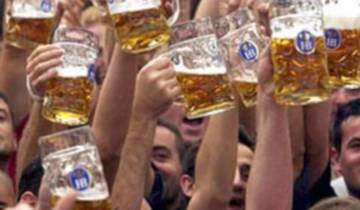
4 days
Germany´S Beer Experience
- ✓ Booking needs min. 2 travelers
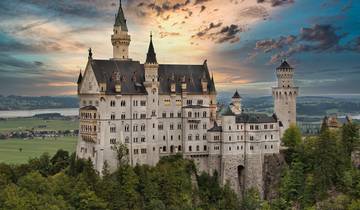
7 days
7 Days by Train in Munich & Zurich: Alpine Dreams & Bavarian Charms
- ✓ Comprehensive Munich tour
- ✓ Expert local guides included
- ✓ All accommodation arranged
- ✓ Transportation provided
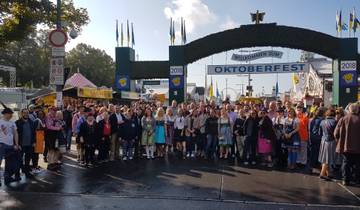
4 days
Oktoberfest Munich (3-Star Hotel Senator)
- ✓ Booking needs min. 2 travelers
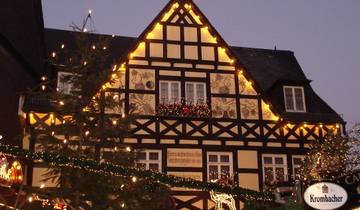
7 days
GERMAN CHRISTMAS MARKETS 2026
- ✓ Comprehensive Munich tour
- ✓ Expert local guides included
- ✓ All accommodation arranged
- ✓ Transportation provided
Multi-day tour packages powered by TourRadar. Prices and availability subject to change.
Essential Planning Information 2026
Current Costs and Pricing Breakdown
Munich attraction tickets cost €8-15 for major museums and palaces in 2026, with combination tickets offering savings on multiple venues. The Residenz Munich charges €13 for palace and treasury access, Nymphenburg Palace costs €8-15 depending on seasonal wings open, and Deutsches Museum admission runs €15 for adults. Check official venue websites for current rates as pricing may vary seasonally. The CityTourCard Munich combines public transportation with attraction discounts, priced €15.90 for one day or €35.90 for three days, providing 10-50% reductions at participating museums, tours, and restaurants.
Accommodation pricing follows clear seasonal patterns. Budget hostels charge €25-35 for dorm beds and €60-80 for private rooms year-round. Mid-range hotels range €80-120 nightly during shoulder seasons (April-May, September-October) and €120-180 during summer peaks (June-August). Luxury properties command €200-400+ depending on location and amenities. Oktoberfest (September 20 – October 5, 2026) multiplies normal rates by 2-3 times, with minimum 3-night stays required and reservations opening 12+ months ahead.
Dining costs vary significantly by venue type. Bakery breakfasts run €3-6 for pastries and coffee, beer garden meals cost €12-18 for traditional Bavarian plates with beer, mid-range restaurants charge €18-28 for main courses, and upscale dining experiences command €35-60+ per entrée. Supermarket groceries allow self-catering budgets of €8-12 daily for breakfast and lunch ingredients. Beer prices follow strict traditions: 1-liter steins cost €8-11 in beer gardens, €9-12 in beer halls, and €5-7 in supermarkets for take-away bottles.
Documentation and Entry Requirements 2026
EU citizens enter Germany with valid national ID cards or passports, requiring no additional documentation or visa arrangements. US, Canadian, Australian, and New Zealand passport holders receive automatic 90-day tourist status within the Schengen Area upon arrival, with no visa application needed for standard tourism. UK citizens follow identical 90-day rules post-Brexit. Visitors from other countries should verify specific requirements through German embassy websites based on nationality.
Travel insurance coverage is strongly recommended though not legally required for most nationalities. Comprehensive policies cost €30-80 for two-week European trips, covering medical emergencies (essential as US health insurance doesn’t extend to Germany), trip cancellations, lost luggage, and travel delays. EU citizens should carry European Health Insurance Cards (EHIC) for medical coverage, though supplemental travel insurance still provides valuable protection for non-medical issues.
Best Time to Visit Munich 2026
Seasonal Analysis for 2026
Spring (April-May) emerges as Munich’s secret season for savvy travelers in 2026. Beer gardens reopen in late April when temperatures reach 15-20°C (59-68°F), cherry blossoms bloom throughout the English Garden, and May Day celebrations fill Viktualienmarkt with traditional maypole dancing. Hotel rates run 25-35% below summer peaks, major attractions operate without overwhelming crowds, and outdoor activities become viable after winter dormancy. Occasional rain showers require layered clothing and umbrella preparedness, though May delivers Germany’s driest month statistically. Book accommodations 6-8 weeks ahead for optimal selection and pricing.
Summer (June-August) brings Munich’s peak tourism season with extended daylight hours, vibrant outdoor festivals, and consistently warm weather averaging 22-25°C (72-77°F). Beer gardens operate at full capacity with extended hours, outdoor concerts fill city parks, and lake swimming becomes popular at nearby Starnberger See. Accommodation costs reach annual peaks, major museums experience lengthy entry queues (30-45 minutes at Deutsches Museum on weekends), and popular restaurants require reservations 1-2 days ahead. Afternoon thunderstorms occur regularly July-August, typically lasting 30-60 minutes before clearing. Book hotels 3-4 months ahead for preferred locations and reasonable rates. Consider visiting Monday-Thursday to avoid weekend crowd surges and secure better restaurant availability.
Fall (September-October) delivers Munich’s most spectacular season, combining warm early autumn weather with Oktoberfest excitement and beautiful foliage throughout city parks. September temperatures average 18-22°C (64-72°F), perfect for walking tours and outdoor exploration. Oktoberfest (September 20 – October 5, 2026) transforms the city into a global destination requiring advance planning: accommodation must be booked 6-12 months ahead at 2-3x normal rates, tent tables need reservations weeks before the festival, and expect massive crowds throughout the city. Post-Oktoberfest October offers excellent value with lower hotel rates, diminished crowds, and pleasant weather continuing through mid-month before winter approaches. Fall delivers Munich’s clearest skies statistically, enhancing photography opportunities.
Winter (November-February) presents budget-conscious travelers with Munich’s lowest accommodation rates and magical Christmas market atmosphere. December Christmas markets transform Marienplatz and neighborhood squares into festive wonderlands with mulled wine (€3-5), roasted chestnuts (€4-6), and traditional handicrafts from November 27 through December 24. Hotel rates drop 30-40% below summer levels, museums operate without queues, and theater/opera season reaches peak programming. Temperatures hover 0-5°C (32-41°F) with occasional snow creating postcard scenery. Short daylight hours (8-9 hours December-January) limit sightseeing time, and many beer gardens close or operate reduced hours. Pack substantial winter clothing including warm coat, gloves, and waterproof boots for snow/slush conditions.
Weather Patterns and Crowd Predictions 2026
Munich’s continental climate creates distinct seasonal variations requiring different packing strategies. Summer brings warm days (22-25°C) with cool evenings (12-15°C), necessitating layered clothing for transitioning between air-conditioned museums and outdoor exploration. Afternoon thunderstorms occur 10-12 days monthly July-August, typically developing 2-4 PM and clearing by early evening. Pack lightweight rain jacket and quick-dry clothing for summer visits.
Spring and fall shoulder seasons deliver the most unpredictable weather, with daily temperature swings of 10-15°C common. Morning frost (0-5°C) transitions to pleasant afternoons (15-20°C), requiring versatile layering systems. Rain showers occur irregularly without extended periods, making waterproof outerwear essential. These seasons offer optimal outdoor comfort for walking tours and park exploration without summer heat or winter cold extremes.
Winter temperatures remain consistently cold (0-5°C) with occasional drops below freezing. Snow falls intermittently December-February, accumulating 5-15cm during active periods before melting within days. Christmas market season (late November through December 24) brings peak winter crowds to city center despite cold weather, while January-February see minimal tourism and maximum accommodation availability. Indoor attractions like Residenz Munich, Deutsches Museum, and Pinakothek galleries provide comfortable cold-weather alternatives to outdoor sightseeing.
Crowd patterns follow predictable schedules allowing strategic planning. Summer weekends see maximum tourism concentration, with Marienplatz and major museums operating at capacity 10 AM – 4 PM. Arrive before 9 AM or after 4 PM to avoid peak congestion. Oktoberfest creates city-wide overcrowding September 20 – October 5, affecting not just festival grounds but all hotels, restaurants, and attractions. Chinese New Year (late January/early February) brings significant Asian tourism to luxury shops and major landmarks. School holidays (Easter week, July-August, Christmas-New Year) increase domestic German tourism alongside international visitors.
Accommodation Strategies 2026
Budget Accommodation Options
Munich’s hostel scene offers excellent value for budget-conscious travelers and solo adventurers in 2026. Wombat’s City Hostel Munich and Euro Youth Hostel provide central locations near Hauptbahnhof train station, charging €25-35 for dorm beds and €60-80 for private rooms with ensuite bathrooms. These properties include free WiFi, 24-hour reception, communal kitchens for self-catering, and social common areas facilitating traveler connections. Book 4-6 weeks ahead during summer for optimal availability.
Budget hotels like Motel One properties and ibis Budget locations deliver private room comfort at hostel-competitive pricing. Expect €70-95 nightly for compact modern rooms with private bathrooms, flat-screen TVs, and breakfast options (€8-12 additional). These chains maintain consistent quality standards across multiple Munich locations, allowing neighborhood selection based on transportation access and attraction proximity. Properties near Sendlinger Tor or Goetheplatz U-Bahn stations provide central access at lower rates than Marienplatz immediate vicinity.
Apartment rentals through Airbnb offer space and kitchen facilities for groups or longer stays. Studios run €60-85 nightly in residential neighborhoods like Schwabing or Giesing, while 2-bedroom units cost €100-140 nightly sleeping 4-6 people. These options deliver significant per-person savings for groups and enable grocery-based meal preparation reducing dining costs. Book 6-8 weeks ahead for summer visits to secure well-reviewed properties with responsive hosts and accurate location descriptions. Verify public transportation proximity, as charming residential areas may require 15-20 minute transit commutes to central attractions.
Mid-Range and Luxury Options
Mid-range hotels balance comfort, location, and value for travelers seeking reliable quality without luxury pricing. Properties like Hotel Monaco, Mercure München City Center, and Cocoon Hauptbahnhof charge €120-180 nightly during peak season, offering full-service amenities including breakfast buffets (worth €12-18 if purchased separately), 24-hour reception, air conditioning, and central locations within walking distance of major attractions. These hotels provide excellent value for couples and families prioritizing comfort and convenience over budget minimization.
Boutique properties deliver distinctive character and personalized service at moderate premiums over chain hotels. Cortiina Hotel, Hotel Schreiberhof, and Pension Am Jakobsplatz offer uniquely decorated rooms, local neighborhood atmosphere, and insider recommendations from knowledgeable staff. Expect €140-200 nightly for superior locations in Altstadt or trendy Glockenbach districts. These properties attract travelers valuing authentic local experience over standardized chain hotel predictability.
Luxury accommodations command premium pricing while delivering exceptional service, prime locations, and sophisticated amenities. Mandarin Oriental München, Bayerischer Hof, and Hotel Vier Jahreszeiten Kempinski represent Munich’s hotel elite, charging €300-600+ nightly for elegantly appointed rooms, Michelin-starred restaurants, spa facilities, and white-glove concierge services. Sofitel Munich Bayerpost and The Charles Hotel provide five-star comfort at slightly lower rates (€250-400). Book luxury properties 3-4 months ahead for summer visits and major events like Oktoberfest, when rates multiply 2-3x above normal levels and availability becomes scarce. Luxury hotels concentrate around Odeonsplatz, Maximilianstraße, and the English Garden, placing guests steps from Munich’s finest shopping, dining, and cultural attractions.
Transportation Guide 2026
Public Transport Options and Costs
Munich’s MVV transportation network integrates U-Bahn metro, S-Bahn regional trains, trams, and buses into a seamless system covering the entire metropolitan area. Single tickets cost €3.70 for inner-city travel (zones M-1), valid 3 hours for one-direction travel including transfers between modes. Day passes priced €9.90 provide unlimited travel across all zones from validation until 6 AM the following day, making them economical for 3+ trips daily. Validate tickets before boarding at blue stamping machines located at station entrances and onboard trams/buses to avoid €60 fines from roving inspectors.
Multi-day tickets deliver additional savings for extended visits. 3-day passes cost €23.60 (€7.87 daily) and weekly passes run €42.80 (€6.11 daily), both offering unlimited travel across the MVV network. These passes work particularly well for visitors planning intensive sightseeing schedules with 4+ daily trips between attractions, neighborhoods, and day trip destinations. Purchase passes at automated machines in metro stations, accepting coins, bills up to €50, and major credit cards. Machines offer English-language interfaces simplifying the purchasing process for international visitors.
The Bayern Ticket provides exceptional value for day trips from Munich to regional destinations. This special fare allows unlimited travel on regional trains (not ICE express trains) for €31 for one person, with additional travelers adding €8 each up to 5 total passengers. Groups of 3-5 people pay just €6.20-9.40 per person for unlimited all-day regional transportation, making castle visits, Alpine excursions, and historic town tours remarkably affordable. The ticket operates weekdays after 9 AM and all day weekends/holidays. Purchase Bayern Tickets from automated machines or DB mobile app, selecting the number of passengers before validating for first use.
Airport Transfers and Arrival Logistics 2026
Munich Airport (MUC) connects to city center via multiple transportation options balancing cost and convenience. The S1 and S8 S-Bahn lines provide the most economical transfers, departing every 10 minutes during peak hours and requiring 40-45 minutes to reach Marienplatz or Hauptbahnhof stations. Single tickets cost €13.20 or use the Airport-City-Day-Ticket (€16.10) combining one-way airport transfer with unlimited inner-city travel until 6 AM the next day. These regional trains operate 4 AM – 1 AM daily with reduced frequency during early morning/late evening hours.
The Lufthansa Airport Bus offers direct service between airport and central Munich, stopping at Hauptbahnhof and Nordfriedhof with 45-minute journey times. Tickets cost €12.50 one-way or €20 round-trip, with buses departing every 15 minutes 6 AM – 10 PM. This option provides more luggage space and guaranteed seating compared to S-Bahn trains, making it attractive for travelers with substantial baggage or mobility concerns. Purchase tickets from drivers (cash/card accepted) or online through the airport bus website for slight discounts.
Taxis charge fixed rates of €65-75 for airport-to-city-center transfers depending on specific destination, with 30-40 minute journey times during normal traffic conditions. This premium option makes sense for groups of 3-4 people splitting costs (€16-19 per person) or travelers arriving late at night when public transportation operates reduced schedules. Ride-sharing services like Uber and Bolt cost €45-60 for similar routes, offering modest savings over traditional taxis while providing upfront pricing and cashless payment convenience.
Getting Around Munich Neighborhoods 2026
Walking covers most central Munich attractions efficiently, as the compact Altstadt (Old Town) concentrates major landmarks within 2-kilometer radius. Marienplatz to Residenz Munich requires 5 minutes walking, English Garden entrance sits 15 minutes north, and Viktualienmarkt lies 3 minutes south. Comfortable walking shoes become essential as cobblestone streets and extensive pedestrian zones characterize the historic core. Most visitors walk 8-12 kilometers daily while sightseeing, so pack supportive footwear appropriate for all-day exploration.
The U-Bahn metro system operates 5 AM – 1 AM weekdays with extended hours until 2 AM Fridays-Saturdays. Eight lines (U1-U8) connect city center with surrounding neighborhoods, running every 5-10 minutes during daytime hours and every 10-20 minutes evenings. Key tourist stations include Marienplatz (U3/U6 interchange), Odeonsplatz (U3/U4/U5/U6), and Sendlinger Tor (U1/U2/U3/U6/U7/U8). The system operates with honor-based ticketing, though plainclothes inspectors conduct random checks imposing €60 fines on fare evaders. Always validate tickets before boarding to ensure compliance.
Trams provide scenic above-ground transportation through Munich’s neighborhoods, particularly useful for reaching Nymphenburg Palace (Tram 17) and exploring Schwabing district (Tram 12/27). These vintage vehicles operate identical ticketing and schedules as U-Bahn metro, offering street-level views of urban architecture and daily life. Tram stops display real-time arrival information and route maps, though Google Maps provides more intuitive navigation for first-time visitors unfamiliar with the network.
Bicycles offer flexible transportation ideal for spring-summer exploration when weather cooperates. The MVG Rad bike-share system provides 1,200+ stations across Munich, charging €1 to unlock bikes plus €0.08 per minute (maximum €15 daily). Download the MVG Rad app, register with credit card, and locate nearby bikes through integrated maps. Traditional bike rentals from shops like Radius Tours or Mike’s Bike Tours cost €12-18 daily for city bikes or €20-28 for electric bikes, including locks and route suggestions. Munich’s extensive cycling infrastructure includes dedicated bike lanes on major streets and off-road paths through English Garden and along Isar River.
Munich Neighborhoods Guide 2026
Altstadt: Historic Center and Major Attractions
Altstadt (Old Town) concentrates Munich’s primary tourist attractions within walkable proximity, making it the natural base for first-time visitors. Marienplatz anchors the district with its famous Glockenspiel performing daily at 11 AM and noon (plus 5 PM March-October), while surrounding streets house luxury shopping, historic churches, and centuries-old beer halls. The Residenz Munich palace complex occupies several blocks north of Marienplatz, the Viktualienmarkt food market operates year-round two blocks south, and Frauenkirche cathedral towers over the pedestrian zone with its distinctive twin onion domes.
Accommodation in Altstadt commands premium pricing reflecting unbeatable location convenience. Budget options remain scarce with most properties falling into mid-range (€140-200) and luxury (€250-400+) categories. The neighborhood delivers maximum efficiency for short visits when proximity to attractions outweighs accommodation costs. Walking eliminates public transportation expenses and time, though noise from late-night revelers and early morning delivery trucks affects light sleepers. Request courtyard-facing rooms for quieter sleep environments.
Dining options span traditional beer halls like Hofbräuhaus and Augustiner Bräustuben to upscale restaurants along Maximilianstraße. Tourist-focused venues near Marienplatz charge premium prices (€18-28 for main courses) while offering reliable quality and English-speaking service. Venture 2-3 blocks from primary squares to discover better value at local restaurants serving identical Bavarian specialties for €12-18 per plate. Viktualienmarkt provides excellent lunch options from food stalls selling prepared meals, fresh produce, and local specialties at modest prices (€6-12 for substantial meals).
Schwabing: University District and Bohemian Character
Schwabing neighborhood north of city center channels Munich’s creative and intellectual energy, housing Ludwig Maximilian University, art galleries, independent bookshops, and sidewalk cafes frequented by students and artists. The district served as home to Kandinsky, Rilke, and Thomas Mann during the early 20th century, developing a bohemian reputation that persists today despite gentrification pressures. Leopoldstraße forms the neighborhood’s main artery, lined with shops, restaurants, and bars catering to university crowds with reasonable pricing and casual atmospheres.
Accommodation in Schwabing offers better value than Altstadt while maintaining excellent public transportation connections. Mid-range hotels charge €100-150 nightly, budget hostels run €25-35 for dorms, and Airbnb apartments provide spacious alternatives for €70-120. The U3 and U6 metro lines connect Schwabing to Marienplatz in 8-10 minutes, making the neighborhood practical for visitors prioritizing authentic local atmosphere over immediate tourist attraction proximity. Stay near Münchner Freiheit or Giselastraße stations for optimal convenience.
Dining and nightlife concentrate around Münchner Freiheit square and along Leopoldstraße, where student-friendly restaurants serve substantial meals for €10-16 and bars offer local beer steins at €6-9 rather than tourist-area premiums. The neighborhood attracts younger travelers and culture enthusiasts seeking Munich’s contemporary artistic scene beyond traditional Bavarian stereotypes. English Garden’s southern entrance lies steps away, providing 10+ kilometers of walking/jogging paths, meadows for summer picnics, and the famous Eisbach standing wave where surfers demonstrate their skills year-round.
Glockenbach and Gärtnerplatz: Trendy Dining and Nightlife
Glockenbach quarter southeast of city center represents Munich’s most dynamic neighborhood for creative dining, craft cocktail bars, and independent boutiques. The area transformed from working-class industrial district to hipster haven over recent decades, attracting young professionals, artists, and LGBTQ+ communities seeking alternatives to conventional tourist Munich. Gärtnerplatz square anchors the neighborhood with its elegant theater hosting opera and ballet performances, surrounded by sidewalk cafes and specialty food shops.
Accommodation options include boutique hotels like Deutsche Eiche (€120-180 nightly), stylish Airbnb apartments (€80-140), and occasional hostel private rooms (€70-100). The neighborhood excels for travelers seeking authentic local experiences, innovative cuisine beyond traditional Bavarian plates, and vibrant nightlife without Altstadt tourist crowds. U1, U2, and U8 metro lines provide 5-7 minute connections to Marienplatz, while the district’s compact layout makes walking between venues practical.
Restaurants in Glockenbach span every cuisine from Vietnamese pho to Neapolitan pizza to farm-to-table German fare, with mains priced €14-25 at quality establishments. The neighborhood particularly excels for vegetarian and vegan options rare in traditional Munich venues. Craft cocktail bars charge €10-14 per drink, wine bars offer extensive German and international selections by the glass (€6-12), and late-night spots keep the area animated until 2-3 AM weekends. This neighborhood suits travelers prioritizing culinary exploration and contemporary urban culture over historic sightseeing.
Budget Planning 2026
Daily Cost Breakdown by Travel Style
Budget travel in Munich requires strategic choices but delivers authentic experiences at €70-90 daily per person. Hostel dorm beds cost €25-35 nightly, supermarket groceries for breakfast and lunch run €8-12, one restaurant dinner at beer garden prices (€12-18 including beverage) fits the budget, a day pass for public transportation costs €9.90, and one paid attraction entry (€8-15) rounds out daily expenses. This budget level demands self-catering for most meals, focusing on free attractions like English Garden walks and Viktualienmarkt browsing, and staying in neighborhoods like Schwabing or Sendlinger Tor where accommodation costs less. Budget travelers walk extensively rather than using public transportation for every trip, pack picnic lunches for park exploration, and visit museums on Sunday discounted admission days.
Mid-range travel offers comfortable exploration at €120-180 daily per person. Budget hotel or hostel private rooms run €60-90 for solo travelers or €80-120 split between two people, meals cost €25-35 for bakery breakfast (€5-8), lunch at casual restaurant (€10-15), and dinner at traditional beer hall or neighborhood restaurant (€15-25 with beverage). Daily transportation passes cost €9.90, attraction entries average €15-25, and occasional tours or special experiences (€30-50) fit within the budget. This level allows dining at authentic Bavarian venues without exclusively tourist-focused establishments, comfortable private accommodation, and flexibility to join guided tours or special activities enhancing the experience. Mid-range travelers balance budgetary awareness with comfort preferences, walking to save money on some trips while using public transportation for longer distances or tired afternoons.
Luxury travel in Munich delivers premium experiences at €250-400+ daily per person. Upscale hotels charge €180-300+ nightly for well-appointed rooms in prime locations, fine dining runs €60-100 for multi-course meals at Michelin-starred or renowned restaurants, casual meals at quality establishments cost €20-35, private tours and experiences command €100-200 per person, and taxis/Uber provide door-to-door transportation (€20-40 daily). This budget level unlocks exclusive experiences like private castle tours, multi-course tasting menus paired with premium wines, concert tickets at Bavarian State Opera (€80-200+), and stress-free exploration without public transportation navigation or meal budget calculations. Luxury travelers prioritize comfort, authentic high-quality experiences, and personal service over cost optimization.
Money-Saving Strategies for 2026
Accommodation costs decrease dramatically by booking shoulder season visits (April-May, September-October) rather than summer peaks. The same mid-range hotel charging €150 nightly in July costs €90-110 in May, saving €40-60 per night while delivering identical comfort and nearly identical weather conditions. Avoid Oktoberfest dates (September 20 – October 5) when rates multiply 2-3x above normal September levels. Book 6-8 weeks ahead for shoulder seasons and 3-4 months ahead for summer to secure optimal rates before prices rise closer to arrival dates.
Dining strategically reduces daily food costs significantly. Breakfast from bakeries costs €3-6 for fresh pastries and coffee versus €12-18 for hotel breakfast buffets. Lunch at beer gardens delivers generous portions of traditional Bavarian food with beer for €12-18, matching quality of sit-down restaurants charging €25-35 for equivalent dinner service. Viktualienmarkt food stalls sell prepared meals, salads, and sandwiches for €6-12, perfect for picnic lunches in English Garden. Supermarkets like Rewe, Edeka, and Lidl stock provisions for self-catering breakfast (yogurt, bread, fruit, cheese) at €8-12 daily for two people. Reserve sit-down restaurant dining for dinner at local neighborhood spots rather than tourist-focused Altstadt venues, saving €8-15 per meal while discovering authentic Munich dining culture.
Attraction costs diminish through strategic planning and free alternatives. Many Munich museums offer free entry on Sundays or discounted €1 admission after 7 PM Thursdays, reducing typical €8-15 entry fees substantially. The English Garden provides endless free entertainment with walking paths, beer garden people-watching, and Eisbach surfer viewing. Viktualienmarkt browsing costs nothing while delivering vibrant local atmosphere and sampling opportunities. Walk through historic neighborhoods like Altstadt and Schwabing to absorb architectural beauty and daily life without entrance fees. Free walking tours operate on tip-based models (€10-15 suggested donations), providing expert context at fraction of private tour costs (€200+ for equivalent duration). The CityTourCard Munich (€35.90 for three days) pays for itself with 2-3 museum visits plus unlimited public transportation, particularly valuable for intensive sightseeing schedules.
Sample 2026 Itineraries
Three-Day Munich Intensive
Day 1: Historic Center and Beer Culture
Begin at Marienplatz to watch the Glockenspiel performance at 11 AM, then explore the Residenz Munich palace complex (€13 entry, 2.5 hours) to experience Bavarian royal history through ornate state rooms, treasury displays, and baroque architecture. Lunch at Augustiner Bräustuben beer hall delivers authentic atmosphere and traditional food (€12-16 for schnitzel or schweinshaxe with potato salad and 0.5L beer). Afternoon walking tour explores Frauenkirche cathedral (free entry), Viktualienmarkt food market for local specialty browsing, and St. Peter’s Church tower climb (€5) for panoramic city views. Evening at Hofbräuhaus beer hall provides quintessential Munich experience with oompah bands, communal seating, and beer steins (€15-20 for dinner with 1L beer).
Residenz €13, St. Peter’s tower €5, lunch €14, dinner €18, transportation day pass €9.90, snacks €8. Total day cost: €67.90 per person (excluding accommodation).
Day 2: Art, Culture, and English Garden
Morning at Deutsches Museum (€15 entry, 3 hours) explores the world’s largest science and technology museum with exhibits spanning aviation to musical instruments to astronomy. Lunch from Viktualienmarkt food stalls provides variety and value (€8-12 for prepared meals). Afternoon stroll through English Garden begins at southern entrance near Haus der Kunst, following paths to Chinesischer Turm beer garden where locals gather for afternoon beer and pretzel snacks (€6-9). Watch surfers at Eisbach standing wave, continue to Monopteros temple for sunset views over city skyline, and explore Seehaus lake area. Dinner in Schwabing neighborhood delivers local atmosphere at student-friendly prices (€12-16 for pizza or pasta at Italian restaurants lining Leopoldstraße).
Deutsches Museum €15, lunch €10, snacks €7, dinner €14, transportation included in day pass €9.90. Total day cost: €55.90 per person (excluding accommodation).
Day 3: Palace Gardens and Neighborhood Exploration
Morning tram ride to Nymphenburg Palace (€8-15 entry depending on wings open, 2.5 hours) explores baroque summer palace with ornate rooms, famous Gallery of Beauties portraits, and expansive formal gardens. Lunch at palace cafe or pack picnic from supermarket (€6-10) to enjoy in palace grounds. Afternoon returns to city center for Viktualienmarkt final browsing, shopping along Kaufingerstraße pedestrian zone, and relaxed coffee break at traditional cafe (€4-6 for coffee and cake). Evening farewell dinner at Schneider Bräuhaus beer hall in Tal showcases unfiltered wheat beer and Bavarian specialties (€16-22 for substantial meal with beer).
Nymphenburg Palace €12, lunch €8, snacks €6, dinner €19, transportation day pass €9.90. Total day cost: €54.90 per person (excluding accommodation).
Three-Day Total: €178.70 per person excluding accommodation (€59.57 average daily). Add accommodation (€180-270 for 3 nights mid-range), bringing total trip cost to €358.70-448.70 per person.
Five-Day Comprehensive Munich and Bavaria
Day 1-2: Follow Three-Day Intensive Days 1-2 above
Day 3: Neuschwanstein Castle Day Trip
Early departure via Bayern Ticket (€31-47 for 1-3 people) allows 7 AM train to Füssen (2 hours), bus to castle base (€2.60 round-trip), and timed-entry castle tour (€15, book 2-3 months ahead). Explore Hohenschwangau Castle (€15) or Alpsee lake walking paths while waiting for Neuschwanstein tour slot. Pack supermarket lunch (€6-8) or eat at Füssen restaurants before castle visit (€12-16). Return train reaches Munich by 7-8 PM. Light dinner at neighborhood restaurant or grocery provisions (€8-14).
Bayern Ticket €15.50 (split between 2 people), local bus €2.60, Neuschwanstein €15, lunch €8, snacks €6, dinner €11. Total day cost: €58.10 per person (excluding accommodation).
Day 4: Dachau Memorial and BMW World
Morning visit to Dachau Concentration Camp Memorial (free entry, S2 train plus bus €13.20 with day pass, 3 hours) provides somber historical education through preserved barracks, museum exhibits, and memorial sites. Audio guides (€4.50) add essential context. Return to Munich for lunch at neighborhood restaurant (€10-15), then afternoon at BMW Museum and BMW Welt (€10 museum, free BMW Welt, 2 hours) explores automotive history and cutting-edge design. Evening at Glockenbach restaurants showcases creative dining beyond traditional Bavarian fare (€18-25 for international cuisine).
Transportation day pass €9.90, audio guide €4.50, BMW Museum €10, lunch €13, dinner €22, snacks €6. Total day cost: €65.40 per person (excluding accommodation).
Day 5: Art Pinakotheks and Olympiapark
Morning at Alte Pinakothek (€7, 2 hours) explores Old Masters paintings including Rubens, Dürer, and da Vinci works. Walk to Neue Pinakothek (€7, 1.5 hours) for 19th-century art or Pinakothek der Moderne (€10, 1.5 hours) for contemporary collections. Lunch at nearby cafes (€10-14), then afternoon at Olympiapark (free grounds access, €8 for Olympic Tower viewing platform) offers green space, architectural interest from 1972 Olympics, and panoramic views. Farewell dinner returns to favorite beer hall or tries new neighborhood restaurant (€15-22).
Museum entries €14-17, Olympic Tower €8, lunch €12, dinner €19, transportation day pass €9.90, snacks €7. Total day cost: €69.90-72.90 per person (excluding accommodation).
Five-Day Total: €359.80-365.40 per person excluding accommodation (€71.96-73.08 average daily). Add accommodation (€300-450 for 5 nights mid-range), bringing total trip cost to €659.80-815.40 per person.
Booking and Reservations 2026
Official Booking Channels and Resources
Accommodation bookings through Booking.com, Hotels.com, and Airbnb provide comprehensive Munich options with user reviews, flexible cancellation policies, and competitive pricing. Book directly with hotels after comparing aggregator prices, as many properties offer matching rates plus perks like free breakfast or room upgrades for direct bookings. Hostelworld specializes in budget properties with real-time availability and instant confirmation. Reserve 6-8 weeks ahead for shoulder seasons, 3-4 months ahead for summer visits, and 6-12 months ahead for Oktoberfest to secure optimal locations and rates.
Attraction tickets purchase through official venue websites guarantees authentic pricing and direct venue support. The Residenz Munich (residenz-muenchen.de), Nymphenburg Palace (schloss-nymphenburg.de), and Deutsches Museum (deutsches-museum.de) sell timed-entry tickets reducing wait times significantly during peak periods. Neuschwanstein Castle requires advance reservations through hohenschwangau.de, with summer slots filling 2-3 months ahead. The CityTourCard Munich purchases through mvg.de or tourist information offices, providing public transportation plus museum discounts.
Tour operator bookings through GetYourGuide, Viator, and local companies like Radius Tours or Mike’s Bike Tours offer guided experiences with expert commentary and group camaraderie. Walking tours cost €15-30 per person for 2-3 hour explorations, bike tours run €30-45 for half-day city routes, and full-day castle excursions charge €60-90 including transportation and entry fees. Book 1-2 weeks ahead during summer for popular time slots, though many tours accept same-day reservations during shoulder seasons.
Advance Planning Timeline for 2026
6-12 months before arrival: Book Oktoberfest accommodation if visiting September 20 – October 5, as hotels require minimum 3-night stays at premium rates. Reserve Neuschwanstein Castle tickets for summer visits, particularly July-August when daily quotas sell out. Book flights to Munich for best pricing and schedule flexibility. Research neighborhoods and accommodation types to match travel style and budget priorities.
3-4 months before arrival: Reserve summer accommodation in Munich, particularly for popular areas like Altstadt and Schwabing. Book any special experiences like Bavarian State Opera performances (€80-200 tickets), FC Bayern Munich football matches (€50-150 tickets), or private guided tours (€200+ for customized experiences). Purchase travel insurance covering trip cancellations, medical emergencies, and lost luggage.
4-6 weeks before arrival: Book shoulder season accommodation for optimal selection and rates. Reserve walking tours and bike tours for preferred dates and times. Purchase Munich CityTourCard if planning intensive museum visits during first 3 days. Confirm passport validity (minimum 6 months remaining) and review entry requirements based on nationality. Download offline maps and save accommodation addresses for arrival navigation.
1-2 weeks before arrival: Make restaurant reservations at popular venues like Ratskeller München or Schneider Bräuhaus for Friday-Saturday dinners. Confirm transportation from airport, either booking Lufthansa Airport Bus online for slight discount or noting S-Bahn schedules for public transit arrival. Print or save digital copies of accommodation confirmations, attraction tickets, and tour reservations. Review weather forecasts to finalize packing lists.
2026 Updates and Current Information
Infrastructure and Development Projects 2026
Munich continues expanding its U-Bahn metro system in 2026, with construction affecting certain routes and stations. The U9 line extension work creates temporary bus shuttle services replacing some segments during peak construction periods, though major tourist routes (U3/U6 through Marienplatz) operate normally. Consult MVG real-time information displays at stations or download the MVG Fahrinfo app for current service updates and route alternatives. Construction typically minimizes disruption during peak tourist season (June-August) while accelerating during winter months.
Several historic buildings undergo restoration work in 2026 affecting visitor access and photo opportunities. Frauenkirche cathedral completed major restoration in late 2024, now fully accessible with towers open for climbing (€5 entry). The Residenz Munich operates normally across all public areas, with behind-scenes restoration work not affecting visitor experiences. Munich Hauptbahnhof train station continues modernization projects that occasionally restrict platform access or create temporary routing through construction zones, though signage in German and English guides passengers effectively.
New Attractions and Experiences 2026
The Munich Documentation Centre for the History of National Socialism, opened in recent years, continues expanding programming in 2026 with special exhibitions and guided tours exploring Munich’s complex Nazi-era history. Located on Königsplatz in former Nazi party buildings, the center offers free entry and comprehensive educational resources in German and English. This attraction provides essential context for understanding Munich’s historical development and contemporary identity.
Several new boutique hotels opened in Munich’s Glockenbach and Schwabing neighborhoods during 2024-2025, expanding mid-range accommodation options with contemporary design and local partnerships. These properties typically charge €120-180 nightly, offering alternatives to established chain hotels while supporting independent hospitality businesses. New restaurants continue emerging in formerly industrial neighborhoods like Werksviertel-Mitte, creating fresh dining destinations beyond traditional city center venues.
Seasonal Events and Festivals 2026
Oktoberfest 2026 operates September 20 through October 5, maintaining traditional 16-day schedule beginning on the second-to-last Saturday in September. Major beer tents require table reservations made months in advance through tent-specific websites or third-party booking services. Standing room in outdoor areas remains available first-come first-served, though arriving before 10 AM ensures space during popular weekend days. Traditional costume parades occur on the opening Saturday, celebrating Bavarian heritage with elaborate dirndls and lederhosen throughout the festival grounds.
Munich’s Christmas markets transform the city from late November through December 24, with Marienplatz hosting the largest market featuring 140+ stalls selling handcrafted gifts, seasonal foods, and mulled wine. Smaller neighborhood markets at Schwabing, Gärtnerplatz, and Viktualienmarkt offer more intimate experiences with local artisans and traditional specialties. The Tollwood Winter Festival at Olympiapark combines Christmas market atmosphere with contemporary music performances, alternative vendors, and international cuisine from late November through December 31.
Spring and summer festivals include Frühlingsfest (spring festival, April-May) serving as a smaller, less crowded Oktoberfest alternative with beer tents and carnival rides at Theresienwiese. The Munich Film Festival (late June-early July) screens international cinema across multiple venues citywide, while the Tollwood Summer Festival (late June-late July) brings music, theater, and international food to Olympiapark with free and ticketed events appealing to diverse audiences.
Frequently Asked Questions About Munich 2026
Is Munich expensive compared to other German cities?
Munich ranks as Germany’s most expensive city for accommodation and dining, with daily costs running 15-25% higher than Berlin, Hamburg, or Cologne. Mid-range hotel rooms costing €120-180 in Munich run €80-120 in other major German cities, while restaurant meals command €18-28 for dishes priced €14-22 elsewhere. Attraction entries maintain similar pricing across Germany (€8-15 for major museums), and public transportation costs less in Munich (€9.90 day pass) than Berlin (€10.50) despite the city’s premium reputation. Budget-conscious travelers offset higher fixed costs through strategic timing (shoulder seasons), accommodation location (residential neighborhoods versus city center), and dining choices (beer gardens and local restaurants versus tourist venues). Munich’s higher costs reflect strong economy, prosperity, and international demand, though the city delivers corresponding quality, safety, and cultural offerings justifying premium pricing for many visitors.
Do I need to speak German to visit Munich?
English suffices for most tourist interactions in Munich, with hotel staff, restaurant servers in central areas, and major attraction employees speaking functional to fluent English. Transportation announcements appear in German and English, ticket machines offer English-language options, and signage throughout tourist areas includes English translations. Learning basic German phrases (grüß gott for hello, danke for thank you, bitte for please, entschuldigung for excuse me) earns appreciative responses from locals and smooths daily interactions, though necessity remains low for monolingual English speakers.
Challenges arise in residential neighborhoods, local restaurants, and when seeking assistance from German-speaking-only staff or fellow passengers. Download Google Translate app with offline German language pack, enabling camera-based menu translation and basic conversation support. Younger Germans (under 40) generally speak better English than older generations, making assistance requests to students or young professionals more likely to succeed. Museums provide English audio guides and printed materials, while guided tours operate in multiple languages including English, Spanish, and French for international audiences.
What should I pack for Munich in different seasons?
Spring (April-May) requires layering systems handling 10-15°C temperature swings between morning and afternoon. Pack lightweight waterproof jacket, long-sleeve shirts, comfortable walking shoes with good ankle support, and one warm layer (fleece or light sweater) for cool mornings and evenings. Rain occurs irregularly without extended periods, making packable rain gear more practical than bulky umbrellas. Sunglasses and sun protection become necessary for increasingly long daylight hours.
Summer (June-August) demands weather-adaptable clothing for warm days (22-25°C) and cool evenings (12-15°C). Bring quick-dry clothing suitable for afternoon thunderstorms, lightweight rain jacket, comfortable walking shoes (expect 8-12km daily walking), sunhat and sunscreen for extended outdoor time, and one long-sleeve layer for air-conditioned museums and evening temperature drops. Pack modest clothing respecting church dress codes (covered shoulders and knees for cathedral visits), though Munich maintains relaxed standards compared to southern European cities.
Fall (September-October) mirrors spring with layers handling variable temperatures and occasional rain. Add slightly warmer jacket than spring as temperatures trend downward through October. Oktoberfest visitors should pack traditional costume (dirndl for women, lederhosen for men) if planning to blend with locals, though modern clothing remains perfectly acceptable. Comfortable closed-toe shoes prove essential for beer tent floors and outdoor festival grounds that become muddy during rain.
Winter (November-February) necessitates substantial cold-weather gear for 0-5°C temperatures with occasional snow. Pack warm waterproof coat, gloves, scarf, warm hat covering ears, waterproof insulated boots with good traction for snow and ice, and thermal layers for outdoor Christmas market browsing. Indoor venues maintain comfortable heating, so layering allows temperature regulation when transitioning between outdoor exploration and museum visits. Hand warmers and insulated water bottles enhance comfort during extended outdoor activities.
Can I drink Munich tap water safely?
Munich tap water comes from Alpine sources and exceeds bottled water quality standards, making it completely safe and recommended for drinking. Restaurants serve tap water free upon request (ask for “leitungswasser”), though many establishments prefer to sell bottled mineral water (€3-5 for 0.75L). Hotels, hostels, and Airbnb properties provide perfectly drinkable tap water in rooms and common areas. Carry reusable water bottle for refilling throughout the day at public fountains, hotel taps, and restaurant bathrooms, saving €5-10 daily on bottled water purchases while reducing plastic waste. Munich’s water tastes clean and neutral without chlorine flavor common in some other European cities.
Are credit cards widely accepted in Munich 2026?
Credit cards gain increasing acceptance in Munich during 2026, though cash (euros) remains essential for many transactions. Major hotels, chain restaurants, large stores, and tourist attractions accept Visa and Mastercard reliably. Smaller restaurants, beer halls, bakeries, cafes, and independent shops often operate cash-only or impose minimum purchase amounts (€10-20) for card payments. Traditional Bavarian establishments particularly prefer cash transactions, viewing cards with suspicion despite changing times.
ATMs throughout Munich dispense euros with international cards, typically charging €3-5 per withdrawal for foreign cards. Withdraw larger amounts (€100-200) less frequently to minimize fee impact. Notify your bank before traveling to avoid fraud blocks on foreign transactions. Carry €100-200 cash at all times, splitting between wallet and hotel safe for security. The combination of cash readiness and card backup handles all payment situations effectively, from beer garden meals requiring cash to hotel bills accepting cards readily.
How safe is Munich for solo travelers and families?
Munich ranks among Europe’s safest major cities with minimal violent crime and low theft rates compared to Paris, Barcelona, or Rome. Solo travelers, including women, navigate the city confidently day and night using common-sense precautions. Main tourist areas maintain police presence and active street life until late evening. Public transportation operates safely at all hours, though some stations in outlying areas see reduced activity after 10 PM when traveling alone late night warrants extra awareness.
Pickpocketing remains the primary crime concern, concentrated in crowded tourist areas like Marienplatz, on packed U-Bahn trains during peak hours, and at Oktoberfest beer tents. Secure valuables in front pockets or cross-body bags with zippers, avoid displaying expensive electronics unnecessarily, and remain aware of surroundings in crowded environments. Most Munich residents speak English and assist tourists needing directions or help, creating welcoming atmosphere for first-time visitors.
Families find Munich exceptionally accommodating with child-friendly beer gardens featuring playgrounds, museums offering interactive exhibits and family programs, and extensive park systems including English Garden’s meadows and playgrounds. Public transportation accepts strollers easily (though avoid peak commute hours 7-9 AM and 5-7 PM when possible), attractions provide family bathrooms and changing facilities, and restaurants welcome children without reservation. German culture values children highly, making Munich comfortable for family travel with various ages.
What’s the tipping culture in Munich restaurants and services?
German tipping customs differ from American practices, expecting modest gratuities for good service rather than mandatory large percentages. Restaurant bills in Munich include service charges, making tips purely voluntary appreciation for quality service. Round up bills to convenient amounts (€43 bill becomes €45) or add 5-10% for excellent service. Tell servers your total payment amount including tip when paying rather than leaving cash on table, saying “das stimmt so” (that’s correct) when providing exact amount including tip.
Beer halls and beer gardens operate on similar tipping expectations: round up to nearest euro for bar service, 5-8% for table service. Taxi drivers appreciate rounding up fares (€18.50 becomes €20) but don’t expect American-style 15-20% tips. Hotel porters receive €1-2 per bag, housekeeping gets €2-3 per night left in room, and tour guides earn €5-10 per person for excellent half-day tours. Service providers in Germany earn livable wages unlike American tipping-dependent workers, making tips genuine appreciation rather than necessary income supplements.
Can I visit Munich on a day trip from other cities?
Munich works as day-trip destination from Nuremberg (1 hour by ICE train, €25-45 each way) or Augsburg (30-45 minutes, €12-20 each way), allowing focused exploration of major central attractions. Arrive before 9 AM, visit Residenz Munich and Marienplatz area, lunch at beer hall, explore English Garden or additional museums, then depart by 6-7 PM for reasonable day-trip experience. This compressed schedule sacrifices depth for geographic efficiency, though determined travelers accomplish meaningful Munich sampling in single day.
Longer-distance day trips from Frankfurt (3.5 hours, €60-90 each way) or Salzburg (1.5-2 hours, €30-50 each way) become less practical, dedicating 5-7 hours to travel for mere 4-6 hours in Munich. These origins work better as overnight stops, allocating full day-plus for Munich exploration before continuing journeys. The city rewards multi-day visits allowing relaxed neighborhood wandering, comprehensive museum time, day trip excursions to castles or Alps, and authentic beer culture immersion beyond rushed tourist sampler experiences.
What happens if I get sick or need medical care in Munich?
Munich’s healthcare system delivers high-quality care through numerous hospitals, clinics, and pharmacies (apotheke) throughout the city. EU citizens with European Health Insurance Cards (EHIC) receive treatment at public healthcare facilities with costs covered by home country insurance. Non-EU visitors should carry comprehensive travel insurance covering medical emergencies, as hospital bills can reach thousands of euros for serious conditions. Many doctors speak English, particularly in central Munich, though German remains primary language in most medical settings.
For minor ailments, pharmacies provide over-the-counter medications and professional advice from trained pharmacists who often speak English. Look for the red “A” (apotheke) signs marking pharmacy locations. Pharmacies rotate emergency on-call duty for after-hours needs, with schedules posted at each location. Many medications available over-counter in the US require prescriptions in Germany, though pharmacists often suggest German equivalents for common drugs like pain relievers or allergy medications.
Emergency medical care operates through 112 (equivalent to 911), connecting English-speaking operators who dispatch ambulances, fire services, or police as needed. Munich hospitals maintain emergency departments (notaufnahme) operating 24/7 for urgent care. Non-emergency medical care accesses through walk-in clinics (bereitschaftsdienst) or scheduling appointments with English-speaking doctors through hotel concierge assistance. Travel insurance companies provide 24-hour hotlines guiding members to appropriate care facilities and handling payment arrangements.
Are there luggage storage options in Munich for day trips?
Munich Hauptbahnhof train station operates luggage lockers and staffed luggage storage (gepäckaufbewahrung) accommodating bags during day trips or between hotel checkouts and evening departures. Electronic lockers charge €4-8 per 24 hours depending on size, accepting coins and major credit cards. The staffed facility in the main hall charges €8-12 per item per 24-hour period, staying open 6 AM – 10 PM daily. These services fill completely during Oktoberfest and summer peak periods, so arrive early or use alternative services.
Private luggage storage companies like Stasher and LuggageHero partner with shops, hotels, and cafes throughout Munich for bag storage at €5-8 per item per day. Book through mobile apps, drop bags at partner locations (often more conveniently situated than train station for tourist areas), and retrieve items during business hours. These services provide insurance coverage and flexible retrieval times matching exploration schedules better than station lockers with fixed locations.
Many hotels accommodate early arrivals or late departures by storing luggage free for guests even after checkout, allowing final-day sightseeing without bag burden. Ask about this service when checking out, leaving bags in hotel storage room, and returning before final departure. This courtesy extends to full-service hotels and some budget properties, though hostels may charge small fees (€2-5 per item) for post-checkout storage.