Berlin Food Guide: From Currywurst to Fine Dining
- Berlin’s culinary identity reflects centuries of migration, from Huguenot refugees introducing French techniques to Turkish immigrants revolutionizing street food culture
- Traditional Berlin cuisine emphasizes hearty, working-class dishes like Eisbein, Currywurst, and Königsberger Klopse that evolved from the city’s industrial heritage
- The city operates as one of Europe’s most diverse food capitals with over 190 nationalities represented in its restaurant landscape
- Berlin’s modern food scene balances traditional Gasthauser preserving 19th-century recipes with innovative Michelin-starred establishments pushing culinary boundaries
- Street food culture defines Berlin’s accessible dining character, with Imbiss stands serving quality fast food at democratic price points throughout all neighborhoods
- Seasonal markets and food halls create year-round destinations for both traditional German specialties and international culinary exploration
Understanding Berlin’s Culinary Identity
Berlin’s food culture emerges from a unique historical convergence that distinguishes it from other European capitals. Unlike Paris or Rome where culinary traditions developed through centuries of aristocratic refinement, Berlin’s gastronomy evolved through waves of migration, working-class pragmatism, and the constant reinvention that defines the city’s character. The cuisine reflects Berlin’s position as a relatively young capital that became a melting pot of German regional cuisines, French Huguenot influences, Eastern European Jewish traditions, and more recently, Turkish and Middle Eastern flavors that transformed the urban food landscape.
The city’s culinary evolution accelerated dramatically during the 19th-century industrialization when Berlin grew from a provincial Prussian town to a major European metropolis. Factory workers required affordable, calorie-dense meals that could sustain twelve-hour shifts, creating demand for the hearty dishes that became Berlin classics. Simultaneously, the city’s growing middle class adopted French culinary techniques brought by Huguenot refugees, establishing the foundation for Berlin’s eventual emergence as a fine dining destination. This dual development created a unique food culture where street vendors selling Currywurst coexist with Michelin-starred restaurants within the same neighborhood.
Understanding Berlin’s food requires recognizing how political history shaped eating habits. The post-war division created distinct culinary identities in East and West Berlin, with the eastern sector developing a resourceful cuisine based on limited ingredients while western neighborhoods embraced international influences and American fast food culture. Reunification in 1990 merged these traditions while opening the city to unprecedented culinary diversity. The subsequent decades saw Turkish döner kebab vendors become as quintessentially Berlin as traditional Currywurst stands, reflecting the city’s pragmatic approach to food culture where quality and accessibility matter more than historical purity.
Today’s Berlin food scene operates on principles of democratization and experimentation. The city resists the formal dining hierarchies found in other capitals, creating an environment where street food receives as much critical attention as haute cuisine. This cultural framework allows innovative chefs to experiment with fusion concepts, traditional restaurants to maintain authenticity without pretension, and diverse immigrant communities to establish themselves as integral parts of Berlin’s culinary landscape. The result is a food culture that values substance over style, creativity over convention, and inclusivity over exclusivity.
People Also Ask About Berlin Food Culture
What makes Berlin cuisine unique compared to other German cities?
Berlin cuisine distinguishes itself through working-class origins and multicultural influences absent in other German cities. While Munich emphasizes Bavarian beer garden traditions and Frankfurt showcases Hessian specialties, Berlin’s food culture developed through industrial pragmatism and constant migration. The city’s signature dishes like Currywurst and Döner Kebab emerged from street food culture rather than aristocratic kitchens, reflecting Berlin’s democratic culinary values. Additionally, Berlin absorbed influences from Huguenot French refugees, Eastern European Jewish communities, and Turkish immigrants more extensively than other German cities, creating a uniquely hybrid cuisine that defies traditional regional categorization.
What are the most authentic traditional Berlin dishes?
Authentic traditional Berlin dishes center on hearty meat and potato preparations that sustained working-class populations. Eisbein (braised pork knuckle) served with sauerkraut and pea puree represents classic Berlin cooking, requiring hours of slow braising to achieve tender meat. Königsberger Klopse features poached veal meatballs in white caper sauce, originating from East Prussia but adopted as a Berlin specialty. Currywurst, while invented in 1949, achieved such cultural significance that it qualifies as traditional despite its relatively recent origin. Kartoffelpuffer (potato pancakes) served with apple sauce or smoked salmon demonstrates Berlin’s skill with potato-based dishes. Buletten (Berlin-style meatballs) differ from other German variants through specific seasoning techniques and serving traditions that date to the 19th century.
How did Currywurst become Berlin’s signature street food?
Currywurst emerged in 1949 when Herta Heuwer created the dish at her Charlottenburg snack stand by combining ketchup, curry powder obtained from British soldiers, and grilled sausage. The timing proved perfect for post-war Berlin, where residents craved affordable, flavorful food during reconstruction years. The dish’s simple preparation allowed rapid proliferation across the city’s Imbiss stands, while its combination of familiar German sausage with exotic curry flavor appealed to Berliners’ appetite for innovation within tradition. By the 1960s, Currywurst stands operated in every neighborhood, serving factory workers, office employees, and nightlife crowds with equal enthusiasm. The dish achieved such cultural importance that Berlin opened a dedicated Currywurst Museum in 2009, cementing its status as the city’s most iconic street food despite competition from döner kebab and other international options.
What role do Turkish immigrants play in Berlin’s food scene?
Turkish immigrants transformed Berlin’s culinary landscape beginning in the 1960s when guest workers arrived and established food businesses throughout the city. The community invented the döner kebab sandwich in Berlin during the 1970s, adapting traditional Turkish preparation methods to create a portable meal that could compete with German fast food. This innovation revolutionized Berlin street food culture and subsequently spread globally. Beyond döner, Turkish bakeries introduced lahmacun, simit, and baklava to Berlin neighborhoods, while Turkish restaurants brought authentic Anatolian cuisine to mainstream acceptance. The Turkish community established Berlin’s Kreuzberg district as a culinary destination where Turkish food operates not as ethnic cuisine but as integral Berlin gastronomy. Today, third and fourth-generation Turkish-German chefs operate establishments ranging from traditional kebab shops to innovative fusion restaurants, demonstrating how Turkish culinary influence extends beyond street food into Berlin’s fine dining evolution.
Extended multi-day tours – 5+ days
Featured Berlin Multi-Day Tour Packages
6 days
6 Days of Discovery: Berlin’s Stories Through Time
- ✓ Comprehensive Berlin tour
- ✓ Expert local guides included
- ✓ All accommodation arranged
- ✓ Transportation provided

5 days
5 Days in Berlin: Discover Potsdam and Sachsenhausen with Expert Guides
- ✓ Comprehensive Berlin tour
- ✓ Expert local guides included
- ✓ All accommodation arranged
- ✓ Transportation provided
5 days
Berlin in 5 Days: From Sachsenhausen to Potsdam & Beyond
- ✓ Comprehensive Berlin tour
- ✓ Expert local guides included
- ✓ All accommodation arranged
- ✓ Transportation provided
7 days
Amsterdam, Berlin and Prague (9 destinations)
- ✓ Comprehensive Berlin tour
- ✓ Expert local guides included
- ✓ All accommodation arranged
- ✓ Transportation provided
Multi-day tour packages powered by TourRadar. Prices and availability subject to change.
Historical Foundations of Berlin Cuisine
Berlin’s culinary foundations trace to its origins as a medieval trading settlement on the Spree River where merchants exchanged goods between Eastern and Western Europe. Early Berlin cuisine centered on preservation techniques necessary for harsh winters, including pickling, smoking, and salting that created flavor profiles still recognizable in modern Berlin dishes. The city’s position between agricultural Brandenburg and the Baltic Sea established a culinary framework based on freshwater fish, wild game, potatoes, and cabbage that defined Berlin cooking for centuries.
The arrival of French Huguenot refugees following the 1685 revocation of the Edict of Nantes introduced sophisticated culinary techniques that elevated Berlin cuisine beyond peasant traditions. These Protestant refugees brought expertise in pastry making, sauce preparation, and fine dining service that influenced Berlin’s emerging middle class. Huguenot bakers established the tradition of high-quality bread production that continues in Berlin’s artisanal bakery scene, while their culinary professionals introduced French terms and techniques into Berlin restaurant culture. The Huguenot influence explains why Berlin developed more refined dining traditions compared to other northern German cities with similar agricultural resources.
The 19th century industrial revolution fundamentally restructured Berlin’s food culture as the population exploded from 200,000 to over 4 million between 1800 and 1920. Factory owners required feeding systems for massive workforces, creating demand for cheap, filling meals that could be prepared quickly and eaten without extended breaks. This necessity drove innovation in street food and workers’ cafeterias that invented or popularized dishes like Buletten, Currywurst precursors, and potato-based meals. Simultaneously, Berlin’s growing wealth class established grand restaurants and hotel dining rooms that competed with Vienna and Paris, creating the dichotomy between workers’ food and haute cuisine that characterizes Berlin gastronomy.
The Weimar period from 1919 to 1933 represented Berlin’s first golden age as a culinary capital where innovation and experimentation flourished. Restaurants introduced international cuisines while maintaining German traditions, nightclubs featured elaborate dinner shows, and the city’s legendary Romanisches Café became the intellectual and artistic center where writers and artists discussed ideas over coffee and cake. Jewish delis and restaurants thrived throughout the city, contributing Eastern European influences that enriched Berlin’s culinary diversity. This creative period ended abruptly with Nazi ascension, which devastated Berlin’s Jewish culinary community and imposed nationalist restrictions on food culture.
Post-war division created divergent culinary paths in East and West Berlin that lasted four decades. West Berlin developed as an isolated capitalist outpost where American influences merged with traditional German cuisine, fast food chains established early presence, and immigrant workers from Turkey and southern Europe introduced new flavors. East Berlin cuisine evolved under socialist constraints where restaurant options remained limited, home cooking emphasized resourcefulness with available ingredients, and state-run establishments served standardized menus. The 1990 reunification merged these traditions while opening Berlin to unprecedented international culinary influences, creating the foundation for the city’s modern food scene where innovation coexists with preservation of traditional preparations.
Street Food Traditions and Iconic Dishes
Berlin’s street food culture operates as the city’s most democratic culinary space where social hierarchies dissolve at Imbiss stands serving quality fast food to all economic classes. The Imbiss (snack stand) institution evolved from 19th-century market vendors into sophisticated operations that maintain specific preparation standards and neighborhood loyalty. These stands function as community gathering points where construction workers, office employees, and late-night party crowds queue together for Currywurst, döner, or falafel without self-consciousness about dining informally.
Currywurst dominates Berlin street food conversations despite competition from numerous international options. The dish consists of steamed then grilled pork sausage sliced into rounds and covered with curry-spiced ketchup sauce, typically served with fries or bread roll. Preparation methods vary significantly between stands, with some vendors using secret sauce recipes guarded for decades while others experiment with curry powder blends and ketchup bases. The best Currywurst achieves balance between sausage quality, sauce complexity, and curry powder intensity, creating a dish more sophisticated than its humble appearance suggests. Berliners maintain fierce loyalty to favorite stands and engage in passionate debates about optimal preparation techniques that rival wine enthusiasts discussing terroir.
Döner kebab represents Berlin’s second iconic street food and arguably the city’s most significant culinary export. Turkish immigrants invented the döner sandwich in Berlin during the 1970s by adapting traditional vertical rotisserie techniques to create a portable meal. The Berlin döner features thin-sliced meat (lamb, chicken, or beef) stacked in flatbread with salad, tomatoes, onions, cabbage, and distinctive sauce combinations that distinguish it from Turkish döner preparations. Quality döner vendors maintain rigorous standards for meat freshness, bread quality, and vegetable crispness that elevate the dish beyond fast food categorization. The best döner shops operate their own meat preparation, bake fresh bread multiple times daily, and create house sauces that develop devoted followings.
Buletten (Berlin-style meatballs) represent the city’s oldest street food tradition dating to the 19th century when vendors sold the fried meat patties at markets and festivals. These flattened meatballs combine ground beef and pork with soaked bread rolls, eggs, onions, and seasoning before pan-frying until crispy exterior develops around moist interior. Street vendors serve Buletten in bread rolls with mustard, creating a sandwich that predates hamburgers in Berlin food culture. The dish maintains popularity despite competition from international options because properly prepared Buletten deliver superior flavor and texture compared to mass-produced alternatives. Traditional vendors still hand-form each Bulette and fry to order rather than holding finished products under heat lamps.
Falafel emerged as Berlin’s vegetarian street food staple as Middle Eastern immigrants established stands throughout the city during the 1980s and 1990s. Berlin falafel vendors developed distinctive preparation styles that differ from traditional Middle Eastern approaches, often serving larger portions with more diverse vegetable options and innovative sauce combinations. The city’s falafel culture achieved such sophistication that quality standards rival those of Beirut or Tel Aviv, with competition among vendors driving continuous improvement in chickpea blend recipes, frying techniques, and accompaniment selections. Falafel shops function as vegetarian alternatives to döner stands, attracting similar crowds and achieving comparable cultural importance in Berlin’s street food ecosystem.
Bockwurst and other sausage varieties maintain traditional presence at Berlin street stands despite Currywurst dominance. Vendors serve these poached sausages with mustard and bread roll, offering simpler preparation that highlights sausage quality over sauce complexity. Bockwurst stands often operate at breakfast time serving construction workers and early shift employees, demonstrating how street food schedules adapt to neighborhood rhythms. The continued success of traditional sausage stands alongside newer international options proves Berlin’s street food culture embraces diversity while maintaining connection to historical preparations that defined the city’s working-class culinary character.
Traditional Berlin Restaurants and Gasthauser
Berlin’s traditional Gasthauser preserve 19th and early 20th-century recipes and dining atmospheres that connect modern diners to the city’s culinary heritage. These establishments differ from tourist-oriented German restaurants by maintaining authentic preparation methods, sourcing ingredients from traditional suppliers, and serving primarily local clientele who value consistency over novelty. The best Gasthauser operate as neighborhood institutions where regulars occupy preferred tables, servers know customer preferences, and seasonal menus follow patterns established decades earlier.
Eisbein represents the quintessential Berlin Gasthaus dish that exemplifies traditional cooking philosophy. This cured and braised pork knuckle requires hours of slow cooking to achieve fork-tender meat that falls from the bone while maintaining crispy skin texture. Proper Eisbein preparation demands butchering expertise to select correctly sized knuckles, curing knowledge to develop flavor without excessive saltiness, and braising skill to balance moisture retention with skin crisping. Traditional Gasthauser serve Eisbein with sauerkraut, pea puree, and boiled potatoes, creating a meal that sustained manual laborers through long work shifts. The dish challenges modern dietary preferences with its richness but maintains devoted following among Berliners who appreciate traditional preparations.
Königsberger Klopse demonstrates Berlin’s adoption of East Prussian cuisine following the post-war refugee influx. These poached veal meatballs in white caper sauce represent more refined traditional cooking compared to hearty working-class dishes. Preparation requires careful meatball formation to maintain tender texture, precise poaching technique to prevent disintegration, and sauce craftsmanship to balance cream richness with caper acidity. The dish originated in Königsberg (now Kaliningrad) but became firmly established in Berlin’s culinary canon through Gasthaus preservation of refugee recipes. Quality establishments make Königsberger Klopse fresh daily and serve with boiled potatoes and beetroot salad, maintaining the complete traditional presentation.
Sauerbraten appears on Berlin Gasthaus menus as the city’s contribution to this pan-German pot roast tradition. Berlin-style Sauerbraten marinades typically include red wine, vinegar, vegetables, and aromatic spices that penetrate beef during days-long marinating period. The braising process transforms tough meat cuts into tender roasts while creating complex sauce from the reduced marinade. Traditional Berlin preparation emphasizes balanced acidity and natural sauce thickness achieved through long cooking rather than flour-based thickening. Gasthauser serve Sauerbraten with red cabbage and potato dumplings, completing the classic Berlin Sunday dinner that families traditionally enjoyed at neighborhood restaurants.
Berliner Leber (Berlin-style liver) showcases the city’s skill with offal preparations that modern restaurants increasingly abandon. This dish features thinly sliced calf’s liver quickly pan-fried with onions and apples, creating a preparation that requires precise timing to maintain tender texture while developing caramelized exterior. Traditional Gasthauser source fresh liver from trusted butchers and prepare to order rather than pre-cooking, ensuring optimal quality. The dish appears less frequently on menus as younger generations develop offal aversion, but establishments maintaining the tradition demonstrate how Berlin cuisine originally utilized all meat portions rather than focusing exclusively on premium cuts.
Seasonal game preparations connect Berlin Gasthauser to Brandenburg’s hunting traditions and the city’s proximity to extensive forests. Fall and winter menus feature wild boar, venison, duck, and rabbit prepared with traditional techniques that emphasize natural flavors over heavy sauces. Game dishes typically accompany red cabbage, roasted vegetables, and potato preparations that complement rich meat flavors. The continued availability of game on Gasthaus menus reflects Berlin’s relationship with surrounding countryside and the enduring connection between urban dining culture and rural food sources that distinguished German cuisine from more urbanized culinary traditions.
International Culinary Influence
Berlin’s transformation into one of Europe’s most diverse food capitals accelerated dramatically following reunification when the city attracted immigrants, refugees, and culinary entrepreneurs from every continent. This demographic shift created restaurant scenes representing Vietnamese, Korean, Lebanese, Afghan, Syrian, Ethiopian, and countless other cuisines that established themselves beyond ethnic enclaves into mainstream Berlin dining culture. The city’s relatively low commercial rents and permissive business climate enabled immigrant restaurateurs to experiment and expand, creating culinary diversity that rivals London or New York despite Berlin’s smaller population.
Vietnamese cuisine emerged as surprisingly prominent in Berlin’s international food landscape, particularly in the former East Berlin districts where Vietnamese contract workers settled during the socialist period. These communities established restaurants and food businesses that introduced authentic pho, bun cha, and banh mi to Berlin palates. The city’s Vietnamese food culture evolved beyond basic offerings to include regional specialties, sophisticated preparation techniques, and fusion experiments that demonstrate deep culinary integration. Vietnamese restaurants operate throughout Berlin rather than concentrating in specific neighborhoods, indicating how thoroughly this cuisine penetrated local food culture.
Lebanese and Syrian restaurants transformed Berlin’s Middle Eastern dining options beyond the Turkish-dominated landscape that characterized previous decades. These establishments introduced meze culture, sophisticated grilling techniques, and regional Syrian specialties that expanded Berlin’s understanding of Middle Eastern cuisine. The refugee influx from 2015 onward brought professionally trained chefs who established restaurants showcasing Damascus, Aleppo, and Beirut culinary traditions at levels of authenticity previously unavailable in Europe. The success of these restaurants demonstrates Berlin’s receptivity to new culinary influences and the city’s capacity to appreciate and support diverse food cultures.
Korean cuisine gained prominence through restaurants that introduced proper Korean barbecue, sophisticated kimchi preparations, and regional specialties beyond the bibimbap and bulgogi that initially represented Korean food in Germany. Berlin’s Korean restaurants serve primarily non-Korean clientele, indicating how thoroughly these establishments integrated into mainstream dining culture rather than serving exclusively immigrant communities. The city’s Korean food scene includes both traditional restaurants preserving regional preparations and innovative establishments experimenting with Korean-German fusion concepts that reflect Berlin’s experimental culinary character.
African cuisines from Ethiopia, Eritrea, Nigeria, Cameroon, and Senegal established distinctive presence in Berlin’s international restaurant landscape. Ethiopian restaurants introduced injera bread and shared platter dining traditions that became particularly popular among Berlin’s vegetarian and vegan communities. West African establishments brought jollof rice, suya, and other regional specialties that expanded Berlin’s culinary vocabulary beyond more established international cuisines. The success of African restaurants reflects Berlin’s openness to unfamiliar food cultures and the city’s diverse population seeking authentic representations of homeland cuisines.
Asian fusion restaurants demonstrate Berlin’s experimental approach to international cuisine where traditional boundaries dissolve in favor of creative combinations. These establishments blend Japanese, Chinese, Thai, and Vietnamese elements with European techniques or Middle Eastern flavors, creating hybrid cuisines specific to Berlin’s multicultural environment. The city’s acceptance of fusion cooking contrasts with more conservative European food capitals where traditional preparations receive greater emphasis than innovative combinations. This experimental orientation allows Berlin chefs to develop original cuisines rather than simply replicating dishes from their ethnic backgrounds or classical training.
Modern Berlin Food Scene
Berlin’s contemporary food scene operates at the intersection of traditional preservation, immigrant innovation, and avant-garde experimentation that creates one of Europe’s most dynamic culinary environments. The city’s relatively recent emergence as a food destination freed it from rigid culinary hierarchies that constrain innovation in more established capitals. Berlin chefs embrace experimentation while maintaining respect for traditional techniques, creating an environment where Michelin-starred restaurants coexist with casual neighborhood eateries without pretension or artificial barriers between high and low cuisine.
The modern Berlin restaurant emphasizes seasonal ingredients, local sourcing, and environmental sustainability more prominently than previous generations. Chefs establish direct relationships with Brandenburg farmers, urban gardeners, and foragers who supply vegetables, herbs, wild plants, and game that reflect regional ecosystems. This farm-to-table movement evolved beyond trend into standard practice among quality restaurants that build menus around ingredient availability rather than predetermined concepts. The emphasis on locality creates distinctive Berlin flavors that distinguish the city’s cuisine from international fusion concepts that could exist anywhere.
Vegetarian and vegan cuisine achieved mainstream acceptance in Berlin earlier and more thoroughly than other major European cities. The city’s alternative culture, environmental consciousness, and immigrant diversity created demand for sophisticated plant-based dining that extended beyond basic health food into creative cuisine rivaling traditional meat-centered preparations. Berlin vegetarian restaurants introduced innovative techniques, global flavor combinations, and presentation standards that elevated plant-based cooking to fine dining levels. The success of these establishments influenced mainstream restaurants to develop substantial vegetarian options and demonstrated how Berlin food culture embraces dietary innovation.
Berlin’s Michelin-starred restaurants demonstrate the city’s evolution from culinary backwater to serious gastronomic destination. These establishments achieve international recognition while maintaining distinctively Berlin characteristics including casual atmospheres, democratic pricing compared to other starred restaurants, and creative approaches that prioritize innovation over classical technique reproduction. Berlin’s starred chefs often emerge from unconventional backgrounds including street food, immigrant restaurants, or self-taught experimentation rather than following traditional French culinary school paths. This diversity creates Michelin dining experiences that feel authentically Berlin rather than attempting to replicate Parisian or Scandinavian fine dining models.
Food halls and market dining transformed Berlin’s eating culture by creating year-round destinations that combine retail, dining, and social gathering in renovated industrial spaces. These developments house multiple vendors offering everything from traditional Berlin street food to international specialties, craft beer, natural wine, and artisanal products. The food hall model democratizes quality dining by offering diverse options at accessible price points while creating environments that encourage extended social interaction. These spaces function as modern equivalents to traditional beer gardens and market squares that historically served as Berlin’s primary public dining venues.
Pop-up restaurants and temporary dining experiences reflect Berlin’s experimental character and low barrier to culinary entrepreneurship. Chefs test concepts, explore cuisines, and build followings through temporary operations that require minimal capital investment compared to permanent restaurants. The city’s flexible regulatory environment and available spaces in transitional neighborhoods enable these experiments at scales impossible in more regulated or expensive cities. Many successful Berlin restaurants began as pop-ups that proved concepts before committing to permanent locations, demonstrating how the city’s culinary ecosystem supports innovation through accessible entry points.
Specialty Foods and Local Products
Berlin’s specialty food culture revolves around products that carry historical significance, demonstrate superior craftsmanship, or reflect the city’s cultural diversity. These items range from traditional German preparations preserved by family businesses to international specialties introduced by immigrant communities that became integral to Berlin’s food identity. Understanding these products provides insight into how food culture transmits tradition while adapting to contemporary tastes and dietary preferences.
Berliner Pfannkuchen represents the city’s most famous pastry despite the confusing nomenclature where Berliners call these jelly-filled doughnuts simply “Pfannkuchen” while other Germans call them “Berliner.” These yeasted dough balls fried until golden and filled with jam achieved cultural significance through association with celebrations, particularly New Year’s Eve and Carnival when bakeries produce thousands daily. Traditional preparation requires specific dough hydration to achieve proper texture, precise frying temperature to cook interior without burning exterior, and skillful filling injection that distributes jam evenly. Quality bakeries make Pfannkuchen fresh multiple times daily and offer diverse fillings beyond traditional plum jam including vanilla cream, chocolate, and seasonal fruit preserves.
Schrippe (Berlin-style bread roll) defines the city’s bread culture and appears at every breakfast table, Imbiss stand, and traditional restaurant. These crusty rolls feature distinctive scoring pattern and light interior crumb that achieves superior texture compared to other German bread roll varieties. Berlin bakers maintain strict standards for Schrippe production including specific flour blends, dough hydration levels, and baking techniques that create characteristic crust crackle. The best bakeries produce Schrippen throughout the day ensuring availability of warm rolls that transform simple sandwich ingredients into memorable meals. The roll’s importance to Berlin food culture appears in its ubiquity across all dining contexts from high-end breakfast buffets to street food vendors using Schrippen to serve Buletten.
Mustard production represents Berlin’s contribution to German condiment culture with local manufacturers creating distinctive varieties that accompany sausages, Buletten, and other traditional dishes. Berlin mustard tends toward milder heat compared to sharp Bavarian varieties, emphasizing smooth texture and balanced acidity that complements rather than overwhelms meat flavors. Traditional mustard makers maintain recipes dating to the 19th century while also experimenting with new varieties incorporating honey, herbs, or beer. The best Berlin mustards achieve complexity beyond simple condiment status, contributing layered flavors that enhance sausage and meat preparations without dominating the primary ingredient.
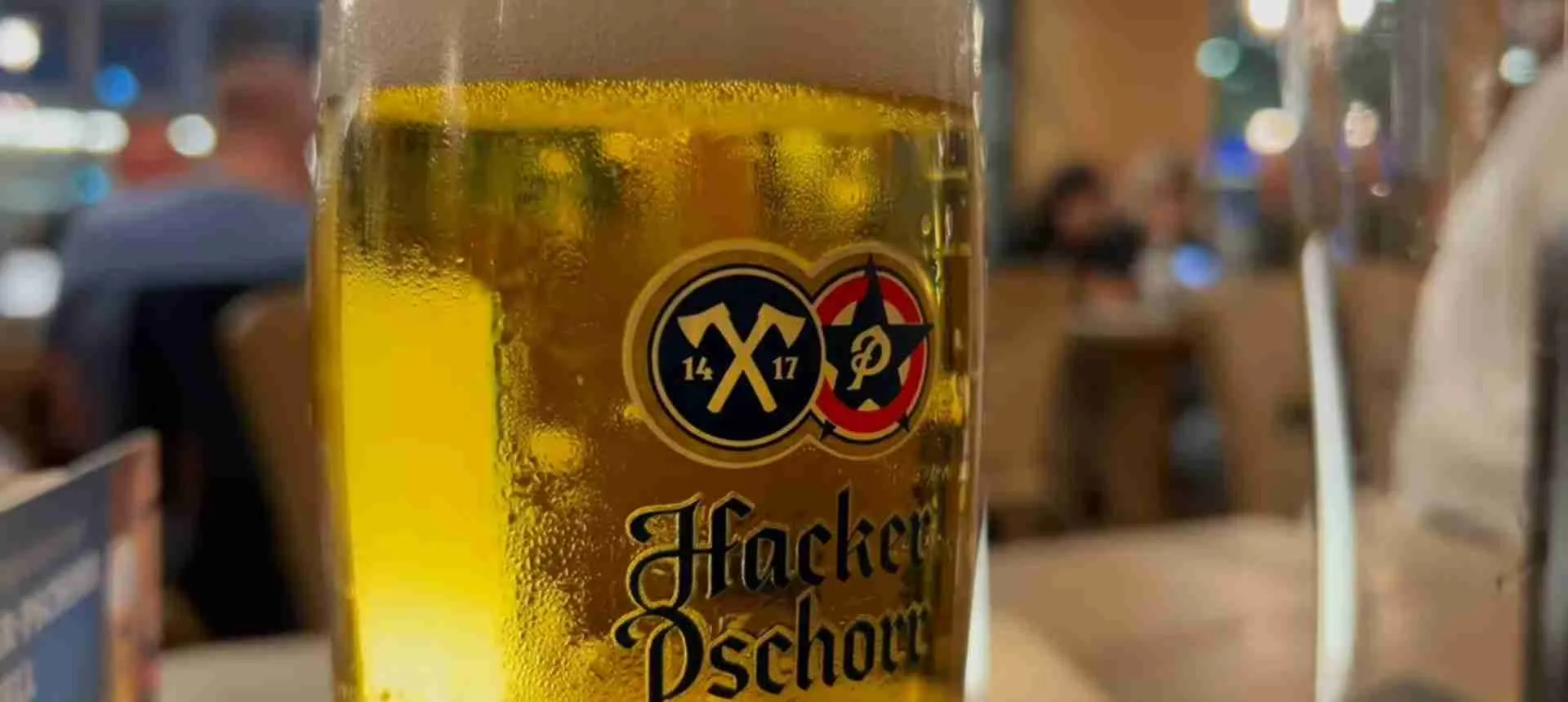
Craft beer production exploded in Berlin during recent decades as microbreweries challenged established beer culture dominated by Pilsner and wheat beer varieties. Berlin brewers experiment with American hop varieties, Belgian yeast strains, and wild fermentation techniques that create distinctive local beer culture. The revival of historical styles including Berliner Weisse (a sour wheat beer traditionally served with fruit syrup) demonstrates how craft brewing connects to traditional preparations while incorporating modern techniques. Berlin’s craft beer scene emphasizes innovation and quality over volume, creating diverse options that appeal to beer enthusiasts seeking alternatives to mass-produced lagers.
Cheese and charcuterie specialists preserve traditional German preparation methods while incorporating French and Italian influences that reflect Berlin’s multicultural character. These artisans source milk from Brandenburg dairy farms, cure meats using historical techniques, and age cheeses in conditions that develop complex flavors. The best cheese shops offer hundreds of varieties from small producers throughout Europe alongside locally crafted options that demonstrate how Berlin food culture values both tradition and innovation. Charcuterie specialists preserve preparation techniques for traditional German sausages while also experimenting with new flavor combinations and curing methods that expand beyond historical constraints.
Chocolate and confection makers established Berlin as a significant center for quality sweet production with companies ranging from industrial manufacturers to small artisanal operations. Berlin chocolatiers create both traditional German preparations and innovative concepts incorporating international flavors, unusual ingredients, and modern techniques. The city’s confectionery culture includes traditional marzipan preparations, nougat specialties, and seasonal items that appear during Christmas markets and Easter celebrations. Quality chocolate shops demonstrate how Berlin balances preservation of traditional sweets with experimentation that keeps confection culture relevant to contemporary tastes.
Dining Etiquette and Cultural Customs
Berlin dining etiquette reflects the city’s informal character and egalitarian values while maintaining certain German cultural expectations around meal structure and social behavior. Understanding these customs enhances dining experiences and prevents misunderstandings that could arise from applying different cultural assumptions to Berlin’s unique dining environment. The city’s etiquette combines traditional German formality with relaxed Berlin attitudes that create a distinctive balance between structure and casualness.
Table reservations function differently in Berlin compared to other European capitals where advanced booking often proves essential for quality restaurants. Many excellent Berlin establishments operate on walk-in basis or accept same-day reservations, reflecting the city’s resistance to exclusivity and pretension. However, Michelin-starred restaurants and highly sought establishments require advance booking, sometimes weeks ahead for popular time slots. The best strategy involves checking reservation policies for specific restaurants rather than assuming either walk-in availability or booking necessity. Weekend dinner times and Sunday brunch services typically require reservations across all restaurant categories.
German meal timing patterns influence Berlin restaurant operations with lunch service concentrated between noon and 2 PM and dinner beginning around 6 PM but extending later than in other German cities due to Berlin’s active nightlife culture. Many traditional Gasthauser close between lunch and dinner service, requiring awareness of kitchen schedules to avoid arriving during closed periods. Late-night dining options exist throughout the city with many restaurants serving until midnight or later, particularly in neighborhoods like Kreuzberg, Friedrichshain, and Prenzlauer Berg where evening dining culture remains active.
Payment customs in Berlin restaurants differ from American practices where servers present checks promptly after meal completion. German tradition involves waiting for diners to request the bill, with servers avoiding presumptuous check delivery that might rush customers. Diners signal readiness to pay by making eye contact with servers or using the German phrase “Zahlen, bitte” (check please). Cash remains preferred in many traditional establishments and smaller restaurants despite increasing card acceptance, so carrying euros prevents payment complications. Tipping expectations involve rounding up bills or adding approximately 10% for satisfactory service, with tips given directly to servers rather than left on tables.
Table sharing occurs frequently in traditional beer gardens, Gasthauser, and casual dining establishments where communal seating arrangements encourage social interaction among strangers. Diners should ask “Ist hier noch frei?” (Is this seat free?) before occupying shared table spaces. This custom reflects Berlin’s social dining culture and practical response to limited restaurant capacity in popular establishments. Shared tables provide opportunities for cultural exchange and authentic Berlin experiences, though solo diners preferring privacy can request separate tables when available.
Bread and table service varies between restaurant categories with casual establishments expecting customers to order and pay at counters while traditional restaurants and fine dining venues provide full table service. Bread arrives automatically at most traditional German restaurants without additional charge, though some establishments include small “Gedeck” (cover charge) for bread and spreads. Water service differs from American expectations where free tap water appears automatically—Berlin restaurants typically serve bottled water requiring payment, though requesting tap water (“Leitungswasser”) usually receives accommodation without offense.
Restaurant staff expectations reflect German service culture that emphasizes efficiency and professionalism over American-style friendliness. Berlin servers provide attentive service without hovering or engaging in extensive small talk, creating professional dining atmospheres that some visitors interpret as cold but Berliners consider respectfully unobtrusive. Servers expect clear communication of needs rather than attempting to anticipate unstated preferences. This service style allows diners extended meal times without feeling rushed while providing prompt attention when requested.
Markets and Food Shopping Culture
Berlin’s market culture creates vital connection between producers and consumers while maintaining social gathering spaces that function as alternatives to conventional supermarket shopping. These markets range from farmers markets featuring Brandenburg regional products to flea markets with food stalls to specialized markets focusing on organic, international, or artisanal goods. Market shopping represents not just procurement but cultural participation in Berlin’s food community where conversations with vendors, seasonal rhythms, and neighborhood identity intersect.
Weekly farmers markets operate throughout Berlin neighborhoods bringing Brandenburg produce, meat, dairy, and specialty products directly to urban consumers. These markets feature strict vendor standards requiring producers to sell only items they grow, raise, or manufacture, ensuring authenticity and quality. Shoppers develop relationships with specific vendors, learn about seasonal availability patterns, and access products unavailable through conventional retail channels. The best markets attract dedicated followings who plan shopping around market schedules and adjust cooking based on available seasonal ingredients rather than predetermined recipes requiring specific items.
Markthalle Neun in Kreuzberg represents Berlin’s most successful permanent market hall revival, transforming a 19th-century structure into a thriving food destination combining retail, dining, and cultural programming. The hall operates daily with permanent vendors selling meat, fish, cheese, vegetables, and specialty foods alongside rotating food stalls offering prepared meals from diverse cuisines. Weekly “Street Food Thursday” events transform the space into temporary restaurant hosting international vendors that attract thousands of visitors. The success of Markthalle Neun demonstrated market halls could function as contemporary food destinations and inspired similar projects in other Berlin neighborhoods.
Turkish markets concentrated in Kreuzberg and Neukölln provide extensive Middle Eastern and Mediterranean products alongside fresh produce, meat, fish, cheese, and prepared foods at prices below conventional supermarkets. These markets serve diverse clientele including Turkish community members, budget-conscious students, and food enthusiasts seeking ingredients unavailable elsewhere. The largest Turkish markets operate Tuesdays and Fridays along Maybachufer canal, creating carnival atmospheres where vendors compete for attention through shouts, samples, and dramatic displays. Shopping these markets requires bargaining skills, cash payment, and tolerance for crowded conditions but rewards effort with superior quality and prices.
Organic and ecological markets emerged throughout Berlin as demand for sustainable, chemical-free agriculture increased among environmentally conscious consumers. These markets feature certified organic producers, biodynamic farms, and vendors emphasizing transparent production methods and environmental stewardship. Prices exceed conventional market rates but appeal to shoppers prioritizing sustainability over economics. The organic market movement influenced mainstream supermarkets to expand organic selections and elevated standards throughout Berlin’s food retail sector.
Specialty food shops operating throughout Berlin neighborhoods provide alternatives to supermarket shopping for specific products including bread, cheese, meat, fish, wine, and international ingredients. These establishments maintain expertise in their categories, source from quality producers, and offer personalized service that enhances shopping experiences. The best specialty shops function as educational resources where staff share preparation advice, suggest pairings, and introduce customers to new products. Supporting these shops preserves retail diversity against supermarket consolidation while maintaining quality standards and specialized knowledge that mass retailers cannot replicate.
Seasonal Culinary Traditions
Berlin’s seasonal food traditions connect urban dining culture to agricultural cycles, Christian religious calendar, and cultural celebrations that structure the culinary year. These traditions range from spring asparagus festivals to autumn game seasons to winter holiday markets that transform the city’s food landscape according to predictable seasonal patterns. Understanding these cycles enhances appreciation for how Berlin cuisine responds to natural rhythms despite the city’s highly urbanized character.
Spargel season (white asparagus) from mid-April through late June represents Berlin’s most celebrated seasonal food event when restaurants throughout the city feature asparagus in dedicated menu sections. Brandenburg farms cultivate extensive white asparagus crops that appear fresh at markets and restaurants within hours of harvest. Traditional preparation involves boiling asparagus and serving with hollandaise sauce, boiled potatoes, and ham, though modern restaurants create innovative preparations showcasing the vegetable’s delicate flavor. Spargel obsession reaches levels where restaurants dedicate entire menus to asparagus variations and diners consume the vegetable almost daily during the short season.
Autumn ushers in game season when wild boar, venison, duck, and rabbit appear on restaurant menus throughout the city. Hunters supply restaurants with game from Brandenburg forests, creating direct connection between urban dining and countryside ecosystems. Traditional game preparations emphasize rich sauces, red cabbage, and potato accompaniments that complement strong meat flavors. Game season demonstrates Berlin’s continued connection to hunting traditions and seasonal meat consumption patterns that pre-date industrial agriculture’s year-round protein availability.
Christmas markets transform Berlin’s public spaces from late November through December with hundreds of wooden huts selling seasonal foods, drinks, and crafts. Traditional market foods include Glühwein (mulled wine), Bratwurst, Reibekuchen (potato pancakes), roasted almonds, Lebkuchen (gingerbread), and Stollen (fruit bread) that create distinctive holiday flavors. The markets function as social gathering spaces where Berliners meet friends, celebrate end-of-year holidays, and participate in traditions dating to medieval times. Each neighborhood hosts markets with distinct characters ranging from traditional German Christmas themes to alternative markets featuring international foods and crafts.
Pfannkuchen consumption peaks during Silvester (New Year’s Eve) and Carnival when bakeries produce these jelly doughnuts in massive quantities. The tradition includes hiding mustard-filled Pfannkuchen among jam-filled versions, creating surprise for unlucky recipients. This custom demonstrates how seasonal food traditions maintain cultural continuity through annual repetition that connects contemporary Berliners to historical practices. Bakeries display Pfannkuchen prominently during these periods, and workplace celebrations typically include sharing these pastries among colleagues.
Spring festivals celebrate renewal with fresh vegetables, herbs, and the first outdoor dining opportunities after winter isolation. Berlin beer gardens reopen, restaurants extend outdoor seating, and markets feature spring vegetables including radishes, lettuce, new potatoes, and rhubarb. The seasonal transition creates palpable enthusiasm as residents emerge from winter confinement to enjoy al fresco dining, park picnics, and street food that tastes superior in outdoor settings. Spring food culture emphasizes freshness, light preparations, and celebration of longer daylight hours that enable extended evening dining.
Summer brings peak agricultural abundance when Berlin markets overflow with berries, stone fruits, tomatoes, cucumbers, peppers, and herbs that inspire seasonal restaurant menus. Outdoor grilling becomes ubiquitous in parks, gardens, and beer gardens where diners enjoy sausages, vegetables, and grilled meats. Ice cream consumption reaches annual peaks as Berliners seek cooling desserts during occasional heat waves. Summer food culture emphasizes casual outdoor eating, simple preparations that highlight ingredient quality, and extended social dining sessions that continue into evening hours.
Frequently Asked Questions About Berlin Food Culture
Where can you find the best traditional Berlin cuisine?
The best traditional Berlin cuisine appears at established Gasthauser in neighborhoods like Prenzlauer Berg, Kreuzberg, Mitte, and Charlottenburg where family-run restaurants maintain historical recipes and preparation methods. Recommended establishments include century-old restaurants that serve Eisbein, Königsberger Klopse, and Sauerbraten according to traditional formulas. Markets including Markthalle Neun also feature vendors specializing in traditional Berlin foods prepared with contemporary quality standards while respecting historical methods.
How does Berlin food differ from Bavarian or other German regional cuisines?
Berlin food emphasizes working-class pragmatism, multicultural influences, and street food culture compared to Bavarian beer garden traditions or Swabian refinement. Berlin cuisine features more Eastern European and Turkish influences than southern German cooking, lacks the Catholic religious food traditions that shape Bavarian culture, and developed through industrial urbanization rather than agricultural village traditions. Berlin’s signature dishes like Currywurst and Döner emerged from street food innovation while Bavarian specialties like Schweinshaxe and Weisswurst developed in beer hall settings.
What should vegetarians and vegans know about eating in Berlin?
Berlin operates as one of Europe’s most vegetarian and vegan-friendly cities with dedicated plant-based restaurants in every neighborhood and mainstream establishments offering substantial vegetarian options. The city’s alternative culture created early demand for innovative vegetarian cuisine that extends beyond basic salads to creative preparations rivaling meat-centered dishes. Vegans find abundant options at Middle Eastern, Asian, and specialized vegan restaurants, while traditional German establishments increasingly accommodate plant-based dietary preferences through dedicated menu sections.
How much should you budget for meals in Berlin?
Berlin meal costs vary dramatically based on dining choices, with street food available for €3-8, casual restaurant meals costing €12-25, mid-range dining requiring €25-45, and fine dining experiences starting at €60-100 per person before drinks. The city’s relatively affordable dining compared to other European capitals allows quality eating at accessible prices. Budget-conscious diners can eat well spending €20-30 daily through combination of street food, market purchases, and casual restaurants, while mid-range budgets of €50-80 daily enable diverse dining experiences including occasional upscale meals.
What makes Berlin’s döner kebab different from other cities?
Berlin döner features distinctive preparation methods invented by Turkish immigrants during the 1970s that differ from traditional Turkish döner or subsequent international variations. Berlin-style döner uses specific flatbread types rather than pita, includes unique sauce combinations, offers more vegetable options, and typically features larger portions than Turkish preparations. The city’s competitive döner culture drives quality standards where vendors emphasize fresh ingredients, house-made sauces, and superior meat quality that distinguishes Berlin döner from inferior imitations in other cities.
When do Berlin restaurants typically serve meals?
Berlin restaurants serve lunch from approximately 11:30 AM to 2:30 PM and dinner from 6 PM until 10 PM or later, with many establishments closing between services. The city’s active nightlife culture supports late dining options where certain restaurants serve until midnight or beyond, particularly in youthful neighborhoods. Weekend brunch became a major Berlin dining institution with many establishments offering extended Saturday and Sunday breakfast/lunch service from 9 AM until 4 PM. Traditional Gasthauser often maintain more restrictive hours, particularly on Sundays when many close for dinner service.
How important is cash versus card payment in Berlin restaurants?
Cash remains preferred or required at many traditional Berlin restaurants, street food stands, and smaller establishments despite increasing card acceptance. Visitors should carry euros to avoid payment complications, particularly when dining at Gasthauser, Imbiss stands, or neighborhood restaurants. Upscale establishments, chains, and tourist-oriented restaurants accept cards reliably, but Berlin’s independent dining culture maintains cash traditions more stubbornly than other European capitals. ATMs appear frequently throughout the city enabling convenient cash access.
What food souvenirs represent authentic Berlin specialties?
Authentic Berlin food souvenirs include locally produced mustard varieties, curry powder blends for making Currywurst at home, artisanal chocolate from Berlin chocolatiers, craft beer from local microbreweries, and traditional German cookies or candies. Markthalle Neun and specialty food shops offer curated selections of Berlin-produced items that travel well. Avoid tourist-oriented products claiming Berlin origin without actual local production—genuine souvenirs come from identifiable Berlin manufacturers rather than generic German products repackaged for tourists.
How do you identify quality Currywurst stands versus tourist traps?
Quality Currywurst stands display fresh sausages being grilled rather than holding pre-cooked products under heat lamps, make sauce in-house rather than using commercial preparations, maintain clean operations with visible food handling areas, and attract local clientele rather than exclusively tourists. The best stands develop neighborhood reputations, receive awards from food critics or culinary organizations, and demonstrate pride in preparation methods. Avoid stands near major tourist sites that charge inflated prices for mediocre Currywurst—quality vendors appear throughout residential neighborhoods serving primarily local customers.
What role do beer gardens play in Berlin food culture?
Beer gardens function as essential Berlin dining and social institutions where outdoor communal seating, self-service food counters, and extensive beer selections create casual gathering spaces. Traditional beer gardens allow bringing outside food while purchasing drinks, maintaining democratic traditions that encourage extended social sessions regardless of budget. The gardens operate seasonally from spring through autumn, with some locations offering limited winter service. Beer garden culture emphasizes relaxed socializing over formal dining, making these venues ideal for experiencing Berlin’s informal social character while enjoying traditional foods and local beers.