Muir Woods Day Trip from San Francisco 2026: Complete Planning Guide
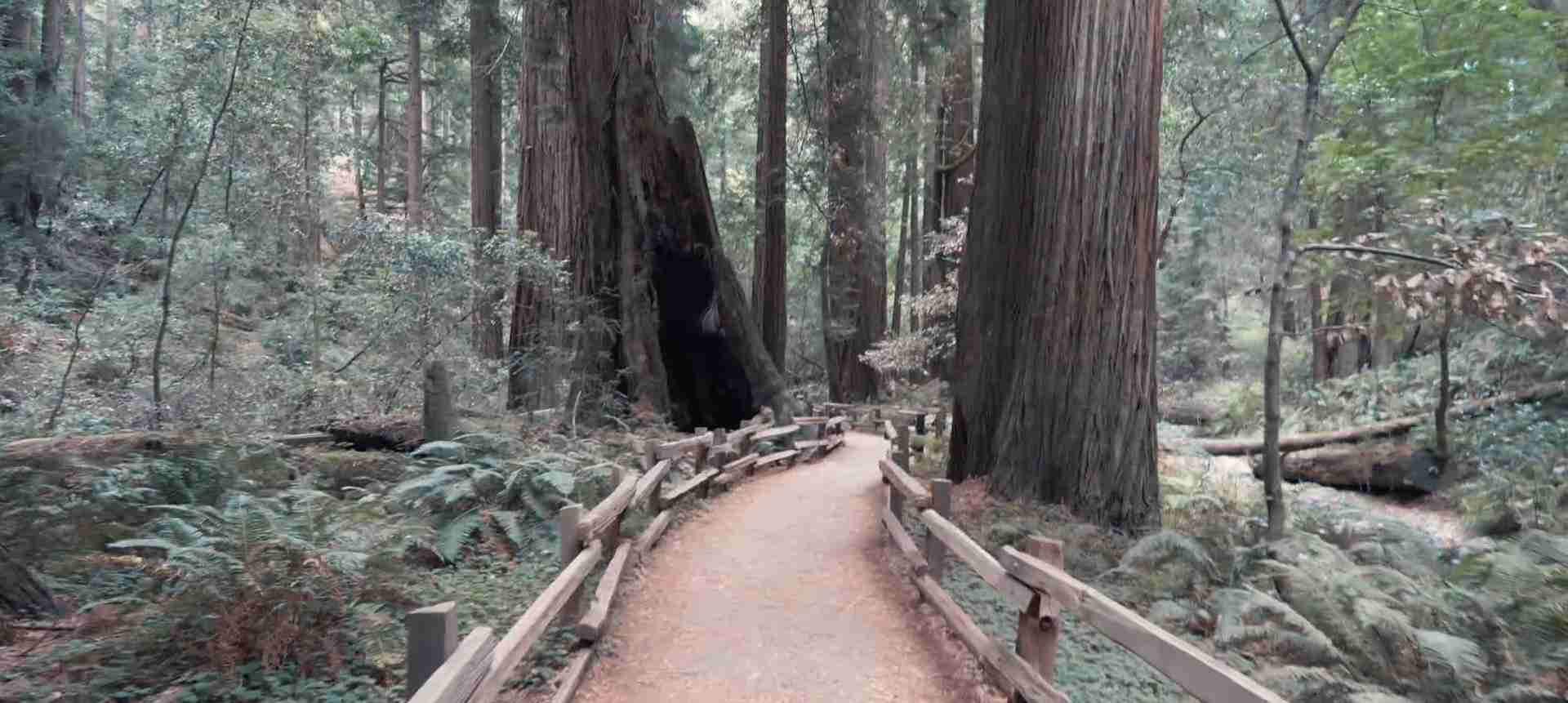
Just 16 miles north of San Francisco, Muir Woods National Monument offers one of the most accessible ancient coastal redwood experiences in California, where 1,000-year-old giants tower up to 258 feet above serene forest trails. This comprehensive guide covers everything you need to plan a seamless day trip in 2026, from navigating the mandatory reservation system to choosing between self-drive, shuttle, and tour options that best fit your schedule and budget.
Key Takeaways
- Mandatory Reservations 2026: All vehicles require advance parking reservations at $10 per standard vehicle, bookable up to 90 days ahead through GoMuirWoods.com. No cell service exists at the park, so download confirmations before leaving San Francisco.
- Budget Planning 2026: Expect approximately $30 for solo independent visits, or $22-24 per person when sharing costs as a couple. Guided tours range $80-135 and include transportation. The $15 entrance fee applies to adults 16 and older, while children 15 and under enter free.
- Transportation Choices 2026: Choose from self-drive with mandatory reservations, the official $4 Marin shuttle running weekends and summer weekdays, or San Francisco-based tours at $80+ that eliminate parking hassles and include narrated drives across the Golden Gate Bridge.
- Timing Strategy 2026: Arrive before 9 AM for softer light, smaller crowds, and the best photography conditions. Peak summer season and weekends sell out parking reservations days in advance, while winter offers 5 PM closures versus summer’s 8 PM hours.
- Trail Planning: Allow 90 minutes to two hours for the most popular Redwood Creek Trail loop to Bridge 3, covering the Cathedral Grove and Bohemian Grove highlights. The 6-mile trail network includes flat wheelchair-accessible paths and steeper hillside routes.
- Combination Options 2026: Many visitors pair Muir Woods with Sausalito for waterfront dining and shopping, creating a full-day Marin County experience. Tours combining both destinations range $80-100 and include Golden Gate Bridge crossings in both directions.
People Also Ask About Muir Woods Day Trip 2026
How much does a Muir Woods day trip from San Francisco cost in 2026?
Independent day trips cost approximately $30 per person for solo travelers, or $20-25 per person when two share vehicle costs. Parking reservations cost $10 for standard vehicles, entrance fees are $15 per adult, and gas for the 32-mile round trip runs $5-8 depending on fuel prices. For a solo traveler, this totals $30-33, while couples sharing parking and gas costs pay $22-24 each. Guided tours range $80-135 per person and include transportation, narration, and often stops in Sausalito, with the park entrance fee sometimes bundled into tour pricing. Budget travelers choosing the official Marin shuttle pay just $4 round trip plus the $15 entrance fee for a total of $19, though shuttle access requires reaching Larkspur or Sausalito first via ferry at an additional $26-30 round trip.
Do I need reservations to visit Muir Woods in 2026?
Yes, reservations are mandatory for all vehicles entering Muir Woods in 2026, bookable up to 90 days in advance at GoMuirWoods.com or by calling 1-800-410-2419. Parking spots cost $10 for standard vehicles and typically sell out on summer weekends and holidays days before the visit date. The official Marin shuttle also requires advance seat reservations at $4 per adult round trip. Only visitors arriving by bicycle or on foot enter without reservations, though they still pay the $15 entrance fee. Tour company participants don’t need separate parking reservations as tour operators secure spots in advance.
What is the best time to visit Muir Woods from San Francisco in 2026?
Early morning visits before 9 AM offer the best experience in 2026, with softer lighting filtering through the canopy, lighter crowds on popular trails, and better chances of seeing the fog that sustains these ancient trees. Summer brings extended 8 PM closing hours versus winter’s 5 PM closures, but summer weekends see the heaviest visitation and require booking parking weeks ahead. Weekday visits in spring and fall balance comfortable weather, moderate crowds, and easier reservation availability. Winter offers the most solitude and dramatic atmosphere when storms drench the forest, though some trails may close temporarily due to fallen trees or mudslides.
Can you do Muir Woods and Sausalito in one day from San Francisco in 2026?
Yes, combining Muir Woods and Sausalito creates an ideal full-day Marin County experience in 2026. Most guided tours allocate 90 minutes in Muir Woods and one hour in Sausalito, returning to San Francisco by 2-3 PM for morning departures or 6-7 PM for afternoon tours. Self-drivers enjoy more flexibility, spending two hours in the redwoods and two to three hours exploring Sausalito’s waterfront restaurants, art galleries, and bay views. The drive from Muir Woods to Sausalito takes just 20 minutes, and ferry service from Sausalito back to San Francisco’s Fisherman’s Wharf provides a scenic alternative to driving, with 30-minute crossings offering views of Alcatraz Island and the city skyline.
Extended multi-day tours – 5+ days
Featured San Francisco Multi-Day Tour Packages

4 days
Sip, See & Explore: 4 Days in San Francisco & Napa Valley
- ✓ Booking needs min. 2 travelers

4 days
Golden Gate Days and Pacific Nights: A San Francisco Weekend
- ✓ Booking needs min. 2 travelers
7 days
Western National Parks 7 Day Explorer Camping
- ✓ Comprehensive San Francisco tour
- ✓ Expert local guides included
- ✓ All accommodation arranged
- ✓ Transportation provided

7 days
San Francisco Discovery Tour
- ✓ Comprehensive San Francisco tour
- ✓ Expert local guides included
- ✓ All accommodation arranged
- ✓ Transportation provided
Multi-day tour packages powered by TourRadar. Prices and availability subject to change.
Introduction
Ancient coastal redwoods tower 258 feet above Redwood Creek in Muir Woods National Monument, preserving one of the San Francisco Bay Area’s last remaining old-growth forests just 16 miles from the Golden Gate Bridge. These giants, some exceeding 1,000 years in age, survived the 19th-century logging industry that cleared an estimated two million acres of California’s primeval redwood groves, making Muir Woods a cathedral of natural history accessible within 30 minutes of downtown San Francisco. The 554-acre monument welcomes nearly one million visitors annually, drawn by the otherworldly atmosphere created when Pacific fog drifts through the canopy and streams of light pierce the understory.
Planning a day trip to Muir Woods in 2026 requires navigating the mandatory reservation system implemented to protect this fragile ecosystem from overcrowding. The National Park Service now requires advance parking or shuttle bookings for all vehicle access, fundamentally changing the spontaneous visit model that existed before these protections. Understanding transportation options, entrance procedures, trail networks, and strategic timing transforms a potentially frustrating experience into a seamless encounter with some of Earth’s most magnificent living things. This guide provides the detailed planning information needed to maximize your Muir Woods day trip while respecting the conservation measures that preserve these ancient trees for future generations.
The monument sits in a steep-walled canyon carved by Redwood Creek, where cool marine air and winter rainfall create the precise conditions coastal redwoods require. These trees exist only along a narrow 450-mile coastal strip from southern Oregon to central California, and nowhere else on Earth. The combination of summer fog, mild temperatures, and abundant moisture allows these giants to pull water directly from the air through their needles, a survival adaptation that becomes visible on foggy mornings when moisture drips from the canopy like rain. Walking among trees that were saplings when the Byzantine Empire ruled the Mediterranean creates a profound perspective shift that few natural sites near major cities can match.
Understanding Muir Woods Access and Reservations 2026
The mandatory reservation system protects Muir Woods from the overcrowding that once saw vehicles backed up for miles on narrow mountain roads and parking lots overflowing into dangerous roadside situations. All commercial and private vehicles entering Muir Woods National Monument in 2026 require advance reservations, with no exceptions and no on-site sales. Parking reservations can be made up to 90 days before your visit date through the official GoMuirWoods.com website or by calling 1-800-410-2419. Peak season reservations, particularly summer weekends and federal holidays, often sell out within hours of becoming available, requiring visitors to plan well ahead.
Standard vehicle parking costs $10, medium vehicles such as vans pay $30, and large vehicles including buses pay $45 in 2026. These parking reservation fees are separate from park entrance fees, which cost $15 per adult aged 16 and older. Children 15 and under enter free but still require entry through the gate. Visitors can purchase entrance fees in advance when booking parking or pay upon arrival, though buying ahead streamlines entry and reduces transaction time at the gate. The reservation system assigns specific arrival time windows, typically in 30-minute or one-hour blocks, and arriving outside your window may result in denied entry if the lot is full.
Critical to success: Muir Woods and the surrounding roads have no cell phone service or WiFi connectivity. Download or print your parking reservation confirmation before leaving San Francisco, as attempting to pull up digital confirmations at the park entrance proves impossible. The parking reservation confirmation includes a barcode that park staff scan for entry, similar to concert or sporting event tickets. Keep this confirmation easily accessible in your vehicle, as you’ll present it at the entry station before proceeding to the parking lot.
Alternative access without parking reservations exists for visitors arriving by bicycle or on foot. Cyclists and pedestrians do not need advance reservations and can arrive during any operating hour, though they still pay the $15 adult entrance fee. This creates an opportunity for adventurous visitors willing to bike from Sausalito or other Marin County starting points, though the climb to Muir Woods gains significant elevation on narrow, winding roads without dedicated bike lanes. Most visitors find the reservation system manageable with advance planning, and the resulting crowd control dramatically improves the in-park experience compared to the chaotic pre-reservation era.
Transportation Options from San Francisco to Muir Woods 2026
Self-Drive with Parking Reservations
Driving yourself offers maximum flexibility but requires securing those advance parking reservations. The 16-mile route from San Francisco crosses the Golden Gate Bridge, follows US-101 north to the Highway 1/Stinson Beach exit, then winds through Marin County on increasingly narrow roads before descending into the Muir Woods canyon. Total drive time runs 30-45 minutes depending on San Francisco departure point and traffic conditions. Morning departures before 8 AM typically encounter light traffic, while late morning and afternoon drives may face Golden Gate Bridge congestion and Highway 1 backups during peak visitor seasons.
Parking costs break down to $10 for the reservation plus gas for the 32-mile round trip, approximately $5-8 depending on fuel prices and vehicle efficiency. Add the $15 entrance fee and independent visitors spend $30-33 per adult, making self-drive the most economical option for groups of two or more. The parking lot accommodates approximately 240 vehicles, and once your reserved time slot fills, no additional vehicles gain entry regardless of other time slot availability. This creates situations where arriving 30 minutes early or late may result in turned away visitors, even when the lot has physical space.
Navigation challenges include sharp turns, narrow lanes, and limited passing zones on the final descent to Muir Woods. Larger vehicles should carefully consider the medium vehicle category when booking, as tight corners and overhanging branches make the road challenging for vans and SUVs. Winter storms occasionally close roads due to fallen trees or mudslides, and the National Park Service posts alerts on the official website. Check current conditions at nps.gov/muwo before departing, particularly during rainy season from November through March. Summer brings clear conditions but heavy traffic, while spring and fall offer the best balance of weather and accessibility.
Official Marin Shuttle Service 2026
The Muir Woods Shuttle provides public transportation from Larkspur Landing and Sausalito Ferry Terminal to the monument during peak season, running weekends and holidays from early spring through October plus select summer weekdays in June, July, and August. Adult round-trip tickets cost $4, with children 15 and under riding free, making this the most budget-friendly transportation option at just $19 total including the park entrance fee. Shuttle tickets also require advance reservations through GoMuirWoods.com, though seats typically remain available longer than parking spots during busy periods.
The Larkspur Landing shuttle stop connects to San Francisco via ferry service across the bay, creating a car-free option that combines water and bus travel. The Golden Gate Ferry operates between San Francisco’s Ferry Building and Larkspur Landing with adult fares around $13 each way. Total transportation cost via ferry plus shuttle runs approximately $30 round trip before adding Muir Woods entrance, bringing the complete cost to $45 per person. While more expensive than solo driving at $30, this option provides scenic water crossings and eliminates parking reservation hassles. The Sausalito shuttle stop offers similar ferry connections, with Blue & Gold Fleet operating between Fisherman’s Wharf and Sausalito for approximately $15 each way.
Shuttle schedules align with typical tourist timing, departing shuttle stops hourly or every 90 minutes during operating periods. Visitors should arrive 15 minutes before scheduled departure times and plan for 20-30 minute rides to Muir Woods depending on traffic conditions. The ADA-accessible shuttles accommodate wheelchairs and mobility devices through an on-call van service that requires advance booking. Bikes are not permitted on shuttles, and pets except certified service dogs cannot board. Shuttle visitors enjoy unlimited time in the park within operating hours, departing on any return bus that has available seats.
Guided Tours from San Francisco 2026
Commercial tour operators offer the most convenient Muir Woods access, handling all reservations and eliminating navigation concerns while providing narrated drives across the Golden Gate Bridge and through Marin County. Tours departing from San Francisco range $80-135 per person in 2026, with prices varying based on group size, included destinations, and duration. Most tours depart from Fisherman’s Wharf or Union Square, operate in comfortable coaches or smaller vans, and allocate 90 minutes to two hours for Muir Woods exploration before returning to San Francisco or continuing to Sausalito.
Half-day tours focusing primarily on Muir Woods cost $80-100 and run approximately four to five hours including drive time. These typically cross the Golden Gate Bridge with photo stops, allow 90 minutes in the redwood forest, then either return directly to San Francisco or add a brief Sausalito stop. Full-day combinations pairing Muir Woods with Sausalito, Alcatraz, or wine country cost $110-180 depending on inclusions and run six to eight hours. Tour prices sometimes include the $15 park entrance fee and sometimes charge it separately, requiring careful comparison of total costs when evaluating options.
Tour benefits extend beyond transportation to include expert guides sharing natural and cultural history, strategic arrival timing that maximizes the in-park experience, and group dynamics that enhance the social aspects of the visit. Small group tours limiting capacity to 12-15 participants cost slightly more but provide more personal attention and easier coordination. Large coach tours with 40-50 participants offer economy but less flexibility. Most tour companies guarantee Muir Woods access through commercial use authorizations that reserve parking separate from public reservations, eliminating the risk of sold-out individual parking dates.
Popular tour operators serving Muir Woods in 2026 include Dylan’s Tours offering direct shuttles from Fisherman’s Wharf, Gray Line San Francisco providing classic motorcoach experiences, Extranomical Tours specializing in combination visits with wine country, and numerous smaller operators focusing on intimate group sizes. Booking directly through company websites often costs less than third-party platforms like Viator or GetYourGuide, though those aggregators simplify comparison shopping. Read recent reviews focusing on guide knowledge, vehicle condition, time allocation at Muir Woods, and handling of unexpected delays or road closures.
Planning Your Visit: Operating Hours and Seasonal Considerations 2026
Muir Woods operates 365 days per year including all federal, state, and local holidays, opening daily at 8 AM. Closing times vary seasonally, following the pattern of sunset throughout the year. Summer months from May through early September offer the longest visiting hours, with 7 PM or 8 PM closures providing late afternoon and early evening access. Fall transitions to 6 PM closures in October and November, winter brings 5 PM closures from November through early March, and spring gradually extends hours back to 6 PM then 7 PM as days lengthen. The official website and reservation system display exact closing times for specific dates when booking parking or shuttle access.
The Visitor Center closes 30 minutes before park closure, while the Muir Woods Trading Company gift shop and café close one hour before the park gates. This means summer visitors entering at 7 PM find the café already closed though trails remain open for the final hour. Rangers remain available near the entrance to answer questions and provide emergency assistance through closing time. The last parking reservation slots typically end two to three hours before closure, preventing late arrivals from overwhelming staff during shutdown procedures.
Seasonal weather patterns dramatically affect the Muir Woods experience throughout 2026. Summer brings dry conditions, warm temperatures in the low 70s F outside the forest canopy, and the famous Bay Area fog that sustains the redwoods through months without rain. Fog creates atmospheric conditions inside the forest, with moisture dripping from needles and filtered light creating dramatic photography opportunities, but reduces visibility for distant views and Golden Gate Bridge vistas. Summer also brings peak visitation, with parking reservations selling out weeks in advance for weekend dates and federal holidays like Memorial Day, Independence Day, and Labor Day.
Fall offers the best balance of weather and crowd levels from mid-September through November. Temperatures remain mild in the 60s F, fog frequency decreases creating more sunny days, and parking availability improves significantly compared to summer peaks. The forest floor shows subtle color changes as deciduous understory plants turn yellow and brown, contrasting with the evergreen redwood canopy. October and early November provide excellent photography lighting before winter storm patterns begin in late November.
Winter transforms Muir Woods into a completely different environment from late November through March. Pacific storm systems bring heavy rainfall, often totaling 40-50 inches over the winter season. Trails become muddy and slippery, creeks run high and loud, and occasional windstorms topple trees and close sections of the trail network temporarily. However, winter also brings the most solitude, with parking reservations readily available even on weekends and some midweek periods seeing fewer than 100 visitors. The dripping, misty atmosphere emphasizes the ancient primeval character of old-growth redwood forest, and ranger programs focus on the winter ecology that sustains these ecosystems.
Spring awakens the forest from March through May as wildflowers bloom in sunny clearings, migrating birds return to nest in the canopy, and increased creek flow from late-season storms creates rushing water sounds throughout the canyon. Spring weather proves highly variable, with sunny 70-degree days alternating with cold rainy periods, requiring visitors to prepare for multiple conditions. This unpredictability keeps crowds moderate compared to summer, and parking availability remains good except for Easter weekend and Memorial Day weekend. Spring offers the best combination of comfortable weather, blooming flora, and manageable visitor numbers for those with flexible travel dates.
Costs and Budget Planning for Muir Woods Day Trip 2026
Independent Visit Budget Breakdown 2026
Self-driving visitors from San Francisco spend approximately $30 per adult for basic access in 2026. The $10 parking reservation covers the entire vehicle regardless of occupants, the $15 entrance fee applies per adult 16 and older, and gas for the 32-mile round trip costs $5-8 depending on current fuel prices and vehicle efficiency. Couples sharing a vehicle split the parking and gas, reducing per-person costs to approximately $22-24 each. Groups of four adults pay about $19-20 per person when dividing shared expenses. These figures exclude optional expenses like café purchases, gift shop items, or paid parking in San Francisco before departing.
Adding Sausalito to a self-drive itinerary increases costs through dining and potential parking fees in the waterfront district. Sausalito parking runs $3-5 per hour in public lots or around $10-20 for three to four hour visits in 2026. Lunch at Sausalito’s waterfront restaurants ranges $20-35 per person for casual dining or $40-60 for nicer establishments with bay views. Fish and chips at casual spots cost $18-25, deli sandwiches run $12-16, and sit-down restaurant meals with drinks average $30-45. Budget an additional $30-50 per person for a Sausalito lunch stop beyond the basic Muir Woods access costs.
The shuttle-plus-ferry option costs approximately $45 per adult total including entrance via Larkspur Landing. Golden Gate Ferry from San Francisco to Larkspur Landing runs approximately $13 each way for a round-trip total of $26, the Muir Woods shuttle costs $4 round trip, and the $15 entrance fee brings the complete cost to $45 per person. The Blue & Gold Ferry from Fisherman’s Wharf to Sausalito costs about $15 each way, creating a total cost of approximately $49 per person including shuttle and entrance. These car-free options eliminate parking hassles and provide scenic water crossings, though they require more time and coordination than driving directly.
Guided Tour Costs 2026
Half-day Muir Woods tours from San Francisco range $80-100 per person in 2026, covering four to five hours with transportation, narration, and either Muir Woods only or Muir Woods plus Sausalito. Some tours include the $15 park entrance fee in the base price while others charge it separately, requiring attention to total cost comparisons. Tours in the $80 range typically add the entrance fee separately, bringing true cost to $95, while $95-100 tours generally include entrance in the base price. Always verify what’s included before booking to avoid surprise charges at the park gate.
Full-day combination tours pairing Muir Woods with Alcatraz cost $160-200 in 2026, running eight to nine hours and including both attraction fees, transportation, and guided narration. The Alcatraz ferry and audio tour alone costs $45-50, making the combination tour pricing reasonable for visitors wanting both experiences. Wine country combinations pairing morning Muir Woods visits with afternoon Napa or Sonoma tastings range $130-180, typically including three winery visits and either the Muir Woods entrance fee or charging it separately. These premium combinations provide maximum variety but dedicate less time to each location than focused single-destination visits.
Small group tours limiting capacity to 12-15 participants add $10-25 to base pricing compared to large coach tours but provide more personalized experiences and flexibility. Luxury private tours for two to six people cost $400-800 total, working out to $67-135 per person for groups of six, or $200-400 per person for couples, offering completely customized itineraries and scheduling. For families or small groups with specific interests, private tours provide value despite higher sticker prices, particularly when coordinating with children’s needs or elderly participants requiring extra time and accommodation.
Total Day Trip Budget Examples 2026
Budget independent visit: Parking $10, entrance $15, gas $6, café coffee $5. Total approximately $30 per person assuming two sharing vehicle costs.
Standard tour visit: Half-day tour $95 including entrance, café lunch $12, gift shop souvenirs $20. Total approximately $125 per person.
Premium combination visit: Muir Woods and Sausalito full-day tour $110, Sausalito restaurant lunch $35, ferry return to San Francisco $15, total approximately $160 per person.
Car-free shuttle visit: Golden Gate Ferry round trip $26, Muir Woods shuttle $4, entrance $15, packed lunch from San Francisco $12. Total approximately $57 per person.
The Trails and Hiking Experience at Muir Woods 2026
Six miles of interconnected trails wind through Muir Woods National Monument, ranging from the flat, paved, wheelchair-accessible Redwood Creek Trail to steep hillside paths climbing above the canyon floor. The most popular route, and the one most tour groups follow, traces Redwood Creek from the visitor plaza through Cathedral Grove and Bohemian Grove to Bridge 3, then returns via the opposite creek bank. This 1-mile loop takes 45-60 minutes at a relaxed pace, passing the tallest and oldest trees while remaining fully accessible to wheelchairs, strollers, and visitors with limited mobility.
Extending to Bridge 4 creates a 1.5-mile loop requiring 60-75 minutes and adding more groves of ancient trees with fewer people as distance from the entrance increases. The trail remains paved and flat through this section, making it suitable for all fitness levels though crowds thin noticeably beyond Bridge 3. The 2-mile loop to Bridge 6 ventures into quieter forest sections where solitude becomes possible even on busy summer days, taking 75-90 minutes round trip and still following the flat creek-level trail. These varying distances allow visitors to customize hike length based on available time and interest level.
Hillside trails climb out of the Redwood Creek canyon, gaining elevation through Douglas fir and bay laurel forests with understories of sword ferns and redwood sorrel. The Hillside Trail rises 200 feet above the creek, providing downward views into the canopy and connecting to longer routes like the Ben Johnson Trail and Dipsea Trail that extend into Mount Tamalpais State Park. These hillside routes feature dirt paths with roots, rocks, and stairs, requiring moderate fitness and appropriate footwear. Views from higher elevations reveal the canyon’s V-shape and the way redwoods concentrate along the creek where moisture remains most consistent.
Trail etiquette at Muir Woods emphasizes staying on designated paths to protect fragile roots and understory plants. Redwood roots spread shallow and wide rather than deep, making them vulnerable to soil compaction from foot traffic. The boardwalks and paved sections concentrate foot traffic over the most durable routes, and stepping off trail damages root systems that took centuries to develop. Speaking quietly helps preserve the contemplative atmosphere, though complete silence isn’t required. Photography is encouraged, though tripods are prohibited due to path width and crowd flow concerns. The park requests that visitors leave no trace, packing out all trash and consuming food only in designated areas.
Rangers lead free interpretive walks several times daily during peak season, typically lasting 30-45 minutes and focusing on redwood ecology, forest history, and conservation challenges. These walks depart from the visitor plaza on posted schedules available at the entrance. Junior Ranger programs engage children ages 5-12 with activity books and exploration challenges, culminating in ranger-administered oaths and souvenir badges. Evening programs during summer months provide nighttime forest experiences, though these require separate registration and coincide with late closing hours.
What to Bring and How to Prepare for Muir Woods 2026
Layered clothing proves essential for Muir Woods regardless of season, as temperatures inside the shaded canyon run 10-15 degrees cooler than sunny San Francisco neighborhoods. Summer days that feel warm in the city become cool inside the forest, particularly when fog drifts through the canopy and moisture drips from branches. Bring a light jacket or fleece even on apparently warm days, and consider long pants over shorts for comfort on extended hikes. Winter visits require waterproof layers including rain jacket and water-resistant pants, as winter storms can drench the forest for hours and trails become muddy streams.
Footwear should prioritize grip and water resistance over fashion. The paved creek-level trails permit sneakers or casual shoes during dry summer months, but any moisture makes surfaces slippery and venturing onto dirt hillside trails requires proper hiking shoes or boots. Winter visits demand waterproof boots with aggressive tread, as mud and wet boardwalks become skating rinks in regular shoes. Sandals and flip-flops prove actively dangerous on wet surfaces and are not recommended for any Muir Woods visit.
Water bottles and snacks enhance comfort during visits lasting two hours or more, though food consumption is restricted to designated areas only and not permitted on trails. The café near the entrance sells sandwiches, snacks, coffee, and bottled water at typical national park pricing around $3-5 for drinks and $8-15 for food items. Bringing your own supplies saves money, though the café provides convenient access for those who forgot provisions. Water fountains near the visitor plaza allow refilling bottles, eliminating the need to carry full hydration for the entire visit.
Photography equipment needs no special permits for personal use, though as mentioned tripods are prohibited throughout the monument. The low light under the dense canopy challenges phone cameras and requires understanding of exposure settings for quality results. Wide-angle lenses capture the immense scale of 250-foot trees, while telephoto lenses isolate interesting details in bark, foliage, and forest floor plants. Fog creates dramatic atmospheric effects but requires faster lenses or higher ISO settings to maintain sharp images. The best light occurs early morning and late afternoon when low sun angles send shafts through the canopy, though summer’s 8 PM closing allows sunset photography opportunities impossible during winter’s 5 PM closure.
Electronics face challenges at Muir Woods beyond photography. Cell phones have no service throughout the monument and surrounding roads, making them useless for communication, navigation, or mobile ticket display. Download parking confirmations, trail maps, and any other needed information before leaving areas with connectivity. Portable chargers provide backup power for phone cameras if batteries drain during extended photo sessions. The lack of connectivity means old-fashioned paper maps and planning ahead replace real-time information access that defines most modern travel.
Prohibited items include pets except certified service dogs, bicycles on any trail, drones anywhere in the monument, and smoking of any kind including e-cigarettes. These restrictions protect wildlife, preserve visitor experience, and prevent fire danger in a forest that despite high moisture levels can burn during dry conditions. The park provides no kennel facilities, and leaving pets in vehicles violates animal welfare laws and results in citations. Plan pet care before visiting, as no accommodation exists for animals at Muir Woods.
Combining Muir Woods with Sausalito 2026
Sausalito sits just 20 minutes from Muir Woods along winding roads that descend from the redwood canyon to sea level at Richardson Bay. This Mediterranean-influenced waterfront town offers art galleries, boutique shopping, seafood restaurants, and stunning San Francisco skyline views across the bay. Combining both destinations creates a full-day Marin County experience that balances nature and culture, with most visitors spending two hours in Muir Woods and two to three hours in Sausalito before returning to San Francisco.
The drive from Muir Woods to Sausalito follows narrow mountain roads through residential areas with occasional viewpoints overlooking the bay and distant city. Public transportation between the two locations doesn’t exist, making this combination practical only for those with personal vehicles or tour group transportation. The descent takes 15-20 minutes depending on traffic and driving speed, arriving in downtown Sausalito near Bridgeway Boulevard and the ferry terminal. Street parking along Bridgeway fills quickly during peak hours, while the public parking lot at the ferry terminal charges $3-5 per hour with typical three-hour visits costing $10-15 total.
Sausalito’s waterfront district stretches about one mile along Bridgeway, easily walkable and lined with restaurants, cafes, galleries, and shops selling everything from local art to upscale clothing. Popular dining options include Fish restaurant for sustainable seafood and outdoor seating, Scoma’s for classic Italian and bay views, Barrel House Tavern for gastropub fare, and Le Garage for French bistro cuisine. Expect lunch costs from $20-35 per person at casual spots to $40-60 at nicer establishments. Taking food to-go and eating at waterfront benches saves money while enjoying the scenery.
The Blue & Gold Ferry provides scenic return transportation to San Francisco’s Fisherman’s Wharf, departing Sausalito hourly during peak season with adult fares around $15. The 30-minute crossing offers phenomenal views of Alcatraz Island, Angel Island, the Bay Bridge, and San Francisco’s waterfront skyline, creating a memorable conclusion to the day trip. Ferries run less frequently during off-peak hours and winter months, requiring schedule consultation at blueandgoldfleet.com before planning around specific departure times. This water return eliminates driving back across the Golden Gate Bridge and transforms the trip into a loop rather than retracing the same route.
Tours combining Muir Woods and Sausalito typically allocate 90 minutes at the redwoods and one hour in Sausalito, which many independent travelers find too rushed for satisfying Sausalito exploration. Self-drivers enjoy complete control over time allocation, while tour participants trade flexibility for convenience. The combination works best for those wanting variety over depth, providing samples of Marin County’s natural and cultural attractions rather than deep dives into either. First-time Bay Area visitors often choose this combination to maximize experiences within limited vacation time, while returning visitors might focus exclusively on Muir Woods for more thorough trail exploration.
Alternative Day Trip Combinations from San Francisco 2026
Beyond Sausalito, several other destinations pair logically with Muir Woods for full-day itineraries from San Francisco. Point Reyes National Seashore lies 45 minutes north of Muir Woods, offering dramatic coastal cliffs, elephant seal colonies at Chimney Rock, the historic Point Reyes Lighthouse, and Drakes Beach. Combining these creates an all-nature day trip covering redwood forest and wild coastline, though it requires a full day of 8-9 hours and significant driving. Point Reyes works best for visitors with personal vehicles and strong interest in natural landscapes over urban experiences.
Napa Valley and Sonoma wine country sit about one hour from Muir Woods, creating popular combination tours that pair morning redwood walks with afternoon wine tastings. These premium experiences cost $130-180 and typically include three winery visits, a gourmet lunch, and all tasting fees. The combination makes efficient use of time for visitors wanting both nature and wine culture experiences, though it involves substantial driving and works better as an organized tour than independent exploration. Morning at Muir Woods provides the reflective natural experience before afternoon wine tastings shift the mood toward social enjoyment.
Mount Tamalpais State Park surrounds Muir Woods, and hiking trails connect the monument to the mountain’s summit at 2,571 feet. Serious hikers can create challenging full-day treks combining the Dipsea Trail, Steep Ravine Trail, or Matt Davis Trail with Muir Woods exploration, though these require strong fitness and 6-8 hours of hiking time. The trails offer completely different ecosystems from the redwood canyon, climbing through chaparral, oak woodland, and grassland to panoramic Bay Area views from East Peak. This combination appeals to outdoor enthusiasts seeking physical challenge rather than casual visitors wanting leisurely day trips.
The Marin Headlands provide another coastal option just south of Muir Woods and immediately north of the Golden Gate Bridge. Battery Spencer and Hawk Hill offer classic Golden Gate Bridge photographs from the Marin side, while Rodeo Beach and Point Bonita Lighthouse add wild coastal elements. The Headlands require only 30 minutes from Muir Woods and 20 minutes from San Francisco, making them easy additions that extend Muir Woods day trips by two to three hours. Unlike commercial Sausalito, the Headlands remain undeveloped and wild, appealing to those prioritizing nature over dining and shopping.
Photography Guide: Capturing Muir Woods 2026
The extreme contrast between bright sky above the canopy and deep shadows below creates the primary photography challenge at Muir Woods. Smartphone cameras and basic point-and-shoot models struggle with this dynamic range, often blowing out highlights or losing detail in shadows. Understanding a few key techniques dramatically improves results even with phone cameras, while photographers using mirrorless or DSLR equipment can achieve professional-quality images with proper approach.
Shoot during the golden hours of early morning or late afternoon when low-angle sunlight penetrates the canopy, creating shafts of light through fog or moisture in the air. These sun beams, called crepuscular rays, define iconic redwood forest photography and occur most reliably before 9 AM during summer months. The angle of light changes throughout the year, with winter’s low sun creating longer, more dramatic beams than summer’s overhead position. Cloudy or foggy days eliminate harsh contrast and produce soft, even lighting ideal for capturing bark texture, forest floor details, and the overall mood of old-growth forest.
Phone camera users should tap to focus on mid-tones rather than the brightest or darkest areas, then use the exposure slider to adjust brightness down slightly. This prevents the camera from overexposing bright areas while maintaining some shadow detail. HDR mode combines multiple exposures and helps balance extreme contrast, though it can create unnatural-looking results on moving subjects like swaying branches. Portrait mode effectively blurs backgrounds and isolates individual trees or forest details, creating depth in what can otherwise appear as a flat wall of vegetation.
Dedicated camera users need wide apertures like f/2.8 or f/4 to gather enough light in the dim understory while maintaining reasonable shutter speeds. ISO 800-3200 becomes necessary for handheld shooting, though higher ISOs create noise that degrades image quality. Tripods would solve this by allowing long exposures at low ISO, but the monument prohibits tripods to maintain trail flow and safety. This forces photographers to embrace higher ISO grain as part of the aesthetic or seek naturally brighter areas like the creek bank boardwalks where reflected light from the water increases overall illumination.
Composition techniques include using the vertical format to emphasize tree height, placing massive trunks in the foreground to establish scale, and including human figures to show the immense size of 250-foot giants. The cathedral-like quality of the forest canopy rewards upward-looking compositions that frame sky through the crown cover, though these risk overexposure without careful metering. Creek crossings provide natural foreground interest through the streams and bridge structures, while the boardwalk railings create leading lines that draw the eye into the scene.
The prohibition on tripods extends to monopods and selfie sticks, limiting stabilization options to body bracing against trees or railings. Image stabilization in modern cameras and phones helps significantly, allowing 1/30 or 1/60 second handheld exposure where older equipment required 1/125 or faster. Burst mode increases odds of perfectly sharp shots by capturing several frames rapidly, letting you select the sharpest one later. This technique compensates for hand shake and subject movement in ways single-shot approaches cannot match.
Wildlife and Natural Features Beyond the Redwoods 2026
While coastal redwoods dominate attention, Muir Woods supports complex ecosystem layers from the forest floor to the canopy 250 feet overhead. The understory includes sword ferns, redwood sorrel with its shamrock-like leaves, and various mosses covering fallen logs and tree trunks. Bay laurel trees with aromatic leaves when crushed grow in the understory, while Douglas fir and tanoak trees mix with the redwoods in drier areas away from the creek. This diversity creates habitat for numerous animal species despite the monument’s relatively small 554-acre footprint.
Bird life includes winter wrens with surprisingly loud songs for their tiny size, Pacific wrens skulking through understory vegetation, and varied thrushes with their haunting single-note calls echoing through the forest. Steller’s jays flash blue through the branches, while woodpeckers including the pileated species excavate cavities in dead snags. The dense canopy prevents easy bird observation, making identification primarily auditory rather than visual. Patient observers who stand still and listen detect far more bird activity than those walking constantly.
Mammals remain largely hidden during daylight hours when most visitors explore the forest. Black-tailed deer occasionally browse along trails during early morning or evening hours, while raccoons and gray foxes hunt at night. The endangered northern spotted owl once nested in Muir Woods’ old-growth canopy, though habitat loss in surrounding areas has reduced populations. Banana slugs in yellow or brown variations crawl across the forest floor during wet conditions, decomposing vegetation and recycling nutrients while leaving glistening slime trails. These native mollusks can grow eight inches long and have few predators due to their unpalatability.
Redwood Creek supports steelhead trout and Coho salmon during winter spawning runs, though degraded habitat downstream and migration barriers have reduced populations from historical levels. The creek originates on Mount Tamalpais slopes and flows year-round, though winter storm flows can reach torrential levels that reshape the streambed and move boulders weighing hundreds of pounds. Summer sees the creek reduced to gentle flow but still audible throughout the canyon, providing the constant water sounds that contribute to the forest’s peaceful atmosphere.
The forest’s moisture regime depends entirely on summer fog that drifts inland from the Pacific Ocean, providing water to trees during the months without rain. Redwoods evolved the ability to absorb moisture directly through their needles, then drip excess water to the ground where roots take up the supply. This adaptation allows survival in California’s mediterranean climate despite months of rainless weather. Winter brings 40-50 inches of rainfall that saturates the soil and creates conditions for rapid spring growth, though the trees add only minimal height after reaching maturity and instead focus on diameter increase.
Accessibility Information for Muir Woods 2026
Muir Woods maintains among the best accessibility of any National Park Service redwood forest location, with paved, level trails designed for wheelchair users, visitors with mobility challenges, and families pushing strollers. The main Redwood Creek Trail from the entrance to Bridge 4 features smooth pavement approximately six feet wide, zero steps, and grades staying below five percent throughout its 1.5-mile length. Accessible parking spaces exist in the main lot near the entrance, and the short walk from parking to trailhead involves minimal distance and gentle slopes.
The visitor plaza and restroom facilities meet ADA standards, with accessible toilets, sinks at appropriate heights, and wide doorways accommodating wheelchairs and mobility scooters. Tactile exhibits in the visitor plaza provide information through touch for visitors with visual impairments, while ranger programs can be requested with sign language interpretation given advance notice of at least two weeks. The Trading Company gift shop and café have level entries and wide aisles permitting wheelchair navigation, though some merchandise shelves may require assistance to reach items on higher levels.
The official Marin Transit shuttle provides wheelchair-accessible service through an on-call ADA compliant van requiring advance reservation. Standard shuttle buses cannot accommodate wheelchairs due to vehicle design, making the separate van service essential for visitors dependent on wheelchair access who want to use public transportation. Tour operators vary in accessibility, with some offering wheelchair-accessible vehicles and others unable to accommodate mobility devices. Always verify accessibility when booking tours, as retrofitting vehicles or changing itineraries at the last minute proves difficult or impossible.
Hearing assistance includes park orientation materials available in written format and ranger programs provided with advance notice of interpretation needs. Service animals are welcome throughout Muir Woods, though all other pets are prohibited. Service dogs should be leashed and under control at all times, and owners must pack out all animal waste. The cool, moist environment and moderate trail distances generally pose no unusual challenges for service animals beyond the same navigation issues affecting all visitors in crowded conditions.
Visitors with mobility challenges should plan extra time for trail navigation, as the paved paths become crowded during peak hours and require patience to maintain comfortable pace. The bridges over Redwood Creek have standard bridge approaches and moderate slopes, though all remain within accessible grade standards. Benches appear approximately every 0.1-0.2 miles along the main trail, providing frequent rest opportunities. The level terrain means wheelchair users can complete the entire accessible section without requiring assistance on slopes, though companions help navigate around slower-moving groups during busy periods.
Frequently Asked Questions
Can you visit Muir Woods without a car in 2026?
Yes, several car-free options exist for visiting Muir Woods from San Francisco in 2026. The official Muir Woods Shuttle costs $4 round trip and operates from Larkspur Landing and Sausalito Ferry Terminal on weekends, holidays, and select summer weekdays. Reach these shuttle stops via Golden Gate Ferry from San Francisco’s Ferry Building to Larkspur or Blue & Gold Ferry from Fisherman’s Wharf to Sausalito, with ferry fares around $13-15 each way. Total cost runs approximately $45-50 round trip including shuttle and ferry but excluding the $15 Muir Woods entrance fee. Alternatively, book a guided tour from San Francisco starting around $80 that includes all transportation. Cycling from Sausalito provides another car-free option for fit riders comfortable with steep, winding roads lacking dedicated bike lanes.
How far in advance should I book Muir Woods parking for 2026?
Book parking reservations as soon as your travel dates are confirmed, up to the 90-day advance booking window that opens through GoMuirWoods.com. Summer weekends, particularly June through September, and major holidays like Memorial Day, Independence Day, and Labor Day sell out within days or even hours of becoming available. Weekday visits during spring and fall offer better availability, often bookable just one to two weeks ahead. Winter weekdays sometimes have same-week availability, though popular winter weekends still fill quickly. If your preferred date shows no availability, check back regularly as cancellations free up spots, particularly in the final week before the visit date when cancellation policies make holding unwanted reservations unattractive.
What should I wear to Muir Woods in summer 2026?
Wear layers even in summer, as temperatures inside the shaded canyon run 10-15 degrees cooler than sunny San Francisco areas. Start with a light long-sleeve shirt or t-shirt, bring a fleece or light jacket for the forest interior, and pack a wind-resistant outer layer for the drive and any viewpoint stops. Long pants provide more comfort than shorts during extended visits, as moisture from fog can make bare legs chilly. Closed-toe shoes with good grip are essential, as boardwalks become slippery when wet from fog drip. Avoid cotton clothing that stays wet and cold once damp, instead choosing synthetic or wool materials that maintain warmth when moist. Sunglasses and sun protection matter less inside the forest but become necessary at viewpoints and in Sausalito if combining destinations.
Is Muir Woods suitable for young children in 2026?
Yes, Muir Woods works extremely well for families with children of all ages, offering flat paved trails perfect for strollers, interesting natural features that engage curious minds, and relatively short distances manageable for little legs. The Junior Ranger program provides activity books and exploration challenges for kids ages 5-12, culminating in ranger-administered oaths and souvenir badges that create memorable experiences. The creek crossings, enormous tree trunks perfect for touching and hugging, and chances to spot banana slugs and birds keep children engaged better than many museum exhibits. Plan shorter visits of 60-90 minutes rather than extensive hikes, as young attention spans fade after the initial wonder of the giant trees. The café provides snacks and restrooms, and the gift shop offers nature-themed toys and books appealing to children.
Can you see the tallest redwoods at Muir Woods 2026?
Muir Woods contains impressive old-growth coastal redwoods reaching 250-258 feet tall, making them among the tallest trees visitors will encounter in their lifetimes. However, they are not the absolute tallest redwoods in California. That distinction belongs to Hyperion, a 380-foot giant in a protected location within Redwood National Park whose exact position remains secret to prevent damage from excessive visitation. Muir Woods redwoods still tower far above any non-redwood tree species and create the same sense of ancient grandeur and vertical scale that defines old-growth redwood forest anywhere. The monument’s conservation protects these veterans from logging that would have felled them in the 1800s, preserving 600-800 year old specimens that were saplings during the European Middle Ages.
What is the best trail for first-time Muir Woods visitors in 2026?
First-time visitors should walk the Redwood Creek Trail to Bridge 3 and return via the opposite bank, creating a 1-mile loop that takes 45-60 minutes and covers the most impressive groves including Cathedral Grove and Bohemian Grove. This route passes the tallest trees, crosses the creek multiple times on accessible bridges, and provides representative experiences of old-growth redwood forest without requiring significant time or fitness. Extending to Bridge 4 adds just 15-20 minutes and accesses quieter sections with fewer people, while the full 2-mile loop to Bridge 6 rewards those with extra time with increased solitude and more diverse forest environments. Avoid hillside trails on first visits unless specifically interested in elevation gain and broader Marin County hiking, as the magic of Muir Woods concentrates along the flat creek-level route among the giant trees.
Does Muir Woods get crowded, and how can I avoid crowds in 2026?
Yes, Muir Woods attracts nearly one million visitors annually and feels crowded during peak hours, typically 10 AM to 3 PM from June through September. Avoid crowds by arriving at the 8 AM opening when parking reservations begin and trails remain relatively empty for the first 90 minutes. Late afternoon visits after 4 PM also see reduced crowds as tour buses depart and day-trippers head home. Winter weekdays offer the most solitude, with some days seeing fewer than 100 visitors and providing nearly private encounters with ancient trees. Walking beyond Bridge 3 to Bridges 4 or 6 dramatically reduces people density even on busy days, as most visitors turn back at the first major groves. Early morning in fog creates the most atmospheric conditions while avoiding crowds, combining the best photography opportunities with peaceful trail experiences.
Can you bring food into Muir Woods 2026?
Yes, visitors can bring food and drinks into Muir Woods National Monument, though consumption is restricted to designated areas only and not permitted on trails. The visitor plaza near the entrance provides tables and benches where eating and drinking are allowed, but food must be packed away before entering the trail system. This protects native wildlife from food conditioning that makes animals dependent on human sources and prevents trash accumulation that degrades the natural environment. The Muir Woods café sells sandwiches, snacks, coffee, and drinks for those who didn’t bring provisions, with typical national park pricing around $8-15 for sandwiches and $3-5 for beverages. Water fountains near the plaza allow refilling bottles, making it unnecessary to pack full water supplies for typical 90-minute to two-hour visits.
What happens if I miss my parking reservation time at Muir Woods 2026?
Arriving outside your reserved time window, either early or late, may result in denied entry if the parking lot has reached capacity for the current time slot. The reservation system exists specifically to prevent overcrowding, and allowing unlimited arrival flexibility would defeat that purpose. Park staff have some discretion for visitors arriving within 15-30 minutes of their window, particularly during off-peak periods when the lot isn’t completely full. However, arriving an hour early or late provides no guarantee of entry, and during busy summer weekends strict adherence to time windows becomes necessary to prevent chaos. If you know you’ll miss your window, contact the reservation system at 1-800-410-2419 as soon as possible to discuss options, though rebooking for the same day rarely succeeds during peak season when all slots fill completely.
Are there restrooms at Muir Woods, and are they open year-round in 2026?
Yes, accessible restrooms located near the visitor plaza operate year-round during all park hours, from 8 AM opening through closing times that vary seasonally from 5 PM in winter to 8 PM in summer. The facilities meet ADA accessibility standards and include both standard and accessible stalls, though they can experience lines during peak visitation hours from 11 AM to 2 PM. Additional portable toilets supplement the main restroom building during busy summer months, though these lack the accessibility features of the permanent structure. No restrooms exist along the trail network beyond the entrance area, requiring visitors to plan bathroom breaks before beginning hikes. The furthest accessible point, Bridge 6 at approximately one mile from the entrance, means comfortable round-trip hiking requires confidence in managing two miles without facilities for those with specific needs.