
Mt. Titlis & Engelberg: Central Switzerland’s Ultimate 2026 Guide
Engelberg stands as Central Switzerland’s premier mountain destination, combining year-round glacier access at Mt. Titlis with authentic Alpine village charm just 43 minutes from Lucerne. This comprehensive 2026 planning guide delivers verified costs, seasonal strategies, and insider logistics for maximizing Switzerland’s only permanently accessible glacier experience while navigating one of Europe’s most spectacular cable car journeys.
Key Takeaways for Visiting Engelberg & Mt. Titlis in 2026
- Budget Reality 2026: Expect CHF 275-340 ($300-370) per person daily for budget travelers sharing accommodation, CHF 435-625 ($475-680) for mid-range comfort, and CHF 850-1420 ($925-1545) for luxury experiences. The Mt. Titlis cable car ticket at CHF 102 ($110) represents the single largest daily expense for most visitors.
- Swiss Travel Pass Value: Pass holders receive 50% discount on Mt. Titlis cable cars (reducing tickets to CHF 51 / $55) plus free Lucerne-Engelberg train travel (CHF 25-28 value), delivering CHF 75-80 total savings per day trip that significantly offsets multi-day pass costs.
- Year-Round Glacier Access: Mt. Titlis maintains permanent glacier coverage at 3,020 meters with guaranteed snow activities even during July-August peak summer. Temperature differences are dramatic: summer summit temperatures average 5-10°C (40-50°F), winter temperatures drop to -10 to -20°C (14 to -4°F).
- Strategic Timing 2026: Arrive Engelberg by 8:30 AM for first cable car departure to avoid peak crowds between 10:00 AM-2:00 PM. The Titlis Rotair (rotating cable car) operates 8:30 AM-5:00 PM with last ascent at 4:00 PM. Weather-dependent attractions like Cliff Walk require morning starts when conditions are clearest.
- New Infrastructure: Titlis Tower renovation completes May 2026 with enhanced facilities. During August 17-December 11, 2026, the new Titlis Connect cable car replaces Rotair temporarily while maintaining full summit access and all attractions including Cliff Walk, Glacier Cave, and Ice Flyer.
- Comprehensive Ticket Inclusions: Mt. Titlis admission includes Titlis Rotair (or Connect during renovation), Europe’s highest suspension bridge (Cliff Walk at 3,041 meters), Glacier Cave exploration, Ice Flyer chairlift access, and Glacier Park activities with no hidden fees. Only food and optional souvenirs cost extra.
People Also Ask About Visiting Engelberg & Mt. Titlis 2026
How much does a Mt. Titlis day trip from Lucerne cost in 2026?
A Mt. Titlis day trip from Lucerne costs CHF 127-130 ($138-142) per person for budget travelers paying full prices, including CHF 25-28 ($27-30) round-trip train and CHF 102 ($110) cable car tickets. Swiss Travel Pass holders enjoy free train travel and pay only CHF 51 ($55) for cable car with 50% discount, reducing total costs to CHF 66-90 ($72-98) including meals. Mid-range travelers spending CHF 25-35 ($27-38) on sit-down lunch total CHF 152-165 ($165-180) without passes. Premium guided tours from Lucerne cost CHF 300-550 ($330-600) per person including transportation, tickets, and guide services.
What’s included in the Mt. Titlis ticket price for 2026?
The CHF 102 ($110) Mt. Titlis ticket includes round-trip transportation on all three cable car sections: Engelberg-Trübsee eight-person gondola, Trübsee-Stand continuation, and the famous Titlis Rotair rotating cable car to 3,020-meter summit. Admission covers Europe’s highest suspension bridge (Titlis Cliff Walk), the 150-meter Glacier Cave carved deep into the glacier, Ice Flyer chairlift gliding above crevasses, and Glacier Park snow activities including snow tubes, balancers, and minibobs. No additional fees exist for summit attractions; only food and optional souvenirs cost extra. Swiss Travel Pass holders receive 50% discount reducing tickets to CHF 51 ($55).
Is Engelberg worth visiting year-round or only in winter 2026?
Engelberg delivers exceptional experiences across all four seasons in 2026 with distinct advantages each period. Winter (December-April) offers world-class skiing across 82 kilometers of pistes plus guaranteed glacier snow at Mt. Titlis summit. Summer (June-September) provides extensive hiking networks, alpine wildflowers, and paradoxically uncrowded glacier access when most visitors expect winter-only operations. Spring (April-May) and autumn (October-November) deliver the best value with 30-40% lower accommodation rates, minimal crowds, and fully operational Mt. Titlis facilities. The permanent glacier ensures snow activities year-round regardless of valley weather.
How long should I stay in Engelberg to experience everything in 2026?
A minimum two-day stay maximizes Engelberg’s full potential in 2026. Day one dedicates 6-7 hours to Mt. Titlis including Cliff Walk, Glacier Cave, Ice Flyer, and summit activities with first-gondola arrival strategy avoiding crowds. Day two explores valley attractions: Engelberg Abbey founded 1120 (Switzerland’s largest church organ), Trübsee alpine lake at 1,800 meters accessible via cable car midpoint, Brunni-Bahnen family ski area, or extensive hiking networks spanning beginner lakeside walks to challenging glacier approaches. Three-day itineraries add Fürenalp cable car excursions, Jochpass hiking routes, or second mountain visit during different weather conditions. Single-day visitors from Lucerne miss valley depth but can complete essential Mt. Titlis highlights in 6-7 hours total.
Extended multi-day tours – 5+ days
Featured Switzerland Multi-Day Tour Packages
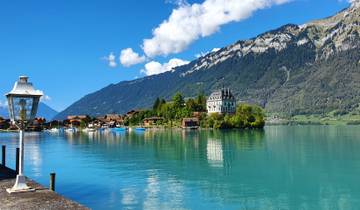
7 days
Swiss Miracle
- ✓ Comprehensive Switzerland tour
- ✓ Expert local guides included
- ✓ All accommodation arranged
- ✓ Transportation provided
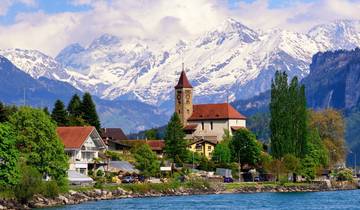
6 days
Swiss Capitals
- ✓ Comprehensive Switzerland tour
- ✓ Expert local guides included
- ✓ All accommodation arranged
- ✓ Transportation provided
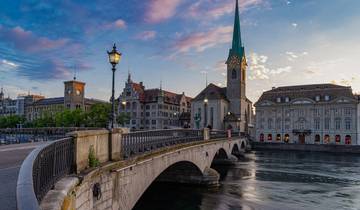
5 days
5 Day Zurich including Lake ferry, Cable Car, Mount Rigi, Grindelwald and Interlaken
- ✓ Comprehensive Switzerland tour
- ✓ Expert local guides included
- ✓ All accommodation arranged
- ✓ Transportation provided
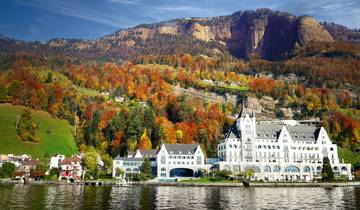
7 days
7 Day Zurich And Lucerne By Train
- ✓ Comprehensive Switzerland tour
- ✓ Expert local guides included
- ✓ All accommodation arranged
- ✓ Transportation provided
Multi-day tour packages powered by TourRadar. Prices and availability subject to change.
Introduction: Switzerland’s Accessible Glacier Paradise
Engelberg occupies a unique position within Switzerland’s competitive mountain resort landscape, delivering the only publicly accessible glacier experience in Central Switzerland combined with authentic village character that larger ski resorts have sacrificed to mass tourism. The Mt. Titlis cable car system, crowned by the world’s first revolving gondola reaching 3,020 meters elevation, provides year-round access to permanent snow and ice fields that most Swiss mountains can only offer during winter months. This accessibility comes at a premium: Switzerland ranks among Europe’s most expensive destinations, and Engelberg commands prices reflecting its glacier monopoly within the Lucerne region.
The destination’s dual identity creates planning complexity for 2026 visitors. Winter transforms Engelberg into a legitimate ski resort with 82 kilometers of varied terrain spanning gentle beginner slopes to challenging glacier descents, while summer reveals extensive hiking networks radiating from three separate cable car systems. The village itself preserves working monastery heritage dating to 1120 AD, creating cultural depth beyond pure mountain recreation. Unlike purpose-built resort complexes, Engelberg functions as a living community where visitors share streets with year-round residents, authentic bakeries serve locals alongside tourists, and accommodation ranges from basic mountain huts to five-star palace hotels.
Planning an Engelberg visit in 2026 requires navigating Switzerland’s famously high costs while maximizing the value proposition that permanent glacier access provides. The Mt. Titlis cable car ticket represents a significant single expense at CHF 102 ($110) per person, but this fee delivers comprehensive access to multiple attractions including Europe’s highest suspension bridge and a unique rotating gondola experience impossible to replicate elsewhere. Strategic timing, understanding Swiss Travel Pass economics, and selecting appropriate accommodation tiers can reduce per-person daily costs by 30-40% compared to walking into the tourist office without research.
Infrastructure developments through 2026 create both opportunities and temporary adjustments. The new Titlis Tower completes May 2026 with enhanced summit facilities, while the Titlis Rotair undergoes scheduled maintenance August 17-December 11 with the new Titlis Connect cable car providing replacement access maintaining full summit operations. Weather dependence affects all mountain destinations, but Mt. Titlis’s extreme elevation ensures snow coverage regardless of valley conditions, making it particularly valuable during shoulder seasons when lower mountains lack winter activities.
This guide provides verified 2026 pricing, budget-tier calculations assuming two people sharing accommodation, seasonal timing strategies, transportation logistics from major Swiss cities, and day-by-day itineraries that maximize both glacier experiences and valley attractions while navigating Switzerland’s premium cost structure.
Understanding Engelberg Geography and Access in 2026
Engelberg occupies the upper Aa Valley in the canton of Obwalden, 35 kilometers south of Lucerne in Central Switzerland. The village sits at 1,050 meters elevation, surrounded by dramatic peaks including Titlis (3,238 meters), Hahnen (2,606 meters), and Spannoert (2,925 meters). This enclosed valley position creates a distinct microclimate with approximately 2,000 millimeters annual precipitation, significantly higher than Lucerne’s 1,100 millimeters, resulting in reliable snow coverage at elevation from November through May.
Three separate cable car systems depart from Engelberg village, each serving different mountain zones and visitor types. The Titlis Bergbahnen represents the flagship operation, transporting visitors from 1,050 meters to 3,020 meters via three successive cable car stages. The Brunni-Bahnen on the village’s opposite side ascends to 1,600 meters serving family-friendly terrain and summer hiking access. The Fürenalp cable car reaches 1,850 meters providing gentle slopes ideal for beginners and cross-country skiing networks. This multi-system layout allows strategic planning based on weather conditions, crowd levels, and specific activity goals.
Engelberg’s position 43 minutes from Lucerne by direct train creates accessibility advantages and disadvantages for 2026 planning. Excellent rail connections enable easy day trips from Lucerne, Zurich (2 hours total), and other Swiss cities, but this same accessibility generates significant day-tripper crowds during peak periods. The village lacks direct highway access, requiring valley roads that can congest during winter weekends when thousands of skiers arrive simultaneously. Limited parking capacity (approximately 2,000 spaces total) makes train arrival the superior strategy for day visitors.
The Engelberg valley effectively functions as a dead-end destination with no through-traffic, creating both intimacy and logistical reality. Visitors arrive intentionally rather than stumbling upon the village during broader regional touring. This isolation preserves authentic character but means limited dining variety compared to larger resort towns. The village center spans approximately 1.5 kilometers end-to-end, easily walkable but with free ski bus connections during winter operating between major hotels, cable car stations, and the train station.
Mt. Titlis Cable Car System Explained: Three Stages to 3,020 Meters
The Mt. Titlis cable car journey consists of three distinct technological segments, each engineered for specific terrain challenges ascending 2,000 vertical meters over 3.5 kilometers horizontal distance. Understanding this three-stage system helps visitors maximize photo opportunities, manage motion sensitivity concerns, and plan strategic stops at intermediate stations.
Stage One (Engelberg to Trübsee) operates modern eight-person gondolas branded “Titlis Xpress” covering 1,050 to 1,800 meters elevation over approximately 10 minutes. These enclosed cabins depart continuously during peak periods with minimal wait times. The Trübsee station serves as the critical decision point: visitors can disembark here to explore the alpine lake, access hiking routes, or continue the Mt. Titlis ascent. Summer visitors often stop here for lakeside walks and boat rentals before resuming upward travel later. The stage-one gondola remains operational year-round except for brief maintenance closures (May 4-8, 2026 and October 26-31, 2026 excluding weekends).
Stage Two (Trübsee to Stand) continues with the same eight-person gondola system ascending from 1,800 to 2,450 meters over another 10 minutes. This middle section traverses increasingly dramatic alpine terrain with steep granite faces and seasonal waterfalls visible throughout summer months. The Stand station functions purely as a transfer point with no attractions or services beyond weather-protected waiting areas. Winter skiers exit here to access advanced runs, but summer visitors continue directly to the summit without stopping. Scheduled maintenance affects this section May 4-15, 2026 and August 31-September 11, 2026 (excluding weekends).
Stage Three (Stand to Mt. Titlis Summit) represents the engineering centerpiece: the Titlis Rotair, the world’s first revolving cable car introduced 1992 and still functioning as a unique global attraction. These larger cabins accommodate approximately 80 passengers and complete one full 360-degree rotation during the five-minute ascent from 2,450 to 3,020 meters. The rotation mechanism provides unobstructed panoramic views across Uri Alps, Bernese Oberland, and into France on clear days without passengers needing to shift position. Photography benefits enormously from this rotation, though extremely motion-sensitive individuals should consider dramamine. The Rotair undergoes scheduled maintenance August 17-December 11, 2026, during which the new Titlis Connect cable car provides equivalent summit access without rotation feature.
Total journey time from Engelberg village to Mt. Titlis summit requires approximately 30-35 minutes including brief transfer waits at intermediate stations. Return descent takes similar duration. Operating hours remain consistent year-round: 8:30 AM-5:00 PM with last ascent departing Engelberg at 4:00 PM. Weather closures affect high-elevation cable cars worldwide, but Mt. Titlis’s modern infrastructure and enclosed cabins allow operation in conditions that would shut down older systems. The company posts real-time operational status at titlis.ch and recommends checking before departure during winter storm periods.
Mt. Titlis Summit Attractions: What’s Included in Your Ticket 2026
The CHF 102 ($110) Mt. Titlis admission includes comprehensive access to multiple attractions concentrated within the compact summit station area at 3,020 meters elevation. Unlike many mountain destinations charging separate fees for individual experiences, Mt. Titlis operates an all-inclusive model where only food and optional souvenirs generate additional costs.
The Titlis Cliff Walk holds the distinction as Europe’s highest suspension bridge at 3,041 meters elevation, spanning 100 meters across a glacial chasm with a 500-meter drop to the glacier below. Constructed with steel cables and partial transparent flooring sections, the bridge tests visitors’ nerve while providing unobstructed photography angles toward surrounding peaks including Jungfrau, Eiger, and Mönch visible on clear days. The structure can accommodate approximately 300 people simultaneously but enforces traffic flow management during peak periods when queues of 20-30 minutes develop. Weather dependence affects operations: high winds, heavy snowfall, or lightning risk force immediate closures prioritizing safety over disappointed visitors. Morning access (8:30 AM-11:00 AM) provides the highest probability of calm conditions and minimal crowds.
The Glacier Cave descends 20 meters below the glacier surface via carved ice tunnels extending 150 meters total length. Interior temperature maintains constant -1.5°C (29°F) year-round regardless of external summit conditions. Blue-tinted ice walls illuminated with colored lighting create an otherworldly atmosphere popular for photography, though the confined spaces and slippery footing challenge visitors with mobility concerns. The cave’s existence depends on active glacier management: technicians continuously re-carve passages as ice movement gradually closes tunnels. This maintenance work occasionally requires brief closures, but the cave remains accessible approximately 95% of operating days throughout 2026.
The Ice Flyer chairlift represents Mt. Titlis’s newest major attraction, gliding visitors 820 meters across the glacier surface from summit station to Glacier Park at lower elevation. Unlike enclosed cable cars, this open chairlift exposes passengers to full alpine conditions with crevasses visible 10-20 meters directly below. The six-minute journey provides intimate glacier perspectives impossible from enclosed viewing platforms. Weather sensitivity exceeds other attractions due to open-air exposure: operations cease during snowfall, high winds, or poor visibility. The Ice Flyer costs an additional CHF 12 ($13) beyond base admission but includes unlimited Glacier Park access.
Glacier Park delivers Switzerland’s highest snow playground with activities including snow tubing, balancers, snake gliss sleds, and minibobs descending gentle slopes. A covered conveyor belt returns participants uphill eliminating exhausting climbs at high elevation. Free equipment rental for all activities makes this especially valuable for families with children who might find other summit attractions too challenging or brief. The park operates year-round depending on snow conditions, though July-August occasionally sees reduced activity options if unusual heat affects even glacier-level snow quality.
The summit station itself contains additional free-access features: panorama restaurant TITLIS with both self-service and table-service sections serving Swiss specialties at expected high-elevation premium prices (main courses CHF 25-45 / $27-49), outdoor viewing terraces encircling the building, souvenir shop, and professional photography service capturing visitor images against green screen backgrounds for later purchase (optional, approximately CHF 20-35 / $22-38 for print packages). Restrooms, baby changing facilities, and luggage storage lockers require no fees.
Engelberg Village Attractions Beyond Mt. Titlis
Engelberg’s identity extends beyond its glacier cable car, offering valley-level attractions that multi-day visitors should integrate into complete itineraries. The village operates year-round rather than shutting down during shoulder seasons, creating opportunities for cultural exploration beyond pure mountain recreation.
Engelberg Abbey (Kloster Engelberg) dominates the village center, founded 1120 AD by Benedictine monks who continue operating the monastery today. Switzerland’s largest church organ resides within the abbey church, featuring 4,950 pipes installed 1877 and still played during regular services and occasional concerts. Guided abbey tours operate daily except Sundays, costing CHF 12 ($13) for adults and revealing baroque interiors, historic library, and cheese-making facilities where monks produce traditional Engelberg monastery cheese available for purchase. Tours last approximately 45 minutes and provide valuable rainy-day alternatives when mountain weather forces summit closures.
Trübsee alpine lake at 1,800 meters elevation serves as Mt. Titlis’s most accessible intermediate attraction, reachable via the stage-one cable car within 10 minutes from village. The crystal-clear lake spans approximately 300 meters diameter and permits paddle boat rentals (CHF 20-30 / $22-32 per hour) during ice-free months May-October. A 2.5-kilometer lakeside walking trail completes circumnavigation in 40 minutes at easy grade suitable for young children and limited-mobility visitors. Multiple mountain restaurants surround the lake serving Swiss specialties including älplermagronen (alpine macaroni) and rösti at prices 20-30% below summit-level restaurants. Winter transforms Trübsee into access point for Nordic skiing routes and winter hiking trails marked with red-white-red poles distinguishing them from avalanche-prone areas.
Brunni-Bahnen on Engelberg’s opposite side delivers family-oriented mountain access eschewing extreme terrain for gentler slopes and activities. The cable car ascends from village to Ristis at 1,600 meters where the Yeti Park provides children’s ski instruction areas, sledging tracks, and themed play zones. Summer hiking from Brunni includes the popular trail to Härzlisee (Heart Lake), a small mountain tarn requiring 45 minutes uphill from Ristis cable car station. The Brunni system costs CHF 36 ($39) round-trip for adults, significantly less than Mt. Titlis, making it valuable for visitors seeking mountain experiences without premium cable car expenses. This area sees minimal day-tripper crowds compared to Titlis, providing authentic local-frequented atmosphere.
Engelberg village center contains approximately 40 restaurants spanning quick kebab shops (CHF 12-18 / $13-20) to fine dining establishments (CHF 80-150+ / $87-163+ per person). Notable options include Restaurant Alpenclub for traditional Swiss fondue (CHF 32-45 / $35-49 per person), Spice Bazaar offering Indian cuisine surprisingly well-executed for an Alpine village (CHF 25-40 / $27-43 mains), and Brasserie Konrad at Ski Lodge Engelberg serving creative Nordic-influenced dishes (CHF 35-60 / $38-65 mains). Supermarkets Coop and Volg enable self-catering at approximately 40-50% savings versus restaurant meals, important for budget-conscious multi-day stays.
Accommodation Costs and Options in Engelberg 2026
Engelberg accommodation spans five distinct tiers from basic hostel dormitories to palatial luxury properties, with costs varying dramatically by season, proximity to cable car stations, and advance booking timing. All prices reflect per-room nightly rates requiring division by two for per-person costs when sharing.
Budget tier (CHF 125-180 / $135-195 per room nightly) includes mixed-dormitory hostel beds at GRAND your home (CHF 40-55 / $43-60 per bed), basic guesthouses like Pension Sunneschyn (CHF 125-145 / $135-158 per room), and simple mountain lodges. These properties provide clean beds and functional bathrooms but minimal amenities beyond WiFi. Locations often require 10-15 minute walks to cable car stations, though free ski buses during winter mitigate this inconvenience. Breakfast typically costs CHF 15-20 ($16-22) additional per person when not included. Budget properties book quickly during peak periods (December-March, July-August) requiring 2-3 months advance reservation.
Mid-range tier (CHF 300-520 / $325-565 per room nightly) encompasses properties like Hotel Bellevue-Terminus (CHF 300-380 / $325-415), Hotel Terrace (CHF 350-450 / $380-490), and apartments through Titlis Resort (CHF 400-520 / $435-565). This category delivers comfortable rooms with mountain views, included breakfast buffets, central village locations within 5-minute walk of cable cars, and amenities including small spas or saunas. Family rooms sleeping four reduce per-person costs substantially for parents with children. Mid-range represents optimal value balancing comfort and budget for most independent travelers.
Luxury tier (CHF 690-1440+ / $750-1570+ per room nightly) features Kempinski Palace Engelberg as the destination’s flagship five-star property (CHF 950-1440 / $1035-1570), Hotel Waldegg adults-only retreat (CHF 690-850 / $750-925), and H+ Hotel & SPA Engelberg (CHF 720-980 / $785-1065). These properties provide full spa facilities with indoor pools and treatment menus, Michelin-quality restaurants, concierge services, and ski-valet operations during winter. Room sizes exceed mid-range properties by 40-60%, with suites offering separate living areas and premium bedding. Luxury accommodation appeals to visitors prioritizing resort-style pampering over budget-conscious mountain access.
Seasonal price variation creates dramatic cost differences for identical rooms. Summer (June-September) and winter (December-March) command peak rates 40-60% higher than shoulder seasons April-May and October-November. A mid-range hotel room costing CHF 480 during February ski season may drop to CHF 290 in April when snow remains at elevation but valley arrivals decrease. Christmas week, New Year, and February school holidays represent absolute price peaks with minimum 3-7 night stay requirements.
Advance booking timing affects availability more than price for Engelberg accommodation due to limited inventory. The village contains approximately 3,000 total beds across all properties combined, constraining supply during peak periods. Booking 4-6 months ahead ensures selection across all tiers; waiting until 1-2 months before arrival restricts choices to remaining availability regardless of budget flexibility. Last-minute deals exist during shoulder seasons but represent risky strategy during prime periods when even luxury properties sell out weeks ahead.
Alternative accommodation via platforms like Airbnb and Vrbo offer apartments sleeping 4-6 people for CHF 200-400 ($220-435) nightly, delivering per-person savings of 30-40% versus hotel rooms when traveling with family or friends. These apartments include kitchen facilities enabling grocery-based meal preparation reducing dining costs substantially. Trade-offs include no daily housekeeping, no breakfast service, and often locations requiring 15-20 minute walks to main attractions.
Dining and Food Costs in Engelberg 2026
Engelberg restaurant prices reflect Switzerland’s broader high-cost environment compounded by mountain destination premium and limited competition within the isolated valley. Strategic meal planning combining restaurant experiences with self-catering can reduce daily food expenses by 30-50% versus exclusive restaurant dining.
Budget meal options (CHF 15-25 / $16-27 per meal) include kebab shops like Döner Station (CHF 12-15 / $13-16 for wraps), bakery sandwiches at Bäckerei Berger (CHF 8-12 / $9-13), and supermarket-prepared salads at Coop (CHF 9-14 / $10-15). Mountain restaurant self-service sections including Trübsee Bergrestaurant and Jochpass Restaurant serve hearty soups (CHF 12-16 / $13-17) and basic alpine macaroni dishes (CHF 18-24 / $20-26). Pizza takeaway from multiple village pizzerias costs CHF 18-25 ($20-27) for margherita-quality pies feeding two people when combined with supermarket salad. Budget dining requires accepting functional rather than memorable food experiences.
Mid-range dining (CHF 30-60 / $32-65 per meal) encompasses sit-down restaurants serving traditional Swiss cuisine and international options. Fondue experiences at Restaurant Alpenclub or Restaurant Schweizerhaus cost CHF 32-45 ($35-49) per person including cheese fondue, bread, and accompaniments. Rösti variations with toppings range CHF 24-35 ($26-38), while schnitzel entrées cost CHF 35-48 ($38-52) with sides. Asian restaurants including Spice Bazaar deliver authentic curries and tandoori dishes for CHF 25-40 ($27-43) per person. Mid-range pricing provides quality ingredients and proper table service justifying the 100-150% premium over budget options.
Fine dining (CHF 80-150+ / $87-163+ per person) appears in limited venues including Brasserie Konrad at Ski Lodge Engelberg (mains CHF 42-68 / $46-74) and Cattani Restaurant at Kempinski Palace (mains CHF 55-95 / $60-103). These establishments offer creative cuisine emphasizing local ingredients, extensive wine lists featuring Swiss and international selections, and service standards approaching Michelin expectations. Multi-course tasting menus cost CHF 120-180 ($130-195) per person excluding wine pairings. Fine dining represents special-occasion splurges rather than daily routine for most visitors.
Self-catering via Coop and Volg supermarkets enables dramatic cost savings with breakfast components (bread, cheese, yogurt, fruit) costing CHF 8-12 ($9-13) per person versus CHF 20-30 ($22-32) hotel buffets. Lunch ingredients for sandwiches and snacks total CHF 10-15 ($11-16) per person compared to CHF 25-40 ($27-43) restaurant meals. Dinner prepared in apartment kitchens costs CHF 15-25 ($16-27) per person using quality Swiss ingredients versus CHF 40-70 ($43-76) restaurant equivalents. Travelers with apartment accommodation can reduce daily food costs from CHF 90-140 ($98-152) restaurant-exclusive to CHF 35-55 ($38-60) self-catered, freeing budget for cable car tickets and activities.
Mountain restaurant pricing adds 20-40% premiums reflecting cable car access and limited competition. Summit restaurant TITLIS charges CHF 18-22 ($20-24) for soup, CHF 28-38 ($30-41) for basic mains like bratwurst with rösti, and CHF 38-52 ($41-57) for substantial entrées. Drinks follow similar patterns: coffee CHF 5-7 ($5-8), beer CHF 8-11 ($9-12), soft drinks CHF 6-8 ($7-9). Bringing packed lunches to mountain destinations saves CHF 25-40 ($27-43) per person daily, though summit restaurant experiences provide valuable warming breaks during winter visits.
Tipping practices in Switzerland differ from American expectations. Service charges are included in menu prices, making additional tips optional. Rounding bills up to nearest CHF 5-10 or adding 5-10% for exceptional service represents standard practice. Mountain restaurants see minimal tipping given self-service formats, while fine dining establishments appreciate but don’t demand 10% gratuities.
Transportation to Engelberg: Getting There in 2026
Engelberg’s valley position 35 kilometers south of Lucerne creates transportation dynamics favoring train arrival over car rental for most visitors, though each option delivers specific advantages depending on broader Swiss itinerary plans.
Train service from Lucerne to Engelberg operates via the Luzern-Engelberg Express with direct connections departing every 30-60 minutes throughout the day. Journey time requires exactly 43 minutes with no intermediate stops. Ticket prices cost CHF 25-28 ($27-30) one-way for standard adult fares, or free for Swiss Travel Pass holders. First-class panorama carriages cost CHF 42-48 ($46-52) one-way, providing enlarged windows and guaranteed seating during crowded periods. Trains from Engelberg to Lucerne maintain the same frequency and pricing returning to city connections.
Zurich to Engelberg requires 1 hour 50 minutes total travel time including one connection in Lucerne. Zurich Airport to Engelberg adds approximately 20 minutes connecting from airport to Zurich Hauptbahnhof. Total one-way tickets from Zurich cost CHF 68-76 ($74-83) at standard fares, or free for Swiss Travel Pass holders. The route traverses scenic lakeside sections along Lake Lucerne providing excellent photography opportunities justifying first-class upgrade for visitors prioritizing views.
Bern to Engelberg requires approximately 2 hours 10 minutes with connection in Lucerne. One-way tickets cost CHF 72-82 ($78-89) at standard rates. Geneva to Engelberg extends to 3 hours 30 minutes with multiple connections, costing CHF 118-135 ($128-147) one-way. These distances make Engelberg impractical as day trip from Geneva-area bases, instead functioning best as multi-night destination when incorporating western Switzerland into broader itineraries.
Car rental from Lucerne costs CHF 60-90 ($65-98) daily for economy vehicles through major agencies Hertz, Europcar, and Sixt. The 35-kilometer drive requires 35-45 minutes via highway A2 exiting at Stans-Süd, then following valley road through Grafenort. Parking in Engelberg costs CHF 3-5 ($3-5) hourly or CHF 18-25 ($20-27) daily at Parking 1 adjacent to Titlis cable car station. Total parking slots number approximately 2,000 across three lots, regularly selling out during winter weekends when ski traffic peaks. Free ski bus service connects all parking areas to hotels and cable car stations during winter, mitigating walking distances.
Car advantages include flexibility for side trips to nearby Stans, Lucerne lakeside villages, or continuing south toward Andermatt and Gotthard Pass. Grocery shopping becomes simpler with vehicle trunk storage versus carrying bags on trains. Families with young children benefit from private space and gear storage impossible on public transit. Disadvantages include parking scarcity during peak periods, winter tire requirements November-March adding CHF 80-120 ($87-130) to rental costs, and missing relaxing train views while navigating mountain roads.
Swiss Travel Pass economics favor train strategy for visitors planning multiple destinations beyond Engelberg. The pass includes unlimited train travel plus 50% discounts on Mt. Titlis and other mountain cable cars, delivering value when combining three or more destinations within Switzerland. Three-day consecutive passes cost CHF 265 ($289) for second-class adult, eight-day passes CHF 450 ($490), 15-day passes CHF 540 ($588). Single-destination visits to Engelberg only don’t justify pass purchase; trips incorporating Lucerne, Interlaken, Zurich, and other cities recover pass costs through combined train tickets and cable car discounts.
Local transportation within Engelberg village operates via free ski buses during winter season December-April connecting hotels, cable car stations, train station, and village center. Summer months June-October lack regular free buses, but the compact 1.5-kilometer village center remains easily walkable for most visitors. Taxis exist but charge premium rates typical of Swiss mountain destinations: CHF 15-25 ($16-27) for short village transfers, CHF 80-120 ($87-130) for Lucerne airport transfers if avoiding train connections.
Best Time to Visit Engelberg & Mt. Titlis 2026
Engelberg’s year-round glacier access creates genuine four-season appeal rather than empty marketing language, though distinct advantages and disadvantages characterize each period requiring matching visitor priorities with optimal timing windows.
Winter (December-April 2026) delivers classic Swiss ski resort experiences with 82 kilometers of varied pistes spanning beginner greens to challenging blacks. Snow reliability remains high December-March with base depths typically 80-150 centimeters at mid-elevation and guaranteed coverage at Titlis glacier regardless of unusual weather. Accommodation costs peak 40-60% above shoulder season rates, crowds maximize during Christmas week, New Year, and February school holidays, and day lengths restrict afternoon activities with 4:30 PM sunsets. The Mt. Titlis summit temperature averages -10 to -20°C (14 to -4°F) requiring serious winter clothing preparation including insulated gloves, face protection, and layered base garments. Weather dependence affects Cliff Walk access more frequently during winter when wind speeds commonly force closures.
Spring (April-May 2026) represents optimal value proposition combining continued snow at elevation, dramatically reduced crowds, and 30-40% lower accommodation rates versus winter peaks. Ski season officially closes late April, but Mt. Titlis glacier remains fully operational throughout spring with all attractions accessible. Valley weather transitions from winter to spring creating variable conditions: some days reach 15-20°C (59-68°F) in Engelberg village while summit maintains sub-zero temperatures. April typically sees afternoon thunderstorms requiring morning activity planning. Limited restaurant options operate compared to peak winter as some seasonal establishments close until summer. Spring hiking becomes possible at lower elevations by late April, though high-altitude trails remain snow-covered until June.
Summer (June-September 2026) attracts hikers, families with school-age children, and visitors seeking Alpine experiences without ski equipment. Temperatures range 18-28°C (64-82°F) in valley, 5-10°C (41-50°F) at summit. This creates the bizarre situation where visitors wear shorts and t-shirts in Engelberg village then add down jackets for summit access, requiring careful layering strategy. Accommodation costs return to peak pricing July-August rivaling winter rates, though September shoulder delivers 25-35% savings. Paradoxically, Mt. Titlis sees fewer crowds during summer despite perfect weather because most visitors associate glacier experiences with winter skiing. The Cliff Walk operates most reliably during summer when wind speeds minimize closure risk. Extensive hiking networks become fully accessible with 180+ kilometers of marked trails radiating from valley and cable car stations.
Autumn (October-November 2026) mirrors spring’s value advantages with low crowds, reduced rates, and continued Mt. Titlis operation. Fall colors peak late October at mid-elevations creating spectacular photography opportunities. Weather becomes increasingly variable with early-season snowstorms possible late October. Many valley restaurants and some accommodations close for annual maintenance breaks October-November before reopening for ski season, limiting selection. Serious hikers appreciate autumn’s stable weather and absence of summer afternoon thunderstorms, though diminishing daylight restricts trail options as November progresses toward winter solstice.
Specific 2026 operational dates affecting timing decisions include: Titlis Rotair maintenance closure August 17-December 11 (replacement Titlis Connect cable car maintains full summit access), stage-one cable car brief closures May 4-8 and October 26-31 excluding weekends, stage-two cable car maintenance May 4-15 and August 31-September 11 excluding weekends. These closures shouldn’t fundamentally alter travel plans as replacement transportation maintains access, but awareness prevents surprise upon arrival.
Weather forecasting reliability extends 7-10 days with reasonable accuracy for Switzerland’s mountain regions. Checking meteo.swiss three days before planned Mt. Titlis ascent allows rescheduling within multi-day stays if major storms approach. The summit webcam at titlis.ch provides real-time visibility conditions better than abstract weather forecasts for making morning go/no-go decisions.
Daily Budget Breakdown by Traveler Type 2026
Budget tier travelers spending CHF 275-340 ($300-370) per person daily (two sharing budget accommodation) prioritize cost management through strategic choices across all expense categories. Accommodation in mixed dormitories or basic guesthouses costs CHF 63-90 per person when dividing room rates by two. Meals combine supermarket breakfast components (CHF 10-15), packed lunch prepared from grocery items (CHF 12-18), and simple dinner at pizzeria or kebab shop (CHF 25-35) totaling CHF 53-75 daily food spend. Transportation includes Lucerne-Engelberg train at standard fare CHF 25-28 plus local village buses (free during winter, minimal costs summer) for CHF 35-43 total. Mt. Titlis cable car at full CHF 102 price represents the single largest expense, supplemented by limited additional activities like abbey tour (CHF 12) or Trübsee boat rental (CHF 20) for CHF 122-132 attraction costs. Budget travelers eliminate restaurant meals beyond basic pizzeria-level options, avoid fine dining, skip premium cable car upgrades, and accept locations requiring 10-15 minute walks to main attractions.
Mid-range travelers spending CHF 435-625 ($475-680) per person daily (two sharing mid-range hotel) balance comfort with cost consciousness through selective splurges. Accommodation in centrally-located three-star properties with breakfast included costs CHF 150-260 per person dividing standard room rates. Meals incorporate hotel breakfast (included in room rate), sit-down lunch at traditional Swiss restaurant (CHF 25-40), café stop for afternoon coffee and pastry (CHF 10-15), and proper dinner at quality establishment (CHF 50-75) totaling CHF 105-150 assuming two restaurant meals daily. Transportation matches budget tier at CHF 40-53 for train and local movement. Attractions include Mt. Titlis CHF 102 plus guided hiking tour or additional cable car excursion to Brunni (CHF 36) for CHF 142-162 total. Mid-range represents the sweet spot balancing experience quality with reasonable budgets for most independent travelers seeking authentic Swiss mountain access without luxury excess.
Luxury travelers spending CHF 850-1420 ($925-1545) per person daily (two sharing luxury hotel) prioritize comfort, convenience, and premium experiences. Accommodation at Kempinski Palace or equivalent five-star properties costs CHF 345-720 per person dividing suite rates, including full breakfast buffet, spa access, and concierge services. Meals feature hotel breakfast (included), upscale restaurant lunch (CHF 40-70), afternoon tea service (CHF 25-40), and fine dining dinner with wine pairings (CHF 100-150) totaling CHF 205-300. Transportation upgrades to private car service Lucerne-Engelberg (CHF 150-200 round-trip) eliminating train scheduling constraints. Attractions cost CHF 202-252 including Mt. Titlis CHF 102 plus premium guided experiences like helicopter glacier tour (CHF 250-350 when booking, amortized across multi-day stay) and private ski instruction. Luxury travelers accept premium pricing for convenience, exclusivity, and service quality rather than seeking cost optimization.
Solo travelers face 40-60% higher per-person costs across accommodation when unable to share room rates, plus reduced ability to split meal costs or transportation fees. A solo budget traveler requires CHF 350-450 ($380-490) daily versus CHF 275-340 when sharing, mid-range solo reaches CHF 550-750 ($600-815) versus CHF 435-625 shared, luxury solo climbs to CHF 1100-1650 ($1200-1795) versus CHF 850-1420 shared. Some hostels and guesthouses offer genuine single-occupancy rooms at CHF 80-110 ($87-120) nightly rather than full double-room rates, partially mitigating solo surcharges.
Families with children benefit from several cost-reduction mechanisms offsetting higher overall expenses. Children ages 6-15 receive 50% discount on cable cars including Mt. Titlis (CHF 51 versus CHF 102), and children under 6 ride free. Family rooms sleeping four cost CHF 380-650 ($415-710) nightly in mid-range properties, reducing per-person accommodation to CHF 95-163 versus CHF 150-260 for couples. Restaurant children’s menus cost CHF 12-18 ($13-20) versus CHF 25-45 adult entrées. A family of four (two adults, children ages 8 and 11) requires approximately CHF 850-1150 ($925-1250) daily total versus CHF 870-1250 for two adults alone, demonstrating kids’ discounts offsetting additional food and accommodation.
Multi-Day Sample Itineraries with Daily Cost Breakdowns 2026
Budget Three-Day Engelberg Itinerary
Day One focuses on Mt. Titlis summit experience with first-gondola strategy. Arrive Engelberg 8:15 AM via Lucerne train CHF 28 ($30), immediate transfer to Titlis cable car CHF 102 ($110) departing 8:30 AM. Summit activities 9:00 AM-1:00 PM: Cliff Walk, Glacier Cave, Ice Flyer CHF 12 ($13), Glacier Park. Packed lunch from Lucerne supermarket CHF 15 ($16) eaten at summit viewing terrace. Descend to Trübsee station 1:30 PM, lakeside walk until 3:00 PM. Return to Engelberg village 3:30 PM, explore abbey grounds (exterior free), purchase groceries for breakfast CHF 12 ($13). Budget guesthouse accommodation CHF 140 ($152) room divided by two equals CHF 70 ($76) per person. Dinner at pizzeria CHF 22 ($24). Day one total per person: CHF 261 ($284).
Day Two explores valley attractions avoiding additional cable car costs. Breakfast from previous grocery purchase. Walk to Engelberg Abbey for guided tour CHF 12 ($13) at 10:00 AM. Village center exploration including monastery cheese shop and local bakery. Lunch at self-service mountain restaurant Trübsee accessed via cable car CHF 36 ($39) round-trip, soup and bread CHF 16 ($17). Afternoon hike around Trübsee lake two hours. Return to village 4:00 PM. Accommodation CHF 70 ($76) per person. Dinner kebab shop CHF 18 ($20). Day two total per person: CHF 152 ($165).
Day Three adds variety with Brunni-Bahnen excursion and departure flexibility. Breakfast groceries. Brunni cable car CHF 36 ($39) to Ristis, hike to Härzlisee 1.5 hours each direction. Packed lunch CHF 12 ($13). Descend to village 2:00 PM. Train to Lucerne CHF 28 ($30). Day three total per person: CHF 76 ($83). Three-day total per person: CHF 489 ($532) plus two nights accommodation CHF 140 ($152) equals CHF 629 ($686) total three-day trip.
Mid-Range Five-Day Engelberg Itinerary
Day One mirrors budget itinerary Mt. Titlis focus with upgraded comfort. Lucerne train CHF 28 ($30), Mt. Titlis cable car CHF 102 ($110) with Ice Flyer CHF 12 ($13). Summit restaurant lunch CHF 38 ($41). Mid-range hotel CHF 380 ($415) room divided by two equals CHF 190 ($207) per person including breakfast. Dinner Restaurant Alpenclub fondue CHF 42 ($46). Day one total per person: CHF 412 ($448).
Day Two combines Trübsee exploration with guided activities. Hotel breakfast included. Trübsee cable car via Mt. Titlis ticket or separate Trübsee-only ticket CHF 32 ($35). Boat rental CHF 25 ($27). Lakeside restaurant lunch CHF 35 ($38). Guided nature hike booked through hotel concierge CHF 55 ($60). Accommodation CHF 190 ($207) per person. Dinner Restaurant Schweizerhaus CHF 48 ($52). Day two total per person: CHF 385 ($419).
Day Three explores Brunni region. Hotel breakfast included. Brunni cable car CHF 36 ($39). Härzlisee hike. Mountain restaurant lunch CHF 32 ($35). Afternoon village exploration and shopping. Accommodation CHF 190 ($207) per person. Dinner Spice Bazaar Indian restaurant CHF 38 ($41). Day three total per person: CHF 296 ($322).
Day Four creates relaxation balance. Hotel breakfast included. Engelberg Abbey tour CHF 12 ($13). Village café lunch CHF 28 ($30). Hotel spa access (included in room rate). Evening village stroll. Accommodation CHF 190 ($207) per person. Dinner Brasserie Konrad CHF 58 ($63). Day four total per person: CHF 288 ($313).
Day Five departure day. Hotel breakfast included. Train to Lucerne CHF 28 ($30). Day five total per person: CHF 28 ($30). Five-day total per person: CHF 1409 ($1532) including four nights accommodation.
Luxury Three-Day Engelberg Itinerary
Day One features private transfers and premium experiences. Private car Lucerne-Engelberg CHF 150 ($163) divided by two equals CHF 75 ($82) per person. Mt. Titlis cable car CHF 102 ($110) with Ice Flyer CHF 12 ($13). Private summit photography session CHF 180 ($196) divided by two equals CHF 90 ($98). Summit restaurant table-service lunch CHF 65 ($71). Kempinski Palace accommodation CHF 1200 ($1305) room divided by two equals CHF 600 ($652) per person including breakfast, spa access, and concierge. Cattani fine dining dinner with wine pairing CHF 145 ($158). Day one total per person: CHF 1089 ($1184).
Day Two combines exclusive activities with luxury amenities. Hotel breakfast included. Helicopter glacier tour CHF 650 ($708) divided by two equals CHF 325 ($354). Trübsee upscale restaurant lunch CHF 72 ($78). Hotel spa treatment massage CHF 160 ($174). Accommodation CHF 600 ($652) per person. Fine dining dinner Hotel Waldegg CHF 135 ($147). Day two total per person: CHF 1292 ($1406).
Day Three emphasizes exclusive valley exploration. Hotel breakfast included. Private guided cultural tour including abbey and local cheese producer CHF 280 ($305) divided by two equals CHF 140 ($152). Gourmet lunch picnic prepared by hotel CHF 85 ($93). Accommodation CHF 600 ($652) per person. Final evening dining at Kempinski CHF 125 ($136). Private car return Lucerne CHF 75 ($82) per person. Day three total per person: CHF 1025 ($1115). Three-day luxury total per person: CHF 3406 ($3705) including two nights accommodation.
Swiss Travel Pass Strategy and Alternative Discount Options 2026
The Swiss Travel Pass represents Switzerland’s flagship unlimited-travel card covering trains, buses, boats, and premium public transit plus mountain cable car discounts, functioning as both transportation solution and potential cost-saving mechanism depending on specific itinerary scope. Understanding pass economics versus point-to-point tickets requires calculating exact trip components rather than assuming passes automatically deliver savings.
Swiss Travel Pass benefits include unlimited second-class travel on Swiss Federal Railways (SBB) network, regional trains, city trams and buses, lake boats on major Swiss lakes including Lucerne, and free admission to 500+ museums nationwide. Mountain cable cars receive 50% discount rather than free access, including Mt. Titlis reduction from CHF 102 to CHF 51 ($110 to $55). Children under 16 travel free when accompanied by parent holding valid pass and issued free Swiss Family Card. First-class upgrades cost approximately 60% additional beyond base pass price.
Pass pricing in 2026 spans three-day consecutive CHF 265 ($289) for second-class adult, four days CHF 324 ($353), eight days CHF 450 ($490), 15 days CHF 540 ($588). Flex passes allowing non-consecutive travel days cost 15% premium: three days within one month CHF 305 ($332), four days CHF 373 ($406), eight days CHF 518 ($564), 15 days CHF 621 ($676). Youth passes (ages 16-25) receive 15% discount. Senior discounts don’t exist; travelers over 65 pay full adult rates.
Break-even analysis for Engelberg-focused trip: Lucerne-Engelberg round-trip train CHF 50-56, Mt. Titlis cable car CHF 102 (pass saves CHF 51 with 50% discount), potential second cable car excursion to Brunni CHF 36 (pass saves CHF 18), possible Lucerne city transit CHF 12-18. Total transportation and discounts approximately CHF 200-212. Three-day pass costs CHF 265, creating CHF 53-65 deficit unless incorporating additional museum visits or boat trips. However, eight-day pass becomes cost-effective when combining Engelberg with Zurich visit (train CHF 68), Interlaken excursion (CHF 72), Jungfraujoch cable car 25% discount (saves CHF 55), and multiple city transit days totaling CHF 450+ value versus CHF 450 pass cost.
Swiss Half-Fare Card provides 50% discount on virtually all Swiss public transportation including mountain cable cars for flat CHF 120 ($130) valid one month. This card delivers superior value for shorter trips where Swiss Travel Pass unlimited access provides minimal benefit. Engelberg trip with Half-Fare Card: Lucerne train CHF 25-28 reduced to CHF 13-14, Mt. Titlis CHF 102 reduced to CHF 51, Brunni CHF 36 reduced to CHF 18, totaling approximately CHF 120-140 versus CHF 265 three-day Swiss Travel Pass. Half-Fare Card suits dedicated Engelberg visits; Swiss Travel Pass suits multi-destination tours.
Tell-Pass regional card covers Lucerne area including free Mt. Titlis access plus Rigi, Pilatus, and Stanserhorn mountains. Two-day pass costs CHF 210 ($229), five-day pass CHF 270 ($294), 10-day pass CHF 330 ($359). This pass delivers exceptional value for visitors planning 3-4 mountain excursions within Central Switzerland concentrated around Lucerne base. Two-day Tell-Pass provides Mt. Titlis (CHF 102 value), Rigi (CHF 80 value), and unlimited local transit (CHF 30+ value) totaling CHF 212+ versus CHF 210 cost.
Advance online booking through titlis.ch provides no discount versus walk-up tickets but guarantees access during peak periods and eliminates ticket-window queues averaging 20-40 minutes during summer weekends. The reservation system doesn’t assign specific cable car departure times; tickets remain valid any time during operating hours on selected date. Last-minute online booking (day before or morning of visit) works identically to advance purchase; no early-booking discounts exist.
Group discounts apply for parties of 10+ people purchasing simultaneously, delivering 10% reduction on cable car tickets when coordinated through single transaction. School groups and youth organizations receive steeper 15-25% discounts requiring advance coordination with Titlis management. Family tickets bundling two adults plus 2-4 children don’t exist; standard children’s 50% discount applies individually rather than package pricing.
Weather Preparation and Seasonal Clothing Requirements
Mt. Titlis summit temperature year-round averages 30-40°F (17-22°C) colder than Engelberg valley, creating wardrobe challenges requiring substantial layering strategy regardless of lowland weather conditions. Summer valley temperatures reaching 75°F (24°C) correspond with 40-50°F (4-10°C) summit readings; winter valley at 30°F (-1°C) means summit temperatures plunge to 0-10°F (-18 to -12°C) before wind chill effects.
Essential summit gear year-round includes insulated jacket rated for freezing temperatures, wind-resistant outer shell, warm gloves protecting fingers during Cliff Walk metal railing contact, sunglasses with UV protection reflecting off snow and ice, and high-SPF sunscreen preventing altitude-amplified sunburn. The 3,020-meter elevation concentrates ultraviolet radiation 30-40% stronger than sea level, making unprotected skin burn within 15-20 minutes even during overcast conditions. Wide-brimmed hats or baseball caps prevent scalp sunburn that visitors commonly overlook until painful evening discovery.
Summer-specific additions include layering system allowing jacket removal during valley activities then re-application at elevation. Shorts and t-shirts work perfectly for Engelberg village exploration, but summit visits require long pants and closed-toe shoes rather than sandals. Temperatures inside Glacier Cave maintain constant 29°F (-1.5°C) regardless of external conditions, making cave visits particularly shocking for visitors arriving in summer attire. Bringing backpack or daypack enables carrying shed layers rather than juggling armfuls of clothing during cable car transfers.
Winter-specific requirements intensify dramatically. Base layer thermal underwear (top and bottom), mid-layer fleece or wool sweater, insulated ski jacket, waterproof ski pants, insulated winter boots rated for sub-zero temperatures, face mask or balaclava protecting exposed skin from frostbite during wind exposure, and heavy winter gloves become mandatory rather than recommended. The Cliff Walk during January-February winter conditions can generate wind chill values reaching -20 to -30°F (-29 to -34°C), where unprotected skin sustains frostbite damage within 5-10 minutes. Rental ski clothing available in Engelberg village costs CHF 35-55 ($38-60) daily for complete outfits if arriving unprepared.
Footwear requirements vary seasonally but consistently demand closed-toe shoes with substantial tread. Summer hiking boots or sturdy sneakers work adequately; fashion shoes, high heels, or smooth-soled dress shoes create dangerous slipping hazards on wet metal surfaces and ice-covered walkways. Winter visits mandate insulated waterproof boots; regular sneakers soak through within minutes contacting snow then freeze creating miserable conditions. The Cliff Walk and summit platforms feature metal grating that conducts cold directly through inadequate footwear, making feet painful within 10-15 minutes during winter.
Glacier sunglasses distinguish themselves from regular sunglasses through complete UV-400 protection blocking harmful radiation plus side shields preventing peripheral light exposure. Snow blindness (photokeratitis) affects unprotected eyes within 30-60 minutes of bright glacier exposure, causing painful inflammation lasting 24-48 hours. Standard fashion sunglasses lacking proper UV rating provide insufficient protection despite appearing dark. Prescription eyeglass wearers should bring contact lenses or clip-on glacier shields rather than relying on regular glasses that leave eye periphery exposed.
Weather forecasting reliability extends 7-10 days with reasonable accuracy for Swiss Alps, but mountain conditions change rapidly making morning departure conditions poor indicators of summit weather. The Titlis webcam at titlis.ch displays real-time summit visibility and weather, providing better decision-making information than abstract forecasts. Checking webcam at 7:00 AM before leaving hotel allows strategic postponement if conditions look particularly adverse. The cable car company posts operational status updates for weather-dependent attractions including Cliff Walk closure notifications typically announced by 8:00 AM when wind speeds exceed safety thresholds.
Emergency weather preparation includes monitoring Swiss avalanche bulletin at slf.ch during winter visits, though the cable car route itself maintains complete avalanche safety. Visitors planning off-piste skiing or hiking beyond marked areas require avalanche awareness training and safety equipment that recreational summit tourists don’t need. The marked trails and controlled summit area present no avalanche risk; emergency preparations concern broader valley activities rather than cable car tourism.
Family Travel: Visiting Engelberg with Children 2026
Engelberg adapts successfully for family travel with children ages 4-15, though very young children under 4 require careful consideration of elevation effects and activity appropriateness. The combination of glacier access, age-appropriate attractions, and comprehensive children’s discounts creates family-friendly economics within Switzerland’s expensive tourism environment.
Children under 6 ride all cable cars free including Mt. Titlis, generating immediate CHF 102 ($110) per child savings. Ages 6-15 receive 50% discount reducing cable cars to CHF 51 ($55). The Swiss Family Card (free when registering at any train station) provides children under 16 free train travel when accompanied by pass-holding parent, or 50% discount when parents use point-to-point tickets. A family of four (two adults, children ages 8 and 11) pays CHF 306 total for Mt. Titlis tickets versus CHF 408 if children paid full adult rates, demonstrating substantial family savings.
Glacier Park at Mt. Titlis summit targets children specifically with snow tubing, balancers, and sledding activities requiring no skiing ability. The covered conveyor belt eliminates exhausting uphill climbs at 3,000-meter elevation where thin air challenges even fit adults. Free equipment rental means families avoid bringing sports gear from home. Activity time ranges 45-90 minutes depending on children’s ages and energy levels. The Glacier Cave fascinates most children despite cold temperatures and slippery footing; keeping cave visits brief (15-20 minutes) prevents excessive chill while maintaining engagement.
The Cliff Walk presents family challenges requiring honest assessment of individual children’s comfort with heights and exposure. The transparent floor sections deliberately provoke vertigo responses that some children find thrilling while others experience genuine fear. No minimum age restrictions exist, but children under 7-8 commonly struggle with the psychological impact of seeing 500-meter drops directly beneath their feet. Parents should test children’s height tolerance at lower-consequence locations before attempting Cliff Walk. The bridge supports 300 people simultaneously with robust safety features making actual danger minimal; the challenge involves psychological rather than physical risk.
Family accommodation in apartments or family rooms delivers better value than booking two standard hotel rooms. A family room sleeping four costs CHF 380-650 ($415-710) nightly in mid-range properties, substantially less than two standard rooms at CHF 600-1040 combined. Apartments with kitchen facilities enable grocery-based meal preparation reducing dining costs by 30-50% when children resist expensive Swiss restaurant meals. Engelberg’s Coop supermarket provides familiar international brands that picky eaters accept more readily than traditional Swiss cuisine.
Children’s restaurant menus exist at most family-oriented establishments costing CHF 12-18 ($13-20) versus CHF 25-45 adult entrées. Options typically include pizza, pasta, schnitzel, and rösti rather than adventurous Swiss specialties, matching most children’s conservative food preferences. Mountain restaurants including summit restaurant TITLIS feature dedicated children’s corners with smaller portions and simpler preparations. However, some upscale establishments discourage young children through pricing structures and ambiance unsuited for fidgety behavior; Brasserie Konrad and fine dining venues target adult sophistication rather than family accommodation.
Altitude effects on children match adult responses with no increased susceptibility. The 3,020-meter Titlis elevation rarely causes altitude sickness symptoms during brief summit visits lasting 2-4 hours, though some children experience mild headaches or fatigue. Descending quickly resolves any discomfort. Hydration matters more than age; ensuring children drink water every 30-60 minutes prevents dehydration-amplified altitude effects. Very young children under 3 years should avoid extreme cold exposure rather than elevation itself; the summit’s sub-zero winter temperatures pose hypothermia risk for inadequately-dressed toddlers.
Stroller accessibility varies by location. Engelberg village features smooth sidewalks accommodating strollers easily. The cable car stations include ramps and elevators making stroller transport possible throughout the Mt. Titlis system. However, summit platform areas include stairs and metal grating that challenge stroller maneuvering. The Cliff Walk prohibits strollers entirely due to narrow bridge width and safety concerns. Parents with children too young to walk extensively should consider baby carriers rather than strollers for Mt. Titlis visits.
Brunni-Bahnen specifically markets to families with young children through the Yeti Park featuring gentle learning slopes, themed play areas, and sledging tracks appropriate for ages 3-10. This alternative to Mt. Titlis costs CHF 36 ($39) round-trip cable car versus CHF 102 Titlis pricing while delivering age-appropriate activities. Families splitting multi-day stays between Titlis glacier experience and Brunni family focus optimize both budget and age-appropriate engagement.
Solo Travel Considerations in Engelberg 2026
Solo travelers face distinct economic challenges and social opportunities in Engelberg, with the primary cost impact stemming from inability to share accommodation expenses dividing room rates by two occupants. A solo budget traveler requires CHF 350-450 ($380-490) daily versus CHF 275-340 when sharing accommodations, mid-range solo reaches CHF 550-750 ($600-815) versus CHF 435-625 shared, and luxury solo extends to CHF 1100-1650 ($1200-1795) versus CHF 850-1420 shared.
Single-occupancy room supplements vary by property and season. Budget guesthouses typically charge 100% of double-room rate for solo use (CHF 125-180 / $135-195 nightly), delivering no savings versus couple sharing. Some hostels offer genuine single rooms at CHF 80-110 ($87-120) rather than forcing solo travelers into expensive double-room occupancy or shared dormitories. Mid-range hotels apply single supplements ranging 60-80% of double rate, so a room costing CHF 400 for two people charges CHF 240-320 for one person. Luxury properties show least flexibility with single supplements reaching 80-90% of double rates, meaning minimal savings for solo occupancy.
Shared dormitories represent the primary budget solution for solo travelers accepting communal sleeping arrangements. GRAND your home offers mixed-gender and female-only dormitories at CHF 40-55 ($43-60) per bed, reducing accommodation costs by 60-70% versus private rooms. Trade-offs include limited privacy, potential snoring neighbors, restricted access during quiet hours, and shared bathroom facilities. Solo travelers prioritizing social connection often prefer dormitories for meeting fellow travelers, while those valuing solitude accept the financial premium for private accommodation.
Dining solo in Switzerland carries no social stigma or restaurant access challenges. All Engelberg establishments welcome individual diners without awkwardness or relegation to poor tables. However, solo dining economics work against individual travelers when menu prices reflect portion sizes designed for two people. Fondue traditionally requires two-person minimum order at restaurants including Alpenclub and Schweizerhaus, though some venues offer individual portions at 60-70% of couple pricing rather than 50%. Purchasing full meals then having leftovers the following day as packed lunch provides cost mitigation but requires refrigeration access typically limited to apartment accommodation.
Solo cable car tickets and attraction admissions offer no discounts; an individual pays identical CHF 102 ($110) Mt. Titlis price as half of a couple’s CHF 204 combined expense. This creates percentage-of-budget disparity where cable cars represent 30-37% of budget tier solo daily costs versus 30-39% for sharing couples, marginally more painful but not dramatically different. Group tour participation potentially generates savings when tour operators offer shared transportation or guide costs, though Engelberg’s limited organized tour landscape minimizes these opportunities.
Safety considerations for solo travelers in Engelberg rank minimal. Switzerland maintains extremely low crime rates generally, and mountain resort areas show even lower incident levels. Solo hikers should inform hotel staff of planned routes and expected return times following standard mountain safety protocol. Winter solo skiing carries inherent risk of injury without companions for assistance, though marked resort runs maintain patrol coverage and other skiers provide ambient presence. Unmarked backcountry access demands extreme caution for solo travelers or complete avoidance in favor of controlled resort terrain.
Social opportunities arise naturally at shared tables in mountain restaurants during peak periods when seating scarcity forces strangers together. Hostel common areas facilitate meeting fellow solo travelers, creating possibilities for shared taxi costs, hiking partnerships, or dining companions reducing per-person meal expenses. Cable car gondola seating combines random groups of strangers creating brief social interactions, though language barriers (Swiss German, English, various tourist languages) can limit conversation depth.
Accessibility and Mobility Considerations 2026
Mt. Titlis cable car infrastructure provides comprehensive wheelchair accessibility throughout the primary transportation system and summit areas, though specific attractions including Cliff Walk and Glacier Cave present insurmountable barriers for visitors with mobility limitations. Understanding exact accessibility scope prevents disappointment while enabling visitors with disabilities to experience substantial portions of Switzerland’s glacier attractions.
The Titlis Xpress eight-person gondolas (stage one and two) feature wheelchair-accessible cabins with level entry via retractable ramps at both valley and mountain stations. Wheelchair users board directly without transfer to different seating; the gondola accommodates wheelchairs up to 70 centimeters width and 120 centimeters length. Companion assistance is required as gondola staff don’t provide physical boarding support. The Titlis Rotair (stage three) similarly accommodates wheelchairs with accessible cabin sections designated on each rotation cycle.
Summit station facilities include accessible restrooms with support bars and adequate space for wheelchair maneuvering, level access to panorama restaurant and viewing terraces, and elevator service between different summit building floors. The outdoor viewing platforms feature minimal gradient and smooth surfaces allowing independent wheelchair navigation in good weather. Winter ice accumulation can create challenges requiring companion assistance for maintaining traction.
The Titlis Cliff Walk explicitly prohibits wheelchair access due to suspension bridge design including stairs at entrance/exit points, narrow bridge width (one meter) preventing wheelchair passage, and rocking motion incompatible with wheeled mobility devices. No alternative route exists for experiencing the bridge; wheelchair users miss this specific attraction entirely. The Glacier Cave similarly presents inaccessibility through stair access, slippery ice surfaces, and confined passages incompatible with wheelchair dimensions. The Ice Flyer chairlift requires transfer from wheelchair to lift seat, possible for some visitors with partial mobility but impossible for others depending on individual capabilities and companion assistance availability.
Glacier Park snow activities demand walking mobility and balance incompatible with wheelchair use. Visitors unable to transfer to snow tubes or maintain standing position for sledding activities cannot participate. However, the adjacent viewing areas allow wheelchair users to observe family members participating while remaining in accessible zones.
Valley accommodation accessibility varies dramatically by property age and renovation status. Modern hotels including H+ Hotel & SPA Engelberg and Kempinski Palace feature dedicated accessible rooms with roll-in showers, lowered fixtures, and adequate maneuvering space meeting international accessibility standards. Historic properties converted from traditional chalets often lack elevator access between floors and contain narrow hallways incompatible with wheelchair passage. Booking directly with properties and specifying exact accessibility requirements prevents arrival-time disappointments.
Engelberg village sidewalks generally accommodate wheelchair navigation though some older sections feature cobblestone surfaces and steep cross-slopes during winter ice conditions. The free ski bus includes wheelchair lifts during winter season enabling independent access between accommodations and cable car stations without requiring accessible taxi services. Summer lacks regular accessible public transit requiring advance arrangement of specialized transport.
Visitors with hearing impairments face minimal mountain-specific challenges as visual signage dominates navigation, cable car boarding relies on visual cues rather than audio announcements, and staff communicate via written notes when necessary. The summit attractions function independently without audio content requiring supplementation.
Visitors with vision impairments encounter substantial difficulties given mountain terrain’s inherent hazards, ice and snow surfaces lacking tactile warnings, and glacier attractions depending heavily on visual experiences like viewing platforms and Cliff Walk’s suspended-over-void concept. Guide dogs receive free cable car access but may struggle with metal grating platforms and slippery surfaces creating safety concerns. Companion assistance becomes essential rather than optional for blind visitors attempting Mt. Titlis access.
Photography Guide: Capturing Mt. Titlis and Engelberg
Mt. Titlis photographic opportunities span distinctive environments from rotating cable car perspectives to extreme-altitude glacier landscapes, requiring specific gear and technical approaches maximizing success in challenging mountain conditions. Understanding optimal timing windows, weather-dependent strategies, and equipment protection enables capturing compelling images while managing Switzerland’s harsh alpine environment.
The Titlis Rotair rotating cable car creates unique photographic advantages and challenges. The 360-degree rotation eliminates needing to shift position for different view angles, automatically presenting all perspectives during the five-minute ascent. However, the gondola’s continuous movement prevents static tripod use, demanding fast shutter speeds preventing motion blur. Shooting through cabin glass requires polarizing filter reducing reflections, lens hood minimizing glare, and positioning lens directly against glass eliminating air gap that amplifies reflections. The rotation mechanism creates best photography during clear weather when distant peaks remain visible throughout the rotation cycle.
Summit photography timing depends on seasonal sun angle patterns. Summer months June-September see sunrise at 5:30-6:00 AM and sunset at 8:30-9:00 PM, though cable cars don’t operate during golden hour periods. First gondola ascents departing 8:30 AM capture morning light angles that afternoon visits miss. Winter months December-February compress daylight to 8:00 AM sunrise and 5:00 PM sunset, with last gondola ascending 4:00 PM barely permitting late-afternoon photography before sunset. Spring and autumn shoulder seasons offer compromise timing with 7:00 AM sunrise and 7:00 PM sunset aligning reasonably with cable car operating hours.
Cliff Walk photography delivers dramatic perspectives but introduces technical challenges. The suspension bridge’s movement creates mild vibration requiring fast shutter speeds 1/500 second or faster preventing blur. The 500-meter void below the bridge allows unique vertigo-inducing compositions shooting directly downward through transparent floor sections, though many visitors find this perspective too unsettling for sustained photography. Wide-angle lenses (16-35mm) capture the bridge span with surrounding peaks, while telephoto lenses (70-200mm) isolate distant summits from the bridge vantage point. Polarizing filters deepen blue sky contrast against white snow and ice.
Glacier Cave presents extreme low-light conditions requiring high ISO settings (1600-6400) or external lighting gear. The colored illumination creates surreal blue-tinted ice walls photographed best without flash allowing ambient cave lighting to determine color character. Tripods remain technically permitted but practically challenging given narrow passages and tourist traffic flowing continuously. Image stabilization becomes essential when shooting handheld at slow shutter speeds demanded by low light. The constant -1.5°C temperature affects battery performance, reducing capacity by 20-30% versus room temperature operation.
Weather conditions dominate photographic success more than equipment quality. Clear blue-sky days deliver postcard-perfect vistas with maximum visibility extending 100+ kilometers toward Jungfrau, Mont Blanc, and beyond. Partially cloudy conditions create dramatic cloud formations interacting with peaks but reduce distant visibility. Overcast or foggy weather produces flat lighting and white-out conditions where glacier surfaces blend with sky eliminating compositional separation. The Titlis webcam provides real-time weather preview enabling morning go/no-go decisions before wasting cable car tickets on zero-visibility conditions.
Equipment protection from cold, moisture, and extreme altitude requires proactive measures. Lithium camera batteries lose 20-40% capacity in sub-zero temperatures, demanding spare batteries kept warm inside jacket inner pockets until needed. Condensation forms on cold camera bodies entering warm gondolas or buildings, prevented by placing camera inside sealed plastic bag before temperature transitions allowing moisture to form on bag exterior rather than sensitive camera internals. Lens fog clearing requires 10-15 minutes acclimation, frustrating when brief summit visits permit limited photography time. LCD screens become sluggish responding slowly to menu navigation when extremely cold; maintaining camera inside jacket between shooting sessions prevents this performance degradation.
Smartphone photography faces particular challenges at altitude with touchscreens becoming less responsive in cold weather and battery drain accelerating dramatically. External battery packs kept warm inside pockets enable multiple recharges throughout summit visits. Gloves designed for touchscreen use allow phone operation without exposing bare fingers to frostbite risk during winter; regular gloves force choosing between usable fingers or working touchscreens.
Optimal gear recommendations for serious photography include full-frame DSLR or mirrorless camera body with weather sealing, wide-angle zoom 16-35mm or 24-70mm, telephoto zoom 70-200mm or 100-400mm, polarizing filter, spare batteries, lens cloth for removing water droplets or snow, and insulated camera backpack protecting gear during cable car transport. Casual photographers achieve excellent results with modern smartphones supplemented by external battery pack, polarizing filter clip-on adapter, and protective case preventing screen damage from cold exposure.
Environmental Impact and Sustainable Tourism Practices
Mt. Titlis operates as industrial mountain infrastructure generating environmental impacts through energy consumption, waste management challenges, and visitor pressure on fragile alpine ecosystems. Understanding sustainability efforts while implementing personal responsible tourism practices helps minimize individual environmental footprints within Switzerland’s premiere glacier destination.
The cable car system consumes approximately 4,000 megawatt-hours electricity annually transporting 700,000+ visitors to 3,020-meter elevation. Titlis Bergbahnen sources 100% renewable hydroelectric power from Swiss grid, reducing carbon footprint versus fossil-fuel generation but still demanding substantial energy input. The company’s infrastructure requires continuous snowmaking, building heating, and mechanical lift operation that no sustainable practices fully eliminate. Visitor choices between cable car access versus hiking ascents reduce personal impact, though the 2,000-meter elevation gain demands expert mountaineering skills beyond most tourists’ capabilities making cable cars effectively mandatory for recreational access.
Waste management at 3,020 meters presents complex logistics. All trash generated at summit facilities requires cable car transport back to valley for processing, with no on-site waste treatment possible at extreme altitude. The restaurant generates approximately 200 kilograms daily waste including food scraps, packaging, and tourist litter. Separation systems divert recyclables (glass, plastic, metal, paper) from landfill waste, though contamination rates from tourists unfamiliar with Swiss recycling protocols reduce effectiveness. Visitors practicing pack-in-pack-out principles—removing all personal waste rather than relying on summit disposal—directly reduce transportation burden and processing costs.
Glacier Park snow activities consume resources beyond pure entertainment value. Snowmaking machines supplement natural precipitation maintaining reliable snow coverage during warm periods, using approximately 150,000 cubic meters water annually drawn from alpine sources. The machinery, conveyor belts, and lighting infrastructure require continuous maintenance and eventual replacement creating manufacturing impact and end-of-life disposal challenges. Visitors choosing summer natural-snow activities over artificial snow periods reduce incremental environmental strain.
Tourism pressure on Engelberg valley affects local communities through traffic congestion, housing cost inflation driven by second-home purchases, and seasonal employment patterns creating economic instability. Choosing off-peak travel periods (April-May, October-November) distributes visitor load more evenly reducing infrastructure strain and supporting year-round employment rather than concentrated seasonal surges. Staying multiple nights in Engelberg rather than day-tripping from Lucerne channels tourism revenue into local economy supporting permanent residents.
Dining choices affect sustainability footprints substantially. Swiss-sourced ingredients travel shorter distances reducing transportation emissions versus imported foods. Restaurant menus highlighting local cheese, alpine trout, and regional beef support nearby farmers maintaining traditional land management practices. Vegetarian and plant-based options reduce meat production impact while plant proteins require significantly less environmental resources than animal proteins. Budget travelers self-catering with Coop groceries can select Swiss-origin products identified by country labels, supporting local agriculture while reducing costs.
Water consumption awareness matters despite Switzerland’s abundant freshwater resources. Mountain facilities including summit restaurant TITLIS rely on energy-intensive water transport to altitude. Reusable water bottles refilled from valley sources before cable car ascent eliminate summit water packaging waste and transportation burden. Switzerland’s universal tap water quality exceeds bottled water standards making purchased bottles unnecessary environmental expense.
Climate change directly threatens Mt. Titlis’s long-term viability as glacier retreat accelerates measurably. The Titlis glacier has lost approximately 30% mass since 1980s measurements, with retreat rates accelerating 2000-2025 period. Current projections suggest substantial additional shrinkage through 2050-2100 potentially eliminating lower-elevation glacier attractions. Visitors witnessing current glacier conditions see environment future generations may never experience, creating both privilege and responsibility for documenting and advocating climate action.
Personal carbon offsetting programs allow travelers compensating flight and ground transportation emissions through certified projects reducing atmospheric carbon elsewhere. Switzerland’s MyClimate foundation offers carbon offset purchases supporting renewable energy development and reforestation programs, with direct contributions possible during booking processes or voluntary post-trip donations. A round-trip intercontinental flight generates approximately 1.5-2.5 metric tons CO2 per passenger offset through CHF 40-80 ($43-87) MyClimate contributions.
Money Matters: Currency, Cards, and Banking in Switzerland 2026
Switzerland maintains the Swiss Franc (CHF) outside the European Union’s Euro zone, creating currency exchange requirements for most international visitors and payment system nuances affecting daily transaction convenience. Understanding cash versus card strategies, exchange rate optimization, and tipping customs prevents unnecessary fees and awkward payment situations.
Exchange rates in 2026 fluctuate market-driven but approximate CHF 1 = $1.09 USD as baseline conversion. Rates vary daily by 1-3% based on global currency markets, with the Swiss Franc historically maintaining stable value against major currencies. Visitors from Eurozone countries face approximately CHF 1 = €0.95 exchange requiring careful budget conversion versus Euro-denominated planning. British travelers encounter CHF 1 = £0.84 requiring similar recalculation from GBP-based budgets.
Currency exchange services in Engelberg exist but deliver poor rates compared to alternatives. The village contains no dedicated currency exchange offices, leaving banks and hotels as primary options. Hotel exchanges typically charge 5-8% markup over interbank rates plus CHF 5-10 flat fees, making a CHF 500 exchange cost travelers CHF 35-50 in hidden fees. Banks offer better rates (2-4% markup) but maintain limited hours and require waiting in queues. The optimal strategy involves exchanging minimal emergency cash in Switzerland while relying on ATM withdrawals and card payments for primary spending.
ATM withdrawals through international debit cards connected to major networks (Visa, Mastercard, Maestro) deliver near-interbank exchange rates (0.5-2% markup) significantly better than exchange services. Swiss ATMs dispense CHF 20, 50, 100, and 200 notes in requested combinations. Engelberg village contains three ATMs: Raiffeisen Bank on Dorfstrasse, Postfinance at post office, and independent machine near cable car station. Foreign transaction fees vary by home bank; some institutions charge 1-3% foreign transaction fees plus CHF 3-6 per withdrawal, while travel-optimized banks waive these fees entirely. Verifying home bank’s foreign fee structure before departure prevents expensive surprises.
Credit card acceptance reaches approximately 95% across Engelberg accommodations, restaurants, and attractions. Visa and Mastercard function universally; American Express sees limited acceptance outside luxury hotels and fine dining establishments. The Mt. Titlis cable car ticket office, all restaurants, and major shops accept cards without minimum purchase requirements. However, tiny mountain huts, some market stalls, and occasional small cafes remain cash-only operations requiring CHF 50-100 emergency cash reserves.
Contactless payment through credit cards, Apple Pay, and Google Pay works widely with CHF 80 tap limits before PIN entry requirements. This convenience speeds transactions but provides no protection against accidental duplicate charges if tapping twice. Switzerland’s payment infrastructure supports chip-and-PIN technology universally, though signature fallback remains available. Magnetic stripe cards without chips face occasional rejection at automated kiosks including train ticket machines.
Dynamic currency conversion presents a deceptive trap at many payment terminals. When completing card transactions, merchants may offer converting charges to home currency (USD, EUR, GBP) at terminal rather than processing in CHF. This “convenience” costs travelers 3-7% through inflated exchange rates benefiting merchants. Always decline dynamic conversion and process transactions in Swiss Francs, allowing home bank to convert at better wholesale rates. The terminal screen phrases this as “Pay in CHF or Pay in USD?” with CHF being optimal choice regardless of home currency.
Cash remains necessary for specific situations: small mountain huts without card readers, occasional traditional restaurants preferring cash, tips for guides or exceptional service, and backup emergency funds during rare card system outages. Carrying CHF 100-200 cash split between wallet and separate secure location provides adequate reserves without excessive theft risk. Larger denominations (CHF 200, CHF 1000) see limited acceptance at small vendors; obtaining CHF 20 and CHF 50 notes provides better payment flexibility.
Tipping customs in Switzerland differ substantially from American practices. Service charges are legally included in all menu prices and hotel rates, making additional tips optional appreciation for exceptional service rather than mandatory cost components. Restaurant tipping involves rounding bills to convenient amounts (CHF 37 meal rounded to CHF 40) or adding 5-10% for outstanding experiences. Hotel porters appreciate CHF 2-5 per bag, housekeeping receives CHF 2-5 daily left in room, and tour guides merit CHF 10-20 for full-day excellent service. Mountain restaurants seeing primarily self-service formats receive minimal tipping, perhaps coins for table clearing assistance.
Health and Safety Considerations for Mountain Travel
Mountain environments at 3,020 meters elevation present physiological challenges requiring awareness of altitude effects, weather hazards, and emergency response systems ensuring visitor safety throughout Mt. Titlis experiences. Understanding personal health limitations and implementing precautionary strategies prevents medical emergencies while enabling safe enjoyment of extreme alpine environments.
Altitude sickness (acute mountain sickness) symptoms appear when ascending too rapidly to elevations exceeding 2,500 meters without acclimatization. The Mt. Titlis cable car delivers visitors from 1,050 to 3,020 meters within 30 minutes, creating the rapid ascent pattern triggering altitude problems. Common symptoms include headache, nausea, dizziness, fatigue, and shortness of breath. Approximately 15-25% of visitors experience mild symptoms; severe altitude sickness affecting 1-3% of visitors requires immediate descent. The cable car’s quick return to lower elevation provides effective treatment reversing symptoms within 30-60 minutes.
Prevention strategies include gradual acclimatization by spending previous nights in Engelberg village (1,050 meters) rather than arriving directly from sea-level Zurich, maintaining excellent hydration drinking 3-4 liters water daily, avoiding alcohol consumption 24 hours before ascent, and limiting physical exertion at summit avoiding running or strenuous activity. Visitors with pre-existing heart conditions, lung disease, or previous altitude sickness history should consult physicians before attempting 3,000+ meter elevations. Pregnancy during third trimester generally contraindicates high-altitude tourism though individual medical guidance supersedes general recommendations.
Sunburn and snow blindness represent serious environmental hazards at altitude. The 3,020-meter elevation concentrates ultraviolet radiation 30-40% stronger than sea-level exposure, while snow and ice surfaces reflect additional 80% of UV radiation creating double-exposure effect. Unprotected skin burns within 15-20 minutes even during overcast conditions when clouds block visible light but transmit harmful UV. Broad-spectrum sunscreen rated SPF 50+ applied every two hours prevents burns; special attention to often-overlooked areas including ears, neck back, and eyelids prevents painful discoveries that evening. Lip balm with SPF 30+ prevents chapped, burned lips in dry alpine air.
Snow blindness (photokeratitis) affects unprotected eyes within 30-60 minutes of bright glacier exposure, causing corneal sunburn with symptoms including severe pain, light sensitivity, tearing, and temporary vision impairment lasting 24-48 hours. Glacier glasses with complete UV-400 protection plus side shields preventing peripheral light exposure prevent snow blindness. Regular sunglasses lacking proper UV rating or side protection provide insufficient safety despite appearing dark. Prescription eyeglass wearers require clip-on glacier shields or contact lenses with separate glacier glasses; regular prescriptions alone leave eyes dangerously exposed.
Frostbite risk during winter visits affects exposed skin when wind chill drops to -20 to -30°F (-29 to -34°C). Facial areas including nose, cheeks, and ears plus extremities like fingers and toes develop frostbite within 5-15 minutes under extreme conditions. Prevention requires covering all exposed skin with face masks or balaclavas, wearing insulated waterproof gloves, and limiting outdoor exposure to 15-20 minute intervals with warming breaks inside heated facilities. Early frostbite symptoms include numbness and white or grayish skin patches; immediate indoor warming and gradual reheating prevents permanent damage. Severe frostbite requiring medical intervention remains rare among cable car tourists following basic cold-weather protocols but affects unprepared visitors attempting extended outdoor photography or activities.
Hypothermia develops when core body temperature drops below 95°F (35°C) through inadequate clothing or wet garments losing insulation properties. Symptoms progress from uncontrollable shivering to confusion, slurred speech, and eventually unconsciousness. The heated cable car cabins and indoor summit facilities prevent hypothermia for visitors dressing appropriately and limiting outdoor exposure to reasonable timeframes. Getting wet through sweat, snowfall, or ice contact then continuing outdoor exposure in cold wind creates dangerous hypothermia progression. Changing into dry layers and warming indoors reverses early-stage hypothermia before serious complications develop.
Emergency medical facilities in Engelberg include medical clinic (Ärztezentrum Engelberg) staffed 8:00 AM-6:00 PM weekdays with on-call emergency coverage evenings and weekends, and regional hospital in Stans 15 kilometers distant providing full emergency room and specialist services. The Mt. Titlis summit station maintains first-aid facilities and oxygen supplies for altitude sickness treatment. Helicopter rescue services (REGA air ambulance) operate throughout Swiss Alps with 15-30 minute response times, though costs without travel insurance reach CHF 3,000-10,000+ ($3,260-10,870+). European Health Insurance Cards (EHIC) provide partial coverage for EU citizens; non-EU visitors require private travel insurance covering mountain rescue and emergency medical evacuation.
Travel insurance covering mountain activities specifically becomes essential rather than optional. Standard policies often exclude high-altitude tourism above 3,000 meters or winter sports, requiring specialized mountain coverage. Comprehensive policies cost CHF 40-80 ($43-87) for week-long Swiss trips covering emergency medical treatment, mountain rescue, trip cancellation, and baggage loss. Reading policy fine print regarding elevation limits and specific activity coverage prevents discovering exclusions during actual emergencies when claims face denial.
Seasonal Events and Special Programs 2026
Engelberg’s event calendar distributes activities across seasons avoiding exclusive summer or winter focus, with cultural programs, sporting competitions, and community celebrations creating opportunities beyond standard mountain tourism throughout 2026.
The Titlis Glacier Winter Sports Festival runs February 8-16, 2026, featuring FIS freestyle skiing competitions, evening torch-lit descents, and outdoor concert performances at mid-mountain Trübsee station. The festival attracts international athletes competing in moguls and halfpipe events while maintaining public access to competition viewing at no charge beyond regular cable car tickets. Evening events require separate ticketing at CHF 35-65 ($38-71) per person including gondola access and concert admission. Accommodation during this period demands 3-6 months advance booking as regional visitors fill available beds.
Spring Cheese Festival celebrates Engelberg’s dairy heritage May 10-11, 2026, when alpine farmers return cattle to high pastures after winter valley feeding. Traditional cheese-making demonstrations, local cheese tastings, folk music performances, and craft markets fill village center creating authentic cultural experiences. The event occurs primarily Saturday-Sunday with free admission to outdoor areas; specialty cheese tastings at monastery cost CHF 15-25 ($16-27) per person. Accommodation pricing remains moderate as ski season has ended but summer peaks haven’t begun.
Summer Music Weeks program July 15-August 20, 2026, presents chamber music concerts, organ performances in Engelberg Abbey, and outdoor classical music events. The abbey’s massive organ hosts renowned international organists performing free weekly concerts Wednesdays 8:00 PM. Chamber ensembles perform ticketed concerts Fridays and Saturdays at various village venues costing CHF 30-60 ($33-65) depending on artist prestige. This program attracts culturally-focused travelers complementing rather than conflicting with outdoor mountain activities.
Brunni Trail Running Challenge scheduled August 2, 2026, features marked courses spanning 10 kilometers, 21 kilometers, and 42 kilometers across Brunni mountain terrain. Participants pay CHF 40-85 ($43-93) entry fees depending on distance; spectators access courses free via Brunni cable car at standard rates. The event creates village atmosphere with pasta parties, award ceremonies, and trail running equipment demonstrations. Casual hikers should avoid Brunni trails during competition hours 8:00 AM-3:00 PM as runner traffic dominates paths.
The Engelberg Autumn Harvest Market operates September 19-20, 2026, showcasing regional agricultural products, artisan crafts, and traditional Swiss specialties. Local farmers sell apple cider, mountain honey, handmade cheese, smoked meats, and preserves at outdoor market stalls. Live folk music and traditional costume demonstrations provide cultural context. Free admission makes this accessible family-friendly weekend event. Accommodation costs drop 30% versus summer peaks as shoulder season transitions toward winter.
Christmas Market transforms village center December 5-21, 2026, with wooden chalets selling mulled wine (CHF 8-12 / $9-13), roasted chestnuts (CHF 6-10 / $7-11), handcrafted ornaments, and gift items. The market operates 11:00 AM-9:00 PM daily with free admission. Evening lighting ceremonies, children’s carousel, and live nativity scene create festive atmosphere. This period sees high accommodation demand from regional Swiss visitors celebrating holiday traditions; booking 2-3 months ahead ensures availability. The Mt. Titlis cable car operates normal schedules allowing combining Christmas market visits with glacier experiences.
Ski season opening typically occurs December 6-13, 2026, depending on snow conditions. The first-tracks party provides free morning coffee and pastries to early arrivals celebrating season start. Certain cable car sections may operate limited schedules during opening week as staff complete final preparations; checking operational status at engelberg.ch before arrival prevents disappointment. Accommodation costs begin climbing toward winter peaks but remain 15-20% below Christmas week pricing.
Comparing Mt. Titlis to Alternative Swiss Mountain Destinations
Switzerland’s competitive mountain tourism landscape offers multiple glacier and high-altitude experiences beyond Mt. Titlis, each delivering distinct characteristics, pricing structures, and accessibility patterns. Understanding comparative advantages helps travelers selecting optimal destinations matching specific priorities and budget constraints within broader Swiss itineraries.
Jungfraujoch (Top of Europe at 3,454 meters) represents Mt. Titlis’s primary competitor for premier glacier access from Interlaken region. The cogwheel train journey ascending through Eiger north face delivers superior scenic drama versus cable cars, but costs CHF 235 ($256) round-trip versus Titlis’s CHF 102 ($110), creating more than double pricing. Jungfraujoch summit facilities exceed Titlis scale with larger restaurant capacity, ice palace, and research station, though crowds commonly number 3,000-5,000 daily visitors versus Titlis’s 1,500-2,500 creating congested experiences. Accessibility favors Titlis at 43 minutes from Lucerne versus 2.5 hours from Interlaken’s main tourist zones.
Schilthorn (2,970 meters) above Mürren offers James Bond fame through “On Her Majesty’s Secret Service” filming location and rotating restaurant concept similar to Titlis’s design. Costs reach CHF 110 ($120) round-trip from Stechelberg valley, comparable to Titlis pricing but requiring multi-stage cable car journey spanning 90 minutes versus Titlis’s 30 minutes. The revolving Piz Gloria restaurant provides meal-with-a-view experiences though food quality and pricing generate mixed reviews averaging CHF 35-65 ($38-71) per person. Schilthorn sees fewer crowds than Jungfraujoch or Titlis, appealing to visitors prioritizing tranquility over maximum infrastructure.
Gornergrat (3,089 meters) near Zermatt delivers arguably Switzerland’s most spectacular summit panoramas with Matterhorn dominating views at close range impossible from other destinations. The cogwheel railway costs CHF 108 ($118) round-trip with 33-minute journey time similar to Titlis cable cars. However, Zermatt’s car-free village and premium pricing throughout creates overall trip costs 30-50% higher than Engelberg-based experiences. Gornergrat functions best within multi-day Zermatt stays rather than day trips from Lucerne catchment area.
Klein Matterhorn (3,883 meters) holds Europe’s highest cable car station title exceeding all competitors for pure altitude bragging rights. The CHF 125 ($136) round-trip price from Zermatt valley delivers glacier palace, observation deck, and access to summer skiing impossible at lower elevations. However, the extreme altitude triggers altitude sickness in 25-30% of visitors versus 15-20% at Titlis’s lower 3,020 meters. Klein Matterhorn suits experienced high-altitude travelers rather than first-time mountain visitors concerned about physiological challenges.
Pilatus (2,132 meters) and Rigi (1,798 meters) near Lucerne provide lower-elevation alternatives for visitors prioritizing accessibility over extreme glacier experiences. Pilatus costs CHF 82 ($89) round-trip via world’s steepest cogwheel railway, Rigi CHF 80 ($87) via cogwheel train or cable car. Neither offers glacier access or year-round snow, but both deliver excellent panoramas, extensive hiking networks, and family-friendly infrastructure without altitude sickness risks. These mountains suit travelers combining multiple Central Switzerland destinations or those avoiding extreme elevations due to health concerns.
Mt. Titlis’s competitive advantages include: (1) Central Switzerland’s only permanent glacier access creating monopoly within Lucerne region, (2) 43-minute total journey time from valley to 3,020-meter summit offering efficiency competitors can’t match, (3) year-round reliable operations less weather-dependent than higher-elevation alternatives, (4) comprehensive all-inclusive ticket pricing where attractions don’t generate nickel-and-dime add-on costs, (5) rotating cable car uniqueness providing engineering interest beyond pure mountain views.
Mt. Titlis disadvantages versus competitors include: (1) relatively modest elevation at 3,020 meters versus Jungfraujoch’s 3,454 or Klein Matterhorn’s 3,883 meters for visitors seeking maximum altitude records, (2) limited multi-day skiing terrain versus major resorts like Zermatt or Grindelwald offering 100+ kilometers of varied pistes, (3) industrial summit infrastructure lacking intimate alpine charm that smaller cable car operations preserve, (4) significant day-tripper crowds during peak periods versus more remote destinations maintaining tranquility.
Frequently Asked Questions About Visiting Engelberg & Mt. Titlis 2026
Is Mt. Titlis worth visiting if I’ve already seen Jungfraujoch?
Mt. Titlis delivers distinct experiences justifying visits even after Jungfraujoch despite both being glacier destinations. The Titlis Rotair rotating cable car provides unique engineering not replicated at Jungfraujoch, Europe’s highest suspension bridge (Cliff Walk) offers different perspective than Jungfraujoch’s ice palace, and significantly smaller crowds create more intimate experiences versus Jungfraujoch’s 3,000-5,000 daily visitors. However, if budget constrains visiting only one Swiss glacier destination, Jungfraujoch’s higher elevation (3,454 meters versus 3,020 meters) and more dramatic train journey through Eiger north face arguably deliver superior overall impact despite double pricing at CHF 235 ($256) versus Titlis CHF 102 ($110). Visitors with time and budget for multiple mountain excursions find Titlis worthwhile complementing rather than duplicating Jungfraujoch.
Can I visit Mt. Titlis in bad weather or is it pointless?
Weather determines Mt. Titlis visit success more than any other factor, with visibility making the critical difference between spectacular and disappointing experiences. Complete cloud cover or fog producing zero visibility at summit renders the trip pointless as glacier views, cliff walk perspectives, and panoramic vistas disappear entirely. However, partially cloudy conditions with intermittent visibility can create dramatic cloud-draped peak photography and atmospheric experiences many visitors prefer over standard blue-sky days. The Titlis webcam at titlis.ch provides real-time summit visibility enabling morning go/no-go decisions before cable car purchase. Multi-day Engelberg stays allow flexibility postponing summit attempts until weather windows open. Day-trippers from Lucerne lack this flexibility and should check forecasts three days before travel, accepting cancellation possibility rather than wasting CHF 102 ($110) on cloud-viewing.
How cold does it get at Mt. Titlis summit and what should I wear?
Mt. Titlis summit temperatures average 30-40°F (17-22°C) colder than Engelberg valley year-round. Summer valley temperatures reaching 75°F (24°C) correspond with 40-50°F (4-10°C) summit readings requiring warm jacket and long pants despite valley shorts weather. Winter valley at 30°F (-1°C) means summit temperatures plunge to 0-10°F (-18 to -12°C) before wind chill effects that can drive perceived temperatures to -20 to -30°F (-29 to -34°C). Essential gear includes insulated jacket rated for freezing temperatures, warm gloves protecting fingers during metal railing contact on Cliff Walk, wind-resistant outer shell, sunglasses with full UV protection, and high-SPF sunscreen preventing altitude-amplified sunburn. Layering system allowing jacket removal during warm valley activities then re-application at elevation optimizes comfort across temperature extremes experienced within single day trip.
Is one day enough for Engelberg or should I stay overnight?
Single-day visits from Lucerne successfully complete essential Mt. Titlis highlights including summit access, Cliff Walk, Glacier Cave, and Ice Flyer within 6-7 hours total trip duration. The 43-minute train creates practical day-trip feasibility unlike more distant Swiss mountains requiring overnight stays. However, multi-day stays deliver superior value through: (1) flexibility rescheduling Mt. Titlis during optimal weather after monitoring forecasts, (2) access to valley attractions including Engelberg Abbey, Trübsee lake, and Brunni-Bahnen that day-trippers skip focusing exclusively on Titlis, (3) reduced morning stress eliminating pressure to catch specific return trains, (4) potential cost savings when multi-day hotel rates negotiate below per-night equivalents. Minimum recommended stay spans two nights enabling one full Titlis day plus one valley exploration day. Three-night stays add backup weather flexibility valuable during uncertain periods.
Do I need advance reservations for Mt. Titlis cable car or can I just show up?
Advance online reservations through titlis.ch provide no discount versus walk-up tickets but eliminate ticket-window queues averaging 20-40 minutes during summer weekends and winter peak periods. The reservation system doesn’t assign specific cable car departure times; tickets remain valid any operating time on selected date allowing flexibility. Last-minute online booking (morning of visit) works identically to advance purchase. During shoulder seasons April-May and October-November, walk-up tickets present no wait beyond 5-10 minutes. However, Christmas week, New Year, February school holidays, and July-August summer peak demand online purchase preventing queueing frustration. The cable car capacity constraints never force complete sold-out closures; even peak days accommodate walk-up visitors though waits extend to 60-90 minutes during worst congestion.
What’s the best season to visit Engelberg for first-time visitors?
September represents optimal first-time visitor season balancing reliable weather, reduced crowds, moderate costs, and comprehensive activity access. Summer’s peak July-August weather extends into September with average temperatures 65-75°F (18-24°C) in valley, clear skies predominating, and minimal afternoon thunderstorm risk versus June-July patterns. Accommodation costs drop 25-35% below summer peaks while remaining 15-20% below winter rates. Crowds thin dramatically after school resumption eliminating congested cable cars and restaurant competition. All hiking trails remain fully accessible yet early snow often caps highest peaks creating photographic drama. The Mt. Titlis summit maintains full operations with all attractions accessible but sees 40% fewer daily visitors than July-August. However, some valley restaurants and tour operators reduce schedules September anticipating low season, limiting dining variety and organized activity choices versus peak summer infrastructure.
Are there any age restrictions or physical fitness requirements for Mt. Titlis?
Mt. Titlis imposes no age restrictions with infants and elderly visitors equally welcome aboard cable cars and accessing summit facilities. Physical fitness requirements remain minimal as cable cars eliminate hiking demands and summit attractions operate within compact areas requiring limited walking distances. However, the 3,020-meter elevation creates physiological challenges regardless of fitness level with 15-25% of visitors experiencing mild altitude sickness symptoms including headache, nausea, or dizziness. These symptoms affect sedentary and athletic visitors equally based on individual altitude sensitivity rather than cardiovascular fitness. The Cliff Walk and other attractions involve stairs and uneven surfaces challenging visitors with mobility impairments, though wheelchair-accessible alternatives exist throughout primary viewing areas. Pregnant women during third trimester, individuals with serious heart or lung conditions, and anyone with previous severe altitude sickness history should consult physicians before attempting 3,000+ meter elevations.
Can I bring my own food and drinks to Mt. Titlis summit or must I buy there?
Bringing packed food and drinks is explicitly permitted and common practice among budget-conscious visitors avoiding summit restaurant premium pricing. The outdoor viewing terraces provide sheltered picnic areas where consuming personal food faces no restrictions. However, sitting inside the heated restaurant while eating brought food violates policies as restaurant seating reserves for paying customers. Bringing sandwiches, snacks, and water bottles saves CHF 25-40 ($27-43) per person versus purchasing summit restaurant meals at CHF 18-22 ($20-24) soup, CHF 28-38 ($30-41) mains, and CHF 6-8 ($7-9) drinks. The only operational consideration involves waste disposal; visitors should pack out trash rather than burdening summit disposal systems requiring cable car transport back to valley.
Is Mt. Titlis appropriate for families with young children or too dangerous?
Mt. Titlis accommodates families with children ages 4-15 successfully through children’s discounts (under 6 free, ages 6-15 pay 50%), age-appropriate Glacier Park activities, and comprehensive safety infrastructure eliminating serious danger. The Cliff Walk requires honest assessment of individual children’s comfort with heights; some 8-year-olds handle the 500-meter suspended bridge confidently while certain adults experience paralyzing fear. Parents should test height tolerance at lower-consequence locations before attempting Cliff Walk. The summit’s extreme cold during winter demands serious clothing preparation including face protection and insulated gloves; young children under 5 years face genuine hypothermia risk if inadequately dressed during extended outdoor exposure. Summer visits present minimal safety concerns beyond standard mountain awareness. Very young children under 4 gain limited benefit from summit visit as they can’t appreciate views or participate in activities, making the CHF 102+ per adult cost of questionable value for toddler entertainment.
How much total time should I budget for complete Mt. Titlis experience from Lucerne?
A complete Mt. Titlis day trip from Lucerne requires 7-8 hours total including transportation and summit activities. The timeline breaks down: Lucerne-Engelberg train 43 minutes, Engelberg station to Titlis cable car base 10-minute walk, cable car ascent 30-35 minutes including transfers, summit activities 2.5-3.5 hours (Cliff Walk 30-45 minutes, Glacier Cave 20-30 minutes, Ice Flyer and Glacier Park 60-90 minutes, restaurant lunch 45-60 minutes, viewing terraces and photography 30-60 minutes), cable car descent 30 minutes, Engelberg village to station 10 minutes, train to Lucerne 43 minutes, buffer time for waits and transfers 30-45 minutes. Visitors minimizing summit time can compress to 5-6 hours total but sacrifice thorough exploration. Extending to 9-10 hours allows leisurely pace including Trübsee intermediate station stop and village lunch rather than summit restaurant, appealing to visitors prioritizing relaxed experiences over efficiency.