
Mount Merapi Jeep Tour 2026: Complete Volcano Adventure Guide
Mount Merapi jeep tours deliver Indonesia’s most accessible volcano adventure experience, allowing travelers to explore active volcanic landscapes without technical climbing skills or extreme physical demands. These off-road expeditions traverse the dramatic terrain left by the devastating 2010 eruption that killed 386 people and displaced 350,000 residents, providing intimate encounters with pyroclastic flow deposits, abandoned villages buried under volcanic ash, and viewing points just five kilometers from the summit of Indonesia’s most active volcano. The tours combine adrenaline-pumping jeep rides through rivers and rocky lava fields with sobering visits to museums documenting the 2010 disaster, bunkers that failed to protect residents from superheated pyroclastic flows, and memorials honoring those who lost their lives, creating educational adventure experiences accessible from Yogyakarta within 90 minutes.
Key Takeaways: Mount Merapi Jeep Tours 2026
- Three Standard Route Options with Different Duration and Pricing: Short routes (IDR 400,000-500,000 per jeep, 1.5-2 hours) cover bunker and alien rock basics, medium routes (IDR 450,000-550,000 per jeep, 2-3 hours) add Mbah Maridjan’s house and refugee villages, while long routes (IDR 550,000-650,000 per jeep, 3-4 hours) provide comprehensive volcanic landscape exploration including multiple river crossings
- Jeep Capacity Affects Per-Person Costs Significantly: Each jeep accommodates 4-5 passengers with prices charged per vehicle rather than per person, meaning groups of 4 splitting IDR 500,000 pay approximately IDR 125,000 ($8) each while solo travelers or couples pay substantially more per person for private jeep hire
- Sunrise Tours Command Premium Pricing with Early Departure Requirements: Sunrise expeditions cost IDR 500,000+ per jeep with 4:45 AM basecamp departures providing dawn volcano viewing, cooler temperatures, and dramatic lighting for photography, though requiring hotel departures as early as 3:30-4:00 AM from Yogyakarta
- Peak Season Surcharges Apply During Indonesian Holidays: Operators add IDR 50,000 per jeep during Eid holiday period (March 21-29, 2026) and Christmas/New Year season (December 23, 2026 – January 4, 2027), plus demand increases crowds requiring earlier arrival for optimal departure slots
- Tour Basecamp Location 24 Kilometers North of Yogyakarta: Most operators base in Kaliurang area along Jalan Kaliurang requiring 45-60 minute drives from central Yogyakarta, with organized tours including hotel pickup while independent travelers arrange transportation separately using taxis, ride-sharing apps, or rental vehicles
- Weather and Volcano Activity Dictate Tour Viability: Rainy conditions transform dry river crossings into deeper water adventures while also obscuring Mount Merapi summit views behind clouds, and increased volcanic activity periodically closes areas to tours as safety exclusion zones expand based on Indonesian volcanology monitoring
People Also Ask About Mount Merapi Jeep Tours 2026
How much does a Mount Merapi jeep tour cost in 2026?
Mount Merapi jeep tours in 2026 cost IDR 400,000-650,000 ($26-43 USD) per jeep depending on route length and tour operator, with prices charged per vehicle rather than per person allowing groups to split costs economically. Short routes covering essential highlights including Kaliadem Bunker, Batu Alien rock formation, Museum Sisa Hartaku, and basic river crossing typically cost IDR 400,000-500,000 ($26-33 USD) for 1.5-2 hour expeditions. Medium routes expanding itineraries to include Mbah Maridjan’s house, refugee villages from the 2010 eruption, and extended lava field exploration cost IDR 450,000-550,000 ($30-36 USD) for 2-3 hour tours. Long comprehensive routes providing maximum volcanic landscape coverage including multiple river crossings, additional viewpoints, and extended time at each location cost IDR 550,000-650,000 ($36-43 USD) for 3-4 hour adventures. Sunrise premium tours commanding higher prices at IDR 500,000+ ($33+ USD) compensate operators for pre-dawn departures and lower daily tour volume. Each jeep accommodates 4-5 passengers comfortably, meaning groups of 4 splitting a medium tour at IDR 500,000 pay approximately IDR 125,000 ($8 USD) per person, while couples hiring private jeeps pay IDR 250,000 ($16 USD) per person and solo travelers face full jeep costs of IDR 500,000 ($33 USD) unless joining existing groups. Peak season surcharges of IDR 50,000 per jeep apply during Eid holiday (March 21-29, 2026) and Christmas/New Year period (December 23, 2026 – January 4, 2027). Optional entrance fees for attractions like Lost World Castle (IDR 40,000), Stonehenge replica (IDR 20,000), and Kaliurang recreation area (IDR 6,000 domestic, IDR 20,000 foreign visitors) add to base jeep costs when visiting these locations, though most standard tours focus exclusively on volcano-related sites included in the jeep hire price.
What do you see and do on a Mount Merapi jeep tour?
Mount Merapi jeep tours traverse volcanic terrain created by the catastrophic 2010 eruption, visiting sites documenting both the disaster’s destructive power and ongoing community recovery while experiencing thrilling off-road driving through rivers and lava fields. Kaliadem Bunker represents the tour’s most sobering stop—a concrete shelter where two people sought refuge during the 2006 eruption only to die when pyroclastic flows superheat temperatures to 300°C (572°F) while burying the structure under two meters of volcanic debris. The bunker now serves as memorial and viewpoint overlooking the volcano’s southern flank from approximately 5 kilometers distance, providing clear summit views on cloudless days. Batu Alien features a massive volcanic boulder displaying patterns resembling a human face, created when pyroclastic flow deposited the multi-ton rock during the 2010 eruption—this photogenic formation serves as signature backdrop for tourist photos with the volcano visible behind. Museum Sisa Hartaku (My Remaining Treasure Museum) houses artifacts recovered from destroyed homes including melted motorcycles, household items fused by extreme heat, and photographs documenting pre-eruption village life contrasted with post-disaster devastation, operated by survivors who lost homes and family members in 2010. Mbah Maridjan’s house memorializes Mount Merapi’s spiritual guardian who refused evacuation orders despite warnings, dying in the October 26, 2010 pyroclastic flow that also killed 35 others sheltering in nearby Kaliadem village. The traditional Javanese house survived the eruption with damage but stands as testament to the guardian’s devotion to volcano monitoring traditions predating modern volcanology. River crossings through Kali Kuning and other volcanic drainage channels provide adrenaline highlights as drivers navigate jeeps through water ranging from ankle-deep to mid-wheel height depending on recent rainfall, splashing passengers while demonstrating vehicle capability on unstable volcanic gravel. Photo stops at designated viewpoints frame dramatic compositions with Mount Merapi’s summit cone backdrop, often including the jeep as foreground element for classic adventure tour imagery. The landscape throughout displays layers of gray volcanic ash, scattered large boulders deposited by pyroclastic flows, and vegetation gradually reclaiming devastated areas over 15 years since the disaster.
Is Mount Merapi jeep tour safe in 2026?
Mount Merapi jeep tours operate safely under normal conditions with experienced drivers navigating established routes, though visitors should understand inherent volcanic activity risks and tour operational hazards requiring reasonable fitness levels and awareness. Mount Merapi maintains continuous activity as Indonesia’s most active volcano, with the Volcanology and Geological Disaster Mitigation Center (PVMBG) monitoring seismic activity, gas emissions, and lava dome growth 24 hours daily through observation posts and sensor networks. Tours operate within safe zones approximately 5-15 kilometers from the summit crater depending on current alert levels, with authorities expanding exclusion zones when activity intensifies, temporarily halting all tourism until conditions stabilize. The volcanic alert system employs four levels: Normal (Level 1), Advisory (Level 2), Watch (Level 3), and Warning (Level 4), with tours proceeding during Levels 1-2 but facing restrictions or cancellations during elevated alert periods. The jeep driving itself presents moderate adventure risks as vehicles traverse steep inclines on loose volcanic gravel, ford rivers with unpredictable depths, and navigate narrow tracks with limited safety barriers—passengers should hold securely to vehicle grab handles, avoid standing while the jeep moves (despite some tours allowing this for photo opportunities), and follow driver instructions regarding seatbelts and positioning. The open-top classic Willys jeeps lack rollover protection and modern safety equipment like airbags or crumple zones, though drivers typically maintain conservative speeds and demonstrate high skill levels navigating challenging terrain developed through years of daily tour operation. Physical demands remain modest for standard tours requiring ability to climb in/out of jeeps multiple times, walk short distances at viewing stops on uneven ground, and tolerate bumpy rides potentially aggravating back or joint conditions—pregnant women, elderly visitors with mobility limitations, children under age 6, and anyone with serious health conditions should carefully assess suitability before booking. Dust exposure proves significant as jeeps kick up fine volcanic ash particularly during dry season, making face masks or bandanas essential for those with respiratory sensitivities, while eye protection helps during dusty sections. The tours carry minimal risk from wildlife or crime as routes pass through populated areas with other tour groups present throughout operating hours, though visitors should secure cameras and personal items against jolting that could dislodge loose objects from the jeep.
Can you climb to the summit of Mount Merapi on a jeep tour?
Mount Merapi jeep tours do not climb to the summit or anywhere close to the crater, instead remaining in safe zones 5-15 kilometers from the peak while focusing on 2010 eruption aftermath sites accessible via off-road tracks through the southern and western flanks. The jeeps reach maximum elevations around 1,500-1,700 meters altitude at viewpoints like Kaliadem Bunker, while Mount Merapi’s summit stands at 2,930 meters, meaning tours cover roughly the lower one-third to one-half of the volcano’s vertical profile. This limitation exists for multiple safety reasons: the upper slopes above 2,000 meters enter high-hazard zones subject to pyroclastic flows, volcanic gas emissions, and falling rock from the active crater; jeep-accessible tracks do not extend beyond former villages and monitoring posts in the mid-elevation slopes; and Indonesian authorities strictly regulate access to the danger zone through exclusion perimeters that expand and contract based on volcanic activity levels monitored by volcanology experts. Visitors seeking summit experiences must undertake trekking expeditions rather than jeep tours, with guided hikes departing midnight or 1:00-2:00 AM for 4-6 hour summit climbs arriving at dawn, though volcanic activity frequently closes these trekking routes for months or years at a time when danger levels increase. The June 2006 eruption killed two climbers in a pyroclastic flow, while the October-November 2010 eruptions killed 386 people including many who ignored evacuation orders, demonstrating the mountain’s lethal unpredictability that justifies keeping mass tourism jeep tours at safe distances. The jeep tour viewing angles from 5 kilometers distance provide dramatic perspectives of the volcano’s conical profile, visible crater smoke plumes on active days, and the vast scale of pyroclastic flow deposits covering valley floors and slopes, delivering visceral appreciation for volcanic power without requiring dangerous proximity to the summit. Visitors desiring closer approaches to active volcanic features might consider Mount Bromo in East Java where sunrise viewpoints reach crater rims, or Indonesian volcanoes with less dangerous activity patterns, accepting that Merapi’s high hazard status necessarily limits tourist access to protect lives.
Extended multi-day tours – 5+ days
Featured Yogyakarta Multi-Day Tour Packages
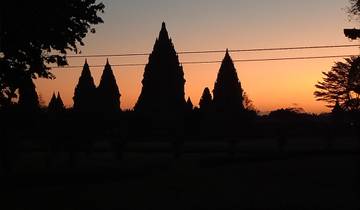
3 days
Best Yogyakarta Tours 3 days
- ✓ Booking needs min. 2 travelers
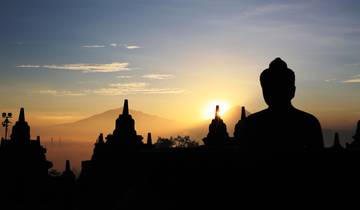
7 days
7 Days 6 Nights Best of Java
- ✓ Booking needs min. 2 travelers
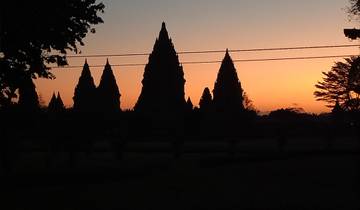
6 days
Yogyakarta: Unesco Temple, Culture and Local Experience Premium Class
- ✓ Booking needs min. 2 travelers
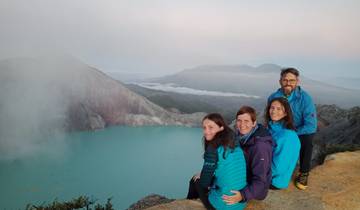
6 days
From Yogyakarta : Borobudur Climb to The Top, Mount Bromo and Ijen Vulcano
- ✓ Comprehensive Yogyakarta tour
- ✓ Expert local guides included
- ✓ All accommodation arranged
- ✓ Transportation provided
Multi-day tour packages powered by TourRadar. Prices and availability subject to change.
Introduction: Indonesia’s Most Accessible Volcano Adventure Experience 2026
Mount Merapi jeep tours democratize volcano tourism by providing thrilling encounters with active volcanic landscapes without demanding the physical fitness, technical skills, or time commitments required for summit trekking expeditions. The tours cater to families with children, elderly visitors, casual tourists seeking adventure highlights during limited Yogyakarta stays, and anyone unable or unwilling to undertake strenuous hiking while still desiring authentic volcano experiences beyond passive viewing from safe distances. The accessibility stems from modified vintage jeeps—primarily 1970s-1980s Willys CJ-7 models plus some Toyota Land Cruisers and Land Rovers—capable of navigating rough terrain that would defeat conventional vehicles, combined with local driver expertise developed through years navigating volcanic ash deposits, river crossings, and narrow mountain tracks connecting former villages destroyed in eruptions.
The tourism industry developed rapidly following the devastating October-November 2010 eruptions that killed 386 people and buried entire villages under meters of pyroclastic flow deposits. As survivors returned to salvageable areas and authorities established new exclusion zones preventing habitation in the most dangerous slopes, entrepreneurial communities recognized tourism potential in the dramatic volcanic landscape attracting domestic and international visitors curious about the disaster’s impacts. Local residents who lost agricultural livelihoods when farmland disappeared under volcanic deposits pivoted to operating jeep tours, initially using vehicles owned privately or pooled through community cooperatives. The tours evolved from basic volcano viewing trips into comprehensive educational experiences incorporating museums documenting the eruption, memorials honoring victims including the legendary volcano guardian Mbah Maridjan, and interpretive commentary from drivers who often personally survived the 2010 evacuation or lost family members in the disaster.
Mount Merapi’s geological significance extends beyond its tourism appeal—as one of the world’s most active volcanoes producing frequent small eruptions and occasional devastating large events, the mountain generates continuous scientific interest from volcanologists studying eruption prediction, pyroclastic flow behavior, and hazard mitigation strategies. The volcano sits above the subduction zone where the Indo-Australian tectonic plate descends beneath the Eurasian plate, the same geological process creating Indonesia’s entire arc of 127 active volcanoes extending from Sumatra through Java, Bali, Nusa Tenggara, and eastward to Papua. Merapi erupts regularly—documented historical eruptions number over 80 since 1548—with eruption style characterized by viscous andesitic lava forming summit domes that collapse generating pyroclastic flows rather than producing explosive Plinian eruption columns. This predictable behavior pattern allowed scientists to forecast the 2010 eruption’s timing and scale with sufficient accuracy to evacuate most threatened populations, though 386 deaths occurred among those who ignored warnings or returned prematurely to endangered zones.
The cultural dimension adds depth to jeep tour experiences as guides explain Javanese spiritual beliefs regarding volcano spirits, traditional monitoring systems practiced by hereditary guardians like Mbah Maridjan before modern volcanology, and ongoing offerings made by villagers seeking protection from future eruptions. Mount Merapi holds sacred status in Javanese cosmology as the dwelling of spirits requiring regular ceremonies to maintain harmony between human communities and volcanic forces, beliefs coexisting with scientific monitoring systems that now provide early warning through seismometers, tiltmeters, gas sensors, and thermal cameras. The tours thus bridge traditional cultural practices and modern disaster management, supernatural worldviews and geological science, creating multifaceted educational experiences explaining both how volcanoes work physically and how communities historically adapted to living alongside constant volcanic threats.
Planning Mount Merapi jeep tours for 2026 requires understanding route options, pricing structures, seasonal considerations, booking procedures, and realistic expectations regarding what these half-day adventures deliver versus what they exclude. The tours suit specific travel styles and priorities while disappointing others—visitors seeking extreme adventure, technical volcano access, or pristine wilderness isolation will find the commercialized jeep tracks and tourist-focused infrastructure unsatisfying, while those wanting accessible volcano encounters, educational disaster site visits, and fun off-road driving within compressed timeframes typically report high satisfaction. This guide provides comprehensive information enabling informed decisions about whether Mount Merapi jeep tours match individual travel priorities for Yogyakarta itineraries in 2026, plus practical planning details maximizing experience quality when tours align with visitor interests.
Understanding Mount Merapi: Geology, History, and the 2010 Eruption
Mount Merapi stands 2,930 meters above sea level approximately 28 kilometers north of Yogyakarta city center, dominating Central Java’s landscape with its symmetrical volcanic cone visible from the city on clear days. The volcano’s name translates as “Mountain of Fire” in Indonesian, reflecting its persistent activity producing visible smoke plumes from the summit crater roughly 300 days annually even during quiet periods between eruptions. Geological classification identifies Merapi as a stratovolcano (composite volcano) built through millennia of alternating explosive eruptions and effusive lava flows creating layered structure of hardened lava, solidified ash, and volcanic rock. The andesitic lava characteristic of Merapi contains higher silica content than basaltic lava found at Hawaiian-style volcanoes, creating more viscous magma that traps gases and builds steep-sided cones rather than producing the gentle shield volcano profiles of low-viscosity basalt flows.
The tectonic setting driving Merapi’s activity involves the Indo-Australian plate subducting beneath the Eurasian plate at approximately 6-7 centimeters annually along the Java Trench located 200 kilometers south of Java’s coast. As the oceanic crust descends into the mantle, increasing temperature and pressure release water from minerals in the subducting slab, lowering the melting point of surrounding rock and generating magma that rises through the overlying plate. Merapi sits directly above this magma generation zone, positioned within the volcanic arc paralleling the trench and including other active Central Java volcanoes like Lawu, Sundoro, Sumbing, and Merbabu. This persistent magma supply ensures Merapi’s continued activity for geological timescales measured in hundreds of thousands to millions of years, making eruption management and community adaptation ongoing challenges rather than temporary concerns.
Historical eruption patterns document over 80 events since 1548 when systematic recordkeeping began, though geological evidence reveals eruptions extending thousands of years earlier with some deposits dated beyond 10,000 years ago. The eruption style termed “Merapian” by volcanologists describes characteristic behavior involving lava dome growth at the summit crater followed by gravitational collapse generating pyroclastic flows—avalanches of superheated rock, ash, and gas traveling 100-300 kilometers per hour down the volcano’s flanks. These pyroclastic flows represent the primary hazard during typical Merapi eruptions, burning and burying everything in their path while channeling down specific valleys depending on dome collapse direction. The flows typically extend 4-8 kilometers from the summit during moderate eruptions, occasionally reaching 10-15 kilometers during major events, with the 2010 eruption producing the longest flows in modern records at 15.5 kilometers to the south.
The 1930 eruption killed approximately 1,369 people when far-traveling pyroclastic flows destroyed 13 villages, representing the 20th century’s deadliest Merapi event until 2010. The 2006 eruption provided harbinger of 2010’s intensity when two fatalities occurred and pyroclastic flows extended 7 kilometers, prompting improvements to monitoring networks and evacuation procedures that ultimately saved thousands of lives during the larger subsequent event. The 2010 eruption sequence began October 26 with explosive activity more violent than typical Merapian dome collapse, indicating different magma composition with higher gas content driving explosive force rather than gradual effusion. The eruption continued through November 30 with fluctuating intensity, major explosive pulses on October 26, November 3-5, and November 23 producing pyroclastic flows extending 15+ kilometers south into densely populated areas including Kaliadem village.
The final death toll reached 386 people including Mbah Maridjan, the 83-year-old hereditary spiritual guardian who refused evacuation believing his ceremonial duties required remaining on the mountain to communicate with volcano spirits. His death symbolized tragic collision between traditional beliefs and modern hazard science, though authorities note Maridjan’s earlier cooperation with monitoring agencies and evacuation recommendations saved many lives before his personal decision to remain claimed him. The disaster displaced over 350,000 people to evacuation centers experiencing overcrowding, sanitation challenges, and disease outbreaks during the weeks-long eruption period. Economic losses totaled approximately $781 million including destroyed homes, agricultural land burial, livestock deaths, infrastructure damage, and tourism disruption affecting Yogyakarta’s economy heavily dependent on cultural tourism to Borobudur, Prambanan, and other attractions temporarily inaccessible due to volcanic ash.
Post-2010 recovery efforts relocated over 2,500 residents from highest-risk zones to new settlements at safer distances, expanded the exclusion zone to 20 kilometers radius during future warning periods, upgraded monitoring equipment providing earlier eruption detection, and improved evacuation procedures and shelter management based on 2010 experience. The volcano remains highly active with continuous small eruptions, lava dome growth, and pyroclastic flows generating ongoing hazards requiring permanent exclusion zones restricting habitation and agriculture on the most dangerous upper slopes. Current monitoring employs seismometers detecting earthquake activity indicating magma movement, tiltmeters measuring ground deformation as magma ascends, gas sensors analyzing sulfur dioxide and other emissions, thermal cameras tracking lava dome temperatures, and visual observation posts staffed continuously documenting changes in summit crater activity, steam plume characteristics, and rockfall frequency.
Mount Merapi Jeep Tour Route Options and Pricing 2026
Mount Merapi jeep tours organize into three standard route categories differentiated by duration, sites visited, and pricing, with most operators offering all three options allowing visitors to select based on available time, budget constraints, and desired experience depth. Short routes provide essential highlights in condensed 1.5-2 hour expeditions suitable for travelers with limited time or those uncertain about extended jeep rides across rough terrain. Medium routes expand coverage to 2-3 hours including additional sites and extended time at key locations, representing the most popular choice balancing comprehensive experience against reasonable time commitment. Long routes deliver maximum exposure to volcanic landscape across 3-4 hours visiting all accessible sites plus extended river crossings and photography opportunities, appealing to volcano enthusiasts, photographers, and visitors allocating full mornings or afternoons specifically to Merapi exploration.
Short Route specifications (IDR 400,000-500,000 per jeep, $26-33 USD, 1.5-2 hours) include Kaliadem Bunker providing summit views and eruption history explanation, Batu Alien rock formation offering signature photo opportunities, Museum Sisa Hartaku displaying eruption artifacts and survivor testimonies, and basic river crossing through Kali Kuning providing taste of off-road adventure without extended water sections. The compressed timeline limits time at each stop to 10-15 minutes for photos and brief driver commentary, with total experience emphasizing highlights over deep educational engagement. This route suits families with young children potentially restless during longer tours, cruise ship passengers on tight port day schedules, or visitors sampling jeep tours without full commitment to extended volcano exploration. The pricing variation across operators reflects minor route differences, jeep vehicle quality and age, driver English proficiency, and operator reputation developed through online reviews.
Medium Route specifications (IDR 450,000-550,000 per jeep, $30-36 USD, 2-3 hours) add Mbah Maridjan’s traditional house memorializing the volcano guardian, refugee village settlements housing families displaced from destroyed communities, extended lava field viewing at multiple vantage points, and longer river crossing sections traversing both dry and wet riverbeds depending on recent rainfall. The additional hour allows 15-20 minutes at major stops enabling more thorough museum examination, detailed driver explanations of eruption events, and relaxed photography without rushed schedules. Most operators consider medium routes the optimal balance providing satisfying volcano encounter without excessive duration potentially exceeding casual tourist interest levels. This route accommodates general interest visitors, photographers seeking varied locations, and those wanting comprehensive Merapi experience within half-day timeframe compatible with afternoon Yogyakarta activities or evening flights.
Long Route specifications (IDR 550,000-650,000 per jeep, $36-43 USD, 3-4 hours) incorporate all medium route elements plus additional viewpoints at higher elevations, multiple river systems including deeper water crossings requiring more aggressive driving, visits to more remote sections of pyroclastic flow deposits showing varied volcanic features, and potentially optional stops at Glagah Hills viewpoint or other scenic locations depending on operator. The extended duration permits 20-30 minutes at key sites allowing deeper educational engagement, repeated photo opportunities as lighting changes, and leisurely pace reducing rushed feeling. Long routes appeal to volcano geology enthusiasts, adventurous travelers prioritizing off-road experience, photographers requiring time for optimal shot composition, and visitors making Merapi the primary daily activity without competing itinerary demands. The higher pricing reflects greater fuel consumption across extended routes, increased vehicle wear navigating challenging sections repeatedly, and opportunity cost as operators complete fewer tours daily when dedicating 3-4 hours to single groups.
Sunrise Tour specifications (IDR 500,000-600,000+ per jeep, $33-40+ USD, 2-3 hours starting 4:45 AM) combine medium route coverage with pre-dawn departure timing allowing volcano viewing during sunrise when cooler temperatures, dramatic lighting, and atmospheric conditions create photographic opportunities impossible during midday tours. The early start requires 3:30-4:00 AM hotel departures from Yogyakarta reaching basecamp for 4:45 AM jeep departure, with initial driving conducted in darkness before arriving at viewing points as dawn breaks. Sunrise tours command premium pricing despite similar duration to standard medium routes, reflecting operators’ preference for later departure times allowing normal sleep schedules, reduced daily tour volume when dedicating prime morning hours to single departure, and market willingness to pay extra for exclusive sunrise experience. Weather dependence proves higher for sunrise tours as cloud cover frequently obscures summit and reduces dramatic lighting effects that constitute primary sunrise tour appeal, making booking flexibility important for visitors unable to reschedule if conditions disappoint.
What to Expect: Mount Merapi Jeep Tour Experience Details 2026
Mount Merapi jeep tours begin at operator basecamps clustered along Jalan Kaliurang approximately 24 kilometers north of central Yogyakarta in the Kaliurang recreation area, with most located between kilometer markers 22-25 near the Mount Merapi Museum. Organized tours including hotel pickup collect guests from Yogyakarta accommodations 45-60 minutes before selected departure time, transporting visitors to basecamp in comfortable private vehicles before transferring to jeeps for the volcano tour. Independent travelers arranging transportation separately should allocate similar travel time, with options including ride-sharing apps like Grab or Gojek costing IDR 150,000-200,000 ($10-13 USD) one-way, private taxi hire at negotiated rates around IDR 300,000-400,000 ($20-27 USD) roundtrip including waiting time, or rental motorcycles/cars driven personally along the well-paved Jalan Kaliurang highway.
Basecamp facilities vary by operator but typically include basic waiting areas with seating, toilet facilities, coffee and snack vendors, souvenir shops selling volcano-themed merchandise and emergency rain ponchos, and vehicle parking for those arriving independently. The registration process involves confirming reservation details or negotiating on-the-spot pricing for walk-in visitors, selecting desired route length, completing brief liability waivers, and receiving orientation about safety procedures and expected behavior during the tour. Operators assign jeeps and drivers based on group size, with parties of 4-5 filling single jeeps while smaller groups may join others or pay full jeep rates for private hire depending on availability and negotiation. The classic Willys CJ-7 jeeps feature bench seating accommodating two passengers in front alongside the driver plus bench seating in rear cargo area fitting 2-3 passengers, with roll bar grab handles providing stability during rough sections.
The driving experience combines paved road sections connecting basecamp to volcano access tracks with extended off-road segments navigating rocky terrain, dry riverbeds, and water crossings defining the tour’s adventurous character. The initial 10-15 minutes typically follow paved or well-graded gravel roads ascending through villages and agricultural areas with views improving as elevation increases. The transition to true off-road conditions occurs when entering former inhabited zones now abandoned due to pyroclastic flow destruction, marked by landscape changes from vegetated farmland to gray volcanic deposits with scattered boulders and sparse regenerating vegetation. The jeep tilts at dramatic angles navigating steep inclines and sideslopes creating thrilling sensations for passengers while demonstrating driver skill controlling unstable footing across loose volcanic gravel.
River crossings provide highlight moments as drivers accelerate into water ranging from ankle-deep to mid-wheel height depending on seasonal flow and recent rainfall, with splashing inevitable and passengers potentially getting wet during particularly vigorous crossings. The dry season (May-October) typically produces shallower conditions with many riverbeds completely dry requiring only rocky surface navigation, while rainy season (November-April) fills channels with flowing water creating more dramatic crossings but also increasing difficulty and occasionally forcing route modifications when water exceeds safe depths. The drivers know river conditions from daily tour repetition and adjust approach speeds and crossing angles based on current water levels, though splashing passengers represents accepted tour element rather than problem to avoid. Visitors concerned about electronics or valuable items should protect these in waterproof bags or leave them secured at basecamps, as camera protection against water spray proves challenging during most active crossing sections.
Site visits punctuate the driving with stops lasting 10-30 minutes depending on route option and group interest levels. Kaliadem Bunker requires brief uphill walk from jeep parking area to the concrete shelter structure, with interpretive signs in Indonesian and English explaining its failed protection during 2010. The viewpoint adjacent to the bunker provides clearest volcano summit perspectives on clear days, approximately 5 kilometers from the crater offering dramatic sense of proximity to the active vent. Batu Alien features level access allowing all fitness levels to approach the rock formation for photos, with drivers serving as photographers composing shots incorporating jeep, rock, and volcano in single frame. Museum Sisa Hartaku operates as small family-run facility with modest entry donations requested, displaying eruption photographs, recovered artifacts, and personal testimonies from the owners who lost homes and relatives in 2010.
Mbah Maridjan’s house on medium and long routes preserves the traditional Javanese structure where the famous guardian lived before his death, maintained as memorial with photographs and explanations of his role monitoring volcano activity through spiritual practices and modern collaboration with volcanology agencies. The refugee village settlements visit new communities built to house families evacuated from destroyed villages, providing insights into ongoing recovery and adaptation challenges facing thousands who lost property and livelihoods to pyroclastic flows. The extended lava field sections on longer routes traverse areas completely buried under volcanic deposits, with gray ash layers meters thick covering former farmland and villages, scattered large boulders transported kilometers by pyroclastic flow force, and slowly regenerating vegetation demonstrating ecological recovery processes.
Booking Mount Merapi Jeep Tours: Strategies and Operators 2026
Mount Merapi jeep tour booking follows three primary approaches: advance online reservations through international platforms, direct contact with local operators, or walk-in arrangements upon arrival at Kaliurang basecamps, each offering distinct advantages and limitations affecting price, convenience, and flexibility. International booking platforms including GetYourGuide, Klook, Viator, and Traveloka provide convenient English-language interfaces, transparent pricing, customer reviews guiding operator selection, secure payment processing, and cancellation protections unavailable with direct local bookings. These platforms charge markup typically 15-25% above direct operator prices, converting the standard IDR 500,000 medium route jeep tour (approximately $33 direct) into $38-45 platform bookings once commissions, currency conversion fees, and service charges apply. The premium buys convenience for travelers uncomfortable negotiating with local operators, ensures vetted operators with established service standards, and provides recourse mechanisms if tours disappoint or operators fail to deliver promised services.
Direct operator booking through WhatsApp, email, or phone contact eliminates platform commissions, potentially allowing price negotiation particularly for group bookings or multi-day Yogyakarta tour packages combining Merapi with Borobudur, Prambanan, or other attractions. Many operators maintain basic websites or social media pages with contact information and standard pricing, though English communication varies widely with some operators fluent while others struggle with complex reservation discussions. The direct approach works best for budget-conscious travelers comfortable with modest communication challenges, those with specific requests regarding departure times or customized itineraries, and visitors already in Yogyakarta able to visit basecamps personally for face-to-face negotiation and vehicle inspection before committing. The risk involves less reliable cancellation policies, potential misunderstandings about inclusions or meeting points, and limited recourse if service quality disappoints relative to expectations set during booking discussions.
Walk-in basecamp arrival without advance reservation proves viable during most periods as operator capacity typically exceeds demand outside peak Indonesian holiday periods, with dozens of jeeps and drivers available competing for customers throughout operating hours. This approach offers maximum flexibility allowing route and operator selection based on actual vehicle condition, driver English proficiency assessed through conversation, and real-time pricing negotiation when multiple operators present competing offers. The downsides include uncertainty about tour availability during occasional high-demand periods, limited bargaining power as individual walk-in customers rather than advance group bookings, and time consumed at basecamps comparing options before starting tours potentially reducing available daylight or conflicting with subsequent Yogyakarta activities. Walk-in visitors should arrive before 9:00-10:00 AM during popular periods ensuring adequate operator availability and completing tours before afternoon rainstorms during wet season.
Peak season considerations significantly impact booking strategy and optimal approaches for 2026 planning. Indonesian domestic tourism peaks during national holidays including Eid al-Fitr (March 21-29, 2026), school vacation periods (late June-mid July, late December-early January), and long weekends created by government-designated bridge holidays. These periods generate substantial demand from Indonesian families choosing Yogyakarta as domestic vacation destination, creating jeep tour crowding that raises prices (IDR 50,000 surcharge per jeep), reduces operator availability, and increases basecamp congestion with dozens of jeeps departing simultaneously. Advance booking proves essential during these peak periods for securing preferred departure times and avoiding frustration when walk-in arrivals find all operators fully booked until late afternoon. International tourist volume remains relatively constant year-round though increasing slightly during Northern Hemisphere summer (June-August) when European and American visitors travel despite coinciding with Indonesian peak season.
Recommended booking timeline involves reserving 3-7 days advance during normal periods providing security without excessive advance commitment limiting flexibility, while peak holiday periods warrant 2-4 weeks advance booking ensuring availability. Last-minute same-day or next-day booking works reliably outside holidays though reducing negotiation leverage and departure time selection. The booking should confirm route option clearly (short/medium/long/sunrise), specify desired departure time window, clarify whether pricing is per jeep or per person (always per jeep but occasionally ambiguous in initial quotes), verify what’s included versus additional costs at sites, establish pickup arrangements if organizing through tour operators rather than meeting at basecamp, and confirm cancellation policy including weather-related cancellations when volcano visibility matters significantly to tour satisfaction.
Best Time for Mount Merapi Jeep Tours: Weather and Seasonal Considerations 2026
Mount Merapi jeep tour optimal timing balances weather conditions affecting volcano visibility and tour comfort against seasonal pricing and crowd levels, with dry season (May-October) generally favoring better experiences despite higher domestic tourism during mid-year school vacations. The dry season brings minimal rainfall reducing river crossing depths and eliminating muddy track conditions that occasionally challenge vehicle traction, while clearer atmospheric conditions increase likelihood of unobscured volcano summit views critical for photographic appeal and appreciating the landscape’s dramatic scale. Morning departures (7:00-9:00 AM) during dry season provide coolest temperatures before tropical heat intensifies, best lighting angles for volcano photography with sun illuminating the peak from behind photographers, and lowest probability of afternoon cloud buildup obscuring the summit visible clearly during early hours.
Rainy season (November-April) transforms tour character significantly as river crossings develop substantial water flow creating more dramatic splash experiences appealing to adventure seekers, while frequent afternoon thunderstorms reduce visibility and create potential tour interruptions if severe weather forces temporary shelter seeking. The wet season advantages include lower domestic tourist volume outside holiday periods, greener vegetation coverage regenerating over volcanic deposits creating more photogenic landscape contrasts, and occasional promotions or pricing flexibility from operators competing for reduced visitor numbers. The disadvantages involve higher probability of disappointing volcano views when summit hides behind clouds, muddy conditions soiling clothing and equipment, potential tour cancellations during severe weather making advance planning uncertain, and general discomfort from heat and humidity between rain showers. Travelers visiting Yogyakarta during wet season should build schedule flexibility allowing tour rescheduling if weather particularly poor, with local operators typically accommodating date changes when volcanic visibility concerns arise.
Sunrise tour timing (4:45 AM basecamp departure) provides distinct advantages including dramatically cooler temperatures in pre-dawn hours, minimal tourist crowds at viewing points, higher probability of clear summit visibility before daily cloud formation, and spectacular lighting transitions as dawn breaks. The experience involves darkness driving during initial sections with headlights illuminating rough tracks creating atmospheric adventure tone, arriving at Kaliadem or other key viewpoints 15-20 minutes before sunrise, watching dawn illuminate the volcano’s conical profile, and completing remaining tour stops as morning progresses. The challenges include very early hotel departures (3:30-4:00 AM from Yogyakarta), reduced wildlife activity in pre-dawn hours, limited visibility of volcanic landscape details until daylight, and total dependence on weather cooperation as cloudy sunrise eliminates primary appeal justifying premium pricing and schedule disruption.
Monthly breakdown for 2026 planning identifies April-May and September-October as optimal shoulder periods combining dry season’s visibility advantages with reduced domestic holiday crowding and moderate temperatures. June-August brings excellent weather but Indonesian school vacation and Eid holiday crowding particularly late June through mid-July, requiring advance booking and accepting higher prices plus basecamp congestion. November-January delivers lower visitor volume and occasional excellent weather days, though rainfall probability increases and summit visibility becomes unreliable requiring flexible attitude toward tours potentially disappointing when clouds obscure views. February-March represents transition from wet to dry with improving conditions and minimal crowds outside the Eid holiday period (March 21-29, 2026) that creates brief demand spike.
Volcanic activity considerations affect tour viability independent of weather seasonality, as Indonesian volcanology authorities periodically raise alert levels requiring expanded exclusion zones that halt all jeep tour operations when hazards intensify. Mount Merapi’s persistent activity means small eruptions, increased seismicity, or growing lava dome size can trigger warning level increases closing tourism access for weeks or months until conditions stabilize. Travelers should monitor official Indonesian volcanology reports through PVMBG (Pusat Vulkanologi dan Mitigasi Bencana Geologi) website or checking with tour operators shortly before planned visits confirming current tour availability. The 2018-2019 period saw extended tour closures during heightened activity, while 2020-2022 maintained generally open conditions at lower alert levels allowing normal tourism within established safe zones. The unpredictability means booking significant advance international flights specifically for Merapi tours carries risk, though Yogyakarta offers extensive alternative attractions ensuring worthwhile visits even if volcanic activity temporarily prevents jeep tour operations.
What to Bring and Wear: Mount Merapi Jeep Tour Preparation 2026
Mount Merapi jeep tour preparation requires minimal specialized gear but strategic packing significantly improves comfort and photographic results during the 1.5-4 hour expeditions across dusty volcanic terrain with water crossing exposure and variable weather conditions. Clothing selections should prioritize comfort over style while accepting that dust and potential water exposure will soil garments, making expensive or delicate fabrics poor choices regardless of their technical performance advantages. Lightweight long pants in synthetic quick-dry materials or durable cotton protect legs from dust accumulation, sun exposure during extended open-jeep riding, and minor scrapes when entering/exiting vehicles across metal grab handles and door frames. Shorts remain acceptable and widely worn by tourists though providing less protection from volcanic dust that permeates the jeep during driving across dry ash deposits.
Footwear requirements lean toward closed-toe shoes with good traction navigating rocky surfaces at viewing points and providing ankle support against unexpected jeep movements causing balance challenges. Hiking boots or trail running shoes offer ideal combination of traction, support, and durability, though comfortable sneakers or athletic shoes prove adequate for the modest walking distances involved. Flip-flops or sandals that many tourists wear throughout Southeast Asian travel create hazards when walking across uneven volcanic rock, provide inadequate foot protection against unexpected jeep lurches, and offer poor traction during river crossings when drivers invite passengers to wade alongside vehicles. Water shoes or sport sandals with heel straps and robust soles function acceptably as compromise between ventilation and protection, though still inferior to closed-toe options for comprehensive comfort and safety.
Sun protection proves essential as the open-top jeeps provide zero shade during multi-hour tours under tropical sun intensified by reflection off light-colored volcanic ash surfaces. Wide-brimmed hats or baseball caps shield faces and necks from direct sun exposure, though securing these against wind during driving requires chin straps or tight fit preventing loss during bumpy sections. Sunglasses rated for UV protection reduce glare and eye strain while protecting against dust blown into faces during faster driving across exposed landscape. Sunscreen application covering all exposed skin addresses remaining sun exposure, with SPF 30+ broad-spectrum formulas providing adequate protection when reapplied if sweating heavily during particularly hot conditions. The combination of hat, sunglasses, and sunscreen transforms marginally uncomfortable sunny conditions into manageable tours, while neglecting sun protection often results in sunburned tourists suffering days after the tour concludes.
Dust protection addresses the fine volcanic ash that permeates tour environments particularly during dry season when vehicles kick up persistent dust clouds affecting breathing comfort and coating cameras, phones, and clothing. Face masks or bandanas covering nose and mouth significantly improve comfort for those with respiratory sensitivities, though many visitors tolerate dust exposure without protection experiencing only mild irritation. The COVID-19 pandemic normalized mask wearing making this protection socially acceptable and practical for reducing ash inhalation particularly during longer routes traversing extended dry lava field sections. Keeping cameras and phones in protective cases or plastic bags between photo stops prevents dust infiltration into electronic ports and mechanisms that can cause malfunctions, with simple ziplock bags providing adequate protection at minimal cost and bulk.
Photography equipment decisions balance capturing quality images against protecting valuable gear from dust, water splashes, and rough handling during bumpy rides. Dedicated cameras with weather sealing provide best results and reasonable protection, though smartphones prove adequate for most tourists preferring simplicity over technical quality. Extra batteries or portable power banks ensure sufficient charge throughout extended tours particularly when using cameras or phones extensively for photos and videos. Neck straps or wrist lanyards prevent dropping equipment during jeep movements, while lens cleaning cloths allow removing dust accumulation degrading image quality. GoPro-style action cameras work excellently for vehicle-mounted perspectives capturing driver’s view and river crossings, though fixed mounting requires operator permission and consideration for other passengers’ experience preferences.
Water and snacks address hydration and energy needs during tours where facilities remain minimal and vendors absent once departing basecamps. Bring 1-1.5 liters water per person in durable bottles preventing leakage when jostled during rough driving, with insulated bottles maintaining cooler temperatures though adding weight and bulk. Light snacks including energy bars, fruit, or crackers provide energy particularly during longer 3-4 hour routes, though most tours complete before serious hunger develops. Small backpacks or crossbody bags secure personal items leaving hands free for grab handles when vehicle tilts steeply, though avoid valuable items or excessive cash beyond small amounts for optional attraction entrance fees or driver tips. Many tourists wear money belts or leave non-essential valuables at hotels eliminating theft concerns though actual theft risk remains minimal given tour group presence and driver accountability.
Mount Merapi Jeep Tour Safety Guidelines and Restrictions 2026
Mount Merapi jeep tour safety depends on understanding and respecting volcanic hazards, vehicle operation risks, and physical demands that remain modest for healthy adults but potentially challenging for specific populations including young children, elderly visitors, pregnant women, and anyone with pre-existing medical conditions. The jeep driving itself creates primary adventure risk as vehicles traverse steep terrain on loose volcanic gravel, navigate rivers with uncertain depths, and climb slopes where rollover becomes theoretically possible if drivers lose control or vehicles suffer mechanical failures. The classic Willys jeeps lack modern safety features including airbags, anti-lock brakes, electronic stability control, and structural crumple zones designed into contemporary vehicles, instead relying on simple mechanical systems, low speeds reducing impact forces, and driver skill preventing accidents rather than protecting occupants if crashes occur.
Passenger safety guidelines include maintaining three-point contact when climbing in/out of jeeps by holding grab handles and stepping deliberately on secure footing, staying seated during vehicle movement despite temptation to stand for photographs as standing passengers risk being thrown from vehicles during unexpected jolts, wearing seatbelts when provided though many vintage jeeps lack these entirely requiring passengers to hold securely to grab rails, and following driver instructions regarding weight distribution and positioning particularly when fording deeper water crossings where passenger movement can destabilize balance. Children under age 6 face higher risks as their smaller size reduces ability to brace against vehicle movements, their impulsiveness may lead to standing or leaning dangerously, and most vintage jeeps lack child safety seats or restraints appropriate for young ages. Parents traveling with children ages 6-12 should position kids between adults who can stabilize them during rough sections, maintain direct supervision preventing standing or climbing, and honestly assess whether particular children’s temperament and physical development suits the adventure.
Elderly visitors and those with mobility limitations must evaluate whether the physical demands exceed their capabilities, particularly climbing into elevated jeep cargo areas requiring leg lifts and upper body strength pulling against grab handles, walking across uneven volcanic rock at viewing points without handrails or assisted support, and tolerating sustained bouncing and jarring during 1.5-4 hours that potentially aggravate arthritis, back problems, or joint conditions. Operators generally accommodate reasonable mobility limitations including providing front seat positions that reduce climbing difficulty versus rear cargo area seating, allowing extended time at stops for those moving slowly, and potentially offering modified routes reducing the roughest sections though often at increased cost for specialized service. Wheelchair users or those unable to manage the jeep entry process should honestly discuss capabilities with operators before booking, recognizing that full accessibility proves impossible given terrain and vehicle characteristics making these tours poorly suited for significant physical limitations.
Pregnant women face specific risk considerations including rough riding potentially contributing to miscarriage risk particularly during first trimester, dehydration and heat exposure concerns in tropical conditions without reliable shade, dust inhalation affecting respiratory health, and emergency medical care accessibility proving limited in remote volcanic slopes requiring extended evacuation times if complications arise. Medical guidance generally recommends avoiding adventure activities like off-road jeeping during pregnancy particularly first and third trimesters, though second trimester women with uncomplicated pregnancies and medical clearance occasionally participate accepting elevated risks. The decision requires consultation with healthcare providers familiar with individual pregnancy specifics, honest assessment of tour roughness after watching vehicles return to basecamp demonstrating typical ride character, and consideration of alternative Yogyakarta activities avoiding elevated risk while still providing meaningful cultural and natural experiences.
Health conditions requiring specific consideration include cardiovascular problems potentially stressed by sustained rough riding and volcanic altitude (though tours reach only 1,700 meters limiting altitude effects), respiratory conditions potentially aggravated by volcanic dust inhalation in air containing fine particulates, back or neck problems vulnerable to jarring impacts during sustained bouncing, and any conditions requiring regular medication that might be complicated by remote locations without medical facilities if unexpected problems arise. Travelers with health concerns should honestly assess whether their conditions warrant skipping jeep tours in favor of alternative Merapi experiences including visiting museums at basecamp level without vehicle tour components, viewing volcano from Kaliurang restaurants and viewpoints without off-road exposure, or selecting gentle alternatives like Prambanan Temple tours avoiding physical demands while still delivering cultural engagement.
Emergency preparedness remains limited during tours as the remote volcanic slopes lack immediate medical facilities, cellular coverage proves unreliable in many areas preventing emergency calls, and evacuation requires jeep transport back to basecamps before accessing ambulances or hospitals in Yogyakarta 24 kilometers distant. Drivers carry basic first aid supplies addressing minor cuts, scrapes, or headaches but cannot manage serious injuries or medical emergencies requiring professional care. The tours operate within cellular coverage much of the time allowing emergency contact with basecamp coordinators who can summon assistance, though response times for serious situations measure in hours rather than minutes typical of urban emergency response. This reality means visitors with elevated medical risks should carefully consider whether tour benefits justify accepting emergency care limitations, perhaps choosing shorter routes reducing exposure duration or scheduling tours when feeling optimal health rather than pushing through minor illnesses that might escalate unexpectedly.
Combining Mount Merapi Jeep Tours with Other Yogyakarta Attractions 2026
Mount Merapi jeep tours integrate efficiently into broader Yogyakarta itineraries through half-day allocation allowing combination with other major attractions on the same day or serving as standalone activity within multi-day Yogyakarta stays. The typical morning jeep tour timing (7:00-11:00 AM for medium routes) leaves afternoons free for Prambanan Temple exploration, central Yogyakarta cultural sites including Kraton Palace and Taman Sari Water Castle, shopping at Malioboro Street markets, or relaxation at accommodations before evening dining. The reversed schedule works equally well with afternoon jeep tours (1:00-5:00 PM) following morning Borobudur sunrise visits or central city morning activities, though afternoon timing increases heat exposure and reduces volcano visibility as clouds build through the day potentially obscuring summit views.
Borobudur combination represents the most popular multi-attraction arrangement pairing Indonesia’s two most iconic Central Java experiences—sunrise at Borobudur temple followed by mid-morning Merapi jeep tour, or reversed timing with early jeep tour before afternoon Borobudur exploration. The logistics require early starts (3:30-4:00 AM hotel departure for Borobudur sunrise) followed by approximately two-hour temple visit, then 90-minute drive to Merapi basecamp arriving 9:30-10:00 AM for jeep tours, completing around 1:00-2:00 PM before returning to Yogyakarta. The compressed schedule proves exhausting though achievable for energetic travelers maximizing limited time, while more relaxed approaches spread these experiences across two days allowing proper rest between early wakeups and extended activity periods. Organized tour packages combining Borobudur and Merapi typically cost IDR 800,000-1,200,000 ($53-80 USD) per person including both temple entrance and jeep tour, private vehicle with driver, and English-speaking guide, providing 15-25% savings versus booking separately while eliminating logistics coordination stress.
Prambanan Temple pairing works better for afternoon jeep tours followed by late afternoon Prambanan visits during cooler temperatures and golden hour lighting, or reversed with morning Prambanan exploration before midday jeep tours accepting hotter conditions. The proximity of both attractions to northeastern Yogyakarta (Prambanan 17 kilometers east, Merapi 28 kilometers north) reduces driving time between sites to 45 minutes making same-day combinations practical without excessive vehicle time. The combined experience delivers contrasting perspectives on Central Java’s cultural heritage—Hindu temple architecture and mythology at Prambanan versus volcanic landscape and disaster impact at Merapi—creating more diverse understanding than multiple temple visits alone. Combination tour packages typically cost IDR 700,000-1,000,000 ($47-67 USD) per person for organized groups, while independent travelers coordinating separately spend similar amounts but enjoy flexibility adjusting timings and durations at each location.
Jomblang Cave adventure combinations appeal to outdoor activity enthusiasts willing to tackle physically demanding full-day itineraries joining jeep tours with vertical cave rappelling experiences. Jomblang Cave (located 50 kilometers west of Yogyakarta) requires 60-meter rappel descent into sinkhole, underground river exploration, and famous “heaven’s light” sunbeam photography when conditions align, with the complete experience consuming 4-5 hours including transportation. The combination with Merapi jeep tours creates exhausting but memorable adventure days for fit travelers, typically starting with early morning Jomblang Cave departure (7:00 AM), completing cave tour by midday, then afternoon Merapi jeep tour, returning to Yogyakarta by evening. The logistics challenge and physical demands mean combination packages prove rare, with most travelers experiencing these separately across different days or selecting one based on adventure preferences and time constraints.
Multi-day itinerary planning allows more strategic attraction combination avoiding rushed schedules and early morning exhaustion. A typical 3-day Yogyakarta visit might allocate Day 1 to Borobudur sunrise and afternoon Prambanan, Day 2 to Mount Merapi jeep tour morning plus Yogyakarta city cultural sites afternoon, and Day 3 to specialized interests like Jomblang Cave, shopping, or day trip to Solo city. This pacing provides rest between major activities, allows flexibility adjusting plans based on weather or energy levels, and reduces stress from compressed combination tours racing between attractions on tight schedules. The extended stay approach suits travelers prioritizing quality experiences over maximum attraction quantity, those with moderate fitness levels unable to sustain consecutive high-activity days, and visitors incorporating Yogyakarta into broader Indonesian itineraries rather than flying in specifically for compressed cultural highlights.
Mount Merapi Jeep Tour Alternatives and Complementary Activities 2026
Mount Merapi experiences extend beyond jeep tours through complementary activities offering different perspectives on volcano culture, geology, and community impact without off-road driving adventure focus. Trekking expeditions to the summit provide ultimate volcano encounter for physically fit adventurers willing to undertake strenuous 4-6 hour climbs departing midnight or pre-dawn to reach the crater rim for sunrise. These hikes climb 1,400 vertical meters from trailhead to summit through increasingly steep volcanic terrain, requiring good fitness, proper gear including headlamps for night climbing, and acceptance of potential route closures when volcanic activity increases hazard levels. The trekking routes remain frequently closed for months or years at a time as authorities prioritize safety over tourism access, making jeep tours the more reliable Merapi activity with consistent availability during normal alert periods.
Mount Merapi Museum (Museum Gunung Merapi) located at Jalan Kaliurang KM 22.5 near most jeep tour basecamps provides comprehensive volcano education through exhibits explaining formation processes, eruption types, monitoring technologies, disaster management systems, and community adaptation strategies. The museum displays seismographs demonstrating earthquake detection, evacuation zone maps showing risk levels, historical photographs documenting eruptions from the 1800s through 2010, and interactive exhibits allowing visitors to experience simulated eruptions and pyroclastic flow dangers. Admission costs IDR 10,000 ($0.65 USD) for Indonesian citizens and IDR 20,000 ($1.30 USD) for foreign visitors, with the 1-2 hour visit complementing jeep tours by providing scientific context explaining landscape features observed during off-road expeditions. The museum operates independently from jeep tour operators though many tours include brief museum stops when routes begin or end at adjacent basecamps.
Volcano viewpoint restaurants scattered around Kaliurang offer relaxed Merapi appreciation over meals or coffee, with establishments like The Lost World Castle, Restaurant Abhayagiri, and numerous local warungs featuring elevated terraces or rooftop seating frames volcano views through windows or across open-air dining areas. These venues suit travelers uninterested in jeep adventure but wanting visual Merapi connection, elderly visitors or families with young children avoiding jeep tour physical demands, and budget-conscious tourists preferring low-cost volcano engagement. The viewpoints prove particularly valuable during periods when volcanic activity closes jeep tour routes but doesn’t threaten Kaliurang town itself, allowing continued Merapi connection when closer approaches become prohibited. Sunset viewing during clear weather creates particularly dramatic scenes as the volcano’s silhouette darkens against orange-red sky, with some restaurants capitalizing on this timing through sunset promotion pricing and extended hours.
Soft trekking routes through volcanic slopes below exclusion zones provide middle ground between intensive summit climbs and passive jeep riding, allowing moderate hiking along established trails through regenerating forest and volcanic deposits. These guided walks typically last 2-3 hours covering 4-6 kilometers through lower elevation terrain (1,200-1,600 meters) explaining volcanic formation processes, identifying plant species recolonizing disturbed areas, and discussing community adaptation to living alongside active volcano. The physical demands suit moderately fit visitors comfortable with gradual uphill walking but unable or unwilling to attempt summit climbs, with tour operators including Mount Merapi Tour and various Kaliurang-based guides offering these experiences at IDR 400,000-800,000 ($27-53 USD) per person for small groups. The soft treks complement jeep tours by providing more intimate landscape engagement at slower pace allowing detailed observation, though lacking jeep tours’ off-road excitement and river crossing adventure appeal.
Night lava flow viewing tours operate during heightened volcanic activity periods when summit crater produces incandescent lava visible after dark, providing dramatic spectacle as glowing molten rock appears against dark sky. These specialized tours occur irregularly based on volcanic conditions, with operators advertising availability when lava production intensifies to visible levels, then suspending tours during quieter periods when no glow appears. The viewing locations maintain safe distances 8-15 kilometers from summit using telephoto lenses and binoculars magnifying the modest visual phenomenon that naked-eye observation finds underwhelming compared to expectations set by dramatic volcano photographs. The experience appeals to volcano enthusiasts and photographers seeking unique opportunities, though casual tourists often find the night lava viewing disappointing given the limited spectacle relative to effort and cost of pre-midnight tours requiring late departures and early returns limiting sleep.
Frequently Asked Questions About Mount Merapi Jeep Tours 2026
Do Mount Merapi jeep tour prices include entrance fees to attractions?
Standard jeep tour prices (IDR 400,000-650,000 per jeep) cover only the vehicle hire, driver/guide services, and fuel costs for the agreed route duration, while excluding entrance fees to optional attractions like Lost World Castle (IDR 40,000), Stonehenge replica (IDR 20,000), Batu Alien viewing platform (IDR 10,000), and Kaliurang recreation area (IDR 6,000-20,000). Most standard jeep tours focus exclusively on natural volcanic features and 2010 eruption sites that require no admission fees, making these optional attraction visits special requests adding both time and entrance costs to base jeep hire. Museum Sisa Hartaku typically requests donations (IDR 10,000-20,000 suggested) rather than charging fixed entrance, with this modest amount helping sustain the family-run facility documenting eruption experiences. Organized tour packages booked through platforms like GetYourGuide or Klook sometimes bundle entrance fees into all-inclusive pricing, though most list these separately as “excludes” requiring payment directly to attraction staff. Budget planning should allocate IDR 20,000-50,000 ($1.30-3.30 USD) per person for potential entrance fees and donations depending on which stops interest your group, plus tips for drivers typically IDR 50,000-100,000 ($3.30-6.60 USD) per jeep for satisfactory service though tipping remains optional without strong cultural expectation.
Can I arrange Mount Merapi jeep tours from my Yogyakarta hotel?
Most Yogyakarta hotels and guesthouses assist with Mount Merapi jeep tour arrangements either through in-house booking services or referrals to trusted operator partnerships, providing convenient one-stop planning though typically adding 10-20% markup above direct operator pricing. Hotels in tourist areas including Prawirotaman backpacker district, Malioboro area, and upscale properties near Prambanan maintain regular contact with jeep tour operators, allowing front desk staff to arrange pickups, confirm pricing, and handle deposits without guests needing direct operator communication. This service suits travelers preferring simplified booking in English, those uncomfortable negotiating with local operators, and visitors wanting hotel staff accountability if tour quality disappoints or problems arise. The hotel arrangement approach works less efficiently for budget-conscious travelers able to contact operators directly via WhatsApp or by visiting Kaliurang basecamps personally, as eliminating hotel intermediary saves the 10-20% commission while providing identical tour experiences. Some hotels offer complete Yogyakarta tour packages combining Merapi jeep tours with Borobudur, Prambanan, and other attractions across multi-day itineraries, bundling transportation, guides, entrance fees, and sometimes meals at total costs competitive with booking components separately while delivering seamless logistics coordination. Travelers should compare hotel package pricing against independent bookings before committing, as some hotels provide genuine value through bulk operator contracts while others simply add markup without corresponding service improvements.
What happens if Mount Merapi jeep tours are cancelled due to volcanic activity?
Mount Merapi jeep tour cancellations due to increased volcanic activity resulting in expanded exclusion zones or raised alert levels follow operator-specific refund and rescheduling policies varying from full refunds to credit-only arrangements, with weather-related cancellations handled differently than safety-driven closures. Volcanic activity closures occur when Indonesian volcanology authorities (PVMBG) raise alert levels to Watch (Level 3) or Warning (Level 4) requiring tourism prohibition in affected zones, with these official restrictions leaving operators no choice but suspending tours until authorities lower alert levels permitting resumed access. During these periods lasting weeks to months, reputable operators offer full refunds to advance bookings or rescheduling flexibility allowing tourists to return when conditions improve, though enforcement depends on operator integrity and payment method providing leverage. Travelers booking through international platforms like GetYourGuide typically receive automated refunds when operators report official closures, while direct bookings require emailing or contacting operators to request refunds potentially facing delays or disputes without third-party mediation. Weather-related cancellations present more ambiguous situations as operators resist refunding tours that could technically proceed despite poor visibility or rain making experiences unsatisfying, with most offering rescheduling for different days but not refunds for subjective weather dissatisfaction. Travelers should clarify cancellation policies during booking, documenting agreements in writing via email or WhatsApp messages, and using credit cards or PayPal providing dispute resolution mechanisms if operators refuse reasonable refund requests for officially prohibited volcanic closures. The volcanic activity uncertainty makes booking flexibility important, with travelers arriving Yogyakarta without advance jeep reservations able to make go/no-go decisions based on current conditions rather than committing weeks earlier when activity levels remain unpredictable.
Are Mount Merapi jeep tours suitable for young children?
Mount Merapi jeep tours accommodate children as young as toddlers technically though suitability depends heavily on individual child temperament, physical development, and parental risk tolerance regarding open-vehicle off-road driving across rough volcanic terrain. Children ages 6-12 generally manage tours successfully when positioned between adults who stabilize them during jolting, maintain supervision preventing dangerous standing or climbing, and keep them engaged through the 1.5-4 hour duration that tests young attention spans without traditional kid-friendly entertainment. The rough riding, dust exposure, heat, and occasional tedium during driving segments between stops challenge children accustomed to controlled environments and constant stimulation, though many families report positive experiences when children demonstrate adventurous dispositions and reasonable maturity levels. Short route tours (1.5-2 hours) prove more manageable for younger children by limiting duration before boredom or discomfort erodes cooperation, while longer routes risk meltdowns particularly during hot midday departures when heat intensifies discomfort. Children under age 6 face higher risks as most vintage jeeps lack child safety seats or restraints appropriate for small bodies, their impulsiveness may lead to standing despite parental warnings, and their small size makes bracing against vehicle movements difficult potentially causing injuries during unexpected jolts. Families traveling with young children should honestly assess whether particular kids’ personalities and physical capabilities suit the adventure, perhaps watching jeeps return to basecamp demonstrating typical ride roughness before committing to tours that may disappoint or distress children while consuming time and money better allocated to child-friendly Yogyakarta attractions. Alternative family activities including Taman Pintar science museum, Gembira Loka Zoo, and water park attractions deliver more reliable child satisfaction without adventure tour risks, allowing parents to experience Merapi via adult-focused day trips or solo excursions while children remain with hotel childcare or tour babysitting services.
How far in advance should I book Mount Merapi jeep tours for 2026?
Mount Merapi jeep tour advance booking requirements vary by season with peak Indonesian holidays (Eid March 21-29, school vacation June-July, Christmas/New Year late December-early January) benefiting from 2-4 weeks advance reservations ensuring availability and preferred departure times, while normal periods accommodate 1-3 days advance booking or even same-day walk-in arrangements during low tourist volume. The peak holiday booking advantage secures spots before Indonesian domestic tourism fills operator capacity, allows selecting optimal morning departure times (7:00-9:00 AM) avoiding midday heat, and occasionally enables price negotiation for group bookings when operators appreciate guaranteed business versus uncertain walk-in volume. Booking 2-4 weeks ahead during peaks also coordinates tour schedules with Borobudur, Prambanan, and other Yogyakarta attractions requiring advance planning for cohesive multi-day itineraries rather than scrambling for last-minute availability potentially forcing suboptimal timing. Normal periods outside Indonesian holidays rarely require more than 3-7 days advance booking providing security without excessive commitment limiting flexibility to adjust plans based on weather forecasts, energy levels after arriving Yogyakarta, or competing attraction opportunities discovered locally. Same-day or next-day booking works reliably during low seasons (February-March, August-November excluding holidays) when dozens of operators compete for limited walk-in customers, actually providing negotiation leverage for discounted pricing or upgraded routes when desperate operators accept marginal business rather than idle jeeps. The volcanic activity unpredictability argues against extreme advance booking (3+ months) as extended closures sometimes occur when alert levels rise, making short-notice reservations more prudent allowing real-time confirmation of operating status before committing rather than hoping volcanic cooperation months hence when conditions remain unknowable. Travelers building Yogyakarta visits around Merapi experiences should maintain flexibility through refundable accommodations and alternative attraction backup plans, accepting that volcano tourism inherently carries uncertainty requiring adaptive planning rather than rigid multi-month advance commitments.
What is the minimum group size for Mount Merapi jeep tours?
Mount Merapi jeep tours require no minimum group size as pricing structures charge per jeep rather than per person, meaning solo travelers can hire complete jeeps paying full vehicle rates (IDR 400,000-650,000 depending on route) without needing to assemble groups or wait for other tourists joining shared departures. This per-jeep pricing creates economic advantage for groups of 3-4 people splitting costs approximately IDR 100,000-165,000 ($7-11 USD) per person for medium routes, while solo travelers or couples face substantially higher per-person costs paying full jeep hire of IDR 500,000 ($33 USD) for two people or IDR 250,000 ($16 USD) per person. Some operators during slow periods attempt forming shared jeep groups by matching solo travelers or couples arriving simultaneously, offering per-person pricing around IDR 150,000-200,000 ($10-13 USD) when assembling full 4-person jeep loads, though this shared arrangement proves unreliable requiring flexible timing to wait for group assembly rather than guaranteed immediate departures. Budget-conscious solo travelers or couples might inquire at basecamps about joining existing group departures, accepting schedule limitations and potential personality mismatches with random strangers versus paying premium for private jeep control over timing and itinerary pace. The economic dynamics mean Mount Merapi jeep tours deliver best value for families or friend groups of 4 splitting costs economically while enjoying private vehicle control, modest value for couples willing to pay IDR 250,000 per person for private experiences, and questionable value for solo travelers paying IDR 500,000 for identical tours costing others one-quarter that amount when traveling in groups. Solo budget travelers might instead allocate funds toward alternative Yogyakarta experiences offering better solo value, reserve Merapi for hypothetical future group travel, or accept the premium as worthwhile adventure investment when volcano experiences rank high in personal travel priorities regardless of cost efficiency.
Can I drive the jeep myself on Mount Merapi tours?
Mount Merapi jeep tours prohibit tourists from driving vehicles due to liability concerns, terrain difficulty requiring experienced drivers familiar with routes and vehicle capabilities, insurance restrictions limiting operation to licensed local drivers, and business model depending on providing driver/guide services as core tour value beyond simple vehicle rental. The rough volcanic terrain with steep inclines on unstable gravel, river crossings requiring precise approach angles and speed management, and narrow tracks with limited turnaround space demand driving skills and route knowledge developed through years of daily operation rather than casual tourist abilities regardless of home country driving experience. The vintage jeeps also require specific mechanical familiarity as clutch engagement, throttle response, brake effectiveness, and steering characteristics differ substantially from modern vehicles most tourists drive regularly, with learning curves potentially causing damage or accidents that tourist-driven vehicles would generate unacceptably. Indonesian vehicle insurance regulations typically prohibit foreigner operation of commercial tour vehicles without proper licensing and insurance coverage that tourists lack, creating legal liability for operators allowing unauthorized driving exposing them to fines, license suspension, or lawsuit vulnerability if accidents occur. The tour pricing already includes driver service as integral component rather than optional addition, making driver-included and self-drive pricing identical since operators refuse offering the latter at reduced rates acknowledging liability and practical impossibilities of tourist-operated tours. Tourists seeking self-drive volcano experiences might investigate motorcycle rental options allowing independent exploration of lower elevation areas accessible via public roads, though these still exclude the true off-road jeep tracks requiring specialized vehicles and route knowledge beyond typical rental motorcycle capabilities.
What languages do Mount Merapi jeep tour guides speak?
Mount Merapi jeep tour drivers and guides vary widely in English proficiency ranging from fluent conversational ability enabling detailed eruption history explanations and complex question answering to minimal English limited to basic site naming and simple safety instructions, with Indonesian as universal language shared by all operators serving domestic tourism as primary market. The English language capability depends significantly on specific driver assignment, operator selection based on customer base (international tourist-focused operators maintain higher English standards than primarily domestic operators), and whether “guide” versus simple “driver” services were requested and paid for through premium pricing. Budget operators serving primarily Indonesian domestic tourists often employ drivers with minimal English beyond essential phrases (“photo here,” “wait in jeep,” “careful rocks”) sufficient for conveying basic information through gestures and demonstration but inadequate for detailed educational content or answering curious questions about volcanic processes. Mid-range and premium operators particularly those partnering with international booking platforms typically ensure better English capabilities as competitive necessity serving foreign tourists who rate tours poorly when communication barriers prevent understanding eruption history and landscape significance. Travelers prioritizing English-language educational content should explicitly request English-speaking guides during booking, verify guide language capabilities, and potentially pay premium pricing justified by language skills representing valuable addition to basic driving services. Alternative approaches include downloading volcano background information before tours allowing self-education supplementing limited driver commentary, hiring independent English-speaking guides separately from jeep hire for approximately IDR 300,000-500,000 ($20-33 USD) who ride along providing detailed explanations, or accepting limited communication while appreciating visual landscape impact requiring minimal verbal interpretation. The reality means English-language tour quality proves inconsistent and sometimes disappointing for tourists expecting comprehensive guided experiences equivalent to European or American tour standards, though the volcanic landscape itself communicates dramatic power requiring minimal verbal enhancement beyond basic site identification and safety guidance provided by all drivers regardless of language limitations.
Are Mount Merapi jeep tours environmentally sustainable?
Mount Merapi jeep tours generate environmental impacts through vehicle emissions from vintage jeeps lacking modern pollution controls, physical landscape disturbance from repeated tire tracks across sensitive volcanic deposits, and mass tourism infrastructure development around Kaliurang basecamps, though these impacts remain modest compared to alternative volcano access methods and generate economic benefits supporting communities displaced by 2010 eruption destruction. The vintage Willys jeeps and older Toyota Land Cruisers emit significantly higher pollutants per kilometer than modern vehicles meeting current Indonesian emissions standards, producing diesel particulates, carbon monoxide, and greenhouse gases during the cumulative thousands of tour kilometers driven daily across operator fleets. The volcanic landscape setting somewhat mitigates these emissions as prevailing winds disperse pollutants rather than concentrating them in enclosed valleys, the barren volcanic deposits lack vegetation that vehicle exhaust might damage, and total vehicle numbers (roughly 100-200 jeeps across all operators) remain modest compared to urban traffic concentrations. The off-road track creation through repeated driving carved visible vehicle paths across virgin volcanic deposits, compacting ash layers and creating drainage channels altering erosion patterns, though the landscape’s dynamic nature as active volcanic zone means eruptions periodically erase all human disturbance including jeep tracks through fresh ash deposition. The tourism infrastructure around Kaliurang including basecamps, parking areas, restaurants, and souvenir shops transformed agricultural land into commercial development, generated waste streams requiring management in areas lacking comprehensive municipal services, and increased water demand stressing limited mountain water sources. These negative impacts balance against positive sustainability factors including preventing more damaging alternatives like uncontrolled summit hiking causing severe erosion and safety incidents, providing economic livelihoods supporting local communities dependent on volcano proximity rather than requiring distant migration for employment, and funding local disaster preparedness and monitoring infrastructure through tourism revenue sharing with government agencies. Tourists concerned about environmental impacts might select operators demonstrating environmental awareness through waste management, vehicle maintenance reducing emissions, and community benefit programs redistributing tourism revenues toward local needs, though identifying genuinely responsible operators versus greenwashing marketing proves challenging without local knowledge and Indonesian language research capabilities. The broader question involves whether any volcano tourism proves sustainable or whether preservation requires prohibiting all access—a debate balancing conservation against economic realities of communities living alongside volcanic hazards who depend on tourism compensating for agricultural limitations in disaster-prone zones.
How does weather affect Mount Merapi jeep tours?
Weather significantly impacts Mount Merapi jeep tour quality through volcano visibility determining photographic appeal and landscape appreciation, river crossing water depths affecting adventure intensity and potential wetness, dust versus mud conditions changing comfort levels, and temperature affecting physical comfort during 1.5-4 hour open-vehicle exposure to tropical heat or rare rain. Clear weather delivers optimal experiences with unobscured volcano summit views from Kaliadem Bunker and other viewpoints 5 kilometers from crater, allowing full appreciation of the mountain’s dramatic conical profile, visible crater smoke plumes, and spatial relationship between viewing position and active summit creating visceral sense of volcanic proximity. Cloudy conditions frequently obscure upper mountain sections particularly after 10:00 AM when tropical heating generates cumulus cloud development shrouding peaks, reducing the experience to lower slope views of ash deposits and destroyed villages without dramatic mountain backdrop that defines classic tour imagery and justifies tourism appeal for many visitors. Rain transforms tours considerably as river crossings develop flowing water creating more dramatic splash experiences appealing to adventure seekers, while simultaneously making riding uncomfortable when getting soaked without adequate rain protection, reducing visibility through water on eyeglasses or camera lenses, and creating slippery conditions on jeep surfaces requiring extra caution during entry/exit. The dusty dry season conditions coat passengers, vehicles, and cameras with fine volcanic ash requiring protective measures and creating respiratory irritation for sensitive individuals, though delivering better summit visibility and more comfortable temperatures compared to humid wet season. Extreme weather including thunderstorms occasionally forces tour cancellations for safety when lightning threatens exposed volcanic slopes lacking shelter, heavy rain reduces visibility to dangerous levels for driving, or flash flooding makes river crossings unsafe, though operators resist canceling tours for moderate rain preferring to provide rain ponchos and proceed generating revenue rather than refunding disappointed customers. The morning departure strategy (7:00-10:00 AM) capitalizes on statistically better weather windows before afternoon cloud development and thunderstorm probability increase, with sunrise tours extending this advantage through pre-dawn departures ensuring optimal conditions during the 4:45-8:00 AM window when clear skies prove most likely. Travelers should monitor multi-day weather forecasts when Yogyakarta planning allows flexible tour scheduling, accepting that tropical weather remains somewhat unpredictable making perfect conditions never guaranteed but morning timing and dry season visits improving odds substantially.