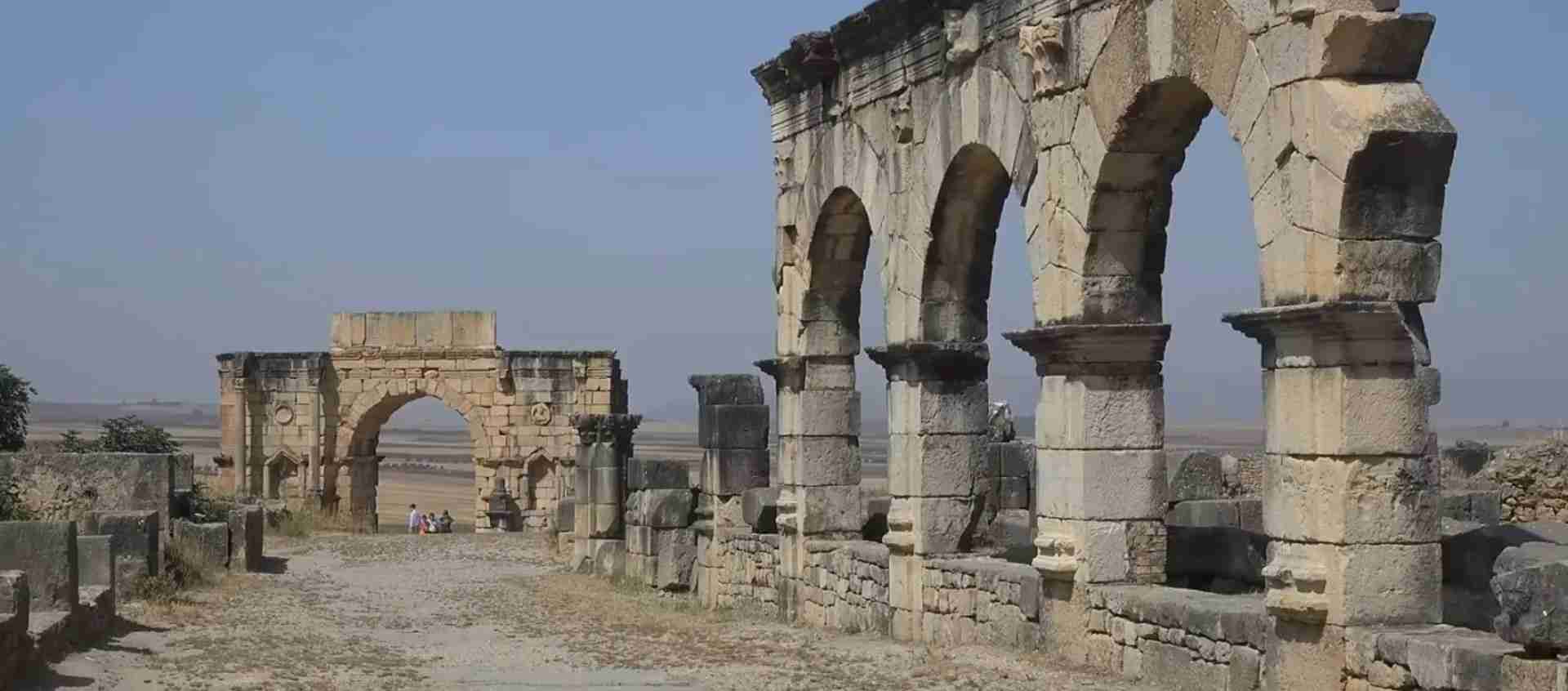
Morocco Photography Guide: Best Instagram Spots 2026
Key Takeaways
- Morocco offers 15+ world-class Instagram locations spanning the blue medina of Chefchaouen, Sahara desert dunes, imperial city architecture, Atlas Mountain kasbahs, and Atlantic coast fishing villages
- Optimal photography timing follows seasonal patterns: April-May and September-October 2026 provide ideal light, manageable crowds, and comfortable temperatures across most regions
- Essential equipment includes wide-angle lens (16-35mm) for architecture and landscapes, 50mm prime for street photography, polarizing filter for desert and sky saturation, and portable reflector for portrait enhancement
- Golden hour (sunrise and sunset) creates Morocco’s finest photography conditions, with blue hour immediately after sunset producing magical medina atmosphere and desert landscape drama
- Cultural sensitivity protocols require asking permission for portraits, respecting privacy in residential areas, avoiding photography during prayer times, and offering small tips (€1-2) when photographing individuals or private spaces
Introduction: Planning Your Morocco Photography Journey in 2026
Morocco ranks among the world’s most photogenic destinations, delivering extraordinary visual diversity across the Sahara’s golden dunes, ancient medina labyrinths, Atlas Mountain valleys, blue-washed villages, and dramatic Atlantic coastlines. This comprehensive photography guide identifies Morocco’s most Instagram-worthy locations for 2026, providing technical strategies, timing recommendations, cultural protocols, and logistical planning to maximize your photographic success. Whether you’re building professional portfolios, creating social media content, or documenting travel memories, this guide equips you with the knowledge to capture Morocco’s iconic imagery.
The country’s geographic and cultural variety creates photographic opportunities spanning landscape, architecture, street, portrait, and cultural documentary genres. Marrakech’s Jemaa el-Fnaa square pulses with color and activity, Chefchaouen’s blue medina offers impossible-elsewhere compositions, the Sahara provides minimalist desert aesthetics, Fez’s medieval streets showcase authentic urban complexity, and coastal Essaouira delivers Portuguese-influenced fishing village character. Understanding each location’s unique photographic characteristics, optimal visiting times, and technical requirements enables you to plan efficient itineraries maximizing both quantity and quality of compelling images.
This guide prioritizes practical information over artistic philosophy, focusing on where to position yourself, when light delivers optimal results, what camera settings work best, and how to navigate cultural sensitivities that determine photography success in Muslim-majority Morocco. The strategic approach balances technical excellence with cultural respect, efficiency with experiential quality, and Instagram aesthetic goals with authentic documentation of Morocco’s genuine character. By following these guidelines, you’ll return from 2026 Morocco travels with portfolio-quality content worthy of professional presentation and social media engagement far exceeding typical tourist snapshots.
People Also Ask About Morocco Photography 2026
What are the best Instagram spots in Morocco in 2026?
The top Instagram locations combine unique visual character, photographic accessibility, and distinct Moroccan identity. Chefchaouen’s blue medina leads Morocco’s Instagram rankings, with entirely blue-washed alleyways creating compositions impossible elsewhere globally. Marrakech’s Jardin Majorelle offers vibrant cobalt blue buildings with desert plants creating tropical-meets-desert aesthetics. The Sahara’s Erg Chebbi and Erg Chigaga dunes provide minimalist golden landscape opportunities, while Ait Benhaddou kasbah delivers ancient fortress architecture in dramatic desert settings.
Fez’s Chouara Tannery showcases colorful dying vats in medieval processing facilities, though challenging odors test photographer endurance. Essaouira’s blue boats and fishing harbor combine Portuguese architecture with authentic maritime culture. The Atlas Mountains’ Dades Gorge and Todra Gorge create dramatic red rock canyon opportunities. Hassan II Mosque in Casablanca provides modern Islamic architectural grandeur. Each location delivers distinct visual signatures contributing to comprehensive Morocco portfolio development, with strategic itinerary planning allowing coverage of 8-10 major spots during 10-14 day trips.
When is the best time for photography in Morocco in 2026?
April-May 2026 offers optimal conditions across most Moroccan regions, with moderate temperatures (18-28°C), spring wildflowers in mountains and deserts, manageable tourist crowds before summer peaks, and ideal golden hour light lasting longer than summer months. September-October 2026 rivals spring with comfortable temperatures, autumn color transitions in mountain regions, reduced crowds compared to summer, and excellent atmospheric clarity for landscape photography after summer haze dissipates.
Sahara photography works best October-April when temperatures remain tolerable for sunrise dune hiking and extended photography sessions. Coastal locations like Essaouira photograph well year-round, with winter months (November-February 2026) providing dramatic Atlantic storms and wave action. Imperial cities (Marrakech, Fez, Meknes) offer consistent photography opportunities across all seasons, though July-August heat creates challenging midday conditions requiring early morning or late afternoon shooting strategies. Avoid major Islamic holidays (Eid al-Fitr, Eid al-Adha) when reduced business hours and crowd increases complicate photography logistics in medina locations.
What camera equipment do you need for Morocco photography in 2026?
A versatile kit includes wide-angle zoom (16-35mm or 24-70mm) for architecture and landscapes, 50mm f/1.8 prime for low-light medina photography and portraits, and 70-200mm zoom for compressed desert perspectives and distant architectural details. Mirrorless cameras (Sony A7 series, Canon R series, Fujifilm X-T series) offer lighter weight and better low-light performance than DSLRs for extended travel photography. Bring minimum three batteries as Sahara cold and extended shooting drain power rapidly, plus 128GB+ memory cards for raw file storage.
Essential accessories include circular polarizing filter for sky saturation and reflection management, neutral density filter (3-stop or 6-stop) for long exposures at waterfalls or beaches, collapsible reflector for portrait enhancement, and sturdy travel tripod for golden hour and blue hour shooting. Protect gear with weatherproof camera bag, lens cleaning kit for desert dust management, and spare SD card cases. Mobile phones with excellent cameras (iPhone 15 Pro, Samsung S24 Ultra) capture Instagram-quality content when combined with portable LED lights and phone tripod mounts, making them viable lightweight alternatives for social media-focused travelers.
Do you need photography permits in Morocco in 2026?
Most Morocco photography locations require no permits for personal or social media use, including landscapes, public streets, markets, and exteriors of buildings. However, specific sites implement photography restrictions or fees: Hassan II Mosque interior requires €12 guided tour including photography rights, some riads charge €3-5 for rooftop terrace access and photography, and certain historical sites like royal palaces prohibit interior photography entirely. Military installations, government buildings, and police/security personnel cannot be photographed under any circumstances, with violations risking equipment confiscation or detention.
Commercial photography (advertising, stock, editorial publication) requires permits from Morocco’s Centre Cinématographique Marocain, costing €150-500 depending on project scope and locations involved. Portrait photography requires explicit permission from subjects, with cultural norms expecting small tips (€1-2) for posed photographs, particularly in tourist areas where residents face constant photography requests. Drone photography faces strict regulations requiring permits, insurance, and registration that typically prove impractical for tourists during short visits. Ground-based photography using standard cameras encounters minimal restrictions when following cultural respect protocols and avoiding prohibited subject matter.
Extended multi-day tours – 5+ days
Featured Morocco Multi-Day Tour Packages
3 days
Morocco 3-Day Discovery Tour
- ✓ Comprehensive Morocco experience
- ✓ Expert local guides included
- ✓ All accommodation included
- ✓ Transportation provided
5 days
Morocco 5-Day Highlights Experience
- ✓ Comprehensive Morocco experience
- ✓ Expert local guides included
- ✓ All accommodation included
- ✓ Transportation provided
7 days
Morocco 7-Day Cultural Journey
- ✓ Comprehensive Morocco experience
- ✓ Expert local guides included
- ✓ All accommodation included
- ✓ Transportation provided
10 days
Morocco 10-Day Complete Adventure
- ✓ Comprehensive Morocco experience
- ✓ Expert local guides included
- ✓ All accommodation included
- ✓ Transportation provided
Multi-day tour packages powered by TourRadar. Prices and availability subject to change.
Essential Planning Information for 2026
Seasonal Photography Conditions in 2026
Spring months (March-May 2026) deliver Morocco’s finest overall photography conditions, with moderate temperatures supporting extended outdoor shooting, longer golden hour periods than summer solstice months, and reduced haze improving atmospheric clarity for landscape work. April particularly excels, balancing comfortable temperatures (20-26°C in most regions) with spring wildflower blooms in desert and mountain areas adding foreground interest to landscape compositions. Rainfall decreases significantly compared to winter months, though occasional April showers create dramatic post-storm light and atmospheric conditions enhancing rather than hindering photography.
Summer (June-August 2026) brings intense heat limiting midday photography but creating extraordinary long golden hours near summer solstice (June 20-21). Sahara temperatures exceed 40°C during afternoons, restricting shooting to early morning (5-9 AM) and late afternoon (5-8 PM). However, extended daylight (sunrise approximately 5:30 AM, sunset 8:30 PM) provides maximum photography window. Coastal regions remain comfortable with Atlantic breezes moderating temperatures, while Atlas Mountain elevations offer escape from lowland heat. Tourist crowds peak during European summer holidays (July-August), requiring patience for clean compositions at popular locations.
Autumn (September-November 2026) rivals spring for optimal conditions, with September maintaining warm temperatures (25-32°C) while October-November transition to cooler comfort (18-25°C). Atmospheric clarity improves dramatically after summer haze dissipates, creating crisp landscape conditions. Autumn color transitions in Atlas Mountains add visual interest during October-November, particularly in higher elevation valleys. Reduced crowds compared to summer improve photography access, while harvest season agricultural activities enhance rural photography opportunities with threshing, fruit picking, and market abundance providing cultural documentation subjects.
Winter (December-February 2026) offers distinct advantages despite cooler temperatures: dramatic storm light along Atlantic coast, snow-capped Atlas Mountain backdrops for desert photography, reduced tourist crowds at major sites enabling clean compositions, and lower accommodation costs freeing budget for guides or tours accessing remote locations. However, shorter days compress photography windows (sunrise 7:30 AM, sunset 5:30 PM), rain increases particularly in northern regions, and Sahara night temperatures drop near freezing requiring proper gear for sunrise shooting. Winter works best for experienced photographers prioritizing landscape drama over comfort or social media travelers building off-season content differentiating their feeds from typical summer Morocco imagery.
Current Costs and Photography Investment in 2026
Professional photography tours range €150-250 per day including guides with location knowledge, transportation to optimal viewpoints, timing coordination for light conditions, and cultural liaison for portrait opportunities (check photography tour operators for current official rates as pricing may vary). These specialized services target serious photographers willing to invest in expert guidance maximizing shot quality. Standard tour prices of €45-75 per day provide basic transportation and sightseeing but lack photography-specific timing or location optimization, though guides can often accommodate reasonable photography requests if communicated clearly during booking.
Equipment rental in major cities (Marrakech, Casablanca) costs €30-50 per day for professional camera bodies (Canon 5D IV, Sony A7 III), €20-35 per day for quality lenses (70-200mm f/2.8, 24-70mm f/2.8), and €15-25 per day for lighting equipment or drones. However, rental availability remains limited compared to European or North American markets, and equipment quality varies significantly. Photographers should bring personal gear rather than depending on Morocco rentals unless specific specialty equipment needs arise (like super-telephoto lenses or backup bodies after equipment failures).
Photography permits cost €3-12 at sites implementing fees, totaling €20-60 across comprehensive 10-day itineraries visiting multiple permitted locations. Local guides specializing in photography assistance charge €30-60 per half-day for location scouting, cultural liaison, and model coordination for environmental portraits. Tips for subjects photographed range €1-2 per person for posed portraits, €5-10 for extended sessions or multiple subjects, and €10-20 for organized group photography like artisan demonstrations. Budget €200-400 total for photography-specific costs (guides, permits, subject compensation) beyond standard travel expenses during 10-14 day Morocco photography trips.
Cultural Photography Protocols for 2026
Always request permission before photographing individuals, particularly women, elderly people, and children. Say “Photo?” while gesturing to your camera and waiting for clear affirmative response before shooting. Many people decline photography requests, which you must accept gracefully without pressure or frustration. Conservative interpretations of Islamic modesty norms mean some women never allow photography regardless of cultural exchange attempts. Younger people in tourist areas prove more comfortable with photography, though permission remains mandatory rather than assumed.
Offer small tips (€1-2) for posed portraits or when photographing artisans at work, merchants in souks, or individuals in scenarios where tourism creates photography opportunities they wouldn’t naturally experience. The compensation acknowledges the transaction nature of tourist photography and demonstrates respect for subjects’ time and dignity. However, avoid paying for candid street photography capturing natural daily activities, as this changes authentic behavior into performed tourism that degrades photographic authenticity while creating expectations complicating photography for future travelers.
Respect religious sensitivity during prayer times (dawn, noon, afternoon, sunset, evening) by avoiding mosque exteriors and surrounding areas when worship activities occur. Never photograph inside mosques unless explicitly permitted and you’ve removed shoes, covered appropriately, and received clear authorization from mosque officials. During Ramadan month (variable dates based on lunar calendar, approximately March 2026), avoid photographing people eating or drinking during daylight fasting hours, as this displays cultural insensitivity. Women should dress modestly (covering shoulders and knees minimum) when photographing in conservative areas or religious contexts, even if heat and personal preferences suggest alternative clothing choices.
Top Instagram Locations by Region in 2026
Chefchaouen: Blue Pearl Photography
Chefchaouen’s entirely blue-washed medina creates Morocco’s most Instagram-famous location, with infinite composition possibilities spanning blue staircases, doorways, alleyways, rooftops, and architectural details. The compact medina (approximately 1 kilometer diameter) concentrates photographic opportunities enabling comprehensive coverage during 4-6 hours of focused shooting. Key locations include the cascading stairs near Plaza Uta el-Hammam (morning side-light optimal), Rue Targui market street (colorful vegetables and textiles against blue walls), residential quarter alleyways southeast of main plaza (fewer tourists), and Ras el-Maa waterfall area (blue buildings with water features).
Morning light (9 AM-12 PM) produces the finest results, with sun illuminating blue walls without harsh shadows that appear during 2-5 PM afternoon sessions. Spanish Mosque overlook provides panoramic city views (30-minute steep hike from medina requiring moderate fitness), ideal for golden hour cityscape photography showcasing the blue medina against mountain backdrop. Blue hour (20-30 minutes after sunset) creates magical conditions when street lights illuminate blue walls creating depth and atmosphere impossible during daylight hours, though this requires overnight stays rather than day trip visits from Fez.
Technical settings: ISO 100-400 during good light, f/8-f/11 for architecture depth of field, wide-angle 16-24mm for alleyway perspectives, 35-50mm for doorway details and compositions. Use polarizing filter to reduce blue wall reflections and deepen sky saturation. Shoot in raw format enabling post-processing blue tone adjustments, as different blue shades throughout medina benefit from custom white balance correction rather than auto settings that struggle with monochromatic environments. Position subjects wearing complementary colors (orange, red, yellow clothing) against blue walls creating color theory contrast enhancing composition visual impact.
Marrakech: Urban Cultural Photography Opportunities
Marrakech delivers diverse Instagram locations spanning Jemaa el-Fnaa square’s chaotic energy, Bahia Palace’s intricate Islamic architecture, Jardin Majorelle’s vibrant cobalt blue and tropical plants, traditional souks’ color explosions, and modern design riads’ minimalist aesthetics. Jemaa el-Fnaa works best during late afternoon through evening hours (5-9 PM) when food stalls set up, smoke from grills creates atmospheric haze, and crowds reach peak energy. Position yourself at surrounding café terraces (rooftop restaurants charge €5-10 for photography access) for elevated perspectives capturing the square’s organized chaos.
Jardin Majorelle requires €7 admission (€10 including Berber Museum) and opens 8 AM-6 PM, with morning hours (8-10 AM) providing the best light and smallest crowds. The famous cobalt blue buildings contrast dramatically with yellow, green, and orange accents plus bamboo gardens and cactus collections creating tropical-desert fusion aesthetics. Photograph the main blue villa from multiple angles, capture reflection pools, and use tropical plants as foreground elements framing blue architecture. Mid-morning sun (10 AM-12 PM) creates vivid color saturation ideal for the Majorelle blue shade that photographs best in direct light rather than shade or overcast conditions.
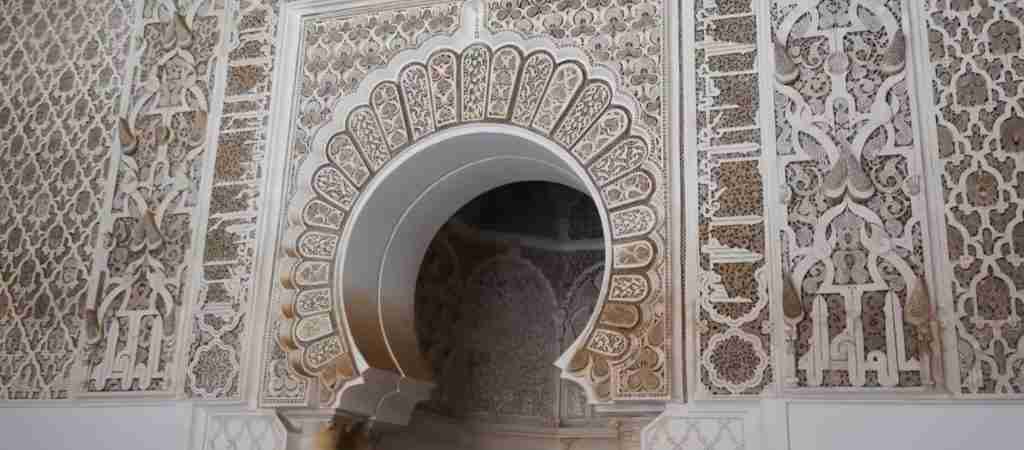
Bahia Palace (€7 admission, 9 AM-5 PM) showcases intricate Islamic geometric patterns, cedar wood ceilings, zellige tilework, and courtyard gardens ideal for architectural detail photography. Bring wide-angle lens for courtyard perspectives and medium focal length (50-85mm) for pattern details. Ben Youssef Madrasa (€5 admission) offers similar Islamic architectural opportunities with dramatic lighting through central courtyard skylight creating high-contrast conditions requiring careful exposure management. The leather tanneries (Tannerie Lamy, Tannerie Belghazi) provide colorful dying vats from terrace viewpoints, though guide fees (€5-10) and aggressive souvenir sales pressure accompany access. Photograph during morning hours (9-11 AM) when workers actively process leather, creating activity and authenticity beyond static empty vat compositions.
Sahara Desert: Dune Landscape Photography
Morocco’s Sahara dunes at Erg Chebbi (near Merzouga) and Erg Chigaga (near Zagora) deliver minimalist golden landscape opportunities emphasizing shape, shadow, and texture. Erg Chebbi’s larger dunes (up to 150 meters high) create more dramatic compositions, while Erg Chigaga’s remoteness provides fewer tourist intrusions in wide landscape shots. Sunrise photography requires 5-6 AM wake-ups for the 45-60 minute dune hike reaching optimal viewpoints before first light. The physical effort proves worthwhile for witnessing desert transformation from pre-dawn blue through golden sunrise to harsh midday, capturing the ephemeral lighting conditions that define exceptional desert photography.
Golden hour (first 45 minutes after sunrise, last 45 minutes before sunset) creates the dramatic shadows and warm tones that make desert photography extraordinary. Dune shadows reveal topographic complexity invisible during midday flat light, while warm orange-golden tones contrast beautifully against deep blue shadows and skies. Position yourself perpendicular to sun direction to maximize shadow visibility—if the sun rises behind you, shadows fall away from your composition; if sun rises to your side, shadows create dramatic diagonal patterns across frames. Include human figures (fellow travelers, guides, camel caravans) for scale emphasizing dune magnitude impossible to convey in empty landscape shots.
Technical requirements: Tripod essential for low-light golden hour shooting enabling ISO 100-400, f/11-f/16 for maximum depth of field, and sharp detailed captures. Wide-angle lenses (16-24mm) exaggerate dune scale and create dramatic perspectives, while 24-70mm provides versatility for both wide vistas and compressed telephoto patterns. Protect equipment from sand infiltration using camera rain covers, changing lenses only in protected environments, and keeping spare body/lens caps accessible. Clean sensor and lens elements daily using proper rocket blowers and microfiber cloths, as desert sand creates persistent spots on images requiring careful maintenance routines unavailable in many Sahara camps lacking proper facilities.
Ait Benhaddou: Desert Fortress Architecture
Ait Benhaddou kasbah ranks among Morocco’s most photographed UNESCO World Heritage sites, delivering ancient fortified architecture against dramatic desert mountain backdrops. The earthen buildings’ honey-colored walls create warm tones contrasting beautifully against deep blue Moroccan skies. Two primary perspectives exist: ground level photographing the kasbah from Ouarzazate road viewpoint across the seasonal river (morning light optimal), and elevated shots from hills behind the kasbah providing overhead village perspectives (afternoon/evening light better). €1 entrance fee provides access to hillside trails enabling both perspectives during single visits.
Optimal timing follows seasonal patterns: October-May provides green vegetation along riverbed and occasional flowing water adding foreground interest, while June-September shows dry rocky riverbed emphasizing desert character. Morning light (7-10 AM) illuminates the kasbah’s eastern façade creating warm glowing conditions, though this places the main road viewpoint in backlight requiring careful exposure management. Late afternoon (4-7 PM) creates dramatic shadows revealing architectural complexity while illuminating western façades visible from behind-kasbah elevated viewpoints. The 20-30 minute hike to upper viewpoints rewards with panoramic compositions impossible from ground level, though steep sections require reasonable fitness and proper footwear.
Include authentic context beyond empty architecture: Berber women herding goats through the village, artisans demonstrating traditional crafts in ground-level shops, agricultural terraces surrounding the kasbah, and locals going about daily activities within the partially-inhabited sections. These human elements transform static architectural documentation into dynamic cultural storytelling that resonates more powerfully on Instagram than empty building photographs. However, always ask permission before photographing individuals and offer tips (€1-2) for posed portraits or extended photography sessions documenting daily activities. The respectful collaborative approach produces better images while supporting local communities economically beyond basic admission fees.
Fez: Medieval Medina Photography
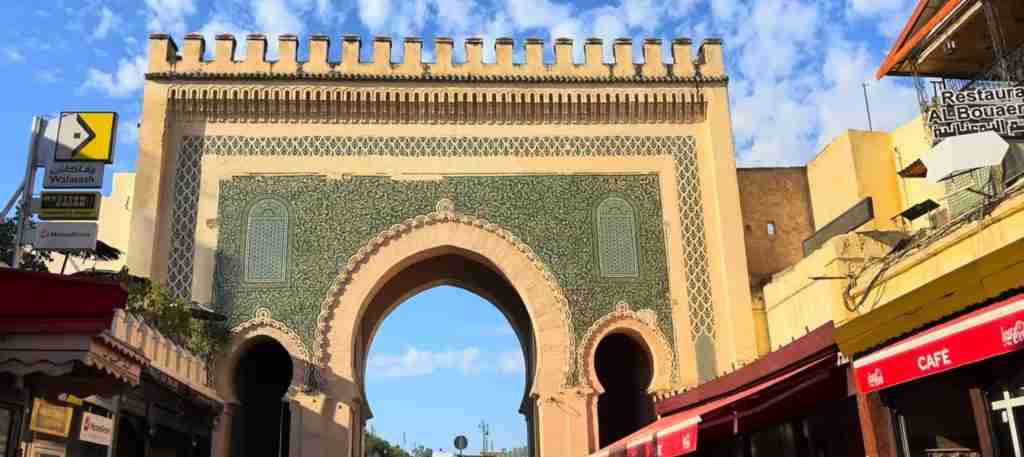
Fez el-Bali delivers Morocco’s most authentic medieval urban photography, with narrow alleyways, artisan workshops, traditional commerce, and architectural complexity creating infinite compositional possibilities. Unlike Marrakech’s tourist-adapted souks, Fez maintains genuine working medina character where photography documents authentic daily life rather than performed tourism. Key locations include Chouara Tannery’s colorful dying vats (morning light essential, €5-10 terrace access through leather shops), Talaa Kebira main street’s commercial energy, Al-Attarine Madrasa’s geometric patterns (€2 admission), and Bab Bou Jeloud gate’s blue and green tile work providing iconic entry photograph.
Low-light conditions throughout covered souks and narrow alleys require fast lenses (f/1.8-f/2.8) enabling shutter speeds fast enough for handheld shooting without motion blur. ISO 800-3200 becomes necessary in darker sections, with modern camera noise reduction handling these sensitivity levels acceptably. Alternatively, embrace slow shutter speeds (1/15-1/4 second) creating intentional motion blur of passing residents while keeping architectural elements sharp through careful bracing techniques or minimal tripod use where practical. This approach captures medina energy and movement better than frozen static compositions that fail to convey the atmospheric chaos defining Fez’s character.
Morning hours (8-11 AM) provide the finest conditions with angled light penetrating deeper into alleyways, cooler temperatures improving comfort during extended walking photography sessions, and fresh market produce displays creating colorful foreground subjects. Avoid Friday mornings when mosque attendance reduces medina activity. Late afternoon (4-7 PM) offers golden light at strategic locations where sun penetrates narrow streets, plus increased commercial activity as shops reopen after lunch breaks. The Fez medina rewards multiple-day photography commitment enabling deeper exploration beyond surface tourist circuits, discovering hidden workshops, neighborhood mosques, residential quarters, and authentic cultural interactions impossible during rushed single-day visits focused solely on major landmarks.
Essaouira: Coastal Atlantic Photography
Essaouira combines Portuguese-influenced blue and white architecture, active fishing harbor, dramatic Atlantic coastline, and relaxed artistic atmosphere creating diverse Instagram content opportunities. The blue boats in the harbor provide Morocco’s most photographed maritime subject, best captured during morning hours (7-10 AM) when fishing boats return from overnight expeditions and workers unload catches creating authentic activity. Position yourself along the harbor wall using 24-70mm lens for boat compositions and 70-200mm for compressed perspectives showing multiple boats in layered depth creating visual complexity.
The medina’s blue doors and white walls create photographic opportunities throughout the day, though morning and late afternoon light produces richer colors than harsh midday conditions. Skala de la Ville fortress ramparts provide elevated harbor and ocean views (€1 admission), ideal for sunset photography showing fishing port against Atlantic background. The beach extends for kilometers enabling minimalist seaside compositions with fishing boats pulled onto sand, beach football games, camel rides for tourists, and dramatic wave action during winter storm periods (November-February). Include the iconic blue boat cemetery at beach’s northern end where old vessels create weathered maritime still-life opportunities.
Wind persistently affects Essaouira photography, nicknamed “Wind City Africa” for constant Atlantic breezes. Embrace wind effects in images showing prayer flags flapping, hanging laundry creating dynamic movement, fishing nets billowing, and women’s scarves streaming behind them creating motion and energy. Use fast shutter speeds (1/500 second or faster) freezing wind-driven movement for sharp detail, or slow shutters (1/30-1/2 second) creating intentional blur suggesting wind’s constant presence. The Atlantic light quality differs dramatically from interior Morocco, with cooler blue tones, higher humidity reducing atmospheric haze, and consistent natural brightness enabling all-day photography without the harsh contrast challenges facing desert and medina shooters.
Atlas Mountains: Landscape and Village Photography
The Atlas Mountains provide dramatic landscape opportunities spanning narrow gorges, snow-capped peaks (winter-spring), terraced agriculture, Berber villages, and winding mountain roads creating driving photography content. Dades Gorge and Todra Gorge deliver vertical red rock canyons with narrow passages photographable during morning hours (8-11 AM) when sun illuminates canyon depths, or midday (11 AM-1 PM) when overhead light reduces contrast challenges. Include elements providing scale—vehicles on roads, people walking paths, birds in flight—to emphasize canyon magnitude impossible to convey in empty landscape shots.
Tizi n’Tichka pass (2,260 meters) on Marrakech-Ouarzazate highway creates dramatic elevation-based compositions showing switchback roads, valley vistas, and seasonal conditions ranging from spring wildflowers to winter snow coverage. Stop at strategic viewpoints (marked roadside parking areas every 5-10 kilometers) for systematic photography documentation of the mountain crossing. The Ourika Valley (60 kilometers from Marrakech) provides accessible mountain photography during day trip timeframes, with terraced agriculture, Berber villages on hillsides, waterfalls requiring short hikes, and higher elevation snow-capped peak backgrounds creating layered compositions demonstrating geographic diversity.
Berber villages built into mountainsides photograph beautifully during golden hour when low-angle sun illuminates earthen buildings against shadowed valley backgrounds. Imlil village (gateway to Toubkal summit) offers picturesque traditional architecture during all seasons, while Ait Ibriren and Anammer villages in Ourika Valley provide authentic agricultural contexts with women working fields, terraced crops, and daily activities creating cultural documentation opportunities. Always ask permission before photographing villagers and their homes, offering tips (€1-2) for posed portraits. The mountain photography combines landscape grandeur with cultural storytelling when you include human elements showing traditional Berber life continuing in mountain environments that challenge modern comfort expectations.
Photography Techniques and Strategies for 2026
Mastering Light in Moroccan Conditions
Golden hour photography creates Morocco’s most compelling imagery, with first hour after sunrise and last hour before sunset providing warm tones, soft directional light, and manageable contrast enabling detail capture in both highlights and shadows. Plan daily schedules around golden hour priorities: sacrifice midday activities to position yourself at key locations for optimal morning and evening light. Sahara desert, Ait Benhaddou kasbah, Chefchaouen medina, and Atlas Mountain viewpoints all deliver dramatically superior results during golden hour compared to midday shooting, justifying early wake-ups and late dinner scheduling to capture these ephemeral lighting conditions.
Blue hour (20-30 minutes after sunset, 20-30 minutes before sunrise) extends photography opportunities beyond golden hour, creating magical atmospheric conditions particularly effective for medina photography when street lights add warm artificial light accents against deep blue skies. Longer exposures (1-4 seconds using tripod) enable creative light trail effects from passing vehicles or people movement, while maintaining sufficient ambient light for architectural detail. Modern camera sensors handle blue hour mixed lighting beautifully, though manual white balance adjustments (3500-4500K) prevent orange street light color casts overwhelming scenes requiring cooler color balance for aesthetic appeal.
Harsh midday light (11 AM-3 PM) creates photography challenges throughout Morocco, with high contrast between bright highlights and dark shadows that exceed camera dynamic range capabilities. Minimize midday shooting by scheduling lunch breaks, travel between locations, accommodation check-ins, or museum visits requiring indoor time. When midday photography proves unavoidable, seek shade providing even illumination, use fill flash or reflectors to illuminate shadows, shoot in raw format capturing maximum highlight and shadow detail for post-processing recovery, or embrace high-contrast aesthetic as intentional artistic choice rather than technical limitation. The midday rest approach aligns naturally with Moroccan cultural patterns and improves overall photography quality through strategic timing rather than forcing suboptimal conditions.
Composition Techniques for Impact
Leading lines create powerful compositions throughout Morocco’s architectural and landscape contexts. Use medina alleyways converging toward vanishing points, stairways ascending into frames, desert dune ridgelines creating diagonal compositions, Atlas Mountain roads switchbacking through valleys, and architectural patterns (tiled floors, ceiling beams, corridor sequences) directing viewer attention toward compositional focal points. Position human subjects at line intersections or termination points, or conversely use empty architectural lines creating mystery about what lies beyond visible frame edges inviting viewer imagination.
Framing techniques enhance Morocco photography through doorways, archways, windows, and negative space creating frames within frames that direct attention toward subjects while adding depth and context. Photograph through blue doorways in Chefchaouen revealing alleyways beyond, shoot through Moroccan archways framing distant architecture, position subjects in windows creating natural portrait frames, or use foreground elements (hanging lanterns, textile displays, vegetation) creating organic frames surrounding main subjects. This layering approach transforms two-dimensional photographs into three-dimensional experiences with multiple visual depth planes engaging viewer attention beyond simple documentary snapshots.
Color theory application maximizes Instagram impact through complementary color combinations creating visual vibration and attention. Orange subjects (spices, clothing, sunset light) against blue backgrounds (Chefchaouen walls, clear skies, shadows) create maximum color contrast. Red elements (carpets, vegetables, clothing) against green contexts (Jardin Majorelle plants, agricultural terraces, mountain vegetation) follow similar complementary principles. Monochromatic approaches work beautifully in specific contexts: all-blue Chefchaouen compositions, golden-toned desert landscapes, earth-tone Fez medina architectural details. Intentional color strategy elevates photography from random documentation to purposeful visual storytelling that demonstrates sophisticated aesthetic awareness and technical understanding.
Portrait and Cultural Photography Approaches
Environmental portraits showing subjects within cultural contexts prove more compelling than isolated headshots, documenting both individuals and the authentic Moroccan settings defining their daily lives. Photograph spice vendors surrounded by colorful product displays, artisans working in traditional workshops demonstrating skills, shepherds with their flocks in mountain landscapes, or tea sellers pouring mint tea in busy marketplaces. Use wider apertures (f/2.8-f/4) creating shallow depth of field that separates subjects from busy backgrounds while maintaining sufficient context visibility establishing location and cultural setting.
Natural light portraits utilize Morocco’s exceptional ambient conditions, particularly morning and evening golden hour providing warm flattering tones. Position subjects with sun 45-90 degrees to their side rather than direct frontal lighting creating dimensional modeling and avoiding harsh shadows. When working in bright desert or courtyard conditions, use portable reflectors bouncing light into shadow areas or position subjects in open shade providing even illumination. Flash remains available for fill light in harsh conditions, though subtle application (flash exposure compensation -1 to -2 stops) creates natural-looking enhancement rather than obvious artificial lighting that destroys photographic authenticity.
Candid street photography captures authentic moments without subject awareness, requiring discretion, quick reflexes, and cultural sensitivity. Use longer focal lengths (50-85mm) enabling comfortable working distances without intruding into subjects’ personal space. Preset camera settings (aperture priority f/4-f/5.6, auto ISO 400-3200, continuous autofocus) enable quick shooting when spontaneous moments develop. However, balance candid documentation with portrait photography requiring permission and compensation, ensuring your Morocco photography practice reflects respectful cultural exchange rather than exploitative image extraction. The collaborative portrait approach creates opportunities for authentic interactions, cultural learning, and economic benefit for communities hosting your photography that pure candid shooting never provides.
Best Times for Photography in 2026
Seasonal Optimization Strategies
April 2026 represents the optimal single month for comprehensive Morocco photography, combining spring wildflowers throughout deserts and mountains, moderate temperatures (20-26°C) supporting extended outdoor shooting, longer days than winter providing expanded photography windows, reduced crowds compared to summer peaks, and excellent atmospheric clarity after winter weather systems clear. Easter holidays (April 20) create temporary crowd increases at major sites, though overall April tourism levels remain manageable. Agricultural activities during April include spring planting in valleys, almond blossom remnants in mountain regions, and market abundance with spring vegetables creating colorful displays ideal for food and cultural photography.
September-October 2026 provides autumn alternative offering comfortable temperatures, harvest season agricultural activities (grain threshing, date collection, olive picking), excellent light quality as atmospheric clarity peaks after summer humidity dissipates, and reduced tourist pressure compared to spring peaks. September maintains warmer temperatures (25-32°C) ideal for desert photography when winter cold hasn’t yet arrived, while October transitions toward cooler comfort (18-25°C) better for mountain hiking and extended urban medina exploration. Autumn colors appear in higher Atlas Mountain elevations during October, adding seasonal variation to landscape photography portfolios typically dominated by earth tones throughout Morocco’s desert and urban environments.
December-February 2026 offers off-season photography opportunities for travelers prioritizing budget over optimal conditions. Advantages include dramatic Atlantic storm photography along coastal regions, snow-capped Atlas peaks providing spectacular backgrounds for desert and kasbah photography, reduced crowds enabling clean compositions at popular Instagram locations, and significantly lower accommodation costs freeing budget for photography guides or tours. However, shorter days (sunrise 7:30 AM, sunset 5:30 PM) compress photography windows, cooler temperatures reduce comfort during extended outdoor sessions, and increased rainfall disrupts schedules particularly in northern regions. Winter works best for experienced photographers understanding how seasonal challenges create photographic opportunities unavailable during conventional travel seasons.
Daily Timing Optimization
Structure photography days around golden hour priorities, accepting this requires early wake-ups and late dinners that conflict with typical vacation relaxation preferences. Set alarms for 90 minutes before sunrise, allowing time for travel to photography locations, setup, and position verification before first light appears. Desert photography particularly demands early commitment, as the 45-60 minute dune hike must conclude before sunrise to capture the complete transformation from pre-dawn blue through golden hour. The physical effort and sleep sacrifice proves worthwhile when witnessing extraordinary lighting conditions creating portfolio-defining imagery impossible during comfortable midday shooting.
Midday hours (11 AM-3 PM) should prioritize non-photography activities: travel between destinations, accommodation check-ins, meal breaks, museum visits, souvenir shopping, equipment maintenance, image backup and editing, or rest and recovery preparing for afternoon photography sessions. The strategic midday break aligns with Moroccan cultural patterns (many shops close 12:30-3 PM) and prevents photographer burnout from continuous dawn-to-dusk shooting that degrades creative energy and technical attention to detail. Use midday downtime to scout afternoon locations, research next day’s shooting locations, plan compositions, and mentally prepare for upcoming photography priorities rather than forcing suboptimal shooting during harsh light conditions.
Afternoon golden hour and blue hour create second daily photography peak, with late afternoon light (5-7 PM) transitioning into sunset golden hour (last 45 minutes before sunset) followed by blue hour (20-30 minutes after sunset). Position yourself at pre-scouted locations enabling smooth transitions through these lighting phases without wasting precious minutes navigating unfamiliar locations during optimal conditions. Urban medina photography particularly benefits from evening sessions when business activity peaks, locals return from work creating authentic street life, and mixed natural-artificial lighting creates atmospheric conditions impossible during daylight hours. Evening shooting extends to 8-9 PM in some contexts (Jemaa el-Fnaa square, coastal promenades, illuminated architectural landmarks) before returning to accommodations for dinner, editing, and preparation for next morning’s early start.
Equipment Recommendations for 2026
Camera Body Selection
Mirrorless cameras offer superior performance for Morocco travel photography compared to DSLRs, with lighter weight reducing fatigue during extended shooting days, better electronic viewfinders showing exact exposure preview, superior low-light autofocus performance for medina photography, and in-body stabilization enabling slower handheld shutter speeds. Sony A7 IV (€2,500 body) provides excellent all-around capabilities with 33MP resolution, fast autofocus, good battery life, and professional build quality. Canon R6 II (€2,400) offers similar specifications with superior video capabilities if you’re creating multimedia content beyond still photography.
Budget-conscious photographers should consider Fujifilm X-T5 (€1,700), Sony A6700 (€1,400), or Canon R8 (€1,500) delivering excellent image quality and features at lower investment levels. The critical factor remains sensor performance above ISO 800, as Morocco’s low-light medina conditions and golden hour timing demand high sensitivity capabilities. Full-frame sensors provide advantage over crop sensors in noise performance, dynamic range, and low-light autofocus, though modern APS-C cameras close the gap sufficiently for social media and web publication where massive resolution proves unnecessary. Prioritize weather sealing if visiting during winter months or planning extensive Sahara shooting where dust infiltration creates equipment challenges.
Bring minimum two camera batteries, ideally three, as Morocco’s temperature extremes drain power rapidly and charging opportunities prove limited during Sahara camping or rural Atlas Mountain stays. Purchase genuine manufacturer batteries rather than third-party alternatives that demonstrate inferior cold-weather performance and shorter overall lifespan despite initial cost savings. Carry portable USB power bank (20,000mAh capacity) enabling battery charging during long road trips or locations lacking reliable electrical access. Store batteries inside clothing layers during Sahara cold mornings, as extremely low temperatures reduce battery capacity temporarily until warming occurs through shooting activities or body heat transfer.
Lens Selection Strategy
Wide-angle zoom (16-35mm full-frame, 10-24mm crop sensor) serves as primary lens for architecture and landscape photography comprising majority of Morocco shooting. The versatility enables tight architectural interior compositions, dramatic landscape perspectives, environmental portraits showing subjects within contexts, and creative wide-angle distortion effects enhancing visual impact. Image stabilization proves valuable for handheld shooting in low-light medina conditions, while maximum aperture requirements remain modest (f/4) as most architecture and landscape photography uses f/8-f/11 for depth of field regardless of lens capabilities.
Standard zoom (24-70mm full-frame, 16-50mm crop sensor) provides versatile alternative or complement to wide-angle lenses, offering moderate wide-angle through short telephoto range covering most shooting scenarios. The 24mm wide end suffices for many architectural situations, while 70mm provides comfortable working distance for environmental portraits and market detail photography. Constant f/2.8 aperture throughout zoom range enables better low-light performance than variable aperture kit lenses (f/3.5-5.6), justifying premium cost for serious photographers shooting extensively in dim medina conditions or prioritizing background blur control for subject isolation.
Prime lenses deliver superior optical quality, faster maximum apertures, and lighter weight compared to zooms, though reduced versatility creates compositional constraints requiring photographer movement for framing adjustments. A 35mm f/1.8 (full-frame) or 23mm f/1.4 (crop sensor) provides excellent street photography capabilities with natural perspective and fast aperture enabling low-light shooting. A 50mm f/1.8 serves as affordable portrait lens creating pleasing perspective and beautiful background blur at wide apertures (f/1.8-f/2.8). These prime options complement zoom lenses or serve as compact lightweight alternatives for travelers prioritizing minimal gear over maximum versatility.
Essential Accessories
Circular polarizing filter ($60-120 for quality brands like B+W or Hoya) dramatically improves landscape and architecture photography through sky saturation enhancement, haze reduction, and reflection management on water or glass surfaces. The rotating design enables adjusting polarization intensity for each shot, with maximum effect occurring when shooting 90 degrees to sun position. Essential for Sahara desert shooting where deep blue skies contrast with golden dunes, and Atlas Mountain photography where haze reduction improves distant peak clarity. Purchase diameter matching your largest lens, then use step-up rings ($8-15 each) enabling single filter use across multiple lens sizes reducing cost and carried accessories.
Travel tripod balances stability with portability through carbon fiber construction reducing weight while maintaining rigidity. Sirui AM-254 ($130), Benro Travel Angel FIF28CIB12 ($180), or Manfrotto Befree Advanced ($160) provide compact folded sizes (40cm) fitting inside luggage while supporting 4-8kg equipment loads sufficient for any camera-lens combination. Ball heads enable quick positioning, while three-section legs balance collapsed length with extended height (140-160cm) suitable for most shooting scenarios. Essential for golden hour and blue hour photography when slow shutter speeds require stable support, though frustrating to carry during midday urban exploration when not needed. Consider leaving in accommodation during street photography days focused on candid work rather than long-exposure creative techniques.
Camera bag selection prioritizes security over comfort, as Morocco’s medina pickpocketing targets expensive photography equipment carried by obvious tourists. Avoid camera backpacks broadcasting equipment presence through brand logos and specialized designs; instead use generic daypacks (Osprey, North Face) with padded camera cubes providing protection without advertising contents. Alternatively, use cross-body messenger bags (Domke, Think Tank, Billingham) enabling quick equipment access while maintaining visibility and contact throughout crowded medina shooting. Never leave camera bags unattended or place them on ground in busy areas where thieves quickly grab and disappear into maze-like alleyways impossible to follow. The constant awareness proves tiring but essential for equipment security in environments where tourist photography gear represents months of local wages creating strong theft incentives.
Sample Photography Itinerary 2026
Days 1-3: Marrakech Photography Immersion
Day 1 focuses on Jemaa el-Fnaa square documentation across morning, afternoon, and evening sessions. Morning shoot (8-11 AM) captures orange juice vendors, snake charmers preparing for tourist arrivals, and early market activity. Afternoon rest period (11 AM-4 PM) enables location scouting and equipment preparation. Evening session (5-9 PM) documents food stalls setting up, smoke creating atmospheric haze, street performers entertaining crowds, and Koutoubia Mosque illuminated after sunset. Book rooftop café terrace access (€10) providing elevated perspectives impossible from ground level street photography.
Day 2 prioritizes Jardin Majorelle (sunrise arrival at 8 AM opening) for optimal light and minimal crowds. Spend 2-3 hours photographing cobalt blue buildings, tropical plant collections, reflection pools, and geometric patterns. Transit to Bahia Palace (€7 admission) for midday architectural photography in shaded courtyards where harsh light proves less problematic. Afternoon explores souks documenting spice displays, textile vendors, metalworkers, and leather goods using fast prime lenses enabling handheld shooting in low-light covered markets. Evening golden hour shoots Koutoubia Mosque exterior and surrounding gardens.
Day 3 captures sunrise from Agafay Desert (45-minute drive from Marrakech) providing desert landscape photography without multi-day Sahara commitments. Return Marrakech for Ben Youssef Madrasa architectural details during optimal midmorning light (10 AM-12 PM). Afternoon shopping break and equipment maintenance. Evening photographs Saadian Tombs and Mellah (Jewish Quarter) street life. Total estimated costs: €35 admission fees, €60 guide services (optional), €120-180 accommodation (3 nights mid-range riad), €90-120 meals, €40-60 Agafay transport.
Days 4-6: Sahara Desert Photography Expedition
Day 4 departs Marrakech early (7 AM) for Ait Benhaddou, photographing the kasbah during optimal afternoon light (3-6 PM) before continuing to Dades Valley accommodation. The 6-hour journey enables stops at Tizi n’Tichka pass viewpoints for Atlas Mountain photography. Accommodation €40-70 in Dades Valley mid-range hotels with dinner €15-25.
Day 5 shoots Dades Gorge at sunrise (6:30-9 AM) before continuing toward Merzouga and Erg Chebbi dunes (5-hour drive). Afternoon arrives at desert camp, with immediate sunset photography session capturing first impressions of Sahara landscapes. Evening stars and Milky Way photography requires tripod and understanding long-exposure techniques (ISO 1600-3200, f/2.8, 20-25 seconds shutter speed). Desert camp costs €80-150 per person including meals, camel transport, and basic accommodation.
Day 6 demands pre-dawn wake-up (5 AM) for sunrise dune photography, the expedition’s photographic highlight justifying all preceding efforts. The 45-minute hike reaches optimal viewpoints before first light, capturing complete transformation through blue hour, sunrise, and golden hour. Return to camp by 8:30 AM for breakfast, then depart toward Fez (7-hour drive) with stops at Ziz Valley date palm oases. Accommodation €60-90 in Fez riad.
Days 7-9: Fez Medieval Documentation
Day 7 explores Fez el-Bali with morning photography (8 AM-12 PM) focusing on Chouara Tannery, Talaa Kebira main street, and artisan workshops. Photography guide (€40-60) provides location access and cultural liaison enabling portrait opportunities with craftsmen. Afternoon visits Al-Attarine Madrasa and Bou Inania Madrasa for architectural detail photography. Evening shoots Bab Bou Jeloud gate illuminated after sunset.
Day 8 continues deeper Fez medina exploration in residential quarters away from tourist circuits, documenting authentic daily life with respect for privacy and cultural norms. Morning markets photograph fresh produce, bread deliveries, and neighborhood commerce. Afternoon visits Nejjarine Museum of Wooden Arts & Crafts for traditional material culture documentation. Evening returns to main medina for alternate perspectives of previously photographed locations in different lighting conditions.
Day 9 takes day trip to Chefchaouen (3.5-hour drive each way), prioritizing blue medina photography during optimal morning light (arriving 10:30 AM). The compressed 4-5 hour shooting window requires focused efficiency covering cascade stairs, residential quarter alleyways, Ras el-Maa area, and Spanish Mosque viewpoint. Transportation €120-180 private taxi or €45-65 organized tour. Total Fez phase costs: €60-90 accommodation (3 nights), €90-120 meals, €20-30 admission fees, €40-80 guides, €120-180 Chefchaouen transport.
Days 10-12: Coastal and Departure
Day 10 travels Fez to Essaouira via Casablanca (Hassan II Mosque stop), total 6-7 hours driving. Afternoon arrives Essaouira for evening harbor and beach photography during golden hour. Accommodation €50-80 mid-range riad.
Day 11 focuses comprehensive Essaouira photography: morning harbor activity (7-10 AM), midday medina exploration and artisan workshops, afternoon beach and fortress ramparts, evening sunset from Skala de la Ville. Full day enables thorough coverage creating strong coastal content balancing interior Morocco desert and medina photography.
Day 12 departs Essaouira for Marrakech (2.5 hours) and international flight departure, with timing depending on flight schedules potentially enabling brief additional Marrakech shooting or direct airport transfer. Total 12-day itinerary estimated costs: €600-900 accommodation, €350-500 meals, €100-150 admission fees, €200-350 guides and tours, €300-500 transportation, €1,550-2,400 total excluding flights and equipment.
Booking Photography Tours and Guides in 2026
Photography Tour Operators
Specialized photography tour companies offer structured itineraries with professional photographer guides, optimal timing for light conditions, location scouting, cultural liaison for portrait opportunities, and comprehensive logistics management. Morocco Photo Tours (€2,100-2,800 for 10-day comprehensive programs) provides maximum photography focus with small groups (6-8 participants), daily sunrise and sunset shooting sessions, portfolio reviews, and post-processing workshops. The premium pricing includes luxury accommodation, all meals, private transportation, expert guides, and permits or access fees. Book 3-6 months ahead for popular season departures (April, September-October 2026).
Budget alternatives include working with local Moroccan guides specializing in photography assistance rather than international tour operators. Marrakech Photo Tours (€150-200 per day), Fez Photography Guide Services (€120-180 per day), and independent guides found through photography forums or Instagram provide location knowledge, cultural context, model coordination, and timing optimization at significantly lower cost. However, accommodation, meals, and transportation remain separate expenses. These options suit experienced photographers wanting specific location access and cultural liaison without requiring comprehensive trip logistics management from international operators charging premium packages prices.
Self-guided photography proves most flexible and economical, though requires research investment learning optimal locations, timing strategies, and cultural protocols independently. Use Morocco photography guides, Instagram location tags, Google Maps photo layers, and online photography communities (Reddit r/TravelPhotography, Flickr Morocco groups) for crowd-sourced location intelligence. Download offline maps enabling smartphone navigation in medinas lacking reliable data connections. The independent approach maximizes creative freedom and budget efficiency while demanding greater preparation effort and accepting responsibility for solving logistical challenges that guided tours handle automatically.
Individual Photography Guide Services
Local photographers working as guides provide specialized knowledge unavailable through general tourism guides, understanding optimal shooting angles, timing for light conditions, seasonal considerations, and technical photography requirements. Rates range €40-80 for half-day (4-5 hours), €80-150 for full day (8-10 hours), with pricing varying by city, guide experience, and specific services included. Premium guides offer portfolio websites demonstrating photography credentials, fluent English or French communication, personal photography equipment enabling demonstrations, and established model relationships for arranged portrait sessions (€20-40 additional for model fees).
Interview potential guides before hiring: request portfolio samples showing their photography knowledge, verify language skills sufficient for technical photography discussions, confirm equipment familiarity with your camera systems for potential troubleshooting assistance, and clarify exactly what’s included in quoted rates (transportation, admission fees, model coordination). Use written agreements or WhatsApp message confirmations documenting services, timing, meeting points, and payment terms preventing misunderstandings disrupting photography sessions. Pay half upfront and half upon completion, or full payment afterward if guide reputation and portfolio inspire confidence reducing financial risk.
Photography guides prove particularly valuable for portrait photography requiring cultural liaison, model coordination, and communication bridging language barriers between photographers and subjects. Guides negotiate permission, explain photographer intentions, coordinate posing and positioning, and manage payment to subjects (typically €2-5 per person for posed portraits), creating collaborative environment producing authentic compelling images impossible through independent photographers approaching strangers without cultural context or language skills. The guide investment justifies itself through improved image quality, expanded photographic opportunities, and stress reduction eliminating navigation and communication challenges that waste precious photography time and energy.
Cultural Photography Guidelines for 2026
Respectful Photography Practices
Obtain explicit permission before photographing individuals, using gestures showing your camera while saying “Photo?” in English, “Photo?” in French, or “Soura?” in Arabic. Wait for clear affirmative response—smile, nod, or verbal agreement—before shooting. Many people decline photography requests, particularly women, elderly individuals, and those in religious contexts. Accept refusals gracefully without pressure, frustration, or argument. Your desire for photographs never supersedes subjects’ autonomy and comfort with being photographed. The respectful approach prevents confrontations, legal complications, or community resentment toward photographers that damages experiences for future travelers.
Avoid photographing children without parental permission, as this creates serious concerns in Morocco where parents rightfully protect children from potential exploitation. When parents approve child photography, offer to email or WhatsApp images to them, creating reciprocal exchange rather than one-way extraction where photographers benefit without families receiving anything. Consider printing selected photos and mailing them to helpful families after returning home, a gesture requiring minimal effort but demonstrating genuine appreciation for their cooperation and creating positive impressions of photographers that benefit future travelers’ reception.
Never photograph military or police installations, government buildings, security checkpoints, or uniformed personnel without explicit authorization. These subjects remain strictly prohibited under Moroccan law, with violations risking equipment confiscation, arrest, detention, and potential charges creating serious legal complications. When uncertain whether a location permits photography, ask local guides or nearby civilians rather than assuming permission that results in problems. Airport security areas, border crossings, and strategic infrastructure all fall under photography restrictions that apply equally to tourists and professionals. The cautious approach prevents preventable problems disrupting your Morocco photography experience and travels.
Compensation and Economic Impact
Offer small tips (€1-2) for posed portraits showing appreciation for subjects’ time and cooperation in your photography projects. Larger tips (€5-10) prove appropriate for extended photography sessions, multiple subjects, or elaborate arrangements requiring significant time investment from participants. The compensation acknowledges that tourism photography benefits photographers through portfolio development, social media content, and potential commercial use while subjects receive nothing unless you provide payment or shared images. The economic exchange creates mutually beneficial relationship where your photography contributes positively to local economies rather than merely extracting visual content without community benefit.
Purchase items from vendors you photograph rather than only photographing without commercial transactions. Buy spices from photographed spice vendors, textiles from market stall operators, or snacks from food vendors whose operations you document. The purchases demonstrate respect for subjects’ livelihoods and creates positive associations between photographers and local communities. Similarly, patronize restaurants and cafés providing rooftop terrace photography access rather than shooting and leaving without purchasing meals or beverages. These practices ensure your photography presence benefits rather than burdens communities hosting tourist activities essential to your visual storytelling.
Consider donations to community projects or social enterprises in locations where you conduct extensive photography work, particularly in poorer neighborhoods or rural areas where tourism’s economic benefits distribute unevenly. Organizations like Education For All (boarding houses for rural girls accessing education), Bayti Centre (street children support), or local associations supporting disabled artisans accept donations enabling you to contribute positively beyond individual portrait payments. The systematic approach recognizes that compelling photography often depends on poverty, traditional lifestyles, or cultural practices that modernization threatens, creating ethical obligation to support communities whose circumstances enable your photography opportunities.
FAQ: Morocco Photography 2026
Do I need special insurance for photography equipment in Morocco?
Standard travel insurance includes limited coverage (€500-1,500) insufficient for professional photography equipment. Purchase specialized camera insurance through Athos Insurance, World Nomads, or IMG covering equipment theft, damage, and loss during international travel. Annual policies cost €200-400 covering €8,000-15,000 equipment value worldwide, more economical than single-trip policies for photographers traveling regularly. Verify coverage includes Morocco specifically, as some insurers exclude certain countries from standard policies.
Can I fly drones in Morocco?
Drone operation requires permits from Morocco’s Direction Générale de l’Aviation Civile, costing €150-300 and requiring 2-3 weeks processing time plus insurance documentation and equipment registration. Recreational tourists rarely navigate bureaucracy successfully during typical 10-14 day visits. Additionally, many areas including military zones, airports, government buildings, and crowded public spaces prohibit drone flights. The challenging regulatory environment makes ground-based photography more practical for tourist photographers. Professionals conducting commercial drone work should engage local fixers familiar with permit processes.
How do I protect camera equipment from Sahara sand?
Minimize lens changes in desert environments, using zoom lenses reducing change frequency. When changes prove necessary, turn off camera and change inside sheltered locations (vehicles, tents) rather than exposed desert areas. Keep spare body and lens caps accessible enabling quick protection after changes. Use camera rain covers designed for weather protection as sand barriers. Clean equipment daily using rocket blowers (never compressed air which embeds sand deeper) and microfiber cloths. Inspect camera bags regularly, removing accumulated sand before it infiltrates camera compartments. Store equipment in sealed plastic bags during sand storms or windy conditions.
Are there any religious holidays affecting photography in 2026?
Ramadan (approximately March 2026, exact dates follow lunar calendar) creates photography considerations with reduced business hours, restaurant closures during daylight, and expectations against eating, drinking, or smoking publicly during fasting hours. However, photography proceeds normally with subject respect for religious observance. Eid al-Fitr (end of Ramadan) and Eid al-Adha (approximately June 2026) bring increased crowds at mosques and celebration activities providing cultural documentation opportunities, though many businesses close for multi-day holidays. Friday prayers (midday, 11:30 AM-1:30 PM) reduce medina activity and create sensitivity around mosque photography during worship times.
What’s the best Instagram hashtag strategy for Morocco photos?
Use location-specific tags (#Chefchaouen, #MarrakechMedina, #SaharaDesert, #AitBenhaddou) reaching travelers researching specific destinations. Combine with general Morocco tags (#Morocco, #VisitMorocco, #MoroccoTravel, #DiscoverMorocco) accessing broader audiences. Include photography technique tags (#ArchitecturePhotography, #StreetPhotography, #LandscapePhotography, #TravelPhotography) connecting with photography communities beyond geographic audiences. Use maximum Instagram allowance (30 hashtags) strategically rather than minimum tagging, as this maximizes discovery potential. Research popular hashtags for your specific content using Instagram search, analyzing which tags show high engagement relative to post volume indicating active engaged communities rather than oversaturated tags where posts disappear immediately.
Should I shoot in RAW or JPEG?
RAW format provides maximum post-processing flexibility for exposure correction, white balance adjustment, and color grading essential for Morocco’s challenging lighting conditions. Desert bright highlights and medina deep shadows often exceed camera dynamic range, requiring RAW’s latitude for highlight recovery and shadow lifting impossible with JPEG’s compressed format. However, RAW files consume significantly more storage space (25-45MB per image versus 5-10MB JPEG), requiring larger memory cards and more backup storage. Shoot RAW for important photography work and portfolio content, JPEG for casual snapshots or situations where storage limitations prove restrictive. Many cameras offer RAW+JPEG simultaneously, providing both formats at the cost of storage space and slightly slower continuous shooting performance.
How do I backup photos while traveling?
Implement redundant backup strategy protecting against card failure, camera theft, or file corruption. First backup: download images to laptop each evening, using dual hard drives (original files plus backup copy) if carrying external storage. Second backup: upload to cloud storage (Google Photos unlimited at compressed quality, Amazon Photos unlimited RAW for Prime members, or Dropbox/iCloud with purchased storage) via hotel WiFi, though Morocco’s variable internet speeds may require overnight uploads for large daily photo volumes. Third backup: keep filled memory cards rather than reusing them, storing separately from camera bag. The multiple-location approach ensures no single failure (equipment theft, storage device damage, accidental deletion) destroys irreplaceable photography documenting your Morocco travels.
Can I photograph inside mosques?
Most Moroccan mosques prohibit non-Muslim entry, making interior photography impossible for typical tourists. Hassan II Mosque in Casablanca offers guided tours (€12 including photography rights) enabling interior photography during designated times (9 AM, 10 AM, 11 AM, 2 PM). Mausoleums like Mohammed V Tomb in Rabat permit photography of exterior courtyards but restrict interior photography. When photography is permitted, remove shoes, dress modestly (covering shoulders and knees), avoid flash photography, and respect worship activities taking priority over tourist photography. Never photograph during prayer times, and always ask guides or mosque officials before photographing even in permitted areas.
What are the best photo editing apps for processing Morocco images?
Adobe Lightroom Mobile (free basic version, €10/month subscription for full features) provides comprehensive editing capabilities including exposure adjustment, color grading, selective edits, and preset application perfect for Morocco’s vibrant colors and dramatic lighting. VSCO ($30/year subscription) offers artistic film-emulating presets creating distinctive aesthetics popular on Instagram. Snapseed (free) provides powerful local adjustments and selective editing tools ideal for managing Morocco’s high-contrast scenes. For advanced work, desktop Lightroom Classic and Photoshop (€10/month Photography Plan) enable detailed retouching, sky replacements, and professional-grade processing. Develop personal editing style rather than over-processing with excessive saturation or contrast that creates artificial appearance detracting from Morocco’s natural beauty and authentic character.
How do I handle aggressive photography touts in medinas?
Some individuals aggressively offer unsolicited photography services or demand payment after appearing in your shots, particularly in tourist-heavy medina areas. Politely but firmly decline unwanted assistance (“No thank you, I’m fine”) and continue photographing without engagement. If someone inserts themselves into your frame demanding payment, calmly explain you didn’t request their presence and have no obligation to pay. Most situations resolve through calm assertiveness, but if harassment escalates, walk toward crowded areas or enter shops until the individual loses interest. Never pay aggressive touts, as this reinforces the behavior and creates problems for future photographers. Legitimate photography guides have professional credentials, agreed-upon rates, and respectful approaches rather than confrontational demanding behavior that characterizes photography scammers targeting tourists.