
Best Riads in Marrakech 2026: Where to Stay in the Medina
Key Takeaways
- Riads range €40-80 per night for budget options, €100-180 for mid-range properties, and €250-500+ for luxury experiences in 2026
- Traditional riads feature central courtyard architecture with 4-8 rooms providing intimate authentic atmosphere versus large hotel environments
- Northern medina locations near Jemaa el-Fna offer accessibility but noise, while deeper medina positions provide authentic quiet at navigation complexity cost
- Peak season (October-April) requires 2-3 months advance booking for desirable properties, while summer offers significant discounts and availability
- Authentic riads maintain traditional Moroccan design with zellige tilework, carved cedar ceilings, and fountain courtyards central to the experience
- Rooftop terraces provide essential retreat space for breakfast, sunset views, and escaping medina intensity during stays
Understanding Marrakech Riads in 2026
Riads represent Marrakech’s signature accommodation style, traditional Moroccan houses built around interior courtyards with rooms facing inward rather than toward streets. This centuries-old architectural design creates peaceful sanctuaries insulated from medina chaos, with central fountains providing cooling effects and lush plantings offering natural beauty. The term “riad” technically refers to courtyard gardens though has become synonymous with converted traditional homes functioning as boutique hotels, guesthouses, and vacation rentals throughout Marrakech’s ancient walled medina.
The medina contains several hundred operating riads ranging from simple family-run guesthouses with 3-4 rooms to elaborate luxury properties offering 8-12 suites with comprehensive services. This diversity allows travelers matching accommodation style and budget to personal preferences, whether prioritizing authentic cultural immersion in modest traditional settings or preferring refined comfort with modern amenities wrapped in historical architecture. Each riad maintains unique character based on original building age, restoration quality, owner aesthetic sensibilities, and service philosophy.
Staying in riads provides fundamentally different experiences compared to modern hotels in Gueliz or Hivernage districts. Riad locations deep in the medina require navigating narrow alleyways often inaccessible to vehicles, creating arrival challenges but authentic neighborhood immersion. The small scale fosters personal relationships with staff who offer insider medina tips, arrange experiences, and function as local guides. Architectural beauty surrounds guests constantly from zellige tile patterns to carved plaster details to painted cedar wood, making the accommodation itself a cultural attraction rather than simply lodging.
Modern riad standards in 2026 include air conditioning throughout properties (essential for summer comfort), WiFi connectivity reaching all rooms and common areas, and hot water systems providing reliable showers. Luxury properties add swimming pools (plunge pools in courtyard or rooftop pools), spa facilities offering hammam experiences and massage treatments, and restaurants serving refined Moroccan cuisine beyond basic breakfast. These contemporary additions enhance comfort while preserving traditional aesthetic character that defines authentic riad experiences.
People Also Ask About Marrakech Riads 2026
How much do riads cost in Marrakech in 2026?
Riad accommodations in Marrakech range €40-80 per night for budget properties with basic amenities, €100-180 for mid-range riads offering comfortable rooms and quality service, and €250-500+ per night for luxury properties with pools, spas, and premium locations in 2026 (check booking platforms for current rates as pricing may vary). Solo travelers find budget riads offering single rooms €35-50 per night, while families booking entire riads (6-8 bedrooms) pay €400-800 per night depending on property size and season. Prices increase 30-50% during peak months (October-April) compared to summer low season (June-September).
What is the difference between a riad and a hotel in Marrakech?
Riads are converted traditional Moroccan houses featuring central courtyard architecture with 4-12 rooms providing intimate boutique experiences, while hotels are purpose-built modern structures with 50-200+ rooms offering standardized accommodations. Riads occupy historic medina locations requiring walking through narrow alleyways to reach, whereas hotels cluster in modern districts with vehicle access and parking facilities. The small scale of riads creates personalized service with owners and staff knowing guests individually, contrasting with anonymous large hotel operations. Architectural authenticity distinguishes riads with original zellige tilework, carved cedar details, and fountain courtyards versus generic hotel interiors regardless of Moroccan decorative elements.
Where is the best location for riads in Marrakech medina in 2026?
Northern medina neighborhoods near Jemaa el-Fna square provide easiest navigation and accessibility for first-time visitors, with 5-15 minute walks to main square along relatively straightforward routes. The Mouassine quarter in central medina offers balance between accessibility and authentic atmosphere, featuring strong restaurant options and artisan souqs while maintaining manageable navigation. Southern medina areas including Bab Doukkala and Dar el-Bacha provide quieter authentic residential character with less tourist traffic, though require 20-30 minute walks to Jemaa el-Fna and more complex medina knowledge for independent navigation.
Do riads include breakfast in the room rate?
Most riads include traditional Moroccan breakfast as standard in published rates, served on rooftop terraces or courtyard areas between 8:00-10:30 AM. Breakfast features fresh-squeezed orange juice, Moroccan breads (msemen, baghrir, khobz), assorted jams and honey, amlou (argan almond spread), boiled eggs, olives, cheese, seasonal fruit, and mint tea or coffee. Budget riads offer simpler versions focusing on bread, jam, and beverages, while mid-range and luxury properties provide extensive spreads with made-to-order options and international additions. Some high-end riads charge separately for premium breakfast (€15-25 per person) offering à la carte selections beyond standard continental offerings.
Extended multi-day tours – 5+ days
Featured Marrakesh Multi-Day Tour Packages
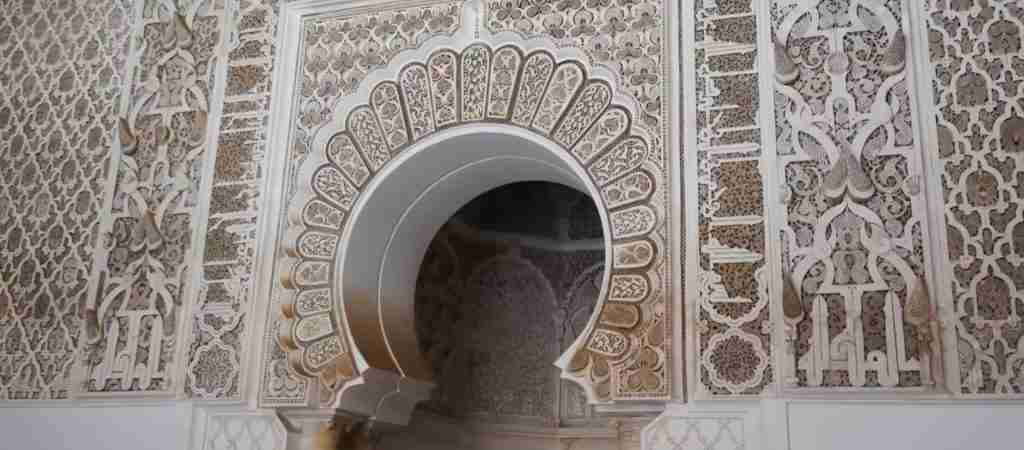
3 days
Marrakesh 3-Day Discovery Tour
- ✓ Comprehensive Marrakesh experience
- ✓ Expert local guides included
- ✓ All accommodation included
- ✓ Transportation provided
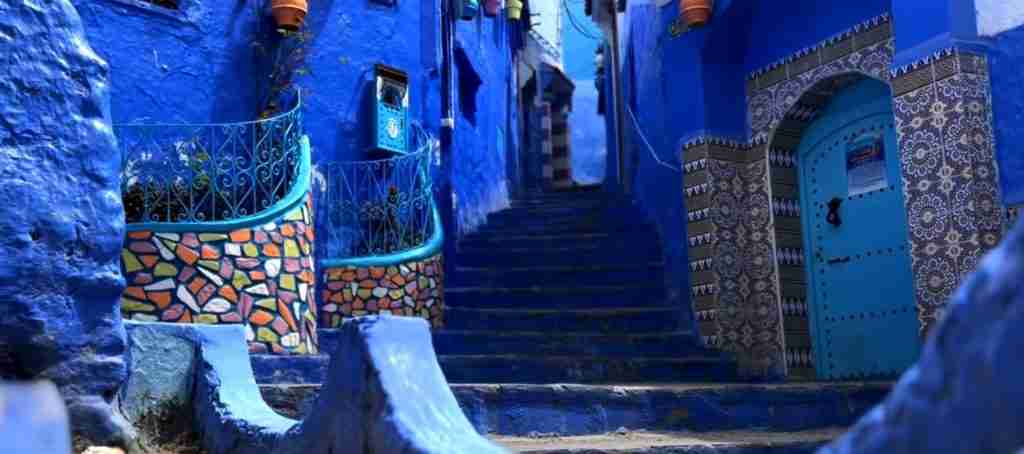
5 days
Marrakesh 5-Day Highlights Experience
- ✓ Comprehensive Marrakesh experience
- ✓ Expert local guides included
- ✓ All accommodation included
- ✓ Transportation provided

7 days
Marrakesh 7-Day Cultural Journey
- ✓ Comprehensive Marrakesh experience
- ✓ Expert local guides included
- ✓ All accommodation included
- ✓ Transportation provided
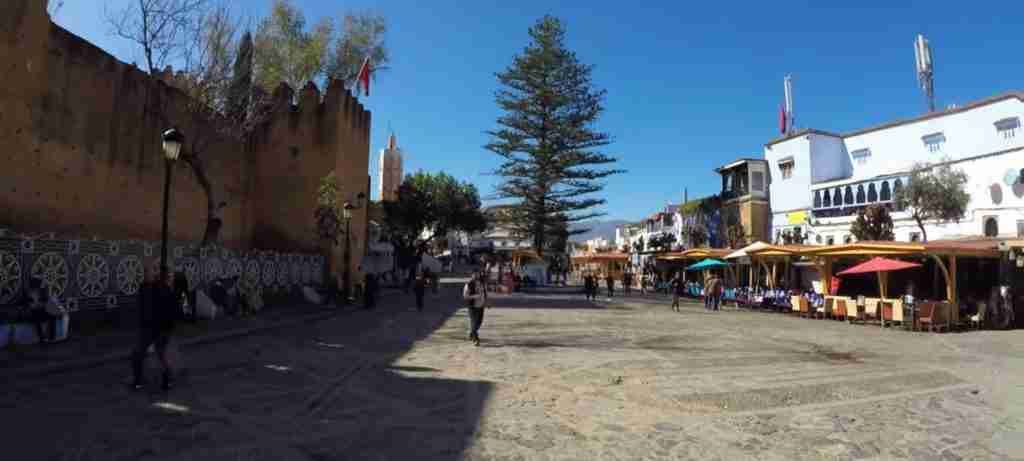
10 days
Marrakesh 10-Day Complete Adventure
- ✓ Comprehensive Marrakesh experience
- ✓ Expert local guides included
- ✓ All accommodation included
- ✓ Transportation provided
Multi-day tour packages powered by TourRadar. Prices and availability subject to change.
Budget Riads in Marrakech 2026
Defining Budget Category
Budget riads in Marrakech charge €40-80 per night for double rooms with private bathrooms during moderate season, representing authentic traditional accommodations without luxury refinements. These properties occupy historic buildings maintaining original architectural character through zellige tile courtyards and traditional furnishings, though room sizes tend toward compact dimensions (12-16 square meters) and amenities remain basic. Shared rooftop terraces provide communal gathering spaces for breakfast and evening relaxation, while individual rooms offer private sanctuary after medina exploration days.
This category suits independent travelers prioritizing cultural authenticity and medina immersion over resort-style comfort, backpackers and budget-conscious couples seeking atmospheric lodging without frills, and those spending minimal time in accommodations focused on outside exploration. Budget riads deliver significantly more authentic Moroccan character than equivalent-price modern hotels while requiring acceptance of simpler standards including potentially inconsistent hot water, basic bedding quality, and minimal soundproofing between rooms.
Top Budget Riad Recommendations
Riad Itrane occupies the Mouassine quarter offering excellent value at €45-65 per night for tastefully decorated rooms arranged around a traditional courtyard with fountain. The five-room property maintains high cleanliness standards, provides reliable WiFi throughout, and serves generous rooftop breakfasts with fresh ingredients. The British-Moroccan couple ownership offers helpful guidance for medina navigation and activity planning, creating welcoming atmosphere for first-time Marrakech visitors. Location places guests 10-minute walk from Jemaa el-Fna with clear route markers, while surrounding neighborhood features authentic local life away from tourist crowds.
Riad Aliya in the northern medina provides budget accommodation at €50-70 per night in a restored 18th-century building showcasing original architectural details including carved cedar columns and painted ceiling panels. The four guest rooms vary in size with the largest accommodating families comfortably, all featuring private bathrooms with decent water pressure. Moroccan family ownership ensures authentic hospitality with mother cooking traditional dinners available by request (€15-20 per person), while teenage children assist with English communication and local recommendations. The location near Ben Youssef Mosque allows easy orientation with major landmarks visible from the rooftop.
Dar Nabila represents excellent budget choice at €40-60 per night for travelers comfortable with basic conditions in exchange for prime location and genuine Moroccan hospitality. The family-run guesthouse features simple clean rooms opening onto a small central courtyard with traditional seating areas. Hot water functions reliably during morning and evening hours, WiFi reaches all rooms adequately though not high-speed, and breakfast includes fresh-baked bread from the neighborhood bakery each morning. The welcoming family treats guests like visiting relatives, offering tea throughout the day and sharing insider knowledge about medina life earned through generations of residence.
Riad Lila occupies a quiet southern medina alley charging €45-70 per night for thoughtfully restored rooms maintaining traditional character with modern bathroom upgrades. The six-room property features a beautiful courtyard with mature orange trees and traditional fountain providing authentic atmosphere for afternoon tea breaks. French owner brings European organization standards to Moroccan hospitality, resulting in consistent quality and clear communication. The location near Bab Doukkala provides authentic residential neighborhood immersion though requires confidence navigating medina lanes or using riad transfer services (€5-8 per trip).
Budget Booking Strategies
Direct booking through riad email or websites often yields better rates than booking platforms for budget properties, with owners appreciating avoided commission costs (15-20%) and willing to negotiate slightly reduced prices for longer stays (3+ nights) or low season periods. Email exchanges also clarify exact room assignments as budget riads feature significant variation between their different rooms, ensuring you receive larger or better-positioned options rather than smallest available spaces.
Low season (June-September) delivers exceptional value with budget riads dropping prices 30-40% to €25-45 per night while maintaining full service standards. The heat requires acceptance of hot weather (temperatures reaching 38-42°C though riads stay cooler due to thick walls and courtyard design), but reduced tourist crowds, immediate availability, and lower prices across all services make summer attractive for budget-focused travelers unbothered by temperature extremes.
Package several nights at single properties rather than hopping between riads to maximize value, as most budget places offer discounts for stays of 3+ nights (5-15% reduction) and eliminate daily checkout stress navigating medina lanes with luggage. Establishing rapport with owners over multiple days also improves service quality and insider recommendations as staff invest more effort in repeat guests versus single-night travelers passing through quickly.
Mid-Range Riads in Marrakech 2026
Defining Mid-Range Category
Mid-range riads charge €100-180 per night for double rooms during moderate season, representing the sweet spot between authentic traditional character and reliable modern comfort. These properties invest significantly in restoration work preserving architectural heritage while adding contemporary amenities including powerful air conditioning systems, premium bedding, modernized bathrooms with rain showers, and soundproofing upgrades minimizing medina noise. Room sizes expand to comfortable 18-24 square meters with adequate space for luggage storage, seating areas, and movement beyond just sleeping.
This category attracts couples seeking romantic atmospheric accommodations with comfort guarantees, travelers wanting authentic medina experiences without roughing it, and those appreciating architectural beauty combined with reliable service standards. Mid-range riads typically employ professional managers beyond family operations, maintain higher staff-to-guest ratios enabling better service responsiveness, and coordinate airport transfers, activity bookings, and dining reservations as expected services rather than occasional favors.
Top Mid-Range Riad Recommendations
Riad Kheirredine provides exceptional value at €110-160 per night in a beautifully restored 17th-century palace featuring stunning original details including hand-carved cedar doors, intricate plasterwork, and traditional zouak painted ceilings. The seven suites range from cozy doubles to spacious family accommodations, all appointed with quality linens, effective air conditioning, and modernized bathrooms maintaining aesthetic harmony with historic architecture. The rooftop restaurant serves excellent Moroccan cuisine for dinner (€25-35 per person optional), while afternoon tea service in the courtyard creates relaxing daily rituals. Location in the Mouassine quarter places guests 8-minute walk from Jemaa el-Fna with clear navigation landmarks.
Riad Maialou occupies a quiet northern medina position at €120-170 per night, offering five elegant rooms arranged around a serene courtyard with central fountain and abundant plantings. French-Moroccan ownership combines European attention to detail with authentic Moroccan hospitality, resulting in impeccable service standards and genuine warmth. The rooms feature high-quality renovations respecting traditional aesthetics while delivering modern comfort including powerful showers, quality mattresses, and effective climate control. Optional dinner service (€30 per person with advance notice) showcases refined home cooking, while the peaceful atmosphere provides perfect retreat from medina intensity.
Riad Star sits in the Dar el-Bacha neighborhood charging €130-180 per night for luxuriously appointed rooms in a meticulously restored traditional home. The four large suites feature sitting areas, king beds with premium linens, spa-quality bathrooms with separate tubs and showers, and private terraces for two rooms. The small rooftop pool provides refreshing respite during hot weather, while the intimate size (maximum 8 guests) ensures personalized attention from the attentive staff. The location offers authentic residential medina atmosphere away from tourist zones, though requires confidence with navigation or use of riad transfer services for convenience.
Riad Palais Sebban represents the upper end of mid-range at €150-200 per night, functioning more like a boutique hotel with professional operation standards within traditional architecture. The twelve rooms vary from standard doubles to junior suites, all featuring high-end furnishings, rainfall showers, Egyptian cotton linens, and thoughtful design details. Facilities include a small spa offering hammam treatments and massages, rooftop terrace with lounging areas and city views, and optional lunch/dinner service featuring creative Moroccan cuisine. The central medina location near the Museum provides easy access to major souqs while maintaining relatively quiet positioning on a secondary alley.
Mid-Range Selection Criteria
Evaluate room photographs carefully as mid-range riads show significant variation in actual room quality despite similar pricing, with best properties maintaining consistency across all rooms while others feature a few showcase spaces and several mediocre accommodations. Request specific room assignments during booking rather than accepting random allocation, particularly important for properties where certain rooms suffer noise exposure or lack courtyard views worth the premium charged.
Prioritize properties investing in bathroom quality as this separates truly comfortable mid-range experiences from glorified budget accommodations, with key features including powerful water pressure, modern fixtures, adequate counter space, quality toiletries, and proper ventilation preventing mildew issues. Mid-range pricing should deliver hotel-quality bathroom functionality within traditional aesthetic frameworks rather than basic facilities causing daily frustration.
Assess rooftop quality through reviews and photos as this space significantly impacts daily experience, with best riads offering multiple seating areas, shaded lounging options, attractive views (medina roofscapes or distant Atlas Mountains), and comfortable furniture inviting extended use. Inadequate rooftops limited to cramped breakfast tables without comfortable lounging areas waste opportunities for peaceful retreat spaces essential during intensive medina exploration days.
Luxury Riads in Marrakech 2026
Defining Luxury Category
Luxury riads charge €250-500+ per night for suites and premium rooms, representing the pinnacle of Marrakech accommodation where restored palatial architecture meets five-star service standards and comprehensive amenities. These properties occupy historically significant buildings, often former merchant palaces or noble residences, featuring extraordinary architectural details including carved marble, painted ceilings by master artisans, and courtyard proportions creating dramatic spatial experiences. Restoration budgets reach hundreds of thousands of euros ensuring museum-quality preservation while integrating invisible modern systems.
The luxury category targets discerning travelers expecting impeccable service, couples celebrating special occasions wanting romantic atmospheric settings with guaranteed comfort, and those appreciating architectural and design excellence as integral to travel experiences. These riads employ professionally trained staff including dedicated concierges, maintain extremely high staff-to-guest ratios (often 3:1 or better), and provide comprehensive services from airport transfers to activity planning to in-room dining eliminating any logistical concerns.
Premier Luxury Riad Recommendations
Riad Farnatchi stands as Marrakech luxury accommodation benchmark at €400-700 per night, occupying two connected 17th-century palaces painstakingly restored over multiple years. The nine suites range from 40-80 square meters featuring antique furnishings, museum-quality art collections, marble bathrooms with separate tubs and rain showers, and private terraces for several rooms. Facilities include courtyard plunge pool, rooftop terrace with Atlas Mountain views, full-service spa with hammam and treatment rooms, and restaurant serving refined Moroccan-international cuisine. The service standards match international luxury hotels with intuitive anticipation of guest needs, flawless execution, and genuine warmth distinguishing hospitality from mere professionalism.
La Sultana charges €350-650 per night for exquisitely appointed rooms and suites in an interconnected complex of five traditional houses creating a small luxury hotel within the medina. The property features three pools (one heated), extensive spa facilities including traditional hammam and modern treatment rooms, three restaurants offering different culinary experiences, and rooftop bar with 360-degree views. Rooms showcase the finest Moroccan craftsmanship with zellige tile bathrooms, carved cedar details, and sumptuous fabrics, while modern technology integrates seamlessly including tablets controlling all room functions. The location near the Royal Palace provides quiet positioning while maintaining accessibility to major medina attractions.
Riad Kniza presents intimate luxury at €300-550 per night in an authentically restored traditional home preserving family heritage while meeting contemporary comfort standards. The eleven rooms and suites display traditional Moroccan elegance with understated refinement avoiding the over-decorated excess of some luxury properties. The courtyard pool provides cooling respite, rooftop terrace offers multiple lounging zones with impressive views, and the restaurant serves excellent traditional cuisine focusing on family recipes. British-Moroccan ownership brings dual-cultural perspective ensuring authentic Moroccan character with English-language comfort and efficiency in operations.
Royal Mansour dominates Marrakech luxury at €800-2000+ per night (and rising to €5000+ for grand riads), representing Morocco’s most exclusive accommodation with entire private riads serving as individual accommodations. Each of the 53 riads features 1-4 bedrooms across multiple floors with private courtyards, plunge pools, and dedicated butler service. Underground passages connect the riads allowing invisible staff movement, while facilities include multiple restaurants, extensive spa, and manicured gardens. The property represents ultimate luxury though loses intimate riad character through Disney-perfect execution feeling more like elaborate stage set than authentic traditional home, and prices place it beyond most traveler budgets.
Luxury Riad Experiences
Spa facilities in luxury riads provide authentic Moroccan hammam experiences with traditional black soap and eucalyptus steam cleansing followed by full-body exfoliation using rough kessa mitts removing dead skin. The treatments continue with ghassoul clay masks, argan oil massage, and rose water finishing rituals creating comprehensive wellness experiences lasting 90-120 minutes. In-house spa services cost €80-120 per person compared to external hammams charging €30-50, with premium justified by private facilities, professional therapists, and integration with accommodation allowing immediate post-treatment relaxation.
Culinary experiences at luxury riads extend beyond standard breakfasts to optional lunch and dinner service featuring multi-course Moroccan tasting menus showcasing regional specialties and refined preparations. Chefs work with daily market ingredients, accommodating dietary restrictions and preferences while maintaining authentic flavor profiles. Dining occurs in atmospheric courtyard settings or candlelit rooftop terraces, creating romantic ambiance impossible in busy restaurant environments. Costs range €45-75 per person for full dinner service with wine, representing convenient alternatives to navigating medina restaurants after full exploration days.
Concierge services at premier luxury riads arrange comprehensive activity programming including private guided tours, exclusive access experiences at museums and historic sites, cooking class arrangements with respected instructors, and transportation coordination throughout Morocco for day trips or extended excursions. The best concierges leverage extensive local networks securing reservations at sought-after restaurants, VIP treatment at attractions, and insider experiences unavailable to typical tourists. This service layer transforms Marrakech visits from tourist activities to curated journeys, justifying luxury pricing through access and convenience beyond merely upgraded accommodations.
Location Analysis by Medina Quarter 2026
Northern Medina Near Jemaa el-Fna
The northern medina stretching from Jemaa el-Fna toward Bab Doukkala contains the highest concentration of tourist-oriented riads, restaurants, and shops creating convenient accessible environments for first-time Marrakech visitors. Riads in this area range €60-250 per night depending on quality, with easy 5-15 minute walks to Jemaa el-Fna square following relatively straightforward routes with clear landmarks. The density of tourists in surrounding lanes means reduced authenticity but increased English communication, familiar food options nearby, and comfortable navigation even at night.
Advantages include accessibility for those intimidated by deep medina navigation, proximity to main square for evening entertainment and restaurant options, and straightforward taxi access from riad locations to wider streets. The neighborhood features strong infrastructure for tourism including ATMs, pharmacies, reliable WiFi cafes, and tour booking offices. First-time Marrakech visitors benefit from this accessible positioning allowing confident independent exploration while gradually building medina navigation skills.
Disadvantages center on reduced authenticity with tourist-focused businesses dominating over local life, higher noise levels from crowds and evening activities near the square continuing until midnight, and premium pricing reflecting demand from location-conscious travelers. The constant tourist presence creates persistent hassle from touts and aggressive vendors, while the surrounding atmosphere feels more like international tourist zone than authentic Moroccan medina neighborhood.
Central Medina – Mouassine Quarter
The Mouassine quarter occupies prime central medina positioning balancing accessibility with authentic atmosphere, containing numerous excellent riads across all budget categories from €50-400 per night. The neighborhood sits 8-12 minute walk from Jemaa el-Fna through well-marked lanes, while immediately surrounding streets feature quality local restaurants, artisan workshops, traditional bakeries, and residential life creating genuine medina character beyond tourist superficiality.
Advantages include the best balance between convenience and authenticity available in Marrakech medina, strong restaurant scene with both tourist-friendly and local options, beautiful traditional souqs for leather goods and metalwork nearby, and generally reasonable riad pricing competitive with northern areas. The neighborhood maintains enough tourist infrastructure for comfort without overwhelming local character, allowing cultural immersion while retaining accessibility and amenities.
Disadvantages are relatively minor compared to other quarters, primarily involving moderately complex navigation requiring basic orientation skills and confidence with medina lanes. The area sees decent tourist traffic creating some vendor attention though significantly less aggressive than immediately around Jemaa el-Fna. Some lanes include uphill sections requiring physical effort with luggage during arrivals, and the most interesting artisan souqs require additional 10-15 minute walks toward the Attarine quarter.
Southern Medina – Dar el-Bacha and Bab Doukkala
The southern medina neighborhoods including Dar el-Bacha, Bab Doukkala, and surrounding residential areas provide the most authentic medina living experiences, with riads ranging €40-300 per night in quieter atmospheric settings. These quarters feature predominantly local residents living traditional medina life, with narrow alleys revealing neighborhood bakeries, hammams serving locals, small grocers selling daily necessities, and children playing in streets creating vibrant community atmosphere. The distance from Jemaa el-Fna (20-30 minutes walking) significantly reduces tourist presence.
Advantages center on authentic cultural immersion in functioning residential neighborhoods, dramatically reduced tourist hassle with vendors and touts essentially absent from local lanes, peaceful quiet streets allowing restful sleeping without late-night noise, and often better value pricing as properties compete less for location-premium pricing. The neighborhoods contain interesting lesser-known attractions including the Dar el-Bacha palace museum, local produce markets, and traditional craftsman workshops open to visitors without tourist-oriented sales pressure.
Disadvantages involve navigation complexity as residential areas lack tourist signage and clear landmarks, requiring strong directional sense and comfort with asking locals for guidance. The distance from main attractions necessitates more walking or using riad transfer services, while fewer English-speaking residents in immediate surroundings requires basic French or Arabic for daily interactions. Evening activities require 25-30 minute walks to restaurant zones or Jemaa el-Fna, though many travelers appreciate quiet evenings reading on riad rooftops after intensive exploration days.
Eastern Medina – Riad Zitoun and Mellah
The eastern sections of the medina including Riad Zitoun el-Kedim, Riad Zitoun el-Jedid, and the historic Mellah (former Jewish quarter) offer alternative positioning with distinct character, featuring riads €45-200 per night in areas receiving moderate tourist traffic while maintaining local life. These neighborhoods sit between Jemaa el-Fna and the Royal Palace/El Badi Palace, creating convenient access to multiple major attractions while avoiding the densest tourist crowds of northern routes.
Advantages include proximity to significant historical sites (El Badi Palace, Bahia Palace, Saadian Tombs) reducing walking for daily sightseeing, wider streets in some sections providing easier navigation and better taxi access compared to deep medina lanes, and interesting local markets particularly in the Mellah area selling produce and household goods. The neighborhoods show authentic medina life with lower tourist saturation than northern areas while maintaining reasonable accessibility and infrastructure.
Disadvantages involve somewhat sterile character in Riad Zitoun areas functioning more as thoroughfares than vibrant neighborhoods, with wider streets reducing traditional medina intimacy found in central quarters. The Mellah area underwent significant mid-20th century transformation when Jewish residents departed, resulting in some deterioration and less architectural charm than central medina. Restaurant options in immediate surroundings are limited requiring walks to other neighborhoods or reliance on riad dining options.
Booking Strategies for 2026 Riad Stays
Timing Your Reservation
Peak season (October-April) requires booking 2-3 months ahead for desirable mid-range and luxury properties, with the most sought-after riads filling 3-4 months in advance particularly for Christmas/New Year holidays and Easter week when European travelers flood Marrakech. December through February represents absolute peak with both European winter sun seekers and those avoiding cold northern climates combining to create maximum demand and highest pricing. Budget riads maintain better availability though popular properties still fill 4-6 weeks ahead during peak months.
Shoulder season (March-April and September-October) provides optimal booking windows with 3-6 weeks advance sufficient for most properties and 4-8 weeks securing first-choice premium options. These months offer excellent weather without peak season crowds, with riads maintaining high season pricing but showing more negotiation flexibility for direct bookings and longer stays. The period suits travelers wanting both comfortable conditions and more spontaneous travel planning without months-ahead commitment.
Low season (May-August) allows last-minute booking within 1-2 weeks or even same-week arrangements for most properties outside absolute budget category. The intense heat (temperatures 35-42°C during June-August) suppresses demand dramatically despite riads remaining relatively comfortable through thick-walled architecture and courtyard cooling effects combined with air conditioning. Prices drop 30-50% from peak season rates, creating exceptional value for heat-tolerant travelers willing to plan sightseeing for early morning and evening hours avoiding midday extremes.
Direct Booking vs Booking Platforms
Direct booking through riad websites or email communication often yields better rates than booking platforms for mid-range and luxury properties, with owners avoiding 15-20% commissions and sometimes passing partial savings to guests through reduced rates or complimentary upgrades. Email exchanges also enable detailed pre-arrival questions about specific room characteristics, arrival procedures, and special requests ensuring better matches between guest expectations and property realities. Personalized pre-arrival communication establishes rapport with staff improving service quality from first moments.
Booking platforms including Booking.com, Airbnb, and specialized riad sites provide valuable consumer protections including cancellation policies, dispute resolution, and verified reviews from multiple sources creating confidence in property quality. The platforms aggregate vast property selections with powerful filtering tools for price, location, and amenities enabling efficient searching. Budget travelers benefit most from platform availability and instant booking confirmation, while luxury travelers gain less as high-end properties maintain professional operations regardless of booking channel.
Hybrid approaches work well combining initial platform research identifying candidate properties followed by direct contact negotiating better rates for confirmed interest. Many riad owners appreciate direct booking inquiries resulting from platform research, offering 5-10% discounts or complimentary upgrades (better room, late checkout, dinner supplement) for direct reservations. This strategy requires more effort than one-click platform booking but delivers better value and pre-arrival relationship establishment worth the additional communication time.
Package Deals and Add-Ons
Airport transfer packages included in accommodation bookings cost €20-30 per vehicle (one-way) compared to €8-12 for standard taxis, representing reasonable premium for guaranteed reliable service and driver meeting you at arrivals with name sign. The convenience particularly benefits first-time visitors arriving late evening when taxi negotiations are stressful, families with multiple luggage pieces, and those wanting seamless arrival without logistical concerns. Most riads offer transfers through trusted driver networks ensuring appropriate vehicle quality and professional conduct.
Multi-night packages combining accommodation with activities (cooking classes, hammam experiences, day trips) provide modest savings (10-15% typically) compared to booking services separately while simplifying planning and ensuring coordination. Riads leverage relationships with quality activity providers accessing wholesale rates while maintaining margins, creating win-win scenarios. The bundling works best for travelers wanting comprehensive arranged experiences rather than spontaneous daily planning, and trusting riad recommendations for activity quality aligning with accommodation standards.
Meal plans beyond breakfast rarely represent good value at riads as Marrakech’s dining scene offers exceptional variety and value, with lunch and dinner at riads costing €25-45 per person compared to excellent restaurant meals €15-30 per person. Exceptions include luxury riads where chef quality justifies premium pricing and dining ambiance in private courtyards exceeds busy restaurant environments. Most travelers benefit from flexibility eating throughout the medina’s diverse restaurant landscape, returning to riads only for breakfast included in rates and occasional special dinners when too tired for evening medina navigation.
Essential Considerations for Riad Stays in 2026
Medina Navigation and Accessibility
Medina navigation represents the single greatest practical challenge for riad guests, as most properties occupy interior locations requiring walking through maze-like alleyways from nearest vehicle-accessible streets. Departure points from taxis or riad transfers place you at medina gates or wider secondary streets, followed by 3-15 minute walks through progressively narrower lanes to actual riad doors. First-time arrivals find this disorienting and sometimes stressful, particularly with luggage and after long flights, though riads provide detailed navigation instructions and often send staff to meet guests at designated meeting points.
Download offline maps (Maps.me works well for Marrakech medina with detailed alley mapping) to devices before arrival, ensuring navigation capability without cellular data during initial orientation periods. Pin your riad location precisely and save meeting point coordinates where staff will greet you. Many riads also provide WhatsApp contact for real-time guidance if you get turned around during self-navigation attempts, though accepting staff escort services reduces stress dramatically for first arrivals.
Luggage management requires practical approach with wheeled bags being virtually useless on medina’s cobblestone lanes and narrow paths, while backpacks and duffel bags distribute weight more manageably. Most riads offer porter services (€5-10 per bag depending on distance and property) worth accepting for first arrival before you’ve learned navigation routes. Subsequent departures allow you walking empty-handed to taxi pickup points while porters follow with luggage, or using riad transfer services loading directly from riad doors and navigating you out to vehicle locations.
Wifi and Connectivity
WiFi quality varies significantly across riad categories with luxury properties investing in commercial-grade systems providing strong reliable connectivity throughout, while budget riads may struggle with weak signals barely reaching furthest rooms. The traditional thick-walled architecture that keeps riads cool simultaneously blocks wireless signals, requiring multiple access points for adequate coverage in larger properties. Test connectivity in your assigned room early during check-in, requesting room changes if internet is essential to your stay and assigned space has inadequate access.
Data reliability exceeds WiFi performance for critical connectivity needs, with Moroccan cellular networks (Maroc Telecom, Inwi, Orange) providing strong coverage throughout Marrakech including deep medina locations. International travelers purchase local SIM cards at airport arrivals (€5-10 for SIM plus €15-20 for sufficient data packages) ensuring consistent connectivity independent of riad systems. This backup particularly benefits remote workers, those coordinating complex activities requiring reliable communication, and travelers wanting constant access to maps and translation apps while exploring the medina.
Climate Control and Seasonal Comfort
Air conditioning functionality critically impacts summer stay comfort as June-August temperatures reach 35-42°C with riads unable to maintain comfortable temperatures through architecture alone despite thick walls and courtyard cooling. Verify air conditioning presence and quality through reviews before booking summer stays, with budget properties sometimes lacking AC entirely or providing inadequate capacity failing to cool rooms effectively. Luxury and quality mid-range riads maintain powerful modern systems achieving comfortable sleeping temperatures even during extreme heat peaks.
Winter months (December-February) bring surprising cold particularly at night with temperatures dropping to 5-10°C while riads typically lack central heating. Evening and morning periods require warm layers, and some budget properties provide minimal room heating relying on portable space heaters with questionable safety and effectiveness. Luxury riads integrate underfloor heating or modern climate control systems maintaining consistent comfort year-round, while mid-range properties vary from adequate to minimal heating solutions. Request heating capability confirmation for winter bookings, particularly for older travelers sensitive to cold.
Courtyard orientation creates unique microclimates within riads with south-facing rooms receiving more natural light and heat during winter but potentially overheating in summer despite air conditioning, while north-facing rooms remain cooler year-round but darker particularly during winter’s shorter days. Consider seasonal timing when accepting room assignments, with south rooms preferable for winter visits and north rooms ideal for summer stays. Ground floor rooms maintain most stable temperatures insulated by thermal mass, while rooftop rooms experience temperature extremes requiring more powerful climate control systems.
Noise Levels and Sleep Quality
Medina soundscapes include mosque calls to prayer amplified through loudspeakers five times daily starting approximately 5:30 AM (varying with sunrise throughout the year), street sounds from neighboring activities, and music from nearby riads or restaurants creating ambient noise levels surprising to travelers expecting silent retreats. Proximity to mosques significantly affects morning wake patterns as calls to prayer reach 85-95 decibels, equivalent to loud street traffic, making sleep impossible for light sleepers during the early dawn call. Request information about nearby mosques when booking if early morning quiet is essential to your rest needs.
Courtyard architecture amplifies sounds within riads as the open central space creates echo chamber effects, with conversations in courtyard or on stairs audible in surrounding rooms despite closed doors. Light sleepers struggle in riads with active common areas hosting evening gatherings, though most properties establish quiet hours after 10:00-11:00 PM respecting guest rest needs. Budget riads show poorest soundproofing with conversations in adjacent rooms penetrating thin walls, while luxury properties invest in acoustic treatments and solid doors significantly reducing unwanted noise transmission.
Bring quality earplugs and consider white noise apps if you’re sensitive to night sounds, as controlling medina environment proves impossible despite best riad efforts. Accept that Marrakech medina life operates 24/7 with occasional loud street activity including delivery trucks navigating narrow lanes during early morning hours, celebrations and gatherings creating music and conversation until late evening, and general urban density preventing the silent conditions some travelers expect from boutique hotel descriptions emphasizing peaceful retreats.
Frequently Asked Questions About Marrakech Riads 2026
Are riads suitable for families with children?
Riads accommodate families though require careful property selection as many feature open courtyard designs with unsupervised water features (fountains, pools) creating supervision concerns for young children. Look for properties explicitly marketing family-friendly policies, offering family rooms or suites with separate sleeping areas for children, and ideally featuring ground-floor room options avoiding stairs. The intimate small-scale environment means children’s noise impacts other guests more than in large hotels, so consider travel timing avoiding high-occupancy periods when your family will share space with many couples seeking romantic quiet retreats. Properties with pools provide excellent entertainment for children though require constant supervision as depths vary and pools are typically unguarded.
Can riads accommodate dietary restrictions?
Most riads handle common dietary restrictions (vegetarian, gluten-free, dairy-free) with advance notice during booking, modifying standard Moroccan breakfast offerings to accommodate needs. Vegan requirements prove manageable with Moroccan cuisine naturally including substantial plant-based options, while religious dietary needs (halal, kosher) are addressed easily for halal and with more difficulty for kosher given limited kosher infrastructure in Marrakech. Communicate specific requirements clearly during booking confirmation receiving explicit acceptance rather than assuming flexibility, and provide dietary reminder at check-in ensuring kitchen staff receive proper information. Severe allergies require detailed discussion as cross-contamination risks exist in small kitchen operations lacking commercial separation protocols.
Do riads have swimming pools?
Most riads lack swimming pools due to space constraints in traditional courtyard dimensions, with only larger properties and luxury category riads typically featuring pools. Courtyard plunge pools measure 2-4 meters providing cooling refreshment rather than swimming exercise, suitable for children’s play and adult lounging during hot weather but inadequate for proper lap swimming. Rooftop pools appear in some luxury and upper mid-range riads offering slightly larger dimensions and impressive views though still limited compared to hotel pool facilities. Budget and many mid-range riads substitute pools with courtyard fountains providing aesthetic and acoustic pleasure without swimming opportunities, a trade-off accepted for authentic traditional architecture and intimate scale creating special riad character.
How do you arrange activities and tours through riads?
Riads typically partner with trusted tour operators offering standard excursions (Atlas Mountains day trips, Essaouira visits, desert tours) bookable through riad concierge or management with prices comparable to direct booking. The convenience lies in vetted operator quality eliminating research needs and coordination logistics handled entirely by riad staff, while small commission markups (typically €5-10 per person per activity) represent reasonable service fees. Luxury riads provide comprehensive concierge services arranging everything from private museum tours to cooking class bookings to hot air balloon rides, functioning as full-service travel coordinators. Budget riads offer basic assistance connecting guests with reliable operators though lack the sophisticated planning services of upscale properties, sometimes referring to generic tout contacts rather than thoroughly vetted partnerships.
Is WiFi available throughout riads?
WiFi availability varies dramatically by riad category and property size, with luxury riads investing in commercial mesh network systems providing strong consistent connectivity throughout including in all rooms, common areas, and rooftop terraces. Mid-range properties show mixed results with better-managed riads maintaining adequate coverage while budget operations often struggle with weak signals barely reaching furthest rooms from single router positions. The traditional thick-walled architecture blocks wireless signals requiring multiple access points for proper coverage, an expense budget properties often skip. Test connectivity in your assigned room immediately at check-in, requesting room changes if internet access is critical to your stay and initial room has poor reception. Mobile data through local SIM cards provides reliable backup for essential connectivity needs independent of riad system quality.
What security measures do riads maintain?
Riads feature secure entry with heavy wooden doors remaining locked at all times, with guests ringing bells for staff to grant entry or receiving codes for electronic locks in some modern properties. Staff presence 24/7 in most mid-range and all luxury properties provides constant monitoring, though some budget riads operate with limited overnight coverage between midnight and 6:00 AM. Room doors feature locks though security varies from modern systems with deadbolts to traditional hardware providing basic barrier. Safe deposit facilities appear in better properties allowing secure valuable storage, while budget places typically lack this amenity requiring you keeping valuables secured in luggage. The medina environment overall shows low theft risk from visitors as tight community structures create social monitoring discouraging crime within residential areas.
Can you smoke in riads?
Smoking policies vary by property with increasing numbers implementing non-smoking rules throughout interior spaces, allowing smoking only on rooftop terraces or designated outdoor areas. Traditional Moroccan cultural acceptance of smoking conflicts with international traveler expectations for smoke-free environments, creating policy tension riad owners balance differently. Verify specific policies before booking if smoking or avoiding smoking matters significantly to your stay, as some properties maintain smoking-permissive attitudes while others enforce strict prohibitions matching Western hotel standards. Courtyard architecture means smoke from designated areas often drifts into adjacent rooms despite outdoor location, creating secondhand exposure for sensitive guests even at properties with theoretical smoking restrictions.
How early can you arrive and how late can you stay?
Standard check-in times operate 2:00-3:00 PM with check-out 11:00 AM-12:00 PM following hotel industry norms, though riad flexibility often exceeds large hotels given the intimate scale and personal relationships developed during stays. Early arrival before official check-in typically results in luggage storage and rooftop terrace access while rooms are prepared, with some properties accommodating immediate occupancy if rooms are ready and no previous guest occupied that space. Late checkout requests often succeed when next guest isn’t arriving until later that day, particularly during low season when occupancy permits flexibility. Communicate specific timing needs during booking confirmation establishing expectations rather than assuming flexibility at arrival.
Are credit cards accepted at riads?
Credit card acceptance varies by riad category with luxury properties maintaining merchant accounts processing major cards (Visa, Mastercard), while mid-range properties show mixed capabilities and budget riads typically require cash payment. Card processing fees in Morocco range 2-4% leading some properties to add surcharges on card transactions or strongly preferring cash payments. Confirm payment methods during booking receiving explicit confirmation of accepted forms, and plan accordingly bringing sufficient euros or US dollars convertible at good rates in Marrakech or withdrawing dirhams from ATMs. Some riads accept advance payment via bank transfer particularly for expensive bookings, providing alternative to carrying large cash amounts though requiring extra planning for international transfers.
What should you tip at riads?
Tipping customs at riads follow general Moroccan hospitality standards with gratuities appreciated though not mandatory, reflecting service quality rather than automatic expectations. Standard guidance suggests €5-10 total per day for the collective staff at budget and mid-range riads, distributed either through single envelope left at departure or handed to management for distribution. Luxury properties warrant higher amounts (€10-20 per day) reflecting expanded service scope and higher staff numbers. Specific services including airport transfer drivers (€3-5), meal service waiters (€2-3 per meal), and staff providing exceptional assistance (arranging activities, handling problems, providing insider guidance) merit individual tips beyond general gratuity. Personal discretion remains key with tip amounts adjusting based on service satisfaction and your budget comfort level.