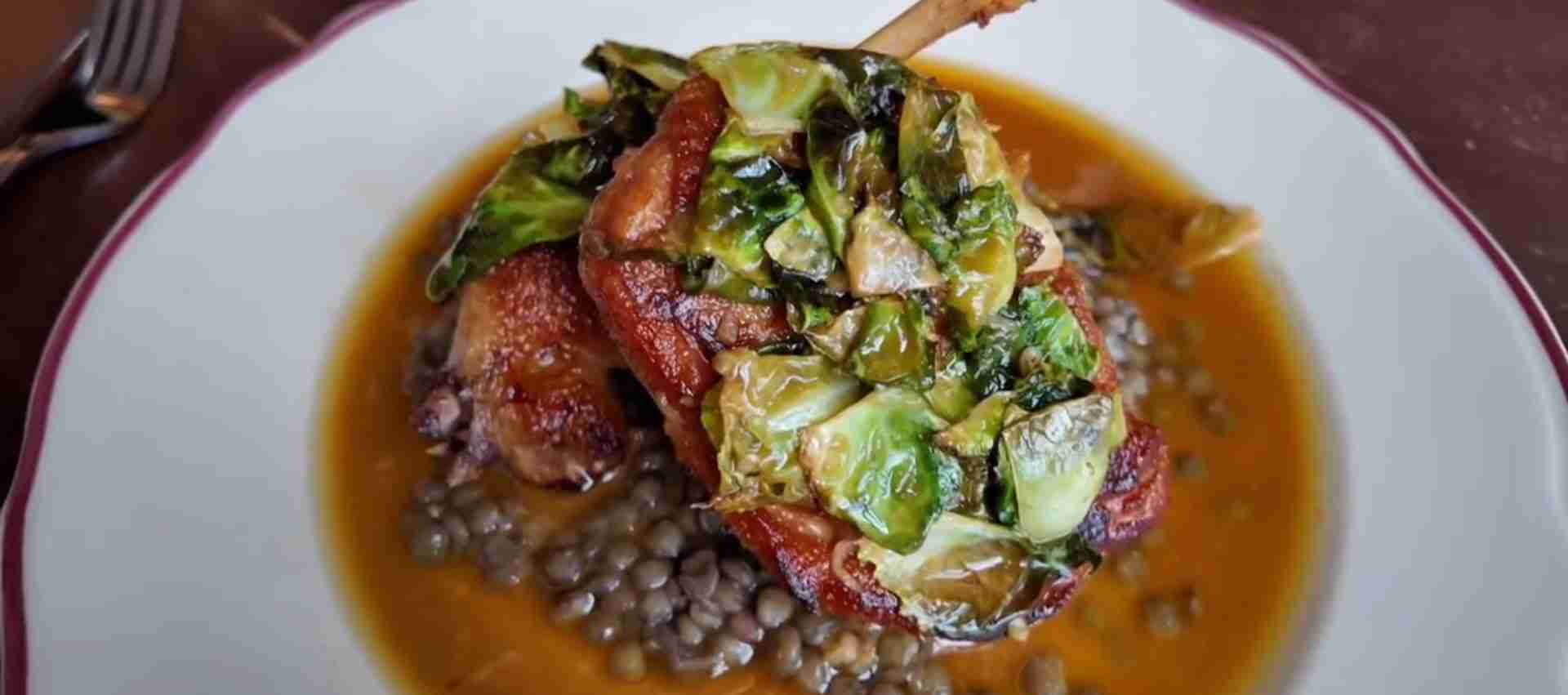
Montreal Food Guide: Best Eats & Culinary Culture
Montreal stands as North America’s premier bilingual food destination, where French culinary traditions meet Jewish deli culture, international immigration, and distinctly Quebecois innovation. The city’s 6,000+ restaurants serve everything from wood-fired bagels to haute French cuisine, while neighborhood markets overflow with local produce and artisanal products that reflect four centuries of culinary evolution.
Key Takeaways
- Iconic Dishes: Montreal created three globally recognized foods—poutine (fries with gravy and cheese curds), Montreal-style smoked meat, and wood-fired bagels with distinctive sweetness and dense texture
- Bilingual Food Culture: French and English culinary traditions coexist, creating unique dining experiences from Parisian-style bistros to classic Jewish delis, often within the same neighborhood
- Market Excellence: Jean-Talon Market (established 1933) and Atwater Market anchor neighborhoods with year-round fresh produce, Quebec cheeses, and specialty foods from local producers
- BYOB Revolution: Quebec’s “apportez votre vin” culture allows diners to bring wine to most restaurants without corkage fees, making fine dining accessible
- Seasonal Traditions: Sugar shack visits in spring and outdoor terrasse dining in summer define Montreal’s food calendar, connecting culinary culture to Quebec’s agricultural heritage
- Neighborhood Specialties: Each district offers distinct food experiences—Mile End for Jewish and modern cuisine, Plateau for trendy cafés, Little Italy for authentic trattorias, Old Montreal for fine dining
People Also Ask About Montreal Food
What is Montreal’s most famous food?
Poutine stands as Montreal’s most famous culinary creation—French fries topped with brown gravy and fresh cheese curds that originated in rural Quebec during the 1950s and became Montreal’s signature dish. The city claims dozens of poutine specialists, from La Banquise’s 30+ variations available 24 hours daily to Patati Patata’s classic version served in a tiny Plateau diner. While debate continues about poutine’s exact birthplace, Montreal transformed it from roadside snack to gourmet canvas, with restaurants now offering versions featuring foie gras, smoked meat, or lobster.
What makes Montreal bagels different from New York bagels?
Montreal bagels differ fundamentally from New York bagels through wood-fire baking, honey-sweetened water boiling, and smaller, denser results with larger holes. Fairmount and St-Viateur bakeries hand-roll dough, boil it in honey water, then bake in wood-fired ovens rather than gas ovens, creating sweeter, chewier bagels without the soft interior of New York styles. The process stems from Jewish bakers who arrived from Eastern Europe in the early 1900s, establishing Montreal’s bagel tradition decades before similar operations appeared elsewhere in North America.
Where do locals eat in Montreal?
Locals concentrate their dining in the Plateau Mont-Royal, Mile End, and Little Italy neighborhoods rather than tourist-focused Old Montreal, seeking out Jean-Talon Market for fresh ingredients, neighborhood BYOB restaurants for affordable fine dining, and family-run establishments serving authentic ethnic cuisines. The Jean-Talon Market area particularly attracts Montrealers who shop daily for produce, cheeses, and prepared foods, then dine at surrounding Italian restaurants, Vietnamese pho shops, and Portuguese grills. Sunday brunch spots like Lawrence and Arthurs draw neighborhood crowds, while late-night destinations including Schwartz’s, La Banquise, and Beauty’s maintain loyal local followings regardless of tourist presence.
What foods is Montreal known for?
Montreal gained recognition for five signature foods that define the city’s culinary identity: poutine (fries with gravy and cheese curds), Montreal-style smoked meat from Jewish delicatessens, wood-fired bagels with honey sweetness, tourtière meat pies reflecting French-Canadian heritage, and sugar shack maple products including tire sur neige (maple taffy on snow). These foods represent Montreal’s multicultural evolution—French settlers brought tourtière, Jewish immigrants established smoked meat and bagel traditions, and Quebecois creativity produced poutine. The combination distinguishes Montreal from other North American cities, creating a food culture that balances Old World techniques with New World innovation.
Extended multi-day tours – 5+ days
Featured Montreal Multi-Day Tour Packages

7 days
Eastern Canada City Stay: Toronto and Montreal
- ✓ Comprehensive Montreal tour
- ✓ Expert local guides included
- ✓ All accommodation arranged
- ✓ Transportation provided

4 days
Montreal to Quebec Canadian Discovery – 4 days
- ✓ Comprehensive Montreal tour
- ✓ Expert local guides included
- ✓ All accommodation arranged
- ✓ Transportation provided

7 days
Essential East Coast
- ✓ Comprehensive Montreal tour
- ✓ Expert local guides included
- ✓ All accommodation arranged
- ✓ Transportation provided
7 days
Christmas Markets of Montreal and Quebec City (2026)
- ✓ Comprehensive Montreal tour
- ✓ Expert local guides included
- ✓ All accommodation arranged
- ✓ Transportation provided
Multi-day tour packages powered by TourRadar. Prices and availability subject to change.
Introduction
Montreal’s food culture reflects the city’s position at the intersection of French, British, Jewish, and global influences, creating North America’s most distinctive culinary landscape. The St. Lawrence River provided Indigenous peoples with fishing grounds for millennia before French colonists arrived in 1642, bringing wheat cultivation, dairy farming, and European cooking techniques that merged with New World ingredients. British conquest in 1760 added Anglo traditions, while waves of Jewish immigration beginning in the 1880s established delis and bagel bakeries that became cultural institutions. Italian, Portuguese, Greek, Haitian, Vietnamese, and countless other communities arrived throughout the 20th century, each contributing ingredients, techniques, and restaurants that transformed Montreal into a genuinely international food city.
The city’s bilingual character shapes its restaurant scene in ways impossible to replicate elsewhere. French remains the primary language in most kitchens, connecting Montreal to Parisian culinary standards and French regional traditions, while English-speaking communities maintain their own food cultures, from British pubs to American-style diners. Quebec’s legal requirement for French-language menus alongside occasional English versions creates a unique dining dynamic where classic French techniques meet casual North American service styles. This linguistic duality extends to food terminology—Montrealers might order “smoked meat” in English at Schwartz’s, then request “une poutine” in French at La Banquise minutes later, code-switching as naturally as the city itself.
Montreal’s geographic position between the St. Lawrence Valley’s agricultural lands and the Canadian Shield’s forests and lakes provides exceptional access to fresh ingredients. Local farmers supply Jean-Talon and Atwater markets with seasonal produce, while Quebec’s dairy industry produces the fresh cheese curds essential for authentic poutine and hundreds of artisanal cheeses rivaling European varieties. The province’s maple forests yield nearly three-quarters of the world’s maple syrup, making sugar shacks integral to Montreal’s food culture rather than tourist attractions. Wild foods including fiddleheads, chanterelles, and game meats appear seasonally on restaurant menus, connecting contemporary dining to the territory’s Indigenous and French-Canadian foraging traditions.
The modern Montreal food scene balances preservation of traditional dishes with innovation that respects cultural roots. Classic establishments including Schwartz’s (founded 1928), Wilensky’s (1932), and Fairmount Bagel (1919) maintain original recipes and techniques, serving as living museums of immigrant food culture. Simultaneously, new-generation chefs trained in French culinary tradition experiment with local ingredients and global techniques, creating contemporary Quebec cuisine recognized internationally. The city’s affordability relative to other major North American cities encourages culinary risk-taking—young chefs open small BYOB restaurants with creative menus, testing ideas that would prove financially impossible in higher-rent markets.
Understanding Montreal’s food requires recognizing its seasonal rhythm. Winter brings tourtière, pea soup, and hearty stews that sustained habitants through harsh Quebec winters. Spring sugar shack season (late February through April) draws residents to rural cabins for tire sur neige and maple-soaked traditional meals. Summer transforms the city into an outdoor dining destination where terrasses fill sidewalks and rooftop bars serve cocktails until late evening. Fall harvest brings peak produce to markets, apple picking excursions to nearby orchards, and preparations for the festive season’s Reveillon feasts. This agricultural connection distinguishes Montreal from cities dependent on imported ingredients, grounding its cuisine in Quebec’s soil and seasons.
Poutine: Quebec’s Iconic Dish
Poutine combines three simple ingredients—French fries, brown gravy, and cheese curds—into a dish that defines Quebec food culture and achieved global recognition as Canada’s signature contribution to international cuisine. The combination emerged in rural Quebec during the 1950s (exact origins remain disputed among several small towns), reached Montreal by the 1960s, and gradually evolved from fast-food curiosity to gourmet canvas appearing on menus from food trucks to fine dining establishments. The cheese curds must be fresh enough to squeak when bitten, the gravy hot enough to partially melt the cheese while maintaining curd integrity, and the fries thick-cut and crispy enough to support the toppings without becoming soggy.
Classic Poutine Standards
Traditional poutine follows specific technical requirements that distinguish authentic versions from inferior imitations. The fries must be double-fried—once at lower temperature to cook the potato interior, then at high heat to create crispy exteriors that maintain structure under gravy. Fresh cheese curds, not mozzarella or cheddar, provide the characteristic squeak and melting properties, ideally produced within 24 hours for maximum freshness. The gravy, typically made from chicken or beef stock with peppery brown roux, should be hot enough to soften the cheese curds without transforming them into melted cheese sauce. Room-temperature or cold gravy indicates poor quality, as does the use of shredded cheese that melts completely rather than maintaining curd form.
La Banquise stands as Montreal’s most famous poutine destination, operating 24 hours daily with over 30 poutine variations that demonstrate the dish’s versatility. Located on Rachel Street in the Plateau neighborhood, La Banquise serves everything from traditional poutine to elaborate versions featuring smoked meat, merguez sausage, or vegetarian ingredients, each maintaining the essential fry-gravy-curd foundation while adding complementary flavors. The restaurant’s perpetual lineups, especially after midnight when bars close, testify to poutine’s role as late-night comfort food. Other notable specialists include Patati Patata, a tiny Plateau diner serving classic poutine in a hole-in-the-wall setting, and Paul Patates in Laval, whose old-school approach attracts purists seeking no-frills perfection.
Gourmet Poutine Evolution
Contemporary Montreal chefs transformed poutine from fast food to gourmet dish, incorporating premium ingredients while respecting the fundamental gravy-fries-curds structure. Au Pied de Cochon, chef Martin Picard’s Plateau restaurant, serves foie gras poutine that layers seared foie gras atop traditional poutine, creating decadent combinations that sell out nightly despite premium pricing. This approach sparked citywide creativity—restaurants now offer duck confit poutine, lobster poutine, smoked brisket poutine, and vegetarian versions using mushroom gravy, each maintaining enough traditional elements to qualify as poutine rather than loaded fries.
The gourmet poutine movement reflects broader trends in Quebec cuisine, where chefs elevate traditional dishes using French technique and local ingredients. Poutine appears on tasting menus at high-end restaurants, often deconstructed or reimagined while acknowledging its working-class origins. This evolution generated controversy among purists who argue that elaborate versions betray poutine’s humble roots, while defenders counter that culinary innovation honors tradition by demonstrating a dish’s versatility. The debate itself indicates poutine’s cultural significance—no mere food item generates such passionate discussion about authenticity and evolution.
Regional Variations and Poutine Culture
Different Montreal neighborhoods and establishments developed distinct poutine styles that reflect their communities’ tastes and traditions. Italian poutine, popular in Little Italy, incorporates Bolognese sauce instead of gravy, creating fusion that respects both Italian and Quebecois culinary traditions. Greek poutine adds feta cheese and sometimes gyro meat, reflecting Montreal’s significant Greek population. Smoked meat poutine, available at numerous establishments, combines Quebec’s two most famous dishes, layering thin-sliced smoked meat over traditional poutine for ultimate comfort food.
Poutine festivals and competitions occur throughout Quebec, with Montreal hosting several annual events celebrating the dish. Poutine Week, typically held in February, sees dozens of restaurants competing for best creative poutine, drawing food enthusiasts who sample multiple versions across the city. These events transformed poutine from everyday food to cultural phenomenon, generating social media attention and culinary tourism that spreads poutine’s reputation beyond Quebec’s borders. International poutine availability increased dramatically during the 2000s and 2010s, with Montreal remaining the acknowledged capital where the dish achieves its highest expression.
Montreal Smoked Meat: Deli Tradition
Montreal smoked meat represents the city’s Jewish deli heritage, descended from Romanian pastrami recipes adapted to Canadian beef and Quebec tastes. Jewish immigrants arriving from Romania and Eastern Europe during the late 19th and early 20th centuries brought pastrami-making techniques, which evolved into Montreal’s distinct version using different spice blends, smoking methods, and brisket cuts. The result differs from New York pastrami through spice profile and meat preparation—Montreal smoked meat typically shows more peppery, less garlicky flavor, with meat sliced thicker and served on rye bread with yellow mustard as the only acceptable condiment.
Schwartz’s: The Legendary Standard
Schwartz’s Hebrew Delicatessen, founded by Reuben Schwartz in 1928 on Boulevard Saint-Laurent (The Main), operates as Montreal’s most famous restaurant and the city’s de facto smoked meat headquarters. The tiny establishment, seating perhaps 30 people at narrow counters, maintains original recipes and smoking techniques, hand-cutting briskets that have been dry-cured for 10 days, seasoned with secret spice blend, then smoked over hardwood before steaming. Perpetual lines extending down the sidewalk testify to Schwartz’s reputation—tourists and locals alike wait 30-60 minutes for sandwiches served by gruff counter staff who’ve worked there for decades, maintaining the authentic deli atmosphere that gentrification hasn’t erased.
The restaurant’s cash-only policy, cramped quarters, and no-frills service contribute to its legend rather than detracting from the experience. Smoked meat arrives piled high between rye bread slices, accompanied by pickles and coleslaw, with cherry Coke completing the traditional order. The meat itself demonstrates expert curing and smoking—rich, peppery exterior giving way to tender, fatty interior that requires no sauce or additional seasoning beyond the yellow mustard provided. Schwartz’s expansion to a takeout window next door and frozen smoked meat sales extends its reach beyond those willing to wait in line, though purists insist that eating at the original counter remains essential for the complete experience.
Other Notable Delis and Smoked Meat Specialists
The Main Deli, located across from Schwartz’s, offers a different experience—more spacious dining room, table service, and slightly different spice profile that some locals prefer. Founded by Peter Varvaro in 1974, The Main smokes its meat on-premises using similar traditional methods, while providing more comfortable seating and full menu including other deli classics like matzo ball soup and kishka. The eternal debate between Schwartz’s and Main loyalists mirrors New York’s Katz’s vs. Carnegie Deli rivalry, with partisans defending their choice based on spice balance, meat tenderness, and overall experience rather than any objective standard.
Lester’s Deli in Outremont serves smoked meat to Montreal’s Jewish community and visitors seeking less touristy alternatives, maintaining traditional preparation methods in a neighborhood setting. Snowdon Deli, Chenoy’s, and Dunn’s Famous represent other options, each with devoted followings and slight variations in spice blend or smoking technique. The proliferation of smoked meat establishments demonstrates the dish’s integration into Montreal’s broader food culture beyond its Jewish origins—many operators now come from different ethnic backgrounds while respecting traditional recipes and techniques that define authentic Montreal smoked meat.
Smoked Meat Preparation and Cultural Significance
Traditional Montreal smoked meat preparation requires patience and precise technique impossible to rush without compromising quality. Briskets undergo dry curing with salt, peppercorns, coriander, garlic, and other spices for 7-10 days, developing the flavor base and beginning the preservation process. After curing, the meat is coated with additional spice blend, then cold-smoked over hardwood (maple and oak traditionally) for several hours, creating the distinctive outer crust and smoky flavor. Before serving, briskets are steamed to tenderize the meat and render fat, then hand-sliced across the grain at thickness that balances structural integrity with tenderness.
The cultural significance extends beyond food to Montreal’s Jewish heritage and the city’s multicultural identity. Jewish delis served as community centers where immigrants maintained cultural connections while adapting to Canadian life, with smoked meat symbolizing both Old World traditions and New World success. The Main (Boulevard Saint-Laurent), where most delis concentrated, functioned as Montreal’s immigrant corridor, dividing French-speaking east from English-speaking west while hosting successive waves of newcomers. Today’s smoked meat appreciation by all Montreal communities demonstrates how immigrant foods become civic treasures, transcending their origins to represent the city itself in ways that unite rather than divide residents.
Montreal-Style Bagels: Wood-Fired Excellence
Montreal bagels differ fundamentally from other North American styles through wood-fire baking, honey-sweetened boiling water, and hand-rolling techniques that produce smaller, denser, sweeter results with larger holes and chewier texture. The tradition began when Jewish bakers from Eastern Europe established bakeries in Montreal’s immigrant neighborhoods during the early 1900s, developing a distinct style that predates New York’s famous bagels by several decades. Two establishments—Fairmount Bagel (opened 1919) and St-Viateur Bagel (1957)—anchor the tradition, operating 24 hours daily with wood-fired ovens that have baked continuously for generations.
Fairmount Bagel: Mile End Institution
Fairmount Bagel Bakery operates from a tiny storefront on Fairmount Avenue West in Mile End, where visitors watch bakers hand-roll dough, boil bagels in honey-sweetened water, then transfer them to wood-fired ovens using long wooden paddles. The bakery’s 24-hour operation means fresh bagels emerge constantly, still warm from ovens that have operated continuously since 1919. Sesame and poppy seed varieties dominate production, though everything bagels and other flavors appear in smaller quantities. The dense, chewy texture and slightly sweet flavor reflect honey in the boiling water and wood-smoke from the oven, creating bagels best eaten fresh rather than toasted, though locals freeze dozens for later use.
The shop’s cramped quarters and perpetual activity create atmosphere impossible to manufacture—flour dust covers surfaces, heat radiates from ovens, and the yeasty-sweet smell of baking bread fills the air. Customers order by the dozen (minimum purchase), often buying several dozen to freeze, as Montreal bagels’ low moisture content and dense structure make them ideal for freezing and toasting later. The cash-only policy and no-frills service reflect old-school bakery culture where product quality matters more than customer comfort or modern payment methods. International recognition came when astronaut Gregory Chamitoff brought Fairmount bagels to the International Space Station in 2008, cementing their status as Montreal’s most famous export besides smoked meat and poutine.
St-Viateur Bagel: The Eternal Rival
St-Viateur Bagel Bakery, located on Monkland Avenue with the original shop on St-Viateur Street (now closed), represents Fairmount’s eternal rival in the Montreal bagel wars. Founded in 1957 by Myer Lewkowicz, St-Viateur maintains similar hand-rolling and wood-firing techniques while producing bagels that partisans claim show subtle differences in sweetness, density, or char. The rivalry generates passionate loyalty—Montreal families typically align with either Fairmount or St-Viateur, defending their choice while acknowledging both produce exceptional bagels by any objective standard. The debate centers on nuances—slightly different honey ratios in boiling water, marginal variations in oven temperature, or the indefinable character that comes from decades-old sourdough starters.
St-Viateur expanded more aggressively than Fairmount, opening multiple locations including shops downtown and in other neighborhoods, making their bagels more accessible but generating criticism from purists who prefer Fairmount’s single-location dedication to craft. The Monkland Avenue location, like Fairmount, operates 24 hours with wood-fired ovens visible to customers, maintaining the theater of traditional bagel production even as the business grew. St-Viateur bagels also freeze well and ship internationally, spreading Montreal’s bagel culture to distant markets while maintaining production standards that honor the original process.
Montreal Bagel Techniques and Cultural Context
The technical differences between Montreal and other bagel styles stem from Old World techniques that survived in Montreal while evolving differently elsewhere. Hand-rolling creates the characteristic large hole and ensures even thickness, while honey-water boiling (rather than plain water or lye solutions) contributes sweetness and creates the shiny exterior. Wood-fire baking at high temperature (around 480-500°F) produces char spots and imparts smoky flavor impossible to achieve in gas ovens, while the continuous baking process means ovens never cool completely, maintaining seasoned interiors that contribute to flavor development. The absence of salt in traditional Montreal bagel dough distinguishes them from New York versions, creating sweeter flavor that some prefer plain while others find requires spreads or toppings.
Montreal bagels represent Jewish Montreal’s most visible contribution to the city’s food culture, maintaining relevance even as Jewish populations moved from Mile End to suburban areas. The bagel shops serve as pilgrimage sites where former residents return to buy dozens of bagels, maintaining connections to neighborhoods they left decades earlier. This cultural function transforms bagel buying into ritual rather than simple food shopping—families drive across the city on Sunday mornings, waiting in line to order “deux douzaines sesame” or “three dozen poppy,” perpetuating traditions that connect contemporary Montreal to its immigrant past.
French-Canadian Cuisine and Traditional Dishes
French-Canadian cuisine evolved from Norman and Breton settlers’ cooking traditions adapted to Quebec’s harsh climate, short growing season, and available ingredients including game, root vegetables, maple syrup, and dairy products. These adaptations created distinctly Quebecois dishes that differ from both French and English-Canadian cooking, emphasizing preservation techniques (salt curing, smoking, pickling), hearty preparations designed for cold weather, and creative use of maple syrup beyond breakfast applications. Montreal restaurants serve these traditional dishes alongside contemporary interpretations, maintaining culinary connections to Quebec’s agricultural heritage.
Tourtière and Meat Pies
Tourtière, Quebec’s traditional meat pie, appears on Montreal tables during Christmas and New Year’s celebrations, though restaurants serve versions year-round to visitors seeking authentic French-Canadian cuisine. The classic preparation combines ground pork (sometimes with beef or game meat), onions, spices including cinnamon and cloves, and savory seasoning, encased in flaky pastry and baked until golden. Regional variations exist throughout Quebec—Lac-Saint-Jean tourtière cubes rather than grinds meat, creating heartier texture, while some families add potatoes to stretch ingredients, reflecting tourtière’s origins as economical winter food.
Restaurants including Pied de Cochon, L’Express, and various bistros serve tourtière alongside contemporary dishes, introducing the tradition to newcomers while satisfying Quebecois diners seeking familiar comfort food. The dish represents Quebec’s French roots adapted to New World circumstances—French meat pie techniques applied to ingredients available to habitants (Quebec farmers) who needed high-calorie, preservation-friendly foods to sustain them through long winters. Contemporary chefs experiment with game meat versions using venison, duck, or rabbit, elevating tourtière to fine dining status while respecting its peasant origins.
Pea Soup, Ragout, and Winter Comfort Foods
French-Canadian pea soup (soupe aux pois) simmers yellow split peas with ham hock or salt pork, vegetables, and herbs, creating thick, warming soup that sustained Quebec families through harsh winters. The dish appears on diner and bistro menus across Montreal, particularly during cold months when comfort food demand peaks. Traditional preparation requires long cooking time—three to four hours—allowing flavors to develop and peas to break down into creamy consistency without pureeing. Many Montreal families maintain grandmother recipes passed through generations, with subtle variations in seasoning or meat choice distinguishing family versions.
Ragout preparations including bouilli (boiled dinner), cipaille (layered meat pie), and ragoût de boulettes (meatball stew) represent other traditional dishes less commonly found in restaurants but still prepared in homes and available at sugar shacks during spring season. These hearty dishes reflect Quebec’s agricultural heritage, combining preserved meats with root vegetables and pork products in preparations designed to feed large families economically. The emphasis on pork reflects Quebec’s historic pig farming, while beef and chicken play smaller roles than in Anglo-Canadian cooking traditions.
Maple Syrup in Savory Cooking
Quebec cuisine incorporates maple syrup into savory dishes beyond the tourist-focused applications seen elsewhere, using it as seasoning, glaze ingredient, and flavor enhancer in preparations from baked beans to ham glazes. Traditional fèves au lard (Quebec-style baked beans) simmer navy beans with maple syrup, salt pork, onions, and mustard, creating sweeter, more complex flavor profile than Boston baked beans or other regional variations. The dish appears as breakfast item, brunch side, or sugar shack feast component, demonstrating maple syrup’s integration into Quebec’s everyday cooking rather than special-occasion use.
Contemporary Montreal chefs incorporate maple into glazes for duck, salmon, and pork, creating bridges between traditional Quebec cooking and modern fine dining. These applications respect maple syrup’s cultural significance while exploring its culinary versatility beyond pancake topping. The Quebec maple industry’s dominance in global production (producing 71% of world supply) ensures exceptional quality and variety—different grades from light golden to very dark robust each suit specific applications, with darker grades preferred for cooking due to stronger maple flavor that survives heating.
Jean-Talon and Atwater Markets: Fresh Local Produce
Montreal’s public markets serve as community centers where farmers sell produce directly to consumers, specialty vendors offer artisanal products, and surrounding restaurants source ingredients from neighboring stalls. Jean-Talon Market, North America’s largest open-air public market, and Atwater Market anchor their respective neighborhoods, attracting locals who shop multiple times weekly rather than tourists seeking photo opportunities. These markets demonstrate Quebec’s agricultural bounty, connecting urban Montreal to surrounding farmland while preserving shopping traditions that disappeared in most North American cities.
Jean-Talon Market: Little Italy’s Food Hub
Jean-Talon Market covers an entire city block in Little Italy, hosting dozens of permanent stalls selling produce, meat, fish, cheese, flowers, prepared foods, and specialty items from Quebec farms and artisan producers. Founded in 1933 during the Depression, the market maintains its original mission of providing affordable fresh food while evolving into a destination showcasing Quebec’s agricultural diversity. Summer brings local strawberries, asparagus, peas, and salad greens, followed by tomatoes, corn, and stone fruits in high season, then squash, root vegetables, and late-season produce through autumn. Winter operations contract but continue, with vendors selling storage crops, greenhouse produce, and prepared foods alongside maple syrup, honey, and other shelf-stable products.
The market’s atmosphere reflects its neighborhood—Italian vendors selling olives, fresh pasta, and imported products alongside French-Canadian farmers offering heritage vegetables and maple products, with newer immigrant communities adding Middle Eastern, Asian, and Latin American ingredients. This diversity makes Jean-Talon a microcosm of Montreal’s multicultural food culture, where Old World shopping traditions (examining produce, negotiating prices, carrying string bags) persist alongside contemporary concerns about organic certification and local sourcing. Weekend mornings bring crowds of shoppers, restaurant chefs sourcing ingredients, and families making market visits weekly routines, creating energy that distinguishes public markets from sterile supermarkets.
Atwater Market: Canal-Side Shopping
Atwater Market occupies an Art Deco building (constructed 1933) beside the Lachine Canal in Saint-Henri, offering similar variety to Jean-Talon within more compact, architecturally impressive space. The enclosed market section houses year-round vendors selling cheese, charcuterie, chocolate, and specialty foods, while outdoor stalls expanding during growing season offer fresh produce from Quebec farms. The market’s location attracts cyclists using the canal path, creating different demographics than Jean-Talon—more anglophone, more gentrified, with prices reflecting surrounding neighborhood transformation from working-class district to trendy residential area.
Atwater’s specialties include exceptional cheese vendors offering hundreds of Quebec and imported varieties, high-end butchers, and prepared food stalls that function as quick lunch destinations. The market restaurant scene includes Joe Beef, Liverpool House, and other acclaimed establishments within blocks, with chefs shopping at Atwater for ingredients they’ll serve hours later. This chef presence elevates the market’s prestige while maintaining connection to its original purpose—providing fresh food to surrounding residents. The contrast between working-class origins and contemporary upscale clientele reflects broader Montreal gentrification patterns, with markets serving as anchors that preserve community character amid neighborhood change.
Seasonal Market Experience and Quebec Products
The seasonal rhythm defines the Montreal market experience, with each period bringing different products that reflect Quebec’s agricultural calendar. Spring asparagus and ramps (wild leeks) signal the growing season’s start, with ramps inspiring temporary mania as Montrealers buy bunches to preserve or transform into pesto. Summer brings peak abundance—strawberries, blueberries, raspberries, sweet corn, tomatoes, cucumbers, peppers, and stone fruits flood stalls, with prices dropping as supply peaks. Fall apples from nearby orchards in varieties rarely seen in supermarkets, late-season tomatoes for preservation, winter squash, and root vegetables for storage fill autumn markets. Winter contracts selection to storage crops and greenhouse produce, with maple products, preserves, and prepared foods maintaining variety.
Quebec cheese producers selling at both markets offer hundreds of varieties that rival European production, from fresh chèvre to aged raw-milk cheeses using traditional French and Swiss techniques. Fromagerie du Vieux Saint-François, Rang des îles, and other artisan producers represent Quebec’s dairy excellence, providing cheese curds for poutine alongside sophisticated aged varieties. Maple syrup vendors sell different grades, maple butter, maple sugar, and value-added products, while honey producers offer varietal honey from different flowers. The emphasis on Quebec products reflects provincial pride and practical reality—fresh local ingredients taste better than long-distance alternatives, justifying slightly higher prices through superior quality.
Mile End: Jewish Heritage and Modern Food Scene
Mile End evolved from working-class Jewish immigrant neighborhood to Montreal’s hippest food destination, where bagel bakeries and traditional delis coexist with contemporary restaurants, specialty coffee shops, and innovative eateries that define modern Montreal cuisine. The neighborhood’s transformation reflects broader gentrification patterns while preserving Jewish heritage institutions that anchor the area’s identity. Bagel bakeries, smoked meat destinations, and old-school establishments maintain operations amid rental price increases and demographic shifts, serving as reminders of Mile End’s origins even as the surrounding context changes dramatically.
Traditional Jewish Establishments
Fairmount and St-Viateur bagel bakeries define Mile End’s northern section, with Schwartz’s Deli marking the neighborhood’s southern boundary on The Main (Boulevard Saint-Laurent). Wilensky’s Light Lunch, operating since 1932 on Fairmount Avenue, serves the Wilensky Special—grilled salami and bologna on pressed bun with mustard—in a cramped lunch counter unchanged since opening. The establishment refuses substitutions or menu modifications, maintaining original recipes and preparation methods that represent Montreal’s Jewish deli tradition at its most austere. Beauty’s Luncheonette on Mont-Royal Avenue serves weekend brunch to lineups extending down the block, offering bagels with lox, latkes, and other Jewish specialties alongside contemporary cafe fare.
These establishments function as living history, preserving immigrant food culture through actual operation rather than museum displays. The aging proprietors and staff members who’ve worked for decades create authenticity impossible to fabricate, while their maintenance of original recipes and refusal to modernize demonstrates commitment to tradition that resonates with customers seeking connections to vanished Montreal. The challenge lies in succession—as original owners retire or pass away, maintaining operations while preserving character requires new generations who respect history while ensuring financial viability.
Contemporary Mile End Restaurants
Modern Mile End restaurants blend international influences with local ingredients, creating contemporary Montreal cuisine that attracts food enthusiasts from across the city and beyond. Lawrence serves seasonal British-inspired fare in minimalist dining room, sourcing from local farms and preparing everything from scratch with techniques that honor ingredients’ quality. Tuck Shop offers modern comfort food in tiny corner location, while Fabergé presents innovative tasting menus that demonstrate Quebec ingredients’ versatility through globally influenced preparations. These restaurants share approaches emphasizing ingredient quality over elaborate presentations, small scale over expansion, and neighborhood identity over tourist appeal.
The neighborhood’s density of specialty food shops supports adventurous home cooking—cheese shops, wine importers, spice merchants, and grocery stores offering international ingredients create ecosystem where food enthusiasts find everything from Iranian saffron to Japanese miso within a few blocks. This concentration attracts food-obsessed residents who prioritize proximity to quality ingredients over space or modern amenities, maintaining Mile End’s reputation as Montreal’s food-nerd headquarters. The balance between preservation of traditional establishments and emergence of contemporary restaurants creates dynamic tension that defines the neighborhood’s character.
Cafes, Bakeries, and Street Food Culture
Mile End pioneered Montreal’s specialty coffee movement, with Cafe Olimpico (established 1970) serving as the original neighborhood gathering spot before third-wave coffee arrived. Olimpico’s simple Italian espresso drinks and outdoor tables on St-Viateur Street create summer meeting place attracting artists, writers, and neighborhood residents who linger over single espressos for hours. Nearby cafes including Dispatch Coffee and Tommy offer contemporary coffee approaches emphasizing bean origin and preparation precision, while maintaining the social function that defines Montreal cafe culture—places to read, work on laptops, or meet friends rather than purely transactional coffee purchase.
Bakeries including Hof Kelsten, Automne Boulangerie, and Mamie Clafoutis produce naturally leavened bread, croissants, and pastries using traditional European techniques and local grains. These establishments elevated Montreal’s bread culture beyond bagels, introducing sourdough traditions and artisan baking that complement rather than compete with existing Jewish bakeries. The concentration of bakeries within walking distance reflects Montreal’s European character, where daily bread shopping remains normal rather than quaint affectation.
Plateau Mont-Royal: Trendy Restaurants and Cafés
Plateau Mont-Royal spreads east from Mile End, encompassing the densest concentration of restaurants, cafes, and bars in Montreal within a neighborhood of three-story walk-ups, tree-lined streets, and exterior staircases that define Montreal’s residential architecture. The Plateau’s transformation from working-class French-Canadian neighborhood to Montreal’s culinary center accelerated during the 1990s and 2000s, as artists and young professionals gentrified the area, opening restaurants that would define contemporary Montreal cuisine. The neighborhood’s demographics skew young, francophone, and food-obsessed, creating a customer base that supports culinary experimentation and accepts unconventional approaches that might fail in more conservative areas.
BYOB Culture and Bistro Dining
The Plateau pioneered Montreal’s BYOB (apportez votre vin) culture, where restaurants lacking liquor licenses invite diners to bring their own wine without corkage fees, democratizing fine dining by eliminating wine markups that typically triple restaurant bills. Dozens of Plateau establishments operate BYOB, from casual neighborhood bistros to ambitious restaurants serving multi-course tasting menus where $60 dinners paired with $15 wine bottles create exceptional value. This model enabled young chefs to open restaurants with minimal capital—avoiding expensive liquor license costs while keeping menu prices accessible—creating entrepreneurial opportunities that established Montreal’s reputation for culinary innovation despite smaller market size than Toronto or Vancouver.
Notable BYOB destinations include Leméac, Laloux, and numerous smaller establishments lining streets including Duluth Avenue, where entire blocks operate BYOB creating wine-carrying pedestrian traffic on summer evenings. The culture transformed wine shopping, with SAQ (Quebec’s government liquor monopoly) stores near BYOB clusters stocking adventurous selections knowing customers will immediately test wines with dinner. The system benefits everyone—restaurants avoid inventory costs and liquor licensing complications, diners save money, and wine sales increase as people experiment with bottles they might not order at restaurant prices. The tradeoff involves carrying wine bottles through the city and losing convenience of sommelier guidance, though enthusiasts consider these minor inconveniences given financial savings.
Contemporary Montreal Cuisine
Plateau restaurants define contemporary Montreal cuisine through emphasis on local ingredients, French technique, relaxed service that blends European and North American approaches, and global influences reflecting the city’s diversity. Joe Beef, despite its Atwater Market location, exemplifies the approach—irreverent takes on French-Canadian classics, whole-animal butchery, oysters from Atlantic Canada, and vegetables from surrounding farms, served in crowded dining room with rock music soundtrack and zero pretension. The restaurant’s success spawned imitators while demonstrating that serious cooking needn’t involve white tablecloths or formal service.
Other influential Plateau establishments including Toqué!, Garde-Manger, and L’Express (operating since 1980) demonstrate different approaches to similar principles. L’Express serves classic bistro food—steak frites, duck confit, bone marrow—in Art Deco room that evokes Paris while maintaining Quebec identity through local ingredient sourcing. Garde-Manger offers seafood-focused menu in Old Montreal with Plateau sensibility, while Toqué! represents Montreal’s fine dining apex with tasting menus showcasing Quebec’s terroir through modernist technique. The common thread connecting these diverse restaurants involves commitment to ingredient quality over showmanship, creativity that respects tradition, and atmosphere that welcomes food enthusiasts without excluding casual diners.
International Cuisine and Immigrant Food
The Plateau’s international restaurant scene reflects successive immigration waves, from Portuguese chicken restaurants to Vietnamese pho shops, Middle Eastern bakeries to Latin American eateries. This diversity exists less as formal ethnic enclaves than scattered throughout the neighborhood, with Haitian, Thai, Japanese, and Italian restaurants operating side-by-side along Mont-Royal Avenue and other commercial streets. The absence of dedicated ethnic neighborhoods (aside from historic Chinatown and Little Italy) creates unusual mixing where Montrealers encounter multiple cuisines within single blocks rather than traveling to specific districts for particular foods.
Notable establishments include Damas for Syrian cuisine, Kazu for Japanese small plates, Chicha for Peruvian food, and countless Vietnamese restaurants serving pho, banh mi, and vermicelli bowls at prices that made Vietnamese food Montreal’s go-to affordable ethnic cuisine. The emphasis on authenticity over fusion—restaurants serving their home cuisines to communities that recognize quality rather than adapting for mainstream tastes—creates food landscape where adventurous eaters find genuine versions of global cuisines without traveling internationally. This authenticity stems from immigrant communities large enough to support restaurants catering to their own populations, with non-community customers welcomed but not specifically courted through menu modifications.
Old Montreal: Fine Dining and Historic Atmosphere
Old Montreal combines 17th and 18th-century architecture with contemporary restaurant scene targeting tourists, business diners, and special-occasion locals seeking upscale experiences in historic settings. The neighborhood’s cobblestone streets, stone buildings, and waterfront location create European atmosphere unmatched elsewhere in North America, with restaurants occupying former warehouses, banks, and merchants’ houses dating to New France period. The food scene emphasizes refined preparations, wine-focused dining, and atmosphere that justifies higher prices than surrounding neighborhoods, though quality varies more dramatically than in residential areas where local customers demand consistency.
High-End Restaurants and Special Occasion Dining
Toqué! stands as Montreal’s most acclaimed restaurant, operating in Old Montreal since relocating from downtown in 2004. Chef Normand Laprise sources ingredients from Quebec farmers, foragers, and artisans, transforming them through French technique into dishes that define high-level Quebec cuisine—foie gras with Quebec ice cider, Gaspésie fish with local vegetables, game meats prepared with wild mushrooms and foraged plants. The tasting menu format allows Laprise to showcase seasonal ingredients at their peak, creating meals that change constantly based on availability rather than maintaining static menu for customer familiarity. Reservations require advance booking, with special occasions and visiting food enthusiasts comprising primary clientele.
Other distinguished Old Montreal restaurants including Club Chasse et Pêche, Chez l’Épicier, and Bonaparte serve elevated cuisine in historic settings, each with distinct approaches ranging from classic French to contemporary fusion. These establishments attract expense account dining, tourist splurges, and celebrations where atmosphere matters as much as food quality. The waterfront location draws summer visitors, while winter transforms Old Montreal into romantic destination with horse-drawn carriages on snowy streets creating Dickensian atmosphere that appeals to couples and groups seeking memorable experiences beyond daily dining.
Tourist-Focused Establishments and Value Considerations
Old Montreal’s tourist concentration creates two-tier restaurant system—establishments serving informed locals and food enthusiasts alongside places targeting visitors who may never return. The latter category includes generic French restaurants with sidewalk seating, limited menus, and prices reflecting prime real estate costs rather than food quality. Avoiding tourist traps requires research—Trip Advisor and Google reviews help identify which restaurants deserve their reputations versus which survive on location alone. The presence of many languages on menus often correlates with tourist focus, while French-only or French-primary menus suggest local clientele.
Value becomes relative in Old Montreal—paying premium prices for exceptional food in beautiful setting creates worthwhile experiences, while overpaying for mediocre meals in charming location generates disappointment. The neighborhood excels at special occasion dining, business lunches, and romantic dinners where ambiance contributes to overall experience, making slightly higher costs justified. Budget-conscious diners find better value elsewhere in Montreal, reserving Old Montreal visits for occasions when atmosphere matters enough to justify premium pricing. The distinction between tourist-trap mediocrity and genuine excellence requires discrimination based on research rather than assuming all Old Montreal restaurants offer similar quality.
Little Italy and Villeray: Italian Culinary Traditions
Little Italy centers on Jean-Talon Market, where Italian immigrants established community during early 20th century and maintained traditions that define the neighborhood despite demographic diversification. The area’s authentic trattorias, espresso bars, and specialty shops serve Montreal’s Italian community alongside other residents seeking genuine Italian cuisine prepared by families with generations of restaurant experience. This authenticity distinguishes Little Italy from downtown Italian restaurants catering to non-Italian diners, creating neighborhood institutions where regulars order in Italian and families dine together weekly, maintaining cultural connections through food.
Traditional Trattorias and Family-Run Restaurants
Impasto occupies a Saint-Zotique Street corner, serving house-made pasta, wood-fired pizza, and Italian classics in casual setting that attracts neighborhood families and pasta enthusiasts citywide. The menu changes based on ingredient availability, with handwritten daily specials reflecting seasonal produce from surrounding market stalls. Similar establishments including Chez Tousignant, Da Emma, and Boccacino maintain Italian cooking traditions through continued family operation, multi-generational recipes, and refusal to modernize atmospheres that evoke mid-century Montreal. These restaurants function as community centers where Italian-Montrealers gather, speak Italian, and maintain cultural practices that younger generations might otherwise abandon amid assimilation pressures.
The authenticity extends to expectations about dining pace—Italian restaurants resist North American rush, expecting diners to spend entire evenings over multi-course meals rather than quick turnovers that maximize profit per table. This approach creates atmosphere where leisurely dining and conversation take precedence over efficiency, appealing to customers who value experience over speed. The tradeoff involves slower service than typical Montreal restaurants, which some interpret as inattentiveness rather than cultural difference regarding appropriate meal duration.
Cafes, Bakeries, and Specialty Shops
Caffe Italia operates as Little Italy’s social center, where older Italian men gather for espresso, pastries, and conversation throughout the day, maintaining rituals transplanted from their villages. The cafe’s outdoor tables fill during warmer months, creating street life that evokes Italian piazzas rather than North American suburban coffee shops. Nearby pasticcerie including Alati-Caserta sell Italian cookies, cannoli, and wedding cakes following traditional recipes, while salumerie offer imported prosciutto, mortadella, and cheeses alongside house-made prepared foods. These specialty shops serve the Italian community while attracting food enthusiasts who appreciate quality unavailable in mainstream groceries.
Italian bakeries including Madonna della Difesa’s neighborhood bakery produce crusty Italian bread, focaccia, and pizza bianca daily, with regulars shopping every morning for fresh loaves still warm from ovens. This shopping pattern reflects Italian tradition where daily bread purchases ensure freshness, contrasting with North American weekly grocery shopping. The bakeries’ survival demonstrates Montreal’s retention of Old World food practices that disappeared in most American cities, where supermarket dominance eliminated neighborhood bakeries serving as community gathering points.
The Villeray Extension
Villeray, immediately north of Little Italy, experienced recent gentrification that brought new restaurants while maintaining working-class Italian and immigrant character. Jean-Talon Street hosts Portuguese restaurants, Montreal-style pizzerias, and family-run establishments serving Italian-Canadian hybrid cuisine that developed as immigrants adapted recipes to available ingredients and local tastes. This adaptation created distinct Italian-Canadian dishes—spaghetti sauce using ketchup, pizza toppings reflecting Montreal preferences, and Italian-poutine fusion found nowhere in Italy—representing cultural evolution rather than preservation of static tradition.
Contemporary restaurants including Manitoba, Moleskine, and Chez Victoire opened in Villeray during the 2010s, bringing Plateau-style cooking to northern neighborhoods and accelerating gentrification that increased rents while improving restaurant diversity. The tension between preservation of traditional Italian establishments and arrival of trendy newcomers mirrors broader Montreal gentrification debates—whether neighborhood change enriches or destroys existing communities depends on perspective and how changes affect longtime residents versus newcomers who benefit from improved amenities.
International Food Scene: Global Flavors
Montreal’s international food scene extends beyond Italian and Jewish traditions to encompass cuisines from six continents, reflecting immigration waves that brought Vietnamese, Haitian, Lebanese, Greek, Portuguese, Chinese, Japanese, Thai, Indian, Mexican, and countless other communities to the city. These communities established restaurants serving their populations, creating authentic food options that rivals much larger cities. Montreal’s relative affordability compared to Toronto or Vancouver encouraged immigrants with culinary skills to open restaurants, while linguistic requirements (French proficiency for permanent establishments) created barriers favoring immigrant entrepreneurs over international chains.
Southeast Asian Cuisine
Vietnamese restaurants concentrate along Amherst Street and other central neighborhoods, serving pho, banh mi, vermicelli bowls, and spring rolls to Vietnamese-Montrealers and budget-conscious diners seeking filling, flavorful meals under $15. Restaurants including Phở Bang New York, Phở Lien, and dozens of competitors maintain quality through competition—customers compare broths, noodle textures, and ingredient freshness, creating standards that prevent mediocrity from surviving. The cuisine’s popularity stems partly from French colonial history connecting Vietnam to Montreal through shared Francophone heritage, creating cultural familiarity that eased Vietnamese immigrant integration while making their food accessible to French-speaking Montrealers.
Thai, Cambodian, and Laotian restaurants appear less frequently but maintain strong presences in certain neighborhoods, with Cuisine Szechuan (despite its name) serving Cambodian-Chinese fusion, Thammada and Chao Phraya offering Thai standards, and scattered establishments representing Laotian cooking to those familiar enough to seek it. The Southeast Asian food scene operates mostly outside tourist circuits, serving immigrant communities and adventurous locals rather than courting mainstream visibility, creating discoveries for those willing to explore unfamiliar neighborhoods.
Middle Eastern and North African Cuisine
Lebanese, Syrian, and Egyptian restaurants spread throughout Montreal, with concentrations in the Plateau, downtown, and West Island suburbs hosting large Arab populations. Damas elevated Syrian cuisine to fine dining level, while Boustan, Amir, and Basha serve shawarma, falafel, and mezze to late-night crowds seeking filling food after bar closures. Lebanese breakfast spreads featuring manakish, labneh, olives, and fresh vegetables attract brunch crowds to establishments including Sumac and Falafel Avenue, introducing dishes that remain relatively unknown in broader North American food culture despite their deliciousness and nutritional appeal.
Moroccan restaurants including Le Nil Bleu and Chez Bong serve tagines, couscous, and grilled meats in dining rooms decorated with North African textiles and lanterns, creating atmospheric experiences alongside authentic food. The cuisines’ emphasis on spices, preserved lemons, dried fruits, and slow-cooked meats distinguishes them from other Mediterranean cuisines while sharing enough similarity with French preparations that Montrealers accustomed to complex flavors find them accessible. The absence of pork in halal establishments creates challenges and opportunities—challenges finding familiar reference points, opportunities discovering lamb and chicken preparations achieving excellence through necessity rather than choice.
Latin American Diversity
Latin American restaurants represent Montreal’s fastest-growing ethnic food category, reflecting recent immigration from Mexico, Guatemala, Colombia, Peru, Brazil, and other Central and South American nations. Peruvian cuisine gained particular visibility through restaurants including Madre, Tiradito, and Mochica serving ceviche, anticuchos, and lomo saltado to enthusiasts recognizing Peru’s status as South America’s culinary capital. Mexican restaurants evolved from Tex-Mex mediocrity to authentic regional preparations, with Escondite, Grumman ’78, and Flyjin serving tacos, tortas, and complex moles using imported ingredients and traditional techniques.
Brazilian churrascarias including Milsa and Copacabana serve all-you-can-eat grilled meats rodizio-style, while smaller establishments offer feijoada, pão de queijo, and other Brazilian comfort foods. Colombian arepas, Argentine empanadas, Salvadoran pupusas, and Cuban sandwiches appear at scattered restaurants and food stands, creating Latin American food diversity that reflects the continent’s culinary variety rather than homogenizing it into generic “Latin” category. This authenticity stems from restaurants serving their own communities rather than adapting for mainstream tastes, similar to patterns in other immigrant cuisines.
Sugar Shacks and Maple Syrup Culture
Sugar shack season (cabane à sucre) runs from late February through April, when Quebec maple producers tap trees and collect sap for boiling into syrup, offering public meals featuring traditional Quebec foods drowning in maple syrup served in rustic cabins surrounded by maple forests. This tradition connects contemporary Montreal to Quebec’s agricultural heritage, transforming syrup production from industry to cultural experience where families and friend groups travel to rural areas for festive meals celebrating winter’s end and spring’s approach. While sugar shacks operate as tourist attractions, they simultaneously serve as genuine community traditions where Quebecois families make annual pilgrimages to maintain cultural connections.
Traditional Sugar Shack Experience
Traditional sugar shack meals follow a fixed pattern—all-you-can-eat buffets featuring pea soup, tourtière, pork and beans, ham, sausages, eggs, pancakes, pickled beets, coleslaw, oreilles de crisse (fried pork rinds), and other Quebec classics, most drowned in or accompanied by maple syrup regardless of whether sweet or savory. The climax involves tire sur neige (maple taffy on snow), where boiling hot syrup poured onto clean snow creates chewy maple candy rolled on popsicle sticks, demonstrating sugar concentration’s transformation of liquid sap into solid candy through simple temperature manipulation. Live music, often folk or country performers singing in French, creates festive atmosphere alongside maple syrup consumption that reaches truly absurd levels—syrup on ham, syrup on eggs, syrup on pickled beets, syrup on everything.
The experience connects food to landscape and season in ways rare in contemporary urban life—visitors see maple trees being tapped, watch sap boiling in evaporators, smell wood smoke from fires heating the evaporators, and taste fresh syrup that captured the previous day’s sap. This connection to production process makes sugar shacks educational alongside entertaining, teaching children (and adults) how syrup arrives on grocery store shelves. The best operations maintain authentic cabins built by earlier generations, use wood-fired evaporators rather than modern gas or oil systems, and limit commercialization that transforms experience into theme park rather than genuine agricultural tourism.
Montreal-Area Sugar Shacks
Montreal’s proximity to maple-producing regions means sugar shacks operate within 30-60 minute drives, including Sucrerie de la Montagne on Mount Rigaud (40 minutes west), Constantin Grégoire (45 minutes south), and Érablière Charbonneau in Mont-Saint-Grégoire. These establishments balance authenticity with accommodation of large groups, offering horse-drawn sleigh rides through maple forests, demonstrations of syrup production, and dining rooms seating hundreds while maintaining rustic atmosphere. Reservations become essential during peak season (March-April weekends), with popular sugar shacks booking months in advance for prime weekend slots.
The quality variation among sugar shacks ranges dramatically—some maintain authentic operations with genuine agricultural focus, while others function as catering operations serving industrial food in rustic-themed rooms with minimal connection to actual syrup production. Identifying authentic operations requires research, with recommendations from Quebec residents providing better guidance than tourist board listings that include purely commercial venues. The best sugar shacks operate actual working maple farms, produce their own syrup, employ multi-generational families with deep roots in syrup production, and limit group sizes to maintain atmosphere rather than maximizing profit through volume.
Maple Products and Year-Round Availability
While sugar shacks operate seasonally, maple syrup products remain available year-round at markets, specialty shops, and Quebec Maple Syrup Producers’ Federation-certified retailers. The grading system ranges from Golden (delicate taste) through Amber (rich taste), Dark (robust taste), to Very Dark (strong taste), with different grades suiting specific applications. Lighter grades work for table use on pancakes or waffles, while darker grades better suit cooking applications where maple flavor must survive heating and compete with other ingredients. Maple butter (spreadable whipped syrup), maple sugar, and maple syrup candy extend maple’s culinary applications beyond liquid syrup, offering concentrated flavor in forms that don’t require refrigeration or careful measurement.
Contemporary Montreal chefs incorporate maple into savory preparations including meat glazes, salad dressings, and marinade components, demonstrating the ingredient’s versatility beyond breakfast and dessert applications. The Quebec Maple Syrup Producers’ Federation controls production through supply management similar to dairy, maintaining prices and quality standards while marketing collectively rather than individual producers competing. This system ensures consistent quality while generating controversy among free-market advocates who argue that supply management increases consumer costs and limits innovation.
BYOB Culture and Quebec Wine
Quebec’s “apportez votre vin” (bring your own wine) culture distinguishes Montreal from other North American cities, transforming wine from luxury markup into affordable complement to fine dining. The practice emerged from provincial liquor licensing costs—obtaining permits to sell alcohol requires significant capital and ongoing fees that prohibit many small restaurants from offering wine lists, leading restaurateurs to embrace BYOB as feature rather than compromise. Diners benefit through enormous savings, paying retail wine prices (from SAQ, Quebec’s government liquor monopoly) rather than restaurant markups typically tripling wine costs, making $60 dinners paired with $20 wines realistic rather than fantasies.
How BYOB Works in Montreal
BYOB restaurants display “Apportez votre vin” signs indicating their policy, with diners purchasing wine before arrival (typically from nearby SAQ outlets that cluster around BYOB districts) and carrying bottles to restaurants where servers open them without corkage fees. The system operates on trust—restaurants profit from increased customer traffic and reputation for value, while accepting lower per-table revenue than establishments marking up wine significantly. Diners gain freedom to experiment with wines they might avoid at restaurant prices, creating opportunities to test unfamiliar regions, grape varieties, or vintages without financial risk that discourages adventurousness.
The culture created unintended consequences including increased SAQ sales near restaurant districts, wine-carrying pedestrian traffic creating streetscape character, and demand for wine education so diners could make informed choices without sommelier guidance. SAQ responded by improving selection and employing staff who provide recommendations, effectively functioning as off-site sommeliers for BYOB restaurants. The arrangement benefits government (increased liquor sales), restaurants (reputation for value), and diners (affordable wine pairing), creating win-win-win scenario rare in alcohol regulation typically characterized by competing interests and restrictive laws.
Quebec Wine Production and Local Drinking Culture
Quebec wine production remains small but growing, with vineyards in Eastern Townships and Montérégie regions producing wines from cold-hardy grape varieties and hybrid cultivars developed for harsh climates. Ice wine represents Quebec’s most successful category, using frozen grapes to concentrate sugars naturally, creating intensely sweet dessert wines that command premium prices internationally. Vignoble de l’Orpailleur, Domaine Pinnacle, and other wineries offer tastings and tours within an hour’s drive from Montreal, creating agritourism opportunities that connect urban wine enthusiasts to Quebec’s developing wine industry.
The broader Quebec drinking culture emphasizes local products including microbrewery beer (the province hosts hundreds of craft breweries), Quebec cider (both still and sparkling versions using local apples), and Cidre de Glace (ice cider, produced similarly to ice wine through freezing apples to concentrate sugars). These beverages appear on BYOB-friendly restaurant menus and SAQ shelves, with Montrealers showing strong provincial pride through purchasing local products even when price and quality might favor imports. The trend toward local consumption reflects broader patterns in Quebec nationalism and cultural preservation, where supporting Quebecois producers becomes political and cultural statement alongside economic transaction.
Seasonal Specialties and Food Events
Montreal’s food culture follows seasonal rhythms that shape when and where residents eat, creating annual traditions that mark the year’s progression. Winter’s harsh cold encourages comfort food consumption and indoor dining, spring brings sugar shack pilgrimages and first local produce, summer transforms the city into outdoor dining destination with terrasses and food festivals, while fall harvest inspires preservation and preparation for another winter cycle. This seasonality connects Montreal to Quebec’s agricultural calendar more strongly than most North American cities, where year-round ingredient availability erased seasonal eating patterns.
Winter: Comfort Food and Indoor Gathering
Montreal winters demand hearty food—poutine consumption peaks during cold months when calories and warmth become priorities, while restaurants serving raclette (melted cheese scraped onto accompaniments) and fondue attract groups seeking social dining experiences that justify long indoor evenings. The season favors rich sauces, braised meats, root vegetables, and preparations that warm body and soul against subzero temperatures and persistent grey skies. Restaurants with cozy atmospheres, fireplaces, and warm lighting thrive, while summer terrasse operations close or retreat indoors until spring.
January and February host Montreal en Lumière (Montreal Highlights Festival), featuring outdoor activities, light installations, and special restaurant menus showcasing winter ingredients and Quebec culinary traditions. The festival transforms winter from endurance test into celebration, encouraging residents to embrace cold rather than merely surviving it. Special dining events, chef collaborations, and food-focused programming provide excuses to dress warmly and venture out, maintaining social connections during months when hibernation might otherwise dominate. The psychological importance of winter food culture—providing pleasure and community during harsh season—explains Montreal cuisine’s emphasis on richness and comfort that might seem excessive in gentler climates.
Spring: Sugar Shacks and First Greens
March and April belong to sugar shacks, with families and groups making pilgrimages to maple forests for cabane à sucre meals celebrating winter’s end. Simultaneously, markets begin receiving first local produce—greenhouse greens, ramps (wild leeks) from Quebec forests, asparagus, and other early vegetables that signal growing season’s return. The contrast between sugar shack indulgence and first fresh greens creates tension—craving lightness after winter comfort food versus reluctance to abandon rich preparations that defined cold months. Restaurants respond with menus incorporating early spring ingredients while maintaining enough richness to satisfy customers not yet ready for full transition to lighter fare.
The arrival of ramps (wild leeks) creates brief mania as restaurants feature them in everything from pasta to pizza, maximizing their fleeting season that lasts mere weeks. Farmers markets sell ramps by the bunch, with customers preserving them as pesto or pickling them to extend availability beyond their natural season. This intensity about seasonal ingredients reflects broader Quebec food culture where eating seasonally isn’t dietary restriction but celebration of local agriculture’s rhythm, creating anticipation for specific ingredients arriving at specific times rather than expecting everything available constantly.
Summer: Terrasses and Food Festivals
Montreal’s transformation into outdoor dining paradise begins when terrasses open in May, converting sidewalks into extensions of restaurants where diners eat, drink, and people-watch throughout long summer evenings. The terrasse culture defines summer in Montreal—nearly every restaurant, bar, and cafe expands onto sidewalks, creating European-style street life where walking becomes entertainment as much as transportation. The emphasis shifts from hearty winter comfort food to lighter preparations featuring peak-season local produce—tomatoes, corn, stone fruits, berries, and vegetables arriving from Quebec farms throughout summer months.
Food festivals punctuate the summer calendar, including Mondial de la Bière (craft beer festival), Montreal First Peoples Festival (Indigenous cuisine), Poutine Week, and neighborhood street festivals featuring food vendors alongside entertainment. These events celebrate specific foods, communities, or neighborhoods while generating tourist activity and providing platforms for restaurants to showcase specialties. The festivals’ frequency creates nearly constant food-focused programming, establishing Montreal’s reputation as North American festival capital where summer weekends typically include multiple simultaneous events requiring choices among competing attractions.
Fall: Harvest and Preservation
September through November brings peak market abundance as local farms deliver final harvests before winter—apples from Quebec orchards, late-season tomatoes, squash, root vegetables, and storage crops that sustained earlier generations through Canadian winters. Apple picking excursions to nearby orchards create family traditions, with visitors returning home carrying bushels for fresh eating, preserving, and baking. The season inspires preservation—making jam, canning tomatoes, pickling vegetables, and stocking pantries with products that maintain summer’s flavor through approaching winter.
Restaurants shift menus toward game meats (venison, duck, wild boar), wild mushrooms, and preparations that acknowledge winter’s approach without fully embracing heavy comfort food that defines deep winter. The transitional nature creates cuisine that balances remaining summer ingredients with first hearty preparations, satisfying desires for both freshness and increasing richness as temperatures drop. Thanksgiving (Canadian Thanksgiving occurs in October) and subsequent holiday season preparations begin appearing in markets and restaurant menus, connecting contemporary Montreal to agricultural calendar that governed life when food preservation determined survival rather than serving as artisanal hobby.
Frequently Asked Questions
Is Montreal expensive for food?
Montreal offers exceptional value compared to other major North American cities—dinner at quality restaurants costs $40-60 per person including appetizer, main, and dessert, with BYOB culture eliminating wine markups that typically triple restaurant bills. Budget dining options including Vietnamese pho, Middle Eastern shawarma, and Montreal classics like smoked meat sandwiches cost under $15, while upscale establishments charge less than equivalent restaurants in New York, Toronto, or San Francisco. Market shopping provides fresh produce, Quebec cheeses, and artisan products at prices reflecting local production rather than long-distance transportation, making grocery costs reasonable for quality-conscious shoppers. The combination of affordable restaurants, BYOB savings, and quality market ingredients makes Montreal North America’s best food value among major cities.
Do I need to speak French to enjoy Montreal restaurants?
Most Montreal servers speak English alongside French and switch languages seamlessly based on customer preference, though attempting basic French greetings (“Bonjour”) demonstrates cultural respect that improves service quality. Downtown, Plateau, and tourist-focused areas operate comfortably in either language, while some traditional establishments in French neighborhoods (eastern Plateau, neighborhoods beyond Mile End) may have staff with limited English. Menus typically appear in French first with English translations, though some old-school spots including Wilensky’s maintain French-only menus as cultural statements. The practical reality involves minimal language barriers at restaurants accustomed to tourists, with pointing, gestures, and basic courtesy overcoming any communication gaps. Learning food vocabulary (“poulet” = chicken, “boeuf” = beef, “poisson” = fish) helps navigate French menus while adding cultural immersion that enhances the experience.
What foods should I avoid missing in Montreal?
Five foods define essential Montreal eating—poutine from La Banquise or Patati Patata, Montreal-style smoked meat from Schwartz’s or The Main, bagels from Fairmount or St-Viateur (bought fresh and eaten warm), sugar shack experience during March-April including tire sur neige, and Jean-Talon Market shopping for Quebec cheeses and local produce. These experiences represent Montreal’s unique culinary contributions impossible to replicate elsewhere with equivalent authenticity. Secondary priorities include BYOB restaurant dining to experience Quebec’s dining culture, Plateau cafe culture at Olimpico or similar neighborhood gathering spots, and seasonal specialties including ramps in spring or market berries in summer. Missing these foods means missing Montreal’s culinary identity, though the city’s depth ensures that even visitors who experience all these highlights barely scratch the surface of available food experiences.
When is the best time to visit Montreal for food?
Late June through August offers peak food experiences with farmers markets overflowing with local produce, outdoor terrasse dining at its finest, food festivals occurring nearly weekly, and summer ingredients appearing on restaurant menus throughout the city. March through April provides the unique sugar shack experience unavailable other times, making spring worthwhile despite unpredictable weather and muddy conditions. Fall (September-October) brings harvest abundance, comfortable temperatures for market shopping and neighborhood exploration, and transitional menus featuring both summer produce and first winter preparations. Winter, while challenging weather-wise, offers authentic Montreal life when locals dominate restaurants and comfort food reaches its peak, though shorter days and harsh cold deter some visitors. Every season provides distinct advantages—summer for ideal conditions, spring for sugar shacks, fall for harvest, winter for authentic local experience—making the “best” time dependent on priorities and weather tolerance.
Are Montreal restaurants child-friendly?
Montreal restaurants generally welcome families with children, particularly during earlier dining hours (before 7 PM), though high-end establishments and tiny BYOB spots may prefer adult clientele through atmosphere and lack of space rather than explicit policies. Casual restaurants, diners, markets, and outdoor terrasses accommodate children easily, with staff accustomed to families dining together and menus offering familiar options alongside adventurous choices. The brunch culture particularly suits families, with weekend brunch spots including Beauty’s, Lawrence, and Arthurs attracting multi-generational groups. Sugar shacks explicitly target families, providing entertainment alongside food, while Jean-Talon Market offers kid-friendly exploration where sampling and shopping create educational experiences. The main consideration involves timing—dining early allows families to enjoy restaurants that transform into adult scenes later, while selecting casual over formal establishments ensures comfortable atmosphere for children and parents alike.
How does tipping work in Montreal restaurants?
Montreal follows North American tipping conventions with 15% representing standard service, 18-20% for excellent service, and 10-12% for poor but adequate service, calculated before tax rather than on the tax-inclusive total. Quebec’s service industry wages rely on tips, making adequate tipping essential for worker survival rather than optional gratuity. Some restaurants add automatic service charges (typically 15-18%) for groups of six or more, with policies stated on menus or disclosed when seating large parties. BYOB restaurants expect similar tip percentages despite eliminating wine markups—servers provide equivalent service regardless of wine source, making reduced tipping inappropriate despite lower bills. Credit card machines prompt for tip percentages, typically offering 15%, 18%, and 20% options alongside custom amount capability, simplifying calculation while creating social pressure toward higher percentages through button placement and default selections.
What makes Montreal bagels different from New York bagels?
Montreal bagels differ fundamentally from New York bagels through smaller size, larger holes, denser texture, sweeter flavor, and wood-fire baking that creates distinctive characteristics impossible to replicate in gas ovens. The dough contains no salt (unlike New York versions), gets boiled in honey-sweetened water rather than plain water, then bakes in wood-fired ovens at high heat, creating slightly charred exterior and chewy interior with subtle smoky flavor. Montreal bagels weigh less than New York bagels, show more irregular shapes from hand-rolling (no machines), and taste slightly sweet even without toppings, making them equally suitable for savory applications (lox and cream cheese) or eating plain. The debate about superiority generates passionate arguments from both cities’ partisans, though the differences stem from distinct traditions rather than one being objectively better—Montreal bagels represent Eastern European Jewish baking traditions while New York bagels evolved differently after immigrants arrived in America, creating two legitimate but incompatible versions of similar foods.
Can vegetarians and vegans eat well in Montreal?
Montreal’s vegetarian and vegan scene has expanded dramatically over the past decade, with dedicated plant-based restaurants, vegetarian options at most mainstream establishments, and market shopping providing exceptional produce, cheeses, and prepared foods for home cooking. LOV, Sushi Momo, Aux Vivres, and Lola Rosa serve exclusively vegetarian or vegan menus, while Middle Eastern, Indian, Vietnamese, and other ethnic restaurants offer substantial vegetarian sections reflecting their cuisines’ plant-based traditions. The challenge involves Montreal’s traditional foods—poutine requires cheese curds (though vegan versions exist using substitutes), smoked meat and bagels center on animal products, and French-Canadian cuisine emphasizes pork and meat preparations. However, contemporary Montreal chefs increasingly accommodate dietary restrictions, offering vegetarian tasting menus, plant-based versions of classic dishes, and creative preparations that demonstrate vegetables’ potential beyond side dishes. The city’s food culture, while historically meat-centric, evolved to embrace plant-based dining without the resistance found in some North American cities, making Montreal comfortable for vegetarians and increasingly viable for vegans willing to research restaurant options.
How do I find authentic ethnic restaurants rather than tourist versions?
Authentic ethnic restaurants typically locate outside downtown and Old Montreal in residential neighborhoods where immigrant communities concentrate—Vietnamese restaurants on Amherst Street, Italian trattorias around Jean-Talon Market, Middle Eastern establishments in the Plateau and Côte-des-Neiges, and Chinese restaurants in Chinatown or West Island suburbs. Signs include menus written primarily in ethnic language with English translations rather than English-primary presentation, clientele predominantly from the cuisine’s home culture, limited English from staff (suggesting they serve their community rather than tourists), and prices reflecting local rather than tourist economics. Dining with members of the relevant community (asking Vietnamese-Montrealers for pho recommendations, Italian-Canadians for trattoria suggestions) provides better guidance than online reviews that sometimes reward tourist-friendly adaptations over authentic preparations. Markets including Jean-Talon attract families from various backgrounds who shop for ingredients and eat at surrounding restaurants, making market-adjacent establishments more likely to serve authentic versions than isolated restaurants in tourist districts.
What role does Quebec nationalism play in Montreal food culture?
Quebec nationalism influences Montreal food culture through emphasis on local ingredients, preservation of French-Canadian culinary traditions, provincial pride in Quebec products including maple syrup and cheese, and resistance to American chain restaurants that dominate other Canadian cities. The “terroir Québécois” movement promotes Quebec agriculture, with restaurants highlighting ingredient origins and markets celebrating local producers over imports. This localism stems partly from cultural preservation—supporting Quebec farmers and producers maintains economic independence that parallels political aspirations for Quebec sovereignty. However, the nationalism coexists with Montreal’s multiculturalism, creating paradox where fiercely Quebecois establishments operate alongside ethnic restaurants serving immigrant communities, with the two streams complementing rather than contradicting. The practical result benefits diners through exceptional local ingredient quality, preservation of traditional dishes that might otherwise disappear, and food culture that balances French heritage with global influences, creating Montreal’s unique position where nationalism enhances rather than restricts culinary diversity.