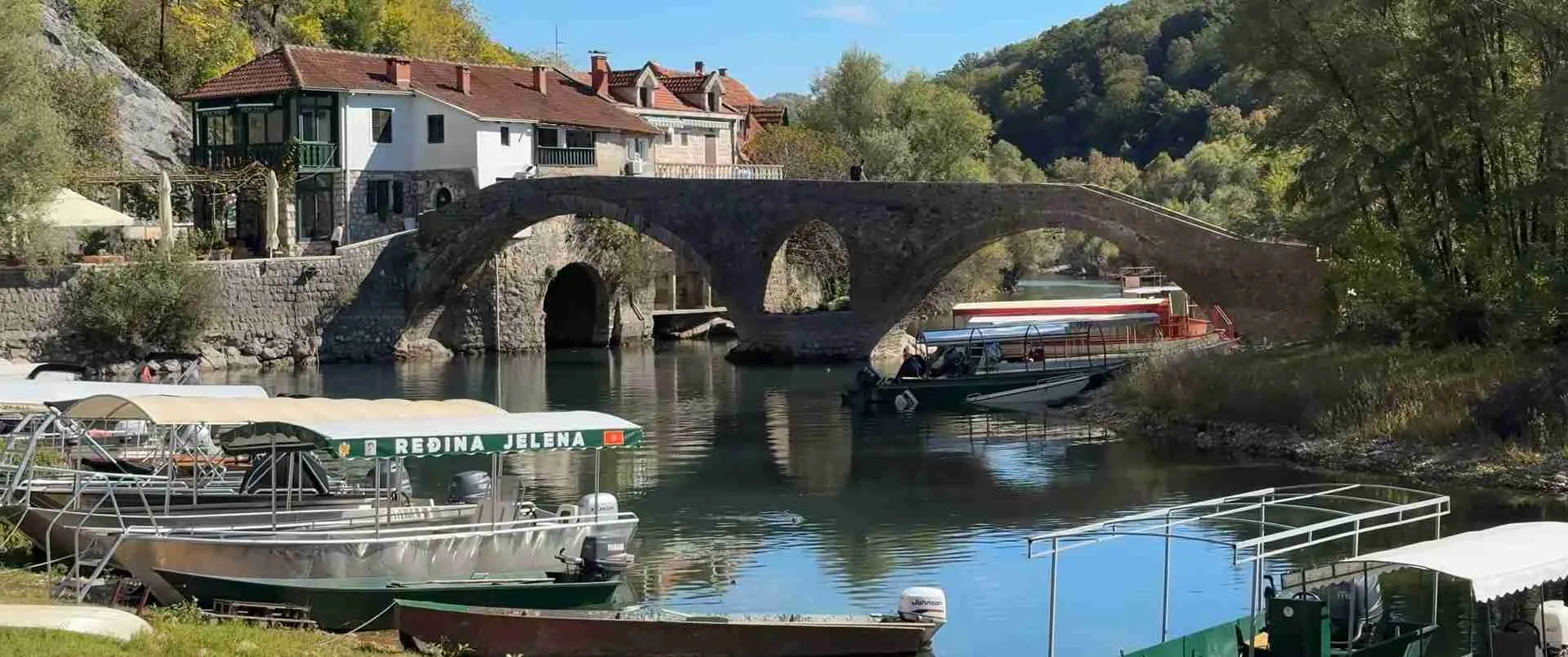
Montenegro Travel Guide 2026: Ultimate Planning Resource
Montenegro combines dramatic Adriatic coastlines, medieval UNESCO heritage sites, alpine national parks, and Mediterranean culture in Europe’s most compact country. This comprehensive 2026 planning guide covers verified costs, seasonal strategies, regional destinations from Kotor Bay to Durmitor Mountains, accommodation recommendations, transportation logistics, and insider advice for maximizing your Montenegrin experience without overspending.
Key Takeaways for Montenegro Travel 2026
- Budget Planning 2026: Budget travelers need €55-90 per person daily (two sharing budget accommodation), mid-range travelers spend €125-200 per person daily (two sharing mid-range hotels), and luxury visitors invest €265-425 per person daily (two sharing luxury properties). Weekly costs range €385-630 budget, €875-1,400 mid-range, and €1,855-2,975 luxury, all assuming two people sharing accommodation.
- Optimal Timing 2026: May through June and September through October deliver ideal weather conditions with temperatures between 20-26°C, swimmable Adriatic waters, accommodation costs 30-40% below July-August peaks, and significantly fewer crowds at UNESCO sites. July and August bring peak prices, cruise ship congestion in Kotor, and fully booked coastal hotels requiring advance reservations.
- Regional Diversity: Montenegro’s compact size (13,812 square kilometers) enables exploration of medieval Bay of Kotor, beach resort Budva, alpine Durmitor National Park, and historic Cetinje within single trips. The country hosts four UNESCO World Heritage Sites: Natural and Culturo-Historical Region of Kotor, Durmitor National Park, Stećci Medieval Tombstones Graveyards (transnational), and Venetian Works of Defence (transnational).
- Transportation Strategy 2026: Car rental provides maximum flexibility for exploring mountain regions and costs €35-60 daily for compact vehicles with comprehensive insurance. Intercity buses connect major destinations reliably for €5-15 per journey but serve limited mountain areas. Tivat and Podgorica airports offer international connections, with Tivat positioned 5 kilometers from coastal destinations.
- Accommodation Hierarchy: Coastal properties command premiums with mid-range Kotor hotels ranging €100-160 nightly versus €60-100 in Podgorica. Budva beaches drive July-August rates 40-50% above shoulder season levels. Booking three months ahead secures optimal coastal locations, while mountain accommodations near Durmitor accept shorter notice except peak hiking season June-September.
- Cultural Immersion 2026: Montenegro blends Orthodox, Catholic, and Muslim heritage visible in Kotor’s Cathedral of Saint Tryphon, Ostrog Monastery, and Ulcinj’s Old Town mosques. Local cuisine emphasizes fresh Adriatic seafood, mountain lamb under sač (iron bell), pršut (smoked ham), Njeguški cheese, and wines from Crmnica region. Restaurant etiquette follows Mediterranean patterns with 10% tips standard for good service.
People Also Ask About Montenegro Travel 2026
How much does Montenegro cost per day in 2026?
Montenegro costs €55-90 per person daily for budget travelers (two sharing budget accommodation), €125-200 per person daily for mid-range comfort (two sharing mid-range hotels), and €265-425 per person daily for luxury experiences (two sharing luxury properties). Budget tier includes hostel dormitories or budget guesthouses at €20-30 per person share, meals totaling €25-38, local bus transport €5-10, and select attraction entries €5-10. Mid-range encompasses comfortable hotels €50-80 per person share, restaurant dining €48-67, mixed transportation €10-20, and broader attraction access €15-30. Luxury features upscale hotels €120-200 per person share, fine dining €90-135, private transport €25-40, and premium tour experiences €30-50. Coastal destinations Kotor and Budva run 30-40% higher than inland Podgorica or northern mountain towns, with July-August peak season adding another 20-30% premium across all categories.
What is the best time to visit Montenegro in 2026?
May through June and September through October represent optimal Montenegro visiting periods in 2026, balancing pleasant weather, manageable crowds, and reasonable pricing. Late spring May-June delivers temperatures 20-24°C, blooming Mediterranean vegetation, Adriatic waters reaching 20-22°C by mid-June, and accommodation rates 30-35% below peak summer. September-October maintains 22-26°C air temperatures, warmest sea temperatures 23-25°C through September, fewer tourists than summer months, and similar off-peak pricing advantages. July-August constitutes peak season with temperatures reaching 30-32°C, packed coastal destinations particularly Kotor when cruise ships dock, accommodation requiring 3-4 month advance booking, and prices peaking 40-50% above shoulder seasons. Winter November-April offers budget opportunities with coastal hotel rates dropping 50% or more, though many beach establishments close, Adriatic becomes too cold for swimming at 13-16°C, and mountain roads to Durmitor may require winter equipment or face temporary closures during heavy snow.
Do I need a visa for Montenegro in 2026?
Montenegro grants visa-free entry for 90 days within 180-day periods to citizens of United States, Canada, United Kingdom, European Union member states, Australia, New Zealand, and numerous other countries in 2026. Visitors must present passports valid at least three months beyond intended departure date and may face questions about accommodation arrangements and return travel plans at border crossings. Tourist tax registration proves mandatory for all visitors staying in private accommodations, apartments, or vacation rentals, though hotels and hostels handle this automatically as part of room charges. The tax ranges €1-2 per person nightly depending on municipality and season, with Kotor and Budva implementing higher rates during summer months. Travelers planning stays exceeding 90 days or intending to work must apply for temporary residence permits through Montenegrin Ministry of Interior before arrival, as visa-free provisions cover tourism and short business visits exclusively.
Is Montenegro safe for tourists in 2026?
Montenegro maintains excellent safety standards for tourists in 2026, with violent crime against visitors extremely rare and petty theft limited primarily to crowded coastal areas during peak summer season. Standard urban precautions apply in Podgorica bus and train stations where pickpockets occasionally target distracted tourists, while popular beaches Budva and Kotor Bay experience minor theft from unattended belongings. Mountain hiking requires appropriate preparation as trails in Durmitor National Park reach serious alpine terrain with weather changes, technical routes, and limited mobile coverage in remote valleys. Road safety demands attention as coastal highway features sharp curves, occasional aggressive drivers, and narrow village streets in Kotor Old Town and Perast where parking proves challenging. Medical facilities concentrate in Podgorica and coastal cities, with Kotor Clinical Center handling emergencies though visitors should maintain travel insurance covering potential helicopter evacuation from mountain accidents. Political stability remains solid, tourism infrastructure continues improving, and locals generally demonstrate welcoming attitudes toward international visitors while speaking functional English in tourist zones though less so in rural mountain villages.
Extended multi-day tours – 5+ days
Featured Montenegro Multi-Day Tour Packages
3 days
Montenegro 3-Day Discovery Tour
- ✓ Comprehensive Montenegro experience
- ✓ Expert local guides included
- ✓ All accommodation included
- ✓ Transportation provided

5 days
Montenegro 5-Day Highlights Experience
- ✓ Comprehensive Montenegro experience
- ✓ Expert local guides included
- ✓ All accommodation included
- ✓ Transportation provided

7 days
Montenegro 7-Day Cultural Journey
- ✓ Comprehensive Montenegro experience
- ✓ Expert local guides included
- ✓ All accommodation included
- ✓ Transportation provided

10 days
Montenegro 10-Day Complete Adventure
- ✓ Comprehensive Montenegro experience
- ✓ Expert local guides included
- ✓ All accommodation included
- ✓ Transportation provided
Multi-day tour packages powered by TourRadar. Prices and availability subject to change.
Introduction: Planning Your Montenegro Adventure 2026
Montenegro occupies a unique position among European destinations in 2026, delivering dramatic natural beauty, rich cultural heritage, and Mediterranean lifestyle at costs substantially below Western European equivalents. The country’s independence in 2006 launched accelerated tourism development, yet infrastructure remains refreshingly uncommercialized compared to neighboring Croatia while offering similar Adriatic coastlines, historic architecture, and mountain landscapes within remarkably compact geography.
This comprehensive planning guide addresses the practical realities of Montenegro travel in 2026: verified accommodation costs reflecting current market rates, transportation logistics acknowledging limited public transit in mountain regions, seasonal pricing variations that dramatically impact budgets, regional characteristics from coastal to alpine environments, and strategic timing recommendations balancing weather, crowds, and costs. The information derives from current tour operator rates, hotel booking platforms, transportation schedules, and official sources, providing reliable planning foundation rather than outdated estimates or aspirational pricing.
Montenegro’s 13,812 square kilometers contain remarkable diversity. The Adriatic coast stretches 293 kilometers featuring medieval UNESCO towns, sandy beaches, and dramatic limestone cliffs plunging into turquoise waters. The Dinaric Alps dominate northern regions with Durmitor National Park offering alpine lakes, Europe’s deepest canyon, and peaks exceeding 2,500 meters. Cultural heritage reflects centuries of Venetian, Ottoman, and Austro-Hungarian influences visible in architecture, cuisine, and religious diversity across Orthodox monasteries, Catholic cathedrals, and historic mosques.
The 2026 tourism season presents evolving dynamics. Infrastructure improvements continue with expanded Tivat Airport capacity, upgraded coastal roads, and growing accommodation options from boutique hotels to mountain lodges. However, popularity brings challenges: July-August coastal congestion intensifies, Kotor experiences cruise ship overcrowding, and advance booking becomes increasingly essential for prime locations and peak periods. Strategic planning maximizing shoulder seasons, balancing coastal and mountain experiences, and understanding regional price variations proves crucial for optimal experiences.
This guide organizes information for practical application: budget breakdowns by traveler tier, seasonal analysis for timing decisions, regional destination profiles highlighting characteristics and logistics, accommodation recommendations by area and budget, transportation options with realistic cost expectations, sample itineraries demonstrating feasible routing, and money-saving strategies that maintain quality experiences. Whether planning budget backpacking trips, comfortable family vacations, or luxury getaways, the following sections provide frameworks for effective Montenegro planning in 2026.
Understanding Montenegro Costs in 2026
Montenegro’s cost structure in 2026 reflects its position as moderately priced European destination, significantly more affordable than Western Europe while commanding premiums over Balkans neighbors Albania and North Macedonia. The country adopted the Euro unilaterally despite not holding European Union membership, eliminating currency exchange complications for eurozone travelers while establishing pricing more transparent than countries using local currencies. However, cost variations by region, season, and traveler approach prove substantial enough to impact overall budgets dramatically.
Coastal destinations Kotor, Budva, Tivat, and Herceg Novi implement pricing structures 30-50% higher than inland areas during peak season, driven by international tourism demand, limited coastal real estate, and concentration of upscale establishments. The Bay of Kotor commands particular premiums as UNESCO World Heritage Site attracting cruise ships, while Budva’s beach resort infrastructure targets package tourists willing to pay for convenience. Conversely, capital Podgorica maintains business-oriented pricing serving domestic travelers, government operations, and commercial activities rather than tourism, resulting in better value for food and accommodation though fewer traditional tourist attractions.
Seasonal price swings prove dramatic. July-August peak season sees coastal hotel rates increase 40-60% versus May-June or September-October shoulder periods, restaurant prices rise 15-20% in tourist zones, and activity operators charge premium rates. Winter November-March offers deepest discounts with coastal hotels dropping rates 50% or more, though many beach facilities close entirely and cold Adriatic waters eliminate swimming. Mountain regions follow different patterns with Durmitor pricing peaking June-September for hiking season and January-March for skiing, while spring and autumn represent off-season with limited services.
The following sections detail specific cost categories with ranges reflecting actual 2026 market rates, seasonal variations, and regional differences. Budget calculations assume two travelers sharing accommodation (standard couple or friend pairing), as solo travelers face room rate disadvantages and inability to split transportation costs. All figures represent per-person daily costs including accommodation share, with meal, transport, and attraction expenses itemized for transparency.
Daily Budget Breakdown Montenegro 2026
Daily costs in Montenegro vary substantially by traveler style, season, and geographic focus, with budget backpackers managing comfortable experiences at €55-90 per person daily while luxury seekers investing €265-425 daily access premium properties, fine dining, and private experiences. The following breakdowns detail actual costs by category for realistic budget planning, with all figures representing per-person expenses assuming two travelers sharing accommodation as standard couple or friend arrangement.
Budget Traveler Daily Costs 2026 (€55-90 per person daily)
Budget tier Montenegro travel maintains quality experiences through strategic choices: hostel dormitories or budget guesthouses, local restaurants and supermarket meals, public transportation, free attractions combined with select paid entries, and self-guided exploration rather than organized tours. Accommodation forms largest expense at €20-30 per person (two sharing budget hotel or guesthouse room €40-60 nightly), breakfast €5-8 from bakeries or guesthouse provisions, lunch €8-12 at local eateries serving ćevapi or burek, dinner €12-18 at neighborhood restaurants away from tourist zones, transport €5-10 for local buses, and attractions €5-10 mixing free beaches and hiking with occasional paid entries.
Budget travelers in Kotor select guesthouses in Dobrota or Škaljari neighborhoods 2-3 kilometers from Old Town where rooms cost €40-50 versus €70-90 within walls, walk or use local buses €1.50 per ride to attractions, eat at konobas (traditional restaurants) in residential areas serving grilled meats €10-15 rather than seafood restaurants €20-30, and climb fortress walls independently rather than joining guided tours. Budva budget strategy focuses on accommodations in Lazi or Gospoština areas away from beaches where guesthouses charge €35-50 versus beachfront properties €80-120, with free beach access at Mogren requiring 15-minute walk from Old Town and supermarket meals supplementing restaurant dining.
Mountain regions offer superior budget value with Žabljak guesthouses near Durmitor National Park charging €30-45 per room, local mountain restaurants serving traditional dishes under sač (iron bell cooking) for €10-15, and Durmitor park entry just €3. Budget camping proves feasible at designated sites charging €8-12 per tent plus €3-5 per person, though facilities remain basic. Hostels operate primarily in Kotor, Budva, and Podgorica, with dormitory beds €15-25 in peak season, €10-18 shoulder season, and 4-8 bed dorms standard configuration.
Budget tier weekly costs total €385-630 per person (€55-90 daily × 7 days) assuming two sharing accommodations, enabling week-long Montenegro exploration combining coastal and mountain experiences within modest budgets. Strategic timing in May-June or September-October versus July-August saves additional 25-30% on accommodation and reduces attraction crowding, stretching budgets further while maintaining comfortable conditions.
Mid-Range Traveler Daily Costs 2026 (€125-200 per person daily)
Mid-range tier balances comfort, convenience, and local experiences through 3-star hotels or quality guesthouses, restaurant dining mixing casual and upscale establishments, rental car flexibility or combination bus-taxi transport, comprehensive attraction access including paid entries and some guided tours, and selective splurges on premium experiences. Accommodation costs €50-80 per person (two sharing €100-160 nightly hotel), breakfast €8-12 at hotels or cafes, lunch €15-20 at casual restaurants, dinner €25-35 at quality establishments with local wine, transport €10-20 mixing buses and taxis or daily rental car share, and attractions €15-30 for paid entries plus occasional tours.
Mid-range Kotor accommodations select hotels within or near Old Town €100-140 nightly offering traditional stone architecture, modern bathrooms, and breakfast included, positioning within walking distance of attractions while avoiding premium waterfront rates €180-250. Restaurant choices balance tourist-oriented establishments serving fresh seafood risotto €18-25 with neighborhood spots offering grilled fish €15-22, typically dining out twice daily while occasionally supplementing with supermarket provisions for lunches. Car rental €40-55 daily enables day trips to Perast, Lovćen National Park, and Ostrog Monastery without bus schedule constraints, though parking in Kotor Old Town proves challenging requiring paid lots €2-3 hourly.
Budva mid-range strategy focuses on hotels 500-800 meters from beaches in quieter residential zones where properties charge €90-130 versus beachfront €150-200, with short walks to Slovenska Beach or Mogren Beach and Old Town restaurants. Organized half-day boat tours €25-35 per person explore Bay of Kotor Blue Cave and coastal attractions, while rental car enables independent beach access at Jaz Beach or Sveti Stefan viewpoint. Durmitor mountain mid-range selects comfortable mountain lodges €70-100 per room serving hearty breakfasts, with organized Tara Canyon rafting €45-60 and guided hiking €35-50 providing safety and local knowledge for alpine terrain.
Mid-range tier weekly costs range €875-1,400 per person (€125-200 daily × 7 days) assuming two sharing mid-range hotels, supporting comprehensive Montenegro exploration with comfortable accommodations, diverse dining experiences, transportation flexibility, and full attraction access including some premium activities. This tier represents sweet spot for most international tourists seeking quality without luxury pricing, particularly during shoulder seasons when rates favor travelers.
Luxury Traveler Daily Costs 2026 (€265-425 per person daily)
Luxury tier prioritizes comfort, exclusivity, and curated experiences through 4-5 star hotels and boutique properties, fine dining emphasizing fresh Adriatic seafood and local specialties, private transportation, comprehensive guided experiences, and premium activities. Accommodation costs €120-200 per person (two sharing €240-400 nightly luxury hotel), breakfast €15-20 from hotel buffets, lunch €30-45 at quality waterfront restaurants, dinner €45-70 at upscale establishments with wine pairings, transport €25-40 for private transfers and rental car, and attractions €30-50 for premium tours and exclusive experiences.
Luxury Kotor accommodations select boutique hotels within UNESCO Old Town walls converted from historic palaces, offering stone architecture, rooftop terraces with bay views, and rates €200-350 nightly. Dining focuses on waterfront restaurants serving fresh Adriatic catch-of-day €35-50, traditional konobas with refined presentations €30-45, and occasional splurges at Michelin-consideration establishments €60-80 per person. Private boat tours €100-150 per person explore Bay of Kotor without crowds, while private guides €80-120 for half-day provide historical context and skip-line access to fortress and Cathedral of Saint Tryphon.
Budva luxury centers on 5-star beach resorts like Dukley Hotels & Resorts or Splendid Conference & Spa Resort commanding €250-450 nightly with private beaches, spa facilities, and multiple restaurants. Porto Montenegro in Tivat offers yacht marina luxury with Regent Porto Montenegro rates €300-600 nightly, positioning within walking distance of upscale dining, designer shopping, and yacht charters €400-800 daily for private Adriatic exploration. Durmitor luxury selects boutique mountain lodges €150-250 per room combining rustic alpine architecture with modern amenities, gourmet mountain cuisine, and guided experiences including private hiking guides €100-150 and exclusive rafting trips with professional photography €120-180.
Luxury tier weekly costs span €1,855-2,975 per person (€265-425 daily × 7 days) assuming two sharing luxury accommodations, enabling Montenegro exploration prioritizing comfort, exclusive access, and curated experiences. This tier attracts travelers seeking refinement and convenience, particularly appreciated given Montenegro’s compact size allowing luxury base camps in Kotor or Budva with day-trip flexibility to diverse regions.
Best Time to Visit Montenegro 2026: Seasonal Analysis
Montenegro’s Mediterranean and alpine climate creates distinct seasonal characteristics affecting weather conditions, tourist crowds, pricing structures, and available activities, with strategic timing proving crucial for optimal experiences and budget management. The Adriatic coast enjoys Mediterranean climate with hot dry summers and mild winters, while mountain regions experience continental alpine patterns with snow November-April and cooler temperatures year-round.
Peak Season July-August 2026: Maximum Crowds, Highest Prices
July and August represent peak tourism months bringing warmest weather, busiest attractions, fully booked accommodations, and highest prices across all categories. Coastal temperatures reach 30-32°C with Adriatic waters warming to 24-26°C, ideal for beach activities and water sports but creating heat stress during midday hours. Kotor experiences significant cruise ship congestion with 2-4 ships docking weekly carrying 2,000-6,000 passengers each, overwhelming Old Town’s narrow streets during morning-afternoon periods. Budva beaches pack with domestic and regional tourists, with prime beach spots claimed by early morning and restaurants requiring reservations.
Accommodation in coastal areas requires booking 3-4 months ahead as properties reach capacity, particularly in Kotor Old Town, Budva beachfront, and Perast waterside locations. Hotel rates peak 40-60% above shoulder season levels, with Kotor mid-range hotels reaching €140-200 versus €90-130 in May-June, and Budva beachfront properties €180-280 versus €110-180. Mountain regions follow different patterns as Durmitor hiking season peaks with day temperatures 22-26°C at elevation, though nights cool to 10-15°C requiring layers. Road access proves optimal with all mountain passes open and weather generally stable, though afternoon thunderstorms occur regularly.
Peak season advantages include guaranteed warm swimming conditions, full restaurant and activity operation with extended hours, lively atmosphere in coastal towns, and vibrant nightlife particularly Budva. However, disadvantages prove significant: attraction crowding especially Kotor walls requiring early morning visits, restaurant quality declining in tourist zones focused on volume over experience, traffic congestion on coastal highway and Kotor access roads, and prices eliminating budget options in prime locations. Travelers committed to peak season should book accommodations and rental cars early, plan attraction visits for early morning or evening hours, and build flexibility for dealing with crowds and heat.
Shoulder Season May-June and September-October 2026: Optimal Balance
Late spring May-June and early autumn September-October deliver Montenegro’s ideal visiting conditions balancing pleasant weather, manageable crowds, reasonable pricing, and full service availability. May-June brings temperatures 20-24°C, blooming Mediterranean vegetation including oleander and bougainvillea, and Adriatic waters reaching 20-22°C by mid-June suitable for swimming though initially cool. September-October maintains 22-26°C, warmest sea temperatures 23-25°C through September extending swimming season, autumn colors in mountain regions, and decreasing tourist presence as school resumes.
Accommodation availability improves dramatically with last-minute bookings feasible even in Kotor and Budva, though advance reservation still recommended for specific properties or dates. Hotel rates drop 30-40% versus July-August peaks with Kotor mid-range €90-130 and Budva €110-160, while maintaining quality and service standards. Restaurants operate full menus without peak season volume pressures, enabling more personal service and authentic food preparation. Mountain regions prove spectacular in June with wildflower meadows and snow-melt waterfalls, while September offers stable hiking conditions without July-August crowds on popular Durmitor trails.
Shoulder season provides strategic advantages for photography with better light conditions morning and evening, attraction access without queues or cruise ship crowds, rental car availability and better rates, and more authentic local interactions as tourism pressures ease. Weather remains reliably good with occasional rain days particularly September-October, though providing welcome temperature relief and dramatic lighting for coastal scenery. Travelers prioritizing experiences over guaranteed perfect weather find shoulder seasons deliver superior value and more enjoyable visits across virtually all metrics.
Off-Season November-April 2026: Budget Opportunities with Limitations
Winter months November-April offer significant budget advantages with coastal hotel rates dropping 50% or more, though service limitations, cold weather, and reduced activity availability require acceptance of compromises. Coastal temperatures range 8-15°C with frequent rain November-February, Adriatic waters dropping to 13-16°C eliminating swimming, and many beach facilities, restaurants, and tour operators closing entirely. Mountain regions experience true winter with Durmitor receiving significant snowfall December-March, roads requiring winter equipment or facing closures, and skiing available at limited facilities near Žabljak.
Off-season attracts specific traveler types: budget explorers accepting weather uncertainty for extreme cost savings, cultural enthusiasts focusing on UNESCO sites without crowds, and nature photographers seeking dramatic winter light and stormy coastal scenes. Kotor and Budva Old Towns remain accessible with restaurants and shops operating reduced hours, enabling historical exploration without peak season congestion. Ostrog Monastery maintains year-round appeal as pilgrimage destination, while Lovćen National Park offers winter hiking when weather permits though road to Njegoš Mausoleum may close during heavy snow.
Practical limitations include reduced bus schedules particularly to mountain regions, many coastal hotels closing November-March reopening only for Easter, limited restaurant options requiring research to identify year-round establishments, and weather unpredictability ranging from pleasant sunny days to extended rainy periods. Travelers visiting off-season should maintain flexible itineraries allowing weather-dependent activities, book accommodations at confirmed open properties, and prepare for limited tourist infrastructure. However, those accepting these conditions enjoy virtually empty attractions, authentic local interactions, and budgets stretched significantly further.
Getting to Montenegro 2026: International Access
Montenegro’s international access centers on two airports, overland connections from regional neighbors, and limited ferry services, with most international visitors arriving via air through Tivat or Podgorica airports. The country’s strategic Balkans position enables straightforward connections from major European hubs, though direct long-haul flights remain absent requiring connections through established European gateways.
Tivat Airport (TIV): Primary Coastal Gateway
Tivat Airport serves as principal entry point for coastal tourism, located 5 kilometers from Kotor Bay and 20 kilometers from Budva, with convenient access to major Adriatic destinations. The airport operates seasonal route structure with extensive May-October services diminishing significantly November-April. Airlines in 2026 include budget carriers Ryanair, Wizz Air, and easyJet serving UK (London Gatwick, Stansted, Luton), Germany (Berlin, Frankfurt, Munich), France (Paris CDG), and Netherlands (Amsterdam), plus traditional carriers including Air Serbia connecting through Belgrade.
Flight costs vary dramatically by season and booking timing. May-June and September-October shoulder season flights from London range €80-150 return booked 2-3 months ahead, Frankfurt €100-180, and Paris €90-160. July-August peak season prices double with London reaching €200-350, advance booking essential, and last-minute fares astronomical. Budget carriers implement strict baggage policies with checked bags adding €30-60 per direction, while traditional carriers include luggage. Winter November-March sees reduced service with higher per-seat costs due to lower demand, though absolute prices remain reasonable for available connections.
Airport transfers to coastal destinations utilize shared shuttles €8-12 per person serving major hotels, private transfers €25-40 for 1-4 passengers providing door-to-door service, or rental car pickup directly at airport. Public bus connections prove limited with unreliable schedules, making prearranged transfer or rental car pickup recommended options. Tivat town center sits just 2 kilometers enabling taxi access €8-12 for those staying locally, while Kotor requires 15-20 minute drive and Budva 30 minutes.
Podgorica Airport (TGD): Capital Connection
Podgorica Airport serves as Montenegro’s larger international facility handling year-round scheduled services, positioned 12 kilometers from capital Podgorica and 65 kilometers from Budva coast. The airport maintains more consistent operation than seasonal Tivat with business and diaspora traffic supplementing tourism. Airline service includes Air Serbia multiple daily flights to Belgrade hub enabling worldwide connections, Montenegro Airlines successor Air Montenegro operating regional routes, Turkish Airlines via Istanbul, Austrian Airlines through Vienna, and seasonal services to Western European destinations.
Flight costs generally prove lower than Tivat reflecting less concentrated tourism demand, with Belgrade connections particularly affordable at €60-120 return enabling convenient transfer hub. Western European flights show similar seasonal patterns to Tivat though with smaller peak differentials. Airport transfers to Budva coast utilize buses €5-8 operating several times daily with 90-minute journey, shared transfers €12-15 per person, or private transfers €40-60 for flexibility. Podgorica city center access proves straightforward via bus €1-2, taxi €8-12, or rental car pickup at terminal.
Overland Connections: Regional Access
Montenegro shares borders with Croatia, Bosnia and Herzegovina, Serbia, Kosovo, and Albania, enabling overland arrival via bus, private vehicle, or organized tour. Croatia connections prove most popular with direct buses Dubrovnik-Kotor operating 2-3 hours €8-15 particularly convenient for travelers combining Croatian coast with Montenegro, though border crossings add 20-60 minute delays during peak season. Split-Kotor buses operate daily 6-7 hours €25-35 offering more extensive routing. Rental car crossing from Croatia requires advance notification to rental company and additional insurance documentation.
Serbian connections through Podgorica operate frequently with Belgrade buses 8-10 hours overnight €25-35 serving budget travelers, while day buses enable scenic routing through mountain regions. Albanian connections via Shkodër remain less developed with basic bus services, though improving infrastructure enhances viability for adventurous travelers combining Balkans circuit. Bosnia connections focus on eastern Montenegro routes serving Pljevlja and Bijelo Polje rather than coastal tourism.
Transportation Within Montenegro 2026
Internal Montenegro transportation combines limited public transit serving major routes with rental car flexibility ideal for mountain exploration and coastal day trips, while taxis and rideshare fill gaps in bus networks. The country’s compact 195-kilometer north-south extent enables single-day coastal-to-mountain transitions, though mountain roads require careful driving with narrow passages, hairpin curves, and steep grades.
Rental Cars: Maximum Flexibility
Rental cars provide optimal Montenegro exploration enabling mountain park access, coastal village discovery, and schedule independence impossible via public transport. Major international agencies Hertz, Europcar, and Sixt operate from airports alongside local companies offering competitive rates. Compact vehicles cost €35-50 daily in shoulder season, €50-70 peak July-August, with 7-day rentals reducing daily rates €30-45. Comprehensive insurance proves essential given narrow mountain roads and parking challenges, adding €12-18 daily but eliminating deductible concerns. Manual transmission remains standard with automatic vehicles commanding €10-15 daily premium and requiring advance booking.
Driving conditions vary dramatically by region. Coastal highway (Jadranski put/Adriatic Highway) follows curves and grades with spectacular views requiring attention, suffering congestion Budva-Kotor during July-August, and featuring occasional aggressive local drivers. Mountain roads to Durmitor via Morača Canyon present serious driving challenges with single-lane sections, no guardrails on cliff edges, loose gravel on curves, and weather changes. The famous Kotor serpentine features 25 hairpin switchbacks climbing 900 meters from coast to Lovćen, offering stunning bay views but demanding slow careful driving. Winter mountain access requires all-season or winter tires with chains, with some routes closing during heavy snow.
Parking limitations affect coastal Old Towns where Kotor and Budva historic centers ban private vehicles requiring paid lots €2-4 hourly or €15-25 daily outside walls. Perast offers limited street parking requiring early arrival, while Sveti Stefan restricts access to resort guests only. Mountain parking proves straightforward with Durmitor National Park offering designated lots free or minimal €1-2 fees, though popular trailheads fill during peak hiking season requiring early starts. Fuel costs €1.50-1.65 per liter with stations common on main routes but sparse in mountain regions requiring full tank before mountain drives.
Buses: Budget Regional Connections
Public buses connect major Montenegrin destinations reliably though infrequently, serving budget travelers accepting schedule constraints and inability to access remote locations. Coastal route Herceg Novi-Kotor-Budva-Bar operates frequent services with buses every 30-60 minutes during day, single journey costs €3-8 depending on distance, and air-conditioned coaches on main routes. Podgorica maintains hub status with connections to all regions though frequencies drop dramatically outside primary corridors.
Mountain access via bus proves limited with Žabljak-Podgorica running 2-3 times daily in summer, reducing to 1-2 in winter, requiring 3 hours €8-12 with scenic routing through Morača Canyon. No public buses serve Durmitor National Park trailheads or remote mountain villages, rendering rental car or organized tour essential for serious hiking or exploration. Ostrog Monastery access requires Nikšić connection then taxi final segment, total journey Podgorica-Ostrog consuming 3-4 hours each direction.
Bus stations in Kotor, Budva, and Podgorica offer luggage storage €2-3 daily, basic facilities, and English-speaking ticket agents. Advance booking proves unnecessary except July-August peak when popular routes sell out, otherwise purchasing tickets at station before departure suffices. Buses maintain reasonable punctuality though mountain routes suffer delays during adverse weather or road maintenance.
Taxis and Rideshare: Gap Filling
Taxis operate in all cities and tourist areas with meters required by law though not always used, making fare negotiation necessary before journey. Kotor Old Town to Tivat Airport costs €20-25 negotiated, Budva to Sveti Stefan €15-20, Podgorica Airport to city center €10-12. Montenegro lacks Uber or similar rideshare services as of 2026, limiting options to traditional taxis identified by roof lights and “TAXI” signage. Tourist zones see higher rates than residential areas, with coastal destinations commanding premiums during peak season.
Private transfers through hotels or tour companies offer reliable alternative for airport connections and day trips, charging premium over taxis but providing English-speaking drivers, guaranteed punctuality, and advance booking security. Shared transfers from airports cost €8-15 per person reaching major hotels, economic for solo travelers but less flexible than private options.
Accommodation Guide Montenegro 2026: Where to Stay
Montenegro accommodation spans hostels, guesthouses, mid-range hotels, boutique properties, and luxury resorts, with strategic location selection proving crucial for maximizing experiences while managing budgets. Coastal properties command premiums particularly within UNESCO Old Towns and beachfront positions, while mountain areas and inland cities offer superior value with less tourist-oriented environments.
Kotor Accommodation: UNESCO Old Town Luxury and Value Alternatives
Kotor Old Town properties occupy renovated stone palaces and historic buildings within UNESCO walls, offering atmospheric medieval architecture, morning views of fortress and bay, and walking access to Cathedral of Saint Tryphon, Maritime Museum, and restaurant concentration. Luxury boutique hotels like Hotel Astoria or Palazzo Drusko charge €180-300 July-August, €120-200 shoulder season, delivering rooftop terraces, stone architecture preservation, and premium positions. Mid-range options within walls including Hotel Marija or Monte Cristo range €100-150 peak, €70-110 shoulder, with smaller rooms but authentic old town experience and breakfast included.
Budget accommodations concentrate outside walls in Dobrota neighborhood 2 kilometers north and Škaljari 3 kilometers south, where guesthouses charge €40-60 peak season, €30-45 shoulder, for private rooms with basic amenities. These positions require 30-40 minute walks or €1.50 bus rides to Old Town but deliver significant savings and residential neighborhood character. Parking outside Old Town utilizes designated lots €2-4 hourly, with properties outside walls sometimes offering free parking as major advantage over within-wall locations requiring paid lots.
Kotor accommodation booking requires 2-3 month advance reservations July-August for within-wall properties as limited inventory sells out completely. Shoulder seasons May-June and September-October enable 2-4 week advance booking with reasonable selection, while winter allows last-minute arrangements due to reduced tourism. Properties within walls suffer noise from restaurants, bars, and tourists until late night, making light sleepers favor quieter positions outside walls or selecting internal courtyard rooms when available.
Budva Accommodation: Beach Access and Old Town Charm
Budva accommodation strategy divides between beachfront resort properties, Old Town historic hotels, and inland budget alternatives. Beachfront resorts along Slovenska Beach include Avala Resort & Villas and Hotel Budva commanding €150-250 July-August for private beach access, multiple pools, spa facilities, and all-inclusive options suiting families seeking convenience. Mid-range beachfront hotels 400-600 meters from Old Town like Hotel Astoria or Aleksandar range €90-140 peak season offering beach proximity without resort pricing and position walking distance to Old Town restaurants.
Budva Old Town hotels occupy smaller historic buildings like Hotel Astoria or Palazzo Radomiri charging €120-180 July-August, delivering atmospheric medieval settings and restaurant access but no beach frontage requiring 10-15 minute walks to Slovenska Beach or 20 minutes to quieter Mogren Beach. Budget accommodations scatter through inland Lazi and Gospoština neighborhoods 1-2 kilometers from beaches where guesthouses charge €35-55 peak season for private rooms, suitable for travelers prioritizing budget over convenience and willing to walk or use local buses €1-2.
Budva accommodation books solid July-August particularly beachfront positions requiring 3-4 month advance reservations, while shoulder seasons offer 3-4 week lead time and winter enables last-minute arrangements with many properties closing November-April. Noise levels in Old Town and along Slovenska Beach prove high during summer with nightlife continuing past midnight, making quieter residential positions or hotels with soundproofing preferable for families with children or sensitive sleepers.
Mountain Accommodation: Durmitor and Žabljak
Mountain accommodation near Durmitor National Park centers on Žabljak town offering guesthouses, mountain lodges, and limited hotel options catering to hikers and nature enthusiasts. Traditional mountain lodges like Etno Selo Šljeme or Vranjak charge €50-80 in peak hiking season June-September, delivering rustic alpine architecture, hearty breakfasts featuring local mountain products, and proximity to trailheads. Budget guesthouses range €30-45 offering basic private rooms with shared facilities, suitable for hiking-focused travelers minimizing accommodation time.
Luxury mountain options remain limited with Etno Village Stanišići or select renovated lodges reaching €120-180, providing refined mountain design, gourmet traditional cuisine, and premium positioning though never matching coastal luxury standards. Winter skiing season December-March sees different demand patterns with accommodation focused on slope access near small Savin Kuk resort, rates dropping significantly during transitional April-May and October-November off-peak periods.
Mountain accommodation books moderately with 2-4 week advance notice sufficient in peak season, though specific popular lodges near Black Lake or Tara River require earlier booking. Many properties close October-May outside skiing season, requiring verification before planning shoulder season mountain visits. Mountain lodges typically include breakfast as standard with some offering half-board dinner options €12-18 additional, valuable given limited restaurant options in Žabljak compared to coastal towns.
Podgorica Accommodation: Budget Capital Options
Podgorica accommodation serves primarily business travelers and transit visitors rather than destination tourism, resulting in better value for standard international hotel chains and practical positioning near transport hubs. Hotels like Hilton Podgorica or Boscovich Boutique Hotel charge €80-120 year-round for business-standard amenities, breakfast included, and English-speaking staff, significantly less than equivalent coastal properties. Budget chain hotels including Hotel Evropa or City Hotel range €40-60 offering basic but clean accommodations suitable for transit stays between coastal and mountain regions.
Strategic Podgorica positioning enables day trips to Ostrog Monastery 45 minutes west, Lake Skadar National Park 30 minutes south, and Morača Canyon 60 minutes north, with hotel parking simplifying rental car logistics. The capital lacks traditional tourist atmosphere but provides authentic Montenegrin daily life perspective, supermarkets with better prices than coastal tourist zones, and practical base for exploring central regions.
Regional Destinations Montenegro 2026
Montenegro’s 13,812 square kilometers divide into distinct regions each offering characteristic experiences, landscapes, and logistics, with strategic routing enabling comprehensive exploration within single-week itineraries combining multiple zones. The following sections detail primary destinations with practical access information and experience expectations.
Bay of Kotor: UNESCO Heritage Fjord
The Natural and Culturo-Historical Region of Kotor, inscribed as UNESCO World Heritage Site in 1979, encompasses the Adriatic’s deepest fjord where limestone mountains rise 1,500 meters directly from azure waters creating Norway-meets-Mediterranean scenery. The bay contains four interconnected basins with medieval towns clutching shorelines, Orthodox and Catholic heritage sites, and maritime history spanning Illyrian, Roman, Byzantine, and Venetian periods. Kotor Old Town forms the centerpiece with Cathedral of Saint Tryphon dating to 1166, fortress walls climbing 260 meters above town requiring 1,350 stone steps, and maze-like streets preserving medieval layout.
Perast sits 12 kilometers northwest of Kotor with pristine Venetian architecture, baroque palaces, and two picturesque islets including Our Lady of the Rocks with 17th-century church accessed via taxi boats €5-10 return operating continuously. The tiny town maintains time-capsule quality with limited development beyond waterfront restaurants serving fresh seafood and several small hotels. Herceg Novi anchors the bay entrance with Austrian fortress heritage, lush botanical gardens capitalizing on mild microclimate, and beaches suitable for swimming earlier and later in season than Budva exposed coast.
Bay of Kotor boat tours provide essential perspective from water level, revealing how mountains plunge into depths exceeding 60 meters and showcasing otherwise inaccessible coastal villages. Standard tours €25-35 per person include Blue Cave swim-stop, Perast visit, and Our Lady of the Rocks, operating 3-4 hours departing Kotor or Perast. Private boat charters €100-200 offer flexibility for photography, swimming at quiet coves, and avoiding crowded tour boat schedules. Kayak rentals €12-18 per hour or guided tours €35-45 suit active travelers preferring self-powered exploration.
Budva Riviera: Beaches and Nightlife
Budva forms Montenegro’s primary beach resort zone with 21 kilometers of coastline mixing sandy and pebble beaches, medieval Old Town, and concentrated tourism infrastructure. Slovenska Beach fronts town center with beach clubs, water sports rentals, and restaurant rows, suffering crowding July-August but offering convenient access and full amenities. Mogren Beach 1.5 kilometers west via coastal path provides more relaxed atmosphere with two crescents separated by rocky outcrop, clearer waters than town beaches, and beach bar serving drinks and light meals.
Jaz Beach 5 kilometers west attracts younger crowds and hosts summer music festivals, offering wider sands and better swimming conditions than protected Budva bay. Sveti Stefan 8 kilometers southeast presents Montenegro’s most photographed site with medieval fortified island connected by causeway, now operating as Aman luxury resort with public viewing platform but no island access for non-guests. The pink-sanded Kraljičina Plaža (Queen’s Beach) below Sveti Stefan peninsula offers free public access with spectacular fortress views, though small size limits capacity.
Budva Old Town preserves Venetian walls, stone churches, and fortress dating to 15th century, smaller and less impressive than Kotor but authentic medieval core amid resort development. Citadel Museum €3.50 entry displays maritime artifacts and offers fortress walls walk with coastal views. Summer nightlife concentrates along waterfront and in Old Town with clubs, bars, and restaurants operating until dawn, establishing Budva as Montenegro’s party destination contrasting with more sedate Kotor cultural focus.
Durmitor National Park: Alpine Wilderness
Durmitor National Park, UNESCO World Heritage Site since 1980, protects 39,000 hectares of alpine terrain in northern Montenegro with 48 peaks exceeding 2,000 meters, 18 glacial lakes, dense pine forests, and Tara River Canyon cutting 1,300 meters deep as Europe’s deepest gorge. The park delivers serious mountain wilderness requiring proper equipment, weather awareness, and hiking experience for venturing beyond maintained trails around Black Lake. Bobotov Kuk at 2,523 meters forms Montenegro’s second-highest peak with challenging full-day ascent rewarding experienced hikers with panoramic Balkans views.
Black Lake (Crno Jezero) provides easy access 3 kilometers from Žabljak town with flat 3.6-kilometer loop trail encircling glacial waters, suitable for families and casual walkers requiring 90 minutes. The lake’s dark appearance results from dense pine forests reflecting in still waters, with dramatic mountain backdrop and picnic areas. Park entrance costs €3 collected at main access points, valid full day for multiple entries. Summer months June-September offer reliable hiking conditions with mountain meadows displaying wildflowers, though afternoon thunderstorms develop regularly requiring early starts for peak ascents.
Tara River Canyon enables world-class whitewater rafting through Europe’s deepest canyon with 18-kilometer sections featuring Class II-IV rapids, pristine turquoise waters, and canyon walls rising vertically 1,000 meters. Organized rafting trips departing Šćepan Polje 25 kilometers from Žabljak cost €45-60 per person for full-day adventures including lunch, safety equipment, and transport, operating May-October with highest water levels April-June snowmelt. The Đurđevića Tara Bridge spanning canyon at 172 meters height offers zipline crossing €25 providing canyon perspective for non-rafters.
Lovćen National Park and Cetinje
Lovćen National Park surrounds Montenegro’s sacred mountain with Njegoš Mausoleum at 1,657-meter summit honoring poet-prince Petar II Petrović-Njegoš. The dramatic serpentine road from Kotor climbs through 25 hairpin switchbacks offering spectacular Bay of Kotor views, though requiring careful driving and stopping at designated viewpoints rather than roadside due to traffic. Mausoleum entrance €5 requires climbing 461 stone steps to summit where clear days reveal views across to Italy and Albania, though frequent fog limits visibility. The mausoleum interior combines black granite design with sculptural elements and prince’s tomb.
Cetinje historic town 30 kilometers inland served as Montenegro capital from 1482-1918, preserving royal palace, monasteries, and embassy buildings from kingdom period. The modest scale reflects Montenegro’s historical poverty and constant defensive wars, contrasting dramatically with grand European capitals but maintaining authentic charm. Museums include Cetinje Monastery containing preserved right hand of John the Baptist (skeptics note multiple claimed relics), National Museum €3 with Montenegrin historical exhibits, and King Nikola’s Palace €5 displaying royal family lifestyle. Cetinje maintains quiet residential character with locals outnumbering tourists, several kafanas serving traditional food, and surrounding mountain landscape.
Lake Skadar National Park: Wetland Biodiversity
Lake Skadar forms Balkans’ largest lake shared between Montenegro (southern third) and Albania (northern two-thirds), protected as national park supporting 280 bird species including Europe’s largest pelican colony, diverse fish populations, and endemic water lilies. The lake’s wetland characteristics include floating vegetation islands, shallow depths 6-8 meters average, and seasonal size fluctuations 370-540 square kilometers. Boat tours from Virpazar €15-25 per person explore channels through water lilies, visit Orthodox monasteries built on lake islands, and provide birdwatching opportunities particularly productive spring and autumn migrations.
Montenegrin shore develops tourism infrastructure gradually with Virpazar serving as primary access point 45 minutes from Podgorica, offering kayak rentals €12-15 per hour, organized boat tours, and waterfront restaurants specializing in lake fish including carp and ukljeva (small fry). Swimming proves feasible in designated areas though not primary attraction given wetland ecology. The less-developed southern shore near Murići maintains wilderness character with limited facilities but excellent birdwatching for serious naturalists willing to hike. Combine Lake Skadar visits with Virpazar lunch featuring local wine from surrounding vineyards producing Vranac and Krstač varieties.
Top Attractions and Activities Montenegro 2026
Montenegro attractions balance UNESCO heritage sites, natural wonders, adventure activities, and cultural experiences, with strategic planning enabling diverse daily combinations within compact geography. Entry fees remain reasonable compared to Western Europe, with many outstanding natural attractions offering free access.
Cultural and Historical Attractions
Kotor Old Town operates as open-air museum requiring no entry fee for exploring medieval streets, though specific sites charge modest admission. Cathedral of Saint Tryphon €4 presents Romanesque architecture with 12th-century origins, baroque towers added after earthquakes, and treasury displaying Byzantine silver religious artifacts. Maritime Museum €4 occupies baroque palace documenting Kotor’s naval history through ship models, navigation instruments, and period costumes. Kotor fortress walls and San Giovanni climb €10 requires physical fitness for 1,350 stone steps gaining 260 meters elevation, rewarding with spectacular bay panoramas particularly atmospheric at sunrise before crowds or sunset for golden-hour lighting.
Perast museums include Perast Museum €5 displaying town history and Bujović Palace artifacts, while Our Lady of the Rocks church museum €2 contains baroque interior, silver votive plates, and local legend of island construction through ship rock deposits over centuries. Budva Citadel €3.50 provides fortress walks and small archaeological collection, though less impressive than Kotor counterpart. Cetinje monastery complex free entry except museum sections, displaying historical religious artifacts and providing glimpse into Orthodox monastic life.
Natural Attractions and Outdoor Activities
Durmitor National Park €3 daily entry enables hiking from easy Black Lake circuit to challenging peak ascents, with marked trails covering major destinations though requiring proper mountain equipment, topographic maps, and weather awareness for serious routes. Black Lake represents most accessible attraction with flat loop trail, while Zminje Lake and Barno Lake provide quieter alternatives requiring 2-3 hour hikes from trailheads. Bobotov Kuk peak ascent demands full-day commitment, early start for afternoon weather avoidance, and comfort with exposed rocky terrain and route-finding without continuous trail marking.
Tara River rafting €45-60 delivers exhilarating 18-kilometer float through Europe’s deepest canyon, navigating Class II-IV rapids with professional guides ensuring safety while encouraging participation paddling. Full-day trips include lunch at riverside beach, optional canyon swimming in turquoise waters, and transport from Žabljak. Photography opportunities prove exceptional with vertical canyon walls, pristine waters, and dramatic light conditions. Zipline across Đurđevića Tara Bridge €25 provides 350-meter crossing at 172-meter height for adrenaline perspective without rafting commitment.
Bay of Kotor boat tours €25-35 explore fjord-like setting from water perspective, visiting Blue Cave natural sea cave with ethereal light effects optimal 11 AM-1 PM when sun angle illuminates interior, Perast waterfront with Our Lady of the Rocks stop, and swimming opportunities at quiet coves. Private boat charters €100-200 enable customized itineraries with photography stops, village visits, and avoiding crowded tour schedules. Kayaking €12-18 hourly or guided tours €35-45 appeal to active travelers preferring self-powered exploration and ability to access narrow channels impossible for larger boats.
Beaches and Swimming
Montenegro’s 293-kilometer coastline combines sandy beaches, pebble stretches, and dramatic rocky shorelines with Adriatic waters warming to 24-26°C July-August, cooling to 20-22°C June and September suitable for comfortable swimming. Budva beaches provide convenient access with Slovenska Beach fronting town center offering full amenities but summer crowds, while Mogren Beach 15-minute walk west delivers clearer waters and more relaxed atmosphere. Jaz Beach 5 kilometers west features wider sands, organized sections with umbrella rentals €10-15 daily, and free public areas.
Queen’s Beach (Kraljičina Plaža) near Sveti Stefan offers pink sands and spectacular fortress views in intimate cove, though small size limits capacity requiring early arrival. Velika Plaza near Ulcinj in far south provides Montenegro’s longest beach at 13 kilometers with fine sands, shallow gradual entry ideal for families, and less development than northern coast. Beach facilities vary from full resort services with restaurants, changing rooms, and water sports at popular locations to minimal amenities requiring bringing supplies at remote beaches accessed via hiking or boat.
Food and Dining Montenegro 2026
Montenegrin cuisine blends Adriatic seafood traditions, Balkan grilled meats, Mediterranean vegetables, and mountain specialties reflecting diverse geography and cultural influences. Coastal areas emphasize fresh fish, grilled octopus, and seafood risottos, while inland regions serve lamb cooked under sač (iron bell covering), mountain cheeses, and hearty stews. Italian influence remains strong from Venetian period with quality pasta dishes, risottos, and pizza available widely.
Traditional Montenegrin Dishes
Crni rižot (black risotto) utilizes cuttlefish ink creating dramatic appearance and rich seafood flavor, served at coastal restaurants €12-18 depending on establishment and season. Grilled fresh fish priced by weight typical €40-60 per kilogram enables excellent value when shared, with sea bass (brancin), sea bream (orada), and John Dory (kovač) common species. Preparation emphasizes simplicity with olive oil, garlic, and lemon preserving natural flavors. Octopus salad combines boiled octopus with potatoes, olives, and olive oil dressing €10-15 as light meal or appetizer.
Njeguški pršut represents Montenegro’s prized smoked ham from mountain village Njeguši, dry-cured using traditional methods and beech smoke, served sliced thin €8-12 as appetizer often accompanied by Njeguški cheese (mild sheep’s cheese). Ćevapi features grilled minced meat fingers served with flatbread (lepinja), chopped onions, and kajmak (clotted cream), standard throughout Balkans costing €6-10 for filling portions at casual restaurants. Lamb under sač requires advance ordering as traditional preparation involves placing lamb and potatoes under iron bell covered with hot coals for several hours slow-cooking, resulting in incredibly tender meat and concentrated flavors €18-25 per person.
Restaurant Types and Pricing
Konobas represent traditional family-run restaurants emphasizing local recipes, rustic atmosphere with stone walls and wooden furniture, and often limited English menus requiring patience and pointing. Pricing remains reasonable with mains €8-15, house wine €8-12 per liter, and authentic preparation focused on flavor over presentation. These establishments concentrate in residential neighborhoods and smaller coastal villages like Perast or mountain towns near Durmitor where tourism maintains manageable scale.
Tourist-oriented restaurants dominate Old Towns of Kotor and Budva waterfront, offering English menus with photos, higher prices €15-25 mains, and quality varying dramatically from excellent to mediocre based on ownership commitment versus pure tourist volume focus. Seafood restaurants charge premiums for waterfront positions particularly Perast and Kotor bay-facing establishments where location exceeds food quality justification. Check recent reviews and local recommendations rather than defaulting to prominent signage or aggressive hostess invitations.
Fast food options include buregdžinicas (burek shops) serving cheese, meat, or spinach-filled pastries €2-3 ideal for quick breakfast or lunch, ćevabdžinicas specializing in ćevapi and pljeskavica (grilled meat patty) €5-8, and pizza slices €2-3. Supermarkets Voli, Idea, and Franca provide self-catering supplies with produce markets in Kotor and Budva offering fresh fruits, vegetables, and local cheeses at better prices than tourist restaurants.
Drinking Culture and Local Products
Montenegrin wine production centers on indigenous Vranac (red) and Krstač (white) varieties grown around Lake Skadar region, with quality improving substantially in recent years through modernized winemaking. Restaurant house wine €8-12 per liter represents reliable value, while premium bottles from Plantaže (largest producer) or boutique wineries reach €20-40. Wine tourism remains underdeveloped compared to neighboring Croatia though several wineries near Virpazar welcome visitors for tastings.
Rakija fruit brandy represents essential Montenegrin social tradition, distilled from grapes (loza), plums (šljivovica), or various fruits, typically homemade and strong 40-50% alcohol. Locals offer rakija as welcoming gesture, restaurants serve small shots complimentary at meal conclusion, and quality varies dramatically from smooth sophisticated distillations to harsh firewater requiring tolerance. Approach respectfully as cultural tradition rather than drinking challenge.
Coffee culture follows Balkan patterns with small strong servings consumed slowly at outdoor cafes, Turkish-style coffee (domaća kafa) standard preparation rather than espresso, and lingering over single cup accepted practice. Cafes charge €1-2 for coffee regardless of sitting duration, serving as social gathering spots particularly morning hours when locals meet neighbors and discuss daily affairs.
Sample Montenegro Itineraries 2026
The following itineraries demonstrate feasible routing balancing coastal and mountain experiences, realistic daily distances, and budget-appropriate activity selection. All assume two travelers sharing accommodation with daily costs calculated per person.
Budget 3-Day Kotor and Durmitor Itinerary
Day 1 – Kotor Exploration: Arrive Tivat Airport, shared transfer €10 per person to Kotor guesthouse in Dobrota €20 per person (two sharing €40 room). Walk into Old Town 30 minutes or bus €1.50, explore medieval streets free, climb fortress walls €10, Cathedral of Saint Tryphon €4. Lunch at local konoba ćevapi €8, dinner grilled fish €15. Transport €3, attractions €14, meals €28, accommodation €20. Day total €65 per person.
Day 2 – Bay of Kotor: Breakfast bakery €5, morning boat tour Bay of Kotor including Blue Cave and Perast €30. Perast lunch seafood salad €12, afternoon exploring Perast village free. Return Kotor, dinner neighborhood konoba €15. Accommodation €20, transport €2 bus, attractions €30, meals €32. Day total €84 per person.
Day 3 – Durmitor Day Trip: Rent car one day €45 total (€22.50 per person share), drive to Durmitor 3 hours, entrance €3, hike Black Lake circuit lunch packed from supermarket €10. Drive back to Kotor 3 hours, accommodation €20, fuel €15 shared (€7.50 per person). Day total €63 per person. Three-day total €212 per person including car rental, attractions, and accommodation.
Mid-Range 5-Day Comprehensive Montenegro
Day 1 – Kotor Arrival and UNESCO Exploration: Arrive Tivat Airport, private transfer €15 per person share to Kotor Old Town hotel €60 per person (two sharing €120 room). Afternoon exploring Old Town, fortress walls €10, Maritime Museum €4, dinner waterfront restaurant €30. Accommodation €60, transport €15, attractions €14, meals €35. Day total €124 per person.
Day 2 – Bay of Kotor Boat Tour and Perast: Breakfast hotel included, morning private boat tour €55 per person exploring Blue Cave, swimming coves, Perast with Our Lady of the Rocks €2 entry. Perast lunch grilled octopus €20, afternoon Lovćen drive up serpentine road (rental car €25 per person daily share), Njegoš Mausoleum €5. Return Kotor, dinner konoba €25. Accommodation €60, transport €25 car, attractions €62, meals €45. Day total €192 per person.
Day 3 – Transfer to Budva, Beach Day: Morning drive to Budva 30 minutes, check into mid-range hotel near beach €50 per person (two sharing €100 room). Lunch beachfront restaurant pasta €15, afternoon Mogren Beach free access with umbrella rental €12. Explore Budva Old Town free, Citadel €3.50, dinner Old Town restaurant seafood risotto €25. Accommodation €50, transport €0 (continuing car rental), attractions €15.50, meals €40. Day total €130.50 per person.
Day 4 – Durmitor National Park Adventure: Early departure to Durmitor 2.5 hours, park entry €3, organized Tara River rafting full-day €55 including lunch. Return Budva evening, late dinner pizza €12. Accommodation €50, transport €12 fuel share, attractions €58, meals €12. Day total €132 per person.
Day 5 – Sveti Stefan and Departure: Morning visit Sveti Stefan photo stop free, Queen’s Beach swim free. Lunch at beach restaurant €18, drive to Tivat Airport 45 minutes, return rental car €25 final day share, depart. Transport €25 car, meals €18. Day total €43 per person. Five-day total €621.50 per person including mid-range hotels, rental car, tours, and meals.
Luxury 3-Day Coastal Indulgence
Day 1 – Kotor Boutique Experience: Private transfer Tivat Airport €25 per person to boutique hotel within Old Town walls €150 per person (two sharing €300 room). Afternoon spa treatment €80, evening guided private walking tour with historian €50 per person, dinner fine-dining restaurant €60. Accommodation €150, transport €25, activities €130, meals €70. Day total €375 per person.
Day 2 – Private Bay of Kotor Discovery: Breakfast hotel included, morning private boat charter €120 per person exploring hidden coves, Blue Cave, extended Perast time with museum visits, gourmet lunch prepared onboard included. Afternoon return to hotel, wine tasting at sommelier-led session €40, dinner Michelin-consideration establishment €70. Accommodation €150, activities €160, meals €70. Day total €380 per person.
Day 3 – Porto Montenegro Luxury: Private transfer to Porto Montenegro Regent Hotel €30, check in luxury suite €200 per person (two sharing €400 room). Lunch yacht club €45, afternoon spa €100, sunset cruise private yacht €150 per person, dinner Japanese fusion €75. Accommodation €200, transport €30, activities €250, meals €120. Day total €600 per person. Three-day total €1,355 per person showcasing Montenegro luxury tier.
Money-Saving Strategies Montenegro 2026
Strategic planning enables Montenegro exploration at significantly reduced costs without sacrificing experiences, through timing optimization, accommodation selection, transportation choices, and food strategies. The following approaches maintain comfort and safety while stretching budgets further.
Shoulder Season Timing Advantages
May-June and September-October visiting delivers 30-40% accommodation savings versus July-August peaks, with Kotor mid-range hotels €90-130 versus peak €140-200 and Budva similarly reduced. Weather remains excellent for swimming by mid-June and through September with temperatures 20-24°C, enabling beach activities without peak season crowds and prices. Mountain regions show similar patterns with Durmitor hiking ideal June and September avoiding July-August congestion and maintaining lower accommodation rates.
Flight costs follow seasonal patterns with shoulder season London-Tivat €80-150 versus peak €200-350, Frankfurt €100-180 versus €220-400, representing substantial savings on largest single expense for most international visitors. Rental cars cost €35-50 daily shoulder season versus €50-70 peak, with availability simplified and reservation flexibility improved. Combined savings across accommodation, flights, and rental car for week-long trips reach €300-500 per person comparing May-June to July-August, sufficient to fund numerous additional activities or extend trip duration.
Accommodation Location Strategy
Selecting accommodations outside premium Old Town and beachfront positions delivers dramatic savings while maintaining reasonable access. Kotor guesthouses in Dobrota or Škaljari 2-3 kilometers from Old Town cost €40-60 versus €100-150 within walls, with 30-40 minute walks or €1.50 buses providing easy access. Budva inland positions 1-2 kilometers from beaches in Lazi or Gospoština neighborhoods charge €35-55 versus beachfront €150-250, suitable for travelers comfortable walking 20-30 minutes or using local transport.
Apartment rentals through booking platforms often provide better value than hotels for stays exceeding 2-3 nights, particularly for pairs or small groups splitting costs. Weekly rates reduce nightly costs further with flexibility for self-catering saving dining expenses. Kitchen access enables breakfast preparation €3-5 versus restaurant €8-12, packed lunches for beach or hiking days, and occasional dinner cooking featuring supermarket ingredients at fraction of restaurant prices.
Food Budget Management
Breakfast from bakeries serving burek (cheese or meat pastry) €2-3 or supermarket supplies yogurt, bread, cheese, and fruit €4-5 replaces hotel breakfasts €8-12 or café €7-10. Lunch at local fast-food spots serving ćevapi €6-10 or pizza slices €2-3 dramatically undercuts sit-down restaurants €12-18. Dinner at neighborhood konobas away from Old Towns and waterfront tourist zones delivers authentic food €10-15 versus tourist restaurants €18-30, often with superior quality focused on local clientele rather than one-time tourists.
Supermarkets Voli, Idea, and Franca provide self-catering supplies with local cheeses, pršut, bread, and produce for picnic lunches suitable for beach or mountain days at fraction of restaurant costs. Produce markets in Kotor and Budva offer fresh fruits and vegetables at excellent prices particularly for travelers with apartment kitchens. House wine at restaurants €8-12 per liter represents better value than bottles €20-40, while abstaining from alcohol altogether saves €15-30 daily per person.
Transportation Optimization
Local buses rather than taxis reduce transport costs dramatically with Kotor-Budva buses €5 versus taxis €25-30, though requiring flexibility for schedules. Walking between nearby destinations like Kotor Old Town-Perast 12 kilometers takes 2.5-3 hours along scenic coastal road, eliminating transport costs entirely while providing exercise and photo opportunities. Renting car for specific days needed rather than full trip duration reduces costs, such as single-day rental €45 for Durmitor access versus maintaining car entire week €250-350 when based in Kotor with walking access to local attractions.
Shared airport transfers €8-12 per person undercut private transfers €25-40 when traveling without tight schedules enabling wait for other passengers. Group tours to mountain regions like Durmitor €60-90 per person including transport, guide, and sometimes lunch prove economical versus rental car €45 daily plus fuel €30 when traveling as couple, particularly for single-destination day trips.
Practical Montenegro Travel Tips 2026
The following practical advice addresses common challenges, cultural expectations, and logistics enabling smoother Montenegro experiences and avoiding costly mistakes or frustrations.
Currency and Payment Methods
Montenegro adopted Euro unilaterally in 2002 despite not holding European Union membership, eliminating currency exchange concerns for eurozone visitors. Non-eurozone travelers should exchange currency before arrival or withdraw Euros from ATMs widely available in cities and tourist areas, avoiding poor exchange rates at borders or airports. ATMs accept international cards with standard withdrawal fees, though notifying banks before travel prevents card blocking from suspicious foreign transactions.
Credit cards gain acceptance at hotels, restaurants in tourist areas, and larger shops, though cash remains necessary for small purchases, local buses, parking, and establishments in smaller towns or mountain regions. Carrying €100-200 cash covers daily expenses comfortably, with ATM access simple in Kotor, Budva, Podgorica, and most towns. Restaurant bills sometimes include service charge, in which case additional tipping proves unnecessary, though 10% tips remain standard for good service when service charge absent.
Language and Communication
Montenegrin represents official language essentially identical to Serbian and mutually intelligible with Croatian and Bosnian, all formerly considered single Serbo-Croatian language. English proficiency varies dramatically by context with younger people in tourist areas speaking functional to good English, older generations and rural residents having limited capability, and mountain villages sometimes challenging for non-speakers. German proves somewhat useful particularly with older generations from Yugoslav era when German represented primary foreign language.
Learning basic phrases enhances interactions: Dobar dan (good day), Hvala (thank you), Molim (please/you’re welcome), Izvinite (excuse me), Koliko košta (how much), and račun molim (check please). Restaurant menus in tourist areas provide English translations though sometimes comically inaccurate, while konobas in residential neighborhoods or mountain areas may lack English entirely requiring pointing, translation apps, or patient negotiations. Locals generally demonstrate patience with struggling tourists and appreciate attempts at Montenegrin phrases even if pronunciation imperfect.
Internet and Mobile Coverage
WiFi availability remains excellent in hotels, restaurants, and cafes throughout tourist areas with quality varying from excellent to frustrating depending on infrastructure investment. Mobile coverage via local providers Telenor, Crnogorski Telekom, and M:tel extends throughout coastal regions and major routes, though mountain valleys in Durmitor sometimes suffer gaps or reduced speeds. EU travelers benefit from roaming agreements eliminating extra charges, while non-EU visitors should investigate local SIM cards €10-20 with generous data packages or international roaming costs before using data heavily.
Tourist information centers in Kotor, Budva, and Podgorica provide free WiFi, maps, and English-speaking staff answering questions about attractions, transport, and accommodation. Hotels generally offer reliable WiFi though connection speeds sometimes disappoint for streaming or large uploads. Downloading offline Google Maps for Montenegro before arrival enables navigation without data connection, useful for mountain driving where coverage proves spotty.
Health and Safety Considerations
Montenegro presents minimal health risks with tap water safe to drink throughout country, food hygiene standards generally good in tourist areas, and no vaccination requirements beyond standard immunizations. Summer heat requires sun protection with strong Adriatic sun causing burns quickly particularly on water where reflection intensifies exposure, adequate hydration during hiking or beach days, and avoiding midday sun 11 AM-3 PM during July-August when temperatures exceed 30°C. Mountain regions demand different preparations with weather changes possible even in summer requiring layers, proper footwear for rocky trails, and respect for alpine environment where rescue proves difficult in emergencies.
Travel insurance covering medical emergencies remains essential as public healthcare system serves citizens adequately but may pose challenges for international visitors expecting Western standards, while private clinics in Kotor and Budva offer better English capability and modern equipment at higher costs. Mountain hiking carries inherent risks with Durmitor terrain serious enough to require proper equipment, route planning, and weather awareness, while casual trail walking around Black Lake presents minimal danger.
Border Crossings and Customs
Montenegro shares borders with Croatia, Bosnia and Herzegovina, Serbia, Kosovo, and Albania, with border crossing procedures varying by country and season. Croatian borders see heaviest traffic particularly Debeli Brijeg crossing south of Dubrovnik, with July-August wait times reaching 1-3 hours during peak periods as Croatian and Montenegrin police process vehicles, though walking across proves faster for those without cars. Serbian borders operate more efficiently with less tourist traffic, though still requiring passport presentation and possible questions about visit purpose and duration.
EU citizens and visa-waiver nationals encounter straightforward procedures presenting passport, answering basic questions, and receiving entry stamp, with exits similarly simple. Rental cars crossing borders require advance notification to rental company and additional insurance documentation as standard coverage sometimes excludes cross-border driving or requires supplementary policies. Bosnia Herzegovina surrounded by Croatian and Montenegrin territory complicates routing with brief transit through Neum corridor when driving Dubrovnik-Kotor, requiring passport presentations at four crossings (Croatia exit, BiH entry, BiH exit, Montenegro entry) though usually brief formalities.
Montenegro for Different Traveler Types
Montenegro accommodates diverse traveler preferences and requirements, though infrastructure and services suit some groups better than others with coastal areas providing easier logistics than mountain regions for families or those requiring accessibility.
Families with Children
Montenegro offers family-friendly experiences particularly coastal regions where beaches, calm bay waters, and short distances enable manageable daily routines. Budva beaches provide easiest access with Slovenska Beach featuring gradual entry suitable for young children, beach amenities including restaurants and bathrooms, and Old Town exploration offering historical interest for older children. Bay of Kotor boat tours engage children with Blue Cave swimming, island visits, and water perspectives maintaining attention better than extended cultural touring.
Accommodation considerations favor apartments over hotel rooms for families providing separate sleeping spaces, kitchen access for familiar meals and cost savings, and laundry facilities for extended stays. Family rooms in hotels prove scarce requiring advance booking or accepting separate room costs, while apartments accommodate 4-6 people comfortably at lower per-person rates. Restaurant dining with children remains straightforward as casual atmosphere prevails and staff demonstrate tolerance for normal child behavior, with pizza, pasta, and grilled meats appealing to conservative young palates.
Mountain regions present greater challenges with hiking requiring endurance beyond young children’s capabilities, limited child-specific activities beyond Black Lake easy walk, and accommodation less accustomed to families compared to coastal resort infrastructure. Families visiting Durmitor should plan shorter hiking routes, bring adequate snacks and entertainment for car journeys, and manage expectations about convenience compared to coastal areas. Overall Montenegro proves manageable for families with school-age children comfortable with walking and outdoor activities, while toddlers and infants present normal challenges of travel with very young children.
Solo Travelers
Montenegro suits solo travelers seeking cultural experiences, outdoor activities, and manageable logistics, though single supplements on accommodation impact budgets and limited hostel infrastructure reduces opportunities for meeting other travelers compared to major backpacker destinations. Solo female travelers report generally positive experiences with normal urban precautions sufficient, though attention from local men particularly coastal tourist areas sometimes proves annoying if unwelcome. Mountain hiking solo requires additional caution as trails see limited traffic and mobile coverage proves unreliable in valleys, making popular routes near Black Lake or organized tours safer choices than remote wilderness routes.
Hostels operate in Kotor, Budva, and Podgorica providing dormitory beds €15-25 and social atmosphere enabling meeting other travelers, though total numbers remain limited compared to Croatia or other established backpacker circuits. Solo dining proves comfortable in casual restaurants and konobas where single diners raise no eyebrows, while upscale establishments sometimes demonstrate preference for couples or groups reflected in less attentive service. Organized group tours eliminate single supplements while providing social interaction, particularly relevant for activities like Tara rafting or Durmitor hiking where safety benefits from group participation.
Senior Travelers
Montenegro accommodates senior travelers seeking cultural heritage, scenic beauty, and Mediterranean pace, though physical demands of fortress climbs, cobblestone streets, and mountain terrain require honest assessment of capabilities and limitations. Kotor Old Town exploration maintains manageable level for reasonably fit seniors with frequent rest opportunities at cafes, though fortress walls climb requiring 1,350 stone steps proves demanding even for active visitors. Budva offers easier beach access and flatter terrain compared to hillside Kotor, while Bay of Kotor boat tours provide excellent sightseeing requiring minimal physical effort.
Accommodation selection favoring locations with elevator access and ground-floor rooms proves wise as many historic properties in Old Towns occupy multi-story buildings without elevators and steep internal stairs. Car rental enables flexible comfortable transportation avoiding bus schedules and crowding, though senior drivers should honestly assess comfort with mountain roads, narrow passages, and occasionally aggressive local driving culture. Guided tours eliminate navigation stress while providing historical context from English-speaking guides, particularly valuable for cultural attractions where signage sometimes lacks English translations.
Frequently Asked Questions Montenegro Travel 2026
How many days do you need in Montenegro?
Five to seven days enables comprehensive Montenegro exploration covering coastal highlights, mountain experiences, and cultural attractions without excessive rushing. A minimal three-day itinerary fits Kotor Bay exploration plus one additional destination like Budva beaches or Durmitor National Park, though feeling compressed. Week-long visits allow comfortable pacing with 2-3 days Kotor and surroundings including Perast and Lovćen, 2 days Budva and beaches, 2 days Durmitor with hiking and rafting, plus flexibility for weather contingencies or unexpected discoveries. Travelers focusing exclusively on coastal relaxation or mountain hiking may prefer longer stays in single region rather than multi-destination touring.
Is Montenegro cheaper than Croatia?
Montenegro maintains 20-30% lower costs than Croatian coastal equivalents like Dubrovnik or Split for accommodation, dining, and activities in 2026, though the gap narrows as Montenegro tourism expands. Mid-range Kotor hotels range €100-160 peak season versus Dubrovnik €140-220 for comparable quality, while restaurant meals cost €12-25 in Montenegro versus €18-35 in Croatian tourist zones. However, Montenegro offers fewer budget hostel options than established Croatian backpacker infrastructure, and some imported goods cost more due to smaller market. Overall budget travelers save moderately choosing Montenegro over Croatia, while mid-range and luxury travelers find similar value propositions with Montenegro edges in specific categories offset by Croatian superior infrastructure and service standards.
Do I need a car in Montenegro?
Car rental proves highly beneficial though not absolutely essential depending on itinerary focus and travel style. Visitors concentrating on Kotor, Budva, and organized tours manage adequately using buses between cities €5-15 and booking day trips €60-90 to Durmitor or other mountain destinations. However, mountain regions including Durmitor, Lovćen, Ostrog Monastery, and remote beaches remain inaccessible or extremely difficult via public transport, while rental car €35-60 daily enables flexible scheduling, scenic route exploration, and elimination of tour group constraints. The serpentine road from Kotor to Lovćen and drives through Morača Canyon rank among Montenegro highlights best experienced independently with photo stops impossible on scheduled buses.
What should I pack for Montenegro in summer 2026?
Summer Montenegro packing emphasizes beach essentials, sun protection, and casual comfortable clothing suitable for hot days and warm evenings. Beach gear includes swimsuit, lightweight cover-up, sandals, and beach bag, while sun protection requires high SPF sunscreen, hat, and sunglasses as Adriatic sun reflects intensely off water. Clothing favors lightweight breathable fabrics with shorts, dresses, and t-shirts for daytime, plus one nicer outfit for upscale restaurant dining. Mountain day trips require closed-toe hiking shoes or sturdy sneakers, light jacket for elevation, and daypack for water and snacks. Evening temperatures remain warm requiring only light layers, though air-conditioned restaurants sometimes feel cool after heat outside. Conservative dress covering shoulders and knees proves respectful for Orthodox monastery and church visits, easily accomplished with lightweight scarf carried for covering.
Can you swim in Montenegro in May or October?
Adriatic swimming proves feasible though cool in May with water temperatures 17-19°C early month warming to 20-22°C by late May, considered refreshing by hardy swimmers but cold for extended immersion. October maintains warmer waters 20-22°C through early month dropping to 18-20°C by late October as summer heat dissipates, similar to May conditions. Both months suit active swimmers comfortable with cooler temperatures or brief refreshing dips, while those expecting bath-warm Mediterranean conditions find swimming less appealing than July-August 24-26°C. Weather variability both months means some days prove perfect for swimming while others see rain or wind making water activities less inviting, requiring flexible planning and backup indoor activities.
Is Kotor or Budva better for first-time visitors?
Kotor delivers superior cultural experience with UNESCO Old Town, spectacular bay setting, fortress walls climb, and authentic medieval atmosphere, making it preferred choice for travelers prioritizing history, architecture, and scenic beauty. Budva offers better beach access, more accommodation options across price ranges, livelier restaurant and nightlife scene, and modern resort conveniences, appealing to travelers prioritizing swimming, sunbathing, and entertainment over cultural depth. First-time visitors seeking balanced Montenegro experience benefit from splitting time between both destinations as they sit just 30 minutes apart enabling easy day trips while providing complementary experiences. Budget travelers find better value in Kotor outside Old Town walls, while beach-focused visitors naturally gravitate toward Budva. Many travelers base in Kotor for central position enabling day trips to Perast, Lovćen, and Budva via rental car or tours, while car-free visitors may prefer Budva better public transport connections and walk-to-beach convenience.
What is the best way to see Bay of Kotor?
Boat tours provide optimal Bay of Kotor perspective showcasing dramatic mountain-to-water transitions impossible to appreciate fully from shore roads, with standard group tours €25-35 per person operating 3-4 hours visiting Blue Cave, Perast, and Our Lady of the Rocks island. Morning departures 9-10 AM capture best light conditions and avoid afternoon heat, while private boat charters €100-200 enable customized routing, swimming at quiet coves, and avoiding crowded tour schedules. The combination of boat tour for water perspective plus independent exploration of Kotor Old Town walking and Perast village provides comprehensive bay experience within single day or split across two days for relaxed pacing. Driving the bay perimeter via coastal road enables photo stops at viewpoints and village visits, though narrow roads and summer traffic create frustrations while missing unique water-level perspective that reveals bay’s fjord-like characteristics. Budget travelers hiking coastal paths between towns experience bay scenery without boat costs, though requiring significant time and energy unsuitable for casual visitors.
How much does a week in Montenegro cost in 2026?
Week-long Montenegro visits cost €385-630 per person for budget travelers (two sharing budget accommodation), €875-1,400 per person for mid-range comfort (two sharing mid-range hotels), and €1,855-2,975 per person for luxury experiences (two sharing luxury properties). These figures include all daily expenses: accommodation assuming two people sharing rooms, meals, local transportation, attraction entries, and some organized activities. Additional costs include international flights varying €200-400 shoulder season or €400-800 July-August depending on origin, rental car if desired €250-420 weekly, and any premium activities like private boat charters or exclusive dining not covered in standard daily rates. Solo travelers face higher per-person costs due to single supplements on accommodation and inability to split transportation expenses, potentially increasing totals 30-50% depending on accommodation choices and whether private room or dormitory bed proves acceptable. Overall weekly budgets enable comprehensive Montenegro exploration combining coastal and mountain experiences across diverse regions.
What currency is used in Montenegro and do they accept credit cards?
Montenegro uses Euro (EUR) despite not holding European Union membership, having adopted the currency unilaterally in 2002 replacing German Mark. This eliminates currency exchange complications for eurozone travelers while requiring non-eurozone visitors to exchange currency or withdraw Euros from widely available ATMs in cities and tourist areas. Credit cards gain acceptance at hotels, tourist-oriented restaurants, larger shops, and car rental agencies, though cash remains necessary for local buses €1-5 per ride, parking meters, small purchases at markets or bakeries, and establishments in smaller towns or mountain regions lacking card processing infrastructure. Carrying €100-200 cash covers typical daily expenses comfortably, with additional ATM withdrawals simple as needed though incurring standard international withdrawal fees. Some establishments particularly high-end hotels and restaurants add 2-3% surcharges for credit card payments or set minimum purchase amounts €10-20, making cash preferred for smaller transactions.
Is Montenegro safe for tourists in 2026?
Montenegro maintains excellent safety record for international tourists with violent crime extremely rare and petty theft limited primarily to crowded coastal areas during peak summer season. Standard urban precautions apply: monitoring belongings in Podgorica bus station and train areas where pickpockets occasionally operate, avoiding unattended beach possessions at crowded Budva beaches, and maintaining awareness in nightlife zones where intoxicated tourists present vulnerable targets. Road safety requires attention as coastal highway features sharp curves and occasional aggressive drivers, while mountain roads demand careful driving with narrow passages, hairpin turns, and steep grades particularly challenging for inexperienced mountain drivers. Political stability remains solid with tourism representing crucial economic sector receiving government support and investment, local populations generally welcoming international visitors, and infrastructure continuing modernization improving visitor experiences. Mountain hiking carries inherent risks in Durmitor requiring proper equipment, route planning, and weather awareness as alpine environment presents objective hazards unrelated to human security concerns, while coastal areas maintain minimal physical risks beyond normal beach and sun safety considerations.