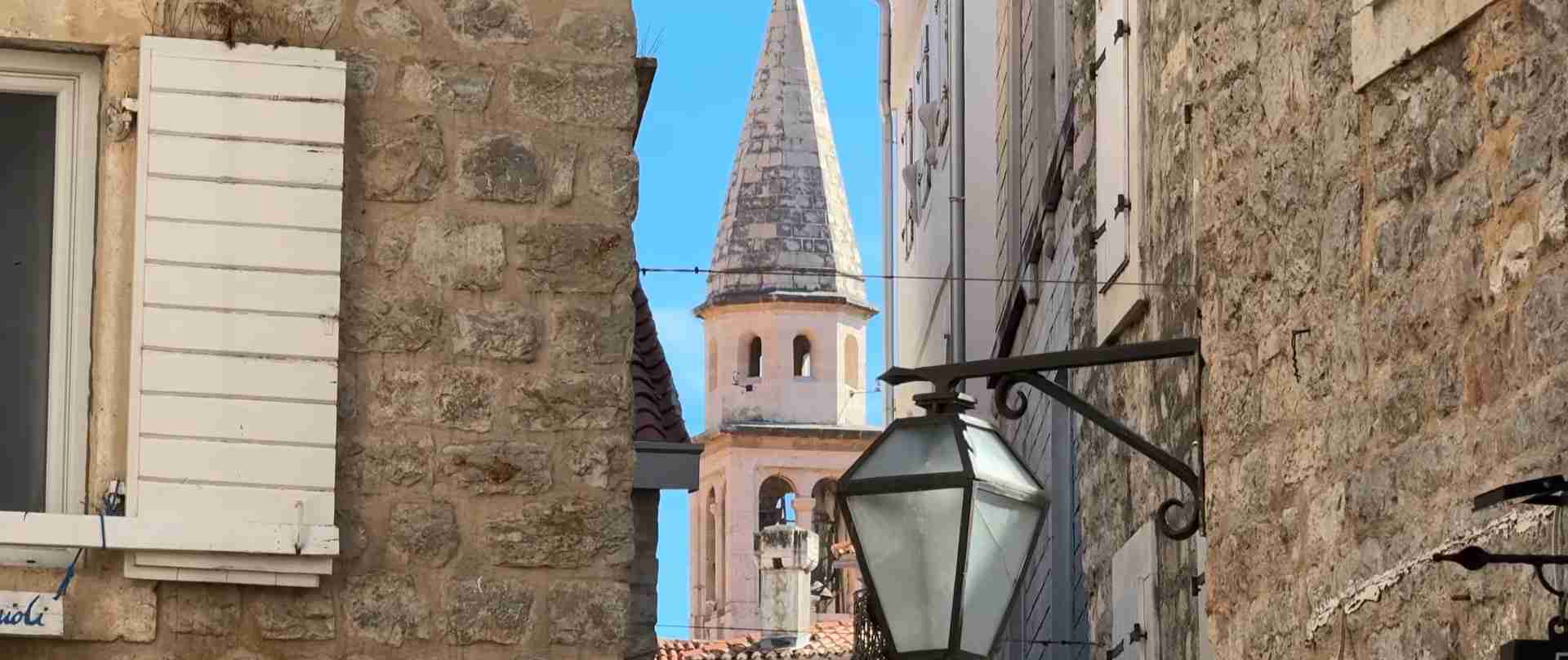
Montenegro Best Time to Visit 2026: Seasonal Planning Guide
Montenegro’s dramatic seasonal contrasts create distinct travel experiences throughout 2026, from Adriatic beach perfection in summer to affordable mountain skiing in winter. The shoulder seasons of April-May and September-October deliver the country’s best combination of pleasant weather, manageable crowds, and reasonable prices across both coastal and mountain regions. Understanding Montenegro’s climate patterns, pricing fluctuations, and event calendar helps travelers match their visit to their priorities and budget.
Key Takeaways About Montenegro’s Seasons in 2026
- Optimal Overall Period: April through October offers warm weather and accessible attractions, with May-June and September-October providing the best value through shoulder-season pricing 30-40% below peak summer rates.
- Peak Summer Season: June-August brings perfect beach conditions with water temperatures reaching 24-26°C, but coastal hotels command €120-500+ per night and popular sites like Kotor and Budva experience significant crowds and cruise ship arrivals.
- Shoulder Season Advantages: April-May and September-October deliver comfortable temperatures of 15-25°C, hotel rates €60-180 per night (40% below summer peaks), and dramatically reduced crowds while beaches remain swimmable through October.
- Winter Opportunities: November-March transforms mountain resorts like Kolašin and Žabljak into affordable ski destinations with €40-90 nightly accommodation, while coastal cities maintain mild 8-15°C temperatures ideal for cultural exploration without summer congestion.
- Festival Highlights 2026: Major events include Kotor Carnival (February 14-March 1), EXIT Festival at Ulcinj’s Long Beach (early July), Sea Dance Festival in Budva (July), and International Fashion Festival at Porto Montenegro (July 19-20).
- Regional Climate Variations: Coastal areas experience Mediterranean conditions with hot summers and mild winters, while interior mountains follow sub-alpine patterns with temperatures dropping to -15°C to -20°C in winter, creating two distinct climate zones within the same small country.
People Also Ask About Montenegro Travel Timing 2026
What is the best month to visit Montenegro in 2026?
June and September stand out as the best individual months to visit Montenegro in 2026, each offering distinct advantages. June delivers perfect beach weather with water temperatures around 22-24°C, fully operational coastal attractions, and pricing 20-30% below July-August peaks, while mountain national parks like Durmitor reach ideal hiking conditions with wildflower displays and clear trails. September extends excellent swimming conditions through the month with water still at 22-24°C from summer heating, offers 30-40% hotel discounts compared to peak summer, and provides outstanding conditions for outdoor activities including hiking, cycling, and kayaking across Lake Skadar with comfortable 20-26°C temperatures and reduced humidity.
How much does accommodation cost in Montenegro during different seasons of 2026?
Montenegro accommodation prices fluctuate dramatically across 2026 seasons, with coastal properties ranging from €45-180 per night in shoulder seasons (April-May, September-October) to €120-500+ during peak summer (June-August), while budget options remain consistently affordable at €20-60 year-round. Mid-range hotels in popular coastal towns like Budva and Kotor charge €80-150 per night during April-May and September-October, rising to €150-280 in July-August, while luxury properties command €200-500+ during summer months and drop to €120-300 in shoulder periods. Winter season (November-March) brings the lowest coastal accommodation rates at €40-120 per night for mid-range properties, though mountain ski resorts like Kolašin experience their own peak with rates reaching €80-180 during December-February ski season.
Is Montenegro crowded during summer 2026?
Montenegro experiences significant crowding along the coast during summer 2026, particularly in July and August when popular destinations like Kotor, Budva, and Perast receive substantial tourist influx including multiple cruise ships daily in Kotor Bay. The UNESCO-listed Kotor Old Town becomes heavily congested with day-trippers from cruise ships and tour groups, with narrow medieval streets creating bottleneck conditions during peak midday hours. Budva’s beaches and Old Town similarly face capacity pressure during July-August, with prime beach sections at locations like Jaz Beach and Mogren Beach reaching full occupancy by late morning. However, crowds concentrate primarily in these well-known coastal hotspots, while interior destinations including Durmitor National Park, Biogradska Gora, and Lake Skadar maintain manageable visitor levels even during peak summer months, and less-promoted coastal towns like Bar and Ulcinj offer significantly more space than northern Bay of Kotor destinations.
When is the cheapest time to visit Montenegro in 2026?
The cheapest time to visit Montenegro in 2026 falls during January-February and November, when coastal hotel rates drop to their lowest levels at €40-120 per night for mid-range properties (60-70% below summer peaks), flights from major European cities decrease by 40-50%, and restaurant prices remain stable while many properties offer winter promotional rates. January and February represent absolute low season for coastal areas with many beach-focused hotels and restaurants closed entirely, though cities like Podgorica, Kotor, and Budva maintain sufficient services for travelers while mountain resorts operate at peak for winter sports. November bridges the gap between summer tourism and winter ski season, offering functional coastal services, operational cultural attractions, and significantly reduced accommodation costs before December holiday season raises prices, making it ideal for budget-conscious travelers prioritizing cost savings over beach activities.
Extended multi-day tours – 5+ days
Featured Montenegro Multi-Day Tour Packages
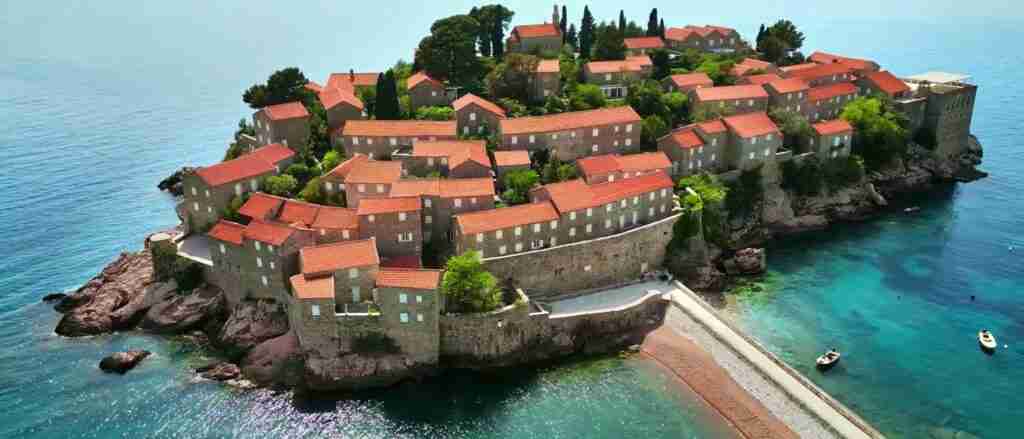
3 days
Montenegro 3-Day Discovery Tour
- ✓ Comprehensive Montenegro experience
- ✓ Expert local guides included
- ✓ All accommodation included
- ✓ Transportation provided
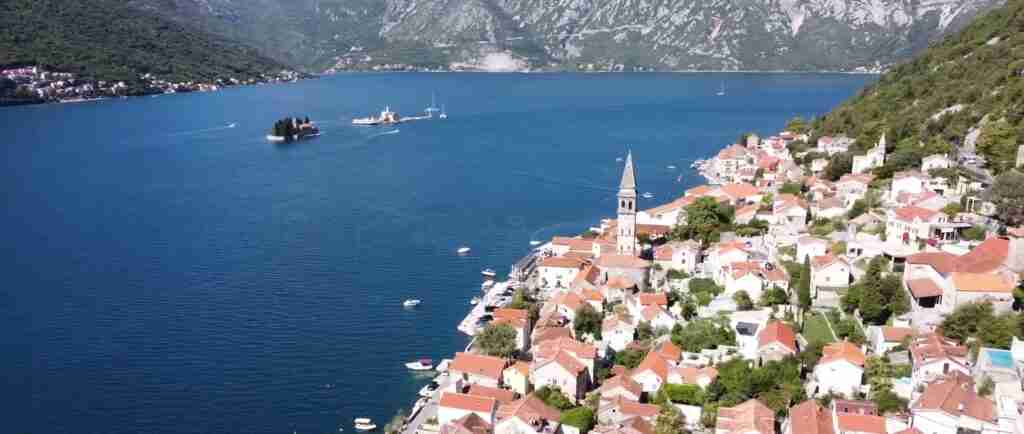
5 days
Montenegro 5-Day Highlights Experience
- ✓ Comprehensive Montenegro experience
- ✓ Expert local guides included
- ✓ All accommodation included
- ✓ Transportation provided
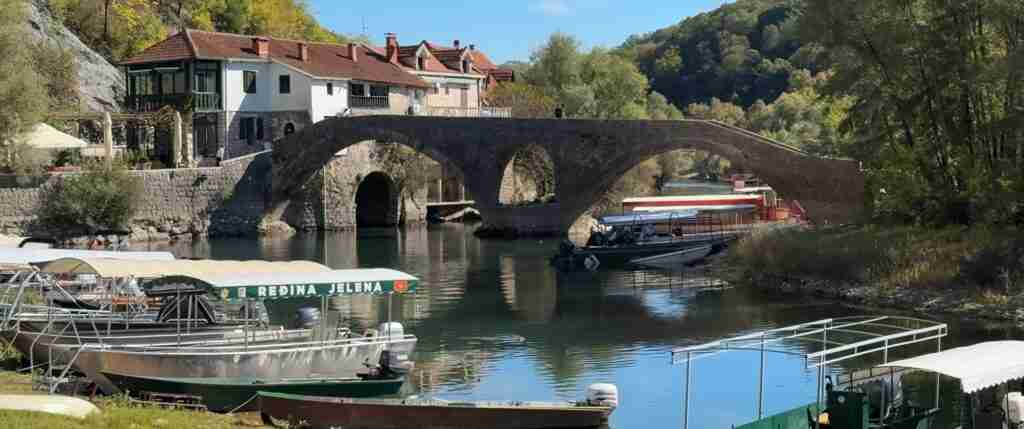
7 days
Montenegro 7-Day Cultural Journey
- ✓ Comprehensive Montenegro experience
- ✓ Expert local guides included
- ✓ All accommodation included
- ✓ Transportation provided
10 days
Montenegro 10-Day Complete Adventure
- ✓ Comprehensive Montenegro experience
- ✓ Expert local guides included
- ✓ All accommodation included
- ✓ Transportation provided
Multi-day tour packages powered by TourRadar. Prices and availability subject to change.
Understanding Montenegro’s Climate Patterns in 2026
Montenegro’s geography creates two fundamentally different climate zones within a compact 13,812 square kilometer territory, requiring travelers to consider regional variations when planning their 2026 visit. The coastal strip and Bay of Kotor follow Mediterranean climate patterns with hot, dry summers and mild, wet winters, while the mountainous interior experiences sub-alpine conditions with warm summers and harsh, snowy winters.
The Adriatic coast and Bay of Kotor region experience summer temperatures ranging from 28-35°C from June through August, with coastal cities like Budva, Kotor, and Herceg Novi regularly reaching 30-33°C during peak afternoon hours. Sea temperatures rise progressively through summer, starting at 18-20°C in May, reaching comfortable 22-24°C by June, and peaking at 24-26°C in July and August before gradually cooling to 20-22°C through September and maintaining swimmable 16-18°C conditions into October. Winter along the coast remains remarkably mild with daytime temperatures of 8-15°C from December through February, rarely dropping below freezing and allowing for comfortable outdoor exploration of coastal cities and cultural sites throughout winter months.
Interior mountainous regions including Durmitor National Park, Biogradska Gora, and the areas around Kolašin and Žabljak follow dramatically different patterns. Summer temperatures in these elevated areas range from 18-28°C, providing relief from coastal heat and creating ideal hiking conditions from May through September. Winter transforms these regions completely, with temperatures plunging to -10°C to -20°C from December through February, heavy snowfall accumulation creating excellent skiing conditions, and many mountain roads becoming impassable without winter equipment. The transitional areas between coast and mountains, including the capital Podgorica and Lake Skadar region, experience intermediate conditions with hot summers approaching 35-38°C and moderately cold winters with occasional snow.
Precipitation patterns across Montenegro vary significantly by season and region. The wettest months typically fall in November and December when Atlantic weather systems bring frequent rainfall and occasional storms to coastal areas, with Herceg Novi and the northern Bay of Kotor receiving particularly heavy precipitation. Spring months of March and April experience moderate rainfall interspersed with sunny periods, while summer months from June through August remain predominantly dry along the coast with occasional afternoon thunderstorms in mountainous areas. Autumn brings a return of rainfall in October and November, though September typically maintains dry, stable conditions extending the practical summer season for travelers.
Regional microclimates create additional variations worth noting. Lake Skadar, surrounded by mountains yet close to the coast, maintains its own distinct pattern with summer temperatures moderated by the large water body and excellent conditions for birdwatching during spring and autumn migration periods. The Bay of Kotor’s enclosed geography creates a microclimate with slightly higher humidity than the open coast, occasional dramatic shifts when bora winds funnel through mountain gaps, and stunning clear days when the bay’s waters reflect surrounding peaks. Understanding these regional and seasonal patterns allows travelers to target specific areas during optimal periods matching their activity preferences and tolerance for heat, cold, or precipitation.
Peak Season in Montenegro: June-August 2026
Peak summer season in Montenegro during June, July, and August 2026 delivers the country’s most vibrant atmosphere, perfect beach conditions, and maximum tourist infrastructure operation, accompanied by significantly elevated prices, substantial crowds at popular sites, and intense heat that can challenge sightseeing comfort during midday hours. This period represents the prime time for beach-focused holidays, water sports, and experiencing Montenegro’s coastal nightlife and festival scene at full intensity.
Weather conditions during June-August reach their annual optimum for beach activities, with consistent sunshine, minimal rainfall, and sea temperatures at their warmest. June starts the season with pleasant 26-30°C air temperatures and 22-24°C water, building through July when temperatures regularly reach 30-35°C and water hits 24-26°C, extending through August with similar heat levels before beginning a gradual decline toward September. Rainfall during these three months remains minimal along the coast, with occasional afternoon thunderstorms in mountainous areas providing dramatic displays but rarely disrupting beach plans. Sunshine hours peak during this period with typically 10-12 hours of daylight and predominantly clear skies, creating ideal conditions for sunbathing, swimming, and water-based activities.
Accommodation pricing reaches its annual maximum during peak summer, with coastal properties commanding premium rates reflecting high demand. Budget hostels and guesthouses that charge €20-40 per night during off-season increase to €40-80 during summer months, while mid-range hotels elevate rates from shoulder-season €80-150 to peak summer €150-280 per night. Luxury coastal properties experience the most dramatic increases, with five-star hotels and boutique properties charging €300-500+ per night compared to €120-300 during quieter periods. Popular destinations like Budva, Kotor, Sveti Stefan, and Herceg Novi see the most significant price pressure, while less-developed coastal areas including Ulcinj and Bar maintain somewhat more moderate rates even during peak season. Advance booking becomes essential during July and August when desirable properties fill weeks or months ahead, particularly for specific dates around major festivals or events.
Crowd levels during peak summer create a distinctly different experience from other seasons, particularly at Montenegro’s most famous attractions. Kotor Old Town experiences its heaviest congestion during cruise ship arrivals, when multiple vessels deposit thousands of passengers simultaneously into the compact medieval streets, creating bottleneck conditions at narrow passages, popular photo spots like St. Tryphon Cathedral, and the fortress wall climb. Budva Old Town and beaches similarly face capacity pressure, with the small Old Town peninsula becoming packed during evening hours and popular beaches like Jaz Beach, Mogren Beach, and the town beaches filling to near capacity by mid-morning on peak days. Perast, the picturesque Bay of Kotor village, becomes overwhelmed during midday cruise ship hours, with the waterfront promenade and boat docks to Our Lady of the Rocks island processing continuous tourist flow.
Despite these challenges, peak summer offers unique advantages that attract travelers willing to accept higher costs and crowds. The full spectrum of coastal services operates during June-August, with all restaurants, bars, beach clubs, and tour operators functioning at maximum capacity and offering their most extensive schedules. Beach clubs along the Budva Riviera host international DJ performances and events throughout summer evenings, creating a vibrant nightlife scene absent during other seasons. Water sports operations including jet skiing, parasailing, paddleboarding, and yacht charters reach peak availability with optimal weather conditions. Cultural festivals and events concentrate during summer months, with major 2026 highlights including the EXIT Festival at Ulcinj’s Long Beach in early July, Sea Dance Festival returning to Budva in July, International Fashion Festival at Porto Montenegro on July 19-20, and numerous local food and cultural celebrations across coastal towns.
Summer also presents optimal conditions for exploring Montenegro’s mountainous interior, with Durmitor National Park, Biogradska Gora, and Prokletije experiencing their best hiking weather during June-August. Mountain temperatures remain comfortable at 18-28°C while coastal areas swelter, making interior destinations attractive day trip options for travelers based on the coast. The dramatic Tara River Canyon offers rafting at excellent water levels during early summer, while mountain lakes including Black Lake in Durmitor reach their most accessible and scenic conditions. Many travelers adopt a split strategy, basing themselves on the coast for beach access while scheduling day trips to mountain areas during the hottest afternoon hours.
Strategic approaches help mitigate peak summer challenges while preserving the season’s advantages. Early morning visits to Kotor and Budva Old Towns before cruise ship arrivals provide peaceful exploration opportunities, with fortification walls and narrow streets nearly empty from 7-9 AM. Booking accommodations in less-promoted coastal towns like Petrovac, Bar, or Ulcinj delivers beach access and swimming without Budva-level crowds, with day trips to more famous sites possible via rental car or bus. Alternating beach days with mountain excursions, cultural site visits during early morning or evening hours, and timing restaurant reservations for early dinner seatings before peak 8-10 PM crowds all enhance summer experiences. Travelers prioritizing authentic interaction over tourist hotspots find summer rewarding in smaller coastal villages and interior towns where local life continues alongside but not overwhelmed by tourism.
Shoulder Season Advantages: April-May and September-October 2026
The shoulder seasons of April-May and September-October 2026 represent Montenegro’s optimal value periods, delivering comfortable weather, dramatically reduced accommodation costs, manageable crowd levels, and fully operational tourist services without peak summer’s intensity. These transitional periods offer sophisticated travelers the country’s best overall experience, with spring’s fresh energy and wildflower displays competing against autumn’s extended swimming season and harvest-season culinary offerings.
Spring shoulder season spanning April and May brings Montenegro back to life after winter dormancy, with coastal vegetation in full bloom, national parks displaying vibrant wildflowers, and increasingly warm temperatures building toward summer. April temperatures range from 15-22°C along the coast and 10-18°C in mountain areas, creating excellent conditions for hiking, cycling, and cultural exploration without summer heat stress. May advances into more consistently warm weather with coastal temperatures reaching 20-26°C and sea temperatures rising to swimmable 18-20°C by late month. Rainfall decreases progressively through spring, though occasional wet days require flexible planning. The spring shoulder season particularly appeals to active travelers prioritizing outdoor activities, with Durmitor and Biogradska Gora national parks opening hiking trails after snowmelt, Lake Skadar offering exceptional birdwatching during spring migration, and cycling routes along the coast and through interior valleys reaching ideal conditions.
Autumn shoulder season during September and October extends summer’s beach pleasures while adding harvest-season dimensions and autumn color displays. September maintains near-summer conditions with air temperatures of 24-28°C and sea temperatures still at comfortable 22-24°C from summer heating, making early autumn ideal for travelers seeking swimming and beach time without peak season crowds and prices. October brings gradual cooling with air temperatures of 18-24°C and water cooling to 18-20°C but remaining swimmable for hardy visitors, while autumn colors begin transforming mountainous areas and October’s typically stable weather patterns favor outdoor activities before November’s rainy season arrives. The autumn shoulder season particularly suits cultural travelers, photographers capturing changing seasons, and food enthusiasts experiencing harvest-season specialties including figs, quinces, fresh seafood, and wine harvest activities.
Accommodation pricing during shoulder seasons drops 30-40% below peak summer rates across all categories, creating exceptional value for travelers. Budget hostels and guesthouses charge €20-45 per night during April-May and September-October compared to €40-80 in summer, mid-range hotels drop from peak summer €150-280 to shoulder season €80-150, and luxury properties decrease from €300-500+ to €120-300 during transitional months. Many properties offer negotiable rates during shoulder periods, particularly for multi-night stays or direct bookings bypassing online booking platforms. This pricing advantage extends beyond accommodation to tour operators, car rentals, and even restaurants in tourist-heavy areas, with many businesses offering promotional rates to extend their operating season and maintain customer flow during quieter periods.
Crowd levels during shoulder seasons transform the Montenegro experience, particularly at marquee attractions that become overwhelmed during peak summer. Kotor Old Town during April-May and September-October maintains its magical medieval atmosphere without the crush of cruise ship passengers that characterizes July-August, allowing leisurely exploration of narrow streets, unhurried fortress wall climbs with unobstructed photo opportunities, and comfortable restaurant dining without queuing. Budva Old Town similarly benefits from reduced visitor numbers, with the small peninsula’s beaches, cafes, and cultural sites accessible without summer’s capacity pressure. Bay of Kotor villages including Perast and Herceg Novi reveal their authentic character during shoulder seasons when local life remains visible alongside rather than buried beneath tourism, and boat trips to Our Lady of the Rocks island and Mamula fortress operate with smaller groups and more personalized experiences.
Practical considerations during shoulder seasons require awareness of transitional patterns. Early April and late October represent the edges of shoulder season, with some beach-focused properties and seasonal restaurants still closed in early April or already shuttered by late October. May and September offer the most reliable service availability, with full tourist infrastructure operation matching summer while delivering shoulder-season pricing and atmosphere. Weather variability increases during shoulder periods compared to summer’s reliable sunshine, requiring flexible daily planning and appropriate clothing layers. Spring’s occasional rainy days and autumn’s increasing precipitation toward November affect outdoor activity planning, though extended sunny periods predominate and brief showers typically pass quickly along the coast.
Specific advantages of each shoulder period help travelers choose between spring and autumn visits. Spring (April-May) offers wildflower displays throughout national parks, exceptional birdwatching at Lake Skadar during migration periods, gradually warming weather building anticipation for summer, fresh mountain snowmelt feeding rivers and waterfalls at impressive levels, and agricultural landscapes coming to life with spring growth. Autumn (September-October) delivers extended swimming season with water warmed by summer sun, harvest-season culinary specialties and wine activities, autumn color displays in mountainous areas, stable weather patterns before November rains, and lingering summer warmth without peak heat intensity. Both periods offer excellent value and pleasant conditions, with choice depending primarily on preference for spring’s renewal energy versus autumn’s harvest abundance and whether swimming ranks as essential or optional.
Winter Season in Montenegro 2026-2027
Winter season from November through March 2026-2027 divides Montenegro into distinct coastal and mountain experiences, with mild coastal cities offering budget-friendly cultural exploration while mountain ski resorts operate at peak capacity serving winter sports enthusiasts. This seasonal split creates opportunities for travelers seeking either off-season coastal discovery at rock-bottom prices or affordable mountain skiing in less-crowded Balkan resorts.
Coastal winter conditions from November through March maintain surprisingly mild temperatures rarely dropping below freezing, with daytime highs typically ranging from 8-15°C throughout the coldest months. December through February represent the core winter period with coolest temperatures and highest precipitation, while November and March serve as transitional months with gradually warming or cooling patterns. Coastal cities including Kotor, Budva, Herceg Novi, and Bar remain fully functional throughout winter, with resident populations maintaining year-round services, cultural attractions operating on reduced but consistent schedules, and sufficient restaurants and cafes serving local clientele and the limited winter visitor population. The Bay of Kotor region experiences its wettest period during winter months, with November and December bringing frequent rainfall and occasional dramatic storms, though clear sunny days intersperse with wet periods and provide excellent conditions for photographing the bay’s dramatic mountain backdrop.
Winter accommodation along the coast reaches its absolute lowest pricing of the year, with many properties offering rates 60-70% below peak summer levels. Mid-range hotels in Kotor, Budva, and other coastal towns drop to €40-90 per night during winter months compared to €150-280 in summer, while budget options fall to €15-40 and luxury properties reduce to €80-200. Many beach-focused hotels close entirely from November through March, particularly smaller family-run establishments and seasonal resorts, though sufficient accommodation remains available across all price categories in major towns. Winter rates create exceptional value for travelers prioritizing cultural exploration, historical site visits, and authentic local interaction over beach activities, with comfortable accommodation costing less per week than a single peak summer night at the same property.
Winter cultural experiences along the coast reveal authentic Montenegrin life absent during tourist-heavy summer months. The UNESCO World Heritage Kotor Old Town returns to its residents during winter, with local shops, bakeries, and markets serving neighborhood populations rather than tourist crowds, traditional restaurants offering seasonal specialties without summer’s inflated pricing, and cultural institutions including museums and churches operating for genuinely interested visitors rather than rushed cruise ship groups. The winter calendar includes significant cultural events, with the Kotor Carnival running February 14-March 1, 2026 featuring masked balls, satirical performances, and the traditional ceremonial burning on the final Sunday. The Mimosa Festival celebrates spring’s arrival from February 13-28 across Herceg Novi and surrounding Bay of Kotor towns, with flower exhibitions, cultural programs, and the symbolic mimosa flower marking winter’s end. Orthodox Christmas (January 7) and New Year bring local celebrations, while days around Orthodox Easter (April 12, 2026) feature traditional observances in churches and communities across the coast.
Mountain winter season from December through March transforms interior regions including Kolašin and Žabljak into active ski destinations, offering affordable winter sports alternatives to expensive Alpine resorts. The ski season typically runs from mid-December through March depending on snowfall, with January and February providing the most reliable conditions. Kolašin operates two ski centers with 16 kilometers of marked runs and modern lift systems, serving primarily regional visitors and budget-conscious international skiers seeking uncrowded slopes and authentic Balkan mountain atmosphere. Žabljak, located within Durmitor National Park, offers smaller ski facilities but spectacular high-mountain scenery and opportunities for ski touring and snowshoeing across pristine winter landscapes.
Mountain accommodation during winter ski season experiences its own peak pricing pattern, with rates rising to €80-180 per night for mid-range mountain hotels and lodges during December-February compared to €40-90 during summer months. Despite this seasonal reversal from coastal patterns, mountain accommodation remains significantly cheaper than equivalent facilities in Austrian, Swiss, or French ski resorts, while offering authentic experiences in traditional mountain villages. Kolašin and Žabljak provide full winter infrastructure including equipment rental, ski schools, restaurants, and après-ski facilities, though at more modest scale than major Alpine destinations. The winter season attracts primarily regional visitors from Serbia, Bosnia, and domestic Montenegrin skiers, creating a local atmosphere distinct from the international tourism characterizing coastal areas.
Practical winter travel considerations include significantly restricted transportation options compared to summer season. Many mountain roads become impassable or require winter equipment from December through March, with chains or winter tires essential for driving to ski resorts or crossing between coast and interior. Bus services to mountain areas reduce frequency during winter months, while coastal bus routes maintain year-round operations serving resident populations. Car rental companies require winter equipment for mountain travel and may restrict vehicle types permitted for interior destinations during snow season. Flight connections to Montenegro continue throughout winter with reduced frequency, primarily serving the capital Podgorica rather than coastal Tivat airport which experiences dramatically reduced winter service. Weather variability increases during winter months compared to summer’s reliable patterns, requiring flexible planning and appropriate cold-weather clothing despite mild coastal temperatures.
Winter travel in Montenegro particularly suits several traveler categories. Budget-conscious visitors prioritizing cost over beach activities find exceptional value in winter coastal exploration, with accommodation, dining, and attraction costs at annual minimums while cultural and historical experiences remain fully accessible. Photographers benefit from winter’s dramatic lighting conditions, empty streets in normally crowded towns, and opportunities to capture Montenegro’s landscapes in seasonal conditions absent from typical tourist imagery. Winter sports enthusiasts seeking affordable skiing without crowds discover genuine value at Kolašin and Žabljak resorts, where lift queues remain minimal and accommodation costs a fraction of Western European equivalents. Cultural travelers interested in authentic local life find winter coastal cities particularly rewarding, with opportunities to observe Montenegrin daily life, traditional winter customs, and cultural events without summer’s tourist overlay.
Month-by-Month Weather Guide for Montenegro 2026
Planning a Montenegro visit requires understanding monthly weather patterns, seasonal transitions, and specific conditions affecting travel experiences throughout 2026. This detailed month-by-month breakdown helps travelers identify optimal periods matching their priorities and tolerance for various conditions.
January 2026: Deep Winter Coastal Calm and Mountain Skiing
January represents Montenegro’s quietest month for coastal tourism, with coolest temperatures averaging 5-12°C along the Adriatic and many seasonal establishments closed through mid-month. Coastal cities remain functional with resident services operating, museums and historical sites maintaining winter schedules, and sufficient restaurants and cafes serving local populations and limited winter visitors. Precipitation remains high with frequent rainy days, though clear periods between weather systems provide excellent photographic conditions with dramatic lighting and empty streets. Mountain regions experience peak winter conditions with temperatures dropping to -15°C to -20°C in Kolašin and Žabljak, reliable snow coverage on ski runs, and active winter sports season. Accommodation reaches annual minimum pricing along the coast at €40-80 per night for mid-range properties, while mountain ski resorts charge seasonal rates of €80-150. January suits budget travelers, cultural explorers, photographers, and skiers seeking uncrowded slopes, but beach-focused visitors should avoid this month entirely.
February 2026: Winter Culture Season and Pre-Spring Transitions
February maintains winter conditions while introducing early cultural events signaling approaching spring. The Kotor Carnival runs from February 14 to March 1, bringing traditional masked balls, satirical performances, and the ceremonial burning on the final Sunday to the UNESCO Old Town. The Mimosa Festival celebrates spring’s first signs from February 13-28 across Herceg Novi and Bay of Kotor towns, with flower exhibitions and cultural programs marking winter’s gradual retreat. Coastal temperatures remain cool at 6-13°C with continuing high precipitation, though sunny periods increase compared to January. Mountain areas maintain full winter conditions with excellent skiing through the month, temperatures still dropping to -10°C to -15°C at elevation, and snow coverage reliable across all runs. Coastal accommodation maintains low winter pricing at €40-90 per night, while festivals bring temporary increases to Kotor and Herceg Novi properties during event dates. February appeals to cultural travelers interested in traditional celebrations, winter sports enthusiasts capitalizing on late-season snow, and budget explorers willing to accept cool, potentially wet weather for significant cost savings and authentic experiences.
March 2026: Spring Awakening and Transitional Weather
March bridges winter and spring with increasingly variable weather, gradual warming, and Montenegro beginning to awaken from winter dormancy. Coastal temperatures rise to 8-16°C, with noticeable warming through the month and first genuinely pleasant outdoor days appearing by late March. The Days of Camellias celebration runs from March 21 through late April in Stoliv and Bay of Kotor villages, featuring flower exhibitions, cultural programs, and traditional boat events celebrating spring’s arrival. Precipitation remains relatively high during early March but decreases as the month progresses, with increasing numbers of sunny days between rain systems. Mountain areas begin transitioning from winter to spring, with ski season typically ending by late March as temperatures rise and snow coverage becomes unreliable below 1500 meters elevation. Many coastal hotels and restaurants begin reopening for the approaching season, with services gradually expanding through the month. Accommodation pricing remains at winter levels during early March at €40-90 per night, beginning to increase toward shoulder season rates by month’s end. March suits travelers seeking quieter conditions before shoulder season arrives, early hikers as lower-elevation trails become accessible, and budget-conscious visitors willing to accept variable weather and limited service availability for continued low pricing.
April 2026: True Spring and Shoulder Season Beginning
April marks Montenegro’s transition to full spring conditions and the beginning of shoulder season, with warming temperatures, increasing sunshine, and tourist infrastructure returning to operation. Coastal temperatures rise to 13-20°C, creating comfortable conditions for outdoor exploration without summer heat, while sea temperatures reach 14-16°C—still too cold for most swimmers but acceptable for hardy visitors. National parks including Durmitor and Biogradska Gora experience snowmelt at lower elevations, opening hiking trails and revealing spring wildflower displays, while higher elevation areas retain snow through the month. Lake Skadar enters prime birdwatching season with spring migration bringing diverse species including Dalmatian pelicans to the lake’s breeding grounds. Orthodox Easter falls on April 12, 2026, bringing traditional celebrations to churches and communities across Montenegro. Tourist services expand throughout April, with most coastal hotels, restaurants, and tour operators fully operational by mid-month. Accommodation enters shoulder season pricing at €60-120 per night for mid-range coastal properties, representing excellent value with full services available but minimal crowds. April particularly suits active travelers prioritizing hiking and outdoor activities, birdwatchers targeting migration season, cultural explorers interested in Easter traditions, and budget-conscious visitors seeking expanding services without summer pricing.
May 2026: Optimal Spring Conditions and Pre-Peak Travel
May delivers Montenegro’s most pleasant overall conditions, with warm but not excessive temperatures, full tourist infrastructure operation, minimal crowds before summer peak, and spring’s vibrant energy across landscapes. Coastal temperatures reach 18-25°C, ideal for outdoor activities and comfortable beach time, while sea temperatures rise to 18-20°C and become genuinely swimmable by late month for acclimated visitors. Mountain areas warm to 12-20°C, creating perfect hiking conditions with trails fully accessible after snowmelt, wildflowers at peak display, and comfortable temperatures for strenuous activity. May 1-3 marks Labour Day holidays with shops and institutions closed but restaurants operational, particularly in tourist areas. May 21-22 celebrates Montenegro Independence Day with cultural programs, concerts, and public gatherings across the country. Rainfall decreases significantly compared to winter and early spring, with predominantly sunny days and occasional brief showers. All coastal and mountain hotels, restaurants, tour operators, and attractions operate at full capacity, offering complete services without summer’s crowds. Accommodation maintains shoulder season rates at €80-150 per night for mid-range properties, providing excellent value for full-service availability. May represents many experienced travelers’ preferred month for Montenegro, combining comfortable weather, operational services, reasonable pricing, and authentic experiences before peak summer’s intensity, making it ideal for virtually all traveler categories except those specifically requiring hot beach weather and maximum nightlife energy.
June 2026: Peak Season Beginning and Ideal Balance
June initiates Montenegro’s peak summer season while maintaining the best balance between excellent weather and not-yet-excessive crowds, making it arguably the single best month for most visitors. Temperatures rise to 22-30°C along the coast and 18-26°C in mountains, delivering consistently warm weather perfect for all activities. Sea temperatures reach comfortable 22-24°C, making swimming genuinely pleasant without the excessive heat characterizing July-August. National parks achieve ideal hiking conditions with warm temperatures, clear trails, full accessibility including high-elevation routes, and summer wildflowers replacing spring species. Tourist infrastructure operates at maximum capacity with all beaches, restaurants, activities, and services fully functional. The EXIT Festival at Ulcinj’s Long Beach takes place in early July during the traditional EXIT Festival weekend, with preliminary events and announcements during late June building excitement. Accommodation enters peak season pricing at €120-220 per night for mid-range coastal properties, representing 20-30% increases from May but still below July-August maximums. Crowds begin increasing throughout June, with early month maintaining shoulder-season atmosphere and late June approaching summer intensity, particularly at major attractions like Kotor and Budva. June particularly suits beach lovers seeking optimal swimming conditions, active travelers prioritizing hiking and outdoor activities, families with school-age children capitalizing on early summer vacation timing, and sophisticated travelers seeking summer weather before absolute peak crowds and pricing of July-August.
July 2026: Peak Summer Heat, Crowds, and Festival Energy
July represents Montenegro’s absolute peak season with maximum heat, highest tourist numbers, premium pricing across all services, and the most vibrant atmosphere at beaches, beach clubs, and coastal nightlife venues. Temperatures regularly reach 30-35°C along the coast with frequent days exceeding 32°C, creating excellent beach conditions but challenging heat for midday sightseeing. Sea temperatures peak at 24-26°C, delivering perfect swimming throughout the month. Mountain areas provide relative relief at 20-28°C, making interior national parks attractive day trip options for coastal visitors seeking escape from peak heat. Major 2026 events concentrate in July, with the EXIT Festival at Ulcinj’s Long Beach during the traditional early July weekend bringing international electronic music acts, Sea Dance Festival returning to Budva in mid-July, and International Fashion Festival at Porto Montenegro on July 19-20 showcasing prestigious designers. Tourism reaches maximum intensity, with Kotor experiencing multiple cruise ship arrivals daily depositing thousands of passengers into the Old Town, Budva beaches at capacity during peak hours, and popular restaurants requiring advance reservations. Accommodation reaches annual maximum pricing at €150-280 per night for mid-range properties and €300-500+ for luxury hotels, with desirable properties booked weeks or months ahead. July suits travelers prioritizing maximum beach time and swimming, festival and nightlife enthusiasts, families with rigid school vacation schedules, and visitors willing to accept heat, crowds, and premium pricing for guaranteed sunshine and full summer energy.
August 2026: Sustained Peak Season and Maximum Tourist Intensity
August continues July’s peak season conditions with similarly hot weather, maximum tourist numbers throughout the month, and sustained premium pricing across all services. Temperatures maintain 30-35°C ranges with August often delivering the year’s hottest days, making air-conditioned accommodation and beach time essential rather than optional. Sea temperatures remain at optimal 24-26°C, extending perfect swimming conditions through the month. Tourist intensity persists at July levels, with continuous cruise ship arrivals, crowded attractions, and full beaches characterizing the entire month without the gradual build-up and wind-down periods that bracket July’s peak. Many European visitors concentrate August travel around mid-month Ferragosto holidays, creating particular pressure during August 10-20 period. Mountain areas maintain excellent conditions for travelers seeking respite from coastal heat, with Durmitor and Biogradska Gora providing comfortable temperatures and uncrowded trails. Accommodation maintains peak pricing throughout August at €150-280+ per night, with availability challenges during mid-month periods. August suits the same traveler categories as July, representing the last opportunity for guaranteed hot weather and full summer services before September’s shoulder season transition, but offering no advantages over July and typically experiencing even more intense crowding during the critical mid-month weeks.
September 2026: Autumn Shoulder Season and Extended Summer
September delivers Montenegro’s autumn shoulder season with near-summer conditions during the first three weeks gradually transitioning toward autumn by month’s end. Temperatures remain warm at 24-28°C through mid-September, cooling to 20-24°C by month’s end but maintaining comfortable beach weather throughout. Sea temperatures stay at pleasant 22-24°C from summer heating, making swimming excellent through the entire month and often better than June due to warmer water despite slightly cooler air. Tourist numbers decrease significantly after European school years resume in early September, with dramatic crowd reductions by mid-month as peak season clearly ends. Accommodation pricing drops 30-40% from August peaks to shoulder season rates of €80-150 per night for mid-range properties, creating exceptional value for travelers with flexible schedules. September’s weather typically remains stable with predominantly sunny days and minimal rainfall, though occasional storms increase toward month’s end as autumn weather patterns begin establishing. The month particularly suits travelers seeking swimming and beach time without summer crowds and prices, couples and adults without school-age children capitalizing on post-peak timing, photographers benefiting from early autumn lighting and reduced tourist presence at popular sites, and sophisticated travelers recognizing September as Montenegro’s best overall value month combining summer weather with shoulder season pricing.
October 2026: Late Shoulder Season and Autumn Transitions
October extends Montenegro’s shoulder season with gradually cooling temperatures, increasing precipitation toward month’s end, and the final reliable opportunity for beach activities before winter. Early October maintains pleasant 20-24°C temperatures with sea still at swimmable 18-20°C, while late October cools to 15-20°C air and 16-18°C water as autumn clearly establishes. Mountain areas display autumn color transformations with deciduous forests across Durmitor and Biogradska Gora showing peak foliage during mid-to-late October. Podgorica Marathon takes place in mid-October, attracting regional runners and creating a festive sporting atmosphere in the capital. Precipitation increases throughout October as November’s rainy season approaches, with early month typically maintaining dry patterns and late month experiencing more frequent rain systems. Some seasonal beach properties begin closing by late October as tourism season clearly winds down, though major towns maintain sufficient services throughout the month. Accommodation continues shoulder season pricing at €60-120 per night, with some properties offering additional discounts during the final weeks before winter closure. October appeals to hardy swimmers seeking extended beach season without crowds, autumn color photographers targeting mountain landscapes, budget travelers capitalizing on season-end discounts, and active visitors enjoying hiking conditions cooled from summer heat but not yet affected by winter weather.
November 2026: Off-Season Transition and Winter Approaches
November marks Montenegro’s transition to off-season with cooling temperatures, significantly increased precipitation, many seasonal establishments closing for winter, and the beginning of lowest annual pricing. Coastal temperatures drop to 10-16°C, with noticeably cooler conditions by month’s end, while sea temperatures fall to 14-16°C—too cold for most swimmers but still mild by continental European standards. November initiates the year’s rainiest period, particularly along the coast and in Bay of Kotor areas, with frequent storms and extended rainy periods though clear days intersperse throughout. Mountain regions receive first significant snowfall at higher elevations, with ski resorts beginning preparations for winter season though skiing typically doesn’t begin until December. Many beach-focused hotels close during November, with seasonal restaurants following suit, though sufficient accommodation and dining remains available in major towns serving resident populations and limited winter visitors. Accommodation drops to low winter rates at €40-90 per night for mid-range properties still operating, creating exceptional value for travelers willing to accept reduced services and wet weather. November suits hardcore budget travelers prioritizing cost savings over weather conditions, photographers seeking dramatic stormy coastal scenes and empty streets, cultural explorers interested in authentic local life as tourism season ends, and advance planners securing winter coastal accommodation or mountain ski bookings before December holidays raise rates.
December 2026: Deep Winter Split Between Coast and Mountains
December establishes Montenegro’s full winter pattern with cool, wet coastal conditions and active ski season in mountain areas. Coastal temperatures range from 5-12°C with high precipitation and frequent stormy periods, particularly during the first three weeks before Christmas when Atlantic weather systems bring the year’s wettest conditions. Beach areas appear deserted with most seasonal properties closed, though Kotor, Budva, Herceg Novi, and other major towns maintain winter life with resident services and sufficient accommodation for winter travelers. Mountain ski resorts including Kolašin and Žabljak begin operating by mid-December depending on snowfall, with reliable skiing typically established during the second half of the month and extending through March. Christmas and New Year periods bring increased activity both along coast and in mountains, with domestic and regional visitors celebrating holidays and winter rates temporarily increasing during December 20-January 5 period. Coastal accommodation maintains low winter rates of €40-90 per night except during Christmas/New Year when rates rise to €80-150, while mountain ski properties charge peak winter rates of €100-180 during holiday period. December suits winter sports enthusiasts beginning ski season, holiday travelers seeking alternative destinations without typical Christmas market crowds, and budget explorers willing to accept winter weather for rock-bottom off-season pricing along the coast.
Regional Climate Variations: Coast vs Mountains 2026
Understanding Montenegro’s dramatic regional climate variations proves essential for effective trip planning, as the country’s compact territory contains multiple distinct climate zones that experience fundamentally different weather patterns throughout 2026. Travelers frequently underestimate these differences, arriving prepared for coastal Mediterranean conditions only to encounter alpine weather during mountain excursions, or planning mountain activities based on coastal forecasts that prove completely inaccurate for interior elevations.
The Adriatic coast and Bay of Kotor follow Mediterranean climate patterns characterized by hot, dry summers and mild, wet winters. This coastal strip extending from Herceg Novi in the north through Kotor, Budva, Bar, and Ulcinj in the south maintains relatively uniform conditions across approximately 200 kilometers of shoreline. Summer temperatures from June through August consistently reach 28-35°C with minimal rainfall and sunshine dominating daily weather patterns. Winter temperatures along this same coastal strip rarely drop below freezing, with typical December-February ranges of 8-15°C allowing comfortable outdoor activity throughout the coldest months. Precipitation concentrates during November through January when Atlantic weather systems bring frequent rainfall and occasional storms, while summer months remain remarkably dry with occasional afternoon thunderstorms providing brief interruptions rather than sustained weather changes. The Mediterranean Sea moderates coastal temperatures, preventing extreme heat during summer despite high sun exposure and maintaining mild conditions during winter compared to interior elevations.
The Bay of Kotor represents a microclimate within the coastal region, with the enclosed bay’s geography creating distinct local conditions. The bay’s fjord-like structure with high mountains rising directly from water creates dramatic temperature variations between sunny and shaded areas, channeling effects when winds funnel through mountain gaps, and occasional temperature inversions when cool air settles in the enclosed basin. Herceg Novi and the northern bay areas receive significantly higher precipitation than the open coast, with orographic lifting as weather systems encounter mountains producing enhanced rainfall particularly during November and December. The bay’s enclosed waters warm more gradually during spring compared to open coast areas, but retain heat longer into autumn, creating optimal swimming conditions during September and October when the bay’s protected waters maintain comfortable temperatures.
Interior mountainous regions experience sub-alpine and alpine climate conditions dramatically different from coastal patterns, with the transition occurring rapidly across short distances as elevation increases inland. The capital Podgorica, located just 30 kilometers from the coast but at 60 meters elevation in an interior basin, already demonstrates transitional characteristics with summer temperatures reaching 35-38°C—hotter than coastal areas due to continental heating patterns—and winter temperatures dropping to 0-10°C with occasional snow. Moving further inland and upward, Kolašin at 960 meters elevation and Žabljak at 1450 meters near Durmitor National Park experience fully alpine conditions. Summer temperatures in these mountain areas range from 18-28°C, providing comfortable hiking weather while coastal regions swelter, with cool evenings requiring warm layers even during July and August. Winter temperatures plunge to -10°C to -20°C from December through February, with heavy snowfall accumulation creating excellent skiing conditions but making many mountain roads impassable without specialized equipment.
Lake Skadar occupies a transitional position between coast and mountains, with its large water body and surrounding peaks creating a unique microclimate. The lake basin experiences hot summers approaching Podgorica-level heat at 32-36°C, but the water body moderates extremes and creates local breezes that provide relief during peak afternoon hours. Winter conditions remain milder than interior mountain areas but cooler than the immediate coast, with temperatures of 5-12°C and occasional freezing periods. The lake’s microclimate supports unique vegetation including water chestnuts and creates optimal conditions for diverse birdlife, with spring and autumn bringing spectacular migration periods as species take advantage of the lake’s protected habitat between coastal and interior regions.
Practical implications of these regional variations require consideration when planning daily activities and packing for Montenegro visits. Travelers basing themselves on the coast for beach access should anticipate temperature drops of 8-12°C when visiting mountain national parks, requiring long pants, layers, and potentially light jackets even during summer months. Conversely, visitors staying in mountain areas need separate lightweight clothing for coastal day trips when summer heat becomes intense. Weather forecasts require location-specific attention, as coastal forecasts predict conditions completely different from mountain areas—a sunny, hot day in Budva might coincide with afternoon thunderstorms in Durmitor, while clear mountain weather can occur simultaneously with coastal rain. This regional variation creates opportunities for strategic planning, with overheated beach visitors escaping to mountain areas for afternoon hiking, mountain-based travelers timing coastal excursions for swimming during warm periods, and flexible travelers adjusting daily plans based on real-time weather patterns across different regions.
The dramatic regional climate variations within Montenegro’s small territory actually enhance travel experiences by providing diverse conditions within easy reach. A single week-long visit can encompass Mediterranean beach days with hot sunshine and warm swimming, mountain hiking in comfortable alpine conditions with spectacular views, and cultural exploration in varied weather contexts from hot coastal towns to cool mountain villages. Understanding and leveraging these regional differences transforms potential complications into strategic advantages, allowing travelers to optimize each day’s activities based on location-specific conditions and creating richer, more varied experiences than destinations with uniform climate patterns throughout their territory.
Pricing Patterns Throughout 2026: Budget Planning by Season
Montenegro’s accommodation pricing follows predictable seasonal patterns throughout 2026, with dramatic variations between peak summer rates and off-season minimums creating opportunities for strategic timing to maximize value. Understanding these pricing cycles, typical rate ranges for different property categories, and factors affecting costs helps travelers budget accurately and make informed decisions about when to visit based on financial priorities.
Peak summer season from June through August commands Montenegro’s highest accommodation rates across all categories, with coastal properties experiencing the most dramatic seasonal increases. Budget hostels and guesthouses that charge €20-40 per night during off-season increase to €40-80 during peak summer, while private rooms in family-run establishments rise from €30-60 to €60-120. Mid-range hotels experience particularly sharp increases, with properties charging €80-150 per night during shoulder seasons elevating to €150-280 in July and August, representing rate doubles that reflect high demand and limited coastal capacity during peak weeks. Luxury coastal properties see the most extreme pricing, with five-star hotels and boutique establishments that maintain €120-300 rates during quieter periods commanding €300-500+ per night during peak summer, with Sveti Stefan, Porto Montenegro, and other premium destinations sometimes exceeding €800-1200 for top-tier suites and villas.
Shoulder seasons during April-May and September-October deliver Montenegro’s best value proposition, with accommodation rates dropping 30-40% below peak summer while services remain fully operational and weather conditions stay favorable. Budget properties return to €20-45 per night during these transitional months, mid-range hotels drop to €80-150 ranges that represent excellent value for quality accommodations, and luxury properties decrease to €120-300—still significant investments but offering the same facilities at half the peak summer cost. These shoulder season rates apply consistently across April-May spring period and September-October autumn window, with only slight variations based on specific dates and whether properties remain fully booked during particularly popular periods like late May or early September when weather conditions mirror peak summer while pricing stays below maximum levels.
Off-season winter months from November through March bring Montenegro’s lowest accommodation costs, with coastal properties reaching annual minimums while mountain ski areas experience their own seasonal peaks. Coastal mid-range hotels drop to €40-90 per night during November-March, representing 60-70% reductions from summer peaks and creating exceptional value for budget-conscious travelers prioritizing cost over beach weather. Budget hostels and guesthouses fall to €15-40, while operational luxury properties maintain €80-200 ranges significantly below their summer rates. However, many beach-focused seasonal properties close entirely during winter months, reducing total available inventory particularly in resort-heavy areas like Budva’s hotel zone, though sufficient accommodation remains in major towns serving resident populations year-round. Mountain ski resorts experience reverse patterns, with Kolašin and Žabljak properties charging peak winter rates of €80-180 per night during December-February ski season—their highest rates of the year reflecting winter sports demand—while dropping to €40-90 during summer when mountain areas serve primarily hikers rather than skiers.
Geographic variations within Montenegro significantly affect pricing patterns, with certain destinations commanding premium rates regardless of season while others maintain more moderate pricing even during peak periods. Bay of Kotor destinations including Kotor Old Town, Perast, and Herceg Novi experience the sharpest seasonal price swings, with their UNESCO heritage status, dramatic scenery, and limited accommodation capacity creating intense summer demand that drives peak rates to premium levels. Budva and the Budva Riviera similarly command high summer rates due to concentrated tourism, numerous beach clubs and restaurants, and nightlife reputation. In contrast, less-developed coastal areas including Bar, Ulcinj, and smaller villages like Petrovac maintain more moderate pricing even during peak season, with equivalent quality properties often costing 30-50% less than Kotor or Budva equivalents while still offering beach access and coastal atmosphere. Interior destinations including Podgorica, Nikšić, and towns near national parks maintain relatively stable pricing year-round with modest seasonal variations, as these areas serve primarily domestic populations and activity-based tourism rather than beach-focused international visitors.
Property category and booking method also significantly influence pricing beyond pure seasonal timing. Direct bookings by contacting properties via phone or email sometimes yield better rates than online booking platforms, particularly during shoulder and off-seasons when properties have inventory to fill and can offer discounts that avoid platform commission fees. Multi-night stays often qualify for reduced nightly rates, with many properties offering 5-10% discounts for week-long bookings and more substantial reductions for month-long stays particularly during shoulder and winter periods. Apartments and villa rentals frequently provide better value than hotels for groups or families, with weekly apartment rentals in Budva, Kotor, or coastal villages often costing less per night than two hotel rooms while providing kitchen facilities that reduce dining expenses. Hostels offering dormitory beds remain Montenegro’s most consistent budget option with minimal seasonal variation, maintaining €15-30 per bed year-round across major towns and providing reliable low-cost accommodation when hotel rates rise during peak periods.
Beyond accommodation, other travel costs including dining, transportation, and activities show less dramatic seasonal variation but still reward strategic timing. Restaurant prices remain relatively stable year-round in establishments serving resident populations, though tourist-heavy venues in Kotor Old Town, Budva Old Town, and major attractions maintain inflated pricing during peak summer and offer more reasonable rates during quieter seasons. Public transportation including bus fares stays consistent throughout the year, while rental car rates increase 20-30% during peak summer months reflecting higher demand. Tour operators and activity providers often maintain published rates across peak season but offer negotiable discounts during shoulder periods when customer flow decreases. Attraction admission fees generally remain constant year-round, as museums, historical sites, and national parks maintain standard pricing regardless of season, making these cultural and natural experiences excellent value during expensive peak summer months when accommodation costs soar.
Flight costs to Montenegro vary significantly based on origin, season, and booking timing, with advance purchase and shoulder season travel delivering the best value. Peak summer flights from major European cities to Podgorica or Tivat typically range €200-500 roundtrip depending on origin and advance booking, while off-season winter flights drop to €100-300 reflecting reduced demand. Booking three to six months ahead generally yields better rates than last-minute purchases particularly during peak summer season, though off-season periods sometimes offer last-minute deals as airlines and accommodation providers attempt to fill capacity. Flexible travelers willing to fly midweek rather than weekends often secure lower rates, while budget carriers including Ryanair, Wizz Air, and easyJet provide the most economical options for European visitors when booking well in advance.
Strategic timing based on these pricing patterns allows travelers to optimize Montenegro experiences relative to budget constraints. Visitors with fixed summer vacation schedules find June offers significantly better value than July-August while maintaining excellent weather and conditions. Flexible travelers without school-age children maximize value by visiting during May or September when shoulder season pricing combines with near-summer weather. Budget-conscious visitors willing to sacrifice beach weather discover winter coastal exploration delivers cultural and historical experiences at rock-bottom prices with empty attractions and authentic local atmosphere. Understanding these patterns and planning accordingly transforms Montenegro from expensive peak summer destination to accessible year-round option offering experiences matching virtually any budget level depending on seasonal timing and strategic choices about accommodation category and location.
Major Festivals and Events Calendar 2026
Montenegro’s cultural calendar throughout 2026 includes traditional celebrations, international music festivals, regional events, and religious observances that enhance travel experiences and influence timing decisions. Understanding major events helps travelers either target specific festivals matching their interests or avoid periods when events create accommodation pressure and price increases.
Winter and Early Spring Events 2026
The Kotor Carnival represents one of Montenegro’s most significant cultural traditions, taking place February 14 through March 1, 2026 in the UNESCO World Heritage Kotor Old Town. This centuries-old celebration features masked balls in historic palaces, open-air parades through narrow medieval streets, satirical performances targeting political and social themes, and the traditional ceremonial burning on the final Sunday marking the festival’s conclusion. The carnival attracts visitors from across the Balkans including Serbia, Albania, and Bosnia, creating festive atmosphere while increasing accommodation demand and prices in Kotor and surrounding Bay of Kotor towns during the event period. The celebration’s roots extend back to medieval maritime traditions when Kotor served as major Adriatic port, and contemporary festival maintains these historical connections while incorporating modern elements.
The Mimosa Festival celebrates spring’s arrival along the Bay of Kotor from February 13-28, 2026, with events centered in Herceg Novi but extending to surrounding towns including Igalo, Baošići, and Đenovići. This 57th edition of the festival features yellow mimosa flower exhibitions symbolizing the end of winter, cultural evenings with traditional music and performances, regattas and boat competitions in the bay, and local cuisine celebrations highlighting regional specialties. The festival creates particularly beautiful visual displays when hillsides around the bay bloom with wild mimosas against the backdrop of still-snow-capped mountains, providing exceptional photographic opportunities during an otherwise quiet tourism period.
The Days of Camellias runs from March 21 through late April 2026, primarily in the coastal village of Stoliv with events extending throughout the Bay of Kotor region. Camellia flowers hold special cultural significance in the bay area, and the festival celebrates their spring blooming with exhibitions, cultural programs, traditional boat events, and regattas. The extended festival period allows visitors flexibility in timing visits to coincide with peak flowering periods that vary slightly based on weather patterns.
Orthodox Easter falls on April 12, 2026, bringing religious observances to churches and monasteries across Montenegro. Traditional Easter celebrations include midnight services at Orthodox churches, special liturgies during Holy Week leading up to Easter Sunday, traditional foods including dyed eggs and special breads, and family gatherings continuing through Easter Monday which serves as public holiday. While not primarily tourist-focused, Orthodox Easter provides cultural insight and allows visitors to observe important religious traditions in this predominantly Orthodox Christian country.
Spring Holiday Period 2026
Labour Day holidays run May 1-3, 2026, with shops and public institutions closed while restaurants and tourist services remain operational, particularly in coastal areas. This extended weekend brings domestic and regional tourism increases as Montenegrin residents and visitors from neighboring countries capitalize on the long holiday period for short breaks.
Montenegro Independence Day on May 21-22, 2026 commemorates the country’s 2006 independence referendum with cultural programs, concerts, and public gatherings across Montenegro, with largest celebrations typically occurring in the capital Podgorica and major cities. The holiday creates a festive national atmosphere though tourism impact remains modest compared to summer season events.
Summer Festival Season 2026
The EXIT Festival expands to Montenegro in 2026 as part of its World Tour, bringing two major electronic music events to the country. The first event takes place in early July during the traditional EXIT Festival weekend at Ulcinj’s Long Beach, one of Europe’s longest sandy beaches stretching 13 kilometers along Montenegro’s southernmost coast. This new addition to the EXIT Festival family brings international electronic music acts, transforms the beach setting into a major festival venue, and positions Montenegro within the global electronic music festival circuit. The festival attracts visitors from over 100 countries and represents significant tourism development for Montenegro’s music and cultural industries.
Sea Dance Festival returns to Budva in July 2026, re-establishing this beach festival after previous successful editions. Set on Budva’s beaches with dramatic Adriatic backdrop, Sea Dance features multiple stages with electronic music programming, beach party atmosphere, and integration with Budva’s existing summer nightlife scene. The festival typically runs three days and attracts primarily regional and European electronic music fans seeking beach festival experiences.
The International Fashion Festival at Porto Montenegro takes place July 19-20, 2026, showcasing prestigious designers in the luxury marina setting. The 2026 edition features collections from designers including Ezra Couture, Genny, Faith Connexion, Tiziano Guardini, and Montenegrin designer Boris Calic. The festival includes runway shows, exclusive parties, cocktail receptions, and fashion industry networking events, attracting fashion professionals alongside general public interested in high-end design in a luxury waterfront setting.
Rubix Festival runs August 8-10, 2026, blending music, art, theatre, and technology in an eclectic multi-disciplinary format. Previous editions featured Grammy-winning musicians and created jazz club atmospheres, though programming evolves annually to incorporate various artistic disciplines. The festival has established itself as a regional favorite attracting audiences seeking alternatives to pure electronic music programming.
Autumn Events 2026
The Podgorica Marathon takes place in mid-October 2026, welcoming runners from Montenegro and surrounding countries for a sporting event that creates festive atmosphere in the capital. While not primarily tourism-focused, the marathon coincides with excellent autumn running conditions and shoulder season advantages for visitors combining athletic participation with Montenegro exploration.
Planning Around Events
Festival timing considerations depend on whether travelers seek to attend specific events or prefer avoiding their impacts. The EXIT and Sea Dance festivals in July create accommodation challenges in their respective Ulcinj and Budva locations, with hotels booking out months ahead and rates increasing 30-50% during festival weekends. Travelers specifically targeting these events should book accommodation immediately upon festival announcements, while visitors seeking to avoid crowds and premium pricing should plan Bay of Kotor or other coastal destinations during these dates. The February-March cultural festivals including Kotor Carnival create modest accommodation pressure but generally enhance rather than detract from visitor experiences, adding cultural richness without the overwhelming impact of large music festivals. Orthodox Easter and national holidays affect business hours and public services but generally create interesting cultural contexts rather than significant tourism disruptions. Advance awareness of these events allows strategic planning—booking early if targeting festivals, avoiding specific dates and locations if seeking quieter experiences, or simply understanding why certain periods show limited accommodation availability or elevated pricing when searching for reservations.
Best Time for Specific Activities in Montenegro 2026
Different activities in Montenegro reach optimal conditions during distinct seasonal windows throughout 2026, with weather patterns, operational factors, and experiential quality varying significantly by activity type and timing. Matching visit periods to priority activities ensures the best possible experiences and helps travelers choose between competing seasonal advantages.
Beach Activities and Swimming
Beach activities and swimming reach peak conditions from June through September 2026, with July and August delivering maximum heat and warmth but June and September offering superior overall experiences. Water temperatures rise from 18-20°C in May to 22-24°C in June, reaching peak warmth of 24-26°C during July and August before gradually cooling to 20-22°C in September and remaining swimmable at 16-18°C into October for hardy swimmers. June provides excellent swimming with water comfortable enough for extended beach time while avoiding July-August crowds and extreme heat, making it ideal for travelers prioritizing beach activities but valuing space and reasonable pricing. September extends the swimming season with water still warm from summer heating, significantly reduced crowds after European school years resume, and pleasant air temperatures of 24-28°C that make beach time comfortable without peak summer’s intensity. Early October offers final reliable swimming opportunities with water at 18-20°C—cool but manageable for acclimated swimmers—while late October marks the practical end of beach season for most visitors as water drops below 18°C and air temperatures cool to 15-20°C.
Hiking and Mountain Activities
Hiking and mountain activities achieve optimal conditions from May through October 2026, with June and September representing peak months for mountain exploration. Durmitor National Park, Biogradska Gora, Prokletije, and Lovćen all experience excellent hiking conditions during this six-month window, with specific timing depending on elevation and intensity. Lower-elevation trails become accessible by April as snowmelt progresses, while high-elevation routes above 1800 meters typically remain snow-covered through May and occasionally into early June. June delivers perfect mountain conditions with all trails accessible after complete snowmelt, comfortable temperatures of 18-26°C ideal for strenuous activity, wildflower displays at lower elevations, and maximum daylight hours for extended hiking days. July and August continue excellent conditions though temperatures occasionally rise uncomfortably for demanding ascents, making early morning starts advisable for challenging routes. September provides many experienced hikers’ preferred conditions with comfortable temperatures cooled from summer peaks, autumn color beginning in deciduous forests, generally stable weather before October’s increasing precipitation, and dramatically reduced trail traffic compared to peak summer. October extends the hiking season with excellent autumn colors across national parks and continued accessibility for lower-elevation routes, though higher trails begin experiencing early-season snow by late month and reduced daylight hours limit extended hiking days.
Rafting and Water Sports
Rafting on the Tara River achieves optimal conditions from May through September 2026, with early season offering the most dramatic rapids while late season provides calmer family-friendly experiences. May and June deliver highest water levels from spring snowmelt, creating powerful rapids and exciting whitewater conditions for experienced rafters seeking adrenaline-focused experiences. The Tara Canyon, Europe’s deepest gorge, reveals its most impressive character during high-water periods when the river’s power carves visibly through the dramatic limestone walls. July through September see gradually decreasing water levels that reduce rapid intensity while maintaining sufficient flow for enjoyable rafting, making these months ideal for families with children, first-time rafters, or visitors seeking scenic float experiences rather than maximum whitewater challenge. Other water activities including kayaking, stand-up paddleboarding, and sailing reach peak conditions during June through September when weather stability, warm temperatures, and calm seas create ideal conditions, with Lake Skadar offering protected flatwater paddling throughout this period and coastal areas providing sailing and sea kayaking opportunities along the Adriatic shore and within the Bay of Kotor.
Birdwatching
Birdwatching at Lake Skadar reaches peak interest during spring and autumn migration periods, with April-May and September-October delivering maximum species diversity and activity. Spring migration brings breeding populations including Dalmatian pelicans—one of Europe’s rarest waterbirds—alongside numerous other species establishing nesting territories around the lake’s extensive wetland areas. April marks optimal timing for observing courtship displays and territorial behaviors, while May sees active nesting across multiple species. Autumn migration during September and October brings different dynamics as summer breeding populations depart southward and northern species pause at Lake Skadar during their Mediterranean migration routes. The lake’s protected habitat between Adriatic coast and interior mountains creates essential stopover territory for diverse species, making it a premier Balkan birdwatching destination during these migration windows. Summer months from June through August offer reduced birdwatching interest as breeding activity decreases and heat makes observation less comfortable, while winter brings resident populations but fewer species overall compared to migration peaks.
Photography
Photography opportunities in Montenegro vary dramatically by season, with each period offering distinct lighting conditions, atmospheric qualities, and subject matter. Spring (April-May) delivers vibrant green landscapes, wildflower displays in national parks, fresh snow-capped mountain backdrops above coastal areas, and excellent morning mist conditions in the Bay of Kotor. Summer (June-August) provides consistent sunny weather ideal for seascapes and beach photography but harsh midday lighting challenging for landscape work, making early morning and evening golden hours essential for quality results. Autumn (September-October) offers many photographers’ preferred conditions with comfortable temperatures for location work, autumn colors in mountain forests, dramatic lighting conditions as weather becomes more variable, and reduced tourist presence allowing unobstructed shots at popular locations. Winter (November-March) presents the most dramatic opportunities for skilled photographers willing to work in challenging weather, with stormy seas, empty medieval streets, snow-covered mountains visible from coastal viewpoints, and special lighting during low-angle winter sun creating atmospheric conditions impossible during other seasons. The Bay of Kotor offers year-round photography interest with the dramatic juxtaposition of fjord-like waters, enclosing mountains, and medieval architecture creating compelling compositions in any season, though autumn and winter provide the most distinctive conditions with autumn colors, winter snow coverage at elevation, and frequent atmospheric conditions including mist, clouds, and dramatic skies enhancing rather than limiting photographic possibilities.
Cultural Exploration and Historical Sites
Cultural exploration and historical site visits achieve optimal conditions during shoulder seasons (April-May, September-October) and winter months when popular attractions experience dramatically reduced crowds compared to summer peak. Kotor Old Town, Budva Old Town, and other medieval settlements reveal their authentic character during these quieter periods when visitors can explore narrow streets without continuous tourist groups, photograph architectural details without human congestion, and visit churches and museums with sufficient space for contemplation rather than hurried viewing. Winter months from November through March provide the most authentic experiences as these historic towns return to residents and local life becomes visible alongside rather than overwhelmed by tourism, though reduced operating hours at some museums and seasonal closure of certain attractions requires advance research. Spring and autumn maintain full tourist infrastructure operation while avoiding summer’s overwhelming crowds, creating ideal balance between accessibility and manageable visitor numbers. Summer visits to cultural sites require strategic timing with early morning arrivals before cruise ship passengers and tour groups, evening visits after day-trippers depart, or acceptance that crowded conditions will affect experiences at marquee attractions during peak season midday hours.
Winter Sports
Skiing and winter sports at Montenegro’s mountain resorts operate from mid-December through March with peak conditions typically during January and February 2026. Kolašin ski centers offer 16 kilometers of marked runs with modern lift infrastructure serving primarily intermediate terrain, while Žabljak in Durmitor National Park provides smaller ski facilities but spectacular high-mountain scenery and opportunities for ski touring and backcountry exploration. Reliable snow coverage typically establishes by mid-December and persists through February, with March experiencing more variable conditions as spring approaches and lower-elevation snow begins melting. Montenegro’s ski resorts provide affordable alternatives to expensive Alpine destinations, with substantially lower accommodation and lift ticket costs, minimal lift queues even during peak periods, and authentic mountain village atmospheres. However, infrastructure remains more basic than major Alpine resorts, with fewer runs, more limited snowmaking capabilities, and less extensive après-ski facilities. The season particularly suits budget-conscious skiers seeking uncrowded slopes, families introducing children to winter sports without overwhelming resort scale, and travelers interested in combining skiing with cultural exploration of coastal cities during the same trip.
Crowd Levels and Tourism Patterns Throughout 2026
Understanding Montenegro’s crowd patterns throughout 2026 helps travelers choose timing that matches their tolerance for tourist congestion and desire for either vibrant social atmosphere or peaceful exploration. The country experiences dramatic seasonal variations in visitor numbers, with certain months and locations reaching uncomfortable capacity while other periods and destinations maintain manageable tourism levels even during nominally busy seasons.
Peak summer months of July and August bring Montenegro’s maximum tourist numbers, with coastal destinations experiencing significant crowding that fundamentally changes the character of popular locations. Kotor Old Town faces the most intense pressure, with multiple cruise ships arriving daily during peak season and depositing thousands of passengers simultaneously into the compact medieval town. These cruise ship arrivals typically concentrate between 8 AM and 6 PM, creating particular congestion during midday hours when ship passengers combine with hotel-based visitors and tour groups. The narrow medieval streets become bottlenecked at popular photo spots including St. Tryphon Cathedral square, the main entrance gate, and along the waterfront promenade. The fortress wall climb, normally a peaceful experience with spectacular views, becomes crowded during peak season with continuous lines of ascending and descending visitors creating traffic on the narrow stone pathways. Strategic timing helps mitigate these crowds, with early morning visits before 8 AM or evening visits after 6 PM providing dramatically different experiences in the same location.
Budva experiences similar summer crowding though distributed differently due to its beach-focused tourism. The Old Town peninsula becomes packed during evening hours from 7 PM through midnight when visitors concentrate for dining and nightlife, while beaches reach capacity during mid-morning through mid-afternoon periods on peak summer days. Jaz Beach, Mogren Beach, and the town beaches fill to near saturation during July-August weekends and throughout August, with prime beach sections claimed early morning and maintaining full occupation through late afternoon. Beach clubs and restaurants require advance reservations during peak season, with walk-in visitors often facing waits or inability to secure tables during prime evening hours.
Other popular Bay of Kotor destinations including Perast and Herceg Novi face more modest but still noticeable crowding during peak summer. Perast, a small village with limited capacity, becomes overwhelmed during midday hours when tour buses and cruise ship excursions arrive, with the waterfront promenade packed and boat docks to Our Lady of the Rocks island processing continuous tourist flow. However, Perast’s small scale means visitors willing to walk 10 minutes in either direction along the bay shore discover empty waterfront and authentic village atmosphere even during peak season, as tourist congestion concentrates at the central landing area and doesn’t extend beyond the immediate central zone.
Interior destinations including Durmitor National Park, Biogradska Gora, and Lake Skadar maintain remarkably manageable visitor levels even during peak summer, with Montenegro’s interior mountains receiving a fraction of coastal tourism. These areas attract primarily active travelers interested in hiking and nature rather than beach-focused visitors, resulting in peaceful trail experiences, uncrowded natural attractions, and authentic encounters with local communities. Even popular hiking destinations like Black Lake in Durmitor rarely experience the overcrowding characterizing coastal hotspots, with sufficient natural space allowing visitor distribution across various trails and viewpoints.
Shoulder seasons during April-May and September-October deliver dramatically reduced crowds while maintaining full tourist service operation, creating Montenegro’s optimal balance between accessibility and peaceful exploration. May and September see the lightest crowding of fully operational periods, with sufficient visitors to maintain vibrant atmosphere in coastal towns but avoiding summer’s overwhelming congestion. Attractions including Kotor Old Town, fortress walls, and churches become genuinely accessible during these months, with space for unhurried exploration, easy photo opportunities without continuous human presence, and ability to visit museums and cultural sites with contemplative attention rather than rushed viewing. Restaurants and cafes accept walk-in diners without extended waits, beaches provide ample space for establishing comfortable positions, and popular viewpoints allow photography without queuing or working around large groups.
Winter months from November through March transform Montenegro into a destination serving primarily domestic visitors and specialized international travelers, with coastal attractions becoming nearly deserted and major sites experiencing minimal tourism. This period reveals authentic local life in historic towns as they return to resident populations, with shops, cafes, and markets serving neighborhoods rather than tourists. Cultural attractions operate for genuinely interested visitors rather than rushed cruise ship groups, allowing in-depth exploration and meaningful interaction with staff and guides. However, winter’s reduced crowding comes with service limitations as many seasonal establishments close entirely and operating hours reduce at museums and attractions, requiring advance research and flexible planning.
Geographic distribution of tourists creates dramatically different experiences within Montenegro even during the same time period. The northern Bay of Kotor including Kotor, Perast, and Herceg Novi receives the most concentrated tourism due to UNESCO status, cruise ship access, and dramatic scenery. Budva and the Budva Riviera attract beach-focused visitors and create their own congested zone. However, locations just slightly outside these tourist concentrations—including Bar, Ulcinj, Virpazar, and interior towns—maintain remarkably peaceful atmospheres even during peak season. Travelers willing to base themselves in these less-promoted locations and day-trip to major attractions discover significantly more pleasant experiences, with peaceful accommodations, authentic dining at local restaurants, and ability to visit crowded sites during optimal early morning or evening hours before returning to uncongested home bases.
Strategic approaches allow travelers to experience Montenegro during nominally busy periods while avoiding worst crowding impacts. Accommodation location proves critical, with properties in Kotor or Budva Old Towns placing visitors at the center of congestion while hotels slightly outside these cores provide peace with 5-10 minute walking access to attractions. Activity timing matters enormously, with early morning and evening visits to popular sites providing dramatically different experiences than midday arrivals. Midweek travel reduces crowds compared to weekends when domestic and regional tourists supplement international visitors. Less-famous alternatives like Ulcinj’s Long Beach, Bar’s coastal areas, and interior destinations offer equivalent natural beauty without concentrated tourism. Understanding these patterns and adjusting plans accordingly allows even summer visitors to discover peaceful Montenegro experiences by working around rather than confronting tourist concentrations at their peak intensity.
Making the Final Decision: Choosing Your Optimal Time to Visit Montenegro 2026
Selecting the optimal time to visit Montenegro in 2026 requires weighing personal priorities including weather preferences, activity interests, budget constraints, crowd tolerance, and schedule flexibility. No single period proves universally superior, as different seasons deliver distinct advantages matching varying traveler profiles and expectations.
Beach-focused travelers prioritizing swimming, sunbathing, and water sports should target June through September 2026, with June and September offering the best overall value through shoulder-season pricing and reduced crowds while maintaining excellent swimming conditions. June delivers comfortable 22-24°C water temperatures without July-August’s extreme heat and peak crowding, making it ideal for travelers seeking optimal beach weather without summer’s intensity. September extends beach season with water still at pleasant 22-24°C, dramatically reduced crowds after early September when European school years resume, and air temperatures of 24-28°C that remain warm but more comfortable than peak summer. July and August suit travelers requiring absolute guarantee of hot weather and maximum swimming warmth, those whose schedules are constrained by school vacation timing, and visitors specifically targeting summer’s festival scene and nightlife energy despite accepting premium pricing and significant crowds.
Active travelers prioritizing hiking, cycling, and outdoor exploration in national parks should target May through October 2026, with June and September representing peak months for mountain activities. June combines optimal hiking conditions with all trails accessible after snowmelt, comfortable 18-26°C temperatures ideal for strenuous activity, maximum daylight hours, and wildflower displays across meadows and mountain slopes. September delivers cooler temperatures compared to summer, autumn colors beginning in deciduous forests, stable weather patterns before October’s increasing precipitation, and dramatically reduced trail traffic. May and October bookend the season with May offering spring energy and fresh landscapes as mountains emerge from winter snow, while October provides autumn color displays and comfortable hiking temperatures cooled from summer heat. These shoulder months sacrifice peak conditions’ reliability for exceptional value through significantly lower accommodation costs and minimal crowds throughout national parks.
Budget-conscious travelers maximizing value relative to cost should strongly consider April-May or September-October shoulder seasons when accommodation drops 30-40% below summer peaks while weather remains favorable and services operate fully. May and September deliver the best balance within shoulder periods, with May offering spring conditions building toward summer and September maintaining near-summer weather while clearly exiting peak season pricing. These months provide comfort in knowing all coastal hotels, restaurants, tour operators, and attractions function at full capacity while delivering shoulder-season pricing, creating no compromise on accessibility despite significant cost savings. November through March offers even more dramatic savings with coastal accommodation at 60-70% below summer peaks, though accepting winter weather limitations and reduced service availability as many seasonal properties close.
Cultural travelers prioritizing authentic experiences, uncrowded historical sites, and meaningful local interaction should target shoulder seasons April-May and September-October or embrace winter months November-March for ultimate authenticity. Shoulder seasons provide the best practical balance, with major attractions fully accessible and operational while avoiding summer’s overwhelming tourist presence that obscures local life beneath visitor numbers. Winter months reveal Montenegro at its most authentic as coastal towns return to residents and tourism becomes minimal, though reduced operating hours and seasonal closures require careful planning. Spring festivals including Kotor Carnival and Mimosa Festival add cultural richness during February-March, while Orthodox Easter in April 2026 provides religious observance opportunities in this predominantly Orthodox Christian country.
Families with school-age children face scheduling constraints that limit flexibility, typically requiring summer visits during June-August school vacation periods. Within this constrained window, June offers significantly better value than July-August with 20-30% lower accommodation costs and reduced crowding while maintaining excellent beach weather and full activity availability. Families should prioritize advance booking for June travel to secure reasonable accommodation rates before summer peak arrives, consider less-promoted coastal destinations like Ulcinj or Petrovac where family-friendly beaches avoid Budva-level congestion, and leverage Montenegro’s compact size for activity variety combining beach time with mountain excursions and cultural exploration.
Photographers seeking distinctive imagery should target autumn (September-October) for color displays and comfortable working conditions, winter (November-March) for dramatic atmospheric conditions and empty locations, or spring (April-May) for vibrant landscapes and fresh mountain backdrops. Each season offers unique photographic opportunities, with choice depending on preferred subject matter and willingness to accept seasonal weather patterns and tourist service variations.
Ultimately, Montenegro’s seasonal diversity creates excellent travel opportunities throughout 2026, with each period offering distinct character rather than representing simply better or worse versions of identical experiences. Understanding seasonal patterns, pricing variations, crowd levels, and activity conditions allows travelers to match visits to personal priorities and make informed decisions that maximize satisfaction relative to individual preferences, constraints, and expectations.
Frequently Asked Questions About Visiting Montenegro in 2026
Should I visit Montenegro in June or September 2026?
Both June and September 2026 represent excellent choices for visiting Montenegro, with the optimal selection depending on whether you prioritize spring energy and building summer or extended beach season and autumn transitions. June offers spring-to-summer progression with nature at peak freshness, wildflower displays in mountain areas, all attractions freshly reopened from winter closure, water temperatures rising to comfortable 22-24°C by mid-month, and gradually increasing tourist numbers through the month creating anticipatory energy without peak crowding until late June. September delivers near-summer conditions during early weeks with water still warm at 22-24°C from summer heating, dramatic crowd reductions after European school years resume in early September, harvest-season culinary specialties and wine activities, autumn colors beginning in mountain areas during late September, and generally stable weather patterns before October’s increasing precipitation. Accommodation pricing remains similar between both months at shoulder-season rates of €80-150 per night for mid-range properties, representing 30-40% savings from July-August peaks. Choose June if you prefer spring energy, don’t mind gradually increasing crowds, and want maximum daylight hours for extended daily activities. Choose September if extended swimming ranks as priority, you prefer quieter conditions, autumn culinary experiences appeal, and you’re willing to accept gradually cooling temperatures and earlier sunset times compared to June’s maximum daylight period.
How hot does Montenegro get in summer 2026?
Montenegro’s coastal areas regularly reach 30-35°C during July and August 2026, with frequent days exceeding 32°C and occasional heat waves pushing temperatures to 36-38°C in enclosed areas like the Bay of Kotor and the capital Podgorica. These high temperatures make beach time essential rather than optional during peak summer, with midday sightseeing in direct sun becoming uncomfortable for many visitors. Coastal towns experience heat intensification in narrow medieval streets where stone walls radiate stored warmth, making afternoon visits to places like Kotor and Budva Old Towns particularly challenging during peak heat. Sea temperatures reach their warmest during July-August at 24-26°C, providing relief from air temperatures but maintaining warmth that offers limited cooling effect compared to colder ocean waters. Interior mountain areas including Durmitor National Park and surrounding Žabljak remain significantly cooler at 20-28°C during the same period, creating comfortable conditions for hiking and outdoor activities while coastal areas swelter. Many experienced Montenegro visitors adopt strategies for managing summer heat including timing beach visits for early morning and late afternoon when sun intensity decreases, scheduling mountain excursions during hottest midday hours for elevation-based temperature relief, visiting cultural sites during early morning before heat peaks or evening after temperatures begin dropping, and ensuring accommodation includes air conditioning which becomes essential rather than luxury during peak summer. June maintains pleasant 26-30°C ranges without extreme heat, while September cools to comfortable 24-28°C with similar warmth to June but gradually decreasing through the month.
Can I swim in the Adriatic in Montenegro during October 2026?
Swimming in Montenegro’s Adriatic during October 2026 remains possible through early to mid-month for acclimated swimmers willing to accept cooler water temperatures, with early October maintaining 18-20°C water from summer residual heat while late October cools to 16-18°C as autumn transitions toward winter. These temperatures prove comfortable for swimmers accustomed to cooler waters, particularly those familiar with Atlantic conditions or who swim regularly in non-tropical environments, but feel decidedly cool compared to summer’s 24-26°C warmth and may discourage casual swimmers expecting bathwater conditions. Air temperatures during October range from 20-24°C early month cooling to 15-20°C late month, creating pleasant beach weather during sunny days but making post-swim warmth challenging during cooler periods or when clouds reduce sun exposure. Sunny days with light winds create optimal October swimming conditions, while overcast or breezy days make water entry and exit uncomfortable. Many European visitors familiar with cooler swimming conditions continue beach activities through October, particularly during the first two weeks when conditions remain pleasant, while those accustomed exclusively to tropical warmth typically find October swimming marginal. The Bay of Kotor’s enclosed waters retain heat slightly longer than open coast areas, potentially offering 1-2°C warmer temperatures during October that improve comfort marginally. October swimming proves most successful for hardy swimmers who view it as refreshing rather than essential, who combine brief swims with beach relaxation rather than planning extended water time, and who pack appropriate layers for post-swim warmth. Travelers prioritizing substantial swimming time should target September rather than October, as September maintains genuinely comfortable 22-24°C water throughout the month with only gradual cooling toward month’s end.
Do I need to book accommodation far in advance for summer 2026 in Montenegro?
Advance booking proves essential for popular Montenegro destinations during July-August 2026, with desirable properties in Kotor, Budva, and Bay of Kotor locations filling three to six months ahead of peak summer dates, while June and September maintain greater last-minute availability due to shoulder-season designation. Peak summer accommodation in premier locations like Kotor Old Town, Sveti Stefan area, and Budva’s best hotels typically books out by April or May for July-August dates, particularly for specific high-demand periods including weekends, major festivals like EXIT and Sea Dance, and the mid-August Ferragosto holiday period when European visitors concentrate travel. Travelers with fixed summer schedules requiring specific dates and particular accommodation types should book as early as January-March 2026 to ensure availability and secure better rates before final pre-season price increases. However, coastal Montenegro maintains sufficient total accommodation capacity that last-minute visitors almost always find available properties even during peak season, though with significantly reduced choice, higher rates, and likely locations outside prime areas or in lower-preference property categories. Budget hostels typically maintain availability even during peak periods due to dormitory bed flexibility, while mid-range hotels in less-famous coastal towns including Bar, Ulcinj, and Petrovac retain availability longer than Kotor or Budva equivalents. Shoulder season months including April-May and September-October allow more relaxed booking timelines, with properties generally available one to two months ahead though advance booking still secures better rates and property selection. Winter months offer maximum flexibility with minimal advance booking required except during December-January holiday periods or at mountain ski resorts during peak winter sports season. Strategic travelers can secure excellent value by booking early during promotional periods when properties offer discounted advance-purchase rates, typically during October-December preceding the upcoming summer season, with savings of 15-25% possible compared to booking closer to travel dates.
What’s the weather like in the Bay of Kotor versus Budva in summer 2026?
The Bay of Kotor and Budva experience broadly similar summer conditions during June-August 2026, both following Mediterranean coastal patterns, though the Bay of Kotor’s enclosed geography creates slightly higher humidity and occasional temperature extremes compared to Budva’s open-coast location. Both areas typically reach 30-35°C during peak summer days with similar maximum temperatures, though the Bay of Kotor’s fjord-like structure and surrounding mountains can create localized variations where enclosed sections like inner Kotor or Risan experience slightly higher temperatures due to reduced air circulation, while areas receiving afternoon sea breezes including Herceg Novi and Tivat benefit from cooling effects. Humidity levels in the Bay of Kotor typically run 5-10% higher than open coast locations due to the enclosed water body and mountain barriers that reduce air movement, making the same temperature feel slightly more oppressive in Kotor Old Town compared to Budva during peak heat. However, the Bay of Kotor’s mountains provide shade earlier in the evening as sun drops below peaks surrounding the bay, creating earlier relief from direct sun exposure compared to open coast areas that receive sunshine until actual sunset. Both locations experience similar rainfall patterns with minimal precipitation during June-August and occasional afternoon thunderstorms, though the Bay of Kotor’s mountains can trigger localized storms through orographic lifting while the storm passes over or around Budva simultaneously. Sea temperatures remain essentially identical between both locations at 22-26°C throughout summer, as the Adriatic maintains consistent coastal temperatures across this relatively short distance. Wind patterns differ slightly, with the open coast at Budva experiencing more consistent sea breezes that provide afternoon cooling, while the Bay of Kotor experiences more variable winds including occasional strong gusts when bora winds funnel through mountain gaps, and more frequent calm periods due to mountain protection. Practically, these differences prove minor during summer months when both locations provide excellent beach weather, with choice between them depending more on preference for UNESCO-heritage bay scenery and medieval towns versus open-coast beaches and more vibrant nightlife rather than significant weather variations.
Is Montenegro too crowded in July and August 2026?
Whether Montenegro feels too crowded during July-August 2026 depends entirely on your tolerance for tourist congestion and whether you’re visiting primarily popular hotspots versus exploring diverse destinations beyond marquee attractions. Kotor Old Town, Budva beaches and Old Town, and Perast during midday cruise ship arrivals absolutely experience uncomfortable crowding during peak summer, with congested medieval streets, full beaches, packed restaurants requiring reservations, and continuous tourist presence that obscures authentic local life and creates frustrating bottlenecks at popular sites. These specific locations during peak times definitely feel overcrowded by any reasonable standard. However, Montenegro’s interior destinations including Durmitor National Park, Biogradska Gora, and Lake Skadar maintain remarkably manageable visitor levels even during peak season, less-promoted coastal towns like Bar and Ulcinj offer beach access and swimming without Budva-level crowds, and even within tourist hotspots strategic timing transforms experiences—Kotor before 8 AM or after 6 PM provides peaceful exploration despite midday chaos. Travelers who base themselves slightly outside peak concentration areas like staying in Tivat rather than Kotor Old Town, or Petrovac rather than Budva, discover peaceful accommodation and authentic dining while remaining within 15-30 minutes of major attractions for timed visits. Those whose Montenegro vision centers exclusively on experiencing Kotor and Budva as featured in Instagram photos during peak season will encounter significant crowds that may prove frustrating. Those willing to explore Montenegro’s geographic and timing diversity discover a country that absorbs tourists across sufficient space and destinations that crowding impacts specific locations during specific hours rather than characterizing the entire experience.
What should I pack for Montenegro in different seasons of 2026?
Packing for Montenegro varies dramatically by season and planned activities, with summer visits requiring straightforward beach-focused clothing while winter visits demand layered approach for varying conditions. Summer (June-August) packing should emphasize lightweight, breathable clothing including shorts, t-shirts, sundresses, and swimwear for beach time, with one pair of long pants and light long-sleeve shirt for evening restaurant dining or modest dress at churches and monasteries, comfortable walking shoes for Old Town exploration on cobblestones, sun protection including hat and high-SPF sunscreen as Mediterranean sun proves intense, and light jacket or sweater for air-conditioned spaces and occasional evening breezes. Travelers planning mountain excursions during summer should add hiking-appropriate shoes, light layers for 10-degree temperature drops at elevation, and basic rain protection for afternoon thunderstorms in mountain areas. Spring (April-May) and autumn (September-October) shoulder seasons require versatile layering with t-shirts and light long-sleeve shirts, one warm layer like fleece or light jacket for cooler mornings and evenings, long pants or jeans alongside shorts as temperatures vary through days, closed-toe walking shoes waterproofed against occasional rain, light rain jacket or umbrella as spring and autumn bring increasing precipitation compared to summer, and swimwear as swimming remains viable during much of both periods. Winter (November-March) coastal visits require warm layers including sweaters and insulated jacket for 5-15°C temperatures, waterproof outerwear and shoes as winter brings frequent rainfall along coast, long pants and warm accessories, and recognition that while coastal winter proves mild by continental standards, damp conditions make temperatures feel colder than thermometer readings suggest. Winter mountain visits for skiing demand full winter sports equipment including insulated layers, waterproof outerwear, winter boots, and ski-specific clothing or equipment rental from resort facilities. Universal packing considerations for all seasons include electrical adapter for European sockets, basic first-aid supplies and any prescription medications, photocopies or digital copies of passport and important documents, and sufficient cash as smaller establishments particularly outside major tourist areas may not accept cards. Montenegro’s compact size and modern retail availability mean forgotten items can usually be purchased locally, though at potentially higher costs in tourist-heavy areas, making comprehensive packing less critical than destinations with limited shopping access.
Can I visit Montenegro year-round or only in summer 2026?
Montenegro functions as a year-round destination throughout 2026 with coastal areas maintaining essential services and cultural attractions operating even during winter months, though experiences and available activities vary dramatically by season requiring travelers to match timing to their priorities. Summer (June-August) delivers classic beach-focused Montenegro with swimming, water sports, outdoor activities at peak conditions, full tourist infrastructure operation, and maximum but crowded energy across coastal destinations. Shoulder seasons (April-May, September-October) provide arguably the most balanced overall experiences with pleasant weather, functional services, reduced crowds, and reasonable pricing creating optimal conditions for travelers prioritizing value and comfort over guaranteed beach perfection. Winter (November-March) transforms Montenegro into a destination serving specialized interests including budget cultural exploration along mild coastal areas, winter sports in mountain ski resorts, or authentic local life observation, with dramatically reduced tourism creating peaceful conditions for those willing to accept limited services and cool, often wet weather along the coast. The country maintains year-round accessibility with flights, accommodations, restaurants, and cultural sites operating continuously, though at significantly reduced capacity and service levels during winter compared to summer. Successful winter coastal visits require advance research identifying which hotels, restaurants, and attractions maintain winter operations as many seasonal businesses close entirely November through March, realistic expectations about weather accepting frequent rainy days and cool temperatures inappropriate for beach activities, and interest in cultural and historical exploration rather than outdoor recreation. Mountain areas reverse patterns with winter ski season representing their peak operation from December through February while summer brings hiking and nature-based activities. Montenegro’s year-round viability means travelers can visit during any month based on schedule constraints and financial considerations, though seasonal character varies so dramatically that winter and summer visitors essentially experience different destinations despite identical geographic territory.
How does Montenegro’s tourism compare to Croatia’s in terms of crowds during 2026?
Montenegro receives significantly fewer international tourists than neighboring Croatia despite sharing similar Adriatic coastal beauty and Mediterranean climate, creating less-crowded conditions at Montenegro’s marquee attractions compared to Croatian equivalents like Dubrovnik, Split, or Plitvice Lakes even during peak summer 2026. Croatia’s long-established international tourism reputation, extensive marketing, cruise ship infrastructure, and Game of Thrones filming locations have created tourism volume that Montenegro doesn’t yet match despite its own UNESCO sites and dramatic scenery. However, Montenegro is experiencing rapid tourism growth and its compact size means tourist numbers that seem modest compared to Croatia concentrate into smaller geographic area creating significant crowding at specific hotspots. Kotor receives fewer total visitors than Dubrovnik but its smaller Old Town and narrower medieval streets can feel comparably congested during cruise ship arrivals, while Budva’s beaches during peak summer reach capacity levels similar to Croatian coastal equivalents. Montenegro’s advantage lies in its underdeveloped interior where national parks like Durmitor receive a fraction of visitors compared to Plitvice Lakes, and less-famous coastal destinations remain genuinely peaceful compared to Croatia where even secondary coastal towns experience substantial tourism. Travelers seeking to avoid Croatian crowds shouldn’t assume Montenegro provides automatic solution, as Montenegro’s famous sites face their own congestion, but Montenegro does offer easier escape to uncrowded alternatives given its smaller tourist infrastructure and less-saturated secondary destinations. Combining both countries in a single trip provides interesting comparison, with many visitors finding Montenegro feels like Croatia might have felt a decade earlier—beautiful, accessible, but not yet overwhelmed by tourism development that characterizes Croatia’s most famous coastal areas. Both countries reward visitors who explore beyond marquee attractions, avoid absolute peak July-August weeks, and leverage shoulder seasons for optimal experiences.
What is the most underrated time to visit Montenegro in 2026?
November through February represents Montenegro’s most underrated visit period for travelers prioritizing authentic cultural experiences, budget maximization, and peaceful exploration over beach activities, with coastal areas offering remarkably mild winter weather, rock-bottom accommodation prices, and genuine local atmosphere completely absent during tourist-heavy summer months. Winter coastal Montenegro operates outside typical tourist imagination focused on beaches and swimming, yet provides compelling experiences for particular traveler profiles. Coastal cities including Kotor, Budva, and Herceg Novi function year-round with resident populations maintaining shops, restaurants, cafes, and services throughout winter while tourist presence becomes minimal, revealing authentic Montenegrin daily life, traditional winter customs, and community rhythms invisible beneath summer’s tourist overlay. Cultural attractions including museums, churches, and historical sites maintain winter operating schedules with reduced hours but continue serving genuinely interested visitors rather than rushed summer groups, allowing contemplative exploration and meaningful engagement. Winter accommodation costs drop to annual minimums at €40-90 per night for mid-range coastal properties that charge €150-280 during summer, creating exceptional value for travelers whose priorities center on cultural exploration, photography, or extended stays leveraging low costs to support longer visits. Winter weather brings cool 5-15°C temperatures and frequent rainfall particularly during November and December, though interspersed sunny days provide excellent conditions for photographing dramatic coastal scenery with winter lighting, empty medieval streets, and storm-driven seas. February brings cultural events including Kotor Carnival and Mimosa Festival adding entertainment and local celebration to winter visits. Mountain areas during winter offer separate appeal with ski resorts operating at peak and creating affordable winter sports alternatives to expensive Alpine destinations. The underrated nature of winter Montenegro stems from preconceptions that Mediterranean destinations exist only for summer beach holidays, when reality shows this mild coastal climate supports year-round visits for travelers willing to redefine success from beach perfection to cultural depth, authentic interaction, and dramatic cost savings that allow either budget-maximization or elevation from normally affordable accommodation into luxury properties at winter’s reduced rates.