Milan Hidden Gems Guide: Secret Spots & Lesser-Known Treasures
Milan conceals extraordinary artistic, architectural, and cultural treasures beyond the Duomo and La Scala within its historic courtyards, forgotten churches, artist studios, and residential neighborhoods rarely explored by conventional tourists. These lesser-known destinations reveal the authentic Milanese character through Leonardo da Vinci’s personal vineyard, Byzantine mosaics rivaling Ravenna’s masterpieces, Renaissance cloisters housing secret gardens, and contemporary art spaces transforming industrial archaeology into cutting-edge galleries, offering profound cultural experiences impossible to find along crowded tourist circuits.
Key Takeaways
- Leonardo da Vinci’s Vineyard preserves the exact grape varieties gifted to the Renaissance master by Ludovico Sforza, reconstructed from historical documents after World War II destruction
- San Maurizio al Monastero Maggiore contains comprehensive fresco cycles by Bernardino Luini covering every interior surface, earning its designation as Milan’s “Sistine Chapel”
- The Navigli canal district maintains its working-class character through artisan workshops, vintage markets, and local osterie despite increasing gentrification pressures
- Fondazione Prada occupies a transformed 1910s distillery complex where Rem Koolhaas designed interventions dialogue with industrial heritage creating Italy’s premier contemporary art venue
- Villa Necchi Campiglio represents 1930s rationalist architecture perfection with original furnishings, private cinema, and swimming pool preserving bourgeois Milanese lifestyle between world wars
- Hidden Renaissance courtyards throughout the centro storico offer peaceful refuges featuring loggias, frescoed arcades, and geometric gardens invisible from street level
People Also Ask About Milan Hidden Gems
What are the most underrated attractions in Milan?
The most underrated Milan attractions include San Maurizio al Monastero Maggiore, a 16th-century church completely covered in Bernardino Luini frescoes depicting biblical narratives with remarkable color preservation and compositional sophistication rivaling more famous Lombard Renaissance works. The Bagatti Valsecchi Museum preserves an aristocratic palazzo where two brothers created a complete Neo-Renaissance environment in the 1880s, collecting authentic period furnishings, artworks, and decorative objects to recreate an idealized 15th-century noble residence. The Biblioteca Ambrosiana houses Leonardo da Vinci’s Codex Atlanticus alongside works by Caravaggio, Raphael, and Titian in an early 17th-century building designed specifically for preserving Cardinal Federico Borromeo’s extraordinary collection. These sites receive minimal tourist attention despite artistic and architectural significance matching or exceeding celebrated destinations, offering intimate viewing experiences and authentic cultural immersion unavailable at overcrowded landmarks.
Where do locals go in Milan to avoid tourists?
Locals frequent the Navigli canal district’s traditional osterie and artisan workshops along Naviglio Grande and Naviglio Pavese, particularly during weekday afternoons when tourist crowds thin and authentic neighborhood life emerges. The Ortica and Lambrate neighborhoods east of the city center maintain working-class character through street markets, family-run trattorias, and community gardens where Milanese residents shop, dine, and socialize without tourist presence. The Parco Sempione becomes a local gathering space during early mornings and late afternoons when residents jog, walk dogs, practice tai chi, and enjoy picnics away from midday tourist groups visiting Castello Sforzesco. The Brera district’s residential streets north of the main gallery attract locals to boutique wine bars, independent bookshops, and historic pasticcerie operating since the 19th century, maintaining authentic Milanese character despite surrounding commercialization. These locations provide genuine glimpses into contemporary Milanese life rather than performing tourism-oriented cultural spectacles.
What hidden Renaissance art exists in Milan?
Milan conceals remarkable Renaissance art in lesser-known churches and private collections beyond the celebrated Last Supper. Santa Maria presso San Satiro displays Donato Bramante’s masterful trompe-l’oeil apse creating the illusion of deep spatial recession in a shallow wall through mathematical perspective techniques, demonstrating Renaissance architectural innovation applied to overcome physical constraints. San Bernardino alle Ossa houses a chapel entirely decorated with human bones arranged in elaborate patterns, with ceiling frescoes by Sebastiano Ricci creating baroque exuberance above the macabre ossuary walls. The Poldi Pezzoli Museum preserves Renaissance masterpieces including Pollaiolo’s Portrait of a Lady, Mantegna’s Madonna and Child, and Botticelli’s Lamentation in an aristocratic palazzo setting revealing how noble families displayed art within domestic spaces. Numerous palazzo courtyards throughout the historic center feature frescoed loggias, decorated ceilings, and architectural details by Renaissance masters, many accessible during business hours or special cultural initiatives opening private buildings to respectful visitors.
How can visitors discover Milan’s secret courtyards?
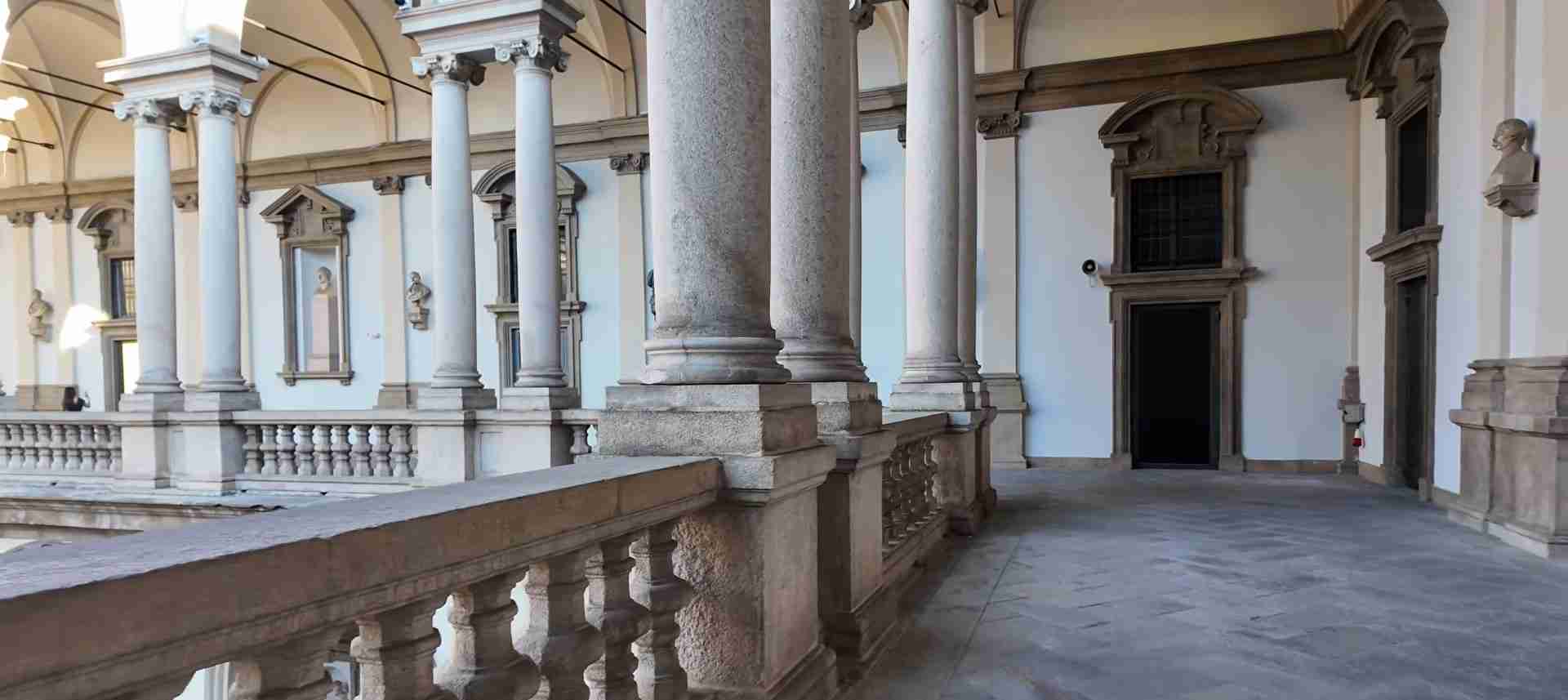
Milan’s hidden courtyards reveal themselves through attentive street walking and strategic exploration of historic center buildings during business hours when ground-floor shops or offices provide public access to interior spaces. Many Renaissance and Baroque palazzi feature ground-level passages (androne) leading to courtyards with loggias, frescoes, and fountains, legally accessible as semi-public spaces despite appearing private from street perspective. The annual “Cortili Aperti” (Open Courtyards) event, typically held in spring, grants special access to normally closed private courtyards through coordinated programs where building residents permit organized visits revealing otherwise invisible architectural treasures. Historic cafés and restaurants often occupy ground floors of significant palazzi, with dining or drinking purchases granting legitimate access to view adjacent courtyards and architectural details. Simply observing Milanese residents entering palazzo doorways and following (respectfully, during appropriate hours) often leads to discovery of extraordinary courtyards completely invisible to tourists limiting exploration to main streets and obvious monuments.
Extended multi-day tours – 5+ days
Featured Milan Multi-Day Tour Packages
7 days
Two Cities & Two Lakes: From Como to Verona
- ✓ Comprehensive Milan tour
- ✓ Expert local guides included
- ✓ All accommodation arranged
- ✓ Transportation provided

5 days
5 Day Italy Tour Package with Bernina Express – Verona, Sirmione, Bellagio & Como
- ✓ Comprehensive Milan tour
- ✓ Expert local guides included
- ✓ All accommodation arranged
- ✓ Transportation provided
6 days
Lugano for All Ages: Adventures in the Alps
- ✓ Booking needs min. 2 travelers
7 days
Discover Italy end Milan
- ✓ Comprehensive Milan tour
- ✓ Expert local guides included
- ✓ All accommodation arranged
- ✓ Transportation provided
Multi-day tour packages powered by TourRadar. Prices and availability subject to change.
Introduction
Milan distinguishes itself among Italian cities through layers of concealed treasures requiring active discovery rather than passive monument-checking. While Rome, Florence, and Venice organize themselves around unmissable landmarks dominating urban landscapes and tourist circuits, Milan’s greatest cultural assets often hide within palazzo courtyards, behind unassuming church facades, or in converted industrial spaces requiring specific knowledge to locate and appreciate. This characteristic reflects the city’s mercantile, industrial, and design heritage prioritizing function over ostentation, creating urban environments where extraordinary art, architecture, and culture exist within working contexts rather than as isolated spectacles.
The hidden gems concept in Milan encompasses multiple categories including forgotten religious art installations in parish churches, Renaissance courtyards preserving centuries-old spatial hierarchies, contemporary art foundations occupying industrial archaeology, neighborhood enclaves maintaining authentic local character, and specialized museums housing extraordinary collections unknown beyond scholarly circles. These locations share common characteristics distinguishing them from conventional tourist attractions: minimal signage, limited marketing, irregular access requiring planning, and absence from standard guidebook itineraries. Discovering Milan’s secret treasures demands curiosity, persistence, and willingness to venture beyond comfortable tourist zones into residential neighborhoods and industrial districts where authentic Milanese culture thrives.
Understanding Milan’s hidden gems requires contextualizing the city’s historical development from Roman Mediolanum through medieval commune, Renaissance duchy, Napoleonic capital, industrial powerhouse, and contemporary design epicenter. Each era contributed layers of cultural production that subsequent generations alternatively preserved, abandoned, or repurposed, creating archaeological complexity where 4th-century Christian basilicas coexist with 1930s rationalist villas and 21st-century architectural interventions. The city’s pragmatic character led to continuous urban renewal potentially destroying historical fabric, yet paradoxically preserved numerous sites through benign neglect or private ownership preventing commercial exploitation visible at more touristed Italian destinations.
This comprehensive guide reveals Milan’s lesser-known treasures across categories including artistic masterpieces, architectural marvels, cultural institutions, neighborhood enclaves, and experiential discoveries providing authentic engagement with Milanese heritage and contemporary life. The following sections explore specific hidden gems with sufficient detail enabling confident exploration, contextual information establishing historical and cultural significance, and practical guidance facilitating access to locations ranging from openly accessible to requiring strategic planning. Travelers investing effort to discover these secret spots find Milan revealing itself as profoundly rewarding as any Italian destination, delivering artistic and cultural experiences matching famous cities while maintaining authentic character increasingly rare in over-touristed European capitals.
Hidden Artistic Masterpieces
Milan conceals artistic treasures rivaling the Uffizi or Vatican Museums within modest churches, private museums, and unexpected locations rarely appearing in conventional tourist itineraries. These masterpieces demonstrate the city’s Renaissance and Baroque artistic significance while offering intimate viewing experiences impossible at overcrowded major museums.
San Maurizio al Monastero Maggiore
San Maurizio al Monastero Maggiore stands as Milan’s supreme hidden artistic treasure, a 16th-century church completely covered in luminous frescoes by Bernardino Luini and his workshop depicting biblical narratives, saints, and elaborate decorative patterns across every interior surface. Built as the church for a Benedictine convent of noble women, the structure divides into public and cloistered sections separated by a decorative wall permitting nuns to attend services invisible to lay worshippers. Luini’s fresco cycle covers approximately 4,000 square meters including the public nave, monks’ choir, side chapels, and cloistered areas, creating one of Northern Italy’s most comprehensive Renaissance decorative programs executed between 1520-1530.
The artistic quality and preservation state justify the church’s designation as Milan’s “Sistine Chapel,” though this comparison understates San Maurizio’s unique character combining sacred narrative with intimate domestic scale unknown in Rome’s papal chapel. Luini’s style demonstrates deep Leonardo influence (he worked in Milan during da Vinci’s residency) visible in sfumato modeling, pyramidal compositions, and psychological characterization while developing distinct mannerisms including elongated figures, pastel color harmonies, and decorative richness anticipating Mannerist developments. The frescoes maintain remarkable color intensity despite five centuries, with blues, golds, and flesh tones appearing freshly painted rather than degraded historical artifacts.
The church’s location on Corso Magenta near the Archaeological Museum positions it along tourist routes connecting Cenacolo to Castello Sforzesco, yet visitor numbers remain minimal compared to blockbuster attractions. The split interior organization creates unusual spatial experiences with the public section appearing complete until discovering the equally elaborate nuns’ choir accessible through side doors revealing the building’s true scale. Chapels dedicated to noble families feature distinct fresco programs by various artists including Simone Peterzano (Caravaggio’s teacher), creating artistic diversity within overall Renaissance unity. The adjacent Monastero Maggiore archaeological site reveals Roman and early Christian layers beneath the Renaissance church, though these remain separately administered with different access conditions.
Biblioteca Ambrosiana
The Biblioteca Ambrosiana functions as Milan’s premier hidden Renaissance and Baroque art collection, housing masterpieces by Leonardo, Caravaggio, Raphael, Titian, and Botticelli within an early 17th-century library complex designed by Cardinal Federico Borromeo as an intellectual center combining books, artworks, and scientific instruments. The Pinacoteca Ambrosiana displays paintings collected by Cardinal Borromeo and subsequent donations creating unexpected juxtapositions between Northern European and Italian works, Renaissance and Baroque styles, and religious and secular subjects rarely exhibited together in conventional chronological or geographic museum arrangements.
Leonardo da Vinci’s Codex Atlanticus, the world’s largest collection of Leonardo drawings and writings, resides in the Ambrosiana’s manuscript collection with rotating folios displayed publicly while the complete 1,119 pages undergo continuous study and preservation. The codex contains Leonardo’s investigations into anatomy, engineering, military technology, water systems, flight mechanisms, and artistic techniques executed between 1478-1519, representing humanity’s most extraordinary single document of Renaissance polymathic genius. Viewing even limited Codex Atlanticus selections provides direct engagement with Leonardo’s mind through his mirror-script notes, technical drawings, and observational studies impossible to appreciate through reproductions.
The painting collection includes Caravaggio’s Basket of Fruit, Italian still-life painting’s founding masterpiece demonstrating the artist’s revolutionary naturalism applied to humble subject matter, and Raphael’s preparatory cartoon for the School of Athens, revealing the master’s compositional process for his Vatican masterpiece. Titian’s Adoration of the Magi displays the Venetian colorist’s late style with loose brushwork and dramatic lighting. The eclectic collection reflects Cardinal Borromeo’s Counter-Reformation intellectual program combining artistic beauty with moral instruction and scientific investigation, creating viewing experiences revealing early modern collecting practices and devotional contexts for Renaissance art.
Museo Poldi Pezzoli
The Museo Poldi Pezzoli preserves an aristocratic palazzo transformed into a house museum maintaining the 19th-century installation aesthetic where Gian Giacomo Poldi Pezzoli arranged his extraordinary art collection within elaborately decorated period rooms. The museum’s Renaissance painting collection includes Pollaiolo’s Portrait of a Young Woman, one of Italian portraiture’s supreme achievements displaying the artist’s linear precision and psychological penetration, Mantegna’s Madonna and Child showing the Paduan master’s sculptural modeling and archaeological precision, and Botticelli’s Lamentation demonstrating the Florentine painter’s lyrical linearity and emotional intensity.
Beyond paintings, the collection encompasses decorative arts including Lombard armor and weapons forming one of Italy’s finest military history collections, Renaissance and Baroque textiles demonstrating luxury fabric production techniques, antique clocks and scientific instruments revealing mechanical innovation, and period furniture showing evolution of Italian decorative styles from Gothic through Baroque. The palazzo interior itself constitutes a significant artwork with rooms decorated in Neo-Renaissance, Neo-Gothic, and Neo-Baroque styles by 19th-century architects and decorators commissioned by Poldi Pezzoli to create appropriate settings for his collections.
The house museum format enables viewing Renaissance masterpieces in domestic contexts approximating original display conditions rather than modern museum white-box galleries, creating intimate experiences highlighting artworks’ devotional, decorative, and status functions within noble households. The modest building scale and limited visitor capacity maintain quiet atmospheres conducive to prolonged contemplation impossible in crowded blockbuster museums. The museum’s location on Via Manzoni near Teatro alla Scala positions it conveniently for tourists, yet its house museum character and specialized collections attract primarily serious art enthusiasts rather than casual sightseers.
Architectural Hidden Gems
Milan’s architectural treasures extend beyond the Duomo and Galleria Vittorio Emanuele II to encompass rationalist masterpieces, Renaissance courtyards, industrial conversions, and spatial innovations revealing the city’s continuous architectural experimentation from Roman through contemporary periods.
Villa Necchi Campiglio
Villa Necchi Campiglio represents Italian rationalist architecture’s supreme residential achievement, designed by Piero Portaluppi in 1932-1935 for the Necchi industrialist family as a complete lifestyle environment integrating architecture, interior design, landscape, and modern conveniences including Milan’s first private swimming pool. The villa demonstrates rationalist principles through geometric clarity, functional planning, abundant natural light, and honest material expression while maintaining luxury standards and decorative richness distinguishing it from the International Style’s austere minimalism. The building achieved international recognition as filming location for Luca Guadagnino’s “I Am Love” (2009), introducing global audiences to this architectural masterpiece previously known primarily to specialists.
The villa’s preservation as a house museum maintains original furnishings, artworks, and domestic objects revealing interwar upper-bourgeois Milanese lifestyle with remarkable completeness. Period details include Gio Ponti ceramics, Venini glass, custom furniture designed by Portaluppi, a private cinema with original projection equipment, extensive libraries with first editions, and family photographs documenting social networks among Milan’s industrial elite. The garden design by Pietro Porcinai creates outdoor rooms extending architectural spatial organization into landscape through geometric plantings, water features, and the celebrated swimming pool with underwater windows viewing swimmers from adjacent spaces.
The villa’s location in Milan’s quiet residential zone removes it from conventional tourist itineraries despite architectural significance matching better-known rationalist works like Giuseppe Terragni’s Casa del Fascio. Limited opening hours and mandatory guided tours restrict access compared to always-open churches or museums, requiring advance planning but guaranteeing quality visits without crowds. The complete preservation state enables understanding rationalist architecture not as abstract aesthetic theory but as lived domestic reality for Milan’s wealthiest families during Fascism’s consensual period before World War II’s devastations.
Hidden Renaissance Courtyards
Milan’s historic center conceals hundreds of Renaissance and Baroque courtyards (cortili) featuring loggias, frescoes, fountains, and gardens completely invisible from street level but accessible through palazzo ground-floor passages. These courtyards represent Lombard Renaissance architecture’s distinctive contribution combining Northern Italian brick traditions with Tuscan spatial organization and decorative vocabulary imported by architects including Bramante and Leonardo working for Sforza dukes. The courtyards functioned as semi-public spaces where palazzo residents received visitors, conducted business, and displayed wealth through architectural sophistication and decorative programs visible to clients, suppliers, and social peers.
Notable examples include Casa degli Omenoni on Via Omenoni featuring colossal atlantes (supporting male figures) by Leone Leoni housing the sculptor’s studio and collection, Palazzo Isimbardi on Corso Monforte preserving intact Renaissance loggias with frescoed decoration, and numerous palazzi along Via Brera, Via Monte di Pietà, and Via Morigi displaying variations on the courtyard typology. The Archivio di Stato (State Archives) occupies a former monastery complex with extensive cloisters demonstrating ecclesiastical applications of courtyard organization, freely accessible during business hours as public institution.
Discovering these courtyards requires alert street observation identifying palazzo entrances (androne) and confident entry during business hours when ground-floor shops or offices provide legitimate access. The semi-public nature means respectful visitors can enter, photograph, and appreciate architecture without formal permissions, though late evening or weekend access may encounter locked doors or resident challenges. The “Cortili Aperti” initiative periodically organizes coordinated public access to normally closed courtyards through volunteer programs and building resident cooperation, though dates vary annually requiring advance research. These hidden spaces reveal authentic Renaissance Milan’s spatial organization and decorative sensibility preserved despite centuries of urban change surrounding them.
Fondazione Prada
Fondazione Prada occupies a transformed 1910s distillery complex in southern Milan where Rem Koolhaas’s OMA designed architectural interventions creating dialogue between industrial heritage and contemporary additions. The foundation opened in 2015 as Italy’s premier contemporary art venue, displaying the Prada collection’s modern and contemporary holdings plus temporary exhibitions in a 19,000-square-meter complex combining seven existing industrial buildings with three new structures including the distinctive gold-leaf-covered Haunted House cinema. The project demonstrates adaptive reuse principles where historical industrial architecture provides atmospheric settings for contemporary art while new insertions create spatial and programmatic possibilities impossible in preserved structures alone.
The complex’s spatial organization creates sequential discoveries through outdoor courtyards, industrial sheds, intimate galleries, a library, restaurant, and the Torre (tower) added in 2018 as a nine-story white concrete structure providing panoramic city views and additional exhibition space. Each building maintains distinct character through preservation of industrial materials (brick, concrete, corrugated metal) and architectural features (sawtooth roofs, steel trusses, crane rails) creating varied exhibition environments from raw factory spaces to refined gallery rooms. The permanent collection includes works by Louise Bourgeois, Walter De Maria, Damien Hirst, Jeff Koons, and Robert Gober displayed in installations designed specifically for Fondazione Prada’s unique spaces.
The foundation’s location in Milan’s southern industrial zone removes it from conventional tourist circuits despite international significance, requiring metro journeys or taxi rides from the historic center. This peripheral positioning enables the complex’s expansive scale impossible in dense city center while maintaining authentic industrial district context rather than artificially isolated museum campus. Bar Luce, designed by filmmaker Wes Anderson as a functioning café evoking 1950s-1960s Milanese aesthetics through custom furnishings, colors, and details, provides destination within the destination attracting visitors appreciating Anderson’s cinematic vision realized as immersive environment. The Fondazione represents Milan’s ongoing cultural transformation from industrial manufacturing center to global design and contemporary art capital.
Neighborhood Discoveries
Milan’s authentic character emerges most clearly in residential neighborhoods maintaining local traditions, artisan workshops, and community life distinct from tourist-oriented centro storico commercialization. These areas reveal contemporary Milanese identity through daily practices, social spaces, and cultural continuities connecting historical working-class traditions with present realities.
Navigli District
The Navigli canal district preserves remnants of Milan’s extensive historical canal system (navigli) that once connected the city to Ticino River, Lake Maggiore, Lake Como, and Po River, enabling transportation of marble for Duomo construction, agricultural products, and commercial goods until the 1930s when most canals were covered for roadways. The remaining Naviglio Grande and Naviglio Pavese maintain 19th-century warehouse buildings, working-class housing blocks, artisan workshops, and neighborhood osterie creating atmospheric environments distinct from polished historic center character. The district evolved from declining industrial zone to bohemian artistic quarter to increasingly gentrified nightlife destination while maintaining pockets of authentic local life.
The canal banks (alzaia) host monthly antique markets, vintage clothing stalls, and artisan vendors creating browsing opportunities among furniture, books, ceramics, clothing, and curiosities impossible to find in conventional shops. Traditional workshops continue carpentry, metalworking, printing, and bookbinding trades in ground-floor spaces along the canals, maintaining craft traditions and small-scale production methods surviving Milan’s industrial transformation. Neighborhood osterie serve traditional Milanese cuisine including ossobuco, risotto alla Milanese, cotoletta, and cassoeula (pork and cabbage stew) at prices reflecting local clientele rather than tourist budgets, particularly along secondary streets away from main canal promenades.
The Vicolo dei Lavandai (Washers’ Lane) preserves a covered washing area (lavatoio) where laundresses historically washed clothes in canal water, now maintained as historical monument demonstrating working-class labor conditions and canal system’s domestic functions. The Navigli evening atmosphere transforms from daytime industrial character to nightlife destination as bars, restaurants, and live music venues activate canal-side buildings, though increasing commercialization and rising rents threaten authentic neighborhood character. Early morning and weekday afternoon visits reveal Navigli’s working neighborhood reality before evening tourist invasions, providing authentic glimpses into contemporary Milanese canal district life.
Brera District
The Brera district extends beyond the famous Pinacoteca di Brera art gallery to encompass cobblestone streets, artisan workshops, independent boutiques, historic cafés, and residential buildings maintaining bohemian character despite increasing gentrification pressures. The neighborhood developed around the Brera Academy of Fine Arts (founded 1776) attracting artists, intellectuals, and cultural figures creating traditions of cafés as meeting places, studios as living-working spaces, and streets as social theaters for discussing art, politics, and culture. This historical character persists through remaining artist studios, art supply shops, antiquarian bookshops, and small galleries maintaining cultural continuity with Brera’s artistic heritage.
Via Fiori Chiari and Via Madonnina preserve concentrations of antique shops, vintage boutiques, and artisan workshops specializing in furniture restoration, picture framing, and decorative arts serving collectors and interior designers rather than casual tourists. Historic pasticcerie including Marchesi (founded 1824) maintain traditional Milanese pastry production methods creating panettone, croissants, and regional specialties in belle époque interiors preserving 19th-century café culture atmosphere. Small galleries along Via Brera and surrounding streets exhibit contemporary art and design with openings creating neighborhood cultural events rather than isolated commercial transactions.
The Orto Botanico di Brera (Brera Botanical Garden) occupies a former Jesuit monastery garden behind the Brera Academy, maintaining historic botanical collections, greenhouse structures, and educational plantings in a peaceful urban oasis accessible during limited hours through unmarked entrances requiring local knowledge to discover. The garden preserves 18th-century landscape design principles and scientific collection organization revealing Enlightenment approaches to botanical study and display. The Brera district’s authentic character emerges most clearly during weekday mornings when residents shop at neighborhood markets, attend yoga studios, and frequent local bars for morning cappuccini before tourist crowds arrive at the Pinacoteca and surrounding attractions.
Isola District
The Isola district represents Milan’s most dramatic neighborhood transformation from working-class industrial zone to contemporary architecture showcase surrounding the Vertical Forest (Bosco Verticale) towers designed by Stefano Boeri. Historically isolated by railway lines (hence “Isola” – island), the neighborhood maintained industrial worker housing, factories, and local services separate from bourgeois city center development. Recent decades witnessed comprehensive redevelopment creating the Porta Nuova business district’s gleaming towers while the historical Isola core preserved low-rise residential buildings, artisan workshops, and community traditions creating striking contrasts between old and new Milan.
The Vertical Forest residential towers completed in 2014 feature approximately 900 trees, 5,000 shrubs, and 11,000 ground cover plants distributed across 113 balconies creating vertical parks equivalent to 30,000 square meters of woodland planted on 3,000 square meters of footprint. The pioneering sustainable architecture project addresses urban biodiversity, air quality, microclimate regulation, and psychological well-being through integrated vegetation systems requiring specialized irrigation, pruning, and maintenance. The towers achieved international recognition demonstrating Italian design leadership in environmental architecture while symbolizing Milan’s transformation from industrial manufacturing city to sustainable innovation center.
Historical Isola streets preserve traditional trattorias, neighborhood bars, ethnic groceries serving diverse immigrant communities, and small parks where residents gather creating authentic local life contrasting with the Porta Nuova business district’s corporate character. Street art and murals decorate building facades reflecting community cultural initiatives and artistic expression beyond institutional museum contexts. The neighborhood exemplifies contemporary Milan’s complex negotiation between historical preservation, architectural innovation, gentrification pressures, and community resistance, creating urban landscapes where centuries-old Milanese traditions confront global capital’s transformative forces.
Cultural Institutions Off the Beaten Path
Milan supports specialized museums, cultural foundations, and artistic venues maintaining significant collections or programs unknown to casual tourists but offering profound experiences for visitors with specific interests in design, natural history, science, or contemporary culture.
Museo Bagatti Valsecchi
The Museo Bagatti Valsecchi preserves a complete Neo-Renaissance palazzo environment created by brothers Fausto and Giuseppe Bagatti Valsecchi during the 1880s-1890s as an idealized recreation of 15th-century aristocratic life. The brothers collected authentic Renaissance furniture, paintings, sculptures, textiles, armor, ceramics, and decorative objects while commissioning contemporary craftsmen to produce Neo-Renaissance additions seamlessly integrating with period pieces, creating rooms where genuine antiques and skilled reproductions create unified historical environments. The palazzo’s innovation involved not merely collecting Renaissance objects but reconstructing entire Renaissance spatial experiences including bedroom suites, dining halls, libraries, and reception rooms furnished and decorated according to documented historical practices.
The collection includes significant Renaissance paintings by Giovanni Bellini, Giampietrino, and Lombard masters, though the brothers prioritized decorative cohesion over individual masterpiece acquisition, selecting works enhancing room programs rather than art historical importance. The decorative arts collections achieve extraordinary quality through objects including intarsia furniture, maiolica ceramics, damascened metalwork, Murano glass, and carved ivories demonstrating Renaissance luxury craftsmanship across media and production centers. The palazzo’s modern conveniences (heating, plumbing, gas lighting later electrified) were disguised using Renaissance-style covers and fixtures, creating the era’s most technologically advanced residence appearing entirely historical.
The museum maintains original room arrangements and object placements established by the Bagatti Valsecchi brothers, providing rare examples of 19th-century collecting and display practices rather than modern curatorial reorganizations. This installation philosophy enables understanding Renaissance decorative arts within domestic contexts approximating original functions as furniture, tableware, and architectural enrichment rather than isolated museum specimens. The modest palazzo scale and house museum character create intimate atmospheres favoring prolonged contemplation over rushed viewing, appealing to visitors appreciating decorative arts, interior design history, and 19th-century cultural movements romanticizing Renaissance civilization.
Leonardo da Vinci’s Vineyard
Leonardo da Vinci’s Vineyard (Vigna di Leonardo) occupies the garden of Casa degli Atellani, a Renaissance residence where Leonardo cultivated grape vines gifted by Duke Ludovico Sforza around 1498 as payment for painting The Last Supper in nearby Santa Maria delle Grazie refectory. Historical documents recording the vineyard’s location and size enabled botanical reconstruction of Leonardo’s vineyard planting using Malvasia di Candia Aromatica grape varieties matching historical descriptions. The vineyard restoration completed in 2015 for Expo Milano created living historical monument demonstrating Renaissance garden practices and Leonardo’s agricultural interests documented in his notebooks.
The Casa degli Atellani features Renaissance interiors with period furnishings and frescoes providing context for Leonardo’s residential environment during his second Milanese period (1482-1499, 1506-1513) when he created The Last Supper, studied optics and mechanics, designed military fortifications, and conducted anatomical research. The gardens combine the reconstructed vineyard with renaissance-style plantings based on period botanical treatises showing how wealthy Milanese maintained productive and ornamental gardens within city walls. The property’s intimate scale and limited visitor capacity create contemplative atmospheres connecting visitors to Leonardo’s daily life beyond his artistic and scientific achievements.
The vineyard’s location in Milan’s quiet residential Corso Magenta area near The Last Supper positions it conveniently for tourists visiting Santa Maria delle Grazie yet its recent opening (2015) and specialized character mean most visitors remain unaware of this unique Leonardo site. The combination of historical authenticity (documented vineyard location and grape varieties), contemporary reconstruction (new vines planted based on archival research), and Renaissance architectural setting creates multivalent experiences engaging history, agriculture, architecture, and Leonardo scholarship. The property demonstrates Milan’s capacity for innovative cultural programming transforming historical sites into living monuments rather than static museum displays.
Museo di Storia Naturale
The Museo di Storia Naturale occupies a purpose-built Neo-Romanesque palazzo (1888-1907) in Giardini Pubblici Indro Montanelli, housing one of Europe’s most significant natural history collections with particular strength in mineralogy, paleontology, and entomology. The museum displays approximately 700,000 specimens from total holdings exceeding 3 million objects collected through scientific expeditions, scholarly exchanges, and private donations spanning the 19th and 20th centuries. The collection’s depth in Italian fauna, Alpine geology, and Mediterranean natural history creates research resources and public displays exploring regional biodiversity and environmental change over geological time scales.
The paleontology galleries feature complete dinosaur skeletons, marine reptile fossils, and extinct mammal reconstructions demonstrating evolution’s dramatic transformations over millions of years. The mineralogy collection displays approximately 30,000 specimens including meteorites, gems, and crystalline formations organized by chemical composition and physical properties revealing Earth’s material diversity. The entomology section houses millions of insect specimens with particular concentration in Lepidoptera (butterflies and moths) and Coleoptera (beetles) from worldwide sources creating comprehensive research collections supporting taxonomic and ecological studies. Period dioramas depicting animal habitats show early 20th-century museum display philosophy combining scientific accuracy with artistic presentation.
The museum building itself constitutes significant Neo-Romanesque architecture with elaborate polychrome brick facades, carved stone capitals, ceramic decorations, and sculptural programs depicting natural history themes. The interior grand hall features a monumental staircase, stained glass windows, and coffered ceilings creating theatrical architectural experiences framing scientific exhibits. The museum attracts primarily Italian school groups and serious natural history enthusiasts rather than international tourists, creating quiet viewing atmospheres and opportunities for extended observation impossible in crowded art museums. The adjacent Giardini Pubblici provide outdoor extension with historical landscaping, children’s playgrounds, and seasonal gardens creating complete cultural destination beyond the museum proper.
Experiential Hidden Gems
Certain Milan experiences deliver profound cultural insights and authentic local engagement beyond conventional sightseeing, revealing the city’s character through participation, observation, and immersion in Milanese traditions and contemporary practices.
Aperitivo Culture
Milanese aperitivo culture represents the city’s signature social ritual combining early evening drinks with complimentary food buffets, creating democratic social spaces where diverse populations mix across class, age, and professional backgrounds. The tradition evolved from Turin’s 19th-century vermouth culture, transformed by Milanese innovation into elaborate presentations where bars compete through increasingly sophisticated buffets ranging from simple chips and olives to complex catering featuring pasta dishes, rice salads, vegetable preparations, and desserts. The aperitivo ritual functions as pre-dinner socializing (typically 6:00-9:00 PM) where office workers decompress, friends gather, and couples meet before proceeding to dinner or home.
Authentic aperitivo culture concentrates in neighborhood bars away from tourist zones where local clientele maintains traditional practices rather than performing cultural theater for visitors. The Navigli canal district, Isola neighborhood, and Porta Romana area preserve working aperitivo culture with modest prices (€8-12 for drink plus buffet access) and genuine social mixing rather than exclusionary pricing or tourist-oriented presentations. Traditional drinks include Campari soda, Aperol spritz, Negroni, and prosecco, though contemporary variations incorporate craft cocktails and international spirits maintaining the buffet tradition in evolved beverage programs.
Observing aperitivo etiquette demonstrates cultural sensitivity and enhances experiences: ordering drinks before accessing buffets (the food is complimentary with drink purchase, not free-standing), taking reasonable portions allowing multiple visits rather than plate-loading, standing at bars rather than occupying tables for hours, and engaging in Italian conversational culture’s animated discussion rather than Anglo silent drinking. The aperitivo ritual reveals contemporary Milanese social dynamics, neighborhood hierarchies, and cultural values around food, drink, and public sociability impossible to understand through monument visits or museum tours. Participating in authentic neighborhood aperitivo provides insider perspectives on Milan’s living culture beyond historical heritage tourism.
Mercato Comunale and Food Markets
Milan’s covered markets (mercati comunali) and specialty food shops maintain traditional provisioning practices where residents select fresh produce, meats, fish, cheeses, and prepared foods from dedicated vendors developing long-term relationships with specific suppliers. The markets function as social institutions beyond mere shopping, creating community gathering spaces where neighbors exchange news, vendors offer cooking advice, and seasonal cycles structure available products according to agricultural realities rather than global supply chains. These markets resist supermarket homogenization, preserving artisanal production methods, regional specialties, and personal service distinguishing traditional Italian food culture from industrial mass distribution.
Notable markets include Mercato Comunale di Via Fauché preserving art nouveau architecture housing butchers, fishmongers, produce vendors, and specialty shops in purpose-built 1920s structure, and Mercato di Via Papiniano hosting extensive outdoor stalls offering clothing, household goods, and foods in working-class neighborhood setting. Specialty food shops like Peck (founded 1883) maintain traditional gastronomy retail combining prepared foods, raw ingredients, wine, and dining spaces in multi-floor formats demonstrating Milanese culinary traditions and contemporary innovations. Neighborhood bakeries produce regional breads including michetta (Milanese roll), traditional pastries like panettone and colomba (Easter cake), and contemporary creations maintaining craft baking traditions.
Engaging with food markets requires strategic timing (morning hours for best selection), basic Italian for vendor interactions, and willingness to select unfamiliar items based on vendor recommendations rather than predetermined shopping lists. Markets reveal seasonal eating patterns unavailable in supermarkets, with spring asparagus, summer tomatoes, autumn porcini mushrooms, and winter citrus demonstrating agricultural calendars’ continuing influence on Milanese cuisine. The social dimensions of market shopping—observing vendor-customer negotiations, listening to dialect conversations, witnessing neighborhood social networks—provide cultural insights into contemporary Milanese life’s textures and rhythms beyond tourist experiences or English-language interactions.
Cimitero Monumentale
The Cimitero Monumentale (Monumental Cemetery) functions as open-air museum displaying funerary sculpture and architecture from the 1860s through present, creating extraordinary concentrations of artistic ambition applied to death commemoration. Wealthy Milanese families commissioned leading architects and sculptors to design elaborate tombs, chapels, and monuments demonstrating social status, artistic patronage, and memorialization practices revealing bourgeois cultural values across generations. The cemetery’s layout organizes elaborate monuments along primary avenues while simpler graves fill secondary sections, spatially reproducing Milan’s social hierarchies into eternity.
Notable monuments include the Campari family tomb featuring art nouveau mosaics and sculptural programs, the Bernocchi Chapel designed by Giovanni Muzio as miniature temple, and numerous examples of Liberty (Italian Art Nouveau), Neo-Gothic, Neo-Romanesque, and Modern styles demonstrating evolving architectural tastes. Funerary sculpture ranges from academic realism through Symbolist allegory to abstract modernism, with works by renowned sculptors including Leonardo Bistolfi, Medardo Rosso, and Lucio Fontana demonstrating serious artistic engagement with death themes. The Famedio (Hall of Fame) honors distinguished Milanese including Alessandro Manzoni, Carlo Cattaneo, and Salvatore Quasimodo in temple-like structure completing the cemetery’s monumental entrance sequence.
The cemetery creates contemplative atmospheres combining artistic appreciation, historical research, and meditations on mortality absent from conventional museums or tourist sites. Wandering the avenues observing sculptural details, architectural variations, and landscape settings provides reflective experiences revealing Milanese cultural history through death’s material culture rather than life’s celebrations. The cemetery’s active function as working burial ground rather than static historical site means ongoing additions continue traditions of artistic commemoration, maintaining living connections to the dead and evolving funerary practices. Photography and quiet observation prove appropriate while respecting the cemetery’s primary function as sacred space for grieving and remembrance.
Practical Discovery Strategies
Successfully discovering Milan’s hidden gems requires strategic approaches to research, navigation, timing, and access significantly different from visiting obvious tourist landmarks. Understanding effective discovery techniques enables travelers to reveal the city’s concealed treasures through systematic exploration rather than accidental encounters.
Research and Planning Methods
Effective hidden gem discovery combines guidebook research, online resources, local recommendations, and systematic exploration revealing locations impossible to find through single information sources. Specialized guidebooks focusing on Milan’s lesser-known attractions, architecture, or neighborhoods provide curated selections with contextual information unavailable in general tourist guides prioritizing major monuments. Online resources including architecture websites, art history blogs, contemporary art platforms, and local cultural calendars reveal current exhibitions, temporary installations, and special access events expanding beyond permanent collections.
Local recommendations from Milanese residents, hotel concierges, museum guards, or specialty shop owners provide insider knowledge about neighborhood favorites, hidden courtyards, and lesser-known cultural sites rarely appearing in published sources. Building rapport through respectful inquiries in Italian (or English when necessary) demonstrates genuine interest rather than superficial tourism, encouraging locals to share personal discoveries and neighborhood secrets. Systematic neighborhood exploration walking secondary streets, observing palazzo entrances, noting unusual architectural details, and following residential traffic patterns reveals courtyard treasures and authentic local character invisible from primary tourist thoroughfares.
Timing and Access Strategies
Many hidden gems maintain irregular opening hours, require advance reservations, or restrict access to specific days complicating spontaneous discovery. Researching current schedules through official websites, telephone inquiries, or social media accounts prevents disappointing arrival encounters with closed doors or fully-booked time slots. House museums and private collections often operate limited hours (several afternoons weekly) with guided tours only, requiring schedule coordination and advance planning impossible for strict itineraries. Cultural foundations and contemporary art spaces may close Mondays matching museum conventions or maintain unusual schedules reflecting institutional preferences rather than tourist convenience.
Strategic timing maximizes hidden gem experiences through early morning visits before crowds arrive, weekday scheduling avoiding weekend domestic tourism surges, and shoulder season travel (April-May, September-October) delivering moderate weather and manageable visitor volumes. Some locations become accessible during special events including “Cortili Aperti” opening private courtyards, museum late-night openings providing extended hours, or cultural festivals enabling access to normally closed sites. Understanding that access challenges protect hidden gems from mass tourism degradation encourages patience and flexibility rather than frustration when perfect timing or advance planning proves necessary.
Cultural Etiquette and Respect
Discovering hidden gems requires respecting boundaries between public access and private property, religious spaces and tourist attractions, working neighborhoods and performative cultural sites. Many palazzi courtyards exist in legal gray areas where daytime access through open doorways proves technically permissible but resident tolerance depends on visitor discretion, quiet observation, and avoiding disruptive behavior. Photographing courtyards demonstrates appropriate respect through avoiding resident windows, maintaining low profiles, and departing promptly rather than treating semi-private spaces as personal photo studios.
Religious sites including parish churches and active monasteries function primarily as worship spaces rather than tourist destinations, requiring modest dress (covered shoulders and knees), silent or whispered conversation, and avoiding visits during services when photography and casual viewing prove inappropriate. Understanding that many hidden gems exist as working institutions (libraries, archives, churches, schools) rather than dedicated tourist attractions shapes expectations around access, photography permissions, and appropriate behavior matching each location’s primary function. Demonstrating cultural sensitivity and genuine interest in Milan’s heritage rather than superficial monument-checking encourages positive encounters, local recommendations, and sustainable tourism preserving hidden gems’ authentic character against commercialization pressures.
Frequently Asked Questions About Milan Hidden Gems
How can I find Milan’s hidden courtyards without a guide?
Finding Milan’s hidden courtyards independently requires systematic walking through historic center streets observing palazzo entrances (androne) recognizable by their wide doorways, often featuring decorative portals or glimpses of interior spaces visible from the street. Most Renaissance and Baroque palazzi maintain ground-floor passages connecting streets to interior courtyards, legally accessible as semi-public spaces during business hours (roughly 9:00 AM-6:00 PM weekdays) when ground-floor shops, offices, or residences maintain open access. Walking confidently through these entrances as if belonging there typically grants access to courtyards, though respectful behavior, quiet observation, and prompt departure maintain welcome for future visitors. Systematic exploration of Via Brera, Via Monte di Pietà, Via Morigi, Corso Magenta, and streets near San Lorenzo alle Colonne reveals numerous courtyards, though each discovery requires walking multiple streets accepting that many doorways lead only to private staircases rather than architectural treasures.
Are Milan’s hidden gems suitable for children?
Milan’s hidden gems vary significantly in child-appropriateness, with some locations including the Natural History Museum, Leonardo’s Vineyard, and Fondazione Prada’s outdoor spaces engaging young visitors through interactive elements, outdoor settings, or inherently interesting subjects like dinosaurs and contemporary art. Other sites including house museums with fragile objects, small churches requiring extended quiet viewing, or specialized collections lacking interactive components challenge children’s patience and interest levels. The Cimitero Monumentale provides educational opportunities for older children interested in sculpture, architecture, or discussions about death and memory, though younger children may find cemetery settings uncomfortable or boring. Strategic selection matching children’s ages, interests, and attention spans, combined with limiting daily hidden gem visits to one or two rather than exhaustive coverage, enables family-friendly Milan exploration including lesser-known sites beyond obvious children’s attractions.
Which Milan hidden gems are free to visit?
Free Milan hidden gems include numerous parish churches (San Maurizio, San Bernardino alle Ossa, Santa Maria presso San Satiro) offering extraordinary art without admission charges, though donation boxes encourage voluntary contributions. Public courtyards accessible through palazzo doorways provide free architectural experiences, the Cimitero Monumentale charges no entry fee, and many streets including the Navigli canals offer atmospheric neighborhood exploration costing nothing beyond time. The Orto Botanico di Brera maintains free entry during limited opening hours, Dante’s Tomb welcomes visitors without charge, and various churches house significant artworks viewable during worship hours. Shopping at food markets, observing aperitivo culture (drink purchase required for buffet access but spending optional), and walking residential neighborhoods cost nothing while delivering authentic Milanese cultural experiences. Free access doesn’t correlate with significance or quality—some of Milan’s supreme artistic treasures including San Maurizio’s Luini frescoes charge no admission, making free exploration financially accessible while delivering world-class cultural encounters.
How much time should I allocate for Milan’s hidden gems?
Individual hidden gem visits range from 20-30 minutes for small sites (Leonardo’s Vineyard, hidden courtyards) through 45-90 minutes for churches and house museums (San Maurizio, Villa Necchi Campiglio, Bagatti Valsecchi) to 2-4 hours for major institutions (Fondazione Prada, Biblioteca Ambrosiana, Cimitero Monumentale). Comprehensive hidden gem exploration spanning multiple categories requires 3-5 days beyond standard tourist landmark visits, though selective targeting based on specific interests (architecture, Renaissance art, contemporary culture, neighborhoods) enables focused discovery within shorter timeframes. Strategic scheduling prevents hidden gem fatigue by alternating intensive museum visits with lighter neighborhood wandering, outdoor spaces, and cultural experiences requiring participation rather than passive viewing. Understanding that many hidden gems maintain irregular schedules, require reservations, or cluster in specific areas enables efficient routing minimizing transit time while maximizing discovery opportunities.
Do I need to speak Italian to discover Milan’s hidden gems?
Italian language skills significantly enhance hidden gem discovery through enabling conversations with locals providing recommendations, reading untranslated signage and historical plaques, understanding museum labels and cultural context, and demonstrating respect for Italian culture through attempted communication in the national language. However, many hidden gems accommodate English speakers through multilingual museum labels, audio guides, staff with English capability, and international visitor expectations at sites like Fondazione Prada or major house museums. Lesser-known parish churches, neighborhood markets, and residential areas may lack English support, requiring patience, basic Italian phrases, or translation apps facilitating communication. The effort to speak Italian, even poorly, generates goodwill and local assistance often leading to recommendations, directions, or insider knowledge unavailable to monolingual English speakers expecting universal accommodation. Some hidden gems’ concealment partially results from Italian-language-only information (websites, brochures, signage), making Italian skills valuable for research and planning beyond on-site visits.
What makes San Maurizio Milan’s “Sistine Chapel”?
San Maurizio earns its “Sistine Chapel” designation through the comprehensive fresco coverage by Bernardino Luini and his workshop completely covering walls, ceilings, and architectural elements across approximately 4,000 square meters of interior surface. The artistic quality demonstrates Luini’s mastery of Leonardo-influenced techniques including sfumato modeling, psychological characterization, and compositional sophistication while developing distinctive coloristic sensibility and decorative richness. The preservation state maintains brilliant color intensity and detailed visibility enabling close observation of individual brushstrokes and compositional devices. The church’s split interior creating public and cloistered sections doubles the fresco programs, with each space receiving complete decorative treatment rather than partial coverage common in other Renaissance churches. The designation references both artistic ambition matching Michelangelo’s papal chapel and the surprise factor—an unassuming exterior concealing overwhelming interior splendor discovered only through visiting, creating revelation experiences matching first encounters with the Sistine Chapel’s ceiling.
How does Fondazione Prada compare to other Italian contemporary art museums?
Fondazione Prada distinguishes itself from other Italian contemporary art institutions including Rome’s MAXXI, Turin’s Castello di Rivoli, or Venice’s Punta della Dogana through its unique combination of industrial architecture preservation, Rem Koolhaas’s architectural interventions, permanent collection depth, temporary exhibition ambition, and luxury brand funding enabling programming budgets unavailable at publicly funded museums. The former distillery complex provides atmospheric industrial spaces contrasting with purpose-built museum architecture, creating exhibition environments where raw brick, concrete, and steel interact with contemporary art rather than neutral white galleries. The permanent collection’s focus on specific artists with room-sized installations rather than chronological surveys creates immersive encounters impossible in traditional collection displays. Temporary exhibitions feature international artists, thematic programs, and cultural subjects extending beyond conventional art historical frameworks. The Prada brand association ensures financial stability, marketing reach, and cultural prestige attracting significant artists, curators, and audiences while raising questions about commercial fashion sponsorship’s influence on contemporary art institutional independence.
Why do many Milan hidden gems require reservations?
Reservation requirements for Milan hidden gems result from multiple factors including small physical spaces with limited capacity (Villa Necchi Campiglio, Leonardo’s Vineyard), preservation concerns requiring controlled visitor numbers and monitoring (house museums with fragile furnishings and objects), staffing limitations at institutions operating with minimal personnel unable to accommodate walk-in crowds, and security needs for valuable collections requiring supervised access. Mandatory guided tours at certain sites enable educational programming, prevent unsupervised contact with fragile materials, and create revenue streams supporting institutional operations. The reservation systems paradoxically protect hidden gem character by preventing mass tourism degradation, ensuring quality visitor experiences through managed capacity, and maintaining sustainable tourism practices preventing the overcrowding destroying Venice, Cinque Terre, or Florence’s historic center. While reservations complicate spontaneous discovery, they ensure that visitors who plan ahead receive quality experiences rather than encountering crushing crowds or access denials at capacity-reached sites.
Can I photograph inside Milan’s hidden gems?
Photography permissions vary significantly across Milan’s hidden gems, with parish churches generally permitting photography without flash (San Maurizio, San Bernardino alle Ossa), house museums maintaining diverse policies from complete prohibition to permission without flash (verify current rules on-site), contemporary art spaces varying by exhibition with artist-specific restrictions, and courtyards welcoming photography respecting resident privacy. Museums housing valuable collections may prohibit photography protecting intellectual property, preserving contemplative atmospheres, or preventing damage from flash and laser autofocus systems. When photography is permitted, respectful practices include disabling flash, avoiding tripods blocking circulation or requiring special permits, maintaining awareness of other visitors’ viewing experiences, and not photographing building residents in courtyards or locals in neighborhood settings without permission. Understanding that photography prohibitions protect artworks, atmosphere, and privacy rather than arbitrary institutional control encourages compliance and respectful documentation of permissible subjects. Many hidden gems welcome photography of exteriors, courtyards, and architectural elements while restricting interior artwork documentation, creating reasonable compromises between visitor documentation desires and institutional preservation needs.
What are the best months to explore Milan’s hidden gems?
April-May and September-October represent optimal periods for Milan hidden gem exploration, delivering moderate temperatures (15-25°C) comfortable for extensive walking, reduced tourist crowds compared to summer peaks, reliable monument opening schedules, and cultural programming including temporary exhibitions, courtyard openings, and special access events. Spring brings flowering gardens at venues including Leonardo’s Vineyard and villa properties, while autumn harvest seasons create market abundance and comfortable outdoor aperitivo weather. Summer (June-August) delivers heat often exceeding 30°C with humidity challenging for daily walking, though extended daylight hours permit more exploration time and many sites maintain longer summer schedules. Winter (November-February) provides smallest crowds and authentic local atmosphere but faces shortened monument hours, potential holiday closures, and cold, damp weather requiring indoor focus. Cultural institutions maintain year-round programming with major exhibitions often timed for autumn-winter seasons when international art audiences concentrate European travel, making off-season visits potentially more rewarding for serious cultural engagement despite weather and schedule limitations.