Milan Food Guide: Complete Guide to Milanese Cuisine
Milan’s culinary identity extends far beyond its reputation as Italy’s fashion capital, rooted in centuries of Lombard agricultural abundance and Celtic culinary traditions. From golden saffron risotto to tender braised veal shanks and the iconic breaded cotoletta, Milanese cuisine reflects the region’s historical prosperity through dishes that transform simple ingredients into sophisticated expressions of northern Italian gastronomy.
Key Takeaways: Essential Facts About Milanese Cuisine
- Risotto alla Milanese, flavored with precious saffron threads, stands as Milan’s signature dish alongside ossobuco (braised veal shanks) and cotoletta alla Milanese (breaded veal cutlet), forming the holy trinity of traditional Milanese cooking
- Milanese cuisine distinguishes itself through extensive use of butter rather than olive oil for cooking, abundant dairy products including gorgonzola and mascarpone, and a strong emphasis on veal and pork reflecting the region’s historic cattle farming prosperity
- The aperitivo tradition originated in Milan, transforming pre-dinner drinks into elaborate social rituals where complimentary food accompanies cocktails between 6:00 PM and 9:00 PM throughout the city’s bars and cafes
- Panettone, Milan’s dome-shaped Christmas bread studded with candied fruits and raisins, dates to the 15th century and remains protected by law requiring natural yeast fermentation for all panettone produced within city limits
- Cassoeula, a hearty pork and cabbage stew traditionally consumed on Saint Anthony the Abbot’s feast day (January 17), exemplifies Milanese comfort food with its robust flavors and head-to-tail use of pork parts
- Historic covered markets including Mercato Centrale Milano, Mercato Wagner (Milan’s oldest, inaugurated 1929), and Mercato del Suffragio provide both traditional ingredient shopping and modern food hall dining experiences throughout distinct neighborhoods
People Also Ask About Milan Food and Cuisine
What is the most famous traditional dish from Milan?
Risotto alla Milanese holds the title as Milan’s most iconic traditional dish, recognized worldwide for its distinctive golden color derived from saffron threads. This creamy rice preparation uses Arborio or Carnaroli rice cooked slowly with homemade beef broth, white wine, butter, and the precious spice that gives it both color and subtle aromatic flavor. The dish’s origins trace to the Lombard region’s abundant rice cultivation in the Po Valley and Milan’s historical access to expensive imported saffron through trade routes. Risotto alla Milanese serves as the traditional accompaniment to ossobuco, creating the complete signature meal that defines Milanese haute cuisine. The rice must achieve a specific creamy consistency while maintaining individual grain integrity, a technique that requires constant stirring and gradual broth addition over approximately 18 minutes of cooking.
How does Milanese cuisine differ from other Italian regional cuisines?
Milanese cuisine diverges fundamentally from southern and central Italian cooking through its emphasis on butter over olive oil, extensive dairy product usage, and prominence of rice and polenta rather than pasta as staple starches. The region’s fertile plains and advanced irrigation systems established during Roman times enabled extensive cattle farming, resulting in a cuisine rich in veal, beef, and dairy products including gorgonzola, grana padano, and mascarpone cheeses. Unlike the tomato-forward dishes of southern Italy, traditional Milanese recipes often feature white wine-based sauces, broths, and butter emulsions that create rich, subtle flavors. The Celtic heritage of the Insubrian people who originally inhabited the region influences the preference for hearty meat dishes and the use of cornmeal in polenta. Northern Italy’s colder climate also shaped a cuisine focused on warming, substantial dishes designed to sustain through harsh winters, contrasting with the lighter, vegetable-forward Mediterranean cooking of Italy’s southern regions.
What makes cotoletta alla Milanese different from Wiener schnitzel?
Cotoletta alla Milanese predates the Austrian Wiener schnitzel by centuries, with documented evidence from 1148 describing breaded veal served at Sant’Ambrogio Basilica in Milan. The fundamental differences lie in the cut of meat and cooking method: authentic Milanese cotoletta uses bone-in veal loin chops from the first six cuts of milk-fed veal, while schnitzel employs boneless veal rump. Milanese preparation requires the meat to be pounded gently without making it thinner than the bone, then coated exclusively in breadcrumbs after egg dipping, and fried in clarified butter. The bone-in presentation remains the defining characteristic that purists insist upon for authentic cotoletta alla Milanese. Austrian schnitzel often uses both flour and breadcrumb coating and cooks in oil or lard rather than butter. The Milanese version typically measures thicker than its Viennese counterpart and develops a rich, golden crust through the butter-frying process that creates distinctive nutty flavors absent in oil-fried preparations.
Where did the aperitivo tradition originate?
The aperitivo tradition originated in Milan during the early 20th century, evolving from the Italian custom of drinking vermouth or other fortified wines before dinner to stimulate the appetite. Milan transformed this simple pre-dinner drink into an elaborate social ritual where bars and cafes serve complimentary food buffets alongside cocktails purchased between 6:00 PM and 9:00 PM. The tradition gained particular momentum in Milan’s fashion and business districts, where professionals would gather after work for networking and socializing over drinks and small plates. Historic cafes like Camparino in Galleria Vittorio Emanuele II, established in the early 1900s, helped establish aperitivo culture by serving Campari-based cocktails with accompanying snacks. The modern aperitivo spread throughout Italy from Milan, but the city maintains the most extensive and elaborate buffet offerings, ranging from simple olives and chips to elaborate spreads including pasta salads, focaccia, cheeses, cured meats, and even sushi in contemporary venues. The aperitivo price typically includes unlimited access to food offerings, making it both a social experience and a practical light meal alternative.
Extended multi-day tours – 5+ days
Featured Milan Multi-Day Tour Packages
7 days
Two Cities & Two Lakes: From Como to Verona
- ✓ Comprehensive Milan tour
- ✓ Expert local guides included
- ✓ All accommodation arranged
- ✓ Transportation provided

5 days
5 Day Italy Tour Package with Bernina Express – Verona, Sirmione, Bellagio & Como
- ✓ Comprehensive Milan tour
- ✓ Expert local guides included
- ✓ All accommodation arranged
- ✓ Transportation provided

6 days
Lugano for All Ages: Adventures in the Alps
- ✓ Booking needs min. 2 travelers
7 days
Discover Italy end Milan
- ✓ Comprehensive Milan tour
- ✓ Expert local guides included
- ✓ All accommodation arranged
- ✓ Transportation provided
Multi-day tour packages powered by TourRadar. Prices and availability subject to change.
Introduction: Understanding Milanese Culinary Heritage
Milan’s gastronomic identity emerges from the confluence of Celtic traditions, Roman agricultural innovation, and centuries of political influence from Spanish and Austrian rule. The fertile Lombard plains surrounding the city, irrigated since Roman times, created agricultural abundance that sustained extensive cattle farming and rice cultivation. This geographical advantage produced a cuisine fundamentally different from the olive-oil-based Mediterranean cooking of southern Italy, instead emphasizing butter, dairy products, and meat-forward preparations that reflect northern European influences.
The Biturgi Gauls who migrated to the region and founded Milan brought Celtic culinary traditions that persist in contemporary Milanese cooking. The preference for pork dishes, the extensive use of cabbage, and the emphasis on hearty stews trace directly to these ancient roots. Roman settlers preserved these Celtic traditions while introducing lamb and diversifying protein sources, creating a unique fusion that evolved over subsequent centuries. Medieval prosperity brought sophistication to Milanese tables, with monastery records from Sant’Ambrogio documenting elaborate preparations as early as the 12th century.
Spanish rule during the 16th and 17th centuries introduced dishes that became permanent fixtures in Milanese cuisine, including cassoeula and mondeghili (meatballs), despite the economic hardship this period brought to common citizens. The 18th century Austrian occupation ushered in an era of agricultural investment and economic prosperity that revitalized local food culture. The Enlightenment brought refined culinary techniques, exotic ingredients including coffee, cocoa, and tomatoes, and a philosophical appreciation for food as cultural expression rather than mere sustenance.
Modern Milanese cuisine maintains deep connections to these historical foundations while embracing contemporary innovation. Traditional trattorias serving classic dishes alongside restaurants operated by Michelin-starred chefs reinterpreting regional ingredients characterize Milan’s current dining landscape. The city’s food markets, from the historic Mercato Wagner inaugurated in 1929 to the contemporary Mercato Centrale near Milano Centrale station, provide both traditional ingredient sourcing and modern food hall experiences. Understanding Milanese cuisine requires appreciating this layered history, recognizing how centuries of cultural exchange and agricultural prosperity shaped a distinctive culinary identity that stands apart from other Italian regional traditions.
Risotto alla Milanese: The Golden Heart of Milan
Risotto alla Milanese represents the quintessential expression of Milanese cooking philosophy: transform humble ingredients through meticulous technique into sophisticated elegance. The dish’s signature golden color comes from saffron threads, historically one of the world’s most expensive spices by weight, reflecting Milan’s prosperity and access to international trade routes. Arborio or Carnaroli rice, grown in the Po Valley’s irrigated paddies, provides the starchy foundation that creates risotto’s characteristic creamy texture when cooked properly.
The preparation begins with toasting rice in butter until grains turn translucent, a crucial step that seals each grain’s exterior and maintains structural integrity during cooking. White wine deglazes the pan, adding acidity that balances the dish’s richness. The defining technique involves adding warm beef broth one ladle at a time, stirring constantly while each addition absorbs before introducing the next. This gradual hydration over approximately 18 minutes releases rice starches that create risotto’s signature creaminess without becoming mushy or sticky.
Saffron enters the preparation halfway through cooking, typically steeped in warm broth to release its golden pigment and delicate flavor before incorporation. The spice contributes subtle floral and slightly bitter notes that complement the rice’s natural sweetness and butter’s richness. Traditional recipes call for generous quantities of butter and grated Parmigiano-Reggiano cheese stirred in at the conclusion, creating a process Italians call “mantecatura” that emulsifies fats into a glossy, velvety consistency.
Milanese chef Gualtiero Marchesi elevated risotto alla Milanese to haute cuisine through his famous interpretation topped with edible gold leaf, a playful reference to the dish’s already-golden appearance and celebration of saffron’s historic value. His innovation demonstrated how traditional dishes could inspire contemporary artistic expression while respecting foundational techniques. The proper serving consistency should allow risotto to spread slightly on the plate like lava, maintaining enough liquid to flow gently rather than standing in a stiff mound.
Risotto alla Milanese traditionally accompanies ossobuco, with the rice’s creamy texture providing perfect contrast to braised veal’s tender meat and the sauce’s concentrated flavors. This pairing creates Milan’s most iconic complete meal, showcasing the cuisine’s sophistication through complementary textures and flavors. The rice absorbs ossobuco’s rich pan juices, creating flavor layers that exemplify Milanese culinary philosophy where individual components enhance rather than compete with each other.
Ossobuco alla Milanese: Braised Veal Perfection
Ossobuco alla Milanese transforms veal shanks into fork-tender luxury through patient braising in white wine and broth, creating one of northern Italy’s most celebrated meat dishes. The name “ossobuco” translates literally as “bone with a hole,” referring to the visible marrow cavity at each cross-cut shank’s center. This marrow represents the dish’s prized element, cooking down during braising into a spreadable, intensely flavored delicacy traditionally scooped with a special narrow spoon and spread on bread.
Authentic Milanese preparation specifies veal shanks from the hind leg, cut approximately 3 centimeters thick to provide optimal meat-to-bone ratio and sufficient marrow content. The meat receives shallow cuts through the connective tissue around edges before cooking, preventing the shanks from curling during braising and ensuring even heat penetration. Flour dredging creates a light coating that browns beautifully in butter and helps thicken the braising liquid into a silky sauce as collagen breaks down during the long cooking process.
The braising liquid foundation builds from soffritto—finely diced onions, carrots, and celery sweated in butter until softened and fragrant. This aromatic base receives white wine that deglazes the pan after browning the shanks, followed by beef or veal broth that creates the cooking medium. Traditional Milanese ossobuco contains no tomatoes, distinguishing it from variations served in other Italian regions. Instead, the sauce derives richness from bone marrow, veal collagen, and concentrated broth reduced over hours of gentle simmering.
Gremolata, the traditional topping combining minced garlic, lemon zest, and Italian parsley, provides essential brightness that cuts through the dish’s richness. Some contemporary versions incorporate anchovy into the gremolata, adding umami depth and a subtle salinity that enhances veal’s delicate flavor without overwhelming it. The gremolata applies immediately before serving, preserving the fresh herbs’ vibrant color and the lemon’s aromatic oils that would dissipate if added during cooking.
The proper cooking time extends 2-3 hours over low heat, allowing veal’s tough connective tissues to break down into gelatin that creates the sauce’s luxurious, almost sticky consistency. The meat should separate easily from the bone when prodded with a fork, indicating complete collagen conversion. Ossobuco serves traditionally over risotto alla Milanese, though polenta or mashed potatoes provide suitable alternatives that absorb the concentrated pan sauce equally well.
Cotoletta alla Milanese: The Ancient Breaded Veal Cutlet
Cotoletta alla Milanese claims distinction as one of Milan’s oldest documented dishes, with written evidence from 1148 describing “lumbulus cum panitio” (breaded veal loin) served by the Abbot to monks at Sant’Ambrogio Basilica. This historical precedent predates the Austrian Wiener schnitzel by several centuries, despite common confusion between the two breaded veal preparations. The Milanese version maintains specific requirements that purists defend vigorously: bone-in preparation, exclusive breadcrumb coating, and cooking in clarified butter.
Authentic preparation begins with milk-fed veal chops from the loin’s first six cuts, selected for optimal fat-to-lean ratio that creates tender, flavorful meat without excessive greasiness. The meat undergoes gentle pounding with a tenderizer, though Milanese tradition specifies the cutlet should never become thinner than the bone it surrounds. This thickness requirement distinguishes cotoletta from the paper-thin schnitzel and ensures the meat remains juicy throughout frying rather than drying out.
The coating process involves a simple two-step sequence: beaten eggs followed by fine breadcrumbs, with some recipes incorporating grated Parmigiano-Reggiano into the breadcrumb mixture for additional flavor and golden color enhancement. The egg wash adheres breadcrumbs securely, creating the foundation for the crispy crust that defines properly executed cotoletta. Some cooks press breadcrumbs firmly onto the meat with their palms, ensuring complete adhesion that prevents coating from detaching during frying.
Clarified butter provides the traditional frying medium, chosen for its high smoke point and the distinctive nutty flavor it imparts to the breadcrumb crust. The butter must reach proper temperature—tested by dropping a breadcrumb that should sizzle immediately without burning—before introducing the breaded cutlets. Each side cooks approximately 2-3 minutes, developing a deep golden-brown crust while the meat’s interior remains tender and juicy. The bone serves as a convenient “handle” during preparation and eating, remaining exposed outside the breaded coating.
Modern variations include “orecchia di elefante” (elephant’s ear), an exaggerated version that pounds the cutlet extremely thin, creating an oversized cutlet that drapes dramatically over the plate’s edge. This presentation, while impressive visually, deviates from traditional Milanese standards that emphasize meat quality and proper thickness. Traditional service pairs cotoletta with simple accompaniments: lemon wedges for brightness, arugula and cherry tomato salad for freshness, or the universally beloved French fries that appeal particularly to Italian children.
Cassoeula: Winter’s Hearty Pork and Cabbage Stew
Cassoeula exemplifies Milanese comfort food through its robust combination of pork parts and savoy cabbage, slow-cooked into a hearty stew traditionally consumed during winter months. The dish’s name derives from “cazza,” meaning pan, referencing the vessel in which this substantial preparation simmers for hours. Cassoeula embodies the Italian philosophy of using every part of the animal, incorporating pork ribs, sausages, skin (cotenna), and various cuts considered less desirable in contemporary cooking but prized for the flavor and texture they contribute.
The stew’s strong association with Saint Anthony the Abbot’s feast day on January 17 connects to the saint’s role as patron of livestock breeders and marks the traditional end of the pig slaughtering season. Families throughout Milan gather on this date to share cassoeula, maintaining a centuries-old tradition that reinforces the dish’s cultural significance beyond mere sustenance. The timing coincides with peak winter cold, when cassoeula’s warming, filling nature provides both physical comfort and the calories needed to endure harsh weather.
Preparation begins with browning pork ribs in oil until well-caramelized, developing the deep flavors that form the stew’s foundation. Soffritto of carrots, celery, and onions creates an aromatic base, followed by red wine that deglazes the pan and adds tannic structure to balance the pork’s richness. Tomato sauce enters in modest quantities—enough to contribute acidity and color without dominating the flavor profile—before the cabbage joins in stages, wilting down as it cooks.
The cabbage requires hand-tearing rather than knife-cutting, a traditional technique believed to preserve better texture and prevent oxidation that knife blades can cause. Each addition of cabbage receives time to wilt before introducing more, gradually incorporating the vegetable’s substantial volume into the pot. The assembled ingredients simmer together for approximately three hours, allowing pork to become fall-apart tender while cabbage absorbs the meat’s flavors and fats.
Cassoeula serves traditionally over creamy polenta, the neutral cornmeal porridge providing perfect contrast to the stew’s assertive flavors and absorbing the abundant cooking liquid. The combination creates a complete, satisfying meal that sustained working-class Milanese families through the winter, though the dish now appears on menus at upscale restaurants that celebrate traditional Lombard cuisine. Contemporary variations maintain cassoeula’s essential character while sometimes adjusting pork parts to modern palates less accustomed to offal and skin.
Sweet Traditions of Milan: Panettone and Desserts
Panettone stands as Milan’s most famous culinary export, a dome-shaped sweet bread studded with candied fruits and raisins that has become synonymous with Italian Christmas celebrations worldwide. The bread’s origins trace to the 15th century, with multiple legends claiming its invention. One story credits Milanese noble Ughetto Atellani, who supposedly created the bread to win the heart of Adalgisa, a baker’s daughter, serving it at their wedding as “pan de ton” (luxury bread) due to its expensive ingredients including butter, honey, and raisins.
Modern panettone production remains governed by strict standards, with Milan requiring natural yeast fermentation for all panettone produced within city limits. This regulation ensures traditional preparation methods persist despite industrial production’s temptations toward shortcuts. The characteristic dome shape emerges from long fermentation that develops the dough’s structure, allowing it to rise dramatically without collapsing. The process requires multiple days as naturally leavened dough undergoes several fermentation cycles, developing complex flavors and the light, airy texture that distinguishes quality panettone from dense, cake-like imitations.
Prestigious Milanese pastry shops including Pasticceria Marchesi and Giovanni Cova maintain year-round panettone production, though consumption peaks during the Christmas season when Italians exchange panettone as gifts among friends and family. The bread pairs traditionally with sweet wines including Moscato d’Asti or Vin Santo, hot chocolate, or mascarpone cream for dipping. Saint Blaise’s Feast on February 3 historically provided occasion to consume leftover Christmas panettone, as the saint’s protection of throats made the soft bread symbolically appropriate.
Colomba pasquale represents panettone’s Easter counterpart, shaped like a dove and covered with almonds and pearl sugar rather than containing candied fruit. The same natural leavening process creates colomba’s distinctive texture, though almond flavor distinguishes it from panettone’s fruit-forward profile. Both breads showcase Milanese expertise in leavened dough, a technical specialty that requires temperature control, timing precision, and understanding of natural yeast behavior.
Beyond panettone and colomba, Milanese dessert traditions include torta paciarella and busecchina (chestnut-based cake), plus cookies like oss de mord (literally “dead men’s bones”) prepared for All Soul’s Day. These sweets reflect seasonal ingredients and religious calendar connections that governed traditional Italian baking. Modern Milan’s pastry scene balances these historical preparations with contemporary innovations, as talented pastry chefs reinterpret classic recipes while respecting the technical foundations that define Milanese sweet-making traditions.
The Milanese Aperitivo Tradition
The aperitivo represents Milan’s signature contribution to Italian social culture, transforming the simple pre-dinner drink into an elaborate ritual that combines cocktails, complimentary food, and networking opportunities. The tradition occurs daily between 6:00 PM and 9:00 PM throughout the city’s bars, cafes, and restaurants, creating a distinctive rhythm to Milanese evenings that sets the city apart from other Italian urban centers. What began as a simple custom of drinking vermouth to stimulate the appetite evolved into a comprehensive social institution.
Historic establishments like Camparino in Galleria Vittorio Emanuele II helped establish aperitivo culture during the early 20th century by serving Campari-based cocktails including the Negroni (Campari, gin, sweet vermouth) and Americano (Campari, sweet vermouth, soda water). These bitter cocktails stimulate digestion and appetite while providing lower alcohol content than pure spirits, making them appropriate for pre-dinner consumption. The addition of complimentary food transformed aperitivo from a drink into a light meal alternative, particularly appealing to Milan’s busy professionals seeking efficient socialization.
Contemporary aperitivo offerings range from simple olives, chips, and focaccia at casual bars to elaborate buffets at upscale venues featuring pasta salads, risotto, grilled vegetables, cheeses, cured meats, and even sushi. The spread’s quality and variety typically correlates with the cocktail’s price, though the fundamental principle remains consistent: one drink purchase grants access to unlimited food from the buffet. This system creates excellent value while encouraging social interaction as patrons mingle around buffet tables and standing areas.
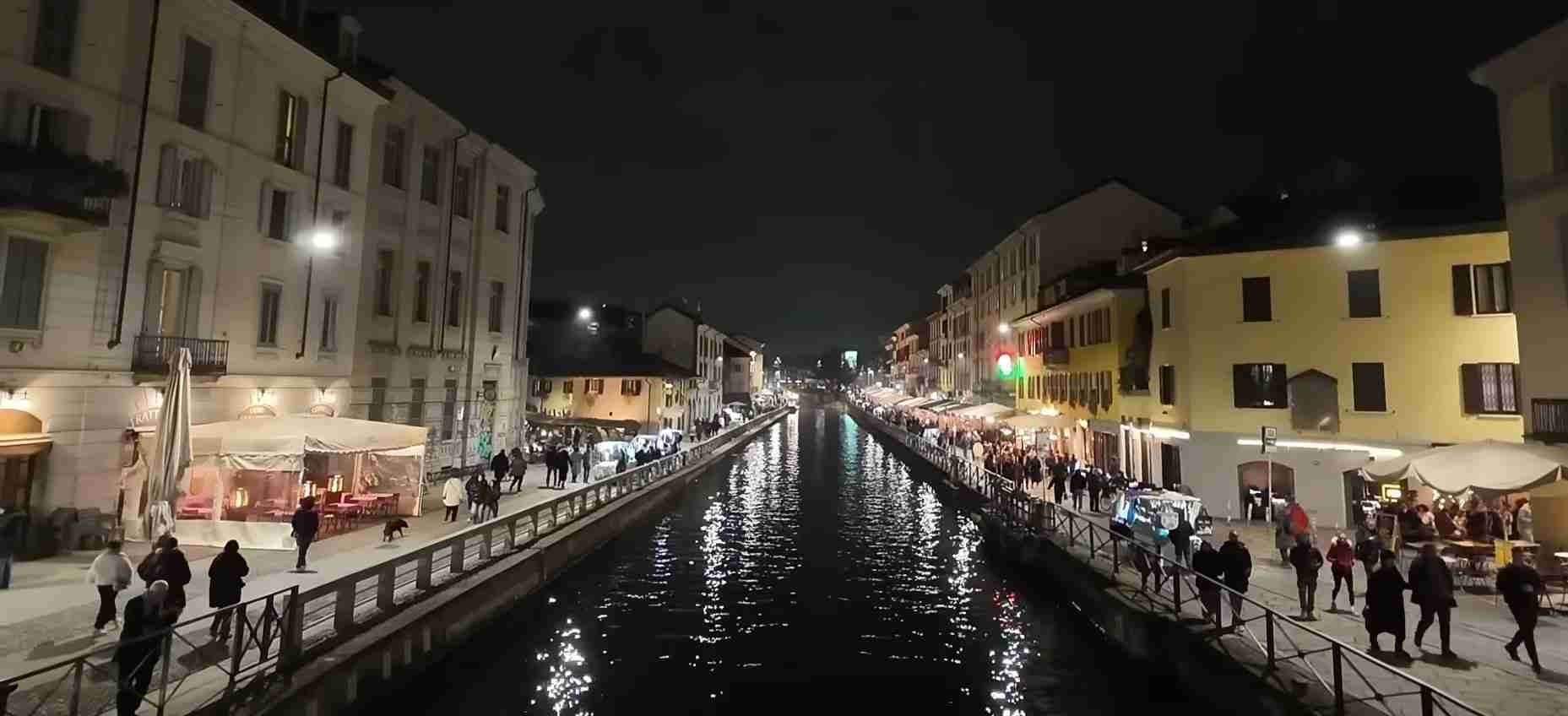
Popular aperitivo districts include Navigli (the canal district) where bars line the waterways and outdoor seating creates a festive evening atmosphere, the trendy Isola neighborhood offering innovative cocktails and international food options, and Brera’s artistic quarter where sophisticated venues attract fashion industry professionals and cultural figures. Each district develops its own aperitivo character, from student-friendly casual bars to elegant establishments favored by Milan’s elite.
The aperitivo tradition influences Milanese dining patterns significantly, with many residents choosing substantial aperitivo spreads over formal dinner, particularly on weekdays when time constraints make lengthy restaurant meals impractical. This practice reflects Milan’s fast-paced business culture while maintaining the Italian emphasis on quality food and social connection. Understanding and participating in aperitivo provides essential insight into contemporary Milanese life and the city’s ability to blend efficiency with pleasure.
Mondeghili and Lesser-Known Milanese Specialties
Mondeghili, Milanese meatballs, originated as “cucina povera” (poor kitchen) food that transformed leftover meat into flavorful preparations accessible to working-class families. Unlike southern Italian meatballs served in tomato sauce, mondeghili feature finely minced meat mixed with bread soaked in milk, mortadella, grated cheese, eggs, and aromatics including garlic and parsley. The mixture forms small, flattened patties rather than spheres, then receives breadcrumb coating before frying in butter or oil until golden and crispy.
The name “mondeghili” possibly derives from the Spanish “albóndigas” (meatballs), reflecting Spanish rule’s culinary influence during the 16th and 17th centuries. Contemporary mondeghili appear as appetizers or aperitivo offerings at upscale restaurants, demonstrating how dishes born from necessity can achieve gourmet status through careful execution and quality ingredients. The delicate seasoning and crispy exterior create sophisticated flavor despite humble origins.
Busecca, a tripe stew, represents another traditional Milanese specialty that demands adventurous palates willing to embrace offal. The dish’s name refers to cow stomach (tripe), which undergoes thorough cleaning and pre-cooking to tenderize before the final preparation. Tripe simmers with white beans, tomato sauce, sage, bay leaves, and aromatics, creating a hearty stew particularly popular during cold months. Historic restaurants including Antica Trattoria della Pesa maintain busecca on their menus, preserving this traditional preparation that modern diners increasingly neglect.
Michetta, Milan’s traditional white bread, features a characteristic hollow interior and crispy crust achieved through specific baking techniques. The name varies by neighborhood, with some areas calling it “rosetta” (little rose) due to the petaled appearance of its top. Michetta serves as the foundation for Milan’s panini, with the hollow structure providing space for generous fillings without excess bread. Quality michetta maintains crispness for hours after baking, distinguishing it from softer bread types common elsewhere in Italy.
Nervetti, a salad featuring boiled calf’s foot cartilage dressed with olive oil, lemon, onions, and parsley, exemplifies Milanese nose-to-tail cooking philosophy. The cartilage’s gelatinous texture requires acquired taste but provides unique mouthfeel and absorbs the bright dressing flavors beautifully. Nervetti appears on traditional trattoria menus and specialty delicatessens, maintaining its place in Milanese culinary repertoire despite limited contemporary appeal. These lesser-known dishes collectively demonstrate how Milanese cuisine encompasses far more than the famous triumvirate of risotto, ossobuco, and cotoletta.
Key Ingredients in Milanese Cooking
Saffron represents perhaps the most distinctive ingredient in Milanese cuisine, responsible for risotto alla Milanese’s signature golden color and delicate flavor. The spice comes from the dried stigmas of Crocus sativus flowers, with each blossom producing only three stigmas that must be harvested by hand, explaining saffron’s status among the world’s most expensive spices by weight. Quality saffron contributes subtle floral, slightly bitter notes that complement rice’s natural sweetness without overwhelming it. Milanese cooks steep saffron threads in warm broth before incorporating into risotto, releasing the spice’s color and flavor compounds more effectively than adding threads directly to rice.
Butter serves as the primary cooking fat throughout Milanese cuisine, distinguishing it fundamentally from olive-oil-based southern Italian cooking. The region’s extensive dairy farming made butter readily available and affordable, while olive trees cannot survive northern Italy’s harsher winters. Clarified butter (butter with milk solids removed) provides the traditional frying medium for cotoletta alla Milanese, chosen for its high smoke point and the nutty flavor it develops during frying. The extensive butter usage creates the rich, velvety quality characteristic of Milanese sauces and risottos.
Veal dominates Milanese meat dishes, reflecting the region’s cattle farming traditions and historical preference for tender, delicately flavored meat over beef’s stronger taste. Milk-fed veal provides the foundation for cotoletta, ossobuco, and numerous other preparations, with specific cuts specified for each dish. The veal shanks used in ossobuco must come from the hind leg for optimal meat-to-bone ratio and marrow content, while cotoletta requires loin chops from the first six cuts of young animals.
Rice, specifically Arborio or Carnaroli varieties, provides the starch foundation for risotto alla Milanese and appears throughout Milanese cooking. The Po Valley’s extensive rice cultivation, enabled by sophisticated irrigation systems dating to the Renaissance, made rice more readily available and affordable in northern Italy than in southern regions where wheat dominates. These short-grain rice varieties contain sufficient starch to create risotto’s characteristic creamy texture when cooked properly, releasing starch gradually through constant stirring while maintaining individual grain structure.
Grana Padano and Parmigiano-Reggiano cheeses appear throughout Milanese cooking, grated over risotto and pasta, incorporated into breadcrumb coatings, and served as finishing touches. Both are hard, aged cheeses produced in northern Italy following strict production regulations, offering nutty, complex flavors that enhance without overwhelming dishes. Gorgonzola, the pungent blue cheese produced in nearby Lombardy towns, appears in pasta dishes and as a table cheese, contributing sharp, tangy flavors that contrast with butter’s richness. Mascarpone, the ultra-rich cream cheese, features in both savory and sweet preparations, most famously in tiramisu though that dessert originated in Veneto rather than Lombardy.
Understanding Milanese Dining Culture
Milanese dining culture balances respect for tradition with embrace of innovation, creating a food scene that honors historic dishes while supporting contemporary culinary experimentation. The city’s restaurant landscape ranges from family-run trattorias that have served the same recipes for generations to Michelin-starred establishments pushing boundaries of modern Italian cuisine. This diversity reflects Milan’s identity as both guardian of Lombard culinary heritage and Italy’s most cosmopolitan, forward-looking city.
Meal timing follows patterns typical of northern Italy, with lunch (pranzo) served 12:30 PM-2:30 PM and dinner (cena) beginning around 8:00 PM or later. The aperitivo tradition fills the gap between work’s end and dinner, providing a buffer that allows Milanese to decompress before evening meals. Traditional multi-course meals begin with antipasti (appetizers), proceed to primo (first course, typically risotto or pasta), secondo (main course of meat or fish) with contorni (side vegetables), and conclude with dolce (dessert) and caffè (espresso). However, many contemporary diners choose fewer courses, particularly during weekday meals.
Milanese dining etiquette generally follows standard Italian customs: bread serves as a utensil for gathering sauce rather than a pre-meal filler eaten with butter, cappuccino and milk-based coffee drinks are considered breakfast beverages inappropriate after morning hours, and meals represent social occasions requiring leisurely pacing rather than rushed consumption. However, Milan’s business-focused culture creates more flexibility around these traditions than found in southern Italian cities, with many establishments accommodating international visitors’ different expectations.
Wine culture in Milan emphasizes Lombard regional production including Franciacorta (Italy’s premier sparkling wine), Valtellina reds, and Oltrepò Pavese varieties, though the cosmopolitan dining scene offers extensive selections from throughout Italy and internationally. Traditional pairings match Lombard wines with Milanese dishes—light Franciacorta with risotto, robust Valtellina Nebbiolo with ossobuco—though sommeliers increasingly encourage experimentation beyond conventional combinations.
The rise of food halls and covered markets including Mercato Centrale Milano, Mercato Isola, and renovated historic markets represents significant evolution in Milanese dining culture. These venues provide casual, flexible dining options that appeal to younger generations and international visitors while maintaining focus on quality ingredients and artisanal preparation. The market format allows sampling multiple food styles within single visits, encouraging culinary exploration and supporting small producers who might struggle to maintain standalone restaurants. This democratization of quality food access reflects Milan’s progressive values while creating new contexts for traditional dishes to reach broader audiences.
Food Markets and Culinary Shopping in Milan
Mercato Comunale Wagner holds distinction as Milan’s oldest covered market, inaugurated in 1929 and recently renovated to balance historic character with contemporary food hall functionality. Located in what was once a working-class neighborhood and is now an increasingly residential and foodie-favored district, Wagner Market maintains traditional vendor stalls selling fresh produce, meat, fish, cheese, and prepared foods alongside modern wine bars and casual dining counters. The market exemplifies how Milan preserves historic food institutions while adapting them to contemporary urban lifestyles.
Mercato Centrale Milano occupies a prime location adjacent to Milano Centrale railway station, making it ideal for travelers seeking quick meals or quality ingredients before departing the city. This modern food hall features multiple specialty vendors offering everything from fresh pasta and regional Italian delicacies to gourmet burgers and international cuisines. The open, industrial layout creates a lively atmosphere where visitors can sample diverse offerings while observing food preparation. The market operates daily with extended hours accommodating various travel schedules.
Mercato del Suffragio, located near the colorful Via Lincoln area in Piazza Santa Maria del Suffragio, represents one of Milan’s first covered markets to incorporate sit-down dining within traditional market structure. The market features four specialized corners offering bread and leavened products, fresh pasta, carefully selected fish, and quality meat, all available for purchase or immediate consumption at tables inside or on the outdoor veranda. The venue’s organic wine selection and craft beer options make it popular for alternative aperitivo experiences beyond conventional bar settings.
Mercato Isola in Piazzale Lagosta serves the trendy Isola neighborhood, reflecting that district’s youthful, independent spirit through offerings that include vegan food trucks, international street food, and organic bakeries. This market caters to Isola’s creative community with emphasis on sustainable, locally sourced products and innovative food concepts. The neighborhood’s less touristy character means Mercato Isola maintains authentic local atmosphere, with Milanese residents shopping for daily groceries alongside visitors seeking genuine neighborhood experiences.
Weekly outdoor markets operate throughout Milan’s neighborhoods, with each district hosting market days featuring produce vendors, cheese and salumi specialists, clothing stalls, and household goods. The Viale Papiniano market, held Tuesdays and Saturdays, ranks among the city’s largest and most popular, offering everything from fresh fruits and vegetables to vintage clothing and antiques. These traditional street markets maintain important social functions, providing gathering spaces for neighborhood residents and supporting small-scale producers who supply seasonal, locally grown products. Savvy shoppers arrive early for best selection and freshest merchandise, particularly for fish and specialty items that sell out quickly.
Where to Eat Traditional Milanese Cuisine
Historic trattorias maintain the strongest connections to authentic Milanese culinary traditions, serving recipes passed through generations with minimal adaptation to contemporary tastes. Trattoria Arlati, which began as a canteen for Pirelli workers before transforming into a beloved neighborhood institution, specializes in risotto al salto (fried leftover risotto formed into a crispy cake) served with ossobuco, alongside classic mondeghili, cotoletta, and homemade tortelloni. The restaurant embodies the spirit of traditional Milanese working-class dining elevated through quality ingredients and careful execution.
Antica Trattoria della Pesa, operating since 1880, occupies a historic space with wooden tables and welcoming atmosphere, serving homemade pasta and traditional Milanese fare including their renowned busecca (tripe stew). The restaurant’s longevity demonstrates enduring appeal of well-executed traditional cooking, attracting both elderly Milanese who remember these dishes from childhood and younger diners seeking authentic experiences unavailable at modern establishments. The unchanging menu and decor provide tangible connections to Milan’s culinary past.
Contemporary restaurants reinterpreting traditional Milanese ingredients through modern techniques include Ratanà in the vibrant Isola district, acclaimed for serving cotoletta alla Milanese in exquisite form alongside innovative preparations that respect Lombard culinary foundations while exploring new flavor combinations. Chef Cesare Battisti, known as “the ambassador of rice” since 2015, operates restaurants where traditional risotto preparations meet creative interpretations, demonstrating how Milanese classics can inspire contemporary innovation.
Trippa, despite its name (referring to tripe), offers daily-changing menus that honor offal and traditional ingredients while incorporating seasonal vegetables and modern plating aesthetics. The restaurant’s approach demonstrates how traditional Milanese respect for using entire animals can translate to contemporary dining contexts where nose-to-tail philosophy appeals to environmentally conscious diners. The bold interiors and warm atmosphere created by chef Diego Rossi and front-of-house expert Pietro Caroli make Trippa equally appealing for the social experience as for the food.
High-end dining establishments including restaurants operated by Michelin-starred chefs showcase Lombard ingredients through refined technique and artistic presentation. These venues attract international visitors and Milanese celebrating special occasions, demonstrating how traditional ingredients can achieve elegance through meticulous sourcing, precise cooking, and sophisticated flavor combinations. The contemporary fine dining scene proves that Milanese cuisine extends far beyond rustic trattoria fare, encompassing sophisticated expressions worthy of global culinary recognition. Reservations at popular traditional and contemporary restaurants require advance booking, particularly for weekend dinners when both tourists and locals compete for tables at the city’s most celebrated establishments.
Seasonal Variations in Milanese Cooking
Milanese cuisine follows strong seasonal rhythms that reflect agricultural cycles and historical preservation limitations before modern refrigeration. Winter brings cassoeula, ossobuco, and other hearty braised meat dishes designed to provide warmth and sustenance during cold months when fresh vegetables remain scarce. The traditional calendar designates specific dishes for particular dates, including cassoeula on Saint Anthony the Abbot’s feast (January 17) and panettone during Christmas season, creating temporal markers that structure the year through food.
Spring introduces asparagus, artichokes, and fresh peas that appear in risotto preparations and pasta dishes, lightening the menu after winter’s heavy meat-focused cooking. Risotto with asparagus showcases the vegetable’s delicate flavor through minimal preparation that allows natural sweetness to shine. Veal continues dominating spring menus, as young animals raised through winter reach market weight, providing tender meat for cotoletta and other preparations. The Easter season brings colomba pasquale, the dove-shaped sweet bread that mirrors panettone’s production techniques while featuring almond rather than fruit flavors.
Summer’s abundant produce shifts focus toward lighter preparations featuring tomatoes, zucchini, eggplant, and peppers, though these vegetables never dominated Milanese cooking to the extent found in southern Italian regions. Outdoor dining becomes central to summer food culture, with aperitivo moving to canal-side terraces in Navigli and parks throughout the city. Gelato consumption peaks during hot months, with artisanal gelaterias serving traditional flavors alongside innovative combinations that showcase seasonal fruits.
Autumn brings mushroom foraging in the mountains ringing Milan, with porcini appearing in risottos, pasta dishes, and as accompaniments to meat preparations. Chestnuts harvested in surrounding hills feature in sweet preparations including busecchina cake and roasted chestnuts sold by street vendors. Game meats including wild boar, venison, and pheasant appear on menus at traditional restaurants, prepared through slow braising techniques similar to cassoeula. The grape harvest brings new wine to markets, celebrated through festivals and special menu offerings at wine-focused restaurants.
This seasonal progression connects contemporary Milanese dining to agricultural rhythms that governed eating patterns for centuries before global trade and greenhouse cultivation made most ingredients available year-round. Restaurants honoring seasonal cooking demonstrate respect for ingredients at their peak quality while maintaining connections to traditional foodways. The practice also supports local farmers and producers who supply seasonal products, contributing to sustainable food systems and regional economic health.
Milanese Street Food and Casual Eating
Panzerotti, half-moon shaped fried pastries filled with mozzarella and tomato, represent Milan’s most popular street food despite originating in southern Italy. These golden, crispy pockets emerge from hot oil with molten cheese interiors that require careful first bites to avoid burns. Panzerotti vendors operate throughout the city, with concentrated activity around Milano Centrale station and shopping districts where workers and tourists seek quick, satisfying meals. The portability and immediate gratification make panzerotti ideal urban food for Milan’s fast-paced lifestyle.
Piadina, thin flatbread from Romagna region east of Milan, achieved widespread adoption throughout the city as a vehicle for sandwich fillings ranging from cured meats and cheeses to grilled vegetables and spreads. Piadina stands offer customizable combinations that appeal to diverse tastes while providing fresher, lighter alternatives to heavy panini. The flatbread grills quickly on hot griddles, creating slight char and maintaining pliability that prevents fillings from falling out during eating.
Pizza al taglio (pizza by the slice) shops throughout Milan serve rectangular pizza cut into portions and sold by weight, providing quick meals or snacks. The style differs from round, Neapolitan pizza, featuring thicker, breadier crusts topped with diverse combinations beyond traditional Margherita and marinara. Popular toppings include potato and rosemary, zucchini and mozzarella, and cured meat selections. Quality establishments prepare dough through long fermentation, creating digestible, flavorful crusts rather than dense, heavy bread.
Food trucks and pop-up vendors operate in specific locations including Darsena (the renovated canal basin), Piazza Duca d’Aosta near the station, and Sempione Park, offering international cuisines from Korean BBQ to Mexican tacos alongside Italian specialties. The street food scene operates primarily during lunch hours (12:00 PM-2:00 PM) when office workers seek quick meals, and evening hours (6:00 PM-9:00 PM) coinciding with aperitivo time. Weekend food truck gatherings called “Street Food Parade” rotate through various locations during spring and summer, creating festival atmospheres around casual eating.
The Navigli canal district transforms into a bustling food hub every evening, with aperitivo deals drawing crowds to bars lining the waterways, late-night pizza slices satisfying post-dinner cravings, and pop-up stalls offering seasonal specialties. The outdoor setting and youthful energy create a casual dining atmosphere distinct from formal restaurant experiences, appealing to students, young professionals, and visitors seeking authentic local nightlife. This casual street food culture demonstrates how Milan balances reverence for traditional haute cuisine with embrace of accessible, democratic eating that welcomes everyone regardless of budget or culinary sophistication.
Wine and Beverage Traditions
Lombardy wine production, while less celebrated internationally than Tuscan or Piedmontese wines, creates distinctive beverages that pair naturally with Milanese cuisine. Franciacorta, produced through the traditional champagne method in hills east of Milan, stands as Italy’s premier sparkling wine, offering elegant bubbles and complex flavors that complement risotto’s creaminess and fried foods’ richness. The wine undergoes extensive bottle aging on lees, developing toasty, brioche-like qualities that elevate it beyond simple sparkling wine to serious gastronomic pairing partner.
Valtellina, a mountainous region north of Milan near the Swiss border, produces Nebbiolo-based red wines including Valtellina Superiore and Sforzato that provide robust structure appropriate for ossobuco and other braised meat dishes. These wines offer the grape’s characteristic tar and rose aromatics with mountain-influenced minerality that distinguishes them from Piedmont’s more famous Barolo and Barbaresco. The alpine terroir creates wines with distinctive personality that reflects Lombardy’s geographic diversity.
Oltrepò Pavese, wine-producing hills south of Milan, creates diverse styles from indigenous and international grape varieties, providing everyday drinking wines that appear regularly on Milanese tables. The region’s Pinot Nero (Pinot Noir) creates both still red wines and sparkling bases for Metodo Classico production, demonstrating the area’s versatility and quality potential. These local wines offer excellent value while supporting regional agricultural economy and maintaining connections between Milan and its surrounding countryside.
Coffee culture in Milan follows Italian national patterns while incorporating the city’s business-focused intensity. Espresso, served in small cups at bar counters, provides the default coffee preparation consumed standing in quick morning visits or afternoon breaks. Cappuccino and other milk-based drinks remain strictly morning beverages in traditional thinking, though international influence gradually relaxes these restrictions at cosmopolitan establishments. Historic cafes including Cova in Via Montenapoleone and Pasticceria Marchesi serve coffee alongside their famous pastries in elegant settings that have hosted Milanese society for over a century.
The aperitivo tradition centers around bitter cocktails including Negroni, Americano, and Aperol Spritz (though Spritz originated in Venice), all designed to stimulate appetite rather than intoxicate. These relatively low-alcohol drinks allow extended socializing without impairment, supporting the aperitivo’s function as networking opportunity and social ritual rather than drinking session. The bitter flavors from Campari, Aperol, and other amari (bitter liqueurs) prepare the palate for food while providing refreshing contrast to late afternoon heat during summer months.
Vegetarian and Contemporary Adaptations
Traditional Milanese cuisine’s heavy emphasis on meat and dairy creates challenges for vegetarians, though the city’s cosmopolitan character supports increasing plant-based options. Several classic dishes adapt naturally to vegetarian preparation: risotto variations substituting vegetable broth for meat stock and incorporating seasonal vegetables, polenta served with mushroom ragu or gorgonzola cream sauce, and vegetable-based antipasti including grilled eggplant, peppers, and zucchini dressed with olive oil and herbs.
Contemporary restaurants throughout Milan specifically target health-conscious and environmentally aware diners through menus emphasizing organic vegetables, whole grains, and plant-based proteins. These establishments demonstrate that Italian cuisine’s foundation in seasonal produce and simple preparations translates well to vegetarian cooking when meat components receive creative substitution. Some venues offer vegan versions of traditional dishes including risotto made with plant-based butter alternatives and cashew-based “parmesan,” though purists question whether such adaptations maintain authentic character.
The growing awareness of food sustainability and environmental impact influences even traditional restaurants to expand vegetable offerings and reduce portion sizes that previously emphasized quantity over balance. Chefs increasingly highlight vegetable-forward preparations that showcase ingredient quality through minimal intervention rather than treating vegetables as mere side dishes. This evolution reflects broader Italian culinary trends toward lighter, healthier eating while maintaining respect for traditional techniques and seasonal rhythms.
Gluten-free options appear with increasing frequency as celiac disease awareness grows and diagnostic rates increase throughout Italy. Many restaurants offer gluten-free pasta alternatives and risotto naturally accommodates gluten-free diets as rice contains no gluten. However, traditional preparations including cotoletta’s breadcrumb coating and panettone’s wheat-based dough remain fundamentally incompatible with strict gluten avoidance, requiring complete recipe reformulation rather than simple ingredient substitution.
These contemporary adaptations demonstrate Milanese cuisine’s ongoing evolution, incorporating modern nutritional understanding and ethical considerations while maintaining connections to traditional flavors and techniques. The challenge lies in balancing innovation with authenticity, creating dishes that satisfy contemporary dietary requirements without sacrificing the cultural identity that makes Milanese food distinctive. The most successful adaptations respect traditional cooking philosophies—seasonal ingredients, simple preparations, quality over quantity—while reimagining specific components to accommodate changing needs and values.
Frequently Asked Questions About Milanese Cuisine
What is the traditional bread served in Milan?
Michetta represents Milan’s traditional white bread, characterized by its hollow interior and crispy crust achieved through specific baking techniques involving high-temperature initial baking followed by brief cooling. The bread’s alternative name “rosetta” (little rose) refers to its petaled top appearance. Michetta serves as the foundation for Milanese panini, with the hollow structure providing space for generous fillings without excessive bread. Quality michetta maintains crispness for hours after baking, though modern industrial production often substitutes softer rolls that sacrifice traditional texture for extended shelf life. Artisanal bakeries throughout Milan continue producing authentic michetta using traditional methods, maintaining connections to historical bread-making practices.
Is Milanese cuisine suitable for people with dietary restrictions?
Traditional Milanese cuisine presents challenges for various dietary restrictions due to its heavy reliance on meat, dairy products, and wheat-based preparations. Vegetarians can enjoy risotto variations, polenta dishes, and vegetable-based antipasti, though options at traditional restaurants remain limited. Vegans face greater difficulty as butter, cheese, and meat stocks form the foundation of most classic dishes. Gluten-free diners can safely consume risotto and many meat preparations, though must avoid cotoletta’s breadcrumb coating and panettone. Contemporary Milan accommodates dietary restrictions far better than traditional establishments, with numerous restaurants specializing in plant-based, gluten-free, or allergen-conscious preparations. Communicating restrictions clearly to restaurant staff typically generates helpful responses and suggested modifications when possible.
How expensive is eating out in Milan compared to other Italian cities?
Milan ranks as Italy’s most expensive city for dining, with restaurant prices exceeding those in Rome, Florence, and other major Italian destinations. A meal at a mid-range restaurant costs approximately what visitors would pay in major European capitals like Paris or London rather than the more moderate pricing found elsewhere in Italy. The city’s status as a business and fashion capital drives higher operating costs including rent and labor that restaurants pass to customers. However, quality typically justifies prices, with even casual establishments maintaining high ingredient standards and careful preparation. Budget-conscious diners can find value through aperitivo offerings that provide substantial food for the price of drinks, street food options including panzerotti and pizza al taglio, and lunch menus (menù del giorno) at traditional trattorias offering multi-course meals at reduced prices compared to à la carte dinner ordering.
When is the best time to experience traditional Milanese food culture?
Winter provides the most authentic traditional Milanese food experience, when seasonal dishes including cassoeula, ossobuco, and hearty braised preparations appear regularly on menus. The Saint Anthony the Abbot feast day on January 17 specifically celebrates cassoeula through special restaurant offerings and home cooking traditions. The Christmas season showcases panettone culture, with pastry shops displaying elaborate productions and the bread appearing as gifts throughout December. However, each season offers distinctive culinary attractions: spring’s asparagus risottos, summer’s aperitivo culture at outdoor terraces, autumn’s mushroom and game preparations. The aperitivo tradition operates year-round but achieves particular vitality during warmer months when outdoor seating maximizes social atmosphere. Food enthusiasts should consider visiting during truffle season (October-December) when precious white truffles from nearby Piedmont appear on Milan’s finest restaurant menus.
What should first-time visitors order at a traditional Milanese restaurant?
First-time visitors should experience the “golden trilogy” of Milanese cuisine: risotto alla Milanese as primo (first course), followed by either cotoletta alla Milanese or ossobuco as secondo (main course). This combination provides comprehensive introduction to fundamental Milanese flavors and techniques while adhering to traditional meal structure. Sharing allows tasting both meat preparations if dining with companions. Begin with a simple antipasto like nervetti or mondeghili to experience lesser-known traditional dishes, and conclude with panettone or other seasonal dessert. Pairing with Lombard wine—Franciacorta sparkling wine with risotto, Valtellina red with meat—creates regionally appropriate combinations. Request recommendations from servers regarding daily specials that feature seasonal ingredients and house specialties. Avoid ordering heavily adapted dishes designed for tourist comfort rather than traditional preparation, as these rarely showcase authentic Milanese cooking at its best.
How does the Milanese aperitivo differ from happy hour?
The Milanese aperitivo represents a cultural tradition rather than a pricing promotion, though it shares happy hour’s timing (typically 6:00 PM-9:00 PM). The fundamental difference lies in the complimentary food buffet included with drink purchases, transforming aperitivo into a light meal alternative rather than discounted drinking session. The social aspect emphasizes networking, conversation, and relaxed transition between work and evening rather than rapid alcohol consumption. The drinks themselves—typically bitter cocktails designed to stimulate appetite—differ from happy hour’s focus on beer and spirits. Aperitivo prices remain fixed rather than discounted, with customers paying standard rates but receiving food access as part of the experience. The tradition encourages lingering and socializing rather than quick turnover, with many Milanese spending entire evenings moving between multiple aperitivo venues to sample different food offerings and socialize with various friend groups.
Can you buy authentic panettone year-round in Milan?
Premium pastry shops including Pasticceria Marchesi, Giovanni Cova, and other artisanal producers maintain year-round panettone production, though selection and availability fluctuate with demand. The natural leavening process required for authentic panettone continues throughout the year at these establishments, allowing panettone enthusiasts to purchase the bread during any season. However, smaller bakeries and industrial producers typically concentrate panettone production during the October-December period leading to Christmas, when consumption peaks dramatically. Year-round availability comes at premium prices reflecting small-batch production costs and the specialized expertise required for proper execution. Some producers offer different panettone variations throughout the year, incorporating seasonal flavors that provide novelty beyond traditional candied fruit and raisin versions. Visitors seeking authentic panettone outside the Christmas season should contact high-end pastry shops in advance to confirm current production and availability.
What makes Milanese risotto different from risotto served elsewhere in Italy?
Risotto alla Milanese distinguishes itself through saffron’s inclusion, creating the dish’s signature golden color and delicate aromatic flavor absent from risotto preparations in other Italian regions. The traditional recipe specifies beef bone marrow incorporated during the initial soffritto stage, adding richness that vegetable or chicken broth-based risottos lack. Milanese preparation demands specific technique including toasting rice in butter until translucent, gradual broth addition with constant stirring, and vigorous final mantecatura (beating in butter and cheese to create creamy consistency). The rice variety—preferably Carnaroli, or alternatively Arborio—comes from specific Lombard rice paddies in the Po Valley. The final texture should achieve “all’onda” consistency, flowing like waves when the plate tilts, rather than standing stiffly or appearing soupy. This precise execution distinguishes restaurant-quality risotto alla Milanese from casual approximations served at establishments throughout Italy trading on the dish’s fame without respecting proper technique.
Are there any Milanese dishes specifically associated with religious holidays?
Milanese food traditions maintain strong connections to the Catholic liturgical calendar, with specific dishes designated for particular feast days and religious observances. Panettone’s association with Christmas represents the most famous example, though the bread also traditionally appears on Saint Blaise’s Feast (February 3) when leftover Christmas panettone consumption supposedly protects throats in honor of the saint who saved someone from choking. Cassoeula’s traditional consumption date of January 17 corresponds to Saint Anthony the Abbot’s feast day, celebrating the patron saint of livestock breeders and marking the pig slaughtering season’s end. Colomba pasquale, the dove-shaped sweet bread, appears specifically for Easter celebrations. All Soul’s Day (November 2) brings specific sweets including oss de mord (dead men’s bones) cookies and pan dei morti (bread of the dead). These religious associations demonstrate how Catholic traditions shaped Milanese food culture, creating temporal rhythms that structured the year through specific dishes marking sacred occasions.
What ingredients should travelers bring home from Milan?
Saffron threads from specialty spice shops or food markets provide excellent souvenirs that allow recreating risotto alla Milanese at home, though quality saffron commands premium prices reflecting the labor-intensive harvest process. Grana Padano or aged Parmigiano-Reggiano wheels or wedges travel well and offer superior flavor compared to pre-grated versions available internationally. Artisanal panettone from premium pastry shops, available year-round in Milan though produced seasonally elsewhere, maintains quality for several weeks when properly stored. Rice varieties including Carnaroli or Arborio from Lombard producers ensure authentic texture for risotto preparations. Bottled risotto kits containing pre-measured rice, dried mushrooms, and seasonings provide convenient meal options that require only broth addition. Truffle products including preserved whole truffles, truffle-infused olive oil, or truffle butter extend the luxury ingredient’s season beyond the October-December fresh truffle window. Amaretti cookies from historic producers offer traditional sweets that travel easily. Avoid attempting to transport fresh dairy products, cured meats, or other items requiring refrigeration or facing customs restrictions in destination countries.