
Mexico City Travel Tips 2026: Essential Planning & Practical Advice
Key Takeaways
- Mexico City’s altitude (7,350 feet) requires 2-3 days acclimatization – plan lighter activities for your first days in 2026
- The Metro costs just 6 pesos ($0.35) per ride in 2026, making it Latin America’s most affordable efficient transit system
- Neighborhoods like Roma, Condesa, and Polanco offer excellent walkability, safety, and dining options for 2026 visitors
- Download offline maps and transportation apps before arrival – reliable cellular data is essential for navigating Mexico City in 2026
- The Historic Center, Coyoacán, and San Ángel provide UNESCO World Heritage experiences within the same metropolitan area
- Cash remains essential despite growing card acceptance – withdraw pesos from bank ATMs for best exchange rates in 2026
Planning Your Mexico City Experience in 2026
Mexico City stands as one of the world’s most dynamic metropolitan destinations, combining UNESCO World Heritage sites with contemporary urban culture across a sprawling valley surrounded by volcanic peaks. The Mexican capital demands strategic planning to maximize your experience while navigating its altitude, size, and cultural complexity. This comprehensive guide provides practical advice for ensuring a successful visit to Latin America’s largest Spanish-speaking city in 2026.
The city’s Historic Center received UNESCO World Heritage designation in 1987, recognizing its extraordinary concentration of colonial architecture built atop Aztec foundations. Beyond the protected historic zone, Mexico City encompasses Xochimilco’s ancient canal system (also UNESCO-listed), the University City campus with its modernist murals, and the Luis Barragán House and Studio showcasing architectural genius. Proper planning allows visitors to experience these heritage sites while discovering the neighborhoods, markets, and cultural institutions that define contemporary Mexican urban life.
Mexico City’s scale intimidates first-time visitors – the metropolitan area spans over 570 square miles with a population exceeding 21 million residents. Strategic neighborhood selection, efficient transportation planning, and realistic daily itineraries transform this enormous city into a manageable series of distinctive districts each offering unique experiences. Understanding practical considerations from altitude acclimatization to safety protocols ensures your 2026 visit focuses on discovery rather than problem-solving.
People Also Ask About Mexico City Travel in 2026
Is Mexico City safe for tourists in 2026?
Mexico City offers safe tourism experiences when visitors follow standard urban precautions and concentrate activities in established tourist neighborhoods. Areas including Polanco, Roma, Condesa, Coyoacán, and the Historic Center maintain strong security presence and experience millions of annual tourist visits without incident. Avoid displaying expensive jewelry or electronics, use official taxi services or ride-sharing apps rather than street cabs, and stay in well-lit populated areas during evening hours.
Petty crime including pickpocketing occurs in crowded locations such as Metro trains, major markets, and tourist attractions. Keep valuables secured in front pockets or cross-body bags, remain alert in crowded situations, and avoid carrying unnecessary cash or documents. The vast majority of visitors experience no security issues when exercising basic awareness and common sense appropriate to any large metropolitan destination.
How much money do you need per day in Mexico City in 2026?
Budget travelers spend $40-60 daily including hostel accommodation ($15-25), street food and market meals ($15-20), Metro transportation ($3-5), and budget attractions ($5-10). Mid-range visitors allocate $100-150 per day covering boutique hotels ($50-80), restaurant dining ($30-40), occasional taxis ($10-15), and museum admissions ($10-15). Luxury travelers budget $250+ daily for upscale hotels ($150-300), fine dining ($60-100), private transportation ($30-50), and premium experiences ($40-80). Check current exchange rates as the peso-dollar rate affects purchasing power.
What should I download before visiting Mexico City in 2026?
Essential apps include Google Maps with offline map data for Mexico City, Uber for reliable transportation, Metro CDMX for subway navigation, and a Spanish translation app for communication. WhatsApp enables local communication as most Mexican businesses and services use this platform. Download restaurant review apps, your hotel’s app for keyless entry if available, and mobile banking apps for monitoring transactions. Having these tools installed before arrival ensures immediate functionality upon landing.
How many days should you spend in Mexico City in 2026?
Five to seven days provides comprehensive Mexico City exploration covering major UNESCO sites, primary neighborhoods, key museums, and day trip possibilities. Three to four days allows solid coverage of the Historic Center, Chapultepec Park museums, and one or two additional neighborhoods. Two days offers a condensed introduction focusing on central historic attractions and one neighborhood exploration. Consider that the first day involves altitude acclimatization, so add an extra day to your desired activity count for optimal pacing.
Extended multi-day tours – 5+ days
Featured Mexico City Multi-Day Tour Packages

1 days
Teotihuacan Pyramids & Temples from Mexico city
- ✓ Comprehensive Mexico City tour
- ✓ Expert local guides included
- ✓ All accommodation arranged
- ✓ Transportation provided

4 days
Welcome to Mexico City 4D/3N
- ✓ Comprehensive Mexico City tour
- ✓ Expert local guides included
- ✓ All accommodation arranged
- ✓ Transportation provided
2 days
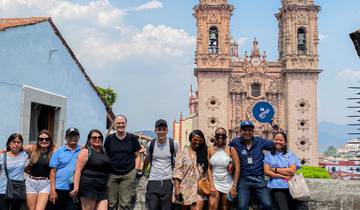
Colonial Adventure: Taxco, Pre-Hispanic Mine, Puebla & Cholula in 2 Days
- ✓ Comprehensive Mexico City tour
- ✓ Expert local guides included
- ✓ All accommodation arranged
- ✓ Transportation provided
2 days
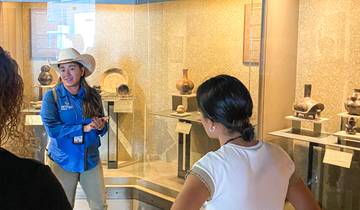
Teotihuacan Early Access & Prehispanic Mexico Walking Tour: A 2-Day Journey Through Time
- ✓ Comprehensive Mexico City tour
- ✓ Expert local guides included
- ✓ All accommodation arranged
- ✓ Transportation provided
Multi-day tour packages powered by TourRadar. Prices and availability subject to change.
Essential Pre-Departure Planning for 2026
Documentation and Entry Requirements for 2026
U.S., Canadian, and European Union citizens receive 180-day tourist permits upon arrival without advance visa applications. Immigration officials stamp your passport and provide a tourist card (FMM) that you must retain for departure – losing this document creates exit complications. Carry a passport valid for at least six months beyond your travel dates, though Mexico enforces validity requirements less strictly than some destinations.
No vaccinations are mandatory for Mexico City entry in 2026, though health authorities recommend updated routine vaccines including measles-mumps-rubella (MMR), tetanus-diphtheria-pertussis, and hepatitis A. The city’s altitude and urban environment present no malaria risk, eliminating antimalarial medication requirements. Travel insurance covering medical evacuation provides important protection as U.S. health insurance rarely covers Mexican medical services.
Register with your embassy through programs like the U.S. Smart Traveler Enrollment Program (STEP) for security updates and emergency assistance access. Download your embassy’s app and save emergency contact numbers in your phone. These preparations rarely prove necessary but provide important safety nets for unexpected situations.
Financial Planning and Currency Strategy for 2026
Exchange currency at bank ATMs rather than airport kiosks or hotels for rates closest to official exchange rates. Major Mexican banks including BBVA Bancomer, Santander, and Citibanamex operate extensive ATM networks throughout Mexico City. Withdraw larger amounts ($200-400) to minimize per-transaction fees, which range $3-7 per withdrawal depending on your bank.
Notify your bank and credit card companies of Mexico travel dates to prevent fraud holds on your accounts. Bring at least two different cards (ideally from different banks) as backups in case one card encounters issues. Credit cards with no foreign transaction fees save 3% on all purchases compared to cards charging these fees.
Mexico City increasingly accepts card payments at restaurants, hotels, and major retailers, but cash remains essential for street food, markets, small shops, and transportation. Carry small bills (20, 50, and 100 peso notes) as many vendors struggle to change 500 peso bills. Keep daily spending money separate from your main cash supply, storing larger amounts in your hotel safe.
Communication and Connectivity Planning for 2026
Purchase Mexican SIM cards at the airport from Telcel, AT&T Mexico, or Movistar for $10-30 including substantial data allowances. Airport kiosks activate SIM cards immediately and provide local phone numbers useful for restaurant reservations and service communications. Alternatively, verify that your phone carrier offers Mexico roaming at reasonable rates – some North American plans include Mexico coverage.
Most hotels, restaurants, cafes, and museums offer free WiFi, though connection quality varies significantly. Download offline maps, translation apps, and entertainment content before relying solely on WiFi. Consider purchasing portable WiFi devices ($5-8 per day) if traveling in groups needing simultaneous connectivity.
WhatsApp serves as Mexico’s primary communication platform for both personal and business interactions. Mexican restaurants, tour operators, and services expect WhatsApp communication, making this app essential for smooth interactions. Enable international calling on WhatsApp before departure for free communication with local businesses and services.
Transportation Strategies for 2026
Airport Transfer Options for 2026
Mexico City International Airport (AICM/MEX) connects to the city center through multiple transportation options. The Metro serves the airport via Terminal 1 (Line 5) for 6 pesos but involves stairs, crowds, and limited luggage space – practical only with small backpacks. Authorized airport taxis cost $15-25 to central neighborhoods through prepaid booths in the arrivals area, offering fixed-rate transparency and licensed drivers.
Uber and other ride-sharing services operate from designated pickup zones at both terminals, costing $8-18 to central areas depending on demand and time of day. Request rides from the arrivals level and follow app instructions to locate your driver in the designated rideshare zone. Ride-sharing provides the best value-to-convenience ratio for most travelers.
The Metrobús Line 4 connects Terminal 1 to several Metro lines for 6 pesos, offering a budget option with slightly more luggage space than the Metro but still challenging with large bags. Private shuttle services and hotel transfers cost $30-60 but provide door-to-door convenience worth considering if arriving late or with significant luggage.
Metro System Navigation for 2026
Mexico City’s Metro moves 5.5 million daily riders through 12 lines covering 226 kilometers, making it one of the world’s largest and most efficient subway systems. Purchase rechargeable Metro cards at station windows for 15 pesos ($0.85) plus 6 pesos for your first ride. Cards work across all Metro and Metrobús lines, simplifying payment across Mexico City’s integrated transit network.
Plan Metro travel during off-peak hours (10 AM – 4 PM and after 8 PM) to avoid crush-level crowding during morning (7-10 AM) and evening (5-8 PM) rush periods. Women-only cars operate during peak hours at the front of trains, identified by pink signs and enforced by station staff. These cars offer safer more comfortable experiences for female travelers during crowded periods.
Download the Metro CDMX app for system maps, route planning, and real-time service updates. Station signage uses both station names and iconic symbols (animals, objects, historical figures) for easy navigation regardless of Spanish proficiency. Allow extra time for transfers as some connection points require long walks through underground corridors connecting different lines.
Taxi and Ride-Sharing Best Practices for 2026
Use exclusively Uber, Didi (Mexico’s leading ride-sharing app), or authorized sitio taxis (radio-dispatched taxis) rather than street taxis to ensure safety and fair pricing. Sitio taxis station themselves outside hotels, restaurants, and major attractions with posted phone numbers for advance booking. These taxis charge slightly more than ride-sharing apps ($8-15 for typical trips) but operate with regulated oversight.
Ride-sharing apps display estimated fares before confirmation, preventing price disputes and ensuring transparent pricing. Trip costs range $4-8 for neighborhood trips to $12-20 for cross-city journeys. Surge pricing applies during rain, major events, and peak hours, sometimes doubling standard rates. Compare both Uber and Didi pricing as rates vary between platforms.
Airport taxis require prepayment at authorized booths inside the arrivals terminal – never accept rides from drivers approaching you directly in the arrivals area. These unauthorized taxis significantly overcharge tourists and present safety risks. Legitimate airport taxis display proper credentials and correspond to your prepaid receipt.
Neighborhood Selection Guide for 2026
Historic Center: Colonial Heritage Heart
The Zócalo district encompasses Mexico City’s UNESCO World Heritage colonial core with the Metropolitan Cathedral, National Palace, Templo Mayor archaeological site, and hundreds of historic buildings within walking distance. This area maximizes access to major historical attractions while offering budget accommodation options in converted colonial buildings. Expect urban noise, street vendors, and intense activity creating an authentic but chaotic atmosphere.
Select hotels on quieter side streets rather than directly facing the Zócalo for better sleep quality while maintaining easy access to major sites. The Historic Center excels for history-focused visitors prioritizing cultural attractions over trendy dining or nightlife. Restaurant quality varies significantly – research specific establishments rather than choosing randomly based on location.
Roma and Condesa: Bohemian Urban Districts
These adjacent neighborhoods define Mexico City’s contemporary cultural scene with tree-lined streets, Art Deco and Art Nouveau architecture, independent boutiques, specialty coffee shops, and excellent restaurants spanning all price ranges. Roma Norte specifically concentrates galleries, design shops, and creative businesses attracting younger international visitors and digital nomads.
Condesa surrounds Parque México and Parque España with their jogging paths, playgrounds, and weekend markets creating neighborhood gathering spaces. Both areas offer walkable exploration, abundant restaurant options, and safe evening strolling. Accommodation costs slightly more than the Historic Center ($60-120 per night) but delivers better neighborhood atmosphere and dining variety.
Polanco: Upscale International District
Polanco functions as Mexico City’s most affluent neighborhood with luxury hotels, designer shopping along Avenida Presidente Masaryk, upscale restaurants, and the National Museum of Anthropology within its boundaries. This area provides the city’s most internationally comfortable environment with polished service standards and premium security.
Choose Polanco for luxury-focused visits or if prioritizing proximity to Chapultepec Park’s museums and green spaces. The neighborhood lacks the authentic local character found in Roma, Condesa, or Coyoacán but offers predictable quality and easy access to business districts. Hotel rates start around $150 per night for well-rated properties.
Coyoacán: Colonial Village Atmosphere
Coyoacán maintains a village-like ambiance despite Mexico City’s urban expansion, centered on Plaza Hidalgo and Jardín Centenario with their weekend markets, street performers, and outdoor cafes. The neighborhood contains the Frida Kahlo Museum (Casa Azul), Leon Trotsky Museum, and numerous colonial churches and plazas creating a slower-paced alternative to central districts.
Stay in Coyoacán for a residential Mexican neighborhood experience with authentic markets, family-owned restaurants, and minimal tourist crowds outside the Frida Kahlo Museum. The area requires Metro connections or Uber rides to reach the Historic Center and Chapultepec museums, adding 30-45 minutes to those visits. Accommodation options include boutique hotels and vacation rentals in converted colonial homes.
Health and Altitude Considerations for 2026
Altitude Acclimatization Strategy
Mexico City sits at 7,350 feet (2,240 meters) elevation, causing altitude effects in many visitors during their first 24-48 hours. Symptoms include headaches, fatigue, shortness of breath during exertion, and reduced sleep quality. These effects prove stronger in visitors arriving from sea-level locations and those with limited high-altitude experience.
Schedule lighter activities for your first full day, avoiding strenuous walking or climbing stairs at major sites like the Templo Mayor or Chapultepec Castle. Hydrate consistently – drink at least 3-4 liters of water daily during your first days. Avoid heavy alcohol consumption during your first evening as alcohol exacerbates altitude effects and dehydration.
Acclimatization improves significantly by day three for most visitors, allowing normal activity levels. If experiencing persistent severe headaches, nausea, or breathing difficulties, consult a pharmacy for altitude sickness remedies (acetazolamide/Diamox available over-the-counter in Mexico) or visit a medical clinic if symptoms intensify.
Food Safety and Dining Guidelines
Mexico City’s food safety standards vary significantly between establishments, requiring strategic choices to minimize digestive issues. Eat at busy restaurants and street food stands where high turnover ensures fresh ingredients and proper cooking temperatures. Avoid empty restaurants regardless of appearance as slow business suggests questionable freshness.
Street food from established vendors with visible cooking processes offers safe authentic experiences – look for vendors with crowds of local customers indicating quality and freshness. Tacos, quesadillas, and tamales cooked fresh in front of you present minimal risk. Avoid pre-made sandwiches, cut fruit from carts, and beverages with ice unless you’re confident about water source quality.
Drink only bottled water (agua purificada) or beverages in sealed containers. Most restaurants serve bottled water, but verify before drinking table water. Brush teeth with bottled water and avoid swallowing water during showers. These precautions prevent the most common cause of traveler’s digestive issues.
Healthcare Access and Pharmacies
Mexican pharmacies (farmacias) operate extensively throughout Mexico City, many providing 24-hour service and over-the-counter access to medications requiring prescriptions in other countries. Pharmacists offer consultation services and recommend appropriate treatments for common ailments. Bring generic medication names rather than brand names as product names differ between countries.
Major pharmacy chains including Farmacias del Ahorro, Farmacias Guadalajara, and Farmacias San Pablo maintain locations throughout tourist neighborhoods with English-speaking staff in major branches. Medications cost significantly less than U.S. prices – antibiotics, altitude sickness medication, and common prescriptions often cost 50-70% less than American equivalents.
Private hospitals and clinics provide excellent care at reasonable costs compared to U.S. healthcare. Hospital Angeles, Médica Sur, and ABC Medical Center offer international-standard facilities with English-speaking staff. Consultation fees range $30-80, and procedures cost a fraction of U.S. equivalents. Contact your travel insurance provider immediately if requiring medical attention for guidance on covered facilities and claim procedures.
Safety Protocols and Crime Prevention for 2026
Personal Security Best Practices
Exercise standard urban caution appropriate to any large city – remain alert to surroundings, avoid displaying expensive items, and trust your instincts if situations feel uncomfortable. The overwhelming majority of tourist crime involves petty theft rather than violent crime. Simple precautions eliminate most risks.
Keep your phone secured when not actively using it – phone theft represents the most common tourist crime in Mexico City. Thieves on motorcycles or bicycles snatch phones from distracted users on sidewalks. Use your phone close to building walls rather than near the curb, and maintain awareness of approaching motorcycles.
Avoid walking alone late at night (after 11 PM) in any neighborhood, including tourist districts. Use Uber or authorized sitio taxis for late-night transportation rather than walking or using street taxis. Tourist neighborhoods maintain safety through late evening hours, but late-night walking presents unnecessary risk.
ATM Safety and Cash Management
Use ATMs inside banks during business hours rather than street ATMs or those in convenience stores. Bank ATMs receive regular maintenance and monitoring, reducing card skimming and mechanical failure risks. Major banks employ security guards providing additional safety during transactions.
Shield your PIN entry from potential observers and immediately secure your cash before leaving the ATM area. Count money before leaving the bank to verify correct withdrawal amounts. Express robbery attempts occasionally target ATM users carrying large amounts – withdraw during daylight hours and avoid displaying thick stacks of bills.
Distribute cash and cards across multiple pockets and bags rather than carrying everything together. Leave spare cards and backup cash in your hotel safe. Carry only what you need for each day’s activities to minimize potential theft impact.
Scam Awareness and Prevention
Common scams targeting tourists include taxi drivers claiming meters are broken (use ride-sharing apps instead), police officers requesting to inspect your wallet for counterfeit bills (legitimate police never make such requests), and distraction thefts where one person engages you while an accomplice steals your belongings.
Restaurant scams involve switching bills to provide incorrect change or “accidentally” charging your card twice. Always verify bills before paying and check card charges on your receipt. If confronted by anyone claiming police authority, request to see proper identification and suggest moving to a nearby police station to verify the situation.
Currency exchange scams operate near tourist attractions offering “official” exchange rates but providing counterfeit bills or short-changing customers through distraction. Exchange currency exclusively at banks or official casa de cambio locations rather than street exchangers or individuals approaching you directly.
Money-Saving Strategies for 2026
Transportation Budget Optimization
The Metro and Metrobús system costs just 6 pesos ($0.35) per ride regardless of distance, making public transportation extraordinarily affordable. A rechargeable transport card eliminates the need to purchase individual tickets and works across all Metro and Metrobús lines. Budget $3-5 daily for unlimited public transportation throughout Mexico City.
Walk whenever practical in compact neighborhoods like the Historic Center, Roma, Condesa, and Coyoacán. These areas concentrate attractions within 10-20 minute walks, eliminating transportation costs while providing authentic neighborhood experiences. Download offline maps before your trip to navigate confidently without data usage.
Use ride-sharing apps during off-peak hours to avoid surge pricing. Early afternoon trips (2-4 PM) typically offer the lowest rates. Compare prices between Uber and Didi as rates fluctuate between platforms. Share rides with travel companions rather than taking separate vehicles for additional savings.
Accommodation Savings Strategies
Book directly through hotel websites rather than third-party platforms to access best rate guarantees and potential upgrades. Many Mexican hotels offer lower rates for direct bookings, particularly boutique properties in Roma and Condesa. Contact hotels via WhatsApp to negotiate rates for stays exceeding three nights.
Consider staying in residential neighborhoods like Roma Norte or Condesa rather than the Historic Center or Polanco for better value. These areas offer abundant apartment rentals through platforms like Airbnb and Vrbo providing kitchens for meal preparation and more space than hotel rooms at comparable or lower prices.
Travel during shoulder seasons (April-May and September-October) for rates 20-30% lower than peak winter months (December-February). Mexico City maintains pleasant weather year-round, making shoulder season visits attractive for budget-conscious travelers. Avoid Christmas week, Easter week, and Mexican holidays when domestic tourism drives prices higher.
Dining Budget Management
Eat at comedores (small family-run restaurants) and fondas (casual eateries) serving comida corrida (set lunch menus) for $4-7 including soup, main course, rice, beans, tortillas, and often dessert or agua fresca. These establishments provide authentic Mexican home cooking at fraction of tourist restaurant prices.
Street food from established vendors costs $1-3 per item, allowing substantial authentic meals for $5-8. Three tacos, a quesadilla, or a torta from quality street vendors provides filling satisfying food at minimal cost. Markets including Mercado de San Juan and Mercado Roma offer diverse affordable options in one location.
Purchase snacks, water, and breakfast items from supermarkets rather than convenience stores or tourist areas. Supermarket chains including Chedraui, Soriana, and Walmart offer significantly lower prices than small shops in tourist zones. Budget $20-30 weekly for supermarket purchases covering breakfasts and snacks.
Attraction and Museum Savings
Museums offer free admission on Sundays for Mexican citizens and residents, with some extending free admission to international visitors. Chapultepec museums including the National Museum of Anthropology waive admission fees every Sunday, though expect significant crowds. Arrive at opening time (9 AM) to maximize exploration before afternoon crowds.
Many archaeological sites and museums charge reduced rates with valid student identification (ISIC or similar international student cards). Bring student ID if applicable for 50% discounts at most national museums and archaeological sites including Templo Mayor and Teotihuacan.
Purchase the INAH (National Institute of Anthropology and History) annual pass for approximately $60 if visiting multiple archaeological sites across Mexico. The pass covers admission to all INAH sites nationwide, paying for itself after 3-4 major site visits. This proves valuable for visitors exploring beyond Mexico City during their trip.
Cultural Etiquette and Social Norms for 2026
Language Considerations and Communication
Spanish fluency enhances Mexico City experiences but isn’t mandatory for successful visits. Tourist areas and upscale establishments employ English-speaking staff, while neighborhood restaurants, markets, and transportation may require basic Spanish. Download translation apps and learn essential phrases including greetings, numbers, and food terms.
Mexicans appreciate visitors attempting Spanish even if imperfect. Simple greetings like “buenos días” (good morning), “por favor” (please), and “gracias” (thank you) demonstrate respect and often elicit friendlier more helpful responses. Service workers particularly value politeness and patience when language barriers arise.
English appears extensively on signs, menus, and information materials in major tourist areas including the Historic Center and museums. However, neighborhood exploration beyond tourist zones requires greater language capability or willingness to communicate through gestures and translation apps.
Dining Customs and Tipping Guidelines
Mexicans dine late compared to many countries – lunch spans 2-4 PM and dinner begins around 8-9 PM. Many restaurants close between lunch and dinner service (4-7 PM). Adjust your schedule to Mexican dining hours or seek street food and markets during typical restaurant closures.
Tip 10-15% for table service at restaurants, calculated on the pre-tax total. Service charges rarely appear on bills, making tips optional but expected. Leave tips in cash even when paying by card to ensure servers receive gratuities directly. Round up taxi fares by 5-10 pesos for short trips or tip 10% for longer rides.
Bars expect small tips ($1-2) per drink or round. Hotel housekeeping receives $1-2 per night left daily rather than at checkout as different staff members service rooms throughout your stay. Tour guides receive $5-10 per person for half-day tours and $10-20 for full-day experiences depending on group size and service quality.
Social Interactions and Personal Space
Mexicans greet friends and acquaintances with a kiss on the cheek regardless of gender in social contexts. Business settings employ handshakes instead. As a tourist, handshakes prove appropriate for all first meetings unless someone initiates cheek kissing.
Mexican communication tends toward indirectness compared to Northern European or American styles. Direct refusals or blunt statements might seem rude – frame requests politely and accept gentle negative responses graciously. Service workers may struggle to say no directly, instead offering qualified affirmatives that require interpretation.
Photography requires permission when capturing individuals, particularly in markets or during cultural ceremonies. Always ask before photographing vendors, market workers, or people in traditional dress. Indigenous communities particularly value privacy and may decline photo requests even when offering to pay for images.
Essential Apps and Digital Tools for 2026
Transportation and Navigation Apps
Google Maps provides comprehensive Mexico City navigation including public transportation routing, real-time traffic updates, and walking directions. Download offline maps for areas you’ll explore frequently to enable navigation without data connectivity. The app integrates Metro and Metrobús schedules for multimodal trip planning.
Metro CDMX offers detailed Mexico City Metro system maps, route planning, and service alerts. The app shows station layouts helping navigate complex transfer stations with multiple levels and platforms. Waze provides superior real-time traffic information and alternative routing for ride-sharing or if renting vehicles.
Uber and Didi (local ride-sharing leader) both operate extensively in Mexico City with comparable pricing. Install both apps as availability varies by neighborhood and time. Didi often offers lower prices than Uber during surge periods, making price comparison worthwhile before requesting rides.
Translation and Communication Apps
Google Translate provides text, voice, and camera translation essential for menu reading, sign interpretation, and basic communication. Download Spanish language packs for offline functionality. The camera feature translates text in images, extremely useful for reading menus, signs, and product labels.
WhatsApp serves as Mexico’s universal communication platform – businesses, restaurants, tour operators, and individuals all expect WhatsApp contact. Install and verify WhatsApp before departure as it requires phone number verification that proves challenging without active service. Many Mexican businesses list only WhatsApp numbers rather than traditional phone numbers.
Food and Dining Apps
TripAdvisor and Google Maps reviews guide restaurant selection in tourist areas, though seek restaurants with substantial Spanish-language reviews indicating local approval rather than only international tourist reviews. Mexican food critics and locals often patronize different establishments than tourist-focused restaurants.
Rappi and Uber Eats provide food delivery from restaurants and grocery stores, useful for late arrivals or days when you prefer dining in your accommodation. These services charge delivery fees ($1-3) plus service fees and tips, but convenience justifies costs for occasional use. Grocery delivery through Rappi or Cornershop saves time for longer stays.
Banking and Currency Apps
XE Currency provides real-time exchange rate information for calculating prices and verifying fair exchange rates when withdrawing cash or exchanging currency. Set up rate alerts to understand peso fluctuations during your planning period. Most Mexican businesses calculate dollar prices using slightly less favorable rates than official exchanges.
Download your banking apps and verify international transaction capabilities before departure. Set up card alerts for all transactions to monitor for fraudulent charges. Many banks offer temporary card locks allowing you to disable cards remotely if theft or loss occurs.
Day Trip Planning Strategies for 2026
Teotihuacan Pyramids Day Trips
Teotihuacan sits 30 miles northeast of Mexico City, reachable via direct buses from Terminal Norte for approximately $5 round-trip. Buses depart every 30 minutes from 6 AM to 6 PM with one-hour travel time. Purchase round-trip tickets and specify return time preferences when departing. The archaeological site opens 8 AM – 5 PM daily, with admission costing $80 pesos ($4.50) in 2026 (check INAH.gob.mx for current rates).
Organized tours from Mexico City cost $40-60 per person including transportation, guide services, and admission. Tours provide historical context and eliminate navigation concerns but allow limited time at the site (typically 2-3 hours). Independent travel offers flexibility to explore at your own pace and photograph during optimal morning light.
Visit early (arrive by 9 AM) to avoid crowds and afternoon heat. Climbing the Pyramid of the Sun and Pyramid of the Moon requires significant exertion at altitude – bring water, snacks, and sun protection. Allow 3-4 hours for thorough exploration including the Avenue of the Dead, Temple of the Feathered Serpent, and various residential compounds.
Xochimilco Floating Gardens Excursions
The Xochimilco canal system (UNESCO World Heritage site) maintains ancient Aztec agricultural techniques through its chinampas (floating gardens). Colorful trajinera boats offer group transportation through canals departing from several embarcaderos (docks). Boats accommodate 8-20 passengers with rates negotiated per boat ($25-40 per hour) rather than per person, making group visits economical.
Reach Xochimilco via Metro (Light Rail Line 1 to final stop) plus 10-minute walk, or take Uber ($12-18 from central neighborhoods). Saturday and Sunday visits experience festive atmospheres with food vendors, musicians, and floating merchants, but expect significant crowds. Weekday visits offer quieter more contemplative experiences.
Trajinera rides typically last 1-2 hours covering several canal routes. Boat operators navigate while passengers bring food and beverages (many vendors sell beer, snacks, and meals from boats). Negotiate prices before boarding and clarify duration, route, and any additional fees. Visit Museo Dolores Olmedo afterward to see Diego Rivera murals and Mexican folk art in a nearby colonial estate.
Puebla and Cholula Combined Visits
Puebla lies 80 miles southeast of Mexico City with frequent deluxe bus service ($15-20 each way) departing from Terminal TAPO (San Lázaro) every 30 minutes. Travel time ranges 2-2.5 hours depending on traffic. Puebla’s colonial Historic Center (UNESCO World Heritage) showcases exceptional Talavera tile work, baroque churches, and well-preserved Spanish colonial architecture.
Combine Puebla with nearby Cholula (15 minutes by local bus) to visit the Great Pyramid of Cholula, the world’s largest pyramid by volume. The pyramid appears as a hill topped by a colonial church, with tunnels allowing underground exploration of archaeological remains. Cholula maintains an intimate colonial atmosphere with exceptional views of Popocatépetl volcano from the pyramid summit.
Day trips allow 5-6 hours in Puebla and Cholula combined, sufficient for Historic Center exploration, cathedral visits, and Cholula’s pyramid. Consider overnight stays for comprehensive exploration including Museo Amparo (excellent pre-Hispanic and colonial art collection) and African-heritage neighborhood Barrio del Artista. Return buses operate until 10 PM for flexible scheduling.
Seasonal Considerations for 2026
Weather Patterns and Packing Guide
Mexico City experiences dry season (November-April) and rainy season (May-October) with minimal temperature variation year-round. Daytime temperatures average 70-75°F (21-24°C) throughout the year, dropping to 45-50°F (7-10°C) on winter nights and 55-60°F (13-16°C) during summer evenings. The high altitude creates significant day-night temperature swings regardless of season.
Rainy season brings afternoon thunderstorms (typically 3-6 PM) most days from June through September, rarely disrupting morning activities but requiring rain gear and flexible afternoon planning. Rain provides cooler temperatures and cleaner air compared to dry season. Pack a compact umbrella or rain jacket even during dry season as occasional showers occur year-round.
Layered clothing suits Mexico City’s temperature variations – bring light long sleeves for cool mornings and air-conditioned museums, adding and removing layers as temperatures fluctuate. Comfortable walking shoes with good support prove essential given extensive walking on uneven colonial-era sidewalks and cobblestones. Sun protection including hats and sunscreen prevents sunburn in high-altitude intense UV radiation.
Holiday and Festival Impact on Travel
Day of the Dead (Día de Muertos) celebrations October 31-November 2 create Mexico City’s most significant cultural event with parades, cemetery visits, elaborate altars, and festival activities. Hotels book months in advance with rates increasing 30-50% during this period. Reserve accommodations by July for Day of the Dead visits and expect crowded attractions and restaurants.
Christmas and New Year (December 20-January 6) brings domestic Mexican tourism peaks as families travel during school holidays. Hotels in all categories experience full occupancy with premium pricing. Many restaurants and some museums close December 25 and January 1, limiting dining and activity options. Book accommodations and tours well in advance for holiday period visits.
Easter Week (Semana Santa) in March or April represents another major domestic travel period with accommodation scarcity and elevated prices. Many museums maintain reduced hours or close Good Friday through Easter Sunday. Services resume normal schedules the week following Easter with excellent availability and lower prices.
Air Quality Considerations
Mexico City’s air quality varies by season and weather patterns, with worst conditions occurring during dry season (November-April) when temperature inversions trap pollutants in the valley. The government implements driving restrictions (Hoy No Circula) and occasionally closes schools or restricts outdoor activities during severe pollution episodes. Monitor daily air quality reports through apps like AirVisual for current conditions.
Rainy season (May-October) delivers best air quality as afternoon rains clear atmospheric pollutants. Morning air quality typically exceeds afternoon conditions regardless of season – schedule strenuous activities and outdoor exploration early in the day when pollution levels remain lowest. Individuals with respiratory conditions should consult physicians about Mexico City’s altitude and air quality before travel.
Air pollution rarely affects short-term visitors severely, though sensitive individuals may experience minor respiratory irritation or exacerbated altitude effects during pollution peaks. Spending time in Chapultepec Park’s extensive green spaces or taking day trips to surrounding mountains provides breaks from urban air quality.
Packing Essentials Checklist for 2026
Documents and Money
- Passport (valid 6+ months beyond travel dates)
- Photocopies of passport ID page and stored separately from original
- Travel insurance documents and emergency contact numbers
- Credit cards (minimum two from different banks)
- Small amount of U.S. dollars ($100-200) as emergency backup
- Hotel reservation confirmations and tour booking vouchers
- Digital copies of all documents stored in email or cloud storage
Technology and Electronics
- Smartphone with international plan or SIM card slot
- Portable battery pack (10,000+ mAh capacity)
- Universal power adapter (Mexico uses Type A and B plugs, 127V)
- Headphones for flights and museum audio guides
- Camera or GoPro if desired (smartphone cameras often sufficient)
- All necessary charging cables and adapters
- Small padlock for hostel lockers or hotel room safes
Clothing Appropriate for Year-Round Wear
- Comfortable walking shoes (broken in before departure)
- Light jacket or sweater for evenings and air-conditioned spaces
- Long pants or jeans for church visits and cooler temperatures
- Comfortable shorts or lightweight pants for daytime wear
- Several t-shirts or casual tops in layers
- Sun hat or cap for outdoor exploration
- Rain jacket or compact umbrella
- Modest clothing for religious site visits (covered shoulders and knees)
Health and Personal Care
- Prescription medications in original containers with copies of prescriptions
- Altitude sickness medication (acetazolamide) if prone to altitude effects
- Over-the-counter remedies: pain relievers, anti-diarrheal, antihistamines
- Sunscreen (SPF 30+ for high-altitude UV protection)
- Insect repellent for day trips to archaeological sites
- Hand sanitizer for use when soap unavailable
- Small first-aid kit with bandages, antiseptic, blister treatment
- Contact lenses or glasses with spare pair
Practical Accessories
- Daypack or small backpack for daily exploration
- Reusable water bottle (avoid single-use plastic)
- Plastic bags for separating dirty laundry or wet items
- Travel-size laundry detergent for sink washing
- Earplugs for sleeping in urban noise
- Eye mask for sleeping on flights or in bright rooms
- Spanish phrasebook or downloaded translation app content
Final Pre-Departure Checklist for 2026
Two Weeks Before Departure
- Verify passport expiration date (6+ months validity required)
- Purchase comprehensive travel insurance covering medical evacuation
- Notify credit card companies and bank of Mexico travel dates
- Download and test all essential apps (maps, translation, ride-sharing)
- Book major tours and experiences requiring advance reservations
- Research neighborhoods and plan general itinerary framework
- Arrange airport transportation (save Uber/taxi company contacts)
- Check weather forecast and finalize packing list
One Week Before Departure
- Download offline Google Maps for Mexico City neighborhoods
- Install WhatsApp and verify phone number
- Print or save digital copies of hotel reservations
- Confirm flight details and check-in options
- Set up currency exchange rate alerts on XE Currency
- Research restaurants and create saved lists in Google Maps
- Pack prescription medications in carry-on luggage
- Arrange pet care, mail holds, and home security if needed
Day of Departure
- Verify passport and all travel documents in carry-on
- Charge all electronic devices fully
- Confirm hotel has your arrival time if arriving late
- Bring empty water bottle for filling after security
- Carry small bills in local currency for immediate needs
- Wear comfortable clothes and shoes for travel day
- Keep important documents accessible during flight
- Save offline copies of first hotel address and directions
Frequently Asked Questions About Mexico City Travel in 2026
Do I need a visa to visit Mexico City in 2026?
U.S., Canadian, and European Union passport holders receive 180-day tourist permits upon arrival without advance visa applications. Immigration officers stamp passports and provide tourist cards (FMM forms) that visitors must retain for departure. Other nationalities should verify Mexico’s visa requirements through official consular websites before booking travel.
Is tap water safe to drink in Mexico City?
Tap water in Mexico City does not meet standards for direct consumption by visitors. Drink only bottled water (agua purificada), beverages in sealed containers, or water that has been boiled or filtered through proper systems. Most hotels and restaurants automatically serve bottled water. Brush teeth with bottled water and avoid ice unless confident about water source quality in upscale establishments.
What’s the best way to get from the airport to my hotel in 2026?
Uber or Didi ride-sharing services offer the best value-to-convenience ratio at $8-18 to central neighborhoods. Request rides from designated pickup zones in the arrivals area following app instructions. Authorized airport taxis provide fixed-rate service ($15-25) through prepaid booths in arrivals. The Metro serves Terminal 1 for just 6 pesos but proves impractical with luggage due to crowds and stairs.
How much Spanish do I need to know for Mexico City?
Basic Spanish phrases enhance experiences but aren’t mandatory for tourist area visits. Download translation apps and learn essential greetings, numbers, and food vocabulary. Tourist districts employ English-speaking staff, while neighborhood restaurants and markets require more Spanish capability or patience with translation tools. Mexicans appreciate visitors attempting Spanish even imperfectly.
Should I exchange money before arriving or use ATMs in Mexico City?
Use bank ATMs in Mexico City for best exchange rates rather than exchanging currency before departure or at airport kiosks. Withdraw from banks including BBVA Bancomer, Santander, or Citibanamex during business hours for security and lower fees. Bring two different debit or credit cards as backups. Notify your banks of Mexico travel dates to prevent fraud holds.
What should I do if I feel altitude sickness in Mexico City?
Schedule lighter activities during your first 24-48 hours to allow acclimatization to Mexico City’s 7,350-foot elevation. Drink 3-4 liters of water daily, avoid heavy alcohol, and get adequate rest. Mexican pharmacies sell acetazolamide (Diamox) over-the-counter for altitude sickness treatment. Consult a pharmacy or medical clinic if experiencing severe persistent headaches, nausea, or breathing difficulties.
Can I use Uber safely in Mexico City in 2026?
Uber and Didi operate extensively throughout Mexico City providing safe reliable transportation. Verify driver information matches app details before entering vehicles. Ride-sharing proves safer and more transparent than street taxis. Track your route through the app and share trip details with friends or family. Use ride-sharing exclusively rather than street taxis for optimal safety.
What areas of Mexico City should tourists avoid?
Concentrate activities in established tourist neighborhoods including the Historic Center, Roma, Condesa, Polanco, Coyoacán, and San Ángel. Avoid peripheral neighborhoods including Tepito, areas surrounding the Terminal de Autobuses del Norte, and Iztapalapa without local guidance. Exercise standard urban caution throughout the city – petty theft represents the primary tourist crime concern rather than violent crime.
Is street food safe to eat in Mexico City?
Street food from established vendors with visible cooking processes offers safe authentic experiences. Choose vendors with crowds of local customers indicating quality and freshness. Avoid empty stands regardless of appearance. Freshly cooked items including tacos, quesadillas, and tamales present minimal risk. Skip pre-made sandwiches, cut fruit from carts, and beverages with ice unless confident about source quality.
Do I need travel insurance for Mexico City in 2026?
Travel insurance covering medical evacuation provides important protection as U.S. health insurance rarely covers Mexican medical services. Insurance costs $40-80 for week-long trips and protects against medical emergencies, trip cancellations, and lost luggage. Mexican healthcare delivers excellent quality at reasonable prices, but serious conditions may require medical evacuation costing $25,000+ without insurance coverage.