Mexico City Hidden Gems Guide: Secret Spots & Lesser-Known Treasures
Key Takeaways
- San Juan de Aragón Forest offers 400 acres of wilderness, Aztec ruins, and a castle just 30 minutes from the Historic Center with virtually no tourists
- The Dolores Olmedo Museum houses the world’s largest Diego Rivera and Frida Kahlo collection in a stunning colonial hacienda with peacocks roaming gardens
- Mercado de Sonora sells everything from medicinal herbs to traditional witchcraft supplies, offering authentic spiritual and cultural experiences
- La Lagunilla’s Sunday antiques market spans city blocks with genuine colonial artifacts, vintage furniture, and archaeological fragments rarely seen elsewhere
- The National Museum of World Cultures occupies a converted colonial mint building showcasing artifacts from ancient Egypt, Mesopotamia, China, and indigenous Americas
- Biblioteca Vasconcelos represents contemporary architectural genius with a floating library design holding over 600,000 volumes in a transparent structure
Discovering Mexico City Beyond Tourist Routes
Mexico City rewards exploration beyond its famous landmarks with countless hidden treasures ranging from forgotten archaeological sites to avant-garde contemporary art spaces, from markets specializing in rare antiquities to neighborhoods maintaining village atmospheres despite urban expansion. The capital’s enormous scale and complex history create layers of discovery that most visitors never encounter during typical tourist circuits focused exclusively on the Historic Center, Chapultepec, and Coyoacán.
These hidden gems span centuries of Mexican history and culture, from pre-Hispanic ceremonial platforms buried beneath residential neighborhoods to colonial-era haciendas transformed into exceptional museums, from modernist architectural masterpieces to traditional pulquerías (fermented agave beverage bars) operating continuously for generations. Each reveals dimensions of Mexico City’s character invisible from major tourist attractions, providing deeper understanding of the city’s cultural complexity and contemporary vitality.
Exploring Mexico City’s secret spots requires willingness to venture beyond comfortable tourist zones into residential neighborhoods, industrial districts, and peripheral areas where authentic local life continues largely unaffected by tourism. These discoveries offer rewards proportional to the effort invested: uncrowded colonial churches containing baroque masterpieces, neighborhood markets serving regional Mexican specialties unknown outside their communities, and archaeological sites receiving dozens rather than thousands of daily visitors.
People Also Ask About Mexico City Hidden Gems
What are the most underrated museums in Mexico City?
The Museo Nacional de las Culturas del Mundo (National Museum of World Cultures) houses extraordinary international artifacts including Egyptian mummies, Mesopotamian tablets, Chinese ceramics, and Pacific Island sculptures in a gorgeous colonial building that receives minimal tourist traffic. The Museo del Objeto showcases Mexican design history through everyday objects from the 20th century in thought-provoking exhibitions. The Museo Casa de la Bola preserves a perfectly intact early 20th-century aristocratic home with original furnishings, art collection, and garden.
The Museo Soumaya in Plaza Carso (not the famous silver building) displays the Slim family’s extraordinary European art collection including works by Rodin, Dalí, and Rivera in a more intimate setting than the main Soumaya location. The Ex Teresa Arte Actual occupies a deconsecrated baroque church hosting cutting-edge contemporary art installations that dramatically contrast with the colonial architecture. Each of these museums offers world-class collections without the crowds overwhelming more famous institutions.
Where do locals eat in Mexico City away from tourists?
Mercado de San Cosme near the Revolución Metro station serves exceptional traditional Mexican food at neighborhood prices to local workers and residents. Tacos de canasta (basket tacos) vendors in Colonia Doctores and Obrera neighborhoods offer authentic street food experiences with minimal foreign visitors. Narvarte neighborhood contains numerous small fondas and comedores serving regional Mexican specialties from Oaxaca, Veracruz, and Puebla to communities of internal migrants.
The colonias (neighborhoods) of Escandón, Nápoles, and Del Valle contain excellent local restaurants, taquerías, and traditional cantinas frequented by neighborhood residents rather than tourists. Market food stalls in Mercado Medellín (beyond the tourist-focused sections) and Mercado Jamaica provide authentic dining experiences. These locations require Spanish language skills and adventurous palates but reward visitors with genuine Mexican culinary culture and incredibly low prices.
Are there hidden archaeological sites within Mexico City?
Cuicuilco Pyramid in the southern neighborhood of Tlalpan represents Mexico City’s oldest circular pyramid, built around 800 BCE and partially buried by the Xitle volcano eruption. The site receives few visitors despite its archaeological significance as one of central Mexico’s earliest major ceremonial centers. Tlatelolco’s Plaza de las Tres Culturas combines an Aztec temple platform, colonial church, and modernist buildings in one location, with extensive pre-Hispanic foundations visible throughout the archaeological zone.
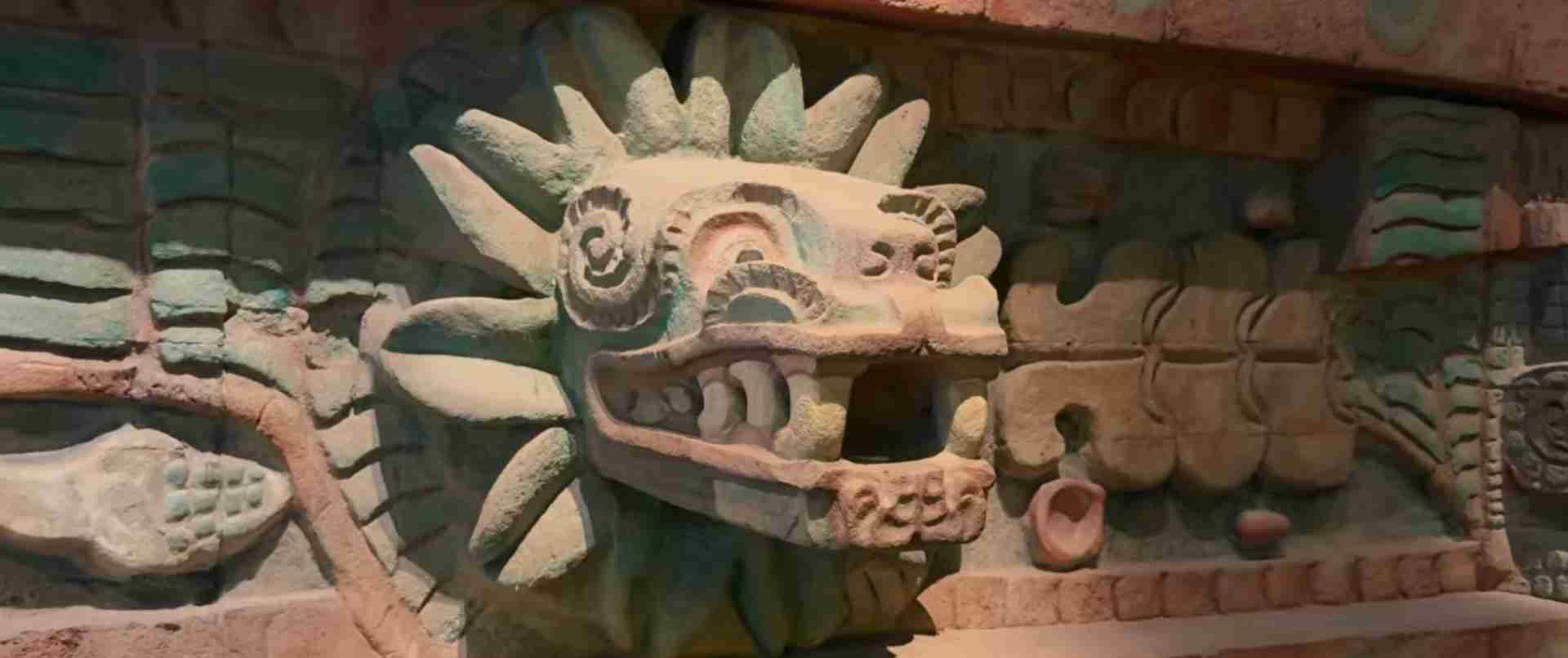
The Templo de Ehécatl-Quetzalcóatl sits beneath the Pino Suárez Metro station, discovered during subway construction in 1968 and now preserved within the station concourse as a working archaeological site passengers walk past daily. Multiple colonial-era convents and churches throughout the Historic Center contain excavated Aztec walls and platforms in their basements or courtyards, rarely promoted to tourists but accessible during church hours. Santa Teresa la Nueva and San Jerónimo specifically showcase extraordinary archaeological integration with colonial architecture.
What neighborhoods offer authentic experiences without tourist crowds?
Santa María la Ribera maintains a refined early 20th-century atmosphere with its Moorish-style kiosk in the Alameda, surrounding Art Nouveau and neoclassical mansions, and the exceptional Museo de Geología (Geology Museum) in a stunning Porfirian-era palace. The neighborhood attracts mainly local families to its markets, parks, and traditional cantinas. San Rafael offers similar architecture and authentic atmosphere with excellent small museums including the Museo Universitario del Chopo showcasing avant-garde exhibitions.
Mixcoac retains a village-like feeling despite its central location, with a beautiful 16th-century Dominican monastery, traditional markets, and residential streets lined with mid-century homes. The neighborhood sees few foreign visitors but offers authentic middle-class Mexican life and excellent local dining. Colonia del Valle combines residential tranquility with outstanding restaurants, specialty coffee shops, and boutique shopping patronized almost exclusively by local residents.
Extended multi-day tours – 5+ days
Featured Mexico City Multi-Day Tour Packages

3 days
Mexico City 3-Day Discovery Tour
- ✓ Comprehensive Mexico City experience
- ✓ Expert local guides included
- ✓ All accommodation included
- ✓ Transportation provided
5 days
Mexico City 5-Day Highlights Experience
- ✓ Comprehensive Mexico City experience
- ✓ Expert local guides included
- ✓ All accommodation included
- ✓ Transportation provided

7 days
Mexico City 7-Day Cultural Journey
- ✓ Comprehensive Mexico City experience
- ✓ Expert local guides included
- ✓ All accommodation included
- ✓ Transportation provided
10 days
Mexico City 10-Day Complete Adventure
- ✓ Comprehensive Mexico City experience
- ✓ Expert local guides included
- ✓ All accommodation included
- ✓ Transportation provided
Multi-day tour packages powered by TourRadar. Prices and availability subject to change.
Hidden Museums and Cultural Institutions
Museo Dolores Olmedo: Rivera and Kahlo Masterpiece Collection
The Museo Dolores Olmedo occupies a magnificent 16th-century hacienda in Xochimilco surrounded by gardens where peacocks and Xoloitzcuintli dogs (hairless Mexican breed) roam freely. The museum houses the world’s largest Diego Rivera collection with 139 paintings spanning his entire career, plus 25 Frida Kahlo works including some of her most powerful self-portraits. The collection represents the personal acquisition of Dolores Olmedo, Rivera’s patron and close friend, who assembled these masterpieces over decades.
Beyond Rivera and Kahlo, the museum displays exceptional folk art collections including pottery, textiles, and ceremonial objects from throughout Mexico. The colonial hacienda rooms preserve period furnishings and decorative arts showcasing aristocratic lifestyle during various Mexican historical periods. The gardens alone justify the visit, with pre-Hispanic trees, fountains, and pathways creating a contemplative atmosphere impossible at more touristed museums.
The museum’s location in Xochimilco keeps it off most tourist itineraries despite housing Mexico’s finest private art collection. Visitor numbers remain manageable even during weekends, allowing leisurely contemplation of masterpieces without jostling crowds. The adjacent gardens provide picnic areas and photo opportunities with resident peacocks frequently displaying their plumage among colonial fountains and pre-Hispanic sculptures.
Museo Nacional de las Culturas del Mundo: Global Civilizations Collection
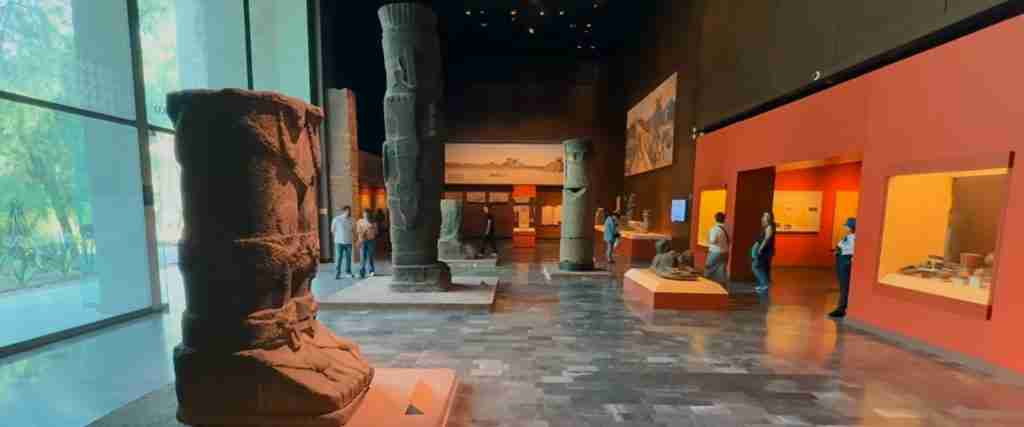
The National Museum of World Cultures occupies the former Casa de Moneda (colonial mint) just two blocks from the Zócalo yet receives minimal tourist attention despite its extraordinary international collections. The museum showcases artifacts from ancient Egypt including mummies and hieroglyphic tablets, Mesopotamian cylinder seals and cuneiform tablets, Chinese porcelain and jade, Japanese samurai armor, and Pacific Island ceremonial objects in thematic exhibitions exploring global cultural connections.
The building itself represents an architectural gem with courtyards, colonial stonework, and careful integration of modern exhibition spaces within historic structures. Temporary exhibitions rotate regularly, highlighting specific cultures or themes through artifacts borrowed from international institutions and private Mexican collections. The permanent collections emphasize cross-cultural exchanges and shared human developments across civilizations.
This museum fills a unique niche in Mexico City’s cultural landscape by contextualizing Mexican civilizations within broader human history rather than isolating pre-Hispanic and colonial Mexico from global developments. The perspective proves refreshing after visiting Mexico-focused museums, while the colonial building and central location make it easily accessible during Historic Center explorations.
Franz Mayer Museum: Decorative Arts Excellence
The Franz Mayer Museum houses Latin America’s most comprehensive decorative arts collection within a beautifully restored 16th-century hospital building surrounding a peaceful cloister. German-born financier Franz Mayer assembled this extraordinary collection of ceramics, textiles, furniture, silverwork, and paintings over his lifetime, donating everything to Mexico upon his death. The museum showcases Mexican and European decorative arts from the 16th through 19th centuries in meticulously designed period room settings.
Talavera pottery collections demonstrate the evolution of this distinctive Mexican ceramic tradition from Spanish origins through its transformation in Puebla’s workshops. Furniture galleries display everything from simple colonial pine pieces to elaborate inlaid European imports and Mexican interpretations of international styles. Textile collections include ecclesiastical vestments with gold thread embroidery, everyday garments showing construction techniques, and rare pre-Hispanic textiles integrated into colonial pieces.
The museum’s cloister garden provides an oasis of tranquility steps from the frenetic Alameda Central, with fountains, tile work, and colonial architecture creating contemplative spaces between galleries. The attached cafe serves excellent coffee and light meals in the garden setting. Temporary exhibitions explore specific aspects of decorative arts or showcase contemporary designers working in traditional techniques.
Museo del Juguete Antiguo México: Toy Museum Collection
The Museo del Juguete Antiguo México (MUJAM) represents one of Mexico City’s most surprising discoveries – a four-story building crammed with over 100,000 toys, action figures, dolls, robots, and pop culture artifacts collected obsessively over decades by architect Roberto Shimizu. The collection spans Mexican and international toy history from the 19th century through the 1990s, creating a overwhelming sensory experience of childhood nostalgia mixed with folk art and industrial design history.
Exhibitions follow no academic organization, instead piling toys floor-to-ceiling in overwhelming density that mimics a collector’s home rather than a formal museum. Wrestling masks (lucha libre) fill entire rooms alongside vintage Barbie dolls, mechanical banks, tin robots, and Mexican popular culture figures. The collection documents changing manufacturing techniques, materials, and cultural references through toys children actually played with rather than preserved mint-condition collector pieces.
The museum occupies a residential neighborhood in Colonia Doctores far from tourist routes, reflecting its origin as a personal collection displayed in the owner’s architectural office rather than a purpose-built institution. This authentic feeling distinguishes MUJAM from sanitized museum experiences – you’re essentially visiting someone’s extraordinary collection that happened to grow beyond any reasonable scale. The rooftop cafe offers views across the neighborhood while surrounded by vintage toy displays.
Secret Archaeological and Historical Sites
Cuicuilco Pyramid: Pre-Classic Volcanic Burial
The Cuicuilco archaeological site preserves central Mexico’s oldest major ceremonial center, a massive circular pyramid built around 800-600 BCE and partially buried by lava from the Xitle volcano eruption approximately 1,900 years ago. The pyramid’s circular form distinguishes it from later Mesoamerican rectangular pyramids, suggesting different architectural traditions during the Pre-Classic period. The volcanic eruption that destroyed Cuicuilco forced populations northward, potentially contributing to Teotihuacan’s subsequent rise to dominance.
The site’s southern location in Tlalpan keeps it off most tourist itineraries despite easy Metro access (Perisur station on Line 12). Excavations have exposed the pyramid’s western side while lava remains visible covering the eastern portions, dramatically illustrating the catastrophe that ended this early civilization. A small museum displays artifacts recovered from excavations including ceramics, obsidian tools, and figurines showing artistic styles predating classic Mesoamerican traditions.
Visiting Cuicuilco provides perspective on the depth of Mesoamerican civilization preceding the Aztecs by over a millennium. The circular pyramid design and volcanic context create unique archaeological experiences unavailable at more famous sites. The surrounding park allows walking among lava fields where ancient structures lie buried beneath volcanic rock, visible only where archaeologists have excavated through the geological layer.
Tlatelolco: Triple Cultural Heritage Site
Tlatelolco’s Plaza de las Tres Culturas combines an Aztec temple platform, the 17th-century Santiago Tlatelolco church, and the modernist Nonoalco-Tlatelolco housing complex in one location, symbolizing the three civilizations (indigenous, Spanish colonial, modern Mexican) that created contemporary Mexico. The archaeological zone preserves extensive Aztec foundations from what was once Mexico-Tenochtitlan’s sister city and largest marketplace, where conquistador Hernán Cortés received his first view of the Aztec capital.
The colonial church of Santiago Tlatelolco served as the Colegio de Santa Cruz, where Franciscan friars taught indigenous nobility and collaborated with Aztec scholars to document pre-Hispanic history and culture. These collaborations produced the Florentine Codex and other invaluable records of Aztec civilization. The church interior preserves colonial paintings and baroque altarpieces, while the attached former convent buildings house a small museum documenting Tlatelolco’s multi-layered history.
Tlatelolco holds darker modern significance as the site of the 1968 student massacre when government forces killed hundreds of protesters days before the Mexico City Olympics. A memorial stone in the plaza commemorates the victims, adding contemporary tragedy to the location’s already complex historical layers. The combination of ancient, colonial, and modern history compressed into one plaza creates an exceptional site for understanding Mexican cultural evolution.
Convento de San Jerónimo: Hidden Colonial Jewel
The former Convent of San Jerónimo in the Historic Center preserves one of Mexico City’s most beautiful colonial cloisters, famous as the home where Sor Juana Inés de la Cruz, colonial Mexico’s greatest poet and intellectual, lived and wrote during the late 17th century. The convent now houses the Universidad del Claustro de Sor Juana, allowing visitors to explore the colonial architecture while students attend classes in the beautifully restored spaces.
The main cloister features two stories of arched corridors surrounding a central fountain and garden, with Talavera tile work, painted ceilings, and colonial paintings throughout. Individual rooms display period furnishings and artifacts from the convent’s history, including recreations of the austere cells where nuns lived in contemplative isolation. The convent church retains its baroque altarpieces and religious art despite secularization following Mexican independence.
The site receives minimal tourist traffic compared to the Zócalo area just blocks away, creating peaceful opportunities to experience colonial architecture without crowds. The university presence adds contemporary vitality to the historic spaces while preserving the buildings through active use rather than museum-ification. Small exhibitions rotate through the convent spaces, often focusing on colonial women’s history and Sor Juana’s literary legacy.
Templo de Ehécatl-Quetzalcóatl: Metro Station Temple
The Templo de Ehécatl-Quetzalcóatl sits dramatically within the Pino Suárez Metro station, discovered during subway construction in 1968 and preserved in situ as commuters pass the 15th-century Aztec temple platform daily. The circular temple dedicated to Ehécatl (wind god aspect of Quetzalcóatl) retains its original stepped platform and portions of the stucco covering that once decorated Aztec structures throughout Tenochtitlan.
The station also displays a collection of artifacts discovered during Metro construction throughout the city, creating an informal museum of urban archaeology accessible to anyone using public transportation. Information panels explain the temple’s religious significance and excavation history. The juxtaposition of ancient ceremonial architecture and modern mass transit infrastructure creates a striking visual representation of Mexico City’s layered history.
This represents one of Mexico City’s most democratic cultural sites – free, accessible to millions of daily Metro riders, and requiring no special visit planning. Passengers can explore the temple platform closely, reading informational plaques while trains arrive and depart. The integration of archaeological preservation with functional infrastructure demonstrates innovative approaches to protecting heritage while maintaining urban development.
Undiscovered Markets and Commercial Spaces
Mercado de Sonora: Traditional Witchcraft and Herbal Medicine
Mercado de Sonora specializes in traditional Mexican spiritual practices, selling everything from medicinal herbs and traditional remedies to live animals, religious icons, and witchcraft supplies including potions, charms, and ritual objects for practitioners of Mexican folk magic (brujería). The market functions as a living museum of indigenous and mestizo spiritual traditions that blend pre-Hispanic beliefs with Catholic saints and African-diaspora practices.
Herbal medicine vendors (yerberos) offer consultations about health conditions and recommend traditional plant-based treatments for ailments ranging from indigestion to spiritual afflictions. These practitioners maintain knowledge passed through generations about native Mexican medicinal plants and their applications. Separate sections sell live animals including exotic birds, reptiles, and baby farm animals, though ethical concerns surround these vendors.
The witchcraft section offers fascinating insights into contemporary Mexican spiritual practices – vendors sell specific candle colors for different intentions, dried herbs for ritual baths, prepared potions for love or protection, and consultation services with practicing brujos (witches) who perform cleansings (limpias) and rituals for customers. Whether you believe in these practices or view them as cultural artifacts, the market demonstrates living traditions unchanged by modernization.
Mercado de la Ciudadela: Artisan Crafts Wholesale Center
The Mercado de la Ciudadela functions as Mexico City’s primary wholesale artisan crafts market, where artisans from throughout Mexico sell directly to retailers, eliminating the markup found in tourist shops. The market concentrates pottery, textiles, silver jewelry, wood carvings, leather goods, and regional crafts from Oaxaca, Michoacán, Guerrero, and other craft-producing states in one enormous space with hundreds of vendor stalls.
Prices reflect wholesale rates when purchasing multiple items or negotiating bulk purchases, though individual tourists still access significantly lower prices than retail shops. Quality varies dramatically between vendors – examine items carefully for craftsmanship and finish rather than assuming equivalent quality across stalls. The market rewards time investment, revealing exceptional pieces among more commercial production items.
The surrounding Ciudadela complex includes the Biblioteca de México (Library of Mexico) in a beautifully restored former tobacco factory, and gardens with sculptures and open spaces for resting between market explorations. The entire area sees relatively few tourists despite its crafts selection surpassing tourist-focused markets in variety and pricing. Vendors expect negotiation but respond best to respectful interaction and genuine interest in their work rather than aggressive bargaining.
Lagunilla Sunday Antiques Market: Archaeological Fragments and Colonial Treasures
The Lagunilla neighborhood hosts Mexico City’s premier Sunday antiques and collectibles market, where vendors spread thousands of items across multiple city blocks including genuine colonial furniture, religious art, archaeological pottery fragments, vintage photographs, rare books, and everything imaginable from Mexico’s material culture history. The market attracts serious collectors, antique dealers, and bargain hunters seeking treasures among the overwhelming quantity of offerings.
Archaeological fragments appear regularly in Lagunilla – pottery shards, small figurines, obsidian tools, and other artifacts of uncertain provenance that Mexican law prohibits exporting but allows domestic sale. Colonial-era religious paintings, santos (carved saint figures), silver religious objects, and furniture from haciendas fill numerous stalls. These items range from authentic antiques to skilled reproductions, requiring expertise to distinguish valuable pieces from clever fakes.
The market sprawls chaotically with no organization or thematic groupings – furniture sits beside vintage toys, which sit beside archaeological ceramics, which sit beside 1940s movie posters. This disorder creates the thrill of discovery as genuinely valuable items hide among junk. Arrive early (7-8 AM) for best selection before serious collectors pick through offerings. Prices start high but vendors expect negotiation, often accepting 40-60% of initial asking prices for cash sales.
Mercado Jamaica: Wholesale Flower and Ornamental Plant Market
Mercado Jamaica functions as Mexico City’s central flower wholesale market, supplying florists, event planners, and retailers throughout the metropolitan area with cut flowers, potted plants, dried flowers, and ornamental plants in overwhelming variety and scale. The market operates 24 hours but reaches peak activity from 5-10 AM when buyers arrive to select fresh inventory for their shops and events.
The flower market occupies an entire building with corridors lined by vendor stalls piled floor-to-ceiling with roses, lilies, orchids, gladiolas, carnations, baby’s breath, and hundreds of other varieties in every color imaginable. The sensory experience proves overwhelming – intense floral fragrances, brilliant colors, constant activity as workers prepare arrangements, and bargaining in rapid Spanish. Photographers particularly appreciate the visual opportunities created by the massive quantities and dramatic lighting.
Beyond flowers, the market includes sections selling ritual items for Day of the Dead celebrations (cempasúchil marigolds, paper decorations, sugar skulls), Christmas decorations (poinsettias, nativity figures), and materials for Mexican celebrations year-round. The adjacent food market serves workers and visitors with exceptional traditional breakfast options at budget prices. Visit Jamaica for authentic wholesale market atmosphere rather than tourist experiences – you’re observing functional commercial activity rather than curated cultural displays.
Alternative Neighborhoods and Cultural Districts
Santa María la Ribera: Belle Époque Elegance
Santa María la Ribera emerged as Mexico City’s first planned residential suburb in the late 19th century, designed for the Porfirian-era elite with tree-lined streets, mansion plots, and a central alameda (park) featuring a stunning Moorish-style kiosk imported from the 1884 New Orleans World’s Fair. The neighborhood retains much of its belle époque architecture despite transition to middle-class residential character through the 20th century.
The Museo de Geología occupies the neighborhood’s architectural jewel – a Porfirian palace with Art Nouveau ironwork, stained glass skylight, and grand staircase housing Mexico’s national geology collection including meteorites, fossils, minerals, and pre-Hispanic jade work. The museum receives minimal visitors despite its architectural magnificence and exceptional collections. The surrounding streets showcase Art Nouveau, neoclassical, and early 20th-century eclectic architecture in various states of preservation.
The neighborhood maintains authentic local character with traditional cantinas, neighborhood markets, small museums including the Museum of Mexican Medicine and Health, and the Universidad Autónoma Metropolitana campus occupying a former cigarette factory. Santa María la Ribera offers architecture and cultural institutions comparable to more famous neighborhoods without crowds or tourist-oriented businesses. The weekly tianguis (street market) transforms several blocks into a maze of vendor stalls selling everything imaginable at neighborhood prices.
San Rafael: Architectural Heritage and Underground Culture
Colonia San Rafael developed simultaneously with Santa María la Ribera as another Porfirian-era planned suburb, creating similar architectural character with Art Nouveau mansions, neoclassical townhouses, and eclectic early 20th-century buildings. The neighborhood declined economically through the late 20th century, creating a bohemian district attracting artists, musicians, and counterculture businesses operating in undervalued historic buildings.
The Museo Universitario del Chopo anchors San Rafael’s cultural life in a stunning Art Nouveau iron and glass structure originally designed as the Mexican pavilion for a European world’s fair. The museum focuses on avant-garde contemporary art, experimental music, and countercultural exhibitions that would challenge more conservative institutions. The Sunday flea market outside the museum attracts vintage clothing vendors, vinyl record dealers, and alternative fashion sellers creating a weekly gathering for Mexico City’s subcultural communities.
The neighborhood contains numerous small galleries, independent music venues, alternative bookshops, and specialty coffee shops occupying ground floors of architecturally significant buildings gradually gentrifying through creative class migration. Walking tours reveal architectural details often overlooked – Art Nouveau ironwork, neoclassical facades, tile work, and ornamental stonework on buildings whose upper floors remain residential while ground levels transform into cultural businesses.
Mixcoac: Village Preservation in Urban Context
Mixcoac maintains a village-like atmosphere despite its location within Mexico City’s urban fabric, centered on the 16th-century Templo y Ex-Convento Dominico de Santo Domingo de Guzmán with its impressive colonial church and adjacent monastery buildings. The neighborhood evolved from an independent town gradually absorbed by metropolitan expansion, preserving its central plaza, traditional market, and residential street character.
The Dominican monastery represents exceptional colonial architecture with massive stone construction, fortress-like walls, and austere facades characteristic of mendicant order architecture. The interior preserves colonial religious paintings, baroque altarpieces, and architectural elements spanning construction from the 1500s through 1700s. The monastery occasionally hosts cultural events and exhibitions but generally maintains its religious function with minimal tourist infrastructure.
Surrounding residential streets contain mid-century modern homes and apartment buildings representing Mexico City’s post-war development, creating an architectural timeline from colonial through contemporary periods. The neighborhood market operates traditionally serving local residents rather than tourists, with exceptional prepared food stalls offering regional Mexican specialties from vendor families maintaining their spaces for generations. Mixcoac offers authentic neighborhood exploration without tourist infrastructure or international visitor presence.
Colonia Nápoles: Mid-Century Modern Architecture
Colonia Nápoles developed during Mexico’s mid-20th-century economic expansion, showcasing modernist residential and commercial architecture designed by architects including Mario Pani, Augusto H. Álvarez, and other figures who defined Mexico City’s International Style period. The neighborhood contains fewer tourist attractions than architectural and design interest – buildings embodying modernist principles of functionality, clean lines, and integration of indoor-outdoor spaces.
The World Trade Center Mexico occupies a particularly significant modernist structure, while residential streets feature apartment buildings and private homes demonstrating variations on modernist themes with distinctly Mexican characteristics. The neighborhood evolved as a middle-class residential district with office buildings, shopping centers, and hotels creating a self-contained urban environment distinct from both historic and ultra-contemporary districts.
Nápoles rewards architectural enthusiasts willing to explore residential streets documenting Mexican modernist design evolution. Small museums including the Museo de Cera (Wax Museum) and Museo Ripley exist but function mainly as curiosities rather than cultural destinations. The neighborhood excels for authentic Mexican urban middle-class life without tourist presence – neighborhood restaurants serve local office workers, markets cater to resident needs, and parks host families on weekends exactly as they do throughout non-touristed Mexico City.
Contemporary Art and Underground Culture
Ex Teresa Arte Actual: Experimental Art in Sacred Space
The Ex Teresa Arte Actual occupies a deconsecrated 17th-century church in the Historic Center, transforming the baroque religious space into a venue for cutting-edge contemporary art installations, experimental music performances, and avant-garde exhibitions. The dramatic contrast between colonial architecture and contemporary art creates powerful dialogues between sacred history and secular artistic experimentation.
The former church retains its architectural character – vaulted ceilings, baroque stonework, religious painting fragments, and ecclesiastical spatial organization – while installations by contemporary artists occupy the nave, altars, and side chapels. Artists respond to the space’s religious history, colonial violence, and sacred power through installations addressing contemporary social issues, political critique, and aesthetic experimentation that would prove inappropriate in active churches.
Ex Teresa programs challenging exhibitions exploring themes including gender identity, indigenous rights, environmental destruction, and social inequality through multimedia installations, performance art, and conceptual works. The space attracts contemporary art enthusiasts and Mexico City’s artistic community rather than conventional tourists. Free admission and central location make it accessible for curious visitors willing to engage with challenging art in a stunning historical setting.
Biblioteca Vasconcelos: Contemporary Architectural Marvel
The Biblioteca Vasconcelos represents one of Mexico City’s most dramatic contemporary buildings – a massive glass and steel library structure with suspended “floating” bookshelves holding over 600,000 volumes in a transparent construction allowing views across the entire interior space. Mexican architect Alberto Kalach designed the 2006 building to evoke both Mexican archaeological monumentality and contemporary global architecture, creating a structure unlike any other library worldwide.
The library’s central feature suspends book stacks from steel cables creating the appearance of floating shelves in mid-air, while transparent glass walls eliminate traditional barriers between interior and exterior spaces. A large Gabriel Orozco sculpture suspended from the ceiling adds artistic elements to the functional space. Natural light floods the interior through glass walls and skylights, while gardens surrounding the building incorporate native plants and outdoor reading areas.
The library’s northern location in an industrial neighborhood keeps it off most tourist itineraries despite its architectural significance and free admission. Metro Line 2 or Metrobús Line 1 provides easy access. Visitors can explore the multiple levels, examine the engineering behind the suspended bookshelves, photograph the dramatic interior spaces, and experience world-class contemporary architecture without crowds overwhelming more famous structures. The building’s scale and innovative design merit visits solely for architectural appreciation beyond its library function.
Barrio Alameda: Street Art District
The Barrio Alameda initiative transformed several Historic Center blocks west of the Alameda Central into an outdoor street art gallery featuring murals by local and international artists on building facades, shuttered storefronts, and available wall surfaces. The project aims to revitalize a declining neighborhood through public art while providing spaces for emerging and established street artists to create large-scale works.
Walking tours (self-guided or organized) take visitors through the district to view murals ranging from traditional Mexican themes to contemporary abstract work, political commentary to whimsical fantasy. Artists rotate regularly, with new murals replacing older works creating an ever-changing outdoor exhibition. Some buildings feature multiple murals stacked vertically across several stories, while narrow alleyways surprise viewers with hidden artwork.
The neighborhood combines street art with galleries, coffee shops, craft beer bars, and alternative businesses attracting younger crowds to an area that previously lacked pedestrian traffic outside business hours. Visit during afternoon and early evening when businesses operate and streets feel secure. The initiative demonstrates urban revitalization through cultural investment, though gentrification concerns emerge as property values increase following artistic attention.
Bosque de Chapultepec Fourth Section: Nature Escape
Chapultepec Park’s fourth section opened recently, adding 160 acres of nature preserve to the already enormous park complex. This section maintains more natural character than the heavily developed first and second sections containing museums and monuments, instead focusing on native forest preservation, walking trails, and minimal constructed infrastructure. The section attracts primarily local residents rather than tourists, creating peaceful opportunities for nature immersion within Mexico City.
Walking trails wind through preserved native forest dominated by ahuehuete (Mexican cypress) trees, oak species, and understory plants supporting urban wildlife including squirrels, birds, and occasional reptiles. The trails vary in difficulty from accessible paved paths to moderate dirt trails following topographic contours. Lake areas attract waterfowl and provide sitting areas for contemplation. The section deliberately avoids extensive amenities, maintaining focus on nature experience rather than recreational facilities.
Access requires traveling to the park’s northwestern edge, less convenient than more famous sections but rewarding visitors with substantially fewer crowds and more authentic nature immersion. Local families picnic on weekends, joggers use the trails daily, and bird watchers seek urban species in the preserved habitat. The fourth section demonstrates Mexico City’s commitment to preserving green space within urban development while providing recreational nature access to neighborhoods throughout the metropolitan area.
Traditional Experiences and Living Culture
Pulquerías: Traditional Fermented Agave Bars
Pulquerías serve pulque, the fermented agave sap beverage consumed throughout central Mexico for millennia before tequila and mezcal’s ascendance. Traditional pulquerías maintain working-class atmosphere with basic decor, minimal seating, and clientele of older men who have patronized the same establishments for decades. Newer pulquerías opened by younger entrepreneurs update the format with craft beer bar aesthetics while maintaining pulque’s central role.
Traditional pulquerías including Las Duelistas and La Nuclear operate continuously for generations, serving pulque by the liter from large barrels in unflavored (natural) or flavored (curado) varieties mixing pulque with fruit, nuts, or vegetables. Flavors range from strawberry and mango to celery and oatmeal, creating unique taste experiences unlike any other fermented beverage. The slightly viscous texture and mildly alcoholic content (3-5%) creates acquired taste appeal.
Contemporary pulquerías like Pulquería Insurgentes in Roma Norte modernize the concept with extensive curado menus, food pairings, comfortable seating, and atmospheres welcoming to women and international visitors. These venues introduce pulque to demographics who would never enter traditional pulquerías, creating cultural exchange while risking gentrification of traditional spaces. Both traditional and contemporary pulquerías offer authentic Mexican beverage culture experiences unavailable in conventional bars or restaurants focused on international drinks.
Arena México: Lucha Libre Wrestling Spectacle
Arena México hosts lucha libre (Mexican professional wrestling) events multiple nights weekly, offering spectacular entertainment combining athletic performance, theatrical melodrama, and Mexican popular culture iconography through masked wrestlers (luchadores) performing high-flying acrobatic moves and predetermined storylines. Lucha libre functions as significant popular culture expression rather than merely athletic competition or tourist show.
Matches feature colorful masked wrestlers in elaborate costumes performing synchronized moves, aerial maneuvers off the ropes, and dramatic storytelling through physical performance. Audiences participate actively, cheering técnicos (heroes) and booing rudos (villains) in predictable patterns that structure the performance. Children and families attend alongside adult fans, making lucha libre accessible entertainment across demographics.
Arena México represents authentic lucha libre in the sport’s most important venue, attracting serious fans rather than exclusively serving tourists. Tickets range from inexpensive general admission seats to ringside tables with bottle service. The building itself functions as lucha libre museum with photographs of legendary luchadores and championship belts displayed throughout. Attend Friday or Sunday evening shows for best atmospheres with full houses and excited crowds. The experience provides insight into Mexican popular culture through entertainment form with no direct U.S. equivalent.
Vecindades: Communal Housing Architecture
Traditional vecindades (communal housing complexes) throughout central Mexico City neighborhoods maintain architectural forms where multiple families share courtyards, communal bathrooms, and social spaces in buildings surrounding central patios. These housing types dominated working-class residential architecture from colonial periods through mid-20th century, creating distinctive urban fabric different from both single-family homes and modern apartment buildings.
Remaining vecindades showcase traditional urban community structures where residents interact daily in shared spaces, children play in communal courtyards, and neighbors maintain intimate familiarity through proximity. Many vecindades face demolition pressure for redevelopment, though some receive protection as historic structures or continue operating as low-cost housing in gentrifying neighborhoods. Neighborhoods including Tepito, La Merced, and areas near the Zócalo contain intact vecindades visible from streets.
While vecindades function as private residences rather than tourist attractions, their architectural presence contributes to Mexico City’s distinctive urban character. Film and literature frequently feature vecindades as quintessential Mexican urban settings, making them culturally significant beyond their architectural interest. Respectful observation from public streets allows appreciation of these communal housing forms without intruding on residents’ privacy.
Tortillerías: Fresh Corn Tortilla Production
Neighborhood tortillerías (tortilla factories) operate throughout Mexico City producing fresh corn tortillas using nixtamalized corn dough (masa) pressed and cooked on automated machines. These small businesses function as essential neighborhood infrastructure, supplying families with daily tortilla needs for home cooking. The process remains largely traditional despite automation – dried corn undergoes alkaline processing (nixtamalization), gets ground into masa, forms into tortillas through presses or machines, and cooks on hot griddles.
The aroma of fresh corn tortillas signals tortillería locations blocks away. Customers purchase by weight or number, with vendors weighing warm tortillas on scales or counting into paper packages. Prices remain extraordinarily low (1 kilogram feeds 4-5 people for about $1), making fresh tortillas accessible to all economic classes. Many tortillerías also sell fresh masa by the kilogram for customers making their own tortillas or other corn-based foods.
Visiting a neighborhood tortillería during production hours (typically morning and late afternoon when families purchase for meals) provides insight into Mexican foodways and neighborhood commercial patterns. The experience costs nothing beyond purchasing a small package of fresh tortillas to sample while walking (best consumed immediately while hot). Tortillerías demonstrate living tradition maintained through daily practice rather than preserved as cultural heritage performance.
Nature Escapes Within the City
Bosque de San Juan de Aragón: Wilderness Park and Castle
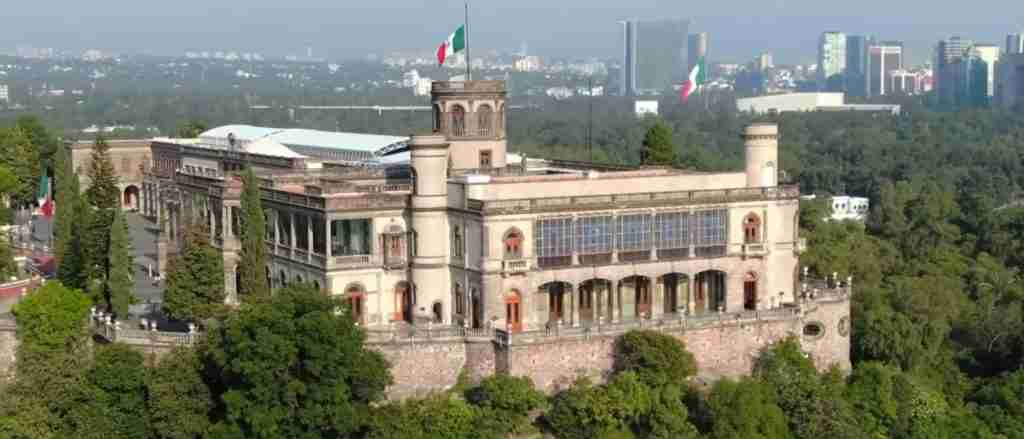
Bosque de San Juan de Aragón offers 400 acres of forest, lakes, recreational facilities, and surprising cultural attractions including a castle (actually a replica) and archaeological remains in northeastern Mexico City. The park receives primarily local visitors rather than tourists, creating authentic recreational atmosphere without international visitor presence. Metro Line 5 (Deportivo Oceanía station) provides easy access though the park sits considerably farther from the Historic Center than Chapultepec.
The park forest sections preserve native trees and create wildlife habitat supporting urban species. Walking trails, cycling paths, and exercise equipment scattered throughout allow active recreation in natural settings. Lakes attract waterfowl and provide opportunities for rented paddle boat recreation. The castle structure functions mainly as photographic backdrop rather than museum, though its presence creates distinctive park character.
Archaeological remains scattered through the park include pre-Hispanic platforms and structures preserved where discovered during park development. These minor sites receive minimal interpretation but demonstrate the archaeological layers existing throughout Mexico City beyond famous excavations. The park excels for experiencing how local Mexico City residents use recreational spaces – weekend family picnics, soccer games, outdoor exercise groups, and general recreation without tourist industry involvement.
Parque Nacional Desierto de los Leones: Mountain Forest Escape
Parque Nacional Desierto de los Leones (“Desert of the Lions” National Park – actually a mountain forest, not desert) protects 4,800 acres of pine and oak forest at 9,500 feet elevation in mountains southwest of Mexico City. The park provides mountain hiking, cool temperatures contrasting with valley heat, and a ruined Carmelite monastery dating to 1611 as cultural centerpiece. The location requires approximately one hour travel from central neighborhoods via car or bus but rewards visitors with authentic Mexican national park experiences.
Hiking trails range from easy walks around the monastery to challenging climbs through mountain forest to high viewpoints. The altitude (2,000 feet higher than Mexico City) creates cooler climate and different vegetation than the urban valley. Pine forests support wildlife including various bird species, squirrels, and occasional larger mammals. The forest provides popular weekend destination for Mexico City residents seeking nature immersion and mountain recreation.
The ex-convento (former convent) ruins occupy a beautiful mountain clearing, with restored sections showing Carmelite monastic life’s austerity. The monks chose this remote location for contemplative isolation from colonial Mexico City, though the monastery eventually closed due to harsh winter conditions. Small restaurants near the entrance serve traditional Mexican food to visitors before or after hiking. The park combines nature, history, and recreation in one location off tourist circuits but beloved by local outdoors enthusiasts.
Jardín Botánico UNAM: University Botanical Garden
The Universidad Nacional Autónoma de México (UNAM) botanical garden preserves Mexican native plants including species from desert, tropical, temperate, and high-altitude ecosystems in specialized collection areas. The garden focuses on conservation, education, and research rather than purely ornamental display, making it more scientific than decorative but exceptionally interesting for plant enthusiasts and anyone curious about Mexico’s extraordinary botanical diversity.
Collection areas recreate distinct Mexican ecological zones – a tropical forest section with humidity and shade-loving species, desert areas featuring cacti and succulents, medicinal plant collections showing species used in traditional Mexican medicine, and high-altitude species adapted to mountain conditions. Educational signage explains plant characteristics, ecological roles, and cultural significance. The garden provides shaded walking paths connecting different collection zones through attractive landscaping.
The UNAM campus location in the southern Coyoacán area makes the garden easily combinable with other UNAM sites including the modernist architecture and Diego Rivera murals throughout the university grounds. The garden receives mainly local visitors and students rather than international tourists, creating peaceful contemplative atmosphere. Free admission and proximity to other southern neighborhood attractions make it valuable addition to itineraries focused on Coyoacán, San Ángel, or University City explorations.
Frequently Asked Questions About Mexico City Hidden Gems
How do I find hidden restaurants in Mexico City neighborhoods?
Explore residential neighborhoods during meal times (2-4 PM for lunch, 8-10 PM for dinner) and look for small comedores and fondas with crowds of local customers. Markets including Mercado Medellín, Mercado San Cosme, and neighborhood mercados contain food stalls serving authentic regional Mexican cuisine. Ask hotel staff or local contacts for neighborhood recommendations rather than consulting tourist guides, as best local restaurants rarely appear in international publications.
Are hidden gems in Mexico City safe to visit?
Most hidden gems occupy established neighborhoods where standard urban precautions provide adequate safety. Travel during daylight hours, use Uber or Metro rather than walking long distances through unfamiliar areas, and remain alert to surroundings. Neighborhoods including Tepito require local guidance, while areas like Santa María la Ribera, San Rafael, and Mixcoac present no greater risks than popular tourist districts. Trust your instincts – if an area feels uncomfortable, leave and return another time or with local companions.
Do hidden museums and sites have English information?
Hidden gems typically offer limited or no English signage, requiring Spanish language skills or translation apps for full understanding. This linguistic barrier creates part of their “hidden” character – facilities receiving primarily local visitors invest less in multilingual interpretation. Bring translation apps, research sites beforehand through English language sources, or hire private guides familiar with lesser-known locations. The cultural experiences justify the extra effort required to overcome language challenges.
How much time should I allocate for visiting hidden neighborhoods?
Allow half days for comprehensive neighborhood exploration including architecture observation, market visits, and museum time. Santa María la Ribera, San Rafael, and Mixcoac each merit 3-4 hours for walking tours, museums, and meal experiences. Combine nearby neighborhoods in single days – San Rafael and Santa María la Ribera share borders, while Coyoacán and San Ángel connect easily. Budget more time than seemingly necessary as hidden neighborhoods reward unhurried exploration and spontaneous discoveries.
Can I visit archaeological sites without organized tours?
All archaeological sites mentioned accept independent visitors without tour requirements. Cuicuilco and Tlatelolco offer straightforward Metro access and minimal entry fees. Sites provide basic informational signage, though comprehensive understanding benefits from advance research or guidebook consultation. Independent visits allow unlimited time for photography, contemplation, and exploration at personal pace. Bring water, sun protection, and comfortable walking shoes as most sites lack extensive visitor facilities.
What markets offer the most authentic experiences?
Mercado de Sonora provides the most culturally distinctive experience with traditional medicine and spiritual practices unavailable elsewhere. Mercado Jamaica operates as functional wholesale market rather than tourist destination, offering authentic commercial atmosphere. Lagunilla’s Sunday antiques market attracts genuine collectors alongside tourists, creating real market dynamics. Neighborhood mercados throughout residential districts function as essential local infrastructure rather than tourist attractions, providing most authentic daily market experiences.
How do I access neighborhoods far from the Historic Center?
Mexico City’s Metro system reaches most neighborhoods mentioned, though travel times increase for distant locations. Combine Metro travel with short Uber rides for efficient access to sites far from stations. Budget 30-60 minutes travel time each way for peripheral neighborhoods. Consider dedicating full days to exploring specific areas rather than attempting to visit multiple distant neighborhoods in one day. Plan routes strategically to minimize backtracking across the enormous metropolitan area.
Are hidden gems appropriate for all travelers?
Hidden gems reward travelers seeking authentic local culture beyond tourist circuits, but require greater independence, flexibility, and cultural sensitivity than popular attractions. Visitors preferring structured experiences, extensive services, and predictable environments might find hidden gems challenging. Those embracing uncertainty, minimal tourist infrastructure, and authentic local contexts discover Mexico City’s most rewarding experiences. Assess your comfort level with independent exploration, language barriers, and less polished presentations when planning hidden gem visits.
When do lesser-known museums and sites close for holidays?
Small museums and hidden cultural sites often close Mondays following the pattern established by major museums, though schedules vary by institution. Christmas Day, New Year’s Day, and Easter Sunday typically see closures across museums and archaeological sites. Verify hours before visiting lesser-known locations as information may not appear in tourist guides. Many hidden sites maintain limited hours or specific opening days (for example, the Museo Casa de la Bola opens only Wednesday through Sunday), requiring advance planning.
How can I support local communities when visiting hidden neighborhoods?
Patronize neighborhood businesses including markets, small restaurants, and local shops rather than only visiting free sites. Purchase directly from artisans in markets like Ciudadela or antiques vendors in Lagunilla. Hire local guides through neighborhood organizations rather than large tour companies. Show respect for residential spaces by maintaining quiet, asking permission for photographs of people, and following local customs. Your presence and spending support neighborhood economies while demonstrating that alternative tourism models benefit local communities.