
Mexico City Photography Guide: Mastering Iconic & Hidden Perspectives
Key Takeaways
- Golden hour mastery: Mexico City’s 7,350-foot elevation creates exceptional golden hour light 6:30-7:30 AM and 6:00-7:00 PM, with crystal-clear atmospheric conditions ideal for architectural photography
- Architectural diversity: From Aztec ruins to Spanish colonial grandeur to modern Latin American architecture, CDMX offers unparalleled photographic range within a single metropolitan area
- Hidden perspectives: Beyond iconic Zócalo and Bellas Artes shots, discover rooftop vantage points, neighborhood murals, and lesser-known colonial courtyards that showcase authentic Mexico City character
- Cultural photography etiquette: Understanding respectful approaches to photographing markets, street vendors, indigenous communities, and religious ceremonies ensures authentic connections while honoring local traditions
- Technical considerations: High altitude affects light quality, pollution creates atmospheric haze requiring specific post-processing techniques, and security awareness shapes equipment choices for different neighborhoods
Understanding Mexico City’s Photographic Appeal
Mexico City stands as one of the world’s most photographically diverse destinations, combining 3,000 years of continuous urban development with contemporary cultural dynamism. The metropolis spans from ancient Aztec ceremonial grounds to Spanish colonial masterpieces to cutting-edge modern architecture, all set against the backdrop of surrounding volcanic peaks. This vertical history creates layered photographic opportunities where pre-Hispanic platforms serve as foundations for colonial churches, which in turn anchor contemporary urban plazas.
The city’s 7,350-foot elevation produces exceptional photographic light. Thin atmosphere at this altitude delivers crisp, clear morning light with reduced atmospheric diffusion compared to sea-level cities. Pollution, while present, creates dramatic sunset conditions when managed properly in post-processing. The high-altitude sun moves through a steeper arc across the sky, creating distinct shadow patterns that emphasize architectural details and urban textures throughout the day.
Mexico City’s neighborhoods each offer distinct photographic character. Centro Histórico presents colonial grandeur and urban energy. Roma-Condesa delivers Art Nouveau and Art Deco architectural details within tree-lined streets. Coyoacán provides colorful markets and bohemian atmosphere. San Ángel showcases colonial village character within the metropolitan sprawl. Xochimilco offers floating gardens and pre-Hispanic canal systems. Each district requires different photographic approaches, equipment choices, and timing strategies to capture their essential character.
People Also Ask About Mexico City Photography
What makes Mexico City exceptional for architectural photography?
Mexico City delivers unmatched architectural diversity spanning from 14th-century Aztec ruins through Spanish colonial baroque to 21st-century contemporary design. The Centro Histórico alone contains over 1,400 colonial buildings, including Latin America’s largest cathedral and the ornate Palacio de Bellas Artes. This concentration of architectural styles within walkable distances, combined with dramatic high-altitude lighting and volcanic mountain backdrops, creates photographic opportunities unavailable in other world capitals. The city’s vertical development means ancient foundations support colonial structures topped by modern additions, providing layered architectural narratives within single compositions.
Which camera settings work best for Mexico City street photography?
Effective street photography settings adapt to Mexico City’s high-altitude light and urban energy. Aperture f/5.6-f/8 provides sufficient depth of field for environmental context while maintaining subject separation. Shutter speed 1/250-1/500 second freezes pedestrian movement and vendor gestures without motion blur. ISO 400-800 works for daytime street shooting, adjusting to ISO 1600-3200 for covered markets and evening scenes. Continuous autofocus with zone AF tracking follows moving subjects through crowded spaces. These settings balance technical sharpness with Mexico City’s characteristic street dynamism and spontaneous moments.
When does golden hour occur in Mexico City?
Golden hour timing in Mexico City shifts slightly with seasons but centers around 6:30-7:30 AM for morning light and 6:00-7:00 PM for evening light throughout most of the year. The city’s proximity to the Tropic of Cancer (19.4°N latitude) creates relatively consistent sunrise and sunset times with less seasonal variation than higher latitudes. Morning golden hour delivers clearer atmospheric conditions before urban pollution accumulates, making it ideal for architectural details and long-distance volcanic mountain shots. Evening golden hour combines with increased atmospheric particles to create more dramatic, saturated color conditions particularly effective for silhouettes against western skies.
How do you photograph Mexico City’s street markets respectfully?
Respectful market photography in Mexico City balances authentic documentation with vendor dignity and cultural sensitivity. Make eye contact and gesture toward your camera before photographing individuals, accepting their response whether positive or negative. Purchase items from vendors before requesting portraits, establishing reciprocal relationship rather than extractive tourism. Wide-angle environmental shots capture market atmosphere without focusing on specific individuals. Avoid photographing vendors during slow business periods when camera presence might deter customers. Learn basic Spanish phrases expressing photographic interest and gratitude. Indigenous vendors, particularly in traditional dress, deserve special consideration regarding consent and compensation for their time and cultural presentation.
Extended multi-day tours – 5+ days
Featured Mexico City Multi-Day Tour Packages

1 days
Teotihuacan Pyramids & Temples from Mexico city
- ✓ Comprehensive Mexico City tour
- ✓ Expert local guides included
- ✓ All accommodation arranged
- ✓ Transportation provided

4 days
Welcome to Mexico City 4D/3N
- ✓ Comprehensive Mexico City tour
- ✓ Expert local guides included
- ✓ All accommodation arranged
- ✓ Transportation provided
2 days
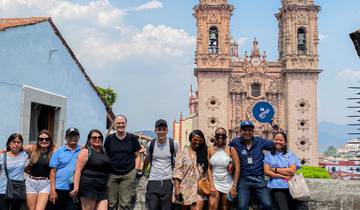
Colonial Adventure: Taxco, Pre-Hispanic Mine, Puebla & Cholula in 2 Days
- ✓ Comprehensive Mexico City tour
- ✓ Expert local guides included
- ✓ All accommodation arranged
- ✓ Transportation provided
2 days
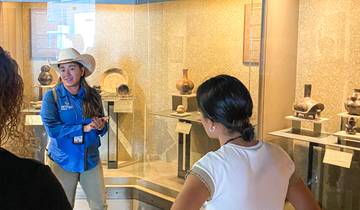
Teotihuacan Early Access & Prehispanic Mexico Walking Tour: A 2-Day Journey Through Time
- ✓ Comprehensive Mexico City tour
- ✓ Expert local guides included
- ✓ All accommodation arranged
- ✓ Transportation provided
Multi-day tour packages powered by TourRadar. Prices and availability subject to change.
Essential Equipment for Mexico City Photography
Lens selection for Mexico City photography balances architectural coverage with street photography versatility and security considerations. A 24-70mm f/2.8 zoom serves as primary workhorse lens, covering colonial building facades from plaza distances while zooming to capture architectural details and street portraits. Wide-angle 16-35mm f/4 lens captures Palacio de Bellas Artes’ full marble facade from constrained plaza spaces and dramatic perspective in narrow colonial streets. Telephoto 70-200mm f/4 isolates architectural details on cathedral spires, captures Popocatépetl volcano from urban viewpoints, and enables candid street portraits from respectful distances.
Camera body requirements prioritize dynamic range over absolute resolution for Mexico City’s challenging lighting conditions. Full-frame sensors handle high-ISO market photography and extreme contrast between shadow and highlight in colonial courtyards. Weather sealing protects against afternoon summer rain showers common in the metropolitan area. Dual card slots provide backup security given camera theft risks in certain neighborhoods. Mirrorless bodies’ electronic viewfinders preview exposure in real-time, valuable when shooting directly into evening light behind Palacio de Bellas Artes or morning light illuminating Metropolitan Cathedral.
Support equipment and accessories address Mexico City’s specific photographic environment. Lightweight carbon fiber tripod serves dawn architectural photography in Centro Histórico while remaining portable for neighborhood exploration. Circular polarizing filter cuts atmospheric haze affecting distant volcanic shots and manages reflections on Bellas Artes’ crystal and marble surfaces. Neutral density graduated filter balances bright sky against shadowed buildings in late afternoon plaza shots. Camera strap configuration prioritizes security, with cross-body positioning and quick-release clips enabling rapid equipment access while deterring opportunistic theft in crowded metro stations and market areas.
Photographing Centro Histórico’s Iconic Architecture
Metropolitan Cathedral photography requires multiple visits at different times and angles to capture its baroque complexity fully. The eastern facade benefits from morning light 7:00-9:00 AM, when low sun angle emphasizes carved stone details and creates dimensional shadow patterns across the ornate portal. Western elevation receives afternoon light that illuminates the bell towers’ contrasting stone colors. Interior photography demands high ISO capability, shooting at ISO 3200-6400 to capture the gilt baroque altarpieces and soaring vaulted ceilings without tripod (prohibited inside). Wide-angle 16mm perspective includes the cathedral’s full width from the constrained Zócalo plaza position, though moderate wide-angle 24mm produces less distortion on vertical architectural elements.
Palacio de Bellas Artes presents distinct photographic challenges across its Art Nouveau exterior and Art Deco interior spaces. The white Carrara marble facade glows in morning light 6:30-8:00 AM, before direct sun creates harsh contrast and blown highlights on the reflective surface. Shoot from Eje Central’s western side to include the full building with its distinctive dome against clear morning sky. The palace’s position at Alameda Central’s eastern edge enables compositions incorporating the park’s mature trees as foreground elements. Interior photography of Diego Rivera murals requires permission and tripod restrictions apply, though the building’s magnificent Tiffany glass curtain permits dramatic backlighting compositions during afternoon performances when the curtain rises.
Zócalo plaza photography maximizes Mexico City’s largest public square through scale emphasis and cultural activity documentation. Shoot from the cathedral’s western steps for elevated perspective encompassing the entire 57,600-square-meter plaza with the National Palace’s extensive facade as backdrop. The giant Mexican flag in the plaza’s center provides scale reference and patriotic symbolism in compositions. Morning light 7:00-9:00 AM illuminates the National Palace’s red tezontle stone facade, while afternoon light works for cathedral shots. Ceremonial events, protest gatherings, and cultural celebrations animate the plaza beyond architectural documentation, requiring telephoto compression to isolate human elements within the monumental architectural context.
Mastering Light and Atmospheric Conditions
Mexico City’s high-altitude atmosphere creates distinctive light quality that separates its photography from sea-level metropolitan areas. The thin atmosphere at 7,350 feet produces less atmospheric diffusion than cities like Los Angeles or New York, resulting in sharper distant details and more pronounced color saturation. This clarity enables sharp photographs of Popocatépetl and Iztaccíhuatl volcanoes from 40+ miles away, weather permitting. The reduced atmospheric filtration also means harsher midday sun with more extreme highlight-shadow contrast, making morning and evening light periods even more critical for quality architectural and street photography.
Pollution levels affect photographic conditions and post-processing requirements throughout the year. Winter months (November-February) deliver clearest atmospheric conditions with lowest pollution readings and maximum visibility toward surrounding mountains. Spring (March-May) brings increased haze from agricultural burning in surrounding states combined with reduced rainfall that would clear airborne particles. Summer rainy season (June-September) provides afternoon thunderstorms that clear the atmosphere, creating dramatically clean light conditions in late afternoon after storms pass. These seasonal patterns influence both shooting schedules and post-processing approaches, with winter shots requiring minimal haze reduction while spring photographs benefit from aggressive clarity and dehaze adjustments.
Cloud conditions in Mexico City follow predictable daily patterns that inform photographic planning. Morning delivers clear skies with best architectural light before 10:00 AM. Cumulus clouds begin forming over surrounding mountains mid-morning, moving toward the city through afternoon. Summer afternoons bring dramatic cloud buildup preceding late afternoon thunderstorms, creating dynamic skies for architectural silhouettes but threatening equipment with sudden rain. Evening skies clear partially after storms pass, delivering saturated sunset conditions with dramatic cloud formations. Winter maintains more consistent clear conditions throughout the day, ideal for planned architectural photography but offering less dramatic sky conditions for creative compositions.
Hidden Perspectives in Iconic Locations
Rooftop vantage points throughout Centro Histórico offer elevated perspectives unavailable from street level. The Gran Hotel Ciudad de México’s top-floor restaurant provides direct views down onto Zócalo plaza and across to Metropolitan Cathedral, though window reflections require careful positioning and polarizing filter use. Hotel Templo Mayor’s rooftop overlooks the archaeological site’s pyramid foundations with cathedral towers in background, creating layered historical composition. Downtown department store rooftops accessed through public areas enable wide cityscapes including Latin American Tower and Torre Latinoamericana against mountain backdrops, particularly effective during late afternoon light when western sun illuminates building facades while eastern sky remains deep blue.
Colonial courtyard photography reveals hidden architectural gems beyond street facades. Many Centro Histórico buildings maintain interior courtyards inaccessible without entering the structure, often containing fountains, arcades, and preserved colonial details. Government buildings like Antiguo Palacio del Ayuntamiento allow public access to interior courtyards during business hours, revealing ornate stone carving and baroque details. Former colonial mansions converted to cultural centers, museums, and government offices maintain interior patios featuring original tile work, carved doors, and garden elements. These courtyards provide controlled lighting conditions with overhead sky as primary light source, creating even illumination on architectural details without harsh street-level sun contrast.
Underground perspectives at Templo Mayor archaeological site juxtapose ancient Aztec ceremonial platforms against modern city development. The excavation’s depressed position places photographers at original 15th-century ground level, creating compositions where pre-Hispanic carved stone rises toward colonial cathedral spires and contemporary buildings. Morning light 7:00-8:30 AM illuminates carved serpent details and skull racks while cathedral remains partially shadowed, emphasizing temporal and cultural layers. Wide-angle perspective from the excavation’s southern edge includes the full pyramid foundation with Metropolitan Cathedral’s dome rising above, compressing 500 years of architectural evolution into single frame.
Neighborhood-Specific Photography Strategies
Roma-Condesa photography focuses on Art Nouveau and Art Deco architectural details within tree-canopied streets. The neighborhoods’ early 20th-century development produced decorative building facades featuring ironwork balconies, stained glass windows, and ornamental cornices that reward detail-oriented photography. Shoot in overcast conditions or open shade to manage contrast between bright sky and shadowed architectural elements. The tree-lined streets create dappled light patterns requiring spot metering on architectural details rather than matrix metering that averages bright foliage and dark building facades. Moderate telephoto focal lengths (70-135mm) isolate decorative elements from visual clutter, capturing specific ironwork patterns or stained glass compositions without including entire building facades.
Coyoacán’s colonial village atmosphere and artistic heritage demand different approaches emphasizing color, texture, and human activity. The neighborhood’s historic center maintains cobblestone streets, colorful building facades, and active plaza life that create vibrant street photography opportunities. Morning weekend markets in Jardín Centenario bring indigenous vendors, street performers, and local families creating dynamic scenes with cultural authenticity. The Frida Kahlo Museum’s distinctive blue facade rewards color-focused compositions, though interior photography requires museum permission. Narrow colonial streets benefit from wide-angle perspectives that include overhead elements like bougainvillea, hanging lanterns, and colonial balconies framing street-level activity.
Xochimilco’s floating garden canals provide unique photographic subject matter combining pre-Hispanic agricultural tradition with contemporary recreational activity. The brightly painted trajinera boats against green canal vegetation create saturated color compositions. Shoot from canal-side walking paths for compressed telephoto shots of multiple boats creating pattern and repetition, or charter a trajinera for water-level perspectives that emphasize the low boats against towering ahuehuete trees and canal-side chinampa gardens. Weekend crowds bring mariachi bands, vendors, and family celebrations creating cultural activity documentation opportunities. Overcast conditions or late afternoon light manage contrast between bright painted boats and shadowed canal vegetation, while polarizing filters reduce water surface glare revealing underwater clarity.
Cultural and Religious Photography Etiquette
Photographing inside Mexico City’s churches and religious sites requires understanding Catholic tradition and institutional policies regarding photography. Most churches prohibit flash photography that disrupts worship and potentially damages religious art. Tripod use inside churches typically requires advance permission from church administration. During active masses and religious services, photography shifts from documentation to respectful observation, avoiding shutter sounds and movement that distracts worshippers. Architectural photography timing adjusts to accommodate religious schedules, arriving during non-service hours when photography access improves and natural light enters through windows without congregation blocking nave perspectives.
Market and street vendor photography balances documentary authenticity with individual dignity and economic respect. Indigenous vendors in traditional dress, particularly at markets like Mercado de Sonora or Jamaica flower market, face regular camera attention that can feel exploitative without appropriate photographer engagement. Establish contact through Spanish conversation, explain photographic interest, and request permission before capturing portraits. Purchase products from vendors before requesting photographs, establishing reciprocal economic relationship rather than extractive image collection. Environmental market shots capturing overall atmosphere and crowd movement require less individual permission but remain sensitive to vendor concerns about camera presence deterring potential customers or creating security issues.
Street photography ethics in Mexico City navigate complex intersections of economic disparity, indigenous rights, and tourist-local dynamics. Homeless individuals and street children deserve dignity and privacy regardless of compelling visual narratives their circumstances might create. Photograph public celebrations, demonstrations, and cultural events where subjects expect and accept public documentation, rather than targeting vulnerable individuals in difficult circumstances. When photographing indigenous communities, whether at ceremonial events or in daily life, understand that photography can carry spiritual implications and cultural sensitivity beyond simple portrait permission. Offer to share digital copies with subjects, providing them agency over their representation and opportunities to possess images that might otherwise remain inaccessible.
Technical Camera Settings for Mexico City Conditions
Exposure strategies in Mexico City adapt to high-altitude light and challenging contrast scenarios common in architectural and street photography. Evaluative metering serves most general photography, but spot metering becomes essential when photographing toward dramatic skies or in situations where bright background dominates the frame. Expose for highlight retention in architectural photography, particularly when capturing white marble facades or bright colonial building exteriors, then recover shadow detail in post-processing. Mexico City’s strong sun creates extreme contrast requiring exposure bracketing for HDR processing, shooting 3-5 frame sequences at 1-2 stop intervals to capture full dynamic range in scenes combining shadowed colonial archways with bright plaza spaces.
Focus techniques balance architectural sharpness requirements with street photography’s spontaneous nature. Architectural photography demands small apertures (f/11-f/16) for maximum depth of field, focusing approximately one-third into the scene to maximize sharpness from foreground to background elements. Enable focus peaking in mirrorless cameras to verify critical sharpness across the frame when shooting colonial building facades from plaza distances. Street photography shifts to larger apertures (f/4-f/5.6) with continuous autofocus tracking subjects through Mexico City’s energetic street life. Back-button focus separation enables focus lock on distant architectural elements while recomposing without refocusing when shooting buildings at fixed distances.
White balance settings address Mexico City’s varying light quality from clean morning sun to polluted evening skies. Auto white balance handles most daylight situations adequately, though cloudy white balance setting (6000K) adds warmth to morning architectural shots and enhances golden hour color saturation. Shoot RAW format for maximum white balance flexibility in post-processing, particularly important when atmospheric conditions create color casts requiring individual image correction. Interior church photography benefits from manual white balance around 3200K to manage mixed tungsten and natural light, though individual churches require specific white balance adjustment based on their particular lighting installations and window glass color.
Post-Processing Strategies for Mexico City Images
Haze reduction forms the foundation of Mexico City architectural photography post-processing. The Dehaze slider in Lightroom or Camera Raw aggressively reduces atmospheric haze that softens distant details and reduces color saturation. Clarity adjustment (moderate positive values +20 to +40) enhances architectural details and emphasizes texture on carved stone facades without creating unnatural edge halos. Combine dehaze with slight contrast increase to restore punch to haze-affected images while maintaining natural tonal relationships. Volcanic mountain photographs particularly benefit from aggressive dehaze application that reveals distant peak details obscured by atmospheric perspective, though excessive dehaze application can introduce artifacts requiring selective masking.
Color correction addresses pollution-induced color casts while preserving Mexico City’s authentic color palette. Orange-yellow atmospheric pollution creates warm color casts in daytime photographs requiring cooling through reduced color temperature or targeted HSL adjustments reducing orange and yellow saturation in sky areas. Selective color adjustments enhance architectural elements while maintaining overall color harmony, increasing blue saturation in colonial tile details or enhancing earth tones in tezontle stone facades. Split toning adds subtle warmth to highlights in sunset architectural silhouettes while maintaining neutral or cool shadow tones, creating dimensional color separation that enhances three-dimensional form.
Perspective correction and lens distortion removal address wide-angle architectural photography’s geometric challenges. Automatic perspective correction tools in Lightroom fix converging vertical lines when shooting buildings from ground level, maintaining parallel building lines that appear natural in final images. Manual perspective correction enables creative control over vertical convergence, maintaining slight convergence that preserves dramatic upward perspective while avoiding extreme distortion. Lens profile corrections remove barrel distortion from wide-angle shots and vignetting common in older zoom lenses. Architectural detail shots benefit from manual geometry adjustments ensuring window frames appear rectangular and decorative elements maintain proper proportions without lens-induced distortion.
Sunrise and Sunset Location Strategies
Dawn photography at Zócalo captures Centro Histórico’s monumental architecture in soft directional light with minimal human activity. Arrive 45 minutes before sunrise to set up long exposures of Metropolitan Cathedral’s eastern facade as pre-dawn blue hour transitions to golden hour. The giant Mexican flag in the plaza’s center catches first light creating dramatic illumination against shadowed cathedral. Morning street cleaning crews and early commuters provide subtle human scale elements without overwhelming architectural subject matter. Security presence increases at dawn with officers beginning patrol shifts, creating safe environment for tripod-based architectural photography though remaining aware of equipment security.
Chapultepec Castle provides elevated sunset perspectives overlooking city sprawl toward western horizon. The castle’s hilltop position creates silhouette opportunities with castle architecture against sunset sky, or alternatively turn east for illuminated city views with Popocatépetl volcano in far distance. Sunset timing places sun setting behind Paseo de la Reforma’s modern skyscrapers, creating dramatic backlit conditions for castle architecture and museum gardens. The castle grounds close at specific times requiring verification of access during sunset hours, though the surrounding Chapultepec Park provides alternative elevated viewpoints extending photography beyond official castle closing times.
Torre Latinoamericana observation deck offers 360-degree metropolitan views for sunrise, sunset, and blue hour cityscape photography. Morning shooting east captures sunrise illuminating Popocatépetl volcano with city buildings in foreground, creating layered depth with atmospheric perspective separating distance zones. Sunset shooting west includes Chapultepec forest and western suburbs with dramatic sky conditions. Blue hour shooting after sunset captures illuminated city buildings against deep blue sky before full darkness. Window reflections require careful positioning and possible polarizing filter use, though overall glass quality allows sharp photography through observation deck windows. The tower’s central location means shooting in all directions captures different neighborhood characters from consistent elevated vantage point.
Seasonal Considerations and Weather Planning
Winter months (November-February) deliver optimal photographic conditions with clear atmospheric conditions, comfortable temperatures, and minimal rainfall. Morning temperatures range 45-55°F requiring light jacket for dawn photography sessions, warming to comfortable 65-75°F daytime conditions ideal for walking photography throughout Centro Histórico and surrounding neighborhoods. Clear skies provide consistent lighting conditions for planned architectural photography without weather contingencies. Winter’s lower sun angle creates longer golden hour periods with more dimensional lighting on building facades. The season’s clearer atmosphere enables frequent Popocatépetl volcano photography from metropolitan viewpoints, with volcanic peak visible on most clear mornings.
Spring dry season (March-May) brings increased atmospheric haze from agricultural burning and reduced rainfall before summer monsoon arrives. Haze reduces volcanic mountain visibility and softens distant architectural details, requiring aggressive dehaze processing in post-production. Temperature increases toward summer create uncomfortable midday conditions (85-95°F) that compress prime photography windows into early morning and evening periods. Spring wind patterns bring dust and particulate matter affecting lens cleanliness and requiring more frequent sensor cleaning. The season delivers dramatic cloud formations building through afternoon, creating dynamic sky conditions for architectural photography while threatening sudden equipment-damaging windstorms that sweep through metropolitan area.
Summer rainy season (June-September) creates challenging but rewarding photographic conditions. Morning delivers clear skies and clean post-rain atmosphere ideal for architectural photography before 11:00 AM. Afternoon storm buildup creates dramatic cloud formations and dynamic lighting conditions, though threatening sudden downpours requiring weather-sealed equipment or weatherproof camera covers. Late afternoon after storms pass provides dramatically clean air and saturated color conditions with intense light quality. Rain-wet streets create reflection opportunities and enhanced color saturation in street photography. The season requires flexible scheduling accepting weather-related photography cancellations while capitalizing on exceptional post-storm light quality when conditions align.
Security and Equipment Safety Considerations
Equipment security varies significantly across Mexico City neighborhoods, requiring situation-aware photography practices adapted to different areas. Centro Histórico maintains heavy police presence around major tourist sites during daylight hours creating relatively secure environment for visible camera equipment, though metro stations and crowded market areas require increased awareness regarding pickpocketing and opportunistic theft. Roma-Condesa neighborhoods allow more relaxed photography with expensive equipment visible during daytime, particularly in restaurant-dense areas with street traffic. Certain neighborhoods require concealed equipment with cameras inside bags until ready to shoot, minimizing visible expensive gear that attracts unwanted attention.
Transportation security influences equipment choices for cross-city photography mobility. Metro system photography during rush hours risks equipment damage from crowd pressure and jostling, requiring compact camera configurations and protective padding inside camera bags. Taxi and ride-share services provide secure equipment transportation between neighborhoods though bags remain visible to drivers. Walking photography between locations demands equipment weight consideration, with heavy telephoto lenses and multiple camera bodies creating fatigue during extended street photography sessions. Equipment insurance provides financial protection though prevention through awareness remains primary security strategy, including maintaining situational awareness, avoiding deserted areas, and working in busy public spaces during daylight hours.
Night photography security requires enhanced precautions compared to daytime shooting. Tripod photography attracts attention creating potential security concerns in less-trafficked areas after dark. Illuminated tourist areas like Zócalo and Bellas Artes maintain police presence supporting evening photography, though peripheral streets and metro routes require increased awareness. Group photography sessions or workshop environments provide security through numbers while enabling night photography access to locations inadvisable for solo photographers. Consider renting gear for specific night photography sessions rather than carrying personally owned equipment through nighttime transportation, reducing both financial risk and emotional investment protecting expensive gear in uncertain security situations.
Advanced Composition Techniques for Urban Photography
Foreground element integration creates depth and context in Mexico City architectural photography. Street vendors, pedestrians crossing plazas, or decorative street elements positioned in the lower third of the frame provide scale reference and human interest against monumental architectural backgrounds. Tree branches framing building facades create natural vignettes directing viewer attention toward architectural subjects while adding organic elements to rigid geometric building forms. Elevated viewpoints from hotel rooftops or castle grounds enable compositions incorporating multiple depth planes with foreground terrace elements, mid-ground building masses, and background volcanic mountains creating sophisticated spatial recession through overlapping forms.
Pattern and repetition emphasize Mexico City’s architectural rhythms and urban textures. Colonial arcade sequences create strong linear perspective with repeating arches diminishing toward vanishing points, powerful geometric compositions requiring symmetrical framing and careful perspective correction. Window grids on modernist buildings form abstract patterns when isolated through telephoto compression, transforming functional architecture into graphic design studies. Market vendor stalls arranged in repeating rows create color and form patterns, particularly at flower markets where repeated blossom displays form organic pattern variations. Pattern photography benefits from direct frontal camera positioning maintaining parallel alignment with architectural or market elements, creating formal geometric compositions from urban subjects.
Leading lines direct viewer attention through complex urban scenes toward primary subjects. Colonial street perspectives converge toward distant cathedrals or plazas, natural linear elements guiding eyes through frame toward architectural subjects. Curved palace balconies and circular plaza fountains create dynamic compositional movement contrasting rectilinear building geometry. Metro station staircases and passage tunnels create strong linear perspective useful for environmental portraits placing human subjects within architectural context. Leading line compositions require careful camera positioning establishing clear viewer path toward intended subject matter, often shooting from low angles emphasizing foreground line elements converging toward background architectural features.
Specialized Photography: Markets and Street Food
Market photography at venues like Mercado de San Juan or La Merced requires specific approaches balancing visual abundance with vendor relationships. Wide-angle environmental shots capture overall market atmosphere including vendor stalls, hanging products, and crowd movement without focusing on individual subjects. Medium telephoto isolation (70-135mm) enables detail photography of produce arrangements, prepared food displays, and decorative product presentations from distances that don’t intrude on vendor space. Natural light from market skylights or open roof sections creates directional lighting emphasizing product textures and colors, though shadowed interior sections require higher ISO settings (1600-3200) maintaining reasonable shutter speeds.
Street food photography celebrates Mexico City’s culinary culture through preparation process documentation and finished dish presentation. Photograph cooking processes showing technique and tradition, capturing tortilla preparation, taco assembly, or tamale steaming with vendor permission and engagement. Close-up food photography benefits from natural light positioning avoiding harsh flash that flattens food textures and colors. Shoot from slight elevated angles showing food arrangement and garnish details while including environmental context like cooking equipment or vendor workspace. Steam, smoke, and cooking action create dynamic elements in street food photography, requiring faster shutter speeds (1/250 second or faster) freezing motion while maintaining environmental detail.
Color and texture documentation showcases market visual richness. Isolated vendor stall photography creates color studies of arranged produce, flowers, or traditional candies forming organic abstract compositions. Overhead angles looking directly down on vendor displays create graphic two-dimensional patterns emphasizing color relationships and product arrangements. Texture photography approaches close enough to reveal surface details of dried chiles, woven baskets, or traditional textiles without including overall context, creating sensory images communicating tactile qualities through visual information. These documentary approaches work particularly well in morning light when produce appears fresh and vendors actively arrange displays.
Urban Landscape: Mountains and Valley Context
Popocatépetl and Iztaccíhuatl volcanic photography from urban viewpoints requires clear atmospheric conditions and telephoto focal lengths isolating peaks from metropolitan foreground. Torre Latinoamericana observation deck provides classic city-with-volcanoes composition, shooting east-southeast with 70-200mm focal lengths compressing distance between buildings and mountains. Winter mornings deliver optimal visibility with post-cold-front atmospheric clearing revealing volcanic details from 40+ miles distance. Snow-covered peaks appear November through March creating dramatic contrast against dark volcanic rock and green lower slopes, requiring careful exposure protecting highlight detail in bright snow while maintaining shadow detail in foreground buildings.
Twilight and blue hour cityscape photography captures metropolitan sprawl’s scale and density. Elevated viewpoints from Chapultepec Castle, Torre Latinoamericana, or hotel rooftops provide comprehensive metropolitan perspectives showing building lights emerging as daylight fades. Blue hour shooting delivers balance between ambient sky light and artificial building illumination, maintaining detail in both sky and ground elements without extreme contrast. Long exposures (8-30 seconds) at blue hour create smooth traffic light trails on major thoroughfares like Paseo de la Reforma, dynamic linear elements leading through static architectural compositions. Twilight shooting requires tripod stability and attention to emerging artificial light colors creating warm-cool color contrasts between orange street lights and blue sky.
Metropolitan valley context photography emphasizes Mexico City’s unique topographic situation. The urban area fills an ancient lake basin ringed by volcanic mountains, geographic relationship visible from elevated southern positions like UNAM campus or Ajusco mountains. Wide-angle perspective includes mountain rim encircling urban sprawl, geographic context photographs showing city’s relationship to surrounding topography. Afternoon haze emphasizes atmospheric perspective with foreground buildings sharp and detailed transitioning through progressive distance layers to hazy distant buildings and mountains, natural depth cues creating three-dimensional quality in two-dimensional photographs. These contextual images work particularly well on clear winter days when valley geography appears most clearly defined.
Frequently Asked Questions
What focal length works best for Mexico City architecture?
Mexico City architectural photography performs best with 16-35mm wide-angle zoom for full building facades from plaza constraints, 24-70mm standard zoom for versatile architectural details and street scenes, and 70-200mm telephoto for distant architectural elements and compressed perspective shots. The 24-70mm range handles approximately 70% of metropolitan architectural situations, from colonial building facades to interior courtyard photography. Wide-angle 16-35mm becomes essential in constrained spaces like narrow colonial streets or when shooting large structures like Metropolitan Cathedral from limited distances. Telephoto 70-200mm isolates architectural details on distant buildings, captures volcanic mountain perspectives from city viewpoints, and enables compressed perspective shots flattening depth between foreground and background architectural elements.
Is tripod necessary for Mexico City photography?
Tripod requirements depend on photography type and timing in Mexico City. Dawn architectural photography at Zócalo or Bellas Artes benefits significantly from tripod stability enabling long exposures in low light and precise composition of building facades. Blue hour cityscape photography from elevated viewpoints requires tripods for long exposures capturing illuminated buildings against twilight sky. Daytime architectural and street photography succeeds without tripods using camera stabilization and appropriate shutter speeds (1/125 second or faster). Many churches and museums prohibit tripod use inside, requiring high-ISO capability shooting hand-held. Security considerations influence tripod decisions, with conspicuous tripod use attracting attention in certain neighborhoods. Lightweight travel tripods balance stability with portability for photographers moving between neighborhoods throughout the day.
How do you handle Mexico City’s high-altitude light?
High-altitude light at 7,350 feet produces more intense sun with reduced atmospheric filtration compared to sea-level cities. This creates harsher midday contrast requiring exposure bracketing or HDR processing for scenes containing both bright sky and shadowed architectural elements. Prioritize golden hour shooting 6:30-7:30 AM and 6:00-7:00 PM when lower sun angle creates more manageable contrast and warmer color temperature. Midday shooting requires fill flash or reflectors for portrait work combating harsh overhead shadows. The thin atmosphere creates sharper distant details enabling successful telephoto photography of volcanic mountains 40+ miles away. Post-processing requires less warming than sea-level cities due to cleaner atmospheric conditions producing cooler overall color temperature in morning and evening light.
What settings work for low-light church photography?
Church interior photography without flash or tripod requires high ISO capability combined with wide aperture lenses. Shoot ISO 3200-6400 with f/1.4-f/2.8 aperture lenses maintaining shutter speeds 1/60 second or faster for sharp hand-held photography. Enable image stabilization in camera body or lens compensating for slower shutter speeds when static architectural subjects permit. Exposure for highlights in illuminated altar areas, recovering shadow detail in post-processing to avoid blown highlights on gilt surfaces. Churches with stained glass windows benefit from shooting toward natural light sources, silhouetting architectural elements against bright colored glass. Manual white balance around 3200K handles typical tungsten church lighting, though individual adjustment addresses specific church lighting installations mixing natural daylight, tungsten spots, and decorative lighting systems.
When should you photograph Teotihuacán pyramids?
Teotihuacán archaeological site photography achieves best results during winter months (November-February) when clear atmospheric conditions provide unobstructed views and comfortable temperatures for pyramid climbing. Sunrise shooting captures morning light illuminating pyramid facades while dramatic shadows emphasize stepped construction. The site opens 8:00 AM, arriving at opening provides photography opportunities before tour groups arrive mid-morning. Overcast conditions deliver even lighting reducing harsh contrast on pyramid surfaces, ideal for detail photography of carved stone elements and sculptural details. Late afternoon light works effectively for silhouette photography with pyramid forms against western sky, though site closes 5:00 PM limiting golden hour photography access. Spring (March-May) brings increased haze reducing distant pyramid-to-pyramid photography sharpness, requiring aggressive post-processing dehaze corrections.
How do you photograph Xochimilco floating gardens?
Xochimilco photography combines brightly colored trajinera boats, green canal vegetation, and cultural activity requiring specific approaches. Charter a trajinera for water-level perspectives placing you at boat height for intimate canal views and close proximity to passing boats. Alternatively shoot from canal-side walking paths for elevated perspectives showing multiple boats creating pattern compositions and compressed telephoto shots. Late afternoon light (4:00-6:00 PM) provides warm directional lighting emphasizing boat colors against shadowed canal water. Polarizing filters reduce water surface glare revealing underwater clarity and enhancing color saturation in painted boat decorations. Weekend visits bring mariachi bands, family celebrations, and maximum boat traffic creating dynamic cultural activity, while weekday visits offer quieter conditions focusing on landscape and traditional chinampa agriculture visible along canal edges.
What are essential permits for photography in Mexico City?
Most Mexico City photography requires no permits for personal, non-commercial use at public sites and streets. Commercial photography projects using professional crews, lighting equipment, and multiple assistants may require permits from specific venues or municipal authorities. Museums and archaeological sites like Teotihuacán charge camera fees allowing photography, though professional equipment including tripods and external lighting requires special permission. Private property photography including church interiors, hotel spaces, and commercial buildings needs owner permission regardless of commercial intent. Drone photography requires federal civil aviation authority permits and prohibited entirely over Centro Histórico and near presidential palace. Model releases become necessary when individuals are identifiable in photographs intended for commercial use, particularly street photography published for editorial or commercial purposes.
How do you process high-contrast Mexico City scenes?
High-contrast scenes common in Mexico City – bright colonial building facades against deep plaza shadows, intense sunset skies above darkened buildings – require specialized processing approaches. Shoot RAW format capturing maximum dynamic range for post-processing flexibility. Use exposure bracketing (3-5 frames at 1-2 stop intervals) for HDR processing in challenging situations, particularly architectural scenes combining bright sky and shadowed archways. Shadow recovery tools in Lightroom or Camera Raw retrieve detail from underexposed areas without creating noise or flat tonality. Graduated filters (digital or physical) balance bright skies with darker foreground buildings. Luminosity masking in Photoshop enables selective adjustments targeting specific tonal ranges, brightening shadowed architectural details while protecting highlights. Avoid excessive shadow recovery creating unnatural flat images; maintain some contrast preserving dimensional depth and visual interest.
What insurance covers photography equipment in Mexico?
Specialized photography equipment insurance from carriers like Hill & Usher, TCP Insurance, or Professional Photographers of America provides comprehensive coverage for camera gear including theft, accidental damage, and international travel protection. Homeowner’s or renter’s insurance policies offer limited coverage for personal property including cameras, though typically excluding professional equipment and providing minimal coverage amounts inadequate for expensive camera systems. Travel insurance policies include electronics coverage though policy limits often insufficient for comprehensive camera kits exceeding several thousand dollars. Read policy terms carefully regarding coverage in Mexico, theft reporting requirements, and deductibles affecting claim viability. Equipment rental insurance through local Mexico City rental houses covers rented gear specifically, useful for photographers renting telephoto lenses or specialized equipment for specific shoots rather than transporting personal gear across international borders.
Which neighborhoods offer best street photography?
Centro Histórico provides concentrated street photography opportunities combining colonial architecture, dense pedestrian traffic, and cultural diversity. Roma-Condesa delivers Art Nouveau architecture backdrops with bohemian café culture and creative urban demographics creating contemporary lifestyle documentation. Coyoacán maintains village character with colorful buildings, weekend markets, and artistic heritage creating photogenic street scenes. Mercado neighborhoods like La Merced offer intense market activity, working-class commerce, and authentic urban life documentation. Each neighborhood requires different technical approaches: Centro’s strong sun needs high dynamic range capability, Roma’s tree-canopied streets demand shadow detail recovery, Coyoacán’s colors benefit from saturation enhancement, and markets require high ISO capabilities in shadowed stalls. Security awareness varies by neighborhood; Centro and Roma allow relatively relaxed photography while some market areas require more discrete equipment handling.