
Mexico City with Kids 2026: Complete Family Guide
This comprehensive guide provides the strategic planning framework families need to maximize their Mexico City experience in 2026. From budget breakdowns accounting for varying family sizes and travel styles to neighborhood-specific accommodation recommendations, attraction timing strategies, and age-appropriate itinerary planning, these resources eliminate the guesswork from family travel planning. Whether you’re managing toddlers, engaging school-age children, or challenging teenagers, Mexico City offers layered experiences that simultaneously educate, entertain, and inspire across all age groups while respecting varied budgets and energy levels.
Key Takeaways
- Mexico City offers exceptional family experiences combining UNESCO heritage sites, interactive museums, and outdoor adventures with child-friendly infrastructure throughout the city
- Budget $80-150 per day for a family of four excluding accommodation, with children’s discounts available at most attractions and family-friendly dining options abundant
- The best family neighborhoods for visiting in 2026 are Polanco, Condesa, and Roma Norte, offering safe streets, parks, and excellent kid-friendly restaurants
- Advance booking for popular family attractions like the National Museum of Anthropology and Teotihuacan tours saves time and money, with online tickets available 2-3 months ahead
- Mexico City’s metro system and Metrobús provide affordable, efficient family transportation, though ride-sharing apps offer convenience for traveling with young children and strollers
- Year-round pleasant weather makes Mexico City ideal for families, with the dry season (November-April) offering optimal conditions for outdoor activities and archaeological site visits
Introduction: Planning Your Mexico City Family Adventure in 2026
Mexico City emerges as one of Latin America’s most compelling family destinations, where ancient pyramids meet world-class museums, vibrant parks complement interactive science centers, and a child-friendly culture welcomes families at every turn. The city’s UNESCO World Heritage sites—including the Historic Center and Xochimilco’s floating gardens—provide educational experiences that captivate children while offering parents the cultural immersion they seek. With its high-altitude location creating year-round spring-like weather, extensive public transportation network, and neighborhoods designed for pedestrian exploration, Mexico City delivers exceptional family travel experiences at costs significantly lower than comparable destinations in North America or Europe.
The 2026 travel landscape in Mexico City presents optimal conditions for families. Recent infrastructure improvements have enhanced metro accessibility with elevators at major stations, while family-oriented museums have expanded interactive exhibits designed for children aged 3-12. The city’s culinary scene embraces family dining with dedicated children’s menus at mid-range and upscale restaurants, while street food vendors provide safe, authentic Mexican cuisine that even cautious eaters enjoy. Security improvements in tourist neighborhoods have made areas like Polanco, Condesa, and Coyoacán safe for daytime exploration, with clear signage, pedestrian zones, and visible police presence creating confidence for families navigating independently.
People Also Ask About Mexico City with Kids 2026
Is Mexico City safe for families with children in 2026?
Mexico City’s tourist neighborhoods maintain high safety standards for family travel in 2026. Areas like Polanco, Condesa, Roma Norte, Coyoacán, and San Ángel feature pedestrian-friendly streets, visible security presence, and well-maintained infrastructure that supports comfortable family exploration. The Historic Center’s main tourist corridor from the Zócalo to Palacio de Bellas Artes sees heavy foot traffic and police presence throughout daylight hours. Standard urban precautions apply: avoid displaying expensive jewelry or electronics, use official taxis or ride-sharing apps rather than street taxis, and stay in well-populated areas after dark. The city’s metro system operates safely during peak hours, though families with young children often prefer ride-sharing apps for convenience with strollers and tired kids. Mexican culture demonstrates exceptional warmth toward children, with locals frequently offering assistance to families and restaurants accommodating special requests for young diners.
What’s the best age for children to visit Mexico City in 2026?
Mexico City accommodates families with children of all ages, though different attractions favor specific age ranges. Toddlers (2-4 years) enjoy Chapultepec Park’s playgrounds, the zoo’s accessible exhibits, and Xochimilco’s colorful boat rides, though they tire quickly navigating museums and archaeological sites. School-age children (5-11 years) represent the ideal demographic for Mexico City family travel, with the cognitive development to appreciate historical narratives at Teotihuacan and the National Museum of Anthropology while possessing the physical stamina for full-day excursions. Interactive science museums like Papalote Museo del Niño and hands-on experiences at the Chocolate Museum engage this age group effectively. Teenagers (12-17) benefit from Mexico City’s cultural depth, with street art tours, culinary workshops, and Frida Kahlo’s Casa Azul providing Instagram-worthy experiences that resonate with adolescent interests. The city’s 2,240-meter altitude requires 1-2 days acclimatization for all ages, with younger children occasionally experiencing mild fatigue until their bodies adjust.
How much does a family trip to Mexico City cost in 2026?
A family of four visiting Mexico City in 2026 budgets $80-150 per day excluding accommodation, with costs varying based on dining choices, attraction preferences, and transportation decisions. Daily breakdown includes: major museum entries $40-60 for the family (National Museum of Anthropology $10 per adult, children under 13 free; check official museum websites for current rates), meals $30-60 (street food and casual restaurants versus mid-range dining), local transportation $8-20 (metro passes versus ride-sharing), and miscellaneous expenses $10-20 (snacks, small purchases). Mid-range family accommodation in safe neighborhoods costs $80-140 per night for a comfortable double room or family suite. Weekly family budgets range $900-1,400 excluding flights, positioning Mexico City as a value destination compared to major U.S. or European cities. Peak season (December, Easter week) sees rates increase 20-30%, while shoulder seasons (May-June, September-October) offer optimal value with pleasant weather and smaller crowds.
What are the must-see family attractions in Mexico City for 2026?
The National Museum of Anthropology ranks as Mexico City’s essential family attraction, with its massive Aztec Sun Stone, reconstructed Mayan temple, and children’s interactive zones making pre-Columbian civilizations tangible for young minds. Teotihuacan’s pyramids located 50 kilometers from the city center allow children to climb ancient structures and imagine life in Mesoamerica’s largest pre-Columbian city. Chapultepec Castle combines historical significance with stunning city views and surrounding park areas perfect for post-museum play. Xochimilco’s floating gardens offer unique canal tours on colorful trajineras where mariachi bands serenade families while children feed ducks and vendors sell traditional Mexican food from boat to boat. Papalote Museo del Niño provides hands-on science exhibits, a planetarium, and IMAX theater specifically designed for children aged 3-12. The Six Flags Mexico amusement park delivers thrill rides and entertainment for families seeking a break from cultural attractions. These six experiences provide diverse family engagement spanning education, adventure, culture, and pure entertainment while accommodating varied ages, interests, and energy levels.
Extended multi-day tours – 5+ days
Featured Mexico City Multi-Day Tour Packages
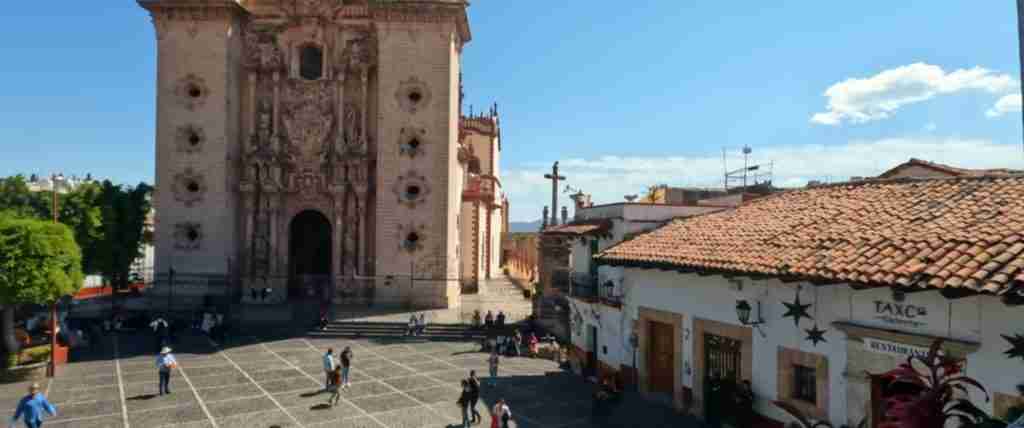
3 days
Mexico City 3-Day Discovery Tour
- ✓ Comprehensive Mexico City experience
- ✓ Expert local guides included
- ✓ All accommodation included
- ✓ Transportation provided
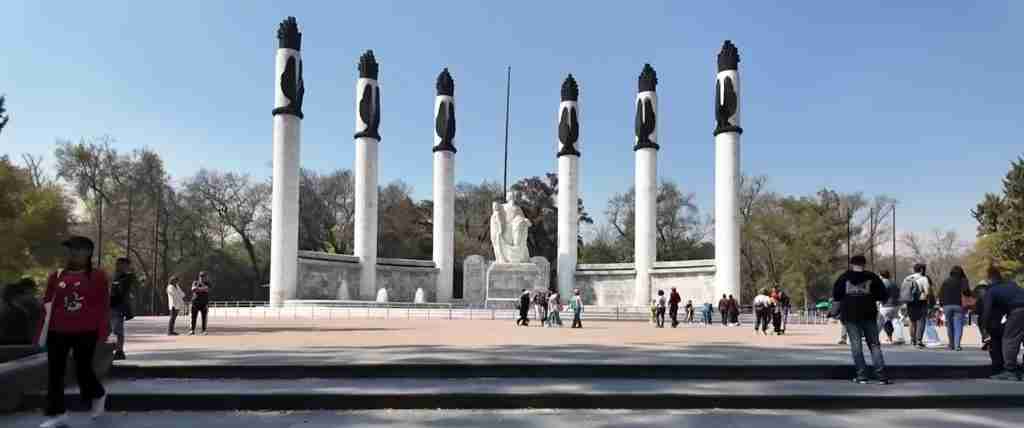
5 days
Mexico City 5-Day Highlights Experience
- ✓ Comprehensive Mexico City experience
- ✓ Expert local guides included
- ✓ All accommodation included
- ✓ Transportation provided

7 days
Mexico City 7-Day Cultural Journey
- ✓ Comprehensive Mexico City experience
- ✓ Expert local guides included
- ✓ All accommodation included
- ✓ Transportation provided

10 days
Mexico City 10-Day Complete Adventure
- ✓ Comprehensive Mexico City experience
- ✓ Expert local guides included
- ✓ All accommodation included
- ✓ Transportation provided
Multi-day tour packages powered by TourRadar. Prices and availability subject to change.
Essential Family Planning Information 2026
Understanding Mexico City’s Family-Friendly Infrastructure
Mexico City has invested significantly in family-oriented infrastructure, creating accessible experiences for visitors traveling with children. The metro system, while extensive and affordable at 5 pesos per ride, presents challenges during rush hours when crowded cars make stroller navigation difficult. Families traveling with young children often rely on ride-sharing apps (Uber, Didi) for direct, comfortable transportation, with typical rides within central neighborhoods costing $3-8. The Metrobús system offers dedicated lanes ensuring predictable travel times, with some lines featuring low-floor buses accommodating strollers more easily than metro trains.
Major attractions have enhanced accessibility in recent years. The National Museum of Anthropology provides stroller-friendly ramps, family restrooms with changing tables, and a children’s activity area where kids engage with replica artifacts through touch and exploration. Chapultepec Park offers extensive paved pathways suitable for strollers, multiple playgrounds with age-appropriate equipment, and shaded rest areas where families regroup. Restaurants throughout tourist neighborhoods provide high chairs, children’s menus, and flexible ordering to accommodate selective eaters, with staff demonstrating patience and warmth toward young diners even during busy periods.
Current Costs and Pricing Breakdown for Families
Mexico City delivers exceptional value for family travel in 2026. Museum admission costs $5-10 per adult with children under 13 typically entering free at national museums including the National Museum of Anthropology, Chapultepec Castle, and Diego Rivera Mural Museum. Check official museum websites for current rates as pricing may vary. Private family tours of Teotihuacan range $120-180 for groups up to 4-6 people including transportation, guide services, and entrance fees, offering better value and flexibility than joining group tours when traveling with children. Xochimilco trajinera rentals cost $25-40 per hour for boats accommodating up to 10 people, making shared rides with extended family economical.
Dining costs vary dramatically based on venue selection. Street food and casual eateries feed a family of four for $15-25 with tacos, quesadillas, tamales, and fresh fruit providing authentic, safe options. Mid-range restaurants with table service charge $30-50 for family meals including drinks and desserts, while upscale dining in neighborhoods like Polanco reaches $80-120 for special occasion meals. Supermarkets and convenience stores stock familiar snack brands alongside local options, allowing families to maintain budget flexibility by packing snacks for day trips.
Best Time to Visit Mexico City with Kids 2026
Seasonal Analysis for Family Travel in 2026
Mexico City’s high-altitude location creates temperate weather year-round, with average daily temperatures ranging 15-24°C (59-75°F) making any season viable for family travel. The dry season from November through April offers optimal conditions with minimal rainfall, clear skies for archaeological site visits, and comfortable temperatures for outdoor activities. December brings holiday decorations throughout the city, with the Zócalo’s massive Christmas tree and ice skating rink providing festive experiences, though accommodation costs peak during the Christmas-New Year period.
The rainy season from May through October features afternoon thunderstorms that typically last 1-2 hours, with mornings remaining clear and sunny. Families visiting during this period plan indoor activities like museums for afternoons, arranging archaeological site visits and outdoor attractions for morning hours when weather remains pleasant. The rainy season delivers advantages including smaller crowds at major attractions, lower accommodation rates (20-30% discounts), and lush green parks following afternoon showers. September’s Independence Day celebrations (September 15-16) feature parades, fireworks, and street festivals that engage children while providing cultural immersion.
School Holiday Considerations and Crowd Management
Mexican school holidays create increased domestic tourism that impacts attraction crowding. The Christmas break (mid-December through early January), Semana Santa (Easter week), and summer vacation (late July through August) see Mexican families flooding museums, parks, and archaeological sites. International families visiting during these periods arrive early at popular attractions, with the National Museum of Anthropology opening at 9 AM and Teotihuacan at 8 AM allowing families to explore before peak crowding begins around 11 AM.
Shoulder seasons in May-June and September-October provide ideal family travel windows with pleasant weather, manageable crowds, and lower costs. These months see international tourism declining while Mexican domestic travel remains modest outside holiday periods. Families visiting during shoulder seasons enjoy shorter wait times at attractions, easier restaurant reservations, and more personalized attention from tour guides and staff. The February-March period offers another excellent window following the Christmas rush but preceding Easter crowds, with spring weather emerging and outdoor activities becoming particularly pleasant.
Family-Friendly Neighborhoods & Accommodation 2026
Polanco: Luxury Family Base
Polanco represents Mexico City’s most upscale neighborhood, offering tree-lined streets, high-end shopping, excellent restaurants, and the safest environment for family exploration. The National Museum of Anthropology sits within Polanco’s boundaries, allowing families staying here to walk to Mexico City’s most important cultural attraction. Parque Lincoln provides a well-maintained playground, jogging paths, and weekend cultural events that engage families staying in the area. The neighborhood’s numerous international restaurants accommodate selective eaters with familiar cuisines alongside authentic Mexican options.
Family accommodation in Polanco ranges $120-250 per night for quality hotels featuring family suites, swimming pools, and concierge services that arrange tours and provide local recommendations. The W Mexico City, Hyatt Regency, and InterContinental Presidente offer families reliable American-chain comfort with staff accustomed to international guests’ needs. Boutique hotels like Las Alcobas provide apartment-style suites with kitchenettes allowing families to prepare simple meals and snacks, reducing dining costs while accommodating early-rising children and evening routines.
Condesa & Roma Norte: Hip Family Neighborhoods
Condesa and Roma Norte deliver walkable, park-filled environments that balance cultural authenticity with tourist-friendly infrastructure. These adjacent neighborhoods feature Art Deco architecture, independent boutiques, international restaurants, and a bohemian atmosphere that older children and teenagers appreciate. Parque México in Condesa offers extensive green space, playgrounds, and weekend art markets where families browse local crafts while children play. Roma Norte’s tree-lined streets facilitate stroller walks, with numerous cafes providing excellent breakfast and lunch options at moderate prices.
Family accommodation in these neighborhoods costs $80-160 per night, with Airbnb apartments offering excellent value for families requiring separate sleeping areas and kitchen facilities. The neighborhoods’ central location provides easy metro access to major attractions while maintaining residential tranquility. Local markets like Mercado Roma expose children to Mexican food culture in a modern, hygienic environment with diverse food stalls, fresh juices, and artisan products. Evening walks through these neighborhoods feel safe and vibrant, with locals dining outdoors and children playing in parks until 8-9 PM.
Coyoacán: Historic Family Charm
Coyoacán’s colonial architecture, central plaza, and association with Frida Kahlo create a distinctly Mexican environment that immerses families in local culture. The neighborhood’s compact core allows easy exploration on foot, with street performers, artisan markets, and traditional restaurants providing authentic experiences. Casa Azul (Frida Kahlo Museum) attracts art-interested families, though children under 8 often lose interest in the artist’s personal belongings and biographical displays. The nearby Anahuacalli Museum showcases Diego Rivera’s pre-Columbian art collection in a striking pyramid-shaped building that captures children’s imaginations.
Family stays in Coyoacán range $70-140 per night, with smaller boutique hotels and vacation rentals dominating the accommodation landscape. The neighborhood delivers excellent value with authentic experiences, though it requires more Spanish language skills than tourist-centered areas like Polanco. Families comfortable with cultural immersion find Coyoacán rewarding, with local parks hosting weekend events, traditional cantinas serving family lunches, and a slower pace that reduces the overwhelm some children experience in Mexico City’s more frenetic neighborhoods.
Top Family Attractions & Activities 2026
National Museum of Anthropology: Interactive Cultural Education
The National Museum of Anthropology anchors family cultural experiences in Mexico City, presenting pre-Columbian civilizations through artifacts, reconstructions, and interactive displays that engage children while educating parents. The museum’s layout follows a logical progression through Mexican cultures from ancient Olmecs through Aztecs, with dedicated rooms for major civilizations featuring iconic artifacts like the Aztec Sun Stone, Pakal’s jade death mask, and massive Toltec warrior statues. Children’s activity areas scattered throughout provide hands-on experiences with replica artifacts, costume try-ons, and educational games that reinforce learning.
Plan 3-4 hours for families to explore highlights without overwhelming younger children. The museum opens at 9 AM with tickets costing $10 for adults while children under 13 enter free (check antropologia.inah.gob.mx for current rates). Audio guides available in English provide engaging narratives that bring artifacts to life, with child-friendly versions offering simplified explanations and interactive challenges. The museum’s outdoor courtyard features a dramatic central fountain where families rest between galleries, while the on-site cafe serves snacks and light meals at moderate prices. Arrive at opening time during peak season to avoid large tour groups that crowd popular galleries by late morning.
Teotihuacan Pyramids: Ancient Adventure Day Trip
Teotihuacan transforms archaeological learning into physical adventure as children climb the Pyramid of the Sun—one of the world’s largest ancient pyramids—and imagine life in this mysterious city that flourished 2,000 years ago. The site’s scale impresses visitors of all ages, with the Avenue of the Dead extending 2.5 kilometers between massive pyramid complexes surrounded by residential ruins and temple platforms. Children enjoy the achievement of climbing to pyramid summits, where panoramic views and altitude create memorable accomplishment feelings.
Private family tours booked through reputable operators cost $120-180 for groups up to 6 people including hotel pickup, transportation, entrance fees, and 3-4 hours of guided exploration. These tours prove worthwhile for families as guides tailor content to children’s comprehension levels while providing historical context that independent visits miss. The site opens at 8 AM with entrance fees of $5 per person regardless of age. Morning visits prove essential as midday temperatures climb and crowds swell, with ideal exploration windows between 8-11 AM. Bring sunscreen, hats, comfortable walking shoes, and plenty of water as the site lacks shade. The on-site museum provides air-conditioned respite mid-visit while showcasing artifacts discovered at Teotihuacan in accessible displays that reinforce what families observe outdoors.
Chapultepec Park: Urban Nature & Multiple Attractions
Chapultepec Park’s 1,695 acres contain sufficient family attractions for multiple days of exploration, with the National Museum of Anthropology, Chapultepec Castle, zoo, lakes with paddle boats, botanical gardens, and numerous playgrounds all within this urban oasis. Families design itineraries based on children’s ages and interests, combining cultural sites with outdoor recreation to balance educational experiences with play time. The park’s extensive network of paved paths accommodates strollers while tree-covered areas provide welcome shade during Mexico City’s sunny days.
The zoo entrance remains free with opening hours 9 AM – 5 PM Tuesday through Sunday, featuring pandas, Mexican gray wolves, and extensive primate exhibits in spacious habitats. Children under 8 particularly enjoy the zoo’s accessibility and animal variety. Chapultepec Castle perched atop the park’s central hill combines historical significance as Mexico’s only royal castle with spectacular views across Mexico City. Castle entry costs $5 with children under 13 free, featuring rooms preserved from Emperor Maximilian’s residence and President Porfirio Díaz’s era alongside modern historical exhibits about Mexican independence and revolution. The uphill walk from park level to castle requires 15-20 minutes but offers stroller-accessible ramps. Paddle boat rentals at the park’s main lake cost $5-8 per 30 minutes, providing relaxing breaks where children burn energy safely while parents rest.
Xochimilco Floating Gardens: Unique Cultural Experience
Xochimilco’s UNESCO-designated canal system preserves ancient Aztec agricultural practices while providing families with Mexico City’s most uniquely memorable experience. Brightly painted trajinera boats decorated with family names cruise through canals lined with floating gardens as mariachi bands on their own boats pull alongside to serenade passengers, food vendors sell tacos and elote, and artisan vendors offer handicrafts. The sensory-rich environment captivates children who wave at passing boats, feed ducks swimming alongside, and absorb the vibrant atmosphere of this working cultural landscape.
Trajinera rentals through official vendors at Nativitas or Cuemanco embarkation points cost $25-40 per hour with boats accommodating up to 10 people, making this affordable for families or groups who split costs. Two-hour cruises provide sufficient time to experience the canal system without younger children losing interest. Weekends bring heavy local crowds with party atmosphere boats playing loud music, while weekdays offer more tranquil experiences better suited to families with young children. The journey from central Mexico City takes 45-60 minutes by metro and light rail (Line 2 to Tasqueña station, then Tren Ligero to Xochimilco) or 30-40 minutes by ride-sharing app. Bring cash for boat rental and vendor purchases as most don’t accept cards. The experience provides authentic cultural immersion while entertaining children through constant visual stimulation and novel transportation.
Papalote Museo del Niño: Interactive Science Wonderland
Papalote Museo del Niño dedicates its entire facility to hands-on children’s education through six themed zones covering communication, the human body, consciousness, Mexico’s natural environment, and creative expression. Children aged 3-12 find the museum’s interactive approach engaging as they conduct experiments, create art, experience sensory installations, and learn through play rather than passive observation. The IMAX theater presents nature documentaries and educational films in Spanish and occasional English showings, while the planetarium offers space exploration programs that captivate elementary-age children.
Admission costs $12 for adults and $10 for children, with IMAX tickets adding $5-7 per person. The museum opens Tuesday through Sunday 9 AM – 6 PM with Friday-Sunday seeing heaviest crowds. Weekday mornings provide optimal experiences with smaller groups and more access to popular exhibits. Plan 3-4 hours for comprehensive exploration as children rarely want to leave popular zones like the giant bubble station, optical illusion room, or creative expression studio with painting and construction materials. The on-site restaurant serves child-friendly meals at moderate prices, though bringing snacks proves economical for budget-conscious families. The museum’s location within Chapultepec Park allows combination visits with the zoo or castle, creating full-day itineraries that balance educational content with outdoor recreation.
Sample 2026 Family Itineraries
Three-Day Mexico City Family Introduction
Day 1: Historic Center & Cultural Foundation
Begin your Mexico City family adventure at the Zócalo, Latin America’s largest plaza, arriving by 9 AM to observe the flag-raising ceremony that children find impressive. Explore the Metropolitan Cathedral’s ornate interior for 30 minutes before visiting Templo Mayor, the Aztec temple ruins and museum adjacent to the cathedral where children grasp the layered history of Mexico City built atop the Aztec capital Tenochtitlan. Templo Mayor tickets cost $5 per adult with children under 13 free, requiring 1.5 hours for ruins and museum exploration. Walk to Palacio de Bellas Artes (10 minutes) to admire the Art Nouveau/Art Deco architecture and, if timing aligns, catch a folkloric ballet performance showcasing traditional Mexican dance and costume that entertains even young children.
Lunch at Café de Tacuba (5-minute walk) provides authentic Mexican cuisine in a colonial setting with children’s menus and moderate prices ($30-45 for family of four). Afternoon visits to Palacio Nacional (free entry) display Diego Rivera’s epic murals depicting Mexican history in visual narrative format that engages visually-oriented children. Conclude the day at Plaza Garibaldi (10-minute ride-share) where mariachi bands perform, though this area requires supervision and works best during early evening (6-7 PM) rather than after dark. Return to accommodation by 8 PM as jetlag affects families during their first day.
Zócalo entrance free, Templo Mayor $5 per adult (children free), lunch $30-45, transportation $10-15, snacks $10. Total day cost: $55-75 per family (excluding accommodation).
Day 2: Anthropology Museum & Chapultepec Park
Arrive at the National Museum of Anthropology when it opens at 9 AM, dedicating the morning to exploring pre-Columbian civilizations through the museum’s world-class collections. Focus on Aztec and Maya galleries where the most visually impressive artifacts capture children’s attention, with the massive Aztec Sun Stone and reconstructed Mayan temple facades serving as highlights. Museum admission $10 per adult (children under 13 free), plan 3-3.5 hours before children’s attention wanes. The museum cafe provides lunch options ($25-35 for family), or exit to nearby restaurants along Reforma Avenue offering more variety and lower prices.
Afternoon exploration of Chapultepec Park begins with Chapultepec Castle ($5 adults, children free), reached via 20-minute uphill walk from museum through park paths. The castle tour requires 1.5-2 hours with rooms displaying royal furniture, portraits, and historical exhibits while terraces offer panoramic city views where children spot landmarks. Descend to park level for the zoo (free entry, closes 5 PM), spending 1-2 hours observing pandas, big cats, and primate exhibits in well-maintained habitats. Alternatively, rent paddle boats on the park lake ($5-8 per 30 minutes) or simply relax in playgrounds scattered throughout the park allowing children to burn energy before dinner.
Museum tickets $10, lunch $25-35, castle $5, transportation $8-12, snacks/drinks $8-12. Total day cost: $56-74 per family (excluding accommodation).
Day 3: Teotihuacan Pyramids Day Trip
Book a private family tour to Teotihuacan departing hotels 7:30-8 AM for the 50-kilometer journey to the ancient city. Private tours ($120-180 for family up to 6) include transportation, English-speaking guide, and entrance fees, providing flexibility with rest breaks and pacing that self-guided visits can’t match when traveling with children. Arrive at Teotihuacan by 9 AM when temperatures remain comfortable and crowds manageable, beginning exploration with the Museum and Cultural Center that contextualizes the site’s history before climbing pyramids.
Children enjoy climbing the Pyramid of the Sun—one of the world’s largest ancient pyramids—requiring 20-30 minutes with rest stops for younger kids but delivering achievement feelings at the summit. The climb involves 248 steps with steep sections requiring parental assistance for children under 7. Walk along the Avenue of the Dead to the Pyramid of the Moon for different perspectives and photo opportunities, allowing 3-4 hours total at the site including museum time and rest breaks. Guides explain Teotihuacan’s mysteries and significance in ways children comprehend while keeping the tour moving at family-appropriate pace.
Return to Mexico City by early afternoon (1-2 PM), with tour concluding at hotels. Families rest 1-2 hours before venturing to nearby neighborhoods for low-key evening exploration. Dinner at neighborhood restaurants in Roma Norte or Condesa ($35-50) provides relaxed atmosphere where tired children eat familiar foods, with early bedtimes following the day’s physical activities and sun exposure.
Tour package $120-180 (includes transportation, guide, entrance), lunch $20-30, dinner $35-50. Total day cost: $175-260 per family (excluding accommodation).
Three-Day Total Budget: $286-409 for family of four (excluding accommodation of $240-420 for 3 nights).
Five-Day Extended Family Exploration
Days 1-3: Follow Three-Day Introduction as outlined above, establishing cultural foundation and hitting major family highlights.
Day 4: Coyoacán Culture & Xochimilco Adventure
Begin in Coyoacán’s historic center by 10 AM, exploring the colonial plaza with its weekend artisan market (Saturdays-Sundays) or weekday tranquility. Casa Azul (Frida Kahlo Museum) requires advance online booking weeks ahead, with tickets $13 per adult and children under 6 free (check museofridakahlo.org.mx for current rates). The museum tour takes 1-1.5 hours, though children under 10 often lose interest in biographical exhibits. Alternatively, visit the nearby Anahuacalli Museum ($5 adults, children free), Diego Rivera’s pyramid-shaped structure housing pre-Columbian art in dramatic architecture that engages children more than personal house museums.
Lunch at El Jardín de Coyoacán or Corazón de Maguey ($30-45) provides authentic Mexican cuisine in the plaza area. Afternoon journey to Xochimilco (30-minute ride-share or 45-minute metro) for trajinera boat tours through the floating gardens. Hire boats at official embarkation points ($25-40 per hour), booking 2-hour cruises that allow families to experience canal culture without overtiring young children. Bring cash for mariachi bands ($15-25 per song), food vendors, and artisan purchases. Return to central Mexico City by 6-7 PM for dinner in accommodation neighborhood.
Casa Azul or Anahuacalli tickets $13-15, lunch $30-45, trajinera rental $50-80 (2 hours), vendors/mariachi $20-30, transportation $15-25, dinner $30-45. Total day cost: $158-240 per family (excluding accommodation).
Day 5: Papalote Museum & Family Free Time
Dedicate the morning to Papalote Museo del Niño, arriving when it opens at 9 AM (weekdays recommended for smaller crowds). Museum admission costs $12 adults and $10 children, with IMAX tickets adding $5-7 each. Children ages 3-12 find the hands-on exhibits engaging for 3-4 hours, with parents appreciating the educational content disguised as play. The museum’s location within Chapultepec Park allows picnic lunches in park areas if weather permits, or use the on-site restaurant ($25-35 for family).
Afternoon free time allows families to revisit favorite areas, explore neighborhoods not yet visited, or simply relax at accommodation pools/common areas as children need downtime after busy days. Options include shopping at La Ciudadela artisan market for souvenirs and handicrafts ($20-50 budget), returning to favorite parks, or booking a lucha libre wrestling show (5-8 PM at Arena Mexico, $15-30 per person) that older children and teenagers find entertaining despite its campy performance style.
Evening farewell dinner at mid-range restaurant in Polanco, Roma, or Condesa ($50-75) celebrates the family adventure, with children selecting favorite Mexican dishes they’ve discovered during the week.
Museum admission $44-56 (family of 4 with IMAX), lunch $25-35, afternoon activities $20-50, dinner $50-75, transportation $15-20. Total day cost: $154-236 per family (excluding accommodation).
Five-Day Total Budget: $598-885 for family of four (excluding accommodation of $400-700 for 5 nights).
Age-Specific Activity Recommendations 2026
Toddlers & Preschoolers (Ages 2-5)
Young children thrive on interactive, sensory-rich experiences with short attention spans requiring frequent activity changes. Chapultepec Park’s playgrounds, open spaces, and zoo provide ideal environments where toddlers safely explore while parents avoid the stress of museum behavior management. Papalote Museo del Niño’s early childhood zone features age-appropriate installations including soft play areas, water tables, and sensory walls designed for toddlers’ developmental needs. Xochimilco boat rides captivate young children through constant visual stimulation—colorful boats, mariachi music, duck feeding—without requiring sustained focus or physical endurance.
Skip or minimize: The National Museum of Anthropology, archaeological sites, and historic house museums that demand quiet behavior and offer limited hands-on engagement for this age group. When visiting these attractions becomes necessary for family cohesion, plan 30-45 minute visits focusing on single galleries or outdoor areas. Pack substantial snack supplies, portable entertainment, and embrace flexible schedules that prioritize nap times and energy levels over ambitious itineraries. Mexican restaurant culture embraces young children with servers demonstrating patience, other diners showing tolerance, and many establishments providing high chairs, crayons, and simplified menus that ease dining challenges parents face traveling internationally.
Elementary Age Children (Ages 6-11)
School-age children represent the optimal demographic for Mexico City family travel, possessing cognitive development to appreciate historical narratives while maintaining physical stamina for full-day excursions. Teotihuacan pyramids transform history lessons into physical achievement as children climb ancient structures and imagine pre-Columbian civilizations. The National Museum of Anthropology engages this age group through dramatic artifacts like massive stone heads, jade death masks, and reconstructed temples that bring textbook content to life. Interactive exhibits throughout the museum provide hands-on learning that reinforces gallery observations.
Design itineraries balancing cultural education with physical activity and entertainment. Combine morning museum visits with afternoon park play, archaeological site exploration followed by swimming pool time, or historic center walking tours concluded with ice cream rewards. Children this age enjoy collecting experiences for school presentations, making photography opportunities, souvenir shopping, and new food trials valuable components of trip memories. Introduce challenges like scavenger hunts in museums (“find three jade objects”), pyramid climbing contests (“who can count the steps”), or language learning games (“order your own drink in Spanish”) that transform passive touring into active engagement that resonates with this age group’s developmental stage.
Teenagers (Ages 12-17)
Adolescents appreciate Mexico City’s urban sophistication, Instagram-worthy locations, and authentic cultural experiences that demonstrate respect for their developing independence. Street art tours in Roma Norte photograph colorful murals while guides explain social commentary and artistic techniques, appealing to teen aesthetics and social awareness. Frida Kahlo’s Casa Azul resonates with art-interested teenagers who appreciate the artist’s rebellious biography and distinctive visual style. Lucha libre wrestling matches at Arena Mexico provide campy entertainment that teenagers enjoy ironically while experiencing authentic Mexican popular culture.
Balance structured family activities with independence opportunities. Allow teenagers to order meals in Spanish, navigate metro systems with parental supervision, and participate in planning decisions about itinerary priorities. Food tours in markets like San Juan or Roma introduce culinary sophistication beyond typical tourist fare, while chocolate workshops teach teenagers to transform cacao beans into finished products through hands-on instruction. Technology integration enhances teen engagement: encourage photo documentation for social media, research historical sites before visits, or track daily spending budgets. Mexican youth culture’s vibrancy—evident in music, fashion, and street life—provides relatable entry points that demonstrate global teenagers share more similarities than differences despite language and cultural barriers.
Practical Family Travel Tips 2026
Health & Safety Considerations
Mexico City’s 2,240-meter altitude affects all visitors during their first 1-2 days, with children experiencing fatigue, mild headaches, or breathlessness more intensely than sea-level environments. Schedule easy activities for arrival day, maintain hydration, and avoid overexertion until bodies acclimate. The city’s air quality occasionally reaches concerning levels during winter months when temperature inversions trap pollutants, with air quality apps providing daily readings that guide outdoor activity decisions. Children with asthma or respiratory sensitivities pack additional medications and schedule intensive outdoor activities for mornings when air quality typically measures better than afternoon hours.
Food safety follows standard international precautions: avoid street vendors during your first days until digestive systems adjust, select busy restaurants where ingredient turnover remains high, and specify “sin hielo” (without ice) for beverages to avoid ice made from tap water. Bottled water costs under $1 and remains universally available at convenience stores, restaurants, and attractions. Most families experience no digestive issues when following moderate precautions, with children’s resilient systems adapting quickly. Pack basic first aid supplies including anti-diarrheal medication, bandages, pain relievers, and any prescription medications in carry-on luggage with extra quantities accounting for potential delays.
Money Management & Budgeting
Mexico City operates primarily on cash economy despite credit card acceptance at hotels, mid-range restaurants, and major attractions. Withdraw pesos from bank ATMs offering better exchange rates than currency exchange booths, with $100-200 cash sufficient for 1-2 days of touring, dining, and small purchases. Notify credit card companies of travel dates to prevent fraud blocks, and carry small bills (50-100 peso notes) as vendors often claim inability to change 500-peso notes.
Budget tracking apps help families monitor daily spending against projections, with categories including meals, attractions, transportation, and miscellaneous expenses providing spending pattern visibility. Build 20% contingency into budgets for unexpected costs, impulse purchases, or upgraded experiences that emerge during trips. Many families find Mexico City more affordable than anticipated, with the combination of free children’s museum entry, inexpensive local transportation, and reasonable dining costs allowing budget reallocation toward special experiences like private tours or upscale meals that create standout memories.
Language Navigation & Communication
English proficiency varies significantly across Mexico City neighborhoods and service sectors. Tourist-focused hotels, major museums, and restaurants in areas like Polanco employ English-speaking staff comfortable with international guests. Local neighborhoods, markets, and casual eateries require basic Spanish phrases for ordering, asking directions, and conducting transactions. Translation apps (Google Translate with offline Spanish download) bridge communication gaps effectively, with many Mexicans demonstrating patience and creativity when working across language barriers.
Teach children basic Spanish phrases before departure: “Hola” (hello), “Gracias” (thank you), “Por favor” (please), “¿Cuánto cuesta?” (how much does it cost), and “No comprendo” (I don’t understand). Children often enjoy attempting Spanish interactions, with locals responding warmly to language efforts regardless of accuracy. Restaurant menus increasingly provide English translations or photo menus that eliminate ordering confusion. When language barriers create frustration, maintain patient, friendly attitudes as nearly all service providers genuinely want to help families enjoy positive Mexico City experiences.
Transportation Strategies for Families 2026
Metro System Navigation
Mexico City’s metro system provides the most economical transportation option at 5 pesos per ride regardless of distance, with extensive network coverage reaching most tourist destinations. The system operates 5 AM – midnight on weekdays and 6 AM – midnight on weekends, with trains running every 2-5 minutes during peak hours. However, families with young children or strollers find the metro challenging during rush hours (7-9 AM, 6-8 PM) when crowded cars leave no space for strollers and pushing through crowds with children creates stress.
When using metro with families, target off-peak hours for more comfortable travel. Purchase rechargeable metro cards at any station ticket window, loading multiple rides to avoid repeated queuing. The system uses icons and colors for line identification, making navigation possible without Spanish literacy. Women and children may use designated “women and children only” cars at the front of trains during peak hours, offering slightly more space and reduced crowding. Major tourist stations including Zócalo, Hidalgo, and Chapultepec feature elevators for stroller accessibility, though many stations require carrying strollers up/down stairs.
Ride-Sharing Apps & Taxis
Uber and Didi operate extensively throughout Mexico City providing safe, convenient transportation ideal for families traveling with young children, managing tired kids at day’s end, or transporting strollers and shopping bags. Ride-sharing costs $3-8 for trips within central neighborhoods, with 15-minute journeys from Roma to Polanco typically costing $5-6. Longer trips to Xochimilco or the airport reach $15-25 depending on traffic and time of day.
Official taxi services (sitio taxis) parked at hotels and major attractions offer reliable alternatives at slightly higher costs than ride-sharing apps. Avoid street taxis (libre taxis) that wave down passengers as safety concerns persist despite improvements in recent years. Families appreciate ride-sharing apps for transparent pricing, GPS tracking that can be shared with family members, and cashless payment eliminating currency confusion. During peak traffic hours (7-9 AM, 6-8 PM), travel times double or triple compared to off-peak periods, with families learning to avoid unnecessary cross-city journeys during these windows.
Metrobús & Public Transportation Alternatives
The Metrobús system operates dedicated bus lanes on major avenues, providing faster service than regular buses while maintaining affordability at 6 pesos per ride. The system’s seven lines connect major tourist areas including the Historic Center, Roma Norte, Condesa, and connections to suburban destinations. Metrobús stations require climbing stairs though some feature ramps for stroller access. The system’s reliability and speed make it valuable for families comfortable with public transportation who want to avoid metro crowding while maintaining budget consciousness.
For groups or families with multiple children, private car services booked through hotels or tour companies offer comfort and convenience at $40-60 per half day or $80-120 for full days with driver. This option proves economical when multiple destinations require transportation, eliminating per-ride costs while providing flexibility to adjust schedules without finding new transportation between stops. Drivers familiar with tourist needs recommend restaurants, provide context about neighborhoods, and help navigate language barriers at destinations, adding value beyond simple transportation.
Food & Dining with Children 2026
Child-Friendly Restaurant Strategies
Mexico City’s dining scene accommodates families across all budget levels, with restaurants demonstrating warmth toward children and flexibility with orders. Mid-range establishments in tourist neighborhoods provide children’s menus featuring quesadillas, chicken fingers, pasta, and other familiar options alongside adult Mexican dishes. High chairs appear universally at restaurants expecting family clientele, with servers offering crayons, extra plates for sharing, and patient service even when children change orders or make messes.
Casual restaurants like Sanborns, VIPS, and Toks chain locations offer reliable quality, extensive menus accommodating selective eaters, and moderate prices ($25-35 for family meals) making them valuable resources when children tire of unfamiliar foods. Traditional restaurants serving comida corrida (daily set menus) provide three-course meals for $5-8 including soup, main course, drink, and dessert, though menus remain in Spanish and offerings vary daily requiring adventurous attitudes. Order tortillas with every meal as children enjoy this universal Mexican staple that pairs with most dishes.
Street Food & Market Experiences
Mexico City’s street food culture creates authentic culinary experiences though families approach vendors strategically to avoid digestive issues. Target busy vendors where ingredient turnover ensures freshness, observe preparation to verify proper food handling, and start with simple items like quesadillas, tamales, or fresh fruit during first days allowing digestive systems to adjust. Street food costs $1-3 per item with families easily feeding themselves for $10-15 at vendor stalls offering value that restaurant meals can’t match.
Modern food markets like Mercado Roma provide curated vendor collections in hygienic environments combining street food authenticity with cleanliness standards that reassure cautious parents. These markets feature diverse food stalls, fresh juices, artisan products, and seating areas where families sample multiple vendors while children safely explore the space. Supermarkets (Chedraui, Soriana, Walmart) stock familiar snack brands alongside Mexican options, allowing families to maintain budget flexibility by packing snacks for day trips while introducing children to new treats like Mamut cookies, Duvalin candy, or Jarritos sodas that become trip souvenirs.
Dietary Restrictions & Allergies
Mexico City’s growing international population has increased awareness and accommodation of dietary restrictions, with vegetarian options widely available and vegan restaurants emerging in neighborhoods like Roma and Condesa. Gluten-free dining requires more navigation as corn tortillas naturally provide safe options though cross-contamination remains possible in restaurants lacking dedicated preparation areas. Communication cards printed in Spanish explaining allergies (“Soy alérgico a…”) help convey restrictions clearly to kitchen staff.
Nut allergies require vigilance as mole sauces frequently contain peanuts or tree nuts, and cross-contamination risks exist in kitchens preparing multiple dishes. Carry safe snacks for children with severe allergies, research restaurant menus in advance, and explain allergen concerns clearly to servers who typically demonstrate concern for guest safety. Lactose intolerance proves easier to manage as many traditional Mexican dishes minimize dairy use, with rice, beans, corn, and meat forming core ingredients. Pharmacies (found every few blocks) stock familiar over-the-counter medications including antihistamines, digestive aids, and pain relievers providing backup for minor issues.
Booking & Reservations Strategy 2026
Advance Planning Requirements
Mexico City’s major attractions require minimal advance booking outside peak holiday periods, though several exceptions justify planning ahead. Casa Azul (Frida Kahlo Museum) sells out days or weeks in advance, requiring online booking through the museum website (museofridakahlo.org.mx) as soon as travel dates firm. Teotihuacan tours book 1-2 weeks ahead for reputable operators, though availability typically remains good except during Christmas and Easter weeks. Lucha libre wrestling shows at Arena Mexico sell tickets online preventing disappointment for families interested in this unique cultural experience.
Accommodation in desirable neighborhoods books 2-4 weeks ahead for peak seasons (December, Easter week, July-August), with shoulder seasons allowing more flexibility. Boutique hotels and vacation rentals in areas like Condesa, Roma, and Coyoacán offer limited inventory justifying earlier booking compared to larger chain hotels in Polanco. Restaurants rarely require reservations except for upscale establishments or weekend prime times (7-9 PM), with most family-friendly restaurants accepting walk-ins or providing short wait times.
Online Resources & Official Channels
Book major attraction tickets through official websites when possible: National Museum of Anthropology (mna.inah.gob.mx), Chapultepec Castle (castillodechapultepec.inah.gob.mx), Casa Azul (museofridakahlo.org.mx). These sites provide current pricing, hours, special exhibitions, and purchasing processes, though Spanish language predominates requiring translation tools for non-Spanish speakers. Email inquiries to museums typically receive responses within 1-2 business days with English assistance available.
Tour operators specializing in family travel like Viator, GetYourGuide, and local companies including Turismo Cuauhtemoc offer curated experiences with confirmed English-speaking guides, pre-arranged transportation, and family-appropriate pacing. Review sites like TripAdvisor provide valuable insights into tour quality, guide expertise, and family-friendliness through other parents’ experiences. Facebook groups focused on Mexico City expats and travelers offer real-time advice, recommendations, and problem-solving from experienced residents who understand family travel challenges and opportunities.
FAQ: Mexico City Family Travel 2026
What vaccines do children need for Mexico City?
Standard childhood vaccinations required for Mexico City mirror routine U.S. and European schedules: MMR, DTaP, polio, varicella, and influenza. The CDC recommends hepatitis A vaccination for all travelers to Mexico, with the two-dose series ideally completed before departure though even a single dose provides substantial protection. Hepatitis B, typhoid, and rabies vaccines remain optional depending on activities planned and children’s health status. Consult pediatricians 4-6 weeks before departure for personalized recommendations based on children’s ages, health histories, and planned activities. Mexico City’s urban environment and tourist infrastructure reduce exposure risks compared to rural areas, though basic food and water precautions provide additional protection regardless of vaccination status.
Can we drink tap water in Mexico City?
Avoid tap water for drinking and tooth brushing, instead using bottled water universally available at hotels, restaurants, and convenience stores for under $1. Ice in restaurants and hotels typically uses purified water though cautious families specify “sin hielo” (without ice) for beverages during initial days until digestive systems adjust. Hotels provide purified water stations or complimentary bottled water for guest use. Showering and bathing use tap water safely, with children understanding to avoid swallowing water during these activities. Most families experience no digestive issues when following these standard precautions, with children’s resilient systems adapting quickly to new environments.
What’s the best way to handle money with kids in Mexico City?
Withdraw pesos from bank ATMs upon arrival, carrying $50-100 cash daily for street food, small purchases, and vendors who don’t accept cards. Teach older children to recognize peso denominations and calculate conversion rates (approximately 18-20 pesos per U.S. dollar), making purchases learning opportunities about currency and math. Give teenagers small daily allowances in pesos for snack purchases or souvenirs, building money management skills within the safety of parental supervision. Credit cards work at hotels, mid-range restaurants, and major attractions, though cash remains essential for markets, street food, tips, and small vendors. Keep small bills (50-100 pesos) available as change availability varies, with vendors often claiming inability to change 500-peso notes.
Are museums free for children in Mexico City?
National museums including the National Museum of Anthropology, Chapultepec Castle, Diego Rivera Mural Museum, and Templo Mayor offer free admission for children under 13, with adult tickets costing $5-10. Check official museum websites for current policies as age limits and pricing occasionally adjust. Private museums like Casa Azul charge admission for all ages though reduced children’s rates apply. Sundays provide free admission for Mexican nationals and residents at national museums, creating heavier crowds but demonstrating museums’ accessibility for local families. International families pay standard admission on Sundays though the festive atmosphere and cultural immersion compensate for increased crowding.
How do we manage language barriers with children?
Basic Spanish phrases learned before departure help children engage with locals while reducing parental translation burden. Teach greetings, thank you, numbers, and simple requests enabling children to order their own ice cream or ask bathroom locations. Translation apps provide backup for complex situations, with Google Translate’s camera feature translating menu text in real-time. Children often enjoy attempting Spanish interactions with locals responding warmly to efforts regardless of accuracy. Picture menus at restaurants eliminate ordering confusion, while major attractions provide English signage and audio guides. Mexican culture demonstrates patience and creativity when working across language barriers, with service providers genuinely wanting families to enjoy positive experiences despite communication challenges.
What should kids pack for Mexico City?
Comfortable walking shoes prove essential as Mexico City exploration involves substantial foot travel across museums, archaeological sites, and neighborhoods. Pack layers accommodating variable temperatures from cool mornings to warm afternoons, with light jackets or sweatshirts for air-conditioned museums and restaurants. Sunscreen, hats, and sunglasses protect against high-altitude sun exposure which burns more quickly than sea-level environments. Carry small backpacks or daypacks for water bottles, snacks, cameras, and souvenirs collected during daily exploration. Bring familiar comfort items for younger children including stuffed animals, favorite snacks, or entertainment for downtime at accommodations. Mexican pharmacies stock standard over-the-counter medications, toiletries, and snack foods providing backup for items forgotten or depleted during trips.
Can we use strollers throughout Mexico City?
Stroller navigation varies significantly by location and activity. Neighborhoods like Polanco, Condesa, and Roma feature wide sidewalks, curb cuts, and pedestrian-friendly infrastructure accommodating strollers comfortably. The Historic Center’s colonial-era streets present more challenges with narrow sidewalks, uneven surfaces, and heavy foot traffic making stroller navigation frustrating during busy periods. Museums and indoor attractions generally accommodate strollers though families carrying younger children in backpack carriers gain flexibility for stairs, elevators, and crowded galleries. Metro and Metrobús stations rarely feature elevators requiring stroller carrying or folding, with ride-sharing apps proving more practical for families with young children and strollers. Lightweight, compact strollers that fold easily and navigate uneven surfaces prove most versatile for Mexico City exploration.
Are there pediatricians or medical services for kids?
Mexico City provides excellent medical care with many pediatricians and hospitals featuring English-speaking staff experienced with international patients. Major hotel chains maintain relationships with English-speaking doctors who make hotel room calls for basic illnesses, charging $50-100 for consultations. Hospital Angeles and ABC Medical Center offer emergency services with international standards and English-speaking physicians, though costs exceed public hospitals while remaining significantly below U.S. rates. Travel insurance covering medical emergencies proves worthwhile as it facilitates direct payment to providers and coordinates care if children require treatment. Pharmacies found every few blocks stock familiar over-the-counter medications with pharmacists providing advice for minor ailments, though prescriptions cannot be written without physician consultation.
What’s the best family souvenir to buy in Mexico City?
Handcrafted items from artisan markets provide meaningful souvenirs reflecting Mexican culture while supporting local craftspeople. Children enjoy selecting their own treasures: colorful woven bracelets ($1-3), miniature lucha libre masks ($5-10), hand-painted clay figurines ($3-8), or traditional toys like baleros (cup and ball game, $2-5) and trompos (spinning tops, $3-6). La Ciudadela artisan market near the Historic Center offers extensive selection under one roof with fair prices and minimal haggling expected. Older children and teenagers appreciate modern Mexican design from shops in Roma Norte, silver jewelry from Taxco vendors, or high-quality chocolate from local producers like Que Bo! Parents value items children selected themselves creating personal connections to travel memories rather than generic tourist trinkets quickly forgotten.
How do we handle bathroom needs with young children?
Public restrooms exist throughout Mexico City though quality varies significantly. Museums, restaurants, shopping centers, and hotels maintain clean facilities freely accessible to guests. Stand-alone public restrooms in parks or markets charge 5-10 pesos for access with attendants providing toilet paper and maintaining cleanliness. Carry small bills for bathroom fees, hand sanitizer, and tissue packets for emergencies. Train young children to use bathrooms at restaurants before departing and at museums during visits rather than hoping to find facilities while touring neighborhoods. Mexican bathrooms often request used toilet paper goes in waste bins rather than toilets due to plumbing systems, with signs in English explaining this practice at tourist-frequented locations. Most parents find bathroom access manageable with basic planning and the understanding that facilities may not match home standards but function adequately for family needs.