Mexico City Budget Guide 2026: Complete Cost Breakdown
Key Takeaways
- Budget travelers explore Mexico City comfortably on $40-60 daily in 2026 including hostel accommodation ($18-25), street food meals ($8-12), Metro transportation ($1-2), and museum admissions ($10-15), making it Latin America’s most affordable major capital for quality experiences
- Mid-range visitors spend $80-120 daily with boutique hotel stays ($60-90), restaurant dining ($25-40), rideshare transportation ($5-12), and comprehensive cultural programming, delivering exceptional value compared to European or North American capitals charging double for similar quality
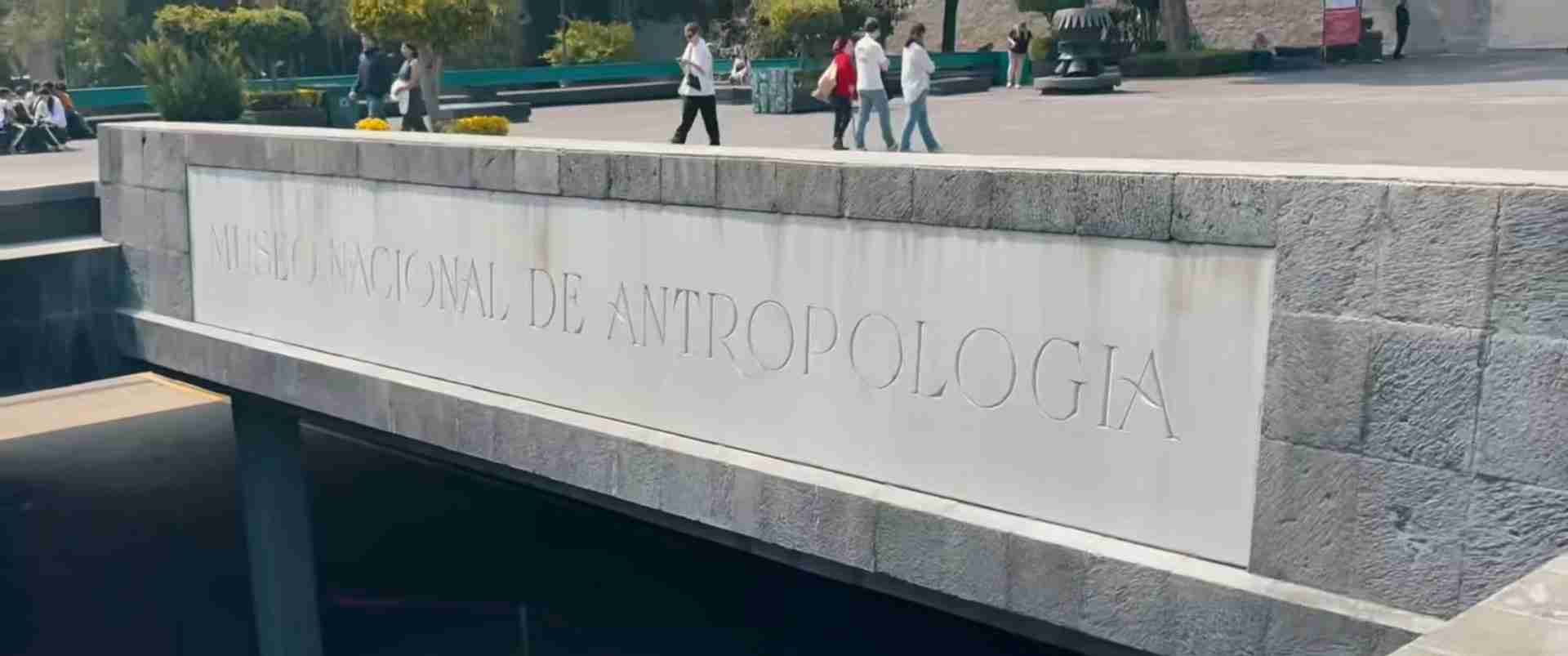
- Metro costs just 5 pesos ($0.30) per ride enabling unlimited city exploration for under $2 daily, while museum entries at 80-90 pesos ($4-5) for world-class institutions like the National Anthropology Museum represent extraordinary cultural access at minimal expense
- Street food tacos at 15-20 pesos ($0.85-1.10) each and market meals at 80-120 pesos ($4.50-6.50) deliver authentic culinary excellence allowing three satisfying daily meals for $12-18, eliminating dining as major budget pressure unlike restaurant-dependent destinations
- Accommodation provides widest budget flexibility with $15-25 hostel beds, $40-70 budget hotels, $60-120 mid-range boutiques, and $150-400+ luxury properties enabling travelers to allocate budgets toward preferred comfort levels while maintaining overall affordability
- Free attractions including National Palace murals, Metropolitan Cathedral, Chapultepec Forest walks, and neighborhood exploration enable zero-cost cultural days interspersed with paid museum visits, creating budget flexibility through strategic activity selection
Planning Your Mexico City Budget 2026
Mexico City ranks among the world’s most budget-friendly major capitals in 2026, combining extraordinary cultural depth with remarkably accessible pricing across accommodations, dining, transportation, and attractions. The Mexican peso’s favorable exchange rate translates to exceptional purchasing power for international visitors, enabling experiences that would cost 2-3 times more in comparable European or North American cities. World-class museums charge minimal admission fees, street food represents genuine culinary art at rock-bottom prices, and public transportation connects every neighborhood for pocket change.
The capital’s budget appeal extends beyond mere affordability to deliver authentic value – visitors aren’t compromising quality for savings but rather accessing genuine local experiences at natural price points. A $5 market meal tastes more authentic and satisfying than many $30 tourist restaurant equivalents. The 30-cent Metro ride reveals neighborhood character impossible to see from taxis. Budget travel in Mexico City means experiencing the city as residents do, not settling for inferior alternatives to expensive tourist infrastructure.
This comprehensive budget guide addresses every cost category for 2026 Mexico City visits, from hostel dormitories to luxury penthouses, from street cart tacos to chef-driven tasting menus. Understanding the full pricing spectrum enables strategic allocation – splurging on boutique accommodation while eating street food, or staying budget and dining at celebrated restaurants. The capital’s affordability creates flexibility allowing each traveler to optimize spending toward personal priorities while maintaining overall reasonable daily costs.
Budget considerations extend beyond daily expenses to seasonal pricing variations, advance booking strategies, and money-saving techniques that maximize value without sacrificing experience quality. Whether traveling on backpacker budgets of $40-60 daily, mid-range allocations of $80-120, or luxury $200-300+ expenditures, Mexico City delivers extraordinary experiences at every price point. The following detailed breakdowns eliminate budget uncertainty and enable confident planning for this remarkably affordable UNESCO World Heritage capital.
People Also Ask About Mexico City Budget 2026
How much money do I need per day in Mexico City in 2026?
Budget travelers need $40-60 daily in Mexico City for 2026 covering hostel dormitory beds ($18-25), street food meals ($8-12 total for three meals), Metro transportation ($1-2), and selective museum admissions ($4-10). Mid-range visitors require $80-120 daily including boutique hotels ($60-90), restaurant dining ($25-40), mixed transportation ($5-12), and comprehensive cultural activities ($10-20). Luxury travelers spend $200-300+ daily with upscale hotels ($150-280), fine dining ($70-120), private transportation ($20-40), and premium experiences including tours and special events. The daily budget excludes major one-time costs like international flights and should increase 15-25% during peak seasons (March-April, October-November) when accommodation rates spike. Mexico City’s affordability enables quality experiences at each budget level compared to European or North American capitals requiring double these amounts for similar comfort and access.
Is $100 a day enough for Mexico City in 2026?
$100 daily enables comfortable mid-range to upper-mid-range Mexico City experiences in 2026, covering boutique hotel accommodation ($60-90), restaurant meals for all dining ($30-45), rideshare transportation ($8-15), museum admissions ($8-15), and entertainment ($10-20) with modest surplus for contingencies. This budget allows eating at quality Roma-Condesa restaurants, staying in design-focused hotels, using Uber freely, visiting multiple museums daily, and enjoying evening drinks or cultural events. The $100 daily allocation exceeds typical mid-range needs of $80-90, providing comfort buffer for occasional splurges like fine dining or premium tours. Strategic spending enables stretching $100 to near-luxury experiences by combining street food lunches with upscale dinners, or selecting excellent mid-range hotels ($70-85) leaving funds for tours and special activities. Solo travelers find $100 daily generous while couples sharing accommodation reduce per-person costs to $50-60 plus shared room rate enabling similar experiences on tighter individual budgets.
How much does food cost in Mexico City per day in 2026?
Food costs in Mexico City range $8-18 daily for budget street food dining, $25-40 for mid-range restaurant meals, and $70-120 for upscale culinary experiences in 2026. Budget breakdown includes street tacos at 15-20 pesos ($0.85-1.10) each with 4-5 tacos creating satisfying $3.50-5.50 meals, market comedores serving complete lunch menus for 80-120 pesos ($4.50-6.50), and street breakfast tamales or tortas for 40-60 pesos ($2.25-3.50). Mid-range restaurant lunches cost 150-220 pesos ($8.50-12) while dinners range 300-450 pesos ($17-25) per person at Roma-Condesa establishments. Fine dining tasting menus at celebrated restaurants reach 1,200-2,000 pesos ($67-110) per person before drinks and gratuities. Strategic mixing of street food lunches with restaurant dinners enables $15-25 daily food budgets delivering both authenticity and comfort. Fresh fruit, juice stands, and market snacks add 40-70 pesos ($2.25-4) to daily costs. Three satisfying daily meals prove achievable on $12-18 through market and street vendors without compromising quality or variety.
Is Mexico City cheap for tourists in 2026?
Mexico City delivers exceptional value for tourists in 2026, ranking among the world’s most affordable major capitals for quality experiences with daily costs 40-60% below comparable European or North American cities. Museum admissions at 80-90 pesos ($4-5) provide access to world-class collections that would cost $15-25 in Paris or New York. Mid-range hotel rooms at $60-90 per night match European hostel private room prices while delivering superior comfort and design. Restaurant meals costing $15-25 equal food truck prices in San Francisco or London while providing full-service dining in trendy neighborhoods. Metro rides at 5 pesos ($0.30) enable unlimited exploration versus $3-4 per ride in major global cities. The affordability stems from strong US dollar-Mexican peso exchange rate (17-19:1) and genuinely lower local cost structure rather than tourist-specific discounting. Travelers experience authentic local pricing rather than foreigner surcharges common in some destinations, with street food vendors, market stalls, and neighborhood restaurants charging residents and visitors identically.
Extended multi-day tours – 5+ days
Featured Mexico City Multi-Day Tour Packages
3 days
Mexico City 3-Day Discovery Tour
- ✓ Comprehensive Mexico City experience
- ✓ Expert local guides included
- ✓ All accommodation included
- ✓ Transportation provided
5 days
Mexico City 5-Day Highlights Experience
- ✓ Comprehensive Mexico City experience
- ✓ Expert local guides included
- ✓ All accommodation included
- ✓ Transportation provided

7 days
Mexico City 7-Day Cultural Journey
- ✓ Comprehensive Mexico City experience
- ✓ Expert local guides included
- ✓ All accommodation included
- ✓ Transportation provided
10 days
Mexico City 10-Day Complete Adventure
- ✓ Comprehensive Mexico City experience
- ✓ Expert local guides included
- ✓ All accommodation included
- ✓ Transportation provided
Multi-day tour packages powered by TourRadar. Prices and availability subject to change.
Accommodation Costs 2026
Budget Accommodation Options
Hostel dormitory beds represent Mexico City’s most economical accommodation in 2026, ranging $15-25 per night in central neighborhoods including Centro Histórico, Roma, and Condesa. Mexico City Hostel in Roma Norte charges $18-22 for 8-bed air-conditioned dorms with security lockers, included breakfast, and social common areas. Selina locations in Centro and Roma offer tech-friendly environments with coworking spaces and organized activities at $19-24 per bed. Mundo Joven Hostel chain maintains properties throughout tourist zones charging $15-20 for basic but clean dormitories. These rates remain stable year-round with just $2-4 increases during Semana Santa (March 30-April 6) and Day of the Dead (October 31-November 2) peak periods.
Hostel private rooms deliver budget hotel comfort at intermediate pricing, costing $40-65 per night for double occupancy with ensuite bathrooms. Casa Pepe in Centro Histórico provides simple but adequate private rooms at $45-55 per night within walking distance of Zócalo plaza and major museums. Hostel Home in Roma charges $50-65 for renovated rooms with modern amenities and rooftop terrace access. These private hostel rooms suit couples or friends wanting budget pricing with more privacy than dormitories offer. Solo travelers find private room rates expensive compared to $18-22 dorm beds but reasonable when desiring personal space and security.
Budget hotels in Centro Histórico offer alternatives to hostel environments at $35-70 per night. Hotel Isabel near Zócalo charges $40-55 for basic rooms with private bathrooms in colonial building. Hotel Catedral provides slightly upgraded comfort at $55-70 with modern renovations and courtyard setting. These properties deliver functional accommodation without design focus or luxury amenities but maintain cleanliness and security standards. The Centro location eliminates transportation costs for major historical attractions while providing authentic neighborhood atmosphere after tourists depart evenings. Budget hotels suit older travelers preferring traditional hotel structures over hostel social dynamics.
Mid-Range Accommodation Analysis
Mid-range boutique hotels in Roma and Condesa deliver exceptional value at $60-120 per night for double occupancy in 2026, providing design-focused environments, personalized service, and prime neighborhood locations. Hotel Carlota in Cuauhtémoc offers modernist architecture and rooftop restaurant for $85-110 per night. Casa Goliana in Roma combines restored mansion setting with contemporary comfort at $70-95. Red Tree House in Condesa attracts younger travelers with vibrant social spaces and convenient park access at $60-85. These properties include WiFi, air conditioning, and often breakfast while delivering Instagram-worthy aesthetics that would cost $150-200+ in North American markets.
Three-star hotels throughout tourist zones provide reliable comfort at $65-95 per night. Hotel Geneve in Zona Rosa offers traditional four-star amenities including fitness center and restaurant in historic building at $75-100. NH Collection Reforma provides international chain standards near Paseo de la Reforma at $80-95. These mid-tier options suit travelers prioritizing functional comfort over boutique design or social atmosphere. The consistent standards eliminate accommodation uncertainty while maintaining affordable pricing well below luxury categories.
Apartment rentals through Airbnb and VRBO create value opportunities for groups and extended stays in mid-range price brackets. One-bedroom apartments in Roma or Condesa rent for $50-80 per night, while two-bedroom units accommodating four guests cost $75-120 per night. These rentals include kitchens enabling meal preparation for budget-conscious groups, plus washing machines reducing luggage needs for extended visits. The per-person costs for four travelers splitting two-bedroom apartment ($19-30 per person) undercut hostel dormitory rates while providing superior privacy and amenities. Minimum stay requirements of 3-7 nights suit extended visits but complicate short trips.
Luxury Accommodation Investment
Luxury hotels in Polanco and Reforma command $150-400+ per night for five-star properties delivering international hospitality standards in 2026. Four Seasons Mexico City charges $280-350 per night for elegant rooms in Paseo de la Reforma’s most prestigious address with full-service spa, rooftop pool, and exceptional dining. St. Regis Mexico City offers classic luxury at $320-400 per night in Juárez neighborhood near embassy district with butler service and afternoon tea. Downtown Mexico boutique hotel in Centro Histórico provides contemporary design in restored colonial building at $180-240 per night, representing more accessible luxury entry point.
Las Alcobas in Polanco delivers intimate luxury with just 35 rooms at $260-340 per night, emphasizing personalized service and sophisticated Mexican design over grand scale. W Hotel Mexico City in Polanco targets younger luxury travelers with modern design and vibrant social scenes at $220-300 per night. These properties compete favorably with global luxury markets – comparable London or New York hotels charge $400-600+ for equivalent quality, making Mexico City luxury relatively affordable despite premium local pricing. The luxury category suits special occasions, honeymoons, or travelers for whom accommodation comfort ranks as top priority justifying budget allocation.
Seasonal Pricing Impacts
Accommodation rates fluctuate 30-80% between low and peak seasons throughout 2026. Mid-range Roma-Condesa properties charging $60-85 during summer low season (June-August) and winter shoulder (January-February) increase to $75-110 during spring peak (March-April) and fall shoulder (October-November). Day of the Dead weekend (October 31-November 2) and Semana Santa week (March 30-April 6) spike rates 50-80% to $120-180 at same properties. Christmas-New Year period (December 20-January 3) reaches $95-140, representing second-highest annual pricing after Day of the Dead.
Budget hostels show minimal seasonal variation with $18-25 dormitory beds varying just $3-5 between seasons, maintaining accessibility year-round. Luxury hotels demonstrate steeper percentage fluctuations with $200-280 peak season rates dropping to $130-180 summer low season, representing 35-50% discounts for travelers with season flexibility. The dramatic seasonal variations reward advance planning and flexible timing, with summer and winter shoulder periods delivering 30-45% savings versus spring peak for identical properties and locations. Booking 6-8 weeks ahead for standard seasons and 3-4 months ahead for peak periods secures preferred properties at best available rates.
Food and Dining Costs 2026
Street Food and Market Dining
Street food tacos represent Mexico City’s culinary foundation and budget traveler’s best friend in 2026, costing 15-20 pesos ($0.85-1.10) per taco at specialized stands throughout neighborhoods. Al pastor trompos rotating vertical spits charge 18-20 pesos per taco with pineapple-topped pork, while carnitas specialists offer braised pork varieties at 15-18 pesos each. A satisfying taco meal requires 4-5 pieces totaling 60-100 pesos ($3.50-5.50) including drinks. Busier stands with longer lines indicate quality and turnover ensuring fresh meat preparation. Strategic taco stand selection based on crowd presence rather than tourist-district location delivers authentic excellence at rock-bottom pricing.
Market comedores (food stalls) within Mercado San Juan, Mercado Roma, and neighborhood markets serve complete lunch menus (menú del día) for 80-120 pesos ($4.50-6.50) in 2026. These multi-course meals include soup, main course with rice and beans, tortillas, agua fresca drink, and dessert. Arriving 1-2 PM captures peak preparation times when fresh batches ensure optimal quality. Family-operated stalls provide authentic home cooking in social settings mixing locals and savvy visitors. Market dining delivers superior value to mid-range restaurants while maintaining complete meal structure for travelers who prefer sit-down service over street vendor speed.
Morning street food costs 40-70 pesos ($2.25-4) for substantial breakfasts including tamales at 20-25 pesos ($1.10-1.40) each filled with chicken, pork, or sweet varieties. Torta (sandwich) vendors prepare hearty combinations on crusty rolls for 40-60 pesos ($2.25-3.50). Juice stands blend fresh fruit beverages for 30-45 pesos ($1.70-2.50). These breakfast options enable $2.25-4 morning meals launching days without expensive hotel breakfast charges. Three daily street food meals (breakfast $2.50-4, lunch $4-6, dinner $4-6) total $10.50-16, allowing budget travelers to allocate savings toward accommodation upgrades or premium activities.
Restaurant Dining Breakdown
Casual sit-down restaurants in residential neighborhoods charge 150-220 pesos ($8.50-12) for lunch and 200-300 pesos ($11-17) for dinner per person in 2026. These establishments provide table service, printed menus, and comfortable seating while maintaining affordable pricing well below tourist-district restaurants. Antojitos (traditional snacks) like quesadillas, sopes, and tlacoyos cost 45-70 pesos ($2.50-4) each at these venues. Main courses including enchiladas, mole dishes, and grilled meats range 130-180 pesos ($7-10) with sides. Beverages add 30-50 pesos ($1.70-2.80) per person. Casual restaurants bridge street food pricing and mid-range dining, suiting travelers wanting sit-down comfort without premium costs.
Mid-range restaurants in Roma, Condesa, and Polanco charge 300-500 pesos ($17-28) per person for complete dinners including appetizer, entrée, drinks, and dessert in 2026. Rosetta in Roma Norte serves contemporary Mexican cuisine in restored mansion at 400-500 pesos ($22-28) per person. Contramar fish specialists in Condesa command 350-450 pesos ($19-25) for their celebrated tuna tostadas and whole grilled fish. Lardo in Condesa offers Italian-Mexican fusion at 300-400 pesos ($17-22). These establishments deliver chef-driven cooking, design-forward interiors, and international quality at prices representing 40-50% savings versus equivalent North American restaurants. The value proposition justifies splurge meals within overall budget frameworks.
Fine dining tasting menus at celebrated restaurants reach 1,200-2,500 pesos ($67-140) per person before wine pairings and gratuities in 2026. Quintonil in Polanco offers contemporary Mexican fine dining at 1,800-2,200 pesos ($100-120) for multi-course experiences. Pujol, ranked among world’s top 50 restaurants, charges 2,000-2,500 pesos ($110-140) for chef Enrique Olvera’s elevated Mexican cuisine. Sud777 provides modern Mexican cooking at 1,500-1,800 pesos ($83-100). Wine pairings add 800-1,200 pesos ($45-67). These special-occasion restaurants compete with global culinary capitals while maintaining 30-40% lower pricing than comparable Michelin-starred venues in Paris or New York. Budget-conscious travelers might allocate one fine dining experience per visit as cultural investment.
Strategic Dining Cost Management
Mixing street food lunches with restaurant dinners creates balanced dining experiences at 15-25% lower costs than three daily restaurant meals in 2026. A typical day includes street breakfast ($2.50-4), market lunch ($4.50-6.50), and mid-range restaurant dinner ($17-25), totaling $24-35.50 versus $35-50 for three restaurant meals. This strategy delivers authentic culinary diversity while controlling expenses. Lunch menus (menú del día) at many restaurants offer 150-200 pesos ($8.50-11) weekday lunch pricing versus 300-450 peso ($17-25) dinner rates for similar food quality, enabling 30-40% lunch savings.
Supermarkets including Chedraui and Comercial Mexicana stock picnic supplies, fresh produce, and prepared foods at substantial savings versus restaurant meals. Assembling breakfast in-room using fruit, yogurt, granola, and pastries costs 50-70 pesos ($3-4) versus 120-180 peso ($7-10) café breakfasts. Travelers staying in apartments with kitchen facilities can prepare occasional dinners while still experiencing restaurant culture for lunches and special evenings. Water refills from five-liter supermarket jugs at 25-35 pesos ($1.40-1.95) beat convenience store individual bottles charging 15-20 pesos ($0.85-1.10) for 500ml.
Ordering agua del día (flavored water) instead of bottled beverages at restaurants saves 40-60 pesos ($2.25-3.50) per person. Avoiding imported wines in favor of Mexican craft beers (45-70 pesos/$2.50-4) or mezcal cocktails (80-120 pesos/$4.50-7) maintains beverage costs at reasonable levels. Sharing plates enables sampling multiple dishes while controlling portion sizes and total costs. Early-bird specials at some restaurants reduce prices 20-30% for dining before 7 PM. These tactical choices compound into daily savings of $10-20 without sacrificing dining quality or cultural authenticity.
Transportation Costs 2026
Public Transportation Economics
Metro tickets cost 5 pesos ($0.30) per ride regardless of distance or transfers in 2026, creating Mexico City’s most economical transportation option. Rechargeable cards purchased at station windows for 15 pesos ($0.85) hold multiple trips, eliminating per-ride ticket purchases. Loading 100 pesos ($5.50) provides 19 rides after card cost, sufficient for 3-4 days of intensive sightseeing using Metro as primary transport. Budget travelers spending $1-2 daily on Metro achieve unlimited city exploration at fraction of other global capitals charging $3-4 per ride. The flat-fare structure means traveling from southern Coyoacán to northern Basilica costs identical to single-station hops.
Metrobús rapid transit charges 6 pesos ($0.35) per ride using same rechargeable cards as Metro in 2026. Line 4 along Paseo de la Reforma provides direct airport access to Centro Histórico for 6 pesos, representing extraordinary value versus 180-280 peso ($10-16) taxi rides. Line 1 along Avenida Insurgentes connects south to north through Roma, Condesa, and Zona Rosa. The dedicated bus lanes ensure faster travel than private vehicles during rush hours, adding time efficiency to cost savings. Combined Metro-Metrobús daily costs rarely exceed $2 even for visitors making 6-8 trips covering extensive urban territory.
Regular buses throughout city charge 6-8 pesos ($0.35-0.45) per ride, though tourists find Metro and Metrobús systems more navigable with clearer route information and station signage. Ecobici bike-share program costs 115 pesos ($6.50) for 24-hour passes enabling unlimited 45-minute rides between 680 stations throughout central neighborhoods. Multi-day visitors benefit from 388 peso ($21.50) annual memberships providing 365 days of access for committed cyclists. Free walking tours operate on tip-only basis with guides expecting 50-100 peso ($3-5.50) gratuities for 2.5-3 hour neighborhood explorations, delivering excellent value orientation.
Rideshare and Taxi Costs
Uber and Didi rideshare services charge 60-100 pesos ($3.50-5.50) for typical cross-neighborhood trips in 2026, with longer journeys from Centro Histórico to Coyoacán costing 90-140 pesos ($5-8). Airport rides from Terminal 1 to central neighborhoods range 180-240 pesos ($10-13) depending on traffic and destination. These transparent app-based prices eliminate negotiation and provide cashless convenience through linked credit cards. Budget-conscious travelers limit rideshare to evening returns from restaurants (60-80 pesos/$3.50-4.50 in same neighborhoods) and luggage-heavy situations, while relying on Metro for daytime sightseeing to minimize transportation costs.
Group rideshare strategies for 3-4 travelers make Uber costs competitive with Metro when destinations lack convenient Metro access. Splitting 100-peso trips reduces per-person costs to 25-33 pesos ($1.40-1.85), comparing favorably to Metro’s 5-peso rate considering time and convenience factors. A family of four visiting Coyoacán pays 120-140 pesos ($7-8) total via Uber versus 20 pesos ($1.10) total Metro cost, with the $6-7 premium buying door-to-door service eliminating transfers and walking. The cost-benefit equation varies by group size, destination Metro proximity, and time constraints.
Sitio taxis arranged through hotels charge 20-30% premium over rideshare apps at 80-130 pesos ($4.50-7) for similar cross-neighborhood trips. These registered services suit travelers preferring traditional taxi experiences or lacking smartphone capabilities. Airport sitio taxis charge fixed zonal rates of 250-350 pesos ($14-19) to central neighborhoods, offering security and simplicity at premium versus 180-240 peso rideshare costs. Budget travelers nearly always optimize savings through rideshare apps over sitio taxis unless specific circumstances (smartphone issues, preference for traditional service) justify premiums.
Day Trip Transportation
Teotihuacan pyramids buses depart Terminal Norte for 50 pesos ($2.80) one-way, totaling 100 pesos ($5.50) round-trip for independent visits in 2026. The 90-minute journey operates hourly 7 AM-6 PM enabling flexible return timing. Adding 90-peso pyramid entrance fee brings total independent Teotihuacan costs to 190 pesos ($10.50) versus 450-600 peso ($25-33) organized tours including transportation and guide. Budget travelers save $15-22 through independent visits while forgoing English interpretation and guaranteed seating. Tours provide convenience and context justifying premiums for first-time visitors or those valuing guided experiences.
Puebla colonial city buses from TAPO terminal cost 175-225 pesos ($10-12.50) one-way for 2-hour premium service, totaling 350-450 pesos ($19-25) round-trip. The comfortable buses feature reclining seats, WiFi, and air conditioning at prices enabling budget-friendly day trips to this UNESCO World Heritage destination. Xochimilco trajinera boat rides require local transport to embarcaderos (boat docks) via Metro plus taxi/rideshare for final approach, totaling 60-90 pesos ($3.50-5) transportation each direction. Independent Xochimilco visits enable boat cost sharing with other travelers reducing per-person expenses versus organized tours at 650-850 pesos ($36-47) per person including transportation.
Attractions and Activities Costs 2026
Museum and Site Admission Fees
Major federal museums charge 80-90 pesos ($4.50-5) for adult admission in 2026, representing extraordinary value for world-class collections. National Museum of Anthropology costs 90 pesos ($5) for comprehensive pre-Hispanic holdings rivaling any global museum. Templo Mayor archaeological site and museum charges 90 pesos ($5) for Aztec ruins and artifact displays. Chapultepec Castle costs 90 pesos ($5) for historical museum and panoramic city views. These government-set rates create accessible cultural experiences at prices enabling multiple daily museum visits within reasonable budgets. Sunday admission becomes free for Mexican nationals and residents, though international visitors pay standard rates.
Frida Kahlo Museum commands premium pricing at 270 pesos ($15) reflecting limited daily capacity and extraordinary demand. Diego Rivera Studio Museum charges 50 pesos ($3) while Anahuacalli Museum costs 100 pesos ($5.50). Palace of Fine Arts admission for temporary exhibitions runs 80 pesos ($4.50) while permanent murals require no entry fee. Free attractions including National Palace murals, Metropolitan Cathedral, and Alameda Central park enable zero-cost cultural days interspersed with paid museum visits. Strategic mixing of free and paid sites creates budget flexibility – visiting two paid museums ($8-10) plus multiple free attractions totals $8-10 daily cultural costs versus $20-40 in many global capitals.
International Student Identity Cards (ISIC) reduce admission costs 50% at many federal museums and archaeological sites for students under 26. Teachers with valid identification receive similar discounts. Senior visitors over 60 qualify for reduced admission at government sites regardless of nationality. These discounts enable budget-conscious eligible travelers to visit 6-8 museums for under $15 total versus $40-50 standard admission aggregates. Photography fees have been eliminated at most major museums, though flash photography remains prohibited for collection preservation.
Tour and Experience Costs
Free walking tours operating on tip-only basis provide exceptional value orientation in 2026. Daily departures from Centro Histórico (10:30 AM, 2 PM) and Roma Norte (11 AM) deliver 2.5-3 hour neighborhood explorations with knowledgeable guides expecting 50-100 peso ($3-5.50) tips. These tours establish geographic understanding and provide local recommendations enhancing subsequent independent exploration. The voluntary payment structure accommodates tight budgets while rewarding quality guides appropriately. Budget travelers allocate $3-5 per tour versus $25-40 for paid commercial walking tours offering minimal additional value.
Organized day tours to Teotihuacan cost 450-600 pesos ($25-33) per person including round-trip transportation, entrance fees, and bilingual guide in 2026. Check GetYourGuide and Viator for current tour rates as pricing may vary. Food tours specializing in market visits and street food experiences charge 850-1,200 pesos ($47-67) for 3-4 hour culinary explorations. Xochimilco organized tours cost 650-850 pesos ($36-47) per person including transportation, boat ride, and guide. These premium experiences suit first-time visitors or travelers prioritizing convenience and interpretation over maximum budget efficiency. Mid-range budgets easily accommodate 1-2 organized tours weekly while budget travelers might select one special tour supplementing primarily independent exploration.
Turibus hop-on-hop-off circuits charge 170 pesos ($9.50) for all-day passes covering four routes connecting major attractions with multilingual audio guides. The Historic Center route proves most valuable for first visits while Polanco-Chapultepec route serves museum-focused days. Online booking saves 10% versus kiosk purchases. Latino Tower observation deck charges 120 pesos ($7) for 360-degree city views from 44th-floor viewpoint. Lucha libre wrestling matches at Arena México cost 100-250 pesos ($5.50-14) depending on seating section, delivering authentic Mexican entertainment at accessible prices. These activities add variety to museum-focused itineraries without breaking budgets.
Special Events and Seasonal Costs
Day of the Dead tours (October 31-November 2) to cemetery vigils charge 450-650 pesos ($25-36) including transportation and guide in 2026. The limited three-day window and extraordinary demand enable operators to command premiums versus standard tours. Travelers visiting during Day of the Dead should budget 30-50% more for accommodation and activities compared to regular periods. Semana Santa (March 30-April 6) religious procession tours cost 550-750 pesos ($31-42) similarly reflecting peak-season premiums. Allocating $25-50 for special event experiences within overall trip budgets enables participation in Mexico City’s most culturally significant celebrations.
Formula 1 Mexican Grand Prix (October 24-26, 2026 projected) general admission tickets cost 1,200-1,800 pesos ($67-100) while grandstand seats range 3,500-8,500 pesos ($195-470). This represents substantial one-time expense for motorsport fans requiring budget accommodation to balance overall costs or acceptance of elevated total trip expenses. Most cultural travelers avoiding race weekend save considerably versus motorsport-focused visitors. Zona MACO contemporary art fair (February 5-9) charges 300-400 pesos ($17-22) for day passes to Latin America’s premier art marketplace, representing reasonable cultural investment for art enthusiasts.
Sample Daily Budgets 2026
Budget Traveler: $40-60 Daily
Budget daily allocation breaks down as accommodation $18-25 (hostel dormitory), food $10-16 (street food and markets for all meals), transportation $1-2 (Metro/Metrobús), attractions $5-12 (selective museum visits mixing paid/free sites), and contingency $6-5 for emergencies or treats. This $40-60 range enables comfortable budget travel without extreme deprivation or constant penny-counting. Specific daily examples illustrate practical implementation:
Budget Day 1 – Centro Histórico Focus: Hostel bed $20, street breakfast tamales $3, Metro to Zócalo $0.30, Templo Mayor admission $5, free National Palace murals, market lunch comedor $5, free Metropolitan Cathedral, afternoon street snacks $3, Metro return $0.30, taco dinner $4.50, evening hostel socializing (free). Total: $41.10 (excluding accommodation) = $21.10 daily costs plus $20 accommodation.
Budget Day 2 – Chapultepec Museums: Hostel bed $20, street breakfast torta $2.50, Metro to Chapultepec $0.30, Anthropology Museum $5, free forest walk, museum café lunch (brought snacks) $4, Chapultepec Castle $5, Metro return $0.30, market dinner $5, gelato treat $2.50. Total: $44.60 (excluding accommodation) = $24.60 daily costs plus $20 accommodation.
Budget travelers achieve $40-50 daily costs during low season (June-August, January-February) when hostel rates drop to $15-20 and tourist crowds diminish. Peak season (March-April, October-November) pushes toward $55-65 daily with hostel beds at $22-25 and occasional need for rideshare transportation. Strategic spending enables occasional restaurant meals or paid tours by offsetting with extra market dining and free walking tours. The budget framework proves sustainable for 1-2 week visits without burnout from excessive constraint.
Mid-Range Traveler: $80-120 Daily
Mid-range daily budget allocates $60-90 accommodation (boutique hotel double occupancy split between two travelers = $30-45 per person), $25-40 food (mix of restaurant and market dining), $5-12 transportation (Metro plus occasional rideshare), $10-20 attractions (comprehensive museum visits and tours), and $10-13 contingency. This comfortable range enables quality experiences without luxury pricing. Daily examples demonstrate allocation:
Mid-Range Day 1 – Roma Neighborhood: Hotel share $35 per person, café breakfast $8, Metro to Frida Kahlo Museum $0.30, museum admission $15, lunch in Coyoacán restaurant $14, rideshare to Roma $4, afternoon café $6, evening restaurant dinner $22, local bar drinks $10, rideshare return $3.50. Total: $117.80 per person (excluding accommodation) = $82.80 daily costs plus $35 accommodation share.
Mid-Range Day 2 – Cultural Deep Dive: Hotel share $35 per person, restaurant breakfast $10, Uber to Centro $4, Templo Mayor admission $5, Palace of Fine Arts $4.50, lunch at mid-range Centro restaurant $16, afternoon café $5, Anthropology Museum $5, Uber to Roma $5, dinner at quality restaurant $26, drinks $8. Total: $123.50 per person (excluding accommodation) = $88.50 daily costs plus $35 accommodation share.
Mid-range travelers maintain $80-100 daily costs during shoulder seasons with boutique hotels at $60-75 ($30-37.50 per person) and moderate dining choices. Peak season increases to $100-130 daily with accommodation at $85-110 ($42.50-55 per person). The budget enables mixing street food lunches with upscale dinners, or consistent mid-range restaurant dining. Organized tours ($25-67) fit comfortably within weekly budgets when balanced with independent exploration days. Couples sharing rooms optimize mid-range budgets while solo travelers pay full room rates requiring $110-150 daily allocations for similar experiences.
Luxury Traveler: $200-300+ Daily
Luxury daily budgets allocate $150-280 accommodation (five-star hotel double occupancy split = $75-140 per person), $70-120 food (fine dining and upscale restaurants), $20-40 transportation (private transfers and premium services), $30-60 activities (premium tours and exclusive experiences), and $30-60 contingency. Examples illustrate luxury allocation:
Luxury Day 1 – Polanco Excellence: Hotel share $120 per person, room service breakfast $25, private transfer to Anthropology Museum $15, museum admission $5, museum fine dining lunch $45, afternoon at hotel spa (pre-booked) $80, evening fine dining at Quintonil $110, cocktail bar $25, transfer return $15. Total: $440 per person (excluding accommodation) = $320 daily costs plus $120 accommodation share.
Luxury Day 2 – Cultural Immersion: Hotel share $120 per person, boutique hotel breakfast $18, private Teotihuacan tour $120, site admission $5, gourmet lunch at archaeological zone $35, afternoon return and rest, sunset cocktails $30, Pujol tasting menu with wine pairing $140, late night lounge $20. Total: $488 per person (excluding accommodation) = $368 daily costs plus $120 accommodation share.
Luxury travelers easily spend $250-400+ daily when including premium experiences, private guides, spa treatments, and celebrated restaurant reservations. The upper range suits special occasions, honeymoons, or travelers for whom comfort and exclusive access justify premium allocation. Mexico City luxury pricing remains 30-50% below equivalent experiences in Paris, New York, or Tokyo, making the capital attractive for luxury-oriented visitors seeking relative value within premium categories.
Money-Saving Strategies 2026
Accommodation Optimization
Booking 6-8 weeks ahead for standard seasons secures best rates before properties increase pricing for remaining inventory. Direct hotel bookings occasionally yield 5-10% discounts versus booking platforms due to eliminated commission fees, particularly for independent boutiques. Calling or emailing properties for 5+ night stays enables negotiation of extended stay discounts and complimentary upgrades when available. Mid-week arrivals (Tuesday-Thursday) cost 15-25% less than weekend arrivals at many boutique hotels in Roma and Condesa, though Centro Histórico maintains consistent seven-day pricing.
Staying in adjacent neighborhoods like Juárez or San Rafael rather than prime Roma Norte saves 20-30% on identical quality accommodation while maintaining similar restaurant access and Metro connectivity. These neighborhoods deliver Roma-equivalent experiences at budget-friendly pricing. Hostel private rooms provide budget hotel quality at 30-40% savings – properties charging $45-60 for private doubles compare to budget hotels at $65-85. Solo travelers find dormitory beds at $18-25 dramatically cheaper than private rooms, though sacrificing privacy and quiet.
Summer and winter shoulder seasons (June-August, January-February excluding holidays) deliver 30-45% accommodation savings versus spring peak with minimal experience quality degradation. Late August particularly offers 45-60% discounts as properties aggressively reduce rates before fall season begins. These dramatic savings enable budget travelers to experience mid-range properties or mid-range travelers to access luxury accommodations at regular-season mid-range pricing.
Dining Cost Reduction
Street food lunches combined with restaurant dinners reduce daily food costs 20-30% versus three restaurant meals while delivering maximum authenticity. Market comedores serving complete lunch menus at $4.50-6.50 provide sit-down comfort at street-food-adjacent pricing. Weekday lunch menus (menú del día) at restaurants offer 30-40% savings versus dinner pricing for similar food quality – ordering lunch as main meal then snacking for dinner optimizes budgets.
Supermarket breakfast assembly ($3-4 in-room) versus café breakfasts ($8-12) saves $5-8 daily, accumulating to $35-56 weekly. Refillable water bottles eliminate bottled water purchases saving $2-4 daily. Ordering agua del día over bottled beverages at restaurants saves $2-4 per person per meal. These small tactical choices compound into $10-15 daily savings without reducing food quality or cultural authenticity. Sharing plates at restaurants enables sampling variety while controlling portions and costs.
Happy hour specials at Roma and Condesa bars offer 2-for-1 drinks 5-8 PM reducing evening beverage costs 40-50%. Eating at non-prime locations even within same neighborhoods – side streets versus main avenues – often delivers 15-25% lower pricing for equivalent food quality. Seeking out local neighborhood fondas rather than tourist-district restaurants maintains authenticity while reducing costs 30-40%. Avoiding restaurants immediately adjacent to major attractions prevents tourist pricing premiums.
Transportation Efficiency
Rechargeable Metro/Metrobús cards loaded with $5-6 provide 3-4 days of unlimited exploration eliminating per-ride ticket purchases and enabling cost-effective transportation. Walking between neighboring attractions in Centro Histórico, Roma-Condesa, or Polanco-Chapultepec zones saves transport costs while revealing neighborhood character impossible to experience underground. Free walking tours provide geographic orientation enabling confident subsequent independent navigation without paid tours.
Group rideshare for 3-4 travelers makes Uber competitive with Metro for destinations lacking convenient Metro access when splitting costs reduces per-person expense to $1.50-2.50. Using Metro for daytime sightseeing and reserving rideshare for evening returns ($3.50-4.50 per trip) or luggage-heavy situations optimizes budget-convenience balance. Avoiding airport taxis in favor of Metrobús Line 4 ($0.35) or rideshare apps ($10-13) saves $7-15 per direction.
Attraction and Activity Optimization
Mixing free attractions (National Palace, Cathedral, parks) with paid museums creates balanced cultural days at $5-12 rather than $20-30 all-paid itineraries. Sunday morning museum visits capitalize on free Mexican resident admission creating energetic atmosphere despite standard international visitor rates. Student, teacher, and senior discounts reduce admission costs 50% for eligible travelers accumulating to significant savings across multiple sites. Avoiding organized tours in favor of independent visits to Teotihuacan saves $15-22 per person while free walking tours provide cultural context for $3-5 tips.
Attending free cultural events including Centro Histórico Sunday programming, neighborhood festivals, and public concerts eliminates entertainment costs while delivering authentic experiences. Chapultepec Forest walks, Alameda Central people-watching, and neighborhood market browsing provide zero-cost activities interspersed with paid attractions. Latino Tower observation deck ($7) delivers city views for fraction of Chapultepec Castle cost ($5) plus museum admission. Strategic attraction selection based on value-quality ratio rather than completionist visiting maximizes budget efficiency.
Seasonal Timing Advantage
Late November (November 10-28) and late January (January 10-31) deliver 35-50% accommodation savings versus peak season while maintaining excellent weather and minimal crowds. Summer shoulder period (late May, early June) offers 25-35% savings with emerging rain patterns still enabling morning outdoor exploration. These strategic timing choices provide greatest single-factor budget impact – shifting visit dates by 3-4 weeks generates savings equivalent to downgrading accommodation or eliminating restaurant dining without sacrificing experience quality.
Avoiding Semana Santa (March 30-April 6), Day of the Dead (October 31-November 2), and Christmas-New Year (December 20-January 3) prevents 50-100% accommodation rate spikes and sold-out conditions. Travelers with flexible schedules visiting 1-2 weeks outside these peak periods capture excellent weather and cultural vibrancy at standard pricing. The calendar arbitrage creates luxury-budget equivalence – staying mid-range in November costs similar to budget hostel in March for superior accommodation.
Weekly and Extended Stay Budgets 2026
One-Week Budget Breakdown
Budget travelers (7 nights, 8 days) total $280-420 weekly including accommodation $126-175 (hostel dormitories), food $70-112 (street food and markets), transportation $7-14 (Metro/Metrobús), attractions $35-84 (selective museums mixing paid/free), and contingency $42-35. This enables comprehensive capital exploration at minimal expense. Mid-range travelers total $560-840 weekly including accommodation $210-315 (boutique hotel shares), food $175-280 (mixed restaurant/market), transportation $35-84 (Metro plus rideshare), attractions $70-140 (museums and tours), and contingency $70-91. Luxury travelers spend $1,400-2,100+ weekly with accommodation $525-980, food $490-840, transportation $140-280, premium activities $210-420, and contingency $210-420.
Weekly stays enable extended-stay accommodation discounts of 10-15% when negotiating directly with properties for 5-7 nights. The longer duration justifies splurge experiences (fine dining, premium tours) balanced with budget days creating overall reasonable weekly costs. Budget travelers spending $40-50 daily during low season achieve $280-350 weekly totals enabling affordable week-long visits. Mid-range visitors at $80-100 daily reach $560-700 weekly providing comfortable extended exploration. Seven days enables comprehensive neighborhood coverage, multiple day trips, and cultural depth impossible in 3-4 day visits.
Two-Week and Monthly Extended Stays
Two-week budget travelers total $560-840 including accommodation $252-350 (hostel dormitories with potential weekly discounts), food $140-224 (market and street emphasis), transportation $14-28 (Metro passes), attractions $70-168 (comprehensive museums), and contingency $84-70. Mid-range two-week stays total $1,120-1,680 including accommodation $420-630 (boutique hotels), food $350-560 (balanced dining), transportation $70-168 (mixed transport), attractions $140-280 (museums and tours), and contingency $140-182. The 14-day duration enables natural slower pace reducing daily pressure while maintaining lower average costs than rushed shorter visits.
Monthly stays attract digital nomads and extended travelers at $1,200-2,500 budgets depending on accommodation choices and lifestyle. Apartment rentals at $800-1,200 monthly (versus $1,800-3,000 for 30 hotel nights) create substantial savings enabling longer stays. Developing market dining patterns and cooking occasional meals reduces food costs to $300-500 monthly versus $750-1,200 for constant restaurant dining. Metro monthly passes don’t exist but rechargeable cards loaded with $30-40 cover month-long transportation needs. The extended duration enables neighborhood immersion, language skill development, and authentic local lifestyle participation impossible during brief tourism visits.
Frequently Asked Questions
How much cash should I bring to Mexico City in 2026?
Bring $200-300 USD to exchange for Mexican pesos upon arrival, providing immediate cash for Metro cards ($0.85), street food ($3-6 daily), market purchases, and taxi tips in 2026. Airport ATMs or currency exchange offices provide competitive exchange rates at 17-19 pesos per dollar. Small denominations (20, 50, 100 peso bills) facilitate street vendor purchases better than large 500 peso notes. Credit cards work at hotels, restaurants, and established businesses though 3% foreign transaction fees apply unless using no-fee travel cards. Additional peso withdrawals from ATMs throughout tourist neighborhoods enable replenishing supplies, though bringing initial $200-300 prevents immediate post-arrival ATM searches. Budget travelers might carry $150-200 initial cash while luxury visitors comfortable with higher amounts could bring $400-500, though excessive cash creates security concerns and unnecessary exchange fees.
Is it better to pay in pesos or dollars in Mexico City?
Always pay in Mexican pesos rather than US dollars in Mexico City for best exchange rates and to avoid dynamic currency conversion markups of 5-10% in 2026. Merchants accepting dollars typically use unfavorable exchange rates (15-16 pesos per dollar versus 17-19 market rates) reducing purchasing power 10-15%. ATMs offer option to charge in home currency or pesos – always select pesos to avoid 3-8% dynamic conversion fees. Credit card purchases should be processed in pesos not dollars for identical reasons. The small effort of exchanging dollars to pesos upon arrival eliminates consistent overpayment throughout visits. Some tourist-district vendors quote prices in dollars targeting international visitors, but requesting peso pricing and paying in local currency ensures fair rates. Budget travelers particularly benefit from peso payment avoiding cumulative conversion losses of $5-15 daily.
Do you need travel insurance for Mexico City in 2026?
Travel insurance covering medical emergencies becomes essential for Mexico City visits given 2,240-meter altitude potentially triggering altitude sickness and standard travel risks in 2026. Policies costing $40-80 for week-long trips provide medical treatment reimbursement, emergency evacuation coverage, and trip cancellation protection. Altitude sickness occasionally requires medical attention justifying coverage, while basic health issues (food sensitivity, minor injuries) could generate medical costs without insurance. Comprehensive policies add electronics coverage, baggage protection, and trip interruption reimbursement worthwhile for travelers carrying expensive camera equipment or facing tight connection schedules. Budget travelers minimally need medical emergency coverage while luxury visitors might invest in comprehensive protection. US domestic health insurance rarely covers international medical care making dedicated travel insurance necessary for Americans. European travelers with comprehensive home policies should verify Mexico coverage before departure.
Can you use credit cards everywhere in Mexico City?
Credit cards function widely at hotels, established restaurants, chain stores, and museums in Mexico City throughout 2026, though street food vendors, market stalls, small neighborhood shops, and public transportation require cash. Visa and Mastercard acceptance exceeds American Express and Discover at smaller establishments. The capital’s credit card infrastructure surpasses many Latin American cities but falls short of cashless Nordic or Asian destinations. Budget travelers using street food and markets heavily need more cash ($15-25 daily) while mid-range restaurant diners reduce cash needs to $8-15 daily for transportation and snacks. Some restaurants add 3-5% credit card surcharges though most absorb processing fees. Contactless tap payments remain limited compared to chip-and-PIN. Travelers should carry mix of peso cash for small purchases and credit cards for major expenses optimizing security and convenience. Informing credit card companies of Mexico travel dates prevents fraud blocks on legitimate purchases.
How much does alcohol cost in Mexico City in 2026?
Beer costs vary dramatically by venue in Mexico City throughout 2026. Supermarkets sell domestic bottles for 18-28 pesos ($1-1.55) each while convenience stores charge 25-35 pesos ($1.40-1.95). Casual bars in Roma-Condesa serve draft beers at 45-70 pesos ($2.50-4) while upscale cocktail bars charge 80-120 pesos ($4.50-7) for craft beers. Wine by glass at restaurants ranges 80-140 pesos ($4.50-8) for house selections and 150-250 pesos ($8.50-14) for premium bottles. Cocktails cost 90-150 pesos ($5-8.50) at standard bars and 140-220 pesos ($8-12) at upscale venues. Mezcal shots run 70-120 pesos ($4-7) depending on quality and venue. Happy hour specials (5-8 PM) offer 2-for-1 drinks reducing costs 40-50%. Budget travelers limiting alcohol to occasional beers spend $5-10 weekly while social drinkers enjoying nightly drinks might allocate $15-30 weekly. Luxury travelers at cocktail bars and wine-focused restaurants could spend $30-60 daily on premium beverages.
What is a realistic food budget for Mexico City per day?
Realistic daily food budgets in Mexico City range $8-18 for budget street food dining, $25-40 for mid-range mixed restaurant meals, and $70-120 for upscale culinary experiences in 2026. Budget breakdown includes street tacos at 15-20 pesos ($0.85-1.10) each (4-5 creating $3.50-5.50 meals), market lunch menus for 80-120 pesos ($4.50-6.50), and breakfast tamales/tortas for 40-60 pesos ($2.25-3.50). Three daily street/market meals total $10-15. Mid-range involves mixing street lunch ($5-7) with restaurant dinner ($17-25) totaling $24-35 daily. Restaurant breakfast ($8-12), lunch ($10-15), and dinner ($17-25) reaches $35-52 daily. Fine dining tasting menus at $67-140 per meal push luxury daily food costs to $80-160+ when including all meals. Most visitors find $20-35 daily food budgets adequate for satisfying mixed dining combining authenticity (street food) with comfort (restaurants). Solo travelers versus couples experience identical per-person food costs unlike accommodation where sharing reduces individual expense.
Is Uber or Metro cheaper in Mexico City?
Metro dramatically undercuts Uber pricing in Mexico City at 5 pesos ($0.30) per ride versus 60-140 pesos ($3.50-8) for comparable Uber trips in 2026. A typical day involving 6 Metro rides costs 30 pesos ($1.70) total while equivalent Uber trips total 360-600 pesos ($20-33). The 12-20x cost difference makes Metro overwhelmingly cheaper for budget-conscious travelers during daytime hours when safety concerns stay minimal. Uber advantages include door-to-door convenience, air conditioning, luggage accommodation, and superior evening security justifying premium costs in specific situations. Strategic approach uses Metro for daytime sightseeing and Uber for evening restaurant returns ($3.50-4.50) or luggage-heavy airport/hotel transfers ($10-13). Groups of 3-4 travelers splitting Uber costs reduce individual expense to $1.50-3.50 per person, approaching Metro pricing while maintaining convenience benefits. Solo budget travelers maximize Metro usage while mid-range visitors mix transportation modes based on convenience-security needs.
How much do I need for a week in Mexico City?
Budget travelers need $280-420 for one-week Mexico City stays in 2026 covering hostel accommodation ($126-175), street food dining ($70-112), Metro transportation ($7-14), and selective museums ($35-84). Mid-range visitors require $560-840 weekly including boutique hotels ($210-315), mixed restaurant dining ($175-280), rideshare transportation ($35-84), and comprehensive cultural activities ($70-140). Luxury travelers spend $1,400-2,100+ weekly with five-star hotels ($525-980), fine dining ($490-840), private transportation ($140-280), and premium experiences ($210-420). These totals exclude international flights but include all in-destination costs. Solo travelers pay full accommodation rates requiring $80-140 mid-range daily ($560-980 weekly) while couples sharing rooms reduce per-person costs to $50-80 daily ($350-560 weekly per person). The wide budget spectrum enables Mexico City visits for backpackers through luxury seekers, with affordability across all categories compared to equivalent global capitals.
Should I book hotels in advance for Mexico City 2026?
Book Mexico City accommodation 6-8 weeks ahead for standard seasons to secure best rates and preferred properties before prices increase and quality options sell out. Peak periods including Semana Santa (March 30-April 6), Day of the Dead (October 31-November 2), and Christmas-New Year (December 20-January 3) require 3-4 month advance reservations as popular properties sell out and rates spike 50-100%. Late bookings within 1-2 weeks of arrival face limited availability and premium pricing 20-40% above early-bird rates during busy seasons. Low seasons (June-August, January-February) maintain available inventory allowing successful 2-3 week advance booking though securing preferred neighborhoods and properties still benefits from earlier reservations. Budget hostels show less seasonal variation maintaining availability closer to arrival dates. Last-minute booking apps occasionally offer discounts 3-7 days before arrival during slow periods, though this strategy requires destination and accommodation flexibility incompatible with fixed travel plans. Advance booking enables strategic neighborhood selection (Roma, Condesa, Centro) and property quality rather than settling for available options in less desirable locations.
What budget apps should I use in Mexico City?
Google Maps provides comprehensive Metro directions, walking routes, and real-time traffic updates throughout Mexico City in 2026. Uber and Didi rideshare apps enable transparent pricing and cashless payment. XE Currency converter tracks peso-dollar exchange rates for purchase decisions. Trail Wallet or TravelSpend budget tracking apps monitor daily expenses across categories helping maintain spending targets. Splitwise divides group expenses for travelers sharing accommodations and meals. Wise (formerly TransferWise) multi-currency account offers better exchange rates than traditional banks for ATM withdrawals. Rome2Rio combines transportation options showing Metro, bus, and rideshare alternatives with estimated costs. These free apps collectively enable budget management, currency optimization, and transportation navigation without requiring paid premium versions. Offline map downloads through Google Maps enable GPS navigation without data connections reducing roaming charges.