
Meteora Hiking Guide: Ancient Monks’ Paths & Hidden Trails
Meteora’s network of ancient footpaths transforms the journey between gravity-defying monasteries into an immersive pilgrimage through geological wonders and spiritual history. These trails, worn smooth by centuries of monastic footsteps, wind through towering sandstone pillars rising 400 meters above the Thessalian plain, connecting hidden hermit caves, ruined chapels, and six active Byzantine monasteries that cling impossibly to vertical rock faces. Walking these paths reveals Meteora’s soul in ways vehicle access cannot—intimate encounters with the landscape that inspired 15th-century monks to build their sanctuaries in the sky.
Key Takeaways
- Ancient Trail Network: Multiple interconnected footpaths dating from the 11th century connect monasteries, hermit caves, and ruined chapels across Meteora’s rock forest, offering access to sites unreachable by road
- Moderate Accessibility: Most trails feature gentle 200-500m elevation gains over 7-8km distances, suitable for families and casual hikers, with well-marked paths and minimal technical difficulty
- Hidden Monastery Access: Hiking routes lead to lesser-known sites including Ypapanti Monastery, St. Dimitrios ruins, and Pantokrator remains that tour buses never reach
- Self-Guided Options: Trails are well-marked and documented, allowing independent exploration, though local guides provide access to unmarked paths and share folklore unavailable in guidebooks
- UNESCO Protected Landscape: The 1988 World Heritage inscription protects both the geological formations and monastic architecture, with hiking offering the most intimate experience of this convergence of natural and cultural heritage
- Year-Round Accessibility: Spring and autumn provide ideal hiking conditions with moderate temperatures and fewer crowds, though trails remain accessible throughout the year with appropriate preparation
People Also Ask About Meteora Hiking
What are the ancient monks’ paths at Meteora?
The ancient monks’ paths are a network of stone footpaths and trails carved into Meteora’s rock formations between the 11th and 16th centuries, originally used by hermits and monks to access their clifftop monasteries, hermit caves, and chapels. These paths predate modern roads by centuries and represent the only access routes to the monasteries until the 1920s when steps were carved into the rocks. The trails wind through dense oak and plane forests, cross natural rock passages, and climb steep stone staircases built directly into the sandstone pillars. Many paths feature hand-hewn steps worn smooth by centuries of use, narrow passages between towering rock walls, and strategic viewpoints where monks could survey the valleys below. The most significant trails include the route from Kalambaka to Holy Trinity Monastery, the path ascending to Holy Spirit rock pillar above Kastraki, the trail connecting Doupiani hermitage to the northern monasteries, and the challenging climb to Great Saint (Aghia) peak at 630 meters elevation. These ancient routes remain the most authentic way to experience Meteora as the first monks encountered it over 1,000 years ago.
How difficult are the hiking trails at Meteora?
Meteora’s main hiking trails are rated easy to moderate, with most routes featuring gentle elevation gains of 200-500 meters over distances of 7-8 kilometers, making them accessible to families and casual hikers without technical climbing skills. The terrain consists primarily of well-maintained stone paths, forest trails with natural surfaces, and some steeper sections with ancient stone steps requiring basic fitness levels. The most popular family-friendly route from Kastraki to the northern monasteries covers approximately 7 kilometers with 200 meters of elevation gain, typically completed in 4-5 hours including monastery visits. More challenging options exist for experienced hikers, including the Great Saint via ferrata route requiring specialized equipment and guides, and the Holy Spirit rock pillar ascent with exposed sections demanding careful attention. Trail surfaces vary from smooth cobblestones to rocky Mediterranean terrain, with some slippery sections after rain requiring hiking boots with good grip. The vertical monastery access staircases range from 140 steps at Roussanou to over 300 steps at Great Meteoron and Holy Trinity, representing the most strenuous portions of any hike. Overall, anyone with reasonable mobility and moderate fitness can successfully hike Meteora’s trails without technical expertise.
Can you hike between all six monasteries at Meteora?
All six active Meteora monasteries are interconnected by hiking trails, creating a comprehensive circuit that allows hikers to visit multiple monasteries on foot, though completing the entire circuit in a single day requires early starts and excellent fitness. The monastery circuit trail spans approximately 16 kilometers with cumulative elevation changes exceeding 800 meters when including all vertical staircase climbs to monastery entrances. The route connects Great Meteoron, Varlaam, Roussanou, Holy Trinity, St. Nicholas Anapafsas, and St. Stephen monasteries via a combination of ancient footpaths and sections along the modern access road. Starting from Kastraki village, hikers can reach St. Nicholas Anapafsas in 45 minutes, then continue to the northern monasteries cluster including Roussanou, Varlaam, and Great Meteoron within 2-3 hours. Holy Trinity requires a separate descent and ascent from the main cluster, adding 1-2 hours, while St. Stephen sits accessible via road or trail from Kalambaka. Most hikers visit 2-4 monasteries per day, combining hiking segments with occasional road walking to manage distance and elevation. Each monastery maintains different closing days, requiring multi-day visits to see all six interiors. The interconnected trail network allows flexible route planning based on fitness level, available time, and monastery opening schedules.
Are there hidden monasteries only accessible by hiking?
Several lesser-known monasteries, hermitages, and monastic ruins scattered throughout Meteora’s rock forest are accessible only by hiking unmarked or challenging trails away from vehicle routes. Ypapanti Monastery, carved into a north-facing cliff, remains one of the oldest monastic sites in Meteora and sees few visitors despite its historical significance, reached via a secluded forest trail passing weathered boulders and ancient oak groves. The ruins of St. Dimitrios monastery, destroyed by Ottoman forces in 1808 during a local uprising, sit perched on a dramatic pinnacle accessible only via the trail connecting Doupiani hermitage to the northern monastery cluster. Pantokrator monastery ruins, located beneath Doupiani Rock, mark one of Meteora’s earliest monastic settlements with remnants of stone walls and foundations visible among the vegetation. The Holy Spirit rock pillar contains hermit caves where 10th-century anchorites lived, with a chapel dedicated to the Holy Spirit built inside one cave, reached via steep trails from Kastraki village that climb 200 meters. Additional cave dwellings, abandoned chapels, and monk “prisons” (discipline cells) dot the cliffs throughout the region, accessible to adventurous hikers willing to explore unmarked paths with local guides who know the terrain. These hidden sites preserve Meteora’s eremitic heritage before the construction of the great monasteries, offering glimpses into the extreme isolation the earliest monks sought.
Extended multi-day tours – 5+ days
Featured Meteora Multi-Day Tour Packages
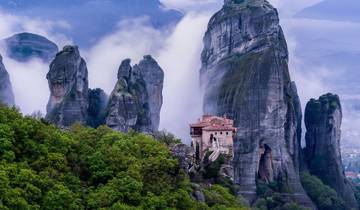
2 days
Two Days Tour from Athens to Meteora
- ✓ Comprehensive Meteora tour
- ✓ Expert local guides included
- ✓ All accommodation arranged
- ✓ Transportation provided

6 days
6 Days in Athens, Sightseeing Tourist Bus, Delphi and Meteora Tour & Day Cruise.
- ✓ Comprehensive Meteora tour
- ✓ Expert local guides included
- ✓ All accommodation arranged
- ✓ Transportation provided

2 days
2-Day Delphi & Meteora Tour
- ✓ Comprehensive Meteora tour
- ✓ Expert local guides included
- ✓ All accommodation arranged
- ✓ Transportation provided
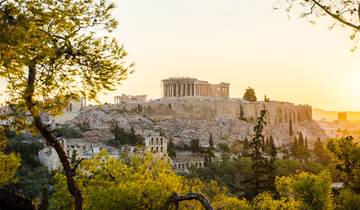
5 days
5-Day Journey Through Classical Greece
- ✓ Comprehensive Meteora tour
- ✓ Expert local guides included
- ✓ All accommodation arranged
- ✓ Transportation provided
Multi-day tour packages powered by TourRadar. Prices and availability subject to change.
Introduction
The rock forest of Meteora rises from the Thessalian plains like a congregation of stone titans frozen mid-prayer, their weathered faces bearing witness to 60 million years of geological transformation and 1,000 years of human devotion. Inscribed on the UNESCO World Heritage List in 1988 for both natural and cultural criteria, this extraordinary landscape represents one of the world’s most dramatic convergences of geology and spirituality, where towering sandstone pillars reaching 400 meters skyward support Byzantine monasteries that appear to defy both gravity and reason. While modern roads now snake between these geological marvels, bringing tour buses to monastery doorsteps, the ancient footpaths worn smooth by centuries of monastic pilgrimage remain the most profound way to experience Meteora’s essence.
These trails tell stories that asphalt cannot convey. Every stone step carved into cliff faces, every narrow passage between towering pillars, every sudden vista revealing distant monasteries perched impossibly atop vertical rocks—these moments accumulate into an understanding of why hermits first sought refuge here in the 11th century and why their successors built twenty-four monasteries despite “incredible difficulties” during the 15th-century revival of the eremitic ideal. The paths connect not just geographic locations but temporal ones, linking contemporary hikers directly to the footsteps of Athanasios the Meteorite, who founded Great Meteoron in the 14th century, and the countless anonymous monks who walked these same routes carrying water, food, and building materials to their heavenly sanctuaries.
Meteora’s hiking landscape encompasses dramatic contrasts: dense oak and plane forests giving way to exposed ridgelines; shaded canyon passages opening onto sun-baked plateaus; gentle forest walks transforming suddenly into steep stone staircases ascending vertical rock faces. The trail network serves multiple purposes simultaneously—spiritual pilgrimage routes for Orthodox faithful, access paths to functional monasteries housing small monastic communities, tourist attractions drawing hundreds of thousands of annual visitors, and protected natural corridors through a Natura 2000 ecological zone harboring endemic plant species and breeding populations of rare raptors including Egyptian vultures and golden eagles.
This guide explores Meteora’s complete hiking infrastructure, from the most popular family-friendly trails to challenging scrambles requiring technical equipment, from well-marked monastery circuits to hidden paths leading to forgotten hermitages accessible only with local knowledge. Understanding this network requires appreciating both its historical evolution—how monks adapted natural rock features into viable access routes—and its contemporary management as a World Heritage landscape balancing preservation, spiritual function, and sustainable tourism. The trails themselves represent cultural artifacts as significant as the monasteries they connect, embodying centuries of accumulated wisdom about navigating this vertical terrain.
For hikers, Meteora offers experiences unavailable elsewhere: walking beneath monasteries suspended hundreds of meters overhead, their balconies invisible from below; discovering cave dwellings where 10th-century hermits lived in absolute isolation; standing atop pinnacles where every direction reveals rock towers crowned with red-tiled roofs and whitewashed walls; traversing stone passages so narrow that arms can touch both walls simultaneously while sky appears only as a thin ribbon overhead. These moments transform abstract appreciation of Meteora’s UNESCO designation into visceral understanding of why this landscape merited protection as both a natural wonder and a monument to human spiritual aspiration.
UNESCO World Heritage Significance
Meteora received UNESCO World Heritage inscription in 1988 under multiple criteria recognizing both its exceptional natural beauty and its outstanding cultural achievements, making it one of relatively few sites worldwide honored for both natural and cultural significance. The inscription cites Criterion (vii) for containing “an area of exceptional natural beauty and aesthetic importance,” specifically noting the sandstone peaks rising over 400 meters above ground level, created 60 million years ago from deltaic river deposits subsequently transformed by earthquakes and sculpted by rain and wind into spectacular shapes. This geological drama provides the stage upon which Meteora’s human story unfolds.
The cultural criteria prove equally compelling. Criterion (i) recognizes Meteora as a “unique artistic achievement,” specifically the architectural transformation of seemingly inaccessible rock pinnacles into sites of retreat, meditation, and prayer. The monasteries represent masterworks of Byzantine architecture adapted to extreme vertical constraints, with buildings literally cantilevered over cliff edges and integrated into natural rock features. Criterion (ii) acknowledges the considerable influence of Meteora’s monastic architecture on Orthodox Christian monastic development across the Balkans, establishing construction techniques and spatial planning principles subsequently adopted at other mountain monasteries. Criterion (iv) identifies the monasteries as “outstanding examples of architectural ensembles which illustrate significant stages in history,” particularly the 14th and 15th centuries when political instability drove systematic monastery construction atop inaccessible peaks. Criterion (v) recognizes the precarious human habitations persisting against time’s impact, symbolized by the net in which pilgrims were hoisted vertically alongside 373-meter cliffs, representing a “traditional way of life threatened with extinction.”
The protected area encompasses 271.9 hectares with an additional buffer zone of 1,884.1 hectares, managing both the geological formations and the six active monasteries plus numerous ruins and hermitages. Protection operates under Greek Law 4858/2021 “Ratification of the Code of legislation for the protection of antiquities and cultural heritage in general,” with the Ministry of Culture and Sports responsible for monument protection through the Ephorate of Antiquities of Trikala, while the Forest Inspection Office manages the natural environment. This dual administration reflects Meteora’s hybrid character as both geological monument and living religious community.
For hikers, the UNESCO designation carries practical implications. Trail development and maintenance must balance accessibility against preservation of both geological features and historical path character, meaning modern “improvements” that might alter traditional trail experience face strict limitations. The designation also protects the visual integrity of the landscape, preventing construction that would mar views from hiking routes and ensuring that the monasteries’ dramatic settings remain uncompromised by modern intrusions. Additionally, Meteora’s inclusion in the Natura 2000 protected area network (GR1440003/2000) based on botanical and zoological values means trail users traverse habitat for endemic and endangered species, requiring adherence to environmental protection protocols.
Historical Evolution of Monks’ Paths
The first human footpaths through Meteora’s rock forest predate organized monasticism by centuries, created by shepherds grazing livestock among the pillars and by hunters pursuing the region’s abundant wildlife. However, the transformation of these utilitarian routes into a coherent network of spiritual pilgrimage paths begins in the late 10th century when hermits first sought refuge in natural rock caves scattered throughout the formations. These early anchorites required access to water sources in the valleys below, to the few springs emerging from rock crevices, and to the small communities that provided essential supplies, creating the earliest monastic trails as simple footpaths following the most navigable routes between cliff faces.
The 12th century marks a crucial transition when the monk Nilos organized scattered hermits into a structured community centered on the chapel of Doupiani, built at the foot of a prominent cliff on Kastraki’s northwest side. This organization necessitated regular paths allowing hermits to gather for Sunday services and provision sharing, transforming individual access routes into a primitive trail system. The Doupiani chapel site, still standing today beneath the cliff where Pantokrator monastery ruins survive, became the hub from which trails radiated to various hermitages and cave dwellings.
The 14th century brought dramatic expansion when Athanasios Koinovitis (later Athanasios the Meteorite) climbed to the second-highest rock and founded Great Meteoron monastery around 1344, establishing organized monasticism’s arrival at Meteora. This pivotal moment required engineering the first true monastery access path—a route capable of supporting construction material transport to heights approaching 400 meters. The solution involved carved stone steps following natural rock features, strategic use of existing ledges and crevices, and in places, simple rope ladder systems allowing vertical ascent where no horizontal path existed.
The 15th century represents Meteora’s golden age when twenty-four monasteries were constructed despite incredible logistical challenges. Each monastery required its own access path, though many shared route segments where geographic features dictated common approaches. Monks became expert stonemasons, carving steps directly into cliff faces, constructing retaining walls to stabilize narrow ledges, and creating passage tunnels through solid rock where natural features blocked otherwise viable routes. These engineering achievements occurred with medieval technology—hand tools, rope, and ingenious applications of leverage and counterweight systems.
Access methods during this peak period famously included nets and rope baskets, dramatically illustrated by historical accounts and surviving equipment displayed in monastery museums. The abbot of Varlaam monastery traditionally answered questions about when ropes were replaced with the reply “when it is God’s will to have them break,” highlighting the extreme faith required for vertical cliff ascent in woven baskets hauled by windlass. However, even during this era, stone footpaths served as primary access routes, with rope systems reserved for vertical sections where stone carving proved impossible or for hoisting heavy materials and supplies.
The 1920s brought transformational change when modern steps were carved into many previously rope-accessed sections, making monastery visits feasible for non-monks and elderly pilgrims. This accessibility revolution, while reducing the sense of isolation that originally attracted hermits, preserved the traditional path routes rather than creating entirely new access patterns. Many of these 1920s improvements involved extending and formalizing paths that had existed in cruder forms for centuries, meaning hikers today walk routes substantially similar to those used by medieval monks.
Post-World War II road construction dramatically altered Meteora’s access dynamics, bringing vehicle routes to most monastery doorsteps by the 1960s. This development threatened to make the ancient footpaths obsolete, yet many trails survived because they offered more direct routes between destinations and because the spiritual experience of walking the monks’ traditional paths retained meaning for pilgrims and hikers. The late 20th-century rise of heritage tourism and outdoor recreation renewed interest in these trails as cultural artifacts worth preserving in their own right.
Contemporary trail maintenance represents a collaborative effort between the Ephorate of Antiquities, the Forest Service, local municipalities, and private tour operators who use the paths commercially. This partnership aims to preserve historical character while ensuring safety for modern users, a balancing act requiring decisions about whether to repair ancient stone steps exactly as originally built or to add modern safety features like railings and signage. The result is a trail network that remains remarkably true to its monastic origins while accommodating contemporary hiking expectations.
Major Trail Routes and Detailed Descriptions
Kastraki to Northern Monasteries Circuit
This classic route from Kastraki village to the cluster of northern monasteries represents the most popular and accessible hiking experience at Meteora, combining moderate physical challenge with exceptional access to both active monasteries and lesser-known ruins. The trail begins at Kastraki’s main square, ascending gradually through the village’s upper streets past the Byzantine church of Agios Giorgios Mandilas, where an annual tradition sees young people climb a rope to dedicate scarves to Saint George for healing. Once beyond the village, the path enters lush Mediterranean vegetation—dense creepers draping over ancient oaks, their thick coils often mistaken for tree branches, creating a green tunnel effect especially dramatic during spring when wildflowers carpet the forest floor.
After twenty minutes of gentle forest climbing, the trail emerges onto a shoulder between rock monoliths, offering the first panoramic views across Meteora’s geological drama. This viewpoint provides orientation, allowing hikers to identify distant monastery silhouettes perched on various pinnacles. The path continues northward, skirting the base of Doupiani Rock where Pantokrator monastery ruins cling to the cliff face above—accessible via a short but steep spur trail for those willing to investigate the stone wall remnants and foundation traces of this early monastic settlement destroyed centuries ago.
The trail then reaches its most scenic segment: a stone-paved path winding between towering sandstone pillars, their vertical walls creating a natural corridor with filtered sunlight and dramatic acoustic effects. Ancient stone steps, their surfaces worn smooth and slightly dished by centuries of foot traffic, lead upward through increasingly spectacular rock formations. This section, often called the most beautiful part of Meteora’s trail network, features dense vegetation growing in protected crevices, babbling seasonal streams crossed via simple stone bridges, and sudden openings where the path emerges onto exposed ledges with vertiginous drops revealing the valley far below.
Approximately one hour from Kastraki, the trail arrives at Ypapanti Monastery, one of Meteora’s oldest and most historically significant sites despite receiving few visitors due to its location away from vehicle routes. Built into a north-facing cliff, Ypapanti appears almost organic, as if the rock itself grew religious architecture. The small chapel interior preserves faded frescoes, while the monastery’s terrace offers intimate views impossible from road-accessible viewpoints. Continuing past Ypapanti, hikers encounter St. Dimitrios monastery ruins, destroyed during the 1808 Ottoman suppression of a local uprising but leaving substantial stone walls and architectural fragments that hint at the structure’s original scale and grandeur.
From these hidden sites, the trail climbs toward the main monastery cluster. The ascent becomes steeper, transitioning from forest paths to exposed rock passages with hand-carved steps. At the trail junction near Great Meteoron and Varlaam monasteries, hikers face choices: visit one or both monasteries (requiring entrance fees and adherence to dress codes), continue to Roussanou monastery via connecting trails, or begin the descent back to Kastraki via alternative routes. The circuit’s total distance spans approximately 7 kilometers with 200-300 meters of elevation gain, requiring 4-5 hours including monastery visit time.
Holy Trinity Monastery Trail from Kalambaka
The Holy Trinity (Agia Triada) monastery trail from Kalambaka offers a more challenging but equally rewarding hiking experience, accessing one of Meteora’s most photographed and dramatically sited monasteries. This trail begins at the eastern edge of Kalambaka near the Geological Formations Museum, where a cobbled road transitions into steep footpath ascending the vertical southern face of the massive rock called Holy Spirit. The initial climb proves immediately demanding, with the path rising sharply through switchbacks carved into the rock face, offering increasingly expansive views back toward Kalambaka spread across the valley floor.
After approximately thirty minutes of steep climbing, the trail reaches a critical junction where a side path branches toward the summit of Holy Spirit rock pillar. This optional detour adds thirty minutes round-trip but rewards with spectacular 360-degree views and access to hermit caves where 10th-century anchorites lived in absolute isolation. The main chapel dedicated to the Holy Spirit occupies one cave, its interior carved directly from the living rock. The Holy Spirit summit route contains exposed sections requiring careful attention and sure footing, making it unsuitable for those uncomfortable with heights or for hiking in wet conditions when rocks become slippery.
Continuing on the main trail toward Holy Trinity, hikers cross the modern asphalt road and enter what many consider the most beautiful segment of Meteora’s entire trail network: a stone path threading between towering rock formations with dense vegetation creating a green corridor punctuated by filtered light effects. Ancient trees grow from seemingly impossible cliff crevices, their roots gripping bare rock, while seasonal wildflowers including the endemic Kalambaka Centaury (Centaurea kalambakensis) bloom in protected microhabitats. The path’s stonework here shows exceptional medieval craftsmanship, with precisely fitted blocks creating stable stairs that have endured centuries of use.
Approximately one hour after leaving Kalambaka, the trail arrives at the base of Holy Trinity monastery’s rock pillar, where one of Meteora’s most photographed staircases ascends over 140 steps to the monastery entrance. At the staircase base, attentive observers notice narrow, rough-hewn steps leading right—the original rope ladder access route now blocked but visible as evidence of the extreme methods monks used before 1920s improvements. The staircase itself constitutes a significant climb, with each step bringing the monastery’s whitewashed walls and red-tiled roofs closer while views expand across the valley to reveal distant monasteries perched on other pinnacles.
Holy Trinity gained international recognition appearing in the 1981 James Bond film “For Your Eyes Only,” cementing its status as one of Meteora’s most iconic structures. The monastery’s relatively small size compared to Great Meteoron or Varlaam creates an intimate atmosphere, while its preserved winch system—once used to haul building materials and supplies—provides tangible connection to construction challenges medieval monks overcame. The monastery’s terraces offer photography opportunities capturing Meteora’s vertical drama from unique angles unavailable at other monasteries.
The return route offers options: retrace the ascent path, descend via the modern road to save time, or continue along ridgeline trails connecting to other monastery access routes. The complete round-trip from Kalambaka to Holy Trinity and return spans 6-7 kilometers with 300-400 meters elevation gain, requiring 3-4 hours including monastery visit time. This trail sees fewer hikers than the Kastraki circuit despite accessing an equally spectacular monastery, making it ideal for those seeking relative solitude.
Great Saint (Aghia) Summit Trail
The Great Saint peak at 630 meters elevation represents Meteora’s highest point, crowned with ruins of an ancient defensive tower and offering the region’s most commanding views across the entire rock forest and surrounding Thessalian plains. The trail accessing this summit constitutes Meteora’s most challenging standard hiking route, requiring excellent fitness, confidence with exposure, and in some sections, basic scrambling skills navigating steep rock passages. This trail is not suitable for casual hikers or those uncomfortable with significant height exposure, but rewards those willing to tackle its demands with an unparalleled perspective on Meteora’s geological and cultural landscape.
The Great Saint trail begins from the old quarters of Kastraki village, immediately establishing its serious character with sustained steep climbing through forest transitioning to open rock faces. The ancient winding path follows natural rock features wherever possible, but frequently requires scrambling sections where hikers use hands for balance and support. Approximately forty-five minutes of climbing brings the route to intermediate viewpoints revealing the trail’s ultimate goal: the narrow tower ruins silhouetted against the sky at the rocky pinnacle’s apex.
The upper sections demand careful navigation as the path becomes less defined, following painted markers on rock faces and cairns marking the safest route through boulder fields and cliff passages. Some segments traverse narrow ledges with substantial drop-offs, requiring confidence and steady nerves. The final approach to the summit involves negotiating a near-vertical passage using natural rock handholds and strategic placement of feet in erosion-carved depressions—effectively a via ferrata route though without permanent metal fixtures common at such sites in the Alps.
Reaching the Great Saint summit delivers a profound reward. The ancient tower ruins, built as a fortress or watchtower during Byzantine conflicts, provide partial shelter from winds that often buffet the exposed peak. From this vantage point, all six active monasteries appear simultaneously for the first time, each perched on its respective pinnacle at varying distances and elevations, creating a complete visual catalog of Meteora’s monastic achievement. The town of Kalambaka spreads 630 meters directly below, its grid pattern and church spires miniaturized by altitude, while the Thessalian plain extends to distant mountain ranges forming the horizon.
The descent requires equal care as the ascent, with many hikers finding downward climbing more psychologically challenging when facing outward from the rock. Alternative descent routes exist following different ridge systems, though all involve sustained downhill hiking on steep, sometimes loose terrain. The complete Great Saint circuit spans 8-10 kilometers with 430 meters of elevation gain from Kalambaka base elevation, requiring 5-7 hours for strong hikers moving at moderate pace with summit time. This trail should not be attempted in wet conditions, high winds, or by hikers without solid scrambling experience.
Doupiani Rock Circuit and Hidden Hermitages
Doupiani Rock and its surrounding area preserve Meteora’s earliest monastic heritage, with hermit caves, ruined chapels, and the remains of Pantokrator monastery creating a concentrated zone of historical sites accessible via interconnected trails rarely appearing on standard tourist route maps. This circuit offers moderate hiking difficulty while providing access to locations central to understanding Meteora’s transformation from scattered hermitages to organized monastic community. The route begins near Kastraki, where the Doupiani hermitage chapel still functions at the rock’s base, serving as the gathering point where 12th-century monk Nilos organized isolated hermits into Meteora’s first cohesive spiritual community.
From Doupiani chapel, trails branch upward along the rock’s flanks, accessing various cave dwellings carved into the cliff face. These caves, some naturally formed and others enlarged by human excavation, range from tiny meditation cells barely large enough for one person to sit cross-legged to larger chambers that housed small groups. Archaeological evidence suggests continuous habitation from the 11th century through the 15th century, when the focus shifted to the great monasteries. The caves’ sparse furnishings—rock-cut shelves, niches for oil lamps, and occasional faded frescoes—testify to the extreme asceticism these early hermits practiced.
The trail circling Doupiani Rock’s north side passes beneath Pantokrator monastery ruins, perched on a ledge approximately 100 meters above the path. A steep spur trail allows access to these ruins for those willing to tackle a challenging scramble rewarded by extensive stone wall remnants and foundation outlines revealing the monastery’s original layout. Local legend associates Pantokrator with a “kidnapped girl” story from monastery folklore, though historical documentation remains sparse. The ruins overlook a natural amphitheater of rock formations, explaining why medieval monks chose this specific location despite access difficulties.
Continuing past Pantokrator, the circuit trail reaches a series of lesser-known hermitage sites including cave “prisons” where monks who violated community discipline faced isolation as punishment. These discipline cells, equipped with minimal amenities and accessible only via rope ladder from above, illustrate the strict social codes governing monastic communities. One particularly well-preserved cell retains remnants of scaffolding visible from the main road below, marking where expelled monks served their punishments visible to all as warnings.
The Doupiani circuit connects with the main Kastraki to northern monasteries trail, allowing combination routes that maximize historical site visits. Total circuit distance spans 4-5 kilometers with modest 150 meters elevation gain, though accessing all hermitage sites via spur trails can double distance and significantly increase climbing. This route proves ideal for history-focused hikers prioritizing cultural understanding over monastery interior visits, as most sites are accessible without entrance fees and dress code restrictions.
Monastery Access During Hikes
All six active Meteora monasteries remain functioning religious communities housing small populations of monks or nuns (fewer than ten residents each), meaning visitors must respect operational schedules and religious protocols while hiking trails that pass monastery entrances. Each monastery maintains independent opening hours that vary seasonally and closes on specific weekdays for maintenance and rest, requiring advance planning to coordinate hiking routes with desired monastery visits. Current entrance fees stand at €5 per adult per monastery (children under twelve enter free), payable in cash at each monastery’s entrance, with no combined tickets available for multiple sites.
Great Meteoron, the largest and historically most significant monastery, typically opens 09:00-15:00 during winter months and extends hours to 09:00-17:00 during summer season, closing Tuesdays year-round. This monastery rewards the steep 300-step staircase climb with extensive museum collections, exceptionally well-preserved frescoes painted by 16th-century masters, and panoramic terraces offering views across the entire rock forest. The monastery’s size means explorers can spend 60-90 minutes examining the katholikon (main church), refectory converted to museum space, ossuary, and various outbuildings without exhausting available sights.
Varlaam monastery, second largest in Meteora, opens 09:00-16:00 during winter and 09:00-16:00 in summer (closing Fridays during summer, Thursdays and Fridays during winter). The approximately 140-step ascent leads to spectacular frescoes by Frangos Katelanos, a compact but excellent museum explaining Meteora’s history, and the preserved original winch tower demonstrating the rope-and-basket system that served as primary access before staircase construction. Varlaam uniquely charges €3 for dress code compliance garments (shawls and skirts) rather than providing them free as other monasteries do.
Roussanou monastery, now functioning as a nunnery, maintains 09:00-17:00 hours during summer and 09:00-14:00 during winter, closing Wednesdays. Its relatively modest 140-step access makes it among the easiest monasteries to reach, while its position perched on a relatively narrow rock pillar creates dramatic photography opportunities from surrounding viewpoints. The intimate scale and active spiritual community create a quieter, more contemplative atmosphere compared to larger monasteries.
Holy Trinity monastery keeps 09:00-17:00 summer hours and 10:00-16:00 winter hours, closing Thursdays year-round. The over 140-step staircase deters some visitors, reducing crowds and preserving a sense of remoteness despite the monastery’s fame from James Bond filming. The winch system remains preserved and visible, offering tangible connection to historical access methods.
St. Nicholas Anapafsas, smallest of the six monasteries, opens 09:00-15:30 during summer and 09:00-14:00 during winter, closing Fridays. Founded late 14th century and painted by renowned 16th-century artist Theophanes the Cretan, this monastery’s compact size belies its artistic significance. The relatively short staircase approach makes it accessible early in hiking itineraries before more demanding climbs.
St. Stephen monastery, unique as the only monastery accessible via footbridge rather than staircase (making it ideal for mobility-limited visitors), maintains 09:00-13:30 and 15:30-17:30 hours during summer, 09:30-13:00 and 15:00-17:00 during winter, closing Mondays. The nunnery’s beautiful chapels and sweeping Thessalian plain views reward the easiest monastery access in Meteora.
Critical to note: every monastery remains open both Saturday and Sunday year-round, making weekends the only guaranteed time to access all six interiors. Weekday visitors must plan routes around specific monastery schedules. Hikers should verify current hours before departure as seasonal transitions and special religious observances can alter published schedules. Most monasteries provide modest canteen facilities selling bottled water, soft drinks, and simple snacks, though no full restaurant services exist, making packed lunches essential for full-day hikes.
Essential Safety and Preparation
Meteora’s hiking trails, while generally well-maintained and suitable for casual hikers, traverse mountainous terrain with inherent hazards requiring appropriate preparation and safety awareness. The combination of elevation changes, exposure to weather, rocky surfaces, and in some locations significant height exposure demands respectful approach to trip planning and gear selection. Understanding potential risks and implementing basic safety protocols transforms Meteora hiking from potentially dangerous activity into safely rewarding adventure.
Footwear represents the single most important equipment decision. Mediterranean rocky trails demand hiking boots or sturdy trail shoes with aggressive tread patterns providing grip on smooth stone surfaces that become treacherously slippery when wet. The ancient stone steps, polished by centuries of foot traffic, offer minimal friction even when dry, while loose gravel sections on some trail segments can cause slips without proper footwear. Lightweight running shoes or casual sneakers prove inadequate, particularly on steeper sections and during descent when gravity increases slip potential. Ankle support becomes valuable on uneven terrain where twisted ankles represent the most common hiking injury.
Water requirements exceed typical hiking estimates due to Mediterranean heat, limited shade on exposed sections, and the dehydration effects of altitude gain. Hikers should carry minimum one liter per person for short half-day hikes, two liters for full-day monastery circuits, with additional capacity during summer months when temperatures regularly exceed 30°C. Natural water sources are scarce along trails, with few springs providing reliable drinking water. Monastery canteens offer bottled water purchase opportunities, but relying on these creates vulnerability if arriving when facilities are closed or during peak season when supplies may sell out.
Sun protection assumes critical importance on exposed trail segments and during monastery access staircase climbs where shade disappears entirely. Wide-brimmed hats, high-SPF sunscreen reapplied every two hours, and lightweight long-sleeve clothing provide essential defense against intense Greek sun that reflects off light-colored rock surfaces, effectively doubling exposure intensity. Sunburn and heat exhaustion represent serious risks, particularly for visitors from cooler climates unaccustomed to Mediterranean summer conditions.
Weather assessment requires attention to seasonal patterns and rapid mountain weather changes. Spring (March-May) brings mild temperatures ideal for hiking but also higher precipitation probability, with sudden storms creating dangerous conditions on exposed ridges and making smooth stone steps extremely slippery. Summer (June-August) offers the most stable weather but oppressive midday heat, requiring very early starts (sunrise departures) to complete major hikes before dangerous heat peaks. Autumn (September-November) provides ideal hiking conditions with moderate temperatures, lower precipitation, and fewer crowds. Winter (December-February) sees significant snowfall at elevation, with ice making trails impassable without specialized equipment.
Navigation capabilities deserve consideration despite well-marked trails. The trail network’s complexity, with numerous junctions, spur paths to viewpoints and ruins, and occasional sections where markings are faded, makes wrong turns possible. Downloading offline maps on smartphone apps like Maps.me or AllTrails provides reliable navigation backup, while traditional paper maps from Kalambaka tourist information offices show major routes clearly. GPS coordinates for key junctions and monastery locations allow precise position verification when uncertainty arises.
Wildlife encounters remain unlikely but merit awareness. Meteora’s protected status as Natura 2000 site preserves habitat for various species including snakes (both venomous and harmless varieties), with increased activity during warm months. Maintaining trail vigilance, watching footfall placement, and avoiding blind hand placements into rock crevices provides adequate protection. The region’s raptor populations—eagles, vultures, and falcons—pose no danger to hikers but create spectacular wildlife viewing opportunities.
Emergency communication requires preparation for limited mobile coverage in certain valleys and behind rock formations that block signals. Informing accommodation hosts of planned routes and expected return times establishes safety baseline, while hiking in groups of two or more provides mutual assistance capability if problems arise. The European emergency number 112 connects to local police, fire, and ambulance services, though response times to remote trail locations can extend considerably.
Physical fitness assessment should honestly evaluate capacity for sustained uphill hiking, staircase climbing, and in some cases basic scrambling. The monastery access staircases alone total nearly 1,000 steps across all six sites, representing significant cardiovascular and leg muscle demands. Hikers with heart conditions, knee problems, or respiratory limitations should consult physicians before attempting major routes and consider limiting ambitions to shorter, less demanding trails.
Seasonal Considerations for Hiking
Meteora’s Mediterranean mountain climate creates dramatically different hiking experiences across seasons, with temperature, precipitation, daylight hours, vegetation states, and crowd levels varying substantially throughout the year. Understanding seasonal characteristics allows strategic trip timing aligned with personal priorities—whether seeking optimal photography conditions, minimal crowds, comfortable temperatures, or specific natural phenomena like wildflower blooms or autumn foliage.
Spring emerges as Meteora’s most celebrated hiking season, with March through May delivering moderate temperatures ranging 15-25°C, ideal for sustained physical exertion without heat stress. This period sees nature’s dramatic awakening: endemic wildflowers including Kalambaka Centaury, Milky Centaury, and Cretan Anthem bloom across trail corridors, creating colorful displays particularly spectacular in mid-April through early May. Oak and plane forests flush with fresh green foliage creating the year’s most vibrant landscape palette. However, spring brings increased precipitation probability, with afternoon thunderstorms common particularly in April, requiring flexible scheduling and rain gear readiness. Trail conditions vary from perfectly dry to muddy depending on recent precipitation, with ancient stone steps becoming slippery hazards after rain.
Spring crowds remain moderate, with European spring break periods (typically Easter through early May) bringing visitor increases but nothing approaching summer peak levels. Monastery opening hours transition from winter to summer schedules around April 1st, extending visiting windows and allowing more flexible hiking itineraries. Wildlife activity peaks during spring breeding seasons, with raptor populations most visible as birds establish territories and nest sites. Photographers prize spring’s dramatic cloud formations, fresh vegetation contrasts against ancient stone, and the interplay of sun and shadow created by variable weather patterns.
Summer dominates Meteora’s tourism calendar despite presenting challenging hiking conditions. June through August brings intense heat with daytime temperatures frequently exceeding 35°C, making midday hiking dangerous due to heat exhaustion and dehydration risks. Summer hikers must adopt Mediterranean schedules: departing at sunrise (05:30-06:00), completing major elevation gains before 10:00, taking extended midday breaks in shaded areas or monastery interiors, and reserving afternoon hours for shorter, easier trail segments in forested areas. Despite heat challenges, summer offers longest daylight hours (sunrise before 06:00, sunset after 21:00), driest conditions with minimal precipitation, and most reliable weather for multi-day hiking plans.
Summer crowds peak dramatically, with tour buses arriving continuously at major monasteries from mid-morning through mid-afternoon, creating congestion on popular trails and long queues at monastery entrances. Strategic hiking during early morning or late afternoon hours avoids worst crowding while capturing exceptional lighting conditions for photography. The landscape takes on golden-brown Mediterranean summer palette as vegetation dries and grasses cure, creating visual drama different from spring’s green abundance. Summer wildflowers shift to drought-adapted species flowering in rock crevices where moisture persists.
Autumn rivals spring as optimal hiking season, with September through November offering arguably the best overall conditions. Early autumn (September-October) maintains warm temperatures 20-30°C without summer’s oppressive heat, while late autumn (November) brings cooler weather requiring additional clothing layers but creating comfortable hiking temperatures. Precipitation increases gradually through autumn but remains generally moderate, with most days offering stable hiking conditions. The most dramatic seasonal transformation occurs in late October through November when deciduous forests display spectacular autumn colors—oaks turning bronze and gold, creating stunning contrasts against evergreen vegetation and grey rock faces.
Autumn sees significant crowd reduction, particularly after mid-September when European school holidays end and peak tourist season concludes. Monastery hours transition back to winter schedules around November 1st, shortening visiting windows but reducing congestion. Wildlife activity remains high as species prepare for winter, with raptors particularly active during migration periods. Autumn light quality proves exceptional for photography, with lower sun angles creating dramatic shadows and golden-hour effects extending longer than summer’s harsh overhead light.
Winter presents Meteora’s most challenging but potentially rewarding hiking season for properly prepared adventurers. December through February brings cold temperatures often dropping below 0°C at elevation, significant snowfall particularly January-February, and reduced monastery operating hours. However, winter offers absolute solitude on trails typically crowded during other seasons, with entire days possible without encountering another hiker. Fresh snowfall transforms Meteora into winter wonderland, monasteries appearing even more dramatic crowned with snow against grey winter skies. The landscape’s stark beauty—bare deciduous trees revealing rock formation details obscured by summer foliage, snow highlighting every ledge and crevice—creates unique photographic opportunities.
Winter hiking demands specialized preparation: waterproof insulated boots with aggressive tread for snow and ice, layered clothing managing temperature regulation during climbs, and ice cleats or microspikes for treacherous sections where snow compacts to ice on stone steps. Many trails become impassable after heavy snowfall without winter mountaineering equipment, while some monastery access staircases close entirely due to ice hazards. Despite challenges, experienced winter hikers find Meteora’s empty trails and dramatic winter atmosphere profoundly rewarding.
Natural Environment Along Trails
Meteora’s trail network traverses a protected Natura 2000 ecological zone harboring remarkable biodiversity within its 271.9-hectare core area and 1,884.1-hectare buffer zone, with hiking routes providing intimate access to habitats supporting endemic plant species, rare raptors, and specialized rock-dwelling fauna adapted to vertical cliff environments. Understanding this natural heritage enhances hiking appreciation while informing responsible trail behavior minimizing environmental impact on sensitive ecosystems.
The geological foundation underlying all biological diversity consists of Meteora Conglomerates—cohesive conglomerates and sandstone beds deposited 10-30 million years ago as deltaic deposits at the mouths of ancient rivers flowing into the Meso-Hellenic Trench, a vast sea basin extending from present-day Thessaly to Albania. These sedimentary rocks, composed of metamorphic, granitic, and carbonate cobbles and gravels transported from surrounding mountains, were subsequently sculpted by tectonic uplift, earthquake activity, and millions of years of erosion into the spectacular pillars and pinnacles visible today. The rock formations rise over 400 meters above the plain, with individual pillars reaching widths up to 300 meters, creating microclimate variations supporting diverse vegetation zones within short distances.
Forest ecosystems dominate lower elevations and protected valleys, with extensive oak (Quercus) forests providing shade and habitat complexity. Several oak species occur throughout Meteora, including the locally significant specimens creating the dense canopy through which the Holy Trinity trail passes. Plane trees (Platanus orientalis) concentrate along seasonal watercourses and moister valley bottoms, their distinctive mottled bark and large leaves creating shaded corridors used as natural trail routes by medieval monks. Mixed forests incorporate additional deciduous species creating the diverse canopy structure visible during autumn color displays.
Rock crevice and cliff face habitats support specialized flora adapted to minimal soil, extreme temperature fluctuations, and seasonal drought. Endemic species occur only in this region, including Kalambaka Centaury (Centaurea kalambakensis), Milky Centaury (Centaurea lactiflora), and Cretan Anthem (Anthemis cretica), making Meteora critical for botanical conservation. These species typically bloom spring through early summer, with peak display mid-April through May when colorful flowers emerge from seemingly barren rock surfaces. Additional protected species include various orchids, rare ferns occupying permanently shaded crevices, and drought-resistant shrubs creating the Mediterranean scrubland (maquis) covering exposed slopes.
The avifauna represents Meteora’s most celebrated wildlife component, with the region historically renowned among ornithologists for exceptional raptor populations. The 1970s documented breeding populations of four vulture species—lammergeier (Gypaetus barbatus), black vulture (Aegypius monachus), griffon vulture (Gyps fulvus), and Egyptian vulture (Neophron percnopterus, listed as Endangered)—plus four eagle species including golden eagle (Aquila chrysaetos), Bonelli’s eagle (Aquila fasciatus), short-toed eagle (Circaetus gallicus), and booted eagle (Hieraeetus pennatus), alongside lanner falcons (Falco biarmicus). While some populations have declined due to habitat pressures, Egyptian vultures maintain Greece’s largest colony at Meteora with approximately fifty breeding pairs, making vulture sightings probable during hiking particularly spring breeding season.
Rock-dwelling bird species adapted to vertical cliff environments include alpine swift (Apus melba), crag martin (Hirundo rupestris), red-rumped swallow (Hirundo daurica), and the specialized somber tit (Parus lugubris) occurring in valley areas. These species build nests in rock crevices and holes, with their aerial displays providing constant entertainment for hikers traversing trail sections with cliff exposure. Raptors utilize thermal updrafts generated by sun-heated rock faces to soar efficiently, making midday hours optimal for observing golden eagles and vultures riding thermals to substantial heights.
Mammalian fauna remains elusive despite documented presence of several significant species. European otter (Lutra lutra) populations persist along the Peneus River at Meteora’s base, though trail users rarely encounter these primarily nocturnal animals. Grey wolves (Canis lupus) maintain low population densities in remote areas, with occasional tracks and scat evidence along trails but direct sightings extremely rare. Various bat species inhabit cave systems and monastery buildings, with myotis and rhinolophus genera most common. Smaller mammals include dormice, foxes, and various rodent species filling ecological niches throughout the protected area.
Reptile and amphibian diversity reflects Mediterranean mountain biogeography. Multiple snake species occur, including both venomous (nose-horned viper) and harmless varieties, with increased activity during warm months when snakes bask on sun-warmed rocks. Lizards including various lacertid species occupy rock faces and forest edges, while tortoises appear occasionally in lower elevation areas. Amphibians concentrate near water sources, with tree frogs and alpine newts among species documented in wetter microhabitats.
Habitat threats acknowledged in UNESCO assessments include oak forest deforestation reducing critical breeding and foraging habitat, road network expansion fragmenting wildlife corridors, illegal hunting particularly affecting raptor populations, overgrazing by domestic livestock degrading vegetation communities, light pollution from monastery and town illumination disrupting nocturnal species, and mass tourism creating disturbance pressures. Trail users contribute to conservation by maintaining designated paths (avoiding vegetation trampling), observing wildlife from distance without harassment, removing all trash, and respecting seasonal closures protecting breeding sites.
Photography Opportunities from Hiking Trails
Meteora’s hiking trails provide photography access to perspectives impossible from vehicle viewpoints, with trail-exclusive vantage points offering unique compositions showcasing the interplay between geological drama and architectural achievement. Understanding where specific trails lead relative to monastery positions, optimal lighting conditions for different locations, and how elevation affects compositional opportunities allows strategic route planning maximizing photographic results.
The Doupiani Rock area delivers exceptional photography from multiple trail positions. The path circling Doupiani’s north side places photographers at eye level with Pantokrator monastery ruins while framing Great Meteoron and Varlaam monasteries on distant pinnacles, creating layered compositions showing multiple monastic sites within single frames. This location works particularly well during late afternoon when western light illuminates the northern monasteries while Doupiani’s own rock faces fall into shadow, creating dramatic light-dark contrasts. Sunrise photography from Doupiani trails captures morning light painting eastern cliff faces while monasteries emerge from pre-dawn shadow, though early starts (pre-06:00 summer, pre-07:00 spring/autumn) prove necessary.
The Holy Trinity trail offers unique angles impossible to achieve elsewhere. As the trail climbs the southern approach to Holy Trinity’s rock pillar, multiple switchbacks provide progressively higher viewpoints framing the monastery against sky rather than distant background, emphasizing its vertical drama. The final staircase ascent allows photography looking back down the trail toward Kalambaka spread across the valley, with morning light particularly favorable illuminating the town and plain. Holy Trinity’s terraces, accessible with monastery entrance, provide elevated positions for telephoto compositions isolating distant monasteries including Great Meteoron, Varlaam, and Roussanou arranged along the northern ridge.
The Kastraki circuit trail through the northern monastery cluster creates opportunities for intimate monastery portraits impossible from road viewpoints. The trail passes directly beneath Roussanou monastery, allowing dramatic upward-angle compositions emphasizing the structure’s precarious perch on a relatively narrow rock pillar, particularly effective when including hiking trail or vegetation in foreground for scale reference. Similarly, the trail junction near Varlaam permits compositions showing both Varlaam and Great Meteoron on adjacent pinnacles with hiking trail elements providing human scale context.
Psaropetra lookout, accessible via short trail segment, ranks among Meteora’s most celebrated photography locations despite requiring only minimal hiking from road access. This natural rock platform projects outward from a ridgeline, providing unobstructed views across the valley encompassing Varlaam and Great Meteoron monasteries with Kalambaka visible far below. Sunset photography from Psaropetra proves spectacular as western light paints monastery facades golden-orange while eastern rock faces fall into blue shadow, creating the dramatic warm-cool color contrasts characterizing exceptional landscape photography.
Hidden ruins accessed only via hiking trails offer unique photography subjects. Ypapanti Monastery, rarely photographed due to limited access, provides architectural details showing integration of building and natural rock formation more intimately than the larger, more famous monasteries. St. Dimitrios ruins, with partial walls standing against sky and vegetation reclaiming stone foundations, tell visual stories of abandonment and time’s passage. These locations work particularly well for detail photography emphasizing texture—weathered stone surfaces, lichen patterns, vegetation growing from ruins—rather than grand landscape compositions.
Trail photography techniques specific to Meteora’s environment include: using wide-angle lenses (16-35mm range) capturing both towering rock faces and trail elements in single frames; incorporating human figures for scale (with permission) showing monastery and rock formation magnitude; shooting during golden hours (first two hours after sunrise, last two hours before sunset) when dramatic side-lighting reveals rock texture and dimensional relief; using polarizing filters enhancing sky drama and reducing rock surface reflections; and experimenting with vertical compositions emphasizing the landscape’s essential verticality.
Practical considerations include: carrying tripods on moderate trails but leaving them for difficult scrambles where hands-free movement proves essential; protecting equipment from dust common on dry trails; maintaining awareness of surroundings while photographing near cliff edges; respecting monastery photography restrictions (most prohibit interior photography); and timing visits avoiding midday harsh overhead lighting that flattens three-dimensional rock formations into monotonous shapes.
Guided vs Independent Hiking
Meteora’s hiking infrastructure accommodates both fully independent exploration and professionally guided experiences, with each approach offering distinct advantages and limitations depending on hiking experience, time availability, interest depth, and desired social dynamics. Understanding the benefits and constraints of guided versus independent hiking allows informed decisions optimizing personal Meteora experience.
Independent hiking provides maximum flexibility and autonomy. Self-guided hikers control pace, rest frequency, photography stop duration, and route modifications based on energy levels, weather changes, or spontaneous interest in unexpected discoveries. The freedom to linger at personally meaningful locations without group schedule constraints proves valuable for photographers seeking specific lighting conditions or contemplative travelers preferring solitary engagement with sacred landscapes. Independent hiking also eliminates guide costs, reducing overall trip expenses particularly for budget travelers or those planning extended stays allowing multiple hiking days.
However, independent hiking requires self-sufficiency in navigation, safety management, and historical interpretation. While major trails are well-marked, junctions can confuse, and occasional faded markings on less-traveled segments create navigation uncertainty without reliable map resources. Understanding monastery opening schedules, coordinating hiking routes with specific monastery visits, and interpreting the cultural and historical significance of ruins, hermitages, and archaeological features all demand research investment before hiking and attentive observation during trails.
Guided hiking experiences range from large group tours accommodating 15-20 participants to small group experiences limiting numbers to 4-8 hikers, with private guide options available for individuals or families seeking personalized attention. Professional local guides provide substantial value through several mechanisms: intimate knowledge of unmarked trails leading to hidden hermitages and viewpoints unknown to independent hikers; interpretation of historical events, monastic legends, and architectural features bringing cultural context alive beyond what written materials convey; insider access to monks and nuns sometimes willing to share insights with guides they know personally but unavailable to casual visitors; strategic route planning optimizing monastery visit timing relative to crowd patterns and lighting conditions; and safety oversight including weather assessment, pace management for mixed-ability groups, and emergency response capability if problems arise.
Local guide expertise particularly shines regarding folklore and stories absent from guidebooks. Guides share tales of kidnapped princesses, disobedient monks imprisoned in cliff caves, miraculous escapes during Ottoman attacks, and contemporary monastic life anecdotes that transform abstract historical sites into vivid human dramas. This narrative dimension adds interpretive depth impossible to achieve through independent hiking unless travelers invest extensive pre-trip research.
The social dynamics of guided hiking create community among participants, with shared experience bonding strangers into temporary fellowship. For solo travelers, guided hikes provide companionship and safety advantages of group hiking without requiring advance coordination with other travelers. Conversely, some hikers find group dynamics constraining, preferring solitary contemplation or partnership hiking with known companions over interaction with strangers.
Hybrid approaches combine elements of both styles. Many visitors hire guides for initial orientation hikes learning trail systems, monastery protocols, and safety considerations, then pursue independent hiking subsequent days armed with knowledge gained from professional instruction. Alternatively, independent hikers might engage guides for specific challenging routes like Great Saint summit or hidden hermitage circuits while hiking major monastery circuits independently.
Guided tour costs vary considerably based on group size, duration, and included services. Small group half-day hikes typically range €40-70 per person including guide fees, transportation from Kalambaka/Kastraki hotels, and sometimes monastery entrance fees. Full-day comprehensive hikes cost €80-120 per person. Multi-day hiking packages including accommodation and multiple guided outings run €200-400 depending on accommodation quality and guide-to-participant ratios. Private guide services command premium pricing, typically €150-250 per day for exclusive attention.
Independent hiking costs encompass only monastery entrance fees (€5 per monastery), refreshments purchased at monastery canteens, and potential taxi expenses if using vehicle transportation between trailheads rather than walking entire circuits. Budget-conscious independent hikers can complete major trails for under €20 daily excluding accommodation.
Combining Hiking with Rock Climbing and Scrambling
Meteora’s vertical rock architecture has established the region as a world-renowned rock climbing destination attracting technical climbers alongside hikers, with opportunities ranging from beginner-friendly sport climbing routes to advanced multi-pitch traditional climbs requiring expert skills. Understanding the relationship between hiking trails and climbing access, the spectrum of climbing opportunities available, and how hiking can complement climbing objectives allows visitors to appreciate Meteora’s full vertical dimension.
The modern climbing scene at Meteora developed gradually from the 1960s onward as international climbers recognized the quality and quantity of routes possible on the sandstone conglomerate pillars. Today, over 700 documented climbing routes span difficulty grades from beginner (French 4a) to expert (French 8a+), with single-pitch sport climbs on lower formations providing accessible introduction and multi-pitch traditional routes up major pillars challenging even experienced climbers. The rock quality varies—some areas offer solid, featured faces with abundant natural holds, while other sections present friable rock requiring careful movement and protection placement.
Several hiking trails provide direct access to popular climbing areas. The Doupiani Rock circuit reaches climbing zones where beginners receive instruction, with routes on the rock’s southern face offering moderate grades in beautiful settings. Short approach hikes (10-20 minutes) from the main trail access numerous sport climbing venues equipped with bolted anchors requiring only quickdraws and rope for ascent. More remote formations demand longer approach hikes carrying full climbing racks, with some premier routes requiring 45-60 minute approaches via unmarked paths branching from main hiking trails.
Guided climbing experiences accommodate non-climbers seeking vertical adventure without technical expertise or equipment investment. Professional guide services operating from Kalambaka offer half-day beginner programs including equipment provision, basic technique instruction, and supervised climbs on routes appropriate for first-timers. These experiences typically begin with hiking to climbing venues, providing natural combination of horizontal trail exploration and vertical rock engagement. Full-day climbing packages include multiple routes at different locations accessed via hiking between venues.
Via ferrata routes represent a climbing-hiking hybrid particularly relevant to adventurous hikers seeking vertical experiences beyond standard trail hiking. The Great Saint summit route, while navigable as challenging scramble, approaches via ferrata character in upper sections where permanent metal fixtures would enhance safety. Currently, no formal via ferrata infrastructure exists at Meteora, though the potential for developing such routes using fixed cables, ladders, and iron rungs on specific formations continues generating discussion among guides and tourism operators.
Scrambling opportunities abound where trails transition into technical terrain requiring hands for balance and progression but not qualifying as true climbing with rope protection. The Holy Spirit rock summit approach, certain sections of the Great Saint trail, and various spur routes accessing high viewpoints and ruins all incorporate scrambling segments rated Class 3-4 in the Yosemite Decimal System (comparable to Alpine grades I-II). These sections demand confidence on exposure, good balance, and basic route-finding skills reading natural rock features for hand and foot placement.
Rappelling (abseiling) programs offered by adventure tourism operators provide descent experiences complementing hiking ascents. The classic Doupiani Rock rappel involves hiking to the summit via established trails, receiving technical instruction in rappelling techniques and equipment use, then descending approximately 20 meters of vertical rock face on rope. This controlled introduction to vertical movement in spectacular settings appeals to visitors seeking adventure intensity beyond hiking but not committing to full climbing courses.
Safety considerations for climbing-hiking combinations include realistic self-assessment of skills and comfort with exposure, weather awareness (rock becomes dangerously slippery when wet), proper equipment for intended activities (approach shoes for scrambling, rock climbing shoes and harness for technical routes, helmets for areas with rockfall potential), and understanding when professional guide expertise becomes necessary rather than optional. The sandstone conglomerate’s friable nature in some areas creates rockfall hazards both for climbers whose movements dislodge rocks and for hikers passing beneath active climbing areas.
Respecting the dual-use landscape requires awareness and courtesy. Climbers accessing routes via hiking trails should minimize approach time on busy trail sections avoiding congestion during peak monastery visiting hours. Hikers encountering climbers on trails or at cliff bases should avoid disturbing climbers during critical moves requiring concentration and avoid positions directly beneath active climbing where falling rocks or equipment pose hazards.
Cultural Etiquette and Religious Respect
Meteora’s dual identity as UNESCO World Heritage tourist destination and active Orthodox Christian monastic community creates obligations for hikers to demonstrate cultural sensitivity and religious respect exceeding typical outdoor recreation standards. The trails themselves constitute pilgrimage routes where monks and nuns daily perform their spiritual practice, where Orthodox faithful visit for religious purposes rather than tourism, and where ancient traditions continue unbroken since medieval establishment. Understanding and honoring these dimensions transforms hiking from simple outdoor recreation into culturally appropriate engagement with living heritage.
Monastery dress codes apply strictly to all visitors regardless of religious affiliation or tourist status. Men must wear long pants (no shorts above knee length) and shirts covering shoulders completely (no sleeveless tops or tank tops). Women must wear skirts reaching below the knee (pants are not permitted even if long) and cover shoulders completely. Most monasteries provide skirts and shawls for borrowing at entrances free of charge, though Varlaam charges €3 for these garments. Hikers should pack appropriate clothing in daypacks even if initially hiking in shorts and athletic wear, changing before monastery approaches to ensure entry permission.
Photographic restrictions within monastery interiors require strict observation. Most monasteries prohibit all interior photography of churches, frescoes, icons, and religious artifacts to preserve sacred atmosphere and protect delicate artworks from flash damage and commercial exploitation. Exterior courtyard photography typically receives permission, though visitors should observe posted signs and ask monks or nuns if uncertainty exists. Photographing monks and nuns without explicit permission violates privacy and cultural norms, though respectful requests sometimes receive consent particularly in non-sacred contexts.
Behavioral expectations within monastery grounds emphasize reverence and quiet contemplation. Loud conversations, boisterous laughter, and generally disruptive behavior prove inappropriate in spaces dedicated to prayer and meditation. Mobile phones should be silenced, with phone conversations reserved for exterior locations away from church buildings. Children accompanying families require supervision ensuring respectful behavior consistent with sacred space protocols. During Orthodox services (occurring early morning and evening), visitors should either participate respectfully standing at church periphery or defer visits until services conclude.
Trail etiquette extends beyond monastery grounds to encompass the entire pilgrimage landscape. Hikers encountering monks or nuns walking the trails should offer friendly but restrained greetings respecting that these individuals may be engaged in walking meditation or spiritual contemplation. Yielding trail right-of-way to monastic community members acknowledges their residential status and spiritual purpose using these paths. Maintaining reasonable noise levels throughout trail networks respects the contemplative atmosphere many visitors seek and the spiritual significance local Orthodox communities assign to the entire rock forest landscape.
Litter and environmental impact carry heightened significance in sacred landscapes. The “leave no trace” principle applies universally to outdoor recreation but assumes special importance where environmental degradation disrespects both natural creation and spaces consecrated to spiritual practice. All trash should be packed out, with many hikers additionally removing litter left by less conscientious visitors. Staying on established trails prevents vegetation damage and erosion while respecting monastery property boundaries—many trails cross lands owned by monastic communities, making hikers guests on private property requiring exemplary behavior.
Respecting closure schedules and restricted areas demonstrates cultural awareness. When monasteries close for rest periods, overnight hours, or special observances, the closures serve legitimate operational needs of small communities maintaining demanding spiritual practices. Attempting to access closed areas or hiking during prohibited hours violates both property rights and cultural respect principles. Similarly, certain hermit caves, ruins, and chapels remain in Orthodox religious use despite their remoteness, requiring that hikers treat these sites with reverence matching their treatment of major monasteries.
Commercial activity restrictions apply throughout the UNESCO protected area. Hiking guides operating commercially require proper licensing and permissions granted by managing authorities. Independent hikers should avoid behaviors that might be construed as unlicensed commercial activity, including organized group leading without credentials or selling services related to trail access. Drone usage faces strict regulations prohibiting flights over monastery properties and in many trail areas due to both privacy concerns and aviation safety near clifftop structures.
Understanding Orthodox Christian traditions enriches cultural competence even for non-religious visitors. Basic knowledge of major religious observances (particularly Orthodox Easter, which often falls weeks after Western Easter due to calendar differences), awareness that monastic communities maintain strict daily prayer schedules beginning before dawn, and recognition that monasteries function primarily as religious institutions rather than museums helps visitors contextualize their experiences appropriately. The monks and nuns preserve 1,000-year-old traditions facing modern pressures; tourist respect for their spiritual vocations helps sustain these communities into future generations.
Practical Logistics and Planning
Successful Meteora hiking requires coordinating multiple logistical elements including accommodation location, transportation between trailheads, food and water provisioning, timing relative to monastery schedules, and contingency planning for weather or physical challenges. Strategic planning optimizes available time while maintaining flexibility responding to unexpected opportunities or constraints encountered during trip execution.
Accommodation bases in either Kalambaka or Kastraki provide direct trail access with different advantages. Kalambaka, the larger town with approximately 12,000 residents, offers more extensive hotel options spanning budget hostels to upscale properties, broader restaurant selection, evening entertainment options, and better public transportation connections for arrivals and departures. Kastraki, a smaller village (population approximately 2,000) sitting closer to the rock formations, provides more intimate atmosphere, somewhat quieter evenings, and slightly shorter walks to certain trailheads. Many Kastraki accommodations offer balcony views of nearby monasteries and rock formations, providing photography opportunities without leaving hotels.
The distance between Kalambaka and Kastraki spans approximately 2 kilometers of mostly flat terrain, easily walkable in 25-30 minutes or coverable by frequent local taxi services (€3-5) or seasonal tour shuttles. Many accommodations in both locations offer free shuttle services to common trailheads, reducing morning logistics before hikes. Choosing accommodation based primarily on specific trail priorities makes sense—hikers planning extensive Holy Trinity and southern monastery exploration might prefer Kalambaka proximity, while those emphasizing northern monastery circuits and Doupiani area exploration benefit from Kastraki location.
Transportation to Meteora from major Greek cities offers multiple options with varying time requirements and budgets. Athens to Meteora spans approximately 350 kilometers, covered by train services via Paleofarsalos requiring 4-5 hours total travel time including connection, or by direct bus services requiring 4.5-5 hours. Thessaloniki to Meteora covers approximately 230 kilometers, with train options via Paleofarsalos requiring 3-3.5 hours or bus services requiring similar time. Both routes offer scenic journey components, particularly approaching Meteora when rock formations first appear on the horizon creating dramatic anticipation.
Car rental provides maximum flexibility for Meteora exploration, particularly valuable for photographers seeking specific lighting conditions at different times or hikers preferring point-to-point trails with vehicle shuttle logistics. Parking availability near monasteries varies—Great Meteoron, Varlaam, and St. Stephen provide adequate parking generally, though peak season (May-October) creates congestion between 10:00-14:00 when tour buses arrive. Roussanou, Holy Trinity, and St. Nicholas Anapafsas offer more limited parking with earlier arrival essential during busy periods. Road conditions generally rate good, though narrow sections and switchbacks demand careful driving.
Food provisioning requires advance planning since trail-accessible restaurants don’t exist and monastery canteens offer only basic refreshments. Kalambaka and Kastraki feature multiple supermarkets, bakeries, and food shops where hikers can assemble trail lunches and snacks. Traditional Greek hiking foods include fresh bread, local cheese (feta, graviera), olives, tomatoes, and cucumber creating simple but satisfying trail meals. Energy-dense options like nuts, dried fruit, and energy bars prove valuable for sustained hiking. Hydration deserves particular attention, with 2-3 liters per person daily recommended during warm seasons.
Multi-day hiking itineraries allow comprehensive Meteora exploration while maintaining sustainable daily distance and elevation parameters. A typical three-day hiking program might allocate Day 1 to the Kastraki-northern monasteries circuit visiting Ypapanti, St. Dimitrios ruins, and Great Meteoron; Day 2 to Holy Trinity trail from Kalambaka with optional Holy Spirit summit; Day 3 to Doupiani circuit with hermitage exploration and remaining monastery visits. This pacing allows 6-8 kilometers daily with recovery time between major efforts and flexibility adjusting plans based on weather, energy levels, or developing interests.
Alternative single-day intensive programs focusing on monastery visits rather than comprehensive trail exploration can access all six monasteries using combinations of hiking, road walking, and vehicle transport. Starting early (07:00 departure), hikers reach St. Nicholas Anapafsas by 08:00, time visits to coincide with monastery openings, and maintain aggressive schedules completing the circuit by late afternoon. This approach prioritizes interior visits over wilderness hiking experience but demonstrates feasibility of comprehensive monastery coverage in limited time.
Weather contingency planning proves essential given unpredictable mountain conditions. Having alternative indoor activities available in Kalambaka—visiting the Archaeological Collection, Natural History Museum, or various Byzantine churches—provides valuable backup when weather prohibits safe hiking. Flexible schedules allowing day order adjustments based on forecast optimize conditions, pursuing major hikes during predicted clear weather while saving easier, more protected trails or monastery interiors for marginal conditions.
Emergency contact information should include accommodation phone numbers, local taxi services (readily available in both Kalambaka and Kastraki), and European emergency number 112 accessing police, fire, and medical services. Most accommodations provide trail maps and current monastery schedules, valuable resources confirming information gathered during pre-trip research.
Beyond Standard Trails: Advanced Routes and Explorations
While the well-documented monastery circuits accommodate most visitors, Meteora’s extensive rock forest contains numerous advanced hiking opportunities, unmarked routes to remote ruins, and challenging scrambles requiring technical skills, superior fitness, and often local guide knowledge. These advanced explorations reveal Meteora’s wild character beyond the managed tourist trails, accessing areas where few visitors venture and experiencing the landscape’s raw power unmediated by infrastructure development.
The complete Meteora perimeter circuit represents an ambitious full-day or multi-day objective circumnavigating the entire rock formation complex. This route, approximately 25-30 kilometers depending on specific variant chosen, combines established trail segments with unmarked sections requiring navigation skills and route-finding ability. The circuit traverses all cardinal aspects of the rock forest, revealing geological and ecological variations invisible from standard routes. Southern exposures support different vegetation than northern slopes, eastern morning light creates atmospheric effects contrasting with western evening illumination, and the circuit’s length ensures solitude on remote segments even during peak season when popular trails host crowds.
Remote hermitage searches appeal to historically-minded adventurers willing to bushwhack off-trail following vague descriptions and GPS coordinates to locate ruins unmarked on standard maps. Dozens of abandoned hermitages, small chapels, and cave dwellings scatter throughout Meteora’s rock forest, many unrestored and gradually succumbing to vegetation overgrowth. These sites often require scrambling up steep, exposed terrain without established paths, negotiating loose rock and vegetation, and accepting that destination conditions may prove less spectacular than approach effort suggests. However, the adventure of rediscovering forgotten spiritual sites rewards those valuing exploration over guaranteed outcomes.
Multi-day wilderness camping circuits, while technically prohibited within the core UNESCO zone, occur in buffer area forests where regulations permit camping with appropriate permissions. These expeditions allow sunrise-to-sunset immersion in Meteora’s landscape, evening and predawn periods when monastery lights glow against deepening blue sky creating magical atmosphere impossible to experience during standard day visits. Camping introduces logistical complexities—carrying sufficient water for multi-day periods, managing food storage against wildlife, and obtaining required permits—but rewards with unparalleled intimacy with the natural environment.
Winter mountaineering routes transform familiar trails into technical challenges when snow and ice create new hazards and route-finding difficulties. Ascending Holy Trinity or Great Saint under winter conditions demands ice axe skills, crampon proficiency, and understanding avalanche risk assessment on steep slopes where summer trails prove straightforward. Winter’s reward includes absolute solitude, crystalline air providing exceptional visibility, and the aesthetic drama of snow-covered monasteries emerging from frozen landscapes. These expeditions require mountaineering experience transferable from Alpine or other winter mountain environments, with risks substantially exceeding summer hiking hazards.
Photography expeditions focusing on specific phenomena—sunrise or sunset from particular vantage points, storm light dramatically illuminating select rock faces, or seasonal events like autumn color peaks—require route planning optimizing positioning for predicted conditions. These missions often involve pre-dawn starts hiking in darkness with headlamps, extended waiting periods at specific locations for optimal light, and willingness to repeat attempts when conditions don’t materialize as hoped. Dedicated photographers pursuing iconic images invest multiple visits to single locations, learning how seasonal sun angle changes affect lighting moment to moment.
Naturalist explorations emphasizing wildlife observation, botanical documentation, or geological study benefit from advanced route knowledge accessing areas with highest biodiversity or most interesting geological features. Certain valleys support higher raptor densities, specific cliff bands display exceptional geological formations revealing Meteora’s depositional history, and some forest sections harbor concentrations of endemic plant species. Subject to proper permits and expert guidance, these scientific or quasi-scientific explorations contribute to ongoing documentation of Meteora’s natural heritage while satisfying intellectual curiosity beyond standard tourism objectives.
Frequently Asked Questions
What is the best time of day to start hiking at Meteora?
Early morning starts between 07:00-08:00 provide optimal hiking conditions before midday heat intensifies, allow first-monastery visits when doors open (most monasteries open 09:00), and capture exceptional morning light for photography as low-angle sun dramatically illuminates rock faces. Summer hiking demands even earlier departures (06:00-07:00) to complete major elevation gains before dangerous heat peaks around noon, while spring and autumn permit slightly later starts (08:00-09:00) with comfortable temperatures persisting through midday. Sunset hikes targeting late afternoon golden hour and evening light create different but equally valid experiences, though require careful timing ensuring safe trail descent before darkness when lacking headlamps.
Can children and families successfully hike Meteora’s trails?
Family hiking proves entirely feasible on Meteora’s moderate trails with proper route selection, realistic distance expectations, and attention to child-specific needs. The Kastraki to northern monasteries circuit via Doupiani works well for families with children ages 8+ who regularly engage outdoor activities, offering 4-5 kilometer shortened variants avoiding the full circuit’s length while accessing Ypapanti and major viewpoints. The Holy Trinity approach from Kalambaka presents more challenge with steeper sections potentially daunting younger children, though families successfully complete this route with adequate rest stops and encouragement. Monastery access staircases require supervision for young children given steep drops and minimal railings in many locations. Very young children (under 6) or toddlers prove challenging for extended hiking but can manage shorter segments with adult carrying assistance available. Many families find hiring local guides valuable for entertainment, education, and flexible pacing accommodating children’s variable energy and interest levels throughout day-long outings.
Are hiking trails at Meteora well-marked and easy to navigate independently?
Major hiking routes including the Kastraki-northern monasteries circuit, Holy Trinity trail, and main Doupiani paths feature adequate marking with painted symbols, occasional signage at critical junctions, and sufficient trail definition preventing disorientation for attentive hikers possessing basic navigation skills. However, marking quality varies—some trail segments show clear, recently-refreshed markers while others present faded paint requiring careful observation, and junctions occasionally lack obvious directional indicators requiring map consultation or GPS verification. Smartphone apps including Maps.me and AllTrails provide offline map functionality valuable as navigation backup, while downloadable GPX tracks for major routes enable real-time position confirmation along trails. Less-traveled paths to remote hermitages, advanced scrambles, and certain viewpoint spurs receive minimal or no formal marking, demanding stronger navigation skills reading natural terrain features and following cairns where they exist. Independent hikers should carry reliable maps, maintain situational awareness noting landmarks enabling backtrack if necessary, and honestly assess personal navigation confidence before departing marked routes.
What wildlife encounters should hikers expect or prepare for?
Meteora hikers regularly observe impressive raptor populations soaring overhead, particularly Egyptian vultures, golden eagles, and various hawk species utilizing thermal updrafts along cliff faces, with spring breeding season offering most reliable sightings as territorial birds remain near nesting areas. These birds pose zero threat to hikers despite impressive size and appearance, instead providing spectacular wildlife viewing opportunities. Smaller bird species including alpine swifts, crag martins, and various songbirds create constant ambient activity along forested trail sections. Snake encounters occur occasionally during warm months when reptiles bask on sun-warmed rocks or trail surfaces, with both venomous nose-horned vipers and harmless species present requiring cautious approach if encountered (maintain distance, allow snake to retreat rather than approaching or attempting capture). Lizards scurrying across trails and rocks prove common, entirely harmless, and entertaining to observe. Larger mammals including wolves and otters inhabit the region but avoid human activity, making direct encounters extremely unlikely despite documented presence. Bats sometimes emerge from cave systems at dusk creating brief aerial displays. Overall, wildlife encounters enhance hiking experience rather than creating hazards, with standard precautions—watching foot placement, avoiding blind hand placement into rock crevices, maintaining respectful distance from all wildlife—providing adequate safety.
How much water should hikers carry for Meteora trails?
Water requirements vary significantly based on season, individual physiology, hiking pace, and route length, but minimum recommendations establish baseline safety. Half-day hikes (3-4 hours) during spring or autumn require 1-1.5 liters per person minimum, while identical routes during summer demand 2-3 liters given intense heat and increased perspiration. Full-day monastery circuits spanning 6-8 hours necessitate 3-4 liters during moderate seasons, potentially 4-5 liters during summer’s peak heat. Natural water sources along trails are scarce and unreliable, with few springs providing potable water and no rivers or streams crossing major routes. Monastery canteens sell bottled water (typically €1-2 per bottle), providing resupply opportunities during hikes passing monastery entrances, though relying entirely on these sources creates vulnerability if arriving when facilities are closed or during peak periods when supplies sell out. Carrying slightly more water than anticipated need provides critical safety margin given heat exhaustion and dehydration risks in Mediterranean mountain environment, with excess weight burden preferable to inadequate hydration. Electrolyte replacement through sports drinks or salt supplements benefits hikers on extended summer routes where heavy sweating depletes mineral reserves beyond simple water replacement capability.
Can hikers access all six monasteries on a single day trip?
Accessing all six monastery interiors within a single day proves feasible but demanding, requiring very early starts, aggressive scheduling, excellent fitness, and willingness to combine hiking segments with road walking or vehicle transport between distant sites. The geographical monastery distribution creates natural clusters—northern group (Great Meteoron, Varlaam, Roussanou) sits relatively close enabling sequential visits, while Holy Trinity, St. Nicholas Anapafsas, and St. Stephen occupy more dispersed locations requiring additional travel. A complete six-monastery day might begin with sunrise departure (06:30-07:00) hiking to St. Nicholas Anapafsas (opens 09:00), continuing to Roussanou cluster for mid-morning visits, breaking for lunch, accessing Holy Trinity via steep trail afternoon, and concluding with St. Stephen (most accessible) before evening closure. This marathon itinerary spans 16+ kilometers if entirely on foot, with monastery entrance queues, interior exploration time, and staircase climbs adding substantial duration beyond pure hiking hours. Most visitors prefer two-day monastery circuits allowing more relaxed pacing, deeper engagement with individual sites, and flexibility responding to energy levels rather than maintaining forced march tempo. Weekend visits simplify scheduling since all monasteries open both Saturday and Sunday, while weekday visitors must navigate individual closure days requiring route planning around which specific monasteries are accessible each day.
What physical fitness level do Meteora hiking trails require?
Meteora’s main trail network accommodates moderate fitness levels without requiring athletic conditioning or technical outdoor skills, though realistic self-assessment prevents overextension and potential safety issues. The popular Kastraki-northern monasteries circuit with 7 kilometers distance and 200-300 meters cumulative elevation gain proves manageable for anyone who regularly walks several kilometers, uses stairs in normal daily life, and can sustain gentle uphill hiking for 60-90 continuous minutes with rest breaks. More challenging routes like Holy Trinity trail and Great Saint summit demand enhanced cardiovascular capacity, stronger leg muscles handling sustained steep climbing, and mental resilience continuing upward when breathing becomes labored and legs burn from exertion. Monastery access staircases constitute the single most demanding fitness element, with 300+ steps at Great Meteoron and Holy Trinity testing thigh and calf muscles regardless of trail approach difficulty. Individuals with sedentary lifestyles should begin conservatively with shorter routes, assess capabilities honestly, and progressively increase distance and elevation as comfort develops rather than attempting comprehensive circuits immediately. Hiking poles significantly reduce joint stress during descents, particularly valuable for those with knee concerns or carrying heavy packs, distributing physical demands across upper and lower body.
Are Meteora hiking trails safe for solo hikers?
Solo hiking at Meteora presents manageable risks when approached with appropriate preparation, sensible route selection, and standard safety protocols, though partnership or group hiking provides additional security margins particularly on more remote or challenging routes. The major trail network sees sufficient traffic during daylight hours that complete isolation rarely occurs except very early morning or late evening, providing reassurance that assistance would be available if injury or emergency occurred. Mobile phone coverage exists throughout most of the hiking area enabling emergency communication via the European 112 number connecting to local rescue services, though some valleys and rock-shadowed locations present signal dead zones requiring movement to regain coverage. Solo hikers should inform accommodation hosts of planned routes and expected return times, carry physical maps as navigation backup to electronic devices (which can fail via battery depletion or damage), pack basic first aid supplies managing minor injuries independently, and honestly assess personal risk tolerance regarding exposure and technical difficulty of specific trails. Women solo hiking report generally positive experiences with respectful interactions from other trail users and minimal harassment, though standard precautions regarding situational awareness and trusting instincts apply universally. The most significant solo hiking hazards involve medical emergencies or injuries where self-rescue proves impossible, making conservative route choices and early abandonment of objectives if conditions feel uncomfortable prudent strategies.
How do I access hidden monasteries and ruins mentioned in hiking literature?
Hidden monasteries and ruins including Ypapanti, St. Dimitrios, Pantokrator, and various hermitage sites become accessible through combinations of established trail hiking and unmarked spur routes requiring local knowledge, navigation skills, and willingness to explore terrain without formal path infrastructure. Ypapanti Monastery appears along the main Kastraki-northern monasteries trail approximately one hour from Kastraki, marked by trail segments though the monastery itself sits slightly off the principal path requiring attention to junction markers directing toward the north-facing cliff where the structure integrates into rock formation. St. Dimitrios ruins similarly occur along this main trail system with visible stone wall remnants alerting passing hikers to the site’s presence. Pantokrator ruins demand more intentional searching, located above the Doupiani hermitage chapel via a steep, partially-marked scramble gaining approximately 100 meters elevation through rocky terrain—local guides know the exact approach and can lead directly to optimal viewing positions. Various lesser-known hermitage caves and chapels scatter throughout the rock forest without consistent marking, findable through GPS coordinates obtained from specialized hiking forums, guidebooks focusing on comprehensive Meteora coverage, or most reliably by hiring local guides whose family knowledge spans generations exploring these formations. Some sites have become intentionally obscured to protect against vandalism or inappropriate behavior, with access information shared selectively within the hiking and climbing communities. Respectful visitors interested in these hidden locations benefit from building relationships with Kalambaka/Kastraki guide services, explaining genuine historical interest, and potentially hiring guides for dedicated hidden site explorations revealing locations otherwise requiring extensive trial-and-error searching.
What should hikers do if encountering sudden weather changes on trails?
Mountain weather volatility, particularly during spring and autumn shoulder seasons, creates potential for rapid condition deterioration from clear sunny hiking weather to threatening storm systems with minimal warning. Hikers noticing darkening clouds, increasing winds, sudden temperature drops, or distant thunder should immediately assess position relative to safe retreat options and make conservative decisions prioritizing safety over summit objectives or completed itineraries. If caught on exposed ridgelines or upper trail sections when storms approach, descending to protected lower elevations proves critical—lightning strikes target highest points and isolated features like summit hikers, making rapid descent essential when electrical activity threatens. Seeking shelter under rock overhangs or in cave systems provides protection from rain and hail though creates different hazards if flash flooding affects drainage channels or if lightning ground currents travel through wet rock surfaces in contact with sheltering hikers. The safest strategy involves monitoring weather forecasts before departing, starting hikes very early allowing completion before typical afternoon storm development, carrying waterproof layers and rain protection even when morning conditions appear perfect, and maintaining willingness to abandon objectives when conditions deteriorate beyond acceptable risk thresholds. If completely trapped by weather with no safe descent option, establishing the most protected position possible (avoiding summit exposure, seeking rock shelter with drainage awareness, insulating from wet ground with backpacks or vegetation), maintaining core body temperature through layering and limited movement, and waiting for storm passage while using mobile phones to alert accommodation hosts of situation provides best survival approach. Most Meteora weather events pass within 1-3 hours, allowing safe descent once immediate danger subsides.