
Médoc Wine Route 2026: Grand Cru Châteaux
Key Takeaways
- The Médoc wine route encompasses 60 kilometers of prestigious appellations from Blanquefort to Saint-Vivien-de-Médoc, featuring 61 classified growth châteaux including five First Growths from the legendary 1855 Classification
- Château visits in 2026 range from €10-15 for basic tastings to €45-80 for premium experiences, with advance booking essential for prestigious estates requiring 2-6 weeks lead time
- The optimal visiting period runs April-October 2026, with May-June offering spring vineyard beauty and September-October providing harvest excitement and fewer crowds than summer peak season
- Self-drive itineraries offer maximum flexibility exploring the D2 wine route, while organized tours (€80-150 per person) eliminate driving concerns and provide expert guidance through multiple appellations
- Strategic accommodation in Pauillac, Margaux, or Saint-Estèphe positions visitors centrally for multi-day exploration, with budget options from €80-150 and château hotel experiences €300-600+ per night
- The 2026 season brings enhanced digital booking systems at major châteaux and expanded English-language tour offerings responding to growing international visitor demand for Bordeaux’s most prestigious wine region
Planning Your Médoc Wine Route Journey in 2026
The Médoc peninsula north of Bordeaux represents the pinnacle of Cabernet Sauvignon viticulture and château architecture, creating wine tourism experiences unmatched anywhere globally. In 2026, the legendary wine route attracts serious collectors, casual enthusiasts, and cultural tourists drawn to appellations whose names define wine excellence—Pauillac, Margaux, Saint-Julien, Saint-Estèphe—and the magnificent estates producing some of the world’s most celebrated and age-worthy wines.
The Médoc wine route extends approximately 60 kilometers along the D2 road from Blanquefort just north of Bordeaux city to Saint-Vivien-de-Médoc near the Gironde estuary mouth. This relatively compact distance contains extraordinary concentration of classified growth estates, with 61 châteaux from the 1855 Classification including all five First Growths except Château Haut-Brion in Pessac-Léognan. The route passes through eight major appellations—Haut-Médoc, Listrac-Médoc, Moulis-en-Médoc, Margaux, Saint-Julien, Pauillac, Saint-Estèphe, and Médoc—each offering distinct terroir characteristics and wine styles.
Planning a Médoc visit in 2026 requires understanding that these prestigious estates operate differently from casual tasting rooms in other wine regions. Many classified growths require advance reservations made weeks or months ahead, offer limited daily tour slots protecting wine-making operations, and focus on serious wine education rather than high-volume tourism. This exclusivity reflects the estates’ primary business as wine producers for global markets rather than tourist destinations, creating authentic experiences for visitors genuinely interested in Bordeaux wine culture and heritage.
The 2026 season brings several developments enhancing visitor experiences while maintaining traditional château character. Major estates expanded English-language tour offerings responding to international demand, with daily English tours now standard at first through third growth properties. Digital booking systems implemented during 2024-2025 streamline reservation processes while managing visitor numbers protecting wine-making priorities. Several châteaux introduced seasonal programming including spring vineyard walks during flowering and autumn harvest experiences allowing visitors to observe grape picking and sorting.
Transportation choices fundamentally shape Médoc exploration strategies. Self-drive offers maximum flexibility visiting multiple châteaux at your own pace, though designated drivers miss tasting opportunities and parking at popular estates can challenge during high season. Organized wine tours eliminate driving concerns while providing expert commentary, though fixed itineraries and group dynamics may not suit independent travelers. Bicycle routes along quiet back roads create active exploration options, though distances between major estates and afternoon wine consumption limit practical daily coverage. Each approach offers distinct advantages depending on travel style, time available, and wine knowledge interests.
Budget considerations for Médoc wine tourism in 2026 span wide ranges depending on château selection, accommodation choices, and dining preferences. A basic day visit hitting three classified growth estates costs €150-250 per person including château visits, lunch, and fuel, while premium experiences at first growth properties with starred restaurant dining reach €400-600+ per person. Multi-day immersion stays at château hotels with private tastings and vineyard access represent ultimate luxury experiences exceeding €1,000 per person daily. Understanding cost structures and strategic planning enables creating memorable Médoc experiences across budget levels.
People Also Ask About Médoc Wine Route 2026
How much does a Médoc wine tour cost in 2026?
Château visits in 2026 range from €10-15 for basic tastings at fifth growth and cru bourgeois estates to €25-45 for standard tours at classified growths including 2-3 wines, and €45-80 for premium experiences at first and second growth properties featuring library vintages or extended barrel room tours. Full-day organized wine tours cost €80-150 per person for group experiences visiting 3-4 châteaux with lunch included, while private guided tours reach €300-500 per person providing customized itineraries and exclusive access. Check individual château websites for current 2026 pricing as rates vary seasonally.
What is the best time to visit the Médoc in 2026?
The optimal Médoc visiting period in 2026 runs May-June when spring vineyard growth creates lush green landscapes, weather remains mild (18-22°C average), and tourist crowds stay moderate before July-August peak season. September-October offers harvest excitement with grape picking activity visible in vineyards, autumn colors transforming landscape, and fewer visitors than summer months. April and November provide budget advantages with lower accommodation rates and uncrowded château visits, though unpredictable weather and reduced tour schedules require flexibility. July-August brings warmest weather and longest daylight hours but crowded conditions at popular estates requiring earlier booking and patience.
Do you need advance bookings for Médoc châteaux in 2026?
First and second growth châteaux (Margaux, Latour, Lafite Rothschild, Mouton Rothschild, Cos d’Estournel) require advance reservations 2-6 weeks ahead during April-October 2026, with some properties accepting bookings up to 3 months in advance opening February 2026. Third through fifth growth estates recommend 1-2 week advance booking during high season (June-September) and same-week reservations suffice in shoulder periods (April-May, October-November). Cru bourgeois and smaller properties often accommodate walk-ins during off-peak periods, though calling ahead remains advisable. Major holidays and weekends require earlier booking across all categories.
How do you plan a Médoc wine route itinerary for 2026?
Effective Médoc itinerary planning in 2026 starts with appellation selection focusing on 2-3 communes for day trips (e.g., Pauillac + Saint-Julien, or Margaux + Saint-Estèphe) maintaining reasonable driving distances and thematic coherence. Book flagship château visits first (first through third growths requiring advance reservations) then add complementary properties creating quality and price variety. Schedule 2-3 château visits daily allowing 90-120 minutes per property, with midday breaks for restaurant lunch. Geographic clustering minimizes driving, with Pauillac serving central base for northern Médoc (Saint-Estèphe, Saint-Julien) and Margaux positioning well for southern appellations (Moulis, Listrac, Haut-Médoc).
Extended multi-day tours – 5+ days
Featured Bordeaux Multi-Day Tour Packages
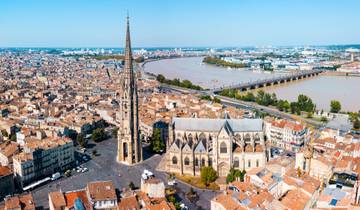
7 days
From Bordeaux to Toulouse or Toulouse to Bordeaux by Bike Self-Guided
- ✓ Comprehensive Bordeaux tour
- ✓ Expert local guides included
- ✓ All accommodation arranged
- ✓ Transportation provided
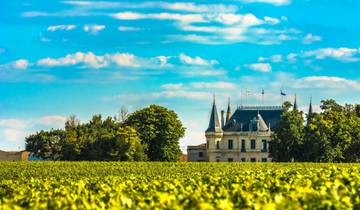
6 days
Cycling The Grand Crus of Bordeaux
- ✓ Comprehensive Bordeaux tour
- ✓ Expert local guides included
- ✓ All accommodation arranged
- ✓ Transportation provided
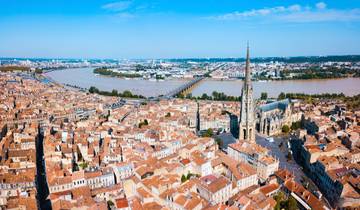
11 days
Beautiful Bordeaux 2026
- ✓ Comprehensive Bordeaux tour
- ✓ Expert local guides included
- ✓ All accommodation arranged
- ✓ Transportation provided
8 days
Wellness Retreat South of France
- ✓ Comprehensive Bordeaux tour
- ✓ Expert local guides included
- ✓ All accommodation arranged
- ✓ Transportation provided
Multi-day tour packages powered by TourRadar. Prices and availability subject to change.
Essential Planning Information for 2026 Médoc Visits
Understanding Médoc Geography and Appellations
The Médoc peninsula extends northward from Bordeaux between the Gironde estuary to the east and Atlantic Ocean pine forests to the west, creating a long, narrow wine region approximately 60 kilometers in length and 10-15 kilometers in width. The D2 road serves as the primary wine route spine connecting all major communes and classified growth estates, with secondary roads providing access to individual châteaux and smaller villages.
The southern Haut-Médoc appellation encompasses several prestigious village designations including Margaux, Moulis-en-Médoc, and Listrac-Médoc, extending from Blanquefort north to Saint-Seurin-de-Cadourne. This region contains the highest concentration of classified growth châteaux outside the three northern communal appellations, with soils ranging from gravel banks near the estuary to limestone outcrops inland. The Haut-Médoc designation itself represents quality tier above regional Médoc appellation, with stricter production standards and higher minimum quality requirements.
Margaux, the southernmost communal appellation, produces elegant, perfumed wines from gravel terroirs on the highest elevation sites in the Médoc. The appellation encompasses five communes—Margaux, Cantenac, Soussans, Arsac, and Labarde—containing 21 classified growths including the First Growth Château Margaux. The gravel banks create exceptional drainage and heat retention producing wines with finesse and aromatic complexity distinguishing Margaux from more powerful northern appellations.
Moulis-en-Médoc and Listrac-Médoc occupy inland positions west of the estuary where clay-limestone soils create firmer, more structured wines than gravel-based appellations. These communes lack first or second growth châteaux but contain numerous excellent third through fifth growths and cru bourgeois properties offering exceptional value. The slightly cooler inland microclimate and heavier soils produce wines requiring longer aging to reveal their quality, creating opportunities for patient collectors seeking alternatives to higher-priced classified growths.
Saint-Julien represents the smallest of the great northern communes but contains the highest percentage of classified growth estates relative to total vineyard area. Eleven classified châteaux including five second growths produce balanced wines combining Margaux elegance with Pauillac power. Saint-Julien’s compact size and château concentration create efficient touring, with most classified properties accessible within 5 kilometers of the village center.
Pauillac, the most prestigious Médoc commune, contains three of the five first growths—Château Latour, Château Lafite Rothschild, and Château Mouton Rothschild—plus 15 other classified properties. The deep gravel beds on gently sloping terrain toward the Gironde produce powerful, structured wines with legendary aging potential. Pauillac serves as the Médoc’s commercial center with hotels, restaurants, and services supporting wine tourism, making it the logical base for multi-day exploration.
Saint-Estèphe, the northernmost great commune, produces robust, tannic wines from clay-gravel soils containing higher limestone percentage than southern appellations. Five classified growths including the second growth Cos d’Estournel demonstrate the commune’s quality potential, while numerous cru bourgeois estates offer approachable prices. Saint-Estèphe wines require extended aging but reward patience with complex development and exceptional longevity.
The regional Médoc appellation covers the peninsula’s northern tip from Saint-Estèphe to Saint-Vivien-de-Médoc, producing wines from mixed terroirs less prestigious than communal appellations but offering excellent value. This area contains numerous cru bourgeois properties producing well-made wines at accessible prices, ideal for everyday drinking while higher-priced classified growths age in cellars.
2026 Visiting Hours and Seasonal Patterns
Médoc château visiting hours in 2026 follow consistent patterns across the region, with most properties opening 10 AM-12:30 PM and 2 PM-6 PM Monday-Friday, reduced weekend hours 10 AM-5 PM Saturday-Sunday, and Monday closures common at smaller estates. First and second growth châteaux maintain year-round operations with daily tours except major holidays, while smaller properties reduce schedules during winter months (November-March) operating by appointment only.
The high season from April through October brings maximum tour frequency and visitor services, with English-language tours offered multiple times daily at major châteaux. Summer months (July-August) extend evening hours at select properties to 7 PM-8 PM accommodating increased demand. Shoulder season (April-May, September-October) maintains good services with fewer crowds, while winter visiting (November-March) requires advance planning as many châteaux limit public access focusing on wine-making operations.
Harvest season timing varies by vintage conditions, though the Médoc harvest concentrates in late September through mid-October in most years. During harvest, château tour availability reduces as staff prioritizes grape reception and wine-making operations. Some properties close entirely to visitors during active picking periods (typically 10-15 days), while others continue limited schedules or offer special harvest experiences allowing visitors to observe picking and sorting activities. Advance confirmation of availability becomes essential during September-October harvest window.
Language Considerations for 2026 Visits
English language capabilities improved significantly across Médoc châteaux during 2020-2025 responding to international tourism growth, with all classified growth estates now offering daily English-language tours during April-October season. First and second growth properties provide English tours multiple times daily, while third through fifth growths schedule specific English tour times requiring advance booking to confirm language needs.
Smaller cru bourgeois estates vary in English capabilities, with properties receiving frequent international visitors maintaining English-speaking guides while lesser-known châteaux may operate primarily in French. Organized wine tours include English-speaking guides eliminating language concerns, while self-guided visitors should confirm English availability when booking château visits to avoid communication difficulties affecting experience quality.
Best Time to Visit the Médoc in 2026
Spring Season: April-June 2026
Spring represents ideal timing for Médoc wine tourism, combining pleasant weather, beautiful vineyard conditions, and moderate visitor numbers. April brings bud break transforming bare winter vines into fresh green canopies, with temperatures ranging 12-18°C creating comfortable touring conditions. May-June offer the most reliable weather with average temperatures 15-22°C, extended daylight hours supporting full-day itineraries, and flowering vines creating picturesque vineyard landscapes photographing beautifully.
Spring visiting advantages include uncrowded château experiences with guides providing more personalized attention, greater booking flexibility as reservation pressure remains moderate, and lower accommodation rates than summer peak season. The vineyard work rhythm shifts to canopy management and early disease prevention, allowing visitors to observe viticultural practices without harvest season intensity. Restaurant reservations secure more easily, and wine village atmosphere feels authentic rather than tourist-dominated.
Weather variability represents spring’s primary challenge, with occasional rain requiring flexible planning. April rainfall averages 60-70mm monthly creating muddy vineyard conditions limiting walk-in-vines experiences, though paved château grounds remain accessible. May-June weather stabilizes with 50-60mm average rainfall and increasing sunshine hours. Packing layers accommodates temperature swings between cool mornings and warm afternoons characteristic of Atlantic maritime climate patterns.
Summer Season: July-August 2026
Summer brings peak tourist season to the Médoc, with July-August offering warmest weather (average 20-25°C), longest daylight hours (sunrise 6:30 AM, sunset 9:30 PM), and maximum tour frequency at all châteaux. The lush green vineyard canopies reach full development, with grape clusters visible showing early development stages. Summer weather provides most reliable conditions for outdoor activities including vineyard picnics and extended château grounds exploration.
Summer challenges include crowded conditions at popular châteaux requiring 4-6 week advance booking for first and second growths, higher accommodation rates (20-40% premium over shoulder season), and tourist-heavy atmosphere in major wine villages. The heat occasionally reaches uncomfortable levels (28-32°C during heat waves) making midday château touring less pleasant. Restaurant reservations require earlier booking, and popular properties may feel rushed with back-to-back tour groups limiting personal interaction opportunities.
Strategic summer visiting emphasizes early booking for all services, scheduling morning château visits avoiding afternoon heat, and balancing popular classified growths with lesser-known properties offering uncrowded experiences. The extended daylight enables ambitious itineraries visiting 4-5 châteaux daily if desired, though quality over quantity approach maintains better appreciation and reduces fatigue.
Autumn Season: September-October 2026
Autumn provides exceptional Médoc visiting experiences combining harvest excitement, beautiful weather, vineyard color transformation, and reduced crowds compared to summer peak. September temperatures average 18-22°C creating ideal touring conditions, while October cooling to 13-18°C remains comfortable with appropriate clothing. The grape harvest concentrating in late September through mid-October offers unique opportunities observing picking crews, sorting tables, and initial fermentation activities.
Harvest season brings vineyard activity creating dynamic visual interest and authentic wine-making atmosphere. Château tours during harvest may include cellar visits showing active fermentation tanks, explanations of sorting and destemming processes, and discussions of vintage conditions affecting wine quality. The energy and urgency of harvest season convey wine-making’s agricultural reality often missing during quiet periods.
Harvest timing varies by vintage weather patterns, with earlier harvests in warm years (mid-September start) and later picking in cooler vintages (early October). Some châteaux reduce tour frequency or close entirely during active harvest periods as staff focuses on grape processing. Advance confirmation of availability becomes essential, with backup château options recommended if primary choices close unexpectedly due to harvest scheduling.
October’s autumn colors transform vineyard landscapes as grape leaves turn yellow, orange, and red before falling. The dramatic color changes create spectacular photography opportunities unavailable in other seasons. Reduced tourist numbers compared to summer allow more relaxed château experiences and easier accommodation booking, while restaurants return to regular operations after vacation closures.
Winter Season: November-March 2026
Winter visiting attracts serious wine enthusiasts seeking authentic experiences and significant cost savings, though reduced services and unpredictable weather require careful planning. November-March temperatures average 6-12°C with frequent rain, though occasional sunny periods provide pleasant touring conditions. Many smaller châteaux close to public tours during winter, focusing exclusively on wine-making, bottling, and vineyard maintenance activities.
Winter advantages include minimal tourist presence creating intimate château experiences, substantially lower accommodation rates (30-50% below high season), and opportunities for extended conversations with château staff less pressured by constant visitor flow. The dormant vineyards reveal landscape structure and château architecture more clearly than during vegetative growth periods. Some properties offer special winter programming including vertical tastings comparing multiple vintages and technical blending workshops.
Winter challenges include limited tour schedules requiring appointment-based visiting rather than walk-in options, reduced restaurant operations with some establishments closing entirely January-February, and weather-dependent itineraries necessitating flexibility. The short daylight hours (sunrise 8:30 AM, sunset 5:30 PM in December) restrict daily château visit capacity. Advance research identifying winter-operating properties becomes essential for successful trip planning.
Transportation Options for 2026 Médoc Exploration
Self-Drive Touring: Maximum Flexibility
Self-drive touring offers maximum flexibility exploring the Médoc wine route at personal pace, with rental cars available at Bordeaux-Mérignac Airport and downtown Bordeaux locations starting €40-70 per day for compact vehicles suitable for Médoc road conditions. The D2 wine route road features excellent pavement, clear signage to major châteaux, and light traffic except during summer weekends. Navigation apps including Google Maps and Waze provide reliable routing, though downloading offline maps prevents connectivity issues in remote vineyard areas.
Designated driver requirements represent the primary self-drive limitation, with one person sacrificing tasting opportunities to ensure safe operation. Some couples rotate driving duties across multiple days, while others hire professional drivers (€200-300 daily) combining self-drive flexibility with full participation in tastings. The strict French drunk-driving laws (0.05% blood alcohol limit, 0.02% for new drivers) require conservative approach, as even modest wine tasting can exceed legal limits.
Parking at châteaux poses few difficulties, with most properties maintaining visitor lots accommodating 10-30 vehicles. Popular estates may fill parking during summer weekends requiring overflow street parking, though space generally remains available with minimal walking. Some prestigious first growth châteaux request advance parking notification for large vehicles or group arrivals, easily accommodated through reservation confirmation processes.
Self-drive itineraries enable strategic geographic routing visiting multiple appellations daily, with efficient planning allowing 3-4 château visits plus lunch within comfortable 8-hour day. Morning departure from Bordeaux or Médoc accommodation base, northern appellation visits (Pauillac, Saint-Estèphe), lunch break, southern appellation touring (Margaux, Moulis), and evening return creates logical flow minimizing backtracking. Midweek touring reduces traffic compared to weekend congestion when Bordeaux residents visit the Médoc for wine purchasing.
Organized Wine Tours: Expert-Guided Experiences
Organized wine tours eliminate driving concerns while providing expert commentary, insider château access, and social experience with fellow wine enthusiasts. Full-day Médoc tours in 2026 cost €80-150 per person for shared group experiences (8-15 participants) visiting 3-4 châteaux with lunch included at traditional regional restaurant. Premium small-group tours (4-6 participants) range €150-250 per person offering more personalized attention and flexibility in château selection and timing.
Private guided tours provide ultimate customization, with professional wine educators designing itineraries matching specific interests, knowledge levels, and château access requests. Private day tours cost €300-500 per person (2-person minimum) including château visits, lunch, and full-day guide services. Multi-day private programs with overnight château accommodations reach €1,000+ per person daily for luxury immersion experiences featuring exclusive tastings and vineyard access unavailable to general visitors.
Tour operators maintain relationships with classified growth châteaux enabling reservation access during high season when individual bookings may face waitlists. Many tours include châteaux rarely accepting public visitors, providing access opportunities impossible through individual booking. The guides’ wine knowledge enhances understanding of terroir differences, vintage variations, and Bordeaux classification systems, adding educational value beyond basic château tour information.
Shared group tours follow fixed itineraries limiting flexibility, with predetermined château selection and lunch locations. The group dynamics vary, with enthusiastic fellow participants enhancing experience while disengaged tourists may reduce enjoyment. Tours operating on strict schedules occasionally rush château visits to maintain timing, potentially limiting tasting opportunities or question periods. Despite these limitations, organized tours provide excellent value for first-time Médoc visitors or those unable to arrange private transportation.
Bicycle Touring: Active Wine Exploration
Bicycle touring creates active exploration combining exercise with wine tasting, following quiet back roads through vineyard landscapes impossible to appreciate from cars. Several companies offer guided multi-day cycling tours including bike rental, accommodation, luggage transfer, and château visit arrangements, with costs €1,200-2,000 per person for 3-4 day programs. Self-guided cycling using rental bikes (€25-40 daily) provides budget alternative for experienced cyclists comfortable navigating independently.
The relatively flat Médoc terrain suits recreational cycling, with gentle elevation changes rarely exceeding 50-meter climbs between estuary banks and inland plateaus. The D2 route includes bike lanes on some sections, though secondary roads offer safer, more scenic options through vineyards and wine villages. Spring and autumn provide ideal cycling weather, while summer heat makes early morning or evening riding preferable to midday touring.
Cycling limitations include reduced daily distance capacity restricting château visits to 2-3 properties daily, weather dependency making rain or strong winds problematic, and wine consumption concerns requiring moderation to maintain safe cycling ability. Transporting purchased wine bottles challenges cyclists, though many châteaux ship purchases to hotels or international addresses eliminating carrying requirements. The physical exertion may reduce tasting sensitivity, with palate fatigue affecting appreciation of subtle wine differences.
Train and Local Transport: Low-Car Options
Train service from Bordeaux to Pauillac operates multiple times daily (€12-15 one-way), providing car-free access to the Médoc’s central hub. The 45-60 minute journey passes through Margaux and Saint-Julien appellations, with several intermediate stations serving smaller wine villages. However, châteaux distance from train stations (typically 2-5 kilometers) requires taxis or advance tour arrangements, limiting train practicality for independent visiting.
Taxi services in Pauillac and Margaux provide château transportation, though availability varies and advance booking ensures service. Rates range €15-30 between châteaux within single appellation, with full-day taxi hire (€200-300) offering alternative to car rental for those wanting driver services. The limited taxi fleet during high season requires advance arrangements avoiding disappointment.
Château Visit Planning for 2026
Understanding Visit Types and Experiences
Médoc château visits in 2026 range from basic tastings to comprehensive tours revealing complete wine-making processes, with experiences and pricing varying significantly by property classification and programming sophistication. Basic visits lasting 60-90 minutes include guided château tour showing wine-making facilities, barrel cellars, and bottle storage areas, concluding with tasting of 2-3 current vintage wines. Standard visits at fifth growth and cru bourgeois estates cost €10-15 per person, while classified growth properties charge €20-35 for comparable experiences.
Premium experiences extend to 2-3 hours incorporating extended barrel cellar tastings comparing wines at different aging stages, library vintage tastings featuring older bottlings demonstrating aging evolution, or vineyard walk-and-talk sessions explaining terroir characteristics and viticultural practices. These enhanced visits cost €45-80 at first and second growth châteaux, €30-50 at third through fifth growths. The premium experiences provide deeper understanding of wine-making philosophy and quality factors justifying classified growth reputations and pricing.
Exclusive access programs for serious collectors and trade professionals include private tastings with wine-makers or estate directors, vertical tastings spanning multiple decades, and unreleased wine previews. These experiences require advance arrangement through château contacts, wine merchant introductions, or specialized tour operators maintaining professional relationships. Costs vary widely depending on wines poured and access level, ranging from €100-500+ per person for truly exceptional experiences featuring rare library vintages or private cellar selections.
Booking Strategies for 2026 Season
First growth châteaux (Margaux, Latour, Lafite Rothschild, Mouton Rothschild) require advance booking 4-8 weeks ahead during high season (May-September), with online reservation systems opening bookings 3 months in advance. Visiting these properties without reservations proves impossible, as walk-in requests face consistent refusal regardless of season. The châteaux limit daily visitor numbers to 50-80 participants across multiple tour times, protecting wine-making operations and maintaining exclusive atmosphere.
Second growth estates recommend 2-4 week advance booking during peak season, with greater flexibility in shoulder periods accepting 1-2 week notice. Properties like Cos d’Estournel, Pichon-Longueville Baron, and Ducru-Beaucaillou maintain sophisticated visitor programs with dedicated hospitality staff managing reservations efficiently through online platforms or email requests. Same-week booking becomes possible during April, November, and winter months when visitor pressure reduces.
Third through fifth growth châteaux show more variable booking requirements, with tourist-oriented properties like Château Palmer requiring advance reservations while smaller estates accommodate shorter notice bookings. A prudent approach books all classified growth visits 2-3 weeks ahead during summer, 1 week for spring and autumn visits. Many properties accept reservations via email or phone, responding within 24-48 hours to confirm availability and provide visit details including meeting location, tour duration, and payment methods.
Cru bourgeois and non-classified estates generally accommodate walk-in visitors except during summer weekends when advance calling confirms availability. These properties represent excellent backup options when classified growths book fully, often providing comparable quality wine experiences at fraction of cost. Building itineraries with mix of advance-booked classified châteaux and flexible cru bourgeois visits creates optimal balance between must-see properties and spontaneous discovery.
First Growth Château Experiences
Château Margaux offers comprehensive tours Monday-Friday by advance appointment, with visits costing €60-80 per person including estate tour, barrel cellar tasting, and current vintage Grand Vin tasting. The neoclassical château architecture rivals wine quality, with the elegant 1810 building among Bordeaux’s most photographed landmarks. Tours emphasize the estate’s 400-year history, exceptional terroir characteristics, and uncompromising quality standards maintaining first growth status since 1855 classification.
Château Latour maintains boutique visitor program limiting tours to small groups (maximum 8 participants) ensuring personalized experiences. The €70-90 visits include comprehensive estate tour, discussions of biodynamic viticulture practices implemented during recent decades, and tastings of current vintage Grand Vin plus second wine Les Forts de Latour. The distinctive round tower serving as estate symbol creates iconic photo opportunities overlooking vineyard parcels producing some of Bordeaux’s longest-lived wines.
Château Lafite Rothschild accepts reservations through their online portal opening 3 months ahead, with tours costing €75-95 per person. The visits showcase the legendary estate’s gravelly plateau vineyards, extensive underground cellars containing library vintages dating to the 18th century, and contemporary wine-making facilities balancing tradition with modern precision. The Rothschild family ownership spanning 150 years connects to global wine empire including properties in Chile, Argentina, and China.
Château Mouton Rothschild distinguishes itself through exceptional wine museum displaying 16th-20th century decorative arts and ceremonial objects related to wine, included in €80-100 château tours. The annual label commissions from major artists including Chagall, Picasso, and Warhol create collectible bottle designs celebrated in permanent museum displays. Tours emphasize Baron Philippe de Rothschild’s transformative role elevating Mouton from second to first growth status in 1973, the only classification change since 1855.
Second Growth Highlights
Château Cos d’Estournel offers among the most visually striking château experiences in the Médoc, with exotic oriental architecture creating unforgettable impression. The 19th-century building features Indian-inspired pagoda towers and decorative elements reflecting founder Louis-Gaspard d’Estournel’s Asian trade connections. Tours costing €35-50 include gravity-flow winery showcasing contemporary wine-making technology, extensive barrel cellar aging both grand vin and second wine, and tastings emphasizing Saint-Estèphe’s powerful, age-worthy style.
Château Pichon-Longueville Baron combines fairytale château architecture with cutting-edge wine-making facilities designed by architect Patrick Dillon. The €40-60 tours reveal underground cellars extending beneath vineyard parcels, gravity-flow production facilities, and tasting rooms overlooking Pauillac’s first growth neighbors Château Latour and Château Mouton Rothschild. The property’s renaissance since 1987 AXA acquisition demonstrates impact of substantial investment in vineyard management and cellar modernization.
Château Ducru-Beaucaillou in Saint-Julien maintains traditional Médoc estate character with 19th-century château overlooking Gironde estuary. Tours emphasizing terroir showcase the estate’s distinctive gravel deposits (beaucaillou means “beautiful pebbles”) contributing to wine elegance and aromatic complexity. The €35-50 visits include current vintage tastings demonstrating Saint-Julien’s balanced style between Margaux finesse and Pauillac power.
Value-Focused Château Selections
Third through fifth growth estates provide excellent quality-to-price ratios, offering classified growth experiences at more accessible costs. Château d’Issan in Margaux (Third Growth) offers €25-35 tours showcasing moated château architecture and exceptional terroir on gravel plateau. Château Batailley in Pauillac (Fifth Growth) provides €20-30 visits with family estate atmosphere and outstanding value wines demonstrating Pauillac typicity. Château Pontet-Canet, while third growth, merits special attention for biodynamic viticulture practices and wine quality rivaling many first growths, with tours costing €30-45.
Cru bourgeois estates represent best value in Médoc wine tourism, offering quality wines and warm hospitality at €10-20 visit costs. Château Phélan Ségur in Saint-Estèphe provides sophisticated visitor experience with contemporary tasting room and vineyard views. Château Sociando-Mallet in Haut-Médoc produces cult-status wines achieving classified growth quality at accessible prices. Château Potensac in northern Médoc offers family estate charm with multi-generational wine-making traditions and excellent regional terroir representation.
Budget Guide for 2026 Médoc Wine Tourism
Daily Cost Breakdown by Budget Level
Budget-conscious Médoc exploration in 2026 costs €150-250 per person daily combining economy accommodation, cru bourgeois château visits, and modest dining. This approach prioritizes wine experiences over luxury services, staying in 2-3 star hotels or chambres d’hôtes (€80-120 per room), visiting primarily cru bourgeois and fifth growth estates (€10-20 per visit), lunching at bistros or picnicking (€15-25), and dining at casual restaurants (€25-40). Daily itineraries include 3-4 château visits totaling €40-60, meals €40-65, accommodation €40-60 per person sharing double occupancy, and transportation (fuel, parking) €25-35.
Mid-range Médoc tourism costs €300-500 per person daily balancing classified growth visits with comfortable accommodation and quality dining. This budget supports 3-4 star hotels in Pauillac or Margaux (€150-250 per room), mix of third through fifth growth château visits plus one second growth experience (€25-45 per visit), traditional restaurant lunch (€30-45), and good bistro or wine bar dinner (€40-60). Daily costs include château visits €75-135, accommodation €75-125 per person, meals €70-105, wine purchases €50-100, and transportation €30-40.
Luxury Médoc experiences cost €600-1,200+ per person daily featuring château hotel accommodation, first and second growth tastings, and Michelin-starred dining. This tier includes château or boutique hotel stays (€300-600+ per room), first and second growth visits (€60-90 per château), gourmet restaurant lunch (€80-150 per person), and starred restaurant dinner (€120-250+ per person). Private guide services (€300-500 daily) and premium wine purchases (€200-500+) add significantly to base costs. Daily totals reach €600-800 for self-guided luxury or €1,000-1,200+ for fully guided premium experiences.
Château Visit Costs for 2026
Château visit pricing in 2026 correlates strongly with classification level, though individual properties vary based on experience comprehensiveness and facilities quality. Cru bourgeois and unclassified estates charge €8-15 for basic tours with 2-3 wine tastings in standard tasting rooms, providing excellent value for quality wine experiences without prestige pricing premiums.
Fifth growth châteaux cost €15-25 for standard visits including guided tours and current vintage tastings. These properties offer classified growth status at accessible prices, with estates like Château Lynch-Bages and Château Grand-Puy-Lacoste providing outstanding visitor experiences. Premium programs featuring library vintages or extended vineyard experiences add €10-20 to base pricing.
Fourth and third growth visits range €20-35 for standard experiences, €35-50 for premium programming. Properties like Château Talbot, Château Beychevelle, and Château Palmer maintain sophisticated hospitality programs with dedicated visitor facilities and professional guides. The mid-classification tier provides quality-price balance offering prestigious château experiences without first growth premium costs.
Second growth châteaux charge €35-60 for comprehensive visits, with premium experiences reaching €60-80 when including library vintage tastings or private cellar access. Estates like Château Cos d’Estournel, Château Pichon-Longueville Baron, and Château Léoville Las Cases justify premium pricing through exceptional facilities, extensive programming, and world-class wine quality.
First growth visits cost €60-100 depending on experience type and wines poured. Basic tours at €60-80 include estate tour and current vintage Grand Vin tasting, while premium €80-100 experiences add barrel tastings, older vintages, or extended discussions with wine-making staff. The first growth premium reflects limited production, exceptional quality, and significant global demand creating allocation systems for both wine and visitor access. Reserve tickets cost €70-95 for adults in 2026 (check individual château websites for current official rates as pricing may vary).
Accommodation Costs Across 2026 Season
Budget accommodation in Médoc wine villages ranges €80-150 per night for double rooms in 2-star hotels, chambres d’hôtes (bed and breakfasts), or vacation rentals. Properties in Pauillac, Saint-Julien, and Margaux village centers provide walking access to some châteaux and restaurants while maintaining affordable pricing. Budget options peak at €120-150 during July-August high season while dropping to €80-100 during April-May and October-November shoulder periods.
Mid-range hotels (3-4 star) in central wine village locations cost €150-300 per night, offering comfortable rooms, often including breakfast, and sometimes providing wine tasting spaces or small wine cellars. Properties like Cordeillan-Bages in Pauillac or Les Criquets in Margaux combine quality accommodation with wine-focused ambiance and knowledgeable staff. Peak season rates reach €250-300 while shoulder season pricing drops to €150-200.
Château hotels represent ultimate Médoc accommodation experiences, with historic estates converted to boutique properties offering authentic wine culture immersion. Properties like Château Cordeillan-Bages (€300-500 per night) and Château Lafaurie-Peyraguey in Sauternes (€400-600) provide luxury rooms, gourmet dining, vineyard access, and premium wine experiences. Ultra-luxury options like Château Smith Haut Lafitte’s Les Sources de Caudalie (€500-1,000+ per night) combine five-star hospitality with vinotherapy spa services and Michelin-starred dining.
Bordeaux city accommodation provides alternative base for Médoc exploration, offering wider lodging options, cultural activities, and restaurant diversity at competitive prices. Mid-range Bordeaux hotels cost €100-200 per night, with the 45-60 minute drive to southern Médoc appellations manageable for day trips. This approach suits travelers combining Médoc wine tourism with Bordeaux city sightseeing, Right Bank wine regions, or other Aquitaine destinations.
Dining Costs for 2026 Médoc Visits
Casual lunch options in Médoc wine villages cost €15-25 per person for bistro meals, café sandwiches, or bakery provisions for vineyard picnics. Traditional regional restaurants serving local specialties like entrecôte Bordelaise or lamprey stew cost €25-40 for two-course lunches with wine. The relaxed midday dining provides cultural immersion while managing daily food costs, with many visitors choosing modest lunch enabling splurge dinner at fine restaurants.
Dinner at good bistros or wine bars ranges €30-50 per person for three courses with modest wine selection. Establishments in Pauillac, Margaux, and Saint-Estèphe combine quality regional cuisine with extensive local wine lists offering by-the-glass options for tasting diversity. These casual dinner options provide authentic Médoc food culture without formal dining premium pricing.
Fine dining restaurants cost €60-100 per person for three-course meals with appropriate wine pairings. Establishments like Café Lavinal in Pauillac or Lion d’Or in Margaux offer sophisticated cuisine showcasing seasonal ingredients and classic regional preparations. The wine lists feature comprehensive local selections with pricing from accessible cru bourgeois options through prestigious classified growth verticals.
Michelin-starred dining represents culinary pinnacle, with restaurants like La Grand’Vigne at Les Sources de Caudalie (two Michelin stars) costing €120-250+ per person for tasting menus with wine pairings. These special occasion experiences combine innovative haute cuisine with exceptional wine service and luxurious dining environments. Advance reservations (2-4 weeks recommended) ensure seating during high season.
Sample 2026 Médoc Itineraries
Classic Pauillac Day Trip from Bordeaux
This foundational Médoc itinerary focuses on Pauillac, visiting three classified growth châteaux representing different quality tiers while maintaining achievable scheduling and budget control. Depart Bordeaux 9 AM, arriving Pauillac 10 AM for first château visit at a fifth growth property like Château Lynch-Bages or Château Grand-Puy-Lacoste (€20-25 per person, pre-booked for 10:30 AM tour). The 90-minute visit provides introduction to Pauillac terroir, wine-making processes, and current vintage characteristics.
Lunch at Café Lavinal in Pauillac village (€30-40 per person) offers refined bistro cuisine with excellent local wine list featuring reasonably-priced Pauillac options by glass or bottle. The midday break recharges for afternoon château visits while sampling regional culinary traditions.
Afternoon program includes second growth château experience, booking 2:30 PM tour at Château Pichon-Longueville Baron or Château Pichon-Longueville Comtesse de Lalande (€40-50 per person). The enhanced facilities, extended cellar access, and premium tastings demonstrate second growth quality justifying higher pricing and reputation. Following second growth visit, conclude with cru bourgeois estate offering walk-in welcome or casual advance booking, such as Château Pibran or Château Haut-Bages Libéral (€15-20 per person), providing contrast with classified growth formality and excellent value wines for personal purchases.
Afternoon visits €15-20, wine purchases €40-80, fuel/parking €15. Total day cost: €120-180 per person.
Northern Médoc Grand Cru Circuit
This ambitious itinerary combines Pauillac and Saint-Estèphe appellations, visiting four châteaux including one first growth and multiple second growths creating comprehensive grand cru experience. Depart accommodation 9 AM, heading directly to pre-booked first growth visit at Château Latour or Château Mouton Rothschild (€70-90 per person, 10 AM tour reservation). The first growth experience sets quality benchmark while morning timing ensures fresh palate for appreciating subtle wine nuances.
Drive north to Saint-Estèphe for second château visit at Cos d’Estournel (€40-50 per person, 12:30 PM tour), with the distinctive oriental architecture and powerful Saint-Estèphe wine style contrasting with Pauillac first growth elegance. The extended visit duration at both properties creates morning schedule requiring efficient timing.
Lunch at simple bistro in Saint-Estèphe village (€20-30 per person) or picnic provisions from Pauillac bakery consumed at scenic estuary viewpoint provides budget-conscious midday break. The abbreviated lunch maintains afternoon energy while controlling costs after premium morning château visits.
Afternoon program visits two additional properties representing quality diversity: third growth Château Calon-Ségur in Saint-Estèphe (€30-40 per person, 2:30 PM pre-booked tour) showing Saint-Estèphe terroir character and historic estate preservation, followed by cru bourgeois Château Phélan Ségur (€15-20 per person, 4:30 PM visit) demonstrating excellent value wines and contemporary hospitality facilities.
First growth visit €70-90, three additional château visits €85-110, lunch €20-30, wine purchases €80-150, fuel/parking €20. Total day cost: €275-400 per person.
Margaux to Saint-Julien Southern Route
This elegant itinerary explores Margaux’s refined wines and Saint-Julien’s balanced style, visiting châteaux representing both appellations’ distinctive characters. Begin with 10 AM tour at Château Margaux (€70-80 per person, advance booking essential), experiencing the appellation’s first growth alongside neoclassical architectural splendor. The morning timing at this prestigious property ensures optimal tasting conditions and unhurried exploration.
Follow with mid-morning visit to third or fourth growth Margaux estate such as Château Palmer (€35-45 per person, 11:30 AM pre-booked) or Château d’Issan (€25-35 per person), showing appellation diversity beyond first growth while featuring exceptional terroir and historic properties. The back-to-back morning visits maximize productivity before midday lunch break.
Lunch at traditional restaurant in Margaux village (€35-45 per person) or at Lion d’Or (€40-60 per person) provides refined regional cuisine with appropriate wine selections bridging morning and afternoon programs. The substantial lunch break allows digesting morning wine education while preparing palate for afternoon Saint-Julien discoveries.
Drive north 15 minutes to Saint-Julien for afternoon château visits at second growth properties like Château Ducru-Beaucaillou or Château Léoville Las Cases (€40-55 per person, 2:30 PM reservation), experiencing Saint-Julien’s reputation for consistent quality and balanced wine style. Conclude with fourth growth Château Beychevelle (€25-35 per person, 4:30 PM) or fifth growth Château Lagrange (€20-30 per person), both offering excellent visitor facilities and quality wines demonstrating Saint-Julien character across classification levels.
First growth visit €70-80, three additional château visits €100-130, lunch €35-60, wine purchases €60-100, fuel/parking €20. Total day cost: €285-390 per person.
Budget-Focused Cru Bourgeois Discovery
This value-oriented itinerary explores excellent cru bourgeois estates producing quality wines at accessible prices while offering warm hospitality often surpassing classified growth formality. Begin at Château Phélan Ségur in Saint-Estèphe (€15-20 per person, 10 AM walk-in or casual advance booking), with contemporary facilities and well-regarded wines representing Saint-Estèphe terroir excellence.
Continue to Château Sociando-Mallet in Haut-Médoc (€12-18 per person, 11:30 AM), experiencing cult-status wines achieving classified growth quality at fraction of cost. The family estate atmosphere and passionate wine-making philosophy demonstrate cru bourgeois category’s potential for exceptional quality outside official classification system.
Picnic lunch with provisions from Pauillac market or bakery (€12-18 per person) consumed at scenic Gironde estuary viewpoint or château grounds (when permitted) creates budget-conscious break while enjoying vineyard landscape beauty. The informal lunch maintains flexibility and reduces daily costs significantly compared to restaurant dining.
Afternoon visits include Château Potensac in northern Médoc (€10-15 per person, 2 PM), showing regional appellation quality from historic property owned by Léoville Las Cases family, and Château Lanessan in Haut-Médoc (€12-18 per person, 4 PM) featuring museum of horse-drawn carriages alongside quality wine production. Both properties welcome visitors without appointment pressure typical at classified growths.
Four château visits €49-71, picnic lunch €12-18, wine purchases €40-60, fuel/parking €25. Total day cost: €126-174 per person.
Booking Strategies for Your 2026 Médoc Visit
Advance Planning Timeline
Effective Médoc planning for 2026 begins 3-6 months before travel dates, with earlier timeline benefiting high season visitors (June-September) facing greatest booking pressure. Initial planning phase researches appellations, identifies priority châteaux, and establishes daily itinerary framework balancing geographic routing with quality tier diversity. This foundation enables strategic booking as reservation windows open.
First growth château bookings open 3 months ahead, with properties like Château Margaux and Château Lafite Rothschild releasing availability February 2026 for May visits, May 2026 for August visits. Monitor château websites for exact booking window announcements, as policies occasionally adjust. Secure first growth reservations immediately upon availability, as popular time slots fill within days of opening. Flexibility on visit dates increases booking success, with midweek times showing better availability than weekends.
Second and third growth bookings proceed 6-8 weeks before visits, confirming availability through château websites, email inquiries, or phone contact. Most properties respond within 24-48 hours confirming requested times or suggesting alternatives. Booking these classified properties after securing first growth anchor visits enables building complete daily itineraries accounting for driving times, lunch breaks, and realistic scheduling.
Fourth and fifth growth châteaux plus cru bourgeois estates accept 2-4 week advance booking during high season, with many accommodating shorter notice in shoulder periods. These properties provide itinerary flexibility, serving as backup options when preferred châteaux book fully or enabling spontaneous additions when daily schedules allow extra visits.
Digital Booking Systems and Contact Methods
Many classified growth châteaux implemented online booking systems during 2023-2025, with user-friendly platforms showing available tour times, pricing, and experience options. Properties including Château Lynch-Bages, Château Pichon-Longueville Baron, and Château Pontet-Canet offer instant confirmation for standard tours, eliminating email correspondence delays. The systems accept credit card payment securing reservations, with cancellation policies typically allowing full refunds for cancellations made 48-72 hours before scheduled visits.
First growth properties maintain more traditional booking processes, requiring email requests including desired visit dates, group size, language preference, and wine knowledge level. The châteaux respond with availability confirmation or alternative suggestions, often requesting additional information about visitor background and interests. This screening process helps estates ensure visitors possess serious wine interest matching exclusive access and premium experiences offered.
Smaller estates without online systems accept email booking in English or French, with responses ranging from same-day to several days depending on staff availability. Phone contact provides fastest confirmation for properties accepting telephone reservations, though language barriers may challenge non-French speakers. Many Médoc properties maintain English-speaking staff or use translation apps facilitating communication, though email correspondence creates written confirmation useful for itinerary documentation.
Group Size Considerations
Most châteaux limit group sizes to ensure quality experiences, with typical maximums of 8-12 participants for standard tours and 4-6 for premium experiences. Larger private groups (10-20 participants) require special arrangements often commanding premium pricing or private guide fees. First and second growth properties strictly enforce size limits maintaining intimate atmosphere and allowing personal interaction with guides.
Solo travelers and couples face no barriers at any properties, with some châteaux offering reduced rates for individual visitors during off-peak periods. Small groups of 4-6 people receive optimal experiences, large enough to share costs for private guides or transportation while small enough to maintain flexibility and personal attention from château staff.
Cancellation and Modification Policies
Cancellation policies vary by property, with most classified growths requiring 48-72 hours notice for full refunds while charging 50-100% for late cancellations or no-shows. The policies protect châteaux from revenue loss when holding visitor slots, while recognizing legitimate travel disruptions requiring schedule changes. Email documentation of cancellations ensures clear communication and refund processing.
Schedule modifications for different visit times or dates accommodate easily when requested with reasonable notice (1-2 weeks preferred), though peak season changes face availability limitations. Properties appreciate early modification requests enabling resale of originally booked time slots. Weather-related cancellations rarely occur as most château tours proceed regardless of conditions, though extreme situations allow rescheduling without penalty.
Accommodation Strategies Near Médoc for 2026
Wine Village Central Locations
Pauillac serves as optimal Médoc base, offering central position for northern and southern appellations, good hotel selection across budget ranges, restaurants, and authentic wine village atmosphere. Hotels like Château Cordeillan-Bages (€300-500 per night) provide luxury with Michelin-starred dining, while mid-range options like France et Angleterre (€120-180) offer comfortable rooms with breakfast. Budget travelers find acceptable 2-star properties (€80-120) or chambres d’hôtes providing local hospitality. Pauillac’s waterfront esplanade creates pleasant evening strolling after dinner, with several wine bars offering extensive by-glass selections for casual tasting.
Margaux village offers boutique accommodation options with elegant ambiance matching the appellation’s refined reputation. Properties like Relais de Margaux Golf & Spa (€200-350 per night) combine luxury rooms with golf course and spa facilities, while smaller hotels and guesthouses (€100-180) provide intimate experiences in restored village buildings. Margaux’s compact size means limited restaurant options, with Lion d’Or serving as primary fine dining choice supplemented by simpler bistros.
Saint-Estèphe provides authentic village character with fewer tourists than Pauillac or Margaux. Accommodation options remain limited but include charming chambres d’hôtes (€90-150 per night) and small hotels offering personal attention and local knowledge. The northern location suits visitors focusing on Saint-Estèphe and Pauillac appellations while accepting longer drives to Margaux and southern properties.
Château Hotel Immersion Experiences
Château hotels create ultimate Médoc immersion, positioning guests within working wine estates experiencing vineyard rhythms firsthand. Château Cordeillan-Bages in Pauillac (€300-500 per night) combines elegant rooms in restored 17th-century building with two Michelin-starred restaurant and extensive wine cellar. Guests access vineyard walks, private tastings, and wine education programs unavailable at standard hotels.
Château Smith Haut Lafitte’s Les Sources de Caudalie (€500-1,000+ per night) in Pessac-Léognan south of Médoc proper offers five-star luxury including vinotherapy spa using grape-based treatments, Michelin-starred restaurant, and complete wine tourism programming. The property serves as luxury base for combined Médoc and Pessac-Léognan exploration, with 30-40 minute drives to southern Médoc appellations.
Several classified growth estates offer guest rooms or suites providing authentic château experiences at moderate pricing (€200-400 per night). Properties like Château Giscours in Margaux balance working wine production with boutique hospitality, creating opportunities for behind-scenes access and informal interaction with wine-making staff. These château stays require advance booking especially during harvest season when estate priorities shift to wine production.
Bordeaux City Base Alternative
Bordeaux city accommodation provides alternative strategy, offering vastly greater lodging options, cultural activities, dining diversity, and evening entertainment impossible in small Médoc villages. Quality hotels range from budget chains (€70-100 per night) through boutique properties (€150-250) to luxury establishments like InterContinental Le Grand Hotel (€300-500+). The riverside historic center features pedestrian zones with shops, restaurants, and cultural sites creating engaging non-wine activities.
Bordeaux-based Médoc exploration requires 45-60 minute drives to southern appellations (Margaux, Moulis) and 60-90 minutes reaching northern communes (Pauillac, Saint-Estèphe). The driving distances limit daily château visits to 2-3 properties maintaining comfortable schedules, though serious wine tourists often accept longer drives maximizing vineyard time. Bordeaux positioning works well for travelers combining Médoc visits with Right Bank appellations (Saint-Émilion, Pomerol), Graves/Pessac-Léognan, or Sauternes creating comprehensive Bordeaux wine region exploration.
The city base strategy particularly suits travelers uncomfortable with rural isolation, seeking evening activities beyond wine village quiet, or combining wine tourism with cultural sightseeing, shopping, and varied dining. The approach sacrifices vineyard immersion and early morning château access for urban amenities and activity diversity.
FAQ: 2026 Médoc Wine Route Planning
Can you visit Médoc châteaux without advance booking?
Walk-in visits succeed primarily at cru bourgeois estates and some fifth growth properties during off-peak periods (April-May, October-November), though calling ahead confirms availability even for these casual properties. First through third growth châteaux require advance booking year-round, with summer season (June-September) showing strictest reservation requirements across all categories. A prudent approach books classified growth visits 2-8 weeks ahead depending on property status while maintaining flexibility for spontaneous cru bourgeois discoveries.
What is the best appellation to visit for first-time Médoc visitors?
Pauillac represents optimal first-time destination, containing three first growths plus numerous second through fifth growth estates creating comprehensive quality spectrum within compact geographic area. The commune’s central Médoc position enables easy extension to Saint-Julien south or Saint-Estèphe north. Pauillac wines demonstrate classic Cabernet Sauvignon-based Médoc style with power, structure, and aging potential. The village infrastructure supports tourism with hotels, restaurants, and visitor services often lacking in smaller communes.
Are Médoc wine tours suitable for non-wine experts?
Médoc château tours accommodate all knowledge levels, with guides adjusting technical depth matching visitor backgrounds. Basic tours emphasize accessible concepts like terroir influence, wine-making process overview, and sensory tasting appreciation rather than complex viticulture or chemistry. Communicating beginner status during booking enables guides to prepare appropriate presentations. Organized wine tours with expert guides provide valuable education helping novices understand Bordeaux wine culture and quality factors.
Can you taste wines without purchasing bottles?
Château visit fees include tasting experiences without purchase obligations, though buying wines directly from estates supports properties opening their facilities to tourists. Many classified growth châteaux maintain allocation systems limiting bottle availability, with some wines available only to mailing list members or through négociant channels. Visitors should clarify purchase options during booking if acquiring specific wines motivates travel, as availability varies significantly by property and vintage.
What is appropriate attire for château visits?
Smart casual dress suits most Médoc château visits, with clean jeans or casual trousers and collared shirts acceptable at nearly all properties. First growth estates appreciate slightly elevated presentation (dress pants, button shirts for men; dresses or coordinated separates for women) though formal business attire proves unnecessary. Comfortable walking shoes enable navigating gravel paths, cellar stairs, and vineyard terrain. Summer visitors should carry light jackets as underground cellars maintain cool temperatures (12-15°C) regardless of surface weather.
How many château visits fit into one day?
Realistic daily planning accommodates 3-4 château visits allowing proper appreciation without exhaustion. Each visit requires 60-120 minutes depending on experience type, plus driving time between properties (15-30 minutes), lunch break (90-120 minutes), and buffer time for parking and unexpected delays. Attempting 5+ visits creates rushed experiences diminishing enjoyment and tasting quality. Quality over quantity approach emphasizing fewer properties with extended experiences produces more satisfying Médoc exploration than superficial high-volume touring.
Are children welcome at Médoc châteaux?
Most châteaux accept families with children, though the wine-focused environment limits age-appropriate activities. Some properties offer grape juice tastings for children during parent tours, while others suggest families split for sequential visits enabling one adult to supervise children during the other’s château tour. Organized family tours specifically designed for mixed-age groups operate during summer season, incorporating vineyard walks and general estate exploration alongside adult wine tastings. Properties should be contacted during booking to confirm child accommodation and facilities.
Can dietary restrictions be accommodated for lunch options?
Médoc restaurants generally accommodate common dietary needs including vegetarian preferences and allergies when notified during reservations. Gluten-free and vegan options prove more challenging given traditional French cuisine patterns, though advance discussion with restaurants often yields satisfactory solutions. Bringing supplemental snacks provides backup for restricted diets, while picnic lunching offers complete control over food choices. Restaurant quality and flexibility vary widely, with upscale establishments showing greater accommodation capability than casual bistros.
Is rental car insurance necessary for Médoc touring?
Standard rental car insurance through agencies or credit card coverage suffices for Médoc touring, as road conditions remain excellent and accident risks stay low on quiet rural roads. Comprehensive coverage provides peace of mind though collision damage waivers offered by rental agencies add €15-25 daily. Personal auto insurance policies sometimes extend coverage to European rentals, worth investigating before purchasing redundant agency insurance. The greatest driving risk involves wine tasting impacts on judgment, manageable through designated driver rotation or professional driver hiring.
What languages do château guides speak in 2026?
English-language tours operate daily at all first and second growth châteaux during April-October season, with many third through fifth growths offering scheduled English tours requiring advance booking confirmation. Smaller properties vary in English capabilities, with tourist-oriented estates maintaining English-speaking guides while family operations may offer primarily French tours. Organized wine tour companies provide English-speaking guides eliminating language concerns. Spanish, German, and Italian capabilities exist at major properties though advance arrangement ensures appropriate guide availability.