
Mdina Day Trip from Valletta 2026: Malta’s Silent City Walking Guide
Mdina stands as Malta’s most atmospheric medieval destination, where limestone walls enclose centuries of aristocratic history just 30 minutes from Valletta. This former capital—known as the Silent City for its car-free streets—rewards day-trippers with Baroque palaces, sweeping countryside views, and genuine glimpses into Malta’s noble past without the coastal crowds.
Key Takeaways for Your 2026 Mdina Day Trip
- Budget-Friendly Access 2026: Public buses connect Valletta to Mdina every 15-20 minutes for €2 in summer (€1.50 with Tallinja card in winter), making this one of Malta’s most accessible excursions. Budget day trips cost €15-25 per person for transport, casual dining, and free walking exploration of bastions and streets.
- Core Attraction Costs 2026: St. Paul’s Cathedral with Museum charges €10-12 for combined admission, Palazzo Falson Historic House Museum costs €13, while walking the ramparts and exploring most streets remains free. Mid-range visitors spending €45-60 per person can cover transport, one paid attraction, and quality lunch.
- Essential Timing Strategy: Arrive before 10 AM or after 3 PM to avoid cruise ship tour groups that overwhelm Cathedral Square midday. Early morning offers the best light for photography along the bastions, while late afternoon brings softer golden-hour illumination and emptier streets.
- No-Car Access Required: Mdina prohibits private vehicles except for residents, so all visitors—whether arriving by bus, taxi, or tour—enter on foot through the main gate. This pedestrian-only policy preserves the Silent City’s tranquil character and makes navigation simple via three main streets.
- Combination with Rabat: The adjacent town of Rabat (5-minute walk from Mdina Gate) houses St. Paul’s Catacombs, Roman villa ruins at Domus Romana, and budget dining options. Comprehensive day trips covering both destinations cost €60-80 per person including multiple attractions and good meals.
- Year-Round Accessibility: Mdina welcomes visitors daily with attractions open Monday-Saturday 9:30 AM to 4:30 PM (Palazzo Falson closed Mondays). Summer heat requires water and sun protection, while winter visits offer comfortable temperatures ideal for extended walking without crowds.
People Also Ask About Mdina Day Trips 2026
How much does a day trip from Valletta to Mdina cost in 2026?
Budget travelers spend €15-25 per person covering roundtrip bus fare (€3-4), casual lunch at a cafe or pastizzeria (€10-15), and coffee with cake (€3-5) while exploring free areas like bastions and streets. Mid-range visitors allocating €45-60 per person add Cathedral and Museum admission (€10-12) plus sit-down restaurant lunch (€25-35). Comprehensive day trips including both Cathedral Museum and Palazzo Falson with quality dining reach €60-80 per person. Organized tours from Valletta charging €30-45 include transport and guided commentary but exclude meals and attraction tickets.
What is the best way to get from Valletta to Mdina in 2026?
Public buses offer the most economical and frequent connection, with routes 51, 52, and 53 departing Valletta bus terminal every 15-20 minutes throughout the day. Journey time runs 30-45 minutes depending on traffic, costing €2 per ride in summer or €1.50 with a rechargeable Tallinja card in winter. Buses drop passengers in Rabat just outside Mdina’s main gate, requiring a short 5-minute walk. Taxis provide faster door-to-door service at €20-25 each way but eliminate the scenic countryside views visible from bus windows. Ride-sharing apps like Bolt often charge slightly less than licensed taxis.
How long should I spend in Mdina on a day trip?
Plan 3-4 hours minimum for a meaningful Mdina visit covering Cathedral and Museum, walking the main streets, and lunch. This allows 60-90 minutes at St. Paul’s Cathedral and Museum, 45 minutes exploring bastions and photography spots, and 60 minutes for dining. Adding Palazzo Falson extends the visit by 90 minutes, bringing total time to 5-6 hours. Visitors combining Mdina with adjacent Rabat (St. Paul’s Catacombs, Domus Romana) should allocate a full day of 7-8 hours. The compact size allows thorough exploration without rushing—the city measures just 350 meters at its longest point.
Is Mdina worth visiting from Valletta?
Mdina delivers medieval atmosphere and architectural splendor that coastal Malta cannot match, making it the island’s most rewarding inland excursion. The contrast with Valletta proves striking—where the capital buzzes with cruise passengers and commercial activity, Mdina’s car-free streets maintain genuine tranquility broken only by footsteps on limestone. St. Paul’s Cathedral ranks among Malta’s finest Baroque interiors, Palazzo Falson preserves aristocratic life across seven centuries, and bastion views stretch to both coasts on clear days. The €3-4 bus investment unlocks what amounts to time travel, with Game of Thrones filming locations adding contemporary cultural relevance to centuries of Maltese nobility.
Extended multi-day tours – 5+ days
Featured Malta Multi-Day Tour Packages
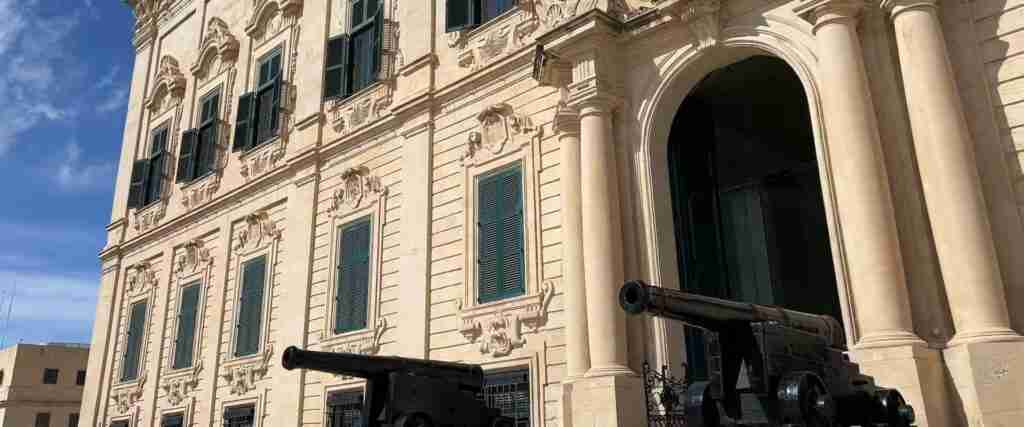
3 days
Malta 3-Day Discovery Tour
- ✓ Comprehensive Malta experience
- ✓ Expert local guides included
- ✓ All accommodation included
- ✓ Transportation provided
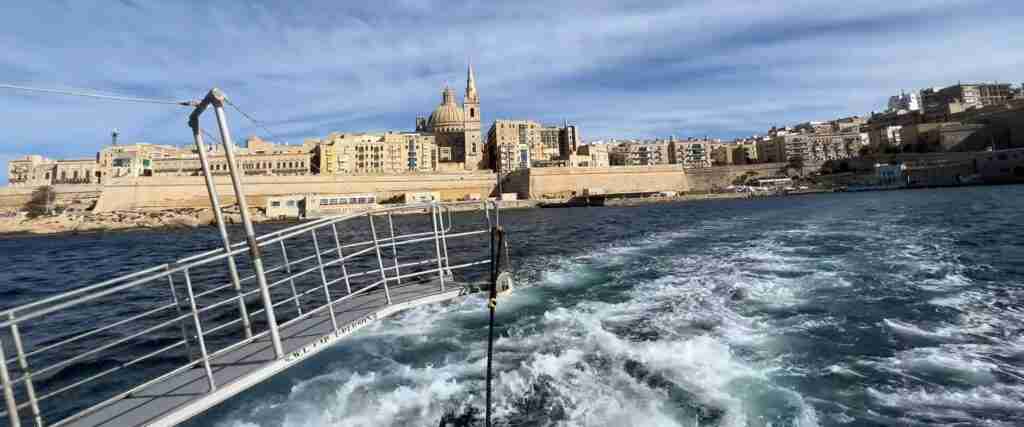
5 days
Malta 5-Day Highlights Experience
- ✓ Comprehensive Malta experience
- ✓ Expert local guides included
- ✓ All accommodation included
- ✓ Transportation provided
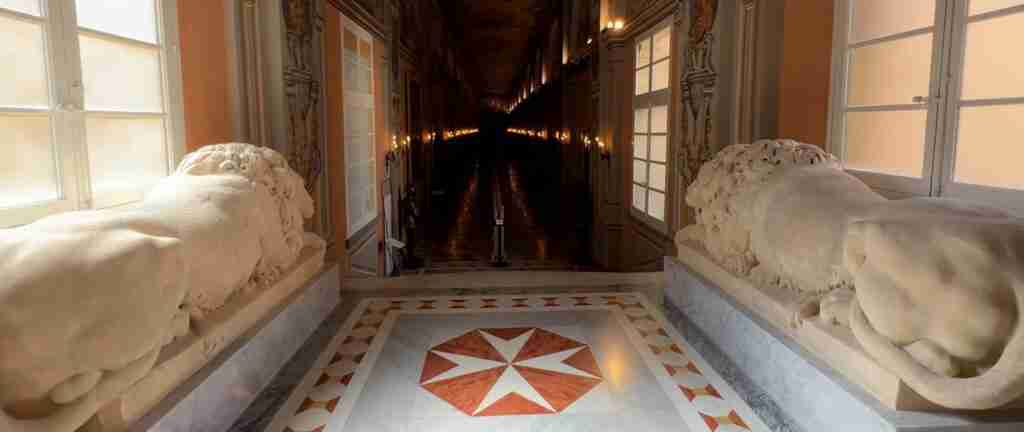
7 days
Malta 7-Day Cultural Journey
- ✓ Comprehensive Malta experience
- ✓ Expert local guides included
- ✓ All accommodation included
- ✓ Transportation provided
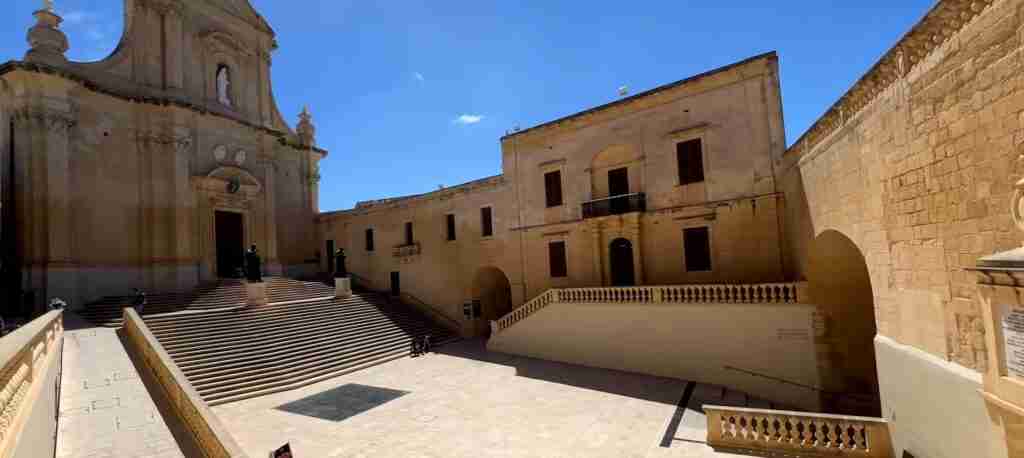
10 days
Malta 10-Day Complete Adventure
- ✓ Comprehensive Malta experience
- ✓ Expert local guides included
- ✓ All accommodation included
- ✓ Transportation provided
Multi-day tour packages powered by TourRadar. Prices and availability subject to change.
Introduction: Malta’s Timeless Medieval Capital
Perched on a plateau commanding views across Malta’s central plains, Mdina represents the island’s aristocratic soul—a fortified city where Baroque palaces and narrow medieval streets preserve the atmosphere of Malta’s pre-Knights era. Unlike Valletta’s grand harbors and bustling commerce, Mdina withdrew into quietude when the Knights chose the coast for their capital in 1530, earning its enduring nickname “the Silent City” through centuries of aristocratic retreat from modern Malta’s tourism economy. Today, that very retreat constitutes Mdina’s greatest appeal: car-free streets maintain an authenticity absent from coastal resorts, where limestone walls glow amber at sunset exactly as they did when Norman conquerors rebuilt the city 900 years ago.
A day trip from Valletta requires minimal logistics—frequent public buses, a €2 fare, and 30 minutes transport visitors from harbors to hilltop without advance planning or private vehicles. The compact city measures just 350 meters at its widest, yet packs exceptional density of historical layers: Roman foundations beneath Norman walls supporting Baroque facades, with every building telling centuries of Maltese nobility’s isolated existence. St. Paul’s Cathedral dominates the central square as Malta’s co-cathedral alongside Valletta’s St. John’s, while Palazzo Falson preserves a Swedish collector’s extraordinary assemblage of Maltese and Mediterranean treasures. The adjacent town of Rabat adds Roman catacombs and villa mosaics, creating a combined destination that rewards a full day’s exploration.
Mdina’s appeal transcends architectural tourism. The absence of private cars creates pedestrian sovereignty rare in Mediterranean destinations—visitors walk main streets and narrow side alleys without dodging scooters or navigating traffic. Bastion ramparts offer panoramic countryside views stretching to both coasts, revealing Malta’s agricultural interior hidden from coastal travelers. Small museums, aristocratic palaces, and craft workshops occupy historic buildings still inhabited by descendants of Norman-era families who built the city. Fontanella Tea Garden serves legendary cake portions with views that justify its tourist popularity, while courtyard restaurants tucked behind palace walls offer Mediterranean cuisine in settings unchanged for centuries. Even Game of Thrones fans find pilgrimage sites—Mdina Gate doubled as King’s Landing’s entrance in Season 1, adding contemporary cultural cache to genuine medieval authenticity.
Transportation Options Valletta to Mdina 2026
Malta’s public bus system operates comprehensive connections between Valletta and Mdina, making private transport unnecessary for day-trippers. Routes 51, 52, and 53 depart from Valletta’s main bus terminal near City Gate every 15-20 minutes from early morning until late evening, with journey times averaging 30-45 minutes depending on traffic and specific route variations. Buses follow different paths through central Malta—some via Ta’ Qali craft village, others through Attard and Balzan—but all terminate in Rabat immediately adjacent to Mdina’s main gate. The frequency eliminates schedule anxiety: miss one bus and another arrives within 20 minutes maximum, even on Sundays when slight schedule adjustments occur.
Fare structure favors regular travelers through Malta’s Tallinja card system. Cash fares cost €2 per journey in summer months (roughly June through September), dropping to €1.50 in winter. Purchasing a rechargeable Tallinja card reduces costs further—single journeys charge €1.50 year-round with the card, making the €15 initial card purchase worthwhile for visitors taking four or more bus trips across Malta. Cards reload at convenience stores, tobacco shops, and automated machines at major terminals. The two-hour transfer window allows route changes within that period using the same ticket, useful for travelers combining Mdina with stops at Ta’ Qali crafts or Mosta Dome. Night buses operate after 11 PM at premium €3 fares, though most day-trippers return to Valletta before evening.
Taxi services provide faster door-to-door convenience at significantly higher cost. Licensed white taxis charge €20-25 for the Valletta-to-Mdina run, with return trips at identical rates. Ride-sharing apps including Bolt operate across Malta, often pricing slightly below traditional taxis at €18-22 each way. The 15-20 minute drive follows direct routes through Attard, cutting journey time in half compared to buses. Taxis prove worthwhile for groups of three or four—splitting €22 four ways (€5.50 per person) approximates bus cost while eliminating waits. Single travelers or couples find taxis harder to justify unless mobility limitations, heavy luggage, or tight schedules warrant the premium. Booking return taxis requires advance arrangement or acceptance of 15-20 minute pickup waits, as taxis cannot park inside car-free Mdina.
Organized tours bundle Mdina with other central Malta attractions in half-day or full-day packages. Hop-on hop-off bus services departing from Valletta cruise terminal charge €20 per day for north route access stopping at Mdina, though return legs involve following the complete circuit through 20+ stops requiring 2-3 hours. Dedicated Mdina tours offered by local operators range €30-45 per person, typically including Rabat, Ta’ Qali crafts, and sometimes Mosta Dome or Dingli Cliffs. These tours suit travelers prioritizing guided commentary over independent exploration, though rigid schedules limit time in Mdina to 60-90 minutes—insufficient for unhurried Cathedral visits, museum exploration, and relaxed dining. The fixed schedule also forces midday arrival when cruise groups overwhelm Cathedral Square, eliminating the early-morning or late-afternoon timing that reveals Mdina at its most atmospheric.
Bus Terminal Location and Access in Valletta
Valletta’s main bus terminal occupies the large paved area immediately outside City Gate, the modern entrance to the historic city. Cruise passengers docking at the new cruise terminal can reach the bus station via the iconic Barrakka Lift (€1 upward, free downward) connecting the waterfront to Upper Barrakka Gardens, then walking through the gardens to the roundabout and following signage downhill to the bus bays. Walking from cruise terminal to bus station requires 15-20 minutes including lift waits, with moderate uphill sections on the return. Those staying in Valletta find the terminal accessible from anywhere in the compact city within 10 minutes’ walk.
Bus bays organize by route prefixes—Mdina services depart from C1, C2, or C3 bays depending on specific route, clearly marked on overhead signs. Electronic displays show next departures, though these occasionally lag real-time by 1-2 minutes during peak hours. The terminal provides no seating areas, limited shade, and minimal facilities beyond a small kiosk. Summer heat makes early morning departures more comfortable than midday waits. Return buses from Mdina depart from Rabat’s bus stop on the same side of the street as Mdina Gate—impossible to miss, as it serves as the sole bus stop for the entire area.
Driving and Parking Considerations
Rental car drivers face specific parking limitations around Mdina. Private vehicles cannot enter the city walls except for residents holding special permits, meaning all visitors park outside and walk in. The main public parking area lies in Rabat adjacent to Howard Gardens, a 3-5 minute walk from Mdina Gate. This free parking fills quickly on weekends and summer mornings, especially when cruise ships dock in Valletta. Arriving before 9:30 AM or after 3 PM usually secures spots, while midday weekends may require circling for 10-15 minutes. Additional parking exists near the Mdina Glass factory and along residential streets in Rabat, though these involve slightly longer walks to the gate.
Driving from Valletta follows signs toward Rabat and Mdina via either Route 7, Triq L-Imdina, or Triq Dun Karm—all converge near Mdina within 15-20 minutes depending on traffic. Sunday mornings see surprisingly heavy traffic as locals attend church services and visit family, potentially extending drives to 25-30 minutes. The parking convenience rarely justifies rental car expense for day-trippers focused solely on Mdina, though drivers exploring multiple central Malta sites (Mosta, Dingli Cliffs, Ta’ Qali) in one day benefit from automotive flexibility. Traffic wardens actively ticket vehicles parked in restricted zones, particularly along Mdina’s perimeter road where “residents only” signs mark most curb space.
Planning Your 2026 Mdina Day Trip
Strategic timing transforms Mdina visits from tourist-saturated sightseeing to genuine atmospheric immersion. Cruise ship tour buses descend between 10:30 AM and 2 PM, flooding Cathedral Square with 50-person groups that overwhelm the compact city’s narrow streets. Large tour operations book Cathedral visits in advance, creating bottlenecks at ticket desks when independent travelers arrive midday. This midday crush contrasts sharply with early morning calm—arriving at Mdina Gate by 9 AM finds the city almost empty, with shopkeepers just opening shutters and morning sun illuminating limestone walls at their most photogenic angle. Cathedral and museums open 9:30 AM, allowing 90 minutes of relatively crowd-free exploration before tour groups arrive.
Late afternoon delivers similar advantages with superior lighting conditions. Tour buses depart by 2:30-3 PM to maintain schedule adherence, creating a second quiet window from 3 PM until closing times around 5 PM. The lower sun angle casts warm golden light across bastion views and down narrow streets, ideal for photography. Palazzo Falson admits final visitors at 4 PM, while Cathedral museums accept entries until 4:15 PM—tight but achievable for focused visitors arriving at 3 PM. Restaurants and cafes operate throughout the day, making late afternoon visits entirely practical for dining. The compromise involves forgoing Palazzo Falson if arriving after 3:30 PM, as the museum requires 60-90 minutes for adequate exploration.
Weather considerations vary by season in ways that impact enjoyment significantly. Summer temperatures (June-September) regularly exceed 30°C (86°F) with intense midday sun reflecting off limestone streets and walls. The lack of shade in Mdina’s open plazas makes hydration essential—carry water, as markup at tourist cafes runs high. Winter visits (November-March) offer comfortable 15-20°C temperatures ideal for extended walking, though occasional rain showers require flexible timing. Spring (April-May) and autumn (October) deliver optimal conditions: warm but manageable temperatures, reliable sunshine, and moderate tourist volumes. Malta’s reliable weather means rain rarely disrupts visits—annual precipitation concentrates in short November-February bursts, with summer months virtually rain-free.
Combination Routes and Extended Itineraries 2026
Pairing Mdina with nearby attractions creates full-day central Malta itineraries without backtracking to Valletta. Rabat adjoins Mdina directly—exiting through the main gate places visitors immediately in Rabat’s streets, where St. Paul’s Catacombs (€6 admission) preserve underground Christian burial chambers dating to the 3rd-5th centuries. The adjacent Domus Romana (€6) displays impressive floor mosaics from a Roman villa, offering archaeological context for Mdina’s ancient foundations. Both sites operate under Heritage Malta management with combined tickets available, requiring 60-90 minutes total to explore properly. Rabat also houses more casual and budget-friendly dining than upscale Mdina restaurants, plus traditional pastizzi shops selling savory pastries for €0.50-1 each.
The Mosta Dome lies 15 minutes by bus from Mdina (routes 47, 49, 186), housing Europe’s third-largest unsupported dome built in the 1860s. Admission remains free, with the interior’s circular design and famous WWII bomb story—a German bomb pierced the dome during mass but failed to detonate, preserved now in the sacristy—requiring just 30 minutes to appreciate. Ta’ Qali Crafts Village sits between Valletta and Mdina, where artisans demonstrate traditional glass-blowing, pottery, and silverwork in converted RAF airfield buildings. Bus routes pass through Ta’ Qali, allowing brief stops without schedule disruption. Dingli Cliffs, Malta’s highest point with sheer 250-meter drops to the sea, demands dedicated transport—no direct buses connect from Mdina, requiring taxi rides (€15-20) or returning to Valletta to catch cliff-bound buses.
Seasonal Events and Special Considerations
Mdina hosts several annual events that enhance or complicate visits depending on traveler interests. The Medieval Mdina festival (typically May) transforms streets into a medieval fair with costumed performers, historical reenactments, food stalls, and craft demonstrations. This three-day event draws Maltese families and tourists, creating genuine crowds but offering unique cultural immersion. Streets close to vehicles entirely (already restricted), with some attractions maintaining modified hours. Booking accommodation nearby proves nearly impossible, but day-trippers from Valletta face only increased bus demand—arrive early and expect standing room only on return journeys.
Christmas period sees Mdina elaborately decorated with lights and nativity scenes, though opening hours contract as Malta observes extended holiday closures. Christmas Day and New Year’s Day shut down virtually all attractions and restaurants, while Good Friday and Easter Sunday maintain similar restrictions. The weeks between Christmas and New Year see moderate tourist activity as European visitors escape winter cold, though nothing approaching summer crowds. Local feast days (St. Paul’s feast in February, various parish celebrations) occasionally affect street access when processions occur, though these typically enhance rather than hinder the experience through traditional band marches and religious pageantry. Summer heat peaks in July-August, when midday temperatures make exploration uncomfortable—morning and evening visits become essential rather than merely preferable during this period.
Mdina’s Main Attractions and Walking Routes
Mdina’s compact geography makes navigation intuitive despite winding medieval streets. The main entrance, Mdina Gate (also called Vilhena Gate), marks the sole vehicular entrance point where cars were historically permitted before modern restrictions. Crossing the bridge over the dry moat places visitors on Villegaignon Street, the principal thoroughfare running straight through the city’s heart. This main street passes Cathedral Square (Pjazza San Pawl) at the city’s center before continuing east to Greek’s Gate, a pedestrian exit providing alternative access to Rabat. Side streets branch north and south from Villegaignon Street, leading to bastions, palaces, and quieter residential areas where descendants of Norman nobility still inhabit centuries-old family homes.
The city measures just 350 meters east-west and 250 meters north-south at maximum dimensions, making it impossible to get genuinely lost. Perimeter bastions provide orientation points—walking to any bastion and looking outward reveals countryside views that indicate direction. North and west bastions overlook Malta’s interior plains stretching to St. Paul’s Bay, while southern bastions face toward Valletta and the Grand Harbor (visible on clear days). Walking the entire perimeter via bastion paths requires 20-30 minutes at leisurely pace, offering excellent photography opportunities and respite from street-level tourist concentration. Most visitors follow the same route: Mdina Gate → Villegaignon Street → Cathedral Square → bastions → Greek’s Gate to Rabat, completing this circuit in 60-90 minutes including photography stops.
Mdina Gate and Main Entrance
Mdina Gate presents visitors with their first architectural impression—a Baroque entrance designed in 1724 to replace the earlier Norman gate. The stone bridge crossing the dry moat frames the gate’s facade, where two limestone lions stand guard on pedestals. Latin inscriptions above the entrance arch proclaim Mdina’s status, while the coat of arms of Grand Master António Manoel de Vilhena (who commissioned the rebuilding) occupies the central position. This gate served as King’s Landing entrance in Game of Thrones Season 1, making it one of Malta’s most photographed filming locations. Early morning delivers the best photography—eastern sun illuminates the facade directly, while afternoons leave it partially shadowed.
Immediately inside the gate, Villegaignon Street opens into a limestone-paved plaza where horse carriages wait offering city tours (€40-60 for 20-30 minute rides). These tourist carriages provide atmospheric if expensive transport for mobility-limited visitors or those wanting romantic experiences. Most independent travelers walk—the entire city center lies within 10 minutes’ walk from this entrance. Restrooms occupy a small building on the left just inside the gate, Malta’s only public toilets within the city walls. Tourist information offices operate sporadically in adjacent buildings, though opening hours prove unreliable. Free city maps appear on boards near the entrance, and downloadable apps provide detailed navigation though the small scale makes these largely unnecessary.
Villegaignon Street and Palazzo Falson
Villegaignon Street leads directly into Mdina’s historic heart, lined with aristocratic palaces, boutique shops selling Maltese crafts, and galleries displaying local artwork. The Norman House—properly known as Palazzo Falson Historic House Museum—rises three blocks from the gate on the right side, its distinctive arched windows marking it as Mdina’s second-oldest surviving structure. Captain Olof Frederick Gollcher, a Swedish-Maltese collector, amassed extraordinary holdings here throughout the early 20th century: Baroque paintings, silverware, rare coins, Albrecht Dürer prints, antique furniture, Oriental rugs, and medieval weaponry. The museum opened to the public in 2007 after extensive restoration, preserving both the palazzo’s medieval architecture and Gollcher’s collection arranged as he left it upon his death in 1962.
Admission costs €13 for adults (€6 for students and seniors), including free audio guides in eight languages that provide detailed commentary on individual collection pieces and rooms. Visitors proceed through 17 interconnected rooms revealing noble domestic life across seven centuries: the armoury displaying swords and firearms, the library housing 4,500 volumes, the refectory with Baroque furniture, and the studio showcasing Gollcher’s own artwork. The most valuable pieces include the Dürer print collection—one of Malta’s finest assemblages of Renaissance prints—and rare 17th-century Maltese silverware. Gustav Café operates on the rooftop terrace, offering stunning panoramic views alongside coffee and light meals (10% discount with museum admission ticket). The museum requires 60-90 minutes for thorough exploration, more for art enthusiasts studying individual pieces.
Palazzo Falson opens Tuesday through Sunday 10 AM to 4 PM (last entry), closing Mondays for maintenance. This Monday closure catches many visitors unprepared—plan accordingly or risk finding the door locked. The museum explicitly prohibits young children (generally under 6) due to the fragile nature of exposed collections and narrow stairs connecting floors. Photography rules vary by room: most areas permit non-flash photography of architectural features, while specific galleries containing the most valuable pieces prohibit all cameras. Audio guides explain these restrictions room-by-room. Wheelchair accessibility extends only to ground-floor spaces (courtyard, refectory, armoury, kitchen) as the historic building lacks elevators to upper floors where the majority of collections reside.
Cathedral Square and St. Paul’s Cathedral
Cathedral Square (Pjazza San Pawl) marks Mdina’s geographic and spiritual center, where St. Paul’s Metropolitan Cathedral dominates the enclosed plaza with its imposing Baroque facade. Lorenzo Gafà designed the current structure following the 1693 earthquake that destroyed the original medieval cathedral, creating what many consider his architectural masterpiece. The facade’s clean lines and Corinthian pilasters rise above a low parvis approached by three steps, with the coats of arms of Mdina, Grand Master Ramon Perellos, and various bishops decorating the entrance. The current archbishop’s arms appear below Mdina’s shield, updated when new archbishops assume office. This serves as Malta’s co-cathedral alongside St. John’s in Valletta, though St. Paul’s predates the Knights’ arrival and maintains deeper roots in Maltese religious tradition.
Interior magnificence justifies the €10-12 admission fee for combined Cathedral and Museum access (check official site for current rates as pricing may vary). The inlaid marble floor creates geometric patterns in colored stone from quarries across the Mediterranean, while overhead frescos by Sicilian artists depict scenes from St. Paul’s life and shipwreck on Malta. The main altar features ornate Baroque woodwork and gilding, flanked by side chapels dedicated to various saints. Paintings by Mattia Preti and other Baroque masters hang throughout, and the church silver collections—used during major feast celebrations—demonstrate the wealth 18th-century bishops commanded. Natural light streams through large windows, unlike the darker interiors typical of fortress-churches in Valletta. Photography generally receives permission for architectural features and artwork, though active masses and special celebrations restrict access to tourist areas when the cathedral serves its primary religious function.
The adjacent Cathedral Museum occupies the former diocesan seminary, housing artifacts and artwork too fragile or numerous for display in the active church. The Albrecht Dürer print collection exceeds 60 original works—one of the largest Dürer holdings outside major European museums. Illuminated manuscripts, silver liturgical vessels, embroidered vestments, rare coins spanning Malta’s various rulers, and wax reliefs fill gallery after gallery. The famous trompe l’oeil Baroque dome installed in one gallery creates optical illusions of three-dimensional architecture on flat painted surfaces. Combined Cathedral and Museum visits require 90-120 minutes for art enthusiasts wanting to read explanatory panels and study details, while architectural tourists satisfied with main highlights complete tours in 60 minutes. Opening hours run Monday through Saturday 9:30 AM to 5 PM (last entry 4:15 PM), with Sunday closures for religious services.
Bastion Walks and Panoramic Views
Mdina’s fortification walls offer the finest panoramic views in central Malta, with bastion walks providing 360-degree countryside vistas from elevated positions. The most accessible viewpoint lies along the western bastion immediately behind Cathedral Square—following signs to “bastions” from the plaza leads through a narrow passage emerging onto rampart walkways. From this elevation, views stretch westward across Malta’s agricultural interior to Dingli Cliffs and the Mediterranean beyond, while northern views encompass Mosta Dome, St. Paul’s Bay, and on clear days the distant outline of Gozo. The southern perspective captures Valletta’s fortifications and the Grand Harbor (binoculars helpful for harbor detail), with foreground views across Rabat’s rooftops and the Domus Romana site.
These bastion walks remain completely free and accessible during all daylight hours—no tickets, gates, or restrictions limit access. The ramparts extend along the entire western and southern perimeter, creating interconnected walking paths totaling roughly 800 meters. Some sections feature wide paved walkways suitable for wheelchairs and strollers, while others narrow to rough stone paths with uneven surfaces. Safety railings protect most drop-offs, though parents should supervise children carefully as some bastions feature low walls. Benches positioned at intervals invite extended viewing, making these ramparts ideal for photography breaks, reading, or simple contemplation while escaping street-level tourist concentration.
Photographers favor late afternoon for bastion visits when western sun casts warm light across the countryside and illuminates distant towns. Summer sunsets (8-8:30 PM) create dramatic color over the Mediterranean, visible from western bastions, though attractions close by 5 PM meaning visitors must return specifically for sunset viewing. Early morning delivers different aesthetic advantages: eastern sun illuminates Mdina’s facades and Cathedral dome from behind western bastion positions, creating striking backlit compositions. Midday sun bleaches the landscape and creates harsh shadows—technically adequate but aesthetically inferior to morning or afternoon conditions. Local residents exercise dogs on the bastions during early morning and evening hours, adding authentic neighborhood atmosphere to visitor experiences.
Cathedral and Museum Visit 2026
Purchasing tickets at St. Paul’s Cathedral creates the first decision point: Cathedral-only admission or combined Cathedral-Museum ticket. The combined ticket (€10-12) proves the better value for anyone interested in religious art and history beyond basic architectural sightseeing. Cathedral-only visits typically last 30-40 minutes covering the main nave, side chapels, and main altar, sufficient for appreciating Baroque splendor but insufficient for studying detailed artwork or understanding the historical context that makes Mdina’s ecclesiastical role significant. The Museum adds another 60 minutes minimum, housing pieces that would clutter the active worship space but provide essential context for Malta’s religious artistic traditions.
Ticket purchase occurs at a small office adjacent to the Cathedral entrance in the square. Lines form during midday cruise ship arrivals (10:30 AM-2 PM), when tour groups book advance admission and independent travelers wait 10-15 minutes. Early morning (9:30-10 AM) and late afternoon (after 3 PM) see minimal waits. The ticket desk accepts cash and credit cards, with prices posted in euros. Tickets grant same-day admission to both Cathedral and Museum regardless of visit order—many visitors tour the Cathedral first while fresh, then visit the Museum after, though the reverse sequence works equally well. Re-entry receives permission if needed, though the compact spaces make this rarely necessary.
Cathedral Interior Architecture and Art
Entering St. Paul’s Cathedral reveals Baroque design at its most successful: ornate decoration balanced with spatial clarity, creating visual richness without overwhelming the senses. The nave stretches toward the apse in classical basilica form, with side aisles separated by massive columns supporting the barrel-vaulted ceiling. The floor’s inlaid marble patterns draw the eye forward along the central axis, using colored stone in geometric designs that predate modern technology by 300 years. Overhead, Sicilian artist Mattia Preti’s successors (Preti worked primarily in Valletta) painted ceiling frescos depicting St. Paul’s shipwreck, his welcome by Governor Publius, and the conversion of Malta to Christianity—Malta’s foundational religious narrative rendered across hundreds of square meters.
The main altar occupies the apse under an ornate canopy supported by twisted marble columns. Baroque gilding covers capitals, moldings, and decorative elements, catching natural light from high windows. Side chapels dedicated to various saints line both aisles, each containing altar paintings, silver candlesticks, and smaller artworks. The Chapel of the Blessed Sacrament maintains particular reverence—locals enter here for prayer even when tourist areas remain accessible. Visitors requesting prayer access receive guidance from staff to this chapel, separating devotional activity from tourism. Stained glass windows throughout the cathedral employ traditional techniques: colored glass pieces set in lead frameworks creating biblical scenes and decorative patterns that filter Mediterranean sunlight into colored beams across marble floors.
The cathedral’s artistic highlights include several Mattia Preti paintings (Malta’s most celebrated Baroque artist), extensive silver collections stored in sacristies but occasionally displayed, and the cathedral treasure of processional crosses, chalices, and vestments worn during major feasts. The wooden choir stalls demonstrate master carpentry with intricate inlay work and carved details. Unlike many European cathedrals where Gothic austerity dominates, Mdina’s Baroque exuberance celebrates visual splendor as path to divine encounter—gold, marble, painting, and sculpture combine to create what 18th-century worshippers considered worthy of God’s presence. Modern sensibilities may find the decoration excessive, but understanding Baroque theological aesthetics reveals intentional design rather than careless excess.
Cathedral Museum Collections
The Cathedral Museum occupies the adjacent seminary building, connected via a small courtyard or interior passage (routing varies based on renovation projects and crowd management). The seminary’s educational purpose—training priests for Malta’s parishes—created practical architecture: cells for students, lecture halls, chapel spaces, and library. These functional rooms now house the collections chronologically and thematically, guiding visitors through centuries of religious artistic production. The ground floor typically displays larger pieces including sculpture and liturgical furniture, while upper floors contain smaller valuable items: coins, prints, manuscripts, and vestments requiring climate control and security.
The Albrecht Dürer print collection represents the museum’s greatest artistic treasure. More than 60 original prints by the German Renaissance master make this among Europe’s significant Dürer holdings outside major national museums. Dürer’s technical mastery appears in engravings like “Knight, Death and the Devil,” “Melencolia I,” and religious subjects demonstrating Northern Renaissance detail and symbolism. The prints hang under low light to prevent fading, requiring close examination to appreciate the fine line work. Explanatory panels describe Dürer’s printmaking techniques and the prints’ place in European art history. Art historians and enthusiasts spend extended time here, while casual visitors may glance quickly—understanding the value requires either art background or willingness to read educational materials.
Numismatic collections span Malta’s complex political history: Carthaginian coins predating Roman conquest, Roman bronze and silver issues, Byzantine pieces, Arab coinage from the Islamic period, Norman denarii, Knights’ gold and silver, French occupation pieces, British colonial currency, and finally modern Maltese lira before euro adoption. This progression illustrates every empire and power that controlled the islands, with explanatory timelines connecting coins to historical events. Silverware collections include processional crosses, chalices, thuribles (incense burners), and monstrances used in religious ceremonies. Some pieces date to the late medieval period, demonstrating silversmithing techniques and artistic styles across centuries. Religious vestments—embroidered chasibles, copes, and altar frontals—showcase textile art rarely displayed publicly due to fragility.
The trompe l’oeil dome installed in one gallery creates visual illusions from flat painted surfaces, demonstrating Baroque artists’ fascination with perception and reality. What appears as three-dimensional architectural elements—columns, arches, coffers—exists entirely as two-dimensional painting on flat walls and ceilings. Wax reliefs by various artists capture religious scenes and portrait busts in this unusual medium, popular in 18th-century Malta but rarely preserved elsewhere. The museum also houses illuminated manuscripts, religious books with hand-painted illustrations and gilded decorations from before printing technology reached Malta. These delicate volumes remain under protective glass, opened to particularly fine examples of medieval and Renaissance illumination art.
Palazzo Falson and Historic Sites 2026
Beyond the Cathedral complex, Mdina’s secondary attractions reveal different aspects of the city’s historical layers. Palazzo Falson commands attention as both architectural monument and museum housing Captain Gollcher’s extraordinary collections. The palazzo’s medieval origins appear in its characteristic Norman architecture—thick walls, small windows, and fortress-like solidity predating the Baroque lightness that defines later Maltese buildings. Built in the 13th century by Sicilian and local nobility, it served various families before Michele Falson, Vice Admiral and Head of the Town Council, inherited the property in the early 16th century. The name Palazzo Falson persists from this period, though it passed through several owners before Gollcher purchased it with his mother in 1927.
Captain Olof Frederick Gollcher descended from Swedish ship owners and traders who arrived in Malta in 1848, building commercial success that funded his eclectic collecting passion. Unlike many collectors who specialize, Gollcher acquired across categories: paintings, silver, furniture, jewelry, arms, armor, coins, books, rugs, and manuscripts spanning the 15th through 20th centuries. The palazzo displays these acquisitions arranged as Gollcher left them at his death in 1962, preserving the atmosphere of a lived-in aristocratic residence rather than sterile museum galleries. Walking through the 17 interconnected rooms reveals not just individual pieces but an entire lifestyle—the way Malta’s upper classes combined European taste with Mediterranean materials and influences.
Palazzo Falson Room-by-Room Exploration
Ground floor rooms include the entrance courtyard, refectory, armoury, kitchen, and studio. The courtyard demonstrates typical Maltese palazzo design: an open central space providing natural light and air circulation to surrounding rooms, with stone columns supporting arched walkways. The refectory contains Baroque dining furniture—long tables, carved chairs, sideboards—displaying silverware and ceramics Gollcher used for entertaining. Period paintings hang salon-style covering entire walls, creating the dense arrangement favored by 18th and 19th-century collectors. The armoury contains Gollcher’s weapons collection: medieval swords, Renaissance rapiers, flintlock pistols, and ceremonial pieces demonstrating evolving military technology and decorative metalwork.
The kitchen preserves 19th-century domestic technology: copper pots, ceramic storage jars, wood-fired ranges, and utilitarian tools that contrast sharply with the refined furniture in formal rooms. Gollcher’s studio houses his own artwork—he trained as a painter and produced competent if not exceptional work in various media. This room reveals the collector as creator, providing human dimension beyond acquisition wealth. Upper floors contain the library, bedroom suites, and specialized collection rooms. The library’s 4,500 volumes include rare editions, illuminated manuscripts, and reference works Gollcher consulted in his scholarly pursuits. First editions, leather bindings, and carefully maintained older volumes demonstrate bibliophile attention to books as physical objects beyond text content.
Bedroom suites display furniture evolution from heavy medieval pieces through lighter Baroque and Rococo styles. Four-poster beds with embroidered canopies, carved wooden chests, washstands with ceramic pitchers—the domestic equipment of aristocratic life before modern plumbing and electricity. Several rooms specialize in specific collection categories: one for Oriental rugs displaying Persian, Turkish, and Central Asian textiles; another for the jewelry collection including Renaissance rings, Baroque necklaces, and 19th-century pieces; galleries for the Maltese silver demonstrating local metalworking traditions. The Dürer print collection (smaller than the Cathedral Museum’s holdings but still significant) occupies a climate-controlled space with rotating exhibitions to minimize light exposure damage.
Gustav Café and Rooftop Views
The palazzo’s rooftop houses Gustav Café, Malta’s highest café at Mdina’s already-elevated position. Accessing the café requires purchasing museum admission (€13) and climbing the internal stairs to the roof level, where tables occupy terraces adjacent to a pollinator garden. The café operates Tuesday through Sunday 10:30 AM to 4 PM, serving coffee, tea, smoothies, cakes, and light lunch options. Museum ticket holders receive 10% discount on all café purchases—a €3.50 coffee costs €3.15 with the discount, a modest but appreciated reduction. Prices run higher than Rabat establishments but remain reasonable for tourist locations: coffee €3.50-4.50, smoothies €5-7, cake slices €4-6, light sandwiches €7-9.
The rooftop views prove spectacular, offering 360-degree panoramas impossible from street-level bastions. Malta’s entire central region spreads below, with countryside stretching to both coasts visible simultaneously on clear days. The peaceful atmosphere contrasts with busier Fontanella Tea Garden—fewer tables means lower crowds and quieter conversations. The pollinator garden planted adjacent to the café showcases native plants supporting bees and butterflies, adding educational element to the aesthetic experience. Many visitors treat the café as reward after museum exploration, though others visit specifically for views and refreshment without touring the collection rooms below. The café strictly requires museum admission—no café-only tickets exist, preventing rooftop access without the €13 entrance fee.
Additional Historic Sites Within Mdina
The Carmelite Priory adjacent to Cathedral Square houses an active religious community, making interior access limited to church areas during mass times. The church itself features Baroque architecture contemporary with St. Paul’s Cathedral, though on smaller scale with single-aisle design. Locals attend services here avoiding tourist concentration at the Cathedral, creating authentic religious atmosphere rarely experienced in heavily visited sites. The priory’s cloister remains closed to tourism, preserving contemplative space for the religious community. Casa Inguanez, still inhabited by descendants of one of Malta’s oldest noble families, occasionally opens for special tours during heritage events but generally remains private residence off-limits to casual visitors.
The Natural History Museum occupies Vilhena Palace near Mdina Gate, housing geological specimens, taxidermied birds and animals, and fossil collections documenting Malta’s natural environment. Adult admission costs €5, with exhibits explaining Malta’s unique ecology as Mediterranean island lacking freshwater sources and certain mammal species. The museum appeals primarily to natural science enthusiasts and families with children interested in animals—it ranks lower on most visitor priorities than Cathedral and Palazzo Falson. Opening hours run Monday through Sunday 9 AM to 5 PM. Medieval chapels and smaller churches dot Mdina’s side streets, most remaining locked except for Sunday masses. St. Agatha’s Chapel and Catacombs (located in Rabat just outside the gate) charge separate admission and operate independently from Mdina’s main attractions.
Dining in Mdina 2026
Mdina’s restaurant scene divides into three distinct categories: budget casual cafes and snack bars, mid-range courtyard restaurants serving Mediterranean cuisine, and fine dining establishments occupying palace settings. Budget travelers find surprisingly few inexpensive options within the walls—the city’s small size and premium location enable restaurants to charge elevated prices for captive tourist audiences. Stepping outside Mdina Gate into Rabat immediately drops prices: pastizzeria selling savory pastries for €0.50-1, local cafes offering plate lunches for €8-12, and sandwich shops providing substantial meals under €10. Smart budget-conscious visitors handle meals in Rabat, using Mdina primarily for sightseeing and perhaps one coffee at Fontanella Tea Garden to access its famous bastion views.
Mid-range dining within Mdina centers on courtyard restaurants where Mediterranean menus emphasize Maltese ingredients with Italian influences. Bacchus Restaurant occupies a historic palazzo with outdoor seating in the interior courtyard, serving pasta dishes (€16-22), fresh seafood (€24-32), and meat mains (€22-28) alongside local wine selections. Lunch crowds mix tourists with occasional Maltese families celebrating special occasions, creating relaxed atmosphere without tourist-trap overtones. Similar establishments—Fontanella Restaurant, Trattoria AD 1530, Medina Restaurant—offer comparable quality and pricing in equally atmospheric settings. Expect €25-35 per person for main course, starter or dessert, and non-alcoholic beverage, rising to €40-50 with wine or cocktails.
Fontanella Tea Garden Experience
Fontanella Tea Garden commands legendary status among Malta visitors for its enormous cake slices and bastion-top terrace seating. Located at the bastion edge with tables overlooking western Malta’s countryside, Fontanella serves traditional Maltese cakes, pastries, and light meals to constant crowds from mid-morning through late afternoon. The signature offering—massive cake slices approaching 500 grams in some cases—provides remarkable value at €3.50-5 per slice, easily shareable between two people despite technically serving one. Popular varieties include carrot cake, chocolate cake, strawberry cream cake, and traditional Maltese ricotta-filled pastries.
Seating operates on informal first-come basis: guests collect menus from the entrance, find available tables (or wait for vacating parties), place orders at the counter, then collect food when ready. The self-service system keeps costs down while handling high volumes. Drinks include coffee (€2.50-3.50), tea (€2.50), soft drinks (€2.50-3), and fresh juices (€4-5). Light savory options like sandwiches (€6-8) and salads (€8-10) supplement the cake focus, though most visitors come specifically for dessert with views. Weekends and summer middays create 10-15 minute waits for tables, while weekday mornings and late afternoons usually offer immediate seating.
The terrace views justify any wait—unobstructed panoramas stretch across farmland to the Mediterranean horizon, with Dingli Cliffs visible to the southwest and Mosta Dome’s distinctive shape marking the northern skyline. Afternoon positioning provides optimal lighting, with setting sun casting golden illumination across the landscape during May-September’s long summer evenings. The tea garden’s popularity creates social atmosphere: tables pack close together, conversations overlap, and strangers often share tables during peak periods. Those seeking quiet contemplation prefer the palazzo cafes or less-famous bastion spots, while Fontanella delivers communal tourist experience alongside its value-for-money cake portions.
Fine Dining Options 2026
De Mondion Restaurant occupies the Xara Palace Relais & Châteaux hotel’s top floor, offering Michelin-quality dining with panoramic views surpassing even Fontanella’s perspective. Chef’s tasting menus start at €80 per person, rising to €120-150 with wine pairings, while à la carte selections range €35-45 for starters, €45-65 for mains. The seasonal menu emphasizes Maltese ingredients prepared with modern technique: fresh Mediterranean fish, local lamb, vegetables from nearby farms, and fruits at peak ripeness. The formal atmosphere requires smart-casual minimum dress (no shorts or sandals), with evening reservations essential during high season. Dinner service runs 7-10 PM, with sunset tables booking weeks ahead for summer months.
The Medina Restaurant operates within another historic palazzo, serving Mediterranean fusion cuisine in elegant courtyard and interior rooms. Three-course dinners cost €50-70 per person before wine, with tasting menus available at premium prices. The kitchen combines Maltese traditional dishes with North African and Middle Eastern influences, reflecting Malta’s geographic position and historical connections. Mezze platters, spiced lamb preparations, and fresh seafood cooked with Moorish spice combinations create menu distinctiveness beyond generic Mediterranean offerings. Michelin Guide recognition (though not stars) validates the quality level. Reservations prove essential for dinner, while lunch service operates on more casual walk-in basis with slightly lower prices.
Both establishments market themselves for special occasions: anniversaries, proposals, birthday celebrations. The prices reflect not just food quality but entire experience—historic settings, professional service, romantic ambiance impossible to replicate in casual dining. Budget travelers allocating one splurge meal during Malta visits often choose these Mdina establishments over equivalent Valletta options, combining fine dining with historic atmosphere. The alternative approach skips fine dining entirely, maximizing value through mid-range restaurants in Mdina for atmosphere and Rabat for actual food quality at lower prices. Neither strategy proves objectively superior—the choice depends on personal priorities regarding dining as utilitarian fuel versus cultural experience.
Photography Opportunities and Best Times to Visit
Mdina delivers exceptional photography opportunities across multiple categories: architecture, landscapes, street scenes, and interior spaces. The warm limestone that built the entire city glows golden in angled sunlight, creating the iconic Mediterranean aesthetic that defines Malta visually. Early morning light (7-9 AM) illuminates eastern-facing facades including Mdina Gate’s main entrance, while late afternoon (4-6 PM) brings warm light to western bastions and creates long shadows along narrow streets. Midday sun produces harsh overhead lighting that washes out details and creates unflattering shadows—technically functional but aesthetically inferior. Photographers serious about image quality structure visits around light angles, potentially requiring two trips to capture both morning and afternoon conditions.
The bastions provide the most dramatic landscape compositions, where elevated positions frame countryside views extending to both coasts. Western bastions work best for afternoon and sunset photography when light angles across the landscape create depth and dimension. Northern bastions overlooking Mosta Dome and St. Paul’s Bay perform better in morning light. Telephoto lenses compress distance bringing far landmarks closer, while wide angles capture the relationship between Mdina’s elevated position and surrounding terrain. Tripods receive permission on bastions and in most outdoor spaces, though narrow streets make setup difficult during crowded periods. Cathedral Square’s enclosed plaza creates architectural photography challenges—wide-angle lenses struggle to capture the entire Cathedral facade from the limited distance available.
Street Photography and Architectural Details
Mdina’s narrow side streets offer intimate urban compositions impossible along the main Villegaignon thoroughfare. Small passages between buildings create frame-within-frame opportunities, where distant archways or doorways center against stone walls. Morning and afternoon produce the best results when angled sun reaches into these narrow passages—midday leaves them in complete shadow. Architectural details reward close inspection: carved stone doorway lintels, wrought iron balconies, decorative brackets supporting overhanging upper stories, worn steps polished by centuries of foot traffic. Macro lenses capture texture in limestone weathering and ancient tool marks visible in dressed stone.
Street photography presents ethical considerations. Mdina remains an active residential community, not an open-air museum—people living here deserve privacy despite tourist fascination with their daily routines. Photographing buildings and streetscapes causes no issues, but capturing recognizable individuals requires sensitivity. Children playing, elderly residents in doorways, workers opening shops—these moments create authentic atmosphere but should not be documented without permission unless completely incidental to wider composition. Many medieval cities solve this through aggressive tourist management; Mdina’s openness relies on visitor courtesy. Wide-angle establishing shots that include people as small elements in larger scenes generally receive acceptance, while telephoto portraits of specific individuals without permission cross boundaries.
Interior Photography Permissions
Cathedral photography rules permit non-flash photography of architecture, artwork, and decorative elements throughout most spaces. Active worship areas around altars may impose temporary restrictions during services, and signs indicate prohibited areas. Flash causes no actual damage to stone and painted surfaces despite common prohibitions—the restriction aims to prevent disrupting other visitors and worshippers rather than protecting artifacts. The Cathedral Museum enforces stricter rules: photography generally receives permission in most galleries, but specific rooms housing the most valuable pieces (particularly the Dürer print collection) prohibit all cameras due to light sensitivity and security concerns. Staff members monitor compliance and politely but firmly enforce restrictions.
Palazzo Falson permits photography in most rooms, though flash and tripods receive prohibition due to fragile antiques and narrow spaces where equipment creates obstacles. Signs indicate the few restricted areas. The museum’s intimate scale and low visitor numbers make photography easier than in the Cathedral—fewer people appear in frames, allowing cleaner shots without waiting for crowds to clear. Gustav Café permits unlimited photography from the rooftop terrace, and the views justify bringing cameras specifically for these panoramas. Most restaurants welcome food photography and dining atmosphere shots, though asking permission before photographing other diners shows consideration. The general approach: architectural photography receives universal acceptance, interior photography depends on specific venue rules clearly posted, and photographing people requires either permission or compositional care to minimize recognition.
Sample Mdina Day Trip Itinerary 2026
A comprehensive Mdina day trip from Valletta follows this optimized schedule that maximizes attractions, minimizes crowds, and allows proper meal breaks without rushing. The timing assumes Tuesday-Saturday visit (avoiding Palazzo Falson’s Monday closure) during April-October when attractions maintain full hours and weather supports outdoor exploration. Winter visits work similarly with slightly contracted hours and less concern about midday heat.
8:00 AM: Depart Valletta bus terminal on route 51, 52, or 53. Early buses carry primarily local commuters rather than tourists, offering more likely seating and faster journey times before traffic builds. Bring light breakfast or coffee purchased near the terminal, as Mdina’s cafes won’t open until 9-9:30 AM.
8:30-8:45 AM: Arrive Rabat bus stop and walk through Howard Gardens to Mdina Gate. Photograph the gate in morning light with minimal people in frame. Enter the city and walk directly to the western bastions behind Cathedral Square via side streets rather than main thoroughfare—this provides orientation views and photography opportunities before the sites open. Spend 20-30 minutes on the bastions enjoying countryside views and photographing panoramas.
9:00 AM: Return to Cathedral Square as St. Paul’s Cathedral opens at 9:30 AM. Use the 30-minute wait for coffee at Gustav Café (if Palazzo Falson museum ticket purchased) or simply sit in the square observing the city wake up—shopkeepers opening, local residents crossing to nearby homes, the quality of light changing as sun rises higher.
9:30 AM: Purchase combined Cathedral and Museum ticket (€10-12) and enter the Cathedral immediately upon opening. The first hour before tour groups arrive offers the quietest experience. Allow 45 minutes for Cathedral interior exploration, moving methodically through nave, side chapels, and sanctuary. Take time to study ceiling frescos, inlaid floor patterns, and altar details rather than rushing through for photos.
10:15 AM: Proceed to Cathedral Museum for 60-minute exploration. Prioritize the Dürer print gallery if art interests you, allocate time for the numismatic and silver collections, and don’t skip the trompe l’oeil dome room. Audio guides provide valuable context—use them rather than treating the museum as photo opportunity.
11:15 AM: Exit Cathedral Museum and walk to Palazzo Falson (3 blocks along Villegaignon Street). Purchase admission (€13) and begin the 17-room tour. Allocate 75-90 minutes for thorough exploration—this isn’t a quick walk-through but genuine museum requiring attention to individual collections and explanatory materials. The armoury, library, and Gollcher’s studio deserve extended visits.
12:45 PM: Complete Palazzo Falson museum tour and proceed directly to Gustav Café on the rooftop (remember the 10% museum ticket discount). Order lunch—sandwich, salad, and beverage total €12-16 after discount. The rooftop position and midday timing provide excellent photography light, and the relative quiet compared to later afternoon makes for relaxed dining. Spend 45-60 minutes here rather than rushing—this serves as primary rest break in the itinerary.
1:45 PM: Descend from Palazzo Falson and walk Mdina’s side streets exploring areas bypassed during the morning museum focus. Visit the Natural History Museum if interested (€5, 45 minutes) or simply wander discovering hidden courtyards, small churches, craft shops, and residential corners where Mdina reveals its lived-in character beyond tourist attractions. This free-form exploration allows personal discovery and photography opportunities not scheduled earlier.
2:45 PM: Position on southern or eastern bastions for afternoon photography as tour buses begin departing. The 3-4 PM window offers both good light and decreased crowds—optimal combination. Spend 30-45 minutes here capturing final photos and simply absorbing the atmosphere. This serves as contemplative closure to the visit.
3:30 PM: Walk to Fontanella Tea Garden for cake and coffee—the famous enormous slices plus beverage total €6-8 per person. Secure bastion-edge table if possible, though any seat provides good views. This dessert stop celebrates successful sightseeing rather than fulfilling nutritional necessity. Allow 30-45 minutes.
4:15 PM: Exit Mdina Gate and consider brief Rabat exploration: St. Paul’s Catacombs close at 5 PM (last entry 4:30 PM), making this tight but achievable for fast-moving visitors. Alternatively, proceed directly to bus stop for return journey, avoiding the 5-6 PM rush when day-trippers overwhelm limited bus capacity.
4:30-5:00 PM: Board return bus to Valletta (routes 51, 52, 53 depart frequently). Evening return journey takes 35-45 minutes including traffic, delivering passengers to Valletta bus terminal by 5:30-6 PM—perfect timing for dinner reservations or Valletta evening activities.
Total costs for this comprehensive itinerary: Bus roundtrip €4, Cathedral and Museum €10-12, Palazzo Falson €13, Gustav Café lunch €12-16, Fontanella cake and coffee €6-8. Total approximately €45-53 per person before any Rabat additions or shopping purchases. This represents the full Mdina experience without rushed timings or skipped attractions.
Money-Saving Strategies 2026
Budget-conscious travelers can significantly reduce Mdina day trip costs through strategic planning and selective attraction choices. The most substantial savings comes from skipping paid museum entries entirely—walking Mdina’s streets, exploring bastions, photographing architecture, and absorbing atmosphere costs nothing. St. Paul’s Cathedral charges admission, but the exterior and square provide impressive photography without tickets. Palazzo Falson’s exterior and surrounding streets demonstrate Norman architecture without the €13 entry. This zero-admission approach brings total costs to just bus fare (€3-4 roundtrip) and dining (€10-20 for casual lunch and coffee), creating €15-25 complete day trip costs.
The Tallinja card delivers small but real savings for visitors taking multiple bus journeys across Malta. The card costs €15 including €10 credit, with subsequent reloads adding value at face amount. Single bus journeys cost €1.50 with card versus €2 cash (summer), or €0.75 with card versus €1.50 cash (winter). For day-trippers taking roundtrip Valletta-Mdina plus any other buses during their stay, the card pays for itself within 4-5 rides while eliminating cash-handling friction. Cards remain valid indefinitely and work across Malta’s entire bus network including Gozo (excluding ferry fare), making them valuable for multi-day visits. Purchase at Valletta bus terminal kiosks, convenience stores, or tobacco shops displaying Tallinja signs.
Rabat Dining Advantage
Stepping outside Mdina’s walls into Rabat immediately drops dining costs by 30-50% without sacrificing quality. Local cafes serving plate lunches—pasta dishes, meat with vegetables, pizza slices—charge €8-12 per person compared to €25-35 for sit-down meals inside Mdina. Pastizzeria selling traditional savory pastries cost €0.50-1 each, with three pastizzi plus coffee creating satisfying lunch under €5. This strategy allows budget travelers to experience Maltese food authenticity while maximizing sightseeing allocation for paid attractions rather than expensive restaurant meals.
Specific Rabat establishments worth seeking: Ta’ Marija Restaurant offers traditional Maltese cooking (rabbit stew, bragioli, timpana) at honest prices €12-18 for complete meals including sides. Is-Serkin Restaurant serves local food in family-run atmosphere with minimal English menus—the absence of tourist pandering correlates with authentic preparation and fair pricing. Pastizzeria Serkin (different from the restaurant despite similar name) produces excellent pastizzi and traditional cakes, popular with local workers. Crystal Palace Bar functions as local hangout serving snacks and simple meals, where Mdina cathedral staff and residents drink coffee discussing neighborhood matters—genuine slice of local life unavailable in tourist-focused Mdina establishments.
Free Attractions and Experiences
Beyond paid museums, Mdina offers substantial free experiences that constitute legitimate attractions rather than cheap substitutes. Bastion walks and rampart views provide panoramic vistas and photography opportunities exceeding many paid attractions in other destinations. The entire street network rewards aimless wandering: narrow passages, hidden courtyards, architectural details, and residential atmosphere that reveal Mdina as living city rather than preserved museum. Small churches occasionally open for services, allowing glimpses of baroque interiors without admission charges. The Natural History Museum charges €5, but the Vilhena Palace exterior and surrounding architecture provide worthy subjects without entering.
Game of Thrones filming locations cost nothing to photograph: Mdina Gate served as King’s Landing entrance, various streets appeared in season one episodes. Self-guided GOT tours following online guides save €30-40 versus organized tours while providing identical access to filming locations. The city’s small size makes independent navigation trivial—comprehensive exploration without guides or maps proves entirely feasible through simple wandering. This free-form approach often delivers more memorable experiences than scheduled tours rushing between checkpoints on rigid timelines.
Practical Tips for Your 2026 Visit
Comfortable walking shoes prove absolutely essential—Mdina’s limestone streets and uneven bastion paths punish fashion footwear. The compact size means relatively short total distances, but stone surfaces, stairs, and slopes create tiring conditions over several hours. Sandals with support work in summer; avoid flip-flops or open shoes that slip on polished stone. Winter visits require closed shoes as occasional rain makes limestone dangerously slippery. The city’s car-free status means walking constitutes the only internal transportation—no taxis, no buses, no shortcuts beyond your own feet.
Water bottles prove crucial during April-October visits when temperatures exceed 25°C (77°F) and sun reflects intensely off limestone walls. Dehydration sneaks up quickly in Mediterranean heat, particularly for visitors from cooler climates unaccustomed to constant sun exposure. Cafes charge €2.50-3.50 for bottled water, so carrying filled bottles from Valletta saves money and ensures hydration throughout the visit. Sunscreen, hats, and sunglasses protect against reflected sun—the light-colored stone amplifies UV exposure beyond what visitors expect from temperature alone. Summer midday heat makes early morning and late afternoon visits not just preferable but physically necessary for comfortable exploration.
Accessibility Considerations
Mdina presents significant accessibility challenges for wheelchair users and people with limited mobility. The medieval street network includes many narrow passages, steps between level changes, and uneven stone surfaces unsuitable for wheelchairs. The main Villegaignon Street maintains relatively flat, paved surface navigable for wheelchairs, and the Cathedral Square remains accessible. However, side streets, bastions, and many shop entrances require steps. St. Paul’s Cathedral provides accessible entrance and main floor navigation, though Cathedral Museum includes stairs to upper galleries. Palazzo Falson’s ground floor (courtyard, refectory, armoury) offers wheelchair access via side entrance ramp, but upper floors housing majority of collections lack elevator access.
Mobility-impaired visitors should focus on main street attractions: Mdina Gate to Cathedral Square via Villegaignon Street, Cathedral interior, and selected bastion sections where ramps provide access. Realistic expectations prevent frustration—Mdina’s medieval layout predates accessibility concerns by 700 years, and retrofitting proves architecturally impossible without destroying historic integrity. Horse carriage tours (€40-60) provide alternative for visitors who cannot walk distances, covering main streets and providing commentary while accommodating passengers who remain seated throughout. These carriages operate from just inside Mdina Gate with flexible departure times based on customer availability rather than fixed schedules.
Weather and Seasonal Considerations
Malta’s Mediterranean climate delivers reliable sunshine but distinct seasonal patterns affecting visit comfort. Summer (June-September) brings hot, dry conditions with temperatures regularly exceeding 30°C (86°F) and minimal rainfall. The intense sun reflecting off Mdina’s limestone creates oppressive midday heat that drives even locals indoors. Early morning visits (before 10 AM) and late afternoon (after 4 PM) prove far more comfortable than midday tourism. Carry multiple water bottles, apply sunscreen heavily, and accept that summer visits require shortened itineraries to avoid heat exhaustion. The upside: summer offers longest daylight hours (sunset after 8 PM) allowing extended evening visits and golden-hour photography.
Winter (November-March) transforms Malta into mild refuge from northern European cold. Temperatures average 15-18°C (59-64°F), comfortable for walking without overheating concerns. Rainfall increases but remains modest by northern European standards—occasional showers rather than extended rainy periods. December-February sees shortest daylight hours (sunset around 5 PM), requiring earlier start times to complete comprehensive itineraries before darkness. The positive trade-off: dramatically reduced tourist crowds and lower accommodation prices for multi-day visits. Spring (April-May) and autumn (October) offer optimal conditions: warm but manageable temperatures, reliable sunshine, moderate tourist levels, and comfortable walking weather. These shoulder seasons deserve priority for visitors flexible on timing.
Local Customs and Etiquette
Mdina’s active residential community deserves respect despite tourist domination of daily reality. The city houses approximately 250 permanent residents—descendants of aristocratic families who built the palaces centuries ago. These residents tolerate tourism that funds preservation and supports local businesses, but excessive noise, littering, and privacy invasion create genuine problems. Keep voices moderate in residential streets, particularly early morning and evening when residents relax in courtyards invisible from street level. Don’t peer into private windows or courtyards seeking photo opportunities—what appears abandoned may shelter family life behind closed doors.
Church visits require modest dress even for tourists: shoulders covered, no shorts above knee length, no bare midriffs. This applies equally to Cathedral and smaller churches, with staff occasionally denying entry to underdressed visitors. Bring a light cover-up if wearing tank tops or short shorts, easily removed after church visits. Photography inside churches should avoid flash during services and never capture people in prayer without permission—worship spaces serve religious functions first, tourist attractions second. During mass or special celebrations, tourist areas may close entirely, redirecting visitors to side chapels. Accept these restrictions graciously rather than complaining about access limitations during genuine religious observances.
Frequently Asked Questions About Mdina Day Trips 2026
Can I visit Mdina from Valletta without a car?
Public buses provide comprehensive car-free access between Valletta and Mdina, with routes 51, 52, and 53 departing every 15-20 minutes from Valletta’s main bus terminal. The 30-45 minute journey costs €2 per ride in summer (€1.50 with Tallinja card in winter), making car rental unnecessary for Mdina-focused day trips. Mdina prohibits private vehicles inside the city walls regardless, so even drivers must park outside and walk—the bus deposits passengers at identical entry points. Malta’s excellent bus coverage extends across the island, making car-free travel entirely feasible for tourists.
What’s the difference between Mdina and Rabat?
Mdina represents the fortified medieval city enclosed by defensive walls, while Rabat comprises the larger town surrounding Mdina’s walls that developed after Arab period divisions. Historically, both formed single settlement until Arabs restricted defensive walls to the smaller hilltop area, creating the walled Mdina and unwalled Rabat suburbs. Today, Rabat functions as working-class residential area with St. Paul’s Catacombs, Domus Romana, and practical services (supermarkets, banks, gas stations) serving local populations. Mdina maintains exclusive character as preserved historic quarter with tourism-focused businesses and minimal permanent residents. The two connect directly—exiting Mdina Gate places visitors in Rabat within steps.
How much time do I need for Mdina and Rabat together?
Comprehensive exploration of both Mdina and Rabat requires 6-8 hours accounting for Cathedral and Museum, Palazzo Falson, bastion walks, St. Paul’s Catacombs, Domus Romana, and relaxed dining. Mdina alone demands 3-4 hours minimum for main attractions plus lunch, extending to 5-6 hours with Palazzo Falson. Adding Rabat’s archaeological sites contributes another 2-3 hours depending on historical interest level. Budget travelers focusing on free areas and skipping paid museums complete combined visits in 4-5 hours. The flexible timeline accommodates various interest levels and budgets without requiring full days for basic coverage.
Is Mdina better in morning or afternoon?
Early morning (8-10 AM) offers several advantages: minimal crowds before tour groups arrive, optimal photography light for Mdina Gate and eastern facades, and cooler temperatures for summer visits. Attractions open 9:30 AM, creating perfect timing for bus arrival around 8:30-9 AM, brief bastion exploration, then immediate museum entry upon opening. Late afternoon (3-6 PM) provides alternative benefits: tour buses depart by 2:30-3 PM leaving empty streets, golden-hour photography light bathes western bastions, and temperatures moderate after midday peak. Both windows dramatically surpass midday visits when crowds overwhelm compact spaces and harsh sun creates poor photography conditions. Choose based on personal schedule and photography priorities—morning for architecture, afternoon for landscapes.
Can I skip the Cathedral if I’ve seen St. John’s in Valletta?
St. Paul’s Cathedral and St. John’s Co-Cathedral present distinct experiences despite both holding co-cathedral status. St. John’s displays the Knights’ wealth through elaborate Baroque excess, floor tombstones of grand masters, and Caravaggio’s masterpiece “The Beheading of St. John.” St. Paul’s represents older Maltese tradition with lighter Baroque aesthetic, different artistic approach, and peaceful atmosphere contrasting Valletta’s tourist intensity. Visitors particularly interested in Baroque art and ecclesiastical history find both worthwhile. Those with limited cathedral interest or budget constraints can reasonably skip one—St. John’s generally ranks higher for its unique Knights’ heritage and Caravaggio, while St. Paul’s offers better value at lower cost with less crowding. Neither proves strictly essential, but combined they tell Malta’s complete religious artistic story.
Are there any hidden gems in Mdina that tourists miss?
Most tourists follow identical routes: main gate to Cathedral Square to bastions to exit, missing Mdina’s quieter corners. Greek’s Gate at the eastern end provides alternative entrance via Rabat, offering morning photography opportunities without crowds gathering at main gate. Small museums like the Mdina Experience (audio-visual history presentation) and various craft workshops occupy side streets rarely discovered by tour groups rushing between major sites. Palazzo Santa Sofia demonstrates Norman architecture from exterior without admission charges. The Magazine Curtain gardens along southern walls create green space ideal for reading breaks away from tourist concentration. Side chapel visits during quiet periods reveal baroque interiors without ticket requirements—locals worship here creating authentic religious atmosphere.
What should I buy as souvenirs from Mdina?
Mdina’s craft shops sell traditional Maltese products worth considering: Mdina Glass produces handblown glass pieces in distinctive colored patterns at their factory adjacent to parking areas, with shop windows displaying vases, bowls, and decorative items. Prices range €15-150 depending on size and complexity, with demonstrations showing glassblowing techniques. Silver filigree jewelry represents another Maltese specialty—delicate silver worked into intricate patterns for earrings, brooches, and pendants. Quality varies significantly between tourist-trap shops and legitimate artisans, so examine craftsmanship carefully. Traditional Maltese lace appears in several shops, though most originates in Gozo rather than Mdina production.
Can I eat affordably in Mdina, or must I go to Rabat?
Genuinely affordable meals within Mdina’s walls prove challenging—the smallest city area supports limited competition, allowing restaurants to maintain elevated prices targeting tourist budgets. Budget travelers find better value in Rabat’s local cafes and pastizzeria just outside the gate. However, mid-level budget visitors (€20-30 per person) can eat adequately inside Mdina at less famous establishments: small sandwich shops, pizza-by-slice counters, and casual cafes along Villegaignon Street charge €12-18 for basic meals. Fontanella’s enormous cake slices at €3.50-5 provide filling snacks approaching meal replacement. The compromise strategy: light lunch or snacks in Mdina preserving sightseeing time, substantial meals in Rabat before or after main visit. This approach balances convenience against budget without requiring rigid all-or-nothing choices.
Is Mdina safe for solo travelers, especially women?
Mdina presents minimal safety concerns for solo travelers of any gender. The small permanent population, constant tourist presence during day hours, and limited vehicle access eliminate most urban crime opportunities. Street harassment remains rare compared to larger Mediterranean cities, though occasional inappropriate comments from shop touts occur as anywhere tourist-concentrated. Evening visits after attraction closures see dramatically reduced foot traffic but maintain safe atmosphere—local residents walking dogs and couples dining create natural social supervision. The main safety considerations involve practical rather than criminal concerns: uneven surfaces causing trips, sun exposure leading to heat illness, and getting mildly disoriented in side streets (easily resolved by walking to any bastion for orientation views). Solo travelers report consistently positive experiences without significant incident reports.
Do I need to book Mdina attractions in advance, or can I buy tickets on arrival?
Walk-up ticket purchase at arrival proves standard for all Mdina attractions—advance booking exists for some sites but remains unnecessary except during peak summer weeks (July-August) and special events. St. Paul’s Cathedral, Cathedral Museum, and Palazzo Falson sell tickets at entrance desks with minimal wait times outside midday rush (10:30 AM-2 PM). Even during waits, lines move quickly as ticket transactions require just 2-3 minutes per group. Online booking eliminates queuing but offers no price advantages or access benefits. The exception involves organized tours combining multiple attractions—these require advance booking to secure guide availability and ensure group coordination. Independent travelers booking nothing in advance face no practical disadvantages in Mdina.