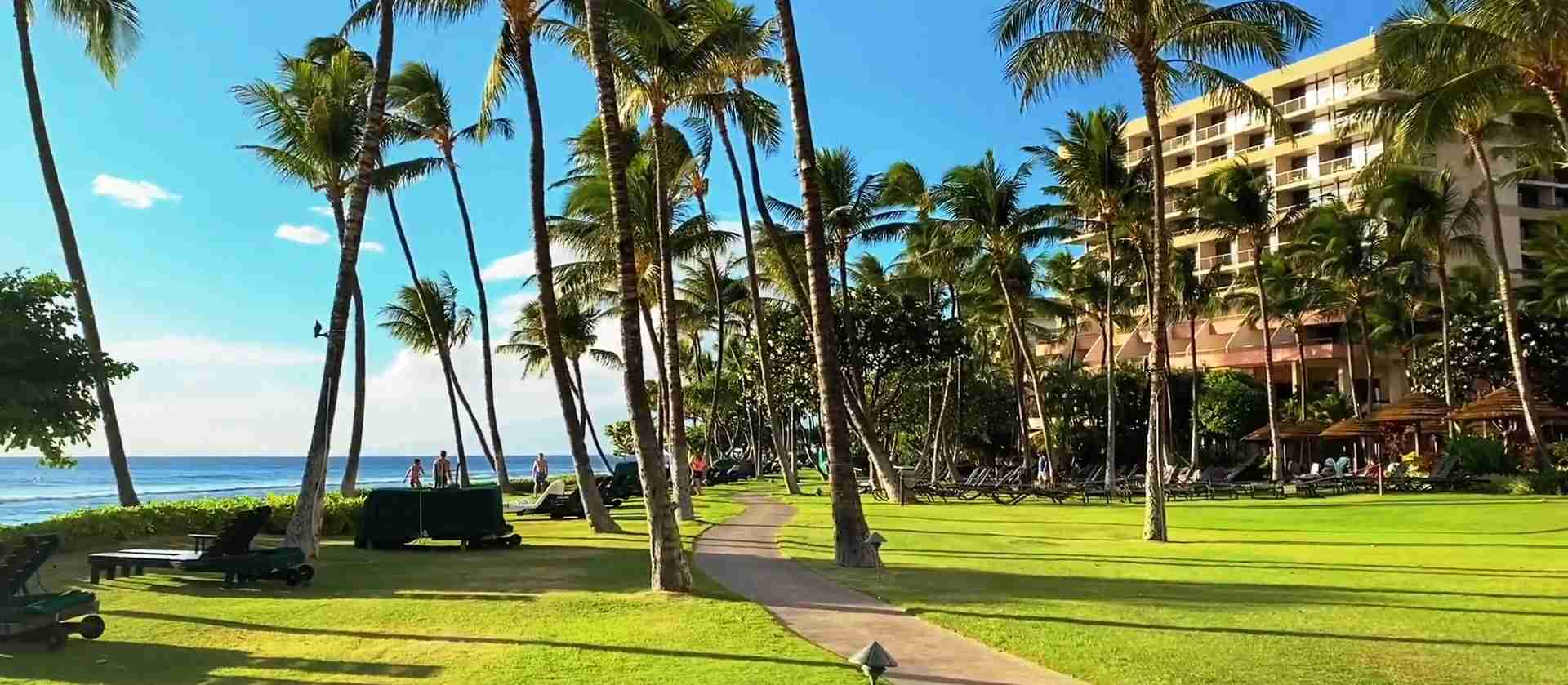
Maui Travel Guide 2026: Complete Planning Resource
Maui stands as Hawaii’s second-largest island and one of the world’s most sought-after tropical destinations, combining dramatic volcanic landscapes with pristine beaches, lush rainforests, and authentic Hawaiian culture. Planning a 2026 visit to the Valley Isle requires understanding current costs, seasonal patterns, transportation logistics, and the diverse experiences spanning from Haleakala’s summit to Hana’s waterfalls, ensuring your Hawaiian adventure balances adventure, relaxation, and budget.
Key Takeaways for Maui 2026
- Budget Planning 2026: Daily costs range from $165-220 per person for budget travelers to $310-435 for mid-range comfort and $645-905 for luxury experiences, assuming two sharing hotel accommodation. Weekly trips cost $1,155-1,540 budget, $2,170-3,045 mid-range, or $4,515-6,335 luxury per person.
- Optimal Travel Windows: April through May and September through October offer the best combination of favorable weather, lower prices, and reduced crowds. Winter (December-March) brings whale-watching season and peak tourism, while summer (June-August) delivers calmest ocean conditions ideal for snorkeling.
- Essential Transportation: Car rental proves virtually mandatory for exploring Maui beyond resort areas, with weekly costs ranging $350-900 depending on vehicle type and booking timing. Public transportation remains extremely limited across the island.
- Signature Experiences 2026: Haleakala National Park entrance costs $30 per vehicle with $1 sunrise reservations required 3-7 AM. The Road to Hana, Molokini Crater snorkeling, and North Shore beaches define quintessential Maui activities alongside seasonal whale watching.
- Regional Diversity: West Maui (Lahaina, Kaanapali, Kapalua) offers resort luxury and sunset views, South Maui (Kihei, Wailea, Makena) provides consistent sunshine and calm waters, while Upcountry and East Maui (Hana) deliver rural landscapes and rainforest adventures.
- Practical Considerations 2026: New beach parking fees ($10 daily at Kamaole beaches weekends/holidays) take effect, resort parking adds $20-60 nightly, and advance reservations prove essential for popular attractions including sunrise viewing at Haleakala summit.
People Also Ask About Maui Travel 2026
How much does a week in Maui cost per person in 2026?
A week in Maui costs $1,155-1,540 per person for budget travel, $2,170-3,045 for mid-range comfort, or $4,515-6,335 for luxury experiences in 2026, assuming two travelers sharing hotel accommodation. Budget travelers stay in basic hotels ($150-200 nightly rooms), eat at food trucks and local restaurants ($43-62 daily), share car rental costs ($30 per person daily), and mix free beaches with occasional paid attractions ($15-25 daily). Mid-range visitors book three-star hotels ($300-450 nightly rooms), dine at casual and mid-range restaurants ($80-110 daily), share transportation and parking costs ($40 per person daily), and participate in tours and activities ($40-60 daily). Luxury travelers reserve upscale resorts ($700-1000 nightly rooms), enjoy fine dining ($155-225 daily), use premium vehicles with valet parking ($60 per person daily), and book exclusive tours and experiences ($80-120 daily). These totals include accommodation, meals, transportation, and activities but exclude airfare to Hawaii.
What’s the best month to visit Maui in 2026 for weather and value?
April, May, September, and October represent the optimal months for visiting Maui in 2026, offering warm temperatures (77-83°F), lower rainfall than winter, reduced crowds compared to peak season, and hotel rates 20-35% below summer and winter highs. April and May follow the winter rainy season with clearing skies, calm ocean conditions ideal for snorkeling, and blooming landscapes, while avoiding spring break crowds after mid-March. September and October extend summer’s favorable weather with fewer families after school resumes, excellent water visibility for diving and snorkeling, and the start of whale season in late October. These shoulder months provide the best overall value for first-time visitors seeking balanced weather, manageable crowds, and reasonable pricing without sacrificing the core Maui experience of beaches, hiking, and water activities.
Do I need a car to get around Maui in 2026?
Car rental proves virtually essential for meaningful Maui exploration in 2026, as public transportation covers only limited routes between major towns and resorts leave most attractions, beaches, and scenic drives inaccessible via bus. The Maui Bus system operates daytime service connecting Kahului, Kihei, Wailea, and Lahaina but runs infrequent schedules unsuitable for day trips, while reaching destinations like Haleakala National Park, Road to Hana waterfalls, Makena beaches, or Upcountry farms requires personal vehicle access. Weekly car rental costs $350-900 depending on vehicle type and season, with compact cars starting around $50-70 daily and SUVs reaching $100-130 daily during peak periods. Booking 2-4 months ahead during shoulder seasons (April-May, September-October) and 6-9 months ahead for peak times (December-February, June-August) secures better rates, while off-airport pickup locations save 10-15% in airport fees though requiring taxi or rideshare ($100+ each way) between airport and rental depot.
Is Maui expensive compared to other Hawaiian islands in 2026?
Maui ranks as one of Hawaii’s most expensive islands in 2026, with accommodation, dining, and car rental costs exceeding Oahu and the Big Island by 15-30% while matching or slightly trailing Kauai’s premium pricing. Hotel rates average $300-450 nightly for mid-range properties compared to $220-350 on Oahu, while Maui car rentals cost $50-130 daily versus $35-85 on the Big Island due to higher demand and limited fleet availability. Restaurant meals run $25-60 at mid-range establishments compared to $20-45 in similar Honolulu venues, though food quality and oceanfront settings often justify premium pricing. Maui’s smaller size and resort-heavy development create higher baseline costs than Oahu’s urban infrastructure, while the island’s popularity maintains sustained demand supporting elevated prices year-round. Budget travelers can reduce costs by staying in Kihei rather than Wailea, eating at food trucks and local diners ($12-25 meals), booking shoulder season travel (April-May, September-October), and choosing mid-week rather than weekend rates for accommodations and activities.
Extended multi-day tours – 5+ days
Featured Hawaii Multi-Day Tour Packages
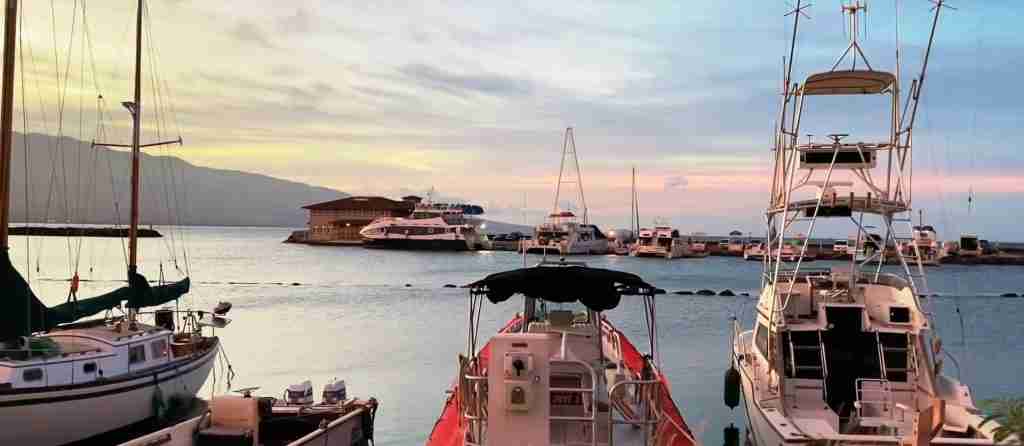
3 days
Hawaii 3-Day Discovery Tour
- ✓ Comprehensive Hawaii experience
- ✓ Expert local guides included
- ✓ All accommodation included
- ✓ Transportation provided
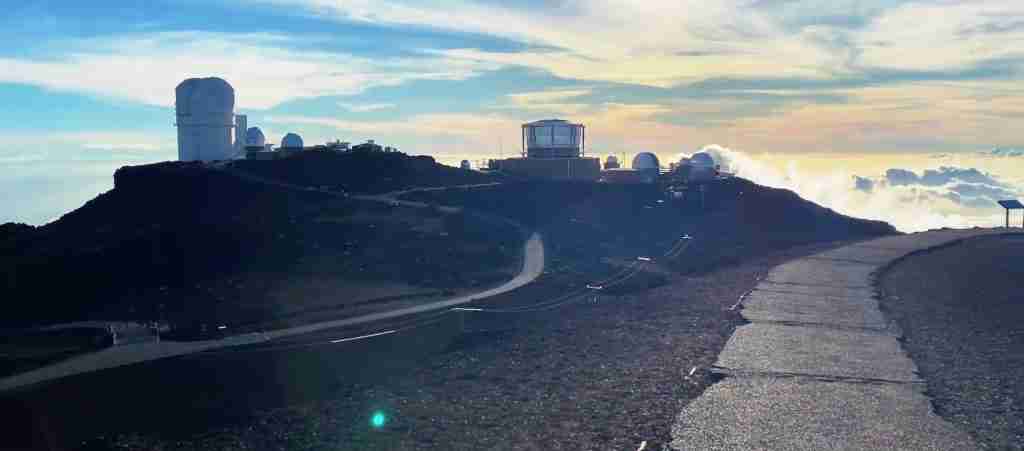
5 days
Hawaii 5-Day Highlights Experience
- ✓ Comprehensive Hawaii experience
- ✓ Expert local guides included
- ✓ All accommodation included
- ✓ Transportation provided
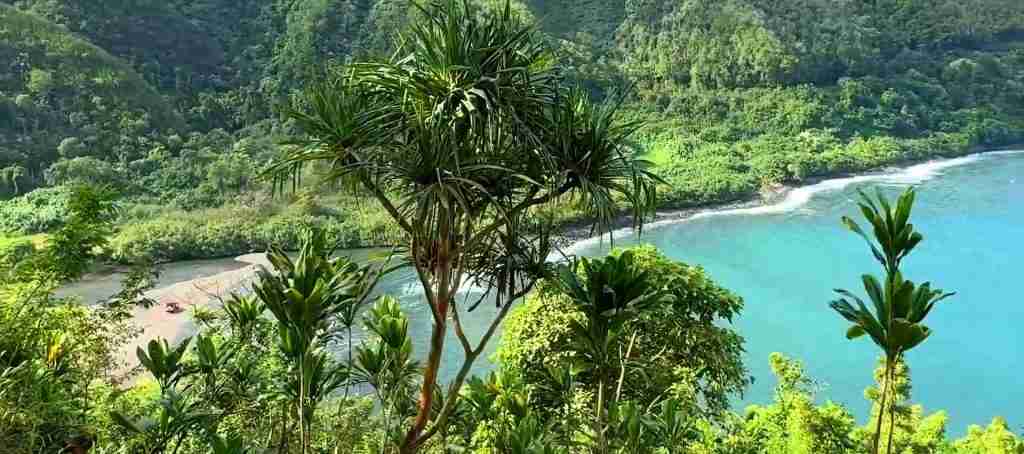
7 days
Hawaii 7-Day Cultural Journey
- ✓ Comprehensive Hawaii experience
- ✓ Expert local guides included
- ✓ All accommodation included
- ✓ Transportation provided
10 days
Hawaii 10-Day Complete Adventure
- ✓ Comprehensive Hawaii experience
- ✓ Expert local guides included
- ✓ All accommodation included
- ✓ Transportation provided
Multi-day tour packages powered by TourRadar. Prices and availability subject to change.
Introduction to Maui Travel Planning 2026
Maui earns its reputation as Hawaii’s most diverse island through landscapes spanning from sea-level beaches to the 10,023-foot summit of Haleakala volcano, from arid leeward coasts receiving under 15 inches annual rainfall to windward rainforests soaked with over 400 inches, and from bustling resort corridors to remote valleys accessible only via winding coastal highways. This geographic variety creates distinct regional identities across West Maui’s resort beaches, South Maui’s sunny shores, Upcountry’s pastoral slopes, and East Maui’s tropical wilderness, allowing visitors to experience multiple microclimates and ecosystems within a single 48-mile by 26-mile island.
Planning effective Maui travel in 2026 requires understanding seasonal patterns affecting costs, weather, and experiences. The island’s two-season climate distinguishes between the dry season (April-October) featuring consistent sunshine and calm seas ideal for water activities, and the wet season (November-March) bringing increased rainfall to windward areas, rougher ocean conditions on north and east shores, and the spectacular arrival of humpback whales migrating from Alaska. Peak tourism during December-February and June-August drives hotel rates to annual highs while creating competition for restaurant reservations and popular activities, whereas shoulder periods in April-May and September-October offer 20-35% lower accommodation costs with weather conditions nearly matching peak season quality.
Transportation logistics fundamentally shape the Maui experience, as the island’s elongated shape and mountainous interior concentrate development along coastal corridors connected by highways requiring 45-90 minutes transit between major regions. Kahului Airport serves as the primary arrival point near the island’s north-central coast, placing visitors 30-45 minutes from West Maui resorts, 20-30 minutes from South Maui beaches, and 2-3 hours from Hana’s remote eastern shore. Car rental proves essential for accessing Haleakala National Park, driving the Road to Hana, exploring hidden beaches, and visiting Upcountry farms and towns, as Maui’s limited public bus system covers only major population centers with infrequent schedules unsuitable for day-trip exploration.
Budget planning for 2026 accounts for Hawaii’s position as one of America’s most expensive destinations, with Maui’s resort-oriented economy and geographic isolation creating premium pricing across accommodation, dining, and activities. Budget-conscious travelers spending $165-220 per person daily (two sharing hotel) combine basic three-star hotels, food truck meals, shared car rental costs, and free or low-cost beaches with occasional paid attractions. Mid-range visitors allocating $310-435 daily enjoy comfortable resort stays, mix of casual and sit-down restaurant dining, reliable transportation with parking, and regular participation in snorkeling tours, ziplines, and cultural activities. Luxury travelers investing $645-905 daily experience four and five-star resorts, oceanfront fine dining, premium vehicles, and exclusive experiences including private charters, helicopter tours, and spa treatments.
Understanding Maui’s regional character helps match accommodations and base locations to travel priorities. West Maui anchors around historic Lahaina town (recovering from 2023 wildfires), the resort corridor of Kaanapali Beach, and upscale Kapalua, offering sunset views, easy ocean access, proximity to Molokini Crater snorkel tours, and concentration of restaurants and shops. South Maui stretches from affordable Kihei through luxury Wailea to wild Makena, providing the island’s most consistent sunshine, calmest swimming conditions, excellent snorkeling at beaches like Wailea and Ulua, and convenient access to Haleakala’s southern approach. Central Maui around Kahului and Wailuku serves as the commercial hub with big-box stores, local eateries, and Iao Valley’s cultural sites, while Upcountry’s cooler elevations host farms, ranches, and the gateway to Haleakala summit. East Maui beyond Paia encompasses the Road to Hana’s waterfalls, black sand beaches, and remote Kipahulu district of Haleakala National Park.
Advance planning proves increasingly important for 2026 Maui travel as popular experiences implement reservation systems and capacity limits. Haleakala National Park requires $1 sunrise viewing reservations booked 60 days ahead for 3-7 AM entry, while Waianapanapa State Park (black sand beach on Road to Hana) and Iao Valley mandate advance parking and entry permits. Molokini Crater snorkel tours sell out weeks ahead during peak season, top-rated restaurants require reservations 30-60 days advance for dinner slots, and rental cars booked within 60 days of peak-season travel often cost 50-100% above advance-booking rates. Budget-conscious travelers benefit from April-May or September-October visits when accommodation costs drop 20-35% below winter/summer peaks, while families with school-age children often find mid-June or late August windows offering summer weather with lower rates than July’s peak pricing.
Understanding Maui Costs in 2026: Complete Budget Breakdown
Maui travel costs in 2026 reflect Hawaii’s position as one of the United States’ most expensive destinations, with geographic isolation increasing prices for imported goods, limited supply of accommodations on a small island maintaining high rates, and strong sustained demand from domestic and international visitors supporting premium pricing across lodging, dining, and activities. Understanding the full spectrum of daily costs helps travelers budget accurately and identify opportunities for savings while maintaining desired experience quality.
Accommodation Costs Breakdown 2026
Maui hotel and resort rates vary dramatically by property type, location, season, and booking timing, with the same room ranging from $180 in low season to $500 during Christmas week. Budget accommodations ($150-200 nightly for rooms sleeping two) include basic three-star hotels like Maui Seaside Hotel in Kahului ($26 parking) offering clean rooms with minimal amenities, older properties in Kihei providing walking distance to beaches, and condos in North Kihei where full kitchens enable grocery-cooking savings. These budget options typically feature parking fees $20-26 daily, lack resort amenities like pools and restaurants, and require 10-20 minute drives to premium beaches, but deliver significant savings for travelers prioritizing activities over accommodation luxury.
Mid-range hotels ($300-450 nightly) dominate South and West Maui resort areas, including properties like Maui Coast Hotel in Kihei ($21 parking), Kaanapali Beach hotels, and Wailea properties offering oceanfront or ocean-view rooms, multiple pools, on-site restaurants, beach access, and complementary amenities. These hotels provide comfortable modern rooms, convenient locations within walking distance of beaches and dining, daily housekeeping, fitness centers, and often cultural activities like lei-making or ukulele lessons. Resort fees (where applicable) add $25-45 daily covering wifi, pool access, and amenity usage, while parking ranges $20-40 nightly at most properties, bringing true daily accommodation costs to $345-535 for couples sharing rooms.
Luxury resorts ($700-1000+ nightly) include properties like Four Seasons Wailea ($60 valet parking), Fairmont Kea Lani ($42 valet), Grand Wailea, and Montage Kapalua Bay, featuring expansive suites, premium oceanfront locations, multiple pools with cabanas, full-service spas, fine dining restaurants, concierge services, and upscale beach amenities. These properties cater to honeymoon travelers, special occasions, and luxury-focused visitors willing to pay premium rates for exceptional service, stunning design, exclusive beach access, and resort experiences including sunrise yoga, mixology classes, and cultural presentations. Luxury resorts often bundle resort fees into nightly rates but add valet parking charges reaching $50-60 daily, bringing true accommodation costs for couples to $760-1110 nightly.
Seasonal pricing patterns significantly impact accommodation budgets. December through February rates peak 40-50% above shoulder season due to mainland winter escapes and whale season appeal, with Christmas week commanding premium rates often double normal winter pricing. June through August sees family travel drive rates 30-40% above shoulder months, while spring break (mid-March) creates week-long rate spikes. April-May and September-October shoulder periods offer the best value, with mid-range hotels costing $250-350 compared to $400-500 during peaks, while maintaining weather quality nearly matching summer conditions. Early November before Thanksgiving provides the lowest annual rates, often 30-40% below winter pricing, though slightly increased rainfall risk accompanies these savings.
Alternative accommodations provide budget flexibility. Vacation rentals through platforms like VRBO and Airbnb offer full kitchens reducing dining costs, often provide better space-to-price ratios for families or groups, and range from $180-350 nightly for one-bedroom condos to $500-1200 for multi-bedroom houses. Hostels in Paia and Kihei ($50-80 per bed in shared rooms) serve solo budget travelers and younger visitors prioritizing activities over lodging comfort. Camping at state parks including Waianapanapa (Hana), Polipoli (Upcountry), and Kanaha Beach (near airport) costs $20-30 per campsite accommodating multiple tents, though facilities remain basic and advance permits required through Hawaii State Parks reservation system.
Dining and Food Expenses 2026
Maui dining costs reflect Hawaii’s dependence on imported food, restaurant labor costs, and tourist-market pricing, with meals ranging from $8 food truck plates to $150+ per person fine dining experiences. Budget travelers spending $43-62 daily per person rely heavily on food trucks serving plate lunches ($12-18), local diners offering substantial portions at reasonable prices ($15-25), grocery stores for breakfast supplies and beach snacks, and strategic happy hour dining capturing half-price appetizers and discounted cocktails at restaurants like Monkeypod Kitchen.
Breakfast costs vary by approach: hotel breakfast buffets run $25-40 per person at resort properties, sit-down restaurant breakfasts cost $15-25 including coffee and tip, casual cafes charge $8-15 for breakfast sandwiches or acai bowls, while grocery store bagels, fruit, and coffee total $5-8 per person. Budget-conscious travelers save substantially by stocking condo kitchens or utilizing hotel mini-fridges with grocery items from Costco (near Kahului Airport), Safeway, Foodland, or Whole Foods, reducing breakfast costs to $3-6 per person while enabling beach picnic preparation.
Lunch options span food trucks and casual spots ($12-25) serving generous portions of local favorites including poke bowls ($14-18), fish tacos ($12-16), plate lunches with kalua pork or teriyaki chicken ($15-20), and saimin noodles ($10-14). Beach-town casual restaurants charge $15-30 for sandwiches, burgers, and salads, while sit-down restaurants in resort areas run $20-40 for lunch entrees before drinks and tip. Smart lunch strategies include seeking food truck clusters (Kihei, Paia, Kahului), embracing plate lunch culture at spots like Da Kitchen and Tin Roof, and grocery-deli purchases from Foodland enabling beach picnics with poke, sushi, and prepared foods totaling $10-15 per person.
Dinner represents the largest daily food expense, with budget options ($20-30 per person) including food trucks, casual local restaurants, and strategic happy hour timing (typically 3-6 PM) capturing discounted menus. Mid-range dining ($40-60 per person) encompasses casual restaurants, oceanfront spots like Hula Grill and Duke’s Beach House, and local favorites including Mama’s Fish House’s lunch service. Fine dining ($80-150+ per person) features oceanfront establishments like Ferraro’s at Four Seasons, Spago, Merriman’s Kapalua, and chef-driven restaurants showcasing Hawaii Regional Cuisine with island-sourced seafood, produce, and proteins.
Alcohol significantly impacts dining budgets: beer costs $8-12, cocktails run $15-20, and wine ranges $12-18 per glass at restaurants, with mixed drinks at resort bars reaching $18-25. Budget-conscious travelers purchase alcohol at grocery stores (beer $10-15 six-packs, wine $12-30 bottles, spirits available but limited selection) for pre-dinner drinks or beach consumption, while taking advantage of happy hour specials offering $5-8 draft beers, $10-15 cocktails, and $6-10 wine pours. Tipping expectations follow mainland standards at 18-20% for good service, 15% minimum for adequate service, with totals calculated after tax.
Cost-saving dining strategies include: booking accommodations with full kitchens and grocery-shopping at Costco immediately after airport arrival for breakfasts, lunches, and some dinners; seeking food truck clusters offering quality meals at $12-18; timing one daily meal during happy hour windows; purchasing breakfast items and beach snacks at grocery stores rather than resort shops; and choosing lunch over dinner at expensive restaurants where same establishments offer similar menus at lower prices. Travelers following these approaches while maintaining quality can reduce daily food costs from typical $80-110 per person to $50-70 while still enjoying mix of restaurant and self-prepared meals.
Transportation and Car Rental Costs 2026
Car rental costs represent a significant Maui expense, with weekly rates ranging $350-900 depending on vehicle type, booking timing, and seasonal demand fluctuations creating dramatic price swings even within single months. Compact and economy cars, adequate for couples and offering best fuel economy, start at $50-70 daily ($350-490 weekly) when booked 2-4 months ahead during shoulder seasons (April-May, September-October), rising to $80-120 daily ($560-840 weekly) during peak winter and summer periods. Mid-size vehicles accommodating families with luggage cost $60-80 daily ($420-560 weekly) advance-booked shoulder season, escalating to $100-140 daily ($700-980 weekly) peak season.
SUVs and larger vehicles command premium rates: standard SUVs (5-passenger) run $80-110 daily ($560-770 weekly) shoulder season advancing to $130-180 daily ($910-1260 weekly) peaks, while 7-passenger SUVs and minivans reach $100-140 daily ($700-980 weekly) low season and $160-220 daily ($1120-1540 weekly) high demand periods. Convertibles price similarly to SUVs at $90-130 daily ($630-910 weekly) shoulder season and $140-200 daily ($980-1400 weekly) peaks, while Jeep Wranglers popular for beach access and open-air driving cost $80-120 daily ($560-840 weekly) advancing to $130-180 daily ($910-1260 weekly) peak periods.
Booking timing critically impacts rates: reservations made 6-9 months ahead for December-February or June-August travel typically secure lowest available peak-season rates, while shoulder season bookings 2-4 months advance offer optimal pricing for April-May and September-October visits. Last-minute bookings (within 2-4 weeks) often cost 50-100% above advance rates during peak periods and risk complete sell-outs during holiday weeks, though occasionally provide deals during unexpected demand drops in shoulder seasons. Maui experienced severe rental shortages in early 2026 creating temporary price spikes and island-wide sell-outs, reinforcing importance of early booking particularly for peak travel periods.
Airport versus off-airport rental affects total costs. Kahului Airport (OGG) rentals include convenience of immediate vehicle pickup after flight arrival but carry mandatory taxes and fees adding 10-15% to rental cost, typically $50-100 weekly surcharge. Off-airport locations near airport (shuttle provided by rental company) eliminate these fees but require 10-20 minute shuttle transfers and may offer limited vehicle selection. For travelers staying in West or South Maui resorts, off-airport locations in those areas save airport fees but necessitate $100-150 each way taxi or rideshare costs between airport and rental depot, potentially negating savings unless rental period exceeds 10-14 days.
Gas costs add to transportation budgets: Maui gas prices run $4.50-5.50 per gallon, with weekly fuel costs ranging $60-100 depending on vehicle fuel economy and driving distance. Haleakala summit, Road to Hana, and West Maui loop drives each consume significant fuel, while typical daily resort-beach-restaurant-resort driving averages 20-40 miles. Fuel-efficient compact cars averaging 30-35 MPG keep weekly fuel costs toward $60-80 range, while SUVs averaging 18-22 MPG push toward $80-100 weekly. Always select “return full” fuel option, as rental companies charge inflated rates ($7-9 per gallon) for refilling service.
Parking adds daily costs at many resort hotels ($20-40 self-parking, $40-60 valet) and new beach parking fees taking effect 2026. Kamaole Beach Parks I, II, and III in South Maui implement $10 daily parking fees for visitors on weekends and holidays under the Park Maui program, with residents receiving free parking and exclusive access until 10 AM those days. Most other beaches maintain free parking, though spaces fill early at popular locations including Wailea beaches, Big Beach (Makena), and Kapalua Bay. Haleakala National Park charges $30 per vehicle (valid 3 days) plus $1 sunrise reservation for 3-7 AM entry, while Iao Valley costs $10 parking plus $5 per person non-resident entry fee.
Alternatives to rental cars exist but limit island access. The Maui Bus operates daytime routes connecting Kahului, Kihei, Wailea, Lahaina, and Paia with $2 fares, but infrequent schedules (hourly or less) and limited route coverage exclude major attractions including Haleakala, Road to Hana, Makena beaches, and Upcountry areas. Taxis and rideshares (Uber, Lyft) charge $30-50 between major resort areas and airport, $40-60 for West Maui to South Maui transfers, making these options viable for airport transfers or occasional short trips but expensive for daily transportation. Tour companies provide transportation included in activity pricing ($100-300) for destinations like Haleakala sunrise, Road to Hana drives, and Molokini snorkel trips, enabling travelers without rental cars to access key experiences while sacrificing flexibility and schedule control.
Activities and Attractions Pricing 2026
Maui activity costs span free beach access to $300+ helicopter tours, with most popular experiences falling in $100-200 range for half-day or full-day adventures. Free activities provide substantial value: all beaches remain public regardless of adjacent resort development, with Wailea Beach, Kapalua Bay, Big Beach, and Napili Bay offering world-class swimming and snorkeling without fees; coastal walking trails including Wailea Beach Walk, Kapalua Coastal Trail, and scenic viewpoints like Nakalele Blowhole require no admission; and Haleakala National Park waives entrance fees on designated days (Presidents Day, Flag Day, Independence Day weekend, National Park Service birthday, Constitution Day, Roosevelt’s birthday, Veterans Day) though sunrise reservations still cost $1.
National and state park entry costs represent excellent value. Haleakala National Park charges $30 per vehicle (valid 3 days, includes both Summit and Kipahulu districts) with $1 additional fee for sunrise viewing reservations required for 3-7 AM entry and booked up to 60 days advance. The America the Beautiful Annual Pass ($80) covers Haleakala admission plus all US national parks, making it valuable for travelers visiting multiple parks or planning return Hawaii trips including Hawaii Volcanoes National Park. Iao Valley State Monument costs $10 parking plus $5 per person non-resident entry. Waianapanapa State Park (black sand beach on Road to Hana) requires advance reservations with non-resident parking fees.
Water activities command mid-range to premium pricing. Molokini Crater snorkel tours, Maui’s signature marine experience visiting the crescent-shaped volcanic crater with exceptional visibility and marine life, cost $100-170 per person for morning half-day trips including equipment, breakfast, lunch, and typically second snorkel stop at “Turtle Town” (Maluaka Beach or nearby reef). Whale watching tours (December-April) range $50-100 for basic two-hour excursions to $150-250 for premium small-group experiences with marine naturalists. Kayaking and stand-up paddleboard rentals cost $50-80 for 2-4 hour periods, while guided kayak tours run $90-150 including equipment and instruction. Surfing lessons start at $80-120 for group sessions, advancing to $150-250 for private instruction, while board rentals alone cost $25-40 daily.
Land tours and activities span budget to premium ranges. Road to Hana self-drive audio tours cost $15-25 via apps including GyPSy Guide and Shaka Guide, compared to guided van tours ranging $150-250 per person providing narration, strategic photo stops, and handling navigation stress. Zipline courses cost $120-200 for multi-line canopy tours through eucalyptus forests. Helicopter tours, Maui’s most expensive common activity, range $250-350 for 45-60 minute flights over Haleakala, Hana coastline, and waterfalls. Horseback riding tours run $120-180 for 2-3 hour rides through Upcountry ranchland or coastal areas. ATV/UTV tours cost $150-250 for off-road adventures through pineapple fields or mountain terrain.
Cultural experiences and specialized activities fill mid-price ranges. Traditional luaus offering Hawaiian feast, cultural performances, and open bars cost $120-180 per adult at venues including Hyatt’s Drums of the Pacific, Sheraton’s Maui Nui Luau, and Wailea Beach Resort’s Te Au Moana. Farmers markets including Upcountry Farmers Market (Saturdays in Kula) and Maui Swap Meet provide free entertainment, local produce, and crafts at minimal cost. Sunrise or sunset viewing at Haleakala beyond regular park hours (requiring reservations for sunrise) costs only $1 reservation fee plus $30 park entry, offering world-class experience at fraction of tour prices for independent travelers comfortable with 2-3 AM summit drives.
Equipment rentals enable budget-conscious activity access. Snorkel gear rents $10-15 daily or $30-50 weekly from beach shops like Boss Frog’s and Snorkel Bob’s, enabling independent beach snorkeling at spots like Black Rock (Kaanapali), Honolua Bay, or Makena Landing without tour costs. Beach chairs and umbrellas rent $10-25 daily, though many hotels provide complimentary use for guests. Bicycle rentals cost $30-50 daily for beach cruisers or $50-80 daily for road bikes, enabling cycling the South Maui coastal path or exploring Paia and North Shore.
Hidden Costs and Additional Fees 2026
Beyond primary budget categories, numerous smaller costs accumulate quickly. Resort fees (where charged) add $25-45 daily at many hotels, theoretically covering wifi, pool access, beach amenities, and daily activities, though these fees often surprise travelers not reading booking fine print carefully. Some properties include resort fees in quoted rates while others add them at check-in, making direct price comparisons challenging. Parking fees at hotels range $20-40 daily for self-parking and $40-60 for valet, with some luxury resorts charging parking even for registered guests rather than included in nightly rates.
Hawaii General Excise Tax (GET) applies at 4.166% to most goods and services, effectively functioning as sales tax added to restaurant bills, tour bookings, and retail purchases. Many businesses include GET in listed prices while others add it at payment. Transient Accommodation Tax (TAT) adds approximately 10.25% to hotel and vacation rental bookings, combined with county taxes bringing total accommodation tax burden to roughly 14.4% above quoted nightly rates unless rates specified as “inclusive.” Travelers should budget an additional 15% above quoted hotel rates to account for taxes and fees.
Tipping expectations match mainland United States standards: restaurant servers receive 18-20% of pre-tax bill for good service, 15% minimum for adequate service; hotel housekeeping earns $5-10 daily depending on room size and service quality; valet parking warrants $3-5 per retrieval; tour guides receive 15-20% of tour cost for exceptional service or $10-20 per person for satisfactory experiences. Activity gratuities often prove confusing, with boat crew expecting $10-20 per person for snorkel tours, luau servers receiving $20-40 per couple, and spa therapists earning 18-20% of service cost. Budgeting an extra $50-100 weekly for gratuities prevents financial surprises.
Phone and data costs affect international visitors and some mainland travelers. International visitors often pay $10-15 daily for international roaming or purchase prepaid SIM cards ($30-50 providing 2-4GB data) at Kahului Airport or retailers in Lahaina and Kihei. Mainland US travelers generally use existing phone plans though some carriers charge extra for Hawaii usage. WiFi availability varies: most hotels provide complimentary wifi (often in resort fees), many restaurants and cafes offer free access, and public libraries in Kahului, Kihei, and Lahaina enable free internet during business hours.
Activity deposits and cancellation policies create financial considerations. Many tours require full payment at booking with 24-72 hour cancellation windows for refunds, meaning last-minute weather cancellations or schedule changes may forfeit deposits. Travel insurance ($40-80 per person for week-long trips) provides coverage for trip cancellations, medical emergencies, and some activity interruptions, though policies vary in covered circumstances. Travelers booking expensive helicopter tours ($250-350), multi-day activity packages, or non-refundable accommodation rates should carefully review cancellation terms and consider insurance coverage.
Sunscreen and basic supplies cost more on Maui than mainland stores. Reef-safe sunscreen (required by law, must be non-nano zinc oxide or titanium dioxide based) costs $15-25 per bottle at island retailers versus $10-15 mainland. Beach towels (if not provided by hotel) sell for $20-40, coolers for beach picnics run $30-60, and basic groceries average 30-50% above mainland prices due to shipping costs. Travelers carrying reef-safe sunscreen, basic first-aid supplies, over-the-counter medications, and favorite snacks from home realize modest but meaningful savings.
Sample Maui Budgets 2026: Daily Cost Breakdown
Budget Traveler: $165-220 Per Person Daily
Budget travelers spending $165-220 per person daily, assuming two sharing accommodations, balance cost consciousness with meaningful Maui experiences by prioritizing free natural attractions, food trucks and local diners, basic comfortable hotels, and selective participation in paid activities. Accommodation ($75-100 per person sharing) includes basic three-star hotels in Kihei or Kahului with clean rooms, air conditioning, and parking, though lacking resort amenities or oceanfront locations. Meals ($43-62 daily) rely heavily on grocery breakfast ($5-8), food truck or plate lunch diners ($12-18), and dinner at casual local restaurants or strategic happy hour timing ($20-30), with occasional splurge meals at nicer establishments balanced by cheaper alternatives.
Transportation ($30 per person daily) assumes sharing compact car rental ($60 daily including fuel) between two travelers, with occasional rideshare or taxi trips ($10-20) when convenient for evening dining or single-destination excursions. Activities ($15-25 daily) mix free beach days, coastal walks, scenic drives, and sunset viewing with selective paid attractions like Haleakala National Park entry or occasional snorkel tour, averaging 2-3 paid activities weekly rather than daily tour participation. Weekly budget totals $1,155-1,540 per person including all accommodation, meals, transportation, and activities.
Budget travelers maximize value through strategic choices: booking shoulder season (April-May, September-October) when hotels cost $150-200 versus $250-400 peak season; staying in North Kihei or Kahului rather than Wailea or West Maui resorts, accepting 10-20 minute drives to premium beaches in exchange for substantial accommodation savings; grocery-shopping at Costco, Safeway, or Foodland for breakfasts, lunches, and beach snacks; utilizing food trucks like Tin Roof and Da Kitchen offering generous portions at $12-18; timing restaurant meals during happy hours (3-6 PM) capturing half-price appetizers and discounted drinks; choosing free or low-cost activities including beach snorkeling at Black Rock or Makena Landing, hiking Waihee Ridge Trail or Twin Falls, and sunrise viewing at Haleakala (only $1 reservation plus $30 park entry versus $150-250 guided tours).
Sample budget day: Hotel room $150 divided by two ($75 per person), breakfast from grocery store $6, lunch from food truck $16, afternoon beach snorkeling (equipment rental $12 or use own gear), dinner at casual restaurant during happy hour $25 including one drink, car expenses $30 (half of $60 daily rental and fuel), total $164 per person. Additional activities like Haleakala visit ($30 vehicle entry plus $1 sunrise reservation divided by two = $15-16 per person) or Molokini snorkel tour ($120-140) create higher-cost days balanced by zero-activity beach days.
Mid-Range Traveler: $310-435 Per Person Daily
Mid-range travelers allocating $310-435 per person daily, two sharing mid-range hotel accommodations, balance comfort and experience quality with reasonable budget management, staying in three-star beachfront hotels or condos, dining at mix of casual and sit-down restaurants, maintaining reliable transportation, and regularly participating in tours and activities. Accommodation ($150-225 per person sharing) includes mid-range hotels in Kihei, Kaanapali, or Wailea offering oceanfront or ocean-view rooms, pools, on-site restaurants, beach access, and parking typically $20-40 daily, providing comfortable base within walking distance of beaches and dining options.
Meals ($80-110 daily) allow breakfast at hotel or casual cafe ($15-20), lunch at beachfront casual restaurant ($25-35), and dinner at mid-range establishment ($40-55), with occasional fine dining splurges balanced by food truck or grocery-prepared meals. Transportation ($40 per person daily) assumes sharing mid-size vehicle or SUV ($70-80 daily including fuel and parking) between two travelers, providing comfortable travel with luggage and beach equipment space. Activities ($40-60 daily) enable participating in 4-5 paid experiences weekly including snorkel tours, whale watching, Road to Hana guided drives, ziplines, or cultural activities, balanced with free beach days and scenic drives.
Weekly budget totals $2,170-3,045 per person including all accommodation, meals, transportation, and activities, representing the budget range capturing majority of Maui visitors seeking quality experiences without luxury-level spending. Mid-range travelers enjoy comfortable accommodations in desirable locations, eat well at various restaurant types without constant budget consciousness, participate regularly in signature Maui activities, and maintain freedom to occasionally splurge on special experiences or spontaneous excursions without derailing overall budget.
Sample mid-range day: Hotel room $350 divided by two ($175 per person), breakfast at cafe $18, lunch at beachfront restaurant $30, Molokini snorkel tour $130, dinner at mid-range restaurant $50, car expenses $40 (half of $80 daily rental, fuel, and parking), total $443 per person. Lower-cost days without major activities (beach days, scenic drives, free hiking) balance higher-activity days: hotel $175, meals $70 (breakfast $15, lunch $20, dinner $35), free beach snorkeling, sunset at Haleakala $16 (half of park entry), car expenses $40, total $301 per person.
Luxury Traveler: $645-905 Per Person Daily
Luxury travelers investing $645-905 per person daily, two sharing luxury resort suites, prioritize exceptional service, premium locations, fine dining, exclusive experiences, and comfort throughout their Maui stay. Accommodation ($350-500 per person sharing) encompasses four and five-star resorts including Four Seasons Wailea, Grand Wailea, Montage Kapalua, Fairmont Kea Lani, and luxury Wailea properties, featuring ocean-view suites, premium pools with cabanas, full-service spas, multiple restaurants, concierge services, and upscale beach amenities though adding valet parking charges $50-60 daily.
Meals ($155-225 daily) allow breakfast at resort restaurants or premium cafes ($25-35), lunch at upscale establishments ($50-70), and dinner at fine dining venues ($80-120), with wine, cocktails, and gratuities included in estimates. Luxury travelers regularly dine at Maui’s best restaurants including Mama’s Fish House, Ferraro’s at Four Seasons, Merriman’s Kapalua, and hotel signature restaurants, experiencing tasting menus, wine pairings, and chef’s table presentations. Transportation ($60 per person daily) assumes sharing premium SUV, convertible, or specialty vehicle ($110-120 daily including fuel and valet parking) between two travelers, providing comfortable stylish transport with advanced features.
Activities ($80-120 daily) focus on premium and private experiences including private boat charters for snorkeling and whale watching ($800-1500 split among participants), helicopter tours ($250-350 per person), private Road to Hana guides ($500-800 for couple), spa treatments ($180-300 per person), private surfing or stand-up paddleboard instruction ($200-300 per person), and exclusive cultural experiences. Luxury travelers participate in 3-4 premium activities weekly plus casual activities like resort pool time, spa access, and sunset cocktails at hotel bars.
Weekly budget totals $4,515-6,335 per person including all accommodation, meals, transportation, and activities, representing the upper tier of typical traveler spending before entering ultra-luxury territory of private villas, personal chefs, and constant exclusive services. Sample luxury day: Resort suite $900 divided by two ($450 per person), gourmet breakfast $30, lunch at upscale restaurant $65, private snorkel charter half-cost $400, fine dining with wine $110, premium vehicle $60 (half of $120 daily cost), total $1,115 per person. Beach and resort relaxation days with spa treatment: suite $450, meals $140 (breakfast $25, lunch $35, dinner $80), spa service $220, vehicle $60, total $870 per person.
Best Time to Visit Maui 2026: Weather, Crowds, and Value
Maui’s tropical climate delivers warm temperatures year-round (75-85°F daily highs) with two distinct seasons governing rainfall, ocean conditions, and tourism patterns. The dry season (April-October) features consistent sunshine, lower rainfall, calm seas ideal for snorkeling and diving, and extended daylight hours maximizing activity time. The wet season (November-March) brings increased precipitation particularly to windward (east and north) areas, rougher ocean conditions affecting north and east shore beaches, spectacular humpback whale migrations, and lush green landscapes with flowing waterfalls enhanced by seasonal rains.
April Through May: Optimal Shoulder Season
April and May represent Maui’s most balanced travel window, combining excellent weather following winter’s rainy season clearance with 20-35% lower hotel rates than peak summer, reduced crowds after spring break concludes mid-March, and improving ocean conditions ideal for water activities. Daily temperatures range 77-81°F with moderate 75-80°F evenings, while rainfall drops significantly from winter levels particularly in dry leeward areas (Kihei, Wailea, West Maui) averaging 0.5-1.5 inches monthly. Ocean temperatures reach 75-77°F, comfortable for extended swimming and snorkeling without wetsuits, while wave conditions calm from winter’s north swells allowing access to summer-inaccessible spots including Honolua Bay and north-facing beaches.
Hotel availability and pricing strongly favor April-May visitors: mid-range Kihei and Wailea hotels cost $250-350 nightly compared to $400-500 during winter peaks, while West Maui properties drop from $350-500 to $280-400 nightly. Rental cars booked 2-3 months ahead secure shoulder-season rates $50-80 daily for compact/mid-size vehicles versus $80-120 daily peak periods. Restaurant reservations require less advance planning than summer or winter, with popular establishments like Mama’s Fish House and Merriman’s often available 1-2 weeks ahead rather than 30-60 days required during peaks.
Disadvantages include missing whale watching season (concluding mid-April), occasional lingering winter weather patterns bringing brief rain particularly early April, and some tourist services operating reduced schedules before summer season begins. Trade winds strengthen in May creating excellent windsurfing conditions at Kanaha Beach and Ho’okipa but occasionally generating choppier ocean surfaces affecting boat tours and open-water swimming. Overall, April-May offers first-time visitors and budget-conscious travelers the best combination of favorable weather, reduced crowds, and value pricing without sacrificing core Maui experiences.
June Through August: Peak Summer Season
Summer delivers Maui’s warmest, driest, and calmest conditions, with daily temperatures reaching 82-85°F, minimal rainfall across all regions averaging under one inch monthly even in typically wet Hana, and exceptionally calm ocean conditions ideal for families with young children, novice snorkelers, and surface water sports. Extended daylight (13+ hours June-July) enables early morning and evening activities bookending midday beach time, while consistent trade winds moderate heat and humidity keeping coastal areas comfortable despite high temperatures.
Ocean conditions prove optimal for water activities: wave heights remain minimal on south and west shores enabling beginner snorkeling, stand-up paddleboarding, and kayaking; water visibility reaches annual peaks at 80-150 feet at sites like Molokini Crater; and warm 80-82°F ocean temperatures eliminate need for wetsuits even for extended immersion. Summer represents best season for families introducing children to snorkeling, for first-time ocean swimmers gaining comfort in gentle conditions, and for boat tours and beach activities without weather cancellation concerns.
Peak tourism creates challenges: accommodation rates reach annual highs with mid-range hotels $350-500 nightly and luxury resorts $700-1000+, while popular hotels sell out weeks or months ahead requiring early booking; restaurants require reservations 30-60 days advance for prime times; beaches like Wailea, Kaanapali, and Big Beach experience maximum crowds with parking lots filling by 9-10 AM; and popular tours including Molokini snorkeling and Road to Hana guides often fully booked weeks ahead. June proves slightly less crowded than July-August as some schools remain in session through mid-late June, while late August after mainland schools resume sees marginal crowd reductions though prices remain elevated.
Summer represents ideal timing for travelers prioritizing water activity conditions, families with school-age children limited to summer travel windows, and visitors seeking guaranteed favorable weather willing to pay premium pricing and tolerate larger crowds. Booking accommodations and rental cars 6-9 months ahead and popular tours 4-8 weeks advance proves essential for summer travel.
September Through October: Prime Shoulder Season
September and October extend summer’s favorable weather with dramatically reduced crowds and 25-35% lower costs, creating Maui’s best-kept secret for savvy travelers. Daily temperatures remain warm at 83-85°F September and 81-83°F October, rainfall stays minimal in dry regions (under 1.5 inches monthly), and ocean conditions remain excellent through September with gradual transition toward winter patterns in October. Water temperatures peak at 80-82°F in September, warmest of the year, delivering ideal swimming and snorkeling conditions without summer’s crowds.
Pricing advantages shine during fall shoulder season: mid-range hotels drop to $250-380 nightly compared to $350-500 summer, luxury resorts fall to $550-750 versus $700-1000+ peaks, and rental cars booked 2-3 months ahead secure $50-80 daily rates for standard vehicles versus $80-120 summer pricing. Restaurant reservations require only 1-2 weeks advance planning, beaches feel uncrowded even at peak locations like Wailea and Big Beach, and popular tours including Molokini snorkeling maintain daily departures with spaces available days rather than weeks ahead.
September represents shoulder season’s prime window: school resumptions nationwide dramatically reduce family travel, weather remains essentially summer-like, and ocean conditions maintain July-August calmness. October brings subtle seasonal transitions with slightly increased rainfall (still low by most standards), occasional south swells beginning to generate waves at south-facing beaches, and first humpback whale sightings late in month as early arrivals reach Hawaiian waters from Alaska. North Shore surf begins building in October, attracting winter surfers while making some north-facing beaches unsuitable for swimming.
Hurricane season (June 1-November 30) creates minor consideration for September-October travelers, though hurricane impacts remain historically rare with direct hits extraordinarily unusual. The last three hurricanes affecting Maui were Lane (2018, passed south causing heavy rain but minimal damage), Iniki (1992, passed 100+ miles north), and Iwa (1982). Even without direct impacts, hurricanes passing near Hawaii can disrupt travel through flight cancellations and temporary accommodation closures typically lasting 2-3 days until storms pass. September-October statistically represents hurricane season’s quietest months compared to August’s activity peak.
Overall, September-October offers the best shoulder season value, combining summer-quality weather with spring-level pricing, lighter crowds, and easy booking flexibility. First-time visitors, couples, and travelers without school-age children scheduling constraints find these months ideal for optimal Maui experiences at reasonable costs.
December Through March: Winter Peak and Whale Season
Winter brings Maui’s peak tourism season driven by mainland winter escapes, humpback whale migrations creating spectacular marine wildlife viewing, and holiday travel periods, with accommodation rates reaching annual highs and tourist services operating at maximum capacity. Daily temperatures range 77-79°F, cooler than summer but still comfortable for beach activities, while rainfall increases significantly particularly in windward regions: Hana receives 6-12 inches monthly, Kihei and Wailea see 2-4 inches, and West Maui averages 2-3 inches. Leeward areas maintain relative sunshine with rain typically occurring as brief afternoon or evening showers rather than all-day events.
Humpback whales represent winter’s signature attraction, with up to 12,000 whales migrating from Alaska to Hawaiian waters for breeding, calving, and nursing between December and April. Peak viewing occurs January-March when whale concentrations reach maximum and behavioral displays including breaching, tail slapping, and competitive groups appear frequently. Whale watching tours ($50-100 basic excursions, $150-250 premium experiences) operate multiple daily departures from Maalaea and Lahaina harbors, while whales visible from shore at locations including Wailea beaches, McGregor Point lookout (Route 30 south of Lahaina), and Papawai Point (west Maui coast) enable free viewing without tour costs.
Ocean conditions create seasonal trade-offs: north and east shores experience powerful winter swells bringing famous big-wave surfing to spots like Pe’ahi (Jaws) and Ho’okipa while rendering these beaches unsafe for swimming and snorkeling; south and west coasts generally maintain calmer conditions though occasional south swells wrap around island affecting south-facing beaches; and increased wind and rain reduce water visibility and create choppy surface conditions affecting boat tours and open-water activities some days. Snorkeling remains excellent at protected spots including Kapalua Bay, Black Rock (Kaanapali), and Ahihi-Kinau when conditions cooperate.
Peak pricing and crowding characterize winter travel: Christmas-New Year’s week commands premium rates often double normal winter levels with mid-range hotels reaching $500-700 nightly and luxury resorts $1,200-1,800+; Presidents Day week (mid-February) creates secondary peak with rates 30-40% above normal winter levels; spring break (mid-March) generates week-long spike affecting accommodation costs, restaurant wait times, and beach crowding. January and early February between major holidays offer relative winter values though still 40-50% above shoulder season pricing.
Winter suits travelers prioritizing whale watching experiences, escaping cold mainland climates, or unable to travel outside holiday periods and school breaks. Booking accommodations 9-12 months ahead for Christmas week and 6-9 months for other winter dates proves essential, while advance restaurant reservations 30-60 days and tour bookings 4-6 weeks ensure access to desired experiences during peak periods.
November and March: Transitional Periods
November and March bookend winter’s peak season with transitional conditions creating opportunities for value-focused travelers. Early-mid November (pre-Thanksgiving) delivers warm weather (79-81°F), relatively dry conditions, minimal crowds following October’s quiet period, and the lowest hotel rates of the year often 30-40% below winter peaks. First whale sightings occur late November as early arrivals reach Hawaiian waters, while ocean conditions remain generally favorable though beginning seasonal transitions toward rougher winter patterns.
Thanksgiving week (late November 2026) creates sharp rate spike with holiday travelers driving prices 40-50% above early-November levels and crowds approaching winter intensity, making post-Thanksgiving early December period brief window before Christmas rates take effect. March follows similar pattern: early March maintains winter conditions with active whale watching, winter swells, and elevated crowds and pricing; mid-March spring break creates peak rates and maximum crowding; late March transitions toward spring with clearing weather, calming seas, and declining rates as tourist season shifts toward summer.
November suits budget-conscious travelers accepting slightly increased rainfall risk for substantial savings and quiet conditions, while March appeals to whale watchers seeking good value before April’s season conclusion. Both months enable securing better last-minute deals than peak winter or summer periods, though advance booking still recommended for preferred accommodation selection.
Maui Regions and Where to Stay 2026
Maui’s elongated shape and concentrated coastal development create distinct regional identities spanning resort corridors, beach towns, commercial centers, and rural areas, with accommodation location fundamentally shaping daily experience through proximity to attractions, beach access, dining options, and regional character. Understanding regional advantages helps match lodging to travel priorities whether seeking luxury resorts, budget accommodation, family-friendly amenities, or authentic local atmosphere.
West Maui: Lahaina, Kaanapali, Kapalua
West Maui encompasses Maui’s original tourism development stretching from historic Lahaina town through the resort corridor of Kaanapali Beach to upscale Kapalua on the northwestern tip, offering sunset ocean views, concentration of restaurants and shops, excellent snorkeling and whale watching access, and some of Maui’s most iconic beach resorts. Lahaina, once a 19th-century whaling port and Hawaii’s capital, suffered devastating wildfires in August 2023 destroying much of the historic downtown, with recovery and rebuilding ongoing through 2026. Front Street’s galleries, restaurants, and shops gradually reopening provide cultural activities and evening entertainment, while Lahaina Harbor serves as departure point for Molokini snorkel tours, sunset cruises, and whale watching boats.
Kaanapali Beach creates West Maui’s resort heart, with two miles of golden sand fronted by major hotels including Hyatt Regency, Sheraton, Westin, and Royal Lahaina, all offering beachfront pools, multiple restaurants, water sports rentals, and evening entertainment. Black Rock (Puu Kekaa) at Kaanapali’s north end provides exceptional snorkeling with turtles and tropical fish in calm protected waters, cliff jumping for adventurous swimmers, and nightly torch lighting ceremony at sunset. Whalers Village shopping center offers upscale retail, casual and fine dining, and free hula shows, while the beach walk connects properties enabling strolling between hotels and public beach access points.
Kapalua occupies West Maui’s northwest corner as a master-planned luxury resort community featuring the Ritz-Carlton and Montage properties, two championship golf courses, renowned Kapalua Bay beach with excellent snorkeling, hiking trails through native forests and along dramatic coastlines, and upscale dining at restaurants like Merriman’s showcasing farm-to-table Hawaii Regional Cuisine. Kapalua’s isolation from commercial development creates quiet sophisticated atmosphere appealing to luxury travelers and honeymooners, though requiring 45-minute drives to Central Maui shopping or South Maui attractions.
West Maui advantages include spectacular sunset views over ocean, excellent whale watching December-April from shore and boats, concentration of restaurants from casual to fine dining within walking distance of resorts, easy access to Molokini snorkel tours departing Lahaina Harbor, and historic downtown Lahaina providing cultural activities and evening entertainment beyond hotel amenities. Disadvantages include higher accommodation costs averaging $350-500+ nightly mid-range and $700-1000+ luxury, potentially crowded beaches during peak season, 45-60 minute drives to Haleakala or South Maui’s extensive beach parks, and afternoon cloud cover as marine air masses contact West Maui Mountains creating occasional grey skies obscuring volcano views.
South Maui: Kihei, Wailea, Makena
South Maui stretches along the island’s southern coastline from Kihei through Wailea to remote Makena, offering the most consistent sunshine and calmest ocean conditions year-round thanks to sheltering from northeast trade winds by Haleakala’s massive bulk. Kihei functions as South Maui’s beach town, with six miles of beaches (Sugar Beach, Kamaole I/II/III, Keawakapu) bordered by condos, strip malls, casual restaurants, grocery stores, and practical services, appealing to budget-conscious travelers, families seeking kitchen-equipped condos, and visitors prioritizing beach access over resort amenities. Kihei’s accommodation options span budget hotels ($150-200 nightly) and vacation rental condos ($180-350 nightly) through mid-range beachfront properties ($280-400 nightly).
Wailea represents luxury resort development, with pristine beach parks (Wailea, Ulua, Mokapu, Keawakapu) fronted by Four Seasons, Grand Wailea, Fairmont Kea Lani, Andaz, and Hotel Wailea properties offering impeccable service, multiple pools, full-service spas, championship golf, and fine dining. Wailea Beach Walk connects beaches and resorts via coastal pathway featuring public beach access, oceanfront restaurants, and upscale Shops at Wailea mall. Wailea’s beaches provide excellent snorkeling particularly at Ulua and Wailea beaches, calm swimming suitable for children, and reliable sunshine even during winter’s typically wetter periods.
Makena extends south of Wailea into progressively wilder territory, highlighted by Big Beach (Oneloa Beach and Makena State Park), a spectacular golden sand crescent stretching 1.5 miles backed by kiawe groves, offering body surfing, sunset views, and undeveloped natural beauty. Little Beach, accessed via trail over rocky point from Big Beach’s north end, attracts clothing-optional swimmers and alternative-lifestyle visitors. Makena’s limited development creates quiet retreat atmosphere though requiring drives to Wailea or Kihei for dining and services.
South Maui advantages include most reliable sunshine year-round with Kihei averaging 10-15 inches annual rainfall versus 25-40 inches West Maui, calmest ocean conditions ideal for families with young children and novice snorkelers, excellent beach variety spanning calm protected coves and powerful shore break beaches, convenient 20-30 minute airport access versus 45-60 minutes West Maui, and good value particularly in Kihei where mid-range accommodation costs $250-350 versus $350-500 West Maui equivalent properties. Disadvantages include limited restaurant concentration compared to West Maui requiring driving between locations, afternoon cloud cover occasionally as Haleakala’s mass generates localized weather patterns, and Kihei’s practical beach-town aesthetic lacking West Maui’s resort polish or Wailea’s luxury elegance.
Central Maui: Kahului and Wailuku
Central Maui serves as the island’s commercial and government center, with Kahului hosting the airport, major retailers (Costco, Target, Home Depot), big-box stores, shopping malls, and practical services, while historic Wailuku preserves old plantation-era architecture, county government offices, local eateries, and access to Iao Valley State Monument’s cultural and natural attractions. Most travelers view Central Maui as transit zone between airport and resort destinations rather than lodging base, though budget hotels near airport ($150-180 nightly) provide practical alternatives to beach-area pricing for visitors prioritizing activities over beachfront location.
Kahului advantages for travelers include proximity to airport (5-10 minutes versus 30-60 minutes beach resorts), lowest accommodation costs, access to major grocery stores enabling substantial food savings through condo cooking, and central location placing both West and South Maui 20-30 minutes away. Iao Valley, 10 minutes west of Kahului in Wailuku, provides easy nature access with paved walking paths through lush valley, views of Iao Needle rock formation, and cultural significance as site of 1790 battle unifying Hawaiian Islands under Kamehameha I. Entry costs $10 parking plus $5 per person non-resident fee.
Central Maui disadvantages include lack of beach proximity requiring 20-30 minute drives to coastal swimming and snorkeling, commercial/industrial aesthetic lacking tropical resort ambiance, limited restaurant options compared to beach towns and resorts, and positioning away from sunset ocean views and evening beach walks that define quintessential Maui experience for most visitors. Central Maui suits primarily budget-focused travelers willing to trade beachfront ambiance for savings, visitors with very early morning flight departures or late-night arrivals when airport proximity valuable, and travelers who prioritize daily activity excursions over resort-based relaxation.
Upcountry Maui: Kula, Makawao, Pukalani
Upcountry encompasses Haleakala’s western slopes between 1,000-4,000 feet elevation, creating cooler temperatures (65-75°F versus 80-85°F coastally), pastoral landscapes of ranches and farms, eucalyptus forests, and rural small-town character distinct from coastal resort development. Makawao preserves paniolo (Hawaiian cowboy) heritage as former ranching hub now hosting galleries, boutiques, restaurants, and annual rodeo, while Kula’s farms produce much of Hawaii’s protea flowers, vegetables, and upcountry specialties including Surfing Goat Dairy cheese and Ocean Vodka distillery tours.
Upcountry accommodations emphasize B&Bs, vacation rentals, and boutique inns ($180-350 nightly) rather than traditional hotels, appealing to travelers seeking quiet rural atmosphere, cooler climate, stargazing from high elevation with minimal light pollution, proximity to Haleakala National Park summit (45-60 minutes versus 2+ hours from coastal resorts), and authentic local lifestyle beyond tourist corridors. Upcountry provides convenient base for sunrise or sunset Haleakala visits, hiking crater trails, and experiencing agricultural tourism at lavender farms, pineapple tours, and farmers markets.
Disadvantages include 30-45 minute drives to beaches making multiple daily beach trips impractical, limited restaurant options requiring driving to coast for variety, cooler evenings necessitating light jackets or sweaters (comfortable change for some, unwanted temperature drop for beach-focused visitors), and rural isolation appealing to some but feeling disconnected from core Maui beach experience for others. Upcountry suits visitors seeking nature-focused quiet retreat, serious cyclists enjoying challenging climbs on Haleakala’s slopes, astronomy enthusiasts valuing dark skies, and travelers interested in agricultural tourism and local food systems.
East Maui: Paia and Hana
East Maui encompasses the windswept North Shore around Paia town and the remote rainforest coastline beyond Hana, representing Maui’s wildest and least developed region. Paia functions as North Shore’s beach town, with surf shops, healthy cafes, art galleries, and laid-back hippie-meets-surfer vibe, serving as last supply stop before the Road to Hana and gateway to Ho’okipa Beach Park where winter swells attract world-class windsurfers and surfers. Paia accommodations include boutique inns, vacation rentals, and the upscale Paia Inn ($400-600 nightly), suiting travelers seeking alternative North Shore lifestyle, proximity to Hana Highway without remote isolation, and excellent dining including Mama’s Fish House (2 miles east) serving Maui’s most acclaimed seafood in beachfront setting.
Hana occupies East Maui’s remote tip, accessible only via the famously winding Road to Hana requiring 2.5-3 hours one-way navigation of 620 curves and 59 bridges through rainforest punctuated by waterfalls, coastal viewpoints, and tropical valleys. Hana’s tiny town preserves authentic rural Hawaiian lifestyle with minimal commercial development, black sand Waianapanapa Beach, and luxurious Hana-Maui Resort (now Hana Maui Ranch, $500-800 nightly) offering ultimate getaway for travelers seeking isolation and natural beauty. Hana base enables easy access to Kipahulu district of Haleakala National Park including Pools of Oheo, Pipiwai Trail’s bamboo forest, and Waimoku Falls.
East Maui advantages include authentic local atmosphere far from resort tourism, world-class windsurfing and surfing at Ho’okipa and other North Shore spots, proximity to Road to Hana experiences, and lush rainforest environment with waterfalls, tropical flora, and dramatic coastal cliffs. Disadvantages include 1.5-2+ hour drives to West or South Maui attractions and amenities, limited dining and shopping options particularly in Hana, frequent rain particularly Hana’s 80+ inches annually, rough ocean conditions making swimming challenging or impossible at many beaches most of the year, and geographic isolation from much of Maui requiring commitment to remote location. East Maui suits adventurous travelers, surfers and windsurfers, honeymooners seeking ultimate seclusion in Hana, and visitors willing to embrace rainy weather for access to Maui’s wildest landscapes.
Getting to and Around Maui 2026
Reaching Maui: Flights and Airport Logistics
Kahului Airport (OGG) serves as Maui’s primary commercial airport located on the island’s north-central coast, handling direct flights from major West Coast cities (Los Angeles, San Francisco, Seattle, Portland, San Diego, Oakland), Southwest hubs (Denver, Phoenix, Las Vegas), and limited direct service from Dallas and Chicago, plus inter-island connections from Honolulu enabling mainland travelers to reach Maui via single stop on Oahu. Flight times range 5-6 hours from West Coast, 7-8 hours from Mountain states, 9-10 hours from Midwest and Texas, with overnight red-eye flights departing West Coast 10 PM-midnight arriving Maui 4-6 AM popular for maximizing vacation time.
Seasonal flight availability peaks December-March and June-August when carriers add capacity matching tourist demand, while shoulder seasons see reduced frequency though still daily service from major markets. Direct flights typically cost $400-700 roundtrip from West Coast during shoulder seasons, rising to $600-1000+ peak periods, while connecting via Honolulu adds $200-400 but opens more departure city options and potential lower total fares. Booking flights 2-3 months ahead for shoulder season or 4-6 months for peak travel generally secures better pricing than last-minute purchases.
Kahului Airport features open-air design reflecting tropical climate, with compact terminal layout enabling 10-15 minute walks from gates to ground transportation. Rental car desks line the terminal’s ground floor requiring 5-10 minute walks from baggage claim, with shuttle buses transporting customers to off-site rental lots 5 minutes away. Taxi and rideshare (Uber, Lyft) pickup zones locate outside baggage claim area, charging $30-50 to South Maui destinations (Kihei, Wailea), $40-60 to West Maui (Kaanapali, Lahaina), and $15-25 to Central Maui hotels. The Maui Bus operates limited airport service though infrequent schedules and luggage restrictions make this impractical for most travelers.
Smaller Kapalua Airport (JHM) in West Maui handles limited commuter service from Honolulu and neighbor islands via Mokulele Airlines, serving primarily travelers staying in Kapalua-Napili area seeking to avoid Kahului Airport’s 45-60 minute drive to West Maui. Hana Airport (HNM) receives occasional commuter flights though most Hana visitors drive the Road to Hana or book helicopter transfers ($250-400 per person).
Car Rental: Essential Transportation
Car rental proves virtually essential for meaningful Maui exploration beyond resort confines, as the island’s limited public transportation, dispersed attractions, and resort-town layout make vehicle access necessary for Haleakala summit visits, Road to Hana drives, beach hopping, restaurant variety, and activity participation at locations across the island. Major rental companies (Enterprise, Alamo, Budget, Hertz, Avis, National, Dollar, Thrifty) maintain counters at Kahului Airport’s ground floor with shuttle buses transporting customers to nearby rental lots, while smaller local operators including Kihei Rent A Car and North Shore Maui Rent A Car offer competitive pricing and personalized service.
Vehicle selection depends on travel party size and budget: compact cars ($50-80 daily shoulder season, $80-120 peak) adequately serve couples prioritizing fuel economy (30-35 MPG), mid-size vehicles ($60-90 shoulder, $100-140 peak) accommodate families with luggage, SUVs ($80-130 shoulder, $130-200 peak) provide space for four adults plus gear plus some cargo areas suitable for car camping or heavy equipment, while convertibles ($90-130 shoulder, $140-200 peak) and Jeep Wranglers ($80-120 shoulder, $130-180 peak) offer open-air tropical driving experience with sacrifice of fuel economy and cargo security.
Booking timing critically impacts costs, with 6-9 months advance reservations for peak winter and summer travel securing lowest available rates while last-minute bookings risk 50-100% premium pricing or complete unavailability during sell-out periods. Maui’s rental market experienced extreme volatility in early 2026 with temporary shortages creating price spikes and island-wide sell-outs, underscoring advance booking importance particularly December-February and June-August. Shoulder season travelers (April-May, September-October) booking 2-3 months ahead generally secure good availability and rates without same urgency as peak periods.
Insurance considerations include rental company collision damage waivers (CDW) costing $25-40 daily, which many travelers decline when their personal auto insurance or credit cards provide rental coverage. Verify your existing coverage details before purchasing rental company insurance, as credit card rental coverage typically includes collision damage but excludes liability, medical expenses, and personal property. Personal auto insurance usually provides liability coverage for rentals but verify policy specifics. Travelers without adequate existing coverage should purchase rental company comprehensive insurance, while those with coverage can decline expensive collision damage waivers saving $175-280 weekly.
Rental restrictions and important details: all drivers must present valid driver’s license and credit card matching reservation name; minimum age typically 21 with young driver surcharges $25-35 daily for ages 21-24; out-of-state and international licenses acceptable though international visitors may need International Driving Permit depending on country of origin; smoking prohibited in all rental vehicles with cleaning fees $200-400 for violations; off-road driving forbidden with insurance voidance for beach driving or unpaved road damage; and Maui’s narrow, winding roads particularly along Hana Highway demand cautious driving and comfort with tight corners and steep drop-offs.
Public Transportation: Limited Options
The Maui Bus operates county public transportation covering routes between major population centers but remains inadequate for tourist needs due to infrequent schedules (hourly or less frequent), limited route coverage excluding most attractions and beaches, and daytime-only operation ending early evening. Useful routes include Kahului-Kihei-Wailea corridor, Kahului-Lahaina connection, and within-town circulation, with $2 per-ride fares and day passes $4. Inter-town routes require 45-90 minutes for distances requiring 20-30 minutes by car, making bus service practical only for travelers with extremely flexible schedules or specific point-to-point trips without time constraints.
The Maui Bus proves most useful for airport transfers from Central Maui hotels ($2 versus $15-25 taxi), connections between Kihei and Wailea for dinner or shopping when staying car-free at one location, and backup transportation when separating from travel companions using rental car. Bus schedules and route maps available at mauicounty.gov/bus or through Google Maps transit directions. Serious consideration of car-free Maui travel requires either resort-based stay accepting limited exploration, or commitment to expensive taxis/rideshares for all excursions beyond walking distance.
Taxis, Rideshares, and Alternative Transport
Taxis serve Maui through traditional companies offering flat rates or metered service, with typical fares $30-50 airport to South Maui, $40-60 airport to West Maui, $25-40 between Kihei and Wailea, and $40-50 between Kihei and Lahaina. Rideshare services (Uber, Lyft) operate across populated areas with comparable or slightly lower pricing than taxis and convenience of app-based booking, though availability fluctuates with drivers concentrated around resort areas and airport while scarce in rural regions like Hana or Upcountry.
E-bikes and scooters provide alternative transport in limited areas, with rental shops in Kihei and Paia offering electric bicycles $40-70 daily enabling 20-30 mile range on single charge sufficient for town exploration and nearby beaches. South Maui’s relatively flat coastal areas suit e-biking between Kihei and Wailea, while Paia’s compact size and North Shore bike culture make bicycles practical for town dining and beach access. Hilly terrain, long distances between regions, and highway speeds exceeding safe bicycle limits prevent bikes from serving as primary island-wide transportation.
Tour company transportation enables car-free access to signature experiences: Road to Hana guided van tours ($150-250 per person) include pickup from resort areas, narrated drive with strategic stops, and handling of navigation stress; Haleakala sunrise tours ($150-250) provide pre-dawn pickup, summit access for sunrise viewing, and return by mid-morning; and Molokini snorkel boats ($100-170) include Maalaea or Lahaina harbor transportation when staying nearby or connecting via taxi/rideshare. Piecing together car-free Maui stay through tour transportation for major activities, walking or biking for local exploration, and taxis for restaurant dining proves possible but expensive ($300-500 additional weekly transportation costs versus rental car) while sacrificing flexibility and spontaneous exploration.
Top Maui Experiences and Activities 2026
Haleakala National Park: Summit and Sunrise
Haleakala National Park encompasses 33,265 acres spanning from sea level to the 10,023-foot summit of Haleakala volcano, with Summit District offering moonscape crater views, alpine hiking, and legendary sunrise viewing, while Kipahulu District along the remote eastern coast features tropical waterfalls and bamboo forest trails. Park entry costs $30 per vehicle (valid 3 days, covers both districts) with additional $1 sunrise reservation required for 3-7 AM summit access, booked up to 60 days advance through recreation.gov creating competitive reservation securing particularly for weekend dates.
Sunrise viewing from Haleakala summit ranks among Hawaii’s most iconic experiences, with visitors departing coastal accommodations 2-3 AM for 90-120 minute summit drives arriving well before dawn to claim parking spots at summit viewing areas. Summit temperatures range 30-50°F even when coast reaches 80°F, requiring warm layers including jackets, long pants, and closed-toe shoes, with wind chill further dropping perceived temperatures. The sunrise experience delivers not just daybreak but the surreal sight of emerging above cloud layer covering island below, with ocean of clouds spreading to horizons punctuated by neighboring island peaks, and sun’s first rays illuminating volcanic crater landscape in shades of red, orange, and gold.
Summit area offers multiple viewpoints and trails beyond sunrise viewing: Haleakala Visitor Center (9,740 feet) provides exhibits on volcano geology, native ecosystem, and Hawaiian cultural connections; Leleiwi Overlook (8,840 feet) offers crater views without summit crowds; Kalahaku Overlook (9,324 feet) features native silversword plants found nowhere else; and summit observation building delivers 360-degree views spanning entire crater and neighboring islands. Hiking trails range from easy paved paths to strenuous backcountry routes: Sliding Sands Trail descends 4 miles into crater through volcanic cinder landscape losing 2,500 feet elevation (challenging return climb); Halemau’u Trail offers alternative crater access; and shorter walks including White Hill summit trail provide crater overlooks without major elevation changes.
Sunset viewing provides alternative to crowded sunrise experience, with late afternoon summit drives avoiding pre-dawn wake-ups while delivering spectacular sunset colors over cloud layer and ocean, followed by world-class stargazing as high elevation, lack of light pollution, and clear skies create ideal astronomy conditions. Amateur astronomers bring telescopes, while casual visitors appreciate naked-eye views of Milky Way, planets, and constellations impossible to see from light-polluted urban areas. No reservations required for sunset or daytime visits, only for 3-7 AM sunrise window.
Road to Hana: Coastal Drive and Waterfalls
The Road to Hana Highway (Routes 36 and 360) winds 52 miles along Maui’s northeastern coast from Paia to Hana town through rainforest punctuated by waterfalls, coastal overlooks, and hidden valleys, requiring 2.5-3.5 hours one-way driving excluding stops for photos, swimming, and exploration. The highway’s fame derives from its extreme winding nature: 620 curves and 59 one-lane bridges necessitate constant attention, cautious speeds (15-35 MPH much of route), and comfort with narrow roads bordered by jungle vegetation and dramatic cliff drop-offs.
Major stops along the highway include: Twin Falls (mile 2) offering easy waterfall access, swimming holes, and fruit stand just 10 minutes beyond Paia; Garden of Eden (mile 10, $15 entry) featuring botanical garden, waterfall viewpoints, and maintained trails; Halfway to Hana food stands (miles 16-17) serving banana bread, coconut candy, and tropical fruit; Waikamoi Nature Trail (mile 10) providing short rainforest loop hike; Keanae Peninsula (mile 17) showcasing taro farms, lava rock coastline, and rural Hawaiian lifestyle; Wailua Falls viewpoint (mile 45) offering roadside cascade photo opportunity; and Waianapanapa State Park (mile 32, advance reservation required) featuring black sand beach, lava tubes, coastal trails, and excellent swimming when conditions permit.
Hana town itself disappoints many visitors expecting major destination after long drive, as this tiny settlement offers just handful of food trucks, small general store, gas station (highest priced on Maui), and Hana Ranch Restaurant. The journey proves more rewarding than destination, with value in stopping frequently for waterfall swims, jungle walks, coastal viewpoints, and fresh fruit stands rather than rushing to Hana. Most visitors continue beyond Hana 10 miles to Kipahulu district of Haleakala National Park (included in $30 park pass if visiting summit within 3 days) featuring Pools of Oheo (“Seven Sacred Pools”), Pipiwai Trail through bamboo forest to 400-foot Waimoku Falls (4 miles round trip), and Kuloa Point coastal trail.
Road to Hana strategies include departing very early (6-7 AM) to avoid traffic and claim parking at popular stops; packing breakfast, lunch, snacks, and ample water as food options limited and expensive along route; bringing swimwear and towels for waterfall swimming; downloading offline maps or purchasing audio tour apps ($15-25) like GyPSy Guide or Shaka Guide providing mile-by-mile narration and stop recommendations; and planning full day (8-10 hours) allowing relaxed pace with multiple stops rather than rushed drive-through. Alternative approach hires guided tour companies ($150-250 per person) handling driving, navigation, and strategic stops while providing local knowledge and insider access to private property waterfalls.
Return drive options include backtracking to Paia (safest, most predictable), continuing around Haleakala’s remote southern flank via Piilani Highway (rough, narrow, extremely winding, rental car contract prohibitions common), or overnighting in Hana and returning next day. Backtracking proves less tedious than anticipated as opposite-direction perspective makes familiar road feel different, while afternoon return light creates distinct photo opportunities versus morning drive’s lighting.
Beach Experiences and Snorkeling
Maui’s 30+ miles of accessible beaches range from wild surf beaches dangerous for swimming to protected calm bays ideal for families, with snorkeling opportunities spanning beginner-friendly shore entries to advanced sites requiring boat access. All Hawaii beaches remain public regardless of adjacent property ownership, with resort hotels and private properties required to provide public access paths though parking may be limited or fee-based near popular beaches.
West Maui beaches include Kaanapali Beach, a two-mile golden sand strand fronting major resorts with calm swimming, beach services, and Black Rock (Puu Kekaa) at north end offering exceptional shore snorkeling with turtles, tropical fish, and reef formations plus cliff jumping for adventurous swimmers. Napili Bay provides crescent-shaped protected beach ideal for children and beginner swimmers with calm waters, resident turtles, and casual atmosphere. Kapalua Bay features small protected cove rated among North America’s best beaches, with excellent snorkeling, calm swimming, and luxury resort adjacency. D.T. Fleming Beach offers beautiful setting with bodysurfing opportunities though occasional strong currents require caution. Honolua Bay, seasonally accessible November-March when winter swells close surfing, provides Maui’s most pristine snorkeling with exceptional coral reef, fish density, and underwater topography.
South Maui beaches excel for consistent calm conditions year-round: Kamaole Beach Parks I, II, and III in Kihei provide convenient free access (weekdays) or $10 parking (weekends under new 2026 program), lifeguard coverage, and gentle swimming though limited snorkeling. Keawakapu Beach offers long sandy stretch between Kihei and Wailea with good swimming and improved snorkeling at rocky points. Wailea Beach delivers classic resort beach with golden sand, calm swimming, good snorkeling at both ends, and upscale adjacent properties. Ulua and Mokapu beaches feature excellent snorkeling particularly at rocky point between beaches, with visibility often exceeding 80 feet and regular turtle sightings. Makena State Park’s Big Beach (Oneloa) provides spectacular 1.5-mile strand with powerful shorebreak suitable for bodysurfing but requiring caution for inexperienced swimmers, plus clothing-optional Little Beach accessed via trail from north end.
South Maui’s leeward location creates most reliable snorkeling conditions with visibility typically 60-100 feet compared to 30-60 feet windward locations, calm waters suitable for beginners, and year-round accessibility unaffected by seasonal swells. Shore snorkeling spots offering easy entry and consistent conditions include Ulua Beach, Black Rock at Kaanapali, Kapalua Bay, and Makena Landing (launch for kayakers and advanced snorkelers). Snorkel equipment rentals cost $10-15 daily or $30-50 weekly from beach shops, with gear quality varying significantly: invest in comfortable well-fitting mask and snorkel rather than accepting cheapest option, as proper fit prevents water intrusion and jaw fatigue.
Molokini Crater and Boat Tours
Molokini Crater, a crescent-shaped volcanic caldera partially submerged three miles offshore from Maalaea Harbor, creates Maui’s premier snorkel destination with exceptional water clarity (often 100-150+ feet visibility), protected waters inside crater rim sheltered from open ocean swells, and dense tropical fish populations drawn to underwater cliffs and coral formations. Morning snorkel tours ($100-170 per person) typically include continental breakfast, equipment, instruction, two snorkel locations (Molokini plus “Turtle Town” stop at Maluaka Beach or similar reef), lunch, and open bar on return journey, with departures 6:30-8 AM from Maalaea Harbor requiring 30-45 minute early morning drives from resort areas.
Boat options span large catamarans accommodating 100+ passengers with slide and multiple decks ($100-120 per person), mid-size vessels hosting 40-60 providing balance between amenities and crowding ($130-150), and small boats limiting groups to 15-25 creating more intimate experiences with less crowded snorkeling ($150-170+). Family-friendly tours prioritize safe easy snorkeling with flotation devices and attentive crew assistance, while advanced offerings target experienced snorkelers seeking deeper exploration along crater’s outer walls. December through April, whale watching becomes primary activity with snorkel stops secondary as boats seek humpback encounters.
Weather and ocean conditions critically affect Molokini tours, with cancellations occurring when south swells generate rough conditions or high winds create choppy surfaces compromising snorkeling quality and passenger comfort. Winter months (December-March) see higher cancellation rates, while summer (May-September) provides most reliable conditions with calm seas and optimal visibility. Tours cancelled by operators due to weather typically offer full refunds or rebooking, while passenger-initiated cancellations follow company policies usually requiring 24-72 hours notice for refunds.
Whale Watching (December-April)
Humpback whales migrating from Alaska to Hawaiian waters for breeding, calving, and nursing create Maui’s signature winter experience, with up to 12,000 whales present December through April and peak concentrations January-March. Whale watching occurs from shore at numerous locations and via dedicated boat tours, with Maui’s waters between islands (Auau Channel between Maui and Lanai, Pailolo Channel between Maui and Molokai) creating preferred habitat for nursing mothers, competitive male groups, and courtship behaviors.
Shore viewing provides free accessible whale watching from locations including Wailea beaches (Polo Beach, Wailea Beach), McGregor Point lookout along Route 30 south of Maalaea Harbor with elevated view over channel, Papawai Point in West Maui, and anywhere along Kihei’s beach parks. Patient observers spot breaches (whales launching bodies from water), tail slaps, pec slaps, and blows (spouts) from breathing, with morning calm conditions typically offering best visibility. Binoculars enhance shore viewing though naked eye sightings common during peak season when whale density reaches maximum.
Boat tours ($50-100 for basic 2-hour trips, $150-250 for premium small-group experiences) provide close encounters with strict federal regulations mandating 100-yard minimum distance from whales (whales often approach boats closer, but vessels cannot pursue). Tours departing Maalaea and Lahaina harbors feature marine naturalists providing whale behavior narration and biological education, with catamaran stability proving advantageous over smaller vessels for passengers prone to seasickness. January-March dates require advance booking 2-4 weeks as tours sell out, while December and April shoulder periods offer easier availability with slightly lower but still excellent whale activity.
Maui Dining and Food Scene 2026
Maui’s restaurant landscape blends traditional Hawaiian plate lunch culture, fresh Pacific seafood, multicultural influences from plantation-era immigration (Japanese, Filipino, Portuguese), farm-to-table movement showcasing Upcountry agriculture, and contemporary Hawaii Regional Cuisine elevating local ingredients through fine dining preparations. Understanding dining categories, regional concentrations, and strategic approaches helps travelers balance special dining experiences with budget management.
Food Trucks and Local Dining
Food trucks offering plate lunches, poke bowls, fish tacos, and Hawaiian specialties provide the best value and often most authentic local flavor, with lunch plates running $12-20 including generous portions of rice, mac salad, and main proteins like kalua pork, teriyaki chicken, or garlic shrimp. Tin Roof in Kahului and Kihei serves updated Hawaiian classics in counter-service setting with lunch plates $14-20. Da Kitchen in Kahului and Kihei offers enormous portions of local favorites at $15-25. Ono Tacos in Wailea and Kihei delivers fresh fish tacos and burritos $12-18 with sustainable seafood focus.
Coconut’s Fish Cafe (multiple locations) provides casual sit-down experience with fish plates, tacos, and bowls $15-22. Wow Wow Lemonade offers acai bowls, smoothies, and healthy quick meals $10-15. Paia’s north shore cafes including Paia Bay Coffee, Cafe Mambo, and Cafe des Amis serve breakfast and lunch $12-20 with fresh ingredients and casual atmosphere. Food truck clusters in Kihei along South Kihei Road, Kahului near airport, and various Upcountry locations provide multiple vendor options enabling group dining with different preferences.
Mid-Range and Casual Dining
Mid-range restaurants ($25-60 per person for dinner entrees before drinks) span beachfront casual establishments, hotel restaurants, and independent operators balancing quality with relative accessibility. Hula Grill at Kaanapali Beach offers barefoot beachfront dining with seafood, steaks, and cocktails $25-45 entrees plus $5-8 appetizers during happy hour. Duke’s Beach House at Kaanapali provides oceanfront tables, Hawaiian hospitality, and reliable preparations $28-48. Kimo’s in Lahaina features upstairs oceanfront seating overlooking sunset with seafood and island specialties $30-50.
Monkeypod Kitchen (Wailea and Kaanapali locations) attracts crowds for craft cocktails, wood-fired pizzas, and happy hour deals including half-price food 3-5 PM, with dinner entrees $22-42 and signature Mai Tais $12-15. Tommy Bahama Restaurant in Wailea combines upscale casual atmosphere with island-style dishes $28-48. Fred’s Mexican Cafe in Wailea provides reliable Mexican food $18-32 with ocean views. Three’s Bar & Grill in Kihei offers varied menu spanning Thai, Hawaiian, Mexican, American $15-30 appealing to groups with diverse tastes.
Fine Dining and Special Occasions
Maui’s fine dining establishments ($80-150+ per person) showcase Hawaii Regional Cuisine emphasizing local fish, Upcountry produce, and innovative preparations blending Hawaiian traditions with contemporary techniques. Mama’s Fish House, located in Kuau between Paia and Hana, serves Maui’s most acclaimed seafood in Polynesian-themed beachfront setting, with entrees $48-75 and dinner totals easily reaching $100-150 per person with appetizers, wine, and dessert. Reservations required 30-60 days advance for prime sunset times.
Ferraro’s Bar e Ristorante at Four Seasons Wailea delivers oceanfront Italian dining with homemade pastas, Mediterranean seafood, and wine pairings, entrees $48-82 with exceptional service and ambiance. Merriman’s Kapalua showcases farm-to-table Hawaii Regional Cuisine created by pioneering chef Peter Merriman, featuring local ingredients, ocean views, and entrees $42-78. Spago at Four Seasons provides Wolfgang Puck’s Pacific Rim-influenced cuisine with tasting menus and wine pairings reaching $150-250+ per person. Ko at Fairmont Kea Lani offers sugar plantation-themed menu celebrating Maui’s multicultural heritage through Hawaiian, Chinese, Portuguese, Filipino, and Japanese influences, entrees $38-68.
Mill House in Waikapu (central Maui) sits on working farm providing ultimate farm-to-table experience with produce harvested steps from kitchen, entrees $32-58 in architecturally striking setting. Lineage at Monkeypod Kitchen in Wailea represents upscale sibling concept with tasting menus, curated wine pairings, and refined presentations $60-95 entrees. Fine dining strategies include booking reservations 30-60 days advance for peak season travel, considering lunch service at expensive restaurants where same preparations often cost 20-30% less than dinner pricing, and dining early (5-6 PM) when walk-in availability occasionally exists versus sold-out prime sunset times.
Happy Hours and Cost-Saving Strategies
Strategic happy hour timing enables accessing upscale restaurant quality at mid-range prices, with many establishments offering 3-6 PM specials including half-price appetizers, discounted pizzas, and $5-10 cocktails. Monkeypod Kitchen’s legendary happy hour provides half-price food menu and drink specials 3-5:30 PM attracting crowds requiring early arrival for seating. Duke’s Beach House, Hula Grill, and other beachfront spots offer sunset timing happy hours combining reduced prices with prime ocean views.
Grocery store alternatives provide substantial savings: Safeway, Foodland, Whole Foods, and Costco (near airport) enable breakfast preparation, beach picnic lunches, and some dinner meals for travelers with kitchen access in condos or vacation rentals. Costco proves particularly valuable for bulk purchases of water, snacks, alcohol, and prepared foods, with membership ($60 annual) paying for itself quickly for week-long stays when feeding families. Local fish markets and butchers provide fresh seafood and meats for home preparation at fraction of restaurant costs.
Farmers markets including Saturday Upcountry Farmers Market in Kula, Wednesday Kihei market, and Maui Swap Meet Saturdays in Kahului offer fresh local produce, baked goods, prepared foods, and crafts at reasonable prices with authentic local atmosphere. Food truck lunches maintain quality while saving $15-30 per person versus sit-down restaurant lunches. Strategic restaurant timing choosing lunch over dinner captures similar menus at lower prices, while early (5-5:30 PM) or late (8-9 PM) dinner reservations sometimes allow access to full-price restaurants when prime times sold out.
Practical Tips for Maui Travel 2026
What to Pack: Essentials and Recommendations
Maui’s tropical climate and diverse activities spanning beach lounging to volcano summit visits require adaptable packing spanning warm-weather casual wear to cold-weather layers. Essential clothing includes lightweight breathable shirts and shorts, swimwear (multiple suits allowing wet one to dry while wearing dry suit), cover-ups and sundresses for beach-to-restaurant transitions, light long pants and long-sleeve shirt for sun protection and evening mosquito defense, sandals or flip-flops for beach and casual dining, athletic shoes or hiking sandals for walking trails, and light jacket or sweater for air-conditioned restaurants, evening breezes, and Haleakala summit visits where temperatures drop to 30-50°F.
Sun protection proves critical: reef-safe sunscreen (required by Hawaii law, must be non-nano zinc oxide or titanium dioxide formulations) in SPF 30-50 should be applied liberally and reapplied every 2 hours and after water exposure; wide-brimmed hat and sunglasses with UV protection prevent facial sun exposure and eye damage; rash guards or swim shirts provide extended water activity protection without constant reapplication. Hawaii’s year-round intense UV rays at tropical latitudes cause sunburn even on partly cloudy days, making protection essential regardless of weather appearance.
Beach and water activity essentials include snorkel mask and fins (rental available but personal equipment ensures proper fit and comfort), underwater camera or waterproof phone case for marine photography, beach towel (many hotels provide complimentary beach towels though quality varies), waterproof dry bag for protecting phone and wallet at beach, cooler for beach picnics and keeping drinks cold, and reusable water bottle as Hawaii’s tap water remains safe and reducing plastic waste helps environment. Rental options for beach chairs ($10-25 daily), coolers ($30-60 purchase at Target or Costco), and umbrellas exist though bringing collapsible versions saves cost for multi-day use.
Activity-specific items include hiking shoes or trail sandals for waterfall and forest walks, bike shorts or athletic wear for road cycling or mountain biking, light rain jacket particularly for Road to Hana drive or rainforest areas, daypack for carrying water and snacks during hiking or sightseeing, binoculars for whale watching and bird viewing, and waterproof phone case for photography near waterfalls or during boat tours. First aid kit with adhesive bandages, antibiotic ointment, pain relievers, anti-diarrheal medication, and any prescription medications in original containers plus backup copies of prescriptions prevents needing pharmacy visits for minor issues.
Cultural Considerations and Etiquette
Respecting Hawaiian culture and local sensibilities enhances visitor experience while demonstrating appreciation for island communities. Aloha spirit encompasses kindness, respect, and harmony extended to others, with visitors expected to reciprocate through courteous behavior, environmental care, and cultural respect. Simple Hawaiian words commonly used include “aloha” (hello, goodbye, love), “mahalo” (thank you), “ohana” (family), “keiki” (children), “makai” (toward ocean), and “mauka” (toward mountain), with attempts to use these phrases appreciated even when pronunciation imperfect.
Beach etiquette includes leaving no trace by removing all trash, respecting “kapu” (forbidden) signs at culturally sensitive sites, avoiding stacking rocks into cairns which disrupts natural landscape and confuses navigation markers, asking permission before photographing local residents, and exercising caution around Hawaiian monk seals and sea turtles (approach no closer than 50 feet, never touch or feed). Reef conservation requires reef-safe sunscreen use (chemical sunscreens containing oxybenzone and octinoxate damage coral), avoiding standing on or touching coral, and not feeding fish which disrupts natural behaviors.
Traffic courtesy proves important on narrow winding roads: pulling into turnouts when line of cars accumulates behind slower drivers, allowing locals familiar with roads to pass, using horn sparingly and only for genuine safety concerns, and exercising patience with tourists unfamiliar with routes. Shaka hand sign (thumb and pinkie extended, middle three fingers folded) serves as friendly wave or thank you gesture between drivers. Parking considerations include respecting private property, not blocking beach access paths or emergency vehicle routes, and paying posted parking fees at state parks and beaches implementing 2026 fee systems.
Safety Considerations
Ocean safety represents primary concern as drowning remains leading cause of tourist deaths in Hawaii. Rip currents form when shore-bound water returns seaward through breaks in reefs or sandbars, creating narrow powerful channels pulling swimmers away from shore: if caught in rip current, swim parallel to shore rather than fighting current, then swim back to beach once clear of channel. High surf warnings indicate dangerous wave conditions closing beaches to swimming, with lifeguarded beaches posting flag systems indicating hazard levels: red flags mean closed to public, yellow caution, and green safe conditions. Winter north shore waves reach 20-40+ feet creating deadly conditions for experienced surfers let alone casual swimmers.
Snorkeling safety requires comfortable well-fitting equipment, awareness of water conditions before entering, buddy system rather than solo snorkeling, and staying alert for boats in traffic areas. Fins enable efficient swimming and help escape currents, while mask defog spray or diluted baby shampoo prevents mask fogging compromising visibility. Never snorkel alone, always check wave conditions and entry/exit points, and respect personal fitness limits by staying near shore rather than venturing into deep open water.
Hiking safety emphasizes preparation and awareness: carrying ample water (1 liter per 2-3 miles), wearing appropriate footwear with ankle support and traction, applying sunscreen and insect repellent, and staying on marked trails to avoid injuries and environmental damage. Flash flooding risk requires avoiding stream crossings during or after rain, with waterfalls and pools becoming dangerous as rainfall from mountains arrives suddenly at lower elevations. Slippery rocks near waterfalls cause frequent injuries, making cautious footing essential around wet surfaces.
Crime remains relatively low though vehicle break-ins at trailheads, beaches, and remote parking areas occur regularly: never leave valuables visible in vehicles, removing all bags, electronics, and wallet from sight or taking them to beach; parking in well-lit populated areas when possible; and utilizing hotel safes for passports, extra cash, and expensive jewelry not needed for daily activities. Petty theft targets tourist vehicles rather than violent crime, making simple precautions effective prevention.
Health and Medical Considerations
Healthcare costs in Hawaii rank among nation’s highest, making travel medical insurance valuable for international visitors and travelers without comprehensive US health insurance. Urgent care facilities in Kahului, Kihei, and Lahaina handle minor issues including sunburn, cuts requiring stitches, ear infections from water exposure, and illness, while Maui Memorial Medical Center in Wailuku provides emergency room services for serious conditions. Prescription refills require finding pharmacy (Longs Drugs, Safeway Pharmacy, Walgreens) and often contacting mainland doctor for authorization.
Sun exposure risks include sunburn, heat exhaustion, and heat stroke, prevented through liberal sunscreen application, adequate hydration, seeking shade during peak sun hours (10 AM-2 PM), and limiting initial sun exposure allowing gradual tanning rather than first-day overexposure. Dehydration occurs easily in tropical heat particularly during activities: adults require 2-3 liters daily, more when hiking or exerting, with symptoms including headache, fatigue, and dark urine indicating need for increased water intake.
Swimmer’s ear affects many visitors due to extended water time, prevented through alcohol-based ear drying drops after swimming or showering. Motion sickness impacts some boat tour passengers, managed through Dramamine or ginger supplements taken 30-60 minutes before departure, wristbands stimulating pressure points, and positioning on boat’s center lower deck where motion feels minimal. Jellyfish stings occur occasionally at beaches, treated through vinegar application neutralizing stinging cells, hot water immersion reducing pain, and hydrocortisone cream managing inflammation.
Frequently Asked Questions About Maui Travel 2026
Is a week long enough for Maui or should I plan longer?
A week provides sufficient time for experiencing Maui’s essential attractions including Haleakala National Park, Road to Hana drive, 2-3 major snorkeling or activity experiences like Molokini tour or whale watching, relaxation beach days, and several notable restaurant meals, representing the most common visit length balancing comprehensive island exploration with realistic vacation constraints. Travelers spending 7 days can comfortably visit West Maui (Kaanapali, Lahaina), South Maui (Kihei, Wailea, Makena), Haleakala summit for sunrise or sunset, and drive the Road to Hana with overnight in Hana or day trip returning to resort base. Ten to fourteen days enables deeper exploration including multi-day stays in different regions (3 nights West Maui, 3 nights South Maui, 2 nights Hana, 2 nights Upcountry), repeating favorite activities, taking more rest days between excursions, and exploring lesser-known beaches and towns at relaxed pace. First-time visitors typically find 7-8 days optimal for seeing highlights without exhaustion, while returning visitors benefit from extended stays enabling discovery of hidden gems and seasonal experiences.
Should I rent a car in Maui or rely on tours and shuttles?
Rental cars prove virtually essential for meaningful Maui exploration, as the island’s limited public transportation, dispersed attractions requiring 30-90 minute drives between regions, and flexibility to explore hidden beaches, scenic viewpoints, and local restaurants make personal vehicle access invaluable for creating memorable experiences beyond resort confines. Travelers attempting car-free Maui stays face expensive taxis or rideshares for every beach visit, restaurant dinner, or activity booking, while missing spontaneous exploration opportunities like discovering empty beach, stopping at roadside fruit stands, or changing plans based on weather. Tour companies provide transportation for signature experiences including Road to Hana guides and Haleakala sunrise tours, potentially enabling car-free approach for travelers booking multiple tours and accepting resort-based dining, though total transportation costs via tours and taxis typically exceed car rental expenses while sacrificing scheduling flexibility. Car rental costs $350-900 weekly depending on vehicle type and season, comparable to 3-4 round-trip taxis between resort areas and attractions, making car access both practical and economical for typical 7-day stays.
What’s better for first-time visitors: staying in one location or splitting between regions?
First-time visitors benefit from basing in single location for week-long stays, as unpacking once, avoiding hotel checkout hassles, and driving from consistent home base simplifies logistics while enabling exploration of entire island through day trips from either West Maui or South Maui hubs. South Maui (Kihei or Wailea) offers optimal single-base location providing central positioning for island-wide access: 30 minutes to airport, 45-60 minutes to West Maui beaches and Lahaina dining, 60 minutes to Haleakala summit, 2 hours to Hana, and walking or short driving access to a dozen excellent beaches. South Maui’s consistent sunshine, calm waters, extensive accommodation options spanning budget to luxury, and leeward climate protection create reliable comfortable base. West Maui (Kaanapali, Lahaina, Kapalua) provides alternative single-base with spectacular sunsets, resort concentration, and excellent restaurants though adding 30 minutes to Haleakala access and South Maui beach visits. Splitting between two locations (3-4 nights each West and South Maui) suits travelers uncomfortable with daily 60-90 minute return drives who prefer shorter commutes to nearby attractions, though requiring mid-week packing, checkout, and hotel transition absorbing half-day that could be spent exploring.
Is Maui family-friendly for traveling with young children?
Maui accommodates families with young children exceptionally well through calm protected beaches ideal for toddlers learning to swim, family-focused resorts offering kids’ pools and activities programs, condo rentals with full kitchens simplifying meal preparation and schedules, and activity variety spanning gentle snorkeling and beach play to aquarium visits and submarine tours. South Maui’s beaches including Kamaole I/II/III and Wailea provide gentle shore entries, lifeguard supervision, calm waters protected from winter swells, and sand ideal for castle building. Family-friendly resorts like Grand Wailea and Hyatt Regency Maui feature elaborate pool complexes with slides, lazy rivers, and children’s pools alongside kids’ clubs offering supervised activities for ages 5-12, enabling parents occasional adult time. Condos with kitchens in Kihei and Napili allow familiar meal preparation, flexible dining schedules accommodating young children’s eating patterns, and grocery-bought supplies reducing costs versus constant restaurant dining. Activities suitable for families include beach days, easy nature walks like Wailea Beach Walk or Twin Falls, Ocean Center aquarium in Maalaea, submarine tours viewing reefs without getting wet, and whale watching boat trips (December-April). Challenges include limited diaper changing facilities at beaches requiring portable changing pads, sun exposure necessitating constant sunscreen application and shade seeking, and some signature experiences like Haleakala sunrise (2 AM wake-up) or long Road to Hana drive (3-4 hours) proving impractical with young children.
Can I see whales from shore or do I need a boat tour?
Humpback whales appear regularly from shore at numerous Maui locations during December-April season, with patient observers spotting breaches, tail slaps, and blows without tour costs, though boat tours provide closer encounters, longer viewing duration, and expert narration enhancing experience value. Excellent shore viewing locations include Wailea beaches (Polo Beach, Wailea Beach, Ulua) where whales often surface just beyond swimming areas, McGregor Point lookout along Route 30 between Maalaea and Lahaina offering elevated perspective over Auau Channel where whales concentrate, Papawai Point further north along west coast highway, and anywhere along Kihei’s beach parks where scanning ocean horizon reveals whale activity. Binoculars enhance shore viewing by enabling details of surface behaviors and multiple whale groups, though naked eye sightings remain common during peak January-March when whale density reaches maximum. Shore watching proves free, enables flexible timing visiting beaches throughout day watching for activity, and allows combining whale viewing with beach time, meals, and sunset watching without dedicated tour commitment. Boat tours ($50-100 basic 2-hour trips, $150-250 premium experiences) provide significantly closer encounters reaching federal minimum 100-yard distance (whales often approach closer voluntarily), marine naturalist narration explaining behaviors and biology, higher likelihood of spectacular breaching and surface activity, and guaranteed whale sightings or trip credit during peak season. First-time visitors uncertain about whale watching interest might begin with shore viewing then book boat tour if whales prove captivating, while returning visitors or whale enthusiasts benefit from combining regular shore observation with single premium boat tour for comprehensive experience.
What should I do if it rains during my trip?
Maui’s microclimates create opportunities for escaping rain by driving 15-30 minutes to drier leeward regions, while rainy day activities including indoor attractions, covered shopping, spa treatments, and driving scenic routes transform weather challenges into alternative memorable experiences. When rain affects South or West Maui, Upcountry areas often remain sunny due to orographic patterns, enabling pivot to Kula farming areas, Ali’i Kula Lavender Farm, Ocean Vodka distillery tours, or Makawao town shopping and dining. Rain enhances some experiences including waterfalls flowing stronger and more impressive after storms (Twin Falls, Wailua Falls along Road to Hana), lush green landscapes photographing dramatically in mist, and reduced crowds at popular attractions. Indoor activities for rainy days include Maui Ocean Center aquarium in Maalaea showcasing Hawaiian marine life in 750,000-gallon exhibits ($40 adults, $28 children), shopping at Shops at Wailea or Queen Kaahumanu Center in Kahului, spa treatments at resort spas, cooking classes, art galleries in Lahaina or Makawao, and movie theaters in Kihei and Kahului. Brief tropical showers common in Hawaiian weather often last 30-60 minutes before clearing, enabling flexibility to wait out rain at cafe or shop then resume outdoor activities. Travelers experiencing multi-day rain systems can adjust itineraries toward covered activities, use opportunity for slower pace catching up on rest after busy days, or embrace rain for authentic experience of Hawaiian climate’s seasonal patterns creating the lush landscapes making islands beautiful.
Are there any cultural or historical sites worth visiting beyond beaches?
Maui preserves significant Hawaiian cultural and historical sites offering deeper understanding of indigenous heritage, plantation-era development, and natural-cultural connections predating Western contact. Iao Valley State Monument beyond Wailuku provides one of Maui’s most accessible cultural sites, where 1790 Battle of Kepaniwai unified Hawaiian Islands under Kamehameha I, with Iao Needle rock formation holding spiritual significance and valley’s lush beauty demonstrating traditional Hawaiian land management concepts. Entry costs $10 parking plus $5 per person non-resident. Lahaina National Historic Landmark encompasses entire former whaling port and Hawaiian Kingdom capital, with sites including Banyan Tree (largest in US covering acre), Old Lahaina Courthouse (now visitor center and museum), Baldwin Home (missionary residence and museum), and harbor area where whaling industry flourished 1820s-1860s, though 2023 wildfires destroyed portions of historic downtown.
Bailey House Museum in Wailuku occupies 1833 missionary compound showcasing pre-contact Hawaiian artifacts, missionary-era furnishings, and plantation history through photographs and documents, with admission $7 adults and beautiful kalo (taro) patches on grounds. Hale Pai printing house at Lahainaluna High School represents oldest school west of Rockies (founded 1831) where first Hawaiian-language Bible printed, offering small museum and historic building tours. Haleakala National Park contains numerous cultural sites including traditional trails, archaeological features, and places significant to Native Hawaiian religion and cosmology, with park rangers offering interpretive programs explaining connections between Hawaiian culture and volcano landscape.
Kealia Pond National Wildlife Refuge near Kihei protects wetland habitat for native Hawaiian waterbirds including endangered ae’o (Hawaiian stilt) and koloa (Hawaiian duck), with boardwalk trail and interpretive signs explaining ecological restoration and native species recovery. Maui Nui Botanical Gardens in Kahului preserves native Hawaiian plants in landscaped setting demonstrating traditional uses for food, medicine, tools, and cultural practices. Sugar Museum in Puunene chronicles Maui’s plantation history 1876-2016 when sugar dominated economy and created multicultural society through immigrant labor from Asia and Portugal, showcasing machinery, photographs, and cultural artifacts with admission $10 adults.
What wildlife can I expect to see in Maui beyond whales?
Maui’s marine and terrestrial ecosystems support diverse wildlife though mammal species remain limited compared to continental destinations, with sea turtles, tropical fish, seabirds, and seasonal migrant species providing regular sightings for attentive observers. Hawaiian green sea turtles (honu) appear at snorkeling spots including Black Rock at Kaanapali, Wailea beaches, Makena Landing, and Honolua Bay, where they graze on algae-covered rocks and swim calmly past snorkelers, though federal law prohibits touching or approaching closer than 10 feet. Endangered Hawaiian monk seals occasionally haul onto beaches for resting, requiring observers maintain 50-foot distance and report sightings to NOAA hotline enabling protective monitoring.
Tropical reef fish species visible while snorkeling include yellow tangs, parrotfish, butterflyfish, triggerfish, surgeonfish, wrasses, and occasional octopus hiding in reef crevices, with Molokini Crater and pristine bays like Honolua supporting highest diversity. Spinner dolphins occasionally swim in bays and channels, with morning encounters possible in deeper waters though tour companies prohibited from approaching dolphins due to harassment concerns. Hawaiian birds include nene (state bird, endangered Hawaiian goose) occasionally seen at Haleakala National Park, io (Hawaiian hawk) soaring over slopes, and seabirds including wedge-tailed shearwaters, red-footed boobies, and great frigatebirds visible during boat tours.
Terrestrial wildlife remains sparse compared to continental areas: mongoose (introduced for rat control, now invasive pest) run across roads, axis deer (introduced for hunting in 1860s) graze Upcountry slopes and occasionally road edges, and feral pigs inhabit forests though rarely seen by casual visitors. Native insects include large Kamehameha butterflies, endemic damselflies, and various native bee species, while introduced species including Jackson’s chameleons provide occasional colorful sightings in gardens and roadside vegetation. Night skies at Haleakala enable potential viewing of Hawaiian hoary bat (ope’ape’a), Hawaii’s only native terrestrial mammal, hunting insects after sunset around summit area.
Should I book activities and tours in advance or wait until I arrive?
Popular activities including Haleakala sunrise viewing, Molokini snorkel tours, premium restaurant reservations, and specialty experiences require advance booking weeks or months ahead during peak season (December-February, June-August), while shoulder season travel allows more flexibility with 1-2 week advance planning often sufficient. Haleakala sunrise reservations ($1 per vehicle) book 60 days in advance and sell out daily for dates during winter holidays, whale season, and summer vacations, necessitating booking immediately when window opens or accepting alternative dates. Molokini snorkel tours during peak season typically fill 2-4 weeks ahead for preferred morning departure times, while shoulder months maintain availability within 1-2 weeks.
Popular restaurants including Mama’s Fish House, Merriman’s Kapalua, and other fine dining establishments require reservations 30-60 days advance for peak season dinner seating, particularly sunset times with ocean views, though lunch service and early/late dinner slots sometimes available with 1-2 week notice. Specialty tours including private charters, helicopter flights, and small-group experiences have limited daily capacity selling out weeks ahead during busy periods. General activities like surfing lessons, beach equipment rentals, and casual dining remain available with same-day or next-day booking even during peak season.
Optimal booking strategy books Haleakala sunrise reservations and premium restaurants 30-60 days ahead when travel dates firm, adds major tours like Molokini snorkel trips 2-4 weeks before arrival providing weather flexibility, and keeps 2-3 days unscheduled enabling spontaneous beach exploration, rest days recovering from activities, or weather-dependent decisions. Over-scheduling eliminates flexibility responding to weather, energy levels, and interesting discoveries, while under-scheduling risks missing signature experiences due to sold-out availability. Shoulder season travelers (April-May, September-October) enjoy more booking flexibility generally succeeding with 1-2 week advance planning for most activities.
What’s the cell phone and WiFi situation on Maui?
Cell phone coverage across Maui remains excellent in populated areas including resort corridors, towns, and highways, with major US carriers (Verizon, AT&T, T-Mobile) providing strong 4G/5G service, though coverage drops significantly in remote areas including portions of Road to Hana, Haleakala summit above 6,000 feet elevation, rural Upcountry, and isolated beaches. West Maui, South Maui, Central Maui, and Paia maintain consistent coverage enabling reliable communication, navigation, and data access, while travelers should download offline maps before departing to remote areas and inform others of itineraries when venturing beyond cell coverage.
WiFi availability varies by accommodation type: hotels and resorts typically provide complimentary wireless internet (often included in resort fees), vacation rentals generally include WiFi as standard amenity, and hostels offer shared access in common areas. Connection speeds suffice for email, web browsing, and social media, though bandwidth limitations may affect video streaming and large file uploads. Public WiFi appears at many restaurants, cafes (Starbucks, local coffee shops), shopping centers (Shops at Wailea, Queen Kaahumanu Center), and libraries in Kahului, Kihei, and Lahaina enabling free internet access during business hours.
International visitors have several options for US cell service: purchasing prepaid SIM cards at Kahului Airport or retailers like Target and Walmart ($30-50 for 2-4GB data plus calls/texts) provides most cost-effective solution for unlocked phones; activating international roaming through home carriers costs $10-15 daily but offers convenience of keeping existing number; or relying on WiFi for communication via WhatsApp, Skype, or similar apps eliminating cellular costs though limiting connectivity to WiFi-available locations. Most mainland US phone plans include Hawaii at no additional charge, though some carriers and budget plans may charge roaming fees so verify coverage details before departure to avoid unexpected charges.