
Maui Budget Guide 2026: Complete Cost Breakdown
Maui stands as one of Hawaii’s most spectacular islands, offering pristine beaches, volcanic landscapes, and vibrant marine life alongside some of the highest travel costs in the United States. Understanding exactly what you’ll spend in 2026 helps transform what seems impossibly expensive into a manageable, strategic investment in an unforgettable island experience.
Key Takeaways: Maui Costs in 2026
- Budget Travel 2026: Expect $170-240 per person daily assuming two sharing budget accommodation, using hostels or budget hotels divided between travelers, cooking some meals, using economical transportation, and prioritizing free beaches and hiking trails over paid tours.
- Mid-Range Comfort 2026: Plan for $325-450 per person daily with two sharing mid-range hotels, dining at local restaurants for most meals, renting a standard car, and including popular paid activities like snorkeling tours and national park visits.
- Luxury Experience 2026: Anticipate $595-880 per person daily staying in premium resorts with two sharing luxury rooms, enjoying fine dining, renting premium vehicles, and booking exclusive tours and experiences.
- Weekly Costs 2026: A seven-day Maui trip ranges from $1,190-1,680 per person for budget travelers, $2,275-3,150 for mid-range comfort, and $4,165-6,160 for luxury experiences, all assuming shared accommodation.
- Seasonal Price Swings: Accommodation rates fluctuate dramatically between seasons, with winter and summer peak periods commanding premium pricing while spring and fall shoulder seasons offer substantial savings of 30-40% on hotels and activities.
- Essential Planning: Book car rentals six months ahead due to severe shortages driving 2026 prices to record highs, reserve Haleakala sunrise permits 60 days in advance, and secure accommodation early for peak winter whale watching season from December through April.
People Also Ask About Maui Budget 2026
How much does a trip to Maui cost per day in 2026?
Daily Maui costs in 2026 range from $170-240 per person for budget travelers sharing accommodation to $325-450 for mid-range comfort and $595-880 for luxury experiences. Budget travelers stay in hostels at $89-98 per person nightly, eat food truck meals for $40-62 daily, share car rental costs of $40-55 per person including fuel, and prioritize free activities. Mid-range visitors book hotels at $137-175 per person sharing rooms, spend $80-115 on restaurant meals, budget $80-100 per person for transportation including a decent rental car and gas, and allocate $30-60 for snorkeling tours and park entrance fees. Luxury travelers invest $313-425 per person for resort accommodations, $100-180 on fine dining, $100-125 for premium car rental and fuel per person, and $80-150 for exclusive tours. All figures assume two people sharing hotel costs with room rates divided by two before calculating per-person totals.
How much does a week in Maui cost in 2026?
A seven-day Maui vacation costs $1,190-1,680 per person for budget travel, $2,275-3,150 for mid-range experiences, and $4,165-6,160 for luxury stays. Budget travelers sharing $177-195 nightly hotels spend $623-686 on accommodation for the week, $280-434 on meals combining groceries and food trucks, $280-385 on shared car rental and gas, and minimal amounts on free beaches and hiking with occasional paid activities. Mid-range comfort at $274-350 nightly hotels costs $959-1,225 per person for lodging, $560-805 dining at local restaurants, $560-700 on transportation with a standard rental car, and $210-420 for popular activities like Molokini snorkeling tours and Haleakala National Park visits. Luxury travelers booking $626-850 nightly resorts invest $2,191-2,975 in accommodation per person, $700-1,260 on fine dining experiences, $700-875 on premium vehicle rental, and $560-1,050 on exclusive tours and premium experiences. These weekly calculations multiply daily ranges by seven days and round to nearest five dollars.
What’s the cheapest month to visit Maui in 2026?
September through November represents Maui’s most affordable period in 2026, with hotel rates dropping 30-40% below peak winter pricing. Mid-range hotels costing $350-450 nightly during January through March fall to $220-300 in September and October, while budget properties decline from $195-225 to $140-180 nightly. This shoulder season delivers excellent weather with average temperatures around 80°F, calm ocean conditions ideal for snorkeling and water sports, and significantly reduced crowds at beaches and attractions. Car rental prices also moderate during fall months as demand decreases following summer family travel, though 2026’s ongoing vehicle shortage keeps rates elevated compared to historical norms. April through June offers another budget-friendly window with similar pricing patterns, while December through March commands absolute premium rates driven by mainland winter escapes and whale watching season. Summer months of July and August fall between peak and shoulder pricing, attracting family travelers willing to pay moderate premiums for school vacation flexibility.
Are groceries expensive in Maui in 2026?
Maui groceries cost approximately 50-70% more than mainland United States averages due to shipping expenses, with staple items like milk at $6-8 per gallon, bread at $5-7 per loaf, and fresh produce at premium pricing. A week of groceries for two people cooking most meals runs $150-250 compared to $100-150 on the mainland for equivalent items. Strategic shoppers significantly reduce costs by visiting Costco near Kahului Airport immediately after arrival, purchasing bulk staples, local produce from farmers markets in Kihei and Upcountry Makawao at 20-30% below supermarket prices, and focusing on island-grown items like pineapple, papaya, and avocados that avoid shipping premiums. Preparing breakfast and lunch in vacation rental kitchens while dining out for dinner slashes daily food costs from $80-115 per person at restaurants to $50-75 combining groceries and one restaurant meal. Budget travelers cooking all meals spend $30-50 daily per person on groceries, less than half the $71-162 restaurant dining average, making kitchen access the single most effective money-saving strategy for extended Maui stays.
Extended multi-day tours – 5+ days
Featured Hawaii Multi-Day Tour Packages
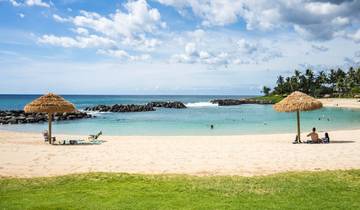
5 days
USA – Hawai: Tropical Dreams – 5 days
- ✓ Comprehensive Hawaii tour
- ✓ Expert local guides included
- ✓ All accommodation arranged
- ✓ Transportation provided

8 days
Hawaiian Explorer (Intra Tour Air Hawaii 2 Flights)
- ✓ Comprehensive Hawaii tour
- ✓ Expert local guides included
- ✓ All accommodation arranged
- ✓ Transportation provided

7 days
7 Day Hawaii Experience (Bilingual: Chinese, English)
- ✓ Comprehensive Hawaii tour
- ✓ Expert local guides included
- ✓ All accommodation arranged
- ✓ Transportation provided
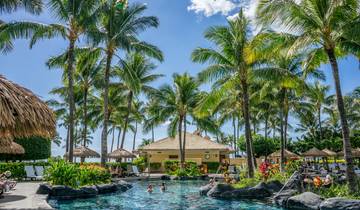
10 days
Hawaii with Oahu, Maui & the Big Island (Classic, With The Big Island)
- ✓ Comprehensive Hawaii tour
- ✓ Expert local guides included
- ✓ All accommodation arranged
- ✓ Transportation provided
Multi-day tour packages powered by TourRadar. Prices and availability subject to change.
Introduction: Understanding Maui’s True Costs in 2026
Maui earned its reputation as one of America’s most expensive vacation destinations through a perfect storm of geographic isolation, limited supply, and extraordinary demand. Every item from toilet paper to rental cars arrives by container ship or cargo plane, embedding transportation costs into pricing across all categories. The island’s fixed hotel inventory and chronic vehicle shortages create supply constraints that drive rates higher during peak seasons, while Maui’s spectacular beauty and unique experiences justify premium pricing that visitors willingly pay.
Understanding 2026 costs requires recognizing that Maui operates on a dual pricing structure splitting sharply between peak and shoulder seasons, with winter months commanding 40-60% premiums over fall periods. The January 2026 increase in Hawaii’s Transient Accommodations Tax from 10.25% to 11%, combined with county lodging taxes and general excise tax, pushes total accommodation taxes to approximately 19%, adding significant overhead to every hotel night. Car rental shortages stemming from 2023 Lahaina wildfires and 2026 vehicle safety recalls have created unprecedented pricing pressure, with compact cars costing $130-180 daily compared to historical $50-80 rates.
This guide breaks down every expense category with verified 2026 pricing, providing specific dollar ranges rather than vague estimates. Budget figures assume two travelers sharing accommodation costs, the standard approach for couples and friends traveling together, with hotel rates divided by two before calculating per-person daily totals. Solo travelers face significantly higher accommodation costs paying full room rates without splitting, typically adding $80-200 per night to budget calculations depending on hotel tier. Understanding these baseline costs and seasonal variations transforms Maui from impossibly expensive to strategically manageable with proper planning and informed trade-offs.
Accommodation Costs in Maui 2026
Accommodation represents the largest single expense for Maui visitors, consuming 40-50% of total travel budgets. Pricing varies dramatically by season, location, and property type, with January through March peak winter rates running 40-60% higher than September through November shoulder season pricing. All costs below reflect per-room nightly rates, which couples and friends split by dividing by two for per-person daily budget calculations.
Budget Accommodation in Maui 2026
Budget lodging options cluster in Central Maui (Kahului and Wailuku) and parts of South Maui (Kihei), offering functional rooms and basic amenities without oceanfront locations or resort services. Hostel dormitory beds range $40-70 per night in establishments like Aloha Surf Hostel in Paia and Banana Bungalow in Wailuku, though limited availability requires booking several months ahead. Budget hotels including Maui Seaside Hotel near Kahului Airport and properties along South Kihei Road cost $177-225 nightly during shoulder seasons (April through June, September through November) and $195-275 during peak winter and summer periods.
These budget properties typically offer basic rooms with dated furnishings, small bathrooms, window air conditioning units, limited parking, and no pools or beach access. However, strategic location selection provides advantages: Kihei properties place travelers within walking distance of Kamaole Beach Parks and numerous food trucks, while Kahului hotels offer proximity to Costco for grocery shopping and shorter drives to Upcountry and Haleakala. Budget travelers should prioritize properties with kitchenettes enabling grocery preparation, as cooking breakfast and lunch rather than dining out saves $30-50 daily per person.
Vacation rental condos in older South Kihei complexes occasionally match hotel pricing at $150-200 nightly while providing full kitchens and more space, though cleaning fees of $100-200 per stay increase effective nightly costs for short visits. Budget-conscious travelers booking seven-plus nights benefit most from condo rentals where cleaning fees amortize across multiple days. Properties requiring minimum seven-night stays often offer better value than flexible booking options, and booking directly with property managers rather than platforms like Vrbo or Airbnb sometimes yields 10-15% discounts.
Mid-Range Accommodation in Maui 2026
Mid-range hotels occupy the $274-450 nightly range during most seasons, offering significantly improved amenities, locations, and services compared to budget options. Properties in this tier include three-star hotels like Maui Coast Hotel with pools and restaurants, newer condos in Wailea and Kihei with modern kitchens and ocean views, and select West Maui properties in Kaanapali offering partial resort amenities. Peak winter season (December through March) pushes this tier toward $350-450 nightly, while shoulder seasons (April through June, September through November) bring rates down to $274-350.
South Maui mid-range condos in Wailea and Makena deliver exceptional value with full kitchens, in-unit washers and dryers, resort-style pools, and often partial ocean views at $300-400 nightly. These properties suit families and longer stays where cooking most meals dramatically reduces daily food costs. West Maui mid-range hotels in Kaanapali and Napili offer easier beach access but typically lack kitchens, with prices ranging $350-450 nightly for oceanview rooms during peak seasons. The trade-off between Kaanapali’s walkable beach resort atmosphere and South Maui’s condo value with grocery-preparation capability represents a key decision point for mid-range budgets.
Most mid-range properties now charge resort fees of $25-45 per night covering parking, WiFi, beach chairs, and pool access, adding 10-15% to advertised rates. These mandatory fees appear as separate charges during checkout, so advertised rates of $300 often mean final costs of $340-360 with taxes and fees included. Booking directly with hotels sometimes waives resort fees or provides resort credits offsetting these charges, making phone reservations worth exploring even when online rates appear identical.
Luxury Accommodation in Maui 2026
Luxury resorts command $626-1,200+ nightly with exceptional locations, comprehensive amenities, and premium service defining this tier. Properties including Four Seasons Resort Maui at Wailea, Fairmont Kea Lani, Grand Wailea, and Montage Kapalua Bay deliver oceanfront positions, multiple pools, championship golf courses, full-service spas, and multiple on-site restaurants justifying their premium positioning. Peak winter and summer rates push top properties toward $800-1,200 nightly for standard rooms, while shoulder season rates drop to $626-850 for entry-level accommodations.
Luxury resorts charge resort fees of $40-60 daily plus valet parking at $50-60 per night, adding $90-120 to base rates. However, these properties deliver value through included amenities: complimentary beach equipment, fitness centers, cultural activities, kids’ clubs, and often breakfast credits. Families traveling with children benefit from comprehensive kids’ programs, multiple pool options, and convenient on-site dining eliminating transportation logistics that budget travelers navigate.
The Wailea resort corridor concentrates luxury properties along three miles of protected beaches offering calm swimming and excellent snorkeling, while West Maui’s Kapalua area provides more dramatic ocean settings with stronger surf and sunset views. Wailea properties integrate easily with the Wailea Beach Walk connecting hotels and beaches, creating walkable resort zones where car use becomes optional for beach days. Kapalua properties occupy more isolated settings requiring vehicles for restaurant access and activities, but deliver quieter, less crowded beach experiences.
Accommodation Strategy for Different Budget Tiers
Budget travelers maximize value by booking basic Kihei or Kahului hotels with kitchenettes, cooking most meals, and accepting 15-30 minute drives to top beaches rather than paying premiums for beachfront locations. Mid-range budgets stretch furthest with South Maui condos offering full kitchens where breakfast and lunch preparation cuts daily food costs by $40-60 per person while maintaining comfortable, updated accommodations. Luxury travelers selecting Wailea or Kapalua resorts benefit from all-inclusive convenience where on-site dining, activities, and services eliminate transportation costs and planning complexity that budget and mid-range travelers navigate.
Seasonal timing dramatically impacts accommodation costs regardless of tier. Booking Maui visits during September through November shoulder season rather than January through March peak winter delivers 30-40% accommodation savings, effectively upgrading budget travelers to mid-range properties or mid-range budgets to luxury experiences for equivalent spending. Early booking also provides advantages, with properties offering best rates 6-9 months before arrival when inventory remains wide open, while last-minute bookings 2-4 weeks out face limited availability and premium pricing.
Food and Dining Costs in Maui 2026
Food expenses range from $40-62 daily per person for budget travelers cooking most meals to $80-115 for mid-range restaurant dining and $100-180 for upscale culinary experiences. All food items cost significantly more than mainland averages due to shipping expenses, with restaurant meals, groceries, and even fast food commanding premium pricing that shocks first-time Hawaii visitors.
Budget Dining in Maui 2026
Budget travelers spending $40-62 daily combine strategic grocery shopping with selective restaurant meals, cooking breakfasts and lunches while occasionally dining out for dinner. Costco near Kahului Airport provides mainland-equivalent pricing on bulk items, with rotisserie chickens at $5, large bags of salad at $4, and multi-meal packages of local fish at reasonable rates. Regular supermarkets including Safeway, Foodland, and Times charge 50-70% premiums over mainland pricing, making Costco visits essential for budget-conscious travelers despite requiring memberships costing $60 annually.
Food trucks scattered across Kihei, Paia, and Kahului serve filling meals for $12-18, offering plate lunches with two scoops rice, macaroni salad, and protein choices like kalua pork, teriyaki chicken, or fresh fish. These local favorites deliver authentic island flavors at prices well below sit-down restaurants while providing generous portions. Farmers markets in Kihei (Monday and Friday), Upcountry (Saturday), and various locations throughout the week sell fresh local produce, tropical fruits, and prepared foods at 20-30% below supermarket rates, making them excellent sources for breakfast fruits, sandwich ingredients, and affordable local products.
Coffee shops charge $5-7 for standard drinks, while local bakeries offer fresh malasadas, haupia pie, and other Hawaiian treats at $3-6 per item. Budget travelers limiting restaurant dining to one dinner every 2-3 days at casual establishments spending $25-35 per person maintain $40-50 daily food budgets, while those dining out more frequently approach $55-62 daily. The difference between cooking all meals ($30-45 daily) and eating all restaurant meals ($75-95 daily) represents $45-50 in daily savings or $315-350 weekly for two people, making kitchen access the single most effective budget strategy.
Mid-Range Dining in Maui 2026
Mid-range dining budgets of $80-115 daily per person support breakfast and lunch at casual restaurants plus dinner at local favorites without kitchen preparation. Breakfast at cafes and restaurants costs $15-22 including coffee, with popular spots like Kihei Caffe, Gazebo Restaurant, and Paia Bay Coffee serving pancakes, omelets, and local specialties like loco moco. Lunch at food trucks and casual eateries runs $18-28 for fish tacos, poke bowls, burgers, and plate lunches with sides and drinks included.
Dinner at mid-range restaurants costs $40-65 per person with entrees at $25-42, appetizers at $12-18, and drinks at $8-15 for cocktails or $12-25 for glasses of wine. Popular mid-range restaurants including Monkeypod Kitchen, Fred’s Mexican Cafe, and Coconuts Fish Cafe deliver quality food without resort pricing, serving fresh fish, creative preparations, and island-inspired dishes. Tipping 18-20% remains standard, adding $7-13 to dinner bills, with many restaurants automatically adding gratuities for parties of six or more.
Mid-range budgets benefit from mixing restaurant meals with some grocery preparation, perhaps cooking breakfasts and preparing beach picnic lunches while dining out for dinner, reducing daily costs from $115 to $85-95 per person. This hybrid approach maintains restaurant dining experiences while achieving meaningful savings, particularly for week-long stays where even one daily home-cooked meal saves $200-280 per person over seven days.
Luxury Dining in Maui 2026
Luxury dining experiences costing $100-180 daily per person feature fine dining at oceanfront restaurants, resort establishments, and celebrity chef venues delivering exceptional food, service, and ambiance. Signature restaurants like Mama’s Fish House, Merriman’s Kapalua, and Morimoto Maui charge $50-80+ for entrees with full dinners including appetizers, wine, and dessert reaching $100-150 per person before gratuity. Resort hotel restaurants at Four Seasons, Grand Wailea, and Montage command similar pricing while offering convenient locations and exceptional service.
High-end breakfasts at luxury properties cost $25-40 per person for continental spreads or cooked-to-order items, while upscale lunch venues charge $35-55 for sandwiches, salads, and lighter fare in oceanfront settings. Adding premium cocktails at $16-22 each, wine by the glass at $18-30, and after-dinner drinks pushes daily beverage costs to $40-60 per person beyond food expenses. Traditional Hawaiian luaus like Old Lahaina Luau and Grand Wailea’s Honua’ula present cultural entertainment and buffet dining at $130-165 per adult, representing splurge experiences for luxury budgets.
Luxury travelers often balance high-end dinners with more casual breakfasts and lunches, achieving daily averages of $120-150 per person rather than sustaining $180 across all three meals. This approach preserves special dining experiences while maintaining reasonable overall food budgets, particularly during week-long stays where nightly fine dining becomes repetitive and exhausting.
Grocery Shopping and Self-Catering Strategies
Travelers with kitchen access dramatically reduce food costs through strategic grocery shopping and meal preparation. A week of groceries for two people cooking most meals costs $150-250 at Costco compared to $1,050-1,330 eating all restaurant meals at mid-range establishments, representing savings of $800-1,100 weekly. This calculation assumes breakfast and lunch preparation daily plus 3-4 home-cooked dinners, allowing 3-4 restaurant dinners per week for variety and local culinary experiences.
Effective grocery strategies include making one large Costco run upon arrival for staples, proteins, and bulk items, supplementing with farmers market visits for fresh produce and local specialties, and visiting regular supermarkets only for specific items unavailable elsewhere. Popular grocery items for vacation cooking include breakfast staples (eggs, bread, coffee, fruit), sandwich materials for beach lunches, grilling items for evening meals, and local fish purchased at Foodland or Safeway fish counters. Simple preparation methods like grilling, simple pasta dishes, and fresh salads minimize cooking time while maximizing savings.
Transportation Costs in Maui 2026
Transportation represents the second-largest expense category after accommodation, with car rental virtually mandatory for exploring Maui’s spread-out attractions. Limited public transit, expensive rideshare services, and geographic distances between regions make rental vehicles essential for most visitors despite unprecedented 2026 pricing challenges.
Car Rental Costs in Maui 2026
Car rental costs have reached historic highs in 2026 due to severe vehicle shortages stemming from 2023 Lahaina wildfire impacts and 2026 safety recalls affecting minivans and Jeeps. Economy and compact cars cost $130-180 daily during most periods, with peak holiday weeks pushing rates toward $180-220 daily. Mid-size vehicles and SUVs command $160-220 daily, while specialty vehicles like Jeeps and convertibles reach $200-280 daily when available. These rates reflect dramatic increases from historical $50-80 daily pricing, with shortages showing few signs of resolution through 2026.
Airport rentals from Kahului Airport add $10-15 daily in mandatory taxes and concession fees compared to off-airport locations, though convenient pickup and drop-off often justify this premium. Off-airport rental companies including local operations like North Shore Maui Rent A Car offer rates $27-60 daily for older vehicles but require shuttle transportation from the airport and accept bookings only for week-long minimum rentals. These local providers suit budget travelers with flexible schedules willing to accept older cars and limited vehicle selection.
Mandatory insurance coverage adds $15-25 daily unless personal auto insurance or credit card benefits provide collision damage waiver coverage. Travelers should verify coverage details with their credit card issuers before declining rental counter insurance, as many cards provide primary or secondary coverage eliminating need for expensive rental company policies. Additional driver fees cost $10-15 daily per additional driver, though many agencies waive fees for spouses.
Fuel costs add $10-20 daily depending on driving patterns, with gasoline priced at $4.50-5.50 per gallon across Maui. Compact cars averaging 30-35 MPG consume $12-16 daily in fuel with typical usage including drives to Haleakala, Road to Hana, and beach hopping, while larger SUVs averaging 18-22 MPG increase daily fuel costs to $18-25. Prepaid fuel options offered by rental companies at $5-6 per gallon represent poor value compared to filling tanks at gas stations before return.
Car Rental Booking Strategies for 2026
Severe 2026 car rental shortages make early booking absolutely essential, with six-month advance reservations recommended for peak winter and summer periods. Prices typically rise as availability decreases, making early booking financially advantageous beyond just securing vehicles. Comparison shopping through aggregators like Discount Hawaii Car Rental or Kayak identifies best rates across multiple companies, though booking directly with major agencies sometimes provides better cancellation policies and customer service during disruptions.
Free cancellation policies allow booking vehicles immediately upon finding acceptable rates, then continuing to monitor prices and rebook if lower rates appear. This strategy requires diligence checking rates weekly or bi-weekly, but commonly yields savings of $50-150 on week-long rentals when prices drop during off-peak booking periods. Setting price alerts through aggregator websites automates monitoring, sending notifications when rates decrease below specified thresholds.
Budget travelers sharing rental costs between two people effectively halve per-person transportation expenses, making $150 daily rental costs manageable at $75 per person when divided. Groups of four friends splitting cars reduce per-person costs to $37-55 daily, though larger SUVs accommodating four passengers cost more than standard sedans. Couples and solo travelers face full rental costs without splitting, significantly increasing transportation budgets compared to shared arrangements.
Alternative Transportation Options in Maui 2026
Public transit through Maui Bus provides limited service connecting major towns at $2 per ride or $4 for day passes, but routes focus on local commuter needs rather than tourist destinations. Buses run infrequently with service gaps of 60-90 minutes between trips, making them impractical for beach hopping or visiting Haleakala and Upcountry regions. Tourist-oriented shuttle services connect resort areas to beaches and shopping at $10-25 per person daily, though limited routes and schedules restrict flexibility.
Rideshare services through Uber and Lyft operate in resort areas and Kahului but charge premium rates due to limited driver availability. Typical fares include $35-55 from Kahului Airport to Kihei, $55-75 to Wailea, and $45-65 to Kaanapali, making airport transfers expensive for families or groups. Rideshare costs escalate quickly with multiple daily trips, commonly reaching $80-120 daily for visiting beaches, restaurants, and attractions, making rental cars more economical despite high 2026 pricing for travelers making 3-4 trips daily.
Taxi services charge similar rates to rideshare with potential for higher costs during peak periods, while resort hotel shuttles provide complimentary transportation to nearby beaches and shopping in limited service areas. Bicycle rentals at $30-45 daily suit active travelers staying in walkable areas like Kihei or Paia, though Maui’s hilly terrain, hot weather, and distances between major attractions limit practical cycling range. Tours including transportation eliminate rental car needs for specific days, with all-inclusive snorkeling tours, Road to Hana excursions, and Haleakala sunrise trips providing round-trip transport from resort areas.
Activity and Attraction Costs in Maui 2026
Activity expenses range from free beach days and hiking to $220+ premium tours, with most visitors budgeting $30-60 daily for mid-range attraction admission and tours. Strategic activity selection balancing free natural attractions with selective paid experiences controls costs while ensuring memorable Maui experiences.
Free and Low-Cost Activities in Maui 2026
Maui’s beaches provide entirely free access with world-class swimming, snorkeling, and scenery requiring zero admission fees. Top free beach destinations include Kamaole Beach Parks I, II, and III in Kihei offering calm swimming and decent shore snorkeling, Big Beach (Oneloa Beach) in Makena with expansive golden sand, and Wailea Beach providing luxury resort backdrops with public access. Starting January 2026, Kamaole Beach Parks charge visitors $10 daily parking while maintaining free resident parking until 10 AM on weekends, though street parking remains free when spaces are available.
Shore snorkeling delivers exceptional marine life viewing at zero cost beyond mask and fin rentals at $8-15 daily or $40-60 weekly. Prime shore snorkeling locations include Kapalua Bay with protected calm waters and resident sea turtles, Ulua Beach and Mokapu Beach in Wailea offering rock formations attracting diverse fish, and Honolua Bay when conditions permit providing spectacular reef systems. Rental equipment suffices for shore snorkeling, avoiding $120-220 boat tour costs while accessing similar marine environments from beaches.
Hiking trails throughout Maui provide free access to waterfalls, coastal views, and volcanic landscapes. Popular hikes include Pipiwai Trail to Waimoku Falls along the Road to Hana requiring only $30 Haleakala National Park entrance fee valid for three days, Waihee Ridge Trail offering spectacular valley views with free trailhead access, and various coastal walks along Wailea Beach Walk and Kapalua Coastal Trail. Haleakala National Park beyond the single $30 entrance fee provides unlimited hiking across crater trails, summit viewpoints, and Kipahulu bamboo forests.
Scenic drives including the Road to Hana, Upcountry loop through Makawao and Kula, and West Maui coastal routes deliver stunning landscapes without admission fees beyond fuel costs. Farmers markets provide free entertainment with local crafts, fresh produce, and Hawaiian music at locations throughout the island. Sunset viewing from beaches, hotel grounds, or scenic overlooks creates memorable experiences at zero cost, with popular sunset spots including Kamaole Beach Parks, Wailea Beach, and Kapalua Bay.
Popular Paid Activities and Tours in Maui 2026
Snorkeling boat tours represent Maui’s most popular paid activity, with Molokini Crater trips costing $99-220 per person including equipment, breakfast, and lunch for half-day excursions. Molokini Crater, a partially submerged volcanic caldera, offers exceptional underwater visibility and diverse marine life accessible only by boat. Tours typically visit Molokini plus Turtle Town or Coral Gardens for second snorkel stops, with morning departures from Maalaea Harbor providing calmest conditions and most reliable visibility.
Budget snorkeling options including afternoon-only tours at Coral Gardens cost $69-99 per person with shorter durations and single locations, while premium small-group tours on faster boats charge $180-220 providing less crowded experiences and extended snorkel time. Most tours include all equipment, flotation devices, and meals, making them convenient complete packages justifying costs through comprehensive inclusions. Shore snorkeling from beaches provides similar marine life for free, though boat tours access protected waters and pristine sites unavailable from shore.
Haleakala National Park charges $30 per vehicle for three-day passes covering both Summit District and Kipahulu District, with sunrise viewing requiring additional $1 reservations booked on Recreation.gov up to 60 days ahead. Sunrise tours including transportation and breakfast cost $100-160 per person, eliminating early-morning driving at 3-4 AM required for independent sunrise viewing. Sunset tours and stargazing experiences cost similar amounts while avoiding sunrise reservation challenges, providing excellent alternatives with less competitive booking.
Road to Hana guided tours cost $130-220 per person including transportation, stops at waterfalls and beaches, and lunch, removing driving stress from the challenging 64-mile route with 620 curves and 59 bridges. Self-drive Road to Hana costs only fuel expenses but requires 10-12 hours of focused driving and navigation, making guided tours worthwhile for travelers prioritizing relaxation over budget savings. Helicopter tours at $280-450 per person showcase waterfalls, valleys, and coastlines inaccessible by road, representing splurge experiences for luxury budgets.
Whale watching tours during December through April season cost $50-100 per person for 2-hour trips viewing humpback whales migrating to Hawaiian waters for breeding. Zipline adventures cost $120-180 per person, outrigger canoe experiences run $60-90, and traditional Hawaiian luaus charge $100-165 for cultural shows and buffet dinners. Surf lessons cost $75-120 for group sessions or $150-220 for private instruction, while stand-up paddleboard rentals run $40-60 for half-day periods.
Activity Budget Planning for Different Travel Styles
Budget travelers spending $0-25 daily on activities prioritize free beaches and shore snorkeling supplemented with occasional paid attractions like Haleakala National Park entrance every 3-4 days. This approach emphasizes natural beauty accessible without fees while selectively investing in signature experiences, limiting paid activities to one or two per week. Renting snorkel equipment for the week at $40-60 rather than booking $120-220 boat tours saves substantially while still providing excellent underwater viewing at shore locations.
Mid-range activity budgets of $30-60 daily support one major paid activity every 2-3 days, such as snorkeling boat tour midweek, Haleakala sunrise or sunset tour, Road to Hana guided excursion, or whale watching trip during winter season. This balanced approach mixes free beach days and hiking with selective tours providing unique access to premium locations and experiences. Week-long mid-range trips typically include 2-3 major tours costing $200-500 total plus $30 Haleakala entrance fee and occasional equipment rentals.
Luxury activity budgets exceeding $80-150 daily enable booking multiple premium tours weekly including small-group snorkeling adventures, private surf lessons, helicopter tours, and exclusive dining experiences like sunset cruises or beachfront luaus. This comprehensive approach provides maximum convenience and access while supporting all-inclusive resort stays where every day features scheduled activities and tours rather than planning around free beach time.
Sample Daily Budget Breakdowns for Maui 2026
These detailed daily cost breakdowns illustrate exactly how different budget tiers allocate spending across accommodation, food, transportation, and activities. All accommodation costs are shown as per-person amounts assuming two travelers sharing rooms with nightly rates divided by two.
Budget Day in Maui 2026
Morning begins at budget hotel in Kihei costing $89-98 per person sharing a $177-195 room divided by two, followed by simple breakfast prepared in room kitchenette using groceries purchased at Costco: fresh fruit, yogurt, coffee, and toast totaling $6-10 per person. Drive to Kamaole Beach Park III for morning swim and shore snorkeling using rental equipment costing $8 daily, with free beach parking found on side streets avoiding new $10 visitor parking fees.
Lunch from food truck along South Kihei Road serves kalua pork plate lunch with rice and mac salad for $14-18 per person including drink. Afternoon explores free Wailea Beach Walk connecting beaches and resorts with excellent shore snorkeling at Ulua Beach. Return to accommodation for rest period, then prepare simple dinner using grocery items including grilled local fish purchased at Safeway, rice, and salad totaling $16-22 per person.
Evening watches sunset from beach followed by low-key activities at accommodation. Transportation costs $40-55 per person for shared car rental at $60-80 daily divided by two passengers plus $10-15 fuel split equally. Free activities dominate the day with single $8 equipment rental representing only paid attraction. Daily total: accommodation $89-98, food $36-50, transportation $40-55, activities $8, grand total $173-211 per person. This falls within budget range of $170-240 daily through strategic grocery use, free beaches, and minimal paid attractions.
Mid-Range Day in Maui 2026
Day starts at South Maui condo in Wailea costing $137-175 per person sharing a $274-350 room split between two travelers, with breakfast at nearby Kihei Caffe featuring macadamia nut pancakes and Kona coffee running $18-24 per person including tip. Morning departs for Molokini Crater snorkeling tour booked through Maui Snorkeling at $129-165 per person including breakfast aboard, two snorkel locations, lunch, and all equipment.
Tour returns to Maalaea Harbor around 12:30 PM, followed by drive to Makena for afternoon at Big Beach exploring expansive sand and bodysurfing. Light snack and drinks from convenience store cost $8-12 per person. Dinner at Monkeypod Kitchen in Wailea features fresh fish entree, shared appetizer, and cocktails totaling $52-68 per person with tip included.
Transportation costs $80-100 per person for shared mid-range rental car at $130-160 daily divided by two plus $15-20 fuel split equally. Activity spending reaches $129-165 for comprehensive snorkeling tour providing major experience. Daily total: accommodation $137-175, food $78-104, transportation $80-100, activities $129-165, grand total $424-544 per person. This significantly exceeds target mid-range budget of $325-450 daily due to major snorkeling tour, illustrating why mid-range travelers alternate expensive tour days with low-cost beach days averaging to budget targets over full week.
Luxury Day in Maui 2026
Morning begins at Four Seasons Resort Maui costing $313-425 per person sharing luxury suite at $626-850 nightly divided by two guests, with gourmet breakfast at resort restaurant featuring made-to-order omelets, fresh pastries, and tropical fruits running $32-42 per person including coffee and juice. Mid-morning books private surf lesson at Wailea Beach through resort concierge costing $180-220 per person for two-hour instruction.
Lunch at beachfront Ferraro’s Bar e Ristorante serves Italian specialties with ocean views totaling $45-65 per person with cocktails. Afternoon relaxes at resort pool followed by spa treatments booked through Four Seasons Spa at $180-250 per person for massages and treatments. Early evening sunset catamaran cruise with appetizers and premium drinks costs $120-160 per person for two-hour sail.
Dinner at Mama’s Fish House features signature preparations of fresh catch with wine pairings reaching $110-145 per person with appetizers, entrees, desserts, and gratuity. Transportation uses resort area shuttle services and taxis totaling $40-60 per person for various movements. Daily total: accommodation $313-425, food $187-252, transportation $40-60, activities $480-630, grand total $1,020-1,367 per person. This dramatically exceeds typical luxury range of $595-880 through stacking multiple premium experiences, illustrating how luxury travelers balance splurge days with more moderate activities averaging to reasonable weekly totals.
Sample Maui Itineraries with Cost Breakdowns 2026
These multi-day itineraries demonstrate how daily costs aggregate into weekly totals, showing realistic spending patterns for different budget tiers. Each itinerary includes specific activities, meals, and transportation creating comprehensive trip examples with verified pricing.
Budget 5-Day Maui Itinerary
Day 1 arrival includes airport pickup in budget rental car at $65 daily, Costco shopping trip for week’s groceries costing $125 for two people, check-in at Kihei budget hotel at $177 nightly, grocery-prepared dinner, and early sleep recovering from travel. Day 1 costs: accommodation $89 per person (room ÷ 2), food $18, transportation $33 per person (rental + fuel ÷ 2), total $140 per person.
Day 2 begins with grocery breakfast, morning at Kamaole Beach with rented snorkel equipment at $8 daily, food truck lunch at $15, afternoon Road to Hana self-drive using packed lunch and snacks, dinner at roadside stand in Paia costing $22. Day 2 costs: accommodation $89, food $55, transportation $45 per person (rental + extra fuel for Hana ÷ 2), activities $8, total $197 per person.
Day 3 features grocery breakfast, morning hiking Pipiwai Trail at Haleakala National Park Kipahulu District using $30 park entrance pass valid three days, packed lunch from groceries, afternoon beach time at Hamoa Beach, return to Kihei with grocery-prepared dinner. Day 3 costs: accommodation $89, food $35, transportation $43 per person (rental + fuel ÷ 2), park entrance $15 per person (pass ÷ 2), total $182 per person.
Day 4 includes grocery breakfast, morning shore snorkeling at Ulua Beach with previously rented equipment, food truck lunch $16, afternoon exploring Makena beaches and lava fields, budget dinner at local restaurant $28 per person. Day 4 costs: accommodation $89, food $60, transportation $38 per person, activities $8, total $195 per person.
Day 5 features grocery breakfast, morning return to Haleakala Summit District using same park pass, packed lunch, afternoon Upcountry scenic drive through Kula and Makawao, return rental car and airport departure with remaining groceries donated. Day 5 costs: accommodation $0 (departed), food $22, transportation $38 per person, total $60 per person.
Five-day budget total per person: accommodation $356, food $190, transportation $197, activities $31, grand total $774. This averages $155 daily per person, well within budget target of $170-240 through strategic grocery preparation, free activities, and self-drive exploration avoiding expensive tours.
Mid-Range 7-Day Maui Itinerary
Day 1 arrival features airport pickup in mid-range rental car at $150 daily, check-in at Wailea condo at $300 nightly, dinner at local restaurant $55 per person. Day 1: accommodation $150 per person, food $55, transportation $75 per person, total $280.
Day 2 includes breakfast at cafe $20, full-day Molokini snorkeling tour $165 including meals, afternoon rest, dinner at resort restaurant $65. Day 2: accommodation $150, food $85, transportation $85 per person, activities $165, total $485.
Day 3 features grocery breakfast prepared in condo, morning Wailea beaches, lunch at local spot $30, afternoon Haleakala Summit self-drive using $30 park pass, sunset viewing, return for grocery-prepared dinner. Day 3: accommodation $150, food $65, transportation $90 per person, park entrance $15 per person, total $320.
Day 4 begins with cafe breakfast $22, morning Road to Hana guided tour $180 including lunch, afternoon return and rest, dinner at mid-range restaurant $58. Day 4: accommodation $150, food $80, transportation $85, activities $180, total $495.
Day 5 includes grocery breakfast, beach day with shore snorkeling at Kapalua Bay, lunch at nearby restaurant $35, afternoon coastal walks, dinner prepared in condo. Day 5: accommodation $150, food $70, transportation $80, total $300.
Day 6 features breakfast at accommodation, morning whale watching tour (winter season) $85, lunch at food truck $18, afternoon exploring Lahaina town and shops, dinner at waterfront restaurant $70. Day 6: accommodation $150, food $88, transportation $80, activities $85, total $403.
Day 7 includes grocery breakfast, morning Wailea Golf Course and resort exploration, lunch at resort $40, afternoon pool and beach time, farewell dinner at upscale restaurant $85, return rental car. Day 7: accommodation $150, food $125, transportation $80, total $355.
Seven-day mid-range total per person: accommodation $1,050, food $568, transportation $575, activities $445, grand total $2,638. This averages $377 daily per person, within mid-range target of $325-450 through balanced mix of tours, self-catering, and restaurant dining.
Luxury 3-Day Maui Getaway
Day 1 arrival includes private car service from airport at $140 per vehicle ($70 per person sharing), check-in at Four Seasons Wailea at $700 nightly, spa welcome treatment, sunset dinner at resort signature restaurant $125 per person. Day 1: accommodation $350 per person, food $125, transportation $70, spa $95, total $640.
Day 2 features gourmet breakfast at resort $38, private catamaran snorkel charter to Molokini $450 per person for small group, return for pool lunch $50, afternoon relaxation, evening traditional luau at $145. Day 2: accommodation $350, food $233, activities $595, total $1,178.
Day 3 begins with room service breakfast $45, morning couples surf lesson $400 for two people ($200 per person), resort lunch $65, afternoon helicopter tour $385 per person, return for champagne sunset viewing, farewell dinner at Mama’s Fish House $140 per person, late evening departure via private car service $70 per person. Day 3: accommodation $350, food $250, transportation $70, activities $585, total $1,255.
Three-day luxury total per person: accommodation $1,050, food $608, transportation $140, activities $1,275, grand total $3,073. This averages $1,024 daily per person, exceeding typical luxury range of $595-880 through premium tour stacking, demonstrating how luxury travelers sustain such budgets only during short getaways or balance with more moderate days during longer stays.
Seasonal Price Variations in Maui 2026
Maui pricing fluctuates dramatically across seasons, with winter and summer commanding premium rates while spring and fall offer substantial savings. Understanding seasonal patterns enables strategic timing decisions that upgrade experiences or significantly reduce costs depending on travel flexibility.
Peak Season Pricing: December Through March
Winter months represent absolute peak pricing driven by mainland travelers escaping cold weather and seeking whale watching opportunities as humpback whales migrate to Hawaiian waters December through April. Accommodation rates reach annual highs during Christmas through New Year’s period with mid-range hotels at $400-500 nightly, luxury resorts at $900-1,200, and even budget properties at $225-275. February through March maintains elevated pricing with slightly more availability, bringing mid-range hotels to $350-450 and luxury resorts to $750-900.
Car rental shortages intensify during winter peaks, with vehicles frequently selling out entirely during Christmas holidays and Presidents Day weekend. Available rentals command premium rates at $180-220 daily for economy cars when inventory exists, compared to $130-150 during shoulder seasons. Tours and activities also increase pricing 15-25% during winter peaks, with Molokini snorkeling tours at $180-220 compared to $140-180 during off-peak periods.
Winter season delivers advantages beyond pricing challenges, offering prime whale watching December through April with peak activity in February and March when humpback whales congregate in Maui waters. Weather remains consistently excellent with minimal rainfall, calm ocean conditions ideal for snorkeling and water sports, and comfortable temperatures averaging 75-82°F. Beach crowds intensify particularly at popular locations like Wailea and Kaanapali, though lesser-known beaches maintain reasonable occupancy even during peak season.
Shoulder Season Savings: April Through June, September Through November
Spring and fall shoulder seasons deliver optimal value with 30-40% lower accommodation rates compared to winter peaks while maintaining excellent weather and ocean conditions. Mid-range hotels costing $350-450 in winter drop to $250-320 during shoulder periods, while luxury resorts decline from $750-900 to $550-700. Budget properties offering minimal winter discounts still reduce rates from $225-275 to $177-220, providing modest but meaningful savings.
September through November represents the absolute best value period with lowest accommodation rates, minimal crowds, excellent weather conditions, and reduced car rental demand moderating prices toward $120-140 daily compared to winter highs of $180-220. Ocean visibility remains outstanding during fall months with calm conditions ideal for snorkeling, while temperatures stay warm at 78-84°F without oppressive summer heat. Spring shoulder season April through June offers similar advantages with whale watching lingering into early April before migration north concludes.
Shoulder season trade-offs include occasional increased rainfall particularly in spring, though Maui’s microclimates mean South and West Maui remain sunny even when Upcountry experiences showers. Beach crowds decrease substantially outside school vacation periods, creating more relaxed beach experiences and shorter waits at popular restaurants. Tour operators offer off-season discounts of 10-20% on many activities, though some smaller operators reduce schedules to 5-6 days weekly rather than daily operations.
Summer Season Dynamics: July Through August
Summer represents secondary peak season driven by family travel during school vacation periods, with pricing falling between winter peaks and shoulder season rates. Accommodation costs reach $300-380 for mid-range hotels and $700-850 for luxury resorts, representing 15-25% premiums over shoulder seasons but remaining below winter rates. Car rental availability improves compared to winter but maintains elevated pricing at $150-170 daily due to sustained family demand.
Summer weather brings warmest temperatures at 80-88°F with increased humidity and occasional afternoon showers, though mornings typically remain clear and sunny. Ocean conditions stay excellent for swimming and snorkeling with calm summer swells, while increased visitor numbers concentrate crowds at family-friendly beaches like Kamaole Parks and resort properties. Summer suits families with school-age children unable to travel during more affordable shoulder seasons, accepting moderate premiums for vacation timing flexibility.
Optimal Timing Strategies for Different Budgets
Budget travelers maximize value booking September through November or May through June shoulder seasons, achieving mid-range accommodation quality at budget prices through 30-40% seasonal discounts. This timing strategy effectively upgrades entire trip experiences, placing budget travelers in comfortable hotels, enabling additional paid tours, or extending trip duration for equivalent spending compared to winter peak visits.
Mid-range budgets stretch furthest during shoulder seasons, accessing luxury resort properties at mid-range prices through dramatic seasonal discounting. Booking early September or late May captures prime weather and ocean conditions before crowds arrive or after families depart, maximizing value across accommodation, activities, and dining. Flexible travelers without school-age children gain enormous advantages through shoulder season timing.
Luxury travelers willing to sustain peak pricing during winter whale watching season experience Maui at its most vibrant, though September visits provide nearly equivalent experiences with calmer beaches, reduced crowds, and substantial cost savings enabling longer stays or additional Hawaiian islands within similar budgets. February through March represents optimal luxury timing for travelers prioritizing whale watching and accepting premium pricing for this unique seasonal experience.
Money-Saving Strategies for Maui 2026
Strategic planning and informed trade-offs significantly reduce Maui costs without sacrificing experience quality. These proven strategies address major expense categories while maintaining trip satisfaction and memorable experiences.
Accommodation Savings Tactics
Booking South Maui condos with full kitchens rather than West Maui resort hotels reduces accommodation costs 20-30% while adding cooking facilities that slash food budgets by $40-60 daily per person through breakfast and lunch preparation. Kihei properties offer best value with modern condos at $250-320 nightly compared to equivalent Wailea hotels at $350-450, while maintaining proximity to excellent beaches and restaurants within 5-10 minute drives.
Extended stays of seven-plus nights unlock weekly rental discounts of 10-20% at many properties, with vacation rental cleaning fees amortizing across more days reducing effective nightly rates. Booking directly with property management companies rather than Vrbo or Airbnb sometimes yields 5-10% discounts and more flexible cancellation policies, though direct booking requires additional research identifying reputable local managers.
Traveling during shoulder seasons September through November or April through June delivers automatic 30-40% accommodation savings compared to peak winter rates, effectively upgrading budget travelers to mid-range properties for equivalent spending. This single timing decision provides the most dramatic cost reduction available, dwarfing all other savings strategies combined. Booking 6-9 months ahead captures best rates and inventory before properties increase prices and availability decreases closer to travel dates.
Food and Dining Savings Strategies
Making one large Costco grocery run immediately upon arrival provides week-long staples at mainland-equivalent pricing, with $125-175 supporting breakfast and lunch preparation for two people for seven days. Cooking breakfasts and preparing beach picnic lunches while dining out only for dinners reduces daily food costs from $80-115 per person at restaurants to $50-75 combining groceries and one restaurant meal, saving $210-280 per person weekly.
Eating at food trucks and local plate lunch establishments rather than sit-down restaurants cuts individual meal costs from $25-40 to $12-18 while often providing more authentic island flavors and generous portions. Farmers markets in Kihei and Upcountry offer fresh produce at 20-30% below supermarket rates plus prepared foods and local specialties, making them excellent sources for breakfast fruits, sandwich ingredients, and affordable local products.
Limiting alcohol consumption dramatically reduces dining costs, as cocktails at $16-22 and wine by glass at $18-30 quickly inflate restaurant bills beyond food costs. Purchasing wine and beer at grocery stores for condo consumption rather than ordering at restaurants saves $30-50 nightly per couple, or $210-350 weekly, while maintaining evening drink traditions. Happy hour specials at many restaurants offer reduced food and drink pricing 3-6 PM, providing restaurant dining experiences at food truck prices for flexible diners.
Transportation Cost Reductions
Booking car rentals six months ahead captures lower early-bird pricing before 2026 shortages drive rates higher closer to travel dates. Using aggregator sites like Discount Hawaii Car Rental or Kayak identifies best rates across companies, then booking directly with selected company ensures reliable confirmation and customer service. Maintaining free cancellation bookings while continuing to monitor prices allows rebooking if rates decrease, commonly saving $50-150 on week-long rentals.
Renting from off-airport locations eliminates $10-15 daily airport concession fees and taxes, though requiring shuttle rides from airport and typically mandating week-long minimum rentals. Budget travelers with time flexibility booking full-week rentals at off-airport locations like North Shore Maui Rent A Car access older vehicles at $40-60 daily compared to airport locations at $130-180, saving $630-840 weekly for couples splitting costs.
Declining expensive rental counter insurance when personal auto insurance or credit card benefits provide coverage saves $15-25 daily or $105-175 weekly. Travelers should verify coverage details with insurance carriers and credit card issuers before departure, bringing documentation to rental counter when declining coverage. Filling gas tanks at stations before airport return rather than paying prepaid fuel options at $5-6 per gallon saves $40-60 per rental, as prepaid plans calculate full tank costs regardless of actual fuel used.
Activity and Attraction Savings Approaches
Prioritizing free beaches and shore snorkeling over paid boat tours provides similar marine life viewing experiences at zero cost beyond $40-60 weekly snorkel equipment rental. Top shore snorkeling locations including Kapalua Bay, Ulua Beach, and Honolua Bay deliver excellent underwater visibility and diverse fish populations matching boat tour locations, while avoiding $120-220 tour costs per person.
Self-driving Road to Hana rather than booking $130-220 guided tours saves substantially for travelers comfortable navigating challenging roads, requiring only fuel costs of $25-35 for the round trip. The three-day $30 Haleakala National Park pass provides unlimited access to both Summit and Kipahulu districts supporting multiple visits for single admission price, delivering excellent value for travelers making 2-3 park trips during week-long stays.
Visiting Haleakala for sunset rather than sunrise eliminates $1 sunrise reservation challenges and 3-4 AM wake-up times while providing equally spectacular lighting and mountain views. Afternoon snorkeling tours at Coral Gardens cost $69-99 compared to morning Molokini tours at $140-220, providing quality snorkeling experiences at significant discounts for travelers willing to skip the signature Molokini crater location. Sharing tour costs between couples or groups through booking together sometimes unlocks group discounts of 10-15% at smaller operators.
Hidden Costs and Fees in Maui 2026
Numerous additional expenses beyond headline prices inflate actual costs, with taxes, fees, and service charges adding 20-30% to accommodation and activity base rates. Understanding these hidden costs enables accurate budget planning avoiding unpleasant checkout surprises.
Hotel Resort Fees and Parking Charges
Most mid-range and luxury hotels charge mandatory resort fees of $25-60 per night covering WiFi, pool access, beach chairs, and other basic amenities. These fees appear as separate line items during checkout rather than being included in advertised rates, adding $175-420 to week-long stays. Four Seasons Maui charges $60 daily resort fees plus $60 valet parking, adding $840 to week-long stays before room rates. Budget hotels typically avoid resort fees though some charge parking at $10-20 nightly.
Parking costs at resort hotels range from $25-60 per night depending on property and parking type, with valet parking commanding $45-60 daily at luxury properties while self-parking costs $25-40 at mid-range hotels. Some vacation rental condos include complimentary parking while others charge $10-20 daily, requiring verification during booking. Budget travelers selecting accommodations with free parking save $70-280 weekly compared to resort parking fees.
Accommodation Tax Increases for 2026
Hawaii’s Transient Accommodations Tax increased from 10.25% to 11% effective January 1, 2026, combined with county lodging taxes of 3% and General Excise Tax of 4.166% creating total accommodation tax burden of approximately 18.166%. A hotel advertising $300 nightly rates actually costs $354.50 after taxes, with week-long stays adding $382 in taxes alone. These mandatory taxes apply to all paid accommodations including hotels, resorts, vacation rentals, and bed-and-breakfasts.
Starting July 2026, cruise ship passengers visiting Maui pay 11% taxes on cruise bills prorated for days spent in Hawaiian ports, though this affects cruise travelers rather than land-based visitors. These 2026 tax increases fund environmental protection, beach restoration, and wildfire prevention programs following 2023 Lahaina wildfire impacts, though they add meaningful costs to all accommodation budgets.
Tipping and Service Charges
Restaurant tipping standards in Hawaii follow mainland norms at 18-20% for satisfactory service and 22-25% for exceptional experiences, with many establishments automatically adding gratuities for parties of six or more. A $60 dinner actually costs $71-75 after tip, while $120 fine dining reaches $142-150 with gratuity. Weekly restaurant dining at mid-range establishments adds $100-150 in tips beyond menu prices for two people eating dinner out nightly.
Tour operators, activity guides, and boat crews typically receive 10-15% gratuities for quality service, adding $12-22 to $120 snorkeling tours or $18-33 to $180 guided excursions. Spa services expect 15-20% tips on service charges, while hotel housekeeping receives $3-5 per night in cash gratuities. These service expectations add 15-20% to activity and service budgets beyond advertised base pricing.
Activity Add-Ons and Equipment Rentals
Snorkeling tours often charge extras for wetsuit rentals at $10-15, underwater cameras at $25-40, or premium beverages beyond included water and soft drinks. Some tours require separate purchases of professional photo packages at $50-100, substantially increasing total costs beyond base tour prices. Reading tour descriptions carefully identifies included amenities versus additional charges, avoiding surprise costs during activities.
Beach equipment rentals add daily charges, with umbrella rentals at $15-25, beach chair sets at $10-20, and boogie board rentals at $8-15 per day. Week-long rentals typically offer discounts of 20-30% compared to daily rates, making extended rentals more economical for visitors using equipment multiple days. Some hotels and condos include complimentary beach equipment reducing these costs, though resort properties often limit equipment to property guests only.
Maui Budget Considerations for Different Traveler Types
Different traveler demographics face unique budget challenges and opportunities requiring tailored strategies for cost-effective Maui experiences. Understanding these variations helps specific traveler types optimize spending patterns.
Solo Traveler Budget Adjustments
Solo travelers face significantly higher accommodation costs paying full room rates without splitting, typically adding $90-200 nightly depending on hotel tier compared to per-person costs for couples. Budget hotels at $177-195 nightly cost solo travelers full amount rather than $89-98 per person when shared, effectively doubling accommodation budgets. This structural disadvantage makes hostel dormitory beds at $40-70 nightly particularly attractive for solo budget travelers, though limited hostel availability in Maui compared to other destinations restricts options.
Solo travelers benefit from reduced food costs cooking for one rather than two, with weekly grocery shopping at $75-125 supporting all meals compared to $150-250 for couples. Transportation costs also decrease slightly with solo drivers consuming less fuel and potentially downgrading to smaller economy vehicles. However, tour and activity costs remain identical whether traveling solo or coupled, meaning these expenses represent larger percentage of total budgets for individuals.
Solo travelers seeking shared accommodation sometimes connect through travel forums and social media groups finding other solo visitors interested in splitting condo rentals, effectively creating couples’ pricing structures through stranger partnerships. This approach requires comfort with shared living spaces and careful vetting of potential roommates through advance communication and reference checks. Alternative strategies include booking shorter 3-4 day Maui visits rather than week-long stays, reducing total accommodation costs even at full solo rates.
Family Travel Budget Planning
Families with children face amplified costs across most categories, requiring larger vehicles accommodating 4-5 passengers and luggage, booking multi-bedroom accommodations rather than single hotel rooms, and purchasing additional meals and activities for children. Two-bedroom condos in Kihei or Wailea cost $350-550 nightly compared to $250-350 for one-bedroom units, adding $700-1,400 to week-long accommodation budgets.
Larger SUVs and minivans accommodating families cost $180-250 daily compared to $130-180 for standard cars, adding $350-490 to week-long rentals. However, per-person transportation costs actually decrease as rental costs divide among 4-5 family members rather than two adults, dropping to $35-50 per person daily. Family meal costs multiply by 3-4 individuals but children’s portions and kids’ menus at restaurants reduce per-person meal expenses below adult rates.
Many Maui activities offer children’s pricing at 50-75% of adult rates, with Molokini snorkeling tours charging $80-120 for children 12 and under compared to $140-180 for adults. Free beach activities and Haleakala hiking particularly suit families providing engaging experiences at minimal costs, while expensive helicopter tours and fine dining represent less family-appropriate experiences easily eliminated from family budgets. Vacation rentals with kitchens become essential for family budgets, enabling home-cooked breakfasts and packed beach lunches that save $50-80 daily compared to restaurant dining for entire family.
Senior Traveler Advantages
Senior travelers aged 62 and older access significant discounts through America the Beautiful Senior Pass providing free National Park admission at $80 for annual pass or $20 for lifetime pass, eliminating $30 Haleakala entrance fees. Many hotels offer AARP discounts of 10-15%, car rental agencies provide senior rates, and some tour operators reduce pricing for travelers over 65, creating cumulative savings of $200-400 on week-long Maui trips.
Senior travelers often enjoy flexible scheduling unconstrained by school vacation periods, enabling shoulder season travel during September through November or April through June capturing 30-40% accommodation discounts compared to peak winter rates. This timing flexibility combined with senior-specific discounts creates powerful compound savings opportunities unavailable to working adults or families with school-age children.
Seniors may face physical limitations affecting activity selection, potentially reducing adventure tour spending while increasing focus on scenic drives, beach relaxation, and cultural experiences requiring lower physical exertion. This natural activity shift can reduce daily activity spending from $40-60 to $15-30, though medical considerations may increase travel insurance costs and require accommodation near medical facilities rather than remote locations.
Frequently Asked Questions About Maui Costs 2026
Is Maui or Oahu cheaper to visit in 2026?
Oahu generally costs 15-25% less than Maui for accommodation and activities due to greater hotel inventory, more competitive pricing, and superior public transportation reducing car rental necessity. Waikiki mid-range hotels average $220-300 nightly compared to Maui’s $274-350, while Oahu’s extensive TheBus system provides $2.75 single rides and $7.50 day passes enabling car-free exploration. However, Maui offers superior beaches, less crowded attractions, and more diverse landscapes justifying premium pricing for travelers prioritizing natural beauty and outdoor experiences over urban amenities and nightlife.
How much does it cost to eat in Maui for a week in 2026?
Weekly food costs range from $280-434 per person for budget travelers cooking most meals and eating occasional food truck lunches, to $560-805 for mid-range restaurant dining, and $700-1,260 for luxury fine dining experiences. Budget travelers shopping at Costco for groceries spend $150-200 weekly for two people while eating some food truck meals, effectively $75-100 per person. Mid-range dining at local restaurants for most meals costs $80-115 daily per person or $560-805 weekly. Luxury travelers enjoying fine dining and oceanfront restaurants invest $100-180 daily or $700-1,260 weekly per person. Strategic mixing of grocery preparation and restaurant meals optimizes value, with breakfast and lunch self-catering plus dinner dining out costing $50-75 daily per person or $350-525 weekly.
Do I need a car in Maui or can I use Uber?
Car rental remains virtually essential for exploring Maui’s spread-out attractions despite high 2026 costs, as limited public transit and expensive rideshare services make car-free travel impractical and often more costly. Maui Bus provides only basic commuter routes between major towns with 60-90 minute gaps between buses, failing to serve beaches, Haleakala, Road to Hana, or Upcountry regions. Uber and Lyft operate in resort areas but charge $35-75 per trip for airport transfers, $15-30 for resort-to-beach transportation, and $80-120 daily for multiple trips, quickly exceeding $130-180 daily car rental costs. Travelers staying exclusively in walkable Kihei or Wailea resort areas for beach-focused vacations potentially skip rentals for 2-3 days using rideshare selectively, though week-long car-free visits severely limit Maui exploration.
What is the most expensive part of a Maui vacation?
Accommodation represents the largest single expense category, consuming 40-50% of total Maui vacation budgets at $177-1,200+ nightly depending on property tier and season. A week-long mid-range hotel stay at $274-350 nightly costs $1,918-2,450 per room or $959-1,225 per person when split by two travelers, exceeding combined transportation and activity costs. However, car rental challenges in 2026 have elevated transportation to unprecedented expense levels, with $130-180 daily rental rates plus $10-20 fuel approaching accommodation costs for budget and mid-range travelers. Strategic accommodation selection with kitchen facilities enabling grocery preparation provides dual benefits of reducing accommodation-to-total-budget ratio while dramatically cutting food expenses.
How far in advance should I book Maui accommodations and car rentals for 2026?
Book both 6-9 months ahead for peak winter and summer seasons, with six-month advance reservations representing minimum recommendations during current 2026 vehicle shortage conditions. Car rental availability constraints make early booking absolutely critical, as sold-out conditions during peak periods leave late bookers without vehicles or force acceptance of premium pricing at $220+ daily. Accommodation inventory also tightens 3-4 months before arrival with remaining properties increasing rates as availability decreases, making early booking financially advantageous beyond securing preferred properties. Shoulder season April through June and September through November allow more flexible 3-6 month advance bookings though earlier reservations still capture best rates and selections. Free cancellation policies on most accommodations and car rentals enable booking immediately when acceptable rates appear, then continuing to monitor and rebook if better options emerge.
Are there all-inclusive resorts in Maui?
Maui lacks true all-inclusive resorts in Caribbean or Mexican style, though some properties offer meal plan packages and inclusive amenities approaching all-inclusive experiences. Grand Wailea and Fairmont Kea Lani offer optional breakfast plans and activity credits, while Hotel Wailea includes some meals and sunset appetizers in premium packages, but these represent partial inclusions rather than comprehensive all-inclusive pricing. Travelers seeking predictable budgets with most expenses paid upfront find better value in vacation rental condos with full kitchens enabling grocery preparation, or selecting hotels offering complimentary breakfasts and resort credits offsetting some dining and activity costs.
How expensive is gas in Maui in 2026?
Gasoline costs $4.50-5.50 per gallon across Maui, running approximately 30-40% above mainland United States averages due to shipping costs and Hawaii’s isolation from refining centers. Typical week-long Maui driving including daily beach trips, one Road to Hana excursion, and Haleakala visit consumes 8-12 gallons in compact cars or 12-18 gallons in SUVs, costing $50-80 for efficient vehicles or $75-120 for larger vehicles. Costco near Kahului Airport offers lowest per-gallon pricing at $4.25-4.75 compared to $4.75-5.50 at standard stations, making Costco fuel stops worthwhile for cost-conscious travelers. Filling tanks completely before rental car return rather than accepting prepaid fuel options at $5-6 per gallon saves $40-60 per rental.
Can I visit Maui on a budget in 2026?
Budget Maui visits remain achievable in 2026 through strategic choices prioritizing free beaches and hiking over paid tours, cooking most meals using grocery stores and Costco, staying in budget hotels or hostels rather than resorts, and visiting during September through November shoulder season when rates drop 30-40%. Budget travelers spending $170-240 daily per person sharing accommodation access spectacular beaches, world-class shore snorkeling, hiking trails, scenic drives, and sunset viewing at minimal costs while selectively investing in signature experiences like Haleakala National Park visits. However, Maui budget travel requires accepting trade-offs including basic accommodations away from beaches, significant grocery shopping and meal preparation time, and foregoing expensive boat tours and premium activities that define luxury Maui experiences.
What’s included in Maui snorkeling tour prices?
Most Maui snorkeling tours include all equipment (masks, snorkels, fins, flotation devices), breakfast or snacks, lunch on full-day tours, non-alcoholic beverages, and professional instruction in base pricing of $99-220 per person. Four Winds, Pride of Maui, and other major operators provide comprehensive packages with continental breakfast before first snorkel stop, deli lunch between locations, unlimited soft drinks and water, all necessary safety equipment, and educational narration about marine life and island history. Optional add-ons including wetsuit rentals at $10-15, underwater camera rentals at $25-40, professional photo packages at $50-100, and premium beverage upgrades cost extra beyond base tour pricing. Some luxury small-group tours include complimentary alcoholic beverages, professional photography, and premium amenities like heated showers in higher $180-220 base rates.
How much should I budget for tips in Maui?
Budget $150-250 per person weekly for tips covering restaurant gratuities of 18-20%, tour guide gratuities of 10-15%, hotel housekeeping at $3-5 nightly, and service provider tips. Mid-range travelers dining out for most meals and booking 2-3 tours weekly spend approximately $200-300 per person on tips, while luxury travelers with fine dining and multiple activities invest $300-500 weekly in gratuities. Restaurant tips represent largest component at $100-180 weekly for mid-range dining or $150-280 for upscale restaurants, while tour gratuities add $30-60 for typical 2-3 activities. Carrying small bills for cash tips to housekeeping and beach equipment attendants ensures appropriate gratuities for service staff.