Maui Museums & Galleries 2026: Complete Cultural Guide
Maui’s cultural landscape extends beyond beaches and volcanic peaks into intimate museum spaces, contemporary art galleries, and historic institutions that preserve Hawaiian heritage, plantation history, and marine conservation stories. This guide navigates Maui’s museum and gallery ecosystem in 2026, from Wailuku’s historic Bailey House to Ma’alaea’s world-class aquarium, providing verified admission prices, insider access strategies, and cultural context for enriching your Valley Isle exploration beyond the surf.
Key Takeaways: Maui Museum & Gallery Essentials 2026
- Admission Range 2026: Museum entry spans $7-55, with Bailey House Museum and Alexander & Baldwin Sugar Museum at $7, Maui Ocean Center at $55 for adults, and Maui Arts & Cultural Center galleries offering free admission Tuesday-Saturday.
- Free Cultural Access: Multiple venues provide complimentary entry including Maui Arts & Cultural Center galleries year-round, Wo Hing Museum’s free cinema exhibitions, and community gallery spaces in Makawao and Paia showcasing local artists without admission charges.
- Top Cultural Institutions 2026: Bailey House Museum (Hale Hōʻikeʻike) houses Maui’s largest Hawaiian antiquities collection, Alexander & Baldwin Sugar Museum preserves 168 years of plantation history, Maui Ocean Center ranks among top 10 aquariums worldwide, and Hui No’eau Visual Arts Center occupies a historic 1917 estate.
- Lahaina Fire Impact: The August 2023 Lahaina fire destroyed historic Front Street galleries and the Wo Hing Museum building, with ongoing restoration efforts throughout 2026 affecting access to several Lahaina cultural sites—verify current status before visiting.
- Best Times Visit Museums 2026: Weekday mornings 10-11 AM offer quietest museum experiences before cruise ship excursions arrive, while Saturday gallery walks in Makawao and Paia feature artist receptions first Saturdays monthly with complimentary refreshments and direct artist interaction.
- Combination Strategies: Geographic clusters maximize cultural exploration—pair Bailey House Museum with ʻĪao Valley State Park visits, combine Maui Ocean Center with Ma’alaea Harbor whale watching, or explore Makawao’s gallery district alongside Upcountry farm tours for comprehensive regional experiences.
People Also Ask About Maui Museums & Galleries 2026
What museums are in Maui in 2026?
Maui hosts seven major museums in 2026: Bailey House Museum (Hale Hōʻikeʻike) in Wailuku showcasing pre-contact Hawaiian artifacts and Edward Bailey’s landscape paintings, Alexander & Baldwin Sugar Museum in Puunene preserving plantation history, Maui Ocean Center aquarium in Ma’alaea featuring 750,000-gallon shark exhibits, Baldwin Home Museum (Lahaina—verify restoration status), Wo Hing Museum (Lahaina—under restoration), Hui No’eau Visual Arts Center in Makawao, and Sugar Cane Train Museum remnants. Additionally, dozens of contemporary art galleries concentrate in Makawao, Paia, and surviving Lahaina locations, showcasing works from Hawaiian artists, international glass artisans, and Pacific contemporary painters.
How much does Maui Ocean Center cost in 2026?
Maui Ocean Center admission costs approximately $55 for adults in 2026, with reduced rates for seniors around $50 and children ages 4-12 at $45 (check official website for current rates as pricing may vary). This all-day admission includes access to 60+ marine exhibits, the 750,000-gallon Open Ocean tank housing sharks and rays, Humpbacks of Hawaiʻi 3D Sphere immersive experience, daily marine naturalist presentations at Turtle Lagoon (10:30 AM, 2:30 PM) and Shark Nursery Bay (11:45 AM, 1:45 PM), touch pool interactions, and cultural programming. Premium add-ons include Behind-the-Scenes Tour ($35 additional), Hawaiian Culture & Plant Tour ($25), and Shark Dive Maui cage-free experience ($200). Military personnel and kamaʻāina (Hawaii residents) receive discounted rates with valid ID.
Which Maui museums offer free admission in 2026?
Maui Arts & Cultural Center Schaefer International Gallery provides free admission Tuesday-Saturday 10 AM-4 PM year-round in 2026, showcasing rotating exhibitions of contemporary Hawaiian art, Pacific Island cultural displays, and international touring shows. Multiple independent galleries in Makawao and Paia operate without admission charges, including Maui Hands featuring 300+ local artisans, Viewpoints Gallery artist cooperative, and Hot Island Glass Studio where visitors observe glassblowing demonstrations free. Community cultural centers occasionally host free admission days—Bailey House Museum offers kamaʻāina free entry certain Saturdays monthly, while Alexander & Baldwin Sugar Museum provides complimentary access to Hawaii residents year-round (valid ID required).
What is the best day to visit Maui museums in 2026?
Tuesday through Thursday mornings 10-11 AM provide optimal museum visiting conditions in 2026, avoiding weekend family crowds and Monday closures at several institutions. Bailey House Museum and Alexander & Baldwin Sugar Museum operate limited schedules (Monday-Thursday and Monday-Thursday respectively), making midweek visits essential. Maui Ocean Center experiences lowest attendance Tuesday-Wednesday outside school vacation periods, while weekend visits face higher traffic from resort guests. First Saturday evenings in Makawao and Paia feature gallery walk events 6-9 PM with artist receptions, live demonstrations, and complimentary wine—ideal for combining multiple gallery visits in single outings. Avoid cruise ship port days in Kahului (check 2026 cruise schedules) when tour groups concentrate at Bailey House Museum and Maui Ocean Center simultaneously.
Extended multi-day tours – 5+ days
Featured Hawaii Multi-Day Tour Packages
3 days
Hawaii 3-Day Discovery Tour
- ✓ Comprehensive Hawaii experience
- ✓ Expert local guides included
- ✓ All accommodation included
- ✓ Transportation provided

5 days
Hawaii 5-Day Highlights Experience
- ✓ Comprehensive Hawaii experience
- ✓ Expert local guides included
- ✓ All accommodation included
- ✓ Transportation provided
7 days
Hawaii 7-Day Cultural Journey
- ✓ Comprehensive Hawaii experience
- ✓ Expert local guides included
- ✓ All accommodation included
- ✓ Transportation provided
10 days
Hawaii 10-Day Complete Adventure
- ✓ Comprehensive Hawaii experience
- ✓ Expert local guides included
- ✓ All accommodation included
- ✓ Transportation provided
Multi-day tour packages powered by TourRadar. Prices and availability subject to change.
Introduction: Maui’s Cultural Landscape Beyond the Beaches 2026
Maui’s identity extends far deeper than postcard beaches and resort luaus, rooted in centuries of Polynesian navigation, monarchial power struggles, plantation labor transformations, and ongoing Hawaiian cultural revival. The island’s museums and galleries serve as portals into these layered narratives—from ancient fishhooks and kapa cloth in Bailey House Museum’s climate-controlled cases to contemporary glass sculptures capturing wave motion in Makawao studios. Understanding Maui’s cultural institutions in 2026 requires acknowledging both preservation victories and recent devastations, particularly the August 2023 Lahaina fire that destroyed irreplaceable historic structures and gallery districts along Front Street.
Unlike Oahu’s concentration of major museums in urban Honolulu, Maui’s cultural institutions scatter across distinct geographic zones—Wailuku’s historic government center housing the premier Bailey House Museum and Maui Historical Society archives, Central Maui’s industrial Puunene preserving sugar plantation heritage, Ma’alaea’s waterfront hosting Hawaii’s premier marine aquarium, Upcountry Makawao nurturing contemporary art communities in former paniolo (cowboy) territory, and coastal Lahaina (pre-fire) serving as tourist-oriented gallery hub. This geographic distribution means cultural exploration integrates naturally with broader island touring rather than concentrating in single museum districts.
Maui’s museum scale differs dramatically from mainland metropolitan institutions—visitors accustomed to Smithsonian sprawl or Getty monumentality discover instead intimate, single-building museums occupying historic homes, converted plantation structures, or purpose-built facilities housing focused collections. Bailey House Museum encompasses approximately 4,000 square feet across two floors of an 1833 stone missionary building. Alexander & Baldwin Sugar Museum operates from a 1,800-square-foot former plantation superintendent’s residence. These modest physical scales translate to digestible 45-90 minute visits rather than exhausting full-day marathons, making museum exploration easily combinable with morning beach sessions, afternoon snorkel trips, or sunset dining without overwhelming vacation schedules.
The contemporary gallery scene concentrates heavily in Upcountry communities, particularly Makawao’s Baldwin Avenue corridor where two dozen galleries showcase everything from traditional Hawaiian quilts to experimental mixed-media installations. Paia’s bohemian surf town atmosphere nurtures edgier contemporary spaces featuring graffiti-influenced works, ocean photography, and sustainable art created from beach-collected materials. Lahaina historically anchored tourist-oriented gallery commerce with 50+ Front Street spaces (many lost in 2023 fire), while Wailea resort areas host high-end galleries specializing in investment-grade pieces by established Hawaii artists commanding five-figure prices.
Accessing Maui’s cultural institutions in 2026 requires strategic planning around limited operating schedules—many museums function Tuesday-Saturday only with abbreviated hours (10 AM-2 PM common), reflecting volunteer staffing constraints and nonprofit operational realities. Holiday closures affect most institutions Thanksgiving, Christmas, and New Year’s Day. These scheduling limitations mean cultural exploration cannot serve as rainy-day backup plans when beaches disappoint—successful museum visits require advance scheduling and acknowledgment that Monday museum marathons remain impossible on Maui.
Admission pricing spans wide ranges reflecting institutional scales and operational models. Small historical societies charge modest $5-10 fees barely covering docent costs and climate control expenses. Maui Ocean Center’s $55 adult admission reflects commercial aquarium operations maintaining 750,000-gallon saltwater systems, full-time marine biologist staffing, and continuous animal care requirements. Free galleries operate through arts council grants, private foundation support, or artist cooperative models where exhibiting artists cover operational costs through commission structures. Understanding these economic realities helps visitors appreciate that admission fees directly fund preservation work, archival processing, educational programming, and structural maintenance preventing collection deterioration.
This guide navigates Maui’s cultural landscape institution by institution, providing verified 2026 admission prices, operating hours, parking logistics, accessibility information, and strategic visiting recommendations. Whether seeking pre-contact Hawaiian artifacts, plantation-era immigration stories, contemporary Pacific art movements, or marine conservation education, Maui’s museums and galleries offer substance beyond scenic beauty—windows into the forces, people, and traditions that shaped the Valley Isle into its current complex cultural identity.
Bailey House Museum (Hale Hōʻikeʻike): Maui’s Premier Historical Institution 2026
Bailey House Museum—officially Hale Hōʻikeʻike, Hawaiian for “House of Display”—ranks as Maui’s most significant historical museum, housing the island’s largest collection of pre-western contact Hawaiian artifacts within an 1833 stone building that witnessed the transformation from Hawaiian monarchy to American annexation. Located at 2375-A Main Street in Wailuku at the mouth of sacred ʻĪao Valley, the museum occupies the site of King Kahekili II’s royal compound, layering missionary-era architecture atop ancient Hawaiian power centers. The Maui Historical Society operates this National Register property, maintaining climate-controlled galleries across two floors plus extensive native plant gardens and archival research facilities.
General admission costs $7 for adults in 2026 (check official website for current rates as pricing may vary), with seniors age 60+ paying $5 and children ages 7-12 charged reduced rates. Children 6 and younger enter free. These modest fees grant access to both floors of exhibition space, outdoor sculpture gardens, Chas Fisher Memorial Gardens of native Hawaiian flora, and docent-led tours when staff available. The museum opens Monday-Saturday 10 AM-2 PM (last admission 1:30 PM), closed Sundays and major holidays. Free parking accommodates 8-10 vehicles in the museum lot, with additional street parking along Main Street requiring 2-block walks.
The ground floor Kamehameha Room exhibits pre-contact Hawaiian artifacts representing daily life across ancient Maui communities—stone adzes, fishhooks carved from bone and shell, poi pounders worn smooth by generations of use, and elaborately woven lauhala mats demonstrating technical mastery predating European contact. The collection’s crown jewel occupies a climate-controlled case: a rare wooden kiʻi (statue) of Kamapuaʻa, the pig demigod, one of extremely few wooden Hawaiian deities surviving the 1819 religious purge when King Kamehameha II abolished the kapu system. Hidden in an Upcountry cave for over a century, this carving represents the only wooden statue on Maui to escape destruction, making it invaluable for understanding pre-Christian Hawaiian spiritual art.
The museum’s natural history gallery displays portions of David Dwight Baldwin’s land snail shell collection, documenting Maui’s unique endemic mollusk species—many now extinct following introduced predator arrivals. Botanical specimens, mineral samples from Haleakalā’s volcanic formations, and seabird egg collections round out natural science holdings. A scale model of the double-hulled voyaging canoe Hōkūleʻa commemorates Polynesian navigation traditions that brought the first settlers to Hawaiian shores, with interpretive panels explaining wayfinding techniques using stars, wave patterns, and migrating bird behaviors.
Second-floor galleries transition into 19th-century missionary and monarchy periods. The Monarchy Room features artifacts from Hawaii’s royal era including portraits of Hawaiian aliʻi (chiefs), period furnishings from missionary homes, and documents tracking the complex power negotiations between Hawaiian rulers and American business interests that ultimately led to 1893 overthrow and 1898 annexation. The adjacent Koa Room showcases an massive four-poster bed and wardrobes constructed entirely from native koa wood, demonstrating both the craftsmanship of Hawaiian furniture makers and the extravagant koa consumption that nearly eliminated the species from accessible forests.
Edward Bailey’s landscape paintings dominate an entire gallery—over 100 oil paintings created by this missionary teacher documenting mid-19th-century Maui landscapes before sugar plantations transformed valleys. Bailey arrived in Maui in 1837 to teach at Wailuku Female Seminary (housed in this building), staying until 1888. His Sunday painting hobby produced Hawaii’s most comprehensive visual record of pre-industrial Maui, capturing Haleakalā vistas, coastal villages, waterfalls, and native forests with meticulous attention to topographic accuracy. Art historians value these works not as fine art masterpieces but as irreplaceable documentary evidence of landscapes now irrevocably altered by agriculture, development, and invasive species.
The Archival Resource Center, accessible by appointment, maintains over 10,000 historic photographs, maps, genealogy records, plantation documents, and manuscripts chronicling Maui’s transformation from Hawaiian kingdom to American territory to modern resort economy. Researchers, students, and family historians investigating Maui connections schedule appointments to access these materials under archivist supervision. The archive’s photographic collection particularly captures plantation-era community life—Japanese Obon festivals, Portuguese festa celebrations, Filipino sakada worker housing, and multiethnic plantation camp existence.
Outdoor spaces enhance the museum experience beyond interior galleries. The Chas Fisher Memorial Gardens showcase native Hawaiian plant species including endangered endemics rarely seen outside botanical institutions—loulu palms, ʻākia shrubs, native hibiscus varieties, and endangered Maui mints. Interpretive signage explains each plant’s traditional Hawaiian uses for medicine, food, construction, or ceremony. Garden paths wind through shaded groves past stone walls constructed using traditional dry-stack techniques, providing quiet contemplation spaces overlooking ʻĪao Stream.
The museum gift shop, operated by Maui Historical Society volunteers, stocks locally crafted items emphasizing Hawaiian cultural authenticity over mass-produced tourist kitsch—lauhala-woven baskets, kapa-patterned textiles, books by Hawaiian authors, reproduction Hawaiian tools, and honey from Upcountry beekeepers. Proceeds support museum operations, archival preservation, and educational programming. Notable offerings include reproduction prints of Edward Bailey’s landscape paintings at affordable prices ($20-45) impossible with original oils.
Docent-led tours enhance museum visits significantly when volunteer guides prove available—knowledgeable interpreters provide cultural context, family histories, and detailed object explanations far exceeding label text alone. Tour availability varies by day and staffing, so visitors seeking guided experiences should call ahead (808-244-3326) to confirm docent schedules. Self-guided visitors typically spend 60-90 minutes exploring both floors thoroughly; rushed visitors complete basic walk-throughs in 35-45 minutes but miss substantial label content and artifact details.
Accessibility considerations: The historic building features stairs to second-floor galleries without elevator access—visitors with mobility limitations can experience ground-floor exhibitions comprehensively but cannot access Monarchy Room or Koa Room collections upstairs. Staff provide photographic binders documenting second-floor highlights for mobility-restricted visitors. Outdoor garden paths feature some uneven stonework and gentle slopes manageable for most visitors but challenging for wheelchairs.
Strategic visiting recommendations: Arrive at 10 AM opening for quietest experience before tour buses from Wailea resorts arrive around 11 AM. Combine museum visits with ʻĪao Valley State Park exploration (2 miles mauka/uphill), creating comprehensive Wailuku cultural-natural history half-day. The museum operates on limited Tuesday-Saturday schedule and closes Sunday-Monday entirely—plan Wailuku visits accordingly. Photography permitted throughout galleries without flash (which damages sensitive textiles and paintings); commercial photography requires advance permission.
Alexander & Baldwin Sugar Museum: Plantation Era Preservation 2026
The Alexander & Baldwin Sugar Museum occupies a 1902 plantation superintendent’s residence in Puunene, documenting 168 years of commercial sugar production (1835-2016) that fundamentally transformed Maui’s landscape, economy, demographics, and cultural identity. Located at the intersection of Puunene Avenue and Hansen Road, 10 minutes from Kahului Airport, the 1,800-square-foot museum houses six themed galleries explaining sugar agriculture, water engineering, immigrant labor waves, plantation camp life, and industrial milling processes that made sugar Hawaii’s dominant industry for over a century.
Admission costs $7 for adults in 2026 (check official website for current rates as pricing may vary), with seniors paying $5 and children ages 6-12 charged $2. Children 5 and younger enter free. Hawaii residents receive complimentary admission year-round with valid ID. The museum operates Monday-Thursday 10 AM-2 PM (last admission 1 PM), closed Friday-Sunday and major holidays. Free parking accommodates 15-20 vehicles adjacent to the museum building, with overflow parking along Hansen Road during peak midday periods.
The Geography and Water Room explains how Samuel Alexander and Henry Baldwin acquired massive land tracts from the Hawaiian Kingdom, then engineered the 17-mile Hamakua Ditch system to divert East Maui rainforest water to Central Maui’s arid plains where sugarcane thrives. Large-scale maps trace watershed boundaries, tunnel routes through volcanic ridges, and the complex aqueduct networks distributing irrigation water across 30,000+ plantation acres. This engineering achievement—completed 1876-1878—ranks among 19th-century Hawaii’s most significant infrastructure projects, making industrial sugar agriculture economically viable in regions receiving less than 15 inches annual rainfall.
The People and Immigration Room documents the systematic recruitment of contract laborers from China, Japan, Portugal, Puerto Rico, Korea, and the Philippines to work plantation fields when native Hawaiian populations declined from introduced diseases. Photographs show wooden plantation camp housing segregated by ethnicity, with distinct Japanese camps, Filipino quarters, and Portuguese villages reflecting plantation management strategies maintaining ethnic divisions to prevent unified labor organizing. Personal artifacts—work clothes, bento boxes, religious items, musical instruments—humanize statistical immigration data, revealing how diverse communities maintained cultural traditions while developing unique Hawaii plantation culture.
The Mill Room features industrial machinery demonstrating sugarcane processing from harvest through refined crystal sugar. A working scale model shows crushing rollers extracting juice from fibrous cane stalks, clarification tanks removing impurities, evaporators concentrating sugar content, and centrifuges separating molasses from sugar crystals. Explanatory videos detail each processing stage while highlighting the dangerous, hot, noisy working conditions inside actual sugar mills. The museum preserves original equipment including massive iron gears, conveyor systems, and boiler components salvaged from Hawaii Commercial & Sugar Company operations after 2016 closure.
Outdoor exhibits complement interior galleries with impressive scale impossible indoors. A 1920 Caterpillar cane hauler—an enormous tracked vehicle transporting harvested cane from fields to mills—dominates the museum grounds alongside steam locomotives that pulled cane trains, Portuguese brick ovens for bread baking, and an 1898 steam engine. Children particularly enjoy climbing on these massive industrial relics, transforming agricultural history into tactile exploration. Interpretive panels explain each machine’s function within the larger plantation ecosystem.
The Plantation Life gallery reconstructs typical worker living conditions through furnished room displays—sparse furnishings, communal cooking facilities, minimal privacy—contrasting sharply with the superintendent’s residence comfort evident in the museum building itself. Photographs document plantation social institutions: schools teaching English to immigrant children, Buddhist temples and Catholic churches serving distinct ethnic communities, company stores extending credit against future wages (creating debt dependencies), and plantation-sponsored festivals allowing controlled cultural expression.
The museum shop offers plantation-themed sweets unavailable elsewhere—locally made coconut candies, lilikoi (passion fruit) butter, macadamia nut brittles, and Hawaiian Host chocolate-covered macadamia nuts, all products derived from crops that replaced sugar after industry collapse. Books detailing individual plantation histories, ethnic group experiences, and labor organizing struggles provide deeper research opportunities beyond museum label text. Proceeds support ongoing archival preservation and educational programming.
Strategic context for understanding this museum: Sugar’s economic dominance created the political conditions leading to Hawaiian Kingdom overthrow (1893) and eventual American annexation (1898), as American business interests sought U.S. tariff protections for Hawaiian sugar. The industry’s labor recruitment fundamentally altered Hawaii’s demographics, transforming a Polynesian-majority population into today’s multiethnic society. Sugar plantation closure (2016 on Maui, 2009 statewide for most operations) eliminated thousands of jobs, triggering ongoing economic transitions toward tourism, technology, and renewable energy.
The museum presents this history evenhandedly—acknowledging both engineering achievements and exploitative labor conditions, celebrating multicultural community formation while documenting ethnic discrimination, recognizing sugar’s economic contributions while honestly addressing environmental destruction of native ecosystems. Contemporary controversies about Alexander & Baldwin’s land ownership, water rights disputes with native Hawaiian communities, and corporate responsibilities for environmental remediation receive limited treatment given the museum’s foundation funding from Alexander & Baldwin itself—visitors seeking critical perspectives should supplement museum visits with independent historical research.
Typical visits require 45-75 minutes for thorough exploration including outdoor machinery viewing and video presentations. Families with children interested in industrial equipment often spend 90+ minutes as kids climb on outdoor exhibits and watch the working mill model repeatedly. The museum’s compact scale and focused mission make it easily digestible for visitors with limited attention spans or schedules—unlike sprawling multi-subject museums requiring strategic navigation, this institution delivers coherent single-topic narratives accessible to casual tourists and serious history enthusiasts alike.
Accessibility: Ground-floor galleries accommodate wheelchair users fully, though outdoor machinery areas feature some uneven terrain and gravel paths challenging for mobility devices. Restrooms meet ADA standards. The museum provides printed guides for hearing-impaired visitors, though most exhibit interpretation relies on text panels rather than audio presentations.
Combine Alexander & Baldwin Sugar Museum visits with nearby attractions creating thematic Central Maui cultural days: Maui Tropical Plantation (commercial agricultural theme park) lies 3 miles south, Maui Arts & Cultural Center galleries showcase contemporary Pacific art 4 miles northeast in Kahului, and Kanaha Pond State Wildlife Sanctuary (Hawaiian stilt habitat) sits 2 miles north. The museum’s location between Kahului Airport and Kihei/Wailea resort areas makes it practical last-day-in-Maui activities before afternoon departures—educational time-filling between hotel checkout and airport arrival.
Maui Ocean Center: Hawaii’s Premier Marine Aquarium 2026
Maui Ocean Center ranks among TripAdvisor’s top 10 aquariums worldwide, offering comprehensive Hawaiian marine ecosystem immersion through 60+ living exhibits showcasing endemic species found nowhere beyond Hawaiian waters. Located at 192 Ma’alaea Road in Ma’alaea Harbor, centrally positioned 20-30 minutes from all major resort areas, the five-acre facility flows from shallow reef displays through open ocean shark encounters to immersive 3D whale experiences, combining education, conservation messaging, and entertainment into family-friendly packages requiring 2-3 hours minimum exploration time.
General admission costs approximately $55 for adults in 2026 (check official website for current rates as pricing may vary), with seniors (65+) around $50, children ages 4-12 at $45, and children 3 and younger entering free. Active military personnel and Hawaii residents (kamaʻāina) receive discounted rates with valid ID. This all-day admission includes unlimited reentry during operating hours (9 AM-5 PM daily, last admission 4 PM), access to all marine exhibits, the Humpbacks of Hawaiʻi 3D Sphere, daily marine naturalist presentations, touch pool interactions, and cultural programming. Parking costs $8 per vehicle in the adjacent lot, with limited free street parking along Ma’alaea Road requiring 5-10 minute walks.
The Living Reef exhibits open the aquarium experience with vibrant coral displays housing hundreds of endemic Hawaiian fish species—longnose butterflyfish with distinctive yellow snouts, Hawaiian squirrelfish sheltering in coral crevices, multicolored wrasses darting through staghorn coral branches, and elegant Moorish idols trailing elongated dorsal fins. These exhibits showcase one of the world’s largest live Pacific coral collections, demonstrating reef ecosystem complexity through careful species selection representing various Hawaiian reef zones from shallow surge areas to deeper offshore reefs.
Touch Pool Discovery areas provide hands-on marine life encounters supervised by aquarium educators—visitors gently touch sea cucumbers, feel the sandpaper texture of sea stars, observe hermit crabs selecting new shells, and watch sea urchins slowly crawling across rocks using tube feet. Staff emphasize two-finger gentle touch techniques protecting delicate marine invertebrates while allowing tactile learning experiences impossible through glass viewing alone. Children particularly engage with these interactive exhibits, spending 15-20 minutes exploring tidepool creatures.
The Open Ocean Exhibit dominates the aquarium experience—a 750,000-gallon acrylic tunnel allowing 240-degree views of sharks, rays, sea turtles, and large pelagics swimming overhead and alongside visitors. Over 20 sharks including whitetip reef sharks, sandbar sharks, and blacktip reef sharks patrol this massive habitat alongside spotted eagle rays gliding gracefully, green sea turtles surfacing for air, and schools of jacks creating mesmerizing formations. The tunnel experience creates genuine awe—standing surrounded by these marine predators separated only by clear acrylic generates visceral connections to ocean power impossible through documentary films or beach snorkeling.
Daily marine naturalist presentations occur at Turtle Lagoon (10:30 AM, 2:30 PM) and Shark Nursery Bay (11:45 AM, 1:45 PM), providing educator-led discussions about Hawaiian green sea turtles’ life cycles, shark behavior myths versus realities, conservation challenges facing Hawaiian marine ecosystems, and aquarium animal care protocols. These 15-20 minute talks significantly enhance visitor understanding beyond self-guided exhibit label reading, with opportunities for question-and-answer exchanges with marine biology staff.
The Humpbacks of Hawaiʻi Sphere offers immersive 3D encounters with humpback whales in their natural Hawaiian breeding grounds—a 360-degree projection system surrounds viewers with life-size whale imagery accompanied by haunting whale songs recorded in Maui waters. This 12-minute experience effectively simulates swimming alongside 40-ton whales without ocean entry, particularly valuable for non-swimmers, elderly visitors, or families with young children unable to access actual whale watching boat tours. Note: Children under 5 cannot participate due to 3D viewing technology requirements.
Jellyfish exhibits mesmerize visitors with ethereal displays of moon jellies, box jellies, and spotted jellies pulsating through darkened galleries illuminated by specialty lighting emphasizing translucent bell structures. These hypnotic displays prove especially popular with photographers and children, though the darkened conditions require parental supervision preventing youngsters from running ahead into darkened corridors.
The Shark Dive Maui program offers advanced marine experiences for certified divers or adventurous snorkelers—a cage-free dive/snorkel into the 750,000-gallon Open Ocean exhibit swimming directly alongside sharks, rays, and sea turtles under marine educator supervision. This 3-hour experience ($200+ including aquarium admission) operates Monday, Wednesday, Friday 2:30-5:30 PM with advance reservations required and minimum age restrictions (typically 12+ for snorkel, 18+ for scuba with certification). Participants receive extensive shark behavior education before entering the water, transforming potentially fearful encounters into respectful appreciation for these often-misunderstood apex predators.
Behind-the-Scenes Tours ($35 additional) reveal aquarium operations invisible to standard visitors—water filtration systems pumping Ma’alaea Bay seawater through exhibits, food preparation kitchens where staff create species-specific diets, veterinary facilities for animal health monitoring, and husbandry protocols maintaining optimal water chemistry across diverse habitat types. These 90-minute tours (Tuesday, Thursday 10:30 AM-noon, minimum 5 participants) appeal particularly to marine science students, aquarium professionals, or visitors fascinated by zoological park operations beyond public viewing areas.
Hawaiian Culture & Plant Tour ($25 additional) connects marine conservation to terrestrial Hawaiian ecology through 90-minute naturalist-led walks exploring the Kumulipo (Hawaiian creation chant) and relationships between coastal plants and ocean health. Participants examine pōhinahina (beach vitex), kukui (candlenut trees), and Polynesian-introduced crops including taro and sweet potato, with hands-on poi pounding demonstrating traditional food processing. This tour (Tuesday, Thursday 10:30 AM-noon, minimum 4 participants) emphasizes how Hawaiian cultural practices supported sustainable resource management, contrasting traditional conservation ethics with contemporary environmental challenges.
Seascape Restaurant provides ocean-view dining within the aquarium complex (accessible without aquarium admission purchase), serving fresh catch specials, poke bowls, fish tacos, and island-inspired cuisine emphasizing sustainable seafood certified by Ocean-Friendly Restaurant program. Tables overlook Ma’alaea Harbor with humpback whale viewing possibilities December-April during peak migration season. Restaurant hours extend beyond aquarium closing, making it practical for dinner reservations after marine exhibits close.
Maui Ocean Treasures gift shop ranks among island’s premier marine-themed retail spaces, stocking ocean conservation books, marine biology field guides, jewelry incorporating ocean motifs, locally crafted items using sustainable materials, and plush marine animals for children. Proceeds partially support aquarium’s conservation initiatives, educational programming, and animal care operations. High-quality items justify premium pricing—expect to pay $25-75 for artisan jewelry, $15-35 for books, $8-20 for children’s toys.
Strategic visiting recommendations: Tuesday-Wednesday mornings experience lowest attendance outside school vacation periods (December-January, March-April, June-August when families concentrate visits). Arrive at 9 AM opening for optimal photography conditions with minimal visitor obstructions blocking exhibits—by 11 AM cruise ship excursions and tour buses crowd popular displays making photography difficult. Plan 2.5-3 hours minimum for thorough exploration including all presentations, 3D Sphere experience, and touch pool time. Visitors rushing through in 60-90 minutes miss substantial educational content and marine naturalist talks.
Combine Maui Ocean Center with Ma’alaea Harbor whale watching tours (December-April) creating comprehensive marine-focused half-days—morning whale watching boat departures (typically 7-8 AM) followed by post-tour aquarium visits provide both wild whale encounters and controlled marine education. The aquarium’s central location makes it practical midday stops during cross-island drives between West Maui (Lahaina, Kaanapali) and South Maui (Kihei, Wailea) resort areas.
Value assessment: The $55 adult admission generates mixed reactions—families of four face $200+ entry costs making this Maui’s most expensive cultural attraction. Visitors comparing to mainland aquariums (Monterey Bay $40, Georgia Aquarium $45, New England Aquarium $35) often consider Maui Ocean Center overpriced for its scale. However, the aquarium’s exclusive focus on endemic Hawaiian species unavailable elsewhere, combined with world-class coral displays and comprehensive educational programming, justifies premium pricing for visitors prioritizing marine education over simple entertainment. Kamaʻāina discounts and annual memberships ($99 individual, $169 family) provide better value for residents or extended-stay visitors.
Maui Arts & Cultural Center: Contemporary Pacific Art Hub 2026
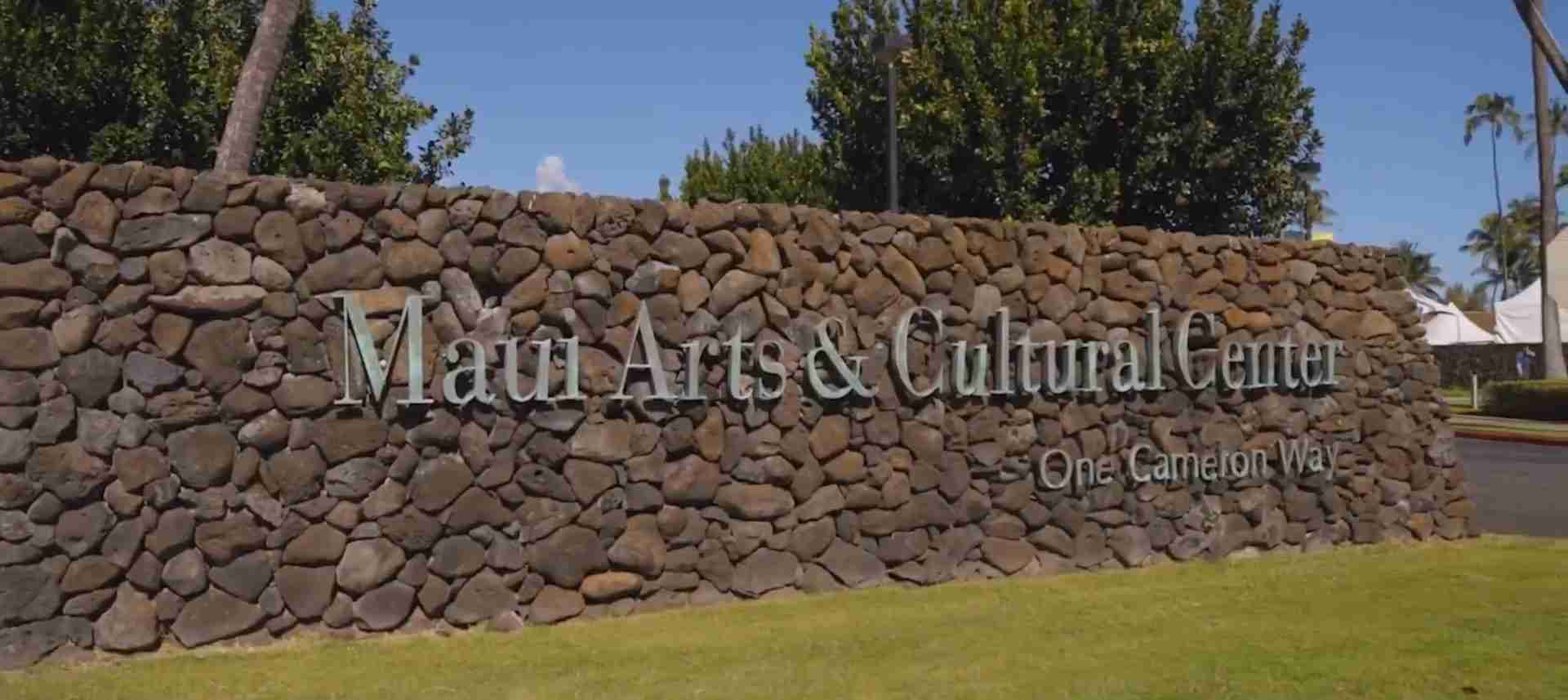
The Maui Arts & Cultural Center (MACC) serves as the Valley Isle’s premier performing and visual arts venue, anchoring Kahului’s cultural district with a modern campus housing Castle Theater (1,200 seats), McCoy Studio Theater (250 seats), Yokouchi Pavilion outdoor amphitheater (3,000 capacity), and the Schaefer International Gallery exhibiting contemporary Hawaiian and Pacific art. Located at One Cameron Way in Kahului, 5 minutes from Kahului Airport, the MACC provides free gallery admission Tuesday-Saturday 10 AM-4 PM, extending hours to 7:30 PM during select Castle Theater and Yokouchi Pavilion performances.
Gallery admission requires no advance tickets or reservations—visitors simply enter during operating hours and explore current exhibitions at their own pace. Free parking accommodates 200+ vehicles in the MACC campus lots, with overflow parking along Cameron Way during major performances. The Schaefer International Gallery occupies approximately 5,000 square feet across two interconnected exhibition spaces, featuring 12-15 rotating shows annually representing contemporary Hawaiian artists, Pacific Island cultural exhibitions, international touring displays, and community partnerships with local art organizations.
Exhibition themes change every 6-8 weeks, making repeat visits throughout 2026 worthwhile for visitors seeking diverse contemporary art encounters. Recent exhibitions have showcased Hawaiian quilt traditions, contemporary Polynesian navigation art, photography documenting Hawaiian cultural practitioners, mixed-media installations exploring climate change impacts on Pacific Islands, and solo shows by established Hawaii artists including Herb Kawainui Kāne’s historical paintings and Rocky Jensen’s bronze sculptures. The MACC website publishes exhibition schedules annually each January, allowing advance planning around specific shows aligning with visitor interests.
Gallery programming extends beyond static displays into artist talks, gallery receptions, and workshops providing direct artist interaction impossible through self-guided viewing alone. First Friday receptions (monthly, 6-8 PM) celebrate exhibition openings with complimentary wine, pupus (appetizers), live music, and artist presentations discussing creative processes, cultural inspirations, and contemporary Hawaiian art movements. These receptions attract Maui’s arts community—local artists, collectors, educators, and culturally engaged residents—creating authentic encounters beyond tourist-oriented gallery browsing.
The MACC also hosts special evening performances integrating visual and performing arts. Mele 360° (Tuesday evenings, select dates throughout 2026) presents immersive multimedia experiences celebrating Hawaiian musical heritage through 360-degree projections, live musicians, and cultural storytelling within the Yokouchi Pavilion. Tickets range $30-50 depending on seating, with combination packages bundling gallery access, dinner at MACC Café, and performance admission. These evening programs transform the campus from daytime cultural venue into nighttime entertainment destination.
Strategic planning: Visitors focusing exclusively on visual arts can experience the Schaefer Gallery in 30-45 minutes during daytime gallery hours without performance tickets. Art enthusiasts should schedule visits coinciding with First Friday receptions for enhanced experiences including artist interaction and community engagement. The MACC’s location in Kahului’s industrial district lacks immediate walkable dining or shopping—visitors typically drive directly to campus, explore galleries, then depart to other island activities. Combine MACC visits with nearby Kanaha Beach Park (windsurfing observation), Maui Swap Meet (Saturday mornings), or Kahului Harbor area restaurants.
Gallery Shop, operated by MACC volunteer organization, sells exhibition catalogues, art books about Hawaiian and Pacific art movements, jewelry by local artisans, and small-scale artworks by exhibiting artists. Proceeds support MACC educational programming and operational costs. The shop emphasizes cultural authenticity over mass-produced tourist goods, making it reliable source for meaningful Hawaiian art purchases impossible in generic resort gift shops.
Hui No’eau Visual Arts Center: Historic Estate & Artist Studios 2026
Hui No’eau Visual Arts Center occupies the 1917 Kaluanui Estate in Makawao, combining historic mansion galleries with working artist studios, ceramics facilities, printmaking workshops, and sculpture gardens across nine acres of Norfolk pines and native Hawaiian plantings. Located at 2841 Baldwin Avenue in Upcountry Maui’s arts district, Hui No’eau (pronounced “hoo-ee no-EH-ow,” meaning “club of artistic skills”) operates as nonprofit community arts organization providing exhibition spaces, classes, workshops, and artist residencies promoting Hawaiian and contemporary Pacific art practices.
Main gallery admission remains free year-round during operating hours Tuesday-Saturday 10 AM-4 PM, though special exhibition openings and fundraising events require tickets ($25-75 depending on event scale). Free parking accommodates 30-40 vehicles in estate lots, with overflow parking along Baldwin Avenue during major exhibition receptions or summer art camps when facility operates at capacity. The estate’s historic main building houses rotating contemporary art exhibitions in formal gallery spaces, while adjacent studios showcase artists-in-residence at work—glassblowers, ceramic artists, printmakers, painters, and sculptors engaged in active creation visitors observe through large windows.
The main mansion’s architecture merits appreciation independent of art exhibitions—designed by noted Hawaii architect C.W. Dickey in Spanish-Mediterranean style featuring red tile roofs, arched doorways, and interior koa wood paneling, the building represents early 20th-century Hawaii estate architecture commissioned by Baldwin family descendants (same Baldwin clan dominating sugar industry). Walking through galleries reveals original architectural details including hand-carved ceiling beams, wrought iron fixtures, and expansive lanais overlooking grounds.
Sculpture gardens wind through estate grounds displaying large-scale works by Hawaii sculptors—bronze figures, stone carvings, ceramic installations, and found-object assemblages positioned among century-old Norfolk pines and flowering ginger. These outdoor galleries provide contemplative walking experiences combining art appreciation with botanical beauty, particularly appealing during Makawao’s frequent cool misty weather when indoor gallery browsing exhausts limited attention spans.
Hui No’eau’s community arts programming distinguishes it from pure exhibition spaces—multi-week courses in ceramics, printmaking, painting, drawing, jewelry making, and fiber arts provide hands-on instruction from professional artist-teachers. Weekend workshops offer intensive skill-building in specific techniques (raku firing, woodblock printing, lei making using native plants). These programs primarily serve Maui residents rather than short-term visitors, though multi-week Maui stays could incorporate week-long intensive workshops into extended vacation itineraries.
Annual events anchor Hui No’eau’s community calendar: Christmas Wreath Making Workshop (November), Holiday Exhibition & Sale (December featuring juried artworks by Hawaii artists at accessible price points $50-500), Makawao Rodeo art exhibitions (July 4th weekend), and Visitor Industry Charity Walk supporting nonprofit operations (January). The Holiday Exhibition & Sale particularly attracts collectors seeking authentic Hawaiian art—hundreds of pieces including paintings, prints, ceramics, jewelry, fiber arts, and woodwork by established and emerging artists provide gift-purchasing opportunities supporting local creative economies.
The estate also hosts private events—weddings, corporate retreats, fundraising galas—generating revenue supporting nonprofit operations. Visitors occasionally encounter temporary gallery closures or restricted access during private functions, making advance phone confirmation (808-572-6560) advisable for trips specifically planned around Hui No’eau visits.
Strategic recommendations: Combine Hui No’eau visits with broader Makawao arts district exploration—Baldwin Avenue hosts 15-20 additional galleries within 1-2 blocks walking distance, creating comprehensive arts-focused afternoons. First Saturday evening gallery walks (6-9 PM, monthly) feature coordinated receptions, artist demonstrations, and live music across multiple venues. The estate’s Upcountry location (1,500 feet elevation) provides cooler temperatures than coastal areas, making it pleasant summer afternoon destinations when beach heat overwhelms. Typical visits require 45-60 minutes for thorough gallery exploration plus grounds walking; shorter visits focus solely on main building galleries (20-30 minutes).
Makawao & Paia Gallery Districts: Contemporary Art Concentrations 2026
Makawao’s Baldwin Avenue corridor concentrates two dozen galleries within a four-block historic paniolo (cowboy) town center, transforming former plantation supply stores and ranch outfitters into contemporary art spaces showcasing Hawaii artists, visiting mainland sculptors, international glass artisans, and Pacific Island cultural practitioners. Unlike Lahaina’s tourist-oriented Front Street galleries (many destroyed in 2023 fire), Makawao galleries target serious collectors, interior designers, and art enthusiasts willing to invest time exploring diverse aesthetics beyond immediately recognizable tropical landscapes.
Most Makawao galleries operate without admission charges, generating revenue through artwork sales (typically 40-50% artist commission) and frame shop services. Operating hours vary considerably—some galleries maintain Tuesday-Saturday 10 AM-5 PM schedules, while others open “by appointment or chance” requiring flexibility. First Saturday evening gallery walks (6-9 PM monthly) coordinate extended hours across multiple venues with artist receptions, live demonstrations, and complimentary wine creating festive community art events attracting both residents and visitors.
Hot Island Glass Studio (3620 Baldwin Avenue) ranks among Makawoo’s most popular galleries, offering free glassblowing demonstrations Tuesday-Saturday where visitors observe artists creating vases, bowls, and sculptural forms from 2,000-degree molten glass. The studio specializes in ocean-inspired pieces—wave bowls capturing water motion in frozen glass, sea turtle paperweights with intricate shell patterns, and reef-themed platters showcasing vibrant color combinations. Prices range $50-5,000 depending on piece size and complexity. The studio also offers hands-on glassblowing classes ($150-350) where participants create their own pieces under artist guidance—advance reservations essential.
Viewpoints Gallery (3620 Baldwin Avenue, adjacent to Hot Island Glass) operates as artist cooperative showcasing 40+ Maui-based painters, photographers, ceramicists, jewelers, and fiber artists. Cooperative structures mean exhibiting artists staff the gallery on rotating schedules, allowing buyers to discuss works directly with creators rather than through sales representatives. Artwork spans wide price ranges $25-3,000, making Viewpoints accessible entry point for first-time Hawaiian art collectors seeking original pieces by established Maui artists. Photography particularly impresses—large-format Haleakalā sunrise images, intimate macro shots of native Hawaiian flowers, and documentary series exploring Hawaiian cultural practices.
Maui Hands (3620 Baldwin Avenue plus additional locations in Makawao, Paia, and Wailea) represents 300+ Hawaii artisans through consignment model, stocking jewelry, ceramics, woodwork, textiles, paintings, prints, and decorative objects entirely created by island-based makers. Unlike galleries focusing on investment-grade fine art, Maui Hands emphasizes functional craft—beautiful serving bowls, wearable jewelry, decorative house items—at moderate price points $15-500 accessible to broader audiences. The shop guarantees all items are made in Hawaii (not imported Asian production labeled “Hawaiian style”), providing authenticity assurances important to conscious collectors.
Sherri Reeve Gallery (3669 Baldwin Avenue) specializes in contemporary paintings and giclée prints by established Hawaii artists including Sherri Reeve’s own tropical botanicals, marine life illustrations, and landscape paintings capturing Maui’s diverse ecosystems. Limited edition prints ($125-350) allow collectors to acquire works by recognized artists at entry-level prices, while original oils command $2,000-12,000 reflecting artist reputations and piece scales. The gallery also stocks decorative items—pillows, table linens, ceramics—featuring Reeve’s signature tropical flower designs.
Paia, 15 minutes downhill from Makawao toward the North Shore, nurtures edgier contemporary galleries reflecting the town’s bohemian surf culture and alternative lifestyle demographics. Hemp House (16 Baldwin Avenue, Paia) combines gallery space with sustainable clothing, jewelry by local artisans, and handcrafted items emphasizing environmental consciousness. Maui Crafts Guild (43 Hana Highway, Paia) operates as artist cooperative similar to Viewpoints but with focus on functional craft—woodturning, fiber arts, jewelry, ceramics—by Maui makers. Paia galleries generally stock more affordable items $20-500 versus Makawao’s higher-end art market.
Strategic recommendations: Serious gallery exploration requires 3-4 hours minimum covering Makawao’s Baldwin Avenue concentration plus Paia spaces. First Saturday evening gallery walks create efficient multi-venue experiences with coordinated receptions and extended hours. Parking in Makawao proves challenging during peak times—the town’s two small public lots fill quickly, requiring street parking along Baldwin Avenue and side streets. Combine gallery visits with Makawao’s restaurants (Casanova Italian, Polli’s Mexican, Stopwatch Sports Bar) and Komoda Store & Bakery (legendary cream puffs and malasadas requiring early-morning arrival before sell-out). The Upcountry location means cooler temperatures and frequent afternoon cloud cover compared to beach areas—practical alternative during midday heat or cloudy beach days.
Lahaina Cultural Sites: Fire Impact & Restoration Status 2026
The devastating August 8, 2023 Lahaina wildfire destroyed approximately 80% of historic Lahaina Town including Front Street’s gallery district, Wo Hing Museum, Pioneer Inn, and dozens of cultural sites, while sparing Baldwin Home Museum and Lahaina Courthouse. Throughout 2026, visitors encounter ongoing restoration efforts, restricted access zones, and dramatically altered cultural landscapes requiring updated planning compared to pre-fire Lahaina experiences. This section documents known 2026 status for major Lahaina cultural sites, though situations remain fluid as reconstruction progresses.
Baldwin Home Museum, one of few structures surviving the fire, reopened with limited hours in late 2024 after emergency stabilization work. Located at the corner of Dickenson and Front Streets adjacent to the historic Lahaina Courthouse, this 1834 coral-and-stone structure served as home to Reverend Dwight Baldwin, physician-missionary who practiced Western medicine while his family engaged in cultural transformation efforts throughout mid-19th century Lahaina. The museum displays period furnishings, medical instruments, and artifacts documenting missionary life when Lahaina served as Hawaiian Kingdom capital before Honolulu’s ascendance.
Operating hours and admission prices for Baldwin Home Museum require verification via official Lahaina Restoration Foundation website or phone contact before visits, as schedules change based on restoration workforce availability and ongoing reconstruction affecting surrounding areas. General pre-fire admission was $7 adults, $5 seniors—similar pricing likely continues though donation-based models may temporarily replace fixed fees supporting reconstruction efforts.
Lahaina Courthouse survived the fire structurally intact but sustained significant smoke and water damage requiring extensive interior restoration. Pre-fire, the courthouse housed Old Lahaina Prison cells, Lahaina Heritage Museum galleries, and Lahaina Arts Society gallery spaces. Restoration timelines extend through 2026 with phased reopening—check current status before assuming access. The building’s ground-floor Lahaina Visitor Center, historically providing tourism information and free restrooms, may operate with limited services during reconstruction periods.
Wo Hing Museum, the historic 1912 Chinese society hall housing Chinese immigrant history exhibits and Thomas Edison films of early Hawaii, was completely destroyed in the August 2023 fire. The Lahaina Restoration Foundation announced plans to rebuild the museum using surviving architectural documentation and photographs, but reconstruction timelines extend into 2027-2028. Throughout 2026, the former Wo Hing site remains inaccessible to visitors, marked by safety fencing and awaiting reconstruction permits.
Front Street galleries, which historically numbered 50+ commercial art spaces selling everything from investment-grade originals to print reproductions and tourist kitsch, suffered near-total destruction. A handful of galleries operating in fireproof structures at the southern end of Front Street near the 505 Front Street shopping complex survived and have reopened. However, the dense Front Street gallery district that defined pre-fire Lahaina’s art market no longer exists in its former form. Gallery rebuilding occurs gradually throughout 2026-2028 as property ownership disputes resolve, insurance settlements finalize, and reconstruction permits process through county systems.
Lahaina Banyan Court, featuring the massive 150-year-old banyan tree spreading across an entire city block, sustained severe fire damage with major branch loss and trunk scarring. Arborists began intensive treatment immediately post-fire, and throughout 2026 the tree shows recovery signs with new leaf growth and branch regeneration. However, the surrounding Banyan Court area functions as ongoing restoration zone with restricted access, safety fencing, and limited public use compared to pre-fire gathering space. The tree’s ultimate survival remains monitored but appears increasingly promising through 2026.
Strategic recommendations for 2026 Lahaina cultural visits: Expect dramatically different experiences compared to pre-fire Lahaina. Front Street no longer functions as pedestrian-oriented gallery-shopping promenade but rather as active reconstruction zone with heavy equipment, safety barriers, and limited access. Visitors should verify specific site status via official channels before traveling to Lahaina specifically for cultural attractions—many sites either remain closed or operate with severe restrictions. Alternative cultural experiences exist in Wailuku, Makawao, and Kahului, avoiding Lahaina entirely until reconstruction progresses further into 2027-2028.
The fire fundamentally altered Maui’s cultural geography—the island’s premier tourist-oriented gallery district vanished overnight, redistributing art commerce toward surviving Makawao and Wailea galleries while eliminating convenient West Maui cultural access for Kaanapali and Kapalua resort guests. Understanding this altered landscape helps visitors avoid disappointment from outdated guidebooks or online resources reflecting pre-fire Lahaina.
Specialized Museums & Cultural Venues Across Maui 2026
Beyond major institutions and gallery districts, Maui harbors smaller specialized museums and cultural venues requiring targeted interest but rewarding visitors with niche historical or cultural focus impossible in broad-audience institutions. These venues typically operate with volunteer staffing, limited hours, and modest facilities, but provide deep dives into specific Hawaiian cultural practices, industrial histories, or artistic movements.
Maui Historical Society Research Library (Bailey House Museum campus, 2375-A Main Street, Wailuku) opens Tuesday-Thursday 10 AM-2 PM for researchers, genealogists, and historians accessing 10,000+ historic photographs, maps, manuscript collections, and archival materials documenting Maui’s transformation from Hawaiian Kingdom through plantation era to contemporary tourism economy. Access requires appointment scheduling (808-244-3326) and research fee ($10 suggested donation). Genealogists tracing Hawaiian or plantation-worker ancestry find invaluable resources including plantation payroll records, school rosters, church registries, and family photograph collections donated by Maui families. The society’s archivist provides guidance navigating collections and identifying relevant materials, though visitors must conduct their own research rather than expecting staff to perform genealogical investigations.
Iao Valley State Monument Visitor Center, located at the ʻĪao Valley State Park entrance 2 miles from Bailey House Museum, provides free interpretive displays about the valley’s geological formation, native Hawaiian cultural significance as sacred burial site for Maui aliʻi (chiefs), and the 1790 Battle of Kepaniwai where Kamehameha I’s forces defeated Maui warriors. While not technically a museum, the visitor center functions as interpretive facility explaining the dramatic needle-shaped ʻĪao Needle volcanic remnant visible from park trails. Combined with nearby Bailey House Museum, ʻĪao Valley creates comprehensive Wailuku cultural-natural history half-day experiences.
Maui Nui Botanical Gardens (150 Kanaloa Avenue, Kahului) operates as native Hawaiian plant conservation facility and educational garden across 7.5 acres showcasing plants endemic or indigenous to Maui Nui (ancient Maui when current islands of Maui, Molokaʻi, Lānaʻi, and Kahoʻolawe formed single landmass). Garden admission remains free though $5-10 donations support operations, with self-guided trails open daily sunrise to sunset. Interpretive signage explains each plant’s traditional Hawaiian uses for medicine, food, tools, or ceremony, while describing contemporary conservation challenges from invasive species, climate change, and habitat loss. Garden walks require 30-45 minutes covering loop trails through dryland forest plantings, wetland taro patches, and coastal strand vegetation zones.
Hawaiian Islands Humpback Whale National Marine Sanctuary Visitor Center (726 South Kihei Road, Kihei) provides free ocean education focusing on humpback whales migrating to Hawaiian waters December-April for breeding and calving. Interactive exhibits explain whale biology, vocalization analysis, boat strike prevention, and marine sanctuary management protecting critical whale habitat. Outdoor viewing decks allow whale watching during migration season without boat tours (though distant compared to on-water encounters). The facility also showcases Hawaiian cultural connections to whales and broader marine conservation initiatives. Open Tuesday-Saturday 10 AM-3 PM, closed Sunday-Monday. Free admission and parking make this accessible educational stop for South Maui resort guests.
Surfing Goat Dairy (3651 Omaopio Road, Kula) operates primarily as working goat farm producing artisanal cheeses, but also offers “Evening Chores & Milking Tour” ($32, Monday-Thursday 3:15-5 PM, reservations required) functioning as agricultural museum demonstrating dairy farming practices, cheese-making processes, and sustainable agriculture principles. While commercial rather than purely educational, the tour provides hands-on encounters—bottle feeding baby goats, observing milking procedures, watching cheese production—illustrating agricultural heritage continuing in Upcountry Maui after sugar and pineapple industries collapsed. The farm also stocks gift shop selling their aged cheeses, goat milk soaps, and dairy products unavailable elsewhere.
Kula Botanical Garden (638 Kekaulike Avenue, Kula) creates informal botanical museum across five acres of Upcountry plantings including native Hawaiian species, introduced ornamentals from Pacific regions, protea cultivars, and stream-side paths through bamboo groves. Admission costs $15 adults, $10 children 6-12 (check for current rates), with self-guided exploration requiring 45-60 minutes covering loop trails past labeled plantings. The garden lacks intensive interpretation but provides pleasant walking environment showcasing plant diversity thriving at 3,300 feet elevation where cooler temperatures and higher rainfall support species impossible at coast. Combine with nearby Surfing Goat Dairy, Alii Kula Lavender Farm, or Upcountry farm stand stops creating agricultural-botanical themed Upcountry afternoons.
Practical Planning: Admission, Hours, and Access Strategies 2026
Successfully navigating Maui’s museums and galleries requires understanding operational realities differing significantly from mainland urban museum experiences. Limited operating schedules, volunteer staffing constraints, geographic dispersal across island zones, and modest facility scales shape practical visit planning strategies maximizing cultural exploration while respecting institutional limitations.
Operating Hours and Weekly Schedules 2026
Most Maui museums operate Tuesday-Saturday only with Monday closures and Sunday closures, reflecting nonprofit operational budgets unable to support seven-day staffing. Typical hours span 10 AM-2 PM or 10 AM-4 PM, significantly shorter than mainland institutions operating 10 AM-5 PM daily. These constraints mean cultural visits cannot serve as rainy-day backup plans when beach weather disappoints—successful museum integration requires advance scheduling acknowledging restricted access windows.
Bailey House Museum: Monday-Saturday 10 AM-2 PM, last admission 1:30 PM, closed Sundays and holidays. Alexander & Baldwin Sugar Museum: Monday-Thursday 10 AM-2 PM, last admission 1 PM, closed Friday-Sunday and holidays. Maui Ocean Center: Daily 9 AM-5 PM, last admission 4 PM, open every day except Christmas. Maui Arts & Cultural Center Schaefer Gallery: Tuesday-Saturday 10 AM-4 PM, extended to 7:30 PM select performance evenings, closed Sunday-Monday. Hui No’eau Visual Arts Center: Tuesday-Saturday 10 AM-4 PM, closed Sunday-Monday.
Holiday closures affect nearly all institutions on Thanksgiving, Christmas, and New Year’s Day, with some adding Independence Day, Labor Day, and Memorial Day closures. Verify operating schedules before holiday-adjacent travel when museum access expectations conflict with actual closures. The Maui Historical Society website maintains updated calendars for Bailey House Museum, while individual institutions post schedules on respective websites and Facebook pages.
Geographic Clustering and Multi-Museum Days 2026
Maui’s museums scatter across distinct island zones requiring strategic clustering rather than attempting island-wide museum marathons in single days. Successful cultural planning groups institutions by geographic proximity, combining museum visits with complementary regional attractions creating cohesive themed days.
Central Maui Cultural Cluster (Wailuku-Kahului-Puunene): Bailey House Museum + ʻĪao Valley State Park creates comprehensive Wailuku morning combining history and nature (3-4 hours total). Alexander & Baldwin Sugar Museum + Maui Arts & Cultural Center Schaefer Gallery spans Puunene to Kahului (2-3 hours total). This Central Maui concentration works well for first-day-arrivals or last-day-departures with Kahului Airport proximity.
Ma’alaea Marine Focus: Maui Ocean Center + Ma’alaea Harbor whale watching (December-April) + Ma’alaea General Store lunch creates full marine-themed days (5-6 hours including whale tour). The Ocean Center’s central location makes it practical midday stops during cross-island drives between West and South Maui.
Upcountry Arts Immersion (Makawao-Kula): Hui No’eau Visual Arts Center + Makawao gallery district (Baldwin Avenue) + Viewpoints Gallery + Hot Island Glass + Maui Hands creates comprehensive arts afternoons (3-5 hours). First Saturday evening gallery walks coordinate extended hours and receptions across multiple venues. Combine with Kula Botanical Garden, Surfing Goat Dairy, or ʻOhʻo Gulch (Haleakalā National Park) for full Upcountry days.
South Maui Limited Options: Hawaiian Islands Humpback Whale National Marine Sanctuary Visitor Center (Kihei) provides sole South Maui cultural venue beyond resort hotel galleries. South Maui resort guests must travel to Central Maui (25-35 minutes) or Upcountry (35-45 minutes) accessing primary museum concentrations.
Admission Pricing and Value Comparisons 2026
Maui museum admission pricing spans $0-55 reflecting diverse operational models from entirely volunteer-run historical societies to commercial aquarium operations. Understanding these economic realities helps visitors appreciate that admission fees directly fund preservation, education, and operations rather than generating profits.
Free Admission Venues: Maui Arts & Cultural Center Schaefer Gallery, Hawaiian Islands Humpback Whale National Marine Sanctuary Visitor Center, Maui Nui Botanical Gardens (donations encouraged), numerous Makawao and Paia independent galleries.
Budget-Friendly Historical Museums ($5-10): Bailey House Museum $7 adults, Alexander & Baldwin Sugar Museum $7 adults, with senior and child discounts reducing family costs. These modest fees barely cover climate control, insurance, and basic operations.
Premium Attraction Pricing: Maui Ocean Center $55 adults represents commercial aquarium operations maintaining complex marine life support systems. Family of four faces $200+ admission making this Maui’s most expensive cultural attraction, though all-day access and comprehensive marine exhibits justify premium pricing for serious marine education focus.
Discount Strategies: Hawaii resident (kamaʻāina) rates reduce costs 20-40% at most paid venues with valid Hawaii ID. Military personnel receive discounts at Maui Ocean Center and select museums. Senior discounts (typically 65+) save $2-5 per admission. Children under 5-7 enter free at most venues. Some institutions offer free admission certain days monthly for Hawaii residents—Bailey House Museum occasionally provides kamaʻāina free Saturdays.
Accessibility Considerations Across Maui Museums 2026
Historic building conversions create accessibility challenges at several Maui museums, while purpose-built facilities meet or exceed ADA standards. Visitors with mobility limitations should research specific venue accessibility before assuming full access.
Full Wheelchair Access: Maui Ocean Center (entirely accessible including elevators, ramps, accessible restrooms), Maui Arts & Cultural Center (modern facility with full ADA compliance), Hawaiian Islands Humpback Whale National Marine Sanctuary Visitor Center (accessible ground-floor facility).
Limited Accessibility: Bailey House Museum (ground floor fully accessible, second floor galleries require stair climbing without elevator—mobility-restricted visitors miss Monarchy Room and Koa Room), Alexander & Baldwin Sugar Museum (ground floor galleries accessible, outdoor machinery exhibits feature gravel paths and uneven terrain), Hui No’eau Visual Arts Center (main building accessible, some studio spaces and garden paths challenging for wheelchairs).
Hearing and Visual Accommodations: Most Maui museums rely primarily on text-based interpretation requiring reading comprehension. Maui Ocean Center provides some video presentations with closed captioning. Few institutions offer audio guides or assistive listening devices—visitors requiring hearing accommodations should contact venues directly about available supports. Bailey House Museum and Alexander & Baldwin Sugar Museum provide printed guides for hearing-impaired visitors supplementing docent presentations.
Photography Policies and Commercial Use Restrictions 2026
Personal photography permissions vary across Maui cultural venues, with commercial photography and videography universally requiring advance permissions and sometimes usage fees.
Photography Permitted: Bailey House Museum allows personal photography without flash (which damages textiles and paintings) throughout galleries, prohibiting tripods and commercial shoots without advance permission. Alexander & Baldwin Sugar Museum permits photography including outdoor machinery exhibits. Maui Ocean Center allows photography throughout exhibits except where signage prohibits (typically during special temporary exhibitions or where flash disturbs marine animals). Most Makawao and Paia galleries welcome photography of exhibited works for personal reference, though publication requires artist permission.
Photography Restricted: Hui No’eau Visual Arts Center limits photography during private events when galleries function as wedding or corporate venues. Some temporary exhibitions at MACC prohibit photography per lending institution requirements or artist contracts.
Commercial Use: All commercial photography, videography, or professional shoots require advance written permission from institutional directors, often involving location fees ($100-500 depending on venue and usage scope), insurance requirements, and usage restrictions. Social media influencers, travel bloggers, and content creators should contact venues directly about policies—some institutions welcome promotional content, while others prohibit commercial use protecting collection images and building architecture.
Family-Friendly Museum Experiences 2026
Maui museums vary significantly in child engagement potential, from hands-on marine touch pools captivating toddlers to historic house museums testing young attention spans within 15 minutes. Strategic family museum planning matches venue characteristics to children’s developmental stages and interest levels, avoiding mismatch frustrations when active kids encounter static display cases requiring quiet contemplation.
Maui Ocean Center ranks as Maui’s premier family museum destination, offering continuous sensory stimulation through living marine exhibits, interactive touch pools, immersive shark tunnels, and engaging marine naturalist presentations appealing to children ages 3-15. The facility provides stroller access throughout exhibits, family restrooms with changing stations, and multiple seating areas for nursing or rest breaks during extended visits. Children under 5 particularly engage with Turtle Lagoon viewing areas where eye-level acrylic panels allow toddlers to observe sea turtles swimming at child height, and touch pools where supervised two-finger touching creates memorable tactile marine encounters. Plan 2.5-3 hours minimum as families with young children move slower through exhibits with frequent stops for extended observation, touch pool time, and presentation attendance.
Alexander & Baldwin Sugar Museum succeeds with elementary-age children (7-12) fascinated by industrial machinery and hands-on exhibits. The working scale model sugar mill demonstrates crushing, processing, and centrifuge operations through transparent mechanisms revealing mechanical movements. Outdoor displays of massive cane haulers, steam locomotives, and industrial gears provide climbing opportunities (staff permitting) transforming history lesson into playground experience. The museum’s compact scale (45-60 minute visits) matches children’s attention spans better than extended institutions requiring 2+ hours. However, toddlers and preschoolers typically find little engagement in static displays and text-heavy interpretation—this venue works best with school-age children capable of reading exhibit labels and understanding industrial processes.
Bailey House Museum presents challenges for young children—fragile artifacts behind glass cases, “don’t touch” directives throughout galleries, limited interactive elements, and historic building restrictions (no running, no loud voices) conflict with natural childhood energy. Families with children under 10 typically experience behavioral struggles within 20-30 minutes as kids exhaust viewing patience faster than adults. The museum works better for teenagers interested in Hawaiian history or families with well-behaved elementary students capable of quiet gallery exploration. Outdoor gardens provide some relief for restless children, though limited space and lack of playground equipment restrict energy expenditure options.
Hui No’eau Visual Arts Center’s sculpture gardens offer family-friendly outdoor art experiences where children can run, explore large-scale sculptures, and engage with art in less restrictive environments than indoor galleries. The estate grounds accommodate picnicking (bring your own food), nature observation, and artistic inspiration activities. Some Hui No’eau workshops specifically target children and families—pottery classes, printmaking sessions, nature journaling—though most programming serves adult learners. Check the calendar for family-oriented weekend workshops occurring several times annually.
Hot Island Glass Studio in Makawao captivates children watching glassblowing demonstrations—molten glass transforming into recognizable shapes through artist manipulations creates magical performances holding attention spans across age ranges 5-15. The studio’s open layout allows clear viewing from safety distances, and demonstrations occur frequently throughout operating hours without rigid schedules. Visits require only 15-20 minutes watching one complete piece formation, making this practical cultural stop during broader Makawao explorations without extended commitment.
Family museum strategies maximizing success: Schedule cultural visits during cooler morning hours (9-11 AM) before afternoon heat exhaustion and hunger affect children’s behavior. Plan 30-minute museum visits for young children (under 7), 60-minute visits for elementary ages (7-12), allowing teenagers 90+ minutes matching adult pace. Combine museums with immediate reward activities—ice cream at Komoda Store (Makawao) after gallery visits, beach time following morning museum exploration, playground stops between cultural venues. Bring snacks and water bottles as most museums lack food service (except Maui Ocean Center’s Seascape Restaurant). Use outdoor spaces—Bailey House gardens, Hui No’eau sculpture walks—for energy release between indoor gallery periods.
Set behavior expectations clearly before entering museums: quiet voices, walking pace, hands behind back near fragile displays, asking questions allowed. Some institutions provide family activity guides or scavenger hunts engaging children through goal-oriented museum exploration rather than passive viewing—ask at admission desks about available family resources. Consider splitting family groups when interest levels diverge—one parent explores Bailey House interior galleries thoroughly while the other takes children to outdoor gardens, reuniting after 30 minutes.
Combining Museums with Broader Maui Itineraries 2026
Museums function optimally as integrated components within comprehensive Maui vacation itineraries rather than standalone all-day commitments. Strategic cultural integration balances beach relaxation, outdoor adventures, dining experiences, and museum exploration creating varied daily rhythms preventing single-activity burnout while maximizing vacation value through diverse engagement types.
Morning Museum + Afternoon Beach Model: Begin days with 10 AM museum openings when energy levels peak and attention spans remain fresh. Complete cultural visits by noon or 1 PM, then transition to afternoon beach sessions (Kamaole beaches in Kihei, Napili Bay in West Maui, Baldwin Beach on North Shore) allowing 3-4 hours sand-and-surf time before sunset. This pattern works particularly well during summer when afternoon UV intensity makes midday beach exposure uncomfortable—morning cultural pursuits avoid peak sun while afternoon beach arrival coincides with cooling trade winds. Example itinerary: Bailey House Museum + ʻĪao Valley (9 AM-12:30 PM) → lunch in Wailuku → Kamaole Beach III (2-6 PM) → Kihei dinner.
Upcountry Cultural Days: Dedicate full days to Upcountry (Makawao-Kula region) combining galleries, farms, and natural areas at 1,500-3,500 feet elevation where cooler temperatures (typically 5-15 degrees below coast) provide comfortable exploration conditions. Morning: Hui No’eau Visual Arts Center + Makawao gallery district walk + Hot Island Glass demonstration (9 AM-1 PM). Lunch: Casanova Italian or Polli’s Mexican in Makawao. Afternoon: Surfing Goat Dairy tour + Kula Botanical Garden + Alii Kula Lavender Farm (2-5 PM). Sunset: Upcountry restaurants (Hali’imaile General Store) before descending to coast. This model creates full cultural-agricultural immersion days without beach time, ideal for cloudy weather or beach saturation.
Marine-Focused Ma’alaea Days: Build days around Maui Ocean Center + whale watching combinations (December-April). Early morning: Whale watching boat tour departing Ma’alaea Harbor 7-8 AM (2-2.5 hours). Late morning: Maui Ocean Center opening at 9 AM, arriving around 10-10:30 AM post-tour (2.5-3 hours). Lunch: Seascape Restaurant at Ocean Center or Ma’alaea Waterfront Restaurant. Afternoon: Beach time at nearby Sugar Beach or return to resort areas. This pattern creates comprehensive marine education days pairing wild whale encounters with controlled aquarium experiences, reinforcing ocean conservation messages through multiple perspectives.
Rainy Day Cultural Pivots: When weather eliminates beach plans, redirect to indoor cultural venues without guilt—museums explicitly serve as all-weather activities. However, avoid assuming all museums accommodate spontaneous rainy-day visits given limited operating schedules. Verify hours before traveling, particularly Monday when most institutions close. Rainy day sequence: Bailey House Museum + lunch in Wailuku + Maui Arts & Cultural Center gallery + shopping in Kahului (Queen Kaahumanu Center). Alternatively: Maui Ocean Center (fully enclosed) + Ma’alaea General Store browsing provides entirely rain-protected cultural day.
Last-Day-in-Maui Cultural Activities: Museums near Kahului Airport work well for final vacation days between hotel checkout and afternoon flight departures. Check luggage at hotel or airport storage, then visit Bailey House Museum (15 minutes from airport, 1.5 hours visit) or Alexander & Baldwin Sugar Museum (8 minutes from airport, 1 hour visit) filling time productively before airport arrival. Avoid Upcountry Makawao galleries (35 minutes from airport) or Ma’alaea Ocean Center (25 minutes) when flight departure stress makes extended travel impractical.
First Saturday Gallery Walks: Plan monthly Makawao visits around First Saturday evening gallery walks (6-9 PM) when coordinated receptions, extended hours, artist demonstrations, and complimentary wine create festive community art events. Arrive Makawao by 5:30 PM, enjoy early dinner at Makawao restaurant, then walk Baldwin Avenue gallery-hopping 6-9 PM with multiple venue visits in single efficient outing. This strategy concentrates maximum gallery exposure into compressed timeframe while adding social elements (artist talks, community interaction) impossible during standard daytime browsing.
Museum Memberships and Annual Passes 2026
For visitors planning extended Maui stays (3+ weeks), returning annually, or residents relocating to the island, museum memberships provide admission savings plus additional benefits supporting cultural institution operations through reliable funding streams.
Maui Ocean Center memberships deliver strongest value propositions given premium single-admission pricing ($55). Individual membership ($99 annually) pays for itself in two visits, while family membership ($169 annually, two adults plus children under 18) breaks even after three family visits. Membership benefits include unlimited aquarium admission for one year, 10% gift shop and Seascape Restaurant discounts, discounted special program pricing (shark dives, behind-scenes tours), reciprocal admission benefits at 60+ Association of Zoos & Aquariums (AZA) facilities nationwide including Monterey Bay Aquarium and Georgia Aquarium, and member-only special events (viewing parties, feeding demonstrations, conservation lectures). Visitors planning multi-month Maui stays or annual vacation patterns quickly recoup membership costs while supporting marine conservation programming.
Maui Historical Society memberships ($35 individual, $50 family annually) provide unlimited Bailey House Museum admission plus discounts on walking tours, lecture series, research fees, and member-only events including annual meeting, historic home tours, and archival presentations. Membership particularly benefits genealogy researchers conducting multi-day archive sessions where daily research fees ($10 suggested donation) accumulate quickly. Member newsletters detail new acquisitions, upcoming exhibitions, and historical research findings unavailable to general public.
Hui No’eau Visual Arts Center memberships ($50 individual, $100 family annually) deliver 10% discounts on all classes and workshops, exhibition preview invitations, member-only studio sales, and quarterly newsletters featuring artist profiles and exhibition schedules. Given workshop costs ($200-500 for multi-week courses), members taking just one ceramics or printmaking class recoup membership fees while supporting nonprofit arts programming. Membership particularly benefits residents or extended-stay visitors able to participate in multi-week instructional programs impossible for week-long vacationers.
Maui Arts & Cultural Center memberships focus primarily on performing arts benefits (priority ticketing, discounts on concerts and theater) rather than visual arts, given gallery admission remains free to all visitors. However, memberships ($75 individual, $125 family annually) provide 10% gallery shop discounts and exhibition preview invitations where serious collectors cultivate relationships with MACC curators identifying acquisition opportunities before public openings.
Photography Tips for Museum Visitors 2026
Photographing museum artifacts and artworks requires technical adjustments compensating for challenging indoor lighting, reflective display cases, and institutional photography policies restricting flash use, tripods, and commercial purposes. These strategies help visitors capture quality images documenting cultural experiences without disrupting other visitors or violating institutional rules.
Lighting Challenges: Museum galleries employ low ambient lighting protecting light-sensitive textiles, paintings, and photographs from damaging UV exposure—this preservation necessity creates underexposed photography conditions. Compensate by increasing camera ISO settings (1600-3200) accepting some digital noise rather than using prohibited flash which damages collections and disturbs marine life in aquarium settings. Modern smartphone cameras automatically adjust ISO in low light, though image quality degrades compared to DSLR capabilities. Shoot near windows utilizing natural light when possible, positioning yourself and subject to maximize available illumination.
Display Case Reflections: Glass display cases create mirror-like reflections obscuring artifacts and paintings with your own image, other visitors, and gallery lighting fixtures. Minimize reflections by pressing camera lens directly against glass (gently, avoiding pressure that might crack cases), shooting at oblique angles rather than perpendicular to glass surfaces, and waiting for other visitors to pass eliminating human reflections. Black clothing reduces reflection visibility compared to light-colored shirts which glow prominently in glass surfaces. Lens hoods (for DSLR cameras) block overhead lighting creating reflection-free viewing zones.
Composition Strategies: Museum photography documents visits and preserves visual memories, but cluttered compositions including other visitors, exit signs, and interpretive labels detract from aesthetic quality. Wait patiently for brief moments when exhibits clear of other visitors—weekday mornings and late afternoons provide lowest attendance. Crop tightly around subject artifacts eliminating extraneous gallery elements, or embrace environmental context by including architectural features, lighting systems, and exhibition design elements that communicate museum atmosphere beyond isolated objects. Photograph interpretive labels separately from artifacts, allowing post-visit reference when memories fade about specific pieces.
Bailey House Museum Photography: Edward Bailey’s landscape paintings demand careful reflection management given extensive glass protection. The ground-floor Kamehameha Room’s pre-contact artifacts photograph well given larger cases and better natural lighting from windows. Second-floor galleries receive limited natural light, requiring high ISO settings for acceptable exposure. The outdoor gardens photograph beautifully in morning light (9-11 AM) when trade winds rustle foliage and shadows remain soft.
Maui Ocean Center Photography: Marine photography through acrylic panels presents unique challenges—water movement, swimming animals, algae-covered acrylic surfaces, and aquarium lighting (often blue-spectrum LED) all affect image quality. Use fast shutter speeds (1/250 second or faster) freezing animal motion, though low light conditions may require ISO 3200+ on camera settings. Position camera lens perpendicular to acrylic panels minimizing reflections, and shoot when animals swim near front surfaces rather than distant tank backgrounds. The Open Ocean tunnel provides stunning photography opportunities with sharks and rays overhead, though crowds make clear shots difficult 11 AM-3 PM—arrive at 9 AM opening for optimal conditions. The Humpbacks of Hawaiʻi 3D Sphere prohibits photography during presentations.
Gallery and Artwork Photography: Contemporary art galleries generally welcome photography for personal reference, though publication requires artist permission. Hot Island Glass Studio encourages photography of glassblowing demonstrations—the dramatic 2,000-degree furnace glow creates naturally stunning lighting conditions. Capture full demonstration sequences showing progressive glass forming rather than single static images. Hui No’eau sculpture gardens photograph beautifully incorporating Norfolk pines, tropical landscaping, and mountain backdrops into artistic compositions.
Smartphone vs DSLR Considerations: Modern smartphones (iPhone 14+, Samsung Galaxy S23+) produce excellent museum photography given computational photography advantages automatically adjusting exposure, reducing noise, and enhancing dynamic range. However, DSLRs with fast lenses (f/1.8-2.8) significantly outperform smartphones in extremely low museum lighting by capturing more light physically rather than computationally. Serious photography enthusiasts should bring DSLR or mirrorless cameras with fast prime lenses (35mm f/1.8, 50mm f/1.4) for superior low-light performance. Casual visitors find smartphone cameras entirely adequate for memory documentation without carrying additional equipment.
Seasonal Considerations for Museum Visiting 2026
Maui’s museums experience seasonal attendance fluctuations aligned with broader tourism patterns, creating distinct visitor experiences depending on travel timing. Understanding these seasonal dynamics helps visitors optimize cultural exploration timing around crowd levels, special programming, and complementary seasonal activities.
Peak Season Crowds (December-March, June-August): Winter months bring mainland visitors escaping snow plus whale watching enthusiasts (December-April), while summer delivers family vacations during school breaks. Museums experience highest attendance these periods, particularly 11 AM-2 PM when cruise ship excursions and tour bus groups concentrate visits. Bailey House Museum and Maui Ocean Center particularly suffer peak-season crowding making photography difficult and forcing extended waits at popular exhibits (Open Ocean tunnel, touch pools). Counterbalance crowds by arriving at opening times—Bailey House at 10 AM, Maui Ocean Center at 9 AM—securing 60-90 minute windows before tour groups arrive. Alternatively, visit museums during traditional meal times (11:30 AM-1:30 PM) when most tourists prioritize dining over cultural venues.
Shoulder Season Advantages (April-May, September-November): Spring and fall deliver optimal museum visiting conditions—moderate attendance, comfortable temperatures, lower accommodation costs, and festival programming enriching cultural calendars. Makawao galleries experience increased activity during Makawao Rodeo (July 4th weekend) and holiday season (December), while September-November offers quietest browsing with maximal artist availability for conversations. Hui No’eau’s annual Holiday Exhibition & Sale (late November-December) transforms the estate into gift-buying destination featuring hundreds of artworks by Hawaii artists at accessible prices $50-500.
Whale Season Programming (December-April): Maui Ocean Center and Hawaiian Islands Humpback Whale National Marine Sanctuary emphasize whale-focused programming December-April coinciding with humpback migration to Hawaiian breeding grounds. Special presentations, extended Humpbacks of Hawaiʻi Sphere showing times, and marine naturalist discussions connect aquarium exhibits to wild whale behaviors observable from Maui shores and whale watching vessels. This programming synchronization creates natural museum-boat tour pairings where morning whale watching expeditions complement afternoon aquarium education reinforcing marine conservation messages.
Summer Art Programs: Maui Arts & Cultural Center and Hui No’eau Visual Arts Center operate intensive summer youth art camps (June-August) when local school children participate in multi-week programs. These camps occasionally restrict gallery access or create noise levels challenging contemplative art viewing, though they demonstrate institutions’ educational missions beyond tourist service. First Saturday gallery walks continue year-round in Makawao regardless of season, maintaining monthly community art events accessible to visitors and residents alike.
Weather Patterns and Indoor Alternatives: Maui’s generally dry climate (May-October particularly) makes outdoor activities preferable to indoor museums during peak weather periods. However, winter months (November-March) bring increased rainfall particularly in Upcountry areas (Makawao, Kula) and Windward Coast (Paia, Hana), making indoor cultural venues practical weather alternatives. Museums near coast (Maui Ocean Center) or Central Maui (Bailey House, Alexander & Baldwin) experience less rain impact than Upcountry galleries where afternoon cloud cover and showers regularly develop November-April.
Cultural Event Timing: Major Hawaiian cultural observances and festivals occasionally affect museum programming or access. Makahiki season (Hawaiian new year, October-February) brings cultural celebrations at some institutions. Merrie Monarch Festival (Hilo, Big Island, April) draws many Maui hula practitioners away from local cultural programming. Aloha Festivals (September statewide) feature special museum exhibitions, cultural demonstrations, and traditional arts showcases. Check institutional websites and MACC performance calendars for special programming opportunities aligning with vacation timing.
Supporting Maui’s Cultural Institutions Beyond Admission Fees 2026
Maui’s museums and cultural centers operate predominantly as nonprofit organizations dependent on admission fees, memberships, donations, grants, and volunteer support—financial models where visitor contributions directly impact institutional sustainability, collection preservation, educational programming quality, and community service capabilities. Visitors seeking to support cultural preservation beyond basic admission purchases can engage through multiple contribution pathways.
Museum Shop Purchases: Gift shop revenue provides critical operational funding for nonprofit museums, typically generating 15-30% of annual budgets through merchandise sales. Shop purchases at Bailey House Museum, Alexander & Baldwin Sugar Museum, Hui No’eau Visual Arts Center, and Maui Ocean Center support operations while acquiring meaningful Hawaiian souvenirs. These shops emphasize locally made items—art books by Hawaiian authors, jewelry by Maui artisans, reproduction artifacts, island-grown food products—contrasting sharply with generic resort gift shop imports. Premium pricing reflects local labor costs and small-scale production rather than mass manufacturing, though quality and cultural authenticity justify investments for discerning collectors.
Voluntary Additional Donations: Most institutions welcome donations beyond stated admission prices—suggested donation models at some venues explicitly encourage contributions above minimum fees. Visitors impressed by exhibition quality, docent knowledge, or institutional missions can add $5-20 donations at admission desks, designating funds toward specific programs (collection conservation, educational programming, facility improvements) or general operations. These unrestricted donations provide flexible funding addressing urgent needs like climate control repairs, insurance premium increases, or emergency artifact conservation projects impossible through fixed admission revenue alone.
Gallery Artwork Purchases: Supporting Makawao and Paia galleries through artwork acquisitions directly benefits both exhibiting artists (receiving 50-60% sales commissions) and gallery operations (covering rent, utilities, staffing through 40-50% gallery commissions). Serious collectors building Hawaiian art collections should prioritize purchases from artist cooperatives (Viewpoints Gallery, Maui Crafts Guild) and artist-owned galleries where higher commission percentages reach creators. Gallery purchases prove particularly impactful for emerging artists lacking gallery representation—even modest $100-300 acquisitions provide meaningful income supporting full-time artistic careers.
Membership Conversions: Converting single admission purchases into annual memberships benefits institutions through predictable revenue streams, reduced transaction costs (processing one membership payment versus multiple admissions), and donor cultivation opportunities leading to major gift solicitations. Visitors planning return trips within 12 months, multi-generational family groups visiting annually, or part-time Maui residents should strongly consider membership purchases providing admission savings while supporting operational sustainability.
Volunteer Opportunities: Maui Historical Society (Bailey House Museum), Alexander & Baldwin Sugar Museum, and Hui No’eau Visual Arts Center depend heavily on volunteer docents, gift shop staff, event coordinators, and administrative support. Part-time Maui residents, retirees spending winter months on island, or visitors with specialized expertise (museum studies, archival processing, education, Hawaiian language) can inquire about volunteer opportunities contributing skills beyond financial donations. Volunteer positions typically require multi-week commitments (minimum 8-12 weeks) and training periods, making them impractical for week-long vacationers but valuable for extended stays.
Planned Giving and Legacy Donations: Wealthy visitors moved by institutional missions can explore planned giving opportunities—estate bequests, charitable remainder trusts, endowment contributions—creating permanent support streams funding operations in perpetuity. Maui Historical Society particularly seeks endowment gifts supporting archival preservation, while Hui No’eau cultivates donors funding artist residency programs and youth art education. Major donors (typically $10,000+ cumulative contributions) receive recognition through named galleries, permanent exhibition support, or annual report acknowledgment, though most institutions emphasize mission impact over donor recognition.
Corporate Matching and Employer Programs: Visitors employed by companies offering charitable matching programs should process museum memberships and donations through employer matching portals, doubling contributions without additional personal expense. Corporate matching particularly benefits larger institutions like MACC with development staff processing complex matching requests, though smaller museums welcome matched donations despite administrative burdens. Donor-advised funds and community foundation grants provide additional mechanisms directing charitable giving toward Maui cultural institutions for taxpayers seeking maximum deduction benefits.
Frequently Asked Questions About Maui Museums & Galleries 2026
What is the most important museum to visit in Maui in 2026?
Bailey House Museum (Hale Hōʻikeʻike) represents Maui’s most historically significant cultural institution in 2026, housing the island’s largest collection of pre-western contact Hawaiian artifacts within an 1833 stone building occupying King Kahekili II’s former royal compound site. The museum’s Kamapuaʻa wooden deity statue (one of extremely few surviving the 1819 religious purge), extensive pre-contact artifact collections, Edward Bailey’s 100+ 19th-century landscape paintings documenting pre-industrial Maui, and Maui Historical Society archival resources make it essential for visitors seeking authentic Hawaiian cultural understanding beyond resort entertainment. Admission costs $7 adults, operating Monday-Saturday 10 AM-2 PM at 2375-A Main Street in Wailuku. For families prioritizing marine education, Maui Ocean Center ($55 adults) ranks as premier educational attraction with 60+ living exhibits and comprehensive ocean conservation programming.
How much does it cost to visit museums in Maui in 2026?
Maui museum admission spans free to $55 depending on institution type and operational model in 2026. Historical museums charge modest fees: Bailey House Museum $7 adults ($5 seniors), Alexander & Baldwin Sugar Museum $7 adults ($5 seniors, $2 children 6-12). Maui Ocean Center commands premium pricing at approximately $55 adults, $50 seniors, $45 children ages 4-12 reflecting commercial aquarium operations maintaining complex marine life support systems. Free admission venues include Maui Arts & Cultural Center Schaefer Gallery (Tuesday-Saturday 10 AM-4 PM), Hawaiian Islands Humpback Whale National Marine Sanctuary Visitor Center (Tuesday-Saturday 10 AM-3 PM), and numerous independent galleries in Makawao and Paia. Budget-conscious visitors can experience substantial Maui cultural programming spending $15-25 daily visiting Bailey House Museum plus free MACC gallery, or allocating single $55 Ocean Center admission for comprehensive full-day marine education.
Are Maui museums open on Sundays in 2026?
Most Maui museums close Sundays in 2026, operating Tuesday-Saturday schedules only with Monday-Sunday closures reflecting nonprofit operational budgets and volunteer staffing constraints. Bailey House Museum operates Monday-Saturday 10 AM-2 PM (closed Sundays), Alexander & Baldwin Sugar Museum Monday-Thursday 10 AM-2 PM (closed Friday-Sunday), Maui Arts & Cultural Center galleries Tuesday-Saturday 10 AM-4 PM (closed Sunday-Monday), and Hui No’eau Visual Arts Center Tuesday-Saturday 10 AM-4 PM (closed Sunday-Monday). Only Maui Ocean Center maintains seven-day operations, opening daily 9 AM-5 PM including Sundays except Christmas Day. Visitors planning Sunday cultural activities face severe limitations—Maui Ocean Center provides sole major museum option, while Makawao galleries and Paia art spaces operate inconsistently on Sundays with many maintaining Tuesday-Saturday schedules only. Strategic vacation planning schedules museum visits Tuesday-Saturday when comprehensive cultural access exists, reserving Sundays for beach activities, outdoor adventures, or dining experiences unaffected by museum closures.
Can I take photographs in Maui museums in 2026?
Personal photography policies vary across Maui museums in 2026, though most institutions permit non-commercial photography without flash which damages light-sensitive textiles, paintings, and disturbs marine life in aquarium settings. Bailey House Museum allows photography throughout galleries without flash, prohibiting tripods and commercial shoots without advance permission—press camera lens against display cases minimizing glass reflections and shoot near windows maximizing natural lighting. Alexander & Baldwin Sugar Museum permits photography including outdoor industrial machinery exhibits ideal for family photos climbing on vintage equipment. Maui Ocean Center allows photography throughout marine exhibits using high ISO settings (1600-3200) compensating for low aquarium lighting and fast shutter speeds (1/250+ second) freezing swimming animal motion, though the Humpbacks of Hawaiʻi 3D Sphere prohibits photography during presentations. Makawao and Paia galleries generally welcome photography for personal reference, though artwork publication or commercial use requires artist permission—commercial shoots, influencer content, and professional photography require advance institutional permissions often involving location fees, insurance requirements, and usage restrictions.
Which Maui museums are best for children in 2026?
Maui Ocean Center dominates family-friendly museum experiences in 2026, offering continuous sensory engagement through 60+ living marine exhibits, interactive touch pools where children gently handle sea cucumbers and sea stars under educator supervision, dramatic 750,000-gallon Open Ocean shark tunnel with overhead ray and turtle viewing, daily marine naturalist presentations at Turtle Lagoon (10:30 AM, 2:30 PM) and Shark Nursery Bay (11:45 AM, 1:45 PM), and immersive Humpbacks of Hawaiʻi 3D Sphere (minimum age 5 due to technology requirements). Plan 2.5-3 hours minimum as families move slower through exhibits with frequent stops for touch pool time and presentation attendance. Alexander & Baldwin Sugar Museum succeeds with elementary-age children (7-12) through working scale model sugar mill and outdoor industrial machinery exhibits where kids climb on vintage cane haulers and steam locomotives. Bailey House Museum challenges young children given fragile artifacts behind glass cases, “don’t touch” directives throughout galleries, and limited interactive elements—families typically experience behavioral struggles within 20-30 minutes with children under 10. Hot Island Glass Studio in Makawao captivates children watching glassblowing demonstrations requiring only 15-20 minutes without extended museum commitment.
What happened to Lahaina’s museums after the 2023 fire?
The devastating August 8, 2023 Lahaina wildfire destroyed approximately 80% of historic Lahaina Town including Front Street’s 50+ gallery district and Wo Hing Museum while sparing Baldwin Home Museum and Lahaina Courthouse, fundamentally altering West Maui’s cultural landscape through 2026 and beyond. Baldwin Home Museum, one of few structures surviving, reopened with limited hours in late 2024 after emergency stabilization work—operating schedules and admission prices require verification via Lahaina Restoration Foundation before visits. Lahaina Courthouse survived structurally but sustained significant smoke and water damage requiring extensive interior restoration with phased reopening through 2026—check current status before assuming access to Old Lahaina Prison cells and Lahaina Heritage Museum galleries. Wo Hing Museum was completely destroyed with reconstruction timelines extending into 2027-2028. Front Street galleries suffered near-total destruction with only a handful of fireproof structures at southern Front Street surviving and reopening. Throughout 2026, Lahaina functions as active reconstruction zone with restricted access, safety barriers, and limited cultural infrastructure—visitors should verify specific site status via official channels before traveling to Lahaina specifically for museum access, considering alternative Wailuku, Makawao, and Kahului cultural venues until Lahaina reconstruction progresses further into 2027-2028.
Do Maui museums offer senior or military discounts in 2026?
Most Maui museums provide senior discounts (typically ages 60-65+) reducing admission $2-5 per person in 2026, while military discounts vary by institution with some offering substantial savings and others providing no military-specific pricing. Bailey House Museum charges seniors age 60+ $5 versus $7 general admission (29% savings), Alexander & Baldwin Sugar Museum prices seniors at $5 versus $7 general admission, while Maui Ocean Center offers senior rates (65+) approximately $50 versus $55 general admission. Active military personnel and veterans receive discounted rates at Maui Ocean Center with valid military ID—savings typically 10-15% off standard admission. Hawaii residents (kamaʻāina) access the most significant discounts across institutions: Alexander & Baldwin Sugar Museum provides free admission to Hawaii residents with valid ID year-round, Bailey House Museum occasionally offers kamaʻāina free entry certain Saturdays monthly, and Maui Ocean Center reduces kamaʻāina admission approximately 30% below tourist pricing. Senior and military visitors should carry valid identification (driver’s license showing birthdate, military ID, VA card) to reception desks requesting applicable discounts not automatically applied through online ticketing systems.
Can I visit multiple Maui museums in one day in 2026?
Visiting multiple Maui museums in single days remains entirely feasible in 2026 given modest individual museum scales (typically 45-90 minute visits) and strategic geographic clustering, though limited operating schedules restrict some multi-museum combinations. Successful multi-venue days pair geographically proximate institutions: Bailey House Museum (Wailuku, 10 AM-2 PM) + Maui Arts & Cultural Center Schaefer Gallery (Kahului, 10 AM-4 PM) spans 4 miles requiring 15 minutes driving between venues, easily accomplished within single morning-to-early-afternoon timeframe (total 3-4 hours including travel). Alexander & Baldwin Sugar Museum (Puunene, 10 AM-2 PM) + Maui Ocean Center (Ma’alaea, 9 AM-5 PM) combines within same day though requires careful timing given Sugar Museum’s abbreviated hours—visit Sugar Museum 10-11:30 AM, drive 15 minutes to Ocean Center arriving before 1 PM allowing 3+ hours marine exploration before 5 PM closing. Upcountry Makawao gallery concentration allows multiple venue visits within compressed geographic area: Hui No’eau Visual Arts Center + Viewpoints Gallery + Hot Island Glass + Maui Hands + additional Baldwin Avenue galleries create comprehensive arts afternoons visiting 5-8 venues within 3-4 hours. Avoid attempting island-wide museum marathons (Wailuku to Makawao to Ma’alaea in single day) which sacrifice quality exploration time to excessive driving—strategic two-venue days provide superior experiences versus rushed three-venue races.
Are Maui museums wheelchair accessible in 2026?
Wheelchair accessibility varies dramatically across Maui museums in 2026 depending on whether institutions occupy purpose-built modern facilities versus historic building conversions where architectural preservation conflicts with accessibility modifications. Maui Ocean Center provides full wheelchair access throughout the facility including elevators, ramps, accessible restrooms, and barrier-free viewing of all marine exhibits—the aquarium’s modern construction (opened 1998) incorporated ADA compliance from design phase. Maui Arts & Cultural Center maintains full accessibility as modern facility (completed 1994) with elevators, accessible parking, barrier-free gallery spaces, and ADA-compliant restrooms. Hawaiian Islands Humpback Whale National Marine Sanctuary Visitor Center offers complete ground-floor accessibility without stairs or barriers. Bailey House Museum presents significant accessibility limitations—ground floor galleries accommodate wheelchair users fully with ramped entry and accessible first-floor restrooms, but second floor galleries housing Monarchy Room and Koa Room collections require stair climbing without elevator access given historic 1833 building constraints. Mobility-restricted Bailey House visitors experience approximately 60% of collection on accessible ground floor but miss substantial second-floor content. Alexander & Baldwin Sugar Museum ground floor galleries provide wheelchair access though outdoor machinery exhibits feature gravel paths and uneven terrain challenging for mobility devices. Visitors with accessibility requirements should contact specific museums directly before visits confirming current accommodation capabilities.
What is First Saturday in Makawao and when does it happen in 2026?
First Saturday in Makawao describes monthly evening gallery walk events occurring the first Saturday of every month throughout 2026, when Baldwin Avenue galleries coordinate extended hours 6-9 PM with artist receptions, live demonstrations, complimentary wine, and festive community atmosphere transforming typical gallery browsing into social cultural events. Participating venues including Hui No’eau Visual Arts Center, Viewpoints Gallery, Hot Island Glass, Maui Hands, Sherri Reeve Gallery, and 15+ additional spaces stay open simultaneously allowing efficient multi-venue visits in compressed 3-hour windows with minimal driving. Artists often attend their exhibition openings providing opportunities for direct conversation about creative processes, cultural inspirations, and artwork meanings impossible during standard daytime gallery visits staffed by sales representatives. Live music performances, glassblowing demonstrations at Hot Island Glass, and pupus (appetizers) at select galleries create festival atmospheres attracting both serious collectors and casual browsers. First Saturday 2026 dates include January 4, February 1, March 1, April 5, May 3, June 7, July 5, August 2, September 6, October 4, November 1, December 6—visitors should verify participation at specific galleries as not all venues maintain First Saturday extended hours every month. Arrive Makawao by 5:30 PM enjoying early dinner at Casanova Italian or Polli’s Mexican before 6 PM gallery walk commencement, wearing comfortable walking shoes as multi-venue exploration involves 1-2 miles total walking along Baldwin Avenue sidewalks.