
Maui Hidden Gems Guide: Secret Spots and Local Favorites
Beyond the crowded beaches of Wailea and the tourist-packed Road to Hana stops lies a different Maui, where secret coves nestle between lava rocks, waterfalls cascade through bamboo forests known only to locals, and family-run restaurants serve authentic island flavors far from resort districts. This guide reveals the Valley Isle’s lesser-known treasures, from black sand beaches accessible only by unmarked trails to dining spots tucked in industrial parks where residents gather after work, offering travelers willing to venture beyond guidebook recommendations an authentic connection to Maui’s natural beauty and cultural heart.
Key Takeaways: Maui’s Hidden Treasures
- Secret Beaches Reward the Adventurous: Makena Cove hides behind a stone wall offering intimate sunsets, while VOR Beach near Kahului Airport provides protected swimming without crowds, and One’uli’s black volcanic sand creates dramatic coastal scenery away from tourist beaches.
- Waterfall Adventures Beyond Tourist Stops: The Makamakaole Falls trail crosses streams thirteen times through bamboo groves leading to cascading pools, Punalau Falls remains invisible from the highway requiring a challenging hike that deters casual visitors, and Waikamoi Falls sits unmarked near Mile Marker 10 where most drivers pass unknowingly.
- Local Dining Spots Offer Authentic Flavors: Tin Roof serves award-winning Hawaiian cuisine minutes from Kahului Airport where Chef Sheldon Simeon creates dishes rooted in island traditions, Colleen’s At the Cannery draws Haiku residents for weekend brunches tourists never discover, and Havens operates from a North Kihei gas station serving exceptional smash burgers and ramen.
- Off-the-Beaten-Path Natural Areas: ‘Āhihi-Kīna’u Natural Area Reserve protects pristine snorkeling reefs south of Wailea, Eddie Pu Trail winds through seabird nesting habitat overlooking Turtle Town, and Waihee Ridge Trail climbs through cloud forest revealing Jurassic Park vistas when weather cooperates.
- Cultural and Agricultural Hidden Gems: Ocean Vodka Farm offers distillery tours and farm-to-table dining in Upcountry’s sugarcane fields with sunset views, Grandma’s Coffee House has roasted organic Maui beans in Keokea since 1918, and Kepaniwai Heritage Gardens showcase eight cultures that shaped island history along tranquil Iao Stream.
- Access Requires Planning and Respect: Many hidden spots lack facilities, restrooms, or lifeguards, several beaches sit on unmarked access paths requiring careful navigation, and local favorites fill early mornings before tourist crowds discover them, making dawn visits essential for solitude.
People Also Ask About Maui Hidden Gems
What is the most secluded beach on Maui?
Makena Cove, locally known as Secret Cove Beach, ranks among Maui’s most secluded shorelines despite growing popularity. The intimate crescent of sand hides behind a stone wall along Makena Road in Wailea-Makena, accessible through a small opening in the lava rock barrier requiring a large step down. Palm trees frame the powdery sand while dark rocks create natural boundaries protecting the cove from open ocean swells. The protected location keeps water relatively calm for swimming during summer months, though winter brings stronger currents making it better suited for sunbathing and photography. Early morning visits between sunrise and nine o’clock secure prime spots before the cove fills, while afternoon hours from noon to sunset provide the most direct sunlight for perfect beach conditions. The lack of facilities means bringing all supplies for the day, but the trade-off is experiencing one of Maui’s most photogenic beaches without stepping over beach towels or dodging volleyballs that characterize more accessible shores.
Where can I find waterfalls without crowds on Maui?
Punalau Falls in northeastern Maui offers waterfall solitude through challenging access that deters casual visitors. Located just past Mile Marker 13 on the Road to Hana, the hundred-foot cascade remains invisible from the highway, requiring a short but demanding fifteen-minute hike through slippery terrain with submerged rocks. The effort rewards determined hikers with a stunning waterfall and pool often enjoyed in complete solitude. Alelele Falls on the east side provides another crowd-free alternative, accessible via a short easy trail with stream crossings through the Kipahulu District. The eighty-foot cascade flows into a serene pool surrounded by tranquil jungle where visitors frequently have the entire area to themselves. Flow varies dramatically with seasonal rainfall, but the peaceful atmosphere remains constant. Waikamoi Falls near Mile Marker 10 sits unmarked along the Road to Hana, hidden behind an inconspicuous path that most tourists drive past without noticing. The short but slippery trail leads to a peaceful waterfall and small swimming hole offering refreshing dips away from the masses congregating at advertised stops.
What are the best local restaurants tourists don’t know about?
Colleen’s At the Cannery in Haiku represents the quintessential locals-only dining experience tourists rarely discover. Tucked in a shopping center in this quiet north shore town, the restaurant fills on weekends with residents who write their names on the waiting list since hosts may not immediately greet arriving parties. The eclectic menu spans salads, sandwiches, entrees, and pizzas crafted from local ingredients, with a respected cocktail program enhancing the casual atmosphere. Havens in North Kihei defies expectations by operating from a gas station location, serving exceptional smash burgers and ramen that locals order repeatedly during visits. The menu also features sushi hand roll deals providing quick, delicious options after long beach days. A Saigon Cafe in Wailuku consistently wins Maui Aipono Restaurant Awards while maintaining a low-key exterior resembling a late 1970s roadhouse that conceals its status as a flavor dynasty of authentic Vietnamese cuisine. The extensive menu includes various phos and soups, rice and noodle dishes, clay pots, cold salads, fresh seafood, and meat preparations, with standouts including Garden Delight Rolls, Green Papaya Salad with Shrimp, and Whole Steamed Opakapaka.
How do I access Maui’s secret spots safely?
Accessing hidden gems safely requires preparation since most lack the infrastructure supporting popular tourist sites. Research access points thoroughly before departure since unmarked trails and unsigned beach paths demand careful navigation, with GPS coordinates often proving more reliable than address searches. Wear sturdy water shoes for trails crossing streams or navigating rocky coastlines, as slippery conditions characterize most waterfall hikes and secluded beach approaches. Check weather conditions before venturing to remote areas, particularly regarding flash flood risks that make stream crossings dangerous after rainfall and hiking trails treacherous when muddy. Bring all necessary supplies including ample water, snacks, sun protection, first aid supplies, and bug spray since hidden locations universally lack facilities, restrooms, showers, or lifeguards. Respect private property boundaries and stay on established paths when trails exist, as many secret spots sit near residential areas or on land where access depends on community goodwill. Visit early mornings for easier parking, calmer ocean conditions, better lighting for photography, and the solitude that makes seeking hidden gems worthwhile, since local favorites fill quickly as residents visit before work and word spreads through island networks.
Extended multi-day tours – 5+ days
Featured Hawaii Multi-Day Tour Packages
3 days
Hawaii 3-Day Discovery Tour
- ✓ Comprehensive Hawaii experience
- ✓ Expert local guides included
- ✓ All accommodation included
- ✓ Transportation provided
5 days
Hawaii 5-Day Highlights Experience
- ✓ Comprehensive Hawaii experience
- ✓ Expert local guides included
- ✓ All accommodation included
- ✓ Transportation provided

7 days
Hawaii 7-Day Cultural Journey
- ✓ Comprehensive Hawaii experience
- ✓ Expert local guides included
- ✓ All accommodation included
- ✓ Transportation provided
10 days
Hawaii 10-Day Complete Adventure
- ✓ Comprehensive Hawaii experience
- ✓ Expert local guides included
- ✓ All accommodation included
- ✓ Transportation provided
Multi-day tour packages powered by TourRadar. Prices and availability subject to change.
Introduction: Discovering Maui Beyond the Tourist Trail
Maui welcomes over two million visitors annually, most following well-worn paths between Wailea’s resort beaches, Haleakala’s sunrise viewpoint, and the predictable stops along the Road to Hana where tour buses congregate and parking lots overflow by mid-morning. This concentration of humanity along predictable routes leaves vast swaths of the Valley Isle’s coastline, interior valleys, and neighborhood dining scenes virtually untouched by tourism, creating parallel experiences where residents live, eat, and recreate far from visitor consciousness. The island’s true character emerges in these overlooked spaces: family-run restaurants operating from unlikely locations, beaches accessible only to those willing to hike unmarked trails, waterfalls cascading through forests where silence replaces selfie-stick crowds, and cultural sites where Hawaiian history remains palpable rather than performed.
The hidden gems scattered across Maui’s 727 square miles reward curiosity, early rising, and willingness to trade convenience for authenticity. Some require physical effort, like the thirteen stream crossings leading to Makamakaole Falls where bamboo groves tower overhead and swimming holes remain pristine because effort filters out casual visitors. Others hide in plain sight, such as Tin Roof restaurant five minutes from Kahului Airport where James Beard-recognized Chef Sheldon Simeon serves elevated Hawaiian cuisine to airport workers and knowledgeable travelers while tourist masses head straight to resort districts. Still others demand navigation skills, like VOR Beach near the airport flight path where a secluded neighborhood road and sandy turnaround lead to protected swimming beneath West Maui’s mountain backdrop, known primarily to residents who grew up exploring these shores.
The distinction between “hidden” and “popular” often comes down to timing, infrastructure, and word-of-mouth networks rather than inherent beauty or significance. Makena Cove possesses stunning natural features rivaling any resort beach, yet its unmarked access point behind a stone wall and lack of facilities keep crowds manageable. Alelele Falls flows with equal beauty to better-known cascades, but its location past traditional Road to Hana endpoints means most visitors turn back before reaching this tranquil pool. Local dining favorites serve food quality matching upscale resort restaurants at half the price, operating from strip malls and gas stations where tourists simply don’t think to look.
Understanding Maui’s hidden gems requires recognizing several key patterns. Coastal access in Hawaii remains public by law, but finding unmarked paths between private properties demands local knowledge or determined exploration. The best beaches for solitude sit at either end of the day, with sunrise and early morning offering calm waters, better wildlife viewing, and parking availability before day-trippers arrive. Food authenticity concentrates in working-class neighborhoods like Kahului and Wailuku where residents actually live, rather than resort areas catering to visitor expectations. Natural sites requiring moderate effort remain remarkably uncrowded since most visitors prefer convenience over adventure.
This guide organizes Maui’s hidden treasures by experience type rather than geographic region, allowing travelers to pursue specific interests whether seeking secluded swimming, waterfall adventures, authentic local cuisine, or cultural immersion. Each section provides specific access information, optimal visiting times, and realistic expectations about difficulty levels and facilities. The emphasis throughout remains on sustainable, respectful exploration that honors the privilege of discovering places where residents have long gathered, recognizing that these locations stay “hidden” partly through community discretion and partly through the self-selection of visitors willing to make extra effort.
The rewards of seeking Maui beyond tourist trails extend beyond photograph opportunities or social media bragging rights. These experiences connect travelers to the island’s authentic rhythms: watching green sea turtles rest on morning sand where locals walk barefoot before work, tasting four generations of family recipes in Upcountry coffee houses, swimming beneath waterfalls in solitude punctuated only by bird calls and rushing water, understanding how diverse immigrant communities shaped modern Hawaiian culture through heritage gardens. The memories formed in these unscripted moments, where discovery feels personal rather than packaged, often outlast those from crowded viewpoints and structured tours.
Maui’s hidden gems exist not as alternatives to popular attractions but as complements that provide depth, nuance, and authenticity to island experiences. The contrast between fighting crowds at Wai’anapanapa’s black sand beach and finding One’uli’s volcanic shores nearly empty illustrates how small navigation differences create vastly different experiences of the same geological phenomena. Similarly, the difference between dining at a Wailea resort and discovering Colleen’s At the Cannery represents not just price variation but immersion in actual island life versus tourism performance. Both have value, but the hidden gems offer something increasingly rare in modern travel: genuine discovery, earned through effort and rewarded with experiences that feel personally found rather than collectively consumed.
Secret Beaches and Hidden Coastal Gems
Maui’s 120 miles of coastline include dozens of beaches unknown to most visitors, ranging from tiny coves accessible only by lava rock scrambles to substantial shorelines that remain quiet simply because they lack prominent signage or convenient parking. These hidden coastal gems share common characteristics: minimal or absent facilities, access points that require local knowledge or determination to locate, and natural features that rival or exceed better-known beaches without the accompanying crowds. Success in finding and enjoying these spots depends on proper preparation, respect for access protocols, and understanding that “hidden” status often reflects active preservation by communities who value these places.
Makena Cove, the most frequently mentioned yet genuinely secluded beach in South Maui, demonstrates how simple barriers preserve tranquility. The small crescent of white sand hides behind a continuous stone wall along Makena Road between Wailea resort development and Makena State Park’s Big Beach. The wall features a single small opening, easy to miss while driving but obvious to those specifically seeking it. Stepping through requires navigating a large gap down to beach level, manageable for most but enough to deter casual wanderers. Once through, visitors find an intimate cove framed by dark lava rocks and swaying palms, with brilliant blue waters protected from strong currents during summer months. The beach’s alternate name, Secret Cove Beach, has become somewhat ironic as word has spread, yet the lack of parking infrastructure and facilities maintains a ceiling on crowd size that preserves the intimate atmosphere. Wedding photographers favor the dramatic scenery, while couples appreciate the romantic setting for sunset viewing. Swimming conditions vary seasonally, with summer offering gentle waters ideal for floating and winter bringing stronger currents better suited for experienced swimmers. The absence of lifeguards, restrooms, or water sources requires bringing all necessities, but most visitors consider this minor inconvenience for accessing such photogenic solitude.
The northwest coast harbors several hidden beaches that reward those willing to navigate challenging access. Slaughterhouse Beach, officially Mokule’ia Beach, sits tucked into a cliff-framed bay requiring descent via wooden stairs built into the steep slope. The name derives from an old slaughterhouse that once operated on the cliffs above, though nothing remains of that industrial past. The effort of descending the stairway filters out many potential visitors, creating a peaceful crescent-shaped beach with soft sand and crystal-clear water perfect for snorkeling when ocean conditions cooperate. Summer months bring calm seas ideal for underwater exploration, while winter swells create powerful waves that make the beach better suited for experienced surfers and spectators. The surrounding dramatic cliffs and lush vegetation create a sense of seclusion enhanced by the physical effort required to reach the shore. Early morning arrival ensures easier parking along the highway and calmer water conditions before afternoon winds develop.
VOR Beach near Kahului Airport represents an unlikely hidden gem given its proximity to the island’s main transportation hub. Also known as Kahului Airport Beach, this north shore location requires driving down a secluded neighborhood road and parking in a sandy turnaround, navigation that keeps tourist crowds away despite the beach’s beautiful setting. The location directly under the airport flight path means occasional overhead noise, but this minor distraction pales compared to the benefits: protection from an outer reef creates gentle waves ideal for swimming, palm trees line the shore providing natural shade, and stunning views of West Maui mountains frame the scene. The beach suits stand-up paddleboarding particularly well, with calm protected waters allowing easy exploration. Snorkeling opportunities exist though the reef doesn’t match the diversity of more famous spots, offering instead a quiet underwater experience with colorful fish and coral formations. The complete absence of facilities, restrooms, showers, and lifeguards means bringing everything needed for the beach day, but also ensures the area remains primarily a local favorite. Navigation requires specific attention since GPS searches for “VOR Beach” sometimes provide incorrect directions; the correct route follows the second gated road after Stable Road, avoiding the first dirt road turnoff.
Kaulahao Beach on the north shore just outside Paia town offers peaceful shoreline perfect for turtle viewing. Located along Highway 36 west of Paia shortly after Mile Marker 4, the beach features a small unpaved parking lot on the right side of the highway with street parking available along the roadway when the lot fills. Two short trails descend to the beach, either providing easy access to the sand. The beach’s greatest treasure appears during early morning hours when green sea turtles rest or swim near shore, making sunrise arrivals particularly rewarding for wildlife enthusiasts. Mid-morning between nine and eleven o’clock provides the sweet spot balancing good sunlight with lighter crowds than the mid-afternoon peak from noon to three o’clock when direct sun and visitor numbers both reach their maximum. The natural scenery surrounding the beach lacks commercial development, creating an authentic coastal experience where nature dominates the landscape.
South Maui’s coast conceals several lesser-known black sand beaches formed by volcanic activity. One’uli Beach, also called Black Sand Beach, sits hidden just past Makena State Park where the dramatic dark volcanic sand contrasts sharply with the blue ocean. The beach often remains quiet with excellent snorkeling opportunities among the rocky shoreline, though swimming requires caution due to the uneven bottom and occasional strong currents. The unique appearance makes photography particularly rewarding, with the black sand creating striking compositions against tropical vegetation and azure waters. Access requires driving past Big Beach and following unmarked roads, deterring casual visitors while rewarding those willing to make the extra effort.
Chang’s Beach on Maui’s south coast holds rich agricultural history tied to the Chang family who once owned and farmed the surrounding land. The beach preserves this connection to the island’s past while offering present-day visitors a serene retreat from busier shores. The location in Kihei keeps it accessible to those staying in South Maui accommodations, yet the beach sees far less traffic than the famous Kamaole Beach Parks that draw the majority of Kihei beachgoers.
Little Beach, a small cove located just north of Big Beach in Makena State Park, requires a short scramble over lava rocks from the main beach parking area. This natural barrier keeps crowds minimal despite the proximity to heavily visited Big Beach. The intimate setting features calm waters, beautiful scenery, and a laid-back atmosphere that attracts visitors seeking quieter alternatives to the expansive Big Beach scene. The gnarled trees surrounding the cove provide natural shade for those seeking relief from direct sun, while the clear waters invite swimming and body boarding when conditions permit.
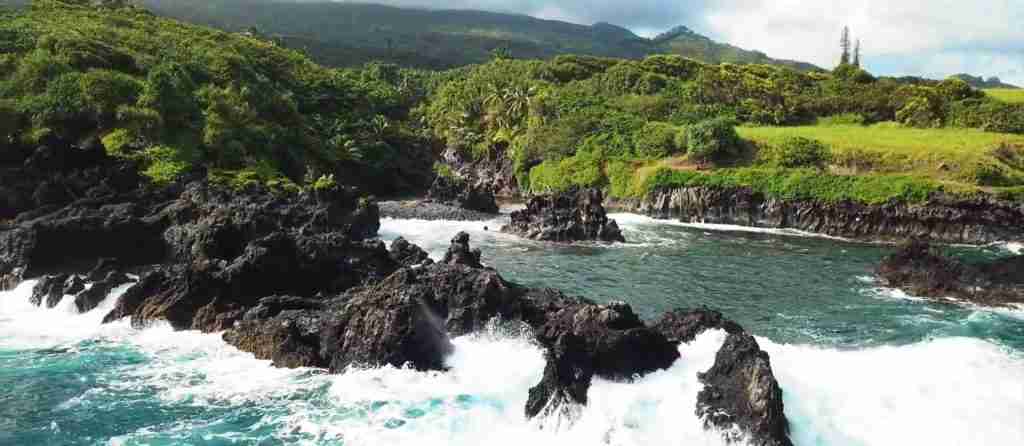
The Road to Hana’s eastern end conceals beaches that see far fewer visitors than stops earlier along the famous highway. Hamoa Beach near Hana forms a crescent-shaped haven with soft sand and gentle waves surrounded by lush greenery and cliffs. The remote location feels worlds away from West Maui’s developed coastline, offering peaceful ocean days without the infrastructure and crowds characterizing more accessible beaches. Kaihalulu Beach, known as Red Sand Beach, presents one of the world’s rare red-sand shores created by eroded cinder cone material. The beach sits tucked into a cove near Hana town, accessible via a rugged and somewhat challenging trail that becomes treacherous when wet. The dramatic scenery rewards those willing to carefully navigate the access path, with the striking red sand creating an otherworldly coastal environment unlike any other Maui beach.
Honolua Bay on the northwest coast serves primarily as a snorkeler’s paradise rather than a traditional sandy beach. A short hike through lush forest leads to this hidden cove where crystal-clear waters and abundant marine life create underwater exploration opportunities rivaling any of Maui’s famous snorkel spots. Summer months provide the best conditions, with winter transforming the bay into a legendary big-wave surfing destination where massive swells create dangerous conditions for swimming. The lack of facilities and the hiking requirement keep crowds manageable during summer snorkeling season, while winter’s rough seas naturally limit beach use to surfers and spectators watching from safe vantage points.
Keawakapu Beach between Kihei and Wailea provides an unexpected hidden gem given its central South Maui location. The long stretch of sand sees far less traffic than nearby Wailea Beach despite offering comparable beauty, calm waters ideal for swimming, and breathtaking sunsets. The relative tranquility stems from limited parking and the beach’s position between two major tourist areas, with most visitors gravitating to either Kihei’s Kamaole Parks or Wailea’s resort beaches, leaving Keawakapu as a peaceful middle ground. Snorkeling opportunities exist along the rocky areas at either end of the beach, while the sandy middle section provides easy ocean entry for swimmers of all abilities.
Oneloa Beach in Kapalua represents one of Maui’s most remote and insider-known shores on the island’s northwest coast. The beach offers warm soft sand, relaxing sunshine, and calm waters best enjoyed before afternoon trade winds strengthen. The location at the end of the Kapalua Coastal Trail provides an extended walk option for those wanting to combine beach time with scenic coastal hiking. Large seat-like rocks along the trail create natural meditation spots where visitors can breathe cleansing ocean air and contemplate the meeting of land and sea.
Finding and enjoying hidden beaches requires preparation beyond typical beach outings. Most lack restrooms, showers, changing facilities, and lifeguard supervision, making self-sufficiency essential. Bringing ample water, sun protection, snacks, first aid supplies, and all beach equipment ensures comfort throughout the visit. Researching access points proves crucial since unmarked paths and unsigned beach entries can be difficult to locate without specific directions or GPS coordinates. Sturdy footwear helps navigate rocky approaches and uneven trails, with water shoes particularly valuable for beaches requiring stream crossings or lava rock scrambles. Checking ocean conditions before swimming remains essential since hidden beaches often lack the warning signs and lifeguard supervision found at popular shores, placing responsibility for safety entirely on visitors. Respecting parking restrictions and private property preserves community relationships that keep these beaches accessible, as antagonizing residents who live near beach access points can result in increased restrictions or closures.
The best time to experience hidden beaches coincides with early morning hours when parking proves easiest, ocean conditions remain calmest, and wildlife viewing peaks. Sunrise arrivals often mean having entire beaches to yourself, with sea turtles, dolphins, and seabirds appearing more frequently during quiet morning hours. Photography benefits from morning’s softer light, with afternoon’s harsh overhead sun creating harsh shadows and washed-out colors. The temperature advantage of early visits provides comfort during hikes to beach access points before midday heat intensifies. As mornings progress into late morning and early afternoon, local families and knowledgeable visitors gradually arrive, creating a gentle increase in beach population that never reaches the density characterizing popular tourist beaches but does eliminate the solitude of dawn visits.
Hidden Waterfalls and Waterfall Hiking Adventures
Maui’s waterfalls range from roadside cascades visible through car windows to remote falls requiring challenging hikes through muddy jungle terrain. The most hidden and rewarding waterfalls sit in the latter category, where effort and navigation skills filter out casual visitors, preserving the tranquil atmosphere that makes waterfall discovery so memorable. These lesser-known cascades flow through private lands, unmarked trails, or challenging terrain that demands respect for both the natural environment and the privilege of access. Success in finding hidden waterfalls requires proper preparation, realistic assessment of physical abilities, and understanding that conditions vary dramatically with rainfall and seasonal weather patterns.
Makamakaole Falls in West Maui, locally known as the 13 Crossings trail, ranks among the island’s most rewarding waterfall adventures. The moderate two-mile out-and-back trail winds through lush rainforest, towering bamboo groves, and massive banyan trees before reaching a stunning two-tiered waterfall totaling 270 feet. The hike earns its nickname through multiple stream crossings that add adventure and challenge to the journey. Each crossing requires careful rock-hopping and attention to foot placement, with water levels varying from ankle-deep to knee-deep depending on recent rainfall. The stream crossings become the hike’s defining feature, creating interactive engagement with the landscape rather than simple walking. At the trail’s end, refreshing waterfall pools invite cooling off after the moderately strenuous hike. The falls display most impressive volume during the wet season from November through March, though these months also bring muddy, slippery trail conditions that increase difficulty. The combination of stream crossings, uneven terrain, and variable conditions makes waterproof hiking shoes with good traction essential, while bug spray and plenty of water enhance comfort during the journey. The trail sees primarily local visitors and knowledgeable travelers willing to embrace the adventure, creating a community feeling among hikers who exchange tips about crossing techniques and pool conditions.
Punalau Falls in northeastern Maui exemplifies the hidden waterfall that remains genuinely obscure due to challenging access. The hundred-foot cascade sits just past Mile Marker 13 on the Road to Hana, yet remains invisible from the highway, with the trailhead unmarked and easy to miss. The fifteen-minute hike, while short in distance, demands proper footwear and caution due to submerged rocks, slippery surfaces, and uneven terrain. Flash flood risks make post-rainfall visits dangerous, requiring clear weather conditions and dry trail assessment before attempting the hike. The reward for accepting these challenges comes in the form of a spectacular waterfall and swimming hole frequently enjoyed in complete solitude, since the combination of difficult access and invisible location from the road keeps tourist traffic minimal. The remote location and lack of any facilities means bringing all supplies and being prepared for self-rescue if injuries occur, as cell phone coverage remains spotty and other hikers may not pass for extended periods.
Waikamoi Falls near Mile Marker 10 on the Road to Hana represents one of the most overlooked waterfalls on the famous highway. The cascade sits hidden behind an unmarked path that thousands of drivers pass daily without noticing, creating a situation where the waterfall remains accessible yet undiscovered by the majority of Road to Hana travelers. Those who know to look for the inconspicuous access point find a short but slippery trail leading to a peaceful waterfall and small swimming hole. The pool’s modest size limits swimming to a few people comfortably, creating intimate waterfall experiences when visitor numbers remain low. The slippery approach requires careful footing, with wet rocks and muddy sections demanding attention to prevent falls. The waterfall’s proximity to the highway means it serves well as a quick refreshment stop rather than an extended hiking destination, offering Road to Hana drivers a peaceful break from the car without significant time investment.
Twin Falls, while familiar to many Road to Hana travelers who stop at the easily accessible lower pools, conceals a network of lesser-known cascades beyond the initial falls. Most visitors photograph the main falls from the designated viewing areas and swim in the first pools, never realizing that continuing the hike deeper into the jungle leads to a series of more secluded cascades tucked through bamboo forests and old irrigation paths. These upper falls see a fraction of the lower falls’ traffic, with the additional hiking effort filtering out casual visitors. Early morning arrivals provide the best chance of having these upper pools entirely to oneself, with the combination of effort and timing creating genuinely hidden experiences at a location technically well-known for its lower, more accessible sections.
Alelele Falls in the Kipahulu District east of Haleakala National Park offers one of the easiest hidden waterfall experiences. The short trail features a few stream crossings but generally maintains easy difficulty, making the eighty-foot cascade accessible to families and hikers seeking waterfalls without extreme effort. The trail’s relative ease compared to other hidden falls means visitor numbers remain higher than the most remote cascades, yet far lower than famous stops like Waimoku Falls or Twin Falls’ lower section. The serene pool at the falls’ base provides refreshing swimming in a tranquil jungle setting where rushing water and bird calls replace the chatter of tour groups. Waterfall flow varies significantly with seasonal rainfall, with winter months providing the most impressive cascade and summer sometimes reducing the falls to a trickle during drought periods.
Kopiliula Falls in East Maui creates a serene retreat for those seeking intimate waterfall experiences. The trail leading to the falls winds through verdant landscape filled with cascades and lush vegetation, creating a journey as rewarding as the destination. The hidden gem status stems from the location off main tourist routes and the moderate hiking effort required, deterring casual visitors while welcoming those genuinely interested in natural exploration. The tranquil atmosphere surrounding the falls invites extended visits for contemplation, photography, or simple immersion in the sounds and sensations of jungle waterfall environments.
Honokohau Falls, Maui’s tallest waterfall at 1,119 feet, remains hidden not through difficult hiking but through complete inaccessibility by foot. The magnificent two-tiered cascade flows in the West Maui Mountains between Kahakuloa and Honolua, located in an inaccessible valley where no roads or trails exist. Viewing this natural wonder requires booking a helicopter tour, placing it in a category of hidden gems discoverable only from the air. The Honohokau Stream feeds the waterfall, which plunges dramatically in two stages, creating the illusion during cloudy weather of water flowing directly from the sky. The helicopter view provides perspectives impossible from ground level, showcasing the waterfall’s full height and the pristine valley surrounding it. The falls achieved fame as a filming location for Jurassic Park, symbolizing untouched natural perfection in one of cinema’s most iconic science fiction moments. The surrounding land holds deep cultural and spiritual significance to Native Hawaiians, representing connections to land, water, and ocean that predate Western contact.
The hidden waterfalls scattered through West Maui mountains and East Maui valleys share access requirements and safety considerations that separate them from roadside cascades. Most require at least moderate hiking ability, with uneven terrain, stream crossings, and slippery surfaces demanding sure footing and appropriate footwear. Waterproof hiking shoes or boots with aggressive tread provide the traction necessary for wet rocks and muddy sections, while water shoes suffice only for the easiest trails with minimal elevation change. Bug spray becomes essential in jungle environments where mosquitoes and other insects thrive, with long sleeves and pants providing additional protection for those sensitive to bites. Ample water prevents dehydration during hikes that may take longer than anticipated, especially when trails become muddy or stream crossings require extra time. First aid supplies address minor cuts, scrapes, and blisters that commonly occur on waterfall hikes, while waterproof bags protect phones, cameras, and other electronics from stream crossings and waterfall spray.
Weather assessment proves critical for waterfall hiking safety. Flash floods represent the greatest danger, with heavy rainfall in mountain watersheds creating dangerous conditions even when skies appear clear at trailheads. Checking weather forecasts before departing and monitoring cloud conditions in surrounding mountains provides early warning of potential flooding. Streams that appear calm during morning hikes can transform into raging torrents within hours following upstream rainfall, making crossing impossible and trapping hikers on the wrong side. Signs of flash flooding include suddenly cloudy water, rising water levels, and increased debris flowing downstream, all requiring immediate evacuation to high ground. The safest approach involves hiking only during stable weather patterns, avoiding trails entirely during heavy rain periods, and turning back immediately if conditions deteriorate while on the trail.
Swimming in waterfall pools requires assessing both water depth and current conditions. Many pools conceal submerged rocks, logs, and uneven bottoms that create hazards for swimmers and jumpers. Entering pools feet-first and testing depth before swimming deeper prevents injuries from unexpected shallow areas or obstacles. Strong currents often develop near waterfall plunges, creating undertows that pull swimmers toward falls or hold them underwater. Swimming near waterfalls themselves risks head injuries from falling rocks and debris that regularly tumble down cascades. The safest swimming areas sit away from the main plunge, where pools deepen naturally and currents remain minimal. Cold water temperatures, even in tropical Maui, can cause rapid cooling and muscle cramps during extended swimming, requiring awareness of personal limits and swimming ability.
Respecting the natural environment and cultural significance of waterfall areas preserves access for future visitors. Staying on established trails minimizes erosion and vegetation damage that accumulates when multiple hikers create social trails or shortcuts. Leaving no trace means packing out all trash, food waste, and personal items, with many remote waterfalls showing distressing amounts of litter from visitors who treat pristine natural areas as garbage dumps. Some waterfalls flow through areas considered sacred in Hawaiian culture, requiring respectful behavior that honors the spiritual significance these places hold for Native Hawaiian communities. Understanding the privilege of accessing these hidden locations creates responsibility to preserve their natural beauty and cultural integrity through responsible behavior and stewardship.
The best times for waterfall hiking combine trail condition optimization with crowd avoidance. Early morning starts provide cooler temperatures for strenuous hiking, with dawn departures often meaning reaching waterfalls before other hikers arrive. Morning light creates better photography conditions, with softer illumination revealing waterfall details that afternoon’s harsh overhead sun washes out. Weekday visits generally encounter fewer hikers than weekends, when local residents have time off and knowledgeable tourists schedule waterfall adventures. The first Saturday of each month sees even heavier local traffic at some popular trails as residents enjoy their traditional island time. Dry season from April through October typically offers better trail conditions with less mud and easier stream crossings, though waterfall flow may diminish during particularly dry periods. Wet season from November through March produces more dramatic cascades with maximum water flow, balanced against muddier, more slippery trail conditions and higher flash flood risks.
Off-the-Beaten-Path Hiking Trails and Natural Areas
Beyond Maui’s famous hiking destinations like Haleakala’s crater and the Pipiwai Trail to Waimoku Falls lie dozens of lesser-known trails that provide equally stunning scenery without the accompanying crowds. These off-the-beaten-path hiking adventures range from coastal walks through seabird nesting habitat to ridge trails offering panoramic valley views when clouds cooperate. Success in discovering these hidden trails requires willingness to venture beyond guidebook recommendations, early starts to optimize weather conditions and solitude, and proper preparation for adventures where facilities and rescue services may be minimal or nonexistent.
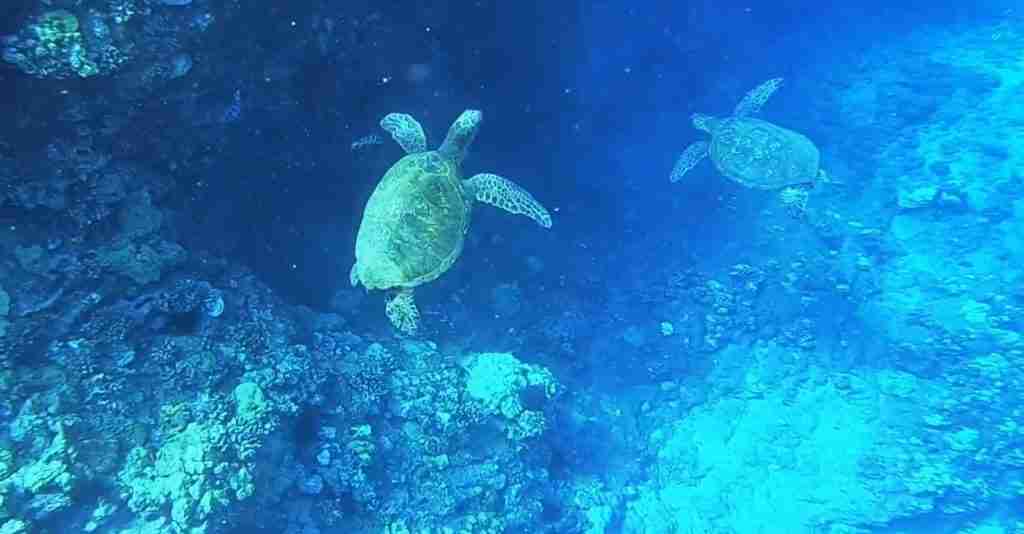
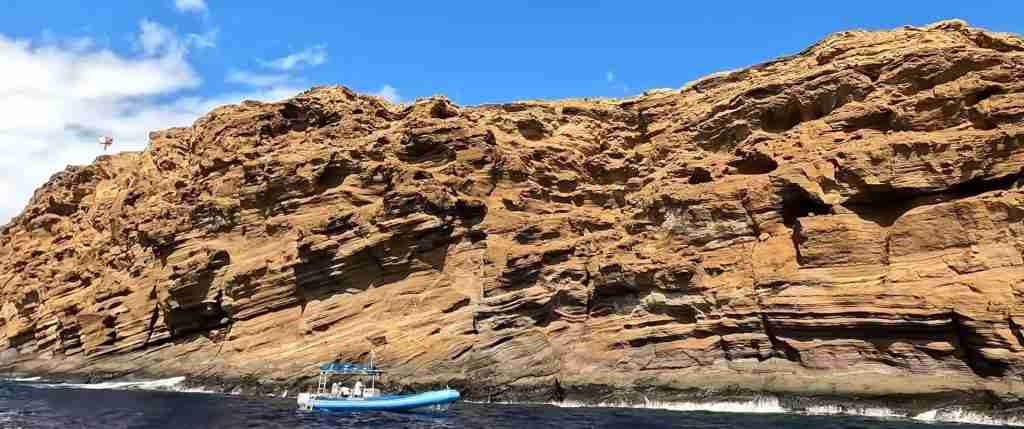
The Eddie Pu Trail in South Kihei exemplifies the short hidden gem trail offering disproportionate rewards for minimal effort. This pathway between Kamaole Beach Park III and the Kihei Boat Ramp winds through seabird nesting preserve over volcanic cliffs, providing front-row views overlooking Turtle Town where green sea turtles congregate. The trail’s designation as bird nesting habitat requires staying on the established path to avoid disturbing nests, with interpretive signs explaining the native species using the area. The short length makes the trail accessible to most fitness levels, while the dramatic coastal scenery creates memorable experiences without the time commitment required by longer hikes. Views extend across the channel to Molokini Crater, with the small crescent-shaped volcanic remnant visible in the distance. The trail serves well as an evening walk, with sunset light painting the volcanic cliffs gold and red while seabirds return to their nesting sites for the night.
Kama’ole Beach Park III adjacent to the Eddie Pu Trail harbors Maui’s most accessible yet still relatively unknown green sea turtle viewing area. The small cove at the southern end of the beach serves as a hangout spot for honu, with multiple turtles often visible swimming near shore or resting on the bottom in shallow water. The cove’s protected nature creates gentler waves than the main beach section, making it ideal for families and snorkelers seeking calmer conditions. A lava tube at the southern edge of the cove adds geological interest, with the volcanic formation creating a dramatic reminder of the islands’ fiery origins. Unlike more famous turtle-viewing locations that attract crowds and tour operators, this Kihei spot remains primarily known to local residents and visitors willing to explore beyond the main beach areas. Early morning visits coincide with turtle peak activity as they graze on algae growing on rocks, with arrivals around sunrise providing the best wildlife viewing opportunities.
Waihee Ridge Trail on West Maui’s windward side delivers some of the island’s most dramatic scenery for hikers willing to tackle the challenging five-mile round trip with significant elevation gain. The trail climbs through varied terrain starting in lowland forest and ascending into cloud forest zones where moisture sustains lush vegetation different from lowland areas. When weather cooperates and clouds remain above ridge level rather than obscuring it, the views rival any on Maui, with Jurassic Park-style vistas of razor-sharp ridges, deep valleys, and distant waterfalls appearing through breaks in the forest. The trail’s windward location means cloud cover frequently obscures views, making morning starts essential for maximizing chances of clear conditions before afternoon clouds develop. Even with clouds, the hike through diverse forest zones provides botanical interest, with native plants thriving in the moisture-rich environment. The trail offers far more shade than the similar length and elevation Lahaina Pali Trail on Maui’s south side, making it more comfortable during warm weather while still demanding ample water given the strenuous nature of the climb.
‘Āhihi-Kīna’u Natural Area Reserve south of Wailea protects pristine snorkeling reefs and coastal habitat from development pressures that have transformed much of South Maui’s shoreline. The reserve encompasses young lava flows from Maui’s last volcanic eruption in 1790, with dramatic black lava contrasting against blue ocean waters and the remaining fragments of older red cinder cones. Access to the reserve requires driving past Wailea’s resort development and continuing south on increasingly rough roads that become four-wheel-drive territory in sections. The effort filters out many potential visitors while rewarding those who make the journey with some of Maui’s best shore snorkeling in coral gardens protected from the anchor damage and pollution affecting more accessible reefs. The reserve lacks all facilities, making it essential to bring water, snacks, sun protection, and snorkeling equipment since no rentals or vendors operate in the area. Swimming conditions vary significantly with season and weather, with summer generally providing the calmest conditions for snorkeling while winter swells can make ocean entry dangerous. The reserve’s regulations prohibit removing anything including coral, shells, rocks, and sand, with enforcement taken seriously to preserve the pristine nature of this protected area.
‘Īao Valley State Monument, while not unknown to visitors, contains hiking opportunities beyond the famous ‘Īao Needle viewpoint that most tourists photograph and leave. The valley floor offers paths for exploration away from the main viewing platform, with ‘Īao Stream flowing through the lush landscape creating tranquil natural scenes. Kepaniwai Heritage Gardens at the lower part of the valley before the state park entrance showcases eight different cultural heritages that helped shape Maui’s history, connected by peaceful walking paths with gracefully arching stone bridges. The cultural gardens represent Hawaiian, Chinese, Japanese, Portuguese, Filipino, Korean, Puerto Rican, and New England influences, each with pavilions featuring covered picnic tables and distinctive architectural elements. The park provides ideal settings for picnics, with uncovered tables beside ‘Īao Stream offering peaceful spots to enjoy lunch while listening to flowing water. Swimming in the stream’s clear mountain waters provides refreshing relief during warm days, with locals knowing the best pools for bathing. The site holds deep historical and spiritual significance as the location of a major battle in 1790 between King Kamehameha’s forces and Maui warriors, with the valley serving as a memorial to this pivotal event in Hawaiian history. Ancient Hawaiians considered ‘Īao Valley a place of mana, or divine power and life force energy, recognizing the special spiritual qualities of this location long before Western contact.
The Kapalua Coastal Trail along West Maui’s northwestern shore provides easy walking through dramatic coastal scenery connecting multiple beaches and resorts. The trail hugs the coastline, offering constant ocean views while passing through areas ranging from manicured resort landscapes to more natural coastal vegetation. Large seat-like rocks appear at intervals, creating natural resting spots for contemplation and whale watching during winter months when humpback whales frequent the channel between Maui and Molokai. The trail’s easy grade and well-maintained surface make it accessible to most fitness levels, while the length allows customizing distance based on time and energy. Linking the coastal trail with stops at beaches like Oneloa creates full-day adventures combining hiking with swimming and beach time.
Less-known trail systems throughout Upcountry Maui and the Kula region offer hiking through agricultural landscapes and forest reserves where cooler temperatures provide relief from coastal heat. These trails receive less attention from visitors focused on coastal activities, creating opportunities for peaceful hiking through diverse terrain. The agricultural character of Upcountry means many trails pass through or near working farms and ranches, requiring respect for private property and agricultural operations while enjoying public trail access.
Hiking off-the-beaten-path trails requires preparation beyond popular, well-maintained routes. Trail conditions vary from well-marked and regularly maintained to faint paths requiring navigation skills and attention to route-finding. Downloading offline maps or carrying GPS devices prevents getting lost when trails become unclear, with cell phone coverage spotty or absent in many remote areas. Bringing more water than seems necessary accounts for longer-than-anticipated hikes when trails prove more challenging than expected or when weather conditions increase fluid needs. Layered clothing adapts to changing conditions, particularly important on ridge trails where microclimates create dramatic temperature and wind variations over short distances. First aid supplies, sun protection, snacks, and emergency supplies including whistle, flashlight, and emergency shelter provide safety margins when hiking remote trails far from rescue services.
Weather patterns dramatically affect trail experiences, particularly on windward sides of mountains where clouds and rain develop regularly even when leeward areas remain sunny. Morning starts maximize chances for clear views before afternoon cloud development, with many ridge trails becoming cloud-obscured by late morning. Trade winds bring consistent weather patterns that experienced hikers learn to predict, with windward slopes receiving more rainfall and cloud cover than leeward areas. Checking detailed weather forecasts for specific areas rather than general island forecasts provides better information for planning hikes, since conditions can vary dramatically between regions just miles apart.
Trail etiquette preserves the hidden nature of less-visited hiking areas. Staying on established paths prevents erosion and vegetation damage that accumulates when hikers create shortcuts or social trails. Yielding to uphill hikers acknowledges their greater exertion, while moving aside for faster hikers maintains good trail relationships. Speaking quietly preserves tranquility that makes remote hiking appealing, with loud conversations and music disrupting both wildlife and other hikers’ experiences. Leaving no trace means packing out all trash including organic waste like banana peels and apple cores that don’t decompose quickly in many environments and attract non-native species. Some trails cross private land where access depends on landowner goodwill, making respectful behavior essential to preserving public access that could be revoked if problems develop.
Local Dining Treasures: Where Residents Actually Eat
Maui’s authentic culinary scene exists far from resort restaurants and tourist-oriented dining rooms, concentrated instead in working-class neighborhoods like Kahului, Wailuku, and Haiku where residents live, work, and gather for meals that reflect the island’s true multicultural character. These local favorites operate from unlikely locations including gas stations, strip malls, industrial parks, and converted warehouses, where lower rents allow family operations to serve high-quality food at prices residents can afford. Discovering these hidden dining gems requires abandoning preconceptions about where good food appears, embracing early dining times when locals eat, and accepting that exceptional cuisine doesn’t require white tablecloths or ocean views.
Tin Roof in Kahului, just five minutes from the airport, exemplifies the new generation of Hawaiian cuisine that honors traditional flavors while embracing contemporary techniques. Internationally recognized Chef Sheldon Simeon, raised in Hilo where rain is part of everyday life, opened this mom-and-pop shop with his wife Janice to serve the kind of food that brings people together during garage jam sessions and backyard gatherings. The restaurant operates without a liquor license as counter-service rather than full table service, keeping overhead low while focusing on food excellence. The menu showcases Hawaiian comfort food elevated through skilled preparation and quality ingredients, with dishes that satisfy airport workers, local families, and knowledgeable travelers seeking authentic island flavors before heading to resorts. The location’s convenience makes it ideal for arriving visitors wanting immediate immersion in local food culture or departing guests seeking one final authentic meal before flying home.
Havens in North Kihei destroys assumptions about where exceptional food can be found by operating from a gas station location that most tourists would drive past without a second glance. This hidden gem serves outstanding smash burgers and ramen that draw local residents back repeatedly, with many ordering the same combinations multiple times during single trips to Maui. The menu also features sushi hand roll deals providing quick, delicious, affordable options perfect after long beach days when hunger strikes but formal dining feels excessive. The gas station setting creates zero ambiance beyond the food itself, forcing the cuisine to justify the location through pure quality and flavor. The absence of tourists and predominance of local customers creates an authentic neighborhood restaurant atmosphere where regulars know staff members and conversations flow naturally.
Colleen’s At the Cannery in Haiku represents the quintessential locals-only restaurant that tourists rarely discover given its location in a quiet north shore town far from resort areas. The restaurant occupies space in a shopping center, with arrival protocols reflecting its local customer base; write your name on the waiting list rather than expecting immediate host greeting, as weekend crowds of residents create waits for this beloved gathering spot. The eclectic menu spans salads, sandwiches, entrees, and pizzas with something appealing to virtually every palate, while a respected cocktail program distinguishes it from casual dining competitors. The variety and quality explain why island families celebrate special occasions here and why Haiku residents consider it their community dining room. The restaurant fills particularly heavily on weekends when residents have time for leisurely meals and social gatherings with neighbors and friends.
A Saigon Cafe in Wailuku consistently wins Maui Aipono Restaurant Awards despite maintaining an exterior resembling a late 1970s roadhouse that disguises the exceptional Vietnamese cuisine served inside. The contrast between unremarkable appearance and remarkable food creates the definition of a hidden gem, where those who judge restaurants by curb appeal miss entirely on this flavor dynasty of authentic Vietnamese dishes. The menu extensive spans multiple categories including various phos and soups, rice and noodle dishes, clay pots, cold salads, fresh seafood, and meat preparations, with each category containing multiple options that could serve as signature dishes in lesser restaurants. Standout items include Garden Delight Rolls wrapping fresh vegetables in delicate rice paper, Green Papaya Salad with Shrimp combining crisp texture with bright flavors, Whole Steamed Opakapaka showcasing local fish prepared with Vietnamese technique, Chicken Curry Stew offering warming comfort, Mahi Mahi in a Clay Pot demonstrating traditional cooking methods, Saigon Egg Noodle Soup satisfying on every level, and Vietnamese Steak prepared with aromatic seasonings. The friendly service with touches of aloha creates welcoming atmosphere where staff clearly care about guest satisfaction. The combination of exceptional food, reasonable prices, and genuine hospitality explains why Saigon Cafe earns consistent recognition as one of Maui’s best restaurants despite its humble setting.
Tasty Crust in Wailuku has served their “World Famous Pancakes” for over fifty years, becoming an institution where multiple generations of island families have shared meals. The charming old-school location, reasonable prices, and staff full of aloha create the classic local diner experience that has largely disappeared from more developed areas. The breakfast menu features Banana Hotcakes that justify their fame, T-Bone Steak and Eggs for serious morning appetites, Opakapaka and Eggs showcasing local fish, and Local Style Omelet loaded with Spam, linguica, cheese, and green onion representing island breakfast traditions. The all-day menu extends far beyond breakfast with numerous options including Chopped Steak, Loco Moco exemplifying Hawaiian comfort food, Korean Pork Ribs demonstrating Asian influences, Extra Crispy Chicken satisfying fried food cravings, Saimin and Won Ton Min providing noodle options, Chow Fun and Chinese Chicken Salad rounding out Asian choices, plus various sandwiches, burgers, and salads. The extensive menu means families with diverse preferences all find satisfying options, making Tasty Crust the reliable choice for group meals where compromise becomes unnecessary.
Isana in North Kihei operates as a fisherman-owned sushi bar on the beach where the connection between ocean and table remains direct. The local favorite attracts serious sushi enthusiasts willing to make reservations well in advance or accept the risk of no available seating. Scoring spots at the sushi bar provides front-row views of skilled preparation while enabling conversation with chefs about daily catches and seasonal specialties. The staff demonstrates patience and attentiveness even with young children, making families feel welcome in this small restaurant where some establishments might discourage kid-friendly service. Takeout options accommodate those unable to secure dining room reservations while still wanting access to the high-quality sushi that makes Isana beloved among residents.
Baked on Maui in Paia operates from a warehouse shared with small businesses making handcrafted items, creating an unexpected artisan hub in this north shore town. The bakery and cafe focuses on baked goods, sandwiches, salads, and soups, with bread-making skills elevating the sandwich category significantly. The Chipotle Chicken and BLT sandwiches showcase quality bread’s transformative effect on simple recipes, with perfect crusts and tender interiors making even familiar combinations feel special. The warehouse location keeps tourists away since nothing about the exterior screams destination dining, allowing locals to enjoy quality baked goods and casual meals without fighting crowds that descend on more obviously positioned Paia restaurants.
Maui Fish’n Chips tucked in the back of a Kihei strip mall serves seafood rivaling the best fish and chips found anywhere, including Seattle’s renowned seafood restaurants. The crowds swarming courtyard picnic benches near the front door provide the most reliable indication of exceptional quality, with locals refusing to keep this hidden gem secret when the food justifies enthusiasm. The small space inside means most dining happens at outdoor picnic tables, creating casual atmosphere where fish quality and preparation technique matter more than ambiance or presentation.
Food truck parks scattered around the island concentrate multiple local favorites in single locations, with the Costco food truck park in Kahului particularly beloved by residents. The eight different trucks include Maui Shrimp serving arguably the island’s best garlic shrimp and Kahiau’s Poke providing not only exceptional poke but also incredible taro mac salad that deserves its own following. The industrial park location means tourists rarely stumble upon this dining concentration, while workers from surrounding businesses make it their regular lunch spot. The food truck format keeps prices reasonable while allowing vendors to focus entirely on food quality rather than expensive overhead associated with traditional restaurant spaces.
Gus’ Hawaiian Shave Ice operates from a baby blue VW bus in Kihei, creating the perfect image of island casual while serving icy sweet treats that cool visitors after beach days. The mobile format and playful presentation make it particularly appealing to families with children who appreciate the colorful aesthetic as much as the refreshing flavors. Shave ice represents island tradition rather than mainland snow cones, with the finely shaved ice texture and diverse flavor combinations reflecting Hawaiian rather than tourist-trap origins.
Ocean Vodka Farm in Upcountry occupies an eighty-acre organic sugarcane farm where distillery operations and a farm cafe create unique agritourism experiences. The guided tasting experience costs $17 but includes sampling all unique spirits while learning about farming and distillation processes that transform sugarcane into distinctive vodka. The farm cafe serves Hawaiian-style food with cocktails featuring the distillery’s products, while late afternoon tastings allow enjoying drinks and dinner accompanied by spectacular sunsets and views of West Maui and the Pacific Ocean. The combination of excellent food, creative cocktails, educational tours, and stunning views creates family-friendly casual atmosphere far from resort scenes. The agricultural setting provides authenticity and connection to Maui’s farming heritage while the sophisticated drinks and food demonstrate that rural location doesn’t mean unsophisticated cuisine.
Cafe O’Lei at the Mill House within Maui Tropical Plantation offers farm-to-table dining that honors the immigrant cultures who worked Hawaii’s sugarcane plantations over a century ago. The location within an active agricultural attraction creates connections between food, farming, and history while the cuisine itself demonstrates how diverse cultural influences created modern Hawaiian food traditions. The restaurant’s commitment to local ingredients and cultural authenticity provides educational dining experiences where meals become opportunities to understand island history through flavors and cooking techniques passed through generations.
Grandma’s Coffee House in Keokea has roasted and blended organic Maui coffee since 1918, making it one of the island’s oldest continuously operating food businesses. The Upcountry location in Keokea made it one of the few stops where locals could grab good coffee and talk story with friends, creating community gathering place that has survived four generations of family management. The longevity demonstrates both coffee quality and the social role this spot plays in its remote community, where gathering places matter more than in densely developed areas. The coffee house represents living history, where recipes, techniques, and community relationships stretch back over a century while remaining relevant to contemporary customers.
Discovering local dining treasures requires releasing tourist mindset assumptions about where good food appears. The best local spots often operate from unlikely locations, serve during hours convenient to working people rather than resort vacation schedules, and offer no ocean views or Instagram-worthy decor. Success in finding these hidden gems comes from asking local residents for recommendations, visiting neighborhoods where people actually live, and prioritizing food quality over ambiance. Early dining times align with local schedules, with dinner service often starting around five o’clock when residents finish work rather than the later times common at tourist restaurants. Cash payment capability helps since some local favorites operate cash-only to minimize transaction fees and maintain simple business structures. Patience with sometimes slower service reflects the island time approach where rushing meals violates cultural values around food as social and cultural activity rather than mere fuel. Most importantly, approaching local dining with respect and genuine interest rather than colonial consumption mentality creates positive interactions that benefit both diners and restaurant communities.
Cultural Sites and Heritage Locations Tourists Miss
Maui’s cultural heritage extends far beyond the commercial luaus and simplified “Hawaiian culture” presentations marketed to tourists, manifesting instead in working farms, heritage gardens, community centers, and sacred sites where authentic traditions continue uninterrupted by tourism. These cultural treasures offer genuine connections to the island’s multicultural history and the Native Hawaiian foundations underlying all subsequent immigrant influences. Discovering these hidden cultural gems requires recognizing that authentic cultural experiences rarely come with admission fees or scheduled performances, instead emerging through respectful engagement with places where communities maintain their traditions and histories.
Kepaniwai Heritage Gardens in ‘Īao Valley showcase eight distinct cultural heritages that collectively shaped modern Maui, creating unique opportunity to understand the island’s multicultural evolution in a single location. The gardens represent Hawaiian, Chinese, Japanese, Portuguese, Filipino, Korean, Puerto Rican, and New England influences, each with distinctive pavilions featuring traditional architectural elements and landscaping reflecting cultural aesthetics. Stone bridges arch gracefully over pathways connecting the different cultural areas, creating peaceful walking routes suitable for contemplative exploration. Each pavilion includes covered picnic tables, with additional uncovered tables beside ‘Īao Stream providing ideal spots to experience this culturally significant park while enjoying meals. The setting beside clear mountain waters creates serene atmosphere where the sound of flowing stream enhances rather than distracts from cultural appreciation. The gardens function as both educational resource and community gathering place where descendant communities celebrate cultural festivals and maintain connections to ancestral traditions. Understanding each culture’s contributions to Maui’s development requires moving beyond superficial appreciation of architectural elements to recognize how immigration patterns, labor history, and cultural adaptation created the contemporary island society.
The Maui Dharma Center in Paia carries special spiritual significance having been blessed by His Holiness the Dalai Lama, creating sacred Buddhist space on the island’s north shore. The stupa on the property serves as focal point for meditation and spiritual practice, with the center welcoming visitors seeking peaceful Maui experiences grounded in contemplative Buddhist traditions. The blessing by the Dalai Lama elevates the center’s importance within Buddhist communities while also creating attraction for those interested in Tibetan Buddhism regardless of personal practice. The center functions as both active religious site for practitioners and cultural resource for those seeking to understand Buddhism’s place in Maui’s spiritual landscape.
Ocean Vodka Farm represents contemporary agricultural heritage maintaining connections to Maui’s sugarcane plantation history while demonstrating modern approaches to farming and value-added agricultural products. The eighty-acre organic sugarcane farm continues traditions dating to the plantation era while applying contemporary organic farming techniques that eliminate the chemical-intensive practices characterizing historical industrial agriculture. The distillery operations transform agricultural products into spirits using traditional and modern methods, creating educational opportunities to understand fermentation, distillation, and the chemistry underlying alcohol production. The farm’s commitment to sustainability and organic practices reflects changing agricultural values while the connection to sugarcane maintains links to the crop that dominated Maui’s economy and landscape for over a century. The guided tastings function as both product marketing and agricultural education, teaching visitors about plant varieties, growing conditions, harvest timing, and processing techniques that affect final product characteristics. The farm cafe’s emphasis on Hawaiian-style food prepared from local ingredients demonstrates farm-to-table principles while celebrating cultural food traditions.
‘Īao Valley itself holds profound cultural and historical significance as the site of the 1790 Battle of Kepaniwai where King Kamehameha I’s forces fought Maui warriors in brutal combat that left the stream running red with blood. The valley’s name translates to “cloud water,” referencing the constant cloud presence at the valley head where moisture rising from the ocean meets cooler mountain air. Ancient Hawaiians recognized the valley’s special spiritual qualities, considering it a place of mana or divine power and life force energy. The dramatic ‘Īao Needle, a 1,200-foot volcanic remnant rising from the valley floor, served as a natural altar in pre-contact Hawaiian religion. The valley also functioned as burial ground for Hawaiian ali’i or royalty, with caves in the valley walls containing remains of important chiefs. The layering of natural beauty, spiritual significance, and historical tragedy creates complex sense of place where appreciation for scenery coexists with recognition of the human dramas that unfolded in this landscape. Modern visitors walking the valley paths literally trace routes used by warriors over two centuries ago, with the peaceful present standing in stark contrast to the valley’s violent past.
Lavender farms in Upcountry Maui offer agricultural tourism experiences centered on this aromatic plant’s cultivation and uses. Ali’i Kula Lavender Farm welcomes visitors to explore terraced gardens where numerous lavender varieties thrive in Upcountry’s cooler climate and volcanic soil. The farm produces lavender products including essential oils, culinary items, and crafts while also serving as peaceful retreat where the plant’s natural calming properties create tranquil atmosphere. Ancient cultures used lavender to tame lions and tigers according to historical accounts, demonstrating the plant’s powerful effects on nervous systems. Contemporary visitors seeking stress relief and peaceful experiences find the lavender farm environment naturally soothing, with the combination of mountain views, aromatic plants, and quiet gardens creating respite from busy vacation schedules.
The agricultural character of Upcountry Maui preserves connections to the island’s farming heritage that has sustained communities for generations. Working farms throughout Kula, Keokea, and surrounding areas continue producing vegetables, fruits, coffee, and flowers that supply island restaurants and markets. These working landscapes maintain the cultural traditions of farming families who have cultivated Maui’s volcanic slopes for multiple generations, adapting to changing markets and climate conditions while preserving agricultural knowledge and practices. Farm tours and u-pick operations allow visitors to engage directly with agricultural production, understanding where food comes from and appreciating the skill and labor required to coax crops from volcanic soil. The cooler Upcountry climate enables growing temperate crops impossible at sea level, creating agricultural diversity that strengthens food security while providing products unavailable from coastal farms.
Community centers and churches throughout Maui’s rural areas host cultural events, concerts, craft fairs, and festivals where authentic cultural traditions thrive outside tourist contexts. These events serve community members first while sometimes welcoming visitors as guests rather than customers. The distinction matters significantly: attending as respectful guest rather than entitled tourist creates different relationships and interactions that honor the cultural significance of events rather than treating them as entertainment products. Determining which events welcome outside visitors requires research and sometimes direct inquiry, with awareness that some gatherings serve exclusively community members for whom outside presence would change the event’s character.
Hawaiian language and cultural practitioners maintain traditions through various organizations and gathering places across the island, with some welcoming learners and visitors while others serving exclusively Hawaiian communities. The Hawaiian language revival movement has created growing numbers of immersion schools, language classes, and cultural programs where Hawaiian language and traditional knowledge are taught to younger generations. These educational efforts combat the near-extinction of Hawaiian language and culture that resulted from colonization, missionary influences, and the American overthrow of the Hawaiian Kingdom. Visitors interested in authentic cultural engagement can seek Hawaiian language classes, cultural workshops, and hula schools that offer instruction to non-Hawaiians, though always with awareness that these constitute guests entering Hawaiian cultural spaces rather than consumers purchasing cultural products.
Sacred sites across Maui including heiau (temples), fishponds, petroglyphs, and burial grounds deserve special respect as places of ongoing spiritual and cultural significance to Native Hawaiian communities. Many sacred sites suffer from visitor impacts ranging from litter and graffiti to physical damage from climbing on structures and removal of offerings. Appropriate behavior at sacred sites includes staying on designated paths, not touching structures or petroglyphs, leaving offerings undisturbed, speaking quietly, and generally behaving as one would in any religious site deserving reverence. Understanding that these locations remain spiritually active for Hawaiian practitioners rather than merely historical artifacts helps visitors appreciate the appropriate level of respect required.
Engaging respectfully with Maui’s cultural heritage requires humility, genuine interest in learning, and recognition that Hawaiian and immigrant cultures continue evolving rather than existing as static historical exhibits. Reading about Hawaiian history before visiting provides context for understanding contemporary cultural situations and the ongoing impacts of colonization, land dispossession, and cultural suppression. Supporting Hawaiian-owned businesses, cultural organizations, and sovereignty movements demonstrates respect for Hawaiian self-determination. Learning a few Hawaiian words and understanding basic cultural concepts like aloha (love, compassion, mercy), mahalo (thank you), and malama ‘aina (care for the land) shows effort to engage on Hawaiian terms rather than expecting Hawaiian culture to accommodate entirely to visitor frameworks. Most importantly, recognizing that cultural tourism inherently involves power dynamics where cultures risk commodification and simplification helps visitors approach cultural experiences with appropriate awareness and sensitivity.
Seasonal Considerations for Hidden Gem Exploration
Maui’s hidden gems change character dramatically with seasonal variations in weather, ocean conditions, tourist crowds, and natural phenomena. Understanding these seasonal patterns optimizes hidden gem experiences, matching activities to conditions when they’re most accessible, beautiful, and enjoyable. While Maui’s tropical climate means year-round warm weather, subtle seasonal differences significantly impact waterfall flows, ocean safety, trail conditions, and the solitude that makes hidden spots special.
Summer months from May through September bring the calmest ocean conditions, making this the prime season for exploring hidden beaches and coastal areas. Summer swells typically remain small, creating gentle waters ideal for swimming, snorkeling, and accessing beaches that become dangerous during winter’s bigger waves. Honolua Bay transitions from winter’s big-wave surfing destination to summer’s snorkeling paradise, with crystal-clear calm waters revealing abundant marine life that would be impossible to observe during winter’s massive swells. Secret Cove and other small beaches become accessible for swimming during summer when winter’s strong currents and shore break create hazardous conditions. The trade-off for summer’s excellent ocean conditions comes with increased tourist crowds, particularly during June through August when mainland schools release students for vacation. Early morning visits become even more critical during summer peak season, with dawn arrivals essential for experiencing hidden beaches before crowds develop.
Winter months from November through March transform Maui’s water activities while improving waterfall viewing. Winter swells bring powerful waves to north and west-facing shores, creating dangerous conditions at beaches that were gentle during summer. Slaughterhouse Beach becomes hazardous for swimming though spectacular for watching experienced surfers tackle massive waves. The same swells that endanger swimmers create world-class surfing conditions at spots like Honolua Bay and Peahi (Jaws), where professional surfers chase giant waves. Winter’s increased rainfall feeds waterfalls throughout the island, creating dramatic cascades that dwarf summer’s reduced flows. Waimoku Falls, Makamakaole Falls, and other waterfall destinations display maximum power and volume during winter wet season, though the same rainfall that strengthens waterfalls also creates muddy, slippery trail conditions. Flash flood risks increase significantly during winter, requiring careful weather monitoring and willingness to cancel waterfall hikes when conditions become unsafe. Winter’s cooler temperatures make hiking more comfortable, with Upcountry trails and ridge hikes benefiting from reduced heat even as increased rainfall creates challenging footing.
Spring months from March through May offer optimal conditions for balanced experiences combining good ocean conditions with reduced crowds as winter visitors depart. Ocean swells gradually diminish through spring, with beaches transitioning from winter’s dangerous conditions to summer’s calm waters. Waterfall flows remain substantial from winter rainfall while weather patterns stabilize, reducing flash flood risks. Tourist numbers drop significantly after spring break periods end, creating opportunities for relative solitude at hidden gems that see heavier traffic during winter and summer peaks. Spring’s pleasant weather makes hiking comfortable across all elevations, with temperatures warm enough for beach activities while remaining cool enough for strenuous ridge hikes.
Fall months from September through November provide another shoulder season sweet spot with excellent weather and minimal crowds. Tourist numbers remain low through September and October before Thanksgiving week brings increased traffic. Ocean conditions stay generally calm through early fall, with winter swells typically arriving in November. Rainfall decreases after summer’s dry season, creating ideal hiking conditions with minimal mud and reduced flash flood risks. Waterfall flows diminish but remain adequate for scenic viewing, with the reduced water volume sometimes making swimming pools more accessible since strong currents decrease. Fall temperatures remain warm enough for full beach days while hiking stays comfortable even during midday hours.
Whale watching season from December through April adds marine wildlife viewing to hidden gem experiences, with humpback whales returning to Hawaiian waters for breeding and calving. Coastal trails and beaches with channel views between islands provide opportunities to spot whales breaching, tail slapping, and displaying other surface behaviors. The best whale watching coincides with peak winter visitor season, requiring early arrivals at popular viewpoints to avoid crowds while optimizing wildlife viewing during whales’ most active morning hours. Hidden coastal spots without the infrastructure supporting designated whale-watching locations often provide excellent viewing opportunities with minimal human presence, allowing intimate wildlife encounters impossible at commercial viewing areas.
Sunrise timing varies throughout the year with earlier summer sunrises around five-thirty AM and later winter sunrises around six-thirty AM, requiring adjustment to dawn hiking schedules. Summer’s earlier sunrise means arriving at trailheads or beaches by five AM to catch first light, while winter allows slightly later starts. Sunset timing similarly varies, with summer sunsets occurring around seven PM and winter sunsets around five-thirty PM. The variation impacts evening beach visits and sunset photography opportunities, with summer providing extended evening light for after-work beach time while winter’s earlier sunsets concentrate activities into shorter afternoon windows.
Hurricane season officially runs from June through November, though Maui rarely experiences direct hurricane impacts due to protective influences of the Central Pacific High-pressure system and relatively cool water temperatures. When tropical systems do approach, the resulting weather affects all outdoor activities with heavy rainfall, dangerous ocean conditions, and flooding that closes roads and trails. Monitoring tropical weather during hurricane season prevents getting caught in dangerous conditions, with the National Weather Service providing reliable forecasts and warnings.
Trade wind patterns influence daily weather across Maui, with consistent northeast winds bringing moisture to windward slopes while leaving leeward areas dry. Understanding trade wind effects allows predicting where clouds and rain will develop, with windward locations like Haiku, Hana, and the Road to Hana seeing frequent afternoon clouds and rain while leeward West Maui and South Maui remain sunny. Ridge hikes on windward slopes require early morning starts before clouds obscure views, while leeward beaches provide reliable sunshine even when windward areas experience rain. Trade winds also affect ocean conditions, with wind-sheltered areas providing calmer waters than exposed coastlines.
Monthly variations in tourist crowds follow predictable patterns tied to mainland school schedules and holiday periods. Peak crowds occur during summer vacation months June through August, winter holidays from mid-December through early January, and spring break periods in March and April. The lowest tourist numbers occur in September, October, and early November before Thanksgiving, then again in May after spring break ends. These shoulder seasons provide the best opportunities for experiencing hidden gems with minimal crowds, though seasonal weather variations must be considered when matching activities to optimal conditions.
Practical Tips for Discovering Maui’s Hidden Gems
Successfully finding and experiencing Maui’s hidden gems requires strategic planning, proper equipment, local knowledge, and flexible mindset that accommodates unexpected discoveries and challenges. These practical considerations separate disappointing attempts from rewarding experiences, allowing travelers to safely access the secret spots that make Maui special beyond its famous attractions.
Vehicle selection significantly impacts hidden gem access, with four-wheel-drive capability opening possibilities impossible in standard rental cars. Many remote beaches, waterfall trailheads, and coastal access points sit at the end of unpaved roads where two-wheel-drive vehicles risk getting stuck or sustaining damage. The Road to Hana’s continuation past Hana town toward Upcountry becomes particularly challenging in standard vehicles, with rough sections that rental car companies often prohibit driving. Four-wheel-drive also provides confidence during rainy conditions when even paved roads become slippery. Rental costs for four-wheel-drive vehicles exceed standard cars significantly, requiring budget consideration, but the access gained often justifies the expense for travelers prioritizing off-the-beaten-path exploration. Alternative transportation through guided tours provides access without vehicle concerns, though sacrificing the flexibility of independent exploration.
Navigation tools beyond standard GPS prove essential for finding unmarked locations and interpreting local directions. Downloading offline maps before venturing to remote areas ensures navigation capability when cell service becomes unavailable. GPS coordinates provide more reliable location information than addresses for many hidden spots, with coordinates bypassing the ambiguity of street names and allowing direct navigation to specific points. AllTrails and similar hiking apps provide trail maps, condition reports, and user reviews that help assess whether specific trails match fitness levels and current conditions. However, apps and electronic devices fail, making backup paper maps and compass skills valuable for serious backcountry exploration.
Timing strategies maximize solitude and optimal conditions at hidden gems. Dawn arrivals consistently provide the best experiences, with benefits including: easier parking before lots fill, calmer ocean conditions before winds develop, better wildlife viewing as nocturnal animals return to dens and diurnal species emerge, cooler temperatures for hiking before midday heat, superior lighting for photography with soft morning sun, and genuine solitude before other visitors arrive. The pattern holds across virtually all hidden gem types, from beaches and waterfalls to hiking trails and local dining spots. Residents who value hidden locations often visit during early morning hours before work, meaning dawn visitors share spaces with those who know them best. Late afternoon provides a secondary option, particularly for sunset beach visits and evening meals at local restaurants where dinner service begins early.
Equipment preparation prevents minor inconveniences from becoming major problems during hidden gem exploration. Essential items include sturdy footwear with good traction for trails and beach approaches, water shoes for stream crossings and rocky beaches, ample water carrying capacity since hidden spots lack facilities, reef-safe sunscreen protecting both skin and marine ecosystems, insect repellent for jungle environments, basic first aid supplies for minor injuries, waterproof bags protecting electronics from water damage, headlamps or flashlights for early morning starts or unexpected delays, emergency supplies including whistle and emergency blanket for serious backcountry ventures, snacks providing energy during extended adventures, and fully charged phones with emergency contacts programmed. Bringing too much equipment rarely creates problems, while lacking essential items can ruin experiences or create dangerous situations.
Local knowledge acquisition improves hidden gem discovery beyond guidebook recommendations. Engaging respectfully with residents often yields information about spots never appearing in published guides, with local residents typically happy to share knowledge with genuinely interested, respectful visitors. Hotel concierges, particularly at smaller locally-owned properties rather than large resorts, often provide insider information unavailable from corporate chain employees. Restaurant staff, shop owners, and activity guides frequently share favorites when asked for local recommendations rather than tourist attractions. Social media and online forums provide crowdsourced information, though popularity online often eliminates “hidden” status as locations become widely known. The most reliable local knowledge comes from extended visits building relationships rather than transactional interactions, though even brief conversations can yield valuable tips for those approaching with genuine interest.
Safety protocols prevent hidden gem adventures from becoming rescue situations. Informing someone of planned activities and expected return times creates safety net if problems occur, with check-in protocols ensuring someone will notice if you don’t return as scheduled. Avoiding solo adventures at remote locations reduces risks, with partners providing assistance if injuries occur and backup judgment when assessing potentially dangerous situations. Turning back when conditions exceed comfort levels or advertised difficulty prevents pushing beyond capabilities in environments where rescue remains difficult. Carrying fully charged phones with emergency services numbers programmed provides communication capability in emergencies, though many remote areas lack cell coverage making devices useless. Understanding personal limits honestly prevents attempting activities beyond current fitness or skill levels, with no shame in choosing easier alternatives when conditions or difficulties exceed expectations.
Weather monitoring becomes critical for activities where conditions change rapidly and dramatically affect safety. Checking detailed forecasts before departing provides general information, but monitoring sky conditions throughout activities warns of developing problems. Dark clouds over mountains signal rainfall that may cause flash floods in valleys even when skies remain clear at trailheads. Rising winds indicate changing ocean conditions that can make calm beaches dangerous within hours. Sudden temperature drops often precede rainfall, providing advance warning to seek shelter or turn back from exposed positions. Understanding local weather patterns helps interpret conditions, with windward areas expecting afternoon cloud development and rainfall even during generally sunny weather.
Respect protocols preserve access to hidden gems for future visitors while maintaining positive relationships with communities near popular spots. Staying on established trails and paths prevents erosion and vegetation damage that accumulates when visitors create shortcuts or social trails. Parking only in designated areas or along roadsides where legal maintains neighborhood relationships and prevents vehicle damage or towing. Keeping noise levels appropriate to settings respects both wildlife and other visitors seeking peaceful experiences. Leaving no trace requires packing out all trash and waste, with some fragile environments demanding even greater care to prevent lasting impacts. Following posted rules and regulations, even when they seem unnecessary or inconvenient, demonstrates respect for management decisions designed to protect resources and visitor safety. Accepting that some hidden spots remain inappropriate for visitor access honors the reality that not every beautiful place can or should accommodate tourism.
Budget considerations affect hidden gem accessibility, with most requiring minimal expenses compared to commercial attractions. Free beach access, hiking trails without entrance fees, and affordable local dining make hidden gem exploration among Maui’s most budget-friendly activities. The main costs involve transportation, equipment if not already owned, and food provisions for day trips. Four-wheel-drive vehicle rentals represent the largest potential expense for those prioritizing remote access, with standard vehicles adequate for many though not all hidden locations. Some guided tours to hidden spots cost significantly less than conventional tourist activities while providing expertise and local knowledge that enhances experiences. The pay-off comes through authentic, memorable experiences often surpassing expensive commercial alternatives in personal satisfaction and lasting memories.
Photography and Documentation of Hidden Gems
Capturing Maui’s hidden gems through photography preserves memories while sharing discoveries with others, though responsible documentation requires balancing personal desires to photograph everything with respect for locations’ hidden status and the experiences of others. The tension between wanting to share beautiful places and protecting them from overexposure creates ethical considerations that thoughtful photographers navigate carefully.
Optimal lighting conditions for hidden gem photography vary by location type but generally favor early morning and late afternoon when lower sun angles create dimensional lighting impossible during midday’s overhead sun. Beach photography particularly benefits from morning’s soft light hitting sand and water before harsh midday glare washes out colors and creates unflattering shadows. Waterfall photography often works best on overcast days when bright sky doesn’t create extreme contrast between shadow areas and sky, allowing cameras to capture detail throughout scenes. Ridge trail views photograph dramatically when clouds interact with mountains, creating moody atmospheres though sometimes obscuring the distant vistas that attracted photographers initially. Golden hour just after sunrise and before sunset provides the warmest, most flattering light for all photography types, with the reddish-orange light creating emotional resonance impossible during midday’s neutral illumination.
Composition techniques transform snapshots into compelling images. Leading lines created by trails, streams, or lava rock formations guide viewer eyes through frames toward main subjects. Foreground interest in the form of flowers, rocks, or vegetation adds depth and context to distant landscape elements. Including human figures provides scale that helps viewers understand the magnitude of waterfalls, cliffs, and valleys. Shooting from low perspectives emphasizes foreground elements while making backgrounds more dramatic. Vertical compositions suit waterfall photography, capturing full cascade heights impossible in horizontal frames. Horizontal compositions better capture beach scenes and ridge trail panoramas. Breaking rule-of-thirds guidelines occasionally creates striking centered compositions, particularly for symmetrical subjects or when emphasizing isolation and solitude.
Equipment considerations balance image quality with practical carrying concerns on hikes and beach approaches. Professional camera systems produce superior images but add weight and bulk that becomes burdensome on long hikes with stream crossings. Modern smartphones capture surprisingly high-quality images while remaining compact and convenient. Waterproof housings or bags protect expensive electronics from water damage during stream crossings, waterfall spray, and beach adventures. Tripods enable long exposures that smooth flowing water and capture night scenes but add significant weight and awkwardness on challenging trails. Polarizing filters reduce glare and enhance colors in beach and waterfall photography, making them among the most useful accessories. Extra batteries prevent missing shots when power depletes, particularly problematic in humid tropical environments where batteries drain faster than in temperate climates.
Ethical photography balances personal documentation desires with location preservation and other visitors’ experiences. Geotagging images with precise locations on social media contributes to overexposure that destroys hidden status, with formerly quiet spots becoming overrun after online discovery. Generic location tags like “Maui” or “East Maui” maintain some ambiguity while still sharing images. Photographing people without permission, particularly local residents at neighborhood beaches or cultural sites, violates privacy and cultural respect. Waiting patiently for other visitors to clear scenes rather than crowding them or demanding they move respects everyone’s right to enjoy locations. Avoiding photography at sacred Hawaiian sites or during cultural ceremonies honors spiritual and cultural significance exceeding documentation desires. Not sharing locations publicly of the most fragile or access-restricted spots preserves them for the long term, accepting that some places deserve protection more than exposure.
Instagram and social media have transformed hidden gem dynamics, with popular accounts exposing formerly unknown locations to millions of followers. The resulting crowds can love places to death, with foot traffic causing erosion, litter accumulating beyond community abilities to clean, parking overwhelming residential streets, and the quiet character that made places special disappearing entirely. Photographers bear responsibility for considering these consequences before posting location-specific content, weighing personal desires for likes and followers against real-world impacts on actual places and communities. Some formerly hidden beaches and waterfalls have become so popular through social media exposure that authorities have implemented restrictions, closures, or permit systems that reduce access for everyone. The irony of sharing hidden gems publicly transforming them into crowded tourist attractions represents the fundamental contradiction at social media’s heart: the impulse to share ultimately destroys what made places worth sharing.
Video documentation faces similar ethical considerations with additional technical challenges. Waterproof action cameras enable capturing waterfall swims and beach adventures impossible with standard cameras. Stabilization systems or gimbals smooth hiking footage that otherwise appears shaky and amateur. Drone photography and videography provide dramatic aerial perspectives but face legal restrictions in many areas including state parks, near airports, and over crowds. Drone noise disrupts the tranquility valued at hidden locations while potentially disturbing wildlife. Operating drones responsibly requires understanding regulations, respecting other visitors’ experiences, and recognizing that spectacular footage doesn’t justify violating rules or disturbing sensitive environments.
The decision of whether to share discoveries publicly represents perhaps the most important photography-related choice travelers make. Keeping some places private preserves their hidden status while respecting communities who have long stewarded these locations. Sharing generically rather than specifically balances the desire to inspire others with responsibility to protect places from overexposure. The most ethical approach often involves sharing the existence and general character of hidden gems while leaving specific directions and access details for people to discover through personal research and effort. This approach filters casual visitors while enabling genuinely interested travelers to find these special places through the same determination and resourcefulness that revealed them to previous visitors.
Frequently Asked Questions About Maui Hidden Gems
What is the single best-kept secret beach on Maui?
VOR Beach near Kahului Airport ranks among Maui’s best-kept secrets despite its proximity to the island’s main transportation hub. The location under the airport flight path immediately disqualifies it in most visitors’ minds, creating the perfect camouflage for a beautiful protected beach that sees primarily local traffic. Access requires driving down a secluded neighborhood road and parking in a sandy turnaround, navigation that deters tourists while remaining simple for those with specific directions. An outer reef protects the beach from strong currents and waves, creating gentle swimming conditions ideal for families and less confident swimmers. Palm trees line the shore providing natural shade while West Maui mountains create a dramatic backdrop. The complete absence of facilities means bringing all beach necessities, but also ensures crowds never develop since there’s no infrastructure supporting mass tourism. The beach’s protection from wind and waves makes it particularly valuable during winter months when north shore beaches become too rough for swimming, providing reliable calm water access when famous beaches like Baldwin Beach experience dangerous conditions.
Are there any completely free hidden attractions worth visiting on Maui?
Maui offers numerous completely free hidden attractions rivaling paid activities in quality and memorability. The Eddie Pu Trail in Kihei provides dramatic coastal views and seabird watching opportunities along a short easy path requiring no fees or permits. Turtle Town at the south end of Kama’ole Beach Park III offers shore-accessed snorkeling with green sea turtles in their natural habitat without paying for boat tours or guides. Kepaniwai Heritage Gardens in ‘Īao Valley showcase eight cultural heritages through traditional pavilions and landscaping, creating free cultural education alongside opportunities for stream swimming and picnicking. One’uli Beach’s dramatic black sand creates striking scenery accessible without fees, though requiring unmarked road navigation. The Kapalua Coastal Trail connects multiple beaches through beautiful scenery entirely free to walk. Public beach access throughout Maui means every beach remains free regardless of adjacent resort development, with beaches like Keawakapu offering resort-quality sand and swimming without resort prices. Sunrise and sunset viewing from any coastal location or Haleakala’s summit requires only the effort of early rising or evening timing, creating memorable experiences without monetary cost. The best free hidden attractions often surpass expensive commercial alternatives in authentic beauty and personal connection to place.
How can I find hidden local restaurants without a car?
Discovering hidden local restaurants without personal transportation requires strategic accommodation selection and willingness to use alternative transportation options. Staying in working-class neighborhoods like Kahului, Wailuku, or Kihei rather than isolated resort areas places you within walking or short taxi distance of numerous local dining favorites. Kahului accommodations provide walking access to Tin Roof, while Wailuku hotels sit near A Saigon Cafe, Tasty Crust, and Sam Sato’s. Kihei lodging enables reaching Havens, Isana, and Maui Fish’n Chips via short taxi or rideshare trips costing far less than meals at resort restaurants. Public bus service connects major towns though operates on limited schedules requiring advance planning. Bicycle rentals enable covering greater distances than walking while remaining economical and environmentally friendly. Rideshare services including Uber and Lyft operate throughout populated areas, with rides to local restaurants typically costing less than single appetizers at resort dining rooms. Asking accommodation staff for walking-distance local favorites often reveals neighborhood spots never appearing in tourist guides. Food delivery apps sometimes serve areas near hotels, allowing sampling local restaurants from accommodations though missing the atmosphere of dining in actual spaces. The key involves positioning yourself near where residents actually live and work rather than tourist-oriented resort zones, recognizing that locals concentrate dining options in areas serving their communities rather than visitor districts.
What hidden gems work best for families with young children?
Several hidden gems accommodate families with young children through easy access, safety, and engaging features that hold kids’ attention. Kama’ole Beach Park III’s small cove at the southern end provides gentle waves, easy ocean entry, and frequent turtle sightings that fascinate children while adjacent Eddie Pu Trail offers short walking suitable for little legs. Twin Falls’ lower pools allow swimming in calm freshwater environments safer than ocean waves, with the short trail from parking manageable for most children. Kepaniwai Heritage Gardens’ cultural pavilions, stream access, and picnic facilities create family-friendly environments where children can explore safely while adults appreciate cultural and natural features. Gus’ Hawaiian Shave Ice provides kid-appealing treats in playful baby blue VW bus setting that photographs well while satisfying young sweet tooths. Tin Roof’s counter-service format accommodates families with children better than formal restaurants where kid behavior creates stress, while elevated Hawaiian cuisine introduces children to local flavors. Ocean Vodka Farm’s outdoor cafe and farm setting allows children to move around freely while adults enjoy drinks and views, with the agricultural environment providing educational interest. The Maui Ocean Center, while not hidden, provides backup indoor activity when weather interferes with beach plans or when children need stimulation beyond sand and water. Choosing hidden gems appropriate for children’s ages and temperaments prevents frustration while creating family memories that outlast any resort pool experiences.
Can I visit hidden gems during a day trip from Oahu or the Big Island?
Inter-island day trips to Maui from neighboring islands remain technically possible but practically challenging for genuinely experiencing hidden gems that reward extended time and early morning access. Morning flights from Honolulu or Kona arrive on Maui around mid-morning, already missing the dawn window when hidden beaches, waterfalls, and trails provide optimal solitude and conditions. Return flights typically depart late afternoon or evening, compressing exploration time to approximately four to six hours between ground transportation and flight schedules. This limited window forces choices between attempting multiple rushed visits or focusing on single locations for deeper experiences. The condensed timeline works better for hidden gems near Kahului Airport like VOR Beach, Tin Roof restaurant, and select Kihei beaches accessible within thirty minutes of landing. Road to Hana destinations become impractical given the drive time alone consuming most available hours. West Maui’s hidden beaches require forty-five minutes to an hour from the airport, leaving minimal time for actual beach experiences. The financial cost of inter-island airfare, rental car, and rushed meals often exceeds the value received from brief surface-level visits to locations deserving leisurely exploration. Visitors seriously interested in Maui’s hidden gems would benefit far more from overnight stays allowing proper timing, multiple location visits, and the relaxed pacing that makes discovery rewarding rather than stressful. Day trips make more sense for those who have previously visited Maui and want brief returns to specific favorite spots rather than initial exploration of new hidden gems.
Are there hidden gems that remain accessible during bad weather?
Several hidden gems provide worthwhile experiences during inclement weather when outdoor activities become uncomfortable or unsafe. A Saigon Cafe, Tin Roof, Colleen’s At the Cannery, and other indoor dining spots offer extended meal experiences where weather becomes irrelevant once inside, with hours spent enjoying excellent food and conversation. Ocean Vodka Farm’s guided distillery tastings occur largely indoors, with the agricultural education and spirit sampling proceeding regardless of outside conditions. The Maui Dharma Center provides indoor meditation and contemplation spaces where rain enhances rather than detracts from peaceful Buddhist practice. Baked on Maui’s warehouse cafe setting creates cozy indoor atmosphere perfect for rainy morning coffee and pastries. Maui coffee shops throughout Kahului, Wailuku, and Paia offer comfortable indoor spaces for reading, working, or conversation while storms pass. Local markets and small shops in towns like Makawao and Paia reward browsing during weather that makes outdoor exploration unpleasant. Some hidden gems actually improve during rain, with waterfalls reaching maximum flow and drama as storms feed the cascades. However, flash flood dangers make waterfall hiking inadvisable during heavy rainfall despite the improved waterfall viewing. Beach activities obviously suffer during rain, though some hardy locals embrace swimming during warm tropical downpours. The best strategy for bad weather involves flexible planning that shifts between indoor and outdoor options as conditions change throughout the day, recognizing that Maui’s weather patterns often mean brief showers rather than all-day rain even during wet season.
How do I avoid crowds at hidden gems that aren’t so hidden anymore?
Even hidden gems experiencing increased visitor traffic maintain relative solitude for those willing to adjust timing and expectations. Dawn arrivals consistently provide the most reliable crowd avoidance, with sunrise reaching hidden beaches and trailheads well before most visitors begin their days. The pattern holds remarkably consistently across virtually all hidden gem types, with 5:30 to 6:00 AM arrivals at beaches often meaning complete solitude lasting through 8:00 or 9:00 AM as early local visitors arrive. Waterfall trails see minimal traffic during first hiking hours, with crowds building as morning progresses and tour groups arrive mid-morning. Weekday visits encounter lighter traffic than weekends when local residents have time off and tourist numbers peak. The first Saturday of each month sees particularly heavy local traffic at some popular trails as residents enjoy their traditional island time. Shoulder season visits during May, September, and October avoid peak summer and winter visitor numbers while maintaining good weather and ocean conditions. Secondary hidden gems that require more effort or navigation than the most famous “hidden” spots maintain better solitude through natural filtering effects. Developing a mental list of backup locations allows pivoting when primary destinations prove crowded, with flexibility preventing disappointment when popular spots fail to provide expected solitude. Managing expectations proves most important, recognizing that truly secret locations become impossible to discover without exceptional local connections since information sharing inevitably spreads knowledge. What remains achievable involves finding relative peace and reduced crowds compared to famous tourist attractions, rather than complete solitude that may not exist anymore at formerly secret locations.
What permits or permissions do I need to access hidden beaches and trails?
Most hidden beaches and trails on Maui remain accessible without special permits since public beach access and public trails generally allow unrestricted use. However, several important exceptions and considerations affect legal access to some hidden locations. Wai’anapanapa State Park now requires advance reservations for entry, with parking spaces limited and bookings required days or weeks ahead during peak seasons. This requirement extends to the famous black sand beach and surrounding trails within the park. Some waterfall hikes cross private land where access depends on landowner permission, with historically open trails sometimes closing when landowners face liability concerns or property damage from excessive visitor traffic. Guided tour companies often maintain access agreements for private land waterfalls closed to independent visitors, making tours the only legal access option for these locations. Certain sacred Hawaiian sites remain inappropriate for visitor access regardless of physical accessibility, with respect for cultural protocols taking precedence over exploration desires. State forest reserves sometimes require permits for trail access, with requirements varying by specific location and intended activities. Commercial activities including professional photography, videography, and guided tours require permits and insurance even on public lands where personal use remains unrestricted. Beach access across private property requires using designated public access points marked by county signage, with trespassing on private land to reach beaches creating legal liability. The most reliable approach involves researching specific locations before visiting, checking state and county websites for current regulations, and asking local businesses or residents about access status when information remains unclear. Following posted signs and respecting closure notices protects both visitors from legal problems and locations from overuse damage.
Are Maui’s hidden gems safe for solo travelers, especially solo women?
Solo travelers including solo women can safely enjoy most Maui hidden gems with appropriate precautions and awareness, though isolated locations inherently carry higher risks than populated tourist areas. The statistical reality shows Hawaii generally maintains lower crime rates than mainland destinations, with violent crime particularly rare in tourist areas and outdoor recreation spaces. However, solo adventurers face legitimate concerns beyond crime including injury without assistance, navigation challenges, and vulnerability if problems occur. Practical safety measures significantly reduce risks while maintaining solo travel freedom. Informing someone reliable of planned activities and expected return times creates safety net if problems occur. Choosing popular hidden gems over truly isolated locations provides compromise between avoiding crowds and maintaining reasonable safety margins. Arriving during peak morning hours when other visitors and local residents use areas provides de facto community safety compared to truly solo experiences at dawn or dusk. Carrying fully charged phones with emergency numbers programmed enables communication in most areas, though many remote spots lack cell coverage. Trusting intuition when situations feel uncomfortable allows avoiding potentially dangerous interactions before they escalate. Staying aware of surroundings rather than becoming absorbed in phone screens or headphones enables noticing approaching people or changing conditions. Meeting other solo travelers during hikes or at beaches creates informal buddy systems reducing isolation. The hidden gems nearest populated areas and requiring less navigation challenge pose lower risks than remote destinations requiring extensive driving on unmarked roads. Most solo travelers complete Maui visits without incident, with reasonable precautions and smart choices creating safe experiences that balance independence with prudent risk management.
What’s the best way to learn about new hidden gems as they’re discovered?
Discovering emerging hidden gems before they become crowded tourist attractions requires cultivating local connections and information sources that provide advance knowledge of lesser-known locations. Building relationships with Maui residents over multiple visits creates the most reliable information source, with local friends willing to share knowledge they protect from casual tourist inquiries. Working or volunteering on the island establishes community connections that lead to invitations to local gathering spots and beaches residents prefer. Following small, locally-focused Maui social media accounts rather than large tourism influencers provides insider perspectives on emerging spots before mass exposure. Joining Maui-specific online forums and local interest groups connects seekers with residents willing to share information with genuinely interested people rather than extractive tourists. Patronizing locally-owned businesses and engaging staff in genuine conversations rather than transactional interactions sometimes yields recommendations locals share with friendly visitors. Attending community events, farmers markets, and cultural gatherings where locals congregate creates opportunities for authentic connections and information exchange. Reading local newspapers and community newsletters reveals events and places serving residents rather than tourists. Exploring independently without following guidebooks or popular online itineraries increases chances of personal discovery since hidden gems by definition don’t appear in mainstream tourism information. The most important factor involves demonstrating genuine respect and interest in Maui as home to actual communities rather than tourist playground, with locals far more willing to share knowledge with visitors who approach the island respectfully rather than entitled consumers expecting access to everything.