
Best Day Trips from Maui 2026: Complete Guide
Maui’s strategic location makes it the perfect base for exploring diverse landscapes ranging from volcanic craters to neighboring islands, all accessible within a single day. Whether you’re drawn to the legendary Road to Hana’s waterfalls, Molokini Crater’s underwater paradise, or Haleakala’s sunrise spectacle, these carefully planned excursions transform a good Maui vacation into an extraordinary Hawaiian adventure that showcases the full spectrum of the island’s natural wonders and cultural treasures.
Key Takeaways: Planning Your Maui Day Trips in 2026
- Road to Hana Excellence: Small-group guided tours cost $210-250 per person in 2026, eliminating the stress of navigating 600 curves and 54 one-lane bridges while experts handle timing, parking, and hidden waterfall access that independent drivers often miss.
- Molokini Snorkeling Investment: Premium half-day catamaran tours range $170-200 per adult in 2026, with morning departures offering the calmest waters and visibility exceeding 150 feet in the protected crater where 250+ fish species thrive.
- Haleakala Sunrise Priority: Guided sunrise tours cost $220-280 in 2026 and eliminate the challenge of securing advance park reservations, navigating switchbacks in darkness, and arranging 2-3 AM hotel departures while providing breakfast and expert narration.
- Lanai Island Discovery: The Expeditions ferry runs $60 round trip in 2026 with three daily departures from Maalaea Harbor, delivering access to this uncrowded island where 98% is privately owned and old Hawaii atmosphere prevails.
- Multi-Day Planning Strategy: Spread major excursions across your stay rather than cramming them consecutively—the Road to Hana requires 10-12 hours, sunrise tours demand 2 AM wake-ups, and snorkeling tours consume half-day blocks that benefit from recovery time between adventures.
- Seasonal Considerations for 2026: December through April brings humpback whale watching opportunities on every ocean-based excursion, while May through November offers calmer seas and warmer water temperatures ideal for extended snorkeling sessions at Molokini and Turtle Town.
People Also Ask About Maui Day Trips 2026
What is the best day trip from Maui in 2026?
The Road to Hana consistently ranks as Maui’s premier day trip in 2026, combining dramatic coastal scenery, bamboo forests, black sand beaches, and numerous waterfalls along a 52-mile scenic highway that requires 10-12 hours to experience properly. Guided tours at $210-250 per person handle the challenging drive while providing cultural context, hidden waterfall access, and strategic timing for popular photo stops. The route delivers unmatched landscape diversity—from jungle waterfalls at the Twin Falls to the volcanic drama of Waianapanapa’s black sand beach—making it worth the full day commitment for visitors seeking Maui’s most comprehensive single-day experience.
How much does a Molokini snorkel tour cost in 2026?
Molokini Crater snorkel tours in 2026 range from $130-300 per adult depending on boat type and inclusions, with standard catamaran experiences priced at $170-200 offering the best value for most travelers. These half-day tours typically include breakfast, BBQ lunch, open bar on the return journey, premium snorkel gear, flotation devices, and visits to both Molokini Crater and a second location like Turtle Town where Hawaiian green sea turtles congregate. Luxury yacht experiences at $220-300+ provide smaller group sizes, upgraded meals, and more personalized service, while budget-conscious travelers can find express departures starting around $130 that focus primarily on water time with minimal amenities.
Is Haleakala sunrise worth the early wake-up in 2026?
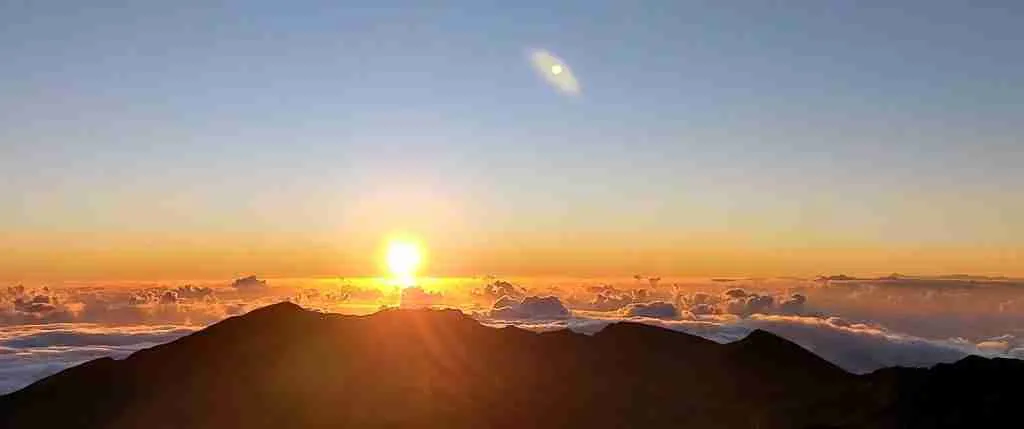
Witnessing sunrise from Haleakala’s 10,023-foot summit remains one of Hawaii’s most extraordinary experiences in 2026, worth the 2-3 AM wake-up call that guided tours require. The phenomenon that Mark Twain called “the sublimest spectacle” delivers temperatures in the 30s-40s Fahrenheit, above-cloud vantage points where the sun illuminates the massive crater floor, and visibility stretching to neighboring islands on clear mornings. Guided tours at $220-280 eliminate the stress of advance park reservations, dangerous pre-dawn driving on switchback roads, and cold summit conditions by providing transportation, warm jackets, breakfast, and expert interpretation of the volcano’s geology and Hawaiian cultural significance.
Can you visit Lanai as a day trip from Maui in 2026?
Lanai functions perfectly as a day trip from Maui in 2026 via the Expeditions ferry, which departs Maalaea Harbor three times daily for the 70-minute crossing at $60 round trip per person. The ferry delivers access to this minimally developed island where Larry Ellison owns 98% of the land, creating a preserved old Hawaii atmosphere with just 3,000 residents, two Four Seasons resorts, unpaved roads leading to otherworldly locations like Garden of the Gods, and Hulopoe Bay’s marine sanctuary rated among Hawaii’s best beaches. Day-trippers should arrange transportation in advance—either jeep rentals for independent exploration or guided tours—since Lanai’s compact town center and dispersed attractions require wheels to maximize the 6-8 hours available between ferry departures.
Extended multi-day tours – 5+ days
Featured Hawaii Multi-Day Tour Packages
3 days
Hawaii 3-Day Discovery Tour
- ✓ Comprehensive Hawaii experience
- ✓ Expert local guides included
- ✓ All accommodation included
- ✓ Transportation provided
5 days
Hawaii 5-Day Highlights Experience
- ✓ Comprehensive Hawaii experience
- ✓ Expert local guides included
- ✓ All accommodation included
- ✓ Transportation provided
7 days
Hawaii 7-Day Cultural Journey
- ✓ Comprehensive Hawaii experience
- ✓ Expert local guides included
- ✓ All accommodation included
- ✓ Transportation provided
10 days
Hawaii 10-Day Complete Adventure
- ✓ Comprehensive Hawaii experience
- ✓ Expert local guides included
- ✓ All accommodation included
- ✓ Transportation provided
Multi-day tour packages powered by TourRadar. Prices and availability subject to change.
Introduction: Maximizing Your Maui Day Trip Opportunities in 2026
Maui’s compact geography and well-developed tour infrastructure create exceptional day trip possibilities that showcase Hawaiian landscapes and experiences impossible to duplicate elsewhere in the archipelago. The island serves as both destination and launching point, offering excursions that range from navigating one of America’s most scenic coastal highways to snorkeling a submerged volcanic crater, ascending a 10,000-foot dormant volcano for sunrise, or ferrying to a neighboring island where time seems frozen in the 1970s.
The 2026 season brings refined tour operations, improved booking systems, and enhanced access to Maui’s signature experiences following infrastructure improvements from recent years. Tour operators have expanded small-group options, introduced more flexible scheduling, and invested in comfort upgrades ranging from luxury van fleets to enhanced onboard amenities. These improvements address longstanding visitor concerns about overcrowding at popular stops, uncomfortable transportation, and rigid itineraries that left little room for personal exploration within structured tours.
Planning day trips requires strategic thinking about timing, physical demands, and how excursions complement rather than compete with each other. The Road to Hana demands a full day and leaves participants exhausted from early departures and 10-12 hours of continuous activity. Haleakala sunrise tours require 2-3 AM wake-ups that impact the following day’s energy levels. Molokini snorkeling excursions consume morning hours when seas are calmest. Smart travelers distribute these intensive experiences across their stay rather than attempting back-to-back adventures that compound fatigue and reduce enjoyment of each individual excursion.
This guide provides comprehensive 2026 planning information for Maui’s premier day trips, covering logistics, realistic cost expectations, insider strategies for maximizing each experience, and honest assessments of what makes specific excursions worthwhile investments of limited vacation time. The focus remains on actionable intelligence—verified departure times, current pricing with seasonal variations, booking strategies that secure optimal dates, and practical considerations from what to pack to how weather impacts each experience. Whether you’re planning a first Maui visit or returning to explore new dimensions of the Valley Isle, understanding day trip options and how to execute them successfully ensures you invest your time and budget in experiences that deliver lasting memories rather than disappointment from poor planning or unrealistic expectations.
Road to Hana Day Trips 2026: Comprehensive Planning Guide
The Road to Hana represents Maui’s most famous drive and most demanding day trip, combining 52 miles of serpentine coastal highway, 600+ curves, 54 one-lane bridges, and dozens of waterfall and beach stops into an experience that consumes 10-12 hours from hotel departure to return. The route follows Maui’s northeastern coastline where mountains plunge directly into the Pacific, creating dramatic scenery that shifts from dry leeward slopes through bamboo forests and jungle waterfalls to black sand beaches and the remote town of Hana itself.
Guided tours eliminate the considerable stress of navigating this challenging route independently while adding value through expert knowledge, strategic timing, and access to locations difficult for independent drivers to identify or reach safely. Small-group tours in 2026 cost $210-250 per person and typically accommodate 6-12 passengers in comfortable Mercedes Sprinter vans or similar vehicles designed specifically for the winding road. These tours handle all logistics including hotel pickup, entrance fees to state parks, breakfast and lunch, and strategic stop selection that balances iconic locations with lesser-known gems the guide’s experience identifies as worthy additions.
Private Road to Hana tours offer maximum flexibility for families, photographers, and travelers who prefer controlling the pace and stop selection. Pricing for private tours starts around $1,500 for up to four passengers, working out to approximately $375 per person for a couple but becoming increasingly economical for groups of three or four who can share the base cost. Private tours allow lingering at favorite locations, skipping stops that hold less interest, and timing the day around personal preferences rather than group consensus.
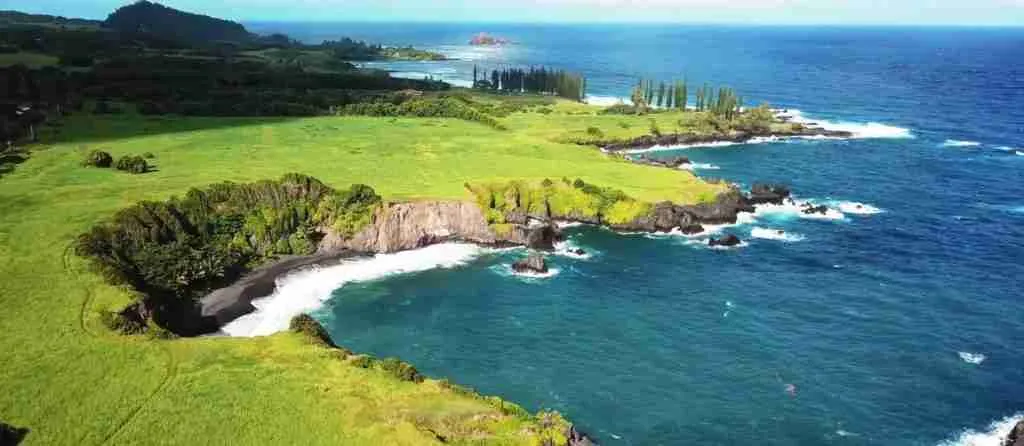
The standard Road to Hana experience focuses on the drive from Kahului to Hana and either turns around for the return journey or continues through the backside loop when road conditions permit. Key stops include Twin Falls for early morning waterfall swimming, Waikamoi Nature Trail’s bamboo forest, Garden of Eden’s botanical gardens and viewpoints, Keanae Peninsula’s dramatic lava rock coastline and banana bread stands, Waianapanapa State Park’s black sand beach and sea caves, and Hana town itself for lunch and exploration of this remote community.
The backside route past Hana—when open—adds considerably to the experience by eliminating backtracking and showcasing entirely different terrain including Oheo Gulch (Seven Sacred Pools), the Pipiwai Trail’s bamboo forest and 400-foot Waimoku Falls, and the rugged Kaupo Gap region where pavement gives way to gravel roads clinging to coastal cliffs. This full loop requires 12+ hours and depends on road conditions that change with weather and ongoing maintenance projects.
Road to Hana Tour Costs and Value Assessment 2026
Standard small-group Road to Hana tours in 2026 range from $210-250 per person for full-day experiences that include hotel pickup, breakfast, lunch, snacks, beverages, entrance fees, and expert narration throughout the journey. Companies like Hana and Beyond, Valley Isle Excursions, and Temptation Tours operate small vans holding 6-12 passengers, creating an intimate experience where questions are easily answered and the guide develops rapport with the group.
These guided tours deliver significant value compared to self-driving when you factor in stress reduction, safety, local knowledge, and time efficiency. Independent drivers spend considerable energy navigating narrow roads, identifying parking at popular stops, timing arrivals to avoid crowds, and missing hidden locations that lack clear signage. Guides know which waterfalls are safe for swimming based on recent rainfall, where to park without blocking local residents, and how to time stops to avoid the multiple tour buses that crowd popular locations during peak hours. The breakfast and lunch included in most tours eliminate the need to research food options along the route, where choices are limited and timing unpredictable.
Private Road to Hana tours cost $1,500-2,000 for groups of up to four passengers, with additional passengers typically adding $200-250 each. For couples, the math rarely favors private tours from a pure cost perspective—you’re paying $750-1,000 per person versus $210-250 for small-group tours. However, the flexibility to control pacing, skip stops that don’t interest you, linger at locations you find compelling, and avoid waiting for other tour members at each stop creates a fundamentally different experience that photographers, families with young children, and travelers seeking maximum control often find worth the premium.
Self-driving the Road to Hana costs approximately $100-150 for a family of four when factoring in rental car, gasoline, and food purchases along the route. This represents significant savings but assumes you have a rental car already included in your Maui budget, feel comfortable navigating challenging roads, and accept responsibility for route planning, timing, and stop selection without local expertise. Many visitors attempt self-driving and later express regret about the stress levels, missed opportunities, and exhaustion from maintaining concentration for 10+ hours of intensive driving.
Essential Road to Hana Planning Considerations 2026
Tours typically depart hotels between 6:30-7:30 AM depending on pickup location, with West Maui hotels requiring earlier departures than South Maui properties. Return times vary from 5:00-7:00 PM depending on the specific route, weather conditions, and whether the tour completes the full loop or turns around at Hana. Plan no activities for your return evening—most participants are thoroughly exhausted from the long day and early departure.
Motion sickness represents a genuine concern on the Road to Hana due to the constant curves and winding nature of the drive. Guides typically make frequent stops, but sensitive individuals should take preventive medication before departure, sit near the front of the vehicle where motion is less pronounced, and inform the guide if feeling unwell. Most tour companies provide motion sickness bags and understand this common challenge.
Restroom facilities along the Road to Hana are limited and often basic, with port-a-potties at popular stops and simple facilities at state parks. Guides know the available locations and time stops to provide bathroom breaks, but you should expect less comfortable facilities than typical tourist venues. The remote nature of the route means limited options between scheduled stops.
Weather significantly impacts the Road to Hana experience, particularly regarding waterfall flow and swimming conditions. Heavy rainfall in preceding days creates spectacular waterfall displays but may close swimming locations due to dangerous currents. Conversely, dry periods reduce waterfall volume but provide safer swimming conditions and clearer coastal visibility. Most tours operate regardless of weather, as conditions change rapidly along the route and rain is localized rather than island-wide.
Packing for the Road to Hana requires planning for multiple conditions: swimsuit and towel for waterfall and beach swimming, light rain jacket for passing showers, comfortable walking shoes with good traction for wet trails and lava rock, sunscreen and hat for exposed coastal sections, and camera with adequate memory for dozens of photo opportunities. Tour companies typically provide water and snacks, but bringing personal favorites ensures you have preferred options during the long day.
Molokini Crater Snorkeling Excursions 2026
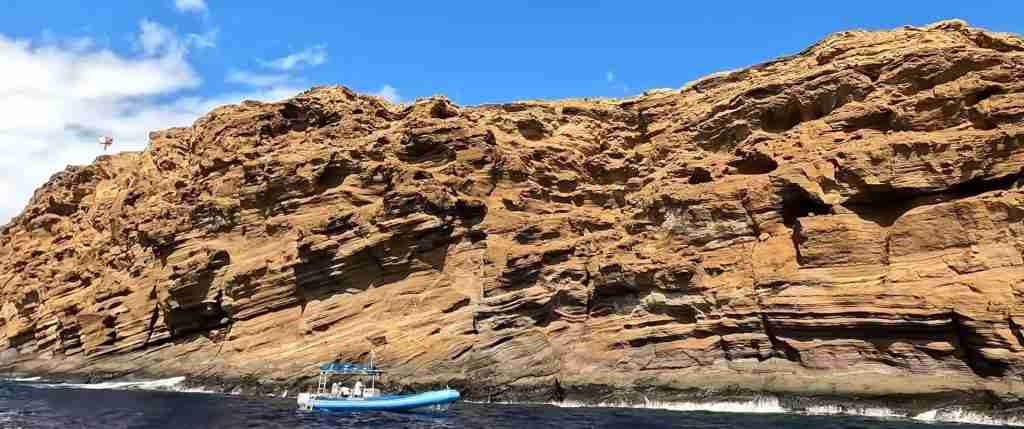
Molokini Crater ranks among Maui’s most distinctive natural features and premier snorkeling destinations, combining a submerged volcanic caldera three miles offshore with marine sanctuary protections that support exceptional fish populations and coral formations. The crescent-shaped crater rises from the ocean floor, creating a natural breakwater that calms interior waters and produces visibility often exceeding 150 feet when conditions are optimal.
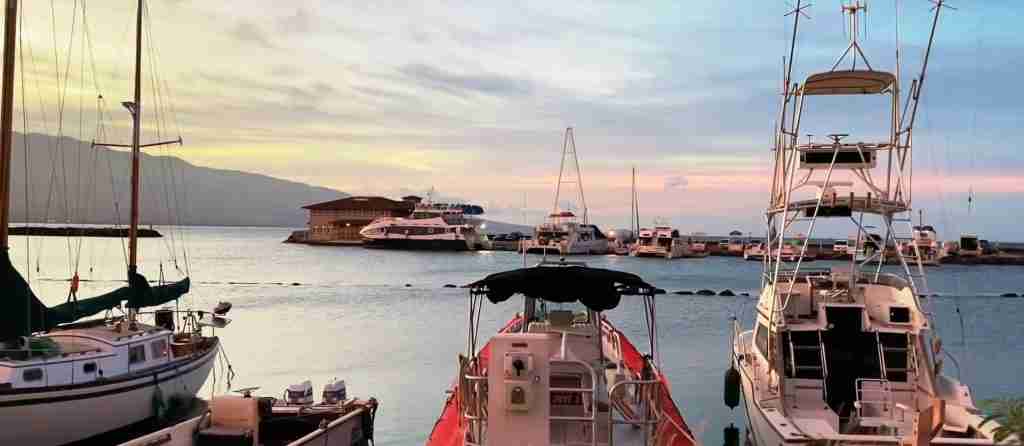
Half-day snorkel tours to Molokini depart primarily from Maalaea Harbor in central Maui, with morning trips offering the calmest seas and clearest visibility before afternoon trade winds typically increase wave action and reduce underwater clarity. Tour boats range from large catamarans carrying 75+ passengers to smaller vessels accommodating 15-30 guests, with pricing reflecting capacity, amenities, and service levels rather than the fundamental Molokini experience itself.
Standard catamaran tours in 2026 cost $170-200 per adult and typically include continental breakfast, BBQ lunch, open bar, premium snorkel equipment, flotation devices for nervous swimmers, snorkel instruction for beginners, and visits to two locations—Molokini Crater for the primary snorkel session plus a second stop at Turtle Town, Coral Gardens, or another south Maui reef where Hawaiian green sea turtles frequently appear. Tour duration runs 4.5-5.5 hours from check-in to return, with approximately 2 hours actual water time split between the two snorkel locations.
Luxury yacht experiences at $220-300+ per person reduce passenger counts to 15-30 guests maximum, upgrade food and beverage quality with chef-prepared meals and premium cocktails, provide additional space for relaxation between snorkel sessions, and often include extras like waterslides, underwater cameras, and more personalized service from crew members who can focus on smaller groups. These premium tours appeal to travelers seeking elevated comfort and service rather than fundamentally different underwater experiences, as the Molokini marine life and visibility remain consistent regardless of vessel.
Budget catamaran options starting around $130-140 per adult reduce included amenities—simpler continental breakfast rather than hot food, basic lunch rather than BBQ plates, fewer alcoholic beverage options—while delivering the same Molokini access and snorkel time. These value tours work well for budget-conscious travelers or those who prioritize water time over onboard comfort and dining quality.
Molokini Marine Life and Snorkeling Conditions 2026
Molokini Crater’s protected marine sanctuary status supports populations of 250+ tropical fish species and extensive coral formations that benefit from minimal human disturbance compared to shore-accessible reefs. Common sightings include schools of yellow tang, butterflyfish, parrotfish, triggerfish, Moorish idols, and wrasses, with occasional appearances by moray eels, octopus, manta rays, and small reef sharks. The crater’s interior waters remain calm even when surrounding ocean conditions are choppy, making Molokini accessible and comfortable for beginning snorkelers who might struggle in more exposed locations.
Water temperature at Molokini ranges from 75-80 degrees Fahrenheit year-round, comfortable for most snorkelers without wetsuits though vessels typically provide thin rash guards or wetsuits for those who feel cold easily. Visibility varies from 80-180 feet depending on weather, ocean conditions, and recent plankton blooms, with morning departures generally experiencing the clearest conditions before afternoon winds stir surface waters.
The second snorkel stop varies by tour operator and conditions, but commonly includes Turtle Town—a coastal reef area where Hawaiian green sea turtles congregate to feed on algae and rest—or Coral Gardens, an extensive reef system with diverse coral formations and abundant fish populations. These secondary locations typically offer shallower water than Molokini’s crater walls, making them accessible for less confident swimmers while providing different marine environments that showcase reef ecosystems distinct from the crater’s unique geological setting.
Whale watching opportunities enhance Molokini tours from December through April when humpback whales migrate to Hawaiian waters for breeding and calving. Tour boats frequently encounter whales during the crossing between Maalaea Harbor and Molokini, with sightings of breaching, tail slapping, and surface activity common during peak whale season. While tours don’t stop for whale watching—federal regulations require maintaining distance—the transit periods often provide bonus wildlife viewing that adds dimension to the snorkeling-focused excursion.
Molokini Booking and Practical Considerations 2026
Advance reservations for Molokini tours are essential during peak travel periods (December-March, June-August) when popular departure times sell out weeks ahead. Booking 2-4 weeks before desired dates ensures preferred departure times and vessel selection, while last-minute availability during shoulder seasons (April-May, September-November) sometimes offers discounts though selection becomes limited.
Morning departures between 6:30-8:00 AM provide optimal conditions—calmest seas, best visibility, fewer boats at the crater, and completion before afternoon fatigue sets in. Most tours return to harbor by noon or 1:00 PM, leaving afternoon free for other activities or recovery from the early morning wake-up. Afternoon tours exist but typically encounter rougher seas, reduced visibility, and more crowded conditions at Molokini where multiple tour boats converge.
Seasickness affects some participants despite Molokini tours operating in relatively protected waters. Taking preventive medication an hour before departure, eating light breakfast, staying on deck in fresh air, and focusing on the horizon rather than reading or looking down helps minimize symptoms. Tour operators provide motion sickness bags and crew members trained to assist affected passengers, but prevention is more effective than treatment once symptoms begin.
Maalaea Harbor parking costs approximately $1-2 per hour paid via QR code smartphone systems, with 4-5 hour tours requiring $5-10 parking fees additional to tour costs. Arriving 30 minutes before check-in time ensures adequate parking and prevents missing departure due to congestion during busy morning periods when multiple tours depart simultaneously.
What to bring includes reef-safe sunscreen (required by Hawaiian law and enforced by tour operators), towel for drying after snorkeling, light cover-up for sun protection between snorkel sessions, camera or smartphone in waterproof case for capturing underwater encounters, and cash for tipping crew members who typically receive $5-10 per passenger as standard gratuity. Most tour boats provide prescription snorkel masks for guests requiring vision correction, but contact lens wearers should verify availability in advance.
Haleakala National Park Sunrise Tours 2026
Witnessing sunrise from Haleakala’s 10,023-foot summit represents one of Hawaii’s most spectacular natural phenomena, combining the dramatic moment when the sun emerges above a sea of clouds with the otherworldly volcanic landscape of this massive dormant crater. The experience that inspired Mark Twain’s famous “sublimest spectacle” description requires pre-dawn departure, cold summit temperatures, and advance planning that guided tours simplify while adding cultural and geological context impossible to absorb through independent visits.
Haleakala sunrise tours in 2026 cost $220-280 per adult and eliminate the considerable challenges of independent summit visits: securing advance sunrise reservations through the National Park Service’s competitive online system, navigating 38 miles of steep switchback roads in darkness, departing hotels at 2-3 AM to reach the summit before dawn, and enduring summit temperatures in the 30s-40s Fahrenheit without proper cold-weather gear. Tour operators handle all logistics including hotel pickup, park reservations, warm jacket provision, breakfast after sunrise, and expert narration throughout the experience.
Tour schedules vary slightly with sunrise times, which range from approximately 5:45 AM in winter to 6:30 AM in summer. Hotel pickups typically occur 2.5-3.5 hours before sunrise depending on accommodation location, with West Maui hotels requiring earlier departure than South or Central Maui properties due to longer drive times. The ascent from sea level to summit takes 75-90 minutes, climbing through multiple climate zones from tropical coastline through ranchland and into alpine desert conditions at the summit.
The sunrise viewing experience at Haleakala spans approximately 45 minutes from pre-dawn arrival through sunrise itself and immediate post-sunrise photography before departing the summit. Temperatures regularly reach 35-45 degrees Fahrenheit with wind chill making conditions feel colder, and the high altitude affects some visitors with shortness of breath or lightheadedness that typically resolves quickly. Tour operators provide warm jackets, but guests should wear layers including long pants, closed-toe shoes, and bring gloves and hats for maximum comfort during the cold summit wait.
Haleakala Summit Experience and Post-Sunrise Activities 2026
The summit visitor center area provides multiple viewing platforms where tour groups position themselves for optimal sunrise vantage points. Arriving 30-45 minutes before sunrise allows time to claim positions, set up cameras, and acclimatize to the altitude and cold before the main event. The pre-dawn period showcases remarkable star visibility at this high-altitude location where light pollution is minimal and atmospheric clarity exceptional.
Sunrise itself unfolds gradually, with the sky transitioning through shades of purple, orange, and red before the sun emerges above the cloud layer that typically forms at 6,000-8,000 feet elevation. The crater floor far below remains in shadow initially, with light slowly illuminating the vast volcanic landscape as the sun climbs higher. The entire experience, from darkness through full daylight, creates a progression that reveals the crater’s scale and geological features in stages impossible to appreciate in single moments.
Post-sunrise activities vary by tour operator but typically include stops at the Haleakala Visitor Center for exhibits on the volcano’s formation and ecology, the Kalahaku Overlook for additional crater views and silversword plant viewing, and sometimes the Park Headquarters area lower on the mountain where native plant species thrive in more sheltered conditions. These stops add geological and botanical context to the sunrise spectacle, explaining the volcanic processes that created this massive shield volcano and the unique adaptations required for plants and animals to survive in this harsh high-altitude environment.
Breakfast locations also vary by tour company, with some providing continental breakfast at the summit immediately after sunrise, others stopping at the Kula Lodge or similar upcountry restaurants for hot meals, and some including breakfast at the Maui Tropical Plantation near the tour’s conclusion. Hot breakfast after the cold summit experience represents a welcome comfort that tour participants consistently highlight in reviews, making meal quality and warmth a practical consideration when comparing tour options.
The descent from Haleakala typically includes brief stops in upcountry Maui towns like Kula and Makawao, showcasing the ranching and farming communities that thrive on the mountain’s slopes at mid-elevations where moderate temperatures and adequate rainfall support agriculture. These towns offer art galleries, local shops, and glimpses into Maui’s rural lifestyle distinct from the resort areas where most visitors stay.
Haleakala Tour Booking and Planning Considerations 2026
Advance booking is essential for Haleakala sunrise tours during peak travel periods, with popular dates selling out 2-4 weeks ahead. Tour operators secure sunrise reservation slots with the National Park Service, which limits total summit visitors during the 3 AM-7 AM period to prevent overcrowding and preserve the experience quality. Booking early ensures preferred dates and provides time to arrange flexible schedules around the demanding early morning departure.
The extreme early wake-up affects not only the tour day but typically the following day as well, with most participants experiencing fatigue from the 2-3 AM alarm and inability to nap effectively before the tour departs. Planning no demanding activities for the day following your Haleakala tour allows recovery time and prevents compounding exhaustion from consecutive intensive experiences.
Weather at Haleakala’s summit varies independently from coastal conditions, with the mountain creating its own microclimate where clear skies at the beach don’t guarantee cloud-free summit views. Tour operators proceed with excursions regardless of summit weather, as conditions change rapidly and some of the most dramatic sunrise experiences occur when clouds form below the summit, creating a “sea of clouds” effect. Refund policies typically cover tour cancellations initiated by operators due to dangerous conditions but not poor visibility or clouds that don’t prevent safe summit access.
Altitude sensitivity affects some visitors at the 10,023-foot summit, particularly those with respiratory conditions, heart conditions, or who recently engaged in scuba diving (24-hour waiting period required after diving before ascending to high altitude). Symptoms of altitude sickness include headache, shortness of breath, lightheadedness, and nausea, though the relatively brief time at summit elevation minimizes serious complications for most healthy individuals. Staying hydrated, avoiding alcohol the night before, and moving slowly at the summit helps prevent or minimize altitude effects.
Photography at Haleakala sunrise requires preparation for low-light conditions, rapidly changing light levels, and cold temperatures that drain camera batteries quickly. Bringing extra batteries, arriving with camera settings pre-configured, and using tripods for longer exposures during pre-dawn periods ensures capturing the experience effectively. The summit’s spectacular vistas and unique volcanic landscape provide countless photo opportunities beyond the sunrise moment itself.
Lanai Island Day Trips from Maui 2026
Lanai represents Hawaii’s most dramatic contrast to Maui’s developed resort areas, offering an authentic old Hawaii experience where 3,000 residents inhabit an island where 98% of land remains under single ownership (Oracle founder Larry Ellison’s), creating a preserved environment where time seems suspended in previous decades. The Expeditions ferry provides reliable access from Maui, operating three daily round-trips at $60 per person that deliver visitors to Manele Harbor for 6-8 hours of exploration before required return crossings.
The ferry journey itself provides bonus experiences, particularly from December through April when humpback whales frequent the Auau Channel between Maui and Lanai. The 70-minute crossing offers spectacular coastal views of both islands, dolphin sightings, and during whale season, frequent encounters with breaching whales, mothers with calves, and competitive male pods. The upper open-air deck provides optimal viewing, though indoor air-conditioned seating offers comfort for those prone to seasickness or seeking protection from wind and sun.
Lanai’s attractions require transportation, as the harbor sits several miles from Lanai City and primary destinations are scattered across the island’s 141 square miles. Most day-trippers either arrange jeep rentals (4WD essential for accessing Lanai’s signature destinations like Garden of the Gods), book guided tours that provide transportation and narration, or combine ferry tickets with tour packages that bundle transfers, meals, and island exploration into comprehensive experiences.
Lanai Transportation and Exploration Options 2026
Jeep rentals on Lanai start around $150-200 per day for 4WD vehicles necessary to access unpaved roads leading to the island’s most spectacular locations. The rental process requires advance reservations, as Lanai’s limited vehicle fleet sells out during busy periods, and pickup occurs at Lanai City rather than the harbor, necessitating either arranged shuttle service or taxi from Manele Harbor to town. Independent jeep exploration provides maximum flexibility for adventurous travelers comfortable navigating unmarked dirt roads, but requires research regarding routes, driving times, and site locations since GPS coverage is spotty and road signage minimal.
Guided Lanai tours eliminate navigation challenges while providing expert interpretation of the island’s history, ecology, and unique status as Hawaii’s most privately-controlled major island. Full-day guided tours typically cost $150-200 per person including round-trip ferry tickets from Maui, ground transportation on Lanai, lunch, and stops at signature locations including Garden of the Gods, Shipwreck Beach, and Hulopoe Bay. These tours work well for visitors seeking hassle-free exploration and local expertise about locations that lack formal visitor infrastructure or interpretive signage.
Hulopoe Bay near Manele Harbor represents Lanai’s most accessible attraction, featuring a marine sanctuary beach within walking distance (1.5 miles) of the ferry terminal. This crescent-shaped white sand beach offers excellent snorkeling along rocky points where tropical fish congregate, protected swimming conditions ideal for families, and amenities including restrooms, showers, and shaded areas for lunch breaks. Many day-trippers focus exclusively on Hulopoe Bay, swimming and snorkeling for several hours before catching afternoon ferry returns to Maui.
Garden of the Gods (Keahiakawelo) ranks as Lanai’s most photographed landscape, featuring an otherworldly rock garden where erosion has created dramatic red, orange, and purple formations resembling a Martian landscape. The site requires 4WD access via unpaved roads and offers no facilities, but the 30-minute drive from Lanai City delivers sunset and photography opportunities unlike anywhere else in Hawaii. Independent visitors should allocate 60-90 minutes for the round-trip journey plus photography time.
Shipwreck Beach along Lanai’s northern coast showcases the rusted hulk of a World War II-era tanker grounded on the reef, accessible via 4WD roads from Lanai City. The beach stretches for miles with virtually no development, offering solitude and beachcombing opportunities rare in modern Hawaii. Strong currents and rough surf make swimming inadvisable, but the landscape and historical shipwreck provide unique photo opportunities.
Lanai Day Trip Planning and Practical Considerations 2026
Ferry departure times from Maalaea Harbor typically occur at 6:45 AM, 9:15 AM, and 12:45 PM, with return departures from Lanai at 8:00 AM, 2:00 PM, and 4:30 PM. Most day-trippers take either the 6:45 AM departure with 4:30 PM return (9.5 hours on Lanai) or 9:15 AM departure with 4:30 PM return (6.5 hours). The shorter window requires efficient planning to experience multiple locations, while the longer option provides leisurely exploration but demands very early Maui departure from most accommodation areas.
Ferry tickets should be booked 1-2 weeks in advance during peak seasons to guarantee space on preferred crossings, as the vessel’s limited capacity sells out on popular days. Same-day ferry tickets sometimes become available for shoulder season travel, but advance booking eliminates uncertainty and allows coordinating Lanai-side transportation and activities with confirmed crossing times.
Food options on Lanai are limited to Lanai City’s handful of restaurants including the Blue Ginger Café for local plate lunches and the Lanai Coffee shop for breakfast items, plus the Four Seasons resorts’ restaurants that accept outside guests but require reservations and formal dress codes. Many day-trippers pack lunches or purchase food at Maui’s Maalaea Harbor area before ferry departure, as dining options on Lanai don’t accommodate large numbers of day visitors without advance planning.
What to bring for Lanai day trips includes reef-safe sunscreen (no shade at most outdoor destinations), sturdy walking shoes for lava rock and dirt roads, swimsuit and towel for Hulopoe Bay, camera for Garden of the Gods and shipwreck photography, hat and sunglasses for sun protection in exposed areas, and plenty of water since convenience stores are limited to Lanai City. The island’s remote nature means services available on Maui simply don’t exist, requiring self-sufficiency for successful day visits.
Additional Maui Day Trip Options 2026
Beyond the signature Road to Hana, Molokini, Haleakala, and Lanai experiences, Maui offers numerous day trip possibilities that showcase different dimensions of the island’s natural beauty and cultural heritage. These alternatives provide excellent options for visitors with longer stays seeking variety or those whose schedules don’t accommodate the more intensive excursions.
Iao Valley State Park Exploration 2026
Iao Valley State Park in central Maui preserves a sacred Hawaiian site where the 1,200-foot Iao Needle rises dramatically from the valley floor, creating one of Hawaii’s most photographed natural landmarks. The park sits just minutes from Kahului Airport and Wailuku town, making it Maui’s most accessible natural attraction for travelers with limited time or seeking less demanding excursions. Entry costs $5 per car for non-Hawaii residents, with paved walking paths leading to viewing platforms overlooking the needle and valley.
The valley played a significant role in Hawaiian history as the site of the 1790 Battle of Kepaniwai where Kamehameha I defeated Maui forces during his campaign to unite the Hawaiian Islands. Interpretive signs explain the battle’s significance and the valley’s importance as a sacred gathering place in pre-contact Hawaiian culture. The park’s lush vegetation, stream-fed pools, and dramatic topography create a concentrated dose of Hawaiian scenery accessible in 1-2 hours, perfect for flight arrival or departure days when longer excursions aren’t feasible.
Combining Iao Valley with upcountry Maui exploration creates a half-day excursion showcasing Maui’s interior. The drive through Wailuku’s historic district, up through the Kula agricultural area where lavender farms and protea nurseries thrive, and past the Ali’i Kula Lavender Farm demonstrates the island’s elevation diversity and agricultural heritage. This route can be driven independently or as part of guided tours that contextualize the landscape transitions and farming history.
West Maui Coastal Exploration 2026
The northwestern coast beyond Kapalua Resort offers adventurous driving through remote terrain where paved road gives way to narrow, cliff-hugging track that eventually connects to the Road to Hana system. This route passes dramatic blowholes, secluded beaches, ancient Hawaiian villages, and coastal scenery rivaling the famous eastern highway without the crowds. The drive requires high clearance vehicles, comfort with narrow roads where passing is challenging, and realistic timeframes since the route can’t be rushed.
Notable stops along West Maui’s remote coast include Nakalele Blowhole where waves force water through lava tube openings creating spectacular geysers, Kahakuloa village where traditional Hawaiian lifestyle persists in one of Maui’s last undeveloped coastal communities, and numerous black sand and boulder beaches accessible via short hikes from roadside parking. The route demands 4-5 hours minimum for safe navigation without feeling rushed, with early morning departures recommended to complete the journey before afternoon winds intensify.
This excursion appeals to adventurous travelers comfortable with rugged conditions and uncertain road quality, as sections may require four-wheel drive after heavy rain and rental car companies typically prohibit this route in standard agreements. Independent research and honest assessment of driving skills and vehicle capabilities are essential before attempting this challenging but rewarding alternative to Maui’s more famous coastal drive.
Maui Upcountry Wine and Farm Tours 2026
Maui’s upcountry region between 1,500-4,000 feet elevation supports unique agricultural operations including Maui Wine (formerly Tedeschi Winery), lavender farms, protea nurseries, and working cattle ranches that showcase the island’s farming heritage and elevation-driven climate diversity. Guided agritourism tours visit multiple farms, providing tastings, educational presentations about Hawaiian agriculture, and meals featuring locally-grown ingredients.
Maui Wine sits on the historic Ulupalakua Ranch property, producing pineapple wines, estate-grown red and white varietals, and specialty fruit wines using tropical ingredients unavailable elsewhere. The tasting room offers samples of current releases, tour options that explain the winemaking process adapted to tropical conditions, and panoramic ocean views from the estate’s elevation at 2,000 feet. Entry to the tasting room is complimentary, with wine purchases and formal tastings available at additional cost.
Ali’i Kula Lavender Farm cultivates 55 varieties of lavender adapted to Maui’s upcountry conditions, creating a fragrant landscape perfect for photography and relaxation. The farm offers guided walking tours explaining lavender cultivation, processing for essential oils and culinary products, and Hawaiian medicinal plant traditions. The on-site café serves lavender-infused cuisine including lavender scones, lavender honey, and lavender lemonade, while the gift shop stocks farm-produced lavender products from soaps to essential oils.
Surfing Goat Dairy operates a working goat farm producing artisanal cheeses from a herd of dairy goats raised on upcountry pastures. Farm tours demonstrate cheese-making processes, provide tastings of award-winning cheeses, and offer opportunities to interact with friendly goats who serve as unofficial farm ambassadors. The casual tours last 45-60 minutes and cost approximately $25 per adult, making this an accessible and entertaining upcountry activity for families.
Maui Cultural and Historical Day Trips 2026
The Lahaina Historic District preserves Maui’s 19th-century whaling port heritage and Hawaiian royal history in a compact waterfront area walkable in 2-3 hours. The district includes the Baldwin Home Museum showcasing missionary life, Wo Hing Temple presenting Chinese immigrant history, the old Lahaina Courthouse with exhibits on Hawaiian culture and whaling, and the massive banyan tree planted in 1873 that now covers nearly an acre of Courthouse Square. Entry to most museums costs $5-10 per adult, with combination tickets available for multiple sites.
The Bailey House Museum in Wailuku occupies an 1833 missionary home filled with Hawaiian artifacts, traditional implements, and artwork documenting pre-contact and early post-contact Hawaiian culture. The museum’s collection includes rare koa wood furniture, ancient Hawaiian weapons, feather work, and paintings by Edward Bailey depicting 19th-century Hawaiian life. The small but significant collection provides cultural context often missing from beach-focused Maui visits.
Native Hawaiian cultural centers including the Maui Nui Botanical Gardens in Kahului preserve indigenous plants used in traditional Hawaiian culture for medicine, food, construction, and ceremony. Guided tours explain plant uses, cultivation techniques, and efforts to preserve endangered native species threatened by invasive plants and habitat loss. The gardens serve as living libraries of Hawaiian ethnobotany, demonstrating the sophisticated knowledge systems that sustained Hawaiian civilization for centuries before Western contact.
Planning Multiple Day Trips During Your Maui Stay 2026
Strategic scheduling of multiple day trips requires balancing physical demands, weather considerations, and practical logistics to avoid exhaustion that diminishes enjoyment of individual experiences. The most intensive excursions—Road to Hana, Haleakala sunrise, and full-day Lanai trips—should be spaced across your stay rather than attempted on consecutive days, with rest days or less demanding activities between major adventures.
A typical week-long Maui itinerary might structure day trips as follows: Day 1 arrival and beach relaxation, Day 2 Road to Hana tour, Day 3 recovery with pool time and sunset dinner cruise, Day 4 Molokini snorkel tour, Day 5 beach and shopping day, Day 6 Haleakala sunrise tour, Day 7 Lanai or Iao Valley exploration, Day 8 departure. This spacing provides full days for recovery between intensive experiences while maximizing exposure to Maui’s diverse attractions.
Weather patterns should influence scheduling decisions, as Maui’s microclimates create varying conditions across the island. Morning activities generally encounter calmer conditions before afternoon trade winds increase, making morning departures preferable for boat tours, snorkeling excursions, and activities sensitive to wind. The Road to Hana experiences better waterfall flow after rainy periods, while Haleakala sunrise tours benefit from clear weather that’s more common during summer months than winter’s occasional storm systems.
Budget considerations affect day trip selection, with the most expensive excursions—guided Road to Hana tours, Molokini snorkeling, and Haleakala sunrise experiences—totaling $600-700 per person if all three are booked. Travelers on tighter budgets might substitute independent driving for guided Hana tours, focus on shore snorkeling rather than boat excursions to Molokini, or drive to Haleakala for sunset rather than sunrise to avoid tour costs while still experiencing the summit. These budget alternatives deliver quality experiences but require more planning, independent navigation, and acceptance of reduced convenience compared to fully-guided options.
Age and fitness levels impact which day trips are realistic, particularly for families with young children or older travelers with mobility limitations. The Road to Hana’s long hours and frequent stops exhaust young children who can’t appreciate scenery and cultural context. Haleakala sunrise tours require cold tolerance and altitude tolerance that challenge some seniors. Molokini snorkeling demands comfort in open ocean conditions. Realistic assessment of participant capabilities prevents booking excursions that become ordeals rather than enjoyable experiences.
Day Trip Booking Strategies and Cost Management 2026
Advance planning delivers the best pricing and availability for Maui’s premier day trips, with booking 2-4 weeks before desired dates securing preferred departure times and sometimes capturing early bird discounts. Popular excursions—particularly Molokini snorkeling and Haleakala sunrise tours—sell out during peak travel periods (December-March, June-August), making advance reservations essential rather than optional for these signature experiences.
Booking directly with tour operators rather than through hotel concierges or activity desks typically saves 10-15% on tour costs, as direct bookings eliminate commissions paid to intermediaries. Most major tour companies offer online booking systems with immediate confirmation, secure payment processing, and flexible cancellation policies that protect against schedule changes or weather concerns. Direct booking also facilitates direct communication with operators regarding special requirements, pickup logistics, or questions about tour details.
Package deals bundling multiple activities sometimes deliver savings compared to booking excursions individually, though careful price comparison is essential since “packages” don’t always represent genuine discounts. Some tour operators offer combination tours that pair complementary experiences—Haleakala sunrise with Road to Hana driving tour, for example—at reduced total cost compared to booking each separately. These combinations work best when the paired activities align with traveler interests and timing works for overall trip schedules.
Shoulder season travel (April-May, September-November) typically offers better day trip availability and sometimes reduced pricing compared to peak winter and summer periods. Tours that sold out weeks in advance during December may have same-day availability in May, and operators occasionally offer promotions during slower periods to fill vessels and vehicles. The trade-off involves slightly higher probability of inclement weather during spring and fall compared to the more stable summer conditions, though Maui’s year-round pleasant climate makes seasonal weather differences less dramatic than many destinations.
Cancellation policies vary by operator but typically allow full refunds for cancellations made 24-48 hours before scheduled departures. Weather-related cancellations initiated by operators result in full refunds or rescheduling options, but travelers who choose to cancel due to unfavorable weather forecasts may forfeit deposits or pay cancellation fees depending on timing and specific operator policies. Trip insurance covering activity cancellations provides protection against forfeited costs when unexpected circumstances require canceling booked excursions.
Safety Considerations for Maui Day Trips 2026
Ocean-based excursions including Molokini snorkeling and whale watching tours require realistic assessment of swimming abilities and comfort in open water conditions. Tour operators provide flotation devices and snorkel instruction for beginners, but participants should possess basic swimming skills and comfort putting face in water to enjoy snorkeling experiences. Non-swimmers can participate by remaining on vessel decks while others snorkel, but this limits engagement with the primary activity and represents poor value for tour investment.
Seasickness affects many participants on boat tours despite relatively protected waters around Maui. Preventive medication taken before departure works more effectively than attempting treatment after symptoms begin. Choosing larger, more stable vessels over small boats or rafts reduces motion exposure. Sitting on lower decks near the vessel’s center minimizes motion effects. Eating light meals before departure and avoiding alcohol the night before helps prevent nausea. Most tour operators provide seasickness bags and trained crew to assist affected passengers.
Road safety on the Road to Hana demands full attention whether driving independently or riding in tour vehicles. The route’s 600+ curves, 54 one-lane bridges, narrow road width, and frequent pedestrian crossings require constant vigilance and conservative speeds. Independent drivers should pull over to allow faster traffic to pass, yield to oncoming vehicles at one-lane bridges (uphill traffic yields to downhill), and park completely off roadway at stops to avoid blocking traffic flow. Tour vehicles driven by professional guides who navigate this route daily provide significant safety advantages over independent navigation by unfamiliar drivers.
High altitude at Haleakala’s 10,023-foot summit affects many visitors with symptoms ranging from mild shortness of breath to more serious altitude sickness. Staying hydrated, avoiding alcohol before the tour, moving slowly at the summit, and being honest about pre-existing respiratory or cardiac conditions helps prevent complications. Tour guides monitor participants for altitude distress and can arrange early descent if problems develop. The relatively brief time at summit elevation (45-60 minutes) minimizes serious altitude issues for most healthy individuals.
Sun exposure represents an underestimated hazard during extended day trips, particularly on boat tours where ocean reflection intensifies UV exposure and Haleakala where thin atmosphere at high altitude provides less UV protection. Reef-safe sunscreen applied before departure and reapplied every 90 minutes protects skin while meeting Hawaiian environmental regulations. Wide-brimmed hats, long-sleeve rash guards for snorkeling, and UV-protective sunglasses prevent sunburn and long-term skin damage. Morning excursions experience less intense sun than afternoon activities, providing additional protection for fair-skinned individuals.
Seasonal Considerations for Maui Day Trips 2026
Whale watching season from December through April transforms ocean-based excursions into dual-purpose adventures combining primary activities—Molokini snorkeling, Lanai ferry crossings—with bonus whale encounters during transits. Humpback whales migrate to Hawaiian waters for breeding and calving, with peak populations typically occurring February through March. Whale sightings during this period are virtually guaranteed on boat tours, with breaching, tail slapping, and close surface activity common in the channels between islands. Whale song is sometimes audible underwater to snorkelers, adding acoustic dimension to visual encounters.
Summer months from May through September bring calmer ocean conditions, warmer water temperatures, and longer daylight hours that benefit outdoor excursions. Trade winds blow less consistently during summer, creating flatter seas for Molokini trips and reducing motion sickness issues. Water temperatures reach 78-80 degrees Fahrenheit, warm enough for extended snorkeling sessions without wetsuits. Sunrise occurs earlier during summer, making Haleakala sunrise tour hotel pickups slightly less punishing than winter’s pre-dawn departures.
Winter months from November through March bring occasional storm systems that impact visibility on the Road to Hana, create rougher ocean conditions for Molokini tours, and occasionally obscure Haleakala sunrise views with summit clouds. However, winter rainfall creates spectacular waterfall displays along the Road to Hana when water volume peaks, and cooler temperatures make hiking more comfortable than summer heat. Winter represents Maui’s peak tourism season with highest prices and most crowded conditions, requiring earlier advance bookings for popular tours.
Shoulder seasons in April-May and September-November offer optimal conditions combining summer’s calm seas with winter’s lush landscapes and fewer crowds than peak periods. Tour availability improves with less competition for reservations, and operators sometimes offer promotional pricing during these slower periods. Weather remains pleasant with minimal rain, water temperatures comfortable for snorkeling, and tour operations running full schedules without winter storm disruptions or summer holiday crowds.
What to Pack for Maui Day Trips 2026
Creating a comprehensive day trip packing list prevents discovering missing essentials when stores are unavailable and ensures comfort throughout long excursions. Most items are lightweight and portable, easily fitting in day packs or beach bags, but forgetting key items impacts experience quality significantly.
Reef-safe sunscreen is mandatory for all outdoor activities, required by Hawaiian law to protect coral reefs from chemical damage caused by traditional sunscreens. Approved formulas use mineral-based ingredients like zinc oxide or titanium dioxide rather than chemicals including oxybenzone and octinoxate. Most Maui retailers stock reef-safe options, but bringing preferred brands from home ensures adequate supply. Apply before departure and reapply every 90 minutes, particularly after swimming or towel drying.
Swimsuit and quick-dry towel enable participation in waterfall swims along the Road to Hana, beach stops on Lanai, and snorkeling at Molokini. Compact microfiber towels dry quickly and pack smaller than traditional beach towels while providing adequate coverage and absorption. Many tour operators provide towels for boat excursions, but Road to Hana tours and independent Lanai exploration require bringing your own.
Comfortable walking shoes with good traction suit multiple terrains from paved paths at Iao Valley to lava rock at Waianapanapa State Park. Closed-toe shoes work better than flip-flops for uneven surfaces, muddy trails, and situations requiring foot protection. Some travelers bring both reef shoes for water activities and hiking shoes for land exploration, changing as activities require.
Layered clothing adapts to temperature variations between sea level warmth and Haleakala’s cold summit, morning chill and midday heat, and air-conditioned tour vehicles versus outdoor stops. Light windbreaker or fleece jacket, long pants for Haleakala, and breathable fabrics that dry quickly when wet provide versatility across different environments encountered during varied day trips.
Camera or smartphone with adequate memory and fully charged batteries captures abundant photo opportunities throughout Maui day trips. Waterproof cases or housings enable underwater photography at Molokini or waterfall pools. Extra memory cards or phone storage prevent running out of space during photo-intensive experiences like the Road to Hana where countless scenes merit documentation.
Reusable water bottle reduces plastic waste while ensuring hydration throughout long excursions. Many tour operators provide water, but personal bottles guarantee access to preferred quantities and eliminate dependence on single-use plastic bottles. Insulated bottles keep water cold during hot outdoor activities.
Cash for tipping tour guides, crew members, and drivers follows Hawaiian service industry customs. Standard gratuity runs $5-10 per person for half-day tours, $10-20 for full-day excursions, split between multiple crew members on boat tours. Some tour costs include gratuities, but this isn’t universal—verify whether tips are included or expected separately.
Motion sickness medication for boat tours and windy drives prevents nausea that ruins experiences for susceptible individuals. Over-the-counter options like Dramamine or Bonine work best when taken 60 minutes before departure. Ginger candies, acupressure wristbands, and focusing on horizon provide non-pharmaceutical alternatives or supplements to medication.
Prescription medications sufficient for tour duration plus extras in case of delays should be carried in original containers for identification purposes. Tour vehicles and boats lack pharmacy access, making self-sufficiency essential for managing ongoing medication regimens.
Frequently Asked Questions About Maui Day Trips 2026
How far in advance should I book Maui day trips for 2026?
Book premier Maui excursions including Molokini snorkeling, Haleakala sunrise tours, and guided Road to Hana experiences 2-4 weeks before desired dates to secure preferred departure times and avoid sold-out conditions during peak travel periods from December through March and June through August. Last-minute availability sometimes exists during shoulder seasons in April-May and September-November, but advance booking eliminates uncertainty and enables coordinating multiple activities around confirmed tour schedules. Lanai ferry tickets particularly require advance reservations during busy periods when the vessel’s limited capacity sells out quickly.
Can I do the Road to Hana and Haleakala sunrise on consecutive days in 2026?
Attempting the Road to Hana and Haleakala sunrise on consecutive days is physically possible but generally inadvisable due to cumulative fatigue from back-to-back intensive experiences. The Road to Hana requires 10-12 hours with early morning hotel departure, leaving participants exhausted by evening. Haleakala sunrise tours demand 2-3 AM wake-ups that compound existing fatigue when scheduled the following morning. Most travelers report diminished enjoyment of the second experience when booked consecutively, with better results achieved by spacing major excursions across the trip with rest days between intensive activities. If schedule constraints necessitate consecutive booking, do Haleakala first when you’re fresh, followed by Road to Hana rather than the reverse.
What happens if weather cancels my Maui day trip in 2026?
Tour operators cancel excursions when weather creates unsafe conditions, providing full refunds or rescheduling options for affected bookings. Molokini boat tours may cancel due to high surf or strong winds that make ocean transit dangerous, Haleakala tours rarely cancel but occasionally encounter summit clouds that obscure sunrise views without triggering refunds since access remains safe, and Road to Hana tours proceed in light rain but may alter routes if flash flooding closes sections of highway. Travelers who proactively cancel due to weather concerns rather than waiting for operator cancellation typically forfeit deposits or pay cancellation fees depending on timing and specific company policies. Travel insurance covering activity cancellations protects against forfeited costs when circumstances require canceling booked excursions.
Are Maui day trips suitable for young children in 2026?
Maui day trip suitability for young children varies dramatically by specific activity and child temperament. Molokini snorkel tours work well for water-comfortable children ages 5+ who can swim and use snorkel equipment, with many boats providing flotation vests and shallow areas where nervous swimmers gain confidence. The Road to Hana exhausts young children who can’t appreciate scenery and cultural context, with the 10-12 hour duration, frequent stops, and winding roads creating difficult conditions for restless kids—most tour operators set minimum ages of 5-8 years. Haleakala sunrise tours challenge children with extreme early wake-ups, cold summit conditions, and high altitude that affects some kids with headaches or nausea. Lanai day trips function well for school-age children interested in beach time at Hulopoe Bay but become tedious for kids expecting constant entertainment. Honest assessment of individual children’s patience, physical capabilities, and interests determines which excursions represent good family investments versus exercises in frustration management.
Should I rent a car or book tours for Maui day trips in 2026?
The rental car versus tour decision depends on priorities including budget, comfort with independent navigation, desire for flexibility, and value placed on expert narration. Rental cars cost $400-600 weekly in 2026 for standard vehicles, enabling independent exploration of routes like the Road to Hana, Haleakala (sunrise requires separate advance park reservations), and Iao Valley at personal paces without group schedules. Tours cost $210-280 per person for major excursions but eliminate driving stress, provide local expertise, include meals and entrance fees, and allow all participants to enjoy scenery rather than focusing on navigation. Most travelers find hybrid approaches work best: rental car for flexible beach hopping and shopping while booking guided tours for intensive experiences like Road to Hana where expert guidance and not driving add significant value to the substantial time investment required.
What’s the best time of day for Molokini snorkeling in 2026?
Morning departures between 6:30-8:00 AM provide optimal Molokini snorkeling conditions with calmest seas before afternoon trade winds typically increase wave action, clearest visibility before surface disturbance and plankton blooms reduce underwater clarity to 80-100 feet from morning’s 150+ feet, and fewer boats at the crater before mid-morning when multiple tours converge simultaneously. Morning tours also return to harbor by noon or 1:00 PM, leaving afternoon available for other activities or recovery from early wake-ups. Afternoon Molokini tours exist but generally encounter rougher seas, reduced visibility, more crowded crater conditions, and hotter surface conditions during return transits—worthwhile only when schedule constraints prevent morning departures or discounted afternoon pricing becomes available.
Can I visit both Haleakala and Iao Valley in one day in 2026?
Combining Haleakala and Iao Valley visits in a single day is logistically possible for afternoon Haleakala visits after morning Iao Valley exploration, as the sites sit on opposite sides of central Maui requiring 45-60 minutes drive time between them. However, Haleakala sunrise tours occupy morning hours that eliminate Iao Valley visits, and attempting both sunrise at Haleakala followed by Iao Valley creates exhausting schedules after 2-3 AM wake-ups. The better approach visits Iao Valley as a standalone half-day activity—excellent for arrival or departure days when full-day excursions don’t fit—while dedicating separate full days to Haleakala sunrise or sunset experiences that deserve undivided attention and energy.
How rough are Maui ocean conditions for day trips in 2026?
Maui ocean conditions vary seasonally and daily, with winter months from November through March experiencing more frequent storm systems that create choppy seas and higher surf, while summer months from May through September bring calmer conditions with flatter seas and reduced wind. Morning departures generally encounter calmer conditions than afternoon trips when trade winds increase wave action. The Auau Channel between Maui and Lanai can experience significant chop even on relatively calm days, while Molokini’s protected crater interior remains calm when surrounding waters are rough. Seasickness-prone individuals should take preventive medication before departure, choose morning over afternoon departures, select larger catamarans over small boats, and consider shoulder season travel in April-May or September-November when conditions moderate between winter’s storms and summer’s occasional high surf events.
What’s included in typical Maui day trip prices for 2026?
Comprehensive Maui day trip pricing in 2026 typically includes transportation from hotels via pickup service, entrance fees to parks and attractions, meals appropriate to tour timing—breakfast and lunch for full-day excursions, breakfast or lunch for half-day tours, professional guide services throughout the experience, and necessary equipment like snorkel gear for Molokini tours or warm jackets for Haleakala sunrise. What’s not included are gratuities for guides and crew ($5-20 per person depending on tour duration), personal shopping at stops along routes, alcohol upgrades beyond included open bar on boat tours, optional activity additions like scuba diving at Molokini, and parking fees at ferry terminals or park facilities. Verify specific inclusions before booking since some budget operators reduce costs by eliminating meals, hotel pickup, or other components that full-service tours include as standard.
Can I see whales during Maui day trips in 2026?
Humpback whale sightings are virtually guaranteed on ocean-based Maui day trips from December through April when 10,000+ whales migrate to Hawaiian waters for breeding and calving, with peak populations typically occurring February through March. Molokini snorkel tours, Lanai ferry crossings, and coastal boat excursions regularly encounter whales during transits between harbors and destinations, with breaching, tail slapping, blow spouts, and mothers with calves commonly visible from vessel decks. While boats can’t approach whales beyond federal protection distances, whales frequently approach vessels out of curiosity, sometimes surfacing within 50-100 feet for spectacular close viewing. Summer months from May through November have no whale presence as populations return to Alaska feeding grounds, making whale watching impossible during this period regardless of tour quality or operator expertise.