
Maui Best Tours & Walking Routes 2026: Complete Travel Guide
Maui combines world-class guided experiences with exceptional self-guided hiking opportunities, offering everything from helicopter flights over hidden waterfalls to rainforest trails through bamboo forests. This guide delivers verified 2026 pricing, detailed tour comparisons across all major operators, and complete trail descriptions for Maui’s most rewarding walking routes including Pipiwai Trail, Haleakalā crater hikes, and coastal paths.
Key Takeaways: Maui Tours & Walking Routes 2026
- Helicopter Tours Cost $250-310 for 45-Minute Flights: Standard West Maui and Molokai tours from Air Maui and Blue Hawaiian range $250-310 per person including fuel surcharges, while premium tours with rainforest landings reach $400-500, offering aerial access to waterfalls and sea cliffs visible only from the air
- Road to Hana Guided Tours Range $220-300 Per Person: Small-group tours (6-14 passengers) with Mercedes vans include breakfast, lunch, waterfall stops, and expert driving through 600+ curves for $220-300, while private tours for custom pacing cost approximately $2,700 per van
- Molokini Snorkeling Tours Cost $150-190 for Morning Departures: Standard 5-hour catamaran tours to Molokini Crater and Turtle Town include breakfast, BBQ lunch, snorkel gear, and open bar for $150-190 per adult, with morning departures offering calmer water conditions and better visibility
- Self-Guided Hiking Remains Free with $30 Park Access: Maui’s best trails including Pipiwai Trail (4 miles through bamboo forest to Waimoku Falls), Sliding Sands Trail into Haleakalā crater, and coastal paths require only the $30 Haleakalā National Park vehicle fee valid for 3 days at both park districts
- Whale Watching Season Runs December Through April 2026: Peak viewing occurs February through March with guaranteed sighting tours costing $110-135 for 2-hour departures and premium sunset whale-watch cruises with dinner ranging $150-190, all featuring marine naturalist narration and hydrophone whale song listening
- Book Signature Tours 30-60 Days Advance for Best Availability: Haleakalā sunrise tours, small-group Road to Hana departures, and helicopter flights sell out weeks ahead during peak travel months (June-August, December-January), while walk-up hiking trail access remains available year-round with early morning starts recommended for parking and temperature
People Also Ask About Maui Tours and Walking Routes 2026
What Are the Must-Do Tours in Maui for First-Time Visitors in 2026?
First-time Maui visitors should prioritize one major land tour and one ocean experience for a balanced itinerary. The Road to Hana guided tour ($220-300 for small groups) ranks as the signature land experience, delivering rainforest waterfalls, black sand beaches, and expert navigation through the 64-mile coastal highway’s challenging curves. Molokini Crater snorkeling ($150-190) provides the essential ocean day, combining a volcanic crater preserve with 250+ tropical fish species and Hawaiian green sea turtle encounters at Turtle Town.
Haleakalā sunrise tours ($220-300) offer the iconic above-the-clouds dawn experience at 10,023 feet, though this requires a 2-3 AM pickup and advance reservations. Helicopter tours ($250-310 for 45 minutes) showcase Maui’s otherwise inaccessible terrain including the 3,000-foot Molokai sea cliffs and West Maui Mountains’ hidden waterfalls, though budget-conscious travelers can allocate these funds toward multiple ground experiences. If visiting December through April 2026, add a whale-watching tour ($110-135) to witness humpback whales during peak migration season.
How Much Should I Budget for Maui Tours in 2026?
A balanced 5-7 day Maui visit typically includes 3-4 major paid tours totaling $600-900 per person. Standard allocation breaks down as one signature land tour ($220-300 for Road to Hana or Haleakalā), one ocean experience ($150-190 for Molokini snorkeling), and one optional premium activity such as a helicopter tour ($250-310) or evening cultural experience. Couples planning Road to Hana ($550-600 for two), Molokini snorkeling ($340-380 for two), and a sunset dinner cruise ($280-340 for two) should budget approximately $1,200-1,300 combined for three major tours.
Self-guided hiking reduces daily activity costs significantly, requiring only the $30 Haleakalā National Park vehicle fee valid for 3 days across both the summit and Kipahulu districts. Budget-conscious travelers can experience Maui’s finest landscapes through Pipiwai Trail, Sliding Sands Trail, and coastal paths for less than $10 per person daily when combined with beach time and scenic drives. Premium travelers adding helicopter tours with rainforest landings ($400-500), private Road to Hana charters ($2,700 per van), and luxury snorkel yachts ($200-250) should budget $1,000-1,500 per person for 3-4 signature experiences.
Which Maui Walking Trails Are Best for Families with Children in 2026?
Pipiwai Trail ranks as Maui’s most family-friendly moderate hike, offering a 4-mile round-trip journey through Haleakalā National Park’s Kipahulu District with giant banyan trees, a magical bamboo forest boardwalk, and Waimoku Falls as the grand finale. Children aged 6 and older handle this well-maintained trail comfortably, with the bamboo forest section around mile 1.5 providing the experience highlight as stalks creak and sway overhead. Families short on time can hike only to Makahiku Falls viewpoint at 0.5 miles for a representative taste requiring just 30 minutes round-trip.
Iao Valley Trail provides the easiest option for all ages with a 0.6-mile paved loop featuring 133 steps to viewing platforms overlooking the 1,200-foot Iao Needle green spire. This 20-30 minute walk requires reservations in 2026 ($10 parking plus $5 per person entry) but eliminates hiking difficulty while delivering rainforest scenery and Hawaiian history. Kapalua Coastal Trail offers 2.5 miles of relatively flat oceanfront walking along dramatic cliffs connecting Fleming Beach to Oneloa Beach, suitable for strollers and young children while providing whale-watching opportunities December through April.
Do I Need to Book Maui Tours in Advance or Can I Book on Arrival in 2026?
Book signature Maui tours 30-60 days in advance during peak travel seasons (June through August and December through January) when small-group Road to Hana tours, Haleakalā sunrise experiences, and helicopter flights sell out weeks ahead. Molokini snorkeling tours typically maintain availability within 7-14 days of desired dates except during peak holiday weeks when morning departures fill earliest due to optimal water conditions. Private tour operators for Road to Hana and custom experiences require 7-14 day advance booking minimums, particularly for groups of 5 or more travelers.
Shoulder season visitors (April-May and September-November 2026) find better last-minute availability across most tour categories, with many operators offering same-week or even next-day bookings outside holiday periods. Walk-up tour purchases remain possible but eliminate choice in departure times, seating preferences, and small-group options that book earliest. Self-guided hiking requires no advance booking beyond Haleakalā sunrise reservations ($1 per vehicle, booked 60 days ahead) if entering the summit district between 3 AM and 7 AM, while all other trail access remains first-come parking availability.
Extended multi-day tours – 5+ days
Featured Hawaii Multi-Day Tour Packages
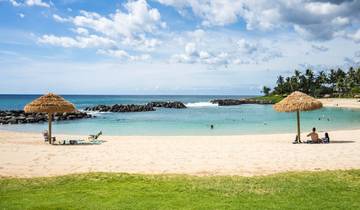
5 days
USA – Hawai: Tropical Dreams – 5 days
- ✓ Comprehensive Hawaii tour
- ✓ Expert local guides included
- ✓ All accommodation arranged
- ✓ Transportation provided

7 days
7 Day Hawaii Experience (Bilingual: Chinese, English)
- ✓ Comprehensive Hawaii tour
- ✓ Expert local guides included
- ✓ All accommodation arranged
- ✓ Transportation provided
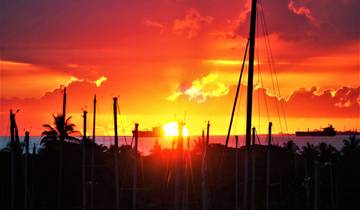
6 days
USA – Hawaii – Honolulu Oahu Island Adventure
- ✓ Comprehensive Hawaii tour
- ✓ Expert local guides included
- ✓ All accommodation arranged
- ✓ Transportation provided
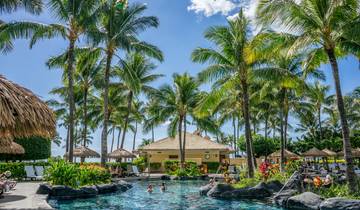
10 days
Hawaii with Oahu, Maui & the Big Island (Classic, With The Big Island)
- ✓ Comprehensive Hawaii tour
- ✓ Expert local guides included
- ✓ All accommodation arranged
- ✓ Transportation provided
Multi-day tour packages powered by TourRadar. Prices and availability subject to change.
Introduction: Maui’s Tour Landscape and Walking Opportunities in 2026
Maui delivers exceptional guided tour experiences alongside world-class self-guided hiking, creating a destination where every traveler finds their ideal balance between structured exploration and independent adventure. The island’s tour infrastructure spans helicopter flights revealing otherwise inaccessible waterfalls and sea cliffs, small-group van excursions navigating the legendary Road to Hana’s 600 curves, catamaran snorkel voyages to the volcanic Molokini Crater, and seasonal whale-watching departures during the December through April humpback migration. Meanwhile, Maui’s trail network provides free access to rainforest valleys, volcanic craters, and coastal paths that rival any paid experience for scenic impact.
The 2026 tour market centers on five signature categories: aerial tours showcasing Maui’s dramatic topography from above, land tours conquering the Road to Hana and Haleakalā summit with expert drivers, ocean experiences combining snorkeling with marine wildlife encounters, cultural evening programs including luaus and sunset cruises, and seasonal whale-watching departures timed to humpback whale presence. Pricing spans from budget-friendly group catamaran snorkeling around $150-190 to premium helicopter experiences with rainforest landings exceeding $400-500, while self-guided hiking remains Maui’s best value requiring only the $30 Haleakalā National Park entrance fee valid for three days.
Walking routes range from the easy 0.6-mile paved Iao Valley loop suitable for all ages to the strenuous 11-mile Sliding Sands Trail descending into Haleakalā’s otherworldly crater at 10,000 feet elevation. Pipiwai Trail through bamboo forest to Waimoku Falls represents the island’s most celebrated moderate hike, delivering 4 miles of lush jungle scenery that families with school-aged children handle comfortably. Coastal paths including Kapalua Coastal Trail and Hoapili Trail offer ocean-view walking without elevation gain, while West Maui Mountains trails like Waihee Ridge provide aerial valley perspectives for experienced hikers comfortable with steep ascents.
Tour booking windows vary significantly by category and season. Small-group Road to Hana tours, Haleakalā sunrise experiences requiring 3 AM park entry, and helicopter flights sell out 30-60 days ahead during summer and winter peak seasons, while Molokini snorkeling and whale-watching tours maintain better week-of availability except during holiday periods. Private tour operators for custom Road to Hana itineraries and luxury experiences require 7-14 day minimums particularly for groups exceeding four travelers. Self-guided hiking demands no reservations except for Haleakalā sunrise viewing between 3 AM and 7 AM, which requires $1 advance permits booked 60 days out and selling out within minutes of release.
This guide presents verified 2026 pricing across all major tour operators, detailed descriptions of tour inclusions and experiences, comparative analysis helping travelers select the best fit for their interests and budget, complete trail specifications including distance and difficulty, and strategic booking recommendations maximizing availability and value. Content is organized by tour category and trail region, allowing quick reference for planning and on-island decision-making. All pricing includes standard fees and surcharges unless noted, with additional costs like SNUBA upgrades, wetsuit rentals, and optional gratuities identified separately.
Helicopter Tours Maui 2026: Aerial Perspectives and Pricing
Helicopter tours provide access to over 80 percent of Maui’s landscapes unreachable by road, revealing hidden waterfalls, knife-edge ridges, and sea cliffs that define the island’s most dramatic topography. Standard 45-minute flights over West Maui Mountains and Molokai’s north shore cost $250-310 per person with fuel surcharges included in this range (check official operator sites for current rates as pricing may vary). These tours depart from Kahului Airport heliport, offering narrated flights over Iao Valley, cascading waterfalls accessible only from the air, and Molokai’s 3,000-foot sea cliffs ranking among Earth’s tallest coastal formations.
Standard West Maui and Molokai Tours ($250-310 per Person)
Air Maui’s 45-minute West Maui and Molokai tour represents the value benchmark, priced at $250 base rate plus $60 fuel surcharge totaling approximately $310 after taxes. This route crosses the Pailolo Channel to Molokai’s remote north shore, flying over the isolated Kalaupapa peninsula where Father Damien’s leper colony operated 1866-1969, then returns via West Maui coastline including Kaanapali Beach. Blue Hawaiian Helicopters operates similar 45-minute West Maui and Molokai routes using Eco-Star aircraft featuring stadium-style seating and oversized windows, pricing slightly higher but offering the industry’s newest helicopter technology.
Doors-off flight options add $30-50 to standard pricing while providing unobstructed photography angles and heightened sensory immersion. Morning departures (8-10 AM) deliver the clearest weather conditions particularly for Haleakalā crater views, as afternoon trade winds increase turbulence and cloud cover. Passenger weight limits apply universally across operators, with combined passenger weight distributions affecting seating assignments determined at check-in rather than during booking. All tours include safety briefings, noise-canceling headsets with two-way communication to pilots, and complimentary parking at departure facilities.
Extended Tours Including Hana Rainforest (55-75 Minutes, $330-450)
Fifty-five-minute tours add Haleakalā crater and Hana rainforest to the West Maui and Molokai circuit, pricing $330-380 depending on operator and aircraft type. Blue Hawaiian’s Hana and Haleakalā tour showcases the dormant volcano’s massive crater followed by East Maui’s lush coastline including waterfalls pouring directly into the Pacific. Maverick Helicopters operates a distinctive 75-minute Hana Rainforest Experience including a 30-minute landing in remote Hana valleys with champagne toast, priced $450-500 but offering the only helicopter tour featuring ground time in backcountry locations.
Circle-island tours lasting 60-75 minutes cover Maui’s complete perimeter including both volcanic mountains and all major coastal regions, priced $380-450 and representing the most comprehensive aerial overview possible in a single flight. These extended itineraries work best for visitors with limited time seeking maximum island perspective rather than ground-based exploration. Weight-per-seat restrictions become more significant on longer flights due to fuel load requirements, potentially affecting group seating arrangements when combined passenger weights approach limits.
Booking Strategy and Weather Considerations
Book helicopter tours 30-60 days in advance during peak travel seasons (June-August, December-January) when morning departure slots fill earliest due to optimal weather windows. Tours departing 8-10 AM encounter the calmest conditions before daily trade wind buildup, critical for Haleakalā crater flights where afternoon clouds obscure views. Weather cancellations occur more frequently November through March during Maui’s wetter months, with operators typically offering same-day rebooking or full refunds when conditions prevent safe flight.
Private charters accommodating 2-6 passengers cost $2,800-4,500 depending on route and duration, working best for groups seeking custom itineraries or photographers requiring specific lighting and angles. Pacific Helicopters operates exclusively private charters as of 2026, offering flexibility in route design but requiring full aircraft booking. Standard tours prohibit loose items including selfie sticks and large cameras bags during flight, with provided storage bags securing personal belongings during the experience.
Road to Hana Tours 2026: Guided Van Experiences and Pricing
Road to Hana guided tours eliminate the stress of navigating Hawaii’s most challenging coastal highway while maximizing waterfall stops, swimming opportunities, and cultural insights delivered by knowledgeable local guides. Small-group tours in Mercedes vans or luxury transit vehicles range $220-300 per person for full-day experiences including breakfast, lunch, and all major stops along the 64-mile route from Paia to Kipahulu. Private tours offering complete itinerary control and flexible timing cost approximately $2,700 per vehicle accommodating up to 8-11 passengers depending on van type.
Small-Group Van Tours ($220-300 Per Person, 8-14 Passengers)
Standard small-group departures limit capacity to 8-14 passengers in Mercedes Sprinter vans or similar luxury vehicles, ensuring comfortable seating and large windows for photography throughout the 10-12 hour journey. Tours typically include morning pickup from West Maui (Kaanapali, Lahaina) and South Maui (Kihei, Wailea) accommodations between 6-7 AM, arriving at early Road to Hana stops ahead of self-drive crowds. Continental breakfast and hot lunch (most commonly fresh-caught fish, kalua pork, or vegetarian options) are included in the base price along with bottled water and light refreshments.
Representative operators include Hana Tours of Maui operating small 8-passenger groups for enhanced intimacy, Mahalo Tours using Mercedes vans praised for comfortable seats and smooth ride quality, and Polynesian Adventure Tours serving slightly larger groups up to 14 passengers at competitive pricing. Stop selection varies by operator but commonly includes Twin Falls (weather and trail conditions permitting), Keanae Peninsula for ocean views and taro farms, Waianapanapa State Park’s black sand beach, Hana town, and Kipahulu’s Oheo Gulch. Swimming opportunities occur at appropriate waterfalls and pools when conditions allow safe access, determined by guides based on current water levels and weather.
Booking 30-45 days in advance during peak seasons (summer and winter holidays) ensures preferred departure dates and pickup locations. Tours cancel infrequently but may modify routes when heavy rain renders waterfalls unsafe or road sections impassable. Most operators maintain 48-72 hour cancellation policies for full refunds, with last-minute cancellations typically non-refundable unless operators can resell seats. Gratuities average $30-50 per person for exceptional guide service, calculated based on the full-day commitment and expertise provided.
Private Road to Hana Tours ($2,700-3,500 Per Vehicle)
Private tours accommodate 4-11 passengers depending on vehicle type, offering complete flexibility in stop selection, timing, and activity duration. Pricing averages $2,700 for standard full-day private tours in vehicles accommodating up to 8 passengers, with larger vans and extended itineraries reaching $3,500. Private formats work best for families with young children who need flexible bathroom breaks and meal timing, photographers seeking specific lighting conditions at key locations, or groups wanting to include less-visited waterfalls and swimming holes beyond standard tour stops.
Holo Holo Maui Tours operates convertible Bronco vehicles for parties of four or fewer, offering open-air experience when weather permits. Hawaii By Storm Tours provides private options with customizable route choices including half-Hana routes ending at Keanae (shorter 6-7 hour days), classic routes to Kipahulu, and full-circle routes continuing around Haleakalā’s backside on Highway 31. Full-circle options add approximately 90 minutes to total tour time while providing dramatically different landscape views across the volcanic mountain’s arid southern slopes.
Helicopter Return Combination Tours ($400-500 Upgrade)
Combination tours drive the Road to Hana one direction and return via helicopter, eliminating the repetitive 2-3 hour return drive while adding aerial perspectives of the route just traveled. This upgrade costs approximately $400-500 per person above standard van tour pricing, working out to $620-800 total per person. The helicopter segment typically lasts 30-45 minutes, departing from Hana area and flying the coastal route back to Kahului, weather permitting.
These combination experiences sell out fastest due to limited availability coordinating helicopter and van schedules. Book 45-60 days in advance for peak season dates, noting that helicopter segments may cancel due to weather while the van portion proceeds as scheduled. When helicopter weather prevents return flights, operators typically provide ground transportation back or full refund of the helicopter upgrade portion. This option suits travelers prioritizing time efficiency and willing to invest premium pricing for enhanced experience.
Molokini Crater Snorkeling Tours 2026: Catamaran Options and Pricing
Molokini Crater snorkeling tours rank among Maui’s most popular ocean experiences, combining a volcanic crater marine preserve hosting 250+ tropical fish species with secondary stops at Turtle Town or Coral Gardens for Hawaiian green sea turtle encounters. Morning catamaran departures from Maalaea Harbor range $150-190 per person for 5-hour tours including breakfast, BBQ lunch, snorkel gear, and open bar after water activities. These tours depart 6:30-7:30 AM to reach Molokini before larger crowds and afternoon wind buildup that reduces water clarity.
Standard Morning Catamaran Tours ($150-190, 5 Hours)
Pride of Maui operates the most spacious catamaran serving approximately 120 passengers on their morning Molokini and Turtle Town tour, priced at retail $165-185 depending on booking platform. The large triple-deck vessel offers water slide, glass-bottom viewing room, indoor cabin with restrooms, and extensive deck space for equipment storage and post-snorkel relaxation. Morning schedule includes continental breakfast during the 20-minute crossing to Molokini, 60 minutes snorkeling inside the crater’s protected waters, then transit to Turtle Town (weather and conditions permitting) for a second 45-minute snorkel stop before returning with BBQ lunch and open bar.
Calypso operates similarly sized catamarans with triple-deck configuration and water slide, priced $165-175 through discount booking sites. This tour specifically markets family-friendly features including easy-access swim stairs at both bow and stern, flotation devices in multiple sizes, and patient crew instruction for first-time snorkelers. Malolo catamaran provides a mid-size 55-foot option accommodating approximately 40-50 passengers for more intimate group experience, priced $150-165 and representing excellent value for the dual-location itinerary.
All standard tours include mask, snorkel, and fins sized appropriately during boarding check-in. Flotation devices (vests and noodles) are available at no additional charge for swimmers wanting extra security or energy conservation. Prescription masks for vision correction cost $10-15 rental when available, though travelers with significant vision correction needs should consider bringing their own prescription snorkel masks for optimal underwater viewing. Wetsuit rental adds $10-12 for those sensitive to Pacific water temperatures averaging 75-78°F year-round at Molokini.
Premium Small-Group and Specialty Tours ($185-250)
Maui Magic operates a 54-foot power catamaran limited to approximately 26-45 passengers maximum for reduced crowding and more personalized crew attention, priced $170-190. Their morning Molokini departure emphasizes early arrival for optimal water conditions before wind and tour boat congestion build later in the morning. Four Winds II serves as another popular mid-capacity option focusing specifically on family groups with children.
Sail Maui offers a performance sailing catamaran experience aboard Paragon II, combining actual wind-powered sailing during transit with Molokini snorkeling, priced $185-200. This tour appeals to sailing enthusiasts wanting active participation in sail handling under crew guidance during the crossing to and from Molokini. Luxury yacht options like those operated by small boutique companies cost $200-250 per person while serving only 10-15 guests with premium food and beverage service, multiple alcoholic drink options throughout the experience, and more spacious personal deck space.
SNUBA Add-On and Booking Considerations
SNUBA allows underwater breathing via hose connected to surface air tanks without full scuba certification, suitable for ages 8 and up. This upgrade costs $75-90 paid directly to onboard dive instructors, available on first-come basis with typical capacity limits of 10-12 participants per tour. SNUBA grants access to deeper reef sections beyond typical snorkel depth while maintaining surface support, recommended for strong swimmers comfortable with underwater breathing apparatus.
Book Molokini tours 7-14 days in advance during peak seasons for preferred morning departure times. Morning tours (6:30-7:30 AM departures) fill earliest due to superior water conditions, while afternoon options remain more readily available but encounter rougher surface conditions and reduced underwater visibility. Most operators maintain 72-hour cancellation policies for full refunds, with weather cancellations resulting in rebooking options or complete refunds. Tipping crew members remains customary at $15-25 per person based on service quality and group size.
Self-Guided Hiking and Walking Routes 2026: Trail Details and Access
Maui’s hiking trail network delivers world-class experiences without tour costs, requiring only the $30 Haleakalā National Park vehicle entrance fee valid for 3 days across both the summit and Kipahulu districts. Trails range from easy paved walks suitable for all ages to strenuous high-altitude crater descents demanding excellent fitness, with the majority of visitors finding exceptional value in moderate rainforest and coastal routes requiring 2-4 hours round-trip.
Pipiwai Trail to Waimoku Falls (4 Miles, Moderate, $30 Park Fee)
Pipiwai Trail ranks as Maui’s most celebrated moderate hike, delivering 4 miles round-trip through Haleakalā National Park’s Kipahulu District with elevation gain of 853 feet spread gradually across the route. The trailhead begins near the Kipahulu Visitor Center approximately 12 miles past Hana town, accessed via the Road to Hana’s final section (Highway 31). Parking fills earliest during 9 AM-noon arrival window, with 8-9 AM arrivals securing spots most reliably during peak travel seasons.
The trail progresses through multiple distinct environments beginning with giant banyan tree at 0.25 miles, Makahiku Falls viewpoint at 0.5 miles showing the 200-foot cascade dropping through jungle, crossing two shallow streams on stepping stones around mile 1.0, entering the magical bamboo forest boardwalk at mile 1.5, and culminating at Waimoku Falls viewpoint at mile 2.0. The 400-foot Waimoku Falls represents Maui’s tallest accessible waterfall, cascading down a sheer cliff face visible from the viewing platform. Recent rainfall increases the falls’ volume dramatically while also creating numerous smaller ribbon waterfalls visible on surrounding cliffs.
The bamboo forest section delivers the hike’s signature experience as thousands of tall stalks creak and groan when swaying in wind, creating an otherworldly musical sound that children particularly enjoy. The elevated boardwalk through this section ensures dry footing even during wet conditions while protecting surrounding vegetation from trail erosion. Trail conditions remain well-maintained year-round with clear signage at junctions, though sections become muddy during and after rainfall requiring closed-toe shoes with good tread.
Families with children aged 6 and older typically complete the full 4-mile hike in 2.5-3 hours including swimming and photo stops, though the Makahiku Falls viewpoint at mile 1.0 round-trip provides a shorter option for younger children or time-limited visitors. The $30 Haleakalā National Park entrance fee covers both Kipahulu District (where Pipiwai Trail is located) and the summit district approximately 80 miles away by road, valid for 3 consecutive days allowing multiple visits to both areas during the entry period.
Sliding Sands Trail Into Haleakalā Crater (11 Miles Out-and-Back, Strenuous)
Sliding Sands Trail (officially Keoneheehee Trail) descends from Haleakalā summit at 10,023 feet into the massive volcanic crater, offering Mars-like landscapes with red, orange, and brown cinder slopes studded with rare silversword plants. The trail drops 2,600 feet over 5.5 miles one-way to Kapalaoa Cabin, with most day hikers turning around at 2.5-4 miles for a representative crater experience without committing to the strenuous full ascent return. The complete 11-mile round-trip requires 6-8 hours and ranks among Hawaii’s most physically demanding day hikes due to elevation, loose cinder footing, and significant altitude affecting breathing and energy levels.
Trailhead access begins at the Haleakalā Visitor Center near the summit, requiring sunrise reservation permits ($1 per vehicle, booked 60 days in advance) only for park entry between 3 AM and 7 AM. Hikers arriving after 7 AM need only the standard $30 park entrance fee with no additional reservations required. The high-altitude environment demands careful preparation including warm layered clothing (summit temperatures range 30-50°F even when coastal Maui reaches 85°F), sun protection for intense UV exposure at elevation, and significantly more water than typical lowland hikes due to dry air and exertion.
The crater’s silence and scale prove profound, with many hikers describing the landscape as the closest terrestrial experience to walking on another planet. Silversword plants (ahinahina) bloom once before dying, displaying spectacular silver-green rosettes that NASA has studied for Mars colonization research. The descent feels deceptively easy, lulling unprepared hikers into going too far before realizing the brutal ascent awaiting their return through loose volcanic cinder at high altitude. Park rangers strongly recommend the 2.5-mile turnaround point for day hikers, ensuring adequate time and energy for the return climb.
Waihee Ridge Trail (4 Miles, Moderate-Strenuous, Free Access)
Waihee Ridge Trail climbs through West Maui Mountains offering aerial perspectives of lush valleys, distant ocean views, and opportunities to spot native forest birds. The 4-mile round-trip gains approximately 1,500 feet elevation through switchbacks and ridge-walking, rated moderate-strenuous due to sustained climbing and potentially muddy conditions during wet weather. The trailhead is located in Waihee area north of Wailuku, accessible by standard vehicles with parking for approximately 8-12 cars at the small turnout near Camp Maluhia.
Trail conditions vary significantly based on recent rainfall, with the route becoming quite muddy and slippery during and after wet periods common in West Maui Mountains. Hiking boots with aggressive tread prove essential rather than optional, as trail runners or sneakers provide inadequate traction on mud-covered roots and rocks. The payoff arrives at approximately 2 miles where the ridge opens to stunning valley overlooks and distant ocean views, with the Waihee Valley’s green interior visible thousands of feet below the exposed ridge line.
Morning starts before 8 AM offer cooler temperatures and better odds of clear conditions before afternoon clouds develop. The trail officially allows leashed dogs unlike Haleakalā National Park trails where pets are prohibited, making this a strong option for travelers with canine companions. No entrance fees or permits are required as the trail crosses state forest reserve land. The small parking area fills by 9-10 AM on weekends and holidays, with roadside parking along the narrow access road becoming necessary when the official lot reaches capacity.
Kapalua Coastal Trail (2.5 Miles One-Way, Easy, Free Access)
Kapalua Coastal Trail provides easy oceanfront walking connecting Fleming Beach to Oneloa Beach along West Maui’s resort-studded coastline. The 2.5-mile one-way route (5 miles round-trip) maintains relatively flat terrain with only minor elevation changes, suitable for families with young children, strollers on paved sections, and hikers seeking coastal views without strenuous climbing. The trail winds through old lava fields and follows clifftop paths offering whale-watching opportunities December through April when humpback whales frequent waters off Maui’s west shore.
Access points exist at multiple locations along the route including Kapalua Bay, Napili Bay area, and various resort properties, allowing walkers to cover the full distance one-way with car shuttle arrangements or complete shorter out-and-back sections from any access point. The southern section between Kapalua Bay and Napili offers the most dramatic cliff-edge walking with crashing surf below, while northern sections pass through resort grounds with more manicured landscaping. Free parking is available at Fleming Beach Park and other public access points along the route, though resort parking remains reserved for guests at properties like Montage Kapalua Bay.
Early morning walks before 8 AM provide cooler temperatures and fewer crowds on the trail, particularly important during summer months when afternoon sun makes exposed sections uncomfortably hot. Winter months (December-March) offer the best whale-watching potential from clifftop viewpoints, with breaching humpback whales visible from shore on calmer ocean days. The trail requires no permits, fees, or reservations, maintaining year-round access from sunrise to sunset.
Iao Valley Trail (0.6 Miles, Easy, $10 Parking + $5 Per Person + Reservations Required)
Iao Valley Trail provides the easiest family-friendly hike in Maui with a 0.6-mile paved loop including 133 steps to viewing platforms overlooking the iconic 1,200-foot Iao Needle green spire jutting from the valley floor. This 20-30 minute walk requires minimal fitness while delivering rainforest scenery and cultural significance as the location where King Kamehameha I unified the Hawaiian Islands through the Battle of Kepaniwai in 1790.
In 2026, Iao Valley State Monument requires advance parking reservations ($10) and per-person entry fees ($5) for non-Hawaii residents, booked through the state park reservation system. The reservation requirement limits daily visitor numbers preventing the overcrowding that previously degraded trail conditions and parking access. Morning time slots (8-10 AM) provide cooler temperatures and better photography lighting before harsh midday sun creates high-contrast shadows in the narrow valley.
The paved surface and gradual elevation gain make this trail accessible for wheelchairs and strollers, though the 133 steps to upper viewing platforms require mobility assistance for those unable to climb stairs. Restroom facilities and covered picnic areas are available near the trailhead, with interpretive signs explaining the valley’s geological formation and historical battles. The entire experience fits easily within a 60-90 minute visit including parking, walking the trail, and viewing the Iao Needle from multiple platforms.
Haleakalā Sunrise and Summit Tours 2026: Guided Access and Pricing
Haleakalā sunrise tours handle the complex logistics of 2-3 AM pickups, dark mountain driving, and required sunrise reservations ($1 per vehicle, booked 60 days in advance) while providing expert commentary about the volcano’s geology and Hawaiian cultural significance. Guided tours cost $220-300 per person including national park entry, sunrise viewing, and often a brief crater hike before descending, eliminating the stress of pre-dawn navigation and allowing passengers to sleep during the early morning drive.
Standard Sunrise Tours ($220-280 Per Person)
Most sunrise tour operators provide pickup from West Maui and South Maui accommodations between 2-3 AM depending on location, arriving at Haleakalā summit well before dawn to secure viewing positions before the sunrise reservation window begins at 3 AM. The 45-minute drive from Kihei or 75-minute drive from Kaanapali requires skilled mountain navigation through 38 miles of winding roads climbing from sea level to 10,023 feet elevation, which tour drivers handle expertly while passengers rest during the ascent.
Tours typically include warm beverages and light breakfast at the summit before sunrise, thick blankets or jackets for the 30-40°F summit temperatures, and the required $1 sunrise reservation already secured during booking. After watching the sun rise above the clouds (weather permitting), many tours include a short walk along Sliding Sands Trail into the crater for 30-45 minutes before descending. Some operators combine sunrise with a stop at Kula Lodge or other upcountry location for hot breakfast during the descent, adding value to the extended morning experience.
Tours return to accommodations by approximately 10 AM-noon depending on pickup location and any additional stops included in the itinerary. This schedule allows the remainder of the day for beach time or other activities, though many visitors feel fatigued from the early wake-up and short sleep. Booking 30-45 days in advance during peak seasons ensures availability, as tours must secure the required sunrise reservations for their vehicles 60 days ahead when the permit system releases new dates.
Sunrise Reservations for Self-Drive Visitors ($1 Per Vehicle + $30 Park Entry)
Self-drive visitors can access Haleakalā summit for sunrise by securing advance reservations at recreation.gov exactly 60 days prior to desired date. Reservations cost $1 per vehicle in addition to the standard $30 park entrance fee, and sell out within minutes of release at 7 AM Hawaii time on the booking date. The reservation system operates only for park entry between 3 AM and 7 AM; visitors arriving after 7 AM need only the $30 entrance fee with no reservation required.
The sunrise viewing experience costs significantly less with self-drive access ($31 total compared to $220-280 for guided tours), but requires waking at 1-1:30 AM to allow adequate drive time from coastal accommodations, navigating unfamiliar dark mountain roads, and managing the cold summit temperatures independently. Rental cars require proper maintenance for the steep climb, with underpowered compact vehicles sometimes struggling on the sustained grades. The drive down proves more dangerous than ascending due to brake fade on the long descent, requiring drivers to downshift and avoid riding brakes continuously.
Booking sunrise reservations requires setting reminders for the exact 7 AM Hawaii time release 60 days in advance, as popular dates (weekends, holidays) sell out within 2-5 minutes. Having recreation.gov accounts pre-registered with payment information loaded speeds the booking process significantly. Alternative approaches include visiting summit for sunset (no reservations required, equally spectacular though lacking the above-the-clouds experience), midday crater hikes avoiding the pre-dawn commitment, or booking guided tours handling all logistics.
Whale Watching Tours 2026: Seasonal Pricing and Best Operators
Maui whale watching tours operate December through April when North Pacific humpback whales migrate to Hawaiian waters for breeding and calving, with peak viewing February through March when whale populations and surface activity reach maximum levels. Standard 2-hour morning departures cost $110-135 per person with guaranteed sighting policies (reschedule free if no whales seen), while premium sunset whale watch and dinner cruises combining wildlife viewing with meals and entertainment range $150-190 per person.
Standard Morning Whale Watch Tours ($110-135, 2 Hours)
Pacific Whale Foundation operates the most departures daily from Maalaea Harbor, priced $110-135 depending on vessel and time slot, with all trips featuring certified marine naturalists providing educational commentary about humpback whale behavior, migration patterns, and conservation efforts. The nonprofit organization reinvests tour revenue into marine research and education, appealing to environmentally-conscious travelers seeking to support conservation while experiencing whale encounters. Tours guarantee whale sightings or provide tickets for another departure at no charge, reflecting the organization’s 97 percent success rate across thousands of trips.
Morning departures (7-9 AM) encounter calmer ocean conditions before afternoon trade winds build, important for passengers prone to seasickness or seeking stable photography platforms. The 2-hour format provides adequate time for multiple whale pod encounters while fitting easily into morning schedules, allowing afternoon beach time or other activities. Vessels range from smaller catamarans accommodating 40-50 passengers to larger double-deck boats serving 100+ guests, with smaller vessels offering more intimate viewing experiences at slightly premium pricing.
Underwater hydrophones allow passengers to hear live whale songs when males are singing nearby, adding an auditory dimension to visual sightings. Crew members spot whales from elevated positions and maneuver vessels to safe viewing distances (federal regulations require 100-yard minimum distance, though whales often approach boats voluntarily at closer range). Binoculars improve viewing but are not essential given the whales’ massive size and frequent surface behavior including breaching, tail slapping, and spy-hopping.
Sunset Whale Watch and Dinner Cruises ($150-190, 2-3 Hours)
Premium sunset whale watching combines wildlife viewing with dinner service and entertainment, priced $150-190 per person for 2-3 hour departures. Pride of Maui’s sunset dinner cruise includes tableside meal service with BBQ ribs and chicken, open bar featuring local craft beers and tropical cocktails, live Hawaiian music, and hula performance in addition to whale watching during the earlier portion of the cruise. The catamaran departs Maalaea Harbor at 3:30-4:30 PM depending on sunset timing, providing approximately 90 minutes of prime whale viewing before transitioning to dinner and entertainment as darkness approaches.
Alii Nui operates luxury catamaran whale watches emphasizing spacious deck areas and premium open bar service, avoiding buffet lines in favor of walk-up beverage stations and passed appetizers. Their 65-foot vessel limits capacity to approximately 60 passengers compared to larger operators accommodating 120+, creating more intimate viewing environments with better crew-to-passenger ratios for personalized attention and question answering. These premium experiences appeal to couples seeking romantic sunset settings and travelers willing to invest higher pricing for enhanced comfort and service quality.
Zodiac Raft Tours and Specialty Experiences ($110-145)
Small zodiac raft tours accommodate 10-16 passengers in inflatable boats operating closer to water level for eye-level whale viewing, priced $110-145 for 2-hour departures from Lahaina. The lower profile and smaller craft size allow approaches to whales at legal distances while maintaining better maneuverability for positioning. Zodiac tours feel more adventurous and active compared to large catamarans, though the ride is significantly rougher particularly in afternoon conditions. These tours suit active adults comfortable with ocean spray and bouncing over waves, but prove less suitable for young children, passengers with back problems, or anyone prone to seasickness.
Booking whale watching tours can occur relatively last-minute compared to land-based experiences, with 7-14 day advance booking securing preferred morning time slots during peak season. Same-week and even same-day availability exists particularly for afternoon departures and larger vessel tours with higher capacity. Weather cancellations occur infrequently but result in full refunds or rebooking options, as operators prioritize passenger safety and comfort over forcing trips during marginal conditions. Gratuities of $10-20 per person remain customary based on crew service quality and educational value delivered.
Evening Experiences: Sunset Cruises and Luaus 2026
Evening entertainment combines spectacular Maui sunsets with cultural performances and dining experiences, offering relaxing endings to active days. Sunset cocktail cruises range $120-150 for 2-hour departures featuring open bars and appetizers, while traditional Hawaiian luaus with full Polynesian shows and multi-course meals cost $130-170 per adult depending on venue and seating category.
Sunset Cocktail Cruises ($120-150, 2 Hours)
Sunset cocktail cruises aboard sailing catamarans provide relaxed evening entertainment with open bars, light appetizers, and ocean views from comfortable deck seating. Teralani Sailing Charters operates nightly departures from Kaanapali Beach, priced $120-140 per person for 2-hour sails featuring unlimited tropical drinks, beer, wine, and passed pupus (appetizers). The sailing catamaran format offers quieter experience than motor vessels while utilizing trade winds for authentic sailing during the early portion before transitioning to motor for stable sunset viewing positions.
Maalaea Harbor sunset cruises benefit from protected launching conditions and convenient central location between South Maui and West Maui accommodations, operating larger catamarans accommodating 100-150 passengers for slightly lower per-person pricing around $110-130. These tours emphasize social atmosphere with live music, spacious deck areas for mingling, and multiple bar stations preventing long wait times. During whale season (December-April), sunset cruises often encounter humpback whales adding wildlife viewing to the entertainment value.
Hawaiian Luaus ($130-170 Per Adult)
Traditional Hawaiian luaus feature multi-course Polynesian buffet dinners, open bars including tropical cocktails and local beers, and theatrical performances showcasing Hawaiian and South Pacific cultural dances including the dramatic fire knife finale. Popular venues include Old Lahaina Luau emphasizing authentic Hawaiian cultural presentation, Grand Luau at Honua Kai in Kaanapali providing contemporary staging with traditional elements, and Te Au Moana at Wailea Beach Resort focusing on ocean-themed storytelling through dance.
Standard luau tickets cost $130-150 per adult with children’s pricing typically offered at $75-95 for ages 4-12. Premium seating upgrades adding $30-50 per person provide front-row table positions closer to stage and priority buffet access before general seating areas. Most luaus begin with lei greeting and craft demonstrations or hula lessons during the pre-show period, followed by the dramatic imu (underground oven) ceremony revealing the kalua pig cooked for hours. The main show typically runs 90 minutes after dinner, concluding around 9-9:30 PM.
Book luaus 14-30 days in advance during peak travel seasons when popular venues sell out their best seating sections. Same-week availability often exists but limits seating choices to general admission areas farther from stage. Transportation from accommodations is rarely included in base pricing, with some venues offering paid shuttle service as optional add-on or recommending rideshare services for convenience.
Booking Strategy and Tour Selection Guide 2026
Strategic booking maximizes tour value while ensuring availability during Maui’s busy travel periods. This section provides actionable frameworks for tour selection, timing decisions, and advance booking windows optimizing the complete island experience.
Tour Prioritization for Limited Time Visits
Visitors with 5-7 days in Maui should select 3-4 major paid tours representing different experience categories, allowing adequate rest days and spontaneous beach time between structured activities. The recommended framework prioritizes one signature land tour (Road to Hana or Haleakalā), one ocean experience (Molokini snorkeling or whale watching if in season), and one optional premium activity (helicopter tour) or evening cultural experience (luau or sunset cruise).
First-time visitors benefit most from Road to Hana guided tour ($220-300) as the signature land experience, delivering waterfall stops, black sand beach access, and expert navigation through the challenging coastal route. Molokini snorkeling ($150-190) provides essential ocean day combining volcanic crater preserve and sea turtle encounters. If budget allows, add helicopter tour ($250-310) for aerial perspectives impossible to achieve from ground-level, or save premium spending for multiple ground-based experiences providing longer activity durations.
Return visitors having completed signature tours can explore specialty experiences like private Road to Hana charters for custom photography stops, luxury yacht snorkeling for enhanced service and intimacy, or full-circle Haleakalā tours combining sunrise with crater hiking and upcountry exploration. Budget-conscious travelers maximize value through self-guided hiking (free aside from $30 park entry), beach days, scenic drives, and evening activities like sunset viewing from coastal paths rather than paid cruises.
Advance Booking Windows by Tour Category
Helicopter tours require 30-60 day advance booking during peak seasons (June-August, December-January) when morning departure slots and small-group tours sell out earliest. Shoulder season visitors (April-May, September-November) find adequate availability booking 14-21 days ahead. Haleakalā sunrise tours demand similar 30-60 day windows since operators must secure the required sunrise reservation permits releasing 60 days in advance.
Road to Hana small-group tours book 21-45 days ahead for peak season preferred dates and pickup locations, while private tours requiring 7-14 day minimums particularly for groups exceeding four passengers. Molokini snorkeling maintains better last-minute availability with 7-14 day booking windows securing morning departures except during major holidays when 21-30 day advance booking proves safer. Whale watching tours operate with the most flexible booking given high capacity vessels and multiple daily departures, often accommodating same-week or even same-day reservations outside peak holiday weeks.
Self-guided hiking requires no advance arrangements except Haleakalā sunrise viewing between 3-7 AM demanding the $1 reservation permit booked 60 days ahead and selling out within minutes of release. All other trail access operates first-come for parking with early morning arrivals (before 9 AM) securing spots most reliably during busy travel periods.
Weather and Seasonal Considerations
Maui’s weather varies significantly by season and region, affecting tour selection and timing. Winter months (December-March) bring increased rainfall particularly to windward areas including Hana and Haleakalā summit, creating more dramatic waterfall displays but also raising the possibility of tour route modifications or cancellations. Summer months (June-September) offer drier conditions coast-wide with calmer ocean for snorkeling, though afternoon trade winds build stronger requiring earlier boat departures for optimal conditions.
Whale watching operates exclusively December through April with peak viewing February-March when humpback whale populations and surface behaviors peak. Visitors traveling outside whale season should allocate this budget toward helicopter tours, additional snorkeling days, or premium Road to Hana private experiences rather than missing the seasonal wildlife opportunity. Ocean conditions for Molokini snorkeling prove calmest during summer months, while winter swells occasionally force tour operators to substitute alternative snorkel locations when Molokini experiences rough conditions.
Haleakalā summit conditions remain coolest December through February when temperatures may drop to freezing overnight, requiring extra layers for sunrise viewing even when coastal Maui reaches 80°F later in the day. Summer summit temperatures prove milder while still requiring warm clothing for the 30-50°F typical range. Cloud cover affecting crater views and summit sunrise displays shows minimal seasonal pattern, with morning conditions generally clearer year-round than afternoon cloud buildup driven by daily heating and humidity.
Tour Operator Comparison and Quality Indicators 2026
Maui’s tour industry features dozens of operators across each major category, with quality varying significantly based on factors including vessel or vehicle age, group size limits, guide expertise, and included amenities. This section identifies reliable operators and quality indicators helping travelers select tours matching their standards and expectations.
Helicopter Tour Operators
Blue Hawaiian Helicopters operates the newest fleet using ECO-Star aircraft featuring stadium-style seating eliminating center seat positioning, individual noise-canceling headsets with voice-activated microphone systems, and oversized windows providing unobstructed views for every passenger. Their tours price slightly premium compared to competitors but deliver consistently positive reviews based on aircraft comfort, pilot expertise, and safety record spanning operations across multiple Hawaiian islands.
Air Maui offers competitive pricing particularly through discount booking platforms while maintaining quality older-generation helicopters and experienced pilot roster. Their tours focus on flight routing and narration rather than aircraft amenities, appealing to budget-conscious travelers prioritizing aerial experience over newest technology. Maverick Helicopters operates mid-range pricing with distinctive Hana Rainforest Experience including ground landing component unavailable from other operators, though limited fleet size reduces scheduling flexibility compared to larger companies.
Road to Hana Tour Operators
Small-group tour quality correlates strongly with passenger limits and vehicle type. Operators restricting capacity to 8 passengers or fewer in Mercedes Sprinter vans or similar luxury vehicles deliver more intimate experiences with better photography opportunities from window seats, easier bathroom breaks, and more personalized guide interaction. Representative quality operators include Hana Tours of Maui (8 passengers maximum), Mahalo Tours (small Mercedes vans), and select departures from larger companies offering luxury small-group options at premium pricing.
Standard small-group tours serving 10-14 passengers provide solid value with professional guides and comfortable vehicles, though window seat assignments prove less favorable for middle-row passengers. Polynesian Adventure Tours operates reliable service at competitive pricing with consistent guide quality based on company training programs. Tour selection should prioritize actual vehicle capacity over company reputation alone, as the same operator may run both intimate 8-passenger and standard 14-passenger departures at different price points.
Molokini Snorkeling Operators
Catamaran size significantly impacts experience quality for snorkeling tours, with mid-size vessels accommodating 40-60 passengers offering better balance between capacity and intimacy compared to largest operators serving 120+ guests. Pride of Maui operates the most spacious catamaran with extensive deck areas preventing crowded conditions despite high passenger numbers, while smaller operators like Malolo and Maui Magic limit capacity for more personalized crew attention.
Morning departure timing proves more critical than operator selection for optimal Molokini conditions, as early arrivals (6:30-7:30 AM departures) benefit from calm waters and clearer visibility before wind and boat traffic increase later. Tour quality indicators include presence of marine naturalist guides providing fish identification and ecosystem education, realistic time allocations at snorkel sites (minimum 60 minutes at Molokini, 45 minutes at second location), and adequate crew-to-passenger ratios ensuring new snorkelers receive instruction and in-water support.
Budget Optimization and Cost-Saving Strategies 2026
Strategic tour selection and booking timing can reduce total activity costs by $300-500 per person across a week-long Maui visit without sacrificing experience quality. This section identifies specific cost-saving approaches while maintaining the island’s signature experiences.
Self-Guided Alternatives to Paid Tours
Self-driving the Road to Hana eliminates the $220-300 per person guided tour cost while providing complete control over stops and timing, though requiring confident driving skills navigating 600+ curves, 59 one-lane bridges, and narrow winding sections. Rental car costs remain constant whether driving Hana or other routes, making the savings pure if travelers already possess rental vehicles. The trade-off involves stress of driving demanding roads, missing educational narration about Hawaiian culture and history, and responsibility for route planning identifying worthwhile stops.
Success factors for self-drive Road to Hana include starting extremely early (6-7 AM departure from accommodations) to stay ahead of tour buses and crowds, using detailed mile-by-mile guides identifying stops and parking areas, packing substantial food and water since restaurants are sparse beyond Paia, and budgeting 10-12 hours for the full experience. Travelers uncomfortable with challenging driving conditions or seeking educational components benefit more from paid tours despite the cost, as the stress and reduced enjoyment can negate monetary savings.
Self-guided Haleakalā summit visits save $190-270 per person compared to guided sunrise tours, requiring only the $31 combination of sunrise reservation and park entry fee. The approach demands confidence driving dark mountain roads before dawn, managing cold summit temperatures independently, and waking at 1-1:30 AM for departure allowing adequate ascent time. Alternative timing visiting summit after 7 AM eliminates reservation requirements and allows normal wake times, still delivering exceptional crater views and hiking opportunities without sunrise crowds.
Tour Booking Platforms and Discount Sites
Third-party booking platforms including Viator, GetYourGuide, and Hawaii-specific discount sites like Auntie Snorkel frequently offer 5-15 percent savings compared to booking directly through tour operators. These platforms aggregate inventory across multiple operators allowing easy price comparison, though cancellation policies and change flexibility may differ from direct bookings. Auntie Snorkel operates physical storefronts in Kihei and Lahaina providing local customer service for bookings while maintaining discount pricing competitive with online-only platforms.
Direct booking through tour operator websites occasionally provides best pricing during promotional periods or when operators offer early-booking discounts 60-90 days in advance. The trade-off involves more limited cancellation windows and less flexibility changing dates compared to third-party platforms typically offering more generous change policies. Price checking across multiple platforms before booking proves worthwhile particularly for expensive tours like helicopters and private Road to Hana charters where even 10 percent savings creates meaningful dollar differences.
Activity Bundling and Multi-Tour Packages
Some tour operators and booking platforms offer package discounts when purchasing multiple activities together, typically saving 10-20 percent compared to individual tour pricing. These bundles work best when all included activities genuinely match traveler interests, as forcing unwanted experiences to capture package savings ultimately wastes both money and vacation time. Sample beneficial bundles include Road to Hana tour plus Molokini snorkeling (complementary land and ocean experiences most visitors want) or helicopter tour plus sunset cruise (premium experiences travelers likely booking separately anyway).
Avoid activity packages bundled with accommodation or vacation packages unless carefully verifying included tour quality and pricing. Resort-packaged activities frequently involve less desirable tour times, larger group sizes, or higher effective per-activity costs despite advertised package savings. Independent booking selecting specific desired tours and preferred departure times usually delivers better value and experience quality for savvy travelers willing to invest research time.
Safety Considerations and Physical Requirements 2026
Maui tours involve varying physical demands and environmental risks requiring realistic fitness assessment and proper preparation. This section outlines specific requirements and safety considerations across major tour categories, helping travelers select appropriate activities for their capabilities.
Ocean Activity Safety and Swimming Requirements
Molokini snorkeling tours require basic swimming ability and comfort in open ocean conditions with depths ranging 30-80 feet below snorkelers. Non-swimmers or weak swimmers can participate using flotation devices (vests and noodles) provided by all operators, though should understand they will stay surface-level rather than diving down to coral formations and reef structures. Ocean conditions vary daily with winter months bringing larger swells potentially causing tour cancellations or location changes when Molokini becomes too rough for safe snorkeling.
Most tour operators maintain minimum age requirements around 4-5 years for children on snorkeling trips, though family-friendly operators like Calypso and Malolo specifically market accommodating young children with patient crew instruction and appropriate-sized gear. Children must remain under direct parent supervision in water with adult swimmers staying within arm’s reach. Pregnant passengers should consult physicians before booking, as boat motion and sun exposure create conditions potentially uncomfortable during pregnancy particularly first and third trimesters.
High-Altitude Hiking Considerations
Haleakalā summit and crater trails operate at 9,000-10,000+ feet elevation where atmospheric oxygen levels measure approximately 30 percent less than sea level, affecting breathing, energy levels, and exertion tolerance even for normally fit individuals. Altitude sickness symptoms including headache, nausea, and dizziness may develop regardless of fitness level, with gradual acclimatization helping some visitors while others experience symptoms immediately. The only treatment involves descending to lower elevations, making conservative turnaround decisions critical when symptoms appear.
The Sliding Sands Trail descent proves deceptively easy, lulling unprepared hikers into going too far before confronting the brutal ascent through loose volcanic cinder at high altitude. Park rangers recommend 2.5-mile turnaround points for day hikers, with the complete 11-mile round-trip demanding excellent fitness, extensive high-altitude hiking experience, and full-day time commitment. Cold temperatures (30-50°F typical at summit) require warm layers even when coastal areas reach 80°F, with summit conditions changing rapidly when clouds move in bringing rain, wind, and significantly colder wind chill.
Road to Hana Driving and Motion Sickness
Self-driving Road to Hana requires confidence navigating narrow winding roads with 600+ curves, 59 one-lane bridges requiring yield decisions, and steep drop-offs without guardrails along certain sections. Drivers must maintain focus for 2-3 hours of continuous challenging driving on the initial segment from Paia to Hana, with similar demands on the return. Passengers prone to motion sickness often struggle with the constant curves even in guided tours where they need not focus on driving, with front seats and focusing on distant horizons helping reduce symptoms compared to looking at phones or reading.
Tour vans driven by experienced professionals navigate roads more smoothly than typical visitor driving, though motion cannot be eliminated given the route’s geometry. Passengers with significant motion sickness history should consider alternative experiences rather than fighting nausea for 10-12 hours, as the Road to Hana’s beauty becomes inaccessible when feeling ill throughout. Medications like Dramamine or ginger supplements taken 30-60 minutes before departure help many passengers, though should be tested before travel day to verify effectiveness and tolerance.
Frequently Asked Questions About Maui Tours and Walking Routes 2026
Should I Book Tours Before Arriving in Maui or Wait Until I Get There?
Book signature tours including small-group Road to Hana, Haleakalā sunrise experiences, and helicopter flights 30-60 days in advance during peak seasons (June-August, December-January) when preferred dates and morning departure times sell out earliest. Waiting until arrival limits selection to less desirable afternoon slots, larger tour groups, or complete unavailability during busy travel weeks. Molokini snorkeling and whale watching tours maintain better last-minute availability though morning departures still fill earlier than afternoon options.
Shoulder season visitors (April-May, September-November) find adequate walk-up availability for most tour categories except Haleakalā sunrise requiring the advance reservation permits, making on-island booking viable if comfortable with potentially limited choices. The risk involves missing desired experiences entirely when tours sell out, particularly frustrating for expensive helicopter tours or specialty private experiences with limited daily departures. Advance booking eliminates uncertainty, allows building complete itineraries before arrival, and often provides early-booking discounts offsetting the commitment.
What Happens If Weather Cancels My Booked Tour?
Tour operators maintain full refund or rebooking policies for weather cancellations made by the company, though this applies only to genuine safety cancellations determined by captains or pilots rather than passenger preferences about conditions. Helicopter tours cancel most frequently due to weather given visibility requirements and wind limits, typically offering same-day rebooking on later departures or full refunds if no suitable alternative timing exists during the visit. Ocean tours may modify routes rather than full cancellations, substituting alternative snorkel locations when Molokini becomes too rough or whale watching areas when offshore conditions prove uncomfortable.
Travelers should understand weather cancellation decisions rest entirely with tour operators based on safety protocols, not passenger comfort preferences. Light rain rarely cancels tours as tropical showers pass quickly, while sustained heavy rain, high winds, or dangerous surf conditions trigger legitimate cancellations. Travel insurance with trip interruption coverage may reimburse prepaid tour costs when weather prevents participation during the entire visit, though standard policies exclude routine weather delays or single-day cancellations. Reading specific operator cancellation policies before booking clarifies refund procedures and rebooking windows.
Can I Do Road to Hana and Haleakalā Sunrise on Consecutive Days?
Physically capable travelers can complete Road to Hana and Haleakalā sunrise tours on consecutive days, though the schedule proves extremely demanding given the 2-3 AM wake time for Haleakalā followed by a full 10-12 hour Road to Hana tour starting early the next morning. Most visitors benefit from inserting at least one rest day or lighter activity between these two most intensive experiences, allowing recovery and preventing exhaustion that diminishes enjoyment of either tour.
The recommended sequence places Haleakalā sunrise first followed by a rest day before Road to Hana, as the shorter morning summit experience (returning to accommodations by 10 AM-noon) creates less fatigue than the all-day Hana tour. Alternatively, completing Road to Hana first allows recovery time before the pre-dawn Haleakalā commitment, though this requires confidence waking at 2-3 AM after just experiencing a full 10-12 hour tour day. Families with children should definitely separate these experiences by at least one full day, as consecutive major tours create crankiness and reduced engagement diminishing value for all participants.
Are Guided Hiking Tours Available for Maui Trails?
Commercial guided hiking tours prove surprisingly uncommon for Maui’s major trails, with most visitors experiencing routes like Pipiwai Trail, Sliding Sands Trail, and coastal paths through self-guided exploration aided by trail signage and freely available online resources. This differs from many national parks where concessionaire guided hikes operate regularly, reflecting Maui’s culture of independent trail access and the excellent condition of major routes requiring minimal orientation beyond basic trailhead directions.
Some tour operators offer hiking components within broader experiences, such as Road to Hana tours including short waterfall trail walks or Haleakalā summit tours adding brief Sliding Sands Trail segments after sunrise viewing. Private guide services exist for travelers seeking customized hiking experiences with botanical expertise or Hawaiian cultural education, though these typically require advance arrangement through specialty companies rather than walk-up booking. The vast majority of hikers successfully navigate Maui trails independently using free National Park Service materials, AllTrails app information, and basic trail descriptions identifying distances, elevation gains, and key landmarks.
How Rough Are Molokini Snorkel Boat Rides?
Molokini snorkel boat rides vary significantly based on departure time, season, and vessel size, with morning departures (6:30-8 AM) experiencing the calmest conditions before afternoon trade winds build surface chop. The 20-minute crossing from Maalaea Harbor to Molokini Crater typically involves moderate ocean motion that passengers with normal sea tolerance handle comfortably, though anyone prone to motion sickness should take preventive medication 30-60 minutes before departure and secure seats in the catamaran center where motion feels less pronounced.
Winter months (December-March) bring larger ocean swells potentially creating rougher conditions, occasionally forcing tour operators to substitute alternative snorkel locations when Molokini becomes too choppy for comfortable snorkeling. Summer months (June-September) deliver the calmest typical conditions with gentler swells and lighter winds. Larger catamarans serving 100+ passengers provide more stable platforms with less motion compared to smaller vessels, while zodiac raft tours intentionally deliver rougher, more adventurous experiences unsuitable for passengers sensitive to boat motion or wanting relaxed cruising.
What Should I Wear and Bring for Road to Hana Tours?
Road to Hana tours require comfortable clothing suitable for warm tropical weather combined with modest covering for entering cultural sites and protecting from sun exposure during outdoor stops. Swimsuits should be worn under clothing with quick-dry shorts and shirts allowing easy changes at waterfall swimming opportunities, while closed-toe shoes with good tread prove essential for navigating slippery rocks and muddy trail sections at waterfall stops. Flip-flops or sandals suffice only if bringing separate shoes for active stops.
Essential items include reef-safe sunscreen (chemical sunscreens are banned in Hawaii to protect coral reefs), hat for sun protection during stops, light rain jacket or poncho as windward areas receive frequent passing showers, refillable water bottle for staying hydrated throughout the long day, and small backpack or day bag for carrying personal items when leaving the van for stops. Tour operators typically provide lunches, but bringing favorite snacks helps energy levels during the extended day. Towels are usually provided by tour operators though confirm during booking, while waterproof phone cases or cameras protect electronics during waterfall visits.
How Cold Is It at Haleakalā Summit and What Should I Bring?
Haleakalā summit temperatures range 30-50°F year-round regardless of coastal conditions, with December through February coldest months occasionally dipping to freezing overnight. Summit visitors experience temperatures 40-50 degrees cooler than coastal areas simultaneously reaching 80-85°F, requiring substantial warm clothing even during summer months. Sunrise viewing proves coldest given the pre-dawn timing, with temperatures gradually warming 10-15 degrees after sun rises but remaining significantly cooler than lowland areas throughout the day.
Essential cold-weather items include heavy jacket or multiple layers (fleece or wool base plus insulated outer layer), long pants rather than shorts regardless of lowland temperature, closed-toe shoes or boots (not sandals or flip-flops), and hat and gloves for sunrise viewing. Guided tours typically provide blankets at summit, though bringing your own warm layers proves more comfortable than relying solely on shared blankets. Self-drive visitors should pack extra clothing in cars, as summit cold catches unprepared travelers by surprise when arriving directly from warm coastal accommodations. Wind significantly increases cold perception through wind chill effect, making windbreaker or shell layers over insulation essential for extended viewing.
When Is Whale Season in Maui and What Are Chances of Seeing Whales?
Whale watching season in Maui runs December through April when North Pacific humpback whales migrate to Hawaiian waters for breeding and calving, with peak viewing February through March when whale populations reach maximum numbers and surface behaviors like breaching and tail slapping occur most frequently. Tour operators guarantee whale sightings or provide complimentary return trips, reflecting 95-97 percent success rates across thousands of seasonal departures demonstrating the reliability of whale encounters during these months.
Early season (December-January) and late season (late March-April) bring somewhat fewer whales and reduced surface activity compared to peak February-March weeks, though sightings remain likely on most trips throughout the full December-April window. Multiple whale pods with mothers, calves, and escort males commonly appear during single 2-hour tours, with particularly active days featuring competitive pods of male whales displaying aggressive surface behaviors visible from significant distances. Waters off West Maui between Maui, Lanai, and Molokai provide ideal shallow breeding habitat concentrating whales in areas tour operators know to check, improving sighting reliability compared to random offshore searches.
Are There Child Age Restrictions for Maui Tours?
Age restrictions vary significantly by tour type, with ocean-based activities typically requiring minimum ages 4-5 years while land tours and hiking maintain fewer strict limits based more on child temperament and stamina than chronological age. Molokini snorkel tours commonly enforce 4-year-old minimums reflecting safety concerns about young children in open ocean conditions, though family-friendly operators like Calypso and Malolo market specific accommodation of young children with appropriate supervision. Helicopter tours typically allow children of any age though require all passengers including infants to occupy seats with weight limits potentially affecting seating arrangements for heavy groups.
SNUBA upgrades maintain stricter 8-year-old minimum age requirements due to the breathing apparatus and underwater skills required, while standard surface snorkeling using only masks and fins allows younger participation with direct parent supervision. Road to Hana tours accept children of all ages though parents should realistically assess whether very young children (under 4) handle the 10-12 hour day with sustained van time between stops. The bamboo forest and waterfall rewards on Pipiwai Trail motivate children aged 6 and up to complete the moderate 4-mile hike, though younger children may find the distance excessive requiring turnaround at earlier landmarks like Makahiku Falls viewpoint.
Can I Combine Multiple Tours in a Single Day?
Combining tours in single days proves possible only with careful scheduling and realistic assessment of timing, energy levels, and travel distances between activities. Morning Molokini snorkeling tours returning to harbor by 12:30-1 PM allow pairing with sunset cruises or evening luaus departing 3:30-5 PM, though this schedule leaves minimal buffer for delays and creates an action-packed day with little rest. Half-day morning activities like shorter snorkel tours or Haleakalā sunrise trips (returning by 10 AM-noon) pair more comfortably with afternoon beach time or casual exploring rather than another major tour.
Avoid combining full-day Road to Hana tours (10-12 hours) with any other major activity on the same day, as the extended van time and numerous stops create sufficient fatigue without adding additional experiences. Helicopter tours lasting 45-60 minutes fit easily into mornings or afternoons alongside other plans, making them excellent additions to days already including beach time or scenic drives. The key consideration involves realistic energy management, as overscheduling creates exhaustion diminishing enjoyment of even excellent tours and preventing the relaxation most travelers seek on Hawaiian vacations.