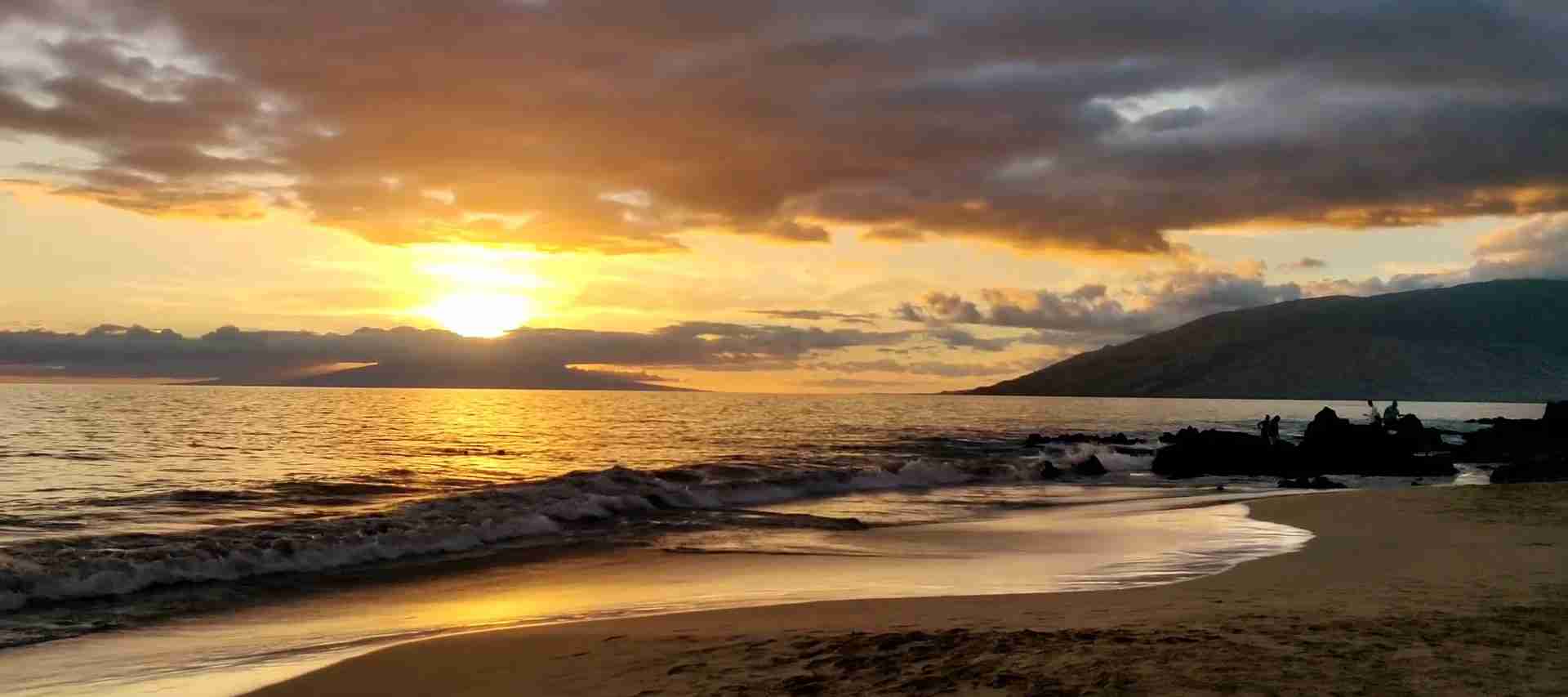
Free Things to Do in Maui 2026: Complete Guide
Maui delivers extraordinary experiences that cost absolutely nothing in 2026, from world-class beaches with calm snorkeling to dramatic volcanic landscapes and cultural traditions passed down through generations. This guide reveals how to explore the Valley Isle’s natural wonders, hidden viewpoints, and authentic Hawaiian culture without spending a cent beyond basic transportation and meals.
Key Takeaways: Free Maui Experiences 2026
- Beach Access Remains Free: All Maui beaches are public in 2026, including world-renowned Kaanapali Beach, Kapalua Bay, and dozens of snorkeling spots where you can swim alongside sea turtles at no cost
- New Parking Fees to Consider: Kamaole Beach Parks I, II, and III now charge visitors $10 daily parking under the Park Maui program, with weekend morning restrictions, but many beaches including Kahekili, D.T. Fleming, and Keawakapu still offer completely free parking
- Strategic National Park Access: Haleakala National Park waives its $30 entrance fee on Memorial Day, Independence Day weekend, and Veterans Day in 2026, allowing free sunrise viewing, crater hikes, and alpine exploration on these specific dates
- Coastal Hiking Without Cost: Waihee Ridge Trail, Lahaina Pali Trail, and Hoapili Trail deliver panoramic ocean views, rainforest landscapes, and ancient lava fields with no admission charges and free roadside parking
- Cultural Immersion Opportunities: Browse farmers markets across the island to experience local agriculture and artisan crafts, watch the nightly Black Rock cliff diving ceremony at sunset, and explore the massive Banyan Tree Park in downtown Lahaina, all completely free
- Road to Hana Adventure: Drive one of the world’s most scenic coastal highways with 620 curves and 59 bridges at no cost beyond gasoline, stopping at roadside waterfalls, black sand beaches, and jungle viewpoints throughout the 64-mile journey
People Also Ask About Free Things to Do in Maui 2026
What are the best free beaches in Maui in 2026?
Kaanapali Beach, Kapalua Bay, and Kahekili Beach rank among Maui’s finest free beach experiences in 2026. Kaanapali stretches along West Maui’s resort corridor with soft white sand, calm morning waters, and complete public access despite fronting luxury hotels. Kapalua Bay offers protected snorkeling in crystal-clear water with coral reefs just steps from shore and free parking via public easement. Kahekili Beach provides excellent shoreline snorkeling with a long reef, large free parking lot, restrooms, showers, and grassy picnic areas. D.T. Fleming Beach Park delivers wide sandy shores perfect for bodyboarding with lifeguards, facilities, and no admission charges. All beaches remain publicly accessible in 2026, though some now charge parking fees.
Can I visit Haleakala National Park for free in 2026?
Haleakala National Park waives its $30 vehicle entrance fee on several fee-free days in 2026 including Memorial Day, Independence Day weekend, and Veterans Day. On these dates, you can access both the Summit District at 10,023 feet and the Kipahulu District along the coast without paying admission. The fee-free days allow sunrise viewing from the crater rim, hiking trails including Sliding Sands and Leleiwi Overlook, and exploring the otherworldly volcanic landscape at no cost. Outside these specific dates, the $30 entrance fee applies and remains valid for three consecutive days covering both park districts. Sunrise viewing requires advance reservations regardless of fee status.
Are there free hiking trails in Maui that don’t require park fees in 2026?
Waihee Ridge Trail, Lahaina Pali Trail, and Hoapili Trail offer spectacular free hiking in 2026 without park entrance fees. Waihee Ridge climbs through West Maui Forest Reserve with lush scenery and dramatic ridge-line views, accessible via free roadside parking near Camp Maluhia. Lahaina Pali Trail crosses historic terrain with panoramic coastal views from elevated switchbacks and no admission charges. Hoapili Trail traverses jagged lava fields from Maui’s most recent 1790s eruption at La Perouse Bay, delivering oceanfront archaeological sites and raw volcanic landscapes with free parking at the trailhead. Twin Falls near the start of the Road to Hana provides easy waterfall access with minimal hiking and free entry. These trails complement the paid options within Haleakala and Iao Valley.
What free cultural activities can I experience in Maui in 2026?
The nightly Black Rock cliff diving ceremony at Kaanapali Beach showcases Hawaiian tradition completely free every evening at sunset. A warrior in traditional dress lights torches along Black Rock before performing a ceremonial dive into the ocean, honoring the legend of Maui’s last king Kahekili. Farmers markets across the island including the Saturday Maui Swap Meet, Upcountry Farmers Market in Pukalani, and multiple weekday markets in Kihei and Kahului allow you to experience local agriculture, sample tropical fruits, and browse handmade crafts with no entry fees (Maui Swap Meet charges $1 admission). The massive Banyan Tree in downtown Lahaina’s Banyan Tree Park spreads across nearly an acre with free access to this 150-year-old living landmark. Maui Tropical Plantation offers free admission to its grounds where you can feed ducks, picnic under shade trees, and observe tropical agriculture without cost.
Extended multi-day tours – 5+ days
Featured Hawaii Multi-Day Tour Packages
3 days
Hawaii 3-Day Discovery Tour
- ✓ Comprehensive Hawaii experience
- ✓ Expert local guides included
- ✓ All accommodation included
- ✓ Transportation provided
5 days
Hawaii 5-Day Highlights Experience
- ✓ Comprehensive Hawaii experience
- ✓ Expert local guides included
- ✓ All accommodation included
- ✓ Transportation provided
7 days
Hawaii 7-Day Cultural Journey
- ✓ Comprehensive Hawaii experience
- ✓ Expert local guides included
- ✓ All accommodation included
- ✓ Transportation provided
10 days
Hawaii 10-Day Complete Adventure
- ✓ Comprehensive Hawaii experience
- ✓ Expert local guides included
- ✓ All accommodation included
- ✓ Transportation provided
Multi-day tour packages powered by TourRadar. Prices and availability subject to change.
Introduction: Exploring Maui Without Breaking Your Budget in 2026
Maui’s reputation as an expensive destination obscures a fundamental truth: the island’s greatest treasures cost nothing to experience. The same beaches where luxury resorts charge premium rates are completely public and free to access. The volcanic landscapes that define Maui’s dramatic topography open to anyone willing to hike a trail. The cultural traditions that give the Valley Isle its soul are shared freely at sunset ceremonies, farmers markets, and community gatherings across the island.
Understanding how to navigate Maui’s free opportunities in 2026 requires knowledge of recent changes. The Park Maui program introduced parking fees at Kamaole Beach Parks I, II, and III in early 2026, charging visitors $10 daily with weekend morning restrictions. This represents a shift from previous years when these popular South Maui beaches offered completely free access. However, dozens of other beaches maintain free parking and access, from West Maui’s resort-fronted shores to North Shore’s wild coastlines.
State park regulations also evolved. Iao Valley State Monument now requires advance reservations for non-residents with $10 parking and $5 per person admission fees. Waianapanapa State Park along the Road to Hana implemented similar reservation and fee systems. These changes make timing and planning more important than ever for budget-conscious travelers. Knowing which beaches, trails, and cultural sites remain genuinely free allows you to craft rich Maui experiences without constant expense.
The seasonal dimension matters too. Haleakala National Park’s fee-free days on Memorial Day, Independence Day weekend, and Veterans Day in 2026 transform the island’s premier natural attraction from a $30 expense into a free adventure. Whale watching from shore costs nothing during the December through May season when humpback whales fill Maui’s channels. Summer brings calmer ocean conditions ideal for free shore snorkeling at protected bays.
This guide breaks down Maui’s free opportunities by category: beaches and ocean activities, hiking and natural landmarks, scenic drives, cultural experiences, and practical strategies for minimizing costs. Each section provides specific locations, current 2026 regulations, and insider knowledge for maximizing your experience. Whether you’re planning a week-long budget vacation or looking to balance paid tours with free exploration, this comprehensive resource reveals how to experience authentic Maui without spending beyond necessities.
Free Beach Access Across Maui in 2026
Hawaii law guarantees public access to all beaches, meaning every stretch of Maui’s 120-mile coastline remains legally accessible regardless of adjacent development. The practical reality in 2026 involves navigating parking situations, understanding new fee structures, and knowing which beaches offer the best facilities and experiences at no cost.
West Maui Free Beach Destinations
Kaanapali Beach stretches three miles along West Maui’s resort corridor between the Hyatt and Sheraton properties. Despite fronting some of Hawaii’s most expensive hotels, the entire beach is public with multiple access points. Public parking exists at limited street spots and small lots, though finding free spaces requires arriving before 9 AM during peak season. The beach itself costs nothing to use, with soft white sand, generally calm morning waters, and facilities including outdoor showers at public access points. Black Rock at the northern end provides excellent free snorkeling over coral formations and lava rock where tropical fish congregate in shallow water.
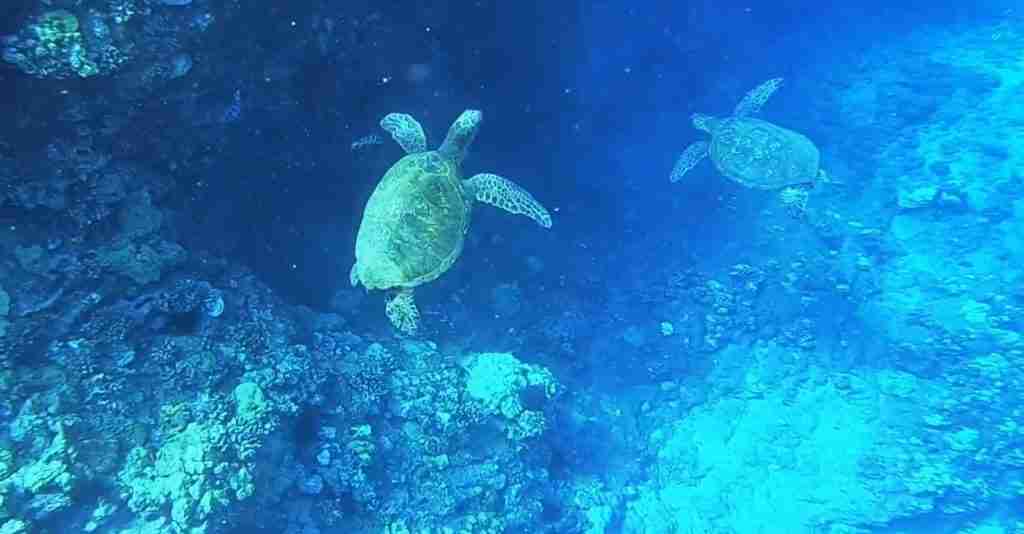
Kapalua Bay ranks consistently among Hawaii’s best beaches with protected waters perfect for beginner snorkeling. The crescent-shaped bay creates a natural shelter from waves, maintaining clear visibility and calm conditions most days. Access is free via a public easement path, and a small parking lot accommodates visitors at no charge. The bay’s coral reef sits close to shore in shallow water where sea turtles frequently feed on algae. Facilities include restrooms and outdoor showers. The beach fills quickly on weekends, so arrive by 8 AM for guaranteed parking and the calmest water conditions.
Kahekili Beach, commonly called Airport Beach, offers one of West Maui’s most accessible free beach experiences in 2026. The large public parking lot charges nothing, providing spaces for dozens of vehicles with overflow parking along the adjacent road. Facilities include restrooms, outdoor showers, covered picnic tables, and a grassy lawn area perfect for spreading out. The beach’s long sandy shoreline gives everyone plenty of space, even on busy days. The reef parallels the shore at swimming depth, creating excellent conditions for spotting tropical fish, octopus, and eels. Morning hours before 10 AM deliver the clearest water and calmest conditions for snorkeling.
D.T. Fleming Beach Park combines beautiful scenery with solid facilities and free access. Named “America’s Best Beach” in 2006, this wide sandy stretch delivers consistent surf perfect for bodyboarding and boogie boarding. Lifeguards monitor the beach, and facilities include parking, restrooms, showers, and shaded picnic pavilions. Strong surf makes swimming risky during high winter swells, but the beach excels for walking, sunbathing, and watching expert bodyboarders ride waves. Parking fills by mid-morning on weekends.
Napili Bay offers a quieter alternative to the resort beaches with a small crescent of sand between rocky points. Limited parking along the road means arriving early, but the bay’s calm waters and excellent snorkeling reward the effort. The intimate setting attracts fewer crowds than nearby Kapalua, creating a more peaceful atmosphere. Nearby restaurants provide convenient food options when you want a break from the beach.
South Maui Beach Access and New 2026 Parking Fees
The Park Maui program fundamentally changed South Maui beach access in early 2026. Kamaole Beach Parks I, II, and III, which form a mile-long stretch of Kihei’s most popular shoreline, now charge visitors $10 daily parking. Hawaii residents with valid ID park free, and the system operates through pay stations or mobile payment. Weekend and county holiday restrictions prohibit visitor parking until after 10 AM, reserving morning hours for residents.
These changes affect how visitors approach South Maui’s beach time. Kamaole I, II, and III offer excellent swimming, bodyboarding, and family-friendly conditions with lifeguards, restrooms, showers, and grassy parks. The beaches remain free to use once you access them—the fee applies only to parking in the designated lots. Walking or biking from nearby condos and vacation rentals eliminates parking costs entirely. Many Kihei accommodations sit within a 10-minute walk of these beaches.
Keawakapu Beach south of Kamaole III provides free street parking along South Kihei Road with no time restrictions or fees in 2026. The long, wide beach offers excellent swimming conditions and less crowded conditions than the Kamaole parks. The southern end near Wailea delivers beautiful views and good snorkeling around the rocky point. No facilities exist at the free parking areas, but the beach’s length and consistent sand make it popular with locals and informed visitors avoiding parking fees.
Charley Young Beach at the north end of Kamaole I offers limited free street parking with beach access that bypasses the paid parking lot. The small beach area provides good snorkeling around rocky areas on both sides. This represents a free alternative for those unwilling to pay the Kamaole parking fee, though parking spaces fill quickly.
North Shore and East Maui Free Beach Access
Baldwin Beach Park stretches along Maui’s North Shore near Paia with free parking, restrooms, showers, picnic pavilions, and lifeguards. The long white sand beach offers both open surf for bodyboarding and a calmer cove providing gentler water for swimming. Local families frequent Baldwin on weekends, creating a authentic community atmosphere. The beach’s location makes it convenient for those exploring Paia’s shops and restaurants or heading up to Upcountry.
Ho’okipa Beach Park stands as one of the world’s premier windsurfing and surfing destinations. The beach itself is dangerous for swimming due to powerful waves and strong currents, but watching world-class windsurfers and surfers from the lookout area costs nothing. The parking lot and viewing area provide excellent vantage points for observing the action, and Hawaiian green sea turtles frequently haul out on the sand, especially in late afternoon. The beach offers a window into Maui’s surf culture without requiring any ocean entry.
Waianapanapa State Park near Hana features a dramatic black sand beach, sea caves, and coastal hiking trails. However, the park requires advance reservations and charges entrance and parking fees in 2026. The beach itself can be viewed from the Road to Hana highway without entering the park, though you’ll miss the caves and trails. Other black sand areas exist along the Hana Highway where you can pull off at unmarked spots for free beach access, though these lack facilities and require caution due to strong currents.
Hamoa Beach near Hana offers beautiful gray sand and bodysurfing waves with free access via a public road running down to the beach. The beach fronts the Travassa Hana resort but remains completely public. No facilities exist at the public access point, and parking is extremely limited along the narrow road. The beach’s remote location and difficult parking situation keep crowds minimal.
Free Shore Snorkeling Locations in 2026
Maui’s shore snorkeling delivers encounters with tropical fish, sea turtles, octopus, and coral formations without paying for boat tours. Success depends on choosing the right location for your skill level, arriving during optimal conditions, and bringing your own gear.
Protected Bays for Beginner Snorkelers
Kapalua Bay provides the most reliable beginner snorkeling on Maui’s west side. The protected crescent bay maintains calm conditions even when nearby beaches face choppy water. The reef starts in just three to four feet of water immediately offshore, allowing you to see tropical fish while standing if needed. Green sea turtles feed on algae around the rocks at both ends of the bay. Arrive before 9 AM for parking and the calmest water before afternoon winds develop. Free access and parking make this an ideal first snorkeling experience.
Napili Bay’s smaller size and protected position between rocky points create consistently calm snorkeling conditions. The reef formations on both sides of the bay hold schools of tropical fish including yellow tang, parrotfish, and butterflyfish. The compact bay means you can explore the entire area in one snorkel session without swimming long distances. Limited parking requires early arrival, but the intimate setting and reliable conditions reward the effort.
Intermediate Snorkeling with More Marine Life
Kahekili Beach (Airport Beach) offers extensive reef snorkeling parallel to shore with greater variety than the protected bays. The reef extends hundreds of yards along the beach in six to twelve feet of water. You’ll encounter larger fish populations, octopus hiding in coral crevices, and eels emerging from reef caves. The open coastline means choppier conditions than protected bays, so assess water conditions before entering. The large free parking lot and excellent facilities make this a convenient choice for a morning of snorkeling.
Black Rock at Kaanapali Beach’s north end provides dramatic snorkeling around lava formations where the reef meets volcanic rock. The drop-off along the rock face creates a wall effect where larger fish congregate. Manta rays occasionally glide through the area, and sea turtles rest on ledges in the rock. Currents can develop around the point, so stay close to the rock face and avoid swimming far offshore. Access is free from the beach, and the morning hours before 10 AM offer the calmest conditions.
Shore Snorkeling Equipment and Safety
Bringing your own snorkel gear eliminates rental costs entirely. Full sets including mask, snorkel, and fins cost $30-60 at beach shops, making purchase worthwhile for trips longer than two days. ABC Stores and Walmart in Kahului sell basic gear at lower prices than beach locations. For longer Maui stays, buying gear in Kahului and keeping it for multiple sessions makes the most financial sense.
Morning snorkeling sessions before 10 AM consistently deliver the best conditions. Afternoon trade winds create chop and reduce visibility. High surf warnings, especially during winter months, mean avoiding all shore snorkeling regardless of location. Hawaiian green sea turtles are protected by law—maintain at least 10 feet distance and never touch or chase them. Most encounters with turtles happen naturally when they swim past you while feeding.
No lifeguards monitor most snorkeling beaches. Assess your swimming ability honestly and start at protected bays like Kapalua if you’re uncertain. Fins make swimming significantly easier and allow you to handle mild currents. Reef-safe sunscreen is required by Hawaii law—avoid chemical sunscreens containing oxybenzone and octinoxate that damage coral reefs.
Hiking Maui’s Free Trails in 2026
Maui’s diverse hiking opportunities range from easy coastal walks to challenging mountain trails, with many excellent routes requiring no entrance fees or permits. Understanding which trails remain free versus which require paid park access helps you plan a comprehensive hiking itinerary without constant expense.
Waihee Ridge Trail: Free West Maui Mountain Access
Waihee Ridge Trail delivers one of Maui’s most dramatic hikes without any entrance fees or parking charges. The 3.5-mile out-and-back trail climbs through West Maui Forest Reserve with elevation gain that challenges beginners but rewards with extraordinary views. The trail ascends along a ridge spine separating Waihee and Makamaka’ole valleys, providing panoramic perspectives of both the lush rainforest valleys below and the north shore coastline.
The trailhead sits off Kahekili Highway with free parking at a small lot marked by a red Camp Maluhia Boy Scout sign. The initial climb is steep, gaining elevation quickly on a maintained but unrelenting path. After the first challenging section, the trail mellows to a ridge walk alternating between forest and exposed sections. Cloud cover frequently rolls through the area, creating mystical atmospheric conditions even when it blocks distant views. On clear days, you can see Haleakala, the north shore coastline, and deep into both valleys.
Native plants including ‘ohi’a lehua trees and various ferns line the trail. Birdwatchers frequently spot native Hawaiian forest birds including the ‘apapane and ‘amakihi. The trail’s length and elevation make it suitable for moderate to experienced hikers, while the lack of technical sections or drop-offs keeps it accessible to anyone with reasonable fitness. Bring plenty of water, start early to avoid afternoon heat and clouds, and expect muddy conditions in sections that hold water.
Lahaina Pali Trail: Historic Coastal Crossing
The Lahaina Pali Trail crosses the mountainside between Ma’alaea and Lahaina, tracing the historic path used by ancient Hawaiians to traverse West Maui’s southern coast. The 5-mile one-way trail climbs from near sea level to an 1,600-foot saddle before descending to the opposite trailhead. Most hikers arrange a car shuttle between the two trailheads or hike out-and-back from either end.
The trail offers consistently spectacular views across Maui’s south coast, neighboring islands, and the Pacific. The exposed route delivers unobstructed panoramas but also means hiking in full sun with no shade. Historic markers along the trail note its significance in Hawaiian history and King Kamehameha’s conquest of Maui. The path remains in good condition with clear tread and minimal technical challenges despite the elevation changes.
Free parking exists at both trailheads, and no permits or fees apply. The exposed nature makes this trail best suited for early morning hikes starting at dawn to avoid peak heat. Winter months offer cooler temperatures, though summer’s calmer trade winds can actually make hiking more comfortable. Bring significantly more water than you think necessary—the sun exposure and lack of water sources make dehydration the primary risk. The trail sees relatively light use compared to more famous Maui hikes, providing a sense of solitude uncommon on the island.
Hoapili Trail (La Perouse Bay)
The Hoapili Trail traverses the dramatic lava fields at Maui’s southern tip, crossing terrain from Haleakala’s most recent eruption in 1790. The trail follows an ancient Hawaiian coastal path through jagged ‘a’a lava, offering raw volcanic landscapes and oceanfront views without any admission charges. The trailhead sits at the end of Makena Road past Big Beach, where free parking is available in a dirt lot.
The trail itself challenges hikers with uneven, rocky terrain requiring real shoes—not flip-flops or sandals. Loose lava creates unstable footing in sections. The reward comes in the form of completely undeveloped coastline, archaeological sites including ancient Hawaiian house platforms, and the otherworldly feeling of walking across fresh volcanic rock with the ocean crashing against shore. The trail extends several miles along the coast with no definite endpoint, allowing you to hike as far as interest and energy allow before turning back.
Bring substantially more water than normal hiking requires. The black lava absorbs and radiates heat, creating oven-like conditions even with trade winds. No shade exists anywhere on the trail. Morning starts before 8 AM make the heat manageable. The coastal location means you can cool off in tide pools where lava formations create natural swimming areas, though heavy surf makes ocean entry dangerous in most spots. This trail delivers the most remote, wild feeling of any free hike on Maui despite its proximity to the developed resort areas just miles north.
Twin Falls: Easy Waterfall Access
Twin Falls sits just past mile marker 2 on the Road to Hana, providing easy waterfall access with minimal hiking. The private property charges a small fee, but the lower falls sits just 10-15 minutes walk from the parking area on a relatively easy trail. For those seeking a free waterfall experience, several unmarked waterfalls exist further along the Hana Highway where roadside parking allows brief hikes to viewing areas.
The Twin Falls area represents the Road to Hana’s first major stop, making it extremely popular with tour groups and day-trippers. The falls themselves are modest compared to Maui’s more dramatic waterfalls further along the Hana Highway. The easy access and short hike make it suitable for families and those wanting waterfall photos without serious hiking effort. The small admission fee funds maintenance of the trail and facilities on the private land.
Free Trails Within Haleakala on Fee-Free Days
Haleakala National Park’s fee-free days in 2026 (Memorial Day, Independence Day weekend, and Veterans Day) unlock access to the island’s premier mountain hiking without the $30 entrance fee. The Summit District trails showcase Haleakala’s otherworldly volcanic landscape from 10,000 feet elevation.
Sliding Sands Trail (Keoneheehee Trail) descends into the crater from the summit area, dropping through colorful cinder and volcanic formations. The trail extends 10 miles to the crater floor, but day hikers typically turn around at 2-3 miles. The descent is deceptively easy—the return climb at altitude exhausts unprepared hikers. Starting at dawn provides coolest temperatures and allows time for the strenuous return hike.
Leleiwi Overlook Trail offers a short 0.3-mile round trip hike to a crater viewpoint at 8,800 feet elevation. The brief walk provides spectacular crater views without the commitment of Sliding Sands Trail. This makes an ideal alternative for those finding the sunrise viewing area too crowded or wanting a less strenuous hiking option.
Hosmer Grove Trail near the park entrance wanders 0.6 miles through subalpine forest with excellent birdwatching opportunities. Native Hawaiian honeycreepers including ‘apapane and ‘i’iwi frequent the area. The relatively flat trail works well for those adjusting to altitude before attempting more challenging hikes.
The Kipahulu District near Hana also waives fees on the same dates. Kuloa Point Loop Trail makes an easy 0.5-mile walk to Ohe’o Gulch and the Seven Sacred Pools. The tiered pools and waterfalls create beautiful scenery, though swimming has been closed indefinitely as of 2026 due to safety concerns. Pipiwai Trail extends 4 miles round trip through bamboo forest to 400-foot Waimoku Falls, representing one of Maui’s finest hikes. The trail features giant banyan trees, smaller waterfalls, and dense jungle vegetation. On fee-free days, this spectacular hike costs nothing beyond the drive to reach the trailhead.
The Road to Hana: Free Scenic Drive in 2026
The Road to Hana ranks among the world’s most scenic coastal drives, winding 64 miles from Paia to Hana with 620 curves and 59 bridges, most of them single-lane. The drive itself costs nothing beyond gasoline, making it Maui’s premier free full-day adventure. Success depends on proper planning, knowing the best stops, and managing expectations about what to see and do.
Planning Your Free Road to Hana Drive
The Road to Hana requires a full day commitment starting early morning. Leaving Paia by 7 AM or earlier beats tour van traffic and secures parking at popular stops. The drive takes 2-3 hours each direction without stops, but the journey is the destination—plan 4-5 hours driving each way when including stops. Gasoline costs $4-5 per gallon in 2026, and the round trip consumes roughly half a tank for most rental cars.
Cell service is spotty along the highway. Download offline maps or purchase a GPS audio tour before leaving. Free audio tours and apps exist, though many hikers simply explore stops as they encounter them. The reverse route from Hana through Kaupo and back to Upcountry follows rougher roads that many rental contracts prohibit, so verify your rental agreement before attempting the complete loop.
Food options are limited along the highway. Pack a cooler with lunch, snacks, and plenty of water. A few fruit stands and small stores exist, but having your own provisions prevents hunger and saves money. Bathrooms are scarce between stops—use facilities at every opportunity.
Free Stops and Viewpoints
Twin Falls near mile marker 2 offers the first waterfall opportunity with a small admission fee to access the private land. Several other unnamed waterfalls further along the route cascade down roadside cliffs with free viewing from pullouts.
Waikamoi Ridge Trail at mile marker 9.5 provides free rainforest hiking on a maintained loop trail with native plants and forest birds. The trail extends about 2 miles with gentle elevation changes suitable for most fitness levels.
Keanae Peninsula lookout between mile markers 16-17 delivers spectacular views of the dramatic coastline and ancient lava flows jutting into the ocean. The viewpoint requires just a brief pullout stop with no walking necessary. Keanae village below showcases traditional Hawaiian taro farming, and the black sand beach allows exploration of the coast.
Waianapanapa State Park near mile marker 32 charges entrance and parking fees in 2026 with advance reservations required. However, the dramatic black sand beach is visible from the highway, and several unmarked black sand areas exist nearby where you can experience similar scenery for free.
Hana Bay in Hana town offers free beach access, picnic facilities, and a pier where local kids jump into the water. The bay provides a natural stopping point before heading to the Kipahulu District of Haleakala National Park.
Hamoa Beach south of Hana features beautiful gray sand with powerful waves. Free access via a narrow public road, though parking is extremely limited. The beach’s beauty and lack of facilities create a remote feeling despite its proximity to Hana.
Oheo Gulch and Pipiwai Trail
The Kipahulu District of Haleakala National Park contains Oheo Gulch (Seven Sacred Pools) and Pipiwai Trail. The park charges $30 per vehicle entrance fee (three-day pass) in 2026, making this the Road to Hana’s only major paid attraction besides Waianapanapa State Park. However, on National Park fee-free days (Memorial Day, Independence Day weekend, and Veterans Day), this becomes completely free.
Pipiwai Trail provides one of Maui’s finest hikes through dense bamboo forest to 400-foot Waimoku Falls. The 4-mile round trip trail features multiple waterfalls, a massive banyan tree, and lush jungle vegetation. On fee-free days, this extraordinary hike costs nothing. On regular days, the $30 park fee covers both this area and the summit district if you visit within three days.
Oheo Gulch’s tiered pools remain closed for swimming as of 2026, but the Kuloa Point Loop Trail provides excellent viewing of the waterfall-fed pools cascading toward the ocean. The short walk delivers beautiful scenery even without swimming access.
Scenic Drives and Viewpoints in 2026
Beyond the Road to Hana, Maui offers several spectacular scenic drives requiring only gasoline expense. These routes deliver panoramic views, access to natural landmarks, and windows into different island regions.
Haleakala Crater Road Upcountry Drive
The drive from Kahului through Upcountry to Haleakala’s summit covers approximately 38 miles, climbing from sea level to 10,023 feet. Outside of the national park entrance, this entire route is free to drive. The climbing road passes through different climate zones from tropical lowlands through pastureland and upcountry ranches to alpine terrain.
Kula provides a natural stopping point with farms, restaurants, and panoramic views across Central Maui to the ocean. Ali’i Kula Lavender Farm charges admission, but driving the Upcountry roads and viewing the pastoral landscape costs nothing. The eucalyptus tree groves and rolling green hills create scenery distinct from Maui’s beaches and coast.
The switchbacks climbing toward Haleakala deliver increasingly dramatic views as elevation increases. Multiple pullouts allow you to stop and appreciate the expanding vistas. Even if you choose not to pay the $30 park entrance fee, driving to the park entrance itself and turning around provides a spectacular mountain drive. The Hosmer Grove area just inside the park boundary sometimes allows limited access without payment.
Northwest Coast Loop (Kahekili Highway)
The northwest coast route from Kapalua to Wailuku (Kahekili Highway and Highway 340) follows Maui’s less-developed windward coast with dramatic ocean views, the famous Nakalele Blowhole, and glimpses of traditional Hawaiian villages. The narrow, winding road requires caution and is not recommended for those uncomfortable with cliff-side driving, but it delivers raw coastal scenery few tourists experience.
Nakalele Blowhole sits along this route as a spectacular free natural attraction. The geological formation creates water spouts exceeding 50 feet when swells hit properly. A quarter-mile trail descends from the parking area to viewing areas near the blowhole. The site operates on nature’s schedule—larger winter swells create more dramatic displays, while summer’s calmer seas produce smaller spouts. Free parking and no admission fees make this an ideal adventure for those exploring West Maui’s less-traveled side.
Kahakuloa village represents one of Hawaii’s most traditional communities, accessible via this coastal route. The small village sits in a dramatic bay surrounded by steep valley walls. Driving through provides a window into rural Hawaiian life, though the village is a working community, not a tourist attraction. A few fruit stands and a small store serve passing drivers.
South Maui Coastal Drive
Makena Road extends south from Wailea through undeveloped coastline to La Perouse Bay. The paved road passes Big Beach (Makena State Park, which charges parking fees) and continues through increasingly wild terrain to terminate at the Hoapili Trail trailhead. The free drive delivers oceanfront views, glimpses of volcanic landscapes, and access to the remote south coast.
Several unmarked beach areas exist along this route with limited roadside parking. These small beaches see few visitors due to lack of facilities and difficult access. The drive itself showcases how Maui’s landscape changes from manicured resort areas through increasingly raw terrain to the volcanic coast at the road’s end.
Free Cultural Experiences in 2026
Maui’s Hawaiian culture manifests in traditions, ceremonies, and community gatherings that welcome visitors to observe and participate at no cost. These cultural experiences provide authentic connections to island heritage beyond commercial luaus and paid tours.
Black Rock Cliff Diving Ceremony
Every evening at sunset, the Sheraton Maui Resort sponsors a traditional cliff diving ceremony at Black Rock on Kaanapali Beach. The ceremony begins with the call of a conch shell echoing across the beach, drawing viewers to the lava promontory. A Hawaiian warrior in traditional dress lights torches along the top of Black Rock, marking a ceremonial path to the cliff’s edge. The warrior performs chants and then executes a ceremonial dive into the ocean below, honoring the legend of Maui’s last king Kahekili who demonstrated his courage through cliff diving at this same location.
The ceremony is completely free to watch from the beach. Arrive 30 minutes before sunset to secure a good viewing spot, as crowds gather for this nightly tradition. The combination of Hawaiian protocol, torch lighting, sunset timing, and the dramatic dive creates a powerful cultural experience costing nothing. The ceremony continues regardless of weather, though heavy surf occasionally forces cancellation for safety. Beyond the formal ceremony, you’ll see local residents and tourists cliff jumping from Black Rock throughout the day, though these informal jumps lack the cultural context of the sunset ceremony.
Farmers Markets as Cultural Hubs
Maui’s farmers markets serve as community gathering places where local agriculture, artisan crafts, and island culture intersect. Browsing costs nothing, and the markets provide windows into local life beyond tourist zones.
The Maui Swap Meet operates Sunday mornings from 7 AM to 1 PM at Kahului Shopping Center. The large outdoor market features fresh produce, handmade crafts, clothing, jewelry, art, and local food vendors. The $1 admission fee makes it nearly free, and the diversity of vendors represents Maui’s multicultural community. Arrive early for the best selection and cooler temperatures.
Upcountry Farmers Market in Pukalani runs Saturday mornings from 7 AM to noon at Longs Drugs parking lot. The market sits in farm country where much of Maui’s produce grows, ensuring fresh-picked fruits and vegetables. Husked coconuts, liliko’i butter, homemade banana bread, and unusual tropical fruits appear alongside more familiar produce. The market attracts both locals stocking up for the week and visitors experiencing Hawaiian agriculture firsthand. No admission fee, just browse and sample when vendors offer tastes.
Farmers Market of Maui operates multiple locations including Kihei (Monday through Thursday 8 AM to 4 PM on South Kihei Road) and Honokowai (Monday, Wednesday, Friday 7 AM to 11 AM). These markets emphasize produce over crafts, serving locals needing groceries while welcoming visitors interested in tropical fruits and vegetables. The Kihei location’s central position makes it convenient for those staying in South Maui.
Multiple smaller farmers markets operate throughout the week across the island. Queen Ka’ahumanu Center hosts a market on Friday. Hana Farmers Market runs Friday afternoons, providing a stopping point for those completing the Road to Hana. Napili Farmers Market operates Wednesday and Saturday mornings with produce, prepared foods, and artisan goods. All these markets allow free browsing with purchases optional.
Banyan Tree Park in Lahaina
Downtown Lahaina’s massive banyan tree spreads across nearly an acre in the park fronting the historic courthouse. Planted in 1873 to commemorate the 50th anniversary of Christian missions in Lahaina, this single tree grew to cover roughly two-thirds of an acre with multiple trunks spreading from aerial roots. The tree creates a living canopy providing shade across the entire park.
The tree and park are completely free to visit and explore. Walking beneath the expansive branches reveals the tree’s remarkable structure—what appears to be a grove is actually one organism. The park serves as a gathering place for locals and visitors, with art shows, craft fairs, and community events happening regularly under the tree’s shade. The adjacent old courthouse, dating to 1859, houses free museum displays about Lahaina’s history as Hawaii’s capital and its role in the whaling era.
The park provides an ideal rest stop when exploring Lahaina’s Front Street shops and galleries. The tree itself represents a living piece of Hawaiian history, having witnessed the town’s evolution from royal capital to whaling port to tourist destination. Sunset photography under the tree’s canopy creates memorable images.
Maui Tropical Plantation Free Admission
Maui Tropical Plantation in Waikapū offers free admission to its grounds where you can walk through tropical agriculture exhibits, observe farming operations, and feed ducks in the plantation’s ponds. The gift shop sells duck food, making this a popular family activity. While tram tours and zipline activities cost money, simply exploring the grounds and feeding ducks costs nothing beyond duck food purchase.
Picnic areas under shade trees provide pleasant spots to eat lunch brought from elsewhere. The Mill House restaurant on the property serves upscale farm-to-table dining for those wanting a meal, but the free grounds access and duck feeding create an enjoyable stop without dining expense. The plantation sits between Kahului and Wailuku, making it convenient when driving between Central Maui and other island regions.
Free Cultural Events and Demonstrations
Whaler’s Village shopping center in Kaanapali offers free lei-making workshops every Tuesday and Friday. These cultural demonstrations teach traditional Hawaiian lei-making techniques using fresh flowers and ti leaves. The workshops run on a drop-in basis with no advance registration required.
Various hotels and shopping centers sponsor free hula shows and Hawaiian music performances throughout the week. These performances typically happen in the late afternoon or early evening, creating entertainment that costs nothing to watch. The quality varies from professional shows by accomplished hula halau (schools) to more casual demonstrations, but all provide exposure to Hawaiian performing arts. Check individual hotel and shopping center calendars for current schedules.
Whale Watching from Shore in 2026
Humpback whales migrate to Maui’s waters every winter, arriving in November and remaining through May with peak viewing from January through March. Watching these magnificent mammals from shore costs absolutely nothing and can rival paid boat tours when whales come close to the coastline.
Best Free Whale Watching Locations
The Pali lookouts between Ma’alaea and Lahaina provide elevated viewing positions along the coast highway. Multiple pullouts allow you to stop safely and scan the ocean for whale spouts. The elevation gives you a bird’s-eye perspective on the channel below where whales frequently feed, breach, and socialize. Binoculars dramatically improve the experience, allowing you to observe whale behavior in detail. The lookouts sit along Highway 30 with obvious parking areas—simply stop when you see whales or join other viewers already stopped.
Ma’alaea Harbor’s north side walkway offers sea-level whale watching where whales often pass close to shore. The protected waters of Ma’alaea Bay attract mothers with calves, and breaching whales sometimes jump so close you can hear the splash. The harbor area includes restrooms and restaurants, making it convenient for extended viewing sessions. Mornings typically deliver the calmest conditions and most consistent whale activity.
McGregor Point, the high point on the Pali route, delivers the most elevated whale watching position with sweeping views across the Au’au Channel between Maui and Lanai. Whales appear as dark shapes in the water from this height, with spouts visible across wide areas. Serious whale watchers bring chairs, snacks, and binoculars for multi-hour sessions. The point’s exposed position can be windy—bring a light jacket.
Kamaole Beach Parks provide good whale watching from South Maui beaches. Whales frequently travel along the coast in clear view from the shore. The $10 parking fee for visitors represents the only cost, or you can walk from nearby accommodations. Combining beach time with whale watching creates a full beach day without needing separate boat tours.
Wailea Beach Path runs 1.5 miles along the coast fronting the Wailea resort area. Walking the paved coastal trail during whale season often reveals whales close to shore. The trail is completely free to use despite running through resort properties, with multiple beach access points along the route. Benches at intervals provide viewing spots to sit and scan for whale activity.
Understanding Whale Behavior
Humpback whales spend winters in Hawaiian waters for breeding and calving, not feeding. Their primary activities include mating, caring for newborn calves, and socializing. This means they often remain in relatively shallow water close to shore rather than staying in deep ocean areas.
Breaching—when whales leap completely out of the water—represents the most dramatic whale behavior visible from shore. Whales breach for various reasons including communication, removing parasites, or playfulness. A single whale may breach repeatedly, or an entire pod may breach in succession. Tail slapping (whales striking the water surface with their tail flukes) and pectoral fin slapping (slapping the water with long pectoral fins) are also common behaviors visible from shore.
Spouts—the visible spray when whales exhale at the surface—allow you to locate whales at distance. The V-shaped spout reaching 15-20 feet high identifies humpback whales specifically. Once you spot a spout, watch that area carefully—whales typically surface several times in the same area before diving for 5-15 minutes. The final dive before a long descent often involves the whale raising its tail flukes vertically, called “fluking up.”
Mothers with newborn calves stay close to shore in shallow water. These pairs move slowly with calves frequently surfacing to breathe. Observing these pairs requires patience and binoculars, but seeing a baby whale with its mother creates memorable moments. Calves occasionally breach despite their small size, practicing behaviors they’ll use throughout life.
Free Sunset Viewing Locations Across Maui in 2026
Maui’s west-facing coastline delivers spectacular sunsets every clear evening, with numerous locations offering unobstructed ocean views. Unlike sunrise viewing at Haleakala, which requires park fees and advance reservations, sunset watching costs nothing beyond the drive to your chosen viewpoint.
Kaanapali Beach Sunset Viewing
Kaanapali Beach’s west-facing orientation makes it ideal for sunset watching. The entire three-mile stretch provides sunset views, but the area around Black Rock offers the added entertainment of the nightly cliff diving ceremony timed to coincide with sunset. Arrive 30 minutes before sunset to secure a good spot on the sand. The combination of orange sky, darkening ocean, and torchlit cliff diving ceremony creates Maui’s most theatrical sunset experience.
The beach is completely free to access for sunset viewing. Parking challenges diminish in late afternoon as daytime beachgoers depart, making finding street parking easier than midday attempts. Walk from nearby hotels and restaurants to avoid parking issues entirely. The beach typically maintains calm conditions in the evening, allowing you to wade in the water while watching the sun descend.
Kapalua Bay and D.T. Fleming Beach Sunsets
Kapalua Bay’s protected cove frames the sunset between rocky points jutting into the ocean. The intimate scale creates a more peaceful atmosphere than Kaanapali’s resort buzz. The free parking lot rarely fills in the evening, making access straightforward. Swimming or snorkeling during sunset adds a unique dimension—watching the sun set while floating in the bay’s calm water.
D.T. Fleming Beach Park provides wide sandy shores for spreading out and watching sunset develop. The beach’s exposed position means watching the sun drop directly into the ocean without obstructions. Facilities including restrooms and picnic tables make extended stays comfortable. Local families often gather here in the evening, bringing portable grills and spending the transition from day to night at the beach.
Lahaina Sunset from Front Street
Lahaina’s historic Front Street delivers urban sunset viewing with restaurants, shops, and galleries providing foreground to the ocean views. The seawall along Front Street creates a natural gathering place where locals and visitors line up to watch sunset. The addition of boats at anchor in Lahaina harbor, Lanai island visible in the distance, and the historic buildings of Lahaina town creates a different sunset aesthetic than pure beach settings.
This represents the most social sunset setting—crowds gather, street performers often entertain, and the general buzz of downtown Lahaina provides energy distinct from quiet beach sunsets. Following sunset, you can transition directly into Front Street’s restaurants and shops. Parking challenges exist, but sunset time coincides with some shops closing and restaurant early diners leaving, creating parking turnover. The banyan tree park provides an alternative viewing spot just back from the waterfront with the massive tree creating foreground interest.
Makena and Wailea Sunsets
South Maui beaches face west but with Kahoolawe and Lanai islands on the horizon, creating silhouetted island shapes against colorful skies rather than watching the sun drop into open ocean. Makena’s Big Beach delivers expansive views with few obstructions. The beach requires paid parking at Makena State Park, making it less ideal than completely free alternatives unless you’re already spending the day there.
Wailea Beach Path provides free access to resort-fronted beaches without needing guest status at the hotels. Multiple beach access points along the 1.5-mile paved trail allow you to choose your spot. Ulua Beach and Wailea Beach specifically offer good sunset viewing with facilities and beach amenities. The resort setting provides more polished infrastructure than wild beaches while maintaining free access to sunset views.
Free Activities for Families in 2026
Family travel budgets benefit enormously from free activities that keep children entertained without constant expense. Maui offers numerous family-friendly free options beyond beaches.
Beach Play and Tidepooling
County beach parks provide playground equipment, grassy areas for running, picnic pavilions, and facilities making all-day beach outings comfortable for families. Kamaole Beach Parks I, II, and III each feature playground structures directly adjacent to the beach, though the new $10 parking fee applies. Baldwin Beach Park on the North Shore offers similar facilities with free parking.
Tidepooling at rocky coastal areas introduces children to marine life in shallow, safe environments. Kapalua Bay’s edges feature tidal pools accessible at low tide where kids can observe small fish, crabs, sea urchins, and other creatures trapped in pools as the tide recedes. Ulua Beach in Wailea also offers tidepooling opportunities. Morning low tides create the best conditions. Bringing small nets and buckets (return creatures to pools after viewing) makes this engaging for children who might not sit still for adult beach relaxation.
Duck Feeding at Maui Tropical Plantation
The free admission to Maui Tropical Plantation allows families to feed ducks in the plantation’s ponds, creating an activity specifically designed for young children. Duck food purchase from the gift shop costs just a few dollars, making this a nearly free entertainment option. The ducks eagerly approach when they see food, and children enjoy the direct interaction. Picnic areas under shade trees allow families to eat packed lunches while children play. The agricultural setting exposes kids to tropical farming without requiring them to sit quietly through educational tours.
Bodyboarding and Beach Games
Bodyboarding teaches quickly and provides hours of ocean entertainment for children at beaches with appropriate wave conditions. Purchasing inexpensive foam bodyboards ($20-30 at beach shops) creates days of fun without paying for instructors or equipment rentals. D.T. Fleming Beach Park and Kamaole Beach Park II offer good beginner bodyboarding waves with sandy bottoms and consistent small surf. Adult supervision is mandatory, and understanding which beaches have safe conditions for children is critical—not all Maui beaches are appropriate for children in the water.
Beach volleyball, frisbee, and sand castle building cost nothing beyond bringing or buying simple equipment. Many county beach parks have permanent volleyball nets. The wide sandy beaches give families space to spread out and play active games without disturbing others.
Educational Nature Observation
Teaching children to identify tropical fish while snorkeling turns beach time into education. Simple waterproof fish identification cards help kids learn Hawaiian fish names and species. Spotting sea turtles creates exciting moments children remember. The protected bays at Kapalua and Napili allow even young snorkelers to observe fish in calm, clear water.
Whale watching from shore during winter months captivates children when whales breach or tail slap. Bringing binoculars and teaching kids to spot spouts turns whale watching into an active game rather than passive observation. The free nature of shore whale watching allows you to stay as long as children remain interested or leave when attention wanes.
Photography Opportunities: Free Locations in 2026
Maui’s natural beauty creates extraordinary photography opportunities at locations requiring no admission fees or special access. Understanding the best times and locations for specific shots helps photographers maximize their Maui images.
Sunrise Photography Without Haleakala Fees
Haleakala’s famous summit sunrise requires a $30 park entrance fee and advance reservation, but several free alternatives deliver beautiful sunrise photography. Baldwin Beach Park on the North Shore faces east with unobstructed ocean views perfect for sunrise over water. The wide beach and facilities allow early arrival and comfortable waiting for optimal light.
Ho’okipa Beach Park offers elevated viewing where you can photograph sunrise with West Maui mountains in the frame. The height of the lookout parking area provides perspectives impossible from sea-level beaches. Adding surfers and windsurfers to sunrise shots creates dynamic images showing both Maui’s natural beauty and surf culture.
Wailea Beach Path delivers resort-backed sunrise photography where you can include manicured grounds and architecture with sunrise colors. The paved path allows pre-dawn positioning without stumbling across dark beaches. Ulua Beach specifically catches first light well.
Dramatic Coastal Landscapes
Nakalele Blowhole combines geological drama with ocean power. Photographing the water spouts requires patience and timing—large spouts happen intermittently, not continuously. Arrive during winter months when larger swells create more spectacular spouts. Morning light illuminates the blowhole area well, though the north-facing coast means you’re shooting away from the sun regardless of time.
Black Rock at Kaanapali provides stark lava formations contrasting with blue water. Snorkelers around the rock add human scale to images. The cliff diving ceremony at sunset creates action photography opportunities with traditional Hawaiian dress and torches providing cultural elements. Position yourself on the beach looking up at the rock to capture divers against the sky.
La Perouse Bay’s raw lava fields create otherworldly landscapes. The black volcanic rock, green vegetation forcing through cracks, and blue ocean combine for striking color contrasts. Midday harsh light actually works well for these scenes, emphasizing textures in the lava formations. The Hoapili Trail provides access to coastal lava landscapes without hiking far from the parking area.
Waterfall Photography on Free Hikes
Waimoku Falls at the end of Pipiwai Trail towers 400 feet in a horseshoe amphitheater. The falls photograph best on Haleakala’s fee-free days or if you’re paying the $30 park admission anyway. The trail approaches the falls head-on, creating classic waterfall compositions. Morning light reaches the falls, though the deep valley means dappled lighting rather than direct sun.
Roadside waterfalls along the Hana Highway provide quick photo opportunities. Bring a polarizing filter to reduce glare on wet rocks and enhance green vegetation. The numerous single-lane bridges make excellent foreground elements when you can safely photograph from bridge approaches.
Underwater Photography While Snorkeling
Waterproof cameras or smartphone housings allow underwater photography while snorkeling the free beach locations. Kapalua Bay’s clear water and abundant sea turtles create excellent subjects. Kahekili Beach’s extensive reef provides coral and tropical fish compositions. Bright overhead sun creates the best underwater lighting, meaning midday typically produces better underwater images than golden hour.
Sea turtles are protected by law requiring 10-foot distance, meaning wide-angle lenses or smartphone cameras work better than trying to get close-up shots. The turtles often swim past you naturally, providing opportunities without chasing or harassing them. Colorful reef fish including yellow tang, parrotfish, and butterflyfish create vibrant subjects in shallow water.
Practical Strategies for Maximizing Free Experiences in 2026
Strategic planning transforms a collection of free activities into a comprehensive Maui vacation at minimal cost. Understanding how to combine free activities, time them properly, and supplement with necessary expenses creates the most budget-efficient approach.
Structuring Free Activity Days
Organize days around single geographic areas to minimize driving costs. A West Maui free day might include morning snorkeling at Kapalua Bay, midday at Kahekili Beach with picnic lunch, afternoon Nakalele Blowhole visit, and sunset Black Rock cliff diving ceremony. This uses one tank of gas while experiencing multiple free activities.
South Maui days can combine beach time at free parking locations like Keawakapu Beach, walking the Wailea Beach Path, and sunset viewing from Wailea beaches. Bringing a cooler with food eliminates restaurant expenses. The entire day costs only gasoline and grocery store food purchases.
Designate specific days for paid experiences like Molokini snorkel tours or Haleakala sunrise, then balance with multiple free days. This creates rhythm allowing you to justify paid experiences by offsetting them with days costing almost nothing.
Grocery Shopping for Picnic Supplies
Safeway, Foodland, and Times Supermarket in Kahului offer full grocery selection at lower prices than resort area convenience stores. Stocking a cooler at the start of your trip provides picnic lunch capability for all beach and hiking days. Buying sandwich supplies, fruits, snacks, and drinks eliminates $15-30 per person daily lunch costs.
Farmers markets provide fresh tropical fruits at better prices than grocery stores. Stopping at a farmers market early in your trip gives you pineapple, papaya, bananas, and other fruits for breakfast and snacks throughout your stay. The combination of grocery store staples and farmers market produce creates variety while maintaining minimal cost.
Transportation Cost Management
Rental car represents the only significant transportation expense for most Maui visitors, as public bus service is limited. Booking rental cars well in advance secures better rates. Compact cars adequate for two people cost significantly less than SUVs families automatically assume they need. Unless you’re genuinely carrying gear for four people, a sedan works fine.
Fuel costs $4-5 per gallon in 2026. Calculating driving distances helps budget gasoline expense. Kahului to Hana round trip is approximately 130 miles. Kahului to Haleakala summit is 76 miles round trip. A week of typical Maui driving rarely exceeds 300-400 miles, meaning two tanks of gas covers most itineraries. Planning routes efficiently and combining destinations in single trips minimizes unnecessary driving.
Timing Activities for Optimal Conditions
Morning activities consistently deliver better conditions than afternoon across most categories. Ocean snorkeling at protected bays like Kapalua and Napili is calmest before 10 AM, before afternoon trade winds develop chop. Hiking exposed trails like Lahaina Pali and Hoapili in early morning avoids peak heat. Photography benefits from morning light quality. Beach parking is easier to find before crowds arrive.
Evening activities including sunset viewing, Black Rock ceremony, and shoreline walks provide bookends to rest periods during midday heat. This schedule pattern—active morning, midday break at accommodation or quiet beach, active evening—maximizes enjoyment while avoiding the hottest, most crowded periods.
Equipment Purchase Versus Rental
For trips longer than a few days, buying basic gear often costs less than renting. Snorkel sets purchased at Kahului Walmart or ABC Stores for $30-60 become yours to keep, versus $10-20 daily rentals. Bodyboards cost $20-30 to purchase versus $8-15 daily rentals. Beach umbrellas, chairs, and coolers follow the same calculation—purchase breaks even with rental after 2-3 days.
Photography equipment rentals for underwater housings make sense for specialized gear you won’t use after the trip. But basic waterproof cameras or smartphone cases worth owning for future trips justify purchase over rental.
Free Alternatives to Paid Tours
Paid snorkel boat tours to Molokini or along the coast deliver superior marine life viewing compared to shore snorkeling, but free shore snorkeling at beaches like Kahekili, Kapalua, and Black Rock provides 70-80% of the experience at zero cost. If budget requires choosing, shore snorkeling done properly at multiple locations over several days creates comprehensive ocean experiences.
Self-driving the Road to Hana versus joining a van tour saves $100-150 per person. The trade-off is driving focus rather than purely observing, but using GPS audio tours provides commentary similar to guided tours. Starting early and spending the full day exploring creates experiences matching or exceeding standard tours.
Shore whale watching with binoculars from elevated viewpoints like McGregor Point delivers whale sightings comparable to distant boat tour observations. The closest whale encounters happen on boats, but shore viewing allows unlimited time watching whale behavior without seasickness risk or time limits.
Free Activities by Season in 2026
Maui’s free activities vary somewhat by season, with certain experiences only available during specific months.
Winter Season Free Activities (December Through March)
Whale watching reaches peak conditions from January through March when humpback whale populations maximize in Maui waters. This transforms any coastal activity into potential whale watching—beach days, coastal hikes, scenic drives all include whale spotting opportunities. The free nature of shore whale watching means you can dedicate entire days to viewing without expense concerns.
Winter swells bring large surf to north and west-facing beaches. While swimming becomes dangerous at many locations, watching expert surfers and windsurfers at spots like Ho’okipa Beach Park and Honolua Bay costs nothing and showcases world-class wave riding. Pe’ahi (Jaws) hosts big wave surfing when massive swells arrive, though accessing viewpoints requires local knowledge and the events happen sporadically.
Cooler temperatures make hiking more comfortable during winter months. Exposed trails like Lahaina Pali and Hoapili that feel punishing under summer sun become pleasant winter walks. The trade-off is more rain, particularly on the windward side and at elevation.
Spring Season Free Activities (April Through June)
Late spring delivers Maui’s calmest ocean conditions before summer trade winds strengthen. Snorkeling visibility peaks and protected bays maintain glass-like surfaces for easy swimming. This represents the ideal time for free shore snorkeling at all locations. Whale season ends by May, eliminating that free viewing opportunity.
Trail conditions dry out after winter rains, making hiking trails less muddy while temperatures remain moderate. This window provides optimal hiking before summer heat intensifies. Waihee Ridge Trail and other rainforest hikes are most enjoyable when recent rain keeps vegetation lush but trails themselves have dried.
Summer Season Free Activities (July Through September)
Strongest trade winds develop during summer months, bringing afternoon chop to many beaches. This makes morning beach activities even more important—snorkeling, swimming, and water sports all work best before 10 AM. Afternoon winds actually benefit windsurfers and kitesurfers, creating the year’s best conditions for those sports. Watching from Ho’okipa Beach Park costs nothing.
Summer’s clear skies improve summit viewing at Haleakala on fee-free days. Less cloud cover means better chances of unobstructed crater views and visibility across the island. The trade-off is more intense sun exposure requiring extra sunscreen and protective clothing.
Fall Season Free Activities (October Through November)
Fall transitions into whale season starting in November when the first whales arrive. Early arrivals showcase behaviors before peak crowding develops. Ocean conditions typically remain excellent for snorkeling through October and November before winter swells begin.
Tourist crowds diminish slightly in fall before December holiday travel begins, making beaches and popular spots less congested. This creates better parking availability and more peaceful experiences at locations like Kapalua Bay and the Road to Hana.
Safety Considerations for Free Maui Activities in 2026
Free activities carry the same safety risks as paid alternatives. Understanding ocean conditions, hiking hazards, and sun exposure prevents the medical expenses that would eliminate any budget savings.
Ocean Safety for Swimming and Snorkeling
Ocean conditions change daily based on swell direction, tide, and wind. High surf warnings posted during winter storms mean avoiding all ocean entry regardless of location. Even experienced swimmers underestimate Hawaiian ocean power. Start at the most protected beaches like Kapalua Bay to assess your comfort level before attempting more exposed locations.
Rip currents pull swimmers offshore at beaches with channels through reefs. If caught in a rip current, swim parallel to shore rather than fighting directly toward the beach. Most drownings involve people exhausting themselves fighting currents rather than swimming laterally to escape them. Understanding basic ocean safety prevents tragedy.
Sea turtles and monk seals are protected species requiring 10-foot minimum distance. Never chase, touch, or corner marine mammals. Most encounters happen naturally when animals swim past you—simply remain still and let them continue their activity. Touching or harassing protected species carries significant fines.
Hiking Safety on Free Trails
Dehydration represents the primary hiking risk on Maui’s exposed trails. Bring double the water you think necessary, especially on trails like Lahaina Pali and Hoapili that offer zero shade. Heat exhaustion symptoms include dizziness, nausea, and confusion—recognize these signs and stop hiking immediately to cool down and hydrate.
Flash floods can strike valleys and streams with little warning when rain falls in upland areas miles away. Never hike in streambeds or cross flowing streams when rain threatens. The Seven Sacred Pools swimming closure reflects flash flood dangers that killed visitors in previous years.
Lava rock and volcanic terrain create sharp, unforgiving surfaces when you fall. Wearing real hiking shoes versus flip-flops reduces injury risk substantially. Trails like Hoapili require ankle support and substantial sole protection from sharp lava.
Sun Protection and Reef-Safe Sunscreen
Hawaii’s tropical latitude creates intense UV exposure year-round. Reef-safe sunscreen is required by state law, banning chemical sunscreens containing oxybenzone and octinoxate that damage coral reefs. Physical sunscreens using zinc oxide or titanium dioxide meet legal requirements while providing broad-spectrum protection.
Apply sunscreen 30 minutes before sun exposure and reapply every 80 minutes or after swimming. Missed spots on ears, feet, back of neck, and backs of legs cause the most common burns. Rash guards for water activities provide better protection than sunscreen alone, eliminating reapplication needs while swimming.
Emergency Services and Cell Coverage
Cell phone coverage is spotty along the Road to Hana, at remote beaches, and on many hiking trails. Download offline maps before heading to areas without guaranteed service. Tell someone your plans before hiking remote trails—search and rescue operations happen regularly for missing hikers.
Emergency services are available throughout Maui, but response times to remote areas can exceed an hour. Maui Memorial Medical Center in Wailuku provides emergency care. Basic first aid knowledge for treating minor cuts, sprains, and heat-related issues prevents minor problems from becoming emergencies requiring expensive medical care.
Frequently Asked Questions About Free Maui Activities in 2026
Do I need to pay for parking at all Maui beaches in 2026?
No, many Maui beaches still offer completely free parking in 2026. Kahekili Beach, D.T. Fleming Beach Park, Baldwin Beach Park, Napili Bay, Kapalua Bay, and numerous others maintain free parking with no fees. The new Park Maui program charges $10 daily parking only at Kamaole Beach Parks I, II, and III in South Maui. The parking fee applies to visitors, while Hawaii residents with valid ID park free. Additional beaches may join the paid parking program later in 2026, but as of spring the paid parking remains limited to those three Kamaole parks.
Can I see whales from shore or do I need to take a boat tour in 2026?
Whale watching from shore delivers excellent viewing completely free during the December through May whale season. The best shore viewing locations include the Pali lookouts between Ma’alaea and Lahaina where elevation provides wide views across the channel, McGregor Point for the highest viewpoint, Ma’alaea Harbor walkway for sea-level viewing, and South Maui beaches including Kamaole parks and Wailea. Whales frequently breach, tail slap, and perform other behaviors visible from shore. Binoculars dramatically improve the experience by allowing you to observe details at distance. Boat tours get closer to whales and provide expert narration, but shore watching costs nothing and allows unlimited viewing time without seasickness concerns or schedule restrictions.
What’s the best free beach for families with young children in 2026?
Kamaole Beach Park II offers the best combination of family facilities and protected swimming despite the new $10 parking fee. The beach features a playground directly adjacent to the sand, restrooms, showers, lifeguards, and generally calm water suitable for children. For completely free options, Kahekili Beach (Airport Beach) provides excellent facilities including playground, large free parking lot, restrooms, showers, grassy picnic area, and wide sandy beach with calm morning conditions. Baldwin Beach Park on the North Shore offers free parking, facilities, and a protected cove section suitable for children alongside open surf areas. The calmer cove area allows young children to swim safely while older kids can try bodyboarding in the shore break. All family beaches require adult supervision, and morning hours before afternoon winds develop provide the calmest swimming conditions.
Are there free alternatives to paying $30 for Haleakala National Park in 2026?
Yes, three specific approaches provide free Haleakala access. First, visit on National Park Service fee-free days in 2026 including Memorial Day, Independence Day weekend, and Veterans Day when the park waives the $30 entrance fee. Second, drive the Haleakala Crater Road up the mountain and turn around at the park entrance without entering, experiencing the dramatic mountain drive and Upcountry landscape changes for just gasoline cost. Third, hike West Maui trails like Waihee Ridge that deliver mountain hiking experiences without park fees. The Waihee Ridge Trail provides dramatic ridge walking, valley views, and elevation gain comparable to Haleakala’s lower trails, all completely free with roadside parking. Outside of fee-free days, the $30 Haleakala entrance fee remains the only way to access the summit and interior crater trails.
Can I drive the Road to Hana without paying for activities along the way in 2026?
Yes, driving the Road to Hana costs only gasoline, and numerous free stops exist throughout the 64-mile route. Free attractions include roadside waterfalls with pullout viewing, Waikamoi Ridge Trail offering rainforest hiking, Keanae Peninsula lookout providing dramatic coastal views, multiple beach areas including Hana Bay with free parking, and spectacular coastal scenery throughout the drive. Waianapanapa State Park charges admission and parking fees with advance reservations required, and Oheo Gulch (Seven Sacred Pools) in Haleakala National Park’s Kipahulu District charges the $30 park entrance fee. However, both become free on National Park fee-free days. You can complete an extraordinary Road to Hana drive experiencing waterfalls, coastal views, and jungle scenery without paying for anything beyond gasoline and food you bring. Pack a cooler with lunch and snacks to eliminate restaurant costs along the route.
What free cultural activities help me learn about Hawaiian culture in 2026?
The nightly Black Rock cliff diving ceremony at Kaanapali Beach provides authentic Hawaiian tradition every evening at sunset completely free. Farmers markets across the island including the Maui Swap Meet, Upcountry Farmers Market, and various weekday markets allow you to experience local food culture, browse Hawaiian crafts, and interact with local vendors without entrance fees (Maui Swap Meet charges $1 admission). Whaler’s Village in Kaanapali offers free lei-making workshops every Tuesday and Friday teaching traditional Hawaiian lei-making techniques. The Banyan Tree Park in Lahaina provides free access to historic downtown and the courthouse museum. Various shopping centers and hotels sponsor free hula shows and Hawaiian music performances throughout the week. The Maui Tropical Plantation offers free admission to grounds where you can observe tropical agriculture. These activities provide windows into Hawaiian culture without the $100-150 per person cost of commercial luaus.
Is snorkeling from Maui beaches really comparable to paid boat tours in 2026?
Shore snorkeling delivers excellent marine life viewing but differs from boat tours in scope and convenience. Protected bays including Kapalua Bay, Kahekili Beach, and Napili Bay provide encounters with tropical fish, sea turtles, octopus, eels, and coral formations in calm, clear water at no cost beyond driving and any parking fees. The experience is self-directed—you explore at your own pace without time limits or crowds from group tours. Boat tours to Molokini Crater and Turtle Town access locations impossible to reach from shore, encountering larger fish populations, manta rays, and open ocean environments distinct from shoreline reefs. Boat tours include equipment, instruction, and often food. Shore snorkeling requires bringing your own gear but allows unlimited time and repeat visits to favorite spots. For budget travelers, doing multiple shore snorkel sessions at different beaches over several days creates comprehensive ocean experiences without the $100-150 per person boat tour cost.
What free activities work well for solo travelers in Maui in 2026?
Solo travelers particularly benefit from free activities requiring no group coordination or advance booking. Shore snorkeling at protected beaches like Kapalua Bay allows you to explore at your own pace without worrying about partners. Hiking trails including Waihee Ridge, Lahaina Pali, and Hoapili provide solitary nature experiences where you set the schedule. The Road to Hana as a self-drive adventure allows stopping wherever interests you for however long you want. Sunrise beach photography at Baldwin Beach Park or sunset viewing at Kaanapali Beach creates opportunities to meet other travelers. Farmers markets provide casual social environments where browsing and sampling local foods happens naturally. Solo travelers often find Maui’s free activities less isolating than group tours where couples and families dominate, and the flexibility of free activities means adjusting plans based on mood and energy rather than locked-in tour schedules.
How much money can I actually save by focusing on free activities during a week in Maui in 2026?
A week focused on free activities saves $400-800 per person compared to a typical paid tour itinerary. Consider the differences: paid Molokini snorkel tour $130 versus free shore snorkeling at three different beaches over multiple days, paid Haleakala sunrise tour $85 versus free hiking at Waihee Ridge or visiting Haleakala on a fee-free day, paid Road to Hana tour $150 versus self-driving with packed lunch, paid sunset dinner cruise $110 versus sunset beach watching with home-cooked meal. Eliminating just these four activities saves $475 per person. Multiply across a family of four and the savings reach $1,900. The free alternatives require more planning and self-direction but deliver authentic experiences often more memorable than structured tours. Balancing one or two paid experiences with primarily free activities creates rich Maui vacations at manageable cost. Transportation and accommodation remain unavoidable expenses, but activity costs can drop from $500-800 per person weekly to under $100 when prioritizing free options.
Do I need advance reservations for any free activities in Maui in 2026?
Most free Maui activities require no advance reservations—simply arrive and enjoy. However, a few exceptions exist. Iao Valley State Monument requires advance reservations for non-residents even though it charges admission, so it’s not truly free. Haleakala National Park requires sunrise viewing reservations regardless of whether you visit on fee-free days when admission is waived. The sunrise reservation itself is free but necessary to enter during sunrise hours. Waianapanapa State Park requires advance reservations, and it charges fees so it’s not free. All beach activities, most hiking trails, the Road to Hana, farmers markets, sunset viewing, whale watching from shore, and cultural activities require no advance reservations in 2026. This spontaneity is one advantage of free activities—you can adjust daily plans based on weather and energy without worrying about non-refundable tour bookings.