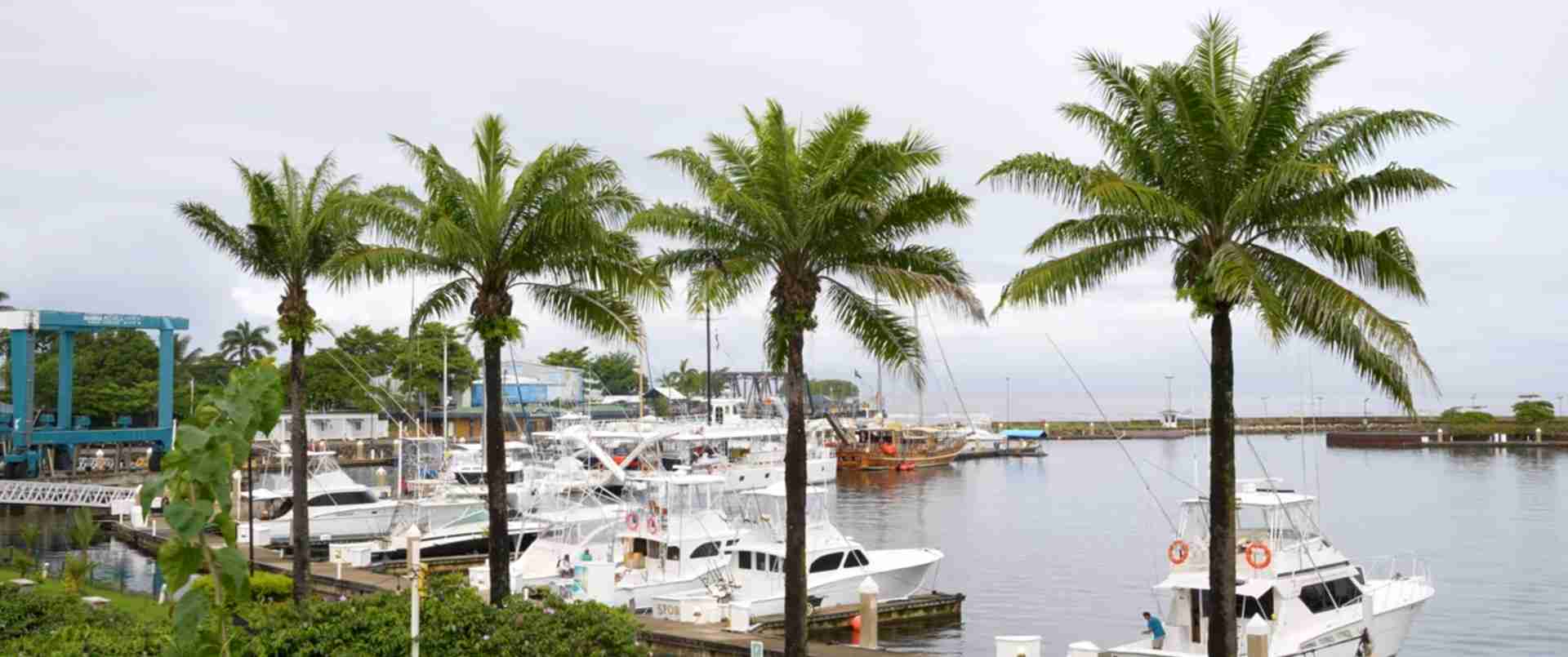
Manuel Antonio Budget Guide 2026: How to Visit on a Budget
Key Takeaways
- Park entrance costs $18.91 in 2026, with advance online booking required to guarantee entry during peak season
- Budget travelers spend $45-65 per day excluding accommodation, while mid-range visitors allocate $80-120 daily
- Shoulder season (May-June, September-November) offers 30-40% lower accommodation rates compared to peak winter months
- Public buses cost $1-3 between Quepos and Manuel Antonio, providing significant savings over $15-25 taxi fares
- Self-guided park visits save $40-80 compared to organized tour packages, with free wildlife spotting opportunities
- Booking accommodation 2-3 months ahead secures best budget options in the $40-70 per night range during high season
Introduction: Planning Your Budget-Friendly Manuel Antonio Adventure 2026
Manuel Antonio National Park combines pristine Pacific beaches, lush rainforest trails, and exceptional wildlife viewing in one of Costa Rica’s most accessible natural destinations. While the area’s popularity has driven accommodation and tour prices upward, strategic planning allows budget-conscious travelers to experience this tropical paradise without overspending. Understanding current costs, seasonal pricing patterns, and money-saving alternatives transforms Manuel Antonio from an expensive beach resort into an affordable eco-tourism destination for 2026 visitors.
The compact geography of Manuel Antonio—with the national park, Quepos town, and beach accommodations within a 7-kilometer corridor—creates opportunities for budget optimization through smart location choices and efficient transportation. The high concentration of services, from budget hostels to local sodas (casual eateries), means travelers can access authentic Costa Rican experiences at local prices rather than resort rates. This guide provides comprehensive budget planning strategies, accurate 2026 cost breakdowns, and practical money-saving techniques for experiencing Manuel Antonio’s natural wonders affordably.
Budget planning for Manuel Antonio requires balancing accommodation location, dining choices, and activity selections to maximize value while maintaining comfort and safety. The destination rewards travelers who research transportation options, understand seasonal pricing variations, and distinguish between essential experiences and optional upgrades. With proper planning, visitors allocate resources toward memorable wildlife encounters and beach experiences while avoiding unnecessary premium services that add minimal value to the overall trip.
People Also Ask About Manuel Antonio Budget 2026
How much does it cost to visit Manuel Antonio in 2026?
Daily costs for Manuel Antonio range $45-65 for budget travelers, $80-120 for mid-range visitors, and $150-250 for luxury experiences in 2026. Park entrance costs $18.91 per person, with additional expenses for transportation ($5-30 daily), meals ($15-45 daily), and optional activities ($40-100 per tour). Accommodation represents the largest variable expense, ranging from $25-40 per night in budget hostels to $150-300 for beachfront hotels. A typical 3-day Manuel Antonio trip costs $200-350 for budget travelers or $400-600 for mid-range visitors, excluding international flights to San José.
What is the cheapest month to visit Manuel Antonio in 2026?
September and October offer the lowest accommodation rates and fewer crowds in Manuel Antonio, with hotel prices 30-40% below peak season levels. These shoulder months fall within the green season (May-November), bringing afternoon rain showers but also lush vegetation and excellent wildlife viewing. May and early June provide another budget window with moderate rainfall and transitional pricing. Avoid December-April peak season when accommodation costs double and the park reaches capacity limits. Budget travelers booking September-October visits secure the best value while still enjoying beach access and wildlife experiences between rain periods.
Do you need a tour guide for Manuel Antonio National Park in 2026?
Tour guides enhance wildlife spotting through spotting scopes and expert knowledge, but self-guided park visits work well for budget travelers comfortable with independent exploration. Park trails feature clear signage and maintained paths, allowing visitors to navigate the 1.7-kilometer main trail system without assistance. Hiring a guide costs $25-40 per person for group tours or $80-120 for private experiences, while self-guided entry saves this expense entirely. Wildlife appears throughout the park regardless of guide presence, though guides spot camouflaged sloths, snakes, and distant birds more reliably. Budget-conscious visitors choosing self-guided exploration allocate saved funds toward additional park days or other experiences.
How many days do you need in Manuel Antonio in 2026?
Three days provides optimal balance for budget travelers, allowing one full park day, one beach and local exploration day, and one flexible day for activities or relaxation. Single-day visits feel rushed given the 4-5 hour journey from San José and the park’s 9 AM-4 PM operating hours. Four to five days suits travelers wanting multiple park visits, day trips to nearby beaches, or adventure activities like zip-lining or kayaking. Budget optimization occurs with 2-3 night stays, minimizing accommodation costs while maximizing park and beach access. Extending beyond five days requires additional activity investment to maintain engagement, potentially straining budget parameters.
Extended multi-day tours – 5+ days
Featured Costa Rica Multi-Day Tour Packages
3 days
Costa Rica 3-Day Discovery Tour
- ✓ Comprehensive Costa Rica experience
- ✓ Expert local guides included
- ✓ All accommodation included
- ✓ Transportation provided

5 days
Costa Rica 5-Day Highlights Experience
- ✓ Comprehensive Costa Rica experience
- ✓ Expert local guides included
- ✓ All accommodation included
- ✓ Transportation provided

7 days
Costa Rica 7-Day Cultural Journey
- ✓ Comprehensive Costa Rica experience
- ✓ Expert local guides included
- ✓ All accommodation included
- ✓ Transportation provided
10 days
Costa Rica 10-Day Complete Adventure
- ✓ Comprehensive Costa Rica experience
- ✓ Expert local guides included
- ✓ All accommodation included
- ✓ Transportation provided
Multi-day tour packages powered by TourRadar. Prices and availability subject to change.
Essential Planning Information 2026
Current Costs and Pricing Breakdown 2026
Manuel Antonio National Park entrance costs $18.91 for foreign adults in 2026, payable only through advance online reservation via the SINAC (National System of Conservation Areas) website at least one day before visiting. Check sinac.go.cr for current official rates as pricing may vary. Children under 12 enter free, while Costa Rican residents and children of residents pay reduced rates. The park accepts 600 visitors daily Tuesday-Sunday, with Monday closures for maintenance. Tickets sell out weeks in advance during December-April peak season, requiring early booking to guarantee entry.
Accommodation costs vary dramatically by location and season, with Quepos town offering the best budget options at $25-45 per night for hostels or basic hotels. Mid-range hotels along the Manuel Antonio road charge $70-120 per night during shoulder season, rising to $120-180 during December-April peak. Beachfront properties command $150-300 per night with ocean views and resort amenities. Budget travelers choosing Quepos locations save 40-50% on accommodation while adding 15-20 minutes travel time to the park entrance. All rates quoted assume double occupancy, with single travelers facing 60-75% of double room costs rather than 50% in most properties.
Transportation between Quepos and Manuel Antonio costs $1.50-3 per person on public buses running every 30 minutes from 6 AM to 7 PM daily. Buses depart from Quepos market terminal and stop at multiple points along the 7-kilometer Manuel Antonio road, with the park entrance as the final stop. Return buses follow the same route in reverse. Taxis charge $15-25 for the same journey, offering convenience for early morning park arrivals or luggage transport. Rental cars cost $40-60 daily for economy vehicles, justifying the expense only for travelers planning extensive regional exploration beyond the Quepos-Manuel Antonio corridor.
Dining costs range from $4-8 for casado meals (traditional rice, beans, protein, salad combination) at local sodas in Quepos, to $12-25 for tourist-oriented restaurant entrees along the Manuel Antonio road. Breakfast at sodas costs $3-6, while beachfront restaurant breakfasts run $8-15. Supermarket shopping for picnic supplies allows meal costs of $2-5 per person, particularly effective for park visits where outside food is permitted. Evening meals at mid-range restaurants average $15-30 per person including beverages, while budget sodas serve comparable portions at $8-12. Alcohol purchases add substantially to dining costs, with imported beers costing $4-6 versus local Imperial at $2-3.
Activity costs beyond park entry include guided nature tours at $40-60 per person for 2-3 hour experiences, zip-lining at $65-85, catamaran sunset cruises at $75-95, and kayaking rentals at $25-45 for half-day periods. Surfing lessons cost $45-65 for 2-hour beginner sessions, while board rentals run $15-25 daily. Snorkeling equipment rentals cost $10-15 daily from beach vendors. Many activities offer early booking discounts of 10-15% when reserved online at least 48 hours in advance. Budget travelers prioritizing park experiences over adventure activities allocate minimal funds to optional tours, focusing resources on entrance fees and quality accommodation.
Seasonal Pricing Patterns 2026
Peak season (December-April) represents the highest cost period for Manuel Antonio visits, with accommodation rates 80-120% above shoulder season prices. This dry season period attracts maximum visitor volume, creating capacity constraints at both the national park and popular hotels. Booking 3-4 months ahead becomes essential for securing preferred accommodation within budget parameters. Restaurant prices remain stable year-round, but tour operators charge peak rates and reduce discount availability during this period. Budget travelers visiting during peak season allocate 40-50% of total trip costs to accommodation alone.
Shoulder season (May-June, September-November) delivers optimal value for budget-conscious travelers, combining 30-40% accommodation discounts with reduced crowds and excellent wildlife viewing. Morning sunshine followed by afternoon rain showers characterizes this period, allowing beach and park activities before weather shifts. The green season name reflects lush vegetation and active wildlife, with increased animal sightings near water sources and feeding areas. Hotels offer flexible cancellation policies and last-minute booking opportunities during these months. Budget travelers choosing shoulder season visits maximize accommodation value while maintaining quality park and beach experiences.
Low season (July-August, heavy rain months) brings maximum discounts but reduced service availability and weather reliability. Some hotels close for maintenance, while others slash rates by 50-60% to attract visitors during sustained rainfall periods. Park trails become muddy and wildlife viewing opportunities decrease as animals shelter during extended rain. Budget travelers with weather flexibility and backup plans can achieve significant savings, but should prepare for potential activity cancellations and indoor time requirements. This period suits extreme budget optimization for visitors willing to accept weather-related limitations.
Budget Planning for Your 2026 Manuel Antonio Visit
Ultra-Budget Strategy: $45-65 Daily
Ultra-budget travelers staying in Quepos hostels at $12-18 per bed in shared dorms, eating at local sodas for $15-25 daily total meals, using public buses exclusively, and limiting paid activities to the national park entry achieve daily costs of $45-65 per person. This budget level requires self-guided park visits, picnic lunches, supermarket snacks, and evening meals at authentic Costa Rican eateries rather than tourist restaurants. Hostel accommodation in Quepos provides kitchen access for breakfast preparation, saving $3-6 daily compared to restaurant options.
Transportation optimization involves walking the Quepos town center for restaurant and service access, using $1.50 buses to reach the park, and timing grocery shopping for return bus trips rather than separate taxi journeys. Beach time focuses on public access points near the park entrance or in Quepos, avoiding beach club day-use fees of $15-25 charged at resort properties. Free activities include sunset watching from Punta Quepos, exploring Quepos marina and market areas, and hiking public beach access trails between Manuel Antonio and Playitas.
Food strategy emphasizes casado meals providing complete nutrition at $5-8, avoiding tourist menu items priced at $12-18 for similar portions. Breakfast consists of supermarket pastries, fruit, and coffee prepared at hostel facilities, costing $2-3 versus $6-10 at cafes. Snacks purchased at Quepos supermarkets (fresh fruit $1-3, local cookies $2-4, water bottles $0.75-1) replace beach vendor items priced 100-200% higher. Evening meals alternate between sodas and budget-friendly restaurants offering authentic cuisine without tourist markup.
A 3-day ultra-budget Manuel Antonio visit costs $135-195 per person excluding accommodation, or $171-249 including hostel beds. This budget covers park entry, all transportation, three daily meals, water and snacks, and basic toiletries. Activities beyond the national park require additional allocation or substitution of free alternatives like beach time and wildlife watching from public areas. Ultra-budget travelers booking shoulder season visits and sharing hostel dorm costs with travel companions achieve the lowest possible Manuel Antonio expenses while maintaining safety and adequate nutrition.
Moderate Budget Strategy: $80-120 Daily
Moderate budget travelers allocating $80-120 daily stay in private rooms at Quepos guesthouses ($40-60 per night double occupancy = $20-30 per person) or budget hotels along the Manuel Antonio road, eat combination of sodas and tourist restaurants, use public buses but occasionally take taxis for convenience, and participate in 1-2 organized activities beyond park entry. This budget level allows guided park tours, one adventure activity (zip-lining, catamaran cruise, or kayaking), and comfortable accommodation with air conditioning and private bathroom facilities.
Accommodation selection focuses on clean, well-reviewed properties offering essential amenities without resort features, balancing location convenience against nightly rates. Properties in the $70-100 range (shoulder season) or $50-70 (if booking Quepos) provide reliable comfort while avoiding premium beachfront charges. Mid-budget travelers prioritize accommodation cleanliness, security, and breakfast inclusion over ocean views or extensive grounds. Many properties in this range offer small pools, common areas for socializing, and helpful staff knowledge about local budget dining and transportation options.
Dining strategy mixes authentic local meals (40-50% of meals at sodas and local restaurants) with tourist-oriented options (50-60% at Manuel Antonio road establishments), averaging $25-40 daily for three meals and beverages. Breakfast alternates between included hotel offerings and cafe purchases ($5-10), lunch consists of picnic items for park days or sodas ($6-12), and dinner explores mid-range restaurants offering seafood, international cuisine, and Costa Rican specialties ($15-25). This variety provides culinary experience while maintaining budget discipline.
A 3-day moderate budget visit costs $240-360 per person excluding accommodation, or $300-450 including private room costs. This allocation covers park entrance, guided tour or one adventure activity, mixed transportation (primarily buses with occasional taxis), all meals at varied establishments, beverages including evening cocktails, and discretionary spending for souvenirs or additional snacks. Moderate budget travelers achieve comfortable Manuel Antonio experiences without sacrifice while avoiding luxury-tier expenses that deliver diminishing marginal value for typical park and beach activities.
Comfort Budget Strategy: $150-250 Daily
Comfort budget travelers spending $150-250 daily stay in mid-range beachfront hotels ($120-180 per night = $60-90 per person), dine primarily at restaurants with ocean views and tourist amenities, use taxis and rental cars for transportation flexibility, and participate in multiple organized activities and tours. This budget supports guided park experiences, adventure activities, catamaran cruises, spa treatments, and evening dining at premium establishments. Comfort-level visitors prioritize convenience, quality service, and curated experiences over budget optimization.
Accommodation selection emphasizes properties with direct beach access, swimming pools, on-site restaurants, and concierge services for activity booking and transportation arrangement. Mid-range hotels in the $150-220 range offer modern amenities, ocean-view rooms, and breakfast buffets while avoiding top-tier luxury resort pricing of $300-500+ nightly. These properties provide turndown service, beach equipment (chairs, umbrellas, towels), and often include welcome drinks or afternoon refreshments as part of the room rate.
Dining choices prioritize restaurant ambiance, view quality, and menu variety over price considerations, averaging $50-80 daily for three meals with cocktails and premium beverages. Breakfast consists of hotel buffets or upscale cafe options ($12-20), lunch includes beachfront restaurant meals or higher-end sodas ($15-30), and dinner explores the best Manuel Antonio dining establishments offering fresh seafood, international fusion, and premium Costa Rican preparations ($30-50 per person). Wine and cocktail selections add $15-30 to evening meals.
A 3-day comfort budget visit costs $450-750 per person excluding accommodation, or $630-1,020 including hotel rates. This budget supports premium experiences, multiple activities, all meals at quality establishments, and flexible transportation arrangements. Comfort budget travelers achieve Manuel Antonio’s full potential through guided expertise, convenient logistics, and access to exclusive or limited-availability experiences while maintaining reasonable cost discipline compared to ultra-luxury $500+ daily spending levels.
Accommodation Strategies for Budget Travelers 2026
Quepos Town: Maximum Budget Value 2026
Quepos offers the best value accommodation for budget travelers, with clean hostels starting at $12-18 per dorm bed and basic hotels offering private rooms at $35-55 per night during peak season, dropping to $25-40 in shoulder months. The town location adds 7 kilometers (15-20 minutes by bus, $1.50) to park access but provides authentic Costa Rican atmosphere, local dining options, and significantly lower costs than Manuel Antonio road properties. Quepos accommodations include kitchen access, common areas for trip planning, and proximity to supermarkets, banks, and transportation terminals.
Top budget Quepos properties include backpacker hostels near the central market, family-run hotels in residential neighborhoods offering local immersion, and basic hotels catering to domestic travelers and budget international visitors. These properties lack resort amenities but provide security, cleanliness, hot water, and often air conditioning in private rooms. Front desk staff offer local knowledge about bus schedules, recommended sodas, and free or low-cost activities. Many Quepos properties include breakfast or provide kitchen facilities for meal preparation, adding substantial daily savings.
Booking strategy for Quepos accommodation involves direct property contact via email or WhatsApp 4-8 weeks before travel, often securing better rates than online booking platforms charging 15-20% commission fees. Shoulder season visits allow walk-up bookings with immediate availability, while peak season requires advance reservations to guarantee preferred properties. Budget travelers booking multiple nights often negotiate 10-15% discounts for 4+ night stays. Quepos location suits visitors prioritizing budget over beach proximity, willing to use public transportation, and interested in authentic local experiences beyond the tourist corridor.
Manuel Antonio Road: Convenience at Higher Cost 2026
Properties along the 7-kilometer Manuel Antonio road between Quepos and the park entrance offer proximity to beaches, restaurants, and the park gate but command premium rates starting at $60-90 for basic rooms during shoulder season, rising to $90-140 in peak months. These properties provide easier park access, walkable restaurant options, and often include pools and common areas with ocean views. Budget-conscious travelers selecting Manuel Antonio road accommodation prioritize properties in the $70-110 range offering clean rooms, reliable amenities, and breakfast inclusion without beachfront premium pricing.
Mid-road properties (3-4 kilometers from Quepos) balance accessibility and cost, offering regular bus service while avoiding the highest beachfront rates near the park entrance. These hotels provide air-conditioned rooms, private bathrooms, pools, and often small restaurants or breakfast services. Properties in this zone charge 20-30% less than equivalent beachfront locations while maintaining 5-10 minute bus rides to the park. Budget travelers walking 400-800 meters to bus stops save $15-25 daily in taxi costs versus staying at properties without convenient public transportation access.
Booking considerations for Manuel Antonio road accommodation include verifying bus stop proximity, understanding check-in time flexibility for travelers arriving on afternoon buses from San José, and confirming breakfast hours align with early morning park visits. Properties offering 7-8 AM breakfast service support optimal park arrival timing, while those serving breakfast 8-9 AM require early departure without meal service or picnic breakfast arrangements. Budget travelers reading recent reviews verify advertised amenities function properly, as maintenance issues affect comfort levels at lower-priced properties more frequently than luxury establishments.
Strategic Booking Timing 2026
Peak season accommodation (December-April) requires booking 2-4 months ahead for budget properties, as lower-priced inventory sells out first while expensive hotels maintain availability longer. Budget travelers planning Christmas, New Year, or Easter visits book by October-November to secure preferred options at advertised rates. Waiting until December results in limited availability and 20-30% price increases for remaining inventory. Shoulder season booking (May-June, September-November) allows 4-8 week advance reservations with good availability and occasional last-minute deals for flexible travelers.
Cancellation policy considerations become critical for budget travelers unable to absorb prepayment losses if travel plans change. Properties offering free cancellation until 7-14 days before arrival provide planning flexibility worth slight rate premiums of 5-10% over non-refundable bookings. Budget hotels often require full prepayment or credit card guarantees, while hostels charge first night deposits. Travel insurance covering trip cancellation costs $40-80 for typical 3-5 day Manuel Antonio visits, providing financial protection for travelers booking non-refundable rates 3-4 months ahead.
Direct booking versus platform use balances convenience against potential savings of 10-20% available through direct hotel contact. Budget properties operating outside major booking platforms (Booking.com, Expedia, Hotels.com) avoid commission fees and often pass savings to guests booking via email, phone, or WhatsApp. Platform bookings provide review verification, secure payment processing, and standardized cancellation policies benefiting travelers unfamiliar with Costa Rican hospitality standards. Budget travelers comfortable with basic Spanish or willing to communicate via translation apps achieve best rates through direct contact, while those prioritizing booking security use established platforms.
Transportation Guide 2026: Getting Around Manuel Antonio
Public Bus System: Maximum Savings 2026
Public buses connect Quepos and Manuel Antonio every 30 minutes from 6 AM to 7 PM daily, charging ₡1,000-1,500 ($1.50-3) for the 20-minute journey depending on pickup location and final destination. Buses depart from Quepos central market terminal, make multiple stops along the Manuel Antonio road, and terminate at the park entrance. Return buses reverse this route, allowing budget travelers to complete all necessary transportation for $3-6 daily. Buses accept cash payment only (colones preferred, dollars accepted at slightly disadvantaged exchange rates), requiring exact fare or small bills as drivers cannot break large denominations.
Bus strategy for park visits involves catching the 6:30-7:30 AM departure from Quepos to arrive at the park entrance by 7:50-8:30 AM, allowing position near the front of the 9 AM entry line. Early arrival matters during peak season when the 600-person daily capacity fills within 1-2 hours of opening. Return buses depart the park entrance throughout the afternoon, with 3:30-5:30 PM departures serving visitors completing full park days. Buses fill quickly during peak hours (7-9 AM, 4-6 PM), sometimes requiring standing room for the 20-minute journey. Budget travelers carrying minimal gear (small daypack) board more easily than those with beach equipment or large bags.
Bus schedule variations occur during low season when reduced passenger volume leads to slightly less frequent service, and during holidays when special schedules operate. Quepos terminal posts current schedules, and hotel front desks provide departure time updates. Buses run Monday despite park closures, serving beachgoers and Manuel Antonio road residents. Budget travelers verifying bus schedules upon arrival in Quepos avoid missed connections and unexpected taxi costs. The bus system extends throughout Quepos town, connecting the market terminal with the marina, supermarkets, and residential areas at ₡300-500 ($0.50-0.75) per ride.
Taxi Services: Convenience at Premium Cost 2026
Taxis charge $15-25 for transportation between Quepos and Manuel Antonio depending on specific pickup and dropoff locations, final destination along the 7-kilometer route, and time of day. Red licensed taxis operate on meters (maria) displaying fare in colones, while unlicensed taxis (often private vehicles) negotiate flat rates. Budget travelers using occasional taxi service for luggage transport, early morning park arrival, or evening restaurant returns balance convenience against public bus savings. Taxis prove cost-effective for groups of 3-4 sharing the flat fare, approaching per-person bus costs while providing door-to-door service.
Taxi availability varies by location and time, with Quepos town offering abundant service at the market terminal, marina, and major supermarkets, while Manuel Antonio road properties require phone calls or hotel front desk assistance for taxi dispatch. Peak demand periods (7-9 AM for park arrivals, 11 AM-1 PM for beach club arrivals, 4-6 PM for park departures) create scarcity and occasional price negotiation opportunities favoring drivers. Budget travelers booking taxis 15-30 minutes ahead secure reliable service at standard rates rather than accepting inflated charges during high-demand moments.
Ride-sharing services (Uber) operate in limited capacity in Quepos-Manuel Antonio, with availability depending on driver supply at specific times. Uber fares typically run 10-20% below licensed taxi rates for equivalent journeys but face inconsistent availability outside peak tourist months. Budget travelers downloading the Uber app before arrival access additional transportation options while maintaining taxi backup for situations where ride-sharing proves unavailable. Uber payment via app eliminates currency exchange needs and provides digital receipt documentation for trip expense tracking.
Rental Cars: When the Math Works 2026
Rental cars cost $40-60 daily for economy vehicles during peak season, dropping to $30-45 in shoulder months, plus mandatory insurance adding $15-25 daily regardless of credit card coverage due to Costa Rican legal requirements. Gasoline costs $4-6 per gallon, with the Quepos-Manuel Antonio area requiring minimal driving (10-20 kilometers daily for typical park and beach access). Rental car value proposition works for travelers planning day trips to Dominical (45 kilometers south), Uvita and Marino Ballena National Park (70 kilometers), or extensive Quepos area beach exploration impossible via public transportation.
Budget analysis comparing rental cars versus public buses and occasional taxis shows rental value emerges only when daily transportation needs exceed $20-25, requiring multiple taxi trips or day trips to areas without bus service. Solo travelers or couples staying 3-4 days and limiting activities to Quepos-Manuel Antonio corridor pay less using public buses and taxis as needed, saving $120-200 over the rental period. Groups of 3-4 sharing rental costs and planning extensive regional exploration justify the expense through per-person cost distribution and access to remote beaches, waterfalls, and attractions.
Rental car considerations for budget travelers include parking availability at Manuel Antonio National Park ($5-8 per day in private lots near the entrance, as the park lacks internal parking), security concerns leaving vehicles unattended at beach access points, and narrow, steep roads requiring confident driving skills on the hilly Manuel Antonio coastal road. International drivers licenses provide legal backup to home country licenses, though Costa Rican law accepts valid licenses from most countries for tourist rentals up to 90 days. Budget travelers renting vehicles verify insurance coverage details, understand deductible amounts ($1,000-1,500 typical), and photograph vehicles thoroughly before departure to avoid disputed damage charges.
Food and Dining Budget Strategies 2026
Soda Meals: Authentic Local Value 2026
Sodas serve traditional Costa Rican casado meals (rice, beans, protein choice, cabbage salad, sweet plantains) at $5-8 including beverage, providing complete nutrition and authentic flavors at budget-friendly prices. These family-operated casual restaurants cluster in Quepos town, particularly near the market and along residential streets, serving local workers and price-conscious travelers. Casado portions satisfy hearty appetites, with protein options including chicken, fish, pork, or beef prepared simply with local seasonings. Most sodas open 7 AM-7 PM, offering breakfast, lunch, and early dinner service.
Breakfast at sodas costs $3-6, featuring gallo pinto (rice and beans with eggs), fresh fruit, coffee, and toast or tortillas. Lunch represents the main meal culturally, with sodas offering expanded casado options, fresh fruit juices ($1.50-2.50), and daily specials featuring seasonal ingredients. Dinner service continues the casado format with slightly smaller portions and reduced protein variety. Budget travelers eating 2-3 soda meals daily spend $12-20 on food while experiencing authentic Costa Rican cuisine unavailable at tourist-oriented establishments.
Soda selection strategy involves observing local customer volume (busy sodas indicate quality and value), verifying cleanliness of dining areas and visible kitchen spaces, and trying multiple locations to find preferred options. English menus remain uncommon, requiring basic Spanish food vocabulary or willingness to point at menu items or other customers’ plates. Most sodas accept cash only, with credit card facilities rare outside the most tourist-oriented establishments. Budget travelers carrying small bills (₡1,000, ₡2,000, ₡5,000 notes) facilitate payment and avoid bill-breaking challenges at small family businesses.
Supermarket Strategy: DIY Meals and Snacks 2026
Quepos supermarkets (Coopealianza, Super Joseth, smaller neighborhood groceries) stock fresh produce, bakery items, dairy products, snacks, and beverages at prices 30-50% below restaurant markups. Budget travelers preparing picnic lunches for park visits or beach days spend $4-8 for filling meals consisting of fresh bread ($2-3), cheese or deli meat ($2-4), fruit ($1-3), cookies or local snacks ($1-2), and bottled water ($0.75-1). Breakfast preparation at hostels or hotels with kitchen access costs $2-3 per person for bread, jam, fruit, coffee, and yogurt compared to $6-12 for cafe breakfast.
Fresh fruit selection includes pineapples ($2-4 whole), mangoes ($0.50-1 each), bananas ($0.25-0.50 per pound), papayas ($2-3 whole), and watermelon ($3-5 whole), providing healthy snacks and breakfast components at minimal cost. Local bakeries adjacent to supermarkets sell fresh bread, pastries, and empanadas at $0.50-2 per item. Prepared food sections offer rotisserie chicken ($6-8), rice and bean containers ($2-3), and salads ($3-5), creating complete meals for 40-50% less than restaurant equivalents while avoiding cooking requirements.
Beverage strategy emphasizes supermarket purchases for drinking water ($0.75-1.50 per liter versus $2-4 at restaurants), local beer ($1.50-2.50 per bottle versus $4-6 at bars), and fresh fruit juices ($2-3 per liter for preparation versus $3-5 per glass at restaurants). Coffee drinkers purchasing local Costa Rican coffee ($4-6 for packages making 20-30 cups) and brewing at accommodations save $2-4 per cup versus cafe purchases. Budget travelers allocating 30-40% of daily food budget to supermarket purchases reduce total dining costs by 20-30% while maintaining nutrition and satisfaction.
Restaurant Selection: Value Versus Tourist Pricing 2026
Manuel Antonio road restaurants charge $12-25 for entrees featuring similar ingredients and portion sizes to $5-8 soda casados, with premiums justified by ocean views, tourist amenities, and international cuisine options. Budget travelers dining at restaurants strategically allocate these expenditures to special occasions (sunset dinners, celebration meals) while maintaining sodas and supermarket meals for routine nutrition. Mid-range restaurants in the $12-18 entree range provide better value than premium $25-40 establishments offering minimal quality differences for casual park-focused visits.
Lunch specials at tourist restaurants (typically 11 AM-2 PM) offer $8-12 complete meals including entree, beverage, and sometimes dessert, approaching soda pricing while providing air-conditioned dining rooms, extensive menus, and international options. These specials target local workers and price-conscious travelers, creating opportunities for budget-friendly restaurant experiences. Evening pricing returns to standard tourist rates, making lunch the optimal time for budget restaurant dining. Happy hour promotions (typically 3-6 PM) offer discounted appetizers and beverages, providing affordable ocean-view dining experiences for travelers timing visits strategically.
Seafood value analysis reveals minimal quality differences between $15-20 whole fish preparations and $35-50 premium seafood entrees, with both sourcing fish from the same local fishing fleet. Budget travelers ordering simply prepared grilled fish, ceviche, or seafood casados at mid-range establishments experience Manuel Antonio’s fresh catch without luxury restaurant markups. Portion sizes favor sharing appetizers or side orders rather than ordering multiple individual entrees, particularly for travelers accustomed to smaller meal sizes than typical Costa Rican restaurant servings.
Activities and Attractions Budget Guide 2026
Manuel Antonio National Park: Core Experience 2026
National park entrance at $18.91 per adult represents the essential Manuel Antonio expense, providing access to 4 primary beaches, 1.7 kilometers of maintained trails, wildlife viewing opportunities, and rainforest immersion from 9 AM to 4 PM Tuesday-Sunday. Self-guided visits require no additional costs beyond entry, allowing budget travelers complete park access for the base fee. The park’s compact size and clear trail system support independent exploration, with maps available at the entrance station and trail junctions marked clearly. Wildlife appears throughout the park regardless of guide presence, though guides using spotting scopes reveal camouflaged animals difficult to detect independently.
Park visit strategy for budget travelers involves arriving 30-45 minutes before 9 AM opening to secure position near the front of the entry line, particularly during peak season when the 600-person daily capacity fills quickly. Early entry allows first access to trails and beaches before crowds arrive and wildlife retreats to shaded areas during midday heat. Budget visitors carrying packed lunches and snacks avoid overpriced park concession stands, with outside food permitted throughout the grounds. Reusable water bottles refill at park facilities, eliminating bottled water purchases.
Guide services cost $25-40 per person for 2-3 hour group tours (typically 6-12 participants sharing one guide) or $80-120 for private experiences. Guides provide spotting scopes for viewing distant sloths, birds, and monkeys, share natural history information, and reveal camouflaged snakes, frogs, and insects easily missed during self-guided visits. Budget travelers weighing guide value consider natural history interest levels, previous tropical experience, and whether enhanced wildlife viewing justifies the $25-40 expense. First-time rainforest visitors often find guided tours valuable for educational context and spotting scope access, while experienced nature travelers comfortable with independent observation save guide fees for other activities.
Free and Low-Cost Alternatives 2026
Public beach access points along the Manuel Antonio road provide free swimming, sunbathing, and coastal scenery outside national park boundaries. Playa Espadilla, the longest publicly accessible beach, extends north of the park entrance with 1.5 kilometers of sand, swimming areas, and rental chair services ($5-8 daily). Beach vendors offer surfboard rentals ($15-25 daily), boogie boards ($8-12), and snorkeling equipment ($10-15), creating low-cost beach entertainment options. Sunset viewing from Espadilla costs nothing and provides spectacular Pacific Ocean vistas matching expensive beachfront restaurant views.
Rainmaker Aerial Walkway, located 30 kilometers inland from Quepos, charges $20-25 for admission to suspension bridges through primary rainforest canopy, offering wildlife viewing and waterfall access at lower cost than organized tours. Public buses serve the Rainmaker access road, though frequency remains limited, making shared taxi transportation ($30-40 round trip for 4 people) more practical. Budget travelers sharing transportation costs among groups access this experience for total costs of $27-35 per person including admission and transport.
Punta Quepos, a headland at the south end of Quepos town, provides free sunset viewing, coastal trail walking, and offshore wildlife observation including dolphins, whales (July-October, December-March), and seabirds. The 20-minute walk from downtown Quepos offers exercise, ocean views, and photography opportunities without admission fees. Local families gather here for evening recreation, creating authentic cultural immersion opportunities for budget travelers. Marina browsing and fishing boat watching at Quepos marina costs nothing while providing interesting maritime activity observation.
Activity Prioritization for Budget Travelers 2026
Budget-conscious visitors prioritizing experiences allocate limited activity funds to the national park entry as the essential Manuel Antonio experience, then evaluate optional activities based on interest levels and remaining budget capacity. Travelers passionate about adventure sports justify zip-lining ($65-85) or catamaran cruises ($75-95) as memorable highlight experiences worth the investment. Those primarily interested in wildlife and nature allocate resources to additional park days or guided park tours rather than adventure activities offering different value propositions.
Multi-activity package deals bundled by tour operators provide 10-20% discounts versus individual activity booking, but require commitment to specific operators and timing. Budget travelers comparing package prices against individual activity costs plus booking flexibility often find individual reservations provide better value unless committing to 3+ activities. Package deals lock in pricing and guarantee availability but limit schedule flexibility valuable for weather-dependent activities or travelers preferring spontaneous planning.
Activity timing strategy leverages shoulder season discount opportunities when tour operators reduce prices 15-25% to maintain booking volume during lower tourist periods. Budget travelers visiting May-June or September-November access identical experiences at reduced rates compared to peak season pricing. Last-minute booking platforms (Viator, GetYourGuide) occasionally offer day-of discounts on underbooked tours, benefiting flexible travelers willing to adjust plans for savings opportunities. Budget optimization balances advance planning for guaranteed availability against potential last-minute deals requiring schedule flexibility.
Money-Saving Strategies for 2026 Manuel Antonio Visits
Advance Booking Benefits 2026
Park entrance reservations book online at sinac.go.cr at least one day ahead, with availability opening 30 days in advance for general public and 90 days for Costa Rican residents. Budget travelers booking park tickets 2-4 weeks ahead guarantee entry on preferred dates while avoiding sold-out situations requiring schedule changes or expensive alternative destinations. Peak season tickets (December-April) sell out within hours of release for popular dates, making early booking essential rather than optional for budget trip planning.
Accommodation early booking secures budget properties before limited inventory sells out, locks in advertised rates before seasonal price increases, and provides better property selection versus last-minute options. Budget travelers booking 2-4 months ahead for peak season or 4-8 weeks for shoulder season access best-value properties at lowest rates. Properties offering early booking discounts (10-15% for reservations 60+ days ahead) reward planning with direct cost savings. Free cancellation policies allow early booking price protection while maintaining flexibility for changed travel plans.
Activity advance booking through tour operator websites rather than third-party platforms eliminates commission markups of 15-25%, with direct bookings providing equivalent experiences at 15-20% lower cost. Budget travelers contacting operators via email or WhatsApp 2-4 weeks before travel negotiate direct booking discounts unavailable through automated online platforms. Some operators offer group discounts for 4+ participants booking together, creating savings opportunities for travelers coordinating with friends or family for shared Manuel Antonio visits.
Shoulder Season Optimization 2026
Shoulder season travel (May-June, September-November) delivers maximum value through 30-40% lower accommodation rates, reduced tour pricing, and decreased competition for park entry and activity bookings. Budget travelers timing visits during these periods achieve identical park and beach experiences while spending significantly less on accommodation and activities. Morning sunshine followed by afternoon rain characterizes most shoulder season days, allowing full park visits and beach time before weather shifts.
Green season benefits include lush vegetation, active wildlife near water sources, fewer crowds on trails and beaches, and flexible last-minute booking opportunities. Budget travelers comfortable with occasional rain showers and willing to pack light rain gear experience optimal value during these months. Hotel occupancy drops during shoulder season, creating negotiation opportunities for travelers booking multiple nights or requesting room upgrades. Many properties offer complimentary upgrades from standard to ocean-view rooms when occupancy allows, benefiting shoulder season visitors requesting upgrades at check-in.
Weekly rate negotiations become possible during shoulder season as hotels prefer extended bookings over multiple one-night reservations. Budget travelers staying 5-7 nights negotiate 10-20% weekly discounts versus nightly rate multiplication, with properties offering better value for guaranteed occupancy. Monthly rates (for 20+ night stays) reach 30-40% below daily rate equivalents, serving digital nomads or extended visitors exploring the region thoroughly while maintaining budget discipline.
Shared Costs and Group Savings 2026
Accommodation cost-sharing through double occupancy halves per-person rates compared to solo travelers paying single supplements. Budget travelers coordinating with friends, family, or travel partners for room sharing achieve immediate 40-50% accommodation savings versus individual room bookings. Hostel dorm beds offer minimal cost reduction for pairs compared to private room sharing, making private room double occupancy the optimal budget strategy for couples or travel companions comfortable sharing space.
Transportation cost-sharing makes taxis economically competitive with buses for groups of 3-4 splitting flat fares. Budget groups organizing shared taxi service for park arrival, beach access, or evening restaurant visits pay $4-8 per person versus $1.50-3 on buses while gaining convenience and time savings. Rental car cost-sharing among 4 passengers creates per-person costs of $10-15 daily versus $40-60 vehicle rates, potentially justifying rental expenses for groups planning extensive regional exploration or day trips to areas without public transportation service.
Food cost-sharing through supermarket meal preparation and picnic assembly allows groups to purchase larger quantities at better per-unit pricing while reducing individual portions to appropriate sizes. Budget groups buying whole chickens ($6-8), large fruit selections ($5-10), and bulk snack items ($3-5) create multiple meals for $3-5 per person versus $8-12 individual restaurant meals. Kitchen access at shared accommodation facilitates meal preparation, equipment sharing, and collaborative cooking that reduces per-person costs while creating social bonding experiences for travel groups.
Sample 2026 Budget Itineraries
3-Day Ultra-Budget Manuel Antonio 2026
Day 1 – Arrival and Quepos Exploration: Arrive afternoon bus from San José ($8), check into Quepos hostel ($15 dorm bed), explore town center on foot, sunset at Punta Quepos (free), dinner at local soda ($6). Transportation $8, dinner $6. Total day cost: $14 per person (excluding accommodation $15).
Day 2 – Manuel Antonio National Park: Breakfast at hostel (supermarket supplies $3), 7 AM bus to park ($1.50), park entry $18.91, picnic lunch in park (supermarket supplies $5), self-guided exploration until 3 PM, return bus to Quepos ($1.50), dinner at soda ($7), supermarket snacks ($2). Transportation $3, meals $17, park entry $18.91, snacks $2. Total day cost: $40.91 per person (excluding accommodation).
Day 3 – Beach Day and Departure: Breakfast at hostel ($3), bus to Playa Espadilla ($1.50), beach time (free), picnic lunch ($4), afternoon bus to Quepos ($1.50), late lunch/early dinner ($8), evening bus to San José ($8). Transportation $11, meals $15. Total day cost: $26 per person (excluding accommodation).
3-Day Total: Transportation $22, meals $48, park entry $18.91, accommodation $45 (3 nights hostel). Total trip cost: $133.91 per person.
3-Day Moderate Budget Manuel Antonio 2026
Day 1 – Arrival and Orientation: Afternoon bus from San José ($8), check into Quepos guesthouse private room ($50, $25 per person double occupancy), explore Quepos on foot, sunset drinks at marina bar ($8), dinner at mid-range restaurant ($18). Transportation $8, drinks $8, dinner $18. Total day cost: $34 per person (excluding accommodation $25).
Day 2 – Guided Park Tour: Hotel breakfast (included), taxi to park for 8 AM guided tour start ($8 per person sharing), guided park tour $35, park entry $18.91 (often included in tour price, verify), picnic lunch in park ($6), afternoon beach time at Espadilla, return bus to Quepos ($1.50), dinner at oceanview restaurant ($25). Transportation $9.50, guided tour $35, park entry $18.91, lunch $6, dinner $25. Total day cost: $94.41 per person (excluding accommodation).
Day 3 – Beach and Activities: Breakfast at cafe ($8), bus to Manuel Antonio road ($1.50), catamaran cruise or kayaking ($75), lunch at beach restaurant ($15), afternoon beach relaxation, bus to Quepos ($1.50), farewell dinner ($22), evening bus to San José ($8). Transportation $11, breakfast $8, activity $75, lunch $15, dinner $22. Total day cost: $131 per person (excluding accommodation).
3-Day Total: Transportation $28.50, meals $99, activities $110, park tour $35, park entry $18.91 (if separate), accommodation $75 (3 nights split double occupancy). Total trip cost: $366.41 per person.
3-Day Comfort Budget Manuel Antonio 2026
Day 1 – Luxury Arrival: Afternoon bus or shared shuttle from San José ($20-30), check into beachfront hotel ($140, $70 per person double occupancy), welcome drinks (included), dinner at premium oceanview restaurant ($45), evening cocktails on hotel terrace ($15). Transportation $25, dinner $45, cocktails $15. Total day cost: $85 per person (excluding accommodation $70).
Day 2 – Private Park Experience: Hotel buffet breakfast (included), private car to park (hotel concierge arranged, $20), private guided park tour $100, park entry $18.91 (often included in private tour), lunch at upscale park-adjacent restaurant ($30), afternoon at hotel beach and pool, spa treatment ($80), sunset catamaran cruise $90, dinner at hotel restaurant ($50). Transportation $20, private tour $100, park entry $18.91, lunch $30, spa $80, catamaran $90, dinner $50. Total day cost: $388.91 per person (excluding accommodation).
Day 3 – Beach Club Experience: Hotel breakfast buffet (included), morning beach club day pass with amenities ($35), gourmet lunch at beach club ($40), afternoon rental car for coastal exploration ($60 total, $30 per person), scenic drive and sunset viewing, farewell dinner at chef-driven restaurant ($65), private transfer to San José ($100 total, $50 per person). Transportation $80, beach club $35, lunch $40, dinner $65. Total day cost: $220 per person (excluding accommodation).
3-Day Total: Transportation $125, meals $270, activities $405, accommodation $210 (3 nights split double occupancy). Total trip cost: $1,010 per person.
Booking and Reservations Guide 2026
Official National Park Booking 2026
Manuel Antonio National Park entry books exclusively through the SINAC website at sinac.go.cr, requiring online reservation at least one day before visiting (24-hour minimum advance booking). Check the official website for current rates and booking procedures as systems may update. The reservation system opens 30 days in advance for general public, with tickets releasing at midnight Costa Rica time. Popular dates during peak season (December-April weekends, Christmas-New Year period, Easter week) sell out within hours of release, requiring immediate booking when availability opens.
Booking procedure requires creating SINAC user account with email verification, selecting desired visit date, choosing visitor category (foreign adult $18.91, foreign child under 12 free, Costa Rican resident reduced rates), and completing credit card payment in U.S. dollars. The system generates PDF confirmation vouchers displaying QR codes required for park entry. Budget travelers printing vouchers or saving to mobile devices for scanning at entrance gates avoid connectivity issues at the park entrance. Email confirmation includes instructions for presentation, entry procedures, and park regulations.
Cancellation and refund policies allow modifications up to 24 hours before scheduled visit date, with full refunds processed to original payment methods within 7-10 business days. No-show visitors forfeit entry fees without refund or rescheduling options. Budget travelers uncertain about exact visit dates within trip windows book tickets for earliest possible date, then modify if needed within the 24-hour cancellation window. Park capacity limits mean rescheduled tickets face availability constraints, making initial booking for preferred dates optimal even if slight uncertainty exists.
Accommodation Booking Platforms 2026
Major booking platforms (Booking.com, Expedia, Hotels.com) provide verified reviews, standardized cancellation policies, and secure payment processing for Manuel Antonio accommodations ranging from budget hostels to luxury resorts. Platform booking benefits budget travelers through filtering options (price range, amenities, location), guest review authenticity verification, and customer service support for booking disputes. Commission fees of 15-20% get passed to guests through higher advertised rates compared to direct booking, but platforms offer convenience and reliability valuable for first-time visitors unfamiliar with local hospitality standards.
Direct booking through property websites, email contact, or WhatsApp communication often secures 10-20% discounts versus platform rates as properties avoid commission fees and maintain flexibility for rate negotiation. Budget travelers comfortable with basic Spanish or willing to communicate via translation tools achieve best rates through direct contact, particularly for extended stays (5+ nights) or shoulder season visits when properties prioritize occupancy over rate optimization. Direct booking requires greater due diligence through independent review research and payment security verification, but rewards effort with meaningful cost savings.
Hostel-specific platforms (Hostelworld, Hostels.com) specialize in budget accommodation with traveler community reviews, property comparisons, and backpacker-oriented filtering for amenities like kitchens, social common areas, and organized activities. These platforms charge lower commission rates than general booking sites, resulting in competitive hostel pricing. Budget travelers seeking social atmosphere and travel companion opportunities benefit from hostel platform booking systems that facilitate community formation through property selection emphasizing social spaces and organized events.
Activity and Tour Booking 2026
Tour operator direct websites provide lowest pricing for activities, with operators like Iguana Tours, Manuel Antonio Expeditions, and Amigos del Rio offering online booking systems with 5-10% discounts versus third-party platform rates. Budget travelers booking directly through operator websites avoid commission markups while accessing identical experiences, with direct contact enabling custom requests, group discounts for 4+ participants, and flexible rescheduling for weather-dependent activities. Operator websites display current pricing, availability calendars, and detailed activity descriptions supporting informed booking decisions.
Third-party activity platforms (Viator, GetYourGuide, TripAdvisor Experiences) aggregate multiple operators, provide standardized booking interfaces, and offer customer protection guarantees worth 10-15% rate premiums over direct operator booking. Budget travelers valuing convenience, review aggregation, and booking security use these platforms despite higher costs. Last-minute deals occasionally appear on third-party platforms for underbooked tours, creating savings opportunities for flexible travelers checking availability 24-48 hours before desired activity dates.
Hotel concierge booking services charge 10-20% commissions above direct operator rates, providing convenience for guests preferring on-property arrangements but costing significantly more than independent booking. Budget travelers booking activities independently through operator websites or third-party platforms before arrival save commission fees while maintaining flexibility for weather-related rescheduling or changed preferences. Concierge services prove valuable for last-minute bookings, language barrier assistance, or complex multi-activity coordination but don’t justify cost premiums for straightforward single-activity reservations.
2026 Updates and Current Information
Park Regulations and Entry Updates 2026
Manuel Antonio National Park maintains 600-visitor daily capacity limits enforced through online reservation system, with Monday closures for wildlife respite and facility maintenance continuing through 2026. Operating hours remain 9 AM to 4 PM Tuesday through Sunday, with last entry at 3 PM allowing one hour for final visitors to experience facilities before closing. Outside food and beverages enter the park freely, though alcohol remains prohibited. Reusable water bottles refill at park facilities, with single-use plastic bottles discouraged but not banned.
Wildlife interaction regulations prohibit feeding animals, approaching within 7 meters of monkeys and sloths, and touching any wildlife. Rangers enforce these rules through fines of $50-200 for violations, with serious infractions resulting in immediate park removal without refund. Photography remains unlimited for personal use, with commercial photography requiring special permits unavailable through standard entry reservations. Drone flights inside park boundaries remain strictly prohibited, with equipment confiscation and fines for violations.
Beach use regulations allow swimming at designated beaches (Manuel Antonio, Espadilla Sur, Playitas) with lifeguard supervision during peak season, while Espadilla Norte inside park boundaries prohibits swimming due to dangerous currents. Budget travelers bringing beach equipment (towels, snorkeling gear, portable shade) access beaches freely without rental fees. Park facilities include bathrooms, changing rooms, freshwater showers, and covered picnic areas available to all visitors without additional charges beyond entrance fees.
COVID-19 and Health Protocols 2026
Costa Rica eliminated COVID-19 entry requirements in 2022, with no vaccination documentation, testing, or quarantine requirements for international visitors arriving in 2026. Standard entry requirements include valid passport with 6 months validity beyond travel dates for most nationalities, with United States, Canada, EU, and many Latin American citizens receiving automatic 90-day tourist visas on arrival. Health protocols at Manuel Antonio National Park follow standard public health practices without COVID-specific restrictions or capacity reductions beyond normal 600-visitor daily limits.
Travel insurance providing medical coverage remains recommended for international visitors, as Costa Rica’s public health system (CCSS) provides emergency care to tourists but charges for services beyond emergency stabilization. Private medical facilities in Quepos handle routine issues, with Max Terán Hospital providing 24-hour emergency services. Travel insurance policies cost $40-80 for typical week-long visits, covering medical emergencies, trip cancellation, and lost luggage. Budget travelers evaluating insurance costs against risk tolerance make individual decisions, with basic coverage providing peace of mind for minimal daily cost.
Vaccination recommendations for Costa Rica include routine immunizations (measles, mumps, rubella) and hepatitis A for travelers consuming local food and water. Typhoid vaccination proves optional for visitors eating primarily at established restaurants, while yellow fever vaccination requirements apply only to travelers arriving from endemic countries in Africa or South America. Malaria does not occur in Manuel Antonio area, eliminating prophylaxis requirements. Budget travelers consulting travel medicine professionals 4-8 weeks before departure receive personalized vaccination recommendations based on specific itineraries and risk factors.
Currency and Payment Updates 2026
Costa Rican colón (₡) serves as official currency, with U.S. dollars widely accepted at tourist establishments throughout Manuel Antonio at exchange rates slightly disadvantageous to official bank rates. ATMs dispense both colones and dollars, with transaction fees of $3-6 per withdrawal at machines outside your banking network. Budget travelers withdrawing larger amounts ($200-300) minimize fee impact through fewer transactions, though security considerations limit cash carrying to 2-3 days worth of expenses. Credit cards work at hotels, larger restaurants, and tour operators, with 3% foreign transaction fees added by most U.S. banks unless using travel-specific credit cards waiving these charges.
Exchange rate guidance recommends paying in colones rather than dollars when given currency choice at restaurants and shops, as merchant exchange rates average 5-10% worse than bank rates. ATM withdrawals in colones at bank-affiliated machines (Banco Nacional, Banco de Costa Rica) provide best exchange rates with transparent fee structures. Budget travelers calculating expenses in dollars convert using official exchange rate (approximately ₡510-530 per dollar in early 2026) while adding 3-5% margin for transaction costs and exchange rate fluctuations.
Tipping practices in Costa Rica include automatic 10% service charges at most restaurants, reducing customary additional tipping to 5-10% for exceptional service versus 15-20% typical in U.S. dining. Tour guides receive $5-10 per person for group tours, $10-20 for private experiences, with amounts adjusted based on service quality and group size. Taxi drivers don’t expect tips for standard service, though rounding up to nearest ₡500 or ₡1,000 increment provides appreciation for helpful drivers. Budget travelers understanding local tipping customs avoid over-tipping while still recognizing quality service appropriately.
Frequently Asked Questions About Manuel Antonio Budget Travel 2026
Is Manuel Antonio expensive compared to other Costa Rica destinations?
Manuel Antonio ranks among Costa Rica’s more expensive destinations due to international popularity and limited accommodation inventory along the 7-kilometer coastal road. Budget daily costs ($45-65) run 20-30% higher than less-touristed areas like Puerto Viejo, Monteverde, or Arenal, while mid-range expenses ($80-120) approximate other major destinations. Strategic budget travelers using Quepos accommodation, local sodas, and public transportation reduce costs to levels approaching less-expensive Costa Rican regions while maintaining access to world-class beaches and rainforest experiences. The concentration of luxury resorts drives perception of high costs, but budget infrastructure exists for travelers willing to prioritize value over beachfront convenience.
Can you visit Manuel Antonio on $50 per day?
Daily costs of $45-55 prove achievable through Quepos hostel accommodation ($12-18 dorm beds), soda meals ($15-22 daily), public bus transportation ($3-6), and self-guided park visits ($18.91 entry). This budget requires discipline in dining choices, elimination of paid activities beyond park entry, and acceptance of shared accommodation in hostel environments. Travelers comfortable with basic amenities, willing to prepare occasional supermarket meals, and prioritizing nature experiences over adventure activities successfully visit Manuel Antonio within $50 daily parameters. Extending budgets to $60-75 adds comfort through private hostel rooms and occasional restaurant meals while maintaining overall budget orientation.
What budget mistakes should I avoid in Manuel Antonio?
Common budget errors include booking beachfront accommodation without considering Quepos alternatives saving 40-50% nightly, relying on taxis instead of public buses wasting $15-25 daily, eating exclusively at tourist restaurants versus mixing soda meals saving $20-30 daily, and booking tours through hotel concierges rather than directly with operators paying 10-20% unnecessary commissions. Failing to book park tickets in advance creates potential sold-out situations forcing expensive alternative destination changes. Exchanging currency at hotels or using credit cards for small purchases at establishments charging transaction fees adds 3-5% to total costs unnecessarily. Budget travelers researching transportation options, accommodation locations, and booking channels before arrival avoid these costly mistakes.
Is Manuel Antonio safe for budget travelers?
Manuel Antonio and Quepos maintain good safety records for tourists, with violent crime rare and property crime (theft from beaches, vehicles, or accommodations) representing primary concerns addressed through basic precautions. Budget travelers using hostel lockers for valuables, avoiding beach valuables while swimming, and staying aware in crowded areas experience minimal security issues. Walking between Quepos and Manuel Antonio after dark requires caution due to poor lighting and narrow roads, with buses or taxis recommended for evening transportation. The tourist police (Policia Turística) patrol major areas, speak English, and assist visitors with issues or concerns. Budget travelers exercising standard travel safety practices find Manuel Antonio as safe as comparable international beach destinations.
What free activities exist in Manuel Antonio?
Free activities include Playa Espadilla beach access north of the park entrance (swimming, sunbathing, surfing), sunset viewing from Punta Quepos headland, walking tours of Quepos town center and marina area, wildlife spotting along the Manuel Antonio road (monkeys, iguanas, birds visible from public areas), and exploring tide pools at various beach access points during low tide. The Manuel Antonio village area offers public beach access, restaurant browsing, and people-watching opportunities without costs. Budget travelers combining free activities with paid park entry ($18.91) create full-day experiences for minimal expense beyond entrance fees and transportation.
How much should I budget for food daily in Manuel Antonio?
Budget food costs range $15-25 daily through soda meals ($5-8 each) for three daily meals, supermarket snacks ($3-5), and water purchases ($1-2). Mid-range dining costs run $30-45 daily mixing sodas (40-50% of meals) with tourist restaurants (50-60%), including beverages and occasional treats. Luxury dining budgets reach $60-90 daily for all restaurant meals at tourist establishments with cocktails and premium selections. Budget travelers preparing breakfast at accommodations with kitchen access, carrying picnic lunches to the park, and eating dinner at sodas minimize costs to $12-18 daily while maintaining adequate nutrition and local cuisine experiences.
Should I rent a car or use public transportation in Manuel Antonio?
Public transportation proves more economical for travelers staying 2-4 days and limiting activities to the Quepos-Manuel Antonio corridor, with total bus costs of $10-20 for entire visits versus rental car expenses of $180-350 for 3-4 days including vehicle rate, insurance, and fuel. Groups of 3-4 sharing rental costs and planning extensive day trips to Dominical, Uvita, or inland destinations justify rental expenses through per-person cost distribution and access to areas without bus service. Solo travelers and couples focusing on park and beach activities save substantially using public buses ($1.50-3 per trip) and occasional taxis ($15-25) versus rental car commitments. Budget optimization depends on group size, planned destinations beyond Quepos-Manuel Antonio, and value placed on transportation flexibility.
What’s the best way to see wildlife on a budget?
Self-guided park visits at $18.91 entry provide excellent wildlife viewing opportunities without guide expenses of $25-40 additional, particularly for visitors arriving early morning (9-10 AM) when animals remain most active. Walking trails slowly, scanning tree canopy areas, and maintaining quiet observation increases wildlife spotting success. Howler monkeys, white-faced capuchins, and squirrel monkeys appear regularly throughout the park, with sloths visible in trees along main trails for patient observers. Budget travelers downloading free wildlife identification apps or borrowing guidebooks from hostels enhance self-guided experiences without guide costs. Combining self-guided park days with free wildlife viewing along the Manuel Antonio road and in Quepos areas maximizes animal encounters while minimizing expenses.
Are there budget-friendly alternatives to expensive Manuel Antonio tours?
Self-guided hiking in the national park substitutes for expensive guided nature tours while providing identical trail access and wildlife viewing areas. Public beach access at Playa Espadilla offers swimming and surfing opportunities matching resort beach clubs charging $25-40 day-use fees. Sunset viewing from free public viewpoints rivals sunset catamaran cruises at $75-95 per person. Renting kayaks independently ($25-45 half-day) versus booking guided kayak tours ($60-85) provides similar paddling experiences at reduced cost. Budget travelers researching DIY activity options discover numerous alternatives to packaged tours, reallocating saved funds toward extended stays or additional destinations.
How far in advance should I book for budget travel to Manuel Antonio?
Park tickets book 30 days in advance maximum through the official SINAC system, with budget travelers reserving tickets immediately when availability opens for desired dates, particularly during peak season when popular dates sell out within hours. Accommodation booking 2-4 months ahead for December-April peak season or 4-8 weeks for shoulder months secures best budget properties before limited inventory sells out. Activities book 1-4 weeks ahead depending on seasonal demand, with direct operator contact often yielding better rates than last-minute platform booking. Budget optimization balances early booking benefits (availability, lower rates, better selection) against commitment requirements for travelers valuing scheduling flexibility over guaranteed rates.