
Manuel Antonio Catamaran & Snorkeling 2026: Ocean Tours
Key Takeaways
- Catamaran tours cost $75-95 per person for half-day trips and $110-145 for full-day adventures in 2026, with snorkeling equipment, meals, and open bar included on most tours
- Tours depart from Quepos Marina between 8:00-8:30 AM for morning trips and 1:30-2:00 PM for sunset cruises, operating year-round with peak season December-April
- Prime snorkeling locations include Biesanz Bay, Coral Reef near Punta Quepos, and offshore spots around Damas Island with visibility reaching 50-80 feet during dry season
- Book 2-4 weeks ahead during high season (December-April) and 1-2 weeks during green season (May-November) for best availability and rates
- Morning tours offer calmer waters and better marine life visibility, while sunset cruises provide dramatic coastal views and romantic atmosphere with similar wildlife encounters
- Transportation from Manuel Antonio hotels costs $15-25 per person round-trip, with some premium tour operators including pickup in their packages
Planning Your Manuel Antonio Ocean Adventure 2026
Manuel Antonio’s Pacific coastline offers extraordinary catamaran sailing and snorkeling experiences in 2026, combining world-class marine biodiversity with comfortable sailing platforms and professional tour operations. The convergence of warm tropical waters, protected marine zones, and nutrient-rich ocean currents creates exceptional conditions for encountering dolphins, sea turtles, tropical fish, and seasonal whale migrations. Unlike crowded beach snorkeling, catamaran tours access offshore reefs and secluded bays where marine life thrives undisturbed.
The 2026 season presents optimal conditions for ocean tours, with established operators offering upgraded vessels, enhanced safety protocols, and comprehensive marine interpretation programs. Tours range from morning snorkeling expeditions focusing on underwater exploration to romantic sunset cruises emphasizing coastal scenery and wildlife watching. The combination of sailing, snorkeling, wildlife observation, and onboard dining creates complete ocean experiences that showcase Manuel Antonio’s marine environment from multiple perspectives.
Planning catamaran tours requires understanding seasonal weather patterns, marine life activity cycles, and booking dynamics for this popular activity. Morning departures capture calm seas and active marine life, while afternoon sunset cruises offer dramatic lighting and cooler temperatures. Tour operators maintain consistent quality standards year-round, but advance reservations guarantee preferred departure times and vessel selections. The investment in professional catamaran tours provides safety, expertise, equipment, and access to premium snorkeling locations that independent beach access cannot match.
This comprehensive guide addresses tour selection, pricing strategies, seasonal timing, marine life encounters, and booking logistics for Manuel Antonio catamaran adventures in 2026. Whether seeking underwater exploration, wildlife watching, or romantic sailing experiences, understanding the tour landscape ensures maximum ocean adventure value and memorable Pacific Coast experiences during your Costa Rica journey.
People Also Ask About Manuel Antonio Catamaran Tours 2026
How much do catamaran tours cost in Manuel Antonio in 2026?
Catamaran tours in Manuel Antonio cost $75-95 per person for half-day morning or afternoon trips, and $110-145 per person for full-day adventures in 2026. Check operators like Iguana Tours, Oceans Unlimited, or Planet Dolphin for current official rates as pricing may vary. These prices include snorkeling equipment, safety gear, professional crew, onboard meals (breakfast or lunch depending on departure), open bar with beer, wine, cocktails and soft drinks, and marine life interpretation. Premium operators charge $95-120 for half-day trips with upgraded amenities like smaller group sizes (maximum 20-25 guests versus standard 35-40), gourmet catering, premium alcohol brands, and additional water sports equipment including kayaks and paddleboards.
Private charter costs range $600-1,200 for half-day trips accommodating 10-20 passengers, and $1,000-2,000 for full-day exclusive adventures. Shared tours offer better per-person value for couples and small groups, while private charters suit families, special celebrations, or groups seeking customized itineraries and flexible schedules. Sunset catamaran cruises cost $85-110 per person for 3-4 hour evening departures, including appetizers, full bar service, and premium coastal viewing positions. Children ages 4-12 receive 20-30% discounts on most tours, while infants under 4 typically sail free with restrictions on certain activities.
Tour pricing reflects included amenities, vessel quality, group size, and operator reputation. Higher-priced options provide superior crew-to-passenger ratios, better maintained vessels, upgraded catering, smaller crowds, and more attentive service. Budget operators at $75-85 per person deliver solid basic experiences with standard equipment and larger groups, while premium operators at $95-120 justify higher costs through enhanced comfort, personalized attention, and additional recreational equipment beyond snorkeling gear.
What is the best time for catamaran tours in Manuel Antonio in 2026?
Morning departures between 8:00-8:30 AM offer the best conditions for snorkeling and marine life observation in 2026, with calm seas, excellent underwater visibility (60-80 feet), and active wildlife before midday heat. Sunrise tours capture optimal snorkeling conditions at Biesanz Bay and offshore reefs when fish are most active and waters remain undisturbed. The morning timing also provides comfortable temperatures for sun exposure and physical activity, with most tours returning by 12:30-1:00 PM before afternoon heat peaks.
Sunset cruises departing 1:30-2:00 PM deliver equally spectacular experiences focused more on coastal scenery, wildlife watching from deck, and romantic atmosphere rather than extended snorkeling. These afternoon trips showcase dramatic Pacific sunsets, excellent dolphin spotting opportunities during their active feeding periods, and cooler sailing temperatures. Sunset tours emphasize relaxation, photography, and social atmosphere with enhanced bar service and appetizer presentations, while maintaining quality snorkeling stops at protected bays.
Seasonal timing significantly impacts tour experiences across 2026. High season (December-April) brings calm seas, minimal rain, maximum visibility, and guaranteed departures but higher prices and larger crowds. Shoulder season (November and May) offers transition conditions with occasional afternoon showers but excellent rates and smaller groups. Green season (June-October) delivers morning tours with good conditions before afternoon rain patterns, dramatic cloud formations, lush coastal scenery, and lowest pricing with flexible availability. Tour operators maintain year-round schedules with weather-dependent cancellations rare outside extreme conditions.
Do you need advance bookings for catamaran tours in 2026?
Advance reservations 2-4 weeks ahead secure preferred tour operators, departure times, and dates during high season (December-April) when popular morning departures and sunset cruises fill capacity. Premium operators with smaller vessels (20-25 passenger maximum) require earlier booking, while larger capacity catamarans offer more last-minute availability. Peak holiday periods including Christmas week, New Year, Easter week, and spring break demand 4-6 weeks advance booking for any departure availability.
Green season (May-November) allows more flexible booking with 1-2 weeks advance notice sufficient for most dates and operators, though weekend departures and special event dates still benefit from earlier reservations. Same-day and walk-up bookings occasionally succeed during slow periods, but risk missing preferred operators, morning departure times, and potential sold-out situations even during lower seasons. Many operators offer early booking discounts (10-15% off) for reservations made 30+ days ahead, providing financial incentive beyond mere availability.
Online booking platforms, direct operator websites, and hotel concierge services all facilitate advance reservations with deposit requirements ranging from 20-50% of total cost. Cancellation policies favor early booking with full refunds for cancellations 48-72 hours ahead, weather-related cancellations receiving full refunds or rescheduling options. Last-minute cancellations within 24-48 hours face 50-100% penalties depending on operator policies. Booking directly through operator websites often provides best pricing and direct communication for special requests, dietary needs, or group coordination.
What marine life can you see on catamaran tours in 2026?
Bottlenose and spotted dolphins appear on 70-85% of Manuel Antonio catamaran tours year-round, with pods of 10-50 individuals commonly approaching vessels to bow ride and perform acrobatic displays. Dolphins are most active during morning tours between 8:30-11:00 AM when feeding, though afternoon sunset cruises also encounter pods during their evening feeding periods. These encounters happen in open water between marina and snorkeling sites, with crew slowing vessels to allow extended viewing and photography opportunities.
Green sea turtles, hawksbill turtles, and occasional olive ridley turtles frequent snorkeling sites year-round, with highest encounter rates at Biesanz Bay and offshore reefs where turtles feed on seagrass and algae. Snorkelers regularly observe turtles at close range (10-15 feet) during feeding and resting behavior, with respectful observation protocols maintained by professional crews. Whale watching opportunities occur December-April and July-October when humpback whales migrate through Pacific waters, with sightings including breaching, tail slapping, and mother-calf pairs visible from catamaran decks.
Underwater snorkeling reveals tropical fish diversity including parrotfish, angelfish, butterflyfish, surgeonfish, snappers, and groupers in coral reef environments. Larger species like moray eels, octopus, pufferfish, and occasional rays inhabit rocky reef structures. Seasonal variations bring different species: manta rays appear more frequently during rainy season (June-November), while whale sharks occasionally pass offshore during plankton blooms. Experienced crews provide species identification, behavior interpretation, and photography guidance to maximize wildlife appreciation during marine encounters.
Extended multi-day tours – 5+ days
Featured Costa Rica Multi-Day Tour Packages
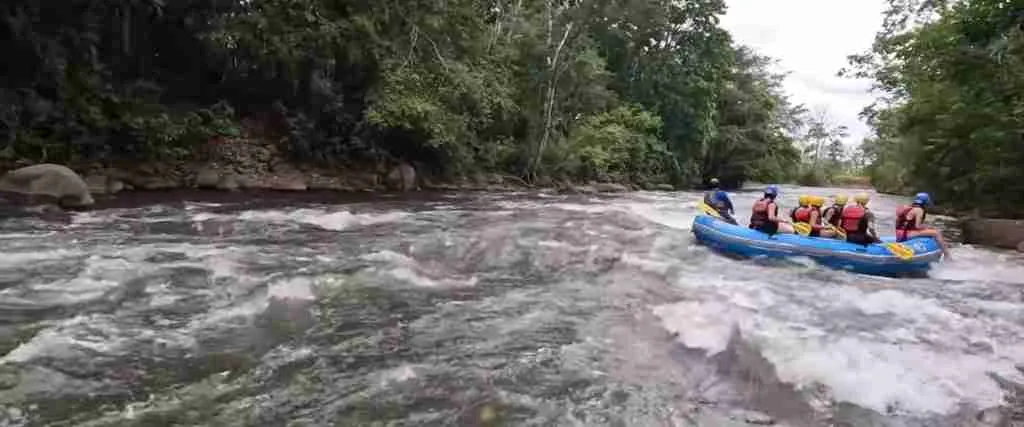
3 days
Costa Rica 3-Day Discovery Tour
- ✓ Comprehensive Costa Rica experience
- ✓ Expert local guides included
- ✓ All accommodation included
- ✓ Transportation provided
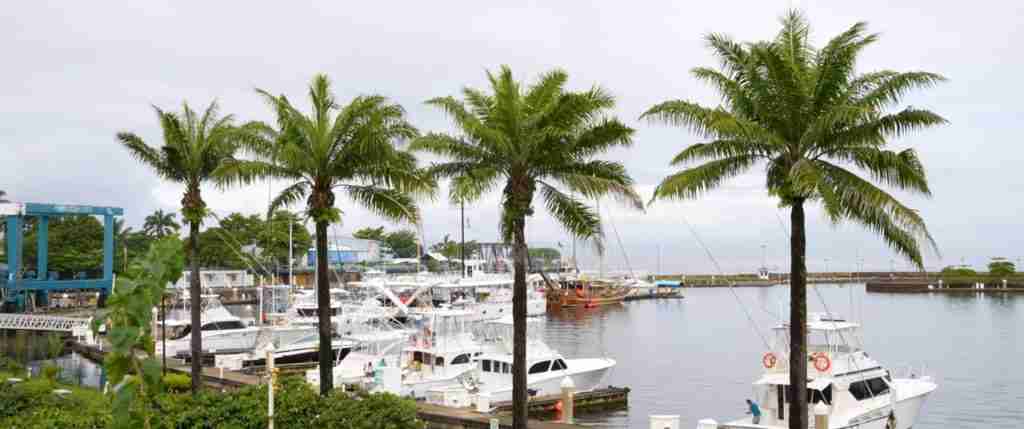
5 days
Costa Rica 5-Day Highlights Experience
- ✓ Comprehensive Costa Rica experience
- ✓ Expert local guides included
- ✓ All accommodation included
- ✓ Transportation provided
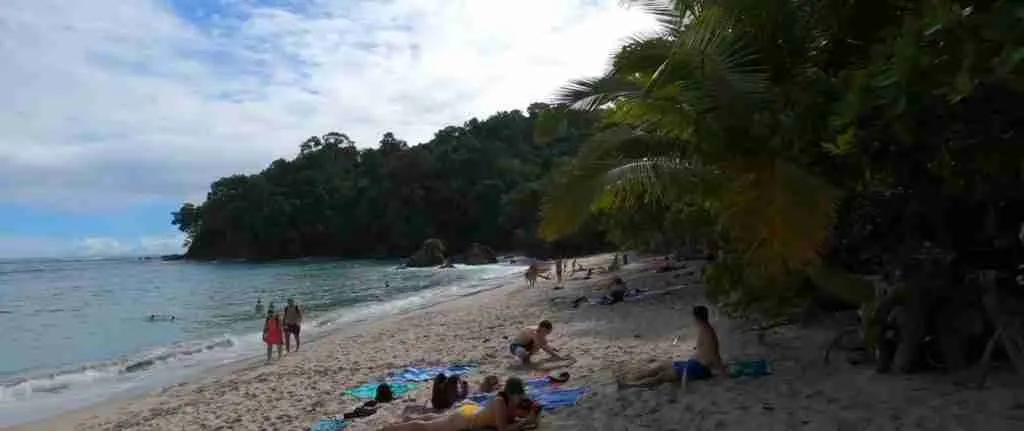
7 days
Costa Rica 7-Day Cultural Journey
- ✓ Comprehensive Costa Rica experience
- ✓ Expert local guides included
- ✓ All accommodation included
- ✓ Transportation provided

10 days
Costa Rica 10-Day Complete Adventure
- ✓ Comprehensive Costa Rica experience
- ✓ Expert local guides included
- ✓ All accommodation included
- ✓ Transportation provided
Multi-day tour packages powered by TourRadar. Prices and availability subject to change.
Essential Planning Information 2026
Current Costs and Pricing Breakdown
Half-day catamaran tours cost $75-95 per person for 4-5 hour morning (8:00 AM-12:30 PM) or afternoon sunset (1:30 PM-5:30 PM) departures in 2026. Standard operators at $75-85 per person accommodate 35-40 passengers on larger catamarans with basic amenities, while premium operators at $85-95 per person limit groups to 25-30 guests with enhanced service and upgraded catering. Full-day adventures cost $110-145 per person for 7-8 hour departures (8:00 AM-3:30 PM) including extended snorkeling time at multiple locations, full lunch service, and additional water sports equipment.
Private charters range $600-1,200 for half-day exclusive tours accommodating 10-20 passengers depending on vessel size, offering customized itineraries, flexible departure times, personalized service, and complete privacy. Full-day private charters cost $1,000-2,000 with expanded catering options, premium alcohol selections, additional crew members, and ability to visit multiple snorkeling sites based on group preferences and marine conditions. Split among 15 passengers, private charters cost $40-80 per person for half-day trips, becoming cost-effective for families and larger groups while delivering superior personalized experiences.
Tour pricing includes comprehensive amenities across all operators: professional captain and crew (2-3 members), complete snorkeling equipment (masks, fins, life vests), safety equipment (life jackets, first aid, radio communication), onboard meals (breakfast or lunch depending on departure), open bar service with beer, wine, rum cocktails and soft drinks, fresh fruit and snacks, fresh water showers, and marine life interpretation. Premium operators add kayaks, paddleboards, upgraded catering with fresh ceviche and grilled items, premium alcohol brands, underwater cameras for rent ($15-25), and smaller group sizes ensuring personalized attention. Transportation from Manuel Antonio hotels costs $15-25 per person round-trip as optional add-on, with some premium operators including pickup in base pricing.
Booking and Reservation Logistics
Direct operator websites offer best pricing and flexibility, with online booking systems accepting major credit cards, PayPal, and direct bank transfers. Deposit requirements range 20-50% of total tour cost at booking, with remaining balance due 48 hours before departure or payable directly at marina. Reputable operators include Iguana Tours (iguanatours.com), Oceans Unlimited (oceansunlimitedcr.com), Planet Dolphin (planetdolphin.com), and Sailfish Catamaran (sailfishcatamaran.com), all operating modern vessels with excellent safety records and positive reviews.
Hotel concierge services and tour booking agencies throughout Manuel Antonio facilitate reservations with 5-15% commission markup, providing convenience for travelers preferring in-person booking support and local payment options. Online travel platforms like Viator, GetYourGuide, and TripAdvisor Experiences aggregate multiple operators with customer reviews, competitive pricing, and centralized booking management, though direct operator booking often delivers better rates and communication. Most operators require passenger information including names, ages, hotel locations for pickup coordination, and dietary restrictions for meal planning at time of final payment.
Cancellation policies favor travelers with full refunds for cancellations made 48-72 hours ahead of departure, with specific timing varying by operator. Weather cancellations decided by captain on departure morning result in full refunds or free rescheduling to alternative dates, with operators maintaining excellent safety records and conservative weather protocols. Last-minute cancellations within 24-48 hours face 50-100% penalties depending on operator policies and booking terms. Travel insurance covering tour activities provides additional protection against personal emergencies, though most tour situations fall under standard cancellation policies without insurance needs.
Prime Snorkeling Locations & Marine Life 2026
Biesanz Bay Protected Reef
Biesanz Bay serves as primary snorkeling destination for 80% of Manuel Antonio catamaran tours, offering protected waters, extensive coral formations, diverse fish populations, and sea turtle habitats in sheltered environment. The bay’s rocky headlands create natural protection from ocean swells, maintaining calm conditions even during moderately rough offshore weather. Depths range 10-25 feet across main snorkeling zones, providing comfortable conditions for all skill levels while delivering excellent marine biodiversity and visibility reaching 50-70 feet during dry season.
Coral reef structures host butterflyfish, angelfish, parrotfish, surgeonfish, damselfish, and trumpetfish in vibrant aggregations around reef formations. Larger species including groupers, snappers, jacks, and occasional barracuda patrol deeper sections and rock structures. Green sea turtles frequent the bay daily, feeding on algae-covered rocks and resting on sandy patches between feeding sessions, with encounter rates exceeding 70% during typical 45-minute snorkeling sessions. Rocky outcrops shelter moray eels, octopus, sea urchins, and colorful starfish, while sandy areas reveal hidden flounder, garden eels, and foraging rays.
Tour operators position catamarans in optimal locations based on current conditions, tide levels, and marine life activity, with crews providing in-water guidance for less experienced snorkelers and freedom for competent swimmers to explore independently. The combination of protected conditions, diverse habitats (coral reef, rock formations, sandy areas), and reliable marine life encounters makes Biesanz Bay the foundation of quality Manuel Antonio snorkeling experiences. Multiple visits across different tours reveal seasonal variations in fish populations, turtle activity, and underwater scenery throughout 2026 calendar year.
Offshore Reefs Near Punta Quepos
Offshore rock formations and reef structures beyond Punta Quepos offer more advanced snorkeling in deeper water (20-35 feet) with enhanced marine life diversity and larger species encounters. These locations require calm ocean conditions and experienced snorkelers due to increased depth, occasional currents, and open water environment. Tour operators visit these spots during optimal weather windows, particularly during dry season (December-April) when visibility exceeds 60-80 feet and seas remain calm for safe deep water snorkeling.
Marine life at offshore reefs includes everything found in Biesanz Bay plus larger pelagic visitors: schools of jacks, occasional tuna, large groupers, impressive moray eels in rock crevices, and sometimes manta rays during plankton-rich conditions. Coral coverage increases in these deeper sections with brain corals, elkhorn formations, and diverse soft corals creating complex three-dimensional reef structures. The enhanced depth and structure attract larger fish populations and create dramatic underwater scenery with light penetration through reef formations and significant marine biodiversity.
Crews provide enhanced safety briefing for offshore locations, ensuring snorkelers understand deeper water protocols, current awareness, and emergency procedures. Life vest wear becomes mandatory at these locations even for strong swimmers, with crew maintaining close supervision from surface and catamaran positioning for quick pickup if needed. The reward for deeper water snorkeling includes superior marine life encounters, more pristine reef conditions with less boat traffic impact, and enhanced underwater photography opportunities in clear water with dramatic lighting conditions.
Cathedral Point Advanced Snorkeling
Cathedral Point represents premium snorkeling destination accessible only during optimal sea conditions, offering dramatic underwater rock formations, extensive coral gardens, and exceptional marine life concentrations. Tours visit this location perhaps 40-50% of operating days depending on ocean conditions, wind patterns, and swell activity. When accessible, Cathedral Point delivers Manuel Antonio’s finest snorkeling with depths 15-40 feet, visibility often exceeding 70 feet, and marine biodiversity matching offshore Pacific reef systems.
The underwater geography features massive rock formations creating swim-through channels, overhangs, and complex reef structures hosting dense fish populations. Large groupers, amberjacks, massive snappers, impressive moray eels, and occasional nurse sharks inhabit deeper sections and rock crevices. The reef complexity creates microhabitats supporting specialized species including frogfish, seahorses (seasonal), numerous nudibranch species, and impressive invertebrate diversity. Coral coverage includes both hard corals in shallower sections and extensive soft coral gardens in deeper areas with significant color variety.
Professional crews conduct thorough site assessments before authorizing Cathedral Point snorkeling, ensuring conditions remain within safe parameters for recreational snorkeling. The location’s reputation among serious snorkelers stems from reliable large species encounters, pristine reef conditions, and exceptional underwater scenery matching quality diving destinations along Pacific Coast. Access to Cathedral Point during catamaran tour represents highlight experience for underwater enthusiasts, though tours maintain excellent value even when conditions prevent this location through quality snorkeling at alternative sites.
Booking Strategies & Timing for 2026
Seasonal Booking Considerations
High season (December-April) demands advance booking 2-4 weeks ahead for standard departure availability and 4-6 weeks for premium operators, holiday periods, and specific date requirements. Peak demand occurs during Christmas week (December 20-January 5), Easter week, spring break periods (March-April), and major US holiday weekends when visitor numbers maximize and tour capacities fill earliest. Booking immediately upon finalizing Manuel Antonio dates ensures preferred tour operators, morning vs. sunset departure selection, and avoidance of sold-out situations during peak travel windows.
Shoulder season (November and May) provides transition conditions with excellent booking flexibility 1-2 weeks ahead, competitive pricing between high and green season rates, and smaller group sizes as tourist numbers moderate. These months deliver reliable weather with occasional rain, good ocean conditions, active marine life, and reduced crowding both on tours and at snorkeling sites. Booking 2 weeks ahead during shoulder season secures preferred operators while allowing some spontaneity in overall Manuel Antonio itinerary planning.
Green season (June-October) offers maximum booking flexibility with same-week and occasionally same-day availability, lowest annual pricing ($75-85 standard for tours costing $85-95 during high season), smallest group sizes, and more personalized attention from crews. Morning departures receive priority booking as they sail before afternoon rain patterns typical of rainy season, while sunset cruises operate with higher weather cancellation rates. Booking 1 week ahead during green season provides ample availability while demonstrating commitment that helps operators schedule crews and provisions efficiently.
Operator Selection Criteria
Vessel condition, crew experience, group size limits, safety equipment quality, and customer reviews form primary selection criteria for catamaran tours. Premium operators maintain modern catamarans with recent safety certifications, experienced captains with 10+ years local knowledge, professional crew members trained in first aid and water rescue, comprehensive insurance coverage, and excellent maintenance records. These operators limit groups to 20-30 passengers ensuring personalized service, less crowded snorkeling, quality equipment availability, and enhanced safety oversight throughout tour.
Standard operators with larger capacity catamarans (35-40 passengers) deliver solid basic experiences at lower price points ($75-85 vs. $90-110 premium), maintaining safety standards, professional crews, and included amenities while accepting higher passenger loads. The larger groups create more social atmosphere, potentially noisier environment, busier snorkeling sites, and less personalized attention from crew. Budget-conscious travelers accepting these tradeoffs receive genuine ocean experiences with snorkeling access, wildlife encounters, and quality sailing at accessible price points.
Customer reviews on TripAdvisor, Google, and Viator provide insight into operator reliability, equipment quality, crew professionalism, food service, and actual tour experiences versus marketing promises. Operators maintaining 4.5+ star ratings across 200+ reviews demonstrate consistent quality and customer satisfaction. Red flags include frequent complaints about equipment condition, crew attitude, rushed schedules, overcrowding, or misrepresented tour descriptions. Investing time in operator research through review analysis, direct website examination, and comparison of included amenities ensures selection matching personal priorities and quality expectations.
Money-Saving Strategies
Early booking discounts (10-15% off) apply for reservations made 30+ days ahead with many operators, providing financial incentive beyond mere availability during high season. These advance purchase deals require full payment or larger deposits (50% vs. standard 20-30%) but deliver meaningful savings: $85 tours cost $72-76 with early booking discount, $110 full-day tours reduce to $93-99. The savings multiply for families and groups, offsetting higher deposit requirements through substantial cost reductions on total tour expenses.
Green season pricing (June-October) delivers lowest annual rates with tours costing $75-85 that reach $90-100+ during December-April peak season. The 15-20% price reduction combines with smaller crowds, more availability, and personalized attention from crews who appreciate green season business. Morning tours during rainy season operate in excellent conditions before afternoon weather patterns, providing quality ocean experiences at budget-friendly pricing for travelers comfortable with afternoon rain possibilities on land after tours conclude.
Direct operator booking eliminates third-party commission markups (5-15%) charged by tour agencies, hotel concierges, and online platforms, with best pricing consistently available through operator websites and direct communication. Package deals combining catamaran tours with other activities (zip line, national park tours, waterfall visits) sometimes deliver 10-15% overall savings versus booking activities separately, though package quality depends on included operator selections and coordination logistics. Family discounts for children, group rates for 6+ passengers, and occasional promotional periods (shoulder season, early season, late season) provide additional saving opportunities for strategic bookers monitoring operator websites and social media channels.
What to Expect on Your 2026 Catamaran Tour
Typical Tour Schedule and Activities
Morning tours begin with hotel pickup 7:15-7:45 AM for travelers booking transportation service, arriving at Quepos Marina by 8:00 AM for check-in, equipment fitting, and safety briefing. Tours depart promptly 8:15-8:30 AM, with initial 30-40 minute sailing segment to first snorkeling location while breakfast service circulates and open bar opens. Crews provide marine life briefing, equipment instructions, and snorkeling site overview before first water entry around 9:15-9:30 AM for 45-60 minute snorkeling session.
Between snorkeling stops, sailing segments showcase coastal scenery, wildlife watching opportunities including dolphins and whales, and educational commentary about Manuel Antonio’s marine ecosystems, geography, and conservation. Second snorkeling location receives similar 45-60 minute allocation with different reef environment and marine life focus. The return sailing around 11:30 AM allows final wildlife watching, additional refreshments, fresh water shower access, and equipment return before docking at Quepos Marina 12:15-12:45 PM. Tours including transportation drop passengers at hotels by 1:00-1:30 PM.
Sunset cruises follow similar pattern with 1:30-2:00 PM departure, initial sailing to snorkeling location 2:15-2:30 PM, single 45-minute snorkeling session, then extended sailing time emphasizing sunset viewing, appetizer service, premium cocktails, and social atmosphere. The golden hour sailing 4:30-5:30 PM positions catamaran for optimal sunset photography and quiet ocean appreciation before return to marina around 5:45-6:00 PM. The abbreviated snorkeling focus allows more deck time for relaxation, photography, wildlife watching, and social interaction among passengers in sunset cruise atmosphere.
Equipment and Amenities Included
All tours provide complete snorkeling equipment including masks, snorkels, and fins in multiple sizes ensuring proper fit for adults and children. Premium operators offer prescription masks for guests with vision correction needs, upgraded mask designs for better seal and comfort, and high-quality fins providing efficient propulsion with reduced leg fatigue. Life vests remain available for all passengers with mandatory wear for children, non-swimmers, and at deeper offshore locations regardless of swimming ability.
Safety equipment includes comprehensive first aid kits, oxygen systems for diving emergencies, radio communication equipment, life rafts, fire extinguishers, and navigation systems meeting Costa Rican maritime regulations. Professional crews maintain current CPR and first aid certifications, with captains holding commercial maritime licenses and extensive local knowledge of ocean conditions, weather patterns, and emergency protocols. The catamaran design provides inherent stability superior to monohull vessels, reducing seasickness risk and creating comfortable platforms for equipment access, boarding, and water entry.
Onboard amenities include fresh water showers for post-snorkeling rinse, changing areas with privacy, secure storage for personal belongings, shaded seating areas, open bar access throughout tour, and restroom facilities on larger catamarans. Food service varies by tour type and operator, ranging from continental breakfast (fruit, pastries, coffee) on morning tours to full lunch service on extended trips to appetizer platters on sunset cruises. The combination of included amenities, professional equipment, and comprehensive service creates turnkey ocean experiences requiring only swimwear, towel, sunscreen, and camera from participants.
Sample 2026 Catamaran Tour Itineraries
Half-Day Morning Snorkeling Adventure
The morning snorkeling tour provides comprehensive ocean experience in efficient 4.5-hour timeframe, maximizing underwater exploration while maintaining energy for afternoon land activities. The structured schedule balances sailing, snorkeling, wildlife watching, and onboard dining in proven format delivering consistent quality across operators and seasons.
7:30 AM – Hotel Pickup: Transportation service collects guests from Manuel Antonio area hotels, providing 25-30 minute ride to Quepos Marina while crew provides initial orientation and answers questions about tour schedule and marine environment.
8:00 AM – Marina Check-in: Equipment fitting ensures proper mask, fin, and life vest sizing. Safety briefing covers snorkeling protocols, emergency procedures, marine life interaction guidelines, and catamaran safety systems. Crews assess passenger swimming abilities and identify first-time snorkelers requiring extra guidance.
8:20 AM – Departure and Breakfast: Catamaran departs Quepos Marina, sailing along Manuel Antonio coastline toward Biesanz Bay while breakfast service circulates: fresh tropical fruit (pineapple, watermelon, papaya), assorted pastries, coffee, and juice. Open bar opens immediately with beer, wine, cocktails, and soft drinks available throughout tour.
9:00 AM – First Snorkeling at Biesanz Bay: Arrival at protected bay location with comprehensive snorkeling briefing covering site features, marine life to expect, entry/exit procedures, and crew supervision protocols. First-time snorkelers receive in-water assistance while experienced participants enjoy independent exploration. The 50-minute snorkeling session explores coral reef areas, rocky structures, and sandy patches with high probability of green sea turtle encounters and extensive tropical fish observation.
10:00 AM – Sailing to Offshore Reef: Return to catamaran for fresh water rinse, refreshments, and relaxation while sailing to second location near Punta Quepos. This segment often produces dolphin encounters as boats move through their feeding areas, with crews slowing for extended viewing when pods approach vessel.
10:30 AM – Second Snorkeling Session: Deeper offshore location (conditions permitting) offers advanced snorkeling with enhanced marine life diversity, larger fish species, and more pristine reef conditions. The 45-minute session allows thorough exploration of rock formations and coral structures in deeper water environment with excellent visibility.
11:30 AM – Return Sailing: Final snorkeling equipment return, fresh water showers, and relaxed sailing back to Quepos Marina while enjoying last refreshments and processing morning’s ocean experiences. Crews often prepare fresh ceviche during return sailing as complimentary appetizer showcasing local culinary traditions.
12:30 PM – Marina Return: Docking at Quepos Marina concludes ocean portion with equipment collection, gratuity opportunities for crew (10-15% customary), and group photos before disembarkation. Transportation service returns hotel guests by 1:00 PM.
Cost Breakdown: Catamaran tour $85-95, transportation $15-20 round-trip, crew gratuity $10-15 (optional but appreciated). Total tour cost: $110-130 per person (excluding accommodation). The morning schedule allows afternoon flexibility for national park visits, beach time, or hotel relaxation while delivering complete ocean adventure experience.
Sunset Cruise with Snorkeling
The afternoon sunset tour emphasizes romantic atmosphere, coastal scenery, and social experience while including quality snorkeling at protected location. This format suits couples, honeymooners, and travelers prioritizing ambiance and wildlife watching over extended underwater time, with premium beverage service and spectacular sunset viewing defining the experience.
1:00 PM – Hotel Pickup: Afternoon collection from Manuel Antonio hotels provides comfortable timing after morning activities and lunch, allowing relaxed preparation for late afternoon ocean adventure.
1:30 PM – Marina Departure: Immediate departure from Quepos Marina captures full afternoon sailing experience with initial cocktail service and appetizer presentation as catamaran leaves harbor area. The afternoon timing provides cooler temperatures and pleasant sailing conditions compared to midday heat.
2:15 PM – Coastal Sailing and Wildlife Watching: Extended sailing segment along Manuel Antonio coastline emphasizes deck time for photography, dolphin spotting, and scenic appreciation. Crews position vessel for optimal wildlife viewing, often encountering dolphin pods during their afternoon feeding periods and occasional sea turtle surface sightings.
3:00 PM – Snorkeling at Protected Bay: Single 45-minute snorkeling session at Biesanz Bay or similar protected location provides quality underwater experience without extended water time typical of morning tours. The timing suits travelers preferring moderate snorkeling combined with sailing atmosphere, with afternoon temperatures making water entry particularly pleasant.
4:00 PM – Return Sailing and Golden Hour: Post-snorkeling sailing captures changing afternoon light with enhanced beverage service, fresh ceviche presentation, and premium appetizer offerings. Crews prepare vessel for optimal sunset positioning while maintaining social atmosphere encouraging passenger interaction and relaxation.
5:00 PM – Sunset Viewing: Engines quiet during golden hour (5:00-5:45 PM depending on season) allowing peaceful sunset observation, photography, and final cocktails while catamaran drifts in protected waters. The dramatic Pacific sunset over coastal mountains creates signature Manuel Antonio visual experience enhanced by oceanside perspective.
5:45 PM – Marina Return: Final sailing to Quepos Marina under twilight conditions concludes tour with equipment return, crew gratuities, and transportation to hotels arriving by 6:30 PM, leaving evening free for dinner in Manuel Antonio area.
Cost Breakdown: Sunset cruise $90-110, transportation $15-20 round-trip, crew gratuity $10-15. Total tour cost: $115-145 per person (excluding accommodation). The sunset timing coordinates perfectly with daily rhythms, allowing morning land activities and afternoon ocean adventure without schedule conflicts.
Money-Saving Strategies for 2026 Tours
Strategic Booking for Best Value
Booking during green season (June-October) delivers lowest annual pricing with tours costing $75-85 compared to $90-110 during high season, representing 15-25% savings on identical tour experiences. Morning tours during rainy season operate in excellent conditions before afternoon weather patterns, providing quality ocean adventures at budget-friendly rates. The combination of lower pricing, smaller crowds, and more personalized attention from crews who appreciate green season business creates exceptional value for travelers comfortable with afternoon rain possibilities on land after tours conclude.
Early booking discounts (10-15% off) for reservations made 30+ days ahead apply across most operators, reducing $90 tours to $76-81 and $110 full-day adventures to $93-99 per person. These advance purchase savings require larger deposits but deliver meaningful cost reductions, particularly for families and groups where per-person savings multiply across multiple passengers. Combining early booking discounts with green season base pricing maximizes savings: a $95 high season tour might cost $75-80 during green season, then further reduce to $64-68 with 15% early booking discount.
Direct operator booking through official websites eliminates third-party markups (5-15%) charged by tour agencies and online platforms, with best pricing consistently available through direct communication and website reservations. Monitoring operator social media channels and email newsletters sometimes reveals flash sales, last-minute availability pricing, or shoulder season promotions offering additional 10-20% discounts for strategic bookers. The time invested in direct research and booking creates savings averaging $15-30 per person while ensuring communication directly with tour providers for any special requests or clarifications.
Maximizing Included Amenities
Taking full advantage of included open bar service throughout tours provides substantial value, with 3-4 hours of unlimited beer, wine, cocktails, and soft drinks representing $30-50 value in restaurant settings. Tours include fresh meals (breakfast or lunch depending on departure) worth $15-25 in Manuel Antonio restaurants, plus snacks, fresh fruit, and often specialty items like fresh ceviche prepared onboard. The combination of food, beverages, and entertainment creates $60-90 value beyond pure transportation and snorkeling access.
Professional snorkeling equipment rental costs $15-25 per day in Manuel Antonio, with catamaran tours including quality masks, fins, life vests, and professional fitting as standard amenity. The included instruction, safety supervision, and access to prime offshore snorkeling locations inaccessible from beach further enhances value proposition. Attempting to replicate catamaran tour experience independently through equipment rental, boat charter, guides, meals, and drinks would cost $150-200+ per person while lacking the safety, convenience, and professional service of organized tours.
Some operators include additional water sports equipment (kayaks, paddleboards) and services (underwater photography, beach landings) worth $20-40 in standalone contexts, with these amenities included in base pricing on premium tours. Utilizing all available equipment and activities maximizes the per-person value received, justifying higher pricing for premium operators when additional amenities align with personal interests. Families with children particularly benefit from life vests, kid-friendly equipment, and attentive crew supervision included without additional charges common at other water activity destinations.
Group and Family Booking Advantages
Children ages 4-12 receive 20-30% discounts on most tours, with $90 adult tours costing $63-72 for children, creating family-friendly pricing for parents traveling with kids. Infants under 4 typically sail free with activity restrictions on certain water segments, allowing families to include very young children without additional tour costs. A family of four (two adults, two children ages 6 and 9) pays $270-315 instead of $360 if all charged adult rates, representing $45-90 savings from child pricing alone.
Private charter costs of $600-1,200 for half-day tours divide favorably among groups of 10-15 passengers, creating per-person costs of $40-120 comparable to or better than shared tour pricing while delivering exclusive experience, flexible scheduling, customized itineraries, and complete privacy. Extended families, friend groups, or special celebrations (birthdays, anniversaries, corporate events) benefit from private charter economics, with ability to negotiate specific departure times, custom catering, preferred snorkeling locations, and personalized service levels.
Group discounts for 6-10 passengers booking together on shared tours sometimes apply with 5-10% reductions available through direct operator negotiation. Wedding parties, corporate groups, family reunions, or friend groups traveling together should contact operators directly to discuss group rates, with savings increasing for larger parties and off-peak season bookings. The combination of group discounts, private charter economics, and child pricing creates multiple strategies for reducing per-person costs while maintaining or enhancing tour experience quality.
Marine Wildlife Encounters & Conservation 2026
Year-Round Marine Species
Bottlenose dolphins and spotted dolphins maintain resident populations in Manuel Antonio waters, with encounter rates of 70-85% on catamaran tours across all seasons. Pods ranging 10-50 individuals frequently approach vessels for bow riding, displaying acrobatic behavior including breaching, tail slapping, and synchronized swimming formations. Morning tours between 8:30-11:00 AM encounter dolphins during active feeding periods when fish schools concentrate near shoreline, while afternoon tours also produce sightings during evening feeding cycles. Crews maintain respectful approach protocols, slowing vessels when dolphins appear and allowing animals to initiate interaction rather than pursuing or crowding pods.
Green sea turtles inhabit snorkeling locations year-round, feeding on algae-covered rocks and seagrass beds in protected bay areas. Encounter rates exceed 70% at Biesanz Bay and similar locations where turtles establish feeding territories and maintain regular activity patterns. Hawksbill turtles appear less frequently but occupy similar habitats, recognizable by their pointed beaks and beautiful shell patterns. Olive ridley turtles occasionally visit from offshore feeding areas. Responsible observation protocols maintain 10-15 foot minimum distance, avoid touching or chasing turtles, and allow animals to surface for breathing without harassment. Crews educate passengers about turtle biology, conservation challenges, and Costa Rica’s protection programs for endangered sea turtle populations.
Tropical fish diversity includes permanent reef residents visible on every snorkeling tour: parrotfish grazing coral with distinctive beak-like mouths, angelfish in brilliant blue and yellow patterns, butterflyfish with striking eyespots and elongated snouts, surgeonfish in electric blue coloring, and damselfish defending territories around coral heads. Larger species including groupers, snappers, jacks, barracuda, and occasional triggerfish occupy deeper reef sections and rock structures. Invertebrate life encompasses sea urchins, starfish in multiple colors, octopus hiding in crevices, moray eels in rock holes, and colorful nudibranch sea slugs on coral surfaces. The consistent reef biodiversity ensures quality marine life observation regardless of seasonal variations or special sighting luck.
Seasonal Marine Migrations
Humpback whales migrate through Manuel Antonio waters during two distinct periods: December-April when Northern Hemisphere whales escape cold waters, and July-October when Southern Hemisphere populations migrate from Antarctic feeding grounds. These represent Earth’s longest mammal migrations, with Costa Rica’s Pacific coast serving as critical breeding and calving grounds for both populations. Catamaran tours encounter whales during migration windows, with sightings including surface activity (breaching, tail slapping, pectoral fin slapping), blows from surfacing whales, and occasional mother-calf pairs visible from vessel decks.
Whale encounter rates vary with seasonal timing, weather conditions affecting visibility, and migration intensity during specific weeks. Peak viewing occurs January-March for Northern Hemisphere whales and August-September for Southern populations, with approximately 30-50% of tours during these periods achieving whale sightings. Crews maintain legally required minimum distances (100 meters for general observation, 50 meters if whales approach vessel) and avoid harassment behaviors that might disturb breeding or calf-rearing activities. The magnificent presence of 40-foot whales visible from catamaran decks creates unforgettable wildlife moments when migration timing aligns with tour schedules.
Manta rays appear more frequently during green season (June-November) when plankton blooms attract these filter-feeding giants to near-shore waters. Snorkelers occasionally encounter mantas at offshore reef locations, with wingspans reaching 10-15 feet creating dramatic underwater sightings. Eagle rays and spotted rays also increase presence during plankton-rich periods. The seasonal variation in species composition means tour experiences differ subtly across calendar year, with dry season emphasizing reef fish diversity and calm conditions while rainy season brings occasional large pelagic species and more dramatic marine encounters for fortunate observers.
Marine Conservation Context
Manuel Antonio National Park protects 1,983 acres of marine environment extending from shoreline to offshore boundaries, with strict regulations governing commercial activities, fishing restrictions, and wildlife interaction protocols. The marine protected area creates sanctuary where fish populations recover, coral reefs develop without harvest pressure, and marine mammals utilize safe breeding and feeding grounds. Tour operators function within permit system limiting vessel numbers, establishing operational guidelines, and funding conservation through permit fees and environmental taxes on tour operations.
Sustainable tourism practices employed by reputable operators include: anchoring in designated zones avoiding coral damage, maintaining whale and dolphin approach protocols, educating passengers about marine conservation, prohibiting fish feeding that alters natural behavior, ensuring proper equipment disposal preventing ocean pollution, and participating in beach cleanup programs and coral restoration initiatives. The economic value of intact marine ecosystems for tourism creates incentive for conservation, with tour operators recognizing their business sustainability depends on healthy ocean environments and thriving wildlife populations.
Sea turtle conservation receives particular emphasis, with Costa Rica protecting all five Pacific turtle species through national legislation, nest protection programs, and public education initiatives. Tour passengers contribute to conservation simply through participation on permitted tours, as operator fees fund marine protection programs. Crews educate about plastic pollution impacts on marine life, importance of coral reef ecosystems for fisheries and coastal protection, and climate change threats to ocean environments. The combination of experiencing pristine marine environments and learning conservation context often inspires passenger support for ocean protection beyond their tour experience.
Planning Your 2026 Manuel Antonio Ocean Adventure
Catamaran tours represent core Manuel Antonio experiences, combining Costa Rica’s exceptional marine biodiversity with professional tour infrastructure and accessible pricing suitable for diverse traveler budgets and skill levels. The convergence of protected waters, consistent weather patterns, year-round marine life, and established tour operations creates reliable ocean adventures whether visiting during peak season crowds or quiet green season periods. Understanding tour options, seasonal dynamics, booking strategies, and marine life patterns ensures selection of ideal ocean experience matching personal priorities and travel style.
The 2026 season benefits from mature tour industry with professional operators, modern vessels, comprehensive safety systems, and experienced crews delivering consistent quality. Market competition maintains reasonable pricing while driving service improvements, with operators differentiating through vessel quality, group sizes, amenities, and customer service rather than race-to-bottom pricing strategies. This competitive environment favors travelers through quality options across price ranges, transparent booking processes, and reliable tour delivery meeting marketing promises.
Catamaran tour investment provides exceptional value through included amenities (equipment, meals, beverages), professional guidance, safety infrastructure, and access to prime marine environments. The $75-145 per person cost delivers 4-8 hours of comprehensive ocean experiences including sailing, snorkeling at multiple locations, wildlife encounters, onboard dining, open bar service, and professional interpretation. Attempting to replicate these experiences independently through boat rentals, equipment, guides, meals, and transportation costs substantially more while lacking the convenience, safety, and expertise of organized tours.
Whether seeking underwater exploration focused on snorkeling and marine life observation, romantic sunset cruises emphasizing ambiance and coastal scenery, or full-day ocean adventures combining multiple activities and extended destination access, Manuel Antonio’s catamaran tour offerings deliver memorable Pacific experiences. The 2026 planning window provides optimal timing for securing preferred tours, accessing early booking discounts, and coordinating ocean adventures with overall Manuel Antonio itineraries including national park visits, adventure activities, and beach relaxation creating complete Costa Rica experiences.
Frequently Asked Questions
What should I bring on a catamaran tour in 2026?
Bring swimwear (worn under clothes), beach towel, reef-safe sunscreen (biodegradable formulas protecting coral ecosystems), waterproof camera or phone case, sunglasses with retention strap, hat or cap for sun protection, and cash for crew gratuities ($10-15 per person customary). Tours provide snorkeling equipment, life vests, fresh water showers, and all meals/drinks, so minimal personal gear is required. Leave valuables at hotel as secure storage on catamarans is limited. Wear comfortable shoes for walking on marina dock and vessel deck. Motion sickness medication should be taken 30-60 minutes before departure for susceptible individuals, though catamaran stability significantly reduces seasickness compared to smaller boats.
Are catamaran tours suitable for children and non-swimmers in 2026?
Tours accommodate children ages 4+ with proper supervision, child-sized equipment, mandatory life vests, and attentive crew assistance during water activities. Non-swimmers participate fully using provided life vests and shallow water snorkeling areas where standing depth allows comfort for nervous participants. Crews provide extra supervision for children and first-time snorkelers, with option to remain on catamaran deck during snorkeling sessions while others explore underwater. Family-friendly operators cater specifically to children with age-appropriate marine education, patient instruction, and flexibility accommodating varying comfort levels with water activities.
What happens if weather conditions are bad on tour day in 2026?
Captains make final weather determinations on departure morning based on wind conditions, wave height, rain forecasts, and safe operation criteria. Weather cancellations result in full refunds or free rescheduling to alternative dates at passenger preference. Tours operate during light rain as snorkeling occurs underwater regardless of surface precipitation, but cancel for heavy seas, strong winds, or conditions compromising safety. High season (December-April) experiences minimal weather cancellations while green season (June-October) sees occasional postponements due to afternoon storms. Operators contact passengers morning of tour with cancellation notices, providing maximum advance warning for itinerary adjustments.
How physically demanding are catamaran snorkeling tours?
Tours require moderate fitness for swimming in open water, climbing boat ladder after snorkeling, and 4-5 hours aboard vessel. Snorkeling sessions involve swimming 45-60 minutes in ocean conditions, though life vests reduce physical demands and allow floating rather than continuous swimming. Ladder access requires ability to climb 3-4 steps from water to deck using upper body and leg strength. Passengers with mobility limitations should discuss accessibility with operators before booking, as vessel designs vary in accommodation for physical restrictions. Overall fitness requirements remain moderate with activities adjustable based on individual capabilities and comfort levels.
Can you see whales and dolphins on every tour?
Dolphin encounter rates reach 70-85% year-round with pods frequently approaching vessels, but sightings are never guaranteed as wildlife behaves naturally and unpredictably. Whale sightings occur primarily during migration seasons (December-April and July-October) with 30-50% encounter rates during peak periods, while summer months (May-June, November) see minimal whale activity. Tours deliver quality experiences regardless of specific wildlife sightings through snorkeling, sailing, coastal scenery, and consistent fish observation underwater. Operators emphasize realistic expectations about wildlife encounters while maintaining high historical success rates for dolphin sightings throughout calendar year.
What is the difference between morning and sunset tours?
Morning tours emphasize extended snorkeling with 2-3 underwater sessions at multiple locations, calmer seas, better underwater visibility, and active marine life before midday heat. Sunset cruises focus on one quality snorkeling stop plus deck time for coastal scenery, romantic atmosphere, sunset viewing, and enhanced beverage service with appetizers replacing full meals. Morning tours suit underwater enthusiasts and families seeking comprehensive marine experiences, while sunset cruises appeal to couples, photographers, and travelers prioritizing ambiance over extensive water time. Both formats provide excellent wildlife watching, quality snorkeling, and included amenities at comparable price points.
Do I need experience to snorkel on catamaran tours?
No previous snorkeling experience is required, with crews providing comprehensive instruction covering equipment use, breathing techniques, water entry, and safety protocols. First-time snorkelers receive extra attention including in-water assistance, shallow area guidance, and continuous supervision until comfort develops. Professional crews assess participant abilities during equipment fitting and adjust guidance intensity accordingly. The protected bay locations feature calm conditions ideal for beginners, with depths allowing standing in many areas providing additional security for nervous first-timers. Experienced snorkelers enjoy freedom to explore independently while benefiting from crew knowledge about best viewing areas and marine life locations.
Are private catamaran charters worth the cost in 2026?
Private charters cost $600-1,200 for half-day trips and $1,000-2,000 for full-day adventures, becoming cost-effective for groups of 10-15 passengers where per-person costs ($40-120) match or beat shared tour pricing while delivering exclusive experience. Benefits include flexible departure times, customized itineraries, personalized service, complete privacy, ability to modify schedule based on group preferences, and special occasion accommodation (birthdays, anniversaries, proposals). Families, wedding parties, corporate groups, and travelers celebrating milestones find private charter value through enhanced experience quality justifying premium over shared tours. Solo travelers and couples generally achieve better value on shared tours unless seeking ultra-personalized experience.
What marine life is unique to specific seasons?
Humpback whales appear only during migration seasons (December-April for Northern Hemisphere whales, July-October for Southern Hemisphere populations), with peak viewing January-March and August-September. Manta rays increase presence during green season (June-November) when plankton blooms attract filter feeders to near-shore waters. Whale sharks occasionally appear during plankton-rich conditions typically June-September but remain rare sightings. Year-round residents including dolphins, sea turtles, tropical fish, and reef species provide consistent encounters regardless of season. Seasonal timing affects which bonus species might appear rather than determining basic tour quality and marine life observation success.
How do I choose between different catamaran tour operators?
Evaluate operators based on vessel condition and age, safety equipment and certifications, crew experience and training, maximum passenger capacity (20-30 premium, 35-40 standard), customer review ratings (targeting 4.5+ stars across 200+ reviews), included amenities and food quality, cancellation policies, and responsive customer service during booking process. Premium operators justify higher pricing through newer vessels, smaller groups, superior catering, additional water sports equipment, and enhanced service levels. Budget operators deliver solid basic experiences at lower costs with larger groups and standard amenities. Direct website review, customer testimonials, and comparison of included services reveals value proposition matching personal priorities and quality expectations for ocean tour investment.