Mantua Day Trip from Verona 2026: Complete Travel Guide
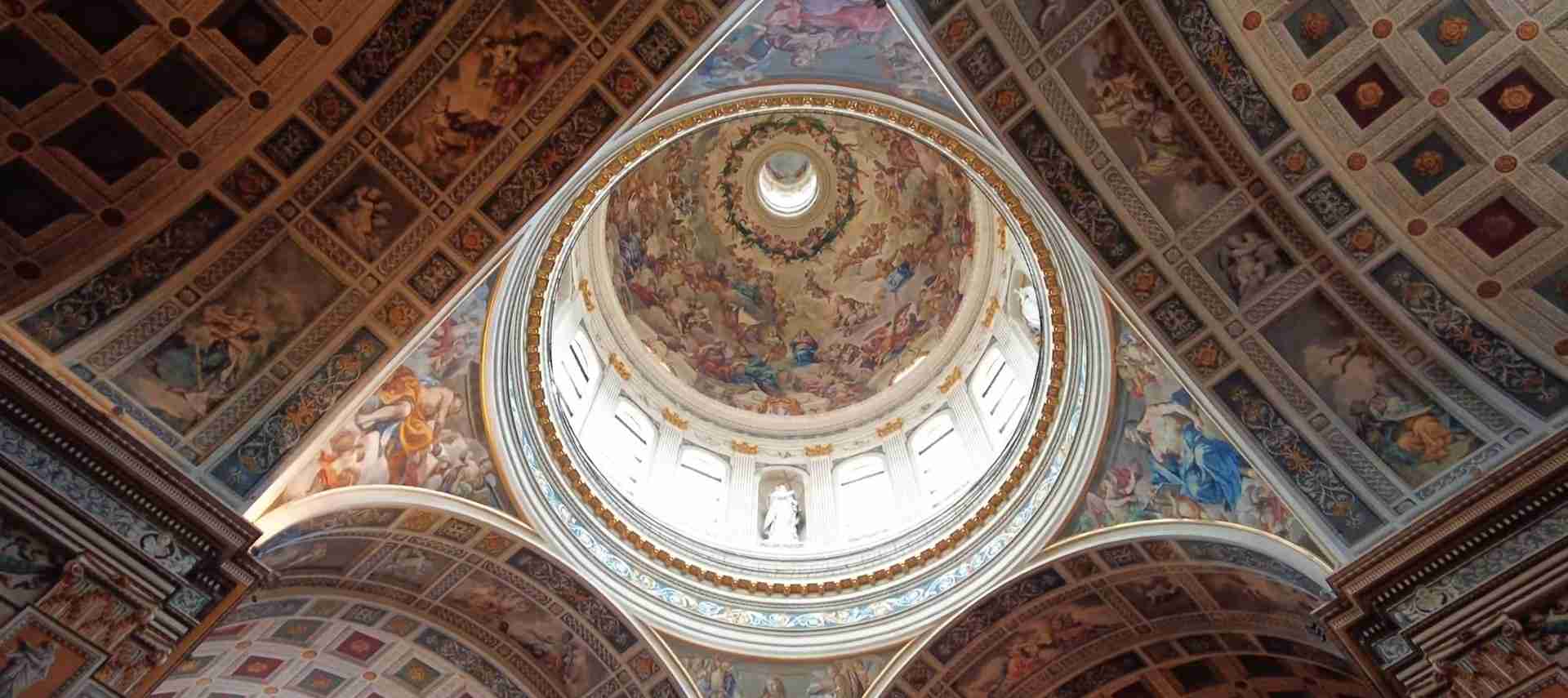
Mantua offers one of northern Italy’s most rewarding day trips from Verona, combining UNESCO World Heritage architecture, Renaissance masterpieces, and authentic Italian atmosphere just 46 minutes away by train. This perfectly preserved medieval city surrounded by three artificial lakes remained under Gonzaga family rule for nearly four centuries, creating an extraordinary concentration of palaces, frescoes, and cultural treasures that rival better-known destinations without the overwhelming crowds. The compact historic center allows comprehensive exploration within a single day, making Mantua ideal for travelers based in Verona seeking cultural immersion beyond the typical Veneto tourist circuit.
Key Takeaways
- Direct trains from Verona Porta Nuova to Mantova station cost €5-10 per person in 2026, departing every 30-60 minutes throughout the day with journey times ranging from 46 minutes on express services to 2 hours on regional trains
- Palazzo Ducale entrance fees increase to €18 for adults in 2026, granting access to over 500 rooms including the famous Camera degli Sposi frescoed by Andrea Mantegna, representing the day trip’s centerpiece attraction requiring 2-3 hours for proper exploration
- The Mantova Sabbioneta Card at €25 provides excellent value for visitors planning to see multiple attractions, covering entrance to Palazzo Ducale, Palazzo Te, Teatro Bibiena, and 8 additional museums plus unlimited bus travel valid for 72 hours
- Mantua’s UNESCO World Heritage historic center remains walkable from the train station in 5-10 minutes, with all major attractions concentrated within a compact area allowing visitors to maximize sightseeing time without transportation concerns
- Budget day trips from Verona cost €35-55 per person total including train fare, museum entrance, and meals, while mid-range experiences with guided tours and upscale dining reach €70-100, making Mantua significantly more affordable than Venice or Milan day trips
- Optimal visit timing targets spring April-June and fall September-October in 2026 when pleasant weather combines with manageable crowds, while summer July-August brings heat and humidity from the surrounding lakes creating less comfortable exploration conditions
People Also Ask About Mantua Day Trips from Verona 2026
How long does the train take from Verona to Mantua in 2026?
Direct regional trains complete the journey in 46 minutes on express services departing from Verona Porta Nuova station, while standard regional services require 1 hour 50 minutes covering the 34-kilometer distance. Trenitalia and Italo operate 15-30 daily departures depending on season and day of week, providing flexible scheduling for day-trip planning. The fastest morning departures typically operate around 7:00-9:00 AM, while return trains run until approximately 9:30 PM allowing full-day exploration without schedule pressure.
Is Mantua worth visiting as a day trip from Verona in 2026?
Mantua delivers exceptional cultural value through its UNESCO World Heritage status, extraordinary Renaissance architecture concentrated in a compact walkable center, and authentic Italian atmosphere largely free from mass tourism affecting nearby Venice and Verona. The city’s major attractions including Palazzo Ducale and Palazzo Te require 5-7 hours for comprehensive exploration, fitting perfectly within standard day-trip parameters while offering cultural depth rivaling full-day experiences in Florence or Rome. Travelers prioritizing art history, architecture, and authentic local culture over shopping or nightlife find Mantua among northern Italy’s most rewarding single-day destinations.
What should I see in Mantua during a 2026 day trip from Verona?
Palazzo Ducale represents the essential priority attraction requiring 2-3 hours to explore the vast complex including Camera degli Sposi with Mantegna frescoes, followed by Palazzo Te showcasing Mannerist art and illusionist architecture demanding 90 minutes minimum. Piazza delle Erbe and Piazza Sordello provide historic center orientation with Renaissance monuments, while Basilica di Sant’Andrea designed by Alberti merits 30-45 minutes for architectural appreciation. Budget an additional hour for lunch at local trattorias serving regional specialties including pumpkin tortelli, and consider 30 minutes exploring lakeside walks along the Mincio River if time permits before return trains.
How much does a day trip from Verona to Mantua cost in 2026?
Budget-conscious travelers complete Mantua day trips for €35-55 per person total including round-trip train tickets at €10-20, Palazzo Ducale entrance at €18, simple restaurant lunch at €12-20, and incidental expenses for coffee and snacks. Mid-range experiences incorporating the Mantova Sabbioneta Card at €25, guided tours at €20-35 per person, and upscale dining cost €70-100 total. Premium day trips with private guides, first-class train service, and gourmet meals reach €120-180 per person, though most visitors find mid-range budgets deliver optimal value-experience balance combining comprehensive attraction access with quality local dining.
Extended multi-day tours – 5+ days
Featured Verona Multi-Day Tour Packages
7 days
Two Cities & Two Lakes: From Como to Verona
- ✓ Comprehensive Verona tour
- ✓ Expert local guides included
- ✓ All accommodation arranged
- ✓ Transportation provided

5 days
5 Day Italy Tour Package with Bernina Express – Verona, Sirmione, Bellagio & Como
- ✓ Comprehensive Verona tour
- ✓ Expert local guides included
- ✓ All accommodation arranged
- ✓ Transportation provided
7 days
Rome, Florence & Venice
- ✓ Comprehensive Verona tour
- ✓ Expert local guides included
- ✓ All accommodation arranged
- ✓ Transportation provided
7 days
Jewels of Italy
- ✓ Comprehensive Verona tour
- ✓ Expert local guides included
- ✓ All accommodation arranged
- ✓ Transportation provided
Multi-day tour packages powered by TourRadar. Prices and availability subject to change.
Introduction: Discovering Mantua’s Renaissance Splendor from Verona 2026
Mantua stands as one of northern Italy’s most underappreciated cultural destinations, a Renaissance jewel box city that rewards curious travelers with extraordinary artistic treasures, architectural masterpieces, and authentic Italian character increasingly rare in the region’s better-known destinations. Located just 34 kilometers from Verona across the Lombardy border, this compact medieval city remains surprisingly overlooked by international tourists despite its UNESCO World Heritage designation and remarkable concentration of Gonzaga-era palaces, frescoes, and monuments. The city’s distinctive geography enhances its medieval atmosphere, with three artificial lakes created in the 12th century for defensive purposes surrounding the historic center and creating scenic waterfront promenades that contrast dramatically with the dense Renaissance architecture filling the compact old town.
The Gonzaga family’s nearly four-century rule from 1328 to 1708 transformed Mantua into one of Renaissance Italy’s most sophisticated cultural centers, attracting legendary artists including Andrea Mantegna, Leon Battista Alberti, and Giulio Romano who created masterworks that remain Mantua’s primary attractions today. Unlike Florence or Venice where Renaissance heritage competes with modern tourism infrastructure and overwhelming crowds, Mantua preserves an authentic atmosphere allowing visitors to experience Italian art and architecture much as contemporary travelers might have encountered these treasures centuries ago. The absence of mass tourism creates opportunities for contemplative appreciation of extraordinary artistic achievements without the rush, crowds, or commercialization degrading experiences at Italy’s most famous destinations.
The day-trip format from Verona proves ideal for experiencing Mantua’s concentrated cultural offerings, as the compact historic center concentrates all major attractions within easy walking distance allowing comprehensive exploration during standard daytime hours. Train connections providing 46-minute express service or 2-hour regional options create flexible scheduling accommodating various wake-up preferences and return-time requirements, while frequent departures throughout the day eliminate concerns about missing specific trains or facing extended waits. Most visitors discover that Mantua’s walkable scale and manageable attraction list prevent the exhaustion and decision paralysis common during day trips to larger cities requiring constant transit between distant neighborhoods and overwhelming quantities of competing attractions.
Budget considerations strongly favor Mantua compared to alternative Veneto day-trip destinations, with total costs averaging €35-55 per person for basic experiences versus €60-90 for equivalent Venice trips affected by higher restaurant prices, mandatory vaporetto fares, and tourist-inflated attraction fees. The UNESCO designation ensures cultural significance matching or exceeding better-known alternatives, while smaller visitor numbers create superior viewing conditions at major attractions and more authentic interactions with local residents conducting daily business rather than catering exclusively to tourist demands. These factors combine to position Mantua among northern Italy’s highest-value day trips, delivering memorable cultural experiences at reasonable costs without sacrificing quality or significance.
Weather patterns in 2026 follow Mantua’s established seasonal cycles, with optimal visiting conditions occurring during spring months April through June when temperatures average 15-25°C and rainfall remains moderate, and autumn September through October offering similar pleasant conditions with added advantage of grape harvest activities in surrounding wine regions. Summer months July-August bring heat and humidity exacerbated by the surrounding lakes, creating less comfortable walking conditions during midday hours though early morning and evening visits remain pleasant. Winter December-February experiences cold temperatures averaging 0-10°C with occasional fog from the lakes, though reduced tourist crowds and lower prices partially compensate for weather challenges for cold-tolerant travelers.
The UNESCO World Heritage designation awarded in 2008 jointly to Mantua and nearby Sabbioneta recognizes both cities as exceptional examples of Renaissance urban planning and artistic achievement, with Mantua specifically praised for preserving its Gonzaga-era character largely intact despite subsequent historical changes. This international recognition validates Mantua’s cultural importance while providing practical benefits through conservation funding, regulated development protecting the historic center’s architectural integrity, and promotional support elevating the city’s profile among cultural travelers seeking authentic Italian heritage experiences. The designation criteria emphasized Mantua’s role as a Renaissance court city where artistic patronage, urban planning, and architectural innovation combined to create harmonious environments reflecting humanist ideals that influenced European culture profoundly.
Practical considerations for 2026 visits include advance train ticket booking for modest savings on flexible-fare tickets, though walk-up regional fares remain affordable making spontaneous day trips viable for travelers with flexible schedules. Major attractions including Palazzo Ducale require timed-entry reservations during peak spring and fall weekends when Italian domestic tourists and international visitors converge, though weekday visits rarely face capacity constraints. Restaurant reservations prove unnecessary except for upscale establishments during Saturday-Sunday lunch periods, as Mantua’s dining scene caters primarily to locals with genuine trattoria capacity exceeding typical tourist demand. These logistical elements combine to create straightforward planning requirements allowing focus on cultural experiences rather than complex booking coordination.
Transportation from Verona to Mantua 2026
Direct trains connect Verona Porta Nuova station with Mantova station throughout the day in 2026, providing the primary transportation method for day-trip visitors seeking efficient, comfortable, and economical travel between the cities. Trenitalia regional services operate approximately every 30-60 minutes during peak morning and evening periods, while midday departures run slightly less frequently with 60-90 minute gaps between services. Journey times vary significantly based on service type, with express regional trains completing the 34-kilometer route in 46 minutes via direct routing, while standard regional services requiring 1 hour 50 minutes make multiple intermediate stops serving smaller communities between the cities.
Train ticket prices range €5-10 per person one-way for standard regional second-class fares in 2026 (check official sites for current rates as pricing may vary). Advance booking secures lower prices at the €5-6 range while walk-up same-day purchases typically cost €8-10. Check Trenitalia’s official website or authorized booking platforms including Trainline and Omio for current schedules and fare options, as prices fluctuate based on demand, time of booking, and specific departure selected. Round-trip tickets cost €10-20 per person, representing the single largest day-trip expense category though remaining considerably cheaper than car rental, private transfer, or tour bus alternatives costing €40-80 per person for equivalent service.
First morning departures from Verona operate around 5:20-6:00 AM allowing extremely early Mantua arrivals for travelers prioritizing maximum attraction time or specific morning activities, though most day-trippers find 7:00-9:00 AM departures provide adequate time for comprehensive sightseeing while avoiding predawn wake-ups. Recommended outbound trains depart Verona between 7:30-8:30 AM, arriving Mantua around 8:15-9:15 AM after 46-minute express service, allowing hotel breakfast, station transfer, and comfortable morning preparation without rushing. These morning arrivals provide full days with 8-9 hours in Mantua before catching 5:00-7:00 PM return trains delivering Verona arrivals by 6:00-8:00 PM suitable for dinner plans or evening hotel relaxation.
Return train options from Mantova to Verona operate until approximately 9:30 PM with services every 60-90 minutes during evening hours, creating flexibility for extended afternoon activities or lingering over dinner without pressure to catch specific early departures. Popular return times fall between 5:00-7:00 PM accommodating standard day-trip schedules allowing museum closing-time departures around 4:30-5:30 PM, brief final walks through historic center piazzas, and comfortable arrival at Mantova station for train boarding. Last trains around 9:00-9:30 PM serve visitors extending stays for dinner at Mantua restaurants, though these late returns limit next-day morning activities for travelers requiring adequate sleep.
Verona Porta Nuova station sits approximately 2 kilometers south of the historic center and Arena di Verona, accessible via 15-minute walks, frequent local buses, or €10-15 taxis from central hotels. Budget 30 minutes total for hotel-to-platform transit including walking, waiting, and platform navigation to ensure comfortable margins preventing missed trains through rushed arrivals. The station features standard amenities including ticket machines accepting credit cards, staffed ticket counters for complex reservations, cafes serving coffee and pastries for early departures, and clear electronic departure boards showing platform assignments 10-15 minutes before train boarding begins.
Mantova station serves as compact regional facility located approximately 500 meters from historic center Piazza Sordello and major attractions, requiring simple 5-10 minute walks along direct, well-signed pedestrian routes. Exit the station’s main entrance, turn left, and follow Via Fratelli Bandiera and Via Verdi toward visible historic center monuments, arriving at Piazza Sordello within 10 minutes without navigation tools though Google Maps or offline map downloads provide reassurance for first-time visitors. The station lacks extensive amenities beyond basic ticket machines and small cafe, reflecting Mantua’s manageable tourism scale compared to major Italian transport hubs.
Car rental alternatives from Verona provide flexibility for travelers combining Mantua visits with countryside wine touring or multiple-destination itineraries, though parking challenges in Mantua’s ZTL limited-traffic historic center and higher costs compared to train service create disadvantages for standard day trips. Rental cars cost €40-70 daily for compact vehicles, fuel adds €10-15 for the round trip, and parking near Mantua’s historic center runs €10-20 for full-day periods at designated lots outside the pedestrian zone. The 45-minute drive via autostrada A22 proves straightforward though speed cameras and ZTL fines create risks for drivers unfamiliar with Italian traffic regulations.
Organized day-tour buses from Verona to Mantua operate through select tour operators charging €60-90 per person including transportation and guided city tours, appealing to travelers preferring group experiences and eliminating independent logistics planning. These tours typically include Palazzo Ducale guided visits, historic center walking tours, and sometimes lunch or wine tastings, though fixed schedules reduce flexibility compared to independent train travel allowing spontaneous timing adjustments. Group sizes of 20-40 participants create less intimate experiences and mandate following group pace rather than individual exploration preferences, making guided tours better suited to travelers uncomfortable with independent travel than those seeking personalized Mantua experiences.
Palazzo Ducale: Mantua’s Premier Attraction 2026
Palazzo Ducale di Mantova represents the day trip’s centerpiece attraction, a vast architectural complex covering 35,000 square meters with over 500 rooms built between the 14th and 17th centuries as the Gonzaga family’s principal residence. The sprawling palace complex functions essentially as a city within the city, incorporating multiple buildings, courtyards, gardens, and a private church interconnected through elaborate corridors and passageways requiring 2-3 hours minimum for comprehensive exploration. Entrance fees increase to €18 for adults in 2026 (up from €15 in 2025), providing access to the complete palace route including Castello di San Giorgio housing the famous Camera degli Sposi, Corte Vecchia (Old Court), Corte Nuova (New Court), and the National Archaeological Museum integrated within palace structures.
The Camera degli Sposi frescoed by Andrea Mantegna between 1465-1474 constitutes Palazzo Ducale’s most celebrated treasure, presenting revolutionary Renaissance illusionistic painting techniques that influenced European art for centuries. The small chamber’s entirely frescoed walls and ceiling create immersive environments depicting Gonzaga family scenes with unprecedented spatial depth and architectural trompe l’oeil effects, while the famous oculus ceiling opening reveals a painted sky with figures looking down at viewers demonstrating Mantegna’s mastery of perspective and foreshortening. Visitor capacity limits restrict Camera degli Sposi access to 30 people for 10-minute viewing periods, requiring advance reservation or patience waiting in queues during busy periods, though the extraordinary artistic achievement justifies whatever time investment proves necessary.
Beyond Camera degli Sposi, Palazzo Ducale presents extraordinary collections of frescoes, tapestries, sculptures, and architectural features across dozens of significant rooms worth extended exploration rather than cursory passage. The Sala dei Cavalli showcases life-sized equine portraits celebrating Gonzaga horses, demonstrating the family’s passion for breeding and collecting exceptional animals alongside artistic treasures. The Galleria degli Specchi (Hall of Mirrors) predates Versailles’ famous equivalent while presenting equally impressive mirror-decorated architecture creating dramatic spatial illusions. The Appartamento degli Arazzi displays magnificent Flemish tapestries commissioned by the Gonzagas depicting biblical and mythological scenes in extraordinary detail and craftsmanship.
Advance reservations for Palazzo Ducale become essential during peak spring April-June and fall September-October weekends when visitor capacity reaches limits, requiring online booking through the official palace website or authorized ticket vendors. Weekday visits rarely face capacity constraints allowing walk-up ticket purchases without extended waits, though booking ahead provides schedule certainty and sometimes modest price advantages through early-bird promotions. Time-slot selections determine Camera degli Sposi access periods, with morning 9:00-11:00 AM slots offering advantages of cooler temperatures and slightly smaller crowds compared to midday 12:00-2:00 PM periods when tour groups concentrate visits.
Guided tours enhance Palazzo Ducale appreciation significantly through expert interpretation revealing architectural details, artistic techniques, and historical context invisible to casual observers, available through official palace guides or private tour operators. Official guided tours cost €7 supplement beyond €18 entrance fees, operating in Italian with occasional English-language tours during high season requiring advance verification of language and availability. Private guides hired independently charge €120-180 for 2-hour palace tours accommodating 1-6 participants, delivering personalized attention and flexible pacing worth the premium for serious art enthusiasts or travelers seeking maximum educational value from limited Mantua time.
Opening hours for Palazzo Ducale operate Tuesday-Sunday 8:15 AM-7:15 PM during peak season March-October, with reduced winter hours 8:15 AM-5:15 PM November-February. The palace closes Mondays year-round plus major holidays including January 1, May 1, and December 25, requiring schedule verification before finalizing day-trip dates to avoid disappointment arriving at closed attractions. Last entry occurs 30 minutes before closing, though comprehensive visits require arriving at least 2.5 hours before closure allowing adequate time for Camera degli Sposi reservation slots and thorough exploration of major apartments and galleries.
Photography policies permit non-flash photography throughout most palace areas except Camera degli Sposi where photography remains completely prohibited to protect delicate frescoes from cumulative light damage. Visitors may photograph architectural features, other frescoed rooms, tapestries, and courtyard areas freely without flash, creating memory preservation opportunities and social media sharing material though mindful photography etiquette respecting other visitors and artwork preservation requirements. Tripods, selfie sticks, and video recording equipment face prohibition throughout the palace, requiring handheld photography techniques and modest equipment selection.
Palazzo Te and Additional Mantua Attractions 2026
Palazzo Te serves as Mantua’s second essential attraction, a magnificent suburban villa built 1524-1534 for Duke Federico II Gonzaga as a pleasure retreat combining residential quarters, entertainment spaces, and horse stables in unified Renaissance design. Located approximately 1.5 kilometers south of Palazzo Ducale outside the historic center core, Palazzo Te requires 15-20 minute walks from central piazzas or brief bus rides for visitors preferring mechanized transport. The palace showcases extraordinary Mannerist frescoes by Giulio Romano creating immersive illusionistic environments rivaling Palazzo Ducale’s artistic achievements while presenting completely different aesthetic approaches emphasizing fantasy, mythology, and theatrical drama over courtly documentation.
Entrance fees for Palazzo Te cost €12 for adults in 2026, representing modest investment for the extraordinary artistic experiences and architectural beauty concentrated within the villa’s relatively compact footprint compared to Palazzo Ducale’s sprawling complex. The single-story layout allows comprehensive exploration in 90 minutes to 2 hours depending on viewing pace and art interest levels, with several rooms demanding extended contemplation while others permit quicker passage based on personal aesthetic preferences. The Mantova Sabbioneta Card covers Palazzo Te admission along with 11 other attractions, providing value for visitors planning multiple museum experiences during their Mantua stay.
The Sala dei Giganti (Room of the Giants) constitutes Palazzo Te’s most spectacular space, presenting floor-to-ceiling frescoes depicting the mythological war between Olympian gods and rebellious giants in dramatic scenes of architectural collapse and divine retribution. Romano’s masterful illusions eliminate clear distinctions between walls and ceiling, creating disorienting environments where painted architecture appears to tumble down upon viewers in vivid demonstration of Mannerist artistic excess and theatrical sensibility. The room’s impact intensifies through curved corners eliminating visual reference points and enhancing immersion in Romano’s fantastical painted world, creating unforgettable experiences justifying Palazzo Te visits even for travelers with limited time or modest art interest.
Beyond Sala dei Giganti, Palazzo Te offers numerous remarkable frescoed rooms including the Sala di Psiche depicting Cupid and Psyche mythological narratives in sensuous Renaissance style, the Camera delle Aquile featuring imperial iconography celebrating Gonzaga power, and the Loggia di Davide presenting Old Testament scenes in architectural frameworks. These spaces combine to create comprehensive Mannerist artistic experiences demonstrating Romano’s range, technical mastery, and creative imagination across diverse subject matters and compositional approaches. The villa’s gardens, though less elaborate than original Gonzaga-era designs, provide pleasant outdoor spaces for breaks between intense interior viewing sessions.
Basilica di Sant’Andrea designed by Leon Battista Alberti represents Mantua’s premier religious architecture, presenting innovative Renaissance church design influencing ecclesiastical architecture across Europe for centuries following its 1472 consecration. The massive barrel-vaulted interior creates dramatic spatial experiences through unprecedented scale and classical proportions, while Alberti’s facade revolutionized church frontispiece design through temple-front motifs applied to Christian buildings. Entrance remains free during non-service hours, allowing 20-30 minute visits providing architectural appreciation and brief spiritual respite during intensive cultural sightseeing days.
Piazza delle Erbe anchors Mantua’s historic center as the city’s primary medieval square surrounded by significant monuments including the 13th-century Palazzo della Ragione, the 15th-century Torre dell’Orologio (Clock Tower), and the 11th-century Rotonda di San Lorenzo presenting Mantua’s oldest surviving church structure. The piazza functions as social hub and orientation point for historic center navigation, with cafes providing espresso breaks and people-watching opportunities while market stalls operating Thursday and Saturday mornings recreate medieval commercial traditions. Budget 20-30 minutes for piazza appreciation including clock tower exterior admiration, casual Rotonda di San Lorenzo visits when open, and ambient atmosphere absorption essential for authentic Mantua experiences beyond formal museum settings.
Teatro Bibiena presents an exquisite 18th-century theater where 14-year-old Mozart performed in 1770, showcasing intricate baroque architecture and exceptional acoustics within an intimate 363-seat capacity. Entrance fees cost €5-8 depending on whether performances or special exhibitions occur, with self-guided visits requiring 20-30 minutes to appreciate the horseshoe-shaped auditorium, frescoed ceiling, and ornate box decorations. The theater operates irregular hours based on performance schedules and renovation work, requiring advance confirmation of availability before planning visits to avoid arriving at closed or inaccessible facilities.
The lakeside promenades along Mantua’s three surrounding lakes provide scenic walking opportunities and distinctive perspectives on the city’s unique aquatic setting creating defensive moats and microclimate effects. The Lungolago dei Gonzaga along Lago Inferiore offers approximately 1-kilometer waterfront paths with benches, occasional art installations, and views across the lake toward distant hills and waterfront buildings. These walks suit early morning pre-museum strolls, late afternoon relaxation after intensive sightseeing, or digestive constitutionals following substantial lunches, providing natural beauty counterpoints to the dense architectural and artistic experiences filling Mantua day-trip itineraries.
Money-Saving Strategies for Mantua Day Trips 2026
The Mantova Sabbioneta Card delivers exceptional value for visitors planning multiple museum visits, priced at €25 for adults and €13 for youth ages 12-17 in 2026 covering entrance to 12 Mantua attractions plus the complete Sabbioneta museum system and unlimited city bus travel valid 72 hours from first use. The card includes Palazzo Ducale access though requires €7 supplement for Camera degli Sposi and Castello di San Giorgio sections, plus covers Palazzo Te, Teatro Bibiena, Palazzo d’Arco, Diocesan Museum, Archaeological Museum, and additional cultural sites typically costing €8-15 individually. Calculate whether the card provides actual savings based on planned visits: travelers seeing only Palazzo Ducale and Palazzo Te pay €30 total individually (€18 + €12) versus €32 with the card (€25 + €7 Camera degli Sposi supplement), creating modest €2 premium but adding flexibility for spontaneous additional attractions.
The card’s 72-hour validity creates value for travelers making multiple Mantua visits or combining same-day Sabbioneta excursions, though single day-trippers from Verona planning standard Palazzo Ducale and Palazzo Te itineraries may find individual tickets more economical. Purchase cards at participating museums including Palazzo Ducale and Palazzo Te ticket offices, tourist information centers in Piazza Mantegna, or advance online through official Mantua tourism websites, with first museum entry activating the 72-hour countdown clock. The unlimited bus travel inclusion proves largely unnecessary given Mantua’s compact walkable center, though provides convenience for Palazzo Te visits or rainy weather limiting walking appeal.
Train ticket savings materialize through advance booking, with Trenitalia economy fares starting at €5-6 when purchased 1-4 weeks before travel compared to €8-10 walk-up same-day rates. Book online through Trenitalia official website or authorized resellers including Trainline, Omio, or ItaliaRail, selecting specific departure times and receiving electronic tickets via email eliminating printing requirements. Regional train tickets purchased in advance typically carry restrictions preventing date or time changes without fees or forfeitures, requiring confident itinerary commitment though the modest price differences between advance and same-day fares make flexibility penalties manageable for budget-conscious travelers facing schedule uncertainties.
Budget dining strategies target local trattorias and cafes away from primary tourist piazzas, where authentic menus serving Mantua residents deliver superior quality at lower prices compared to touristy establishments in Piazza delle Erbe charging premiums for prime locations. Seek restaurants along side streets radiating from main squares, identified through moderate foot traffic of local workers and families rather than clustered tour groups, with handwritten Italian menus and absence of multilingual photo menus signaling authentic local dining. Fixed-price pranzo (lunch) menus cost €12-18 including primi, secondi, side dish, and beverage, delivering filling meals at half the price of à la carte ordering achieving equivalent food quantity.
Free attractions supplement paid museum experiences, with Basilica di Sant’Andrea, Rotonda di San Lorenzo, and historic piazzas providing architectural and cultural appreciation without entrance fees. Walking tours prove entirely free when self-guided using smartphone maps and downloadable audio guides or printed information from tourist offices, eliminating €20-35 per person guided tour costs while allowing flexible pacing and spontaneous routing adjustments. The lakeside promenades, public gardens, and atmospheric street wandering create memorable Mantua experiences costing nothing while revealing authentic city character beyond formal museum confines.
Picnic lunch strategies substitute expensive restaurant meals with market-purchased ingredients from Mantua’s Thursday and Saturday market stalls or small alimentari selling local cheeses, cured meats, fresh bread, and fruit. Assemble picnics costing €8-12 per person providing equivalent or superior food quality compared to budget restaurants at half the price, enjoying al fresco dining in Piazza Virgiliana or lakeside benches adding scenic value. This approach works particularly well for travelers prioritizing attraction time over lengthy restaurant meals, though missing opportunities to experience Mantua’s traditional trattorias and regional cuisine specialties including pumpkin tortelli and sbrisolona almond cake.
Day Trip Budget Breakdown 2026
Budget day trips from Verona to Mantua cost €35-55 per person total in 2026 through strategic component selection prioritizing essential cultural experiences over convenience or luxury additions. Regional train transportation at €10-18 round-trip represents the largest single expense, followed by Palazzo Ducale entrance at €18, simple trattoria lunch at €12-20, coffee and snacks at €5-8, and incidental purchases including bottled water, gelato, or small souvenirs at €3-8. This breakdown delivers comprehensive Mantua cultural experiences including the city’s premier attraction, adequate sustenance, and basic comfort without sacrificing quality or rushing through attractions due to cost constraints.
The budget approach prioritizes Palazzo Ducale as the day trip’s centerpiece requiring full €18 admission, while eliminating Palazzo Te, Teatro Bibiena, and other secondary attractions to control costs. Budget lunch selections target pizzerias offering €8-12 margherita or simple toppings, stand-up bars serving €6-10 panini and mineral water, or market-assembled picnics costing €8-12 eliminating table service and restaurant ambiance premiums. Coffee breaks occur at neighborhood bars charging €1.50-2 for espresso standing at the counter rather than €3-5 for table service in tourist-oriented cafes, while free drinking fountains throughout the historic center provide water refills for reusable bottles avoiding €2-3 per-bottle purchases.
Mid-range day trips allocate €70-100 per person achieving balanced experiences combining comprehensive cultural attractions, quality dining, and modest convenience enhancements without luxury-tier expenses. This budget includes round-trip train tickets at €15-20 allowing preferred departure times rather than bargain-hunting cheapest fares, Mantova Sabbioneta Card at €25 providing access to both major palaces plus flexibility for spontaneous additional attractions, sit-down trattoria lunch with wine at €20-30 for traditional Mantuan dishes including primi and secondi courses, coffee and gelato breaks at €6-10, and modest incidental purchases at €8-12.
Mid-range budgets enable the optimal Mantua day-trip experience for most travelers, providing cultural comprehensiveness through Palazzo Ducale and Palazzo Te visits, authentic culinary experiences sampling regional specialties, and adequate comfort without extravagance. The Mantova Sabbioneta Card proves economical compared to individual tickets while adding Teatro Bibiena access, unlimited bus travel, and spontaneous visit flexibility for attractions like Palazzo d’Arco or the Archaeological Museum when time and interest permit. Quality trattoria lunches justify the premium over budget alternatives through superior ingredients, traditional preparations, and atmospheric dining environments enhancing overall day-trip satisfaction beyond simple caloric intake.
Premium day trips cost €120-180 per person incorporating luxury elements including first-class train service at €30-40 round-trip for enhanced comfort and flexibility, private guided tours at €25-40 per person share for small groups receiving expert commentary and personalized attention, upscale restaurant dining at €40-60 per person for innovative cuisine and premium ingredients, and incidental expenses at €15-25 allowing spontaneous purchases and comfort maximization. These premium experiences suit travelers prioritizing educational depth through expert guides, culinary excellence showcasing Mantuan gastronomy at its finest, and stress-free logistics through flexible scheduling and comprehensive services.
Private guides enhance Palazzo Ducale and Palazzo Te appreciation dramatically through expert art history interpretation, architectural analysis, and Gonzaga family historical context transforming otherwise impressive but opaque artistic achievements into comprehensible narratives revealing Renaissance culture, politics, and aesthetics. The €120-180 per group cost for 2-3 hour private tours divides efficiently among 2-6 participants, creating per-person costs of €20-90 depending on group size, with larger groups achieving better per-capita economics while maintaining intimate tour atmosphere. Premium restaurant selections targeting Michelin-recognized establishments or celebrated local institutions deliver exceptional pumpkin tortelli, risotto alla pilota, and sbrisolona cake representing Mantuan cuisine at its accomplished peak, justifying higher costs through memorable gastronomic experiences complementing cultural attractions.
Mantuan Cuisine and Dining 2026
Mantuan cuisine reflects the city’s location straddling Lombardy and Veneto culinary traditions, incorporating Lombard rice-based dishes, lake fish preparations, and distinctive local specialties developed during Gonzaga court patronage of culinary arts paralleling their support for visual arts and architecture. The signature dish tortelli di zucca presents pumpkin-filled pasta parcels in butter and sage sauce, sometimes garnished with crushed amaretti cookies creating sweet-savory flavor combinations characteristic of Mantuan palate preferences. This delicate primi course appears on virtually every traditional restaurant menu, representing essential culinary experiences for visitors seeking authentic regional food culture beyond generic Italian pasta standards found throughout the country.
Risotto alla pilota showcases Mantuan rice cultivation heritage through simple preparations featuring sausage, Grana Padano cheese, and rich meat broths creating hearty comfort food reflecting agricultural traditions of the surrounding Po Valley plains. The dish’s name references pilota workers who hulled rice manually, suggesting peasant origins contrasting with courtly tortelli di zucca though both achieved Gonzaga patronage raising humble ingredients to sophisticated culinary art. Other rice preparations including risotto con luccio (pike fish) demonstrate lake proximity’s influence, while bigoli pasta with duck ragù presents Mantua’s interpretation of classic Italian meat sauces using local waterfowl.
Budget dining options at €12-20 per person for complete meals cluster around side streets connecting Piazza delle Erbe with Piazza Sordello, where neighborhood trattorias serve local workers alongside occasional tourists seeking authentic experiences. Fixed-price pranzo menus cost €12-15 including primo, secondo, contorno, water, and coffee, while à la carte ordering of pasta and simple secondi with vegetables reaches €18-25 total. Pizzerias offer €8-12 margherita and simple topping options for travelers seeking familiar comfort food, though missing opportunities to sample Mantuan specialties distinguishing the city’s culinary culture from generic Italian pizza available worldwide.
Mid-range restaurants at €25-40 per person deliver quality traditional cooking in comfortable settings, often family-run establishments maintaining multi-generation recipes and sourcing ingredients from known local producers. These trattorias balance authenticity with some tourist accommodation through limited English menus and patient explanation of regional dishes, creating accessible experiences for international visitors lacking Italian language skills or deep familiarity with northern Italian cuisine. Wine selections emphasize local Lambrusco sparkling reds from nearby production zones and Garda area whites, priced €12-25 per bottle providing excellent value compared to major city restaurant wine lists inflated by tourist demand.
Upscale dining at €40-60+ per person targets Michelin-recognized establishments and celebrated local restaurants innovating while respecting traditional foundations, often presenting creative reinterpretations of classic dishes using premium ingredients and refined techniques. These restaurants suit special occasions, culinary enthusiasts seeking Mantuan gastronomy at its accomplished peak, and travelers justifying higher costs through memorable eating experiences complementing cultural attractions. Reservations prove essential for weekend lunches and any dinner services, as limited seating and strong local patronage create capacity constraints excluding walk-in diners during busy periods.
Mantua’s café culture provides essential breaks during intensive sightseeing days, with traditional bars serving espresso, cappuccino, and pastries throughout the day for €1.50-4 depending on standing counter versus table service. Morning cappuccino and cornetto costs €3-5 providing light breakfast or mid-morning energy boosts, while afternoon espresso breaks at €1.50-2.50 deliver caffeine and brief rest periods between attractions without substantial time or budget commitments. Aperitivo traditions popular in Milan and Verona appear less prominently in Mantua’s smaller-scale social scene, though some bars offer evening spritz and light snacks in Piazza delle Erbe creating opportunities for pre-dinner drinks and people-watching.
Suggested Day Trip Itinerary for Mantua 2026
The morning begins with 7:30-8:00 AM departure from Verona Porta Nuova station on express regional trains completing the journey in 46 minutes, arriving Mantova station around 8:15-8:45 AM allowing early access to attractions before midday crowds and heat. Exit the station and walk 5-10 minutes to historic center arriving Piazza Sordello by 8:30-9:00 AM when Palazzo Ducale opens its doors at 8:15 AM, positioning early-arriving visitors advantageously for Camera degli Sposi timed-entry slots and comprehensive palace exploration before tour groups arrive mid-morning. This early timing proves particularly valuable during peak spring and fall seasons when visitor numbers surge, though less critical during quieter winter and shoulder periods when attractions rarely reach capacity.
Dedicate 9:00 AM-12:00 PM to Palazzo Ducale comprehensive exploration, beginning with timed Camera degli Sposi entry if advance reservations secured, then proceeding through major apartments, galleries, and courtyards following signed routes or guided tour itineraries. The 3-hour allocation allows thorough appreciation of highlight rooms without rushing while permitting selective viewing of secondary spaces based on energy levels and art interest. Photography breaks, courtyard rest periods, and architectural detail observation fill time naturally during extended palace visits, creating educational and aesthetically satisfying experiences justifying Mantua’s reputation as Renaissance cultural treasure city. Exit Palazzo Ducale around noon having absorbed extraordinary Gonzaga-era artistic and architectural achievements forming day-trip centerpiece experiences.
Lunch occupies 12:00-1:30 PM at traditional trattorias serving Mantuan specialties including pumpkin tortelli, risotto alla pilota with sausage, and local river fish preparations reflecting the surrounding lakes’ influence on regional cuisine. Target restaurants in side streets radiating from Piazza delle Erbe where local workers gather, identified through Italian-only menus, moderate prices around €12-20 for complete meals, and absence of aggressive tourist solicitation. Allow 90 minutes for relaxed Italian lunch pacing including appetizers or primi, secondi with contorni, digestive espresso, and ambient conversation absorbing local atmosphere, avoiding rushed American-style eating undermining cultural immersion goals. This extended midday break provides essential energy restoration before afternoon attractions and prevents museum fatigue degrading later experiences.
Post-lunch activity from 1:30-2:00 PM involves gentle walking through Piazza delle Erbe and Piazza Sordello appreciating Renaissance architecture, people-watching at outdoor cafes, and allowing meal digestion before resuming intensive sightseeing. Window-shop local artisan boutiques selling ceramics, textiles, and food products, or simply wander atmospheric narrow streets radiating from main squares discovering hidden architectural details, small churches, and residential neighborhoods revealing authentic Mantua character beyond primary tourist routes. This transitional period provides psychological and physical rest preventing the late-afternoon exhaustion common during cultural-heavy day trips while maintaining continuous engagement with Mantua’s distinctive urban fabric.
Palazzo Te occupies 2:00-3:30 PM with 90-minute visit allowing comprehensive exploration of major frescoed rooms including essential Sala dei Giganti and Sala di Psiche, plus secondary spaces and garden areas meriting briefer attention. The single-story layout and smaller scale compared to Palazzo Ducale enable complete circuit in shorter timeframes, though rushing through Romano’s masterworks in 60 minutes or less sacrifices appreciation depth warranting the day-trip investment. Photography opportunities, interpretive signage reading, and contemplative viewing of complex mythological narratives fill time naturally during thorough visits, creating balanced afternoon experiences complementing morning’s Palazzo Ducale immersion without redundant palace-heavy overload.
Late afternoon 3:30-4:30 PM allows Basilica di Sant’Andrea visit appreciating Alberti’s revolutionary Renaissance architecture through 20-30 minute self-guided exploration, plus final historic center wandering, souvenir shopping, or espresso breaks before return train departures. The lowering sun creates favorable photography lighting for exterior architectural shots and atmospheric street scenes, while diminishing afternoon heat improves walking comfort for visitors fatigued from extensive morning and midday exertions. Target 4:30-5:00 PM arrival at Mantova station providing adequate buffer time for unexpected delays, final restroom visits, and relaxed platform location before 5:00-6:00 PM return trains departing for Verona.
Return trains deliver Verona arrivals between 5:45-7:00 PM depending on selected service and departure time, allowing evening free time for Verona hotel relaxation, dinner plans, or evening attractions like Arena opera performances during summer season. The 8-9 hour Mantua visit provides comprehensive cultural experiences without exhausting marathon schedules, maintaining energy for enjoyable Verona evenings rather than collapsing into hotel rooms after overstuffed days. Adjust timing as needed based on personal pacing preferences, with faster visitors compressing palace visits by 30-60 minutes creating time for additional attractions or extended lunches, while slower explorers eliminating Palazzo Te or reducing Palazzo Ducale time maintaining manageable schedules.
Practical Tips for Mantua Day Trips 2026
Language considerations affect Mantua experiences less than major tourist centers like Venice or Florence, as English penetration among service workers, museum staff, and restaurant personnel reaches moderate levels sufficient for basic transactions though far below Milan or Rome standards. Learn essential Italian phrases including greetings, please/thank you, and simple questions about prices, directions, and menu items, as attempting local language demonstrates respect generating goodwill even when grammatically imperfect. Restaurant servers, museum guards, and shopkeepers respond positively to Italian attempts versus assumption that everyone speaks English, creating warmer interactions and occasionally securing better service, local recommendations, or helpful navigation assistance.
Weather preparation requires layered clothing year-round given significant temperature variations between morning and afternoon hours, plus unpredictable rain showers during transitional spring and fall seasons. Pack lightweight rain jacket or umbrella regardless of forecast, as localized precipitation occurs frequently in Po Valley microclimate influenced by surrounding lakes and mountain proximity. Summer visits demand sun protection including hat, sunscreen SPF 30+, and sunglasses given intense Mediterranean sun exposure during midday hours, while winter requires warm coat, scarf, and comfortable walking shoes with good traction preventing slips on rain-dampened cobblestone streets and marble palace floors.
Comfortable walking shoes prove absolutely essential given 8,000-15,000 steps typical for comprehensive Mantua day trips incorporating Palazzo Ducale, Palazzo Te, historic center exploration, and train station transfers. Avoid new unworn shoes risking blisters, high heels creating balance challenges on uneven historic pavements, or purely fashion-oriented footwear lacking arch support for extended standing during museum visits. Well-broken-in sneakers, walking shoes, or comfortable leather shoes with cushioned insoles deliver optimal combinations of support, traction, and appearance appropriate for cultural site visits where extreme casualness seems disrespectful to artistic treasures.
Cash requirements remain moderate as most Mantua restaurants and attractions accept major credit cards, though small purchases at bars, market vendors, and some family-run trattorias prefer cash preventing credit card processing fees on low-value transactions. Withdraw €50-100 from Verona ATMs before departure or Mantova station area banks upon arrival, providing adequate cash buffer for incidentals while avoiding carrying excessive amounts risking loss or theft. Credit cards work universally at Palazzo Ducale, Palazzo Te, and formal restaurants, though US-issued cards occasionally face contactless or PIN-preference challenges with European payment terminals requiring backup cash availability.
Photography etiquette in museums prohibits flash throughout all Mantua cultural sites protecting delicate frescoes and paintings from light damage, with total photography bans in Camera degli Sposi due to exceptional artwork fragility requiring maximal preservation measures. Respect photography restrictions even when guards appear inattentive or other visitors violate rules, as cumulative flash exposure accelerates irreversible artistic deterioration affecting cultural heritage preservation for future generations. Photograph freely in public piazzas, streetscapes, and exterior architectural features without restrictions, though asking permission before photographing recognizable individuals demonstrates basic courtesy.
Security and safety in Mantua present minimal concerns given low crime rates in small Italian cities compared to Rome, Naples, or Milan’s organized pickpocketing operations targeting tourists. Standard precautions including secure bags worn front-facing in crowded spaces, money belts or hidden pockets for passports and excess cash, and awareness of surroundings prevent opportunistic theft though violent crime remains exceptionally rare. Ignore aggressive street vendors or panhandlers through firm “no grazie” responses and continued walking, avoiding engagement encouraging further solicitation or creating scenes attracting pickpocket accomplices exploiting distraction.
Tourist information offices in Piazza Mantegna provide free maps, museum schedules, restaurant recommendations, and accommodation assistance for travelers extending visits or facing unexpected circumstances requiring local knowledge. Staff speak English sufficiently for basic tourist inquiries though complex questions may exceed language capabilities, with printed materials and smartphone translation apps bridging communication gaps. Operating hours typically run 9:00 AM-1:00 PM and 2:00-6:00 PM weekdays with reduced weekend schedules, requiring schedule verification before relying on office assistance for time-sensitive planning needs.
When to Visit Mantua in 2026
Spring season April through June provides optimal Mantua visiting conditions in 2026, combining pleasant temperatures averaging 15-25°C with moderate rainfall, blooming gardens, and manageable tourist crowds preceding peak summer months. Early spring April sees fewer visitors and occasional cool rainy periods requiring flexible weather-appropriate clothing, while May delivers consistently mild weather and increasing but still-moderate tourist numbers creating balanced experiences. June represents peak spring conditions with warm temperatures, long daylight hours extending sightseeing time, and lush vegetation around the surrounding lakes creating photogenic landscapes, though visitor numbers approach summer levels during final weeks.
Summer months July-August bring heat and humidity exacerbated by Mantua’s lakeside location, with temperatures frequently exceeding 30°C creating uncomfortable midday walking conditions particularly during intensive palace visits lacking air conditioning in historic structures. The surrounding lakes amplify humidity creating oppressive atmospheric conditions during peak afternoon hours, though early morning and evening periods remain pleasant for lakeside walks and outdoor dining. Increased tourist numbers during Italian summer holidays and international peak season create crowding at major attractions and restaurants, requiring advance reservations and patience during Camera degli Sposi access periods. Budget travelers benefit from hotel availability in nearby Verona though day-trip costs to Mantua remain stable year-round.
Fall September-October delivers conditions rivaling spring for optimal visiting, with warm but not oppressive temperatures averaging 18-25°C in September declining to 12-18°C by late October, decreasing rainfall compared to spring months, and dramatic reduction in tourist crowds after school year resumptions. The grape harvest season fills surrounding wine regions with activity creating opportunities for countryside excursions combining Mantua visits with winery tours in nearby Garda or Custoza production zones. Fall foliage enhances lakeside scenery during October, while restaurant menus emphasize seasonal ingredients including pumpkins featuring prominently in traditional tortelli preparations and game meats appearing in fall risottos and secondi dishes.
Winter November-February presents challenging but potentially rewarding visiting conditions for cold-tolerant travelers seeking authentic experiences without tourist crowds. Temperatures average 0-10°C with occasional below-freezing nights, while fog from the surrounding lakes creates atmospheric but visibility-limiting conditions particularly during December-January mornings. Museums and attractions maintain full operations except reduced hours at Palazzo Ducale, while restaurants and cafes continue serving year-round creating functional though less vibrant urban atmosphere. Budget advantages materialize through dramatically reduced Verona hotel rates during winter, though Mantua day-trip costs remain unchanged as train fares and museum fees maintain consistent year-round pricing.
Weather variability requires flexible planning regardless of season, with spring and fall experiencing unpredictable rainfall patterns demanding rain gear and backup indoor activity options when downpours disrupt outdoor exploration plans. Summer thunderstorms arrive suddenly during late afternoons though typically pass quickly allowing evening activity resumption, while winter fog occasionally persists throughout entire days reducing outdoor photography quality and dampening atmospheric appeal. Check detailed weather forecasts 2-3 days before travel finalizing clothing selections and timing adjustments, though accepting some weather uncertainty as inevitable aspect of European travel avoiding disappointment from unrealistic expectations of constant sunshine.
Peak weekend periods during spring April-May and fall September-October attract maximum Italian domestic tourist traffic creating crowding at Palazzo Ducale particularly Saturday-Sunday when families and regional visitors concentrate their cultural activities. Weekday visits Tuesday-Thursday experience substantially lighter crowds allowing superior viewing conditions at Camera degli Sposi, shorter restaurant wait times without reservations, and more relaxed exploration pace throughout the historic center. This weekday advantage proves particularly significant for photography enthusiasts seeking crowd-free architectural shots and museum visitors desiring contemplative artwork appreciation without jostling through tour groups and school parties.
Day Trips from Mantua 2026
Sabbioneta represents the natural extension for travelers completing Mantua’s major attractions and seeking additional Renaissance urban planning examples within easy reach. This UNESCO World Heritage “ideal city” planned and built in the 16th century by Vespasiano Gonzaga sits 30 kilometers southwest of Mantua, accessible via 45-minute intercity bus rides covered by the Mantova Sabbioneta Card. The perfectly geometric city layout showcases Renaissance urban theory applied comprehensively, with major attractions including Teatro all’Antica (one of Europe’s first free-standing theaters), Palazzo Ducale, and the Gallery of Antiques creating 2-3 hour visits complementing Mantua’s more organically developed medieval-Renaissance character. Combined Mantua-Sabbioneta days require early starts and efficient scheduling though reward urban planning enthusiasts and Renaissance culture specialists with exceptional paired examples of Gonzaga patronage.
Verona itself merits extended exploration beyond using it merely as lodging base for Mantua excursions, with the UNESCO World Heritage historic center offering Roman amphitheater, medieval Castelvecchio, Renaissance palazzos, and Shakespearean associations through Juliet’s balcony and Romeo’s supposed tomb. Travelers spending 3-4 days in Verona can easily incorporate Mantua day trips while thoroughly exploring Verona’s substantial cultural offerings, creating comprehensive northern Italy experiences combining two UNESCO cities with distinct characters and complementary attractions. The Verona Card covering Arena, major churches, and museums for €20-32 depending on duration provides value for multi-day Verona stays though excludes Mantua creating no cross-city savings opportunities.
Lake Garda’s southern shores lie within 30-45 minutes of both Verona and Mantua, offering scenic lakeside towns including Sirmione, Desenzano, and Peschiera accessible via train or car for visitors seeking natural beauty and recreational activities complementing cultural-intensive Mantua and Verona programs. These lake towns provide swimming, boat tours, waterfront dining, and Renaissance fortifications creating relaxed counterpoints to museum-heavy days, though lacking the artistic and architectural significance justifying Mantua’s UNESCO designation. Combined itineraries might allocate 2 days Verona exploration, 1 day Mantua visit, and 1 day Lake Garda relaxation creating diverse northern Italy experiences balancing culture, history, and leisure within compact geographic area.
Frequently Asked Questions About Mantua Day Trips from Verona 2026
Can I visit both Palazzo Ducale and Palazzo Te in one day in 2026?
Yes, visiting both palaces proves entirely feasible during standard day trips allowing 8-9 hours in Mantua, dedicating 2.5-3 hours to Palazzo Ducale comprehensive exploration including Camera degli Sposi, 90 minutes to Palazzo Te covering major frescoed rooms, plus 90 minutes for lunch and 60-90 minutes for historic center appreciation and transitions between attractions. This schedule delivers thorough rather than rushed experiences at both premier cultural sites while maintaining comfortable pacing preventing museum fatigue. Early arrivals by 8:30-9:00 AM and strategic lunch timing around 12:00-1:30 PM enable this dual-palace program without evening return train pressure, though travelers seeking extremely leisurely pacing or additional attractions beyond the two palaces might prioritize single-palace days allowing extended exploration and spontaneous wandering.
Do I need advance reservations for Mantua attractions in 2026?
Palazzo Ducale requires advance timed-entry reservations during peak spring April-June and fall September-October weekends when visitor capacity reaches limits, particularly for Camera degli Sposi access where 10-minute viewing periods accommodate only 30 people creating potential hour-long waits for walk-up visitors during busy periods. Weekday visits rarely face capacity constraints allowing same-day ticket purchases though advance booking provides schedule certainty and sometimes modest price advantages. Palazzo Te and other Mantua attractions generally accept walk-up visitors without reservations year-round, though checking official websites before travel confirms current policies as temporary exhibitions or renovation work occasionally introduces reservation requirements. Restaurant reservations prove unnecessary except upscale establishments during weekend lunch periods, as traditional trattorias maintain adequate capacity for typical tourist demand.
Is Mantua suitable for visitors with limited mobility in 2026?
Mantua’s historic center presents moderate accessibility challenges given medieval street layouts with uneven cobblestones, occasional steps at building entrances, and limited curb cuts, though the compact walkable scale minimizes required distances compared to sprawling cities like Rome or Florence. Palazzo Ducale offers limited elevator access serving some palace sections though Camera degli Sposi and several significant rooms remain accessible only via staircases, requiring visitors with mobility limitations to accept partial rather than comprehensive palace experiences. Palazzo Te’s single-story layout provides better accessibility with minimal stairs between major rooms, while Basilica di Sant’Andrea and public piazzas remain largely accessible. Contact attractions directly before travel to discuss specific needs and potential accommodation arrangements, as staff sometimes arrange alternative routing or assistance where structural limitations permit.
What is the best way to get from Verona airport to the train station for Mantua day trips in 2026?
Verona Valerio Catullo Airport (VRN) sits 12 kilometers from Verona Porta Nuova train station, connected via AeroBus shuttle services departing every 20 minutes during peak hours costing €6 per person for 20-minute journeys. Taxis provide direct door-to-door service for €25-35 covering airport-to-station transfers in 15-20 minutes depending on traffic, creating worthwhile convenience for groups of 2-3+ travelers splitting costs achieving per-person rates competitive with bus fares. Budget adequate transfer time recognizing morning traffic delays and airport exit procedures, planning 60-75 minutes minimum between flight arrivals and desired train departures to Mantua ensuring comfortable connections without rushing risking missed trains. Early-morning Mantua departures may require previous-night Verona arrivals and overnight accommodation given limited dawn airport-station connections.
Can I store luggage in Mantua during my 2026 day trip?
Mantova station offers limited luggage storage facilities though capacity and operating hours vary requiring advance verification before relying on this service for travel-day bag storage. Alternative options include asking Palazzo Ducale ticket office about temporary bag storage during museum visits, though official policies prohibit large luggage for security and space reasons accepting only small bags and backpacks. Travelers transitioning between Verona and other destinations via Mantua day trips should ideally store main luggage at Verona hotels arranging late checkouts or courtesy holds, or utilize Verona Porta Nuova station’s left-luggage facilities allowing day packs only for Mantua visits. Planning itineraries avoiding luggage complications delivers superior experiences compared to managing bags throughout cultural visits.
Are there English-language guided tours available in Mantua in 2026?
Private English-language guides operate in Mantua offering customized tours of Palazzo Ducale, Palazzo Te, and historic center for €120-180 per group (2-6 people) for 2-3 hour programs, bookable through tourist information offices, hotel concierges, or online platforms including Viator and GetYourGuide. Official Palazzo Ducale guided tours operate primarily in Italian though occasional English-language group tours run during peak season April-October requiring advance schedule verification and reservation. Audio guides in English provide self-directed alternative for independent visitors preferring expert commentary without guided tour constraints, available for rental at major museums for €5-7. Private guides deliver superior experiences for serious art enthusiasts or travelers seeking maximum educational value justifying higher costs through personalized attention and flexible pacing.
What should I do if it rains during my Mantua day trip in 2026?
Mantua’s indoor-heavy attraction portfolio makes the city excellent rain-day destination, as Palazzo Ducale, Palazzo Te, Teatro Bibiena, museums, and churches provide comprehensive cultural programs requiring minimal outdoor exposure beyond brief station-to-attraction walks. Carry compact umbrella or lightweight rain jacket allowing comfortable short walks between covered spaces, while waterproof shoes prevent soggy feet dampening enthusiasm during unavoidable outdoor segments. Rain actually enhances some experiences by reducing tourist crowds at major attractions and creating dramatic atmospheric effects on lakeside promenades and medieval streetscapes, though photography quality suffers under overcast skies compared to sunny conditions. Postponing Mantua visits to await perfect weather proves unnecessary given indoor-focused program, though checking detailed forecasts 2-3 days ahead allows clothing preparation and timing optimization.
Can I combine a Mantua day trip with wine tasting in 2026?
Combining Mantua cultural visits with wine tasting proves challenging within standard day-trip timeframes, as nearby Custoza and Garda wine regions require car access and dedicated hours conflicting with train schedules and museum priorities. Travelers hiring cars for Mantua visits can incorporate winery stops though this extends total trip duration beyond comfortable single-day parameters for most visitors, while organized wine tours from Verona typically exclude Mantua focusing entirely on vineyard experiences. Better strategies involve dedicating separate days to cultural sightseeing versus wine touring, or extending Mantua visits to overnight stays allowing leisurely afternoon winery visits after morning museum programs. Mantua restaurants provide excellent wine selection opportunities sampling local Lambrusco and Garda varietals without countryside touring, creating accessible wine appreciation within standard day-trip frameworks.
Is Mantua crowded with tourists in 2026?
Mantua experiences substantially lighter tourist crowds than Venice, Florence, or Rome throughout 2026, with peak spring and fall weekends bringing manageable visitor numbers concentrated at Palazzo Ducale’s Camera degli Sposi creating 30-60 minute waits during busy periods rather than multi-hour queues at Uffizi or Vatican equivalents. Weekday visits encounter minimal crowding allowing contemplative artwork appreciation and unrushed photography at most attractions, while summer and winter seasons see further reduced numbers as international visitors concentrate on better-known Italian destinations. This moderate tourism creates authentic Italian city atmosphere where locals conducting daily business outnumber tourists in most neighborhoods, restaurants maintain genuine rather than tourist-oriented character, and cultural sites provide viewing conditions allowing proper artistic appreciation without jostling crowds or time pressure.
How far in advance should I plan my Mantua day trip from Verona in 2026?
Basic Mantua day trips require minimal advance planning beyond confirming Palazzo Ducale opening days (closed Mondays) and booking train tickets 1-4 weeks ahead for modest savings, though last-minute spontaneous visits prove entirely viable purchasing same-day train tickets and walk-up museum entries during non-peak periods. Travelers visiting during peak spring April-June or fall September-October weekends should book Palazzo Ducale timed entries 1-2 weeks ahead ensuring Camera degli Sposi access, while weekday visits rarely require advance attraction reservations. Private guide bookings benefit from 2-4 weeks lead time ensuring English-language availability and preferred time slots, while upscale restaurant reservations for weekend lunches warrant 1-2 weeks notice. Winter and shoulder-season visits allow greater spontaneity given reduced demand, though confirming attraction hours prevents wasted trips to unexpectedly closed facilities.