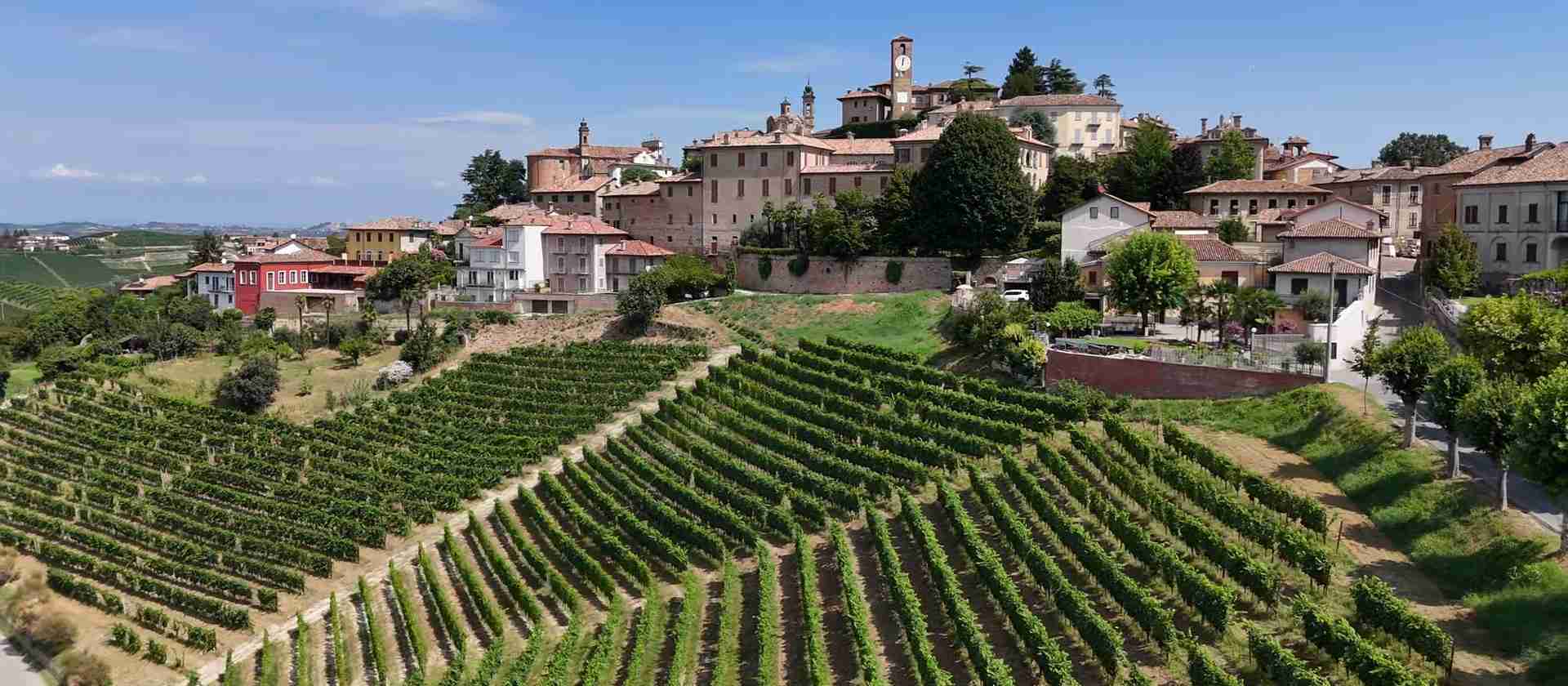
Langhe Piedmont Wine Guide: Barolo & Truffles
The Langhe wine region in northwestern Italy’s Piedmont produces Barolo—the “King of Wines”—alongside the world’s most prized white truffles in a UNESCO-protected landscape of vine-covered hills. This convergence of exceptional terroir, centuries-old winemaking traditions, and rare gastronomic treasures creates one of Europe’s most compelling destinations for serious food and wine enthusiasts seeking experiences beyond tourism’s superficial reach.
Key Takeaways
- The Vineyard Landscape of Piedmont: Langhe-Roero and Monferrato achieved UNESCO World Heritage status in recognition of centuries-old winemaking traditions creating harmonious cultural landscapes across five distinct wine-growing areas
- Barolo DOCG requires minimum 38 months aging including 18 in oak barrels, producing powerful Nebbiolo-based wines with complex aromatic profiles featuring roses, tar, dried fruit, and earthy notes that develop exceptional complexity over decades
- Alba white truffles (Tuber magnatum Pico) grow naturally September through January in symbiosis with oak and hazelnut trees, commanding €3,000-6,000 per kilogram due to their impossibility of cultivation and intensely aromatic character
- Winery tasting experiences range from €15-45 for standard visits at family estates to €74-175 for comprehensive tours with multiple wine tastings and vineyard walks at prestigious producers
- The region’s medieval hill towns—Barolo, La Morra, Monforte d’Alba, Serralunga d’Alba, Barbaresco—preserve architectural heritage while functioning as active centers of contemporary wine production and truffle commerce
- Traditional Piedmontese cuisine emphasizing egg pasta (tajarin), braised meats (brasato al Barolo), and aged cheeses provides essential context for understanding how these wines develop alongside local gastronomy through centuries of culinary evolution
People Also Ask About Langhe Wine and Truffles
What makes Barolo wine different from other Italian reds?
Barolo distinguishes itself through single-variety Nebbiolo production in strictly defined vineyard zones within eleven communes south of Alba, requiring minimum 38 months aging before release versus 24 months for most Italian reds. The wine develops powerful tannin structure, high natural acidity, and complex aromatic profiles featuring roses, tar, dried cherries, tobacco, and earthy notes that evolve dramatically over 10-30 years of bottle aging. Barolo’s calcareous marl and sandstone soils combined with the Langhe’s temperate microclimate create conditions where Nebbiolo achieves phenolic ripeness while maintaining acidity, producing wines with both immediate intensity and extraordinary aging potential that few other Italian denominations match.
How expensive are Alba white truffles and where can you buy them?
Alba white truffles cost €3,000-6,000 ($3,400-6,800) per kilogram wholesale, translating to €300-600 ($340-680) per 100 grams for retail purchases, with exceptional specimens reaching higher prices at auction. The annual International White Truffle Fair in Alba (October-December) provides direct access to certified truffles from local hunters alongside truffle-based products at market stalls. Restaurants throughout the Langhe shave fresh truffles tableside during autumn season, charging €7-15 per gram added to dishes, while specialty shops in Alba, Asti, and surrounding towns sell whole truffles year-round when available. Prices fluctuate based on seasonal abundance—abundant years see prices at the lower range while scarce harvests drive premium pricing.
What’s the difference between Barolo and Barbaresco wines?
Barolo and Barbaresco both derive from 100% Nebbiolo grown in adjacent Langhe territories but differ in aging requirements, soil composition, and resulting wine character. Barolo requires 38 months aging before release including 18 in wood, while Barbaresco mandates 26 months with 9 in wood, producing wines ready for consumption earlier. Barolo’s vineyards in communes like Serralunga d’Alba and Monforte d’Alba feature more compact sandstone soils yielding powerful, structured wines needing decade-plus aging, whereas Barbaresco’s calcareous marl soils around Barbaresco and Neive villages produce more elegant, aromatic wines approachable within 5-8 years. Both achieve remarkable complexity and longevity, with Barolo emphasizing power and Barbaresco highlighting finesse within the Nebbiolo varietal spectrum.
When is truffle season in the Langhe and what activities are available?
White truffle season runs September 21 through January 31, with peak hunting and culinary availability occurring October through December when autumn rains stimulate truffle development. The International White Truffle Fair in Alba operates weekends throughout October-December, offering certified truffle markets, cooking demonstrations, wine pairings, and educational programs. Guided truffle hunts with local trifolau (truffle hunters) and their trained dogs operate throughout season, typically as morning experiences where participants walk forested areas observing traditional hunting techniques before tasting experiences. Restaurants create special autumn truffle menus featuring fresh-shaved white truffle over tajarin pasta, risotto, and egg dishes, while wine estates host truffle and Barolo pairing dinners combining the region’s two greatest gastronomic expressions.
Extended multi-day tours – 5+ days
Featured Piedmont Multi-Day Tour Packages
3 days
Piedmont 3-Day Discovery Tour
- ✓ Comprehensive Piedmont experience
- ✓ Expert local guides included
- ✓ All accommodation included
- ✓ Transportation provided
5 days
Piedmont 5-Day Highlights Experience
- ✓ Comprehensive Piedmont experience
- ✓ Expert local guides included
- ✓ All accommodation included
- ✓ Transportation provided
7 days
Piedmont 7-Day Cultural Journey
- ✓ Comprehensive Piedmont experience
- ✓ Expert local guides included
- ✓ All accommodation included
- ✓ Transportation provided
10 days
Piedmont 10-Day Complete Adventure
- ✓ Comprehensive Piedmont experience
- ✓ Expert local guides included
- ✓ All accommodation included
- ✓ Transportation provided
Multi-day tour packages powered by TourRadar. Prices and availability subject to change.
Introduction to Langhe Wine and Truffle Culture
The Langhe hills of northwestern Piedmont represent one of wine culture’s most significant territories—a landscape where viticultural tradition extends unbroken from Roman colonization through medieval development to contemporary production creating some of earth’s most celebrated wines. This rolling topography of vine-covered slopes, medieval stone villages, and autumn mist produces Barolo and Barbaresco wines alongside Alba white truffles in a symbiosis of terroir and tradition that UNESCO recognized in 2014 as outstanding universal value worthy of World Heritage protection. Understanding the Langhe requires grasping how geology, climate, human cultivation, and gastronomic culture interweave across centuries to create destination experiences transcending simple wine tourism.
The region’s viticultural identity centers on Nebbiolo, Piedmont’s noble red variety producing wines of extraordinary power and longevity when cultivated in the Langhe’s specific terroir. Barolo, designated DOCG in 1980, concentrates Nebbiolo production within eleven communes including Barolo, La Morra, Monforte d’Alba, Serralunga d’Alba, and Castiglione Falletto, where calcareous marl and sandstone soils at 200-550 meters elevation provide ideal conditions for phenolic development. The strict production regulations mandating minimum 38 months aging including 18 in oak barrels ensure wines reach market with developed tannin structure ready for further bottle evolution spanning decades. This patient approach to winemaking—releasing wines only after extensive barrel and bottle maturation—distinguishes Barolo from most contemporary wine production optimized for immediate consumption.
Adjacent Barbaresco DOCG encompasses three communes (Barbaresco, Neive, Treiso) where similar Nebbiolo cultivation on calcareous soils produces wines of equal prestige though different character. The slightly warmer microclimate and distinct soil composition yield wines emphasizing elegance over power, with mandatory 26-month aging (9 in wood) producing more approachable young wines that nevertheless develop complexity through decades of cellaring. The proximity of these two great Nebbiolo zones—separated by mere kilometers and the Tanaro River—demonstrates terroir’s profound impact on wine character when variety, climate, and human technique remain largely constant while soil composition and exposition create distinct expressions.
The Langhe’s autumn transformation introduces the region’s second gastronomic pillar: Alba white truffles growing naturally in forests surrounding the vine-covered hills. These irregular tubers (Tuber magnatum Pico) develop underground near oak, hazelnut, and poplar roots through mycorrhizal relationships impossible to replicate through cultivation, making each truffle a wild product of specific microclimate conditions in particular forest plots. The intense aroma—variously described as garlic, earth, honey, and funk—develops only in mature specimens, detectable by trained dogs accompanying truffle hunters on morning expeditions through wooded areas. This seasonal treasure hunt creates parallel economy to wine production, with restaurants, markets, and specialty shops centering autumn activity around fresh truffle availability.
The UNESCO World Heritage designation “Vineyard Landscape of Piedmont: Langhe-Roero and Monferrato” recognizes not merely wine quality but the integrated cultural landscape resulting from continuous viticultural activity across millennia. The property encompasses five distinct wine-growing areas plus Grinzane Cavour Castle, protecting 10,789 hectares where vine cultivation patterns, built heritage, and settlement forms demonstrate exceptional interaction between humans and environment. Medieval hilltop villages maintain defensive positions above vineyard slopes, Romanesque churches anchor agricultural communities, and stone farm structures (cascine) punctuate vineyard expanses, creating visual harmony between productive landscape and historical architecture that few European wine regions preserve so completely.
This living landscape functions not as museum but as active agricultural economy where families cultivate hereditary vineyard plots, modernization respects traditional architecture, and seasonal rhythms govern community life. The vendemmia (grape harvest) mobilizes entire villages in late September through October, followed immediately by truffle season transforming Alba and surrounding towns into centers of international gastronomy. Winter pruning, spring canopy management, summer thinning, and continual cellar work maintain year-round activity supporting specialized economies around wine and food production. Understanding the Langhe requires recognizing this fundamental character—not tourist destination with incidental agriculture but working landscape where tourism serves agriculture rather than replacing it.
The region’s gastronomic culture develops directly from agricultural production, with traditional Piedmontese cuisine emphasizing local ingredients prepared simply to highlight quality: fresh egg pasta (tajarin) provides vehicle for white truffle or meat sauces, Fassona beef from local breeds appears in carpaccio and brasato (braised in Barolo), aged cheeses from mountain producers accompany wines, and hazelnuts from Langhe groves flavor desserts and appear in spreads. This cuisine evolved alongside wine production as agricultural communities developed cooking traditions utilizing available ingredients, creating natural food-wine pairings where Barolo’s tannic structure cuts rich braised meats while truffle’s intensity demands wine complexity matching its aromatic power.
Visiting the Langhe intelligently requires understanding these interconnections—approaching the region not as collection of discrete wine and truffle experiences but as integrated landscape where geology determines grape varieties, climate influences harvest timing, tradition shapes aging practices, and gastronomy evolves alongside wine over centuries. The medieval villages, Renaissance castles, baroque churches, and modernist wine architecture layer historical periods across landscape still fundamentally organized around viticulture begun two thousand years ago when Roman legions first recognized these hills’ suitability for vines. Contemporary Langhe balances respect for this heritage with technical innovation in viticulture and winemaking, maintaining traditional wine styles while incorporating modern understanding of terroir, phenolic ripeness, and cellar practice.
Barolo Wine Appellation and Production
Barolo DOCG encompasses approximately 2,000 hectares across eleven communes in the Langhe’s heart, where calcareous marl and sandstone soils at 200-550 meters elevation create ideal conditions for Nebbiolo cultivation producing wines of exceptional structure and longevity. The appellation’s strict production regulations mandate 100% Nebbiolo grapes harvested at minimum natural alcohol potential of 13% by volume, minimum 38 months aging including 18 in oak barrels, and minimum 12.5% actual alcohol in finished wine. These requirements ensure only fully ripe fruit from prime vineyard sites reaches bottle, producing wines possessing both immediate power and capacity for decades of evolution developing tertiary aromatics and integrated tannin structure through oxidative and reductive processes.
The appellation divides into distinct vineyard zones where soil composition and exposition create recognizable wine character differences. The western communes of Barolo and La Morra feature calcareous Tortonian marl soils producing wines emphasizing aromatics, elegance, and earlier drinkability—often described as the “feminine” Barolo style though this gendered terminology increasingly faces criticism for oversimplifying complex terroir differences. Eastern communes Serralunga d’Alba and Monforte d’Alba sit on compact Helvetian sandstone with higher sand content, yielding more structured, powerful wines requiring extended aging before tannins integrate fully. Central Castiglione Falletto combines both soil types producing wines balancing power and finesse, while northern communes like Verduno and La Morra’s Annunziata subzone develop distinct characteristics from microclimate variations.
Nebbiolo presents viticultural challenges that limited its cultivation outside Piedmont despite recognition as one of Italy’s greatest varieties. The vine buds earliest among Piedmont varieties yet ripens latest, extending growing season into October when autumn rains threaten rot and dilution. Nebbiolo’s thin skins produce wines naturally pale in color—the “nebbiolo” name potentially deriving from “nebbia” (fog) describing either autumn harvest conditions or the wine’s pale hue losing color with age. The variety’s naturally high acidity and tannin requires full phenolic ripeness achieved only in prime sites with optimal sun exposure and heat accumulation, explaining Barolo’s concentration in specific Langhe hillsides where southwestern exposures and calcareous soils provide necessary conditions.
Traditional Barolo production emphasizes extended maceration extracting maximum tannin and color from Nebbiolo’s relatively light-colored skins, followed by aging in large Slavonian oak casks (botti) holding 20-100 hectoliters that allow slow oxidative development without adding new wood flavors. This approach dominated Barolo production through the 1970s, producing wines of immense structure requiring 15-20 years before tannins integrated sufficiently for pleasant drinking. The 1980s “Barolo Wars” saw modernists adopt shorter maceration, French barriques, and reduced aging times producing more approachable young wines, while traditionalists maintained extended maceration and large cask aging. Contemporary production largely synthesizes both approaches, with most producers using some combination of large casks and smaller barrels while emphasizing vineyard-specific bottlings showcasing terroir differences.
Barolo’s aromatic profile typically features rose petals, tar, dried cherry, licorice, tobacco, earth, and truffle developing into tertiary notes of leather, forest floor, dried flowers, and balsamic complexity with age. The wine’s firm tannin structure and high acidity create wines that taste austere young but develop extraordinary complexity through oxidative aging processes breaking down tannin polymers and developing secondary and tertiary aromatics. Well-cellared Barolo from quality vintages maintains vibrancy through 20-50 years, with exceptional wines from producers like Giuseppe Rinaldi, Giacomo Conterno, and Bruno Giacosa demonstrating aging potential rivaling Bordeaux first growths. This longevity results from Nebbiolo’s natural chemical composition—high anthocyanins despite pale color, substantial phenolic content, and elevated acidity all contributing to preservation and development potential.
The appellation permits vineyard designations (Menzioni Geografiche Aggiuntive or MGA) on labels when wines derive from specific historically recognized sites, with over 170 designated crus including famous names like Cannubi, Brunate, Cerequio, Rocche dell’Annunziata, and Monprivato. These single-vineyard Barolos command premium prices reflecting limited production, historical prestige, and distinct terroir character, though exceptional wines also emerge from commune-level bottlings blending multiple sites. Riserva designation requires minimum 62 months aging including 18 in wood, applied to wines from exceptional vintages deemed worthy of extended maturation. Many producers create both standard and Riserva bottlings in top years, with Riserva expressions showing additional development and concentration from extended barrel aging.
Climate significantly impacts Barolo quality and character across vintages, with hot years producing powerful, structured wines while cooler vintages emphasize aromatics and elegance. Classic vintages like 2010, 2013, and 2016 provided ideal growing conditions balancing heat accumulation with acidity retention, while challenging years like 2014’s wet autumn required careful sorting and shorter maceration. The region’s continental climate moderated by Alpine influences creates warm days and cool nights during autumn ripening, preserving acidity while phenolic compounds mature. Morning fog (nebbia) characteristic of Langhe autumns slows ripening and reduces fungal pressure, though excessive moisture threatens rot requiring meticulous vineyard management and selective harvesting.
Barolo producers range from historic family estates like Giacomo Conterno and Bruno Giacosa maintaining traditional practices to modernist pioneers like Luciano Sandrone and Elio Altare who revolutionized winemaking in the 1980s-1990s. Large houses like Pio Cesare and Marchesi di Barolo blend multiple vineyard holdings creating consistent house styles, while boutique producers like Burlotto and Oddero focus on single-vineyard expressions from hereditary holdings. This diversity of approach means Barolo encompasses wide stylistic range from austere, traditionally made wines requiring decades of cellaring to more accessible expressions emphasizing fruit and early approachability while maintaining aging potential. Understanding these production differences helps visitors select wineries matching their stylistic preferences when planning tasting experiences.
The minimum 38-month aging requirement before release means current vintage Barolo reaching market derives from grapes harvested three years prior, with 2019 or 2020 vintages representing “current release” wines depending on producer release schedules. Many estates hold wines longer before release, particularly for Riserva expressions and single-vineyard bottlings deemed worthy of additional cellaring. This extended production timeline differentiates Barolo from most contemporary wine production, requiring producers to finance inventory costs across multiple years before generating revenue—a financial reality favoring established estates with capital resources and penalizing new entrants lacking resources to weather long production cycles. The resulting producer landscape skews toward multi-generation family estates and well-capitalized operations capable of sustaining long-term inventory aging.
Barbaresco Wine and Nebbiolo Traditions
Barbaresco DOCG occupies approximately 700 hectares across three communes (Barbaresco, Neive, Treiso) northeast of Alba, producing Nebbiolo wines of equal prestige to Barolo though emphasizing elegance over power through different terroir and aging regimes. The appellation’s reduced aging requirement—26 months including 9 in wood versus Barolo’s 38 months and 18 in wood—reflects historical production differences and wine character generally approachable earlier than Barolo while maintaining decades-long aging potential. Barbaresco’s calcareous marl soils, slightly warmer microclimate from lower elevation positioning, and southwestern exposures create conditions where Nebbiolo achieves phenolic ripeness while developing more floral, aromatic profiles than Barolo’s more structured expressions.
The appellation’s historical development differed significantly from Barolo’s aristocratic origins, with Barbaresco emerging as distinct denomination only in the late 19th century through efforts of Alba’s Royal Enological School director Domizio Cavazza who recognized the zone’s potential for producing fine Nebbiolo wines distinct from but comparable to Barolo. Cavazza founded the Produttori del Barbaresco cooperative in 1894 (refounded 1958) which remains the appellation’s largest producer, releasing exceptional single-vineyard wines alongside a reliable comune-level bottling. This cooperative tradition contrasts with Barolo’s dominance by individual estates, though Barbaresco also features prestigious family producers like Gaja, Bruno Rocca, and Roagna producing highly sought collectible wines.
Barbaresco’s aromatic profile typically emphasizes floral notes (rose, violet), red fruit (cherry, raspberry, strawberry), and spice (cinnamon, white pepper) over Barolo’s earthier tar and truffle character, though exceptional aged Barbaresco develops tertiary complexity rivaling any Barolo. The wines generally show more approachable tannins young, with integration occurring within 5-10 years versus 10-15 for typical Barolo, though this represents generalization across diverse producers and vineyard sites. Some Barbaresco vineyards—particularly those on compact soils or higher elevations—produce wines requiring extended cellaring matching Barolo timelines. The shorter required aging before release allows producers faster capital turnover while giving consumers wines ready for consumption sooner, though serious collectors cellar Barbaresco decades just as with Barolo.
The appellation recognizes 66 official vineyard designations (MGAs) including prestigious sites like Asili, Rabajà, Martinenga, Santo Stefano, and Ovello where specific soil compositions and expositions create recognizable wine character. These single-vineyard Barbarescos command prices approaching or exceeding Barolo from top sites, particularly from renowned producers like Gaja (whose Barbaresco holdings now produce wines declassified to Langhe DOC to allow Cabernet blending, with single-vineyard wines Costa Russi, Sorì San Lorenzo, and Sorì Tildìn becoming legendary collector items). The Produttori del Barbaresco cooperative releases wines from nine estate-owned vineyards, providing excellent introduction to terroir differences at reasonable prices given exceptional quality-to-price ratios.
Barbaresco’s medieval village centers the appellation geographically and culturally, with its iconic 36-meter tower dominating vineyard-covered hillsides visible across the zone. The village houses numerous enotecas (wine shops), restaurants featuring local cuisine, and tasting rooms where visitors sample wines alongside Piedmontese specialties. Nearby Neive—officially recognized as one of Italy’s most beautiful villages—preserves medieval architecture while hosting several prestigious wineries and restaurants. Treiso, smallest of the three communes, sits at higher elevation where cooler temperatures produce particularly elegant Barbarescos from sites like Pajorè and Nervo. Visiting all three villages provides comprehensive understanding of terroir variation within the relatively compact appellation.
Angelo Gaja revolutionized not only Barbaresco but Italian fine wine generally through modernist winemaking emphasizing reduced yields, French barrique aging, and international marketing creating global recognition for Piedmont wines previously known mainly to European collectors. His controversial decision to declassify Barbaresco wines to Langhe DOC to allow Barbera and Cabernet blending sparked debates about tradition versus innovation continuing today. Gaja’s commercial success demonstrated international markets’ willingness to pay premium prices for Italian fine wine when quality and marketing reached Burgundy or Bordeaux standards, inspiring younger-generation Piedmont producers to invest in vineyard selection, cellar technology, and brand building. This transformation elevated the entire Langhe’s reputation while creating tensions between traditionalists emphasizing indigenous varieties and historical practices versus modernists incorporating international techniques and varieties.
Barbaresco production techniques mirror general Barolo evolution from traditional extended maceration and large cask aging toward more diverse approaches including barriques, shortened maceration, and various oak regimes. Some producers like Roagna maintain strictly traditional methods emphasizing terroir expression through minimal intervention, while others blend traditional and modern techniques selecting oak formats and maceration lengths based on vintage conditions and desired wine style. This technical diversity means Barbaresco, like Barolo, encompasses wide stylistic range from austere, traditionally made wines to more polished, internationally styled expressions, with quality achievable through either approach when combined with prime fruit and skilled winemaking.
The appellation’s smaller size compared to Barolo (700 versus 2,000 hectares) concentrates production among fewer producers, with approximately 100 estates bottling Barbaresco versus Barolo’s 500+ producers. This smaller production base contributes to Barbaresco’s slightly lower international profile despite comparable quality, though top producers command similar prices and critical acclaim. The Produttori del Barbaresco cooperative’s exceptional quality demonstrates how even modest-scale producers can achieve greatness through meticulous vineyard management, traditional production methods, and long aging before release. Their single-vineyard bottlings, released only in exceptional vintages after extended cellaring, rank among Italy’s finest wines at prices remarkably modest given their quality.
Riserva Barbaresco requires 50 months aging before release versus 62 for Barolo Riserva, though many producers apply Riserva designation selectively to top vintages and best vineyard sites deemed worthy of additional aging. Some estates release only Riserva in great years, foregoing standard bottlings entirely, while others create both standard and Riserva from different vineyard parcels or barrel selections. The Riserva designation signals producer commitment to extended maturation beyond legal minimums, with wines showing additional complexity from prolonged barrel aging and early bottle development. These wines command premium pricing reflecting both additional aging costs and perceived superior quality from site selection or vintage conditions.
Alba White Truffle Tradition and Hunting
Alba white truffles (Tuber magnatum Pico) represent Piedmont’s second great gastronomic treasure alongside Barolo and Barbaresco, growing naturally in forests surrounding the Langhe’s vine-covered hills where mycorrhizal relationships with oak, hazelnut, poplar, and willow roots produce irregular tubers developing intense aromatic compounds impossible to replicate through cultivation. These subterranean fungi develop September through January, with peak maturity and aromatic intensity occurring October through December when autumn rains stimulate growth and dogs trained to detect their scent accompany truffle hunters (trifolau) on morning expeditions through wooded areas. The white truffle’s wild nature, limited growing season, and intensely aromatic character create scarcity driving prices to €3,000-6,000 per kilogram, making these among earth’s most expensive foods by weight.
White truffles grow only in specific microclimate conditions combining calcareous soils, particular tree species, adequate moisture, and temperatures fluctuating around 10-15°C during development months. Piedmont’s Alba region provides ideal conditions across extensive territories, though successful truffle grounds represent closely guarded secrets passed through families for generations. Unlike black truffles (Tuber melanosporum) which French and Italian producers successfully cultivate through inoculated tree plantings, white truffles resist all cultivation attempts despite decades of scientific research. This fundamental wildness means each white truffle represents chance interaction of soil, moisture, temperature, and fungal biology in particular forest plot during specific season—a natural product impossible to mass-produce or guarantee.
Truffle hunting requires specially trained dogs (traditionally pigs served this function but dogs prove more manageable and less likely to consume discoveries) who detect truffle scent through soil and indicate location through pawing or sitting behaviors. Training begins with young puppies exposed to truffle scent, progressing through stages teaching search patterns, scent discrimination, and indication behaviors before dogs prove ready for actual hunting. Skilled hunting dogs represent valuable assets worth thousands of euros, with particularly talented animals achieving fame among truffle hunter communities. The pre-dawn hunts maintain tradition and minimize competition in productive grounds, with hunters returning by late morning to sell discoveries to restaurants, wholesalers, or directly at markets.
The International White Truffle Fair in Alba (Fiera Internazionale del Tartufo Bianco d’Alba) operates weekends October through December, creating central marketplace where hunters sell certified authentic truffles to buyers ranging from local restaurants to international wholesalers and wealthy enthusiasts purchasing specimens for home consumption. The fair includes cooking demonstrations, truffle-pairing events, wine tastings, and educational programs alongside the main truffle market where buyers examine, smell, and negotiate prices for individual specimens. Fair admission typically costs €10-25 with wine tasting packages available at higher prices, while truffle purchases occur separately at negotiated prices between buyers and sellers. The fair draws hundreds of thousands of visitors annually, transforming Alba from quiet provincial town into international gastronomy destination during autumn months.
White truffle season coincides with wine harvest and early aging periods, creating cultural confluence where wine producers, truffle hunters, and gastronomic tourists converge in autumn Langhe. Restaurants create special truffle menus featuring shaved white truffle over traditional Piedmontese dishes—tajarin (thin egg pasta), risotto, scrambled eggs (uova strapazzate), fonduta (cheese fondue), and beef carpaccio all provide neutral bases highlighting truffle’s intense aroma. The traditional serving method involves tableside shaving using specialized slicers (mandoline), with customers charged by weight—typically €7-15 per gram depending on restaurant and truffle quality. A modest serving of 5-10 grams creates aromatic impact without overwhelming dishes, though enthusiasts consuming larger portions quickly accumulate significant charges.
Truffle pricing fluctuates based on seasonal abundance, with plentiful years seeing prices at €3,000-4,000 per kilogram wholesale while scarce seasons drive prices toward €5,000-6,000 or higher for exceptional specimens. Individual restaurant pricing translates these wholesale costs to retail, with additional markup covering service, storage (truffles deteriorate rapidly, requiring refrigeration and daily paper changes), and profit margin. The annual truffle auction at Grinzane Cavour Castle selling exceptional specimens to international bidders via satellite links generates headline-grabbing prices sometimes exceeding €100,000 for single large truffles, though these represent publicity events rather than typical market prices. Normal retail purchases at the Alba fair or specialty shops cost €300-600 per 100 grams for quality specimens, with smaller or less aromatic truffles available at lower prices.
White truffle aroma, variously described as garlicky, earthy, honey-like, musky, or fungal, develops only in mature specimens and dissipates rapidly after harvest. Optimal consumption occurs within 3-7 days of discovery, though careful refrigeration storage wrapped in paper towels with daily changes extends usability to 7-10 days before significant aroma loss. This perishability necessitates rapid distribution from hunters through wholesalers to restaurants and consumers, creating time-sensitive supply chains where freshness determines value. Truffle sellers at the Alba fair provide authentication certificates verifying species (Tuber magnatum Pico rather than less valuable varieties) and origin, as inferior species or less aromatic specimens sometimes fraudulently marketed as Alba white truffles command substantially lower prices.
Truffle hunting experiences available through tour operators and agriturismi provide visitors insight into traditional practices while generating income for truffle hunters supplementing sale revenues. These morning hunts typically involve 2-3 hour forest walks observing dogs working, truffle discovery demonstrations, and post-hunt tastings pairing found truffles with local wines and simple preparations highlighting the tuber’s aroma. Prices range from €50-150 per person depending on group size, included tastings, and exclusivity of experience. While commercial hunts rarely yield major discoveries (productive grounds remain secret), they provide authentic cultural immersion into traditions predating wine tourism as Langhe’s original luxury product hunt.
Truffle culture extends beyond fresh specimens to preserved products including truffle butter, truffle honey, truffle oil (often using synthetic compounds alongside real truffle pieces), truffle paste, and various other preparations. While these products lack fresh truffle’s intensity and complexity, they provide accessible introduction to truffle flavor at modest prices—truffle butter costs €8-15 for 80 grams versus hundreds for fresh truffle producing similar amount. Quality varies dramatically among truffle products, with best versions using significant real truffle content while others rely primarily on artificial flavoring. Purchasing these products directly from producers at the Alba fair or at specialty shops in the Langhe ensures better quality than supermarket versions often using minimal real truffle enhanced with synthetic compounds.
UNESCO Wine Landscape Recognition
The “Vineyard Landscape of Piedmont: Langhe-Roero and Monferrato” achieved UNESCO World Heritage inscription in 2014, recognizing outstanding universal value in viticultural landscapes demonstrating exceptional human-environment interaction across centuries of continuous wine production. The designation encompasses five distinct wine-growing areas—Langa del Barolo, Barbaresco hills, Nizza Monferrato and Barbera, Canelli and Asti Spumante, Monferrato degli Infernot—plus Grinzane Cavour Castle, protecting 10,789 hectares across the provinces of Cuneo, Asti, and Alessandria. This recognition places Piedmont vineyard landscapes alongside other culturally significant wine regions including Burgundy, Champagne, Tokaj, and the Rhine Valley in acknowledging viticultural heritage as fundamental component of human civilization worthy of international protection.
The UNESCO inscription criteria emphasized the cultural landscape’s demonstration of long-evolved winegrowing traditions creating exceptional examples of human-environment interaction. Criterion (iii) recognized the landscapes as outstanding living testimony to winegrowing and winemaking traditions stemming from long history continuously improved to present day, bearing witness to comprehensive social, rural, and urban realms and sustainable economic structures. Criterion (v) highlighted the vineyards as outstanding example of human interaction with natural environment through long evolution of winegrowing expertise, achieving optimal adaptation of grape varieties to specific soil and climate components related to winemaking expertise, becoming international benchmark. These criteria distinguish the Piedmont landscape from purely scenic or natural areas by emphasizing the integrated cultural dimension where human activity and natural environment create mutually reinforcing systems.
The designated landscape exhibits distinctive visual character where carefully cultivated hillside vineyards follow ancient land divisions punctuated by buildings lending structure to visual space—hilltop villages, castles, Romanesque churches, farms, ciabots (small vineyard structures), cellars, and storehouses for wine production and commercial distribution. This built heritage demonstrates continuous occupation and agricultural development from Roman colonization through medieval settlement patterns to contemporary wine production, with architectural elements from each period preserved within functioning agricultural landscape. Unlike archaeological sites where historical structures exist separated from original function, the Piedmont vineyard landscape maintains living connection between heritage architecture and contemporary agricultural practice, with cascine (farmhouses) still housing wine producers and medieval villages serving as centers of wine commerce.
The five designated wine-growing areas within the UNESCO site represent distinct viticultural traditions and wine styles while sharing fundamental landscape character. Langa del Barolo encompasses the eleven Barolo DOCG communes where Nebbiolo produces the “King of Wines” on hillsides averaging 250-450 meters elevation. The Barbaresco hills across the Tanaro River similarly cultivate Nebbiolo for Barbaresco DOCG in three communes at slightly lower elevations. Nizza Monferrato and Barbera celebrate Barbera production in Monferrato’s clay-limestone soils, with Nizza DOCG representing Barbera’s finest expressions. Canelli and Asti Spumante highlight sparkling wine production from Moscato Bianco grapes using the Asti method creating sweet, low-alcohol spumante. Monferrato degli Infernot preserves unique underground cellars (infernot) carved from calcareous tufo stone for wine aging. Each area demonstrates specific terroir-variety relationships developed over centuries of viticultural experimentation.
Grinzane Cavour Castle represents the sixth component of the UNESCO site, serving as emblem of both viticultural development and Italian unification history. The castle houses the Regional Enoteca Cavour showcasing Piedmont wines, the Ethnographic Museum of Langhe documenting viticultural traditions, and serves as venue for the annual World White Truffle Auction. The castle’s association with Camillo Benso Count of Cavour—Italian statesman instrumental in unification and mayor of Grinzane 1832-1849 who promoted modern viticultural techniques—links wine heritage with broader Italian history. The castle’s commanding position overlooking Barolo vineyards provides panoramic views demonstrating the vineyard landscape’s visual harmony between natural topography and human cultivation.
The UNESCO designation brings both benefits and responsibilities to the Langhe wine region. International recognition attracts tourists, elevates wine prestige, and creates economic opportunities for communities historically dependent on agriculture. The designation requires maintaining landscape character, protecting built heritage, and continuing viticultural traditions that justified the inscription—preventing inappropriate development, preserving traditional architecture, and ensuring wine production remains central to landscape character. The Associazione per il Patrimonio dei Paesaggi Vitivinicoli di Langhe-Roero e Monferrato (Association for the Heritage of Vineyard Landscapes of Langhe-Roero and Monferrato) coordinates management across the site, implementing protection measures while balancing preservation with economic development supporting local communities.
The vineyard landscape’s outstanding universal value derives partly from evidence of continuous viticultural activity extending from prehistoric origins through Roman colonization to contemporary production. Vine pollen found in the area dates to the 5th century BC when Piedmont served as contact and trade zone between Etruscans and Celts, with Etruscan and Celtic wine-related words persisting in local dialect. Pliny the Elder identified Piedmont as among ancient Italy’s most favorable regions for viticulture, while Strabo referenced the area’s distinctive wooden barrels predating modern cooperage. This archaeological and historical evidence demonstrates viticultural significance extending across millennia, situating contemporary Barolo and Barbaresco production within continuous tradition rather than as modern innovation.
The UNESCO inscription occurred amid growing international recognition of cultural landscapes as heritage worthy of protection alongside monuments and natural areas. Earlier wine region inscriptions (Tokaj 2002, Alto Douro 2001, St-Emilion 1999) established precedent for recognizing viticultural landscapes as outstanding universal value, with subsequent recognitions including Burgundy climats (2015) and Champagne hillsides (2015) expanding the category. The Piedmont designation’s comprehensive approach protecting multiple distinct wine areas within integrated landscape model influenced subsequent applications, demonstrating how regional identity encompasses varied terroirs united by shared cultural practices. This approach mirrors Piedmont’s actual viticultural geography where Barolo, Barbaresco, Barbera, and Moscato production creates regionally coherent wine culture despite distinct appellations and wine styles.
Tourism impacts following UNESCO recognition demonstrate both opportunities and challenges for the Langhe. Increased international visitors support wine tourism infrastructure—improved accommodation, expanded enotecas, professional tour services, and enhanced dining options—creating economic diversification beyond wine sales alone. Simultaneously, tourism pressure threatens landscape character through inappropriate development, rising property prices displacing agricultural communities, and conversion of agricultural buildings to tourist accommodation. Balancing heritage protection with economic vitality supporting communities remains ongoing challenge, requiring regulatory frameworks preventing landscape degradation while allowing evolution supporting contemporary livelihoods. The designation’s success ultimately depends on maintaining productive agriculture as landscape foundation rather than transforming the region into preserved historical theme park disconnected from living culture.
Visiting Langhe Wineries and Tastings
Winery visits in the Langhe range from informal tastings at family estates to structured experiences at prestigious producers, with prices varying from €15-45 for standard tastings to €74-315 for comprehensive tours including vineyard walks, cellar visits, multiple wine flights, and food pairings. Most wineries require advance reservations, particularly for prestigious producers like Gaja, Giacomo Conterno, and Bruno Giacosa where limited availability and high demand necessitate booking weeks or months ahead. Smaller family estates sometimes accommodate walk-in visitors during business hours though advance contact remains advisable, while larger houses and cooperatives typically maintain regular visiting hours with scheduled group tours. Understanding winery visit protocols and pricing structures enables efficient planning maximizing tasting quality while managing time and budgets.
Tasting experiences typically include 3-6 wines representing the producer’s range from entry-level DOC wines through single-vineyard Barolo or Barbaresco bottlings, sometimes including library wines from previous vintages demonstrating aging potential. Basic tastings focus on current releases without extensive commentary, suitable for experienced wine enthusiasts requiring minimal guidance, while comprehensive experiences include vineyard tours explaining terroir differences, cellar visits demonstrating production techniques, detailed tasting notes describing each wine’s character, and food pairings illustrating how wines complement Piedmontese cuisine. The most elaborate experiences combine wine tasting with multi-course meals featuring local ingredients prepared to showcase wine-food synergies, creating educational gastronomy events rather than simple tastings.
Prestigious historic estates like Giacomo Conterno, Bruno Giacosa, Bartolo Mascarello, and Giuseppe Rinaldi maintain traditional production methods emphasized during visits, with tours highlighting large Slavonian oak casks, extended maceration practices, and patient aging regimes distinguishing their wines. These producers often limit visitor numbers, require substantial advance booking, and charge premium prices (€100-200+ per person) reflecting both high wine values and exclusive access to legendary cellars. Visits emphasize terroir, tradition, and winemaking philosophy rather than polished tourism infrastructure, appealing to serious collectors and wine professionals seeking authentic engagement with producers shaping Barolo’s identity over decades. The experience rewards visitors with deep wine knowledge able to appreciate subtle differences between vintages, vineyards, and production approaches.
Modernist producers like Elio Altare, Luciano Sandrone, and Paolo Scavino incorporate contemporary cellar technology, French barriques, and international winemaking techniques into their production, with visits highlighting how modern understanding of extraction, oak management, and aging enhances rather than diminishes terroir expression. These estates typically offer more polished visitor experiences with dedicated tasting rooms, English-speaking guides, and professional presentations suitable for enthusiasts of varying expertise levels. Prices range from €35-100 per person depending on tasting scope and included elements, providing excellent introduction to Langhe wines for visitors without extensive Nebbiolo experience while satisfying serious enthusiasts through high-quality wines and knowledgeable staff.
The Produttori del Barbaresco cooperative provides exceptional quality-to-price ratio through tastings featuring multiple single-vineyard Barbarescos alongside the cooperative’s excellent commune-level bottling. Visit costs typically range from €25-50 per person for comprehensive tastings showcasing terroir differences across the cooperative’s nine vineyards, offering educational value difficult to match elsewhere given the combination of quality wines, professional presentation, and modest pricing. The cooperative’s visitor center in Barbaresco village includes tasting room, wine shop, and informational displays explaining Barbaresco production and terroir variation, making it ideal starting point for visitors new to the appellation seeking systematic introduction to vineyard-specific character differences.
Enotecas (specialized wine shops with tasting facilities) in villages like Barolo, La Morra, Monforte d’Alba, and Barbaresco provide alternative tasting venues offering wines from multiple producers in comparative format. The Enoteca Regionale del Barolo in Barolo’s castle presents comprehensive overview of Barolo producers through flights comparing different communes, vineyard sites, and vintages, while similar regional enotecas in other villages showcase local production. These multi-producer tastings enable efficient comparison of stylistic approaches and terroir expressions impossible when visiting individual estates, though they lack the direct producer interaction and cellar access of winery visits. Enoteca tastings typically cost €15-35 per flight with optional food pairings available at additional cost.
Organized wine tours through professional companies provide transportation, winery reservations, and guide services for visitors without personal vehicles or Italian language skills. Full-day tours typically visit 2-4 wineries with guided tastings, vineyard walks, and lunch at local restaurants, priced from €90-190 per person depending on group size and included elements. Multi-day tours combining wine visits with truffle hunting, cooking classes, and accommodation in agriturismi or boutique hotels create comprehensive Langhe experiences, with 2-3 day programs costing €380-570 per person. These organized experiences remove logistical challenges of self-guided visiting while providing professional interpretation of wine culture, though they sacrifice spontaneity and individual pacing control inherent in independent exploration.
Booking winery visits directly through estate websites or email contact often yields better availability and potentially lower prices than booking through third-party platforms charging commission fees. Many estates prefer direct bookings allowing them to understand visitor interests and customize experiences accordingly, while third-party bookings sometimes limit flexibility or access to particular wines. Direct contact enables visitors to communicate specific interests—particular vintages, vineyard sites, or production techniques—allowing estates to tailor experiences. Language barriers may complicate direct booking at smaller estates without English-speaking staff, though most prestigious producers and larger houses maintain multilingual capabilities facilitating international visitor communication.
Visit timing significantly affects winery availability and experience quality. Harvest period (late September through October) creates maximum activity when producers focus on bringing fruit to cellar, often limiting visitor capacity or closing entirely during critical production days. Post-harvest November through March represents quiet period when producers welcome visitors between cellar duties, though some estates close during winter months. Spring (April-May) and early autumn (September) provide ideal visiting conditions with pleasant weather, manageable visitor numbers, and full estate operations. Summer (June-August) brings peak tourism creating crowded conditions at popular estates, though advance booking ensures access. Truffle season (October-December) combines wine tourism with truffle experiences but increases competition for accommodation and restaurant reservations.
Tasting room etiquette in the Langhe generally follows relaxed though respectful protocols. Visitors typically taste multiple wines across 45-90 minute sessions, with spitting encouraged to maintain palate clarity across numerous samples though not universally practiced. Taking notes, discussing wines with guides, and asking questions about production enhances rather than disrupts experiences, with producers generally welcoming engaged visitors demonstrating genuine interest. Purchasing wine after tastings, while appreciated, carries no obligation at most estates, though some high-end producers expect purchases justifying time invested in exclusive visits. Photography policies vary by estate—most allow vineyard and cellar photographs while restricting bottle shots or interior images, requiring permission before photographing.
Piedmontese Cuisine and Wine Pairing
Traditional Piedmontese cuisine develops directly from local agricultural production, emphasizing high-quality ingredients prepared simply to highlight inherent flavors rather than elaborate preparations masking ingredient character. The region’s cuisine centers on beef from Fassona cattle, fresh egg pasta, aged cheeses, white truffles during autumn, hazelnuts from Langhe groves, and vegetables from market gardens, with preparations evolved alongside wine production to create natural pairings where food and wine enhance each other. Understanding these traditional dishes and their relationship to Barolo, Barbaresco, and other Piedmont wines provides essential context for appreciating how the region’s gastronomic culture functions as integrated system rather than separate wine and food traditions.
Tajarin represents Piedmont’s signature pasta—thin, flat egg noodles cut by hand from dough incorporating numerous egg yolks creating rich, silky texture and golden color. Traditional preparation simply dresses tajarin with butter and Parmigiano-Reggiano or meat ragù (sugo d’arrosto), allowing pasta quality to dominate. During white truffle season, tajarin serves as primary vehicle for fresh-shaved truffle, with the pasta’s richness balancing truffle’s intensity while its neutral flavor allowing truffle aromatics to dominate. The dish pairs naturally with Barolo or Barbaresco wines whose complexity matches truffle intensity without overwhelming delicate pasta, creating synergy where wine, pasta, and truffle elevate each other. Restaurants throughout the Langhe offer tajarin al tartufo during autumn, typically charging base pasta price plus per-gram truffle supplement.
Brasato al Barolo demonstrates wine-food integration through beef braised for hours in Barolo until meat absorbs wine’s tannins, acidity, and aromatics while wine’s alcohol and acidity break down connective tissue creating fork-tender texture. The finished dish exhibits deep wine flavors complementing rather than masking beef quality, with Nebbiolo’s natural tannin cutting the meat’s richness. Serving brasato al Barolo alongside Barolo creates powerful pairing where wine’s tannic structure and savory character match the wine-infused meat, demonstrating how foods prepared with wine develop affinity for those wines. Traditional recipes specify cooking with Barolo matching the vintage served alongside, though practical considerations typically see less expensive bottles used for cooking while finer wines accompany the meal.
Vitello tonnato presents thinly sliced veal blanketed in tuna-caper-anchovy sauce, served cold as antipasto introducing meals. Despite seeming paradox of combining veal with fish elements, the dish creates harmonious whole where tuna sauce’s richness complements lean veal while capers and lemon provide acidity. The preparation pairs surprisingly well with aged Barolo or Barbaresco whose tertiary development creates savory complexity matching the dish’s umami-rich character, though lighter Langhe Nebbiolo or Dolcetto sometimes provide more appropriate weight matching vitello tonnato’s delicacy. The dish exemplifies Piedmontese cuisine’s willingness to combine unexpected elements producing greater result than individual components suggest.
Agnolotti del plin represents Piedmont’s filled pasta tradition, with small square or rectangular pasta pockets pinched (plin in dialect) to seal meat or vegetable fillings. Traditional agnolotti contain mixed meats (veal, pork, rabbit) combined with roasted vegetables, eggs, and Parmigiano, dressed with roasted meat juices (arrosto) or butter and sage. The rich filling and substantial pasta dough require wines with adequate structure cutting through richness while complementing savory filling—Barbera’s acidity and fruit or Nebbiolo d’Alba provide traditional pairings, though aged Barolo or Barbaresco suit special occasions. The pasta’s labor-intensive preparation making it restaurant or special-occasion food rather than everyday meal, elevating it to celebration status warranting fine wine accompaniment.
Bollito misto assembles multiple boiled meats (beef, veal tongue, cotechino sausage, chicken, sometimes calf’s head) served with various sauces including salsa verde (parsley-caper-anchovy), cognà (grape must reduction with mustard), and bagnet ross (red pepper sauce). This elaborate dish appears at holiday meals and special occasions, creating substantial feast requiring robust wines matching both meat quantity and sauce complexity. Barolo’s structure and aging potential complement bollito misto’s rich meats while cutting through fatty elements, with the wine’s savory tertiary notes echoing meat flavors. The dish demonstrates Piedmontese cuisine’s emphasis on quality ingredients prepared simply, allowing inherent flavors to dominate while sauces add complementary rather than dominant notes.
Cheese courses featuring regional production provide natural Barolo and Barbaresco pairing opportunities, with aged cheeses’ crystalline texture and complex savory flavors creating synergy with mature Nebbiolo wines. Castelmagno, produced in Piedmont’s mountain valleys, develops blue-vein character and intense flavor pairing remarkably with Barolo’s power and complexity. Robiola di Roccaverano offers fresh goat cheese contrast to aged selections, while Toma Piemontese provides semi-aged middle ground. Cheese courses typically appear after primi and secondi courses, creating opportunity to showcase older Barolo or Barbaresco vintages whose development complements aged cheese complexity. The traditional Piedmontese meal structure positions cheese before rather than after dessert, maintaining savory wine service through cheese course before transitioning to sweet wines or grappa with dessert.
Carne cruda all’albese presents raw Fassona beef hand-chopped (not ground) and dressed with olive oil, lemon, and shaved Parmigiano, sometimes finished with white truffle during season. The dish’s delicacy requires wines providing structure without overwhelming raw beef’s subtle flavor—younger Barolo or Barbaresco with integrated tannins work well, as do Langhe Nebbiolo and Dolcetto offering fruit and acidity without excessive tannin. The preparation showcases Fassona beef’s quality, the Piedmontese breed prized for tenderness and fine grain making it suitable for raw consumption. The dish appears frequently on Langhe restaurant menus, providing lighter antipasto option contrasting with richer preparations while demonstrating local beef quality.
Fritto misto piemontese creates elaborate fried course incorporating meats, vegetables, fruits, and sweets (amaretti cookies, semolina squares) all fried and served together. Traditional versions include veal, sausage, liver, brains, artichokes, zucchini, apples, and various other elements creating impressive presentation requiring extended preparation. The dish’s richness from frying demands wines with cutting acidity, making Barbera natural partner despite Nebbiolo’s prestige—Barbera’s bright acidity and moderate tannin refresh the palate between bites while complementing fried elements without overwhelming varied flavors. Fritto misto appears at celebrations and important meals, creating festive abundance appropriate to special occasions warranting elaborate preparation and premium wine service.
Hazelnut prominence in Piedmontese desserts reflects the Langhe’s significance as hazelnut-producing region, with local nocciole used in torta di nocciole (hazelnut cake), baci di dama (hazelnut cookies), and gianduja chocolate-hazelnut spread originating in Turin. These desserts pair naturally with Moscato d’Asti’s light sweetness and effervescence, cleansing rich hazelnut flavors while providing appropriate sweetness level avoiding cloying excess. Some producers create hazelnut-based pairing events combining Barolo or Barbaresco with hazelnut preparations, though such pairings remain unconventional given wines’ dry character. The hazelnut dessert tradition demonstrates how agricultural production influences cuisine beyond savory preparations, with sweet course options reflecting local abundance of quality hazelnuts.
Langhe Villages and Cultural Sites
The Langhe’s medieval villages preserve architectural heritage while functioning as active centers of wine commerce, gastronomic tourism, and local community life. These hilltop settlements occupy defensive positions above vineyard slopes where medieval lords built castles controlling surrounding agricultural lands, with villages developing around fortifications as market towns serving wine producers and farmers. Contemporary villages maintain historical character through strict building codes protecting stone architecture, narrow cobbled streets, and medieval planning while accommodating wine shops, restaurants, accommodations, and tasting rooms serving visitors. Understanding village character and locations enables efficient trip planning concentrating visits within logical geographic clusters.
Barolo village centers the eponymous wine zone both geographically and symbolically, with its medieval Castello Falletti di Barolo housing WiMu (Wine Museum) exploring wine history, culture, and production through interactive exhibits. The castle’s position overlooking surrounding vineyards provides panoramic views demonstrating Barolo production zone extent while the museum’s comprehensive displays introduce novice visitors to Langhe wine culture. The village’s compact center concentrates wine shops, restaurants, and tasting rooms within easy walking distance, allowing visitors to base themselves centrally while exploring nearby wineries. The annual Barolo wine festival each September draws producers, collectors, and enthusiasts for tastings, dinners, and celebrations marking new vintage releases.
La Morra occupies the highest elevation among Barolo villages, its Belvedere viewpoint providing spectacular 360-degree vineyard panoramas extending across the Langhe to distant Alps. The village’s central location and commanding views make it popular photography destination, while numerous wineries in surrounding communes (Annunziata, Cerequio, Brunate) provide extensive tasting opportunities. La Morra’s restaurants feature terrace dining with vineyard views, creating romantic settings for meals accompanied by local wines. The village’s Capela delle Brunate, a small chapel in surrounding vineyards decorated by contemporary artists David Tremlett and Sol LeWitt, demonstrates how traditional agricultural landscape incorporates modern artistic interventions creating dialogue between heritage and contemporary culture.
Monforte d’Alba’s amphitheater-like setting surrounds medieval village center with vineyard slopes, creating striking visual impact where vine cultivation extends to village edges. The commune encompasses prestigious vineyard sites including Bussia, Ginestra, and Mosconi producing powerful, structured Barolos requiring extended aging. The village’s auditorium hosts concerts and cultural events utilizing natural acoustics created by surrounding hills, while the annual “Silence Festival” celebrates slow living and environmental awareness through meditation, yoga, and acoustic music performances. Monforte’s character balances wine production with cultural programming, attracting visitors interested in contemplative experiences alongside gastronomic tourism.
Serralunga d’Alba’s distinctive 14th-century castle, the Langhe’s most impressive medieval fortress, dominates surrounding landscape from its hilltop position. The castle’s unusual vertical design, rising through multiple stories rather than spreading horizontally, reflects military architecture optimized for defensive purposes. The commune’s compact sandstone soils produce some of Barolo’s most structured, long-lived wines from sites like Vigna Rionda and Francia requiring decades of aging before approachability. The village maintains quiet agricultural character despite prestigious wine production, with fewer tourist amenities than Barolo or La Morra but authentic atmosphere where wine production remains central rather than increasingly displaced by tourism.
Barbaresco village anchors the eponymous wine zone, its 36-meter medieval tower providing panoramic views across Nebbiolo vineyards extending toward Alba and the Tanaro River. The tower, Piedmont’s tallest, houses small museum documenting Barbaresco wine history and offers observation deck commanding comprehensive views of the three-commune appellation. The village’s Enoteca Regionale del Barbaresco provides comprehensive introduction to local production through tastings showcasing multiple producers and vineyard sites, while the Produttori del Barbaresco cooperative’s visitor center offers systematic terroir education through single-vineyard bottlings. Barbaresco’s compact size concentrates wine-related commerce within walkable core, facilitating efficient visits exploring multiple venues.
Neive, officially recognized among Italy’s most beautiful villages (Borghi più belli d’Italia), preserves exceptional medieval character through intact stone architecture, cobbled streets, and historical buildings functioning as residences, shops, and restaurants. The village sits slightly removed from most intensive Barbaresco production, creating quieter atmosphere than Barbaresco village while maintaining wine focus through numerous quality producers including Bruno Giacosa’s historic cellars. Neive’s fall Alba truffle fair creates additional tourism draw supplementing wine visits, while several excellent restaurants provide elevated dining experiences pairing local wines with traditional and contemporary Piedmontese cuisine. The village exemplifies successful heritage preservation supporting contemporary economic activity through tourism while maintaining residential community.
Alba, the Langhe’s largest town with approximately 30,000 residents, serves as commercial and administrative center for surrounding wine regions. The town’s medieval and baroque architecture, extensive restaurant and shopping options, and central position between Barolo and Barbaresco zones make it logical base for Langhe exploration. The International White Truffle Fair transforms Alba into global gastronomy destination each October through December, while numerous enotecas, wine bars, and specialty shops provide year-round wine commerce. Alba’s Palio degli Asini (donkey race) each October recreates medieval pageantry through costumed processions and competitive donkey races around the central piazza, demonstrating how historical traditions maintain contemporary vitality. The town balances tourism infrastructure with local community life, avoiding complete transformation into visitor-oriented destination while providing services supporting extended stays.
Grinzane Cavour Castle, UNESCO site component, occupies commanding position above Barolo vineyards between Barolo and Alba. The castle houses the Regional Enoteca Cavour presenting Piedmont’s wines, the Ethnographic Museum documenting Langhe agricultural traditions, and serves as venue for the annual World White Truffle Auction each November. The castle’s association with Camillo Benso Count of Cavour, who served as Grinzane mayor while developing political career leading to Italian unification, links wine heritage with broader Italian history. The castle’s restaurant provides formal dining pairing traditional Piedmontese cuisine with exceptional wines, creating special-occasion destination where architecture, history, food, and wine combine. The castle’s museum displays historical winemaking equipment, documents viticultural evolution, and explains terroir concepts through accessible presentations suitable for novice wine tourists.
Cherasco, located southwest of Alba in the Roero area, preserves exceptional baroque architecture and hosts several important cultural institutions including the International Snail Institute promoting slow food values and snail cultivation. The town’s historic center features arcaded streets, baroque churches, and noble palaces demonstrating wealth generated through agricultural commerce in previous centuries. Cherasco’s position bridging Langhe and Roero areas makes it strategic base for exploring both wine zones, while lower tourism levels compared to Barolo villages create more authentic local atmosphere. The town’s restaurants and wine bars provide quality service at modest prices reflecting smaller visitor numbers, appealing to travelers seeking less crowded experiences while maintaining access to quality wine and cuisine.
Roero and Other Piedmont Wine Zones
The Roero area northwest of Alba across the Tanaro River produces Nebbiolo-based red wines under Roero DOCG alongside Arneis white wines from Roero Arneis DOCG, complementing rather than competing with Langhe’s Barolo and Barbaresco through different terroir and wine styles. The Roero’s sandy soils derived from ancient seabed create looser, more friable structure than Langhe’s compact marls and limestone, producing wines emphasizing aromatics and approachability over Barolo’s power and structure. This terroir difference enables Roero to establish distinct identity within Piedmont’s Nebbiolo hierarchy, offering wines at more accessible prices while maintaining quality standards supporting serious wine enthusiasts. The region’s less intensive tourism development compared to Langhe preserves authentic agricultural atmosphere where wine production dominates visitor commerce.
Roero Nebbiolo wines (Roero DOCG) emphasize red fruit, floral notes, and softer tannin structure compared to Barolo’s more powerful profile, with sandy soils creating wines ready for consumption within 3-5 years though capable of aging 10-15 years in quality vintages. The appellation requires minimum 20 months aging including 6 in wood, less extensive than Barolo’s requirements, producing wines approaching market sooner. Roero Riserva mandates 32 months aging, creating wines with additional structure approaching Barbaresco’s character while maintaining Roero’s distinctive softer tannin and emphasis on perfume. Leading Roero producers like Matteo Correggia and Malvirà demonstrate the appellation’s potential for serious wines deserving attention from collectors and enthusiasts seeking alternatives to increasingly expensive Langhe wines.
Arneis represents Roero’s signature white variety, producing Roero Arneis DOCG wines combining floral aromatics (white flowers, chamomile), stone fruit flavors (peach, apricot), and distinctive almond note on the finish. The variety nearly disappeared through the 20th century before producers like Bruno Giacosa championed its revival in the 1970s-1980s, demonstrating Arneis could produce serious white wines complementing Piedmont’s red wine focus. Arneis wines provide versatile pairing options for Piedmontese cuisine, matching seafood antipasti, vegetable preparations, and white truffle dishes where red wines would overwhelm. The wines generally lack aging potential beyond 2-3 years, emphasizing fresh consumption to preserve aromatics and avoid oxidation, though some producers experimenting with extended lees aging and neutral barrel maturation create more complex expressions with moderate aging potential.
Barbera d’Alba DOC and Barbera d’Asti DOCG showcase Piedmont’s most widely planted red variety producing wines of high acidity, moderate tannin, and bright cherry fruit suitable for everyday drinking and food pairing. Barbera traditionally served as table wine accompanying daily meals while Nebbiolo aged in cellars for special occasions, though contemporary producers creating serious Barberas through low yields, selective harvesting, and careful oak aging elevate the variety to premium status. Top Barbera producers in Alba (Elio Altare, Aldo Conterno, Giacomo Conterno) and Nizza Monferrato (Braida, Coppo, Michele Chiarlo) demonstrate Barbera’s potential for concentrated, complex wines rivaling quality of moderate Barolo or Barbaresco while costing substantially less. Barbera’s acidity makes it particularly versatile for food pairing, cutting rich preparations while refreshing the palate.
Dolcetto d’Alba DOC produces fresh, fruity red wines from Dolcetto variety cultivated in Langhe communes, providing approachable wines for near-term consumption without extended aging. The variety’s name (“little sweet one”) potentially derives from grape sweetness when ripe or alternatively from the Piedmontese “dosset” (small hill), with resulting wines actually dry despite the name. Dolcetto produces deeply colored wines with moderate acidity and soft tannins, emphasizing dark fruit flavors (blackberry, black cherry) and almond notes, ready for consumption upon release though capable of 3-5 year aging. The wines function as excellent everyday drinking complementing simple preparations and casual dining, while providing winery cash flow supporting expensive long-aging Barolo and Barbaresco production. Quality Dolcetto producers create serious wines deserving attention beyond simple quaffing category.
Langhe Nebbiolo DOC provides entry point to Nebbiolo for consumers finding Barolo or Barbaresco prices prohibitive, sourcing grapes from vineyards outside DOCG boundaries or declassifying Barolo/Barbaresco-zone fruit to create more approachable wines at lower prices. The wines require no minimum aging before release, allowing producers to bottle young Nebbiolo emphasizing fruit and aromatics rather than structure and aging potential. Many prestigious Barolo producers create excellent Langhe Nebbiolo from young vines or specific parcels, providing introduction to their style at fraction of Barolo prices while maintaining quality standards. The wines demonstrate Nebbiolo’s characteristic aromatics (roses, red fruit, earth) with softer tannins suitable for 2-5 year consumption windows, offering excellent value for enthusiasts unable or unwilling to invest in aged Barolo bottles.
Gavi DOCG in southeastern Piedmont produces crisp white wines from Cortese variety grown in calcareous soils around the town of Gavi. The wines emphasize citrus, green apple, and mineral notes with brisk acidity and light body, providing refreshing contrast to Piedmont’s tannic red wines. Gavi gained international recognition through exports to American markets in the 1970s-1980s, establishing Piedmont’s credentials for quality white wine production beyond the region’s red wine focus. Contemporary Gavi ranges from simple, fresh examples for immediate consumption to more complex versions receiving brief oak aging or extended lees contact, with the best wines showing mineral complexity and moderate aging potential of 3-5 years. The wines pair naturally with seafood, light antipasti, and vegetable preparations common in Piedmontese cuisine.
Moscato d’Asti DOCG and Asti Spumante DOCG produce sweet, aromatic sparkling wines from Moscato Bianco grapes cultivated in hillside vineyards around Canelli and Asti. These wines undergo partial fermentation stopping at 5-6% alcohol for Moscato d’Asti or continuing to 7-9% for Asti Spumante, retaining natural grape sugars creating delicate sweetness balancing floral-grape aromatics. The low alcohol and gentle effervescence create refreshing wines suitable for warm weather consumption, aperitif service, or dessert pairings, with Moscato’s grapey character providing accessible introduction to wine for novice drinkers. Production uses the Asti method (formerly “Charmat” or tank method) where fermentation occurs in sealed tanks capturing carbon dioxide naturally rather than through bottle fermentation, creating delicate bubbles distinct from Champagne or other traditional-method sparklers. Quality Moscato d’Asti represents outstanding value given production complexity and wine quality relative to modest pricing.
Alta Langa DOCG produces traditional-method sparkling wines from Chardonnay and Pinot Noir in the Langhe’s higher elevations where cooler temperatures and longer growing seasons suit sparkling wine production. The appellation, established 2011, represents Piedmont’s attempt to create serious traditional-method sparklers rivaling Franciacorta (Lombardy) and Trento DOC (Trentino-Alto Adige) through strict production standards mandating minimum 30 months aging on lees. Producers including Enrico Serafino, Fontanafredda, and Contratto create Alta Langa sparkling wines demonstrating Piedmont’s capability for world-class traditional-method production, though the appellation’s recent establishment means limited production and modest international recognition compared to established sparkling wine regions. The wines provide sophisticated sparkling option within Piedmont wine portfolios, pairing naturally with antipasti and light preparations beginning traditional Piedmontese meals.
Practical Visit Planning and Logistics
Planning Langhe wine and truffle experiences requires coordinating winery reservations, accommodation booking, restaurant reservations (particularly during truffle season), and transportation arrangements creating efficient daily itineraries maximizing tasting and dining quality while minimizing driving time between dispersed village locations. The region’s compact geography places most significant villages within 30-kilometer radius centered on Alba, enabling day trips from central bases to multiple wine zones, though dispersed winery locations and narrow, winding roads mean driving times often exceed distances suggests. Understanding regional geography, seasonal dynamics, and booking protocols prevents scheduling conflicts and logistical frustrations diminishing visit quality.
Accommodation options span agriturismi (farm stays) offering rural immersion and authentic experiences to boutique hotels in medieval villages providing convenient access to restaurants and tasting rooms. Agriturismi typically occupy converted farmhouses in vineyard landscapes, offering rooms, breakfast featuring farm products, and sometimes dinner service using local ingredients. These properties provide peaceful rural settings with vineyard views but require personal transportation reaching villages for dining and shopping. Village-center hotels and B&Bs trade rural tranquility for walkable access to restaurants, wine shops, and tasting rooms, enabling evening wine consumption without driving concerns. Alba offers the widest accommodation selection including chain hotels and apartments, providing reliable options when village properties book full during high season.
Personal vehicle rental provides essential flexibility exploring dispersed winery locations, though drivers must abstain from tasting or arrange designated drivers enabling full participation in winery visits. The region’s secondary roads wind through hillside vineyard landscapes with spectacular views but limited shoulders and frequent curves requiring careful navigation, particularly when encountering agricultural vehicles or tour buses on narrow sections. GPS navigation proves essential given villages’ similar names and poorly marked intersections, with downloaded offline maps recommended as mobile signal proves unreliable in some rural areas. Parking generally causes minimal problems in villages outside peak season, though popular destinations like Barolo and La Morra experience congestion during weekends and festivals requiring early arrival securing parking before midday crowds.
Organized tours eliminate driving concerns while providing professional guides, though group dynamics and fixed itineraries limit spontaneity and personalization. Full-day wine tours typically visit 2-4 wineries with guided tastings, vineyard walks, and restaurant lunch, accommodating 6-12 participants in small buses or vans. These tours handle reservations, provide wine education, and enable all participants to taste without designated driver constraints, appealing to visitors without vehicles or wine knowledge seeking efficient introduction to the region. Multi-day tours adding accommodation, multiple daily activities, and comprehensive itineraries create turn-key experiences though at premium pricing reflecting service provision and logistics coordination. Solo travelers and couples often find group tours provide social interaction and shared costs, while larger private groups can arrange custom tours matching specific interests.
Restaurant reservations become essential during white truffle season (October-December) and weekends year-round, with best establishments booking weeks ahead particularly for Friday-Saturday dinner service. Calling directly rather than relying on online reservation systems sometimes yields better results, as smaller restaurants may not list full availability online or can accommodate special requests only through phone contact. Truffle-focused restaurants require reservations far in advance during peak season, with some prestigious establishments like Piazza Duomo in Alba necessitating months-ahead booking. Lunch service provides alternative to competitive dinner slots, with many restaurants offering similar quality at slightly lower prices and better availability. Village trattorias and osterie providing casual dining sometimes accept walk-ins though quality varies significantly, making advance research identifying reliable options worthwhile even for casual meals.
Seasonal timing dramatically affects visit character, prices, and logistics. White truffle season (October-December) creates peak tourism pressure with maximum restaurant prices, limited accommodation availability, and crowded conditions at popular sites, though combining wine and truffle experiences during this period provides comprehensive Langhe immersion. Harvest period (late September-October) brings maximum winery activity though also reduces tasting availability as producers focus on cellar work over visitor service. Spring (April-May) offers pleasant weather, manageable crowds, and producers more available for extended conversations between seasonal pressures. Summer (June-August) provides long days and warm weather though also maximum tourist numbers and higher prices. Winter (January-March) sees many restaurants and some wineries closed, though serious wine enthusiasts appreciate quieter conditions and undistracted producer attention.
Daily itinerary planning should account for Italian meal timing customs, with lunch service 12:30-2:30pm and dinner beginning 7:30-8pm. Most wineries accept visits 10am-6pm requiring advance reservation, with morning visits (10am-12pm) enabling 2-3 winery stops before lunch, followed by afternoon visits 2:30-5pm permitting additional tastings before dinner. Attempting more than 3-4 winery visits daily risks palate fatigue and superficial rather than meaningful engagement, while allowing time for village exploration, photography, and spontaneous discoveries enhances rather than diminishes wine-focused itineraries. Building rest days or half-days into multi-day visits prevents exhaustion while providing processing time for wine knowledge and experiences before continuing intensive tasting schedules.
Language capabilities affect visit quality particularly at smaller family estates where English fluency proves limited, though most prestigious producers and larger houses employ multilingual staff accommodating international visitors. Learning basic Italian wine vocabulary (annata/vintage, barrique/barrel, affinamento/aging, terroir/terroir, uvaggio/grape blend) facilitates discussions even with limited overall language skills, while translation apps provide backup communication when language barriers impede understanding. Many producers appreciate visitors attempting Italian even imperfectly, with effort demonstrating respect for local culture. Organized tours with professional guides eliminate language concerns while providing interpretation of both wine knowledge and cultural context enriching visits beyond simple tasting experiences.
Shipping wine purchases internationally presents challenges given customs regulations, shipping costs, and potential bottle breakage during transport. Many wineries arrange shipping through specialized services familiar with international regulations and packaging requirements, though costs can equal or exceed wine prices particularly for small quantities. Personally transporting wine in checked luggage provides alternative accepting breakage and weight limit risks, with proper packaging (bubble wrap, wine shippers) minimizing damage probability. European Union residents traveling within Schengen area face no customs complications purchasing wine for personal consumption, while non-EU visitors must declare purchases and pay applicable duties. Some visitors resolve shipping complications by ordering wines from importers in home markets after returning, accepting limited selection and markup costs for logistical simplicity.
Financial planning should account for winery tasting fees, restaurant meals, wine purchases, accommodation, and transportation costs creating total visit budgets. Tasting fees range €15-315 depending on experience scope and producer prestige, with most visits costing €25-75 per person. Restaurant meals average €40-80 per person including wine for mid-range dining, increasing to €100-150+ at prestigious establishments particularly during truffle season when truffle supplements add substantially to final costs. Accommodation spans €80-150 nightly for agriturismi and modest village hotels, increasing to €150-300 for upscale properties and €300+ for luxury establishments. Wine purchases vary dramatically based on individual interest from zero to thousands of euros, though most visitors purchasing wines direct from producers invest €200-500 acquiring bottles unavailable in home markets or at significant savings versus retail prices. Total daily costs for mid-range travel typically run €250-400 per couple including accommodation, meals, tastings, and wine purchases.
Frequently Asked Questions About Langhe Wine and Truffles
How long does Barolo wine need to age before drinking?
Barolo requires minimum 38 months aging before release under DOCG regulations, though optimal drinking windows vary by vintage, producer style, and personal preference. Traditionally made Barolos from producers using extended maceration and large cask aging typically need 10-15 years from vintage before tannins integrate sufficiently for pleasant drinking, with exceptional wines maintaining quality and developing complexity 20-50 years. More modern-styled Barolos emphasizing fruit extraction and smaller barrel aging sometimes become approachable 5-8 years from vintage while still possessing aging potential. Generally, warm vintages producing powerful wines benefit from extended aging while cooler vintages emphasizing aromatics can be enjoyed younger, though all Barolo develops additional complexity with bottle age.
What’s the best time of year to visit the Langhe for wine tourism?
Optimal Langhe visiting periods depend on priorities balancing weather, crowds, and seasonal activities. White truffle season October-December combines wine tourism with truffle experiences though brings maximum crowds, highest prices, and competition for reservations. Spring (April-May) offers pleasant weather, manageable visitor numbers, and flowering vineyards with producers available for extended visits between harvest and summer tourist seasons. Early autumn September produces beautiful light, comfortable temperatures, and harvest activity though accommodates significant tourist numbers. Winter (January-March) suits serious wine enthusiasts appreciating quiet conditions and focused producer attention despite some restaurant closures and cool weather limiting outdoor activities. Each season provides distinct experiences rather than objectively superior visiting conditions.
Are truffle hunting experiences worth the cost and how do you book them?
Truffle hunting experiences provide authentic cultural immersion into centuries-old traditions while generating income for truffle hunters supplementing sale revenues, though they rarely yield major truffle discoveries given productive grounds remain closely guarded secrets. These morning experiences typically cost €50-150 per person for 2-3 hour forest walks observing trained dogs working, truffle discovery demonstrations, and post-hunt tastings pairing found truffles with local wines. Many agriturismi offer truffle hunts directly, while tour operators in Alba and surrounding villages coordinate experiences with local hunters. Booking directly with agriturismi providing hunts sometimes yields better pricing and more personalized experiences than booking through tour companies charging commission fees. The experience value lies primarily in cultural education and tradition witnessing rather than truffle acquisition, appealing to visitors interested in agricultural heritage alongside gastronomic tourism.
How do Barolo prices compare to similar quality wines from other regions?
Entry-level Barolo from quality producers typically costs €30-50 per bottle, comparable to village-level Burgundy or Cru Bourgeois Bordeaux though representing wines requiring extensive aging before approachability. Single-vineyard Barolos from prestigious sites and top producers range €80-200 per bottle, competing price-wise with Premier Cru Burgundy or classified Bordeaux while offering arguably superior aging potential and complexity. The most collectible Barolos from legendary producers like Giacomo Conterno, Giuseppe Rinaldi, and Bruno Giacosa command €200-1,000+ for current releases of exceptional vintages, placing them among Italy’s most expensive wines though still generally below equivalent-quality Burgundy Grand Crus. Relative to quality, structure, and aging potential, Barolo often represents excellent value compared to similarly prestigious French wines, though increasing international demand gradually narrows price gaps as Langhe wines gain recognition matching their intrinsic quality.
Can you visit wineries without advance reservations or do you need to book ahead?
Most Langhe wineries require advance reservations for visits and tastings, particularly prestigious producers with limited visitor capacity and high demand necessitating booking weeks or months ahead. Some smaller family estates occasionally accommodate walk-in visitors during business hours though increasingly prefer reservations enabling staff scheduling and ensuring appropriate wines are available for tasting. The Produttori del Barbaresco cooperative and some larger houses maintain regular visiting hours permitting walk-ins, while regional enotecas in villages provide multi-producer tasting opportunities without specific winery reservations. Advance booking via email or phone generally yields better experiences through guaranteed availability, customized tastings matching visitor interests, and producers’ ability to plan adequate time for comprehensive visits. Last-minute bookings sometimes succeed during low season (January-March, April-May) particularly at less internationally known estates, though truffle season (October-December) and summer months see full booking requiring substantial advance planning.
What should you wear when visiting Langhe wineries?
Winery visits in the Langhe generally follow smart-casual dress codes favoring neat, comfortable clothing suitable for walking vineyards and navigating uneven cellar floors over formal business attire. Closed-toe shoes prove essential for cellar visits where damp floors and barrel storage create tripping hazards, while lightweight layers accommodate temperature variations between warm vineyards and cool underground cellars. Most producers maintain relaxed dress expectations though some prestigious estates appreciate slightly more formal presentation, with collared shirts and long pants generally appropriate for men and equivalent smart-casual options for women. Avoid strong perfumes or colognes which interfere with wine tasting, and note that heels prove impractical for vineyard walks and cellar visits. Weather-appropriate outerwear enables comfortable autumn and spring visits when temperatures fluctuate significantly throughout days, while summer visits require sun protection during vineyard tours.
Do you need to speak Italian to enjoy winery visits in the Langhe?
Italian language skills enhance Langhe winery visits though major producers and most tour-oriented estates employ English-speaking staff accommodating international visitors, particularly at prestigious houses receiving significant foreign tourists. Smaller family estates may have limited English capabilities though often provide enthusiastic hospitality overcoming language barriers through wine itself and universal enthusiasm. Learning basic wine vocabulary in Italian (see Practical Visit Planning section) facilitates communication even without fluency, while translation apps provide backup when needed. Organized tours with professional bilingual guides eliminate language concerns while providing cultural and wine interpretation enriching experiences beyond simple tasting. Many visitors find language differences contribute to authentic cultural immersion rather than detracting from experiences, with producers appreciating attempts at Italian communication even when imperfect.
How much should you budget for white truffle dishes at Langhe restaurants?
White truffle supplement charges at Langhe restaurants typically range €7-15 per gram, with modest servings of 5-10 grams creating €35-150 additions to base dish prices depending on truffle quality and restaurant positioning. A pasta course normally costing €18-25 becomes €50-175 with truffle addition, while risotto, eggs, or meat preparations see similar percentage increases. Prestigious restaurants charge premium rates within the €12-15 per gram range, while more casual establishments and agriturismi sometimes offer lower €7-10 per gram pricing. Truffle-focused restaurants during peak season (October-November) implement minimum truffle spending requirements or prix-fixe truffle menus at €80-150 per person ensuring tables yield appropriate revenue during limited high-season weeks. Visitors should clarify truffle pricing before ordering, request specific gram amounts rather than leaving quantities to server discretion, and understand that €100-200 per person represents normal spending for truffle-inclusive dining at quality establishments during season.
What are the main differences between wines from different Barolo villages?
Barolo’s eleven communes produce recognizably different wine styles reflecting soil composition, elevation, and exposition variations across the appellation. La Morra and Barolo commune wines, from calcareous Tortonian marl soils, emphasize aromatics, elegance, and relative early approachability, developing floral and red fruit character. Serralunga d’Alba and Monforte d’Alba wines, from compact Helvetian sandstone with higher sand content, produce more structured, powerful expressions requiring extended aging before tannins integrate. Castiglione Falletto, situated between these zones with mixed soils, creates wines balancing power and finesse combining both soil influences. Verduno in the north produces particularly perfumed wines from higher elevations and cooler conditions, while Novello in the southwest yields softer wines from lower elevations. These generalizations admit exceptions from specific vineyard sites and producer styles, though soil-based character differences remain recognizable across diverse production approaches.
Is it better to base yourself in Alba or in one of the wine villages?
Alba provides practical advantages including wider accommodation selection, numerous restaurant options at various price points, easy parking, and central position between Barolo and Barbaresco zones enabling access to both within 15-20 minute drives. The town’s commercial infrastructure supports extended stays while the White Truffle Fair creates seasonal activity hub. Wine villages like Barolo, La Morra, or Barbaresco offer more atmospheric settings with medieval architecture and vineyard views, though limited dining options and smaller accommodation selections require earlier booking. Villages provide walking access to some wineries and tasting rooms but still require vehicles reaching most producers. Alba suits visitors prioritizing dining variety and practical services, while villages appeal to those emphasizing romantic settings and village atmosphere accepting reduced restaurant choices. Some visitors compromise by spending nights in villages while eating dinner in Alba, enjoying both village character and Alba’s dining diversity.