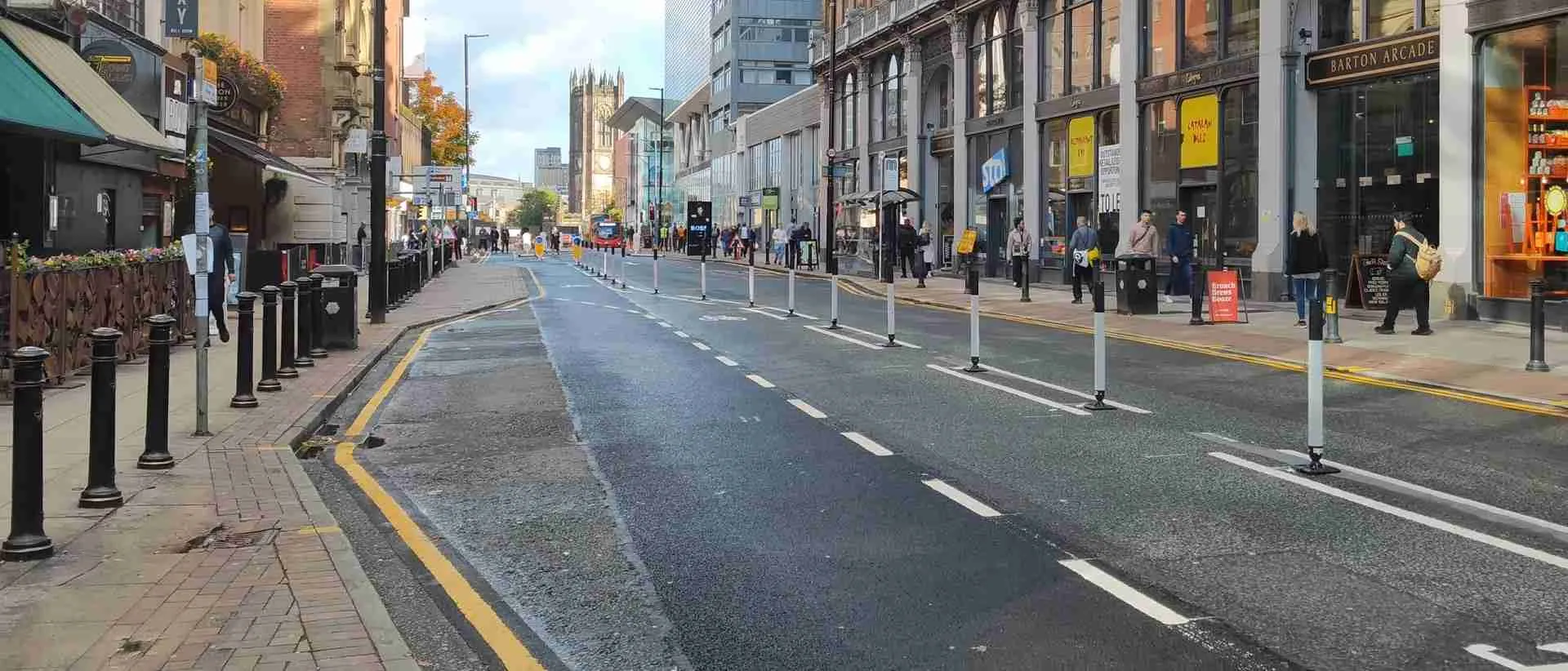
Manchester Budget Guide 2026: Ultimate Travel Cost Breakdown
Manchester combines world-class culture, industrial heritage, and vibrant nightlife with costs significantly lower than London, making it one of northern England’s most budget-friendly major cities. Whether you’re drawn to its legendary music scene, innovative museums, or thriving restaurant culture, this comprehensive budget guide breaks down exactly what you’ll spend in 2026, from accommodation and dining to transport and attractions across all budget levels.
Key Takeaways About Manchester Costs 2026
- Budget Travel 2026: Travelers staying in budget hotels or hostels can explore Manchester for £53-95 ($69-124) per person daily when sharing accommodation, including lodging, meals at budget-friendly venues, public transport, and a mix of free and affordable attractions.
- Mid-Range Comfort 2026: Visitors seeking comfortable hotels, quality restaurant meals, and popular paid attractions should budget £116-182 ($151-237) per person daily for two sharing mid-range accommodation, providing excellent value compared to London’s £200+ daily costs.
- Luxury Experience 2026: High-end travelers enjoying boutique hotels, fine dining, and premium experiences will invest £230-370 ($300-481) per person daily when sharing luxury accommodation, accessing Manchester’s best restaurants, private transport, and exclusive tours.
- Transport Savings 2026: All bus and tram fares remain frozen throughout 2026 under the Bee Network initiative, with single bus journeys costing just £2 ($2.60) and daily caps at £9.50 ($12.50) for unlimited travel across all zones, delivering exceptional value for visitors.
- Free Attractions Advantage: Manchester’s commitment to accessible culture means the Museum of Science and Industry, Manchester Art Gallery, Manchester Museum, National Football Museum, and John Rylands Library all offer free admission, enabling budget travelers to enjoy world-class attractions without admission costs.
- Weekly Cost Planning 2026: A week in Manchester ranges from approximately £371-665 ($482-865) for budget travelers to £812-1,274 ($1,056-1,659) for mid-range visitors, and £1,610-2,590 ($2,095-3,370) for luxury experiences, all calculated per person when sharing double accommodation.
People Also Ask About Manchester Budget 2026
How much does Manchester cost per day in 2026?
Manchester costs £53-95 ($69-124) per person daily for budget travelers sharing accommodation, £116-182 ($151-237) for mid-range comfort, and £230-370 ($300-481) for luxury experiences in 2026. Budget costs include hostel dormitories or budget hotel rooms divided by two, inexpensive meals at cafés and ethnic restaurants, £2 bus fares with frozen 2026 pricing, and Manchester’s extensive free museum network. Mid-range budgets cover comfortable three-star hotels, quality restaurant dining, the £9.50 daily transport cap, and paid attraction admissions. Luxury budgets encompass boutique hotel stays, fine dining experiences, private transport, and premium tours. Manchester delivers 30% lower costs than London across all categories while maintaining exceptional cultural offerings and transport infrastructure.
Is Manchester cheaper than London for visitors in 2026?
Manchester costs approximately 30% less than London across accommodation, dining, and attractions in 2026, making it significantly more budget-friendly for travelers. Mid-range hotel rooms in Manchester range £100-140 ($130-182) per night compared to London’s £180-280, while restaurant meals cost £15-30 ($20-40) versus London’s £25-45. Manchester’s frozen 2026 transport fares offer exceptional value with £2 single bus journeys and £9.50 daily caps, substantially cheaper than London’s £2.80 bus fares and £15+ daily Oyster caps. The cost advantage extends to attractions, with Manchester offering free admission to major museums including the Museum of Science and Industry and Manchester Art Gallery, while many London museums charge £15-25 for temporary exhibitions despite free permanent collections.
What are Manchester’s best money-saving strategies for 2026?
Manchester’s frozen 2026 transport fares deliver the biggest savings, with the £2 single bus fare and £9.50 daily cap providing unlimited travel at costs 40% below comparable UK cities. Maximize value by prioritizing Manchester’s extensive free museum network including the Museum of Science and Industry, Manchester Art Gallery, Manchester Museum, and National Football Museum, which would cost £60-80 in admission fees at comparable London institutions. Book accommodation in Fallowfield, Rusholme, or Salford neighborhoods where hotel rates run £60-90 per night compared to city centre’s £120-160, with excellent tram connections maintaining convenient access. Eat along Curry Mile in Rusholme for authentic South Asian meals at £8-15 versus city centre’s £20-35, use supermarkets like Aldi and Lidl for self-catering breakfast and lunch supplies, and visit during January-February or August when hotel rates drop 25-40% from peak summer pricing.
How much should I budget for a week in Manchester in 2026?
Budget £371-665 ($482-865) per person for a week in Manchester as a budget traveler, £812-1,274 ($1,056-1,659) for mid-range comfort, and £1,610-2,590 ($2,095-3,370) for luxury experiences in 2026, all costs calculated assuming two people sharing double accommodation. Budget weekly costs include seven nights in hostels or budget hotels at £175-245 for accommodation, £161-245 for inexpensive restaurant meals and supermarket supplies, £35-70 for public transport using frozen 2026 fares, and £0-105 for attractions mixing free museums with occasional paid admissions. Mid-range weeks encompass £350-490 for comfortable hotel stays, £301-504 for quality restaurant dining, £56-70 for transport, and £105-210 for attraction tickets and tours. Luxury weeks feature £595-875 for boutique hotels, £665-1,015 for fine dining, £140-280 for private transport, and £210-420 for premium experiences including football stadium tours, exclusive walking tours, and concert tickets.
Extended multi-day tours – 5+ days
Featured Manchester Multi-Day Tour Packages
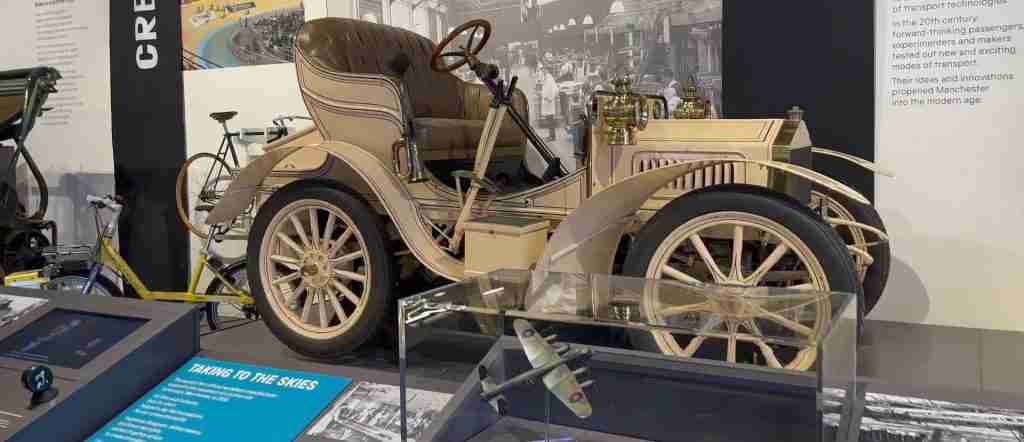
3 days
Manchester 3-Day Discovery Tour
- ✓ Comprehensive Manchester experience
- ✓ Expert local guides included
- ✓ All accommodation included
- ✓ Transportation provided

5 days
Manchester 5-Day Highlights Experience
- ✓ Comprehensive Manchester experience
- ✓ Expert local guides included
- ✓ All accommodation included
- ✓ Transportation provided
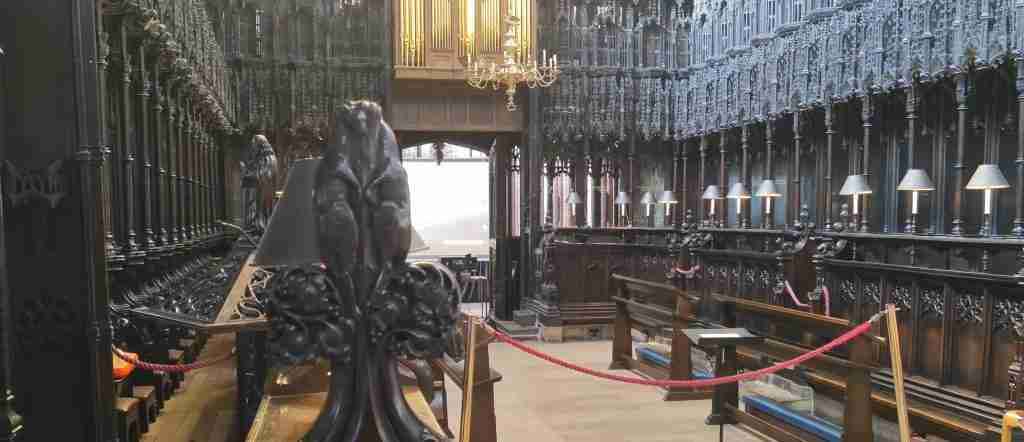
7 days
Manchester 7-Day Cultural Journey
- ✓ Comprehensive Manchester experience
- ✓ Expert local guides included
- ✓ All accommodation included
- ✓ Transportation provided
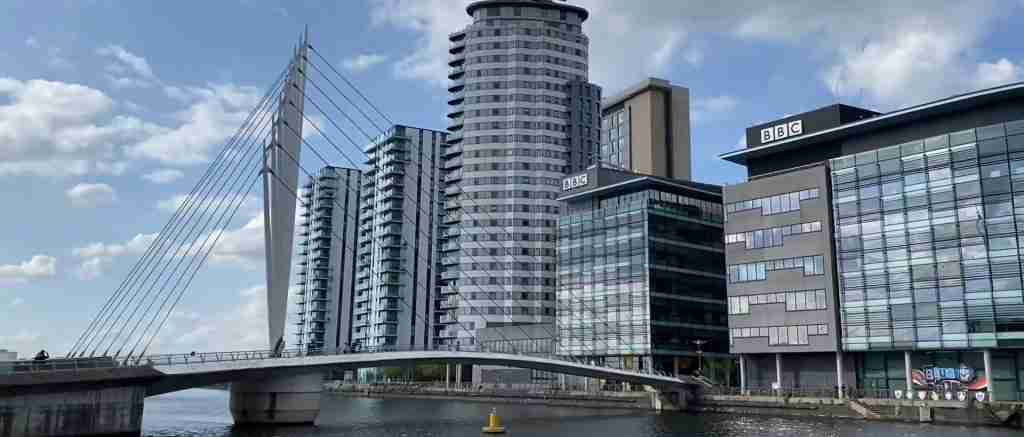
10 days
Manchester 10-Day Complete Adventure
- ✓ Comprehensive Manchester experience
- ✓ Expert local guides included
- ✓ All accommodation included
- ✓ Transportation provided
Multi-day tour packages powered by TourRadar. Prices and availability subject to change.
Introduction to Manchester Travel Costs 2026
Manchester stands as northern England’s cultural and economic powerhouse, delivering extraordinary value for travelers seeking authentic British urban experiences without London’s prohibitive costs. The city’s 2026 budget landscape offers exceptional advantages through frozen public transport fares, an unmatched network of free world-class museums, and accommodation options spanning budget-friendly hostels in vibrant student neighborhoods to converted warehouse hotels in the atmospheric Northern Quarter. Understanding Manchester’s cost structure enables strategic planning that maximizes experiences while controlling expenses, whether you’re drawn to its legendary music heritage tracing from Joy Division through Oasis, its pioneering industrial history displayed at the Science and Industry Museum, or its thriving contemporary restaurant scene showcasing everything from Michelin-starred innovation to authentic Curry Mile specialties.
The 2026 cost environment benefits significantly from Greater Manchester’s Bee Network transport initiative, which freezes all bus fares at £2 for single journeys and caps daily costs at £9.50 across all zones, representing the UK’s most aggressive public transport affordability program. This frozen pricing extends through the entire 2026 calendar year, insulating visitors from inflation affecting other UK destinations where transport costs continue rising. Combined with Manchester’s commitment to free museum admission across institutions that would command £15-25 entry fees in other major cities, budget-conscious travelers can construct rich cultural itineraries at costs 40-50% below comparable London experiences.
Manchester’s neighborhoods present distinct cost profiles enabling travelers to optimize their budget allocation. The city centre Northern Quarter and Spinningfields districts offer premium dining and boutique accommodation at rates still 30% below London equivalents, while student-dominated areas like Fallowfield and Rusholme deliver genuine budget options with excellent tram connectivity. The famous Curry Mile stretching along Wilmslow Road provides authentic South Asian cuisine at £8-15 per meal, while Ancoats—Manchester’s former industrial heartland now transformed into a dining destination—balances quality and value with innovative restaurants charging £20-35 for substantial meals. Salford Quays, home to MediaCityUK and The Lowry arts complex, offers waterfront hotels at competitive rates with direct Metrolink access to city centre attractions.
Seasonal pricing patterns influence accommodation costs more dramatically than dining or attraction expenses, with summer months June through August commanding peak rates 40-60% above winter lows. January through February and November deliver the most aggressive hotel discounting, while March through May and September through October balance pleasant weather with moderate pricing. Football match days, particularly Manchester United home games at Old Trafford and Manchester City fixtures at the Etihad Stadium, create localized demand spikes affecting hotels near the stadiums, though city centre rates remain relatively stable. Major events including Manchester International Festival (July, odd-numbered years), Manchester Pride (late August), and Christmas markets (November-December) generate similar patterns.
This comprehensive budget guide examines every cost category affecting Manchester visitors in 2026, from granular accommodation analysis across budget, mid-range, and luxury tiers to detailed dining cost breakdowns by neighborhood and cuisine type. Transport sections leverage the frozen 2026 fare structure to calculate optimal daily passes and journey combinations, while attraction guidance identifies the strategic mix of free museums and paid experiences that maximizes value. Sample itineraries demonstrate real-world daily costs across different travel styles, and money-saving strategies highlight specific tactics that reduce expenses 20-40% without compromising experience quality. Whether you’re planning a weekend football pilgrimage, a week exploring industrial heritage, or an extended cultural immersion, these verified 2026 costs enable precise budget forecasting and confident spending decisions.
Understanding Manchester’s Cost Structure in 2026
Manchester’s cost environment in 2026 reflects its position as a major UK metropolitan area with living expenses significantly lower than London but higher than smaller northern cities like Liverpool or Leeds. The fundamental cost advantage stems from abundant accommodation supply serving Manchester’s 100,000+ university students, creating year-round availability of budget options that other UK cities lack outside term time. This structural oversupply in the budget and mid-range segments maintains competitive pricing even during peak tourism periods, while luxury properties command premiums justified by their architectural significance in converted Victorian warehouses and banking halls.
Currency considerations affect international visitors differently than domestic travelers, with the pound sterling trading around $1.30 USD in early 2026 following recent fluctuations. American visitors benefit from favorable exchange rates compared to 2021-2022 highs when the pound reached $1.40+, while European travelers using euros face less advantageous conversion given sterling’s strength against the euro. Budget calculations throughout this guide use current exchange rates but travelers should verify rates when booking to ensure accurate cost projections. Credit cards offering no foreign transaction fees and competitive exchange rates deliver better value than airport currency exchanges charging 3-5% conversion margins.
Value-added tax (VAT) at 20% applies to most purchases including restaurant meals and hotel accommodation, with prices displayed typically including this tax. Unlike some European destinations where displayed prices exclude VAT, UK consumer pricing conventions mean the £100 hotel rate you see includes the £16.67 VAT component. Visitors from outside the UK cannot reclaim VAT on services like accommodation and dining, though retail purchases above £100 may qualify for VAT refunds through participating retailers at departure, recovering approximately 15% after processing fees.
Manchester’s tipping culture follows UK norms with less aggressive expectations than American practices. Restaurant bills sometimes include a discretionary 10-12.5% service charge, clearly indicated on menus and receipts, which satisfies the tipping obligation with no additional gratuity expected. When service charges aren’t included, 10% tips for good service are standard and appreciated, while exceptional service might warrant 12-15%. Casual venues including cafés, fast food, and takeaway establishments don’t expect tips. Taxi drivers appreciate rounding up fares to the nearest pound, while private hire vehicles and Ubers don’t require tipping though 10% for excellent service is courteous. Hotel porters receive £1-2 per bag, and housekeeping tips of £2-3 per night for longer stays demonstrate appreciation, though these aren’t mandatory.
Contactless payment infrastructure throughout Manchester eliminates most cash requirements, with the 2026 transport system designed entirely around contactless bank cards, mobile payments, and digital tickets. Major attractions, restaurants, and shops universally accept cards including American Express alongside Visa and Mastercard, though a few traditional pubs and small independent cafés might maintain cash-only policies. Carrying £20-40 in cash covers these occasional situations plus markets and street food vendors, while most daily expenses process seamlessly through contactless transactions. ATMs (cash machines) are widely available throughout the city centre, though banks increasingly charge £1.50-2.50 withdrawal fees for foreign cards, making larger single withdrawals more economical than frequent small ones.
Accommodation Costs Manchester 2026
Manchester’s accommodation landscape in 2026 spans from £20 hostel dormitory beds to £400+ heritage hotel suites, with pricing reflecting location, amenities, and seasonal demand patterns. The city centre Northern Quarter, Piccadilly, and Spinningfields districts command premium rates for their proximity to nightlife, restaurants, and major attractions, while neighborhoods like Fallowfield, Rusholme, and Salford offer compelling value with excellent public transport links maintaining convenient city access. Understanding these geographic cost variations and booking strategically relative to seasonal patterns enables significant savings while preserving comfort and convenience.
Budget Accommodation Manchester 2026 (£40-70 / $52-91 Per Night)
Budget travelers in Manchester access surprisingly comfortable options well below typical UK city costs. Hostel dormitory beds in properties like YHA Manchester and Hatters Hostel cost £20-35 ($26-46) per night, offering secure storage, communal kitchens enabling self-catering, and social spaces facilitating connections with other travelers. Private rooms in these same hostels range £50-75 ($65-98), providing budget hotel comfort at hostel pricing. Budget hotel chains including Travelodge Manchester Central, easyHotel Manchester, and Ibis Budget Manchester Centre deliver private rooms at £42-60 ($55-78) per night, featuring basic amenities without luxuries like room service or extensive breakfast buffets but maintaining cleanliness, security, and central locations within walking distance of major attractions.
Fallowfield and Rusholme neighborhoods, dominated by student housing during term time, offer exceptional budget options £40-55 ($52-72) per night in guesthouses and budget hotels during summer months when student demand drops. Properties like Parkview Residence provide comfortable rooms with this pricing, connected to city centre via frequent trams running every 12 minutes with £2 single fares under frozen 2026 pricing. The 15-20 minute journey time proves negligible given the £30-50 per night savings versus equivalent city centre properties.
Salford Quays presents another budget-friendly option with hotels like Holiday Inn Express Manchester Salford Quays charging £55-75 ($72-98) per night, positioned directly on the Metrolink line enabling 15-minute tram journeys to city centre while offering views of the renovated docks and proximity to The Lowry arts complex and Imperial War Museum North. Weekend rates sometimes drop below £50 during off-peak periods January through March and September through November.
Mid-Range Hotels Manchester 2026 (£100-140 / $130-182 Per Night)
Mid-range accommodation in Manchester delivers exceptional value compared to London equivalents, with three-star chains and independent hotels providing comfortable rooms, quality amenities, and convenient locations at rates 30-40% below capital city pricing. Hotel Football near Old Trafford, a boutique property co-owned by Manchester United’s Class of 92 players, charges £105-135 ($137-176) per night for modern rooms with stadium views, rooftop terraces, and on-site dining. Its Metrolink connectivity via the Old Trafford stop enables quick city centre access while positioning football enthusiasts adjacent to the Theatre of Dreams.
City centre properties including Leonardo Hotel Manchester Piccadilly and Motel One Manchester-St. Peter’s Square range £95-125 ($124-163) per night, offering contemporary rooms with en-suite bathrooms, complimentary Wi-Fi, 24-hour reception, and breakfast options. These properties position guests within 5-10 minute walks of Manchester Piccadilly station, the Northern Quarter’s restaurant scene, and major museums. Motel One’s design-focused approach delivers stylish interiors at competitive pricing, while Leonardo properties provide business-oriented amenities including work desks and express checkout.
Northern Quarter boutique hotels like The Townhouse and King Street Townhouse command £120-160 ($156-208) per night, featuring individually designed rooms in converted Victorian buildings, rooftop bars or restaurants, and atmospheric public spaces showcasing original architectural details. These properties attract visitors seeking character and local flavor beyond chain hotel uniformity, with locations embedding guests in Manchester’s most vibrant neighborhood for nightlife, independent shops, and street art.
Luxury Accommodation Manchester 2026 (£170-300+ / $221-390+ Per Night)
Manchester’s luxury hotel sector occupies converted historic buildings and contemporary design properties delivering exceptional experiences at rates still more accessible than London’s £300-500+ equivalents. The Midland Hotel, a Grade II listed Edwardian masterpiece opposite Manchester Central, charges £185-245 ($241-319) per night for elegant rooms featuring original period details, marble bathrooms, and access to afternoon tea service in the iconic Palm Court. Its position at the former Free Trade Hall site connects guests to Manchester’s political and cultural history while maintaining proximity to the Museum of Science and Industry and Bridgewater Hall concert venue.
Hotel Gotham, occupying a converted 1935 bank building on King Street, delivers theatrical luxury at £165-215 ($215-280) per night through rooms featuring freestanding baths, statement lighting, and Art Deco flourishes. The property’s rooftop restaurant and exclusive Club Brass members’ lounge (accessible to hotel guests) provide spectacular city views and champagne-focused cocktail menus. Its King Street location positions guests among designer boutiques, exclusive restaurants, and the Royal Exchange Theatre.
The Lowry Hotel in Salford, a five-star contemporary property overlooking the River Irwell, ranges £210-280 ($273-364) per night for luxury rooms with floor-to-ceiling windows, marble bathrooms, and river or city views. Its spa, fine dining restaurant, and private riverside terraces deliver comprehensive luxury amenities, while its chapel Street location maintains easy access via footbridge to Manchester Cathedral and the city centre. Celebrity guests and Manchester United players frequently choose The Lowry for its discretion and service standards.
Accommodation Booking Strategies Manchester 2026
Seasonal pricing patterns create substantial booking opportunities for strategic travelers. January through February delivers Manchester’s lowest rates, with city centre properties discounting 25-40% from peak summer pricing, while shoulder seasons March through May and September through November balance comfortable weather with moderate rates 15-25% below June-August peaks. Christmas market season November through December generates premium pricing comparable to summer, while Manchester International Festival years (odd-numbered years including 2027 but not 2026) create July demand spikes affecting availability more than pricing.
Football match days influence neighborhood pricing with Manchester United home games at Old Trafford and Manchester City fixtures at the Etihad Stadium creating localized demand in Trafford and East Manchester respectively. City centre hotels remain relatively unaffected except for major cup finals or Champions League matches generating citywide demand. Checking fixture calendars when booking helps avoid unexpected rate increases, though match day atmosphere can enhance the Manchester experience for sports enthusiasts who deliberately time visits to coincide with games.
Booking platforms including Booking.com, Hotels.com, and Expedia frequently offer 10-15% discounts through loyalty programs and advance booking incentives, while direct hotel websites sometimes price-match these rates while adding perks like free breakfast, late checkout, or room upgrades. Price comparison across multiple platforms takes 10-15 minutes but can save £20-40 per night on three-night stays. Last-minute booking apps like Hotel Tonight occasionally offer exceptional rates 24-48 hours before arrival, though this strategy risks limited availability during peak periods.
Dining and Food Costs Manchester 2026
Manchester’s dining scene in 2026 reflects its multicultural population and thriving culinary renaissance, with costs ranging from £5 budget lunches to £75+ fine dining experiences. The famous Curry Mile in Rusholme delivers authentic South Asian cuisine at a fraction of city centre prices, while neighborhoods like Ancoats and Spinningfields showcase innovative restaurants attracting national attention. Understanding these geographic cost variations and balancing restaurant meals with strategic supermarket purchases enables travelers to eat exceptionally well while controlling budgets across all spending levels.
Budget Dining Manchester 2026 (£25-40 / $33-52 Per Person Daily)
Budget-conscious travelers can maintain satisfying diets in Manchester for £25-40 ($33-52) daily through strategic venue selection and meal timing. Breakfast at independent cafés in the Northern Quarter costs £5-9 ($7-12) for items like avocado toast, full English breakfast, or pastries with coffee, while supermarket meal deals at Tesco Metro, Sainsbury’s Local, or Boots provide lunch for £3-4 ($4-5) including sandwich, crisps, and drink. Curry Mile restaurants along Wilmslow Road in Rusholme serve generous portions of biryani, curry, and naan for £8-13 ($10-17), delivering authentic flavors at costs 40% below city centre equivalent venues.
Manchester’s street food scene concentrated at Mackie Mayor food hall in the Northern Quarter and Manchester Arndale Market provides diverse options at £7-12 ($9-16) per meal. Mackie Mayor’s converted market building houses vendors offering everything from wood-fired pizza and Korean bibimbap to artisanal burgers and Middle Eastern mezze, creating atmospheric dining in a heritage space at casual pricing. Manchester Arndale Market’s traditional stalls sell Caribbean roti, Vietnamese pho, and Turkish kebabs for £6-10 ($8-13), while Aldi and Lidl supermarkets in Fallowfield and other neighborhoods enable self-catering breakfast and lunch at £15-25 ($20-33) weekly for basic supplies.
Chain restaurants including Wetherspoon pubs, Nando’s, and Pizza Express offer predictable quality at consistent pricing throughout Manchester. Wetherspoon locations like The Paramount on Oxford Street serve full meals with soft drinks for £8-12 ($10-16), while Nando’s quarter chicken with sides costs £11-13 ($14-17). These chains maintain standards enabling budget travelers to know exactly what they’re spending, though they lack the authenticity and variety of independent venues.
Mid-Range Dining Manchester 2026 (£50-75 / $65-98 Per Person Daily)
Mid-range dining budgets of £50-75 ($65-98) daily enable sampling Manchester’s diverse restaurant scene with breakfast at quality cafés, lunch at trendy spots, and dinner at acclaimed independent venues. Breakfast at Northern Quarter institutions like Federal Bar & Kitchen or Ezra & Gil costs £9-15 ($12-20) for dishes like shakshuka, buttermilk pancakes, or eggs benedict alongside specialty coffee. Lunch in Spinningfields business district or King Street ranges £15-25 ($20-33) for substantial meals at venues like The Ivy Spinningfields or Dishoom Manchester, the latter delivering Bombay-inspired dishes in atmospheric settings.
Dinner at Ancoats restaurants representing Manchester’s culinary renaissance costs £25-40 ($33-52) per person for mains, sides, and drinks. Mana, Manchester’s first Michelin-starred restaurant since 1977, offers tasting menus from £125 ($163) representing the city’s fine dining pinnacle, while more accessible Ancoats venues like Elnecot and Sugo Pasta Kitchen provide exceptional quality at £20-30 ($26-40) per main course. Spinningfields waterfront restaurants including Australasia and Hawksmoor Manchester serve premium ingredients in striking spaces at £30-45 ($39-59) per entrée plus sides.
Northern Quarter dining combines quality and value with restaurants like Bundobust (vegetarian Indian street food) offering substantial meals for £15-22 ($20-29), while Mackie Mayor’s upscale vendors provide dinner at similar pricing in a more casual format. The area’s cocktail bars frequently run happy hour promotions 17:00-19:00 offering two-for-one drinks or £5-7 ($7-9) signature cocktails, enabling evening socializing at reduced costs.
Luxury Dining Manchester 2026 (£100+ / $130+ Per Person Daily)
Luxury dining budgets exceeding £100 ($130) daily access Manchester’s finest restaurants, exclusive hotel dining rooms, and premium experiences including wine pairings and tasting menus. Breakfast at luxury hotels like The Midland’s Palm Court costs £25-35 ($33-46) for comprehensive buffets including hot dishes, pastries, fresh fruit, and premium coffee. Lunch at 20 Stories atop Spinningfields delivers two courses for £30-35 ($39-46) in January 2026 special menus, normally pricing at £45-60 ($59-78), with spectacular views across Manchester and toward the Pennines.
Dinner tasting menus at Adam Reid at The French (The Midland Hotel) cost £135-165 ($176-215) for multi-course experiences showcasing seasonal British ingredients through innovative techniques, wine pairings adding £75-95 ($98-124). Mana’s tasting menus begin at £125 ($163) for lunch services, rising to £155-175 ($202-228) for dinner, representing Manchester’s most acclaimed fine dining with global ingredients and technical precision. Hawksmoor Manchester’s dry-aged steaks range £40-65 ($52-85) per main course, with sides, starters, and premium cocktails elevating bills to £85-120 ($111-156) per person.
Private dining and chef’s table experiences available at properties including The Lowry Hotel and exclusive restaurants like Australasia provide bespoke menus from £150 ($195) per person, creating memorable occasions for celebrations or special events. These experiences often include kitchen access, wine pairings selected by sommeliers, and personalized menu adjustments for dietary requirements.
Grocery Shopping and Self-Catering Manchester 2026
Supermarket shopping for self-catering reduces food costs 50-70% compared to full restaurant dining, with major chains offering varying price points. Budget supermarkets Aldi and Lidl provide weekly shopping for two people at £40-60 ($52-78) for basics including bread, eggs, pasta, vegetables, and proteins, while mid-tier chains Tesco and Sainsbury’s cost £60-85 ($78-111) for similar baskets with greater brand selection. Premium options Waitrose and Marks & Spencer charge £90-120 ($117-156) weekly, delivering superior produce quality and specialty items.
City centre locations include Tesco Metro on Market Street and Sainsbury’s Local throughout the Northern Quarter, though these convenience formats charge 5-10% premiums versus full-size supermarkets. Fallowfield Aldi and Rusholme Lidl offer the best value for travelers with accommodation featuring kitchen facilities, accessible via tram with £2 single fares. Manchester Arndale’s Marks & Spencer food hall provides premium grab-and-go options at £4-8 ($5-10) for prepared sandwiches, salads, and hot meals, convenient for city centre accommodation without kitchens.
Transportation Costs Manchester 2026
Manchester’s transportation system in 2026 delivers exceptional value through the Bee Network’s frozen fare policy, with bus and tram costs remaining at 2025 levels throughout the calendar year. This aggressive affordability initiative maintains single bus journeys at £2 ($2.60) and caps daily unlimited travel at £9.50 ($12.50) across all zones, representing costs 30-40% below other major UK cities. Understanding these fare structures and optimizing ticket selection enables travelers to maximize mobility while minimizing transport expenses, whether prioritizing budget economy or comprehensive coverage.
Bee Network Bus System Manchester 2026
Manchester’s franchised bus network under Bee Network management operates 24/7 on key routes with exceptional frequency and consistent £2 ($2.60) single fare pricing frozen throughout 2026. This fare covers journeys anywhere within Greater Manchester on any participating operator, with the ticket valid for one hour enabling transfers between buses at no additional cost. The hopper ticket system means a £2 fare purchased at 14:00 remains valid until 15:00, allowing connections from city centre to suburbs via interchange points without purchasing multiple tickets.
Day tickets for unlimited bus travel cost £5 ($6.50), providing value for travelers making three or more journeys daily. Weekly tickets at £20 ($26) and monthly passes at £70 ($91) benefit longer stays or residents, though most tourists find daily tickets or pay-as-you-go contactless more convenient. The Bee Network app enables mobile ticket purchase, though all buses accept contactless bank cards and mobile payments (Apple Pay, Google Pay) directly on board readers, eliminating ticket-buying logistics entirely.
Key tourist routes include the 147 connecting Piccadilly Gardens to Old Trafford (Manchester United stadium), the 43 running 24 hours between city centre and Manchester Airport, and the 142/143 serving the Oxford Road corridor connecting university campuses, museums, and student neighborhoods. Night buses maintain service when Metrolink trams stop around midnight, ensuring late-night mobility after concerts, theatre performances, or nightlife activities.
Metrolink Tram System Manchester 2026
The Metrolink tram network, the UK’s largest light rail system with 99 stops across eight lines, maintains frozen 2026 fares matching 2025 pricing as part of the Bee Network commitment. Zone-based fares range £2-4 ($2.60-5.20) for single journeys, with Zone 1 covering the city centre, Salford Quays, and MediaCityUK. The Altrincham line serves Trafford borough including Old Trafford stadium, the Airport line connects Manchester Airport to city centre in 25 minutes for £4.50 ($6), and the Bury and Rochdale lines extend service to northern suburbs.
Daily tram passes cost £6.50 ($8.50) for city centre zones, rising to £9.50 ($12.50) for all-zone coverage including the airport. Contactless payment functions identically to buses with tap-in and tap-out validators on platforms automatically calculating correct fares and applying daily caps. The system prevents overcharging by capping costs once daily limits are reached, with subsequent journeys that day free. Trams operate 06:00-midnight on weekdays with extended hours until 01:00 on Friday and Saturday nights, with frequencies of 6-12 minutes on main routes and 12-20 minutes on outer branches.
Key tourist connections include Piccadilly-Old Trafford for Manchester United stadium visits, St Peter’s Square interchange for accessing all eight lines, and Deansgate-Castlefield for Museum of Science and Industry. The Salford Quays stop serves MediaCityUK, The Lowry arts complex, and Imperial War Museum North, while Etihad Campus provides Manchester City stadium access. Tram and bus combination tickets don’t exist, but the £9.50 daily cap covers unlimited travel on both systems, automatically applied when using contactless payment.
Airport Transfers Manchester 2026
Manchester Airport connects to city centre via multiple transport modes with varying costs and convenience levels. The Metrolink tram operates every 12 minutes taking 25 minutes to Piccadilly for £4.50 ($6) single fare, providing the most economical option with luggage space and frequent service. Trains from the airport’s station reach Manchester Piccadilly in 15-20 minutes at £5-7 ($7-9) depending on operator and advance booking, offering slight time advantages over trams.
Bus route 43 operates 24 hours connecting the airport to Piccadilly Gardens for the standard £2 ($2.60) single fare, though the 50-60 minute journey time makes it suitable primarily for budget travelers without time pressure or those arriving during tram/train service gaps 01:00-06:00. The bus provides the most economical transfer option while maintaining reasonable convenience.
Taxis and private hire vehicles cost £25-40 ($33-52) for city centre destinations depending on traffic and time of day, with pre-booked services via apps like Uber typically undercutting traditional black cabs by 20-30%. The convenience of direct hotel drop-off justifies the premium for travelers with heavy luggage, late arrivals, or groups of 3-4 sharing the cost, while solo budget travelers benefit from the £4.50 tram fare delivering £20+ savings versus taxi alternatives.
Walking and Cycling Manchester 2026
Manchester’s compact city centre enables walking between many major attractions, with the Northern Quarter, Piccadilly, Spinningfields, and Castlefield districts all within 15-20 minute walks of each other. The free Metroshuttle bus routes operating within the city centre provide climate-controlled alternatives during rain or fatigue, running every 5-10 minutes on three color-coded circuits connecting railway stations, shopping areas, and major office districts. This complimentary service saves £2 per journey versus paying for standard buses or trams for short centre-city hops.
Cycling infrastructure includes the Bee Network’s expanding protected cycle lanes and bike-share schemes operated by Beryl. Beryl bikes cost £1 to unlock plus £0.05 per minute, with 30-minute rides costing £2.50 ($3.25), competitive with public transport for direct routes. Bikes can be left at any Beryl parking station throughout the city, enabling one-way journeys unlike traditional bike hire requiring returns to origin points. Dedicated cycle routes connect key destinations including the Canal Towpath route from Castlefield through city centre to Piccadilly Basin, offering car-free paths through Manchester’s industrial heritage landscapes.
Attraction and Activity Costs Manchester 2026
Manchester’s attraction landscape in 2026 delivers exceptional cultural value through extensive free admission offerings at world-class museums, complemented by paid experiences at football stadiums, historic houses, and specialized tours. The city’s commitment to accessible culture means travelers can construct rich itineraries entirely from free attractions, or strategically blend complimentary museums with select paid experiences matching interests. Understanding admission structures, available passes, and seasonal pricing variations optimizes both budgets and time allocation.
Free Attractions Manchester 2026
Manchester’s free attraction network rivals London’s scope while concentrating venues within compact geographic areas enabling efficient multi-venue visits. The Museum of Science and Industry in Castlefield occupies Victorian railway buildings housing the world’s oldest surviving passenger railway station and extensive collections documenting Manchester’s pivotal role in the Industrial Revolution. Galleries display working steam engines, textile machinery, early computers including the Manchester Baby replica, and aviation exhibits featuring historic aircraft. Special exhibitions occasionally charge £5-8 ($7-10) while permanent collections remain free, with typical visits lasting 2.5-3.5 hours covering the five interconnected buildings.
Manchester Art Gallery on Mosley Street presents comprehensive fine and decorative arts collections emphasizing Pre-Raphaelite paintings, 19th-century British works, and contemporary pieces. The gallery’s holdings include Turner, Constable, Gainsborough, and extensive collections of ceramics, silver, and costume spanning ancient civilizations to contemporary design. Free admission enables casual 45-minute visits or thorough 2.5-hour explorations depending on interest levels. The gallery cafe provides affordable refreshments with sandwiches £5-8 ($7-10) and coffee £3-4 ($4-5).
The National Football Museum at Urbis Building in Cathedral Gardens documents football’s history and cultural impact through comprehensive archives including the 1966 World Cup final ball, original game rules written in Manchester in 1863, and extensive shirt collections. Interactive exhibits enable penalty shootout simulations and goal analysis, engaging visitors beyond traditional museum displays. Free admission democratizes access to England’s national game heritage, with visits typically lasting 1.5-2.5 hours. The museum shop sells official memorabilia and specialized football history books.
Manchester Museum at the University of Manchester houses natural history and cultural collections including Egyptian mummies, a Tyrannosaurus rex skeleton, extensive archaeology displays, and living habitats housing frogs and other amphibians. The museum’s renewed galleries following recent £15 million renovation present enhanced interactivity and contemporary exhibition design rivaling national institutions, all with free admission. Allow 2-3 hours for comprehensive visits or 1 hour for highlights tours.
John Rylands Library on Deansgate represents Victorian Gothic architecture at its finest, housing one of the world’s finest rare book and manuscript collections in atmospheric reading rooms featuring soaring ceilings and ornate stonework. The free admission enables visitors to explore the building’s spectacular spaces and view rotating exhibitions from collections including medieval manuscripts, early printed books, and literary archives. Most visitors spend 45-90 minutes admiring the architecture and examining display cases, with the library’s combination of scholarly significance and visual splendor making it a Manchester essential.
Paid Attractions Manchester 2026
Manchester’s paid attractions concentrate on specialized experiences including football stadium tours, historic houses, and unique venues beyond free museum offerings. The Manchester United Museum and Stadium Tour at Old Trafford costs £30 ($39) for adults and £20 ($26) for children, providing behind-scenes access to the Theatre of Dreams including players’ tunnel, dressing rooms, dugouts, and pitch-side positions. Tours operate daily except match days, lasting approximately 80 minutes with knowledgeable guides sharing club history and stadium statistics. The museum component displays trophies, historic kits, and interactive exhibits documenting the club’s success. Book online in advance for 10% discounts and guaranteed time slots, with peak demand on non-match day weekends requiring advance reservations.
Manchester City’s Etihad Stadium Tour charges £27 ($35) for adults and £17 ($22) for children, offering comparable experiences to Old Trafford including dressing room access, tunnel walk, and pitch views with additions like the press conference room where Pep Guardiola addresses media. The newer stadium completed in 2003 provides more modern facilities than Old Trafford’s 1910 structure, though United’s historic significance attracts greater international interest. Online booking provides similar 10% savings with advanced reservations recommended for weekend visits.
Coronation Street Tour at MediaCityUK in Salford Quays enables exploration of the famous soap opera’s outdoor set, walking the cobbles and entering the Rovers Return pub, Roys’ Rolls café, and other iconic locations from British television’s longest-running drama. Adult tickets cost £27 ($35), children £22 ($29), with tours lasting approximately 75 minutes. The specialized appeal targets dedicated fans of the show, with international visitors sometimes underwhelmed compared to local enthusiasts for whom Coronation Street represents cultural touchstone. Transport from city centre via Metrolink to MediaCityUK stop takes 15 minutes at £2-3 ($2.60-4) single fare.
The Lowry at Salford Quays combines theatre performances and art galleries under distinctive architecture overlooking the refurbished docks. Gallery admission is free for permanent exhibitions of L.S. Lowry’s paintings depicting industrial northern England, while theatre tickets for touring productions and resident performances range £20-50 ($26-65) depending on show, seat location, and booking timing. The venue’s programme includes family shows, comedy, and drama alongside Lowry exhibitions, with the combined cultural offering and waterfront setting creating compelling half-day or evening visits. Adjacent Imperial War Museum North offers free admission to galleries examining conflict’s impact through powerful exhibits in Daniel Libeskind’s striking aluminium-clad building.
Walking Tours and Guided Experiences Manchester 2026
Manchester Free Walking Tours operate daily from Albert Square, providing 2-2.5 hour introductions to city history, architecture, and culture on tip-based models where guides work for gratuities rather than fixed fees. While labeled “free,” participants typically tip £10-15 ($13-20) for good tours, making the model accessible while rewarding quality guiding. Tours cover the Industrial Revolution, musical heritage, and key landmarks including Manchester Town Hall, John Rylands Library, and Castlefield district. Advance booking via the company website ensures places, though walk-up participation often succeeds outside peak summer weeks.
Specialist paid tours addressing focused interests command £15-35 ($20-46) per person depending on duration and group size. Manchester Music Tours operated by locals with deep scene knowledge explore locations connected to The Smiths, Joy Division, Oasis, and The Stone Roses, visiting venues, recording studios, and landmarks documented in famous photographs. These 2-3 hour tours cost £20-25 ($26-33) and appeal strongly to music enthusiasts seeking authentic Manchester cultural connections beyond conventional tourism.
Food tours concentrating on Curry Mile in Rusholme or Northern Quarter independent venues range £40-55 ($52-72) including multiple tastings at 4-6 establishments, essentially combining guided cultural orientation with substantial meals. These tours provide value for travelers interested in Manchester’s culinary diversity who appreciate expert curation of dining options while learning neighborhood histories and migration patterns shaping local food culture.
Daily Budget Breakdowns Manchester 2026
Understanding realistic daily costs across different travel styles enables accurate trip budgeting and prevents mid-vacation financial surprises. These comprehensive breakdowns reflect actual 2026 Manchester costs including accommodation, dining, transport, and attractions, with all figures calculated per person assuming two travelers sharing double hotel rooms. Single travelers or groups of three or more should adjust accommodation costs accordingly, while other expenses remain relatively consistent per person regardless of party size.
Budget Traveler Daily Costs Manchester 2026 (£53-95 / $69-124 Per Person)
Budget-conscious travelers can experience Manchester’s major attractions, diverse dining, and comprehensive transport access for £53-95 ($69-124) per person daily when sharing accommodation. This range assumes hostel dormitories at the lower end and budget hotels at the upper range, with careful venue selection and strategic free attraction prioritization maximizing value without compromising quality experiences.
Accommodation costs for budget travelers range £25-35 ($33-46) per person nightly when sharing budget hotel double rooms at £50-70 ($65-91) per night in neighborhoods like Fallowfield or Rusholme with excellent tram access. Hostel private rooms for two people cost £50-75 ($65-98) per night or £25-38 ($33-49) per person, while dormitory beds reduce individual costs to £20-35 ($26-46). The calculation uses £50-70 hotel rooms divided by two, resulting in £25-35 per person for accommodation.
Meals on budget plans cost £23-35 ($30-46) daily through strategic venue selection combining supermarket breakfast supplies, affordable lunch options, and inexpensive dinner venues. Breakfast from Aldi or Lidl supplies including bread, yogurt, fruit, and coffee costs £3-5 ($4-7), while lunch at Arndale Market food stalls or supermarket meal deals ranges £6-9 ($8-12). Dinner at Curry Mile restaurants or budget chains like Wetherspoon delivers substantial meals for £10-15 ($13-20), with remaining budget covering drinks and occasional café coffee or snacks. This daily total of £23-35 for meals provides satisfying variety without requiring every meal be ultra-economical.
Transport expenses for budget travelers utilizing frozen 2026 Bee Network fares cost £5-10 ($7-13) daily depending on journey quantity and distance. Travelers making 2-3 journeys daily spend £4-6 ($5-8) at the £2 single fare rate, while those visiting suburbs or making four or more trips benefit from the £5 AnyBus day ticket or £6.50 tram day pass. The £9.50 all-mode daily cap proves irrelevant for budget travelers who typically don’t exceed these thresholds through walking between city centre attractions.
Attraction costs for budget itineraries range £0-15 ($0-20) daily, heavily weighted toward Manchester’s exceptional free museum offerings. Days constructed entirely from the Museum of Science and Industry, Manchester Art Gallery, National Football Museum, and Manchester Museum cost nothing for admission, while incorporating one paid attraction like a football stadium tour adds £15-30 ($20-39), spread across multi-day trips to maintain reasonable daily averages. Many budget travelers allocate one “splurge” day for paid attractions while otherwise maximizing free cultural experiences.
Sample budget day: Budget hotel accommodation £30 ($39) per person (two sharing £60 room), breakfast £5 ($7) from supermarket supplies, free morning at Museum of Science and Industry, lunch £8 ($10) at Arndale Market, free afternoon at Manchester Art Gallery, dinner £13 ($17) at Curry Mile restaurant, transport £6 ($8) for three tram journeys. Total: £62 ($81) per person, well within the £53-95 ($69-124) budget range.
Mid-Range Traveler Daily Costs Manchester 2026 (£116-182 / $151-237 Per Person)
Mid-range travelers balancing comfort and value can enjoy Manchester’s best restaurants, quality accommodation, convenient transport, and major paid attractions for £116-182 ($151-237) per person daily when sharing hotel rooms. This budget tier accesses the full Manchester experience without luxury pricing, delivering comfortable stays, excellent dining variety, and comprehensive attraction access including football tours, guided walks, and specialized museums.
Accommodation for mid-range visitors ranges £50-70 ($65-91) per person when sharing hotel rooms priced £100-140 ($130-182) per night. City centre properties including Leonardo Hotel Manchester Piccadilly, Motel One Manchester-St. Peter’s Square, and Hotel Football near Old Trafford fall within this bracket, delivering contemporary rooms with quality amenities in convenient locations. The per-person cost calculation divides the £100-140 nightly room rate by two, yielding £50-70 individual accommodation expenses.
Dining costs for mid-range budgets total £43-72 ($56-94) daily, enabling breakfast at quality cafés, lunch at popular restaurants, and dinner at acclaimed independent venues. Breakfast at Northern Quarter spots like Federal or Ezra & Gil costs £9-15 ($12-20), lunch at Spinningfields or Ancoats restaurants ranges £15-25 ($20-33), and dinner at mid-range establishments including Mackie Mayor vendors, Bundobust, or traditional pubs serving quality gastropub fare costs £20-35 ($26-46). This daily total provides diverse, satisfying meals without requiring budget constraints on venue selection or dish choices.
Transport expenses utilizing the £9.50 ($12.50) daily cap for unlimited bus and tram travel range £8-10 ($10-13) daily depending on exact usage patterns. The capped fare structure means travelers making 5+ journeys daily never exceed £9.50, while those making 4-5 trips approach but don’t quite trigger the cap. This pricing delivers comprehensive mobility freedom enabling spontaneous venue changes, multiple neighborhood visits, and comfortable return trips to hotels during afternoon breaks without worrying about per-journey costs accumulating.
Attraction and activity costs average £15-30 ($20-39) daily for mid-range itineraries blending free museums with strategic paid experiences. A Manchester United stadium tour at £30 ($39) allocated across a 4-day trip adds £7.50 ($10) daily, while incorporating a paid walking tour, Coronation Street experience, or theatre performance at The Lowry spreads costs across multiple days. This approach enables accessing Manchester’s paid attractions while maintaining budgets through balanced scheduling rather than concentrating expensive activities on single days.
Sample mid-range day: Mid-range hotel £60 ($78) per person (two sharing £120 room), breakfast £12 ($16) at Federal Bar & Kitchen, morning Manchester United stadium tour £30 ($39), lunch £20 ($26) at Dishoom, afternoon free at National Football Museum, dinner £32 ($42) at Ancoats restaurant, transport £9.50 ($12.50) using daily cap. Total: £163.50 ($213) per person, upper end of the £116-182 ($151-237) range reflecting the stadium tour premium.
Luxury Traveler Daily Costs Manchester 2026 (£230-370 / $300-481 Per Person)
Luxury travelers seeking Manchester’s finest hotels, exclusive dining, premium experiences, and effortless transport can access the city’s top tier for £230-370 ($300-481) per person daily when sharing luxury accommodation. This budget delivers exceptional quality across every category without London’s £400-600+ equivalent costs, enabling indulgent Manchester experiences at comparative value.
Accommodation for luxury visitors ranges £85-125 ($111-163) per person when sharing rooms priced £170-250 ($221-325) nightly at properties including The Midland, Hotel Gotham, and The Lowry Hotel. These converted historic buildings and design-focused contemporary properties provide exceptional service, atmospheric public spaces, and distinctive character beyond international chain uniformity. The per-person calculation divides the £170-250 nightly rate by two occupants, yielding the £85-125 individual costs.
Dining expenses for luxury budgets total £95-145 ($124-189) daily, accessing Manchester’s finest restaurants for all meals. Breakfast at luxury hotel dining rooms or exclusive cafés costs £15-25 ($20-33), lunch at venues like 20 Stories with panoramic views ranges £30-45 ($39-59), and dinner at restaurants including Adam Reid at The French, Mana, or Hawksmoor delivers exceptional experiences at £50-75 ($65-98) before drinks. This daily total enables unrestricted menu selection, premium cocktails or wine, and the flexibility to indulge in Manchester’s best culinary offerings without price consciousness.
Transport costs for luxury travelers utilizing taxis and private hire vehicles average £20-40 ($26-52) daily, providing door-to-door service without public transport logistics. While considerably more expensive than the £9.50 tram/bus daily cap, this premium delivers convenience particularly valuable when carrying shopping, visiting multiple venues across dispersed locations, or maintaining schedules without concerning transfer times and routes. Pre-booked private hire through apps typically undercuts traditional taxi fares by 20-30% while providing equivalent service.
Attraction and activity expenses for luxury itineraries range £30-60 ($39-78) daily, incorporating premium experiences including private tours, VIP football stadium access, theatre performances in premium seating, and specialized activities beyond standard admission tickets. Private Manchester music heritage tours cost £150-200 ($195-260) for small groups, amortizing to £50-70 ($65-91) per person for 3-4 travelers. Theatre tickets at The Lowry or opera performances at Royal Exchange Theatre range £40-75 ($52-98) depending on production and seating. These premium experiences complement luxury accommodation and dining, creating comprehensive high-end Manchester visits.
Sample luxury day: Luxury hotel £105 ($137) per person (two sharing £210 room), breakfast £22 ($29) at hotel dining room, private morning Manchester music tour £60 ($78) per person, lunch £38 ($49) at 20 Stories, afternoon at free Manchester Art Gallery, dinner £65 ($85) at Adam Reid at The French, cocktails £20 ($26), private car transfers £35 ($46). Total: £345 ($450) per person, representing the upper end of the £230-370 ($300-481) luxury range.
Sample Multi-Day Itineraries with Complete Costs Manchester 2026
These detailed multi-day itineraries demonstrate realistic daily costs across different travel styles, with comprehensive breakdowns showing accommodation, meals, transport, and activities for each day. All costs calculated per person assuming two travelers sharing double accommodation, with totals rounded to nearest £5 for practical budgeting while detailed daily expenses maintain precise figures.
Budget 3-Day Manchester Itinerary 2026
Day 1 – Friday: Arrival and Northern Quarter exploration. Airport to city centre via £2 bus 43, arriving mid-afternoon at budget hotel in Fallowfield (£30 per person for first night). Walk Northern Quarter viewing street art and independent shops (free), dinner at Bundobust vegetarian Indian street food (£15), evening drinks at Socially responsible Northern Quarter bar (£8 for two pints). Day cost: accommodation £30, meals £20, transport £2, activities £0, drinks £8. Total Day 1: £60 per person.
Day 2 – Saturday: Museums and Curry Mile. Breakfast from supermarket supplies at accommodation (£4), morning at Museum of Science and Industry exploring Industrial Revolution exhibits (free admission, 3 hours), lunch at Arndale Market Vietnamese stall (£9), afternoon at National Football Museum with interactive exhibits (free admission, 2 hours), tram to Rusholme (£2), dinner at authentic Curry Mile restaurant (£12), return tram to accommodation (£2). Day cost: accommodation £30, meals £25, transport £4, activities £0. Total Day 2: £59 per person.
Day 3 – Sunday: Galleries and departure. Breakfast at accommodation (£4), morning at Manchester Art Gallery viewing Pre-Raphaelite collections (free admission, 2 hours), walk to John Rylands Library admiring Gothic architecture (free admission, 1 hour), lunch at Wetherspoon pub (£10), afternoon tram to accommodation to collect luggage (£2), tram to airport (£4.50). Day cost: accommodation £0 (checkout), meals £14, transport £6.50, activities £0. Total Day 3: £20.50 per person.
Three-day budget total per person: Accommodation £90 (three nights including shared double rooms), meals £59, transport £12.50, activities £0, drinks £8. Grand total: £169.50 per person for the complete 3-day Manchester budget visit.
Mid-Range 5-Day Manchester Itinerary 2026
Day 1 – Thursday: Arrival and evening entertainment. Airport tram to city centre (£4.50), check into city centre mid-range hotel near Piccadilly (£55 per person first night), late afternoon walking orientation through city centre (free), dinner at Mackie Mayor food hall (£28), tickets to The Lowry theatre performance (£35), tram to Salford Quays and return (£4). Day cost: accommodation £55, meals £28, transport £8.50, activities £35. Total Day 1: £126.50 per person.
Day 2 – Friday: Football and dining. Breakfast at Federal Bar & Kitchen (£14), morning Manchester United stadium tour including museum (£30), tram to Old Trafford and return (£4), lunch at Spinningfields (£22), afternoon at free Manchester Art Gallery and John Rylands Library (free, 3 hours combined), dinner at Dishoom Manchester (£32), Northern Quarter evening cocktails (£18 for three drinks). Day cost: accommodation £60, meals £68, transport £4, activities £30, drinks £18. Total Day 2: £180 per person.
Day 3 – Saturday: Cultural immersion. Hotel breakfast (included in rate), morning at Museum of Science and Industry (free admission, 3.5 hours), lunch at Ancoats restaurant (£25), afternoon Manchester music heritage walking tour (£22), early evening at Manchester Museum (free admission, 1.5 hours), dinner at Northern Quarter gastro pub (£28), transport using £9.50 daily cap. Day cost: accommodation £60, meals £53, transport £9.50, activities £22. Total Day 3: £144.50 per person.
Day 4 – Sunday: Day trip to Peak District. Early breakfast at café (£11), full-day Peak District tour from Manchester including Chatsworth House (£74 including transport and admission), packed lunch included in tour, return evening dinner at hotel restaurant (£30). Day cost: accommodation £60, meals £41, transport (included in tour), activities £74. Total Day 4: £175 per person.
Day 5 – Monday: Salford and departure. Breakfast at accommodation (included), morning at The Lowry galleries viewing L.S. Lowry paintings (free admission), adjacent Imperial War Museum North (free admission), lunch at Salford Quays waterfront restaurant (£20), tram to hotel (£2), collect luggage, tram to airport (£4.50). Day cost: accommodation £0 (checkout), meals £20, transport £6.50, activities £0. Total Day 5: £26.50 per person.
Five-day mid-range total per person: Accommodation £235 (four nights), meals £210, transport £28.50, activities £161, drinks £18. Grand total: £652.50 per person for the complete 5-day Manchester mid-range experience.
Luxury 3-Day Manchester Weekend 2026
Day 1 – Friday: Arrival and fine dining. Airport private car transfer to luxury city centre hotel (£30 per person), check into The Midland (£95 per person first night), late afternoon champagne at Hotel Gotham rooftop Club Brass (£25), dinner tasting menu at Adam Reid at The French including wine pairings (£170). Day cost: accommodation £95, meals £170, transport £30, drinks £25. Total Day 1: £320 per person.
Day 2 – Saturday: Premium football experience. Breakfast at The Midland Palm Court (£28), private half-day Manchester taxi tour with knowledgeable guide visiting music heritage sites and architecture highlights (£60 per person), lunch at 20 Stories with panoramic views (£42), afternoon VIP Manchester City stadium tour with additional access areas (£40), early evening at National Football Museum (free), dinner at Hawksmoor steakhouse including cocktails (£95). Day cost: accommodation £110, meals £165, transport £60, activities £40. Total Day 2: £375 per person.
Day 3 – Sunday: Cultural finale and departure. Breakfast at hotel (included), private morning tour of John Rylands Library with curator access (£45 per person), luxury brunch at Refuge by Volta including bottomless prosecco (£55), afternoon at Manchester Art Gallery (free), private car to hotel for luggage (£15), private car to airport (£30). Day cost: accommodation £0 (checkout), meals £55, transport £45, activities £45. Total Day 3: £145 per person.
Three-day luxury total per person: Accommodation £205 (two nights), meals £390, transport £135, activities £85, drinks £25. Grand total: £840 per person for the complete 3-day luxury Manchester weekend.
Money-Saving Strategies Manchester 2026
Strategic planning and tactical choices reduce Manchester costs 25-40% without sacrificing experience quality, leveraging free attractions, favorable transport pricing, and neighborhood cost variations. These proven strategies span accommodation selection, dining timing, transport optimization, and seasonal booking patterns, enabling travelers to stretch budgets significantly while accessing Manchester’s best offerings.
Accommodation Savings Strategies 2026
Book accommodation in neighborhoods like Fallowfield, Rusholme, or Salford rather than city centre Northern Quarter or Piccadilly, saving £30-60 ($39-78) per night on equivalent quality hotels while maintaining excellent tram access via frequent Metrolink services. Properties in these areas charge £60-90 ($78-117) per night for standards costing £100-150 ($130-195) in city centre locations, with 12-20 minute tram journeys to major attractions costing £2-3 ($2.60-4) each way. The £40-50 ($52-65) nightly accommodation savings far exceed the £8-12 ($10-16) additional daily transport costs, creating net savings £30-40 ($39-52) daily on 3-4 night trips.
Visit during January-February or August when hotel rates drop 25-40% from peak summer pricing, with city centre properties discounting aggressively to maintain occupancy during quieter periods. A £130 mid-range hotel in July costs £80-90 in February, delivering £40-50 nightly savings on week-long stays totaling £280-350 reduced expenses. Weather in these periods remains manageable, with January-February averaging 5-8°C requiring warm clothing but rarely experiencing severe cold, while August provides pleasant 18-22°C temperatures ideal for walking and outdoor attractions.
Book directly through hotel websites after checking OTA pricing on platforms like Booking.com and Hotels.com, then contacting properties via phone or email requesting price matching with added benefits. Many hotels match OTA rates while including perks like free breakfast (£12-18 value), late checkout, or room upgrades, creating £15-25 daily value beyond simple price matching. This approach requires 15-20 minutes additional effort but delivers compelling returns on multi-night bookings.
Dining Cost Reduction Techniques 2026
Prioritize lunch over dinner at upscale restaurants, with many Manchester venues offering set lunch menus at £15-25 ($20-33) for two courses compared to equivalent à la carte dinner costs of £35-50 ($46-65). Restaurants including 20 Stories, The Ivy Spinningfields, and various Ancoats establishments provide these lunch pricing advantages, enabling access to acclaimed venues at 40-50% dinner savings. The same kitchen, ingredients, and service standards apply, with the only difference being time of day.
Explore Curry Mile in Rusholme for exceptional South Asian cuisine at £8-15 ($10-20) per person for generous portions including rice, naan, and substantial curries, compared to city centre Indian restaurants charging £20-35 ($26-46) for similar quality. The Curry Mile’s concentration of authentic venues serving Pakistani, Bangladeshi, and North Indian specialties creates competitive pricing while maintaining standards rivaling expensive alternatives. Venues like Saajan and MyLahore deliver memorable meals at costs enabling frequent dining out even on tight budgets.
Self-cater breakfast using supermarket supplies from Aldi or Lidl, spending £15-25 ($20-33) weekly versus £8-15 ($10-20) daily at cafés. A weekly shop including bread, eggs, yogurt, fruit, cereal, coffee, and milk costs £20, providing seven breakfasts at £2.85 each compared to £10+ café alternatives. This single change saves £50-70 ($65-91) weekly on longer stays, redirecting funds toward dinner splurges or additional attractions.
Transport Optimization Strategies 2026
Maximize walking between city centre attractions rather than defaulting to trams or buses for short journeys, with Northern Quarter to Castlefield (Museum of Science and Industry) requiring just 18 minutes on foot while tram alternatives involve station access, waiting, and similar door-to-door times. Walking between Piccadilly, Northern Quarter, Spinningfields, and Castlefield saves £8-12 ($10-16) daily in unnecessary transport costs while providing better neighborhood immersion and architectural appreciation. Reserve transport for genuinely long distances like airport transfers, suburban attractions, or bad weather days.
Utilize the frozen 2026 £2 ($2.60) bus fare strategically, with single journeys anywhere in Greater Manchester costing less than comparable UK cities’ £3-4 equivalents. This pricing makes bus transport competitive with walking for distances over 1.5km, enabling efficient mobility without daily pass purchases for travelers making 2-3 journeys daily. The hopper ticket one-hour validity allows transfers between routes without additional fares, creating effective network coverage from single ticket purchases.
Purchase the £9.50 ($12.50) daily cap only when genuinely making 5+ journeys, as travelers often overestimate transport needs and waste money buying day passes for days ultimately involving 2-3 trips. The contactless payment system automatically applies caps when thresholds are reached, meaning pay-as-you-go approaches capture best pricing without manual calculation. Monitor journey counts during first days then consciously decide whether daily caps merit purchase for remaining visits.
Attraction Cost Management 2026
Construct itineraries prioritizing Manchester’s exceptional free museum network including Museum of Science and Industry, Manchester Art Gallery, Manchester Museum, and National Football Museum, which collectively provide 12-15 hours of world-class cultural experiences at zero admission cost. These institutions rival paid attractions in other UK cities, meaning travelers can build substantive cultural programs without attraction expenses. Reserve paid admissions for unique Manchester-specific experiences like football stadium tours that can’t be replicated elsewhere.
Join free walking tours operating on tip-basis, providing comprehensive city orientations at costs determined by your budget and satisfaction level rather than fixed £25-35 commercial tour fees. Tours departing Albert Square daily cover industrial history, musical heritage, and architectural highlights, with typical participant tips of £10-15 ($13-20) for good experiences delivering substantial savings versus commercial alternatives while supporting independent local guides. Book online in advance to guarantee places during busy periods.
Visit football stadiums on non-match days specifically for tours rather than attending matches, with stadium tour costs of £27-30 ($35-39) providing behind-scenes access impossible during games while avoiding match ticket expenses of £40-80 ($52-104) for Premier League fixtures. The stadium tour experience suits visitors primarily interested in venues and history rather than football itself, while genuine fans might prioritize match attendance despite higher costs. Consider your actual interests when allocating limited budgets between these alternatives.
Neighborhood Cost Comparison Manchester 2026
Manchester’s neighborhoods present distinct cost profiles reflecting their demographic composition, geographic position, and cultural character. Understanding these variations enables strategic accommodation selection and dining choices that optimize budgets while aligning with traveler preferences for atmosphere, convenience, and local authenticity.
City Centre (Northern Quarter, Piccadilly, Spinningfields)
The city centre commands premium pricing across accommodation, dining, and attractions while delivering maximum convenience and concentration of tourist infrastructure. Hotels range £90-180 ($117-234) per night for mid-range options in contemporary buildings or converted warehouses, while restaurants charge £20-45 ($26-59) for mains at trendy establishments serving global cuisines. The Northern Quarter specifically attracts independent restaurants, cocktail bars, and boutique hotels targeting affluent young professionals and tourists, with pricing reflecting this demographic. Spinningfields business district contains Manchester’s most expensive restaurants including Australasia and 20 Stories, where dinner easily exceeds £60-80 ($78-104) per person before drinks.
The cost premium proves justified for visitors prioritizing walkable access to major attractions, nightlife concentration, and freedom from transport logistics. The ability to return to hotels throughout the day for breaks, easily access restaurants for spontaneous meals, and walk between venues after evening activities provides convenience worth the 40-60% accommodation premium versus suburban options. Solo travelers and those on tight schedules particularly benefit from this convenience, while budget-conscious groups with more time flexibility gain better value through suburban accommodation strategies.
Fallowfield and Rusholme
South Manchester’s student-dominated neighborhoods deliver Manchester’s best accommodation value at £50-75 ($65-98) per night for hotels and guesthouses equivalent to £100-140 city centre properties. The concentration of Manchester University and Manchester Metropolitan students creates year-round budget infrastructure including affordable restaurants, supermarkets, and entertainment venues. Rusholme’s famous Curry Mile along Wilmslow Road provides authentic South Asian dining at £8-15 ($10-20) per person, representing 40-50% savings versus city centre Indian restaurants while maintaining equal or superior authenticity and quality.
Metrolink tram access via frequent services on the East Didsbury line enables 15-20 minute journeys to city centre, maintaining convenient attraction access while capturing substantial accommodation savings. The neighborhoods’ residential character means limited evening entertainment locally, directing visitors back toward city centre for nightlife, though this tradeoff proves acceptable for many travelers given the cost advantages. The areas suit budget travelers, families, and longer-stay visitors who prioritize value over immediate proximity to tourist attractions.
Salford Quays and MediaCityUK
Regenerated former docklands in Salford offer waterfront hotels at competitive rates £80-120 ($104-156) per night, positioned between city centre premiums and suburban budget options. The area’s cultural attractions including The Lowry arts complex, Imperial War Museum North, and BBC MediaCityUK studios create legitimate destination appeal beyond mere accommodation location. Restaurants along the Quays charge £15-30 ($20-39) for mains, slightly below city centre equivalent venues while maintaining quality standards.
Direct Metrolink connectivity via multiple lines enables 12-18 minute city centre journeys at £2-3 ($2.60-4) single fares, with the waterfront setting and architectural interest differentiating the area from generic suburban neighborhoods. The Quays particularly suit visitors interested in modern architecture, television production heritage, or waterside environments, who appreciate the distinct character while capturing moderate cost savings. Families benefit from the less congested atmosphere and proximity to attractions like the Lowry and museums.
Ancoats
Former industrial district Ancoats, positioned immediately north of city centre, represents Manchester’s culinary renaissance with acclaimed restaurants in converted mills and warehouses. While dining costs rival or exceed city centre at £25-45 ($33-59) per main course at venues like Mana, Sugo, and Elnecot, the neighborhood’s emerging accommodation options charge £70-110 ($91-143) per night for boutique properties and aparthotels, delivering moderate savings versus Northern Quarter equivalents. The area’s gritty-chic aesthetic appeals to visitors seeking authentic industrial heritage settings combined with cutting-edge cuisine.
Walking distance to city centre attractions maintains convenience advantages while the neighborhood’s distinct character provides local immersion beyond tourist-focused zones. Ancoats suits food-focused travelers who prioritize dining experiences and appreciate industrial architecture, willing to pay restaurant premiums while capturing accommodation savings. The area’s rapid gentrification means costs trend upward annually, with current pricing representing a transitional period before full alignment with city centre rates.
Seasonal Price Variations Manchester 2026
Understanding Manchester’s seasonal cost patterns enables strategic trip timing that reduces expenses 25-45% through off-peak booking while often improving weather and reducing crowds compared to peak summer months. The city’s northern English climate and business-tourism balance create pricing dynamics differing significantly from leisure-focused coastal or southern UK destinations.
Winter Low Season (January-February 2026)
Manchester’s quietest tourism period delivers aggressive hotel discounting, with city centre properties reducing rates 30-45% from summer peaks to maintain occupancy during post-holiday lulls. Mid-range hotels charging £130-150 in July cost £75-95 in January, creating £40-55 nightly savings totaling £280-385 on week-long visits. Luxury properties including The Midland and Hotel Gotham offer promotional rates and added-value packages combining accommodation with dining credits or spa access, enhancing value beyond simple price reductions.
Weather averages 4-8°C with frequent rain requiring waterproof outerwear and layered clothing, though severe cold or snow remains rare. The conditions prove manageable for city-based cultural tourism involving primarily indoor museums, galleries, restaurants, and covered shopping areas. Manchester’s extensive free museum network means weather-dependent attraction access isn’t a concern, unlike coastal destinations where outdoor activities suffer during winter months. Shorter daylight hours (08:30-16:30) compress sightseeing windows but nightlife, dining, and entertainment maintain full schedules.
Restaurant pricing remains stable year-round at most establishments, though January promotional menus at upscale venues provide opportunities for discounted fine dining. January restaurant offers throughout Manchester included two-course meals at £19-30 ($25-39) at establishments normally charging £40-55 ($52-72), creating compelling value for food-focused travelers. Transport costs through the frozen 2026 Bee Network fares maintain consistency regardless of season.
Spring Shoulder Season (March-May 2026)
Spring represents optimal value-weather balance, with March-April hotel rates 20-30% below summer peaks while May approaches summer pricing. Temperatures rise from 8-12°C in March to 14-18°C by May, with improving conditions encouraging comfortable walking between attractions. Rain remains frequent but less persistent than winter, with occasional sunny periods enabling pleasant outdoor experiences in parks and along canal paths.
Easter holiday (late March/early April 2026) creates brief demand spike affecting weekend rates, though midweek pricing remains favorable. Booking either side of Easter optimizes costs while maintaining pleasant spring weather. May bank holidays (first and last Mondays) generate similar weekend rate increases, with Tuesday-Thursday travel that week delivering better value than extended holiday weekends.
Manchester’s parks and green spaces including Heaton Park, Platt Fields, and canal towpaths become increasingly attractive as weather improves, adding free outdoor activities unavailable or unappealing during winter months. This expands itinerary options without costs, creating better value propositions for spring visits beyond simply warmer temperatures.
Summer Peak Season (June-August 2026)
Summer commands Manchester’s highest accommodation rates, with June-August city centre hotels charging 40-60% premiums over January-February lows. The £95 winter mid-range hotel costs £140-160 in July, while £180 winter luxury properties reach £250-280 summer pricing. International tourism, domestic families, and festival attendance combine creating genuine demand justifying these increases, though Manchester never approaches London’s extreme summer crowding or Edinburgh Festival price spikes.
Weather provides the most reliable sunshine and warmth, with July-August averaging 18-22°C and occasional peaks reaching 25-28°C during heat waves. Rain persists (this is Manchester), but dry periods lengthen and outdoor dining, park visits, and walking tours become more pleasant. Extended daylight hours (05:30-21:30 in June) expand sightseeing windows enabling more comprehensive daily itineraries.
Manchester International Festival (odd-numbered years only, meaning 2027 but not 2026) creates exceptional July demand when occurring, with hotels selling out months in advance and premium pricing reaching 80-100% above baseline rates. The 2026 absence of this major festival creates more moderate summer pricing and availability than alternate years. Standard summer months still see increased visitors but remain far more accessible than festival periods.
Autumn Shoulder Season (September-November 2026)
September maintains summer weather and pricing through mid-month before declining temperatures and rates create good value in October-November. Hotels reduce prices 20-35% from summer peaks by October, while weather remains reasonable with September averaging 16-19°C and October 12-15°C. November’s decline to 7-10°C signals transition toward winter, though costs drop accordingly with rates approaching January-February lows.
Manchester’s Christmas Markets (November-December) reverse autumn price declines, creating winter peak pricing from late November through December. The markets transform city centre with German-style wooden chalets selling food, drinks, and crafts, attracting substantial domestic tourism. Hotels charge summer-equivalent rates or higher during this period, meaning budget-conscious travelers should avoid late November-December while cold-weather visitors might deliberately target early-mid November for lower costs before market season begins.
University term beginning in September creates accommodation tightness in student neighborhoods like Fallowfield, though city centre availability remains strong. The combination of students returning and summer tourism declining creates balanced demand maintaining moderate pricing through September before October’s decline.
Hidden Costs and Budgeting Considerations Manchester 2026
Beyond obvious expenses of accommodation, meals, transport, and attractions, several less visible costs affect Manchester travel budgets. Understanding these additional expenses enables accurate trip budgeting and prevents unpleasant financial surprises during visits. Proper planning for these items adds 15-25% to basic budget calculations but reflects realistic total trip costs.
Tipping and Service Charges
Restaurant bills in Manchester frequently include discretionary service charges of 10-12.5%, clearly indicated on menus and receipts. When service charges appear, no additional tipping is required or expected, with the discretionary nature meaning customers can request removal for poor service, though this rarely proves necessary. Restaurants without included service charges expect 10% tips for satisfactory service, with exceptional experiences warranting 12-15%. Casual venues including cafés, fast food, and takeaways don’t expect tips, while bar service rarely involves gratuities beyond rounding drinks bills to nearest pound.
Taxi drivers appreciate rounding fares to the nearest pound on short journeys or adding 10% on longer trips, though this isn’t mandatory. Private hire vehicles and Uber don’t require tipping, though the app enables optional gratuities for excellent service. Hotel porters receive £1-2 per bag handled, while housekeeping tips of £2-3 per night for multi-night stays demonstrate appreciation without creating obligation. Total tipping costs typically add £20-40 ($26-52) to week-long mid-range budgets, or £60-90 ($78-117) for luxury travelers utilizing premium services.
Alcohol and Drinks
Alcoholic beverages add significant costs for travelers incorporating drinking into Manchester experiences, with pints of beer costing £4-6 ($5-8) in pubs, £6-8 ($8-10) in trendy bars, and cocktails ranging £8-14 ($10-18) depending on venue and complexity. Two pints daily adds £56-84 ($73-109) weekly to budgets, while cocktail preferences at Northern Quarter venues can add £110-200 ($143-260) weekly. Wine by the glass costs £6-10 ($8-13) at restaurants, with bottles starting £22-28 ($29-36) for house selections.
Budget-conscious drinkers can reduce costs through Wetherspoon pubs offering pints at £3-4 ($4-5) compared to £5-7 ($7-9) at standard venues, capturing 30-40% savings while sacrificing atmosphere and venue diversity. Happy hour promotions at Northern Quarter bars (typically 17:00-19:00) provide two-for-one drinks or £5-7 ($7-9) cocktails, enabling strategic timing reducing evening drinks costs by half. Supermarket alcohol purchased for hotel consumption delivers maximum savings, with beer at £1-2 ($1.30-2.60) per bottle versus £5+ pub pricing.
Phone and Internet Costs
International visitors require UK phone connectivity for maps, transport apps, restaurant reservations, and general communication. UK SIM cards purchased at Manchester Airport or city centre mobile shops cost £10-20 ($13-26) for temporary tourist plans providing 10-30GB data and unlimited UK calls, sufficient for week-long visits. This one-time expense proves considerably cheaper than international roaming charges many carriers impose, which can reach £10-15 ($13-20) daily.
Most Manchester hotels, cafés, and restaurants offer free Wi-Fi requiring no registration beyond accepting terms, enabling internet access for travelers minimizing mobile data usage. The city centre’s concentration means travelers can often locate free Wi-Fi networks when needed, though this approach creates inconvenience versus having reliable mobile data for navigation and communication throughout Greater Manchester. Budget £15-25 ($20-33) total for UK SIM cards and occasional internet café usage if required.
Souvenirs and Shopping
Souvenir costs vary dramatically based on shopping interests, from zero for travelers avoiding material purchases to hundreds of pounds for fashion or memorabilia enthusiasts. Budget travelers allocating £20-40 ($26-52) can purchase Manchester-themed items including mugs, postcards, and small gifts at museum shops or high street retailers. Mid-range shoppers spending £80-150 ($104-195) access quality Manchester football shirts, music memorabilia from famous bands, or specialty food items including craft beer and artisanal products.
The Northern Quarter’s independent boutiques and vintage shops tempt visitors with unique clothing, records, and artistic items, with costs escalating based on individual interests and restraint levels. Budget-conscious travelers should avoid browsing without purchasing intentions, as the area’s curated vintage selections and limited-edition items create strong temptations. Museum shops at Museum of Science and Industry and National Football Museum sell educational books, replica historical items, and specialized merchandise appealing to interested visitors at £15-50 ($20-65) per item.
Travel Insurance and Medical Costs
International visitors should budget £30-60 ($39-78) for week-long comprehensive travel insurance covering medical emergencies, trip cancellation, and lost luggage. UK residents traveling domestically generally don’t require additional insurance beyond standard provisions, though European Health Insurance Cards (EHIC) or Global Health Insurance Cards (GHIC) enable EU visitors to access UK NHS services at reduced costs in emergencies. Private medical consultations for minor issues cost £60-90 ($78-117) at walk-in clinics, while prescriptions charge £9.90 ($13) per medication regardless of quantity or cost.
Pharmacies throughout Manchester including Boots branches on Market Street and throughout city centre sell over-the-counter medications for common ailments including headaches, colds, and digestive issues at £5-12 ($7-16) per package. Budget £20-30 ($26-39) contingency for potential medical supplies, though most travelers avoid these expenses through good fortune and basic health maintenance.
Manchester for Different Traveler Types 2026
Manchester’s diverse appeal spans multiple traveler demographics, from football pilgrims and music heritage enthusiasts to families and solo adventurers. Understanding how different traveler types optimize Manchester experiences and budgets enables targeted planning matching specific interests and circumstances.
Solo Travelers Manchester 2026
Solo travelers face accommodation cost challenges as single room supplements add 30-50% to per-person costs versus couples sharing doubles, with budget hotels charging £55-75 ($72-98) for single rooms versus £25-35 ($33-46) per person for doubles. Hostels provide better solo value through £20-35 ($26-46) dormitory beds or £35-50 ($46-65) private single rooms in properties like YHA Manchester and Hatters Hostel, which also facilitate social connections through communal spaces and organized events.
Solo dining sometimes attracts unwelcome attention or awkwardness at romantic restaurants, though Manchester’s casual dining scene including Mackie Mayor food halls, Arndale Market stalls, and Northern Quarter cafés welcomes individual diners naturally. Bar seating at restaurants enables solo diners to observe kitchen activity and interact with staff, creating engaging alternatives to isolated table dining. Many solo travelers embrace street food and takeaway options eaten in parks or accommodations, reducing costs while maintaining satisfying variety.
Free walking tours (£10-15 tips) and group activities at hostels provide social opportunities and shared experiences, addressing solo travel loneliness while controlling costs below private tour alternatives. Manchester’s compact city centre enables confident solo navigation without concerns about getting lost or unsafe areas, with well-lit streets, frequent transport, and pedestrian-friendly design supporting independent exploration.
Family Travel Manchester 2026
Families benefit from Manchester’s extensive free museum network, with Museum of Science and Industry, Manchester Museum, and National Football Museum offering educational entertainment at zero admission cost for parents and children. Interactive exhibits including flight simulators, dinosaur galleries, and penalty kick challenges engage children while providing substantial educational value, creating all-day activities costing nothing beyond transport.
Accommodation for families requires strategic selection balancing space, location, and cost. Two-bedroom apartments or family rooms sleeping four cost £130-200 ($169-260) per night, more expensive than two adults sharing but considerably cheaper than booking two separate rooms at £90-140 ($117-182) each. Aparthotels in Salford Quays like Staycity provide kitchen facilities enabling self-catered breakfasts and occasional dinners, reducing family meal costs 40-60% versus full restaurant dining for every meal.
Restaurant costs for families escalate quickly with children’s meals at £6-10 ($8-13) each adding to adult entrées, though many Manchester establishments offer good-value kids’ menus. Curry Mile restaurants provide generous portions enabling families to share dishes, reducing per-person costs while introducing children to diverse cuisines. Supermarket picnics in parks like Heaton Park or along canal paths combine outdoor activities with budget-friendly meals, weather permitting.
Senior Travelers Manchester 2026
Senior travelers receive limited discounts on Manchester attractions compared to some UK destinations, though the extensive free museum network benefits all age groups equally. National Rail senior railcards providing 1/3 off train fares don’t apply to Metrolink trams, though the frozen £2 bus fares and £9.50 daily caps deliver value for all travelers regardless of age. Some hotel chains offer senior rates at 10-15% discounts, though availability varies by property and booking platform.
Manchester’s walkable city centre suits active seniors, though the comprehensive tram network enables those preferring to minimize walking while maintaining attraction access. The frequent services and step-free tram access accommodate mobility limitations, while accessible routes and dropped curbs throughout city centre support wheelchairs and walking frames. Many museums and attractions provide wheelchairs, elevators, and rest areas addressing senior visitor needs.
Afternoon tea experiences at venues including The Midland Palm Court and Cloud 23 appeal to senior travelers seeking relaxed cultural experiences, with costs of £20-35 ($26-46) per person providing comprehensive meals in atmospheric settings. The format suits those preferring structured dining experiences over casual street food or rushed restaurant meals, though represents luxury rather than budget option.
Music and Culture Enthusiasts Manchester 2026
Manchester’s legendary music heritage attracts enthusiasts willing to pay premiums for authentic experiences connecting to Joy Division, The Smiths, Oasis, and The Stone Roses. Specialist music tours cost £20-35 ($26-46) for group walking tours visiting famous venues, album cover locations, and former band residences, or £150-200 ($195-260) for private tours enabling deeper exploration and flexible timing. These represent premium expenses versus free walking tours but deliver specialized knowledge impossible to replicate independently.
Live music venues throughout Northern Quarter and city centre charge £8-25 ($10-33) for emerging artists and cover bands, while major touring acts at Manchester Arena or Academy venues command £35-80 ($46-104) for tickets. Music-focused travelers should budget £50-150 ($65-195) weekly for concert tickets beyond standard accommodation, dining, and transport costs, with advance booking through Ticketmaster or venue websites providing better rates than door sales.
Record shops including Piccadilly Records and Vinyl Revival in Northern Quarter tempt collectors with rare pressings and local band releases, with costs ranging £15-50 ($20-65) per album depending on rarity and format. Budget-conscious enthusiasts can browse without purchasing, though the curated selections often prove irresistible to serious collectors.
Comparison to Other UK Cities 2026
Manchester’s position among UK major cities creates instructive cost comparisons, highlighting its value proposition relative to London’s premiums and northern competitors like Liverpool, Leeds, and Birmingham. Understanding these relationships enables informed decision-making for travelers considering multiple UK destinations.
Manchester vs. London 2026
Manchester costs approximately 30% less than London across accommodation, dining, and local transport, creating substantial savings for travelers choosing northern alternatives. Mid-range Manchester hotels charging £100-140 ($130-182) per night compare to London’s £180-280 ($234-364) equivalents, while Manchester restaurant mains at £15-30 ($20-40) undercut London’s £25-45 ($33-59) pricing. Manchester’s frozen £2 bus fares and £9.50 daily caps deliver exceptional value versus London’s £2.80 bus fares and £15+ Oyster daily caps.
The cost advantages extend to attractions, with Manchester’s free Museum of Science and Industry, Manchester Art Gallery, and Manchester Museum matching London’s British Museum and National Gallery free admission policies while adding National Football Museum and John Rylands Library creating arguably superior free cultural access. London’s paid attractions including Tower of London (£33.60), Westminster Abbey (£28), and St. Paul’s Cathedral (£23) add costs Manchester travelers avoid through comparable-quality alternatives.
Manchester’s compact geography enables walking between attractions impossible in sprawling London, reducing transport costs and time while improving neighborhood immersion. The ability to walk Northern Quarter to Castlefield in 18 minutes versus London’s 45+ minute Underground journeys between comparable cultural districts creates convenience and cost advantages beyond simple price differentials. Total week-long Manchester budgets run £500-900 ($650-1,170) for mid-range travelers versus London’s £750-1,400 ($975-1,820), delivering 35-40% savings.
Manchester vs. Liverpool 2026
Liverpool costs slightly less than Manchester for accommodation and dining, though differences prove smaller than Manchester-London gaps. Liverpool mid-range hotels charge £85-130 ($111-169) per night versus Manchester’s £100-140 ($130-182), while restaurant pricing shows near parity at £15-32 ($20-42) for Liverpool versus £15-30 ($20-40) Manchester. Liverpool’s UNESCO World Heritage waterfront and Beatles heritage attractions create similar free/paid cultural offerings to Manchester’s industrial museums and music legacy.
Transport costs in Liverpool remain slightly higher than Manchester’s frozen 2026 Bee Network fares, with Liverpool buses charging £2.20-£2.50 ($3-3.25) single fares versus Manchester’s £2, though daily caps at £10-12 ($13-16) prove comparable to Manchester’s £9.50. The modest cost advantage favors Manchester while Liverpool’s more concentrated waterfront attractions reduce transport needs creating practical parity.
Travelers choosing between cities should prioritize interests over costs given minimal financial differences. Beatles enthusiasts favor Liverpool’s Abbey Road Studios tours and Cavern Quarter experiences, while industrial history and contemporary dining renaissance appeal draw visitors toward Manchester. Budget-wise both deliver similar value, with total week-long costs differing by less than 10% or approximately £40-70 ($52-91).
Manchester vs. Edinburgh 2026
Edinburgh costs 15-25% more than Manchester year-round, with premiums reaching 40-60% during Edinburgh Festival Fringe in August. Edinburgh mid-range hotels charge £120-180 ($156-234) per night in standard periods versus Manchester’s £100-140 ($130-182), while Festival pricing escalates Edinburgh rates to £200-350 ($260-455) creating severe affordability challenges. Restaurant pricing shows modest Edinburgh premiums at £18-35 ($23-46) versus Manchester’s £15-30 ($20-40).
Edinburgh’s compact Old Town and New Town enable similar walkability to Manchester, though hillier topography creates more challenging terrain for extended walking versus Manchester’s flatter city centre. Public transport costs prove comparable with Edinburgh buses at £2-2.20 ($2.60-2.85) single fares matching Manchester’s £2, though Edinburgh’s smaller size reduces transport reliance creating lower daily costs.
Both cities offer extensive free museum access with Edinburgh’s National Museum of Scotland and Scottish National Gallery matching Manchester’s Museum of Science and Industry and Manchester Art Gallery in quality and scope. Edinburgh Castle’s £19.50 ($25) admission versus Manchester’s free National Football Museum exemplifies broader patterns where Edinburgh charges for signature attractions Manchester provides free, creating moderate cost advantages for Manchester cultural tourism.
Frequently Asked Questions Manchester 2026
Is Manchester expensive to visit compared to other UK cities in 2026?
Manchester costs approximately 30% less than London across accommodation, dining, and transport while remaining comparable to Liverpool and slightly cheaper than Edinburgh except during festival periods. Mid-range travelers budget £116-182 ($151-237) per person daily in Manchester versus £180-250 ($234-325) in London, creating substantial savings while accessing similar cultural quality through Manchester’s free museum network and diverse dining scene. Manchester’s frozen 2026 public transport fares at £2 single bus journeys and £9.50 daily caps deliver exceptional value versus UK equivalents, with Birmingham charging £2.50 single fares and Edinburgh £2.20, creating 10-25% Manchester transport advantages. The city’s extensive free attractions including Museum of Science and Industry, Manchester Art Gallery, Manchester Museum, and National Football Museum enable construction of rich cultural itineraries at zero admission costs, matching London’s free museum policies while concentrating venues in compact walkable areas reducing transport expenses and time investments.
How much cash should I carry in Manchester in 2026?
Carry £20-40 ($26-52) cash for Manchester visits in 2026, as the city’s comprehensive contactless payment infrastructure makes cards the primary payment method across transport, restaurants, attractions, and shops. The 2026 Bee Network transport system operates entirely on contactless bank cards and mobile payments with no cash-accepting ticket machines on trams or buses, while major attractions, chain restaurants, and hotels universally accept cards including American Express alongside Visa and Mastercard. Small cash reserves cover occasional traditional pubs maintaining cash-only policies, market stalls at Arndale Market selling street food, and tipping scenarios where cash proves more convenient than card gratuities. ATMs throughout city centre and neighborhoods provide cash access though many charge £1.50-2.50 ($2-3.25) withdrawal fees for foreign cards, making single larger withdrawals more economical than multiple small ones if cash needs arise. The contactless payment prevalence means travelers can complete entire Manchester visits using exclusively cards and mobile payments without encountering access problems, though maintaining small cash backup prevents issues if cards malfunction or are lost.
What is the best area to stay in Manchester for budget travelers in 2026?
Fallowfield and Rusholme neighborhoods deliver Manchester’s best budget accommodation value at £50-70 ($65-91) per night for hotels and guesthouses equivalent to £100-140 ($130-182) city centre properties, connected via frequent Metrolink tram services enabling 15-20 minute city centre journeys at frozen £2 ($2.60) 2026 fares. These south Manchester student-dominated areas provide year-round budget infrastructure including Aldi and Lidl supermarkets for self-catering supplies, authentic Curry Mile restaurants serving meals at £8-15 ($10-20), and guesthouses catering to visiting families creating professional standards at student-friendly pricing. The East Didsbury Metrolink line operates every 12 minutes throughout the day with final services around midnight, maintaining convenient city centre access while enabling £30-50 ($39-65) nightly accommodation savings totaling £210-350 ($273-455) on week-long stays. Budget travelers prioritizing maximum city centre proximity should consider YHA Manchester hostel offering dormitory beds at £20-35 ($26-46) and private rooms at £50-75 ($65-98) in well-located Castlefield district within walking distance of Museum of Science and Industry, though hostel dormitories sacrifice privacy versus Fallowfield/Rusholme hotel rooms at comparable costs.
How much should I budget for a weekend in Manchester in 2026?
Budget £150-280 ($195-365) per person for weekend Manchester visits as budget travelers, £350-545 ($455-710) for mid-range comfort, and £690-1,110 ($900-1,445) for luxury experiences, all costs calculated assuming two nights Friday-Saturday sharing double accommodation. Budget weekend costs include two nights hostel dormitories or budget hotels at £50-70 ($65-91) for accommodation, £69-105 ($90-137) for inexpensive meals combining supermarket breakfasts with Curry Mile dinners and budget lunches, £10-20 ($13-26) for public transport using frozen 2026 fares, and £0-30 ($0-39) for attractions mixing free museums with optional single paid experience. Mid-range weekends encompass £100-140 ($130-182) for comfortable city centre hotels, £129-216 ($168-281) for quality restaurant meals across six dining occasions, £19-20 ($25-26) for transport using daily caps, and £45-90 ($59-117) for paid attractions including football stadium tour. Luxury weekends feature £170-250 ($221-325) for boutique hotels, £285-435 ($371-566) for fine dining including tasting menus, £60-90 ($78-117) for private transport, and £90-180 ($117-234) for premium experiences and exclusive tours. Weekend visits prove most economical mid-range option per day due to accommodation costs spreading across fewer nights, while week-long stays benefit from reduced dining expenses through supermarket purchases and strategic free attraction scheduling.
Are Manchester’s public transport day passes worth buying in 2026?
Manchester public transport day passes provide value for travelers making four or more journeys daily in 2026, with the £9.50 ($12.50) all-mode daily cap covering unlimited bus and tram travel across all Greater Manchester zones. Visitors making 2-3 journeys daily at £2 ($2.60) single bus fares or £2-4 ($2.60-5.20) single tram fares save money through pay-as-you-go contactless payments totaling £4-12 ($5-16) versus purchasing unnecessary £9.50 caps. The contactless payment system automatically applies daily caps when accumulated fares reach thresholds, meaning travelers benefit from cap protection without requiring advance daily pass purchases, capturing best pricing whether making few or many journeys. This automatic capping eliminates manual calculation requirements, enabling visitors to simply use contactless bank cards or mobile payments for all journeys with confidence they won’t be overcharged. Budget travelers concentrating on compact city centre attractions reached primarily by walking save £9.50 daily by avoiding day passes entirely, redirecting those funds toward meals or paid attractions, while suburban visitors or those visiting multiple distant locations including airport, stadiums, and outlying museums benefit from caps enabling unrestricted mobility. Monitor journey counts during initial Manchester days to establish typical daily patterns, then consciously decide whether remaining days merit day pass purchases or continue pay-as-you-go approaches.
Can I visit Manchester’s main attractions without spending money on admissions in 2026?
Manchester enables construction of substantive multi-day cultural itineraries entirely from free admission attractions in 2026, with the Museum of Science and Industry, Manchester Art Gallery, Manchester Museum, National Football Museum, and John Rylands Library collectively providing 15-20 hours of world-class exhibitions rivaling paid attractions in scope and quality. The Museum of Science and Industry’s comprehensive Industrial Revolution collections including working steam engines, historic aircraft, and early computer replicas require 3-4 hours for thorough exploration, while Manchester Art Gallery’s Pre-Raphaelite paintings and decorative arts collections merit 2-3 hour visits. Manchester Museum’s natural history displays featuring Tyrannosaurus rex skeleton and Egyptian mummies engage visitors for 2-3 hours, while the National Football Museum’s interactive exhibits and trophy collections appeal to sports enthusiasts for 1.5-2.5 hours. John Rylands Library’s spectacular Victorian Gothic architecture and rare manuscript collections create atmospheric 45-90 minute visits combining visual splendor with scholarly significance. These five institutions surpass many UK cities’ paid attraction networks, enabling travelers to experience Manchester’s industrial heritage, artistic achievements, natural history, sports culture, and architectural distinction without admission costs. Supplementing free museums with walking exploration of Northern Quarter street art, canal towpath industrial heritage landscapes, and architectural tours of city centre Victorian buildings creates comprehensive Manchester experiences at zero attraction costs beyond transport and meals, making the city exceptionally accessible for budget-conscious cultural tourists.
What is the cheapest month to visit Manchester in 2026?
January through February represents Manchester’s most economical visiting period in 2026, with city centre hotels discounting rates 30-45% from summer peaks creating £35-55 ($46-72) nightly savings that total £245-385 ($319-501) on week-long visits. Mid-range properties charging £130-150 ($169-195) in July cost £75-95 ($98-124) in January, while luxury hotels including The Midland and Hotel Gotham offer promotional rates and value-added packages combining accommodation with dining credits or spa access enhancing value beyond simple price reductions. Restaurants maintain stable year-round pricing at most establishments though January promotional menus at upscale venues provide opportunities for discounted fine dining with two-course meals at £19-30 ($25-39) at venues normally charging £40-55 ($52-72). Weather averages 4-8°C requiring waterproof outerwear and warm layers, though severe cold or snow remains rare and the primarily indoor museum-focused cultural tourism proves unaffected by occasional rain or grey skies. Transport costs remain frozen at 2026 rates regardless of month, while attraction admission expenses show no seasonal variation at paid venues or free museums. August presents secondary budget opportunity with summer students departed creating accommodation availability at 15-25% below June-July peaks while weather remains pleasant at 18-22°C, though this period doesn’t match January-February’s exceptional discounting. Travelers prioritizing lowest costs over weather should target January-February visits, while those seeking better weather with moderate savings benefit from March-April or October shoulder seasons delivering 20-30% savings versus summer peaks combined with 8-15°C temperatures proving more comfortable than winter extremes.
How much does food cost per day in Manchester in 2026?
Daily food costs in Manchester range £23-35 ($30-46) for budget travelers eating at inexpensive venues and self-catering breakfast, £43-72 ($56-94) for mid-range visitors enjoying quality restaurant meals, and £95-145 ($124-189) for luxury diners accessing Manchester’s finest establishments. Budget daily totals include £3-5 ($4-7) breakfast from Aldi or Lidl supermarket supplies, £6-9 ($8-12) lunch from Arndale Market food stalls or supermarket meal deals, and £10-15 ($13-20) dinner at Curry Mile restaurants or Wetherspoon pubs, with remaining budget covering occasional café coffee at £3-4 ($4-5) or snacks. Mid-range budgets encompass £9-15 ($12-20) breakfast at Northern Quarter cafés, £15-25 ($20-33) lunch at Spinningfields or Ancoats restaurants, and £20-35 ($26-46) dinner at acclaimed independent venues, creating satisfying variety without price constraints on menu selections. Luxury daily food costs include £15-25 ($20-33) breakfast at hotel dining rooms or exclusive cafés, £30-45 ($39-59) lunch at premium venues like 20 Stories, and £50-75 ($65-98) dinner at restaurants including Adam Reid at The French or Hawksmoor before adding drinks and desserts. These ranges assume three substantial meals daily, with budget travelers occasionally substituting supermarket supplies for formal restaurant dining while luxury visitors incorporate premium cocktails, wine pairings, and specialty dining experiences. Self-catering travelers utilizing accommodation kitchen facilities reduce costs 40-60% through supermarket shopping at £40-60 ($52-78) weekly for two people covering all meals, though sacrificing restaurant cultural experiences and convenience.
Is it worth getting a Visit Manchester Pass in 2026?
The Visit Manchester Pass discontinued new sales in 2025 with customer support ending August 31, 2026, making this pass unavailable for new purchases though previously purchased passes remain valid through support end date. This product provided access to Manchester City Football Club tours, Coronation Street Tour, RHS Bridgewater, and the National Football Museum plus discounts at hotels, restaurants, and shops, though its discontinuation reflects limited value proposition given Manchester’s extensive free attraction network. Travelers previously considering this pass should instead construct itineraries prioritizing free museums including Museum of Science and Industry, Manchester Art Gallery, and Manchester Museum, supplementing with individually purchased tickets for specific paid attractions matching interests. Manchester United stadium tour costs £30 ($39) purchased directly versus being included in the discontinued pass, Manchester City tour charges £27 ($35), and Coronation Street Tour costs £27 ($35), totaling £84 ($109) for these three experiences versus the £90-120 ($117-156) multi-day pass rates that previously existed. The pass’s absence simplifies Manchester budgeting by eliminating calculations of whether sufficient paid attractions are visited to justify pass costs versus individual admissions, with most budget travelers maximizing free museums anyway while mid-range visitors selectively purchasing 1-2 paid experiences matching specific interests rather than attempting to visit all pass-included venues to extract maximum value.
What currency and payment methods work best in Manchester in 2026?
British pounds sterling (GBP) is Manchester’s currency with all pricing displayed in pounds, while contactless payment via bank cards and mobile payments (Apple Pay, Google Pay) provides the most convenient and economical transaction method for visitors in 2026. Major credit cards including Visa, Mastercard, and American Express receive universal acceptance across hotels, restaurants, attractions, shops, and the entire public transport network, with contactless payments processing faster than chip-and-PIN transactions and eliminating currency exchange fees that cash withdrawals incur. Choose credit cards offering no foreign transaction fees to avoid 2-3% conversion charges many issuers add to international purchases, with cards like Chase Sapphire and Capital One Venture providing fee-free international transactions benefiting frequent travelers. The 2026 Bee Network transport system operates exclusively on contactless payments with no cash-accepting machines, requiring cards or mobile payments for all bus and tram journeys, while most restaurants and shops prefer cards over cash reducing handling and security costs. Small amounts of cash (£20-40 / $26-52) cover occasional traditional pubs maintaining cash-only policies, market stalls at Arndale Market, and tip situations where cash proves more convenient, though the contactless infrastructure prevalence means entire visits complete successfully using exclusively electronic payments. Currency exchange at airports charges 4-6% conversion margins through unfavorable rates and commission fees, while ATM withdrawals from foreign cards incur £1.50-2.50 ($2-3.25) fees plus potential home bank charges, making contactless card payments the most economical approach avoiding exchange costs entirely while benefiting from competitive interbank conversion rates.