Manchester Travel Guide 2026: Ultimate Visitor’s Guide
Manchester stands as England’s creative and industrial powerhouse, where Victorian grandeur meets cutting-edge culture in one of Britain’s most dynamic cities. From world-famous football stadiums and revolutionary museums to a thriving music scene and diverse dining landscape, this northern metropolis offers authentic experiences far removed from London’s tourist crowds while delivering world-class attractions at significantly more accessible prices.
Key Takeaways for Manchester Travel 2026
- Budget-Friendly Culture: Major museums and galleries charge no admission, including Science and Industry Museum, Manchester Museum, National Football Museum, John Rylands Library, and Whitworth Art Gallery—exceptional value unmatched by London
- Daily Costs by Tier 2026: Budget travelers need £55-75 per person daily (two sharing budget hotel), mid-range visitors spend £95-140 per person daily (two sharing mid-range hotel), and luxury travelers invest £165-260 per person daily (two sharing luxury accommodation)
- Transportation Excellence: Metrolink tram fares frozen since 2020 at £1.40-4.60 per single journey, with unlimited bus+tram day tickets capped at £9.50 (£7.80 off-peak)—the Bee Network represents Britain’s best-integrated regional transport system outside London
- Football Capital Status: Home to both Manchester United (Old Trafford) and Manchester City (Etihad Stadium), with stadium tours £18-24 and Premier League match tickets ranging £35-120 depending on opponent and seat location
- Neighborhood Diversity: Northern Quarter delivers street art and independent culture, Spinningfields offers upscale dining and shopping, Ancoats preserves industrial heritage alongside trendy restaurants, while Salford Quays houses modern museums and MediaCityUK
- Seasonal Strategy 2026: Visit May-September for best weather (June brings Manchester International Festival in odd years; August features Manchester Pride), or target January-February for lowest hotel rates 30-40% below summer peaks
People Also Ask About Manchester Travel 2026
How much does a trip to Manchester cost per day in 2026?
Daily costs per person in Manchester vary significantly by travel style, assuming two people sharing hotel accommodation. Budget travelers need £55-75 per person daily, covering hostel dormitory £18-25 or budget hotel share £20-25, meals £15-25 (street food, Wetherspoons, occasional cafe), transport £5-10 (mostly walking with selective Metrolink use), and attractions £5-10 (primarily free museums). Mid-range travelers spend £95-140 per person daily for mid-range hotel share £33-48, restaurant meals £40-60 (pub lunches, casual dinners), transport £8-12 (regular Metrolink day ticket £7.10-9.50), and attractions £15-30 (stadium tours, paid exhibitions). Luxury visitors invest £165-260 per person daily for luxury hotel share £58-135, upscale dining £70-100, transport £15-25 (trams plus occasional taxis), and attractions £25-50 (premium experiences, VIP stadium tours). These figures include accommodation, meals, local transport, and activities but exclude international flights and shopping. Check official site for current official rates as pricing may vary.
What are the best free things to do in Manchester in 2026?
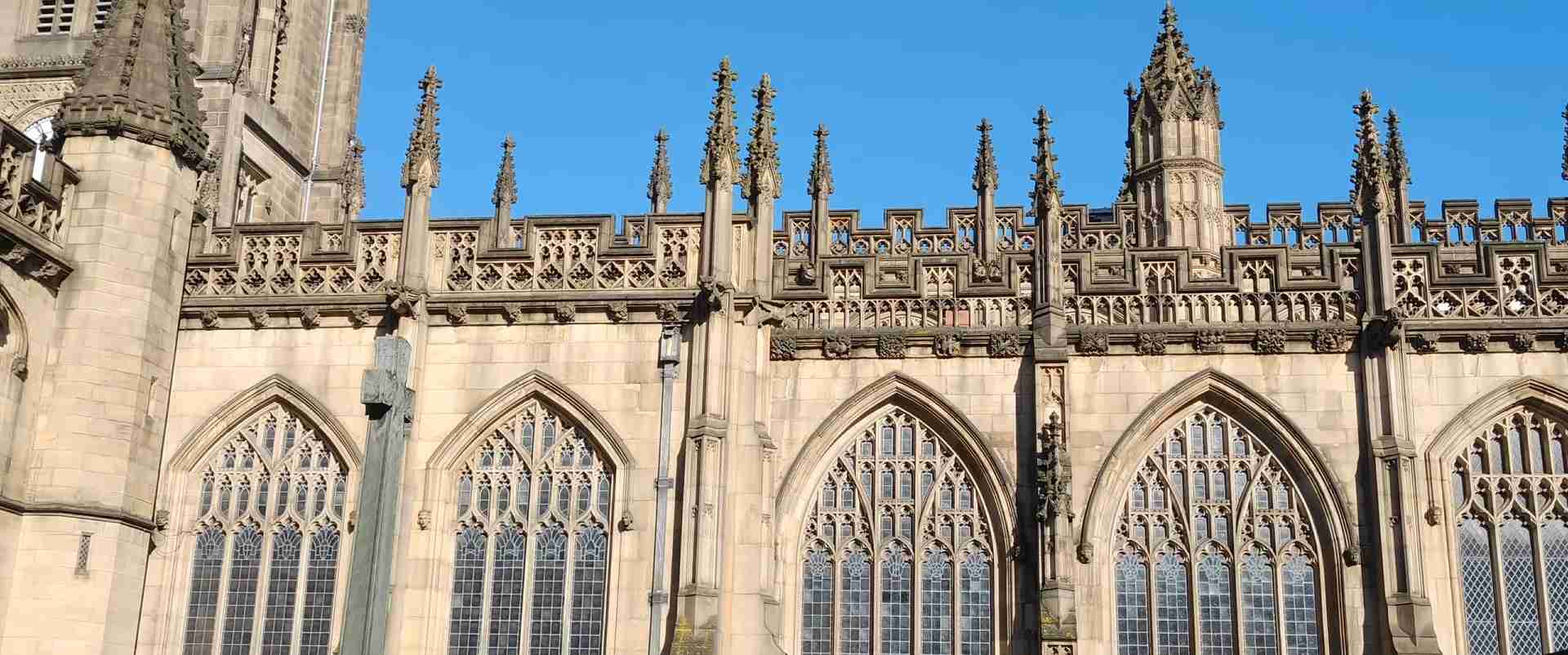
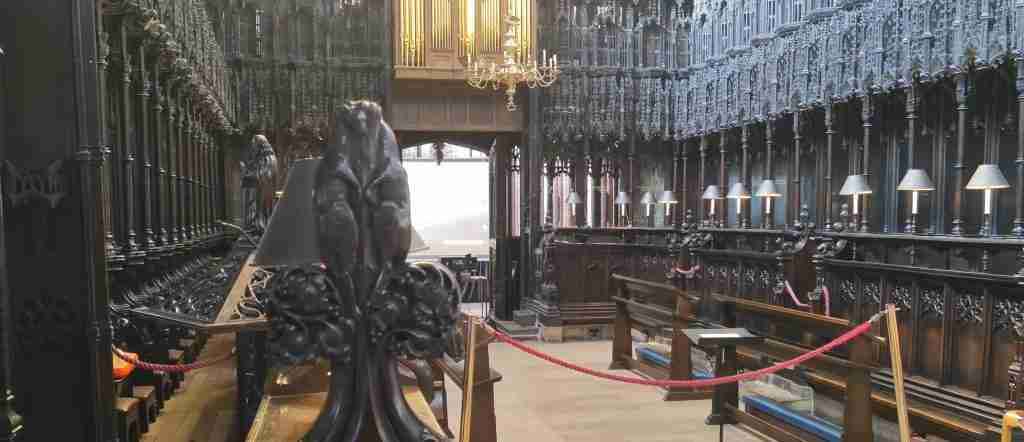
Manchester maintains exceptional free cultural access unmatched by most UK cities. Science and Industry Museum explores railway history, textile machinery, and interactive engineering exhibits across former Victorian railway warehouses, with the reopened Power Hall showcasing working steam engines. Manchester Museum features natural history specimens, Egyptian mummies, and the newly expanded hello future galleries opened February 2023. National Football Museum occupies the glass Urbis building with penalty shootout simulators, original 1863 game rules, and the 1966 World Cup ball. John Rylands Library presents neo-Gothic Victorian architecture housing Shakespeare’s First Folio and rare manuscripts within stunning reading rooms. Whitworth Art Gallery displays J.M.W. Turner watercolors and contemporary works in parkland setting. Northern Quarter street art covers entire building facades with works by C215, Qubek, and international artists as open-air gallery. Castlefield Urban Heritage Park preserves Roman fort ruins, Victorian canal viaducts, and industrial architecture along pedestrian towpaths. Manchester Cathedral welcomes visitors to 15th-century perpendicular Gothic structure with medieval choir stalls. People’s History Museum documents working-class history and political movements through four floors of exhibits.
Is Manchester expensive compared to London in 2026?
Manchester costs substantially less than London across every category while delivering comparable cultural experiences. Mid-range hotel rooms average £65-95 nightly in Manchester versus £120-180 in London, representing 30-45% savings on accommodation. Restaurant meals range £15-30 per person compared to London’s £20-45 for equivalent quality. Public transport proves significantly cheaper with Metrolink day tickets £7.10 versus London Zone 1-2 Travelcard £15.20, while bus single fares remain capped at £2 compared to London’s £1.75 (smaller differential). Most critically, Manchester’s major museums and galleries charge zero admission while London’s comparable institutions require £15-25 entry—Science and Industry Museum, Manchester Museum, and National Football Museum rival Natural History Museum, Science Museum, and similar London venues in quality but maintain free access. Pint prices average £4-5.50 versus London’s £5.50-7.50. Overall daily costs run 25-40% lower in Manchester for equivalent experiences, making it exceptional value for cultural city breaks without sacrificing attraction quality or dining diversity.
How many days do you need to visit Manchester in 2026?
Three to four days allows comprehensive Manchester exploration covering major attractions, neighborhoods, and cultural experiences without rushing. Day one typically covers city center highlights including National Football Museum, Manchester Cathedral, and John Rylands Library, with evening in Northern Quarter for street art, independent shops, and live music venues. Day two focuses on football with either Old Trafford or Etihad Stadium tour, followed by Science and Industry Museum afternoon and Salford Quays waterfront exploration including Imperial War Museum North or Lowry galleries. Day three explores Ancoats regenerated mills and dining scene, Manchester Museum and Whitworth Art Gallery, with evening theater at Opera House or Palace Theatre. Day four adds day trip options to Peak District (Castleton, Buxton), Liverpool (45 minutes by train), Chester (45 minutes), or deeper neighborhood discovery in Didsbury or Chorlton. Weekend visitors can cover essentials in two full days focusing on one football stadium, one major museum, Northern Quarter, and nightlife. Extended five-day stays allow relaxed pace, multiple stadium visits, comprehensive museum time, and surrounding countryside exploration while fully experiencing Manchester’s dining and entertainment diversity.
Extended multi-day tours – 5+ days
Featured Manchester Multi-Day Tour Packages
3 days
Manchester 3-Day Discovery Tour
- ✓ Comprehensive Manchester experience
- ✓ Expert local guides included
- ✓ All accommodation included
- ✓ Transportation provided

5 days
Manchester 5-Day Highlights Experience
- ✓ Comprehensive Manchester experience
- ✓ Expert local guides included
- ✓ All accommodation included
- ✓ Transportation provided
7 days
Manchester 7-Day Cultural Journey
- ✓ Comprehensive Manchester experience
- ✓ Expert local guides included
- ✓ All accommodation included
- ✓ Transportation provided
10 days
Manchester 10-Day Complete Adventure
- ✓ Comprehensive Manchester experience
- ✓ Expert local guides included
- ✓ All accommodation included
- ✓ Transportation provided
Multi-day tour packages powered by TourRadar. Prices and availability subject to change.
Introduction: Manchester in 2026—Britain’s Industrial Legacy Meets Creative Innovation
Manchester exploded onto the world stage during the Industrial Revolution as the planet’s first industrialized city, where cotton mills, railway innovations, and political movements fundamentally reshaped human civilization. The Peterloo Massacre of 1819 marked a watershed moment in British democracy, while the cooperative movement, suffragette campaigns, and trade unionism all found powerful expression in Manchester’s working-class culture. The splitting of the atom occurred at Manchester University in 1917, Alan Turing pioneered computing here during World War II, and the first stored-program computer ran at the university in 1948. This extraordinary legacy of scientific achievement, political activism, and industrial might created a city profoundly shaped by innovation and social change.
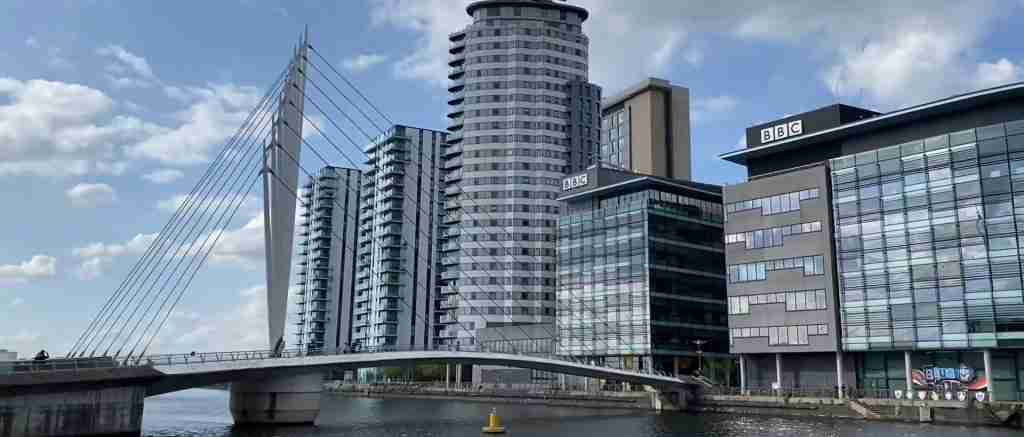
The contemporary city emerged from IRA bombing devastation in 1996, transforming the destruction into urban renewal opportunity that fundamentally reimagined Manchester’s city center. The 2002 Commonwealth Games accelerated development in East Manchester, creating Etihad Campus and triggering ongoing regeneration. Today’s Manchester balances UNESCO-protected industrial architecture with glass towers housing BBC Broadcasting, ITV Granada, and global corporations relocating from London. Ancoats, once the world’s first industrial suburb, now ranks among Europe’s hippest neighborhoods with converted cotton mills housing restaurants, apartments, and creative businesses. The Northern Quarter has evolved from forgotten garment district to cultural hub packed with independent retailers, vinyl shops, street art, and live music venues that maintain Manchester’s legendary musical heritage—the city that birthed Joy Division, The Smiths, Oasis, and countless other defining acts.
Manchester’s 2026 appeal rests on authentic urban character unmarred by tourist-trap sanitization. This remains a working city where real neighborhoods function organically rather than existing primarily for visitors. The two Premier League football clubs represent genuine local passion rather than staged spectacle, while museums document actual industrial and social history rather than curated heritage narratives. Dining diversity reflects Manchester’s South Asian, Caribbean, Chinese, Middle Eastern, and Eastern European communities whose cultural influences permeate food markets, restaurants, and street festivals. The creative sector thrives through independent galleries, music venues hosting emerging artists, and theater productions that challenge rather than comfort. Weather patterns follow typical northern English unpredictability—rain arrives frequently but not constantly, with actual annual rainfall roughly matching London despite reputation suggesting otherwise. The compact city center allows comprehensive walking exploration, while the expanding Metrolink tram network reaches every significant district and surrounding towns, making car rental unnecessary for urban visitors.
Manchester delivers exceptional cultural value compared to London, Edinburgh, or European equivalents. Free museum access includes world-class institutions that charge £15-25 admission elsewhere, while hotel costs run 30-45% below London rates for comparable quality. The accessibility extends to approachability—Mancunian directness and self-deprecating humor create welcoming atmosphere where visitors engage easily with locals rather than navigating reserved formality. Neighborhoods maintain distinct identities: Spinningfields caters to business travelers and upscale dining, Northern Quarter serves independent culture and nightlife, Castlefield offers canal-side tranquility and Roman history, while Chinatown provides authentic Asian dining beyond tourist-oriented menus. The combination of cutting-edge cultural programming, historic preservation, accessible pricing, and genuine local character positions Manchester as Britain’s most compelling city destination for travelers seeking substance over surface, innovation over tradition, and authentic urban experience over polished tourist product.
Understanding Manchester Costs in 2026
Manchester maintains significantly lower costs than London while delivering comparable cultural experiences and accommodation quality. The city’s competitive pricing reflects its working-class roots, substantial student population, and deliberate strategy to remain accessible rather than premium-priced. Free museum access distinguishes Manchester from most major European cities, while frozen public transport fares since 2020 demonstrate regional government commitment to affordability. However, costs vary dramatically by neighborhood, with Spinningfields upscale dining commanding London-equivalent prices while Rusholme’s Curry Mile and Northern Quarter’s independent eateries deliver exceptional value.
Accommodation Costs Manchester 2026 by Neighborhood and Season
Manchester hotel prices range from £40 budget hostel dormitories to £270 luxury suites, with seasonal variation creating 30-40% price differential between January low season and summer peaks. City center location commands premium over suburban neighborhoods, though excellent Metrolink connectivity makes areas like Didsbury or Salford Quays viable alternatives offering superior value for budget-conscious travelers willing to add 20-30 minutes travel time to major attractions.
Budget accommodation £40-90 per room nightly encompasses hostel dormitories £18-25 per bed in YHA Manchester or Hatters hostels near Northern Quarter, providing social atmosphere and kitchen facilities but basic amenities. Budget hotels including Travelodge, Premier Inn, and easyHotel charge £40-70 for compact rooms with ensuite bathrooms in locations like Piccadilly, Salford Quays, or airport proximity. These properties deliver reliability and cleanliness rather than character, with limited services beyond basic breakfast options. Airbnb private rooms in residential neighborhoods like Chorlton or Didsbury offer £45-65 nightly with local character and kitchen access, though communication challenges and arrival logistics may complicate budget travelers’ experience.
Mid-range properties £90-180 per room nightly dominate Manchester’s hotel landscape, offering excellent value compared to London equivalents. Motel One Manchester-Piccadilly achieves 9.2 guest ratings through stylish design, central location, and competitive £75-110 pricing representing outstanding quality-to-cost ratio. Clayton Hotels, Leonardo Hotels, and Holiday Inn properties cluster around £90-140 nightly, providing reliable business-standard amenities including restaurants, bars, and workspace facilities. Boutique options like King Street Townhouse or Cow Hollow Hotel deliver characterful stays £120-180 with distinctive design, local dining partnerships, and personalized service distinguishing them from chain alternatives. Neighborhood choice impacts experience significantly—Deansgate and Spinningfields maximize walkability to business district and upscale dining, Northern Quarter provides cultural immersion and nightlife access, while Salford Quays offers waterfront tranquility with easy tram connections.
Luxury accommodation £180-540 per room nightly centers on historic conversions and premium chains. Hotel Gotham occupies former Midland Bank building with Art Deco glamour, rooftop terrace, and King Street address commanding £220-380 nightly. The Lowry Hotel at Salford Quays combines river views with spa facilities and Marco Pierre White restaurant for £240-450, attracting visiting footballers and celebrities seeking discretion. Stock Exchange Hotel, co-owned by Gary Neville and Ryan Giggs, transforms Edwardian baroque trading floor into 40-room luxury retreat £250-500 nightly with ornate period details and Stock Market Grill restaurant. Kimpton Clocktower Hotel converts Victorian insurance company headquarters into 270-room property £200-380 offering American-style hospitality and central Oxford Road location. The Midland Hotel, Manchester’s grandest railway hotel since 1903, provides historic luxury £180-320 with The French restaurant delivering Michelin-star dining and original marble corridors wide enough for Edwardian gowns.
Seasonal pricing follows predictable patterns with January-February representing lowest rates 30-40% below peak, shoulder months March-April and October-November offering moderate pricing, while May-September commands premium rates especially during Manchester Pride (August), football season weekends, and major convention periods. Christmas markets period (late November-December) creates secondary peak with rates approaching summer levels. Advance booking six weeks ahead captures best availability without premium last-minute pricing, while same-week bookings risk sellouts during events or face inflated walk-in rates. Membership programs including IHG Rewards, Marriott Bonvoy provide frequent-visitor benefits, while comparison sites like Booking.com and Hotels.com aggregate inventory allowing price comparison though direct hotel booking sometimes matches rates while avoiding commission markups.
Food and Dining Costs Manchester 2026 by Cuisine and District
Manchester’s dining scene balances traditional British pub culture with international diversity reflecting the city’s communities, from Rusholme’s Curry Mile concentration of South Asian restaurants to Chinatown’s authentic regional Chinese cooking. Price variation spans £3 street food to £50 tasting menus, with exceptional mid-range value distinguishing Manchester from London equivalents charging 40-50% premiums for comparable quality.
Budget dining £15-25 per person daily combines strategic meal planning with Manchester’s affordable eating options. Wetherspoons pubs serve all-day breakfast £4-7, traditional pub meals £6-9, and £2.80 pints creating exceptional value for travelers prioritizing cost savings. Bakeries including Sayers and Greggs provide breakfast pastries £1.50-3, sandwiches £3-5, creating viable lunch alternative. Rusholme Curry Mile delivers authentic South Asian meals £6-12 including naan, rice, and curry portion sufficient for hearty appetite. Northern Quarter street food vendors offer international options £5-8 from Vietnamese banh mi to Middle Eastern falafel wraps. Supermarket meal deals at Tesco, Sainsbury’s, and Co-op cost £3-4 providing sandwich, crisps, and drink for budget lunch. Cooking facilities in hostels or Airbnb enable breakfast preparation and picnic lunches, with Aldi and Lidl supermarkets offering grocery costs 30-40% below major chains. Budget allocation assuming breakfast £3-5, lunch £5-8, dinner £8-12 totals £16-25 daily excluding drinks beyond water, though alcohol consumption rapidly increases costs with pub pints £4-5.50.
Mid-range dining £40-60 per person daily encompasses cafe breakfasts, pub lunches, and restaurant dinners balancing cost with experience. Independent cafes charge £7-12 for full English breakfast or brunch plates, with Northern Quarter establishments like Federal Cafe and Takk Coffee House delivering quality coffee culture £3-5 per specialty drink. Pub lunches throughout city center provide fish and chips, burgers, or Sunday roasts £10-18 representing satisfying midday meals with local atmosphere. Casual restaurant dinners span £15-30 per person before drinks, with options including Rudy’s Neapolitan Pizza £12-18, Tampopo Asian dining £15-25, or Almost Famous burgers £12-18. Ethnic restaurants deliver exceptional value compared to equivalent London pricing—authentic Chinese in Chinatown £12-20, Lebanese mezze £15-25, Italian trattorias £15-28. Manchester’s early-bird dining deals proliferate, with many restaurants offering 2-course £15-22 or 3-course £18-28 menus before 6pm or 7pm including venues like Alfredo’s Social (weekday 4-6pm), TNQ (lunch £21 for 2 courses), and Grand Pacific (50% off with code). Drinks significantly impact budgets with restaurant wine £20-35 per bottle, cocktails £8-12, though tap water remains freely available.
Luxury dining £70-100 per person daily targets upscale experiences and Michelin-quality cooking. The French at The Midland Hotel serves modern British tasting menus £85-120 per person in Adam Reid’s Michelin-star establishment, requiring advance reservations and formal dress expectations. 20 Stories rooftop restaurant combines Spinningfields views with premium steaks and seafood £35-55 mains plus £40-60 wine bottles. Hawksmoor Manchester specializes in aged steaks £30-50 with British ingredients and craft cocktail program £10-14 per drink. Simon Wood’s Wood restaurant delivers MasterChef winner’s creative plates £60-85 tasting menu format. Wing’s Restaurant in Chinatown elevates Cantonese cooking beyond typical pricing £25-45 per person for authentic dim sum and traditional preparations. Luxury travelers typically breakfast at hotel (often included in premium room rates), lunch casually £15-25, then splurge on dinner £50-75 per person before wine, with £100 daily allocation accommodating one fine-dining experience plus casual meals or two upscale-casual dinners without tasting menus.
Neighborhood dining character varies substantially with Spinningfields concentrating upscale chains and business dining, Northern Quarter favoring independent cafes and international street food, Rusholme delivering South Asian value, Chinatown providing authentic regional Chinese, Ancoats combining trendy restaurants with traditional cafes, and Didsbury offering suburban village atmosphere with bistros and gastropubs. Cost-conscious strategies include prioritizing lunch over dinner at upscale venues (identical menus, 30% lower pricing), utilizing early-bird specials proliferating across city center, choosing BYOB restaurants eliminating alcohol markup, and balancing splurge dinners with budget lunches. Manchester’s drinking culture centers on pubs with real ale tradition, craft beer explosion, and cocktail bar proliferation—budget £15-25 evening drinks, mid-range £25-40, luxury £40-60 depending on venue selection and consumption volume.
Transportation Costs and Strategies Manchester 2026
Manchester’s Bee Network represents Britain’s most ambitious transport integration outside London, combining franchised buses, Metrolink tram system, and railway connections under unified ticketing launched March 2025. Fares remain frozen at 2020 levels through deliberate policy subsidizing accessibility, creating exceptional value for visitors navigating compact city center and reaching surrounding districts.
Metrolink tram system operates eight color-coded lines radiating from city center to Altrincham (southwest), Bury (north), Rochdale (northeast), Ashton-under-Lyne (east), East Didsbury (south), Eccles/MediaCityUK and Trafford Centre (west), plus Manchester Airport connection. Zone-based pricing covers four zones with Zone 1 encompassing city center, expanding outward to Zone 4 suburbs and airport. Single journey fares cost £1.40 zone 1 only, £2.80 zones 1-2, £4.60 zones 1-4, representing frozen pricing since 2020—exceptional value compared to London Underground equivalents. Day tickets provide unlimited travel £2.70 zone 1, £4.30 zones 1-2, £7.10 all zones, with off-peak discounts (journeys starting after 9.30am) reducing prices to £1.90 zone 1, £3.50 zones 1-2, £4.90 all zones. Contactless payment via bank card or phone automatically caps charges at daily maximum, eliminating ticket machine queuing though paper tickets remain available at platform machines.
Bus network operates £2 flat fare cap for single journeys throughout Greater Manchester, with hopper fares allowing unlimited transfers within one hour for single £2 charge. Combined bus+tram tickets deliver superior value for visitors exploring multiple districts—£6 daily for unlimited bus plus zone 1 tram, £6.70 bus plus zones 1-2 tram, £9.50 all zones bus+tram (£7.80 off-peak). Weekly tickets cost £24.80 zone 1 bus+tram, £28.40 zones 1-2, £41 all zones, benefiting extended stays beyond four days. Bus services concentrate on orbital routes connecting neighborhoods, while trams provide rapid city center access and main corridor coverage making combined tickets logical for comprehensive exploration.
Walking remains most effective central Manchester navigation with compact city center spanning approximately 1.5 kilometers Piccadilly Gardens to Deansgate, 20-25 minutes pleasant stroll passing major attractions. Northern Quarter, Spinningfields, Castlefield, and Chinatown all fall within comfortable walking radius, though rainy weather necessitates waterproof preparation. Cycling infrastructure expanded significantly through Bee Network with protected lanes connecting major routes, though Manchester’s wet climate and aggressive taxi driving create challenging conditions for casual cycling tourists. Bike rental schemes including Beryl bikes provide £1 unlock plus time-based charging, while many hotels offer complimentary bicycle use.
Taxis and rideshare provide flexibility beyond public transport hours (Metrolink operates approximately 6am-midnight depending on line and day) with Uber, Bolt, and traditional black cabs competing throughout city. Base fares start £3.30 with £2.20 per kilometer charges, making short hops £6-10 and cross-city journeys £12-20. Budget travelers minimize taxi use except late-night safety situations or heavy luggage, while luxury visitors incorporate rideshare flexibility without significant budget impact. Airport connections via Metrolink cost £4.60 single, £7.10 day return from city center (zone 4 fare), operating every 12 minutes with 25-30 minute journey time—dramatically cheaper than £25-35 taxi alternative though less convenient with luggage or late arrivals.
Cost estimation for various travel styles assumes budget travelers £5-10 daily (extensive walking, selective tram use, occasional bus), mid-range £8-12 daily (regular tram day ticket £7.10, occasional taxi), luxury £15-25 daily (unlimited tram access, supplemental taxi convenience). Weekly visitors benefit from £41 combined bus+tram weekly ticket versus £50-70 daily ticket accumulation, while weekend breaks maximize walkability minimizing transport investment.
Attraction and Activity Costs Manchester 2026
Manchester’s exceptional free cultural access distinguishes the city from London, Paris, or equivalent European destinations charging £15-25 museum admission. This accessibility reflects civic pride, educational mission, and deliberate policy maintaining culture as public good rather than premium product, creating outstanding value for visitors prioritizing museums, galleries, and historic sites.
Free attractions dominate Manchester’s cultural landscape starting with Science and Industry Museum occupying five interconnected railway buildings documenting world’s first passenger railway station (Liverpool Road, 1830) and world’s oldest surviving railway warehouse. Interactive exhibits explore textile machinery that powered Industrial Revolution, telecommunications development, computing history, and working steam engines in reopened Power Hall. Manchester Museum houses natural history collections, Egyptian galleries with mummy displays, living cultures exhibitions, and recently expanded hello future galleries opened February 2023 within £15 million transformation. National Football Museum occupies striking glass Urbis building with interactive exhibits including penalty shootout simulators, original 1863 game rules written in Manchester, 1966 World Cup final ball, and extensive jersey collections—exceptional for football enthusiasts despite free admission. John Rylands Library presents neo-Gothic Victorian splendor housing rare manuscripts including Shakespeare’s First Folio, Gutenberg Bible fragments, and medieval illuminated texts within stunning reading rooms representing architectural masterpiece rivaling any paid attraction. Whitworth Art Gallery displays J.M.W. Turner watercolors, British art collections, contemporary exhibitions, and textile galleries in parkland setting south of city center. People’s History Museum documents working-class history, suffragette movement, trade unionism, and political activism through four floors exploring democracy and social justice themes. Manchester Art Gallery offers pre-Raphaelite collections, Victorian paintings, contemporary works, and decorative arts within elegant Mosley Street building. Castlefield Urban Heritage Park preserves Roman fort ruins (Mamucium), restored canal viaducts, industrial warehouses, and waterway heritage as open-air museum accessible 24/7.
Stadium tours represent Manchester’s signature paid attractions with football pilgrimage drawing global visitors. Old Trafford Museum & Stadium Tour costs £18-24 adult (£12-18 child, £15-20 senior) for 80-minute guided experience exploring players’ dressing room, walking tunnel toward pitch, sitting in dugout, and visiting three-floor museum documenting Manchester United’s 64 major trophies. Check official site for current official rates as pricing may vary. Tours operate daily except match days 9.30am-4pm Sunday-Thursday, 9.30am-5pm Friday-Saturday, with advance booking essential during peak periods. Premium experiences include Legends Tours with former players £75-95 and Take To The Pitch coaching sessions £85-110. Etihad Stadium Tour provides Manchester City equivalent £18-24 with similar behind-scenes access, trophy room, and interactive exhibits, though less historic gravitas than Old Trafford given City’s recent success timeline versus United’s longer heritage.
Paid attractions supplement free cultural core with specialized interests. Imperial War Museum North at Salford Quays charges £15-20 exploring 20th-century conflict through immersive exhibitions and iconic architecture by Daniel Libeskind, though excellent value given production quality and emotional impact. The Lowry at Salford Quays presents visual arts and performing arts £8-15 gallery admission though many exhibitions remain free. LEGOLAND Discovery Centre and SEA LIFE Manchester at Trafford Centre target family audiences £18-25 per person providing all-weather entertainment during rainy periods. Coronation Street Tour operates £25-30 walking actual filming sets of Britain’s longest-running soap opera—niche appeal but dedicated fans consider essential. Manchester Cathedral requests £5 donation though admission technically free, while guided tours cost £8-12 for architectural and historical context.
Theater and performing arts span Royal Exchange Theatre, Opera House, Palace Theatre, HOME cultural center, and multiple smaller venues. West End tour productions cost £25-75 depending on show and seating, while fringe theater and music venues charge £8-20 creating accessible entertainment options. AO Arena hosts major concerts and sporting events £35-150 ticket pricing varying dramatically by performer. Manchester Camerata, Hallé Orchestra, and BBC Philharmonic offer classical music £15-45, while jazz clubs like Matt and Phred’s charge £5-15 cover attracting world-class performers to intimate venues.
Budget allocation assuming free museum focus with occasional paid attraction totals £5-10 daily, mid-range incorporating stadium tour, paid museum, and theater averages £15-30 daily, while luxury pursuing premium experiences including VIP stadium access and prime theater seats reaches £25-50 daily. Weekly visitors balance free attractions with strategic paid experiences rather than purchasing everything, recognizing Manchester’s strength lies in accessible culture rather than exclusive premium content.
Complete Daily Budget Breakdowns Manchester 2026 by Travel Style
Manchester accommodates dramatic budget range from backpacker dormitories to luxury suites, with three distinct spending tiers delivering vastly different experiences while all accessing exceptional free cultural attractions. The following breakdowns assume two people sharing hotel accommodation with per-person costs calculated accordingly, representing realistic daily expenses covering accommodation, food, transport, and activities.
Budget Traveler Daily Costs Manchester 2026
Budget travelers prioritizing cost minimization while accessing Manchester’s free cultural attractions need £55-75 per person daily assuming two sharing budget accommodation. This tier requires strategic planning, self-catering capabilities, extensive walking, and willingness to prioritize free experiences over paid premium attractions.
Accommodation budget range £18-25 per person nightly (two sharing £36-50 room) encompasses hostel dormitory beds in YHA Manchester or Hatters hostels providing communal kitchens, social atmosphere, and central locations near Piccadilly or Northern Quarter. Budget hotels including Travelodge or easyHotel occasionally offer £40-50 double rooms during off-peak periods, splitting to £20-25 per person with ensuite bathrooms trading hostel social benefits for privacy. Airbnb private rooms in residential neighborhoods cost £45-65 total, dividing to £23-33 per person with local character and potential kitchen access.
Food budget £15-25 per person daily combines supermarket breakfast preparation, street food or meal deal lunches, and budget restaurant dinners. Hostel breakfast using supermarket groceries costs £2-4 (cereal, toast, fruit), lunch via Tesco/Sainsbury’s meal deal £3-4 or Rusholme Curry Mile takeaway £6-8, dinner at Wetherspoons £6-9 or budget ethnic restaurant £8-12. This allocation eliminates sit-down cafe breakfasts, restaurant lunches, and upscale dining, restricting alcohol to occasional supermarket purchases rather than pub prices. Budget travelers maximize free attractions rather than paid experiences, cook when facilities available, and strategically time restaurant visits to early-bird specials or lunch pricing.
Transport budget £5-10 per person daily assumes extensive walking with selective Metrolink use—perhaps one £2.70 zone 1 day ticket or two single journeys £1.40-2.80 depending on daily itinerary. Budget travelers prioritize walkable routes, cluster attractions geographically to minimize transit, and time longer journeys to off-peak fares £1.90-3.50 representing 25-30% savings. Airport connection via £4.60 single tram represents largest single transport cost, though shared taxi £25-35 divided four ways from group travel potentially matches per-person tram cost while providing door-to-door convenience.
Attraction budget £5-10 per person daily focuses almost entirely on free museums and galleries—Science and Industry Museum, Manchester Museum, National Football Museum, John Rylands Library, Whitworth Art Gallery, People’s History Museum, Manchester Art Gallery, Castlefield Urban Heritage Park all charge zero admission. Budget allocation covers occasional paid attraction like Imperial War Museum North £15-20 amortized across multiple days, Northern Quarter street art walking tour donations, or single premium experience like Old Trafford stadium tour £18-24 balanced against several free-attraction days. Budget travelers recognize Manchester’s extraordinary free cultural access as primary value proposition, eliminating need for extensive paid activity spending typical of London or European cities.
Total daily budget per person (two sharing budget accommodation): £55-75 covering all essential expenses. Weekly budget travelers spending £385-525 can explore comprehensively while maintaining cost discipline, occasionally splurging on stadium tour or nice dinner balanced by multiple budget days. This tier requires discipline, strategic planning, and accepting limitations including basic accommodation, limited restaurant dining, extensive walking, and prioritizing free attractions—but Manchester’s exceptional cultural access ensures rich experiences despite minimal spending.
Mid-Range Traveler Daily Costs Manchester 2026
Mid-range travelers balancing comfort with value spend £95-140 per person daily assuming two sharing mid-range hotel, incorporating restaurant meals, regular public transport, and mix of free attractions with paid premium experiences. This tier represents Manchester’s outstanding value proposition, delivering London-equivalent experiences at 30-40% lower costs.
Accommodation mid-range £33-48 per person nightly (two sharing £65-95 room) encompasses quality chain hotels like Motel One Manchester-Piccadilly £75-90, Holiday Inn £80-100, or Leonardo Hotels £85-95 providing ensuite rooms, central locations, breakfast options, and business-standard amenities. Boutique alternatives like King Street Townhouse £120-140 divided by two reach upper mid-range allocation offering characterful stays with distinctive design and personalized service. Neighborhood selection balances walkability to attractions with overnight pricing—Deansgate/Spinningfields maximizes accessibility, Northern Quarter provides cultural immersion, Salford Quays delivers waterfront tranquility at slightly lower rates.
Food budget £40-60 per person daily supports cafe breakfasts £7-12, casual restaurant lunches £10-18, and sit-down dinners £15-30 before drinks. Independent cafes deliver full English breakfast or brunch plates, pub lunches provide substantial midday meals in local atmosphere, while casual restaurants span pizza at Rudy’s £12-18, Asian dining at Tampopo £15-25, or burgers at Almost Famous £12-18. Early-bird dining specials proliferate with 2-course £15-22 or 3-course £18-28 options before 6pm-7pm, while ethnic restaurants in Chinatown £12-20 or Rusholme £10-18 deliver exceptional value. Wine with dinner £20-35 bottle or £6-9 glass, cocktails £8-12, and pub pints £4-5.50 significantly impact daily totals, though free tap water moderates costs for non-alcohol consumers. Mid-range allocation enables occasional splurge dinners balanced by casual lunches rather than uniform pricing across all meals.
Transport budget £8-12 per person daily covers Metrolink unlimited day ticket £7.10 all zones plus occasional taxi supplements. Mid-range travelers ride trams liberally without cost anxiety, utilize combined bus+tram £9.50 cap for maximum flexibility, and occasionally taxi £6-10 for convenience or late-night safety without derailing budget. Airport connection via tram £4.60 each way fits comfortably within allocation, while rideshare airport transfers £25-35 divided by two reaches £13-18 per person—marginal splurge for luggage convenience.
Attraction budget £15-30 per person daily balances free museum visits with premium paid experiences. One stadium tour £18-24 plus one paid museum £15-20 spread across three-day visit averages £11-15 daily, supplemented by theater ticket £25-40 amortized similarly. Mid-range travelers strategically purchase headline experiences—Old Trafford or Etihad tour, Imperial War Museum North, West End theater production—while still maximizing free attractions constituting 60-70% of cultural activity. Walking tours with professional guides cost £15-20 providing historical context and neighborhood insights beyond self-guided exploration.
Total daily budget per person (two sharing mid-range hotel): £95-140 covering accommodation, full restaurant dining, unlimited transport, and balanced free-plus-paid attraction access. Weekly mid-range travelers spending £665-980 enjoy comprehensive Manchester experiences without luxury pricing, representing exceptional value compared to London equivalents requiring £140-200 daily for similar quality. This tier delivers comfort, convenience, and cultural richness while maintaining reasonable costs—Manchester’s optimal value range for most visitors.
Luxury Traveler Daily Costs Manchester 2026
Luxury travelers prioritizing comfort, premium experiences, and upscale amenities invest £165-260 per person daily assuming two sharing luxury accommodation. This tier emphasizes historic hotels, Michelin-quality dining, VIP attraction access, and convenience over cost optimization, though Manchester’s luxury costs still run 25-35% below London equivalents.
Accommodation luxury range £58-135 per person nightly (two sharing £115-270 room) encompasses Manchester’s finest properties. Hotel Gotham’s Art Deco glamour costs £220-380 divided by two for £110-190 per person, The Lowry’s riverside luxury reaches £240-450 (£120-225 per person), while Stock Exchange Hotel’s Edwardian baroque conversion runs £250-500 (£125-250 per person). Kimpton Clocktower £200-380 (£100-190 per person) and The Midland’s historic grandeur £180-320 (£90-160 per person) represent Manchester’s premier addresses. Luxury allocation assumes mid-tier suite or superior room rather than entry-level standard rooms, incorporating amenities including spa access, concierge service, premium bedding, and often complimentary breakfast reducing daily food costs.
Food budget £70-100 per person daily targets upscale dining and Michelin-star experiences. Hotel breakfast often included in premium room rates, otherwise £15-25 at upscale hotel restaurants or brunch venues. Lunch at quality establishment £15-30 (casual upscale) or splurge venue £35-55, while dinner focuses on premium restaurants £50-75 per person before wine. The French’s tasting menu £85-120, Hawksmoor steaks £30-50 mains plus £40-60 wine, 20 Stories rooftop dining £35-55 mains, or Simon Wood’s creative plates £60-85 represent luxury tier experiences. Wine significantly impacts totals with quality bottles £40-80 at upscale restaurants, craft cocktails £10-14, though luxury travelers rarely restrict consumption based on cost. This allocation supports one Michelin-quality dinner plus upscale casual meals daily, or two fine-dining experiences balanced by lighter days.
Transport budget £15-25 per person daily incorporates unlimited Metrolink access £7.10-9.50 plus liberal taxi supplementation. Luxury travelers utilize trams for efficient corridor travel while defaulting to Uber or black cabs for convenience—cross-city journeys £12-20, short hops £6-10, airport transfers £25-35 divided by two reaching £13-18 per person. Private car service from airport costs £60-80 divided by two for £30-40 per person providing door-to-door comfort. Transport represents minor budget consideration for luxury tier, prioritizing time efficiency and convenience over cost optimization.
Attraction budget £25-50 per person daily emphasizes premium experiences and VIP access. Old Trafford Legends Tour with former player £75-95 surpasses standard stadium tour, VIP theater packages £75-150 include premium seating and hospitality, private guided tours £150-250 for two provide customized expertise. Luxury travelers pursue signature experiences—premium stadium access, private gallery tours, exclusive dining events, luxury spa treatments £80-150—rather than comprehensive attraction coverage. This tier recognizes time as precious commodity, selecting curated highlights over exhaustive museum visits, and paying premium for superior access, expert guidance, and memorable moments.
Total daily budget per person (two sharing luxury hotel): £165-260 covering luxury accommodation, upscale dining, flexible transport, and premium experiences. Weekly luxury travelers spending £1,155-1,820 access Manchester’s finest offerings while still enjoying 25-35% cost savings versus London luxury equivalents. This tier delivers five-star comfort, Michelin-star dining, and VIP experiences while capitalizing on Manchester’s lower overall cost structure compared to capital city pricing.
Sample Manchester Itineraries 2026 with Daily Cost Breakdowns
The following itineraries demonstrate realistic daily planning across budget tiers, showing how different spending levels shape experience selection, accommodation choices, dining patterns, and activity balance. Each represents achievable schedule accounting for opening hours, geographic clustering, and energy management across full days.
Budget 3-Day Manchester Itinerary 2026
Day 1: City Center Free Culture and Northern Quarter
Morning begins National Football Museum 10am opening, spending 2-3 hours with penalty shootout simulators, 1966 World Cup ball, and interactive exhibits—completely free admission. Walk 10 minutes to Manchester Cathedral for architectural appreciation and historic choir stalls, requesting £5 donation (optional but encouraged). Lunch at Wetherspoons Royal Exchange £6-9 for traditional pub meal and pint, or grab supermarket meal deal £3-4 from nearby Tesco Metro. Afternoon explores John Rylands Library neo-Gothic splendor 12pm-5pm (free admission), spending 90 minutes with Shakespeare’s First Folio and stunning reading rooms. Walk through city center to Piccadilly Gardens, then Northern Quarter for street art photography and independent shop browsing. Dinner at Bundobust vegetarian Indian street food £8-12 or Rusholme Curry Mile authentic curry £6-10. Evening explores Northern Quarter’s live music venues with £5-8 cover charges or free entry pubs. Accommodation: YHA Manchester dormitory £18-22 per person. Transport: Walking-focused with one Metrolink journey £1.40 if needed. Daily total: £52-68 per person.
Day 2: Science Museum, Castlefield, and Salford Quays
Morning at Science and Industry Museum 10am opening, dedicating 3-4 hours to railway history, textile machinery, Power Hall steam engines, and interactive exhibits—entirely free admission. Walk 15 minutes to Castlefield Urban Heritage Park exploring Roman fort ruins, canal viaducts, and industrial warehouses at leisure (free access). Lunch via supermarket picnic £3-5 or budget cafe sandwich £4-6 along canal towpath. Afternoon Metrolink to Salford Quays (£1.40 single), visiting Imperial War Museum North £15-20 for emotionally powerful conflict exhibitions within Daniel Libeskind architecture. Walk waterfront to MediaCityUK, The Lowry galleries (check for free exhibitions), returning city center via tram £1.40. Dinner at Northern Soul grilled cheese £6-9 or Albert’s Schloss Bavarian beer hall £10-15. Evening relaxes at budget accommodation or explores Deansgate pubs. Accommodation: Travelodge Salford Quays £40-50 room divided by two for £20-25 per person. Transport: Two Metrolink singles £2.80 total. Attractions: Imperial War Museum North £15-20. Daily total: £57-77 per person.
Day 3: Manchester Museum and Whitworth Gallery
Morning Manchester Museum 10am opening spending 2-3 hours with natural history, Egyptian galleries, hello future exhibitions—free admission. Walk or bus £2 to Whitworth Art Gallery 12pm arrival for Turner watercolors, British art collections, and parkland setting (free admission). Lunch at gallery cafe £6-10 or nearby Oxford Road budget options. Afternoon shopping or remaining city center free attractions, possibly People’s History Museum (free) or Manchester Art Gallery (free). Early dinner before departure, or final Northern Quarter exploration. Transport to airport via Metrolink £4.60 single. Accommodation: Depends on flight timing—budget allocates £18-25 per person if overnight needed. Transport: Airport tram £4.60 plus local journeys £2-3. Daily total: £45-65 per person (excluding accommodation if departing).
3-Day Budget Total: £154-210 per person covering accommodation for two nights, all meals, local transport, one paid museum, and comprehensive free cultural access. This demonstrates Manchester’s exceptional budget value through free museum quality rivaling paid London attractions, affordable accommodation, and strategic dining choices.
Mid-Range 5-Day Manchester Itinerary 2026
Day 1: Arrival, Old Trafford, and Spinningfields
Afternoon arrival Manchester Airport, Metrolink to hotel £4.60, check-in mid-range property Motel One Piccadilly or similar. Late afternoon Old Trafford Stadium Tour 3pm booking £18-24, spending 80 minutes exploring dressing room, tunnel, museum displays. Dinner Spinningfields upscale casual—Hawksmoor steaks £30-40, Tattu contemporary Chinese £25-35, or Italian restaurant £20-30. Evening drinks Spinningfields bars or hotel area. Accommodation: Motel One Manchester-Piccadilly £75-90 room for £38-45 per person. Transport: Airport tram £4.60. Dinner and drinks: £45-60. Attractions: Old Trafford tour £18-24. Daily total: £105-134 per person (partial day).
Day 2: City Center Culture and Northern Quarter
Morning Science and Industry Museum 10am opening, 3 hours exploring railway heritage and interactive exhibits (free). Lunch pub or cafe £10-18. Afternoon National Football Museum 2pm (free) followed by John Rylands Library (free). Evening Northern Quarter dinner Almost Famous burgers £12-18 or Mowgli street food £15-25, followed by live music venue Deaf Institute or Band on the Wall £8-15 cover. Late drinks Northern Quarter bars. Accommodation: Mid-range hotel £33-48 per person. Transport: Metrolink day ticket £7.10. Meals: £35-55. Entertainment: £8-15. Daily total: £83-128 per person.
Day 3: Salford Quays and MediaCityUK
Morning tram to Salford Quays, Imperial War Museum North £15-20 spending 2 hours with powerful exhibitions. Lunch The Lowry Pier Eight restaurant or cafe £12-20. Afternoon explores The Lowry galleries (free/£8-15 depending on exhibitions), MediaCityUK waterfront, ITV Studios exterior. Late afternoon return city center for shopping or relaxation. Dinner upscale restaurant £25-40 per person—Elnecot Italian, Grand Pacific, or similar with early-bird special. Theater evening Opera House or Palace Theatre £25-40. Accommodation: £33-48 per person. Transport: £7.10 day ticket. Meals and attractions: £52-80. Theater: £25-40. Daily total: £117-178 per person.
Day 4: Manchester Museum, Whitworth Gallery, Didsbury
Morning Manchester Museum (free) 2-3 hours, followed by Metrolink to Whitworth Art Gallery (free) for Turner watercolors and parkland. Lunch Whitworth cafe or nearby Oxford Road £10-15. Afternoon tram to Didsbury village for boutique shopping, cafe culture, relaxed atmosphere. Dinner Didsbury gastropub or bistro £18-28. Return city center evening for cocktail bar or music venue. Accommodation: £33-48 per person. Transport: £7.10 day ticket. Meals and drinks: £45-65. Daily total: £85-120 per person.
Day 5: Peak District Day Trip and Departure
Morning train to Buxton (£10-15 return) or Castleton for Peak District countryside, exploring market town or caves. Packed lunch or village pub £8-15. Afternoon scenic walking before return Manchester 4pm. Light early dinner or airport departure meal £12-20. Airport tram £4.60. Accommodation: None if evening departure. Transport: Train £10-15 plus airport tram £4.60. Meals: £20-35. Daily total: £35-55 per person (departure day).
5-Day Mid-Range Total: £425-615 per person covering four nights quality accommodation, full restaurant dining, stadium tour, theater performance, day trip, and comprehensive cultural access. Manchester’s mid-range value delivers London-equivalent experiences at significantly lower cost with superior accessibility.
Luxury 3-Day Manchester Weekend Itinerary 2026
Day 1: Arrival and Five-Star Indulgence
Afternoon private car from airport to Hotel Gotham or The Lowry £60-80 divided by two for £30-40 per person. Check-in luxury suite, spa treatment £80-120 per person. Late afternoon Champagne bar or rooftop terrace. Dinner The French Michelin-star tasting menu £85-120 per person with wine pairing £50-80. Post-dinner cocktails hotel bar or 20 Stories rooftop £12-15 per drink. Accommodation: Hotel Gotham suite £220-380 room for £110-190 per person. Transport: Private car £30-40 per person. Spa: £80-120. Dining and drinks: £150-220. Daily total: £370-570 per person.
Day 2: VIP Football and Premium Dining
Morning private guided city tour £150-250 for two (£75-125 per person) covering architecture, history, hidden gems with expert guide. Lunch upscale restaurant £30-50 per person. Afternoon Old Trafford Legends Tour £75-95 with former player insight and exclusive access. Evening preparation, dinner Hawksmoor premium steaks £50-75 per person with quality wine £40-60 per bottle. Theater VIP package Opera House £75-125 including premium seats and interval hospitality. Nightcap hotel bar. Accommodation: Luxury hotel £110-190 per person. Transport: Taxis throughout £15-25. Private tour: £75-125. Attractions: Legends tour £75-95. Dining: £80-125. Theater: £75-125. Daily total: £430-685 per person.
Day 3: Culture and Departure
Morning Science and Industry Museum private tour arranged through concierge (complimentary but tip guide £20-30), or leisurely hotel breakfast and spa time. Late morning John Rylands Library and city center luxury shopping King Street boutiques. Lunch upscale restaurant £25-40. Afternoon Manchester Museum or relaxed hotel time before departure. Private car to airport £30-40 per person. Accommodation: None (checkout). Transport: Private car £30-40. Meals and activities: £45-70. Daily total: £75-110 per person (partial day).
3-Day Luxury Total: £875-1,365 per person covering two nights five-star accommodation, Michelin-star dining, VIP stadium experience, premium theater, spa treatments, and private transport. Manchester’s luxury tier delivers exceptional experiences at costs 25-35% below London equivalents while maintaining world-class quality.
Seasonal Price Variations and Best Time to Visit Manchester 2026
Manchester hotel and attraction pricing follows predictable seasonal patterns influenced by football season, university terms, conference calendar, and British school holidays. Understanding these fluctuations enables strategic timing capturing optimal weather windows while avoiding peak pricing, or alternatively accepting winter conditions for substantial cost savings.
Peak Season Manchester: May-September 2026
Summer months May through September represent Manchester’s highest pricing and maximum visitor numbers, combining favorable weather probabilities with school holiday periods and festival calendar concentration. Hotel rates average 35-45% above winter lows with mid-range properties £90-140 versus winter £65-90, while luxury hotels reach £220-380 peak versus £150-260 winter baseline. Advance booking becomes essential with popular properties selling out weekends two months ahead, particularly during Manchester International Festival (June 2027—biennial event, not occurring 2026), Manchester Pride (late August), and football season home match weekends.
June delivers optimal weather probability with longest daylight hours (sunset 9.30pm), moderate rainfall averaging 60mm monthly, and temperatures 15-20°C creating ideal outdoor exploration conditions. Manchester Food and Drink Festival occurs late June/early July featuring citywide events, pop-up restaurants, and artisan markets. July-August bring school holidays increasing family visitors though also raising accommodation costs 15-25% above shoulder season. Manchester Pride weekend late August (typically final weekend) creates city’s largest annual event with 500,000 attendees, parade, Canal Street party district, and accommodation prices doubling normal rates within two-week booking window.
May and September represent shoulder season sweet spots balancing weather reliability with moderate pricing. May temperatures reach 13-17°C with increasing sunshine, spring flowers in city parks, and pre-summer-holiday hotel availability. September maintains pleasant 14-18°C temperatures as crowds diminish, with early autumn colors emerging in city gardens and surrounding countryside. Both months capture 60-70% of summer’s favorable conditions while avoiding peak pricing and maximizing accommodation availability.
Shoulder Season Manchester: March-April and October-November 2026
Spring and autumn shoulder seasons deliver 20-30% lower hotel rates versus summer peaks while maintaining reasonable weather probabilities and full cultural programming. Mid-range hotels average £70-100 (versus £90-140 summer), luxury properties £160-280 (versus £220-380 summer), creating meaningful savings for flexible travelers accepting variable weather conditions.
March-April transitions from winter cold to spring warmth with temperatures 8-14°C, increasing daylight (sunset advancing 6pm to 8.30pm), and daffodils blooming in city parks. Rainfall remains substantial 50-60mm monthly, requiring waterproof preparation though less severe than winter months. Easter weekend (April 2026) creates brief pricing spike and accommodation pressure, otherwise spring maintains moderate tourist levels favoring spontaneous travel without advance reservations.
October-November reverses spring progression with temperatures declining 10-15°C to 6-10°C, earlier darkness (sunset retreating 6pm to 4.30pm November), and autumn colors providing photographic interest. October maintains reasonable weather probability before November’s increased rainfall 70-80mm monthly and gloomy conditions. Manchester’s Christmas markets launch late November transforming Albert Square and surrounding areas, creating secondary winter peak with pricing approaching summer levels and accommodation requiring advance booking. Budget-conscious travelers target early November capturing autumn rates before Christmas market crowds arrive.
Low Season Manchester: December-February 2026
Winter months December through February offer Manchester’s lowest pricing with mid-range hotels £65-90 (30-40% below summer) and luxury properties £150-260 (25-35% savings), creating exceptional value for travelers prioritizing cultural access over weather conditions. However, Christmas markets period late November through December maintains elevated pricing approaching summer levels, while post-Christmas through January represents true low season with dramatic price reductions.
January-February deliver coldest temperatures 3-7°C with frequent rain 50-70mm monthly, limited daylight (sunset 4.30pm), and occasional snow though rarely substantial accumulation. Indoor cultural focus suits weather conditions with free museums providing all-day refuge from elements, while reduced tourist numbers create intimate museum experiences and restaurant availability without reservations. January hotel rates drop 35-45% below summer peaks as business travel slows and leisure visitors minimize, creating outstanding accommodation value for budget-focused travelers accepting gray skies and cold rain.
December proves complex with Christmas markets period (late November-late December) attracting substantial crowds despite cold weather, creating festive atmosphere but elevated pricing and accommodation scarcity. Traditional German-style markets occupy Albert Square, St. Ann’s Square, and Cathedral Gardens with mulled wine stalls, artisan gifts, and seasonal foods. Post-Christmas through New Year’s quiets substantially with many businesses closing December 26-January 2, though hotels reduce rates attempting to capture year-end travelers.
Strategic Timing Recommendations 2026
Optimal value windows balancing weather, costs, and crowds include early May before half-term school holiday, mid-September capturing late-summer conditions with reduced crowds, and early November avoiding Christmas market premiums. Budget-focused travelers target January-February accepting weather limitations for 35-45% accommodation savings, while weather-priority visitors choose June-August accepting peak pricing for sunshine probability.
Football season (August-May) influences weekend availability with Manchester United and Manchester City home matches creating accommodation pressure and premium pricing within 20km radius. Checking fixture calendars before booking allows either avoiding match weekends (lower costs, better availability) or deliberately targeting them (experiencing match atmosphere, stadium tours unavailable match days). Mid-week travel consistently delivers lower rates and superior availability versus weekends across all seasons.
Advanced booking windows vary seasonally—summer requires 8-12 weeks for optimal hotel selection and moderate pricing, shoulder seasons allow 4-6 weeks, while winter permits spontaneous booking within two weeks except Christmas markets period requiring 8-10 weeks advance planning. Last-minute weekend deals occasionally appear during low season as hotels attempt filling capacity, though risk exists of limited availability or undesirable locations.
Money-Saving Strategies Manchester 2026
Manchester’s combination of free cultural attractions, frozen transport fares, competitive dining prices, and seasonal pricing variation creates multiple strategic opportunities for cost-conscious travelers to reduce expenses without sacrificing experience quality. The following proven strategies deliver measurable savings across accommodation, dining, transport, and activities.
Accommodation Savings Tactics
Location flexibility provides 25-40% savings by choosing neighborhoods 10-20 minutes from city center via Metrolink—Salford Quays, Didsbury, or East Didsbury hotels average £55-75 versus £80-120 city center equivalents for comparable quality. Excellent tram connectivity (every 6-12 minutes) eliminates walkability premium justifying central locations. Booking directly with hotels occasionally matches third-party sites while avoiding commission markups and potentially securing upgrades or flexible cancellation—always compare hotel website against aggregators before finalizing.
Chain hotel loyalty programs including IHG Rewards (Holiday Inn, Kimpton), Marriott Bonvoy, and Hilton Honors provide free night certificates, room upgrades, and member rates typically 10-15% below standard pricing. Free membership enrollment takes minutes online, with benefits activating immediately on first booking. Weekend rates frequently undercut weekday business pricing 15-25%, while Sunday-Thursday nights offer superior value versus Friday-Saturday stays when demand concentrates.
Longer stays negotiate weekly rates directly with hotels reducing per-night costs 15-20%, particularly during low season January-February when occupancy runs 50-60% versus 85-95% summer capacity. Vacation rental platforms including Airbnb and Vrbo sometimes deliver better value than hotels for groups of 3-4+ when entire apartment rental divides per-person, though cleaning fees and service charges require calculation before assuming savings.
Dining Cost Reduction Techniques
Early-bird dining specials proliferate across Manchester restaurants offering 2-course £15-22 or 3-course £18-28 before 6pm-7pm versus identical dishes £25-40 during prime dinner hours—30-40% savings for timing flexibility. Northern Quarter, Ancoats, and Chinatown concentrate these offers versus Spinningfields where business dining maintains premium pricing. Lunch pricing at upscale restaurants typically runs 25-35% below dinner menus with similar quality, enabling luxury dining experiences at mid-range costs.
Wetherspoons pubs deliver unbeatable value with all-day breakfast £4-7, traditional meals £6-9, and £2.80 pints creating budget-friendly dining throughout city center. Rusholme Curry Mile provides authentic South Asian meals £6-12 with generous portions, while Chinatown’s authentic restaurants charge £12-20 per person versus £18-30 for equivalent quality in Spinningfields. Supermarket meal deals at Tesco, Sainsbury’s, Co-op cost £3-4 (sandwich, crisps, drink) creating viable lunch alternative saving £6-10 versus cafe or restaurant.
BYOB (bring your own bottle) restaurants eliminate alcohol markup, with many independent establishments charging £3-5 corkage versus £20-35 wine bottle markups. Supermarket wine £6-12 plus corkage totals £9-17 versus £25-40 restaurant equivalent—50-60% savings on alcohol costs which frequently represent 30-40% of total dining bills. Free tap water universally available eliminates soft drink or bottled water charges £2-4 per person.
Manchester’s thriving street food scene offers international cuisine £5-9 from permanent locations including Mackie Mayor food hall, Hatch regeneration project, and Northern Quarter vendors. Quality matches casual restaurants at 40-50% lower costs, trading sit-down service for takeaway convenience perfect for canal-side or park dining during favorable weather.
Transport and Attraction Economization
Walking Manchester’s compact city center eliminates most transport costs with Piccadilly to Deansgate 20-minute stroll, Northern Quarter to Spinningfields 15 minutes, Castlefield to city center 25 minutes. Strategic accommodation location near cultural concentration (Piccadilly, Oxford Road, Deansgate) minimizes Metrolink dependency while maximizing spontaneous exploration. Combined bus+tram day ticket £9.50 (£7.80 off-peak after 9.30am) provides unlimited travel across all zones—superior value versus individual journey accumulation once three zone 1-2 trips exceed £8.40 threshold.
Free museum concentration represents Manchester’s primary value proposition with Science and Industry Museum, Manchester Museum, National Football Museum, John Rylands Library, Whitworth Art Gallery, People’s History Museum, and Manchester Art Gallery charging zero admission. Budget travelers can construct comprehensive 3-4 day cultural itineraries accessing world-class collections without paying single admission fee—impossible in London, Paris, or equivalent European cities charging £15-25 museum entry. Prioritizing free attractions while strategically selecting 1-2 paid premium experiences (stadium tours, theater) balances cultural depth with cost discipline.
Theater and music venue pricing varies dramatically by booking timing and seat selection. Standing tickets or balcony seats cost £10-20 versus £40-75 stalls at same performance, delivering identical production at 60-75% savings for visual quality compromise. Last-minute theater ticket apps including TodayTix offer day-of-show discounts 30-50% off list prices for unsold inventory, though selection unpredictable. Free live music proliferates in Northern Quarter pubs with no cover charges, while jazz clubs like Matt and Phred’s charge £5-10 featuring world-class performers in intimate venues.
Hidden Costs and Fees Manchester 2026
Manchester’s transparent pricing minimizes unexpected charges compared to resort destinations or European cities with complex fee structures, though several categories warrant budget awareness to avoid surprise expenses compromising daily allocations.
Accommodation Add-On Charges
Hotel parking fees range £8-20 nightly at properties without complimentary spaces, though public NCP car parks charge similar rates making driving unnecessary for city-based visitors given excellent public transport. Tourist tax does not exist in Manchester (unlike many European cities charging €2-5 per person nightly), though hotel rates include 20% VAT already calculated into quoted prices rather than added at checkout. Breakfast typically adds £8-15 per person when not included in room rate, though supermarkets or cafes deliver better value £4-8 for travelers avoiding hotel dining premiums.
Dining and Drinking Hidden Costs
Service charges occasionally appear automatically added 10-12.5% to restaurant bills, particularly at upscale establishments or group dining situations—always check itemized bills before adding discretionary gratuity to avoid double-tipping. UK tipping culture remains less aggressive than US standards with 10-12.5% considered generous for good service versus American 18-20% expectations. Pubs generally expect no tipping for bar service, while table service restaurants warrant 10% for adequate service, 12-15% for excellent attention.
Cover charges rarely apply at Manchester venues except premium nightclubs £5-15 or special music events, with most pubs, bars, and casual dining charging zero entry fees. Minimum spend requirements occasionally exist at upscale cocktail bars or weekend table reservations, though clearly communicated during booking process rather than surprising upon arrival.
Transport Additional Costs
Metrolink penalty fares reach £100 for ticketless travel, though contactless payment systems and platform validators make accidental fare evasion unlikely versus complex zone systems requiring pre-purchase understanding. Taxi booking fees add £1-2 to Uber or Bolt rides versus street hailing traditional black cabs, while airport rides include £2-3 pickup surcharges. Congestion charges do not apply in Manchester (unlike London’s £15 daily charge), making rental car costs limited to vehicle hire, fuel, and parking without additional urban driving fees.
Attraction Booking and Cancellation Fees
Stadium tours require advance online booking with £2-3 processing fees added to £18-24 base ticket prices, though walk-up availability rarely exists during peak periods making online purchase practical necessity. Theater tickets carry £2-5 per ticket booking fees whether purchasing online, by phone, or at box office—only in-person cash payment at venue box office avoids these charges. Cancellation policies vary dramatically with budget hotel chains offering free cancellation until check-in day, while luxury properties require 48-72 hours notice avoiding 100% forfeiture of first night charges.
Neighborhood Cost Comparison Guide Manchester 2026
Manchester’s distinct neighborhoods deliver vastly different pricing structures, atmospheres, and value propositions for accommodation, dining, and activities. Understanding these variations enables strategic location selection aligning budget constraints with desired experiences.
City Center and Piccadilly: Premium Convenience
City center locations around Piccadilly Gardens, Market Street, and Deansgate command highest accommodation rates £90-180 mid-range, £200-400 luxury, offsetting costs through maximum walkability eliminating most transport expenses. Dining spans full price spectrum from Wetherspoons budget £6-9 to Spinningfields fine dining £40-75 per person, with concentration of chain restaurants and tourist-oriented establishments. Prime advantage remains proximity to National Football Museum, John Rylands Library, Manchester Cathedral, shopping districts, and transport hub accessing all Metrolink lines. Trade-offs include tourist-heavy atmosphere, higher restaurant pricing 15-25% above neighborhood equivalents, and limited local character versus residential districts.
Northern Quarter: Cultural Value and Independent Character
Northern Quarter delivers Manchester’s strongest value proposition for culturally-engaged travelers, combining mid-range accommodation £70-110, diverse independent dining £8-25 per person, and concentrated arts/music venues with authentic local atmosphere. Street food, vintage shops, record stores, and live music create immersive experience beyond attraction-hopping, while central location maintains walkability to major museums. Hotels include boutique conversions and design-focused properties avoiding international chain uniformity. Dining favors independent cafes, ethnic restaurants, and street food over corporate chains, with early-bird specials and BYOB restaurants proliferating. Nightlife concentrates live music venues, craft beer bars, and late-night food creating 24-hour neighborhood energy.
Spinningfields: Business District Premium
Spinningfields caters to business travelers and upscale leisure visitors with luxury hotels £180-350, fine dining £30-75 per person, and corporate chain dominance creating polished but somewhat sterile atmosphere. Modern architecture, riverside setting, and proximity to Deansgate shopping provide aesthetic appeal, while restaurants including Hawksmoor, Tattu, and premium chains deliver reliable quality at London-equivalent pricing 35-50% above Northern Quarter or Rusholme alternatives. Location suits travelers prioritizing comfort and predictability over local character, seeking guaranteed standards rather than discovering hidden gems.
Salford Quays: Waterfront Tranquility
Salford Quays offers mid-range value £65-100 accommodation with waterfront views, excellent Metrolink connectivity (15 minutes to city center), and cultural attractions including Imperial War Museum North, The Lowry, MediaCityUK. Removed from city center hustle creates quieter atmosphere favoring families or travelers seeking respite from urban intensity, though dining options concentrate on chain restaurants and hotel properties versus independent character. Trade-off accepts 10-20 minute tram dependency for 20-30% accommodation savings versus equivalent city center hotels, while waterfront setting and modern architecture provide distinct aesthetic from Victorian industrial cityscape.
Ancoats: Regenerated Industrial Chic
Ancoats emerges as Manchester’s hippest neighborhood combining converted cotton mill architecture with trendy restaurants, independent coffee roasters, and young professional residents. Accommodation remains limited with few hotels though expanding Airbnb inventory, while dining delivers excellent value £12-30 per person for quality casual restaurants, artisan bakeries, and international cuisine. Location sits 10-minute walk from city center or Northern Quarter maintaining walkability while escaping tourist density. Represents optimal balance between authentic local character and central accessibility for travelers seeking neighborhood immersion without sacrificing convenience.
Rusholme and Curry Mile: Budget Dining Paradise
Rusholme’s Curry Mile (Wilmslow Road) concentrates South Asian restaurants, groceries, and cultural businesses creating authentic ethnic enclave 2km south of city center. Accommodation options remain limited to budget hotels and student housing, though Metrolink access (Burton Road or Wilmslow Road stops) connects easily. Dining represents Manchester’s best value with enormous curry portions £6-12, fresh naan and rice included, and authentic regional Indian, Pakistani, Bangladeshi cooking unavailable in tourist districts. Late-night hours (many restaurants operate until 2am-4am) serve post-nightlife crowds, while vegetarian options proliferate. Budget-conscious travelers ride 15-minute tram for dinner savings £10-18 per person versus city center equivalents.
Didsbury: Suburban Village Charm
Didsbury provides suburban alternative 20-30 minutes Metrolink from city center with village atmosphere, independent shops, gastropubs, and residential calm. Accommodation prices moderate £70-120 mid-range with superior room sizes versus cramped city center equivalents at same rates. Dining favors bistros and gastropubs £15-30 per person with quality ingredients and neighborhood regulars rather than tourist transience. Location suits travelers seeking retreat from urban intensity, families wanting quieter base, or extended stays benefiting from residential character. Trade-off accepts transport dependency and distance from nightlife concentration, though Metrolink reliability and frequency minimize inconvenience.
Manchester with Kids and Families 2026
Manchester accommodates family travel exceptionally well through free museums, interactive exhibits, outdoor spaces, and practical urban infrastructure supporting strollers, young children, and diverse age groups. The city’s compact size and excellent transport connectivity reduce logistical stress while cultural breadth ensures activities engaging various interests.
Family-Friendly Attractions and Activities
Science and Industry Museum delivers Manchester’s premier family attraction with completely free admission, interactive Experiment Zone encouraging hands-on learning, textile machinery demonstrations, and working steam engines in Power Hall captivating mechanical-minded children. Exhibits span appropriate age ranges from toddler activities through teenager coding workshops, with cafe and outdoor spaces enabling full-day visits. Manchester Museum provides natural history specimens including dinosaurs, live animals in vivarium, Egyptian mummies fascinating school-age children, and recent hello future expansion creating contemporary gallery spaces. Again completely free admission with family-friendly facilities including baby changing, stroller access, and education programs.
LEGOLAND Discovery Centre at Trafford Centre offers all-weather entertainment £18-25 per person (advance online booking essential for discounts) with model displays, building zones, 4D cinema, and rides targeting ages 3-10. SEA LIFE Manchester adjacent to LEGOLAND provides marine biology education £18-25 featuring ocean tunnel, touch pools, and conservation messaging appropriate for elementary ages. Heaton Park, one of Europe’s largest municipal parks, delivers free outdoor space with animal center, boating lake, tram museum rides, playgrounds, and extensive open areas accommodating running, cycling, picnicking without admission costs.
National Football Museum engages football-enthusiast children through penalty shootout simulators, interactive exhibits testing skills, and trophy displays appealing to sports fans—completely free admission making extended visits budget-friendly. Chill Factore indoor ski slope 20 minutes from city center offers skiing and snowboarding lessons, though pricing reaches £35-65 per session creating splurge activity rather than budget option. Trafford Centre beyond shopping provides dining diversity, cinema, and indoor entertainment concentration useful during rainy periods inevitable in Manchester climate.
Family Accommodation Strategies
Chain hotels including Holiday Inn, Premier Inn, and Travelodge offer family rooms sleeping 2 adults + 2 children in single room £80-140 nightly, significantly cheaper than booking two separate rooms. Many provide complimentary breakfast for children under 12 when dining with paying adults, reducing daily food costs £6-10 per child. Vacation rentals via Airbnb deliver better value for families 4+ with full apartment rentals £100-180 providing separate bedrooms, kitchen facilities enabling breakfast and snack preparation, and living spaces for evening relaxation after museum days.
Location selection prioritizes neighborhoods with parks, grocery access, and family dining versus nightlife districts—Salford Quays offers waterfront walks and quiet atmosphere, while city center provides maximum attraction proximity eliminating extensive transport with tired children. Properties with laundry facilities benefit extended stays managing clothing needs without packing excessive luggage.
Family Dining and Food Strategies
Children’s menus at family-friendly restaurants typically cost £5-8 for main course plus drink, though portions sometimes underwhelm older children or hearty appetites. Sharing adult portions or ordering side dishes often delivers better value, while picnic lunches using supermarket supplies creates budget-friendly meals combined with outdoor park time. Cafe culture throughout Northern Quarter and city center accommodates families with high chairs, changing facilities, and relaxed atmosphere versus formal restaurants.
Rusholme Curry Mile restaurants welcome families with enormous portions easily shared, mild curry options suitable for children, and £6-12 pricing creating affordable family dinners. Wetherspoons pubs offer predictable children’s menus £5-7 with familiar favorites throughout city locations, though atmosphere remains pub-oriented rather than family-restaurant designed. Afternoon tea experiences at hotels or cafes provide special occasion alternative £15-25 per person with child-friendly sandwiches, cakes, and formal presentation appealing to occasion-minded families.
Practical Family Travel Logistics
Metrolink tram system accommodates strollers with wide doors, designated space, and level boarding at most platforms eliminating lifting requirements. Children under 5 travel free with paying adult, children 5-15 pay half adult fare creating affordable family transport—family of four (2 adults, 2 children age 8 and 11) using all-zone day tickets costs £14.20 (2 x £7.10 adult) versus £28.40 without child discount. Buses similarly welcome strollers with designated spaces and driver assistance when needed.
Museums provide family facilities including baby changing, nursing rooms, stroller parking, and family toilets with adult and child facilities combined. Cafe options within major museums eliminate needing to exit for lunch, while outdoor spaces like Manchester Museum gardens provide break opportunities during extended visits. Free admission eliminates pressure to maximize visit duration—families can leave when children tire and return different day without wasting admission fees.
Rainy day contingency planning proves essential given Manchester’s climate with indoor attractions including museums, LEGOLAND, SEA LIFE, Chill Factore, cinema, and shopping centers providing all-weather alternatives. Packing waterproof clothing, comfortable walking shoes, and layers accommodates unpredictable weather shifts common to northern England maritime climate.
Solo Travel Manchester 2026: Safety, Savings, and Social Opportunities
Manchester welcomes solo travelers through safe urban environment, social hostel culture, walkable city center, and friendly Mancunian character facilitating easy interactions with locals and fellow travelers. The city’s size provides metropolitan amenities without overwhelming scale, while reasonable costs and excellent transport infrastructure minimize solo travel premiums common to destinations requiring guided tours or unsafe independent exploration.
Solo Safety Considerations Manchester 2026
Manchester maintains generally safe environment including evening hours in main entertainment districts, though standard urban awareness applies regarding belongings, well-lit routes, and isolated areas. City center, Northern Quarter, Spinningfields, and major thoroughfares remain busy until late creating natural safety through foot traffic and visibility. Metrolink operates until approximately midnight (varies by line and day) with regular services every 12-20 minutes, security presence at major stops, and CCTV throughout network. Night buses supplement tram services with £2 flat fares maintaining affordable late transport versus expensive taxi dependency.
Northern Quarter’s lively nightlife concentration creates vibrant atmosphere with minimal harassment compared to aggressive club districts in some cities, though solo travelers exercise normal caution regarding drink security and departure timing. Areas requiring elevated awareness include Piccadilly Gardens after dark (though improving through regeneration efforts), isolated canal towpaths at night, and residential districts lacking through traffic. Booking accommodation in well-connected neighborhoods like Northern Quarter, city center near Piccadilly, or Salford Quays provides secure evening return routes via busy streets and tram corridors.
Solo Budget Optimization Strategies
Hostel dormitories deliver optimal solo value £18-25 per night while providing social opportunities through communal spaces, organized activities, and shared kitchen facilities enabling meal cost reduction. YHA Manchester and Hatters hostels maintain excellent reputations with security measures including key card access, individual lockers, and 24-hour reception. Budget hotels occasionally offer single room rates £45-65 nightly only marginally higher than dormitory beds while providing privacy, though eliminating social hostel benefits.
Solo dining surcharge varies by venue with many casual restaurants welcoming single diners without reservation pressure or poor table assignments common to romantic-focused establishments. Northern Quarter’s cafe culture, communal dining at food halls like Mackie Mayor, and bar counter seating at restaurants normalize solo eating beyond hotel room service or takeaway isolation. Lunch specials and early-bird dining deals apply equally to solo diners, while Wetherspoons and chain restaurants demonstrate complete indifference to party size. Street food and market vendors provide zero solo premium with identical pricing regardless of quantity purchased.
Museum admission remains free regardless of group size, eliminating common solo travel penalty where couple ticket discounts or family passes exclude individual visitors. Stadium tours charge per-person pricing without group requirements, while walking tours operate minimum group sizes but solo travelers simply join scheduled departures paying standard rates. Theater standing tickets or balcony seats £10-20 suit budget-conscious solo travelers without couples-pricing disadvantages.
Social Opportunities and Solo-Friendly Activities
Hostel common areas, organized pub crawls, and social events create natural interaction opportunities for solo travelers seeking companionship beyond independent exploration. Free walking tours departing major hostels and tourist information centers enable meeting fellow travelers while learning city history, with tip-based pricing (suggest £10-15) keeping costs reasonable. Northern Quarter’s music venues, craft beer bars, and independent culture attract approachable crowds versus exclusive nightclub environments, while football match atmosphere creates instant camaraderie among supporters.
Joining organized activities including stadium tours, cooking classes, or themed walking tours provides structured social context for naturally reserved travelers uncomfortable initiating conversations in unstructured environments. Manchester’s friendly Mancunian character facilitates pub conversations, museum interactions, and casual exchanges beyond reserved formality stereotypically associated with southern England, creating welcoming atmosphere for solo visitors.
Solo benefits include complete schedule flexibility exploring museums at individual pace, spontaneous neighborhood discovery without group consensus, and pursuing niche interests (record shopping, street art photography, specific museum collections) without compromise. Manchester’s compact size and excellent signage enable confident independent navigation, while English language removes communication barriers creating stress in non-English-speaking destinations.
Football in Manchester 2026: Matches, Tours, and Fan Culture
Manchester’s identity intertwines inextricably with football through Manchester United and Manchester City’s global prominence, creating pilgrimage destination for sports enthusiasts worldwide. Understanding match ticket procurement, stadium tour experiences, and authentic fan culture enhances visits beyond tourist observation toward genuine participation in city’s defining passion.
Stadium Tours and Museum Experiences
Old Trafford Museum & Stadium Tour operates daily except match days 9.30am-4pm Sunday-Thursday, 9.30am-5pm Friday-Saturday, costing £18-24 adults (check official site for current official rates as pricing may vary), £12-18 children 5-15, £15-20 seniors 65+. Standard 80-minute guided tour explores players’ dressing room featuring individual pegs with current squad names, tunnel walk with match-day sound effects creating goosebump-inducing atmosphere, managers’ dugout seating, press room where post-match interviews occur, and Directors’ Box providing pitch views. Three-floor museum documents Manchester United’s formation 1878, Busby Babes era, Munich disaster tragedy, Sir Alex Ferguson’s trophy-laden tenure, and individual player galleries celebrating Best, Charlton, Cantona, Beckham, Ronaldo, Rooney among countless legends. Trophy room displays 64 major honors including 20 league titles, 3 European Cups, 12 FA Cups creating overwhelming visual testament to sustained excellence.
Premium tour options include Legends Tours £75-95 featuring former players sharing personal anecdotes, exclusive area access, and photo opportunities with United icons. Take To The Pitch experience £85-110 combines standard tour with coaching session on actual Old Trafford turf, lacing boots for unforgettable pitch-side experience. Training Ground Tours £95-125 travel by bus to Carrington facility following in first-team footsteps through actual training environments. Advance online booking essential during peak periods (summer months, school holidays) with walk-up availability rare. Tours operate rain or shine with indoor areas predominating, though pitch-side segments face weather exposure.
Etihad Stadium Tour provides Manchester City equivalent £18-24 adults with similar behind-scenes access including dressing rooms, tunnel, dugouts, press conference room, and pitch-side positioning. City Football Academy Tours £25-30 add training facility visits showcasing state-of-art development complex. City’s museum emphasizes recent trophy success (6 Premier League titles 2011-2023) versus United’s longer historical legacy, creating different narrative focus—recent dominance versus storied tradition. Both stadium tours deliver exceptional value for football enthusiasts, with Old Trafford’s historic significance and larger 76,000 capacity (versus Etihad’s 53,000) creating marginally greater impact for neutral visitors, though City fans naturally prefer Etihad experience.
Match Ticket Procurement Strategies 2026
Premier League match tickets represent Manchester’s most difficult and expensive tourist procurement, requiring advance planning, membership enrollment, and realistic expectations regarding availability and costs. Manchester United operates members-only ticket sales with Adult Membership £35 annual fee providing ballot access for home matches. Category C opponents (lower-demand teams) cost £35-55 general admission, Category B (mid-tier) £45-75, Category A (Liverpool, Manchester City, Arsenal) £65-120 depending on seat location. Tickets release via ballot system for members, with applications 6-8 weeks before matches and allocation approximately 50-70% of applicants receiving tickets for Category B-C games, 20-40% for Category A high-demand fixtures.
Manchester United’s official Ticket Exchange operates face-value resale platform where season ticket holders list unused seats—superior option to unauthorized third-party sites charging 200-500% premiums while violating club terms potentially causing entry denial. Exchange availability increases closer to match dates as holders’ plans change, though Category A games rarely appear while Category C regularly populate listings. Hospitality packages through official channels start £149 per person including ticket, premium seating, food and beverage, though representing 3-5x general admission costs suitable only for luxury travelers or special occasions.
Manchester City ticket procurement follows similar membership model with Cityzens Membership £35 providing priority access, though City’s smaller fanbase (versus United’s global following) creates marginally better availability for tourist members. Match categories and pricing mirror United’s structure £35-120 depending on opponent and location. Lower-demand fixtures occasionally reach general sale without membership requirement, while derby matches (United vs City) sell exclusively to season ticket holders with minimal tourist access.
Alternative match experiences include lower-league clubs delivering authentic football atmosphere at fraction of costs—Salford City FC (co-owned by Class of 92 including Beckham) plays League Two at Peninsula Stadium with £15-25 tickets readily available, while non-league clubs throughout Greater Manchester welcome walk-up spectators. Match atmosphere lacks Premier League polish and star quality but preserves working-class football culture and supporter passion diminishing at corporate-dominated top-flight grounds.
Match Day Experience and Fan Culture
Match days transform Manchester with supporters converging on stadiums 2-3 hours pre-kickoff, pubs surrounding Old Trafford and Etihad filling with singing fans, and city-wide football atmosphere permeating streets, trams, restaurants. Old Trafford neighborhood pubs including Bishops Blaize, Trafford Bar, and Sam Platts welcome away supporters creating mixed crowds (United pubs nearer stadium remain home-only), while designated away supporter zones near stadium entrances maintain segregation reducing confrontation potential.
Pre-match rituals include pub drinking 2-3 hours before kickoff, purchasing match programs £3-4, street vendors selling scarves and merchandise, and spontaneous supporter singing echoing through streets approaching stadium. Inside Old Trafford, Stretford End houses most vocal supporters with constant chanting, while other sections vary from tourist-heavy quiet zones to passionate local regulars. Arrive 45-60 minutes pre-kickoff experiencing stadium filling atmosphere, teams warming up, and collective anticipation building toward opening whistle.
Post-match exits create crowded conditions with 76,000 fans dispersing simultaneously—Metrolink extends services and frequency on match days, though 30-60 minute platform queues typical. Strategic lingering in stadium concourse 20-30 minutes post-match allows crowd dispersal before departing, while nearby pubs fill immediately for post-match analysis and celebration or commiseration. Manchester United museum remains open post-match providing time-killing alternative to queuing.
Football Beyond Big Two: City Football Culture
Manchester’s football heritage extends beyond United and City through historical clubs, lower leagues, and grassroots culture documenting working-class sport’s evolution. National Football Museum explores 1863 rule codification occurring in Manchester, penalty shootout development, and Britain’s gift of organized football to world. Bolton Wanderers, Oldham Athletic, Bury FC (currently phoenix club rebuilding after 2019 collapse), and Rochdale AFC represent historic Football League clubs surrounding Manchester with accessible matches and traditional terraced grounds.
Women’s football grows substantially with Manchester United Women and Manchester City Women playing Women’s Super League attracting 3,000-8,000 crowds, £10-20 tickets, and family-friendly atmosphere. Academy matches at both clubs cost £5-10 showcasing future stars in development environments. Salford City FC’s rise from amateur football to Football League under Class of 92 ownership creates compelling underdog narrative with £15-25 tickets and 5,000-capacity ground atmosphere.
Day Trips from Manchester 2026: Peak District, Liverpool, Chester, and Yorkshire
Manchester’s central northern England location provides exceptional day trip access to countryside, historic cities, and UNESCO heritage sites within 45-90 minutes travel by train or car. The following destinations offer distinct experiences complementing Manchester’s urban culture while enabling single-base accommodation strategy avoiding hotel changes.
Peak District National Park: Castleton, Buxton, and Hiking
Peak District lies 30 kilometers south of Manchester with Castleton village accessible 45-minute train journey via Hope station £10-15 return, or driving 50 minutes M60/A625 route. Castleton concentrates four show caves (Peak Cavern, Speedwell Cavern, Blue John Cavern, Treak Cliff Cavern) charging £12-18 adults each with 45-60 minute guided tours exploring limestone formations and Blue John mineral unique to this region. Village provides stone-cottage character, traditional pubs, and hiking trail access including Mam Tor ridge walk (3 hours, moderate difficulty) offering panoramic views across Hope Valley and surrounding peaks.
Buxton spa town 45 kilometers south reaches via 60-minute train £12-18 return, featuring Georgian architecture, Pavilion Gardens, Buxton Opera House, and thermal spring heritage dating Roman occupation. Poole’s Cavern show cave costs £12 adults with stalactite formations and woodland walking trail. Buxton’s compact center enables 3-4 hour exploration including lunch at traditional cafe or pub £10-18 per person, architectural photography, and gardens strolling before return Manchester late afternoon.
Serious hikers access Peak District via Hope Valley line reaching Edale village (Pennine Way starting point), Bamford (Ladybower Reservoir), or Hathersage (Charlotte Bronte connections) for full-day countryside immersion. Ordnance Survey maps essential for route planning, while unpredictable weather necessitates waterproof layers regardless of Manchester morning conditions. Pack lunches eliminate limited village cafe dependence, while return train flexibility accommodates variable hiking completion times.
Liverpool: Beatles Heritage, Albert Dock, and Waterfront Culture
Liverpool lies 45 minutes west via frequent trains departing Manchester Piccadilly or Victoria every 15-30 minutes, £15-25 return depending on advance booking or peak pricing. UNESCO World Heritage waterfront concentrates Albert Dock museums including Tate Liverpool contemporary art (free admission), Merseyside Maritime Museum (free), and International Slavery Museum (free) within converted Victorian warehouses. Beatles Story exhibition costs £18-22 adults documenting Fab Four history through replica Cavern Club, Abbey Road Studio recreation, and memorabilia displays—essential for serious Beatles fans, skippable for casual interest given relatively high cost-to-substance ratio.
Liverpool Cathedral represents Britain’s largest cathedral with free admission, stunning Gothic revival architecture, and tower climbs £6 providing city panoramas. Metropolitan Cathedral’s modernist concrete crown contrasts dramatically, also offering free entry. Cavern Quarter preserves original Cavern Club location (current club is reconstruction) with Matthew Street pubs, Beatles statues, and musical heritage markers creating pilgrimage sites for rock history enthusiasts. Lunch at Albert Dock restaurants £12-20 or traditional pub £10-15 before afternoon shopping Liverpool ONE complex or Walker Art Gallery (free admission) housing pre-Raphaelite collections.
Combined Manchester-Liverpool day enables football doubling with Anfield Stadium Tour £18-25 exploring Liverpool FC heritage, or Everton’s Goodison Park £15-20 before new stadium construction completion. Beatles Magical Mystery Tour £20-25 provides 2-hour coach journey hitting childhood homes, Strawberry Fields, Penny Lane though represents tourist-oriented experience versus independent exploration. Full day Liverpool 9am-6pm departure Manchester allows comprehensive museum visits, Beatles sites, cathedral exploration, and waterfront dining before evening return.
Chester: Roman Heritage and Medieval Architecture
Chester reaches 45-minute train journey south £10-15 return, preserving Britain’s most complete Roman city walls (2-mile circuit, free walking), half-timbered medieval buildings along The Rows elevated shopping galleries, and Chester Cathedral £8-10 admission (or free with £5 donation) showcasing 900 years architectural evolution. Roman amphitheater (free access) represents Britain’s largest discovered, seating 7,000 spectators for gladiatorial contests during 2nd-century occupation. Grosvenor Museum (free admission) documents Chester’s Roman, medieval, and Victorian heritage through archeological finds and period room recreations.
The Rows unique two-tier shopping galleries create covered medieval walkways housing independent shops, cafes, and restaurants above street-level retail. Chester’s compact center enables comprehensive exploration within 4-5 hours including wall circuit walk (1.5 hours), cathedral visit (1 hour), museum browsing (1 hour), and lunch at traditional pub or tea room £10-18 per person. Eastgate Clock, Britain’s second-most photographed timepiece after Big Ben, and Tudor-style architecture create picturesque medieval atmosphere despite some structures representing Victorian recreations rather than authentic medieval survival.
River Dee offers boat cruises £8-12 departing hourly during summer providing 45-minute waterway perspective on city walls and countryside beyond. Chester Zoo (separate destination requiring full day) represents Britain’s most visited zoo with 128-acre grounds housing 20,000 animals, £30-35 adult admission, and 4-5 hours minimum visit time—only recommended if skipping other Chester highlights or extending to overnight stay. Day-trip allocation prioritizes historic center over zoo given Manchester’s own zoo alternative (Chester Zoo superior but requires full-day commitment unsuitable for combined itinerary).
York: Viking Heritage, Medieval Walls, and Railway Museum
York reaches 90-minute train journey east £20-30 return with advance booking essential capturing lowest fares versus walk-up £40-50 pricing. Medieval city walls circuit (3.2 kilometers, free access) provides elevated walkway surrounding historic center with periodic bars (gated entrances) and towers offering photography perspectives. York Minster ranks among Europe’s finest Gothic cathedrals with £14-16 admission including nave, chapter house, undercroft museum documenting Roman foundations, and tower climb (275 steps) providing city panoramas—allow 90 minutes minimum exploration time.
Jorvik Viking Centre recreates 10th-century Viking settlement through ride-through diorama, archeological displays, and reconstructed streets charging £14-16 adults. National Railway Museum (free admission) houses world-class locomotive collection including Mallard (world speed record holder), Japanese bullet train, and royal carriages within vast exhibition halls—essential for railway enthusiasts, casually interesting for general visitors given zero cost. The Shambles medieval street features overhanging timber buildings, boutique shops, and Harry Potter connections (inspiration for Diagon Alley) creating Instagram-friendly setting despite tourist commercialization.
Full-day York itinerary 8am departure Manchester allows wall circuit walk, Minster visit, Jorvik Centre, Railway Museum, and Shambles exploration before 6pm-7pm return, though represents ambitious packing attempting comprehensive coverage. Alternatively, prioritize 2-3 headline attractions with relaxed lunch £12-20 traditional pub or Betty’s Tea Room £15-25 afternoon tea experience (iconic Yorkshire institution despite tourist pricing premium). York’s compact center enables walking all destinations, though legs tire after 12,000+ steps combining attractions, wall circuit, and street wandering.
Packing and Practical Preparation Manchester 2026
Manchester’s maritime climate, urban character, and practical British infrastructure require specific preparation optimizing comfort, convenience, and cost-effectiveness while avoiding overpacking or neglecting essentials.
Weather-Appropriate Clothing Essentials
Waterproof jacket represents single most critical clothing item given Manchester’s rainfall reputation—actual annual precipitation roughly matches London at 850mm but distributes more evenly creating frequent drizzle versus occasional downpours. Compact packable raincoat in daypack enables spontaneous protection without carrying bulky umbrella occupying hands and snagging crowds. Layering system proves more effective than heavy winter coat, with base layer, mid-weight fleece or sweater, and waterproof shell accommodating temperature fluctuations 8-18°C common to May-September, 3-10°C during October-April.
Comfortable walking shoes with water-resistant treatment essential given 15,000-20,000 daily steps typical of comprehensive museum and neighborhood exploration. Sneakers or walking shoes outperform fashion boots for extended pavement pounding, while separate dressier shoes suit upscale restaurant or theater evenings if wardrobe space permits. Avoid pure leather shoes without waterproofing—wet leather creates blister disasters and requires 24+ hours drying time between rainy days. Synthetic or treated leather performs superior in Manchester’s damp conditions.
Summer months require sun protection despite cloud cover, with UV radiation penetrating overcast skies causing unexpected burns during extended outdoor periods. Winter months necessitate warm hat, gloves, and scarf as temperatures drop 3-7°C combined with wind chill creating genuinely cold conditions despite mild latitude. Pack versatile dark colors enabling outfit repetition across multiple days without obvious repeat—Manchester’s unpretentious culture accepts practical clothing over fashion-focused variety.
Essential Electronics and Adapters
UK electrical outlets use Type G three-prong rectangular pins with 230V current, requiring adapter for US, European, Australian devices. Universal travel adapter £10-15 accommodates multiple plug types if continuing beyond UK, while UK-specific adapters cost £5-8 at airport shops or Manchester city center electronics stores. Most modern phone and laptop chargers handle 110-240V automatically (check device specifications), requiring only physical plug adapter rather than voltage converter.
Portable battery pack 10,000-20,000mAh capacity enables full-day photography, navigation, and communication without hunting cafe outlets or rationing phone use. Manchester’s free Wi-Fi proliferates in cafes, museums, hotels, and Metrolink stations, though mobile data provides navigation reliability and spontaneous information access without connection dependency. International roaming plans or UK SIM cards (Three, EE, Vodafone available airport or city shops £10-20 for weekly data packages) prevent expensive roaming charges.
Camera equipment choices balance photography ambitions against carrying weight—smartphone cameras increasingly rival dedicated cameras for casual photography, while serious enthusiasts justify DSLR or mirrorless systems capturing museum interiors, architectural details, and Northern Quarter street art. Museum photography policies vary with many allowing non-flash personal photography while prohibiting professional equipment or tripods—check individual venue websites before visit planning heavy camera gear.
Money, Cards, and Payment Strategies
Contactless payment dominates Manchester retail with most establishments accepting Apple Pay, Google Pay, or contactless cards for purchases under £100 (some retailers set lower limits). Carrying £50-100 cash provides backup for occasional cash-only vendors (some market stalls, small cafes), though cards accepted everywhere major including public transport via Metrolink and buses. ATMs proliferate throughout city center with major banks offering free withdrawals for account holders, while independent ATMs charge £2-3 fees clearly stated before transaction confirmation.
Credit cards avoid foreign transaction fees (check issuer policies) while providing superior exchange rates versus currency exchange kiosks charging 5-8% commission plus unfavorable rates. Notify card issuers before international travel preventing fraud blocks when Manchester transactions appear on US/European accounts. Carry backup card stored separately from primary card and cash, enabling continued access if wallet lost or stolen. Hotel room safe utilizes for passport, excess cash, and backup cards during daytime exploration.
Health, Medications, and Safety Preparations
UK pharmacies (called chemists) including Boots provide over-counter medications for common ailments—paracetamol (Tylenol equivalent), ibuprofen, cold remedies, antihistamines, plasters (bandages)—though travelers preferring familiar brands pack personal supplies. Prescription medications require sufficient supply for entire trip plus several days buffer, carried in original labeled containers with doctor’s letter explaining medical necessity if questioned at customs. NHS walk-in centers and pharmacist consultations provide medical advice for minor issues, while Accident & Emergency departments at Manchester Royal Infirmary or other hospitals handle serious concerns.
Travel insurance covers medical emergencies, trip cancellations, and lost belongings, though US Medicare does not cover UK treatment and European Health Insurance Cards only apply to EU citizens post-Brexit. Comprehensive travel insurance £30-60 for week-long trip provides peace of mind against unexpected medical costs, though UK National Health Service emergency treatment remains accessible regardless of insurance status with billing occurring post-treatment. Private medical facilities exist but NHS hospitals provide excellent standard of care for tourists requiring emergency services.
Personal safety items include TSA-approved luggage locks for checked bags and hostel lockers, photocopy or digital backup of passport identification pages stored separately from original document, and emergency contact list including hotel address, card company numbers, and embassy details. Manchester’s 999 emergency number (equivalent to US 911) connects police, fire, ambulance services, while 111 non-emergency NHS medical advice line operates 24/7 for health questions not requiring immediate emergency response.
Manchester’s Music and Arts Scene 2026
Manchester’s cultural identity springs substantially from revolutionary music heritage spanning Joy Division’s post-punk darkness, The Smiths’ indie melancholy, Stone Roses’ Madchester euphoria, and Oasis’s Britpop swagger. Contemporary scene maintains innovative edge through thriving live venues, independent record shops, and underground electronic culture preserving Manchester’s status as Britain’s most significant music city beyond London.
Live Music Venues and Performance Spaces
Band on the Wall represents Manchester’s premier small-capacity venue (350-person) hosting international jazz, world music, alternative rock, and emerging acts in intimate Grade II-listed building dating 1860s. Tickets range £10-25 with standing general admission or limited seating, attracting musically-curious audiences beyond mainstream commercial tastes. Manchester Academy complex operates multiple spaces (Academy 1: 2,400 capacity, Academy 2: 900, Academy 3: 500) hosting touring indie, rock, electronic acts with £15-30 ticket pricing depending on artist profile. Night & Day Cafe Northern Quarter combines basement live music £5-12 with ground-floor bar, showcasing unsigned bands and DJ nights maintaining grassroots discovery atmosphere versus corporate venue polish.
Deaf Institute occupies converted chapel with downstairs live room 400 capacity hosting indie, alternative, punk acts £8-18, while upstairs bar continues 3am serving late-night crowds. Gorilla Castlefield neighborhood delivers 600-capacity venue with kitchen, bar, and eclectic programming spanning hip-hop, electronic, indie rock. Royal Northern College of Music presents classical concerts, chamber music, and student performances often free admission or £5-15, showcasing future professional musicians in acoustically excellent recital hall. Bridgewater Hall hosts Hallé Orchestra, Manchester Camerata, and visiting classical performers £15-45 with 2,400-seat purpose-built concert hall opened 1996.
AO Arena (formerly Manchester Arena) accommodates major touring acts, arena rock, pop stars with 21,000 capacity and £35-150 ticket pricing varying dramatically by performer. Scale suits blockbuster concerts rather than intimate musical experiences, though acoustics improved following 2017 redevelopment. Smaller specialized venues include Matt and Phred’s Jazz Club (120 capacity, £5-15 cover) attracting world-class jazz performers to basement room, and YES basement (400 capacity) hosting electronic, hip-hop, and experimental acts.
Record Shops and Music Shopping
Piccadilly Records Northern Quarter represents Manchester’s finest independent record shop with comprehensive vinyl new releases, reissues, second-hand selection, and knowledgeable staff providing recommendations beyond algorithm-driven streaming platforms. In-store performances and signings attract touring artists maintaining personal connection between musicians and Manchester’s engaged music community. Vinyl Revival Oldham Street specializes second-hand records spanning rock, soul, jazz, classical with deep catalog and fair pricing appealing to serious collectors. Eastern Bloc Records focuses electronic music—house, techno, drum and bass—with DJ equipment, mixing services, and club culture integration.
HMV Market Street maintains corporate chain presence with mainstream releases and chart-focused inventory, though declining relevance reflects broader physical music retail collapse. Charity shops throughout Northern Quarter occasionally yield unexpected vinyl treasures £1-5 requiring patience digging through donations, while car boot sales (weekend outdoor markets) attract serious collectors hunting rare pressings and affordable bulk purchases.
Street Art and Visual Arts Culture
Northern Quarter functions as open-air gallery with building-scale murals by international artists including Axel Void, Qubek, Martin Whatson, and French artist C215. Cities of Hope project commissioned politically-engaged works addressing homelessness, inequality, and social justice themes transforming derelict buildings into powerful visual statements. Self-guided street art walks follow marked routes (downloadable maps via Visit Manchester website) or join organized tours £15-20 providing artist background, technique explanation, and evolving neighborhood context as works periodically refresh.
HOME cultural center at First Street combines cinema, theater, and contemporary art galleries under single roof with rotating exhibitions often free admission. Manchester Art Gallery maintains pre-Raphaelite collections, British art spanning 17th-21st centuries, and contemporary acquisitions with always-free access. Whitworth Art Gallery emphasizes British watercolors, textiles, modern art within park setting south of Oxford Road. Independent galleries concentrate Northern Quarter including Saul Hay Gallery contemporary art, This And That Northern Quarter photography, and popup exhibition spaces in converted retail units.
Frequently Asked Questions Manchester Travel 2026
Is Manchester safe for tourists in 2026?
Manchester maintains generally safe environment for tourists with low violent crime rates and welcoming atmosphere toward visitors. City center, Northern Quarter, Spinningfields, and major thoroughfares remain busy until late creating natural safety through foot traffic, while Metrolink tram system operates security presence and CCTV coverage. Standard urban precautions apply including awareness of belongings in crowded areas, well-lit walking routes after dark, and avoiding isolated locations late evening. Piccadilly Gardens area experienced antisocial behavior issues though ongoing regeneration and increased police presence improve conditions. Solo travelers, including women, regularly navigate Manchester safely while exercising normal awareness appropriate to any major city. Emergency services respond quickly to 999 calls, while NHS hospital accident and emergency departments remain accessible for urgent medical situations.
What’s the best neighborhood to stay in Manchester for first-time visitors?
City center locations near Piccadilly Gardens, Market Street, or Deansgate provide maximum convenience for first-time visitors prioritizing walkability to major attractions, transport hub access connecting all Metrolink lines, and concentration of dining, shopping, entertainment options. Northern Quarter delivers superior character and local atmosphere while maintaining easy walking distance to museums, with street art, independent culture, and music venues creating immersive Manchester experience beyond tourist-oriented city center. Mid-range budget travelers often prefer Northern Quarter’s boutique hotels and authentic neighborhood feel, while luxury visitors favor Spinningfields’ upscale properties and refined dining. Salford Quays suits families or travelers seeking quieter waterfront base with excellent tram connectivity 15 minutes to city center, while Ancoats attracts culturally-engaged visitors wanting trendy restaurant access and converted mill aesthetic. Budget travelers maximize value through city center hostel locations or Salford Quays budget hotels trading minor transport dependency for 25-35% accommodation savings.
Can you visit Manchester without a car in 2026?
Manchester functions excellently without car through exceptional public transport integration, walkable compact city center, and comprehensive Metrolink tram network reaching all significant attractions and neighborhoods. Walking covers 80% of major city center destinations with Piccadilly to Deansgate 20-minute stroll, Northern Quarter exploration entirely pedestrian-friendly, and museum district concentrated around Oxford Road. Metrolink supplements walking with £1.40-4.60 single fares and £7.10 all-zone day tickets accessing Old Trafford, Etihad Stadium, Salford Quays, Manchester Airport, and suburban neighborhoods. Combined bus+tram £9.50 daily unlimited tickets provide maximum flexibility exploring beyond tram corridors. Taxis and Uber supplement public transport for late-night safety, heavy luggage, or convenience situations at reasonable £6-20 city center journeys. Car rental proves unnecessary expense creating parking challenges £10-20 daily and urban driving stress without providing meaningful access advantages over tram-based exploration. Day trips to Peak District, Liverpool, Chester, York all depart via train from Manchester Piccadilly or Victoria stations, eliminating car dependency for comprehensive Manchester-based itinerary.
What should I pack for Manchester’s weather in 2026?
Waterproof jacket represents essential packing item regardless of season given Manchester’s frequent drizzle and unpredictable precipitation—compact packable shell stuffs easily in daypack while providing crucial protection during spontaneous rain. Layering system proves more effective than single heavy coat with base layer, mid-weight sweater or fleece, and waterproof outer shell accommodating temperature fluctuations 8-18°C summer, 3-10°C winter. Comfortable water-resistant walking shoes essential for 15,000+ daily steps exploring museums and neighborhoods, avoiding pure leather requiring extended drying time between rainy days. Summer visitors pack sunglasses and sunscreen despite cloud cover, as UV radiation penetrates overcast skies during extended outdoor periods. Winter months require warm hat, gloves, scarf for 3-7°C temperatures with wind chill. Umbrella optional given frequent drizzle making constant deployment impractical versus hooded waterproof jacket keeping hands free. Dark versatile clothing enables outfit repetition across multiple days without obvious repeats, while Manchester’s casual unpretentious culture accepts practical comfortable wear over fashion-focused variety.
How many days should I spend in Manchester?
Three to four days provides comprehensive Manchester exploration covering major attractions, distinct neighborhoods, football experience, and cultural depth without rushing. Day one typically addresses city center highlights including National Football Museum, John Rylands Library, Manchester Cathedral, with Northern Quarter evening for street art and dining. Day two focuses football heritage through Old Trafford or Etihad Stadium tour, Science and Industry Museum afternoon, and Salford Quays waterfront including Imperial War Museum North. Day three explores Manchester Museum, Whitworth Art Gallery, neighborhood discovery in Ancoats or Didsbury, with evening theater or upscale dining experience. Day four enables day trip to Peak District, Liverpool, Chester, or York, or alternatively deeper Manchester exploration through People’s History Museum, shopping, specialized museums, and relaxed neighborhood immersion. Weekend visitors cover essentials in two full days prioritizing one football stadium, 2-3 major museums, Northern Quarter, and signature dining experience. Extended five-day stays allow relaxed pace, both stadium tours, comprehensive museum time, multiple day trips, and full neighborhood character absorption while experiencing Manchester’s arts, music, dining diversity beyond headline attractions.
Is Manchester more expensive than London for tourists?
Manchester costs substantially less than London across every category while delivering comparable cultural experiences and attraction quality. Mid-range hotels average £65-95 nightly versus London’s £120-180 for equivalent quality, representing 30-45% accommodation savings. Restaurant meals range £15-30 per person compared to London’s £20-45 for similar dining standards. Public transport proves significantly cheaper with Metrolink day tickets £7.10 versus London Zone 1-2 Travelcard £15.20, while Manchester’s bus fares cap at £2 compared to £1.75 London buses. Most critically, Manchester’s major museums and galleries charge zero admission while London equivalents require £15-25 entry—Science and Industry Museum, Manchester Museum, National Football Museum rival Natural History Museum, Science Museum quality but maintain free access. Overall daily costs run 25-40% lower in Manchester for equivalent experiences, creating exceptional value for travelers seeking cultural city breaks without London’s premium pricing. Mid-range Manchester travelers spending £95-140 daily achieve experiences requiring £140-200 in London, while budget travelers access world-class free culture impossible in capital’s paid-admission museum landscape.
Are Manchester’s free museums really worthwhile or just tourist traps?
Manchester’s free museums deliver genuine world-class quality rivaling paid London institutions rather than diminished experiences masquerading as attractions. Science and Industry Museum houses internationally significant railway heritage including world’s oldest passenger station and first railway warehouse, interactive exhibits matching Science Museum London, and working steam engines in reopened Power Hall representing authentic industrial artifacts. Manchester Museum underwent £15 million transformation completed February 2023 creating contemporary hello future galleries alongside natural history and Egyptian collections matching British Museum’s quality standards. National Football Museum occupies stunning glass Urbis building with interactive exhibits, authentic 1863 game rules, and 1966 World Cup ball—superior football heritage documentation to any global equivalent. John Rylands Library presents neo-Gothic Victorian architectural masterpiece housing Shakespeare’s First Folio and rare manuscripts creating Cathedral-equivalent aesthetic impact with scholarly collection depth. These institutions maintain free admission through civic pride, educational mission, and deliberate policy positioning culture as public good rather than premium product—not reduced-quality tourist diversions but genuine world-class museums accessible to all regardless of economic means.
Can I see both Manchester United and Manchester City in one day?
Viewing both Old Trafford and Etihad Stadium tours in single day proves physically possible but creates rushed experience sacrificing depth for quantity. Stadium tours last 80-90 minutes each, positioned 8 kilometers apart requiring 25-minute Metrolink connection between venues, totaling minimum 3 hours direct tour time plus 30-45 minutes transport and transition. Booking morning Old Trafford tour 10am-11.30am allows afternoon Etihad tour 2pm-3.30pm with lunch buffer, though museum exploration suffers time pressure and exhaustion diminishes second stadium appreciation. Better strategy dedicates separate half-days to each stadium enabling proper museum browsing, souvenir shopping, and surrounding neighborhood exploration—Old Trafford morning with afternoon Science and Industry Museum, Etihad afternoon following morning Manchester Museum creates balanced cultural pacing. Serious football enthusiasts justify doubling stadium experiences, while casual visitors choose one stadium (typically Old Trafford given historic significance) allocating saved time toward other Manchester attractions. Match-day visits make stadium tours impossible as facilities close to public, requiring advance fixture checking before planning football-focused itineraries.
What’s the deal with Manchester’s weather and rain?
Manchester’s rainy reputation slightly exaggerates actual precipitation—annual rainfall totals 850mm roughly matching London, though Manchester distributes rainfall more evenly creating frequent drizzle versus London’s occasional downpours. Expect rain approximately 14-16 days monthly year-round, though “rain” often means light intermittent drizzle rather than persistent heavy downpours requiring indoor refuge. Waterproof jacket proves essential packing item enabling outdoor exploration regardless of weather, while Manchester’s exceptional free museum access provides all-day indoor alternatives during genuine deluge periods. Summer months May-September deliver best weather probability with temperatures 15-20°C and longest daylight hours, though rain remains possible any day. Winter temperatures rarely drop below freezing with 3-7°C typical, creating damp cold rather than bitter freeze. Manchester’s weather unpredictability necessitates flexible daily planning with indoor backup options, though rarely prevents outdoor activities entirely—locals embrace weather stoicism, continuing normal routines despite drizzle rather than canceling plans for meteorological perfection. Pack layers, waterproof shell, water-resistant shoes, and realistic expectations accepting occasional rain as Manchester experience rather than vacation ruiner.
Is tipping expected in Manchester restaurants and taxis?
UK tipping culture remains less aggressive than US standards with 10-12.5% considered generous for good restaurant service versus American 18-20% expectations. Check itemized restaurant bills for automatic service charges 10-12.5% occasionally added to groups 6+ or upscale establishments—when service charge appears, no additional tipping expected unless service exceeded expectations warranting extra discretionary amount. When no automatic service charge applies, leaving 10% for adequate service, 12-15% for excellent attention represents appropriate range. Pubs generally expect no tipping for bar service, though table service pubs warrant 10% for attentive waitstaff. Taxis accept rounding up fare to nearest pound or adding £1-2 for helpful drivers with luggage assistance, though percentage-based tipping uncommon—£12.50 fare rounds to £13-14 rather than calculating 15-20%. Uber and ride-share apps include tipping options though not obligatory. Hotel porters receive £1-2 per bag, housekeeping £1-2 daily left in room, while concierge tipping depends on service complexity with £5-10 appropriate for securing difficult restaurant reservations or theater tickets.