
Manaus Travel Guide 2026: Gateway to the Amazon Rainforest
Key Takeaways:
- Manaus serves as the primary gateway to the Brazilian Amazon, offering unique urban-jungle experiences unavailable elsewhere in the rainforest
- The 2026 dry season (June-November) provides optimal conditions for jungle exploration, while wet season (December-May) enables unique river navigation
- Budget travelers can experience Manaus and basic Amazon tours for $60-90 daily, while comprehensive jungle lodge experiences range $200-400 per day
- The iconic Teatro Amazonas opera house and Meeting of Waters phenomenon represent unmissable cultural and natural attractions within easy reach of the city
- Early booking for 2026 Amazon lodge stays secures better rates and guarantees availability during peak dry season months
- Direct flights from major Brazilian cities make Manaus accessible, with international connections through São Paulo and Brasília
Introduction to Manaus as Your 2026 Amazon Gateway
Manaus stands as one of the world’s most remarkable cities, a metropolis of 2.2 million people rising impossibly from the heart of the Amazon rainforest, 1,500 kilometers from the Atlantic Ocean. This unique urban center serves as the essential gateway for travelers seeking authentic Amazon experiences in 2026, combining sophisticated infrastructure with immediate access to the planet’s largest rainforest. The city’s strategic position at the confluence of the Negro and Solimões rivers creates unparalleled opportunities for rainforest exploration while maintaining the comforts and services of a modern Brazilian city.
What distinguishes Manaus from other Amazon access points is its blend of cultural richness and wilderness proximity. The magnificent Teatro Amazonas opera house stands as testimony to the rubber boom era’s extraordinary wealth, while just 20 kilometers from downtown, pristine jungle lodges offer complete immersion in rainforest ecosystems. This combination allows visitors to experience both the human history of Amazon colonization and the timeless natural wonders of the forest itself, all within a single destination.
Planning your 2026 Manaus adventure requires understanding the city’s dual nature as both destination and departure point. Your time here divides naturally between urban exploration of historical sites, markets, and cultural institutions, and jungle expeditions ranging from half-day boat tours to week-long lodge stays deep in the forest. The infrastructure supporting this tourism balance continues improving, with expanded hotel options, enhanced tour operator services, and better transportation connections making 2026 an ideal year for your Amazon gateway experience.
People Also Ask About Manaus Travel 2026
How much does it cost to visit Manaus in 2026?
Daily costs in Manaus range significantly based on travel style and jungle tour choices. Budget travelers spend $60-90 per day covering hostel accommodation ($15-25), local meals ($20-30), city transportation ($5-10), and basic attractions ($10-15). Mid-range visitors budget $150-250 daily for comfortable hotels ($60-100), quality restaurants ($40-60), organized city tours ($30-50), and enhanced transportation options. Luxury travelers allocate $350-500+ per day for premium hotels ($180-300), fine dining experiences ($80-120), private guides ($100-150), and exclusive services.
Amazon jungle tours represent additional costs beyond city expenses. Day trips from Manaus cost $80-150 per person including transportation, guide, lunch, and basic activities. Multi-day jungle lodge packages range $200-400 per person per day for all-inclusive experiences with accommodation, meals, guided excursions, and transfers. Premium eco-lodges with enhanced amenities and specialized guides charge $500-800 daily. Check operator websites for current 2026 rates as jungle tour pricing varies by season and package inclusions.
When is the best time to visit Manaus in 2026?
The optimal period for visiting Manaus runs June through November 2026 during the dry season, when lower water levels expose beaches, facilitate jungle trekking, and reduce mosquito populations. July and August represent peak months with the most comfortable weather conditions—temperatures around 31°C (88°F), minimal rainfall, and excellent wildlife viewing opportunities along riverbanks and forest trails. September and October extend the prime season with continued dry conditions and slightly fewer tourists than peak summer months.
The wet season from December through May offers distinct advantages despite higher rainfall. January through April sees the highest water levels, enabling unique canoe exploration through flooded forests and closer access to treetop wildlife. Water temperatures rise to 29°C (84°F), making swimming more pleasant. Fewer tourists during these months means lower prices and more personalized attention from guides. Rain showers concentrate in late afternoon, leaving mornings clear for activities.
Do you need advance bookings for Manaus jungle tours in 2026?
Amazon jungle lodge reservations require 3-6 months advance booking for 2026 dry season visits (June-November), particularly for quality lodges with limited capacity. Popular operations like Anavilhanas Lodge, Juma Amazon Lodge, and Amazon Ecopark sell out their best accommodations 4-5 months ahead during July-August peak season. Last-minute bookings risk settling for less desirable lodges or missing multi-day packages entirely.
Day tours from Manaus offer more flexibility, with reliable operators accepting bookings 1-2 weeks ahead even during busy periods. However, booking 3-4 weeks in advance secures preferred departure times, smaller group sizes, and better guide assignments. Wet season (December-May) provides greater spontaneity with many tours bookable 3-5 days ahead, though advance planning still ensures superior experiences and avoids disappointment during Brazilian holiday periods.
What’s the best way to get to Manaus in 2026?
Eduardo Gomes International Airport (MAO) serves as the primary gateway, with direct flights from São Paulo (4 hours, $200-400 round trip), Rio de Janeiro (4.5 hours, $250-450), Brasília (3.5 hours, $220-380), and Belém (2 hours, $180-320). International visitors connect through these Brazilian hubs, with most choosing São Paulo’s efficient Guarulhos Airport for seamless transfers. LATAM, Gol, and Azul operate multiple daily flights with good scheduling flexibility.
River travel to Manaus represents an adventurous alternative requiring substantial time investment. Boats from Belém take 4-6 days covering 1,650 kilometers upriver, while vessels from Tabatinga on the Colombian border require 3-4 days downstream. These river journeys cost $150-300 including meals and hammock space, offering authentic Amazon river culture experiences. Book through reputable operators and confirm vessel safety standards before purchasing tickets for these extended water passages.
Extended multi-day tours – 5+ days
Featured Manaus Multi-Day Tour Packages

3 days
Manaus 3-Day Discovery Tour
- ✓ Comprehensive Manaus experience
- ✓ Expert local guides included
- ✓ All accommodation included
- ✓ Transportation provided
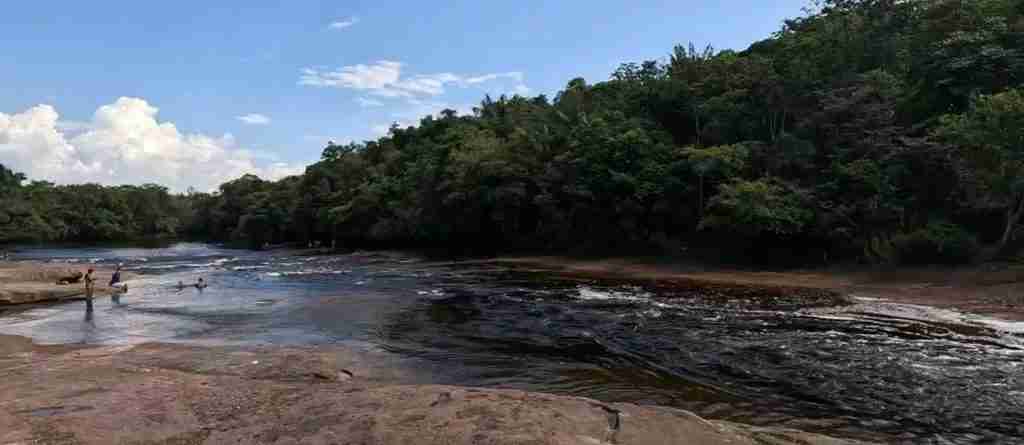
5 days
Manaus 5-Day Highlights Experience
- ✓ Comprehensive Manaus experience
- ✓ Expert local guides included
- ✓ All accommodation included
- ✓ Transportation provided
7 days
Manaus 7-Day Cultural Journey
- ✓ Comprehensive Manaus experience
- ✓ Expert local guides included
- ✓ All accommodation included
- ✓ Transportation provided
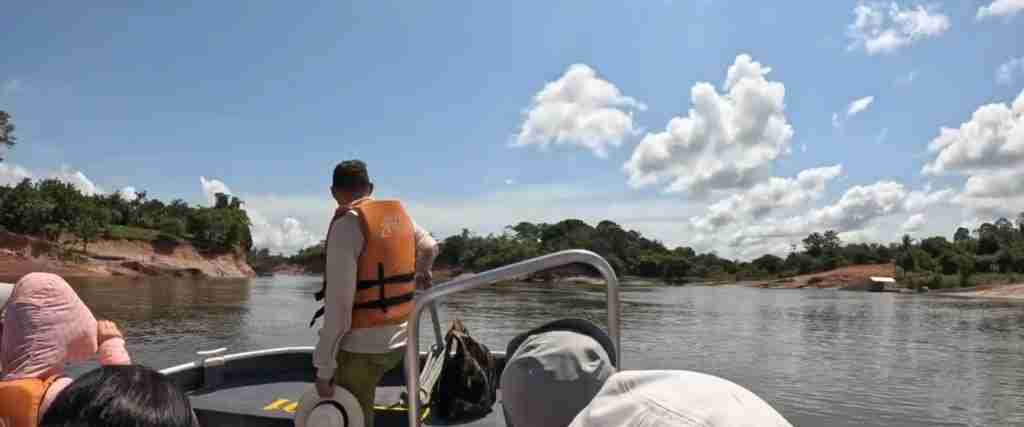
10 days
Manaus 10-Day Complete Adventure
- ✓ Comprehensive Manaus experience
- ✓ Expert local guides included
- ✓ All accommodation included
- ✓ Transportation provided
Multi-day tour packages powered by TourRadar. Prices and availability subject to change.
Essential Planning Information for 2026
Current Costs and Pricing Breakdown 2026
Accommodation prices in Manaus span wide ranges accommodating all budgets. Hostel dormitory beds cost $15-25 per night in neighborhoods like Centro and Adrianópolis, offering basic amenities and social atmospheres. Budget private rooms in simple hotels range $40-60 with air conditioning, private bathrooms, and breakfast. Mid-range hotels charge $80-140 for comfortable rooms with pools, restaurants, and tour desk services. Upscale options like Hotel Villa Amazônia and Juma Opera cost $180-280 for luxury rooms with Amazon views, gourmet dining, and concierge services. Check booking platforms for current rates as prices vary by season and availability.
Dining costs reflect Manaus’s position as a major city with diverse options. Street food and basic restaurants serve meals for $5-10, including regional specialties like tambaqui fish, açaí bowls, and tapioca crepes. Mid-range restaurants charge $15-30 for substantial meals featuring Amazonian ingredients and Brazilian classics. Fine dining establishments at hotels or the Ponta Negra waterfront cost $35-60 per person for multi-course meals with river views and premium service. Supermarket groceries cost 20-30% less than restaurants for travelers preparing simple meals.
City transportation operates on economical fixed rates. Local buses cost R$4.50 ($0.90) per ride throughout the metropolitan area, connecting downtown, airport, and residential zones. Taxis charge $8-15 for most city routes with meters ensuring fair pricing. Uber and 99 ride-sharing services cost 15-25% less than taxis for equivalent distances. Airport transfers run $15-25 to Centro hotels, $20-30 to Ponta Negra beach area. Daily car rentals start at $45-65 for basic vehicles, rising to $80-120 for SUVs suitable for rougher roads leading to jungle access points.
Visa Requirements and Entry Procedures 2026
Brazilian visa requirements for 2026 depend on nationality. United States, Canadian, Australian, and Japanese citizens no longer require advance visas for tourism stays under 90 days, following Brazil’s reciprocal visa waiver program implementation. European Union nationals, UK citizens, and many South American countries enjoy the same visa-free access for tourism purposes. Visitors receive entry stamps at Eduardo Gomes International Airport allowing 90-day stays extendable once for an additional 90 days.
Yellow fever vaccination certificates receive mandatory verification at Brazilian entry points, including Manaus airport. The vaccination must occur at least 10 days before travel, with certificates valid for life following World Health Organization guidelines. Bring physical vaccination documentation as digital records sometimes face scrutiny. Visitors without valid yellow fever proof risk entry denial or mandatory vaccination at the airport with extended processing delays.
Passport validity requirements mandate six months remaining from entry date. Immigration officers enforce this strictly, denying entry to travelers with insufficient passport validity. Keep passport copies separate from originals throughout your Amazon travels, as replacement procedures in Manaus require visiting your country’s consulate in São Paulo or Brasília, adding significant complications to travel plans.
Best Time to Visit Manaus in 2026
Dry Season Advantages (June-November 2026)
The dry season from June through November 2026 delivers optimal conditions for most Amazon activities. Water levels drop 10-15 meters from peak wet season heights, exposing sandy beaches along the Rio Negro perfect for swimming and relaxation. The Ponta Negra beach area becomes a major social hub with beach bars, volleyball courts, and sunset gatherings attracting both tourists and locals. Jungle trekking improves dramatically with drier trails, reduced mud, and easier wildlife tracking on forest floors.
Wildlife viewing peaks during dry season months as animals concentrate around remaining water sources. Riverbank wildlife spotting improves with alligators, capybaras, and river turtles visible on exposed banks. Bird activity intensifies near water bodies, with kingfishers, herons, and jabiru storks gathering at productive fishing spots. Monkeys move through lower canopy levels seeking water, bringing them into easier viewing range from boats and lodge observation platforms.
July and August represent the prime sweet spot within the dry season, with the most stable weather patterns. Temperatures hover around 31°C (88°F) with humidity levels at annual lows, making jungle hiking more comfortable. Rainfall drops to minimal levels—typically 10-15 days per month with brief showers rather than extended downpours. Sunrise occurs around 6:00 AM, sunset near 6:00 PM, providing 12 hours of daylight for activities maximizing your daily exploration time.
Wet Season Opportunities (December-May 2026)
The wet season from December through May 2026 transforms the Amazon experience into a water-based wonderland. River levels rise 10-15 meters, flooding vast forest areas and creating temporary lakes and channels navigable only during these months. Canoe expeditions penetrate deep into flooded forests where boats glide beneath tree canopies, observing wildlife from water level. This unique perspective reveals sloths, monkeys, and birds at eye level as forest floors become waterways.
Fishing improves dramatically during wet season months as water dispersal spreads fish populations throughout flooded forests. Piranha fishing becomes particularly productive in shallow flooded areas, while peacock bass hunting succeeds in lagoons and channels. Amazon river dolphins become more visible and active, following fish into flooded forests and displaying playful behavior near boats. Pink and grey dolphin populations concentrate in areas where fish abundance attracts feeding groups.
January through April brings peak rainfall and highest water levels, creating the most dramatic flooded forest conditions. Rainfall averages 20-25 days per month with afternoon thunderstorms producing 250-300mm monthly totals. Morning hours remain relatively clear, allowing 4-6 hours of dry activity time before predictable afternoon rains. Temperatures stay constant around 27-29°C (81-84°F) with high humidity levels, requiring multiple clothing changes daily and proper rain gear for all outdoor activities.
Urban Attractions and Experiences 2026
Teatro Amazonas and Historic Center 2026
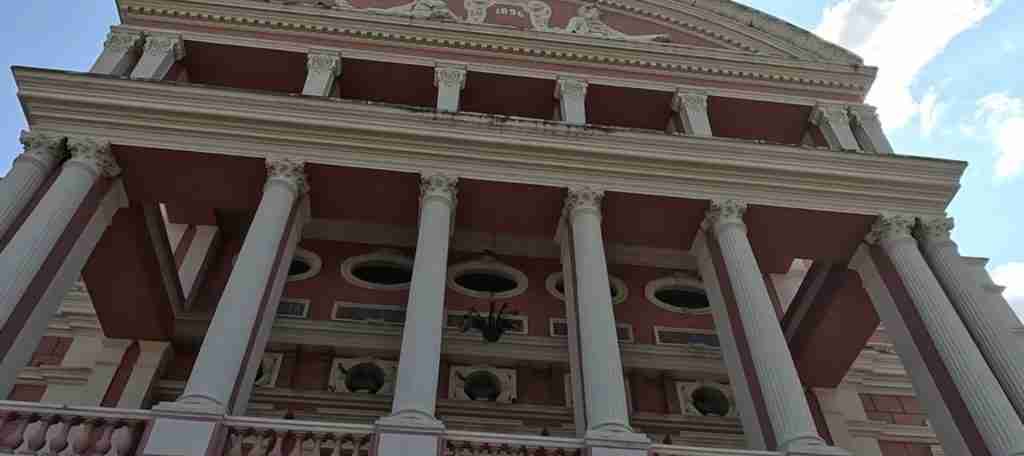
The Teatro Amazonas opera house stands as Manaus’s most iconic landmark, completed in 1896 during the rubber boom’s golden age. This Renaissance-style architectural masterpiece features a distinctive dome covered with 36,000 ceramic tiles in Brazilian flag colors, imported Italian marble staircases, French chandeliers weighing 700 kilograms, and 198 seats upholstered in Louis XV style. Guided tours operate daily 9:00 AM to 5:00 PM, costing R$20 ($4) for adults, R$10 ($2) for students with ID. English-language tours depart hourly, lasting 45 minutes and covering the theater’s construction history, rubber boom wealth, and ongoing cultural programming.
Adjacent to the opera house, the São Sebastião Square features Portuguese pavement mosaics designed by Rio de Janeiro artist Claudius Perronet. The square’s wave pattern design represents the Meeting of Waters phenomenon, connecting the urban space to the natural wonder just 15 kilometers away. Surrounding streets contain preserved rubber baron mansions, now converted to shops, restaurants, and cultural centers showcasing Belle Époque architecture rare in tropical settings.
The Municipal Market (Mercado Municipal Adolpho Lisboa) operates 5:00 AM to 6:00 PM Monday through Saturday, offering the city’s most authentic local atmosphere. The Art Nouveau iron structure, imported from Paris in 1902, houses vendors selling Amazonian fish, exotic fruits, medicinal plants, and regional handicrafts. Sample fresh açaí, cupuaçu, and tucumã fruits while vendors explain their origins and traditional uses. Fish sections display peacock bass, tambaqui, and pirarucu—some specimens exceeding 200 kilograms—demonstrating the Amazon’s remarkable aquatic biodiversity.
Meeting of Waters Phenomenon 2026
The Meeting of Waters occurs where the dark Rio Negro and sandy-brown Rio Solimões converge but don’t immediately mix, flowing side-by-side for 6 kilometers before gradually blending. This natural phenomenon results from different water densities, temperatures, and flow speeds between the two massive rivers. The Negro carries acidic black water moving at 2 kilometers per hour at 28°C, while the Solimões pushes alkaline brown water at 4-6 kilometers per hour at 22°C, creating the visible boundary line.
Tours to the Meeting of Waters depart daily from Marina Tauá-Tauá or Porto Manaus, operating 8:00 AM to 5:00 PM with departures every 1-2 hours. Speedboat tours take 90 minutes round trip, costing R$80-120 ($16-24) including guide commentary and brief swimming stops where brave visitors can straddle both rivers simultaneously. Slower motorboat options run 3-4 hours, costing R$150-200 ($30-40) with additional stops at floating houses and fish feeding demonstrations.
Optimal viewing occurs during dry season months (June-November 2026) when clear skies enhance the color contrast between rivers and lower water levels sharpen the dividing line. Morning departures between 8:00-10:00 AM offer the best light angles for photography, with the sun illuminating the darker Negro river creating maximum visual drama. Afternoon tours face flat lighting conditions reducing the dramatic effect, though they avoid morning heat and encounter fewer tour groups at the confluence point.
MUSA and Forest Science 2026
The Museum of the Amazon (MUSA) combines rainforest conservation with visitor experiences through its 42-meter observation tower and 3-kilometer trail system. Located 25 kilometers north of downtown in the Adolpho Ducke Forest Reserve, the facility operates Tuesday through Sunday 9:00 AM to 5:00 PM. Entry costs R$30 ($6) for adults, R$15 ($3) for students, including tower access and self-guided trail exploration. The observation tower rises through four distinct rainforest layers, with viewing platforms at 14, 28, and 42 meters offering expanding perspectives on the canopy ecosystem.
Educational exhibits on the ground level cover Amazon biodiversity, indigenous cultures, sustainable forest management, and climate research conducted at the reserve. Interactive displays explain complex ecological relationships between trees, fungi, insects, and mammals in accessible formats suitable for all ages. The facility’s bookshop sells high-quality field guides, conservation publications, and Amazon photography books unavailable elsewhere in Manaus.
Trail systems divide into three difficulty levels. The Yellow Trail runs 1 kilometer on boardwalks through flooded forest sections, suitable for all mobility levels and wheelchair accessible. The Red Trail extends 2 kilometers through terra firme (non-flooded) forest with moderate elevation changes and exposed root systems requiring attention. The Blue Trail challenges fit hikers with 3 kilometers of steep sections, stream crossings, and muddy conditions during wet season. Early morning visits (9:00-11:00 AM) offer the best wildlife viewing with bird activity peaking and temperatures remaining comfortable for extended hiking.
Accommodation Strategies for 2026
Budget Options in Manaus 2026
Budget accommodation concentrates in the Centro historic district and Adrianópolis neighborhood, both offering excellent value with walking access to major attractions. Hostel dormitories cost $15-25 per night at properties like Manaus Hostel Club, Chez Les Rois, and Caldeira Hostel. These establishments provide air-conditioned dorms with 4-8 beds, lockers, communal kitchens, and social areas facilitating tour group formation. Private rooms at these hostels run $40-55 with shared bathrooms, while en-suite options cost $60-75.
Budget hotels like Hotel Central and Hotel Krystal maintain clean accommodations with essential amenities. Rooms cost $45-65 with air conditioning, private bathrooms, ceiling fans, and basic breakfast service. The properties lack pools or restaurants but occupy central locations near bus routes and within walking distance to Teatro Amazonas and the Municipal Market. Book directly through property websites for small discounts versus online travel agencies.
The Adrianópolis neighborhood offers quieter budget alternatives slightly removed from downtown’s chaos. Pousadas and small hotels charge $50-75 for private rooms with improved soundproofing and local neighborhood character. These properties sit within 2 kilometers of major attractions, accessible via R$4.50 bus rides or $5-8 Uber trips. Some include small pools and serve regional breakfast items beyond standard bread and cheese offerings.
Mid-Range Comfort and Convenience 2026
Mid-range hotels balance comfort with accessibility, concentrating near Ponta Negra beach and the upscale Vieiralves neighborhood. Properties like Hotel Holiday Inn Manaus, Quality Hotel Manaus, and Intercity Manaus charge $90-140 per night for modern rooms with comfortable beds, work desks, mini-fridges, and reliable WiFi. These hotels include pools, fitness centers, restaurants serving regional cuisine, and tour desks arranging jungle expeditions.
The Ponta Negra beach area provides resort-like atmospheres 12 kilometers from downtown. Hotels here cost $100-160 per night with beach access, multiple restaurants, larger pools, and weekend entertainment. The Blue Tree Premium Manaus and Tropical Manaus Ecoresort offer 4-star amenities with gardens, spas, and organized activities. Taxis to downtown cost $15-20, while buses run frequently for R$4.50, making city exploration manageable despite the distance.
Boutique options like Hotel Villa Amazônia provide enhanced experiences for $140-180 per night. The property occupies a restored rubber baron mansion near Teatro Amazonas, featuring 30 rooms with period furnishings, modern bathrooms, Amazon river views, and personalized service. The on-site restaurant serves contemporary Amazonian cuisine, while the rooftop deck offers sunset viewing over the Rio Negro. Book at least 2-3 months ahead for dry season visits as limited rooms sell out quickly.
Luxury and Premium Experiences 2026
Luxury accommodation in Manaus centers on two distinct options: premium city hotels and exclusive jungle lodges accessible from the city. The Juma Opera in downtown Manaus commands $220-280 per night for spacious suites with river views, premium bedding, rainfall showers, and curated minibars featuring regional products. The property’s rooftop infinity pool overlooks the Meeting of Waters, while the ground-floor restaurant serves tasting menus highlighting Amazon ingredients prepared with contemporary techniques.
The Seringal Hotel Boutique occupies a restored 1920s rubber processing facility in the Educandos riverside district. Rooms cost $180-240 featuring exposed wooden beams, vintage industrial décor, floor-to-ceiling windows overlooking the Rio Negro, and artisan furnishings from local craftspeople. The intimate property houses just 15 rooms ensuring personalized attention, with staff arranging private guides, specialized tours, and exclusive dining experiences throughout Manaus.
Jungle lodges accessible from Manaus offer the ultimate luxury Amazon experiences. The Anavilhanas Jungle Lodge operates 180 kilometers upriver, charging $400-600 per person per night for all-inclusive packages. Guests stay in elevated bungalows with canopy views, gourmet meals featuring Amazon ingredients, naturalist-guided excursions by boat and foot, and spa treatments using forest botanicals. The Cristalino Jungle Lodge, while distant at 1,000 kilometers south, represents the Amazon’s premier luxury option at $800-1,200 per night with world-class wildlife viewing, research facilities, and conservation programs guests can participate in during their stays.
Transportation Within Manaus 2026
Public Transport Systems 2026
The Manaus public bus system operates extensive routes connecting all neighborhoods, running 5:00 AM to midnight on most lines. Fares cost R$4.50 ($0.90) paid in cash when boarding—drivers don’t provide change, so carry exact coins or small bills. Route maps exist at major stops, though Portuguese-only signage challenges non-speakers. Download the Moovit app for real-time bus tracking, route planning, and estimated arrival times in English interface options.
Key tourist routes include Line 120 connecting the airport to Centro historic district (45 minutes, departing every 20 minutes), Line 306 running from Centro to Ponta Negra beach (40 minutes, every 15 minutes), and Line 440 serving MUSA and northern attractions (50 minutes, hourly service). Express routes cost R$7 ($1.40) but save 15-20 minutes on longer distances by making fewer stops. Air-conditioned buses charge R$6 ($1.20) providing relief during hot afternoons.
The BRT (Bus Rapid Transit) system serves major corridors with dedicated lanes ensuring faster, more reliable service than regular buses. The Constantino Nery corridor connects the airport to downtown with stations every 800 meters, operating 5:30 AM to 11:00 PM. Fares match regular buses at R$4.50 but travel times decrease 30-40% compared to mixed-traffic routes. The system uses prepaid cards available at stations requiring R$10 ($2) initial deposit plus fare amounts.
Taxis and Ride-Sharing Services 2026
Licensed taxis operate throughout Manaus with regulated metered fares ensuring predictable costs. Base fares start at R$5.50 ($1.10) plus R$3.20 ($0.65) per kilometer traveled. Airport to Centro hotels costs $15-20 (20-25 minutes), Centro to Ponta Negra runs $20-25 (25-30 minutes), city center to MUSA charges $25-30 (30-35 minutes). Taxis accept cash only—ATMs at the airport, hotels, and shopping centers provide Brazilian reais for fare payments.
Uber and 99 (a Brazilian ride-sharing app) offer services 15-25% cheaper than traditional taxis with added convenience of English-language apps, cashless payment, and driver ratings ensuring service quality. UberX costs $12-18 for airport transfers, $15-22 for Ponta Negra trips, and $20-28 for MUSA excursions. The 99 app often provides better pricing during peak hours through surge pricing caps not implemented by Uber. Both apps function reliably with Brazilian mobile data or hotel WiFi for booking rides.
Mototaxis (motorcycle taxis) operate throughout the city for quick, economical transport on shorter routes. Rides cost R$10-25 ($2-5) for distances under 5 kilometers, with drivers identifiable by numbered vests and registered motorcycles. While fast and cheap, mototaxis carry safety concerns—insist on helmets (legally required), avoid riding in rain, and decline if the driver appears intoxicated or reckless. Most hotels and restaurants can call trusted mototaxi drivers for guests, providing safer options than hailing on streets.
Car Rental and Self-Drive Options 2026
Rental cars provide flexibility for exploring Manaus and surrounding areas independently, though they’re unnecessary for visitors focusing only on city attractions and organized jungle tours. Major agencies like Localiza, Movida, and Unidas maintain airport and downtown locations, charging $45-65 daily for economy cars, $65-85 for mid-size sedans, and $90-120 for SUVs suitable for unpaved roads leading to some jungle lodges and river access points.
Brazilian rental requirements include international driver’s licenses for non-Brazilian nationals, though many agencies accept home country licenses with passport as backup identification. Minimum age varies by company—typically 23-25 years with clean driving records. Credit cards are mandatory for deposits, which range $300-600 depending on vehicle category and insurance options selected. Full insurance coverage costs an additional $20-30 daily but eliminates most liability concerns.
Driving in Manaus requires adaptation to aggressive Brazilian traffic patterns. Motorcycles weave through lanes unpredictably, buses stop abruptly without signaling, and traffic lights receive only partial attention from local drivers. Downtown parking costs R$10-20 ($2-4) for 2-3 hours at attended lots, while hotel parking adds R$25-40 ($5-8) to nightly rates. GPS navigation works reliably, though street signage often disappears in older neighborhoods requiring heightened attention to digital directions.
Amazon Jungle Access from Manaus 2026
Day Tour Options and Logistics 2026
Day tours from Manaus provide introduction to Amazon ecosystems without overnight jungle stays. Most operators depart 7:30-8:30 AM from hotels or central meeting points, returning 4:30-5:30 PM after 8-9 hours in the forest. Tours cost $80-150 per person including hotel transfers, boat transport, English-speaking guides, lunch, and basic activities like canoe trips, jungle walks, and piranha fishing. Groups typically contain 8-15 people, though private tours for 2-4 people cost $200-300 per person with enhanced flexibility.
Standard day tours follow similar patterns: 45-minute speedboat ride to jungle access points, 2-hour morning canoe trip through flooded forests or small tributaries, 1-hour jungle walk introducing medicinal plants and survival techniques, riverside lunch featuring grilled fish and regional sides, afternoon wildlife spotting by boat, and brief village visits to indigenous or caboclo communities. Swimming stops occur at safe river sections away from strong currents, allowing refreshing dips in warm Amazon waters.
Enhanced day tours cost $120-180 and include additional activities like visiting rescue centers housing orphaned wildlife, exploring deeper forest trails, or learning traditional fishing techniques from local experts. Some operators offer sunrise departure options (5:30 AM) catching the forest awakening with peak bird activity and wildlife movement. These early tours return by 2:00 PM, leaving afternoons free for city exploration or rest.
Multi-Day Lodge Packages 2026
Amazon jungle lodges offer immersive experiences ranging from 2 nights to 2 weeks, with most visitors choosing 3-5 night stays balancing depth of experience with time and budget considerations. All-inclusive packages cost $200-400 per person per day covering accommodation, all meals, guided activities, and transfers from Manaus. Premium eco-lodges charge $450-600 daily for enhanced amenities, smaller group sizes, and specialized guides with advanced English proficiency and deeper ecological knowledge.
The Juma Amazon Lodge, located 100 kilometers southeast of Manaus, operates 19 elevated bungalows overlooking a lake system. Three-night packages cost $850-1,100 per person including twice-daily guided activities: sunrise canoe trips, forest treks, nocturnal wildlife spotting, fishing expeditions, and village visits. The lodge generates electricity through solar panels, treats wastewater through natural filtration, and employs local communities as guides and hospitality staff, supporting sustainable tourism models.
Anavilhanas Lodge sits within the Anavilhanas Archipelago—the world’s largest river archipelago containing 400+ islands. Four-night packages run $1,400-1,800 per person with boat-based exploration of island channels, overnight camping experiences in the forest, visits to research stations studying river dolphins, and kayaking through narrow waterways inaccessible to larger vessels. The lodge’s location 180 kilometers from Manaus reduces light and noise pollution, enhancing night sky viewing and jungle sound experiences impossible closer to the city.
Booking Strategies and Timing 2026
Booking Amazon lodge experiences 4-6 months ahead of 2026 dry season visits (June-November) ensures availability at preferred properties and secures early booking discounts of 10-15%. Popular lodges like Juma, Anavilhanas, and Amazon Ecopark limit capacity to 40-60 guests maintaining intimate atmospheres and minimizing environmental impact. July and August sell out first, with September and October following closely as shoulder season bargain hunters recognize excellent conditions at lower prices.
Wet season bookings (December-May) offer greater flexibility with lodges accepting reservations 2-3 months ahead or even shorter notice periods. Operators discount packages 15-25% during these months, making high-quality jungle experiences more accessible to budget-conscious travelers. Some lodges close entirely during peak flood months (March-April) when access becomes difficult, so confirm operational status before booking wet season trips.
Direct booking through lodge websites sometimes provides better rates than third-party platforms, saving 5-10% on equivalent packages. However, third-party sites offer customer service advantages, booking protection, and consolidated reviews helping evaluate quality before purchasing. Read recent reviews carefully—older feedback may not reflect current conditions as lodges change management, update facilities, or alter activity programs affecting guest experiences significantly.
Sample Manaus Itineraries for 2026
3-Day City Focus Itinerary 2026
Day 1 – Historic Center and Opera House: Begin at Teatro Amazonas for the 10:00 AM English-language guided tour ($4), spending 60 minutes exploring the opera house and learning rubber boom history. Walk 5 minutes to São Sebastião Square for the outdoor market and Belle Époque architecture. Lunch at Tambaqui de Banda restaurant ($15-25) sampling regional fish specialties. Afternoon visit to the Municipal Market (free entry) exploring exotic fruits, medicinal plants, and handicraft sections. Evening stroll along the Ponta Negra waterfront watching sunset over the Rio Negro. Teatro Amazonas tour $4, lunch $20, dinner $25, local transportation $8. Total day cost: $57 per person (excluding accommodation).
Day 2 – Meeting of Waters and River Culture: Join 8:00 AM speedboat tour to the Meeting of Waters ($20), departing from Marina Tauá-Tauá. The 3-hour tour includes confluence viewing, swimming stop, and floating house visits. Return to city by 11:30 AM. Lunch at Banzeiro restaurant ($25-35) featuring contemporary Amazonian cuisine. Afternoon visit to the Museum of the Amazon (MUSA) including the 42-meter observation tower ($6 entry, $15 taxi each way). Evening free for shopping at Manauara Shopping or relaxing at hotel. Meeting of Waters tour $20, lunch $30, MUSA entry and transport $36. Total day cost: $86 per person (excluding accommodation).
Day 3 – Day Trip to Amazon Jungle: Full-day jungle tour ($120) departing 7:30 AM with hotel pickup. Activities include canoe trip through flooded forest, 2-hour jungle walk, traditional lunch, piranha fishing, and wildlife spotting. Return to hotel around 5:30 PM. Evening farewell dinner at Banzeiro or Caxiri restaurant ($30-40) celebrating your Amazon introduction. Jungle day tour $120, dinner $35, drinks $15. Total day cost: $170 per person (excluding accommodation).
Three-Day City Focus Total: Day costs $57 + $86 + $170 = $313 per person excluding accommodation. Add $180-420 for 3 nights accommodation depending on budget level (hostel $60, mid-range $210, luxury $420), bringing total trip cost to $493-733 per person for comprehensive Manaus city experience with jungle introduction.
5-Day Combination City and Jungle Itinerary 2026
Days 1-2 – City Orientation: Follow Day 1 and Day 2 from the 3-Day itinerary above, covering Teatro Amazonas, Meeting of Waters, MUSA, and essential city attractions. Two-day costs: $143 per person for activities and meals.
Days 3-5 – Three-Day Jungle Lodge Experience: Transfer to jungle lodge on Day 3 morning (typically 8:00 AM departure). Three-day, two-night lodge package ($650-1,100 per person) includes all meals, guided activities, and accommodation. Programs feature sunrise canoe trips, forest trekking, nocturnal wildlife spotting, fishing expeditions, village visits, and swimming in safe river locations. Return to Manaus on Day 5 evening (typically 5:00 PM arrival). Final evening in Manaus for celebration dinner ($35) and last-minute shopping.
Five-Day Combination Total: City days $143 + jungle lodge package $875 (mid-range option) + final dinner $35 = $1,053 per person. Add $240-560 for 3 nights city accommodation (two nights before jungle, one night after), bringing total trip cost to $1,293-1,613 per person for balanced Manaus and Amazon jungle experience.
7-Day Comprehensive Amazon Immersion 2026
Days 1-2 – Manaus Foundation: Teatro Amazonas tour, Meeting of Waters expedition, MUSA forest reserve exploration, and historic center wandering. Establish baseline understanding of Amazon region through museums, markets, and cultural sites. Two-day city costs: $143 per person.
Days 3-6 – Extended Jungle Lodge Stay: Four-day, three-night lodge package ($1,050-1,500 per person) providing deeper forest immersion. Extended stays allow visiting distant jungle areas, overnight camping experiences, research station tours, and developing relationships with guides enabling specialized activities based on interests. Multi-day stays reveal Amazon’s rhythms impossible to appreciate in single-day visits—experiencing dawn chorus across multiple mornings, tracking animal movements, and understanding seasonal flood cycles firsthand.
Day 7 – Return and Reflection: Return from lodge mid-morning (typical 10:00 AM-12:00 PM arrival in Manaus). Afternoon rest, souvenir shopping at handicraft markets or Manauara Shopping, organizing photos and journal entries. Farewell dinner at premium restaurant ($50-60) celebrating your Amazon adventure. Day 7 costs: $70 per person for meals and shopping.
Seven-Day Comprehensive Total: City days $143 + extended lodge package $1,275 (mid-range option) + final day $70 = $1,488 per person. Add $360-840 for 4 nights city accommodation, bringing total trip cost to $1,848-2,328 per person for complete Amazon experience balancing urban culture with extended wilderness immersion.
Money-Saving Strategies for 2026
Advance Booking Benefits 2026
Booking jungle lodge packages 5-6 months ahead of 2026 dry season travel secures early bird discounts of 10-20% compared to rates charged 1-2 months before arrival. The Juma Amazon Lodge offers 15% discounts for bookings confirmed 180 days ahead with full payment, saving $130-165 on typical 3-night packages. Anavilhanas Lodge provides 12% reductions for early commitments, while smaller operators discount 10% for advance bookings with 50% deposits.
Flight prices to Manaus follow clear advance purchase patterns. Booking 90-120 days ahead of travel dates saves 25-40% compared to tickets purchased 2-3 weeks before departure. São Paulo-Manaus routes show the steepest advance purchase benefits, with prices rising 35-50% during final booking weeks. Use Google Flights or Skyscanner price alert features monitoring target routes, buying when prices dip below average historical levels.
Hotel chains like Holiday Inn and Intercity offer “book direct” discounts of 10-15% compared to third-party booking sites when reserving through official websites. Additional perks include room upgrades subject to availability, late checkout privileges, and free breakfast additions. Sign up for loyalty programs before booking—even first-time members receive discounted rates and bonus points accelerating future savings.
Seasonal Pricing Advantages 2026
Visiting during shoulder months (May-June and November-December 2026) provides significant savings while maintaining good weather conditions. Hotel rates drop 20-30% compared to peak July-August pricing, with mid-range properties charging $65-95 versus peak season $90-140. Jungle lodges discount packages 15-25%, making premium experiences accessible at mid-range budgets. May offers particular value as dry season conditions begin but peak season pricing hasn’t yet started.
Wet season travel (January-April 2026) maximizes savings for flexible travelers unconcerned about occasional rain. Accommodation costs drop 30-40% from peak levels, with quality mid-range hotels available for $55-80 versus dry season $90-140. Jungle tours discount 20-30%, and many operators throw in extra activities or extended programs at standard package prices. The trade-off includes more rainfall and fewer beach opportunities, but flooded forest exploration provides unique wet season advantages.
Weekly timing affects city costs minimally but impacts jungle tour pricing significantly. Monday-Thursday departures for multi-day lodge packages cost 10-15% less than Friday-Sunday departures catering to weekend travelers. Some operators offer midweek specials combining shorter stays (2 nights) at prices approaching day tour costs, providing overnight jungle experiences at exceptional value for time-constrained visitors.
Budget Optimization Techniques 2026
Eating like locals cuts meal expenses 40-60% compared to tourist-oriented restaurants. Regional restaurants serving working-class clientele charge $5-10 for substantial meals including grilled fish, rice, beans, salad, and fruit juice. The lunch buffets called “comida por kilo” (food by weight) operate throughout Manaus, charging $8-12 for self-serve plates you fill as much as desired. Supermarkets sell prepared foods, fresh fruits, bread, and cheese for $15-20 covering full-day eating at 50-70% savings versus restaurant dining.
Public transportation replaces taxis for all non-urgent trips, saving $80-120 over typical week-long stays. The $0.90 bus fares combined with Uber for occasional convenience trips reduces transportation budgets to $30-40 weekly versus $110-160 spending exclusively on taxis. Download Moovit for bus routes and 99 for ride-sharing—the combination provides comprehensive coverage at minimal cost.
Joining group jungle tours rather than booking private expeditions saves 50-70% on day trip costs. Shared tours cost $80-120 per person while private tours for two people run $400-600 total ($200-300 per person). The trade-off includes less flexibility and potentially larger groups (10-15 people), but guides provide equal attention and activities remain identical. Most hotels facilitate tour group formation, connecting solo travelers and couples into shared bookings maximizing savings while maintaining social experiences.
Practical Tips for Your 2026 Visit
Health and Safety Considerations 2026
Yellow fever vaccination remains mandatory for Manaus travel, required at entry and checked at the airport. Schedule vaccination at least 10 days before departure as this represents the minimum time for immunity development. Bring physical yellow vaccination cards as digital records sometimes face scrutiny. The vaccination provides lifetime protection following World Health Organization current guidelines—previous 10-year expiration rules no longer apply.
Malaria risk in Manaus city itself remains minimal, but jungle lodge visits require prophylaxis consideration. Consult travel medicine specialists 6-8 weeks before departure, discussing your specific itinerary and health conditions. Doxycycline represents the most common prophylaxis, taken daily from 1-2 days before jungle entry through 4 weeks after leaving. Alternatives include Malarone (atovaquone-proguanil) for shorter courses or weekly mefloquine for extended stays. Insect repellent containing 25-30% DEET provides essential protection—apply every 4-6 hours during jungle activities.
Dengue fever poses greater risk than malaria in urban Manaus, transmitted by day-biting Aedes mosquitoes. No vaccination or prophylaxis exists, making insect repellent your primary defense. Wear long sleeves and pants during dawn and dusk peak mosquito activity hours. Hotel air conditioning and mosquito nets reduce indoor exposure. Symptoms include sudden high fever, severe headache, joint pain, and rash—seek medical attention immediately if these develop during or after your visit.
Communication and Connectivity 2026
Portuguese represents the primary language throughout Manaus, with English proficiency limited to tourism sector employees at hotels, tour operators, and major attractions. Learning basic Portuguese phrases—greetings, numbers, please/thank you—significantly improves interactions with taxi drivers, restaurant staff, and market vendors. Download Google Translate app with Portuguese language pack for offline use throughout the city, using camera translation for menu reading and text conversations.
Mobile connectivity requires either purchasing local SIM cards or activating international roaming plans. Brazilian SIM cards from carriers like Vivo, Claro, and TIM cost $15-30 for tourist packages including 10-20GB data, 100+ minutes calling, and 30-day validity. Purchase at the airport or shopping centers—bring passport for registration. International roaming from US, European, and Australian carriers costs $10-15 daily for data access, adding up quickly over longer stays where local SIM purchases provide better value.
WiFi availability varies by location. Most hotels, restaurants, and shopping centers provide free wireless access with reasonable speeds for email, messaging, and web browsing. Jungle lodges offer limited or no connectivity—many deliberately avoid WiFi encouraging guest immersion in nature. Inform family and friends about communication blackouts during multi-day jungle stays, sending final messages before departing and resuming contact upon return to Manaus.
Cultural Etiquette and Local Customs 2026
Brazilian social culture emphasizes warmth and physical contact in greetings. Men shake hands firmly while maintaining eye contact. Women exchange kisses on both cheeks—right cheek first, then left—even with new acquaintances. The physical proximity feels closer than North American or Northern European norms, with personal space boundaries more relaxed. Pulling away or maintaining distance reads as cold or unfriendly, so embrace these cultural differences with open attitudes.
Dining customs follow relaxed Brazilian patterns. Meals represent social occasions rather than efficiency-focused feeding times. Lunch often extends 1-2 hours with multiple courses and conversation. Restaurants don’t rush diners—request the bill actively rather than waiting for automatic delivery. Tipping runs 10% automatically added to bills as “service charge” (taxa de serviço or couvert). Additional tipping remains optional but appreciated for exceptional service—round up small amounts or add 5% extra for outstanding experiences.
Photography in public spaces faces few restrictions, though obtaining permission before photographing indigenous people or local communities shows respect. Many jungle lodge visits include village interactions—always ask permission before taking photos, and consider purchasing handicrafts as reciprocity for photos taken. Market vendors may object to photography of their stalls without purchases—buy something small or ask politely rather than photographing freely.
Planning Your 2026 Manaus Adventure
Essential Documentation and Preparation 2026
Create comprehensive document backups before departing. Scan passport, yellow fever certificate, travel insurance policy, flight confirmations, hotel reservations, and tour bookings. Email copies to yourself and save files on cloud storage accessible via phone and laptop. Carry physical copies separate from originals—keep one set in checked luggage, another in carry-on bags, providing redundancy if bags are lost or stolen.
Travel insurance covering medical evacuation represents essential protection for Amazon travel. Jungle lodge medical emergencies may require helicopter evacuation to Manaus hospitals, costing $15,000-25,000 without insurance coverage. Comprehensive policies through providers like World Nomads, Allianz, or SafetyWing cost $50-100 for week-long trips, covering medical treatment, evacuation, trip cancellation, and lost baggage. Read policy details carefully—some exclude adventure activities like canoe trips or jungle trekking requiring additional riders.
Pack appropriate clothing for tropical rainforest conditions: lightweight, quick-dry shirts and pants, waterproof jacket, sun hat, comfortable hiking shoes, sandals for lodge use, swimsuit for river activities, and one set of nicer clothes for city dining. Bring high-SPF sunscreen, insect repellent (25-30% DEET), personal medications with extra days supply, headlamp or flashlight for jungle lodge stays, and power bank for phone charging during days away from outlets.
Booking Official Channels and Resources 2026
Book flights through official airline websites or established consolidators like Google Flights, Skyscanner, or Kayak. LATAM (latam.com), Gol (voegol.com.br), and Azul (voeazul.com.br) represent Brazil’s primary domestic carriers serving Manaus. Compare prices across carriers and booking platforms—sometimes airline direct booking provides better cancellation policies despite slightly higher prices than third-party sites.
Jungle lodge bookings benefit from direct website reservations when possible. Juma Amazon Lodge (jumaamazonlodge.com), Anavilhanas Lodge (anavilhanaslodge.com), and Amazon Ecopark (amazonecoPark.com.br) maintain English-language booking systems with detailed package descriptions, transparent pricing, and direct communication channels. Third-party platforms like Viator or GetYourGuide offer customer service advantages and consolidated reviews but may add 10-15% markup over direct booking prices.
The official Manaus tourism website (visitamazonas.am.gov.br) provides event calendars, attraction information, and downloadable city maps, though content remains primarily Portuguese-language. TripAdvisor forums contain English-language trip reports, current condition updates, and specific advice from recent visitors. Join Amazon travel Facebook groups for real-time information sharing and connecting with other travelers planning similar 2026 itineraries.
Frequently Asked Questions About Manaus 2026
Is Manaus safe for tourists in 2026?
Manaus maintains moderate safety levels for tourists exercising normal urban precautions. The historic center and Ponta Negra beach area remain generally safe during daylight hours, with police presence around major attractions. Avoid displaying expensive jewelry, cameras, or phones unnecessarily. Use hotel safes for passports and excess cash. Take taxis or Uber rather than walking at night, particularly in unfamiliar neighborhoods. Organized tours with reputable operators ensure security during jungle excursions.
How much time should I spend in Manaus versus jungle lodges?
Allocate 2-3 days for Manaus city attractions and 3-5 days for jungle lodge experiences in typical week-long trips. This balance allows experiencing both urban Amazon culture and wilderness immersion without feeling rushed. Shorter trips of 4-5 days can include 1-2 city days plus 2-3 lodge nights. Extended visits of 10-14 days permit multiple jungle locations, deeper city exploration, and day trips to outlying attractions like Presidente Figueiredo waterfalls.
Can I visit the Amazon rainforest without staying at expensive lodges?
Day tours from Manaus provide affordable Amazon access at $80-150 per person including transportation, guide, lunch, and activities. Multiple day tours over several days cost less than overnight lodge stays while covering diverse ecosystems and experiences. Budget lodges and community-based tourism programs charge $100-200 per person per day for basic accommodation and guided activities, significantly less than premium eco-lodges. Camping tours offer 2-3 night experiences for $300-450 total including all meals and equipment.
What wildlife can I realistically expect to see around Manaus?
Commonly observed wildlife includes pink and grey river dolphins, caimans, capybaras, various monkey species (squirrel, howler, capuchin), macaws, toucans, kingfishers, herons, and numerous smaller bird species. Sloths appear occasionally in trees near lodges and along river edges. Piranhas and peacock bass represent frequent catches during fishing activities. Jaguars, tapirs, and giant river otters exist in the region but sightings remain rare without specialized tracking efforts or visits to more remote locations.
Is the Amazon rainforest accessible year-round from Manaus?
Yes, jungle lodges and day tours operate throughout the year, though conditions and experiences change dramatically between seasons. Dry season (June-November) enables land-based hiking and beach activities. Wet season (December-May) focuses on water-based exploration of flooded forests. Some remote lodges close during peak flood months (March-April) when access becomes difficult, but operations near Manaus remain open with adjusted activity programs suitable for higher water levels.
Do I need Portuguese language skills to visit Manaus?
Basic Portuguese phrases help significantly, but English-speaking tourists manage successfully using translation apps, hotel assistance, and booking tours with English-speaking guides. Major hotels, established tour operators, and tourism attractions employ English-speaking staff. Restaurants in tourist areas offer English menus or picture menus. Download Google Translate with Portuguese language pack for offline translation of signs, menus, and basic conversations with non-English speakers.
What’s the best month to visit Manaus in 2026?
July and August 2026 represent peak months combining excellent weather, prime wildlife viewing, and optimal conditions for all activities. September offers similar benefits with fewer crowds and lower prices. June provides transition season advantages as dry conditions begin but peak rates haven’t started. November delivers shoulder season value with mostly dry conditions and significant discounts. Avoid March-April if rain bothers you, as these months see the heaviest precipitation and highest river levels.
Can I drink tap water in Manaus?
Tap water in Manaus fails to meet international potable water standards. Use bottled water for drinking, brushing teeth, and preparing foods. Restaurants and hotels serve safe filtered or bottled water—request “água mineral” rather than accepting tap water in glasses. Jungle lodges provide treated drinking water in communal containers or individual bottles. Budget $3-5 daily for bottled water purchases if self-catering or lodging at properties without included drinking water.
What vaccinations do I need for Manaus beyond yellow fever?
Yellow fever remains the only mandatory vaccination. Recommended but optional vaccinations include hepatitis A and B, typhoid, and routine updates to tetanus-diphtheria. Consult travel medicine specialists 6-8 weeks before departure for personalized recommendations based on your health status, planned activities, and visit duration. Ensure routine vaccinations remain current—measles, mumps, rubella, and annual influenza vaccinations provide basic protection applicable beyond Amazon travel.
How much cash should I carry in Manaus?
Bring $300-500 in US dollars convertible to Brazilian reais at exchange offices (casas de câmbio) offering better rates than airport currency exchanges. Major hotels, restaurants, and tour operators accept credit cards, but markets, taxis, buses, and small shops require cash. Withdraw reais from ATMs as needed—Banco do Brasil and Bradesco machines accept international cards with reasonable fees. Carry R$200-300 ($40-60) daily cash for meals, transportation, and small purchases, keeping larger amounts in hotel safes.